A Rainy Day at Takahata-Fudoson
The weather forecast promised a perfect, partially cloudy day for photography in June 2022. When I boarded the train at Takaido, the sky agreed. But by the time I arrived at Takahata-Fudoson temple, a fine drizzle had begun to fall.
My weather app was wrong, I had no umbrella, and a 40-minute train ride separated me from home. Instead of packing up, I decided to embrace it. After all, I had my weather-resistant camera, and the temple’s famous hydrangeas were waiting.
Exploring Takahata-Fudoson Temple
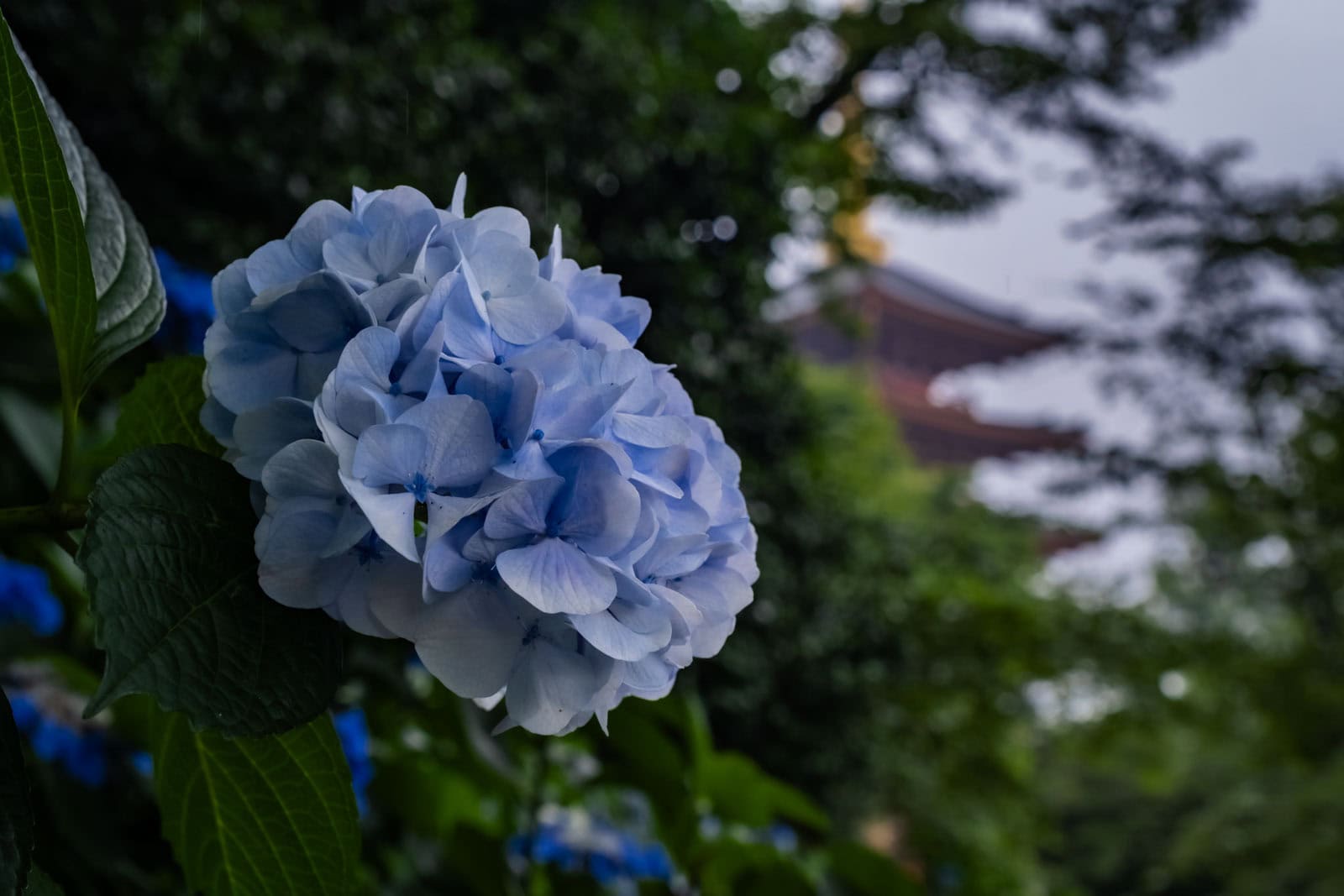
Located in Tokyo’s Hino City, Takahata-Fudoson is one of the Kanto region’s most important Fudo temples. While it’s known for several seasonal festivals, including chrysanthemums in November, its main draw during the rainy season is the thousands of hydrangeas.
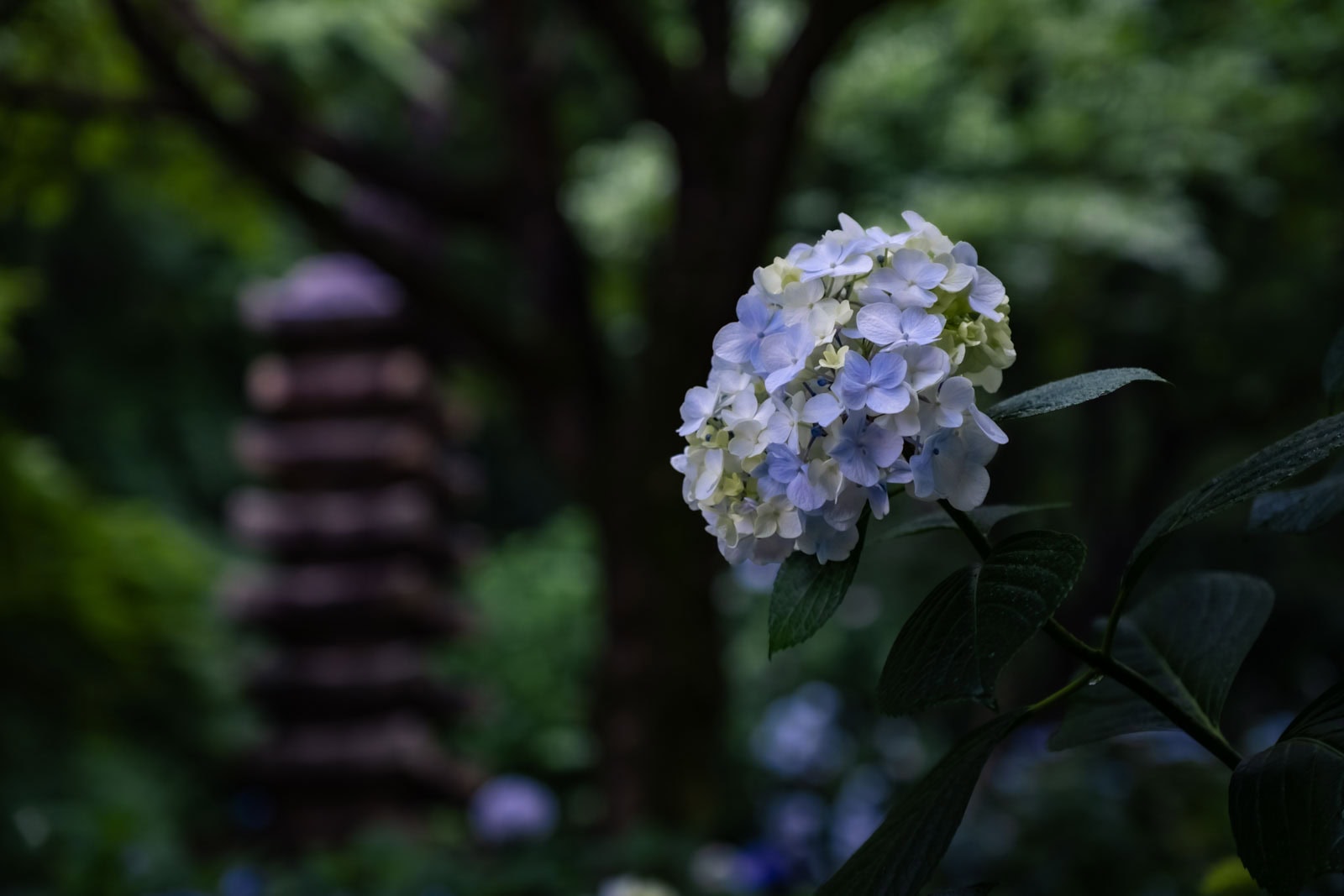
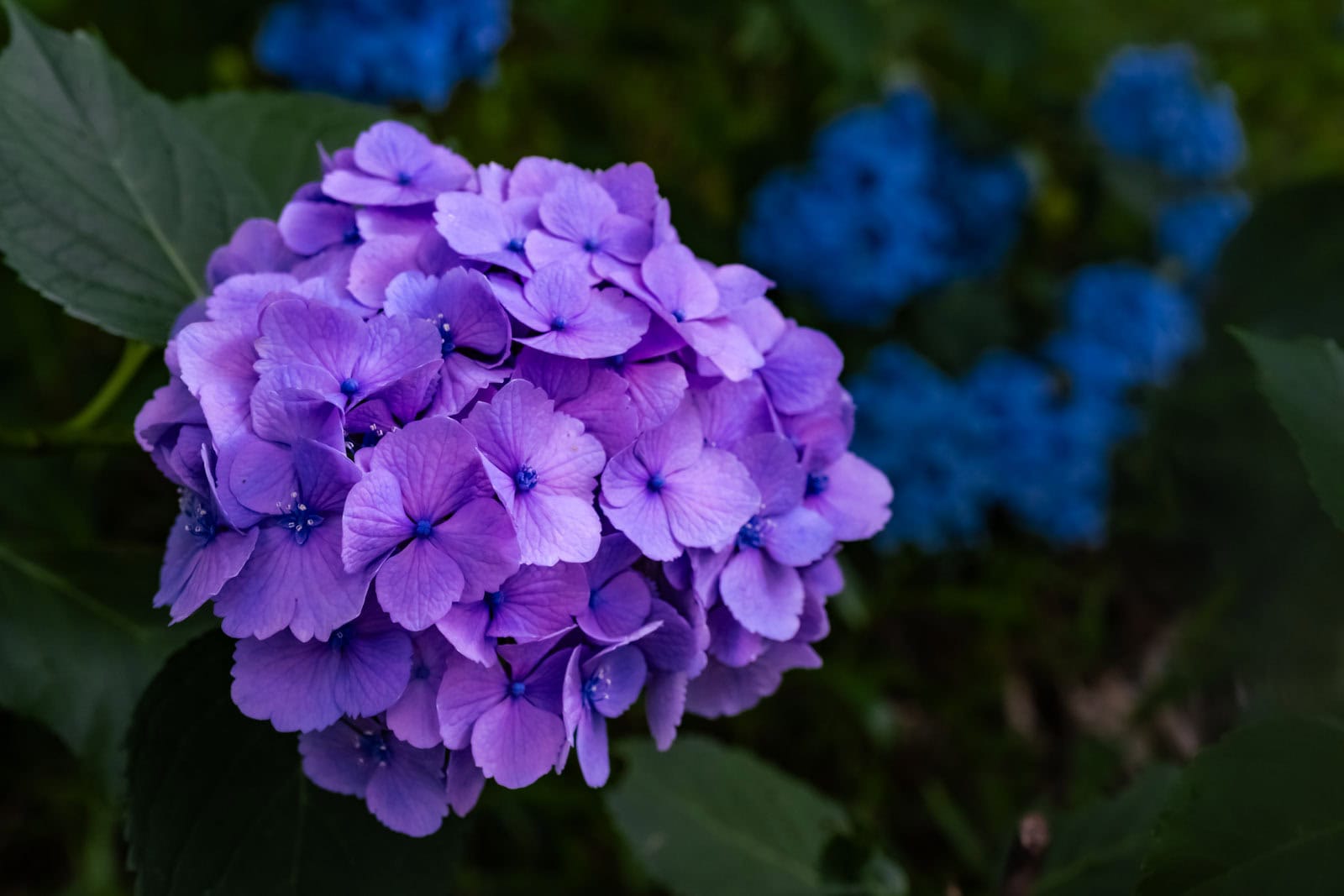
The plants bloom across the temple’s grounds and the hillside behind it. Unlike the manicured gardens of Hakusan Shrine, the hydrangeas here grow wild, creating a more natural and immersive landscape to explore.
Flowers & stone Jizo statues
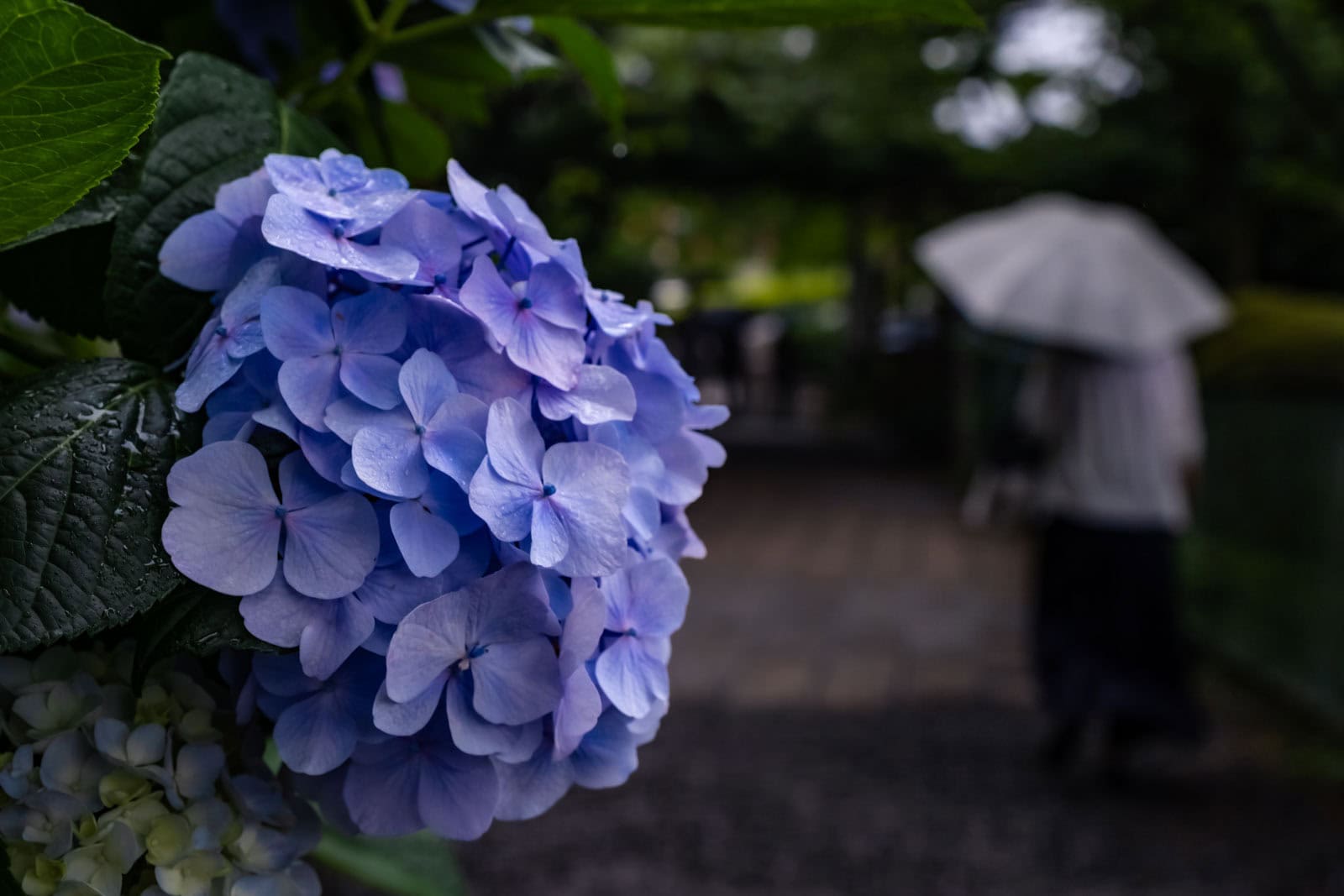
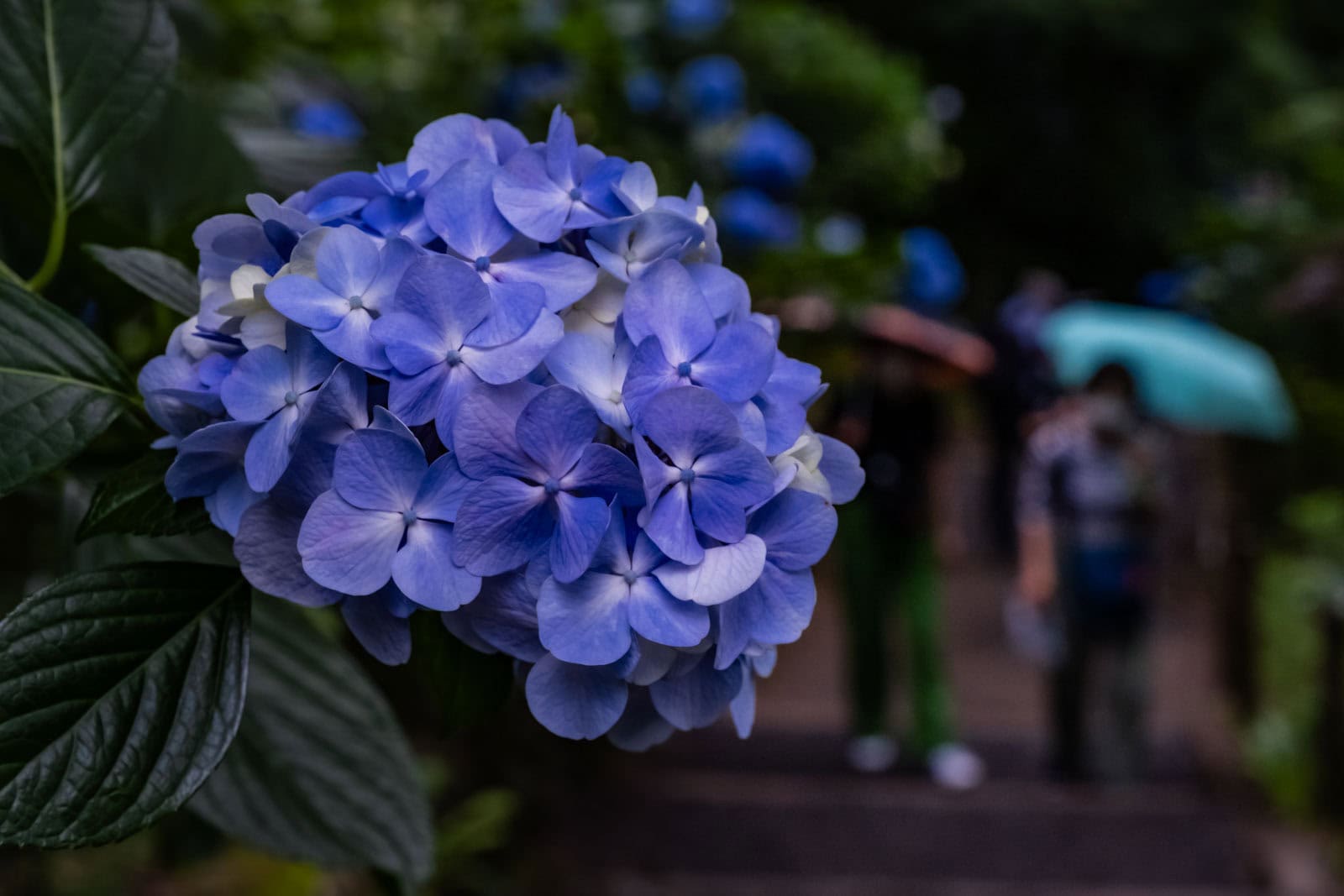
My walk began, dodging raindrops under the thick canopy of trees. The path winds up the hill behind the main temple buildings, where the hydrangeas are most dense.
Tucked amongst the vibrant blooms on the hills are the eighty-eight Jizo statues. This trail is a miniature version of the famous 88-temple pilgrimage in Shikoku, which can take months to complete; here, you can experience it in about an hour.
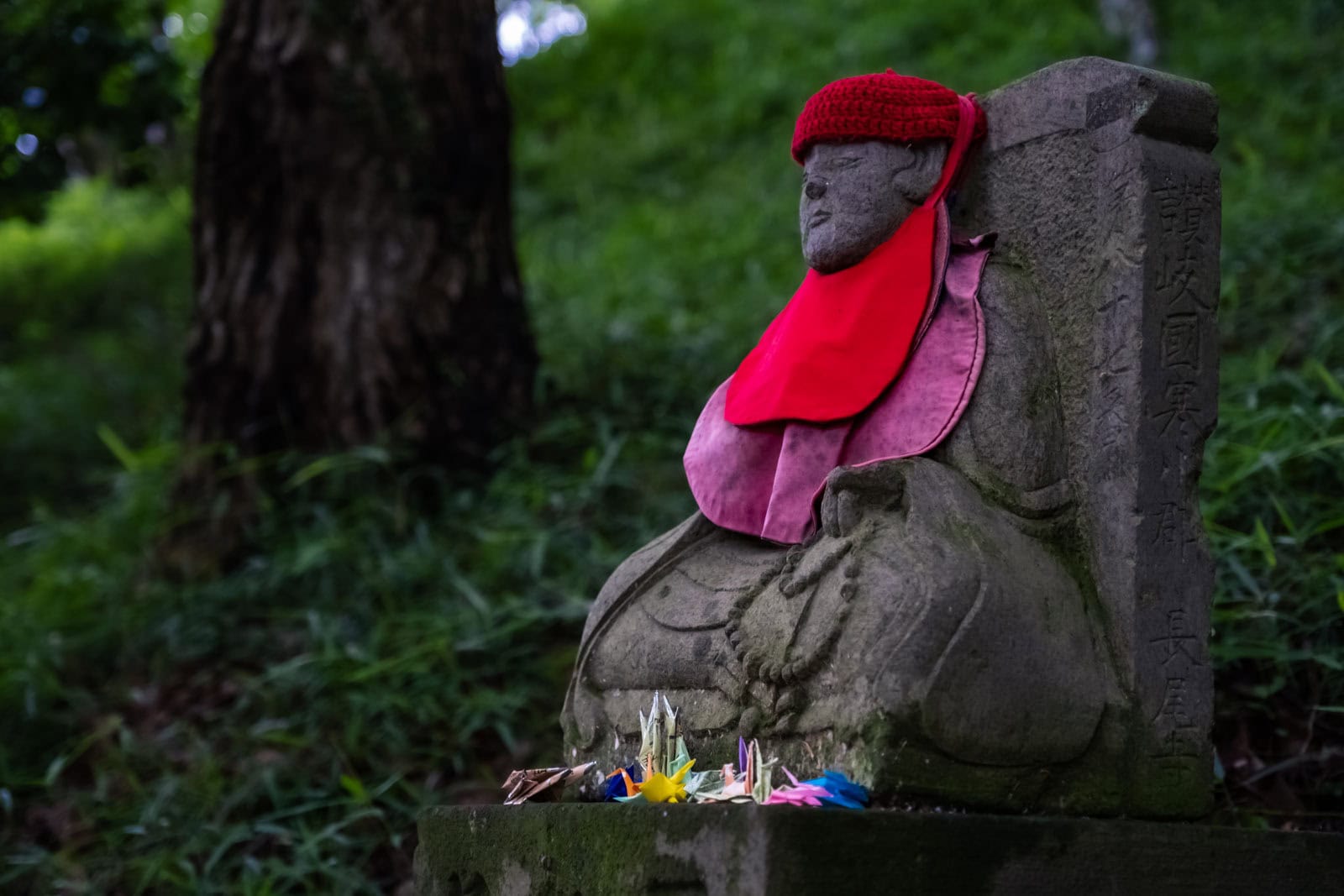
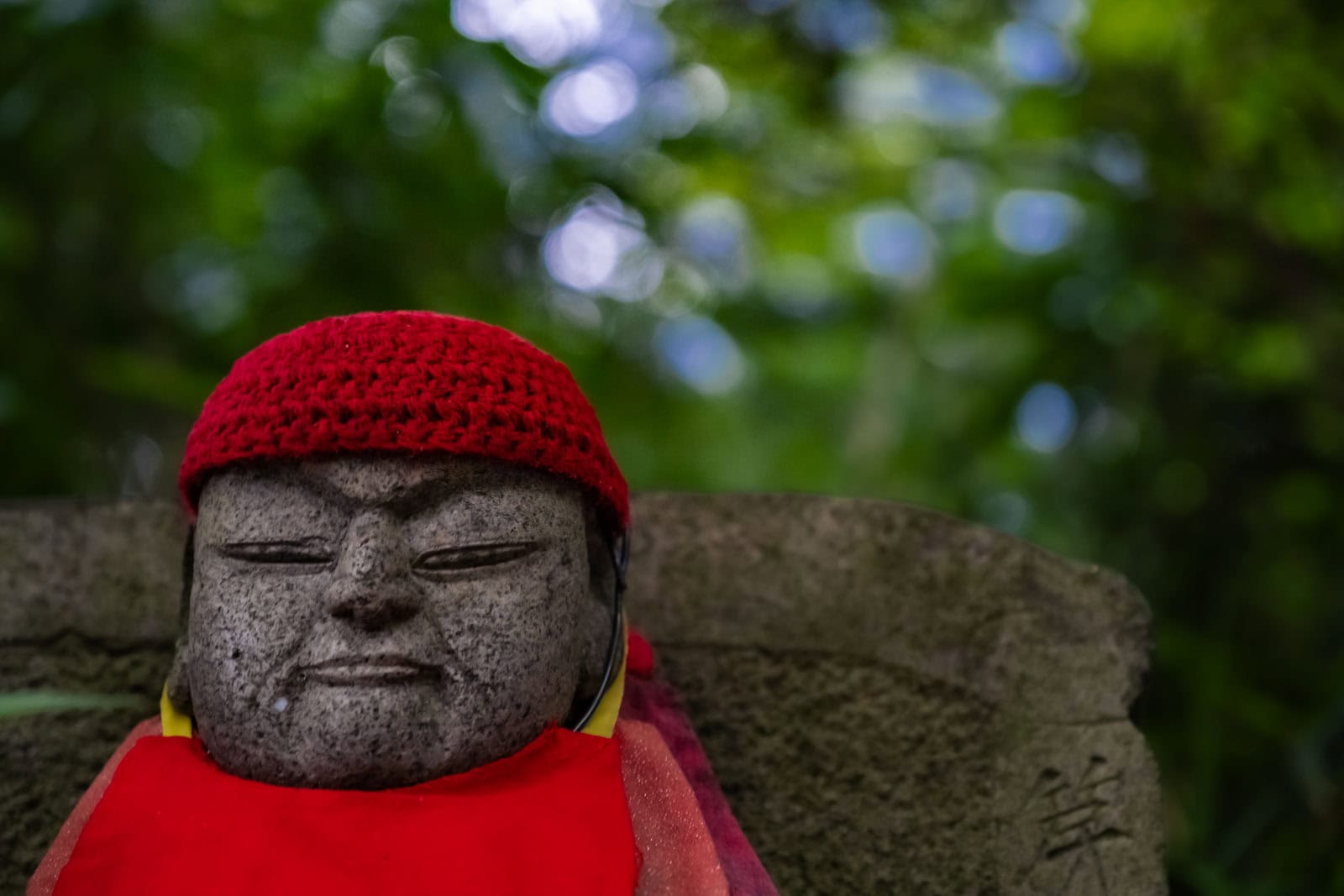
The Jizo statues were incredible subjects. Each had a unique expression. Some looked serene, others sleepy, and a few even seemed a little grumpy. Many were adorned with colorful origami cranes, offerings left by visitors. The rain actually enhanced the scene, making the flower petals glisten and deepening the colors of the stone.
My camera had some protection
My Fujifilm X-T3 and its 16-55mm f/2.8 lens gave me some peace of mind for this trip. Their weather resistance gave me the confidence to keep shooting in the drizzle, though it’s important to remember ‘weather-resistant’ doesn’t mean waterproof! I often used a towel I kept in my bag to wipe everything down.
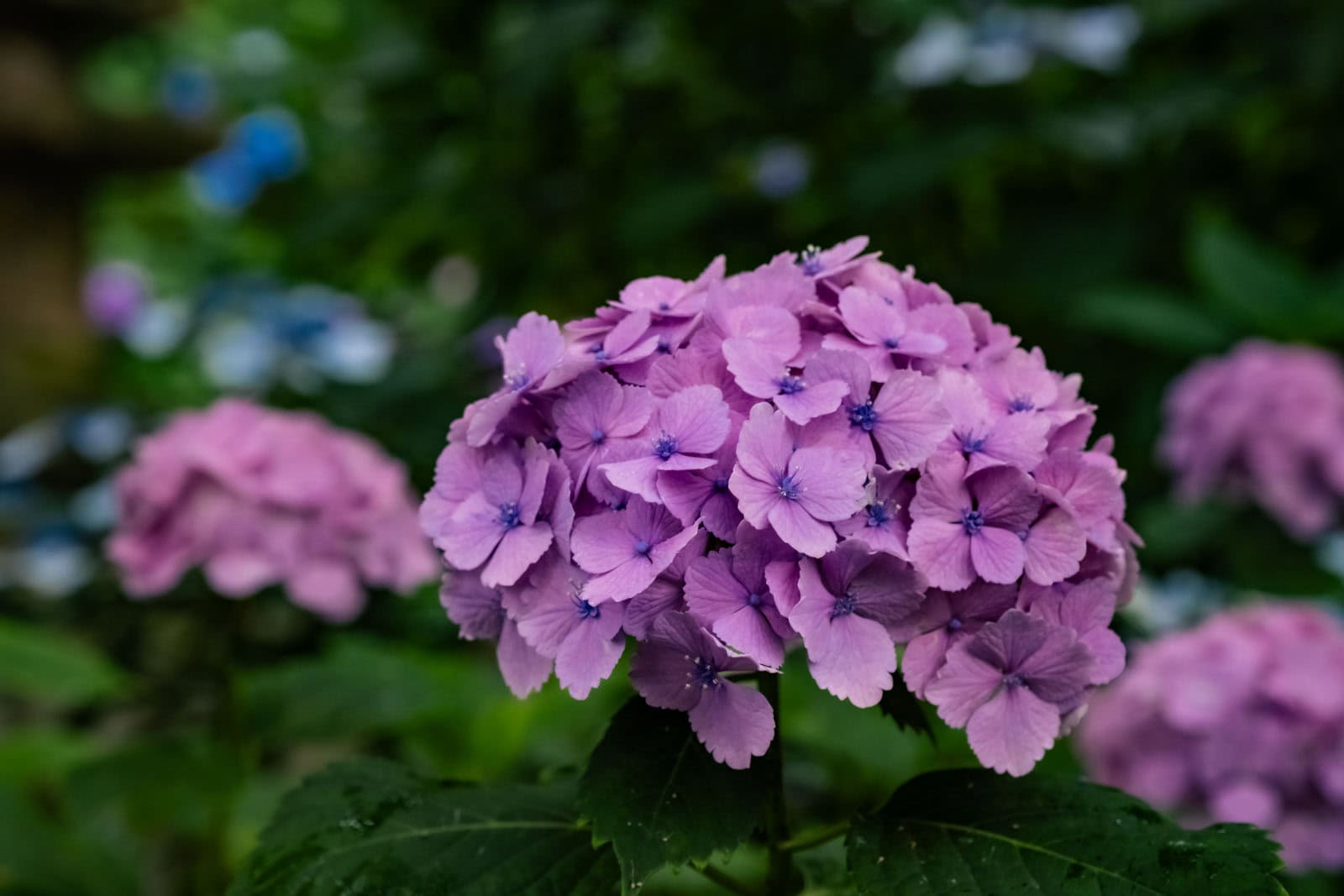
Overcast skies were a challenge. To avoid capturing dull, grey backgrounds, I focused on tighter compositions of the flowers and statues.
The lack of wind was a huge advantage, allowing me to use handheld focus stacking to get sharp detail from front to back in my images. In retrospect, a small flash could have been useful to add a little pop of light and separate my subjects from the background.
Plan your visit
Takahatafudo-son temple (official website) is easily accessible. It’s a short walk from Takahatafudo Station. You can take a direct train on the Keio Line from Shinjuku, which takes approximately 30-40 minutes. Admission to the temple grounds is free.
Have you ever been to Takahatafudo-son? Share your experience in the comments below. If you want to see a completely different type of jizo statue see [Shinjuku’s Giant Jizo].