Kappabashi Kitchen Town
Kappabashi Kitchen Town might not be glamorous, but tourists flock there for good reason. Some go to buy kitchenware. Others go to look. It is an interesting place, especially if you have a camera.
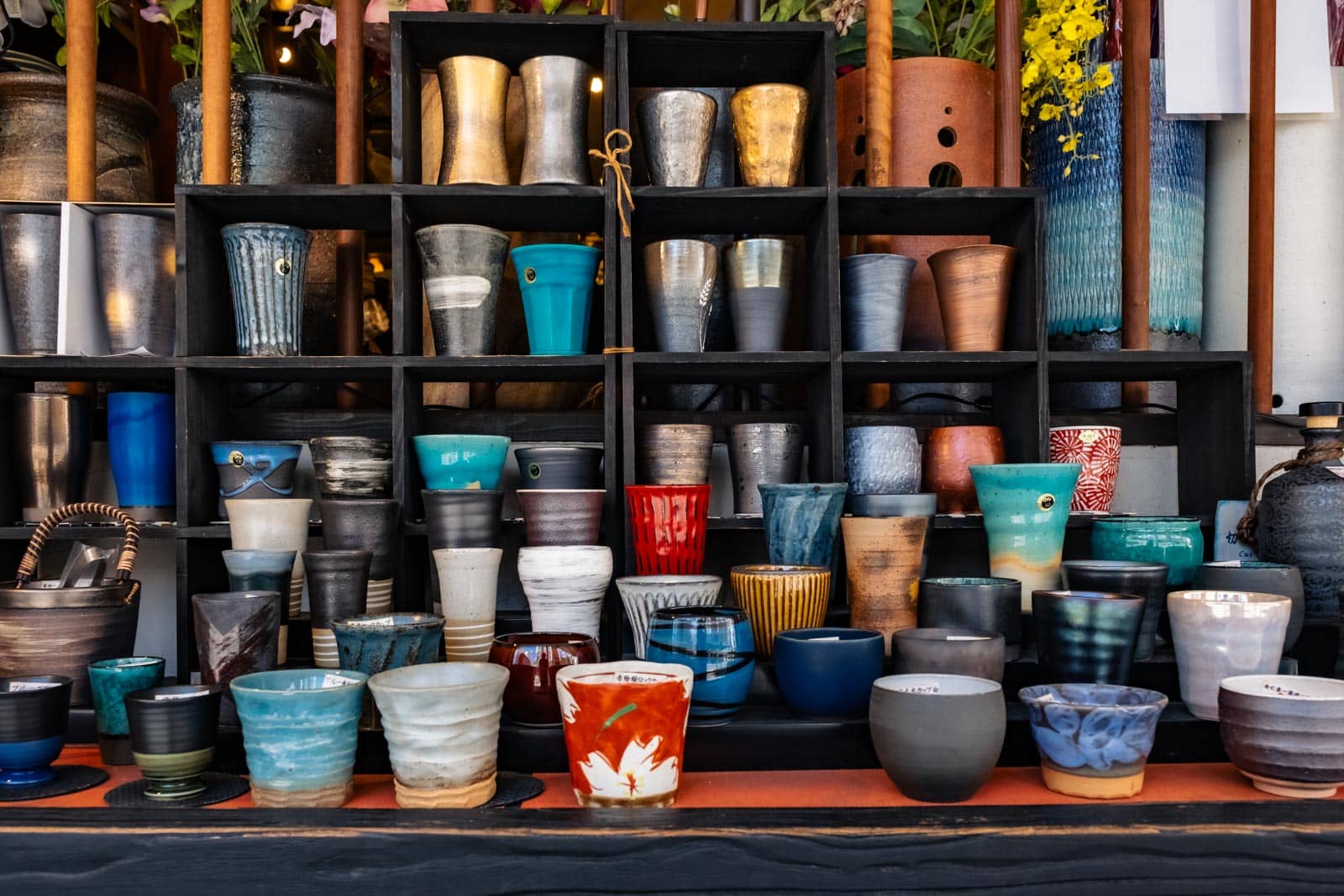
I bet everything known to the cooking world is on this 170-plus store-lined street. You name it, Kappabashi has it. There are knives, coffee grinders, stacks of low-priced plates, and fake food. The list is endless. But first, do you want to know the origin of its name?
Unique shops for photographers
It’s everything culinary. Do you run a restaurant? Yes? You need to go there! It’s for those with an interest in food and cooking.
Second-hand shops opened in the area around 1912. In the years following WW2, the main street became a shōtengai (shopping mall). Many kitchenware retailers called it home. Now, most stores sell something cooking-related.
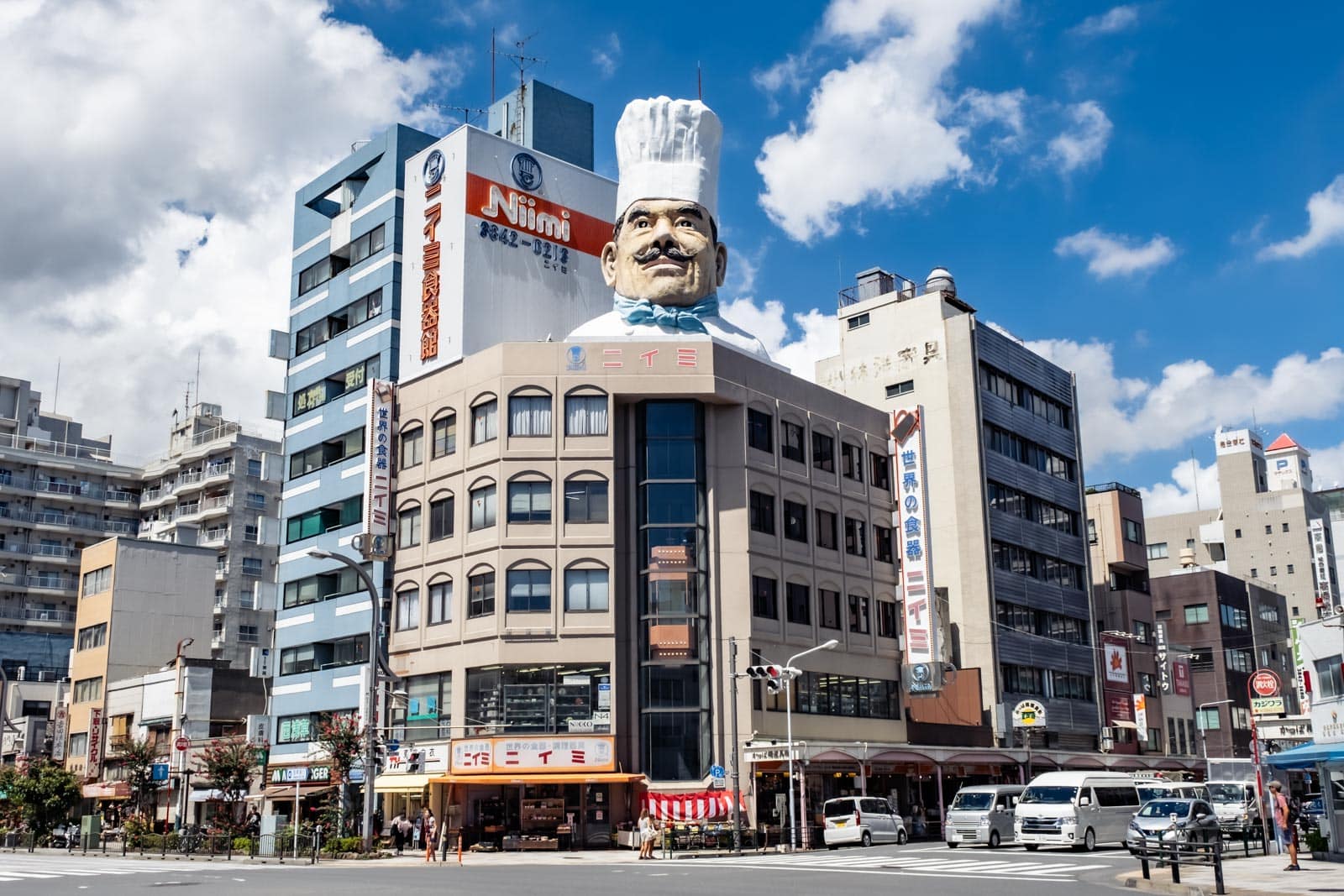
I go to Kappabashi from Tawaramachi Station, so I start at Niimi Tableware. It’s so easy to find. An oversized head of a chef (the Jumbo Cook) is on top of the building. He’s like the god of Kitchen Town (the area’s nickname). The shop opened its doors in 1907. Inside is an array of food-adjacent items from Japan and abroad.
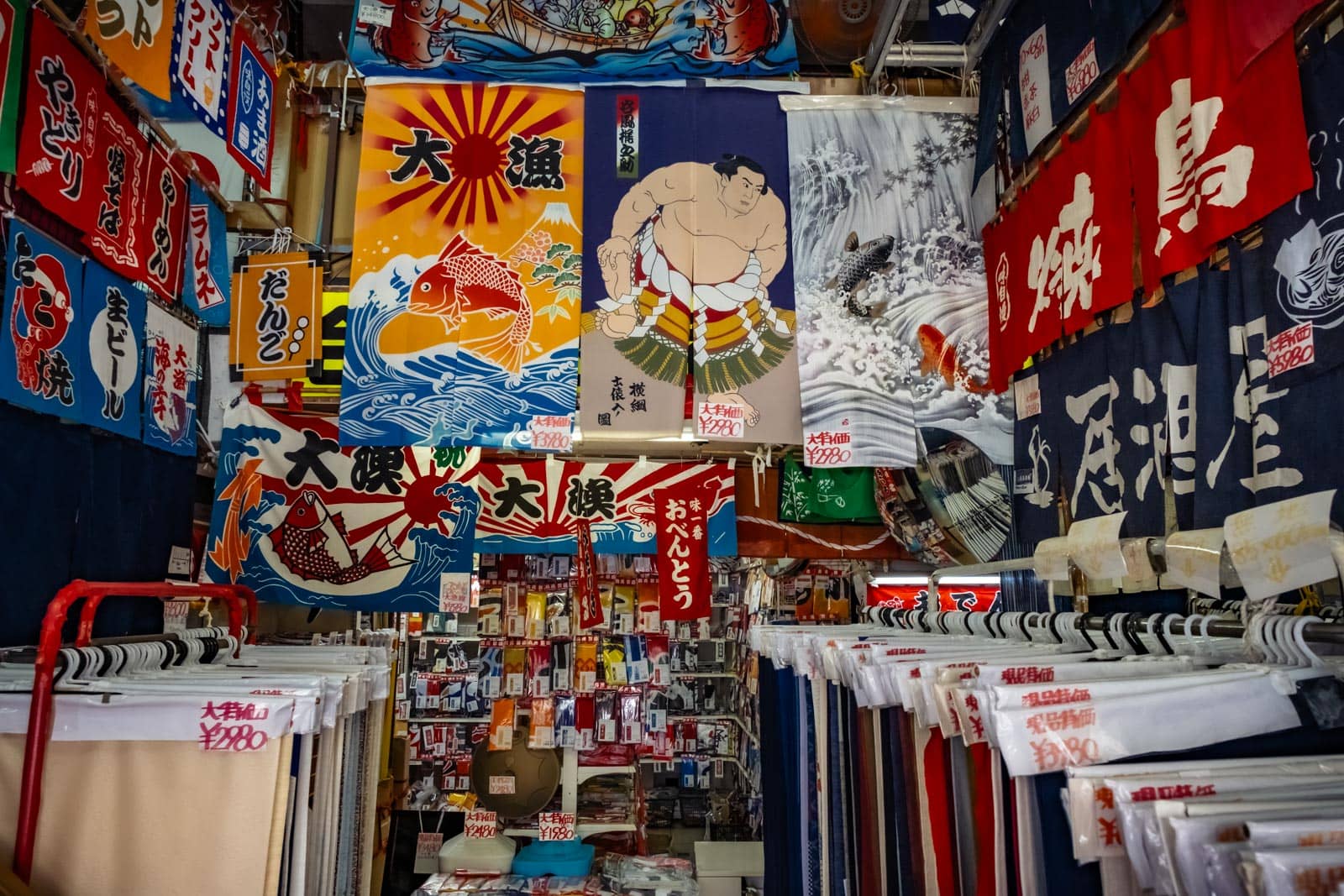
Kappabashi’s stores are all about specialty. Many of them have been selling their products for decades. Akusaya sells the noren (curtains) that you’ll find at the entrance to many Japanese shops. They have beautiful products. Actually, they’d even look great in a house.
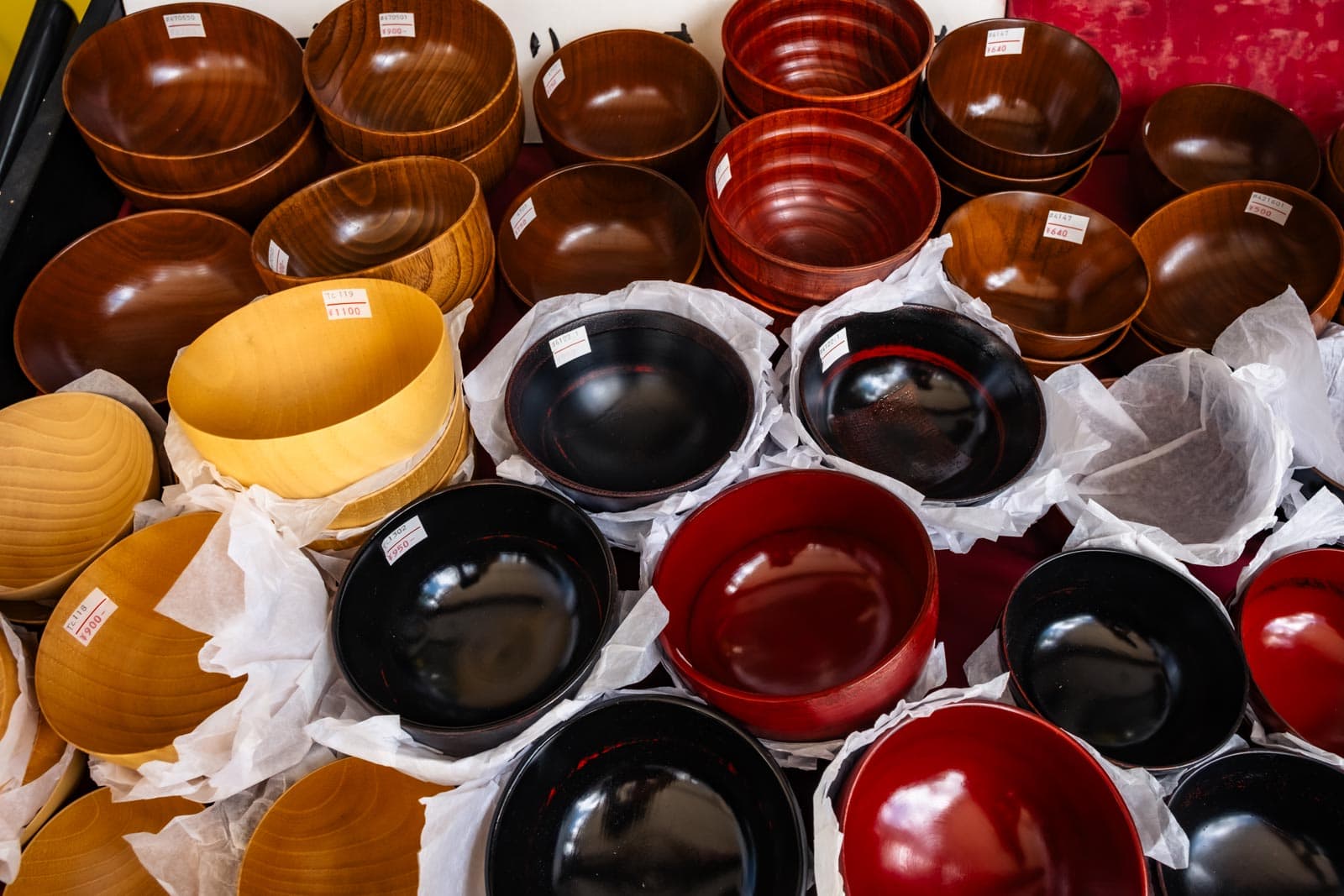
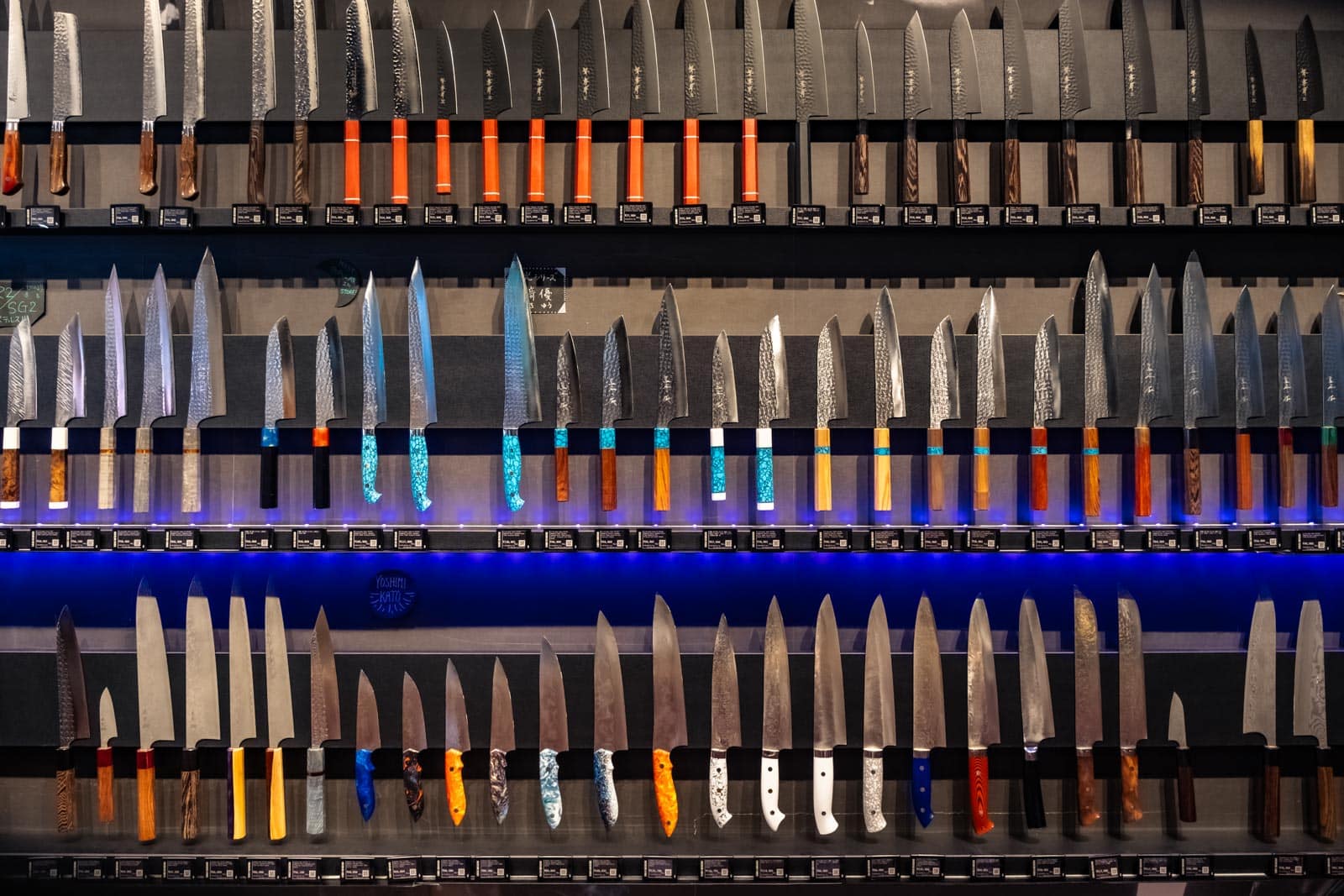
There are many knife shops. One of my favorites is Seisuke Knife. They have great products and display them beautifully. Their staff speak English too. But whatever shop you enter for one of these cooking tools, they get expensive!
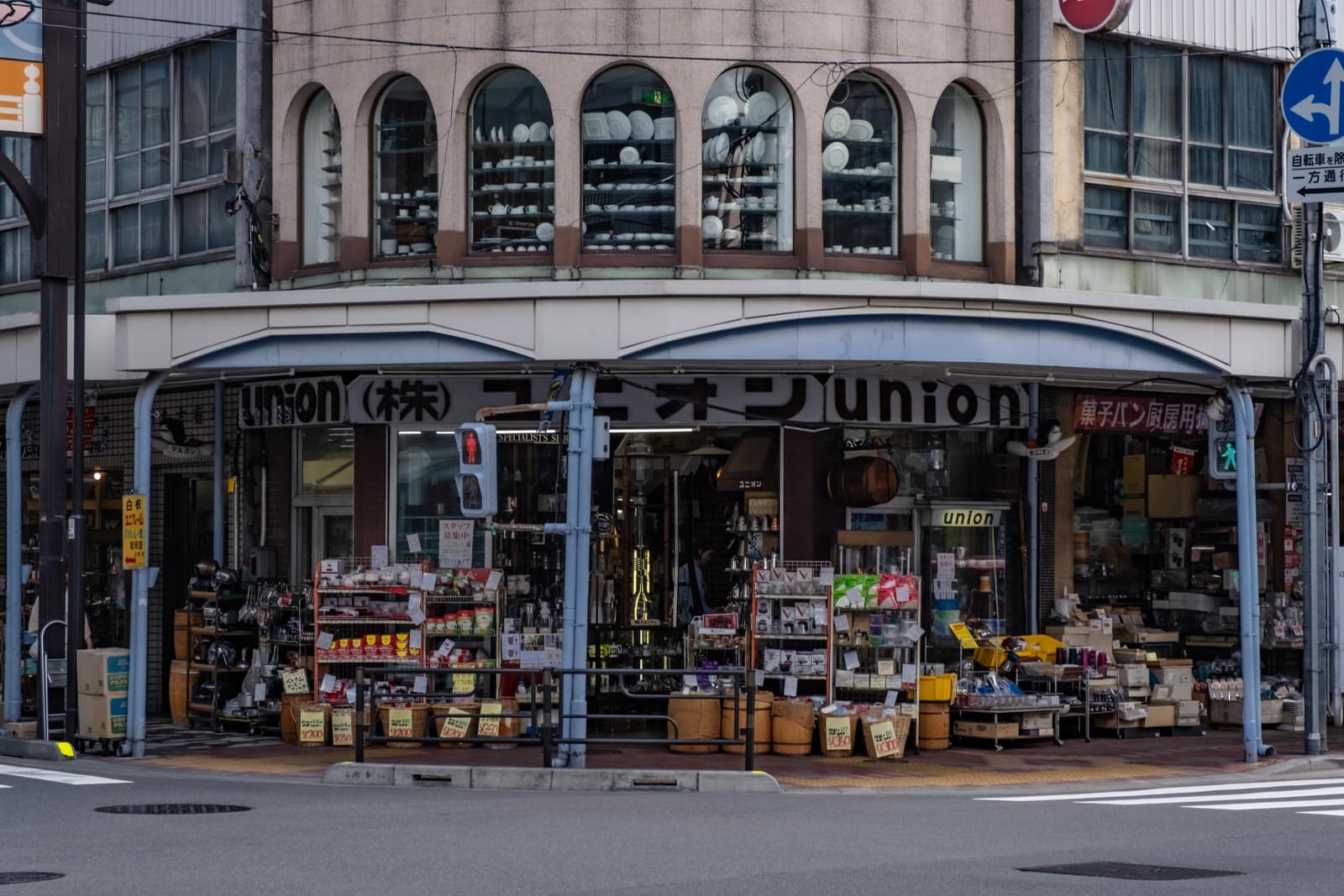
If you are a coffee lover, Union Coffee is a must-visit. It goes back to 1962. The store has an antique atmosphere. Anything you need to make the best cup of your favorite brew will be there. Beans abound!
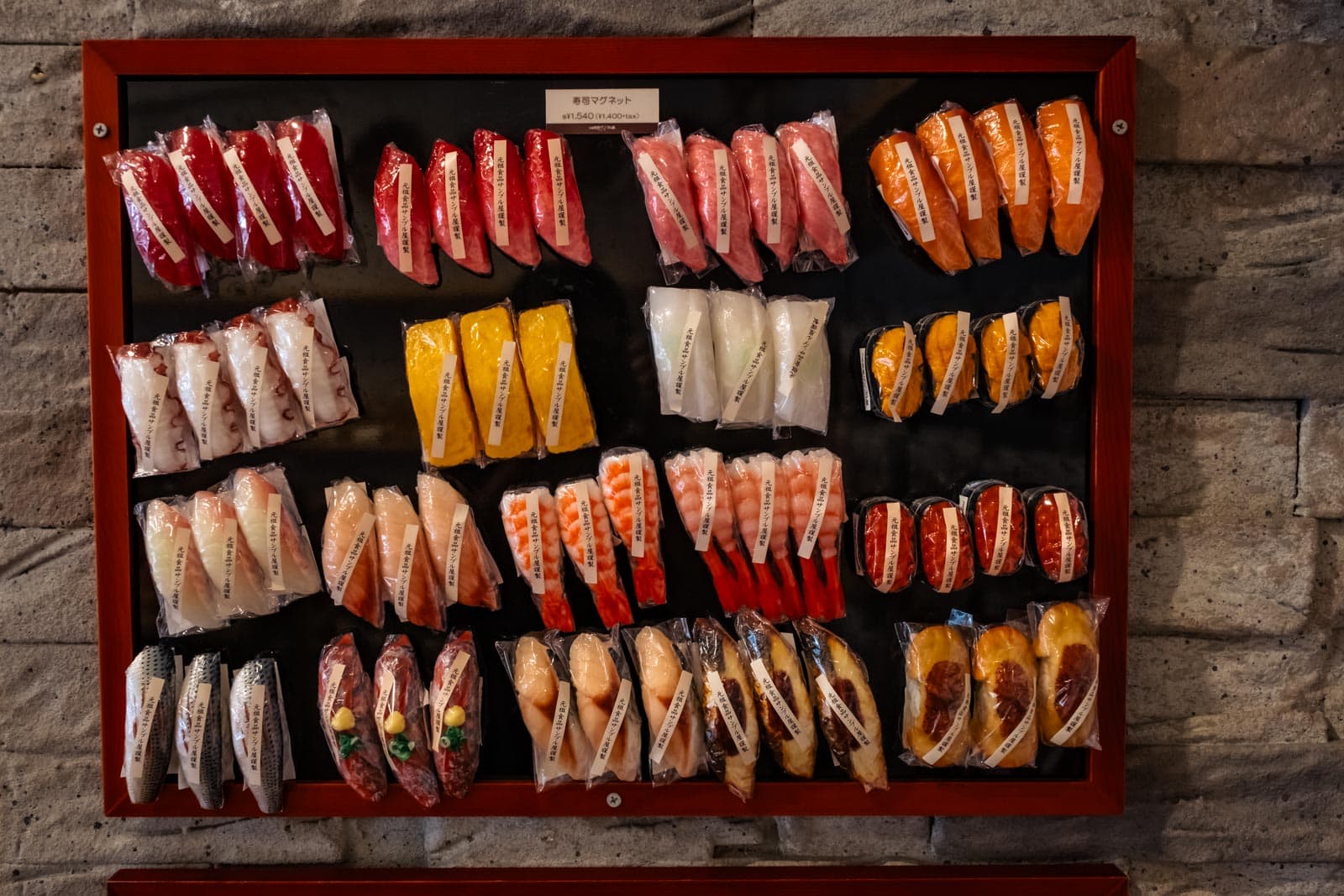
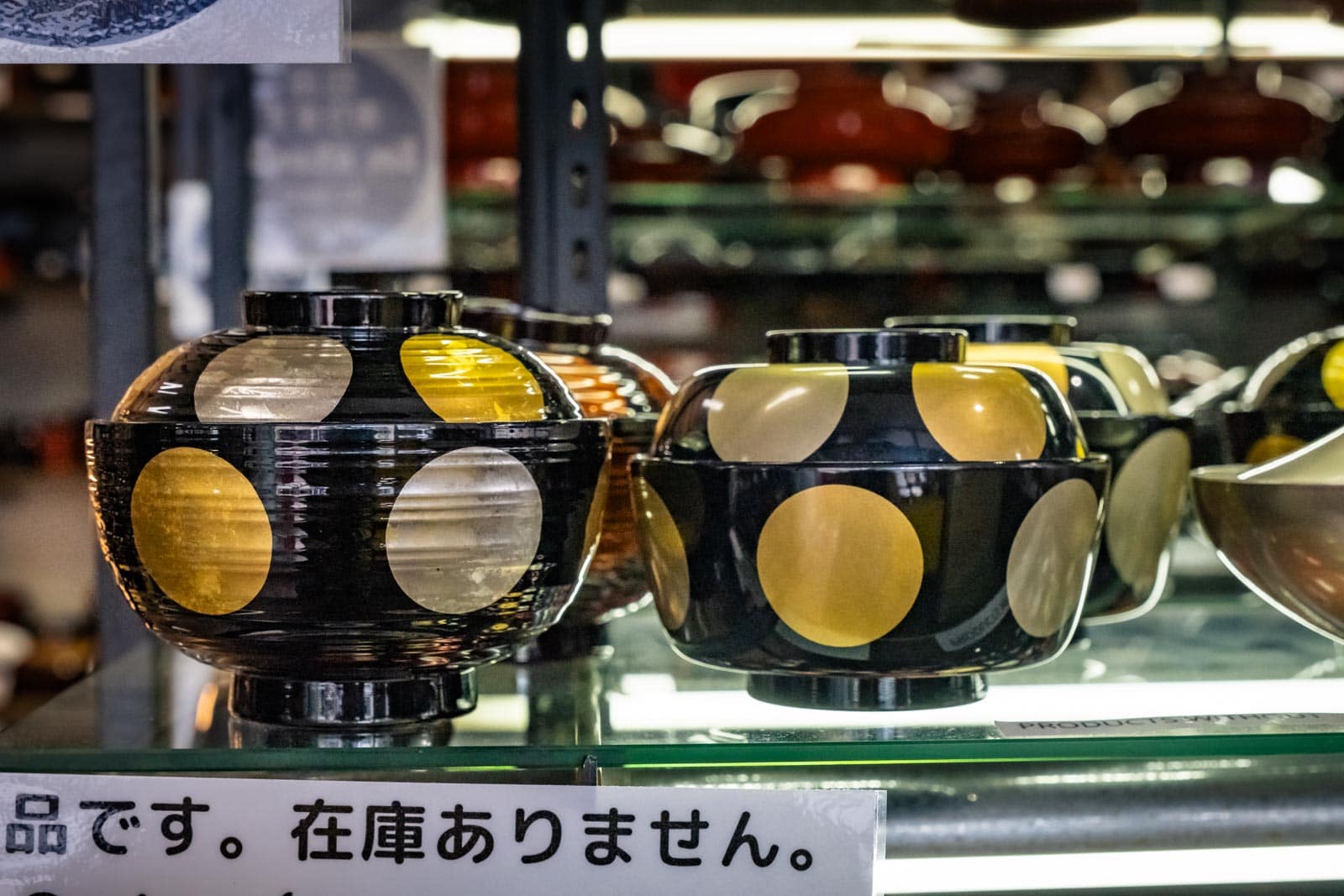
Japanese restaurants are famous for their display cases. They are filled with models of what diners can eat. Ganso Shokuhin Sample-ya is one of the companies that makes them. It has been selling beautiful food replicas since 1932. Their products are so lifelike and look edible!
By the way, halfway along the shōtengai is a tiny park. Inside is a golden statue of Kappa Kawataro himself. It was put there in 2003 to commemorate the 90th anniversary of the street. Take a selfie with him. It might bring good luck to your business, too.
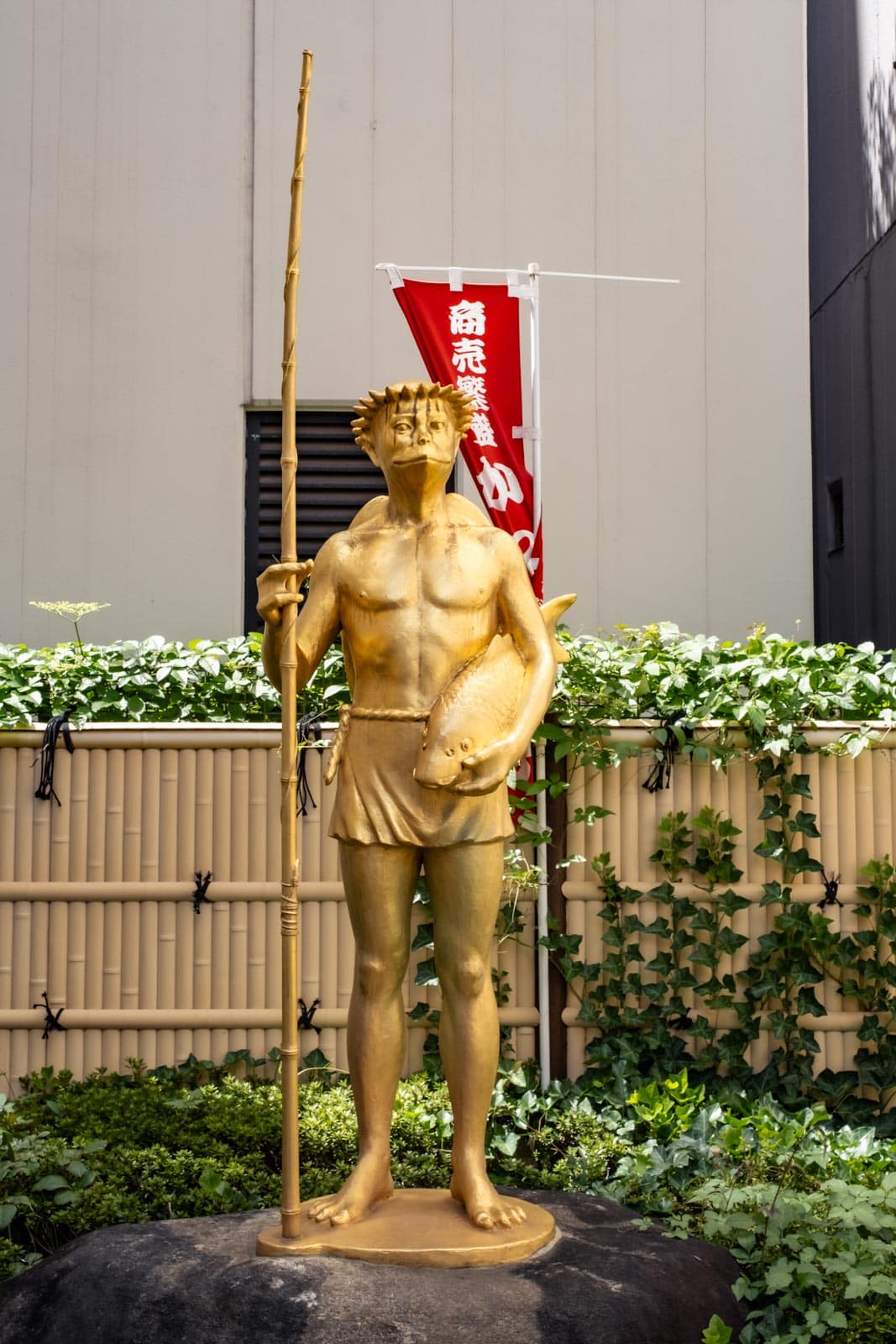
Of course, the area has many other images and statues of kappa. They are all over the place, and a few are semi-hidden. But most of all, people go to see things associated with kitchens and cooking.
Photography tips for Kappabashi
- Many shops in Tokyo don’t allow photos. But Kappabashi is different. Most shops seem camera-friendly. But do the polite thing and ask to avoid trouble.
- You can’t use a tripod in any of the shops so boost ISO and hopefully your camera has IBIS for dark interiors.
Why is it called Kappabashi?
Kappabashi’s kappa is a type of yōkai. Yōkai are supernatural. They come from Japanese folktales. They take many forms and are magical.
Kappa are curious creatures. They are associated with water and love cucumbers. Some say they look like turtles but stand on two legs. They have duckish beaks, webbed hands, and have a dish on their head.
The legend of Kappa Kawataro
What is the connection between these mythical creatures and Kappabashi? There are two main theories.
The first is a fantastic tale about a 17th-century merchant named Kappa Kawataro. During the Bunka era (1804–1818), the area suffered from constant flooding. To solve the problem, Kawataro invested his own money to build a new waterway.
The mythical kappa in the nearby rivers were so impressed by his generosity that they emerged at night to help him finish the project. It is said that those who saw the kappa at work were blessed with prosperity.
Edo raincoat theory
A second, more pragmatic theory has nothing to do with monsters, but with raincoats. In Japanese, the word for a traditional straw raincoat is also “kappa.”
During the Edo period, samurai and foot soldiers would craft these raincoats to earn extra income, hanging them to dry over a bridge in the area. This theory suggests the street simply became known as the place of the “kappa.”
While the name is rooted in fascinating folklore, the modern Kappabashi is famous for one thing: it is a paradise for anyone interested in food and cooking. The kappa is a bonus.
Is Kappabashi worth visiting?
Kappabashi has much to offer photographers. There are knives, cutlery, colors, and shapes. Some novelty stuff is there too, like the huge chef’s head! It’s a good place for camera fun. Go and you’ll quickly understand why it is nicknamed Kitchen Town.
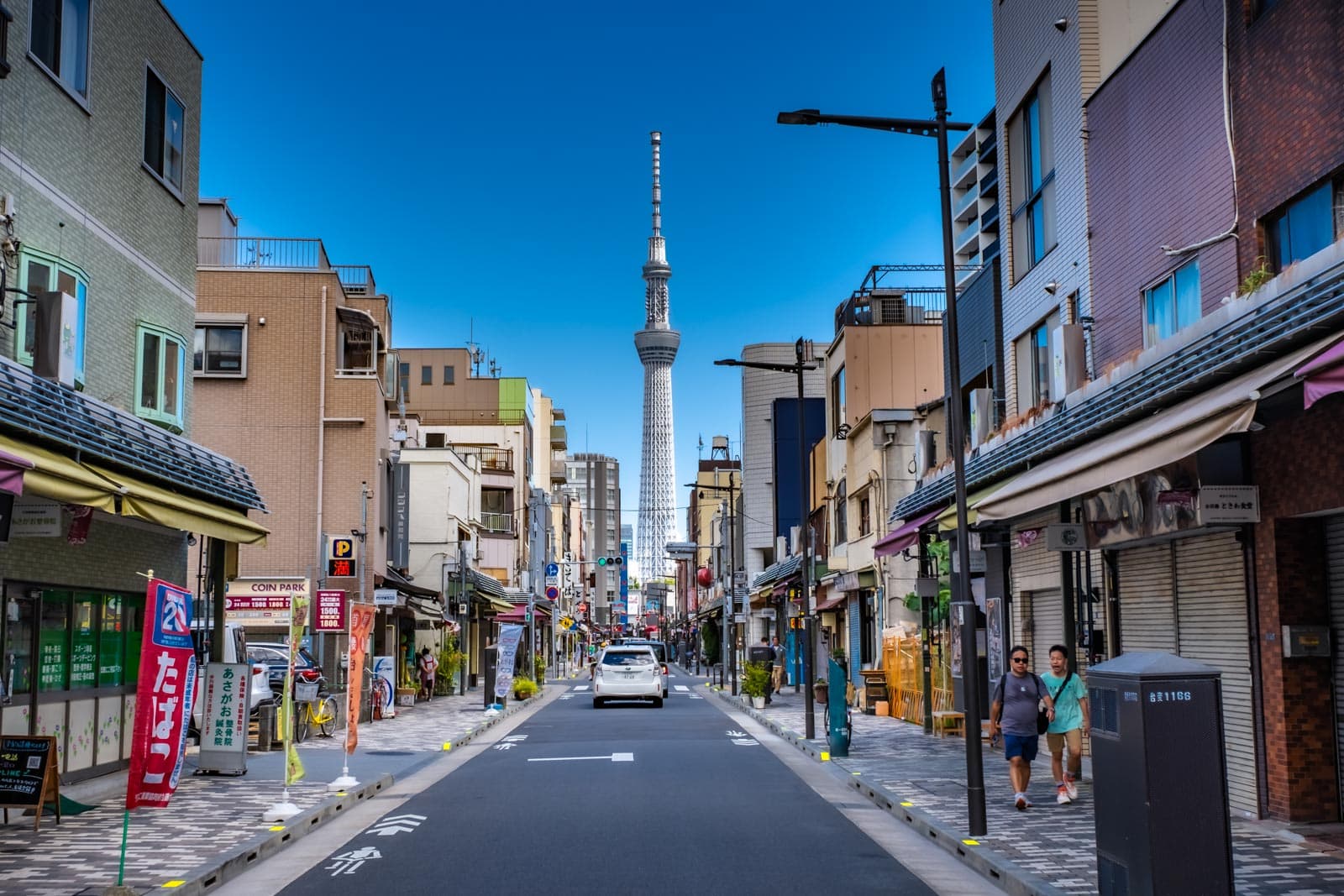
One last thing: Asakusa, Sensoji, and Tokyo Skytree are within walking distance, so you could spend a full day in the area!
Have you been to Kappabashi? Share your experiences or ask any questions in the comments below.