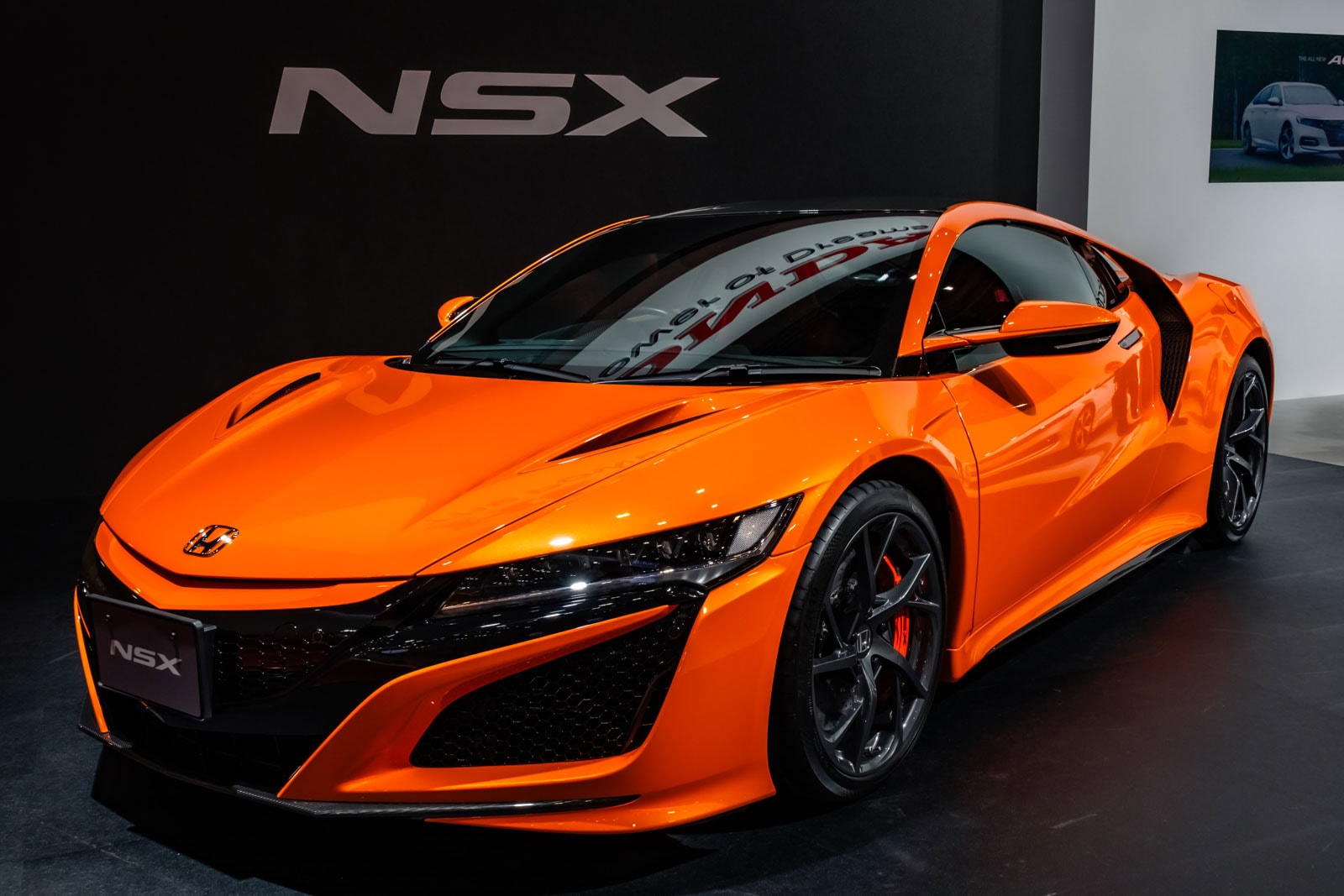
The Tokyo Motor Show 2019 was an event in transition. With a new additional venue, fewer international brands, and a clear shift in focus, it was a glimpse into the future of automotive events. It will eventually lead to its rebranding as the Tokyo Mobility Show.
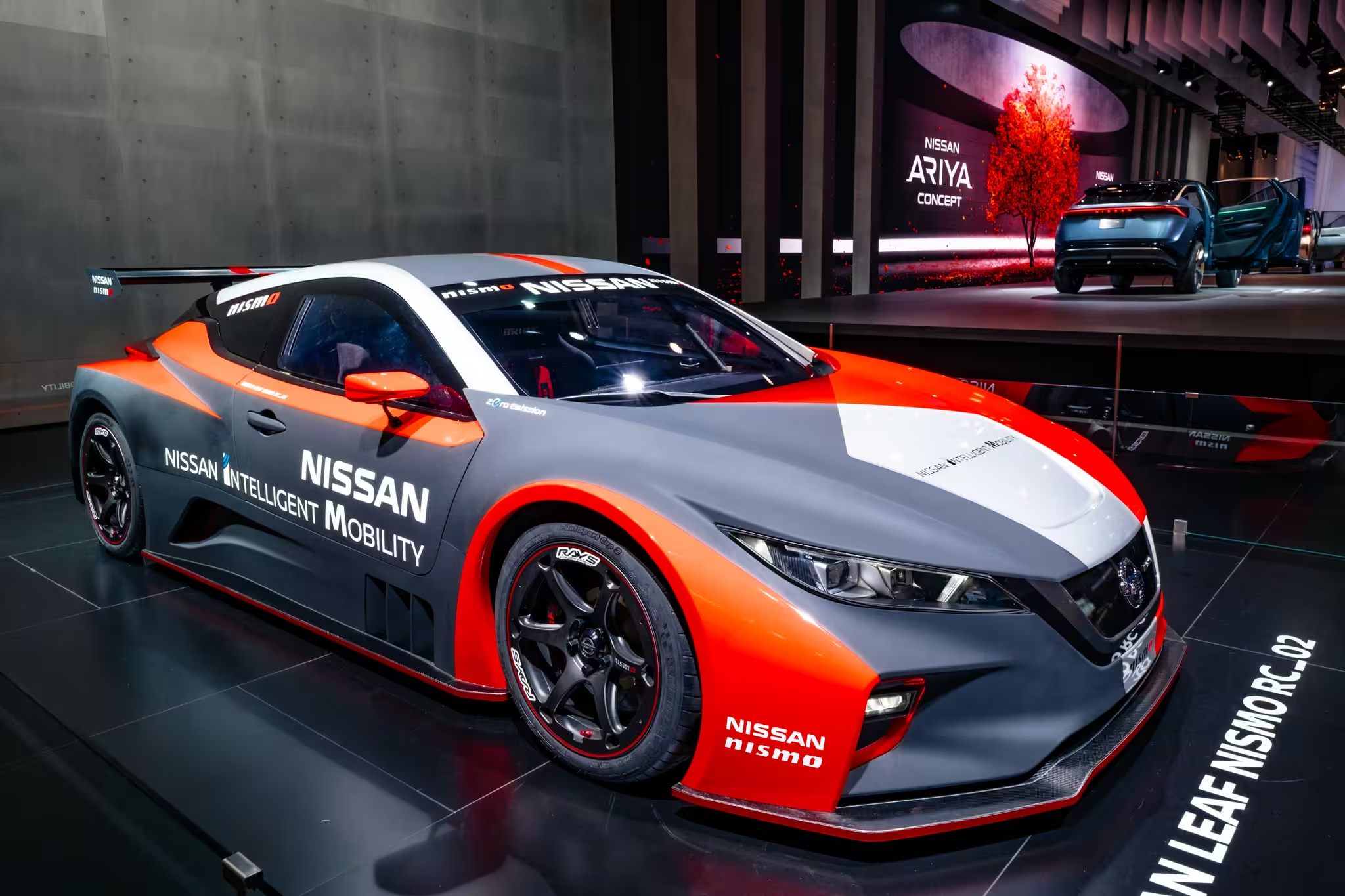
While many reports covered the technical specifications, I walked the halls of Tokyo Big Sight with my camera. I looked for a different story. My goal was to capture the artistry, the atmosphere, and the bold design statements. From this visual perspective, a few exhibits didn’t just display cars; they created entire worlds.
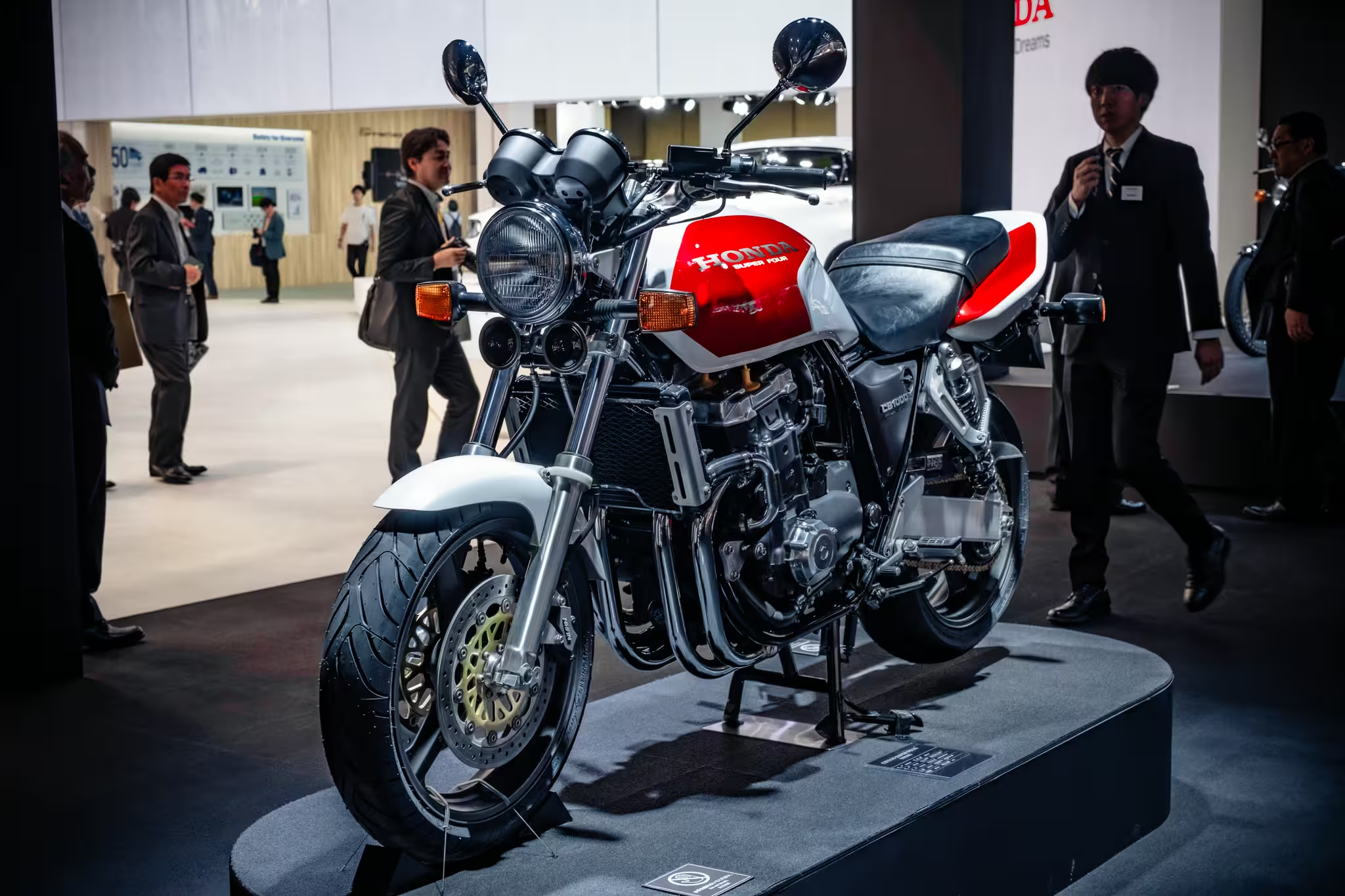
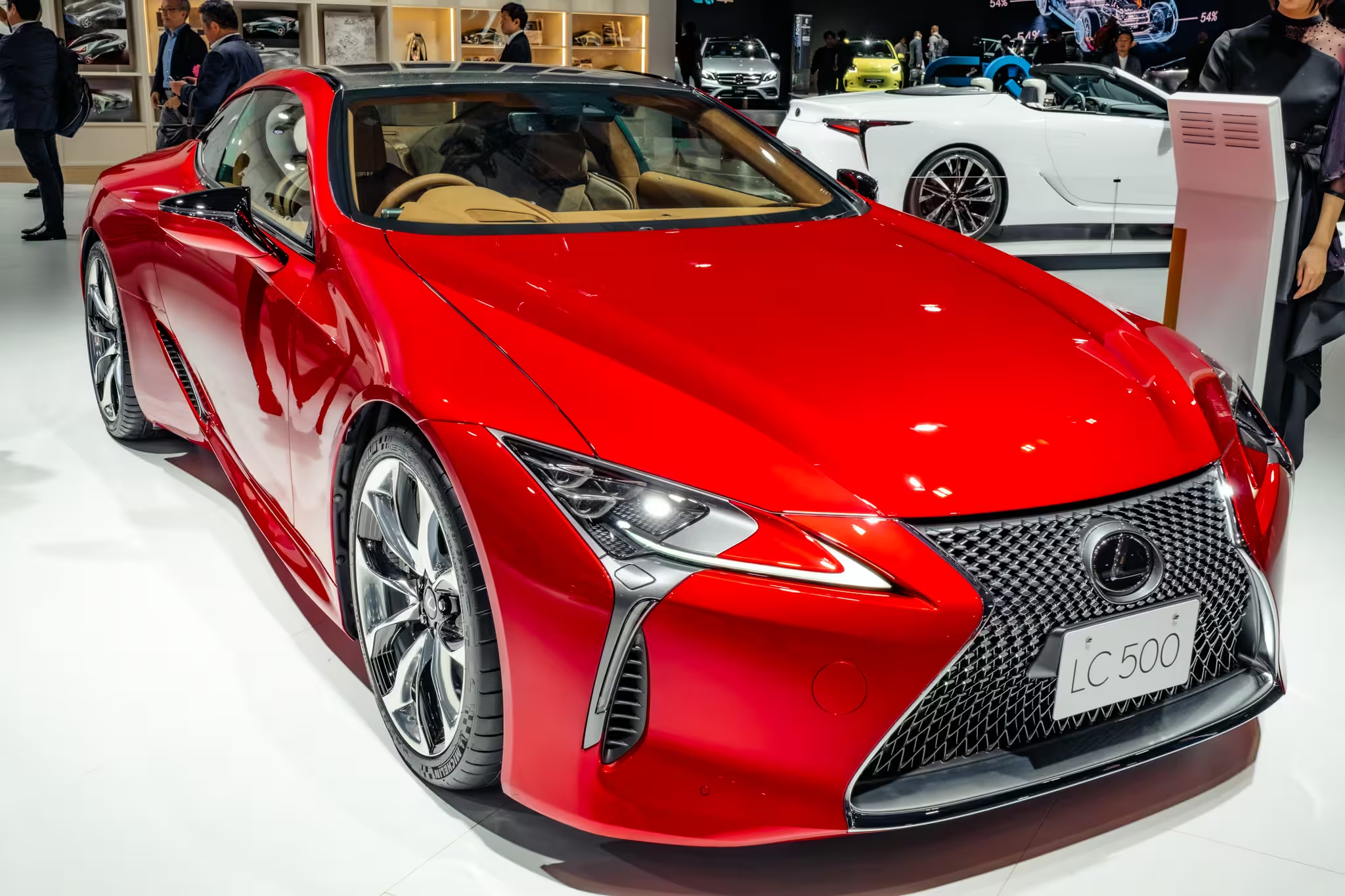
Nissan & Lexus: Eye-catching exhibits
For me, two brands stole the show with their creativity: Nissan and Lexus.
Nissan: Atmospheric design masterclass
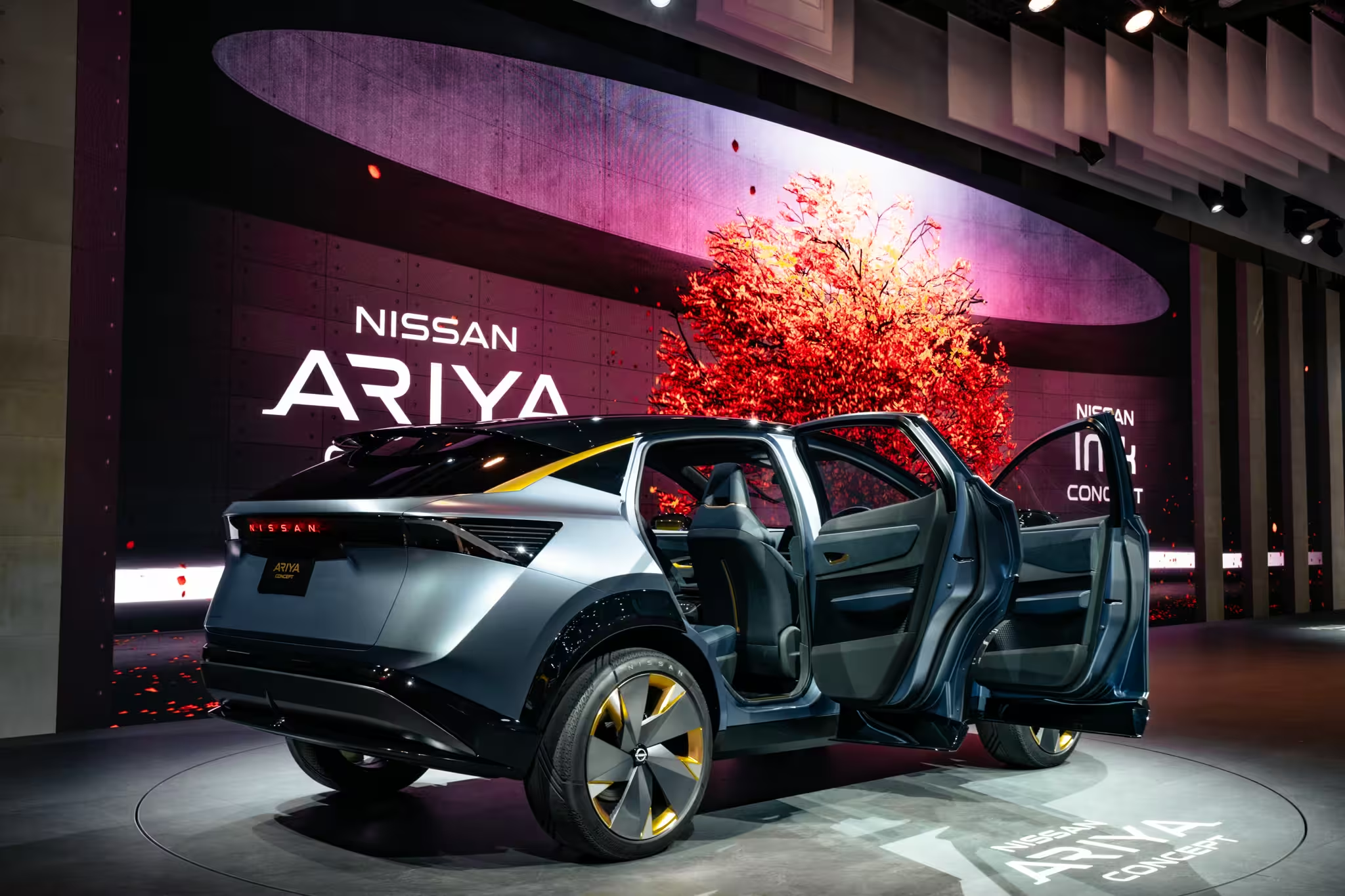
Nissan’s exhibit was a masterclass in atmosphere. They crafted a stunning, autumn-inspired stage for a new car. The Ariya was bathed in light as digital maple leaves drifted down giant screens behind it. This booth felt like a piece of art; it blended technology with Japanese aesthetics.
Lexus: The futuristic LF-30 Electrified
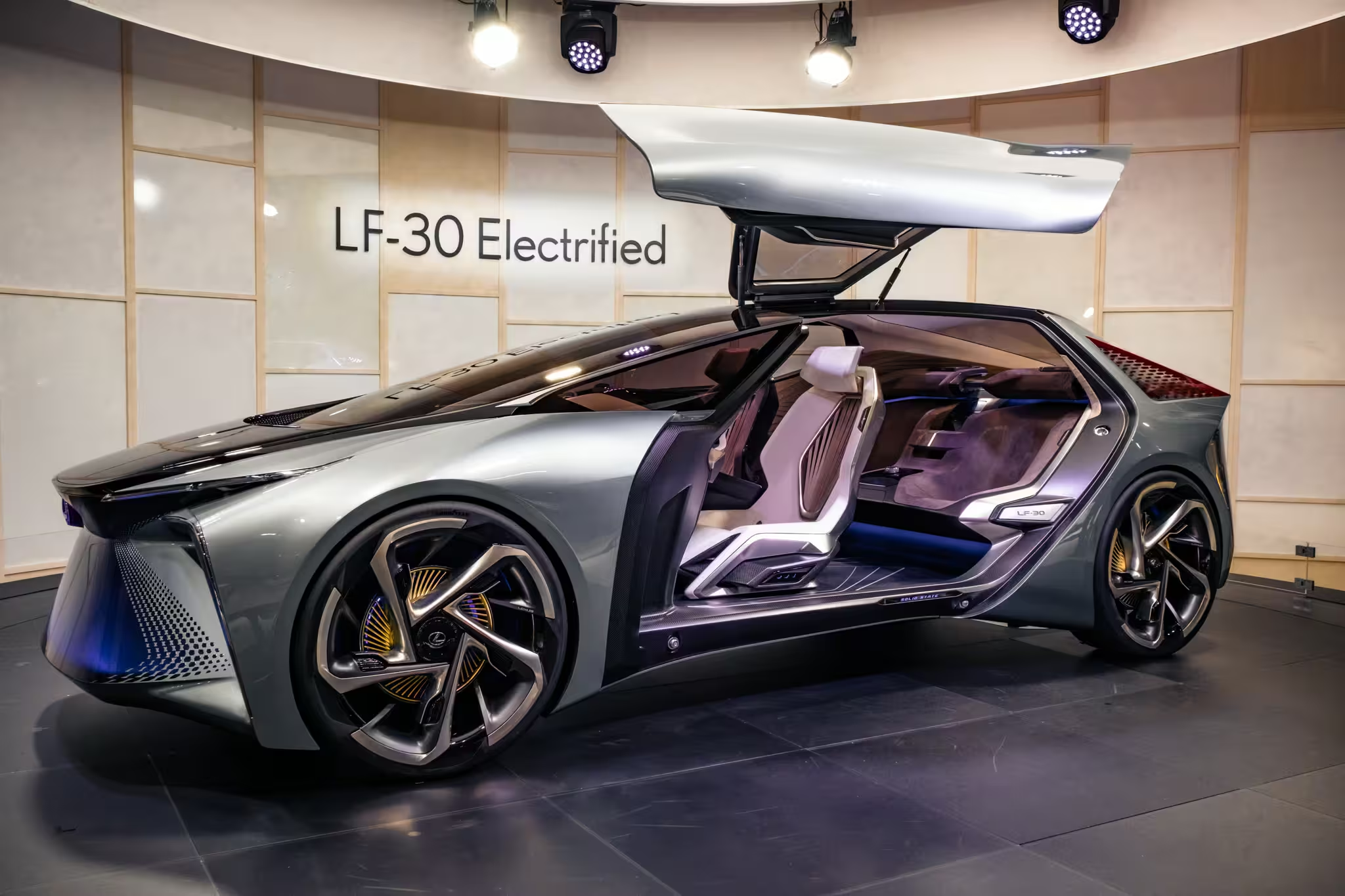
Meanwhile, Lexus looked squarely to the future, presenting the jaw-dropping LF-30 Electrified concept. With massive gull-wing doors and a profile that seemed ready for space travel, it was pure automotive theatre. I was particularly fascinated by its technology. The glass roof could transform into an augmented reality display—a feature I hope makes it into production one day.
Beyond the stunning exhibits, you could feel a fundamental shift in the show’s DNA. It was clear in the atmosphere, the layout, and the focus—all pointing toward the future.
A change in car companion styles
One of the most visible changes was the near-total absence of “car companions” or promotional models. In previous years, they were a major feature, but in 2019, the cars were rightfully the stars.
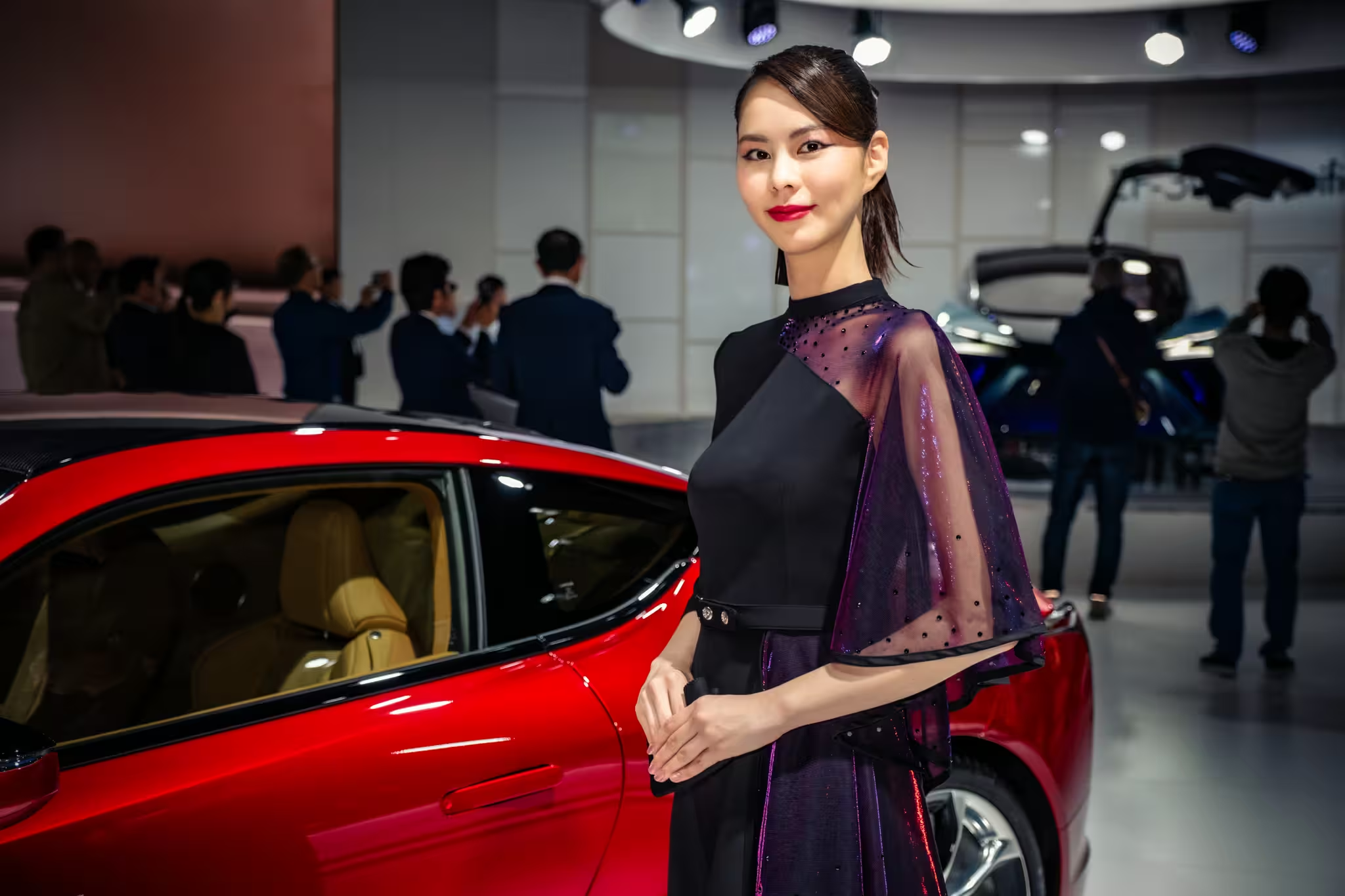
The few companions who were present wore elegant gowns, adding a touch of class rather than competing for attention. As a photographer, I found this refreshing; it allowed for an unobstructed focus on the design and artistry of the vehicles themselves.
Two venues: Tokyo Big Sight & Aomi
Tokyo Motor Show 2019 show was unique because it was held at two venues. A temporary venue in Aomi was introduced for mainly commercial and heavy-duty vehicles. This was a logistical challenge for guests.
The main halls at Big Sight have that classic, soaring industrial feel with high ceilings and complex shadows. In contrast, the Aomi venue felt more like a sleek, modern pop-up. Moving between the two required a ride on the Yurikamome transit system or shuttle bus. Always check if it’s a split-site show. It might influence how much gear you decide to carry!
My photography gear & editing
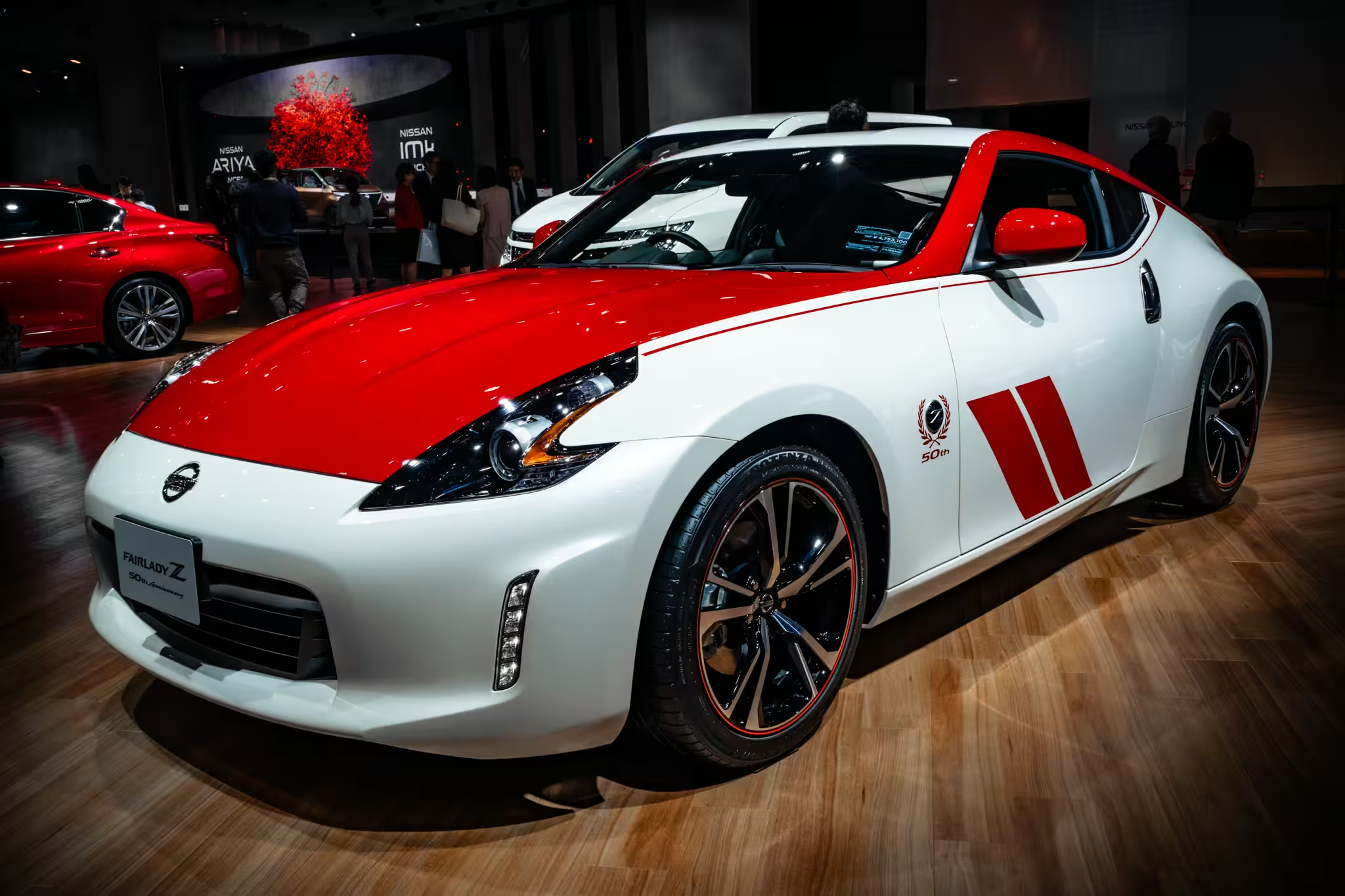
To capture the Lexus LF-30 and the immersive Nissan booths, I used the Fujifilm X-T2 camera with the XF 16-55mm lens. It was a suitable pairing for this show but shooting indoors can be difficult due to ‘light pollution’ from competing booths.
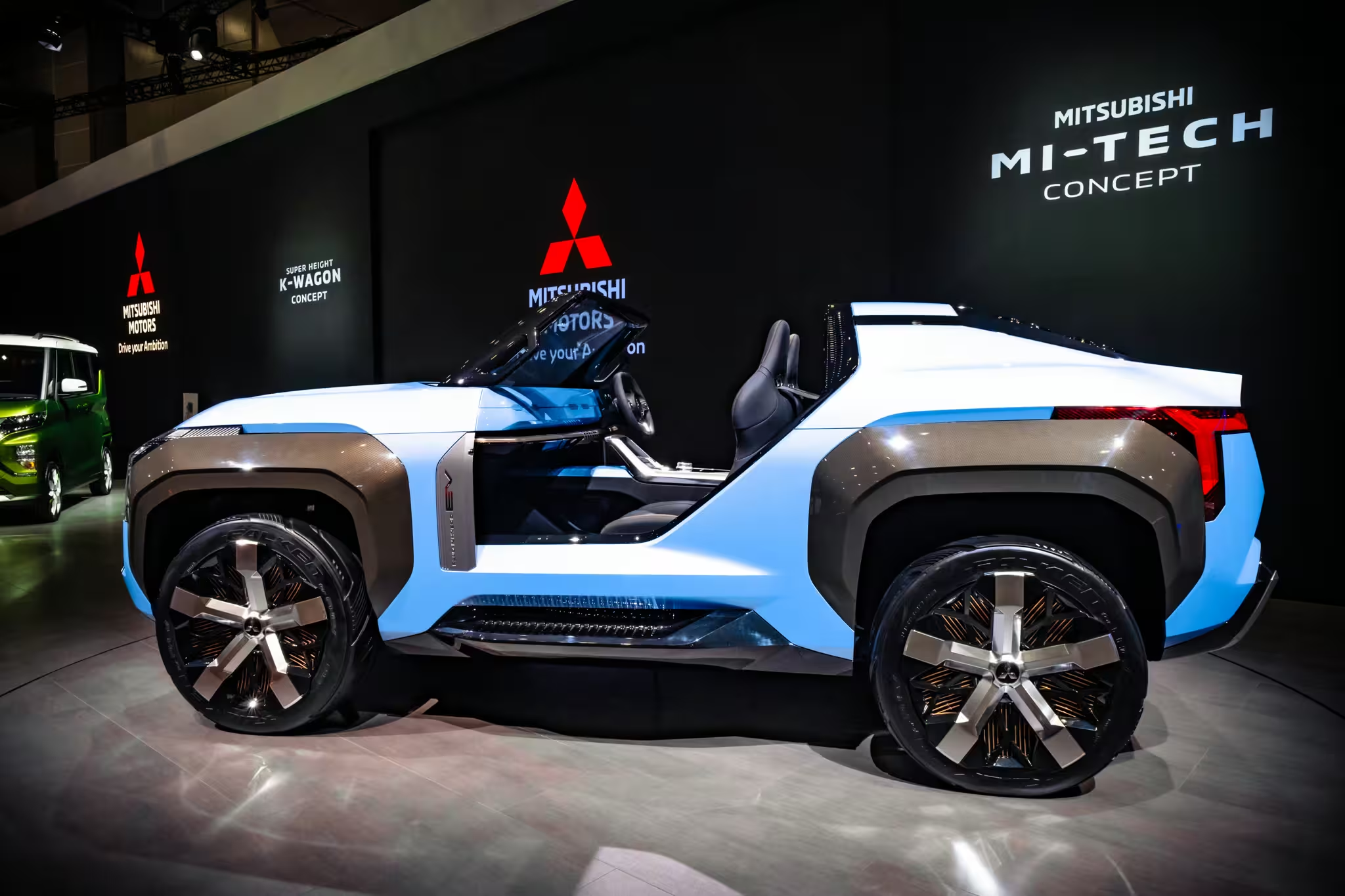
Also many of my photos were shot at 3200 ISO (high in 2019) which led to high noise, but processing in Adobe Lightroom easily dealt with. Re-editing the photos in 2026 was made easier again as the denoise algorithm had been improved significantly.
Food & refreshments at the show
If you need a break at the show, there are plenty of food options. Tokyo Big Sight has restaurants, cafes, and convenience stores. If you can’t find something you like there, shopping malls nearby offer more variety.
Rebirth of the Tokyo Motor Show
This sense of change was also present in the attendance. With several major overseas brands skipping the event, the halls felt less crowded. This, combined with the new Aomi venue, focused on future mobility experiences. The organizers made it clear they were rethinking the very definition of a “motor show.”
It all clicked into place with the final announcement: the event would be rebranded as the Japan Mobility Show (official website). This wasn’t just a name change; it was a mission statement. The 2019 show was the bridge.
It was stepping away from being just about cars and moving toward a broader vision of how we will live and move in the future. It was a fascinating transition to witness, and it left me excited to see where this new road leads.
By the way, do you want to see something different from Tokyo Big Sight? Check out Tokyo Motorcycle Show 2025. The two-wheelers are rather special.