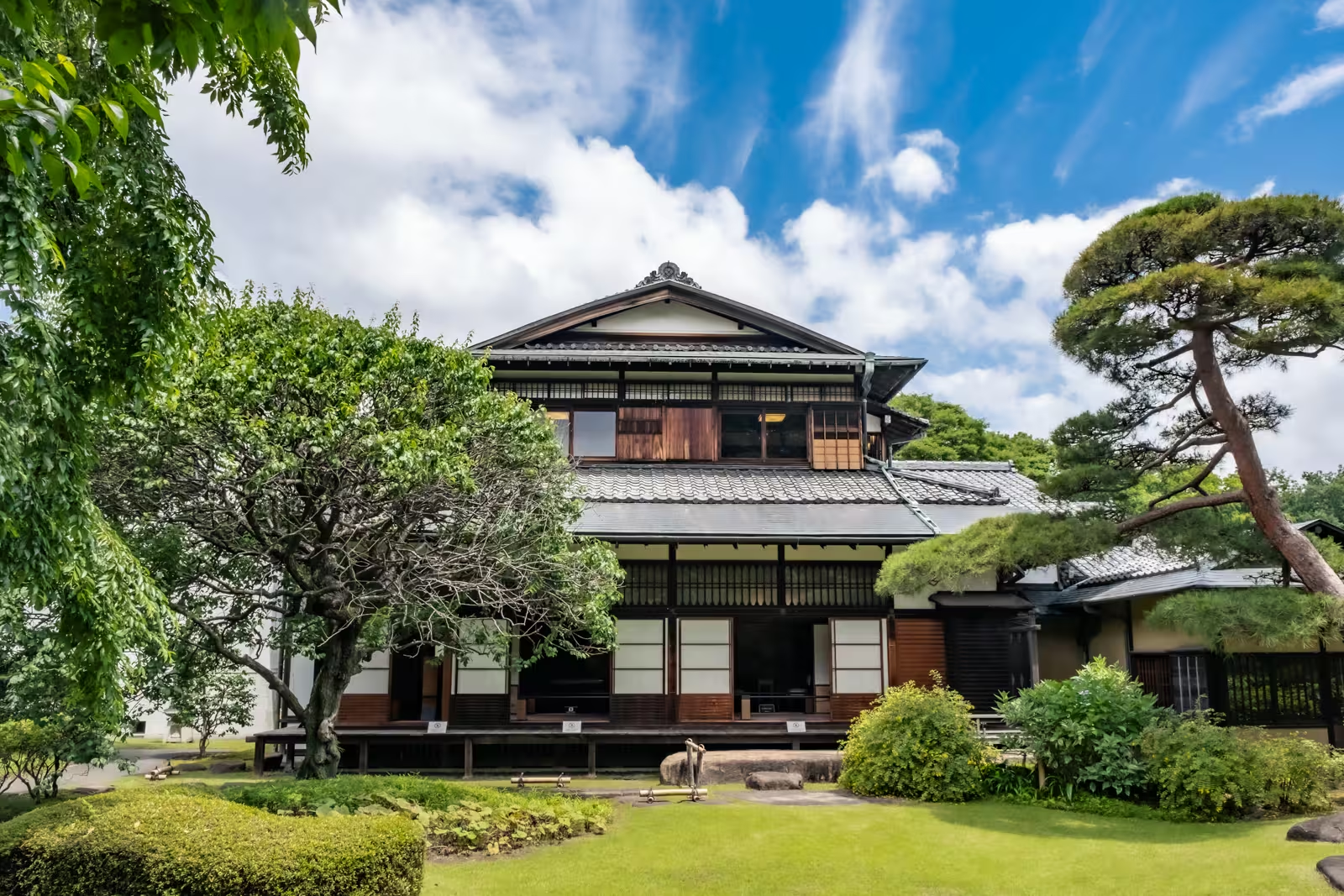
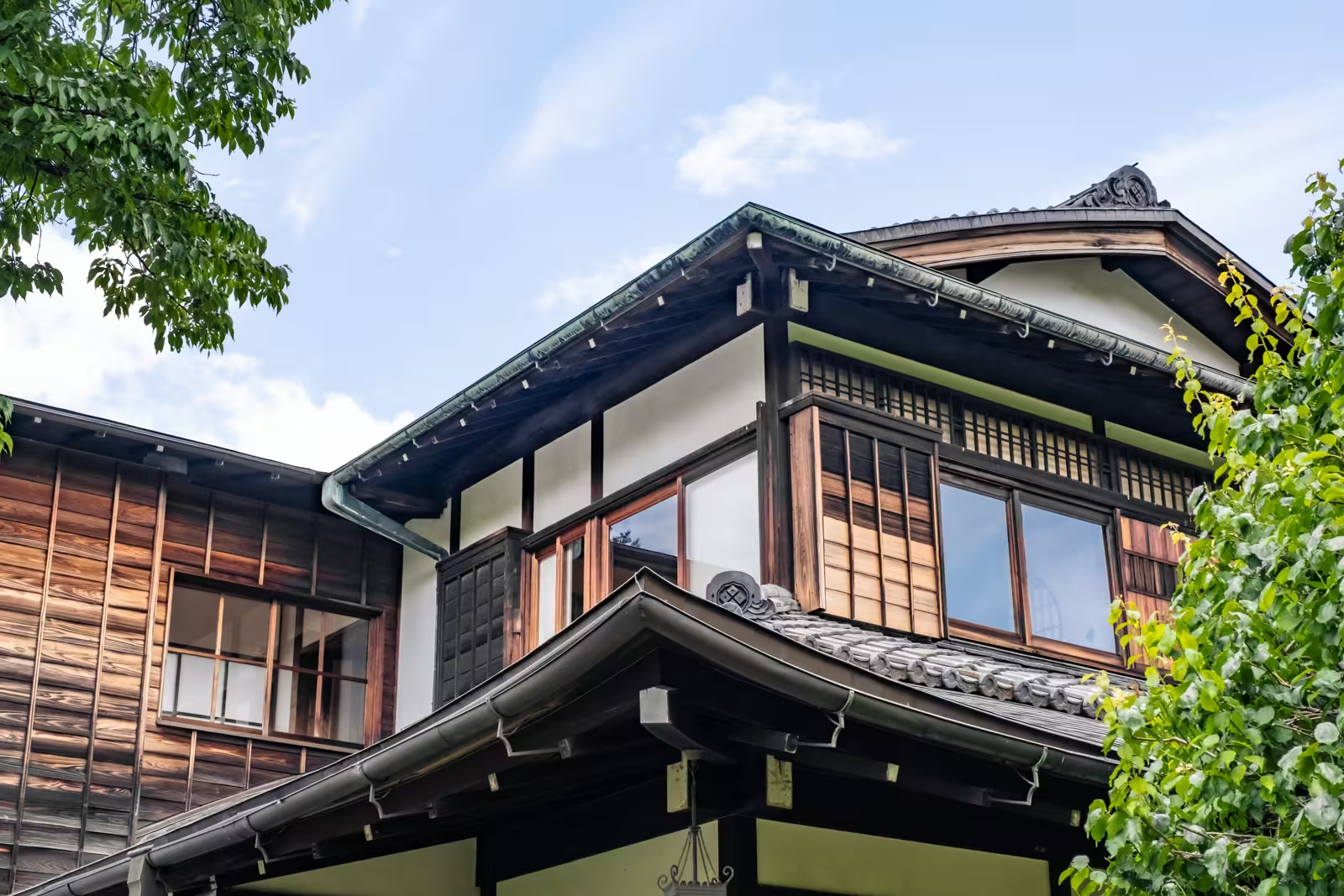
Going to the Edo-Tokyo Open Air Architectural Museum is a journey into Japan’s architectural past. Photographers can capture historical homes, traditional shops, and temples.
Every image taken here holds a piece of Japanese history, with some scenes providing insight into how societal shifts influenced daily life. Architectural photographers will fall in love with this museum.
Photography at the museum
Best exhibits to photograph
The museum boasts a wide array of fascinating buildings, including:
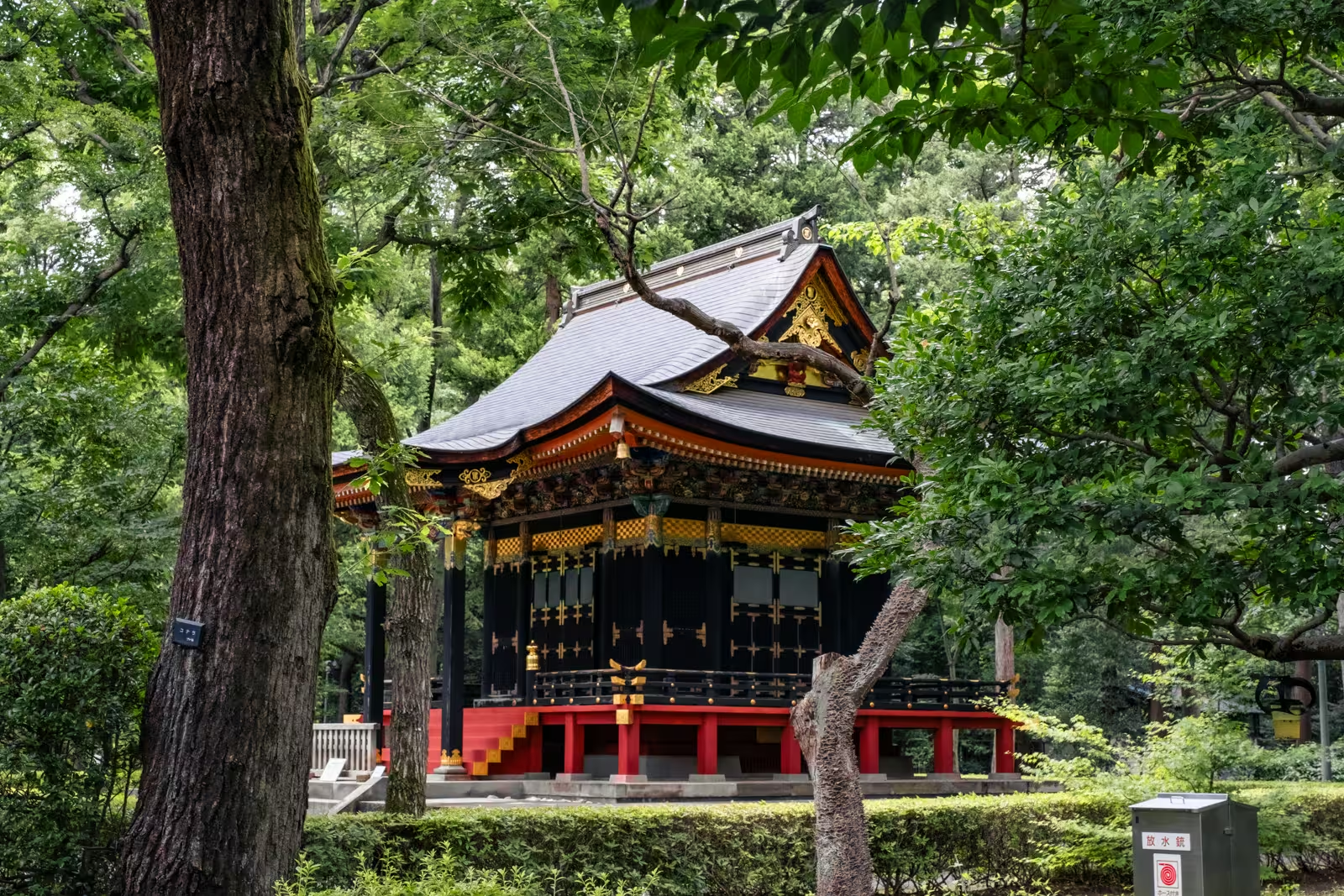
- Jisho-in Mausoleum for the wife of the third Shogun, Iemitsu. If you’ve been to Nikko or Ueno Toshogu, the design might look familiar.
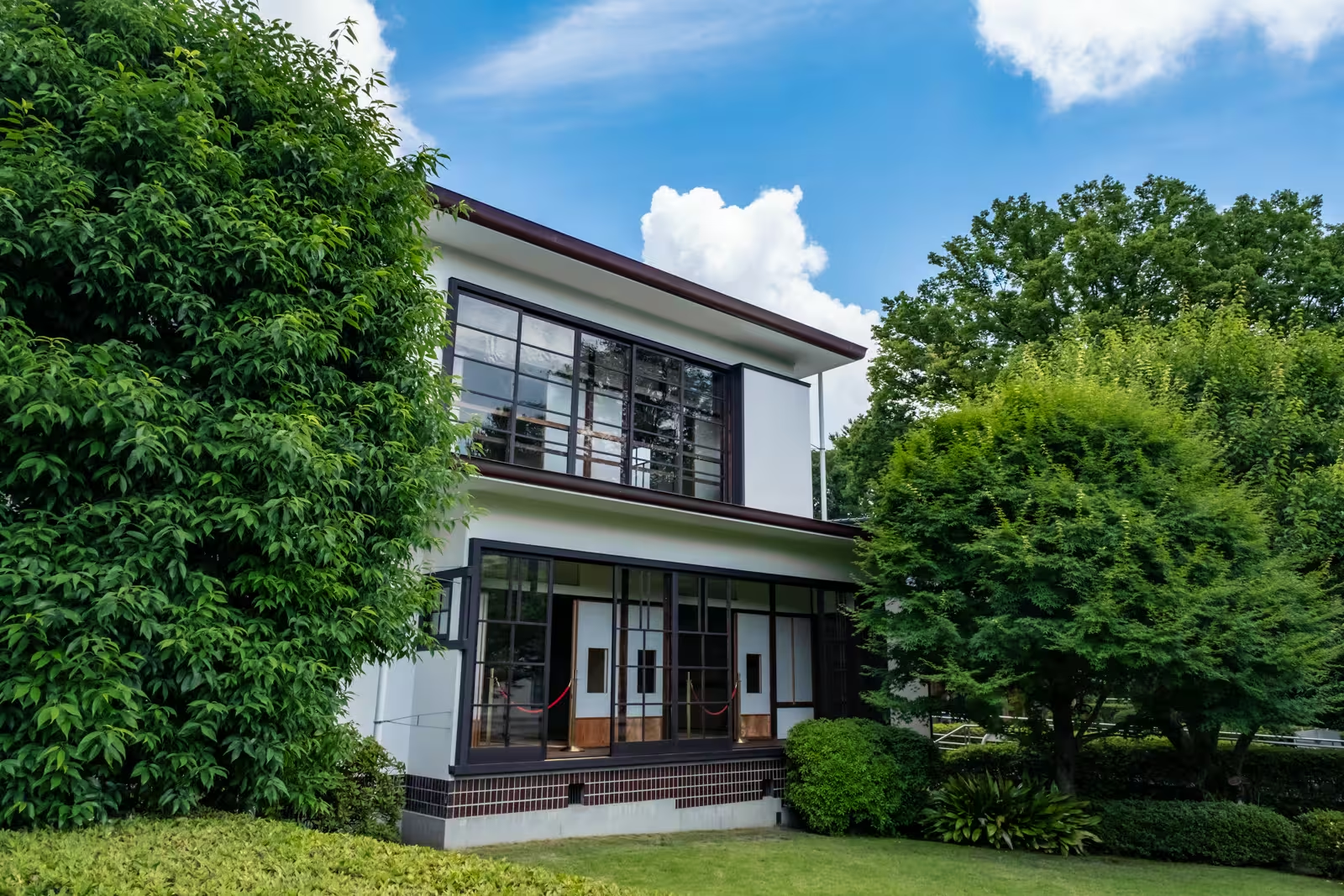
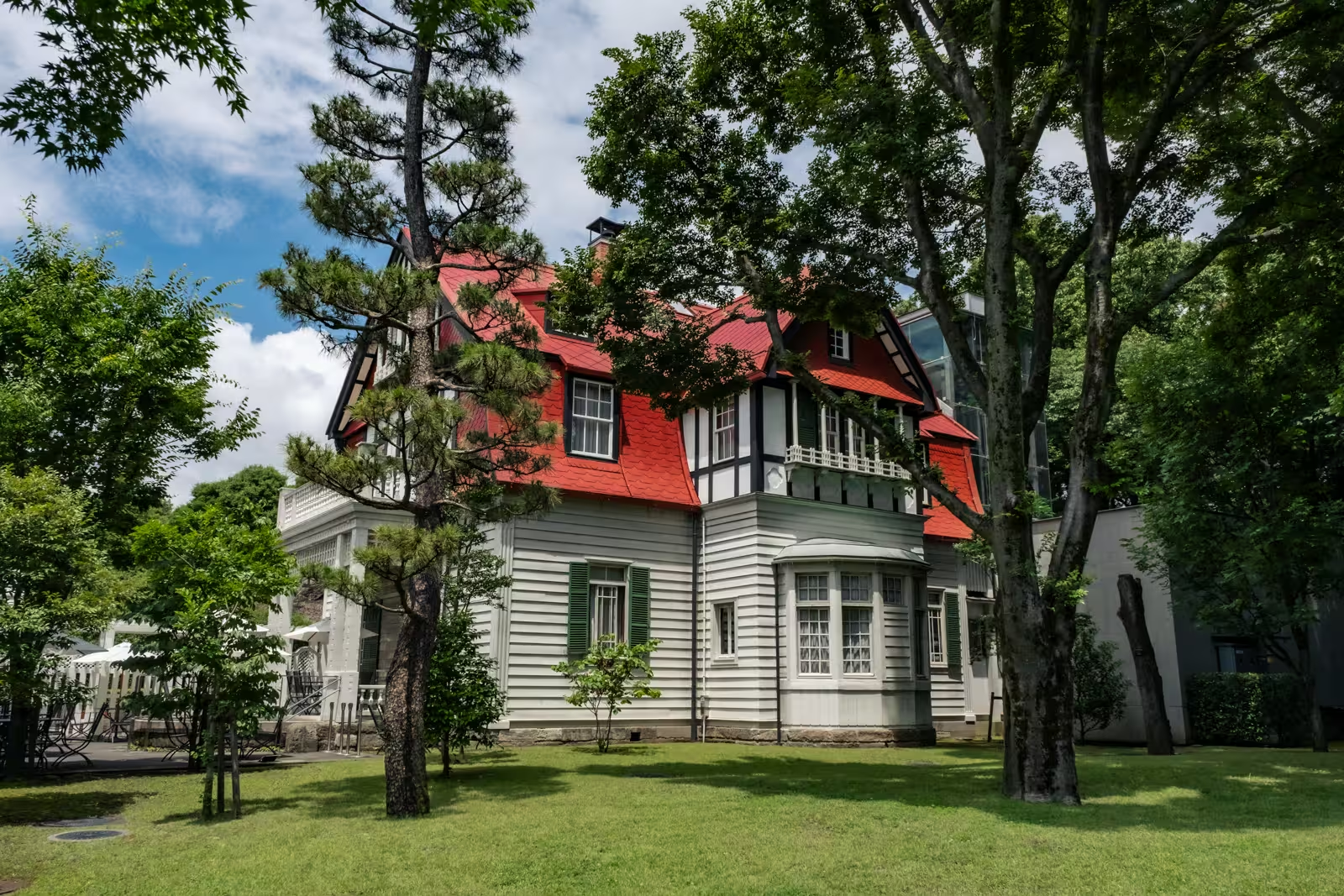
- The Mayekawa house wouldn’t look out of place in any city in the world.
- A vintage photo studio
- A traditional florist shop
- A fire lookout post
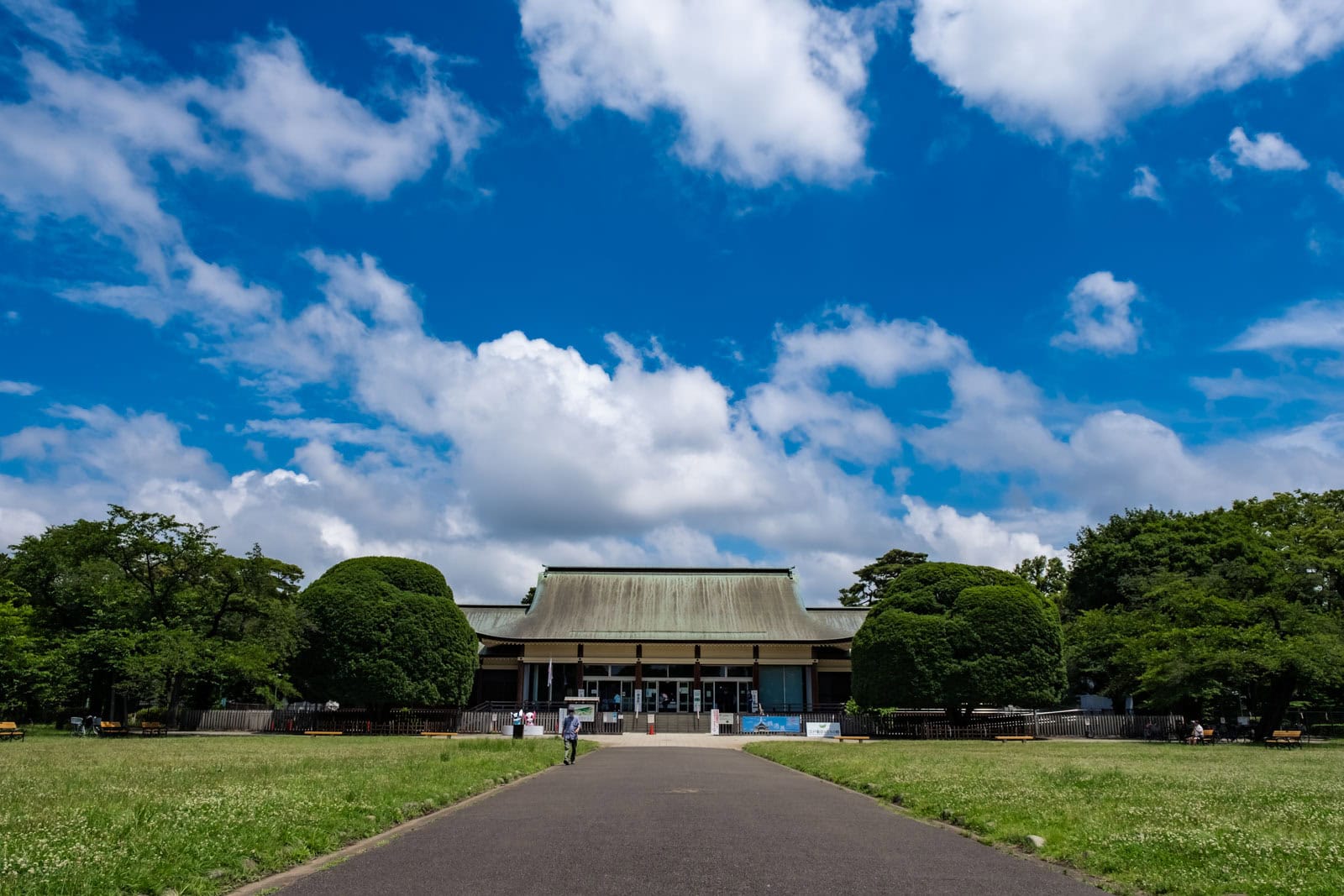
- A palace (which serves as the museum’s entrance)
- The gate from an Edo-period clan mansion
- A public bathhouse (amazing with its Mt Fuji mural)
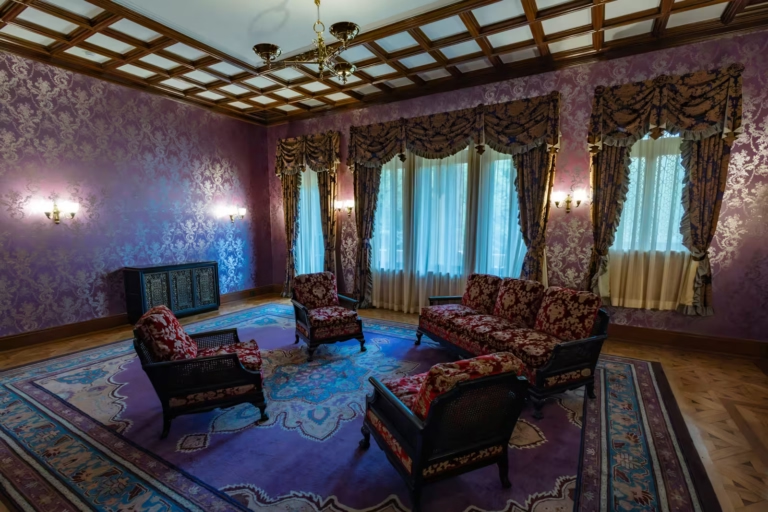
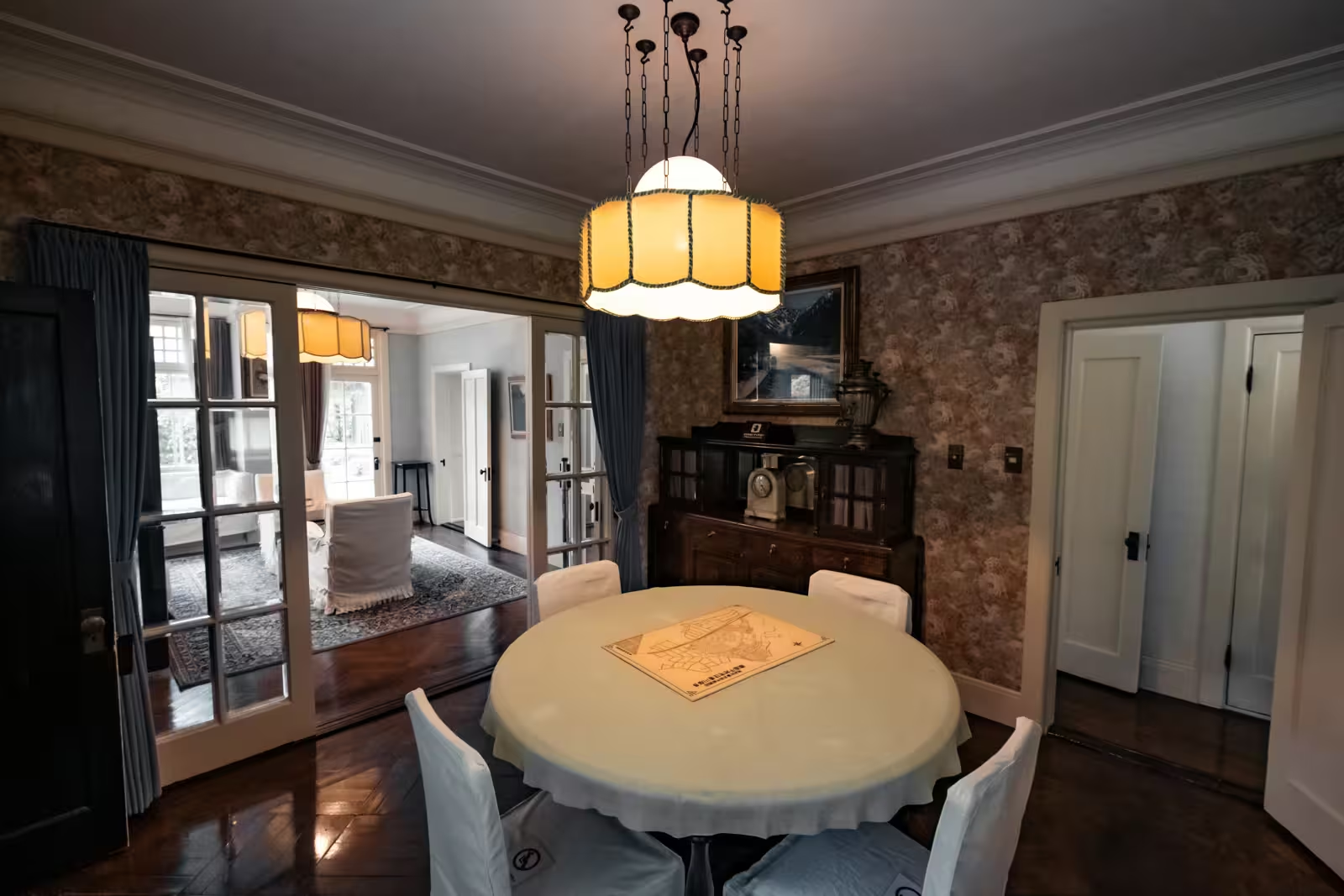
Many of the interiors are furnished with period-appropriate items, such as old telephones, Buddhist altars, soy sauce bottles, and cutlery. This adds to the authenticity of the experience.
Photography tips for the museum
- Embrace high ISO: The interiors of the buildings can be quite dark.
- Go wide: Many of the interior spaces are compact, making a wide-angle lens a valuable tool.
- Photography in the Butsuma (room for Buddhist altar), on the second floor of the Hachirouemon Mitsui residence is forbidden.
- Lighting equipment is not permitted.
- Commercial photography: Not allowed without permission.
Real buildings, real stories
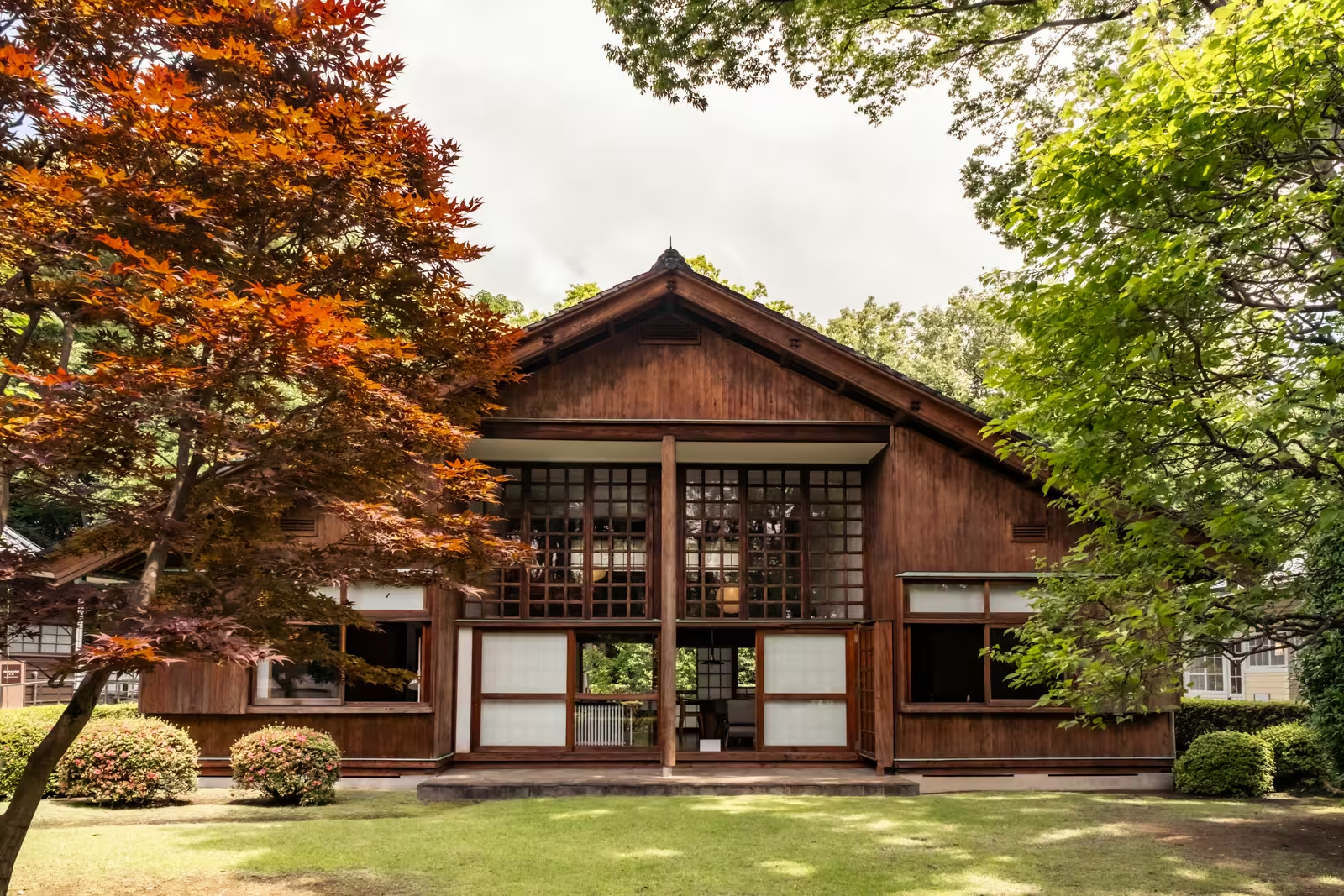
Every structure at the museum is a real building, not a replica. These are the actual places where people once lived and worked, some of which are connected to events in Japanese history.
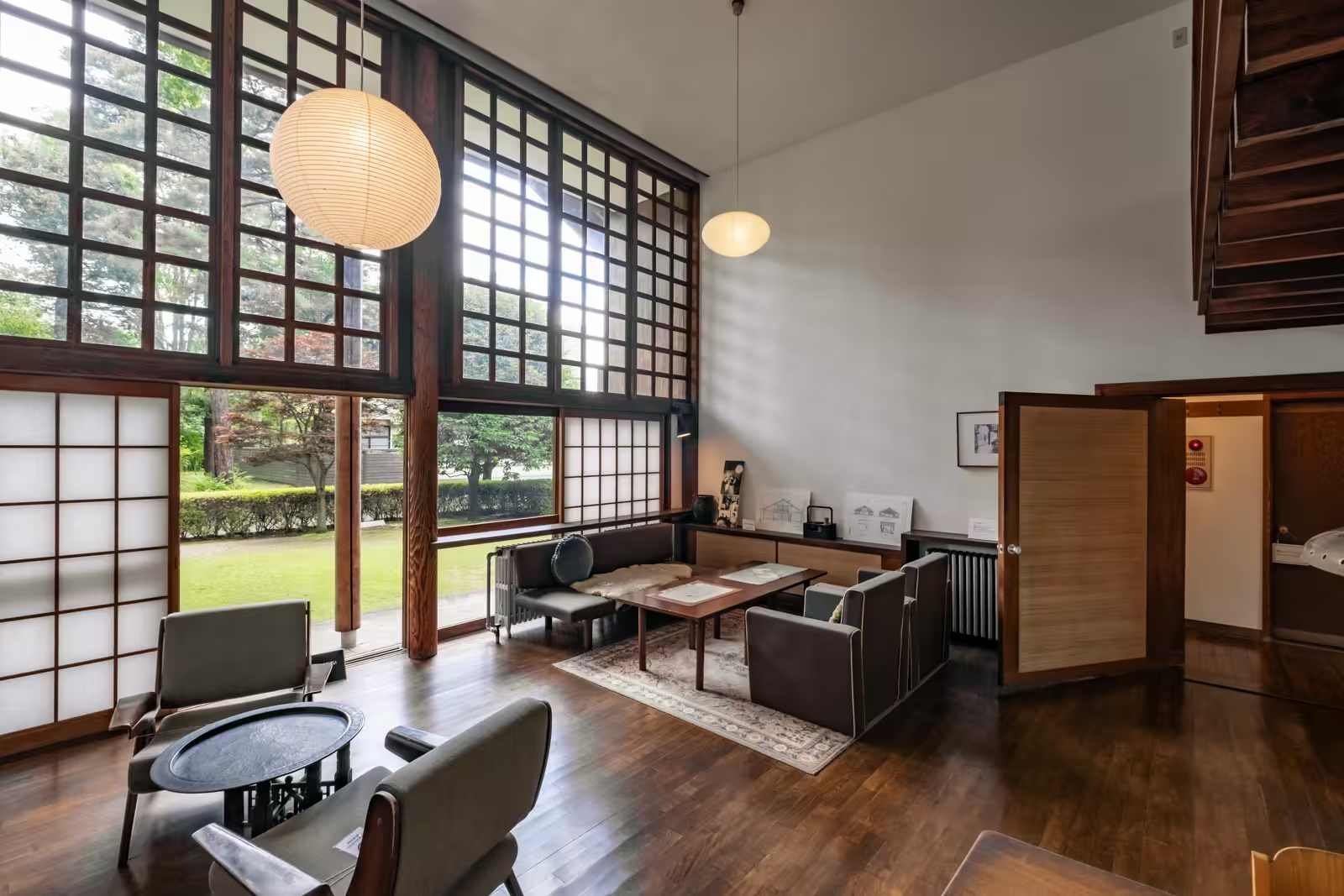
An example is Korekiyo Takahashi’s residence. He served as Prime Minister and held various ministerial roles during the 1920s and 30s. During a 1936 coup attempt, he was assassinated in the house making it a site of historical importance.
My favorite is the Jisho-in Mausoleum, built in 1652 for Lady Ofuri, a concubine of Tokugawa Iemitsu. The building is a masterpiece of craftsmanship, adorned with vibrant and intricate wood carvings.
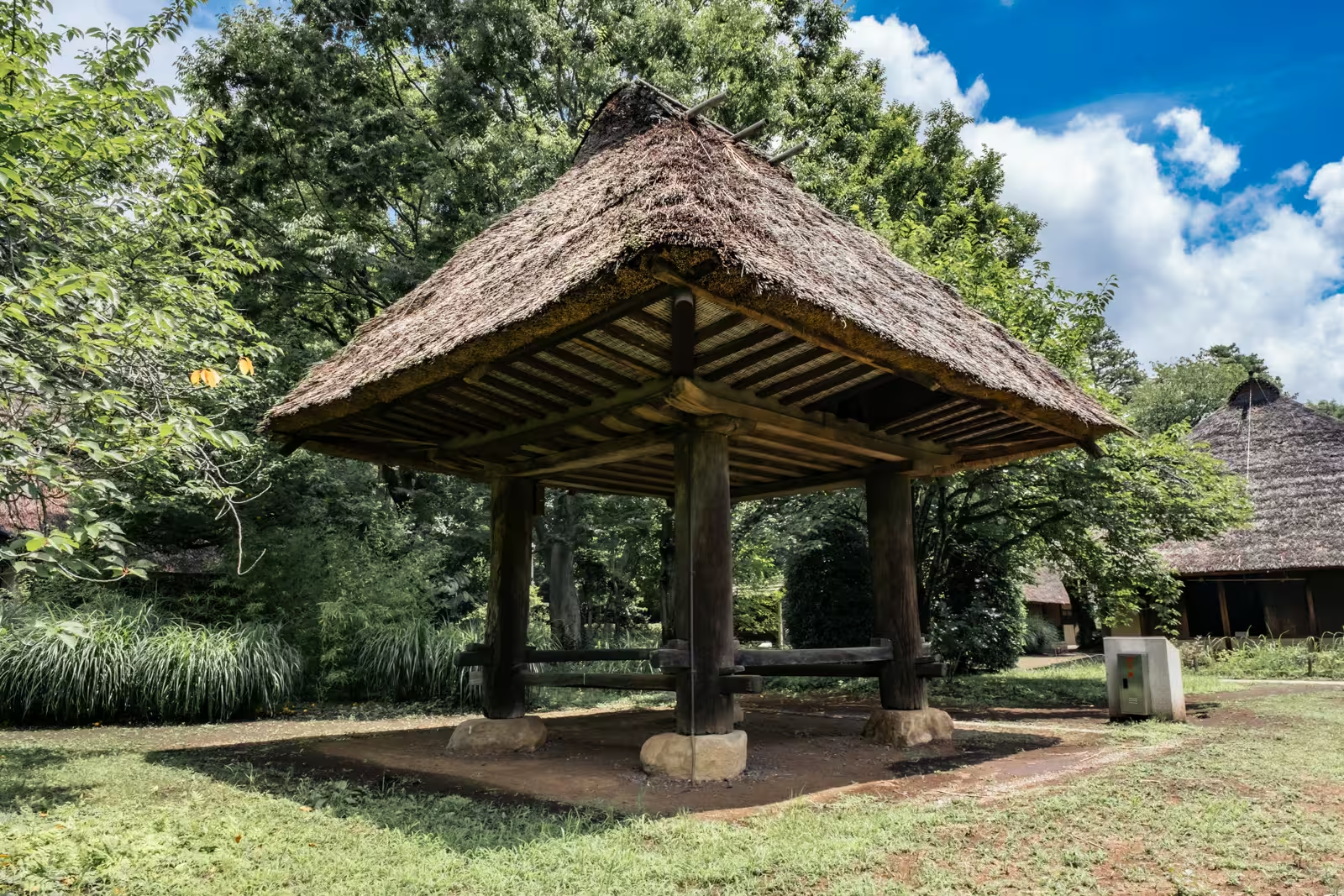
The buildings have been sourced from various locations, mostly within Tokyo. However, some, like an elevated granary from an island near Okinawa, have traveled a great distance.
Each structure was disassembled, its pieces numbered, and in some cases, stored for many years. Once the museum was established, these architectural puzzles were reassembled.
Architecture reflects social change
Some exhibits offer insights into how architectural trends have shaped daily life in Japan. The house of Sakae Okawa, built in 1925, is an example.
Following the Great Kanto Earthquake of 1923, many residents moved from the city center to the suburbs in search of safer ground. Okawa’s home reflects this social migration and a new emphasis on family-centric living spaces.
Visitors can also stroll down a recreated shopping street from the early Showa period (1926-1989). With a bathhouse, an inn, a working soba shop, a florist, and a soy sauce shop, this area feels like a movie set. It provides interesting photo opportunities.
Preserving thatched roofs
The museum is an educational experience. One intriguing discovery is that traditional farmhouses with straw roofs have fires burning inside year-round. While it may seem atmospheric, this practice serves a crucial purpose.
The constant warmth prevents moisture from seeping into the straw, which would otherwise lead to rot. With replacement costs for these roofs reaching a prohibitive ¥30,000,000, keeping the fires lit is a necessity, even during the summer.
This museum is a treasure trove of history, filled with magnificent buildings that tell the story of Japan. Interestingly, some designs feel contemporary and wouldn’t look out of place in modern Tokyo.
Visitor information
- Address: 3-7-1 Sakuracho, Koganei, Tokyo
- How to get there: Take the Chuo Line to Musashi-Koganei Station. From the north exit, take a Seibu Bus from platform 2 or 3 and get off at the “Koganei Park West Exit.” The museum is within the park. The walk from the station takes approximately 30 minutes.
- Opening hours:
- April to September: 9:30 a.m. to 5:30 p.m.
- October to March: 9:30 a.m. to 4:30 p.m.
- Last admission is 30 minutes before closing.
- Closures: The museum is typically closed on Mondays. It is advisable to check the official website before your visit, as it may close for special events.
- Admission fee: ¥400
- For more information, consult the official Edo-Tokyo Open Air Architectural Museum website.
- Here is the museum on Google Maps:
History of the museum
Since the Edo period, Tokyo has lost a significant number of its historical buildings to fires, floods, earthquakes, and war. This loss continues today due to ongoing social and economic development.
In response, the Tokyo Metropolitan Government established the Edo-Tokyo Open Air Architectural Museum in 1993. Its mission is to relocate, reconstruct, preserve, and exhibit buildings of great cultural value for future generations.
Is the Edo-Tokyo Open Air Architectural Museum worth it?
For anyone with a love for architecture, photography and history, the Edo-Tokyo Open Air Architectural Museum is a must-visit destination. With its incredible collection of authentic buildings, you can easily spend hours exploring.
The museum is also accessible, with excellent English signage throughout.
As a final tip, remember to pick up a plastic bag at the entrance. You will be asked to remove your shoes before entering the buildings, and the bag is for you to carry them as you explore.
If you enjoy this type of content, you should check out [Japan Open-Air Folk House Museum].