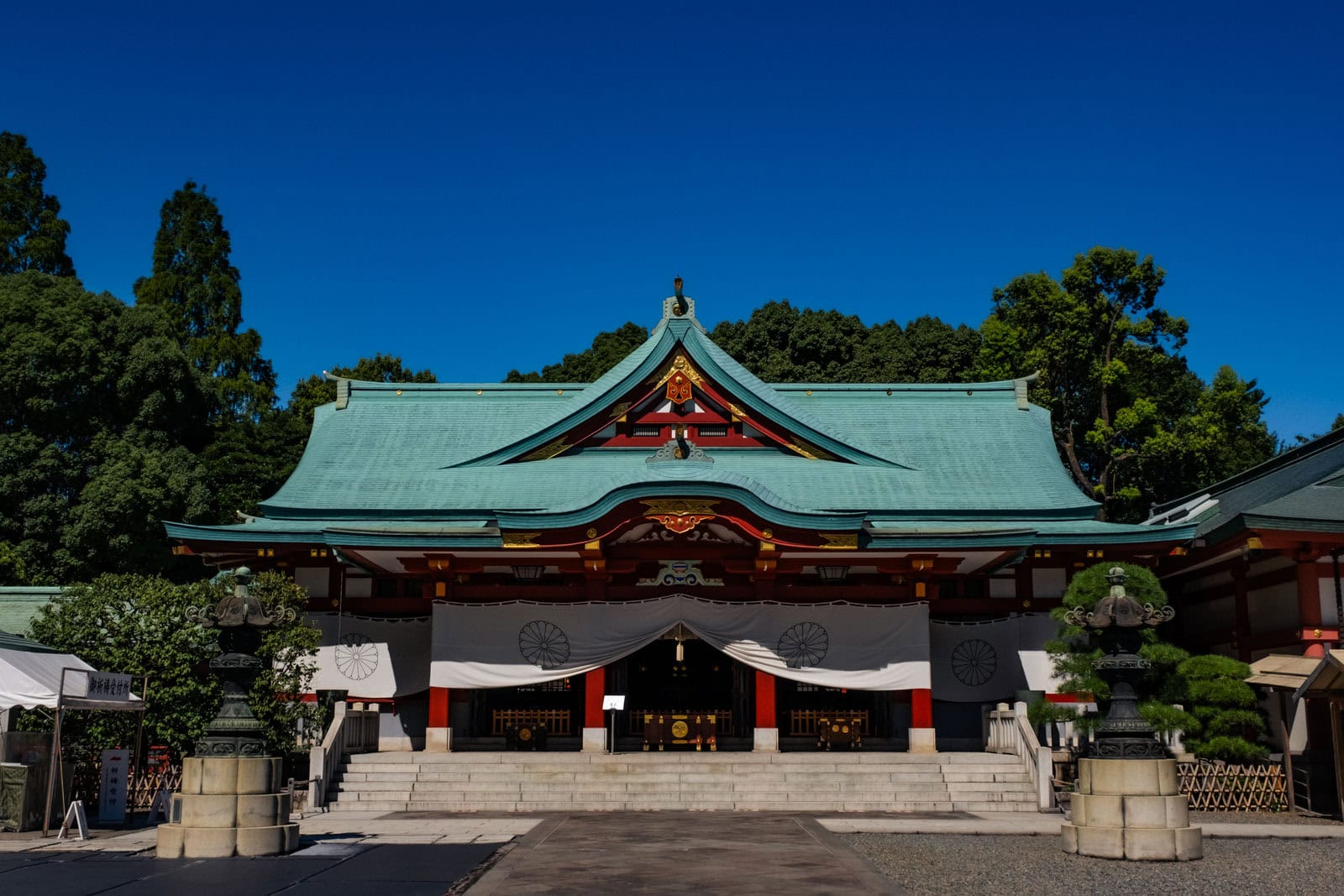
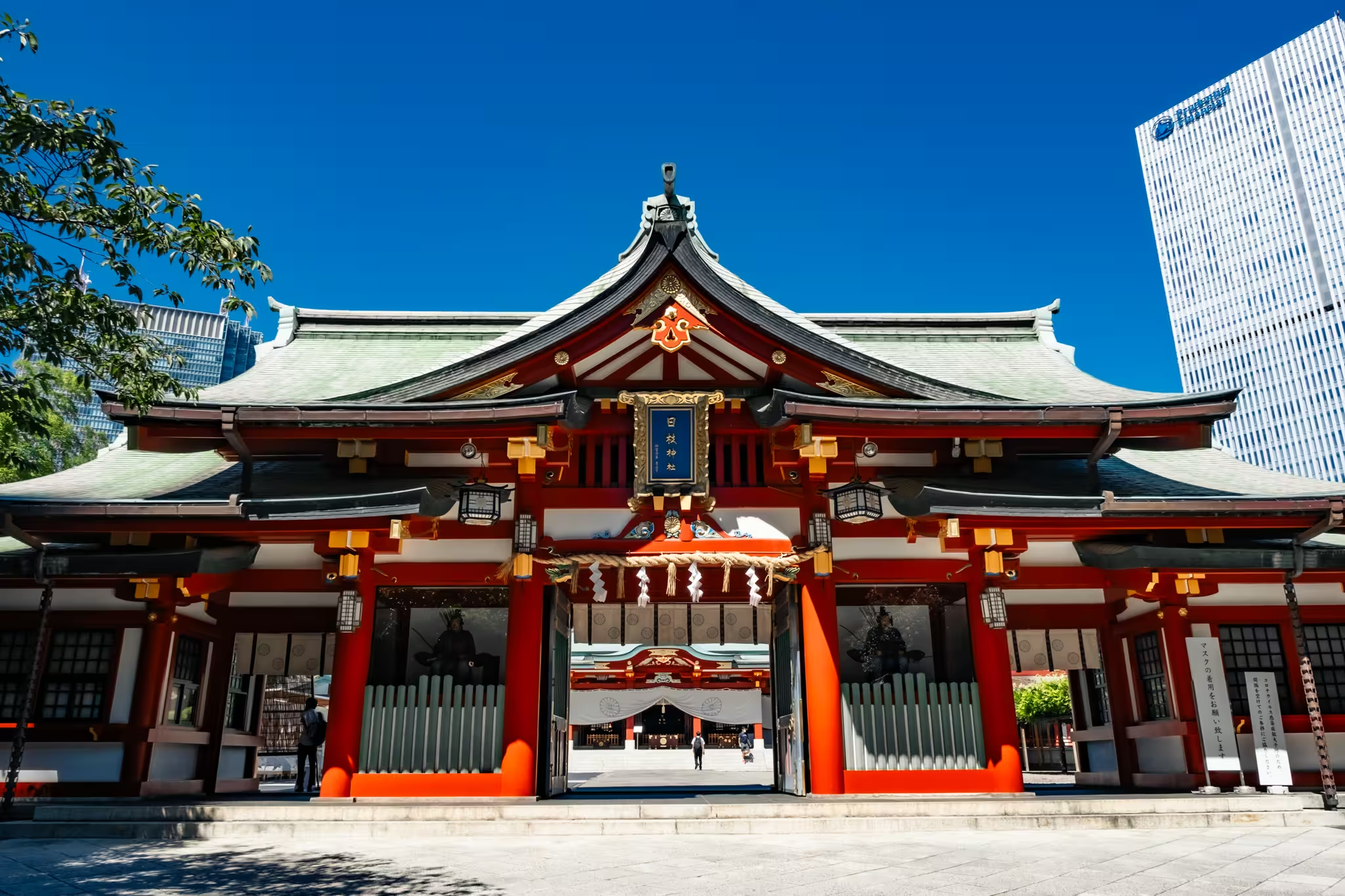
Hie Shrine isn’t the biggest shrine in Tokyo, but it might just be one of the best for photographers. Nestled between the skyscrapers of Akasaka, it offers a mix of traditional architecture and the modern city.
From the famous tunnel of red torii gates to the unique monkey statues, and even an outdoor escalator, there is a lot to keep your camera busy. It is also home to the Sanno, one of Tokyo’s most important festivals. How good is that? Here’s my photography guide.
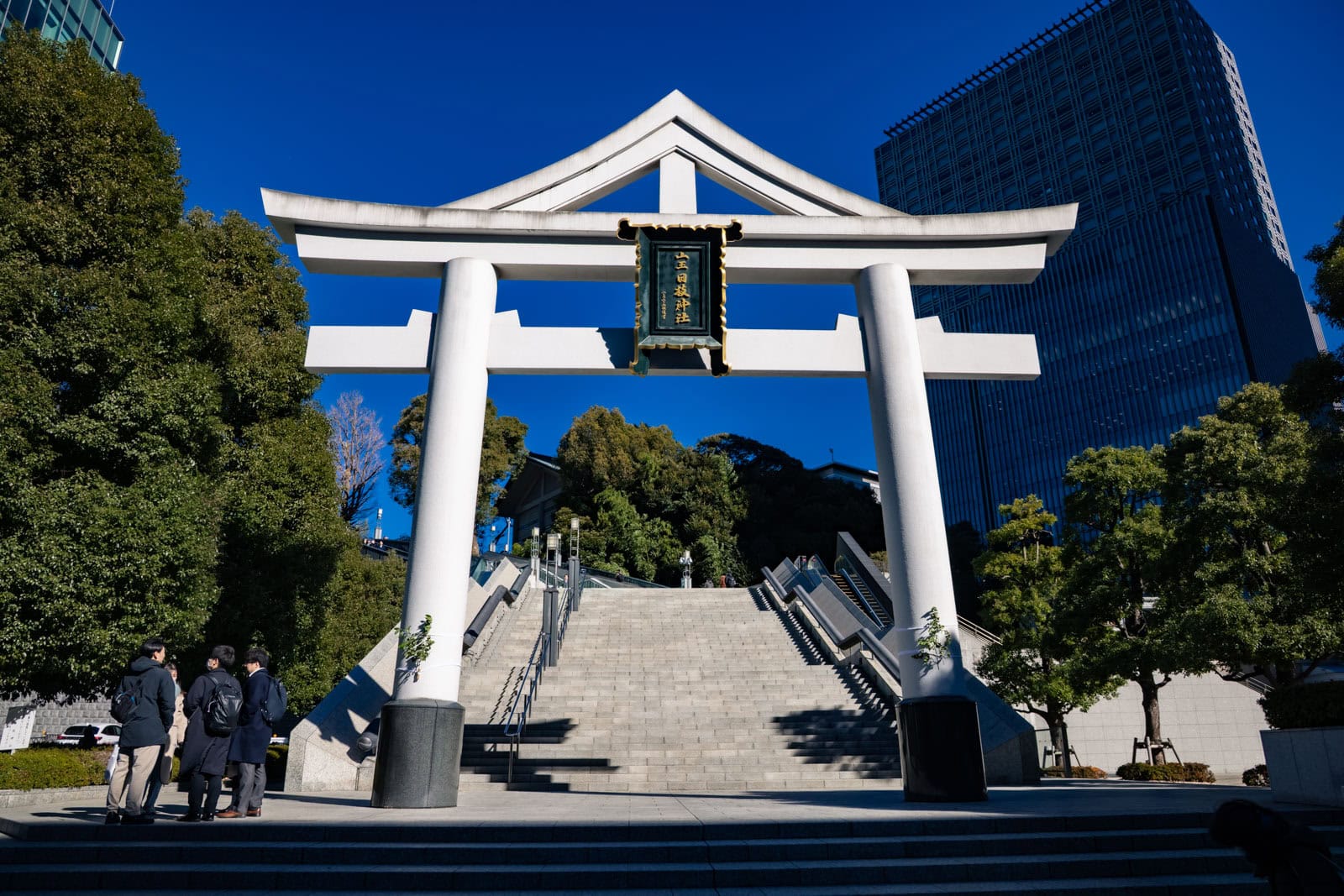
Top photo spots at Hie Shrine
There are several features here that should grab a photographer’s attention immediately. Here is what to look for:
Messengers of the gods: Monkey statues
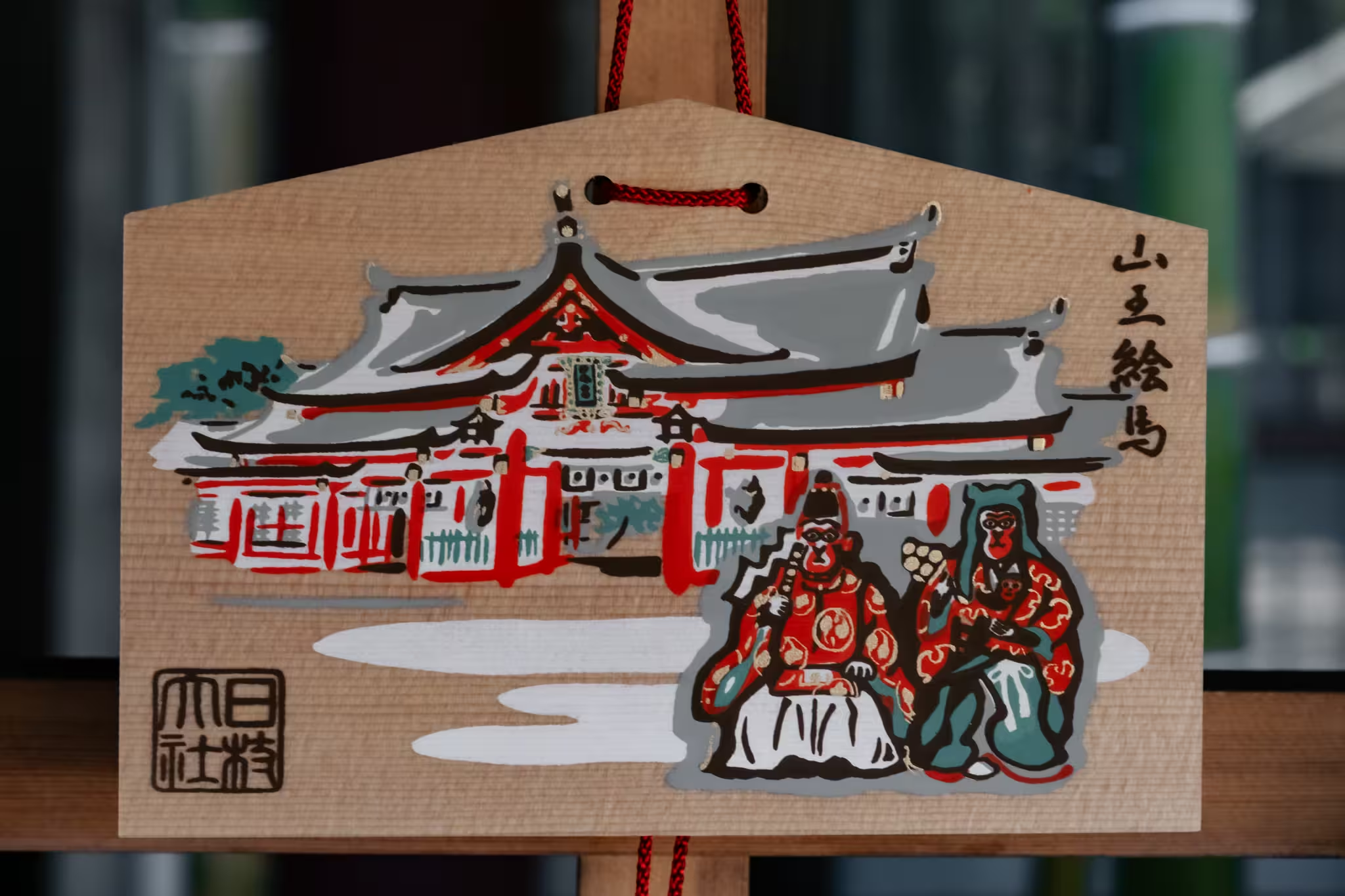
Monkey statues are a rarity in Japan; not every shrine has them. So, why are they here? The kami (god or spirit) of Hie Shrine is Oyamakui-no-kami, and the primates are his messengers. He needs them nearby symbolically!
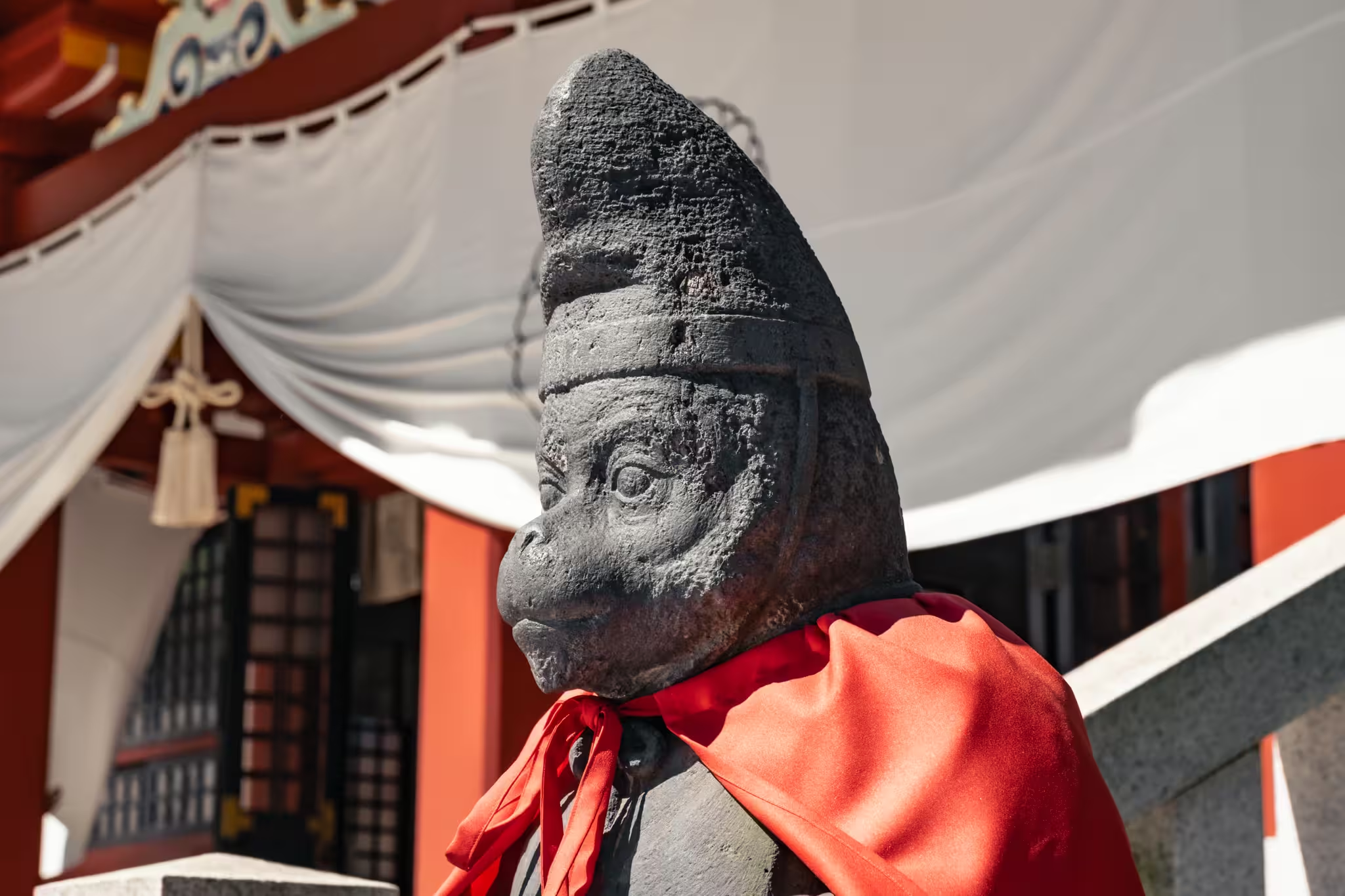
For visitors, they are considered patrons of harmonious marriages and safe childbirth. For photographers, they are a unique subject you won’t find at Sensoji or Meiji Jingu.
“Senbon Torii” (red torii gates)
Hie is famous for its tunnel of red torii gates. It is easily one of the shrine’s most photogenic features. While it isn’t as massive as the famous Fushimi Inari in Kyoto, it is still incredibly attractive for photos, and often less crowded.
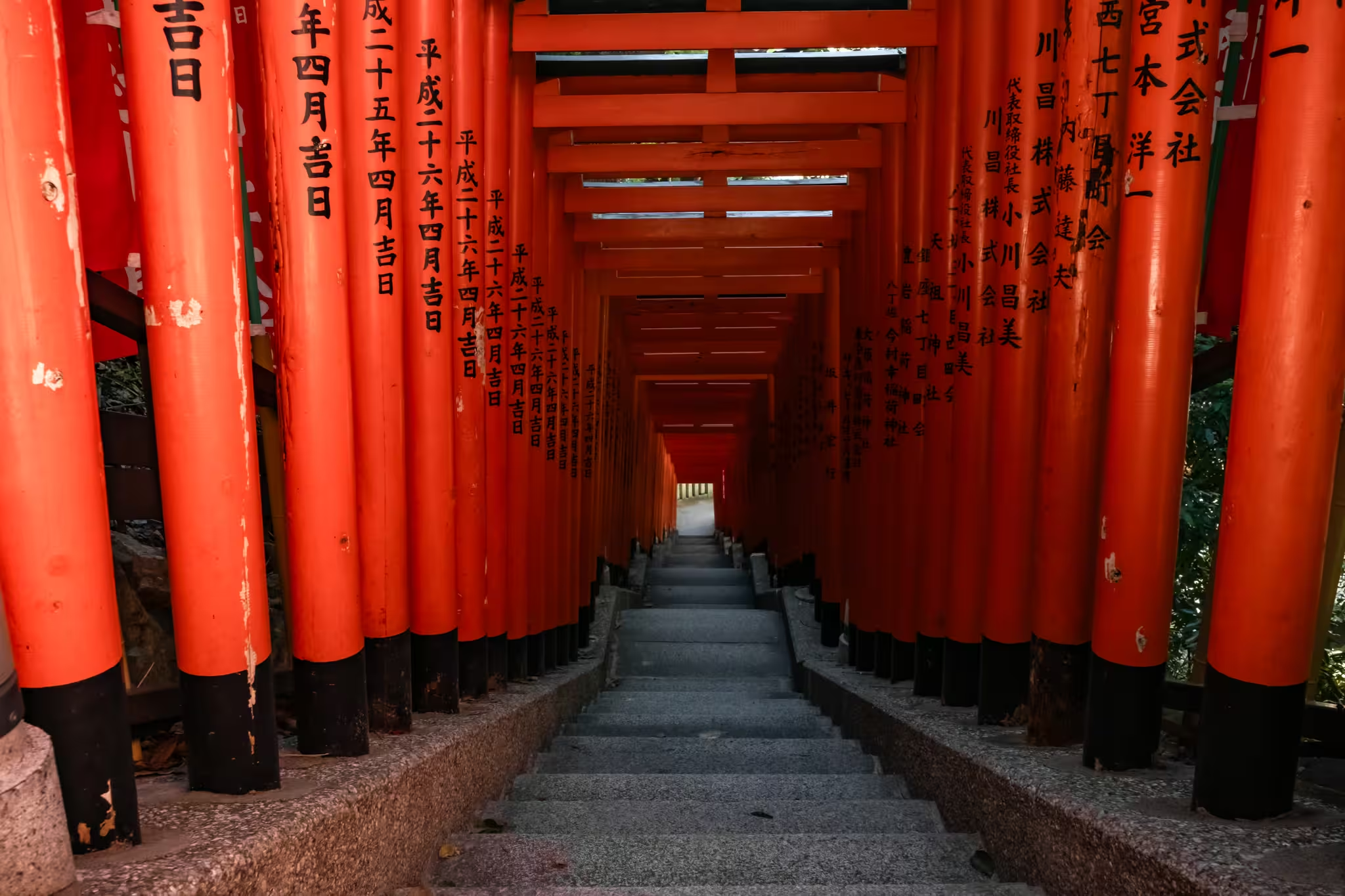
Tip: This is a popular spot for photographers so try to arrive early to have it to yourself. Take a wide-angle lens with you to fit in all those gates!
Take the easy route up to the shrine
The shrine sits on top of a large hill with some steep sides. Installing escalators was a great idea. I, for one, prefer them to the stairs as there are a lot of them!
Remember to look back and enjoy the urban view when you go up. And how long does it take to get to the top? I timed it, and it took exactly two minutes and four seconds.
Old shrine in the big city
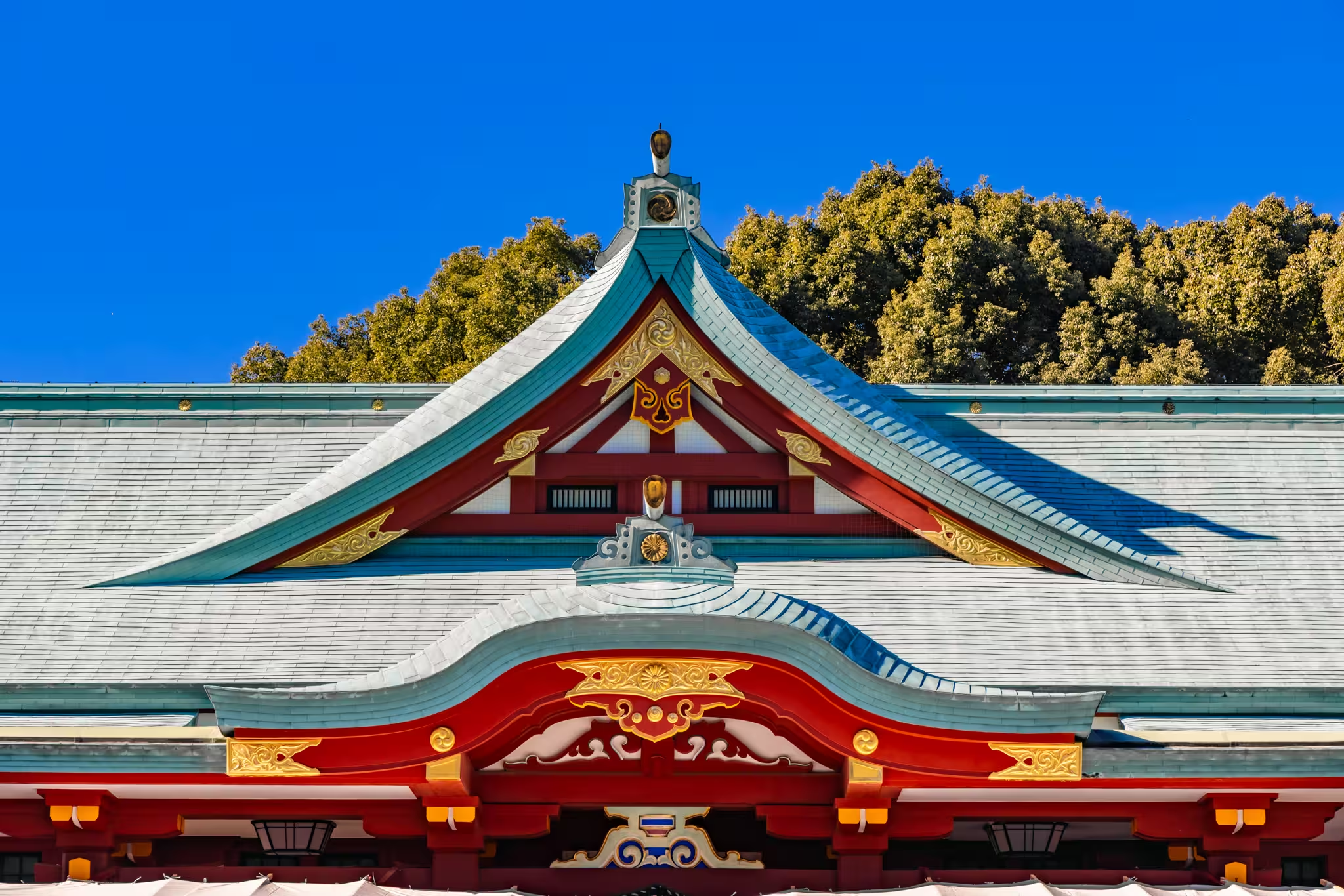
Many shrines in Tokyo are known for some special hook. Nezu is famous for its azalea festival and Meiji for its forest. Hie Shrine features classic Japanese architecture, but it has an extra ace up its sleeve: the location.
It sits in the middle of an enormous city with huge buildings looking down on it. This allows you to capture that perfect contrast between the old and the new—a busy metropolis surrounding a quiet, classic shrine.
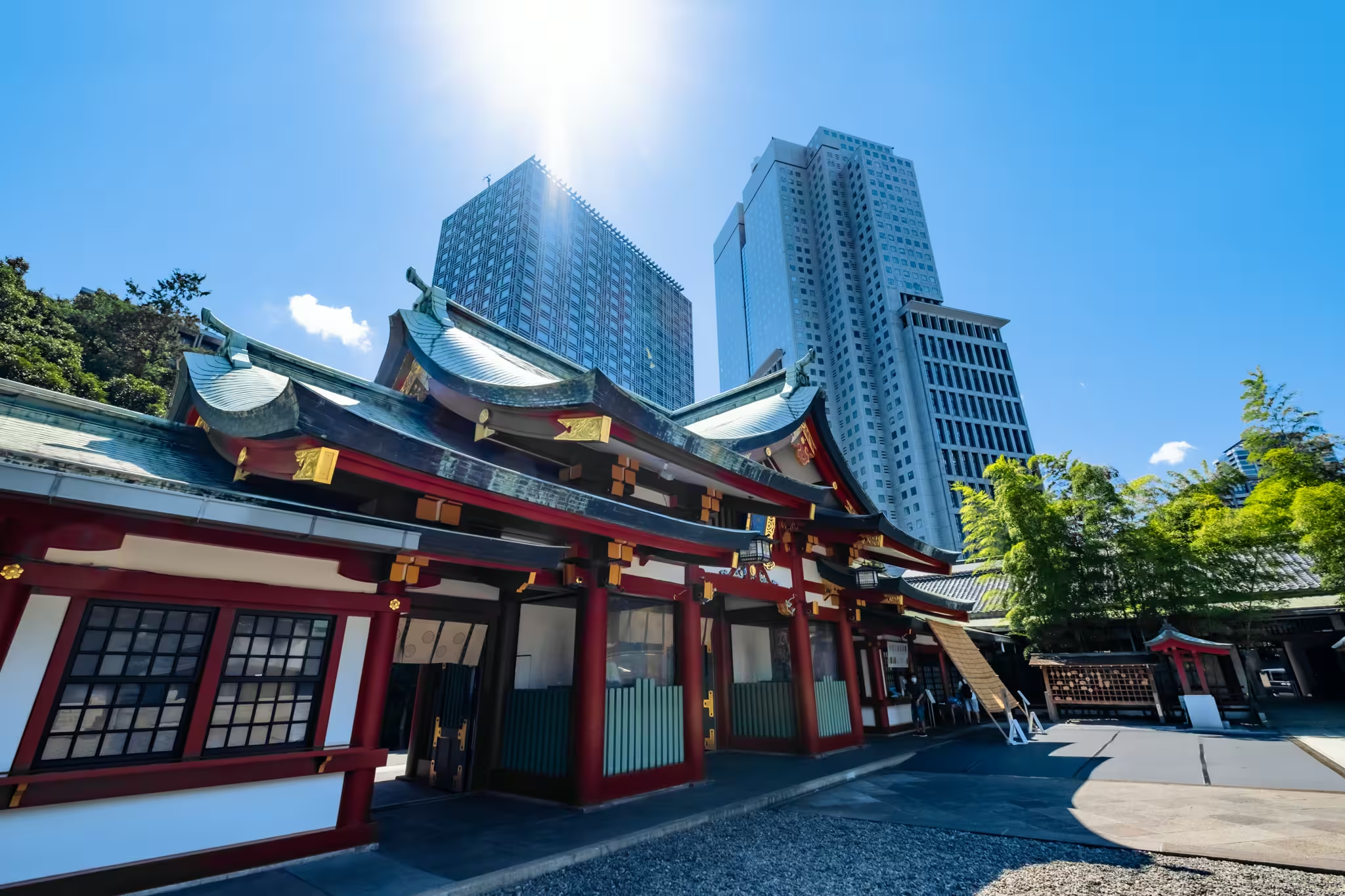
Traditional weddings
If you are lucky on your visit, you might catch a wedding procession. Because of the shrine’s connection to marriage and childbirth, it is a very popular spot for traditional ceremonies.
Photography tips & etiquette
- Don’t take a tripod, they aren’t allowed.
- Don’t take photos of closeups of worshippers, priests and other staff without permission.
- Medium zooms will allow you to capture some architectural details up on the roofs.
- Incorporate the surrounding buildings into your compositions.
Another big Tokyo festival
The shrine is famous for its Sanno Festival in June. Along with the Kanda and Sanja festivals, it is one of Tokyo’s “Big Three.”
The full version of the festival happens only in even-numbered years. It extends over a week, but most events are relatively small. The main attraction is a massive parade that tours the city, stopping at the Imperial Palace before returning to Hie.
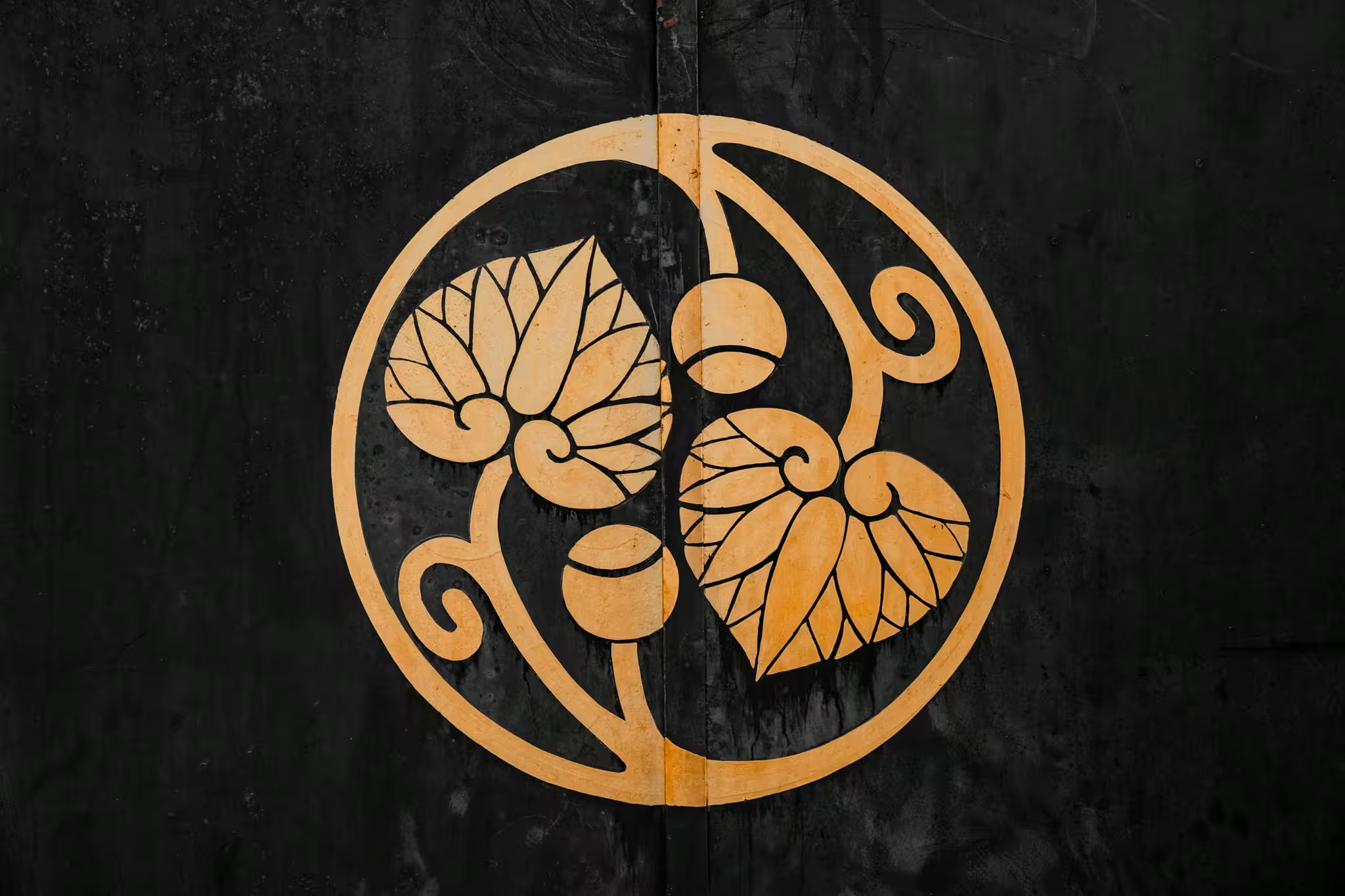
I don’t have pictures of the main parade yet, but I look forward to attending when my schedule permits. See my photographs of the shrine from the 2016 Sanno event.
Photo spots near the shrine
Since you are in the Akasaka/Nagatacho area, you can easily combine Hie Shrine with these nearby locations:
- Aoyama Cemetery: Famous for cherry blossoms.
- Hibiya Park: A large, western-style park.
- Imperial Palace: The primary residence of the Emperor.
- Tokyo International Forum: Incredible architecture for wide-angle shots.
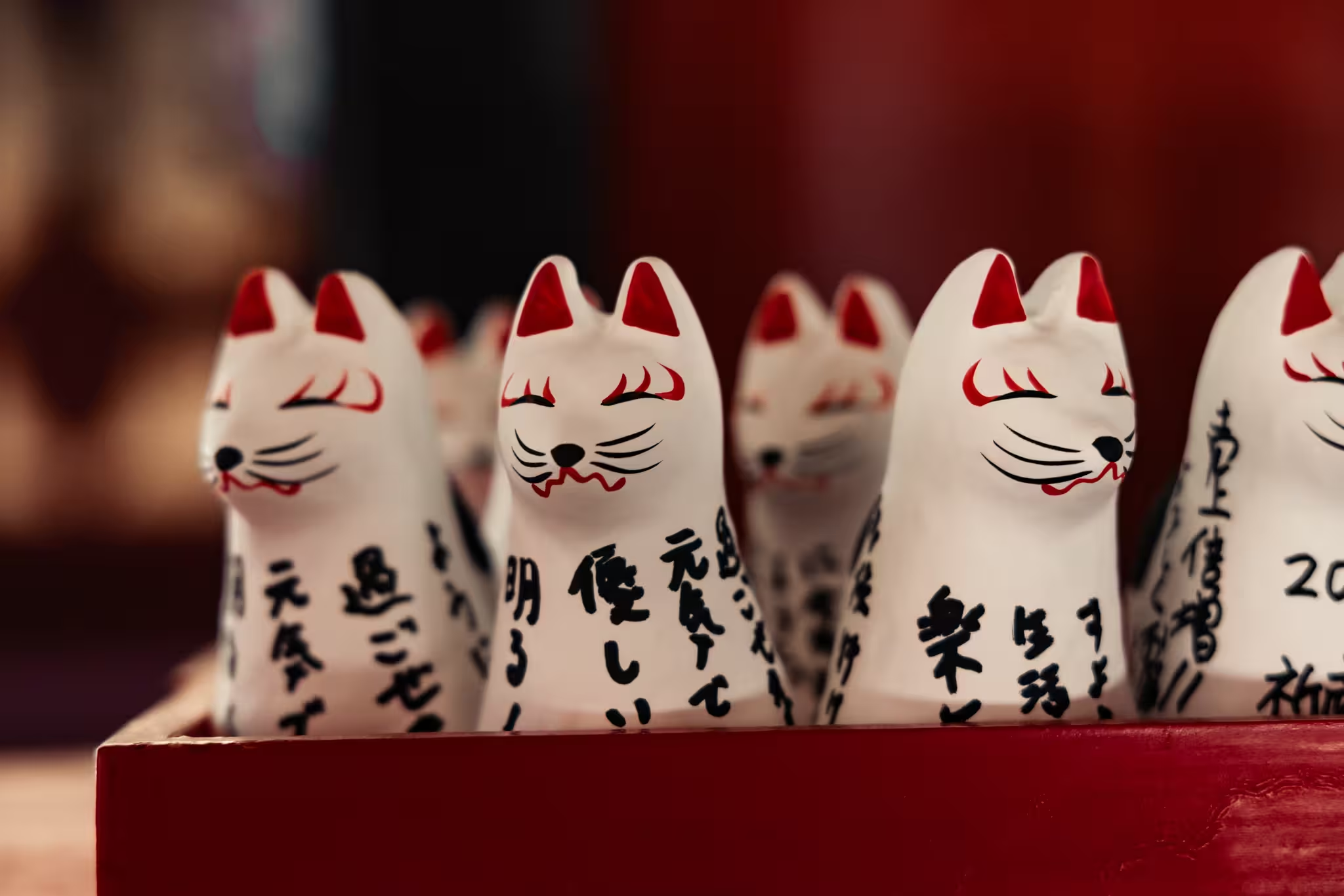
- Toyokawa Inari Tokyo Betsuin: Another spot famous for its hundreds of fox statues.
Japanese treasures at the museum
What else is there? There is a mini-museum named the “Collection Hall.” It houses a collection of Edo-period weapons, letters, and even a portable shrine.
One of the exhibits is a lion mask covered with a shogun’s calligraphy. It’s a pity photography isn’t allowed inside, but it is worth a look.
Visitor information
- Location: It is located in the heart of the city near the government offices and the palace.
- Address: 2-10-5 Nagatachō, Chiyoda City, Tokyo
- Train access: The easiest access is via Akasaka Station on the Chiyoda Metro (subway) Line. Use Exit 2.
- Entry costs: None
- Opening hours: 6:00 a.m. to 5:00 p.m.
- For the most up-to-date information, check the official Hie Shrine website.
- Here is the shrine on Google Maps:
History of Hie Shrine
If you need a brief history, here it is. Ota Dokan originally built the shrine within the grounds of Edo Castle (now the Tokyo Imperial Palace). When Ieyasu Tokugawa moved to Edo, he shifted it to its current location.
From 1871 to 1946, the government designated it as a Kanpei-Taisha, meaning it received significant state support. Sadly, air raids destroyed the buildings during World War II, but they were beautifully rebuilt in 1958. Short enough?
Is Hie Shrine worth visiting?
Hie Shrine is a fantastic photo spot. To visit such a traditional space amidst the Tokyo skyscrapers is quite an experience. If you are looking for something unique in Tokyo, this shrine is for you.
I don’t know of many others that combine red torii gates, monkeys, and outdoor escalators in one location! If you poke into its nooks and crannies, you might find even more surprises. Whether you go for architecture or the Sanno Festival, make sure your camera battery is charged.
Do you want to see more articles like this? Check out our Meiji Shrine Photo Guide.