Asakusa Kaminarimon Bon Odori 2027 details
- Date: To be confirmed
- Time: 5:30 p.m. to 8 p.m.
- Location: The street in front of the Kaminarimon Gate, Sensō-ji Temple
- Cost: Free
- For the latest and most up-to-date information, check the official Kaminarimon Bon Odori website.
The event is divided into three 30-minute sessions with 30-minute breaks between each, starting at 5:30 to prevent overcrowding and heatstroke. When you have danced once, please retire so others can join.
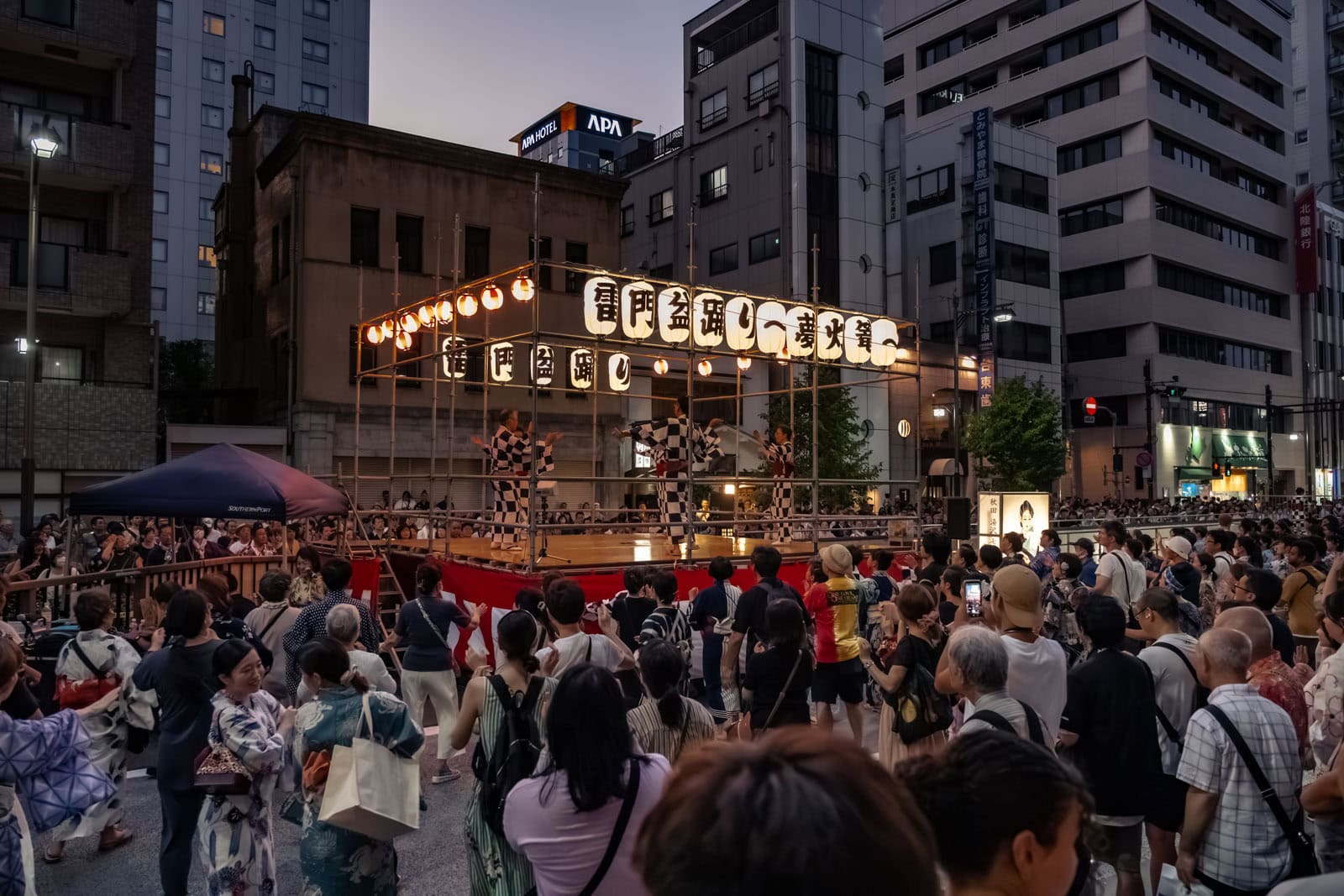
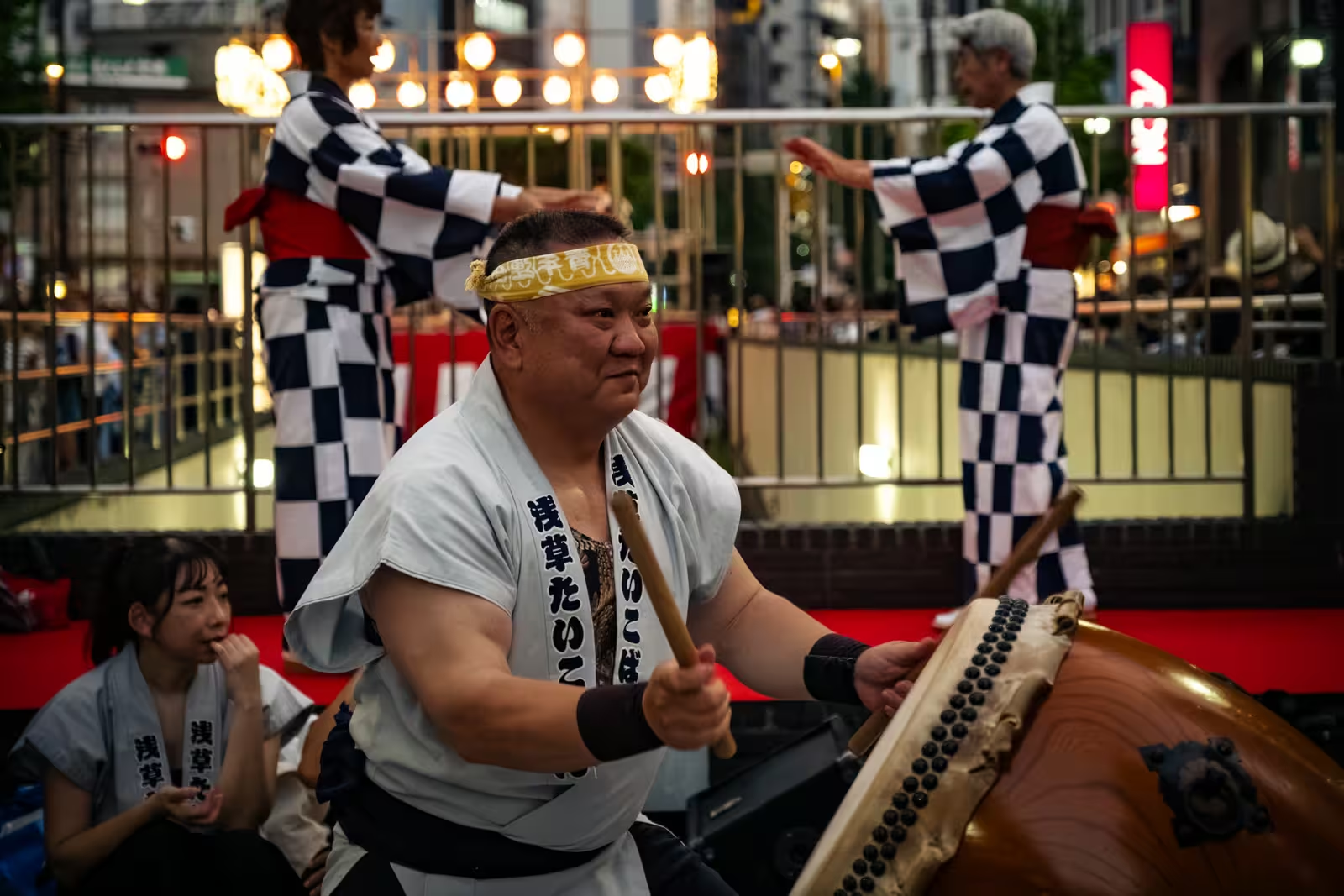
Japan’s Bon Odori is a traditional dance festival (or matsuri in Japanese) with accompanying music. It takes place around a raised podium called a “yagura.” Taiko drummers keep the rhythm.
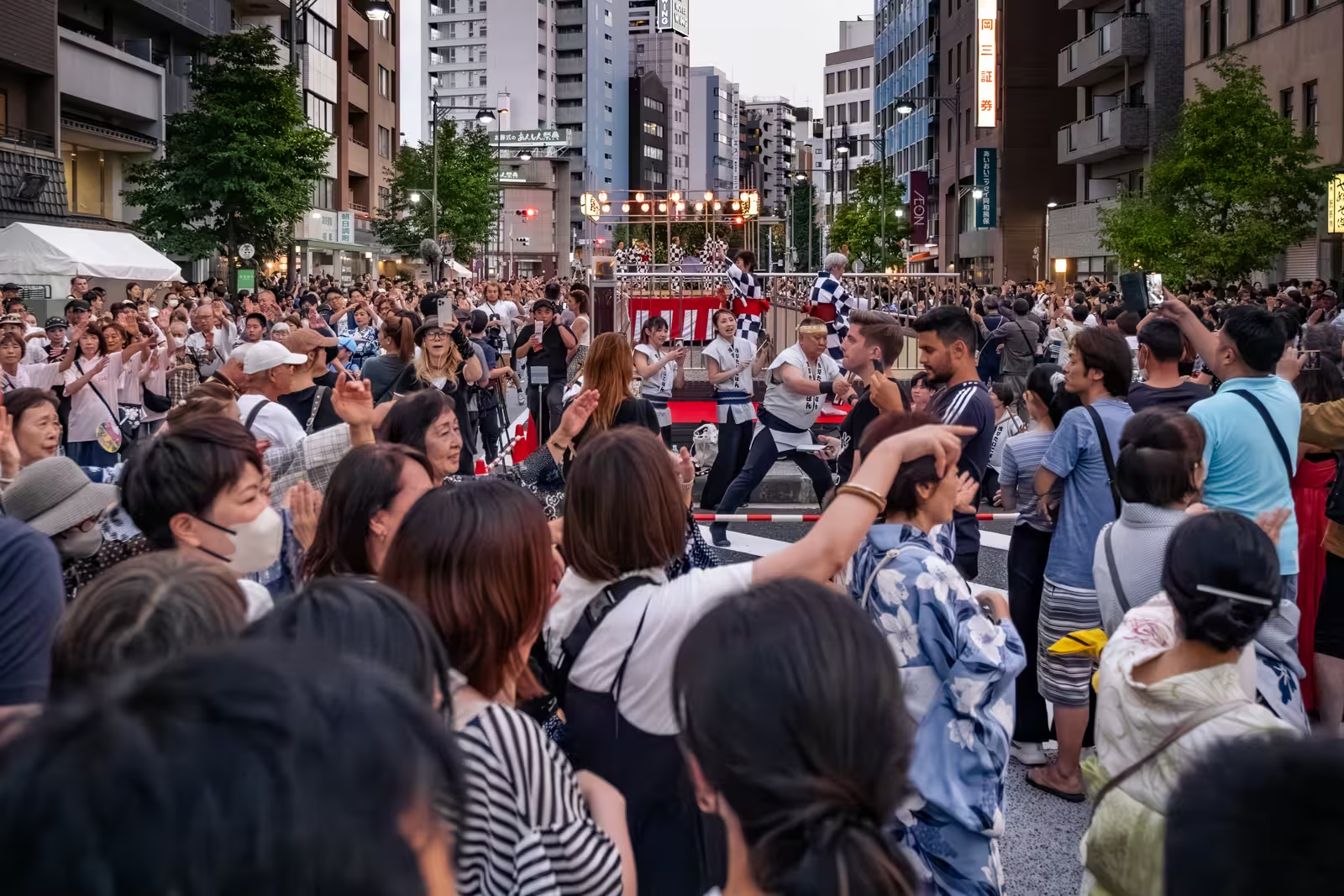
Thousands of people attend, many of them wearing the traditional summer dress of Japan, the yukata. It’s like a lightweight kimono. Many foreign tourists come to watch and dance. Everyone is welcome.
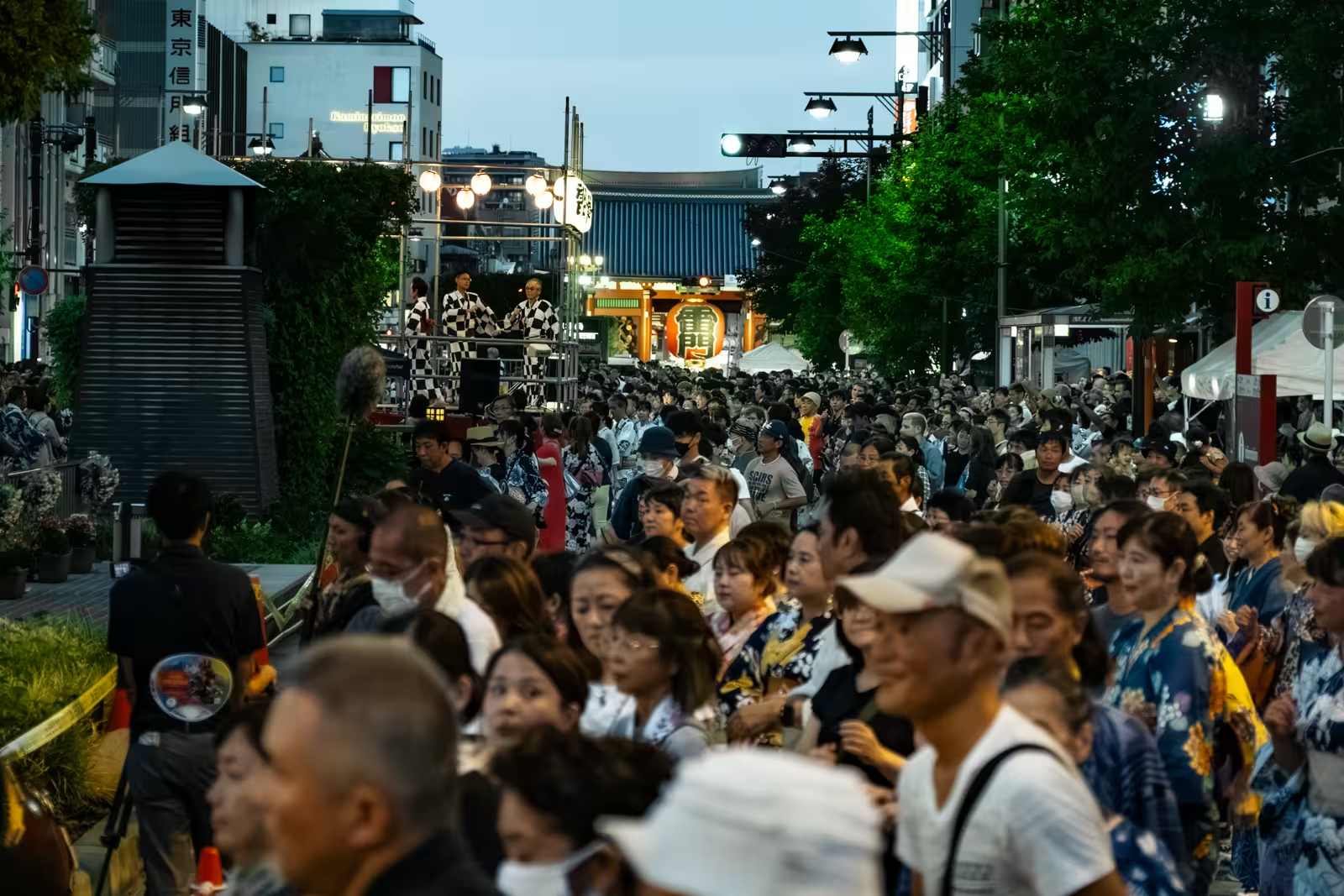
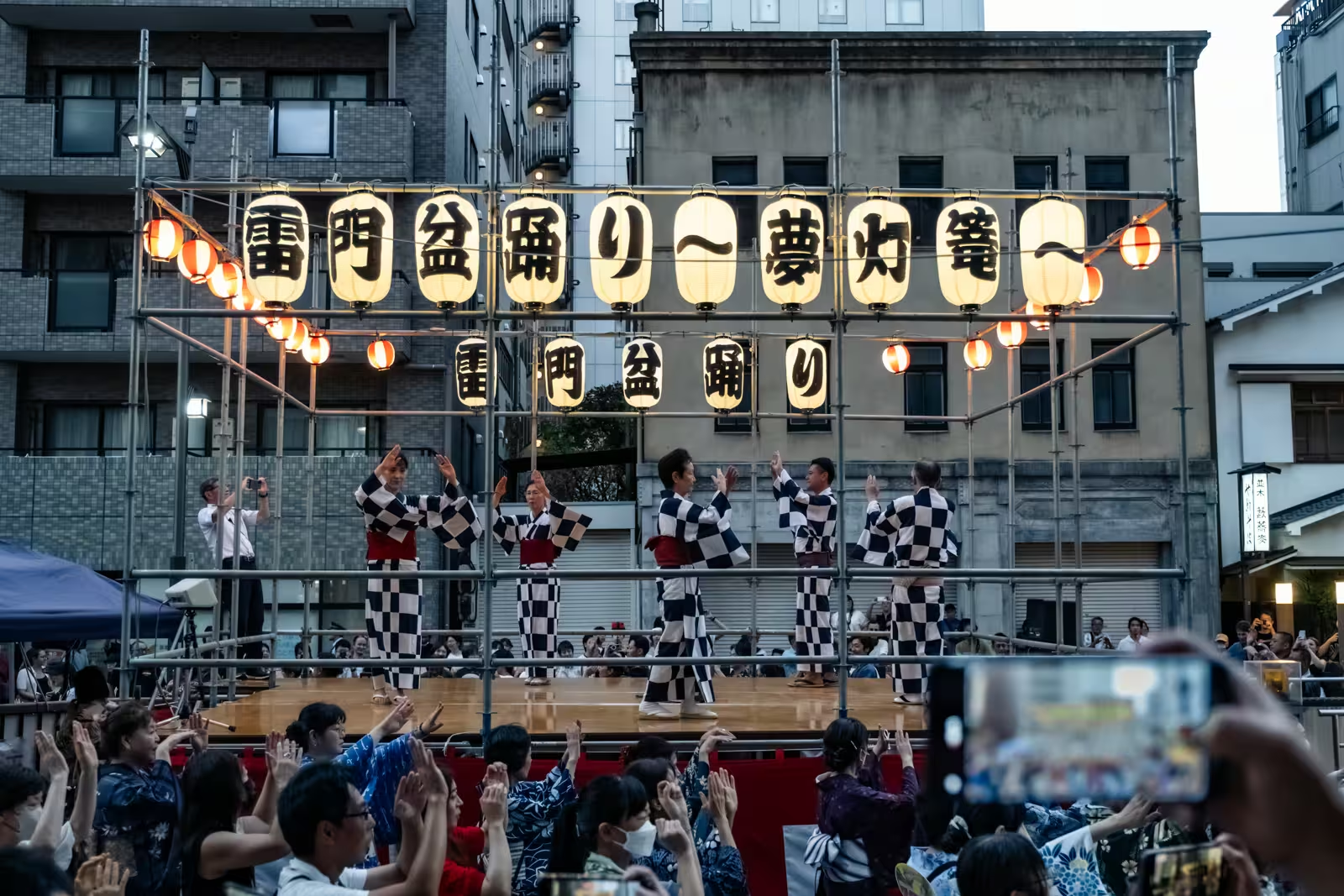
Asakusa Bon Odori is held in front of Kaminarimon which is on Kaminarimon-Dori Street. place. This road is narrow so the layout is different to the typical festival.
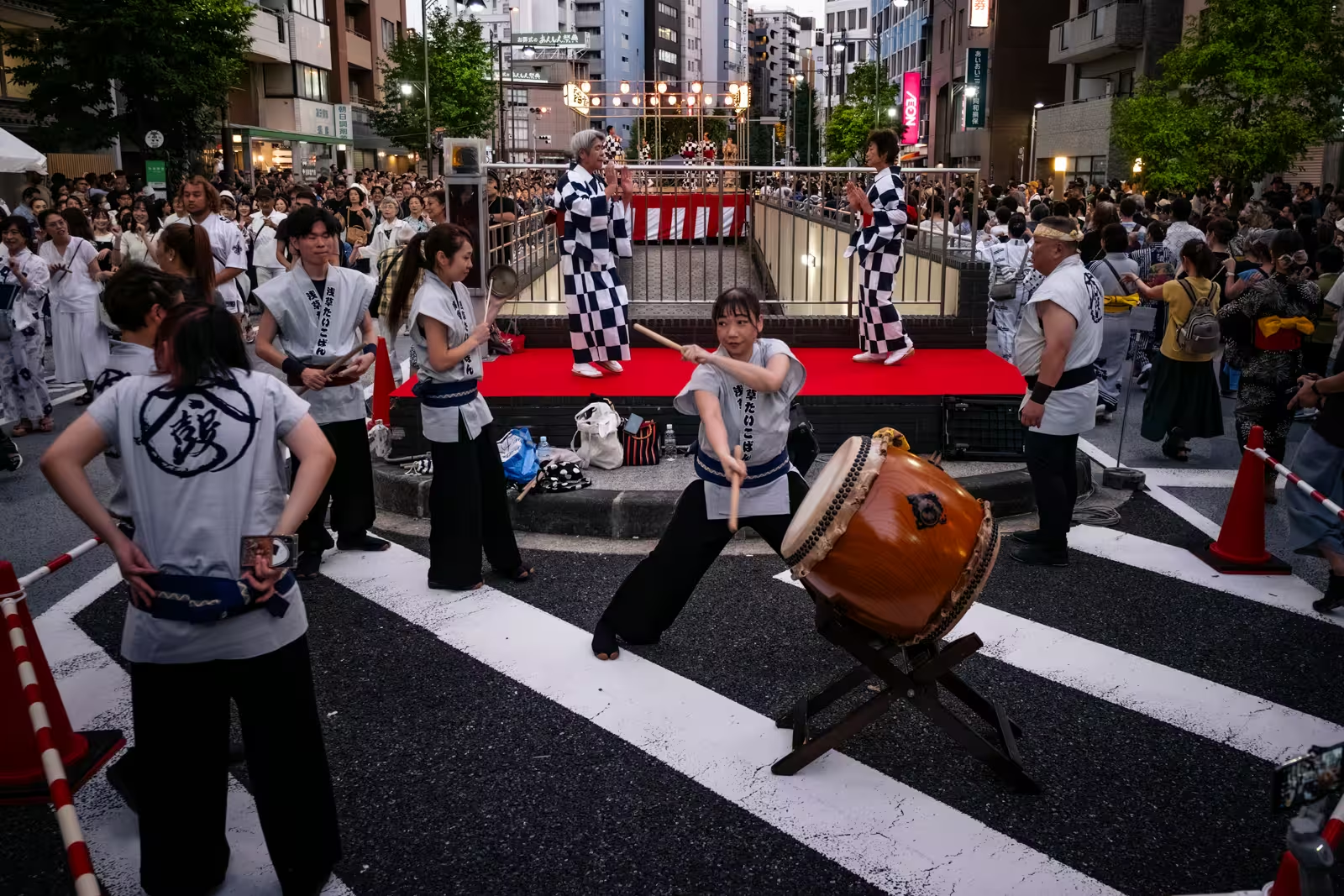
Dancers get the yagura, and the taiko musicians are on the road. There is a large space between them. It is unusual and might be unique in Japan. Still, it works!
At the Bon Odoris I’ve been to, a “yagura” is in the middle. That is a raised platform for a taiko (Japanese drum) player, singers, and dancers. This time, that wasn’t the case.
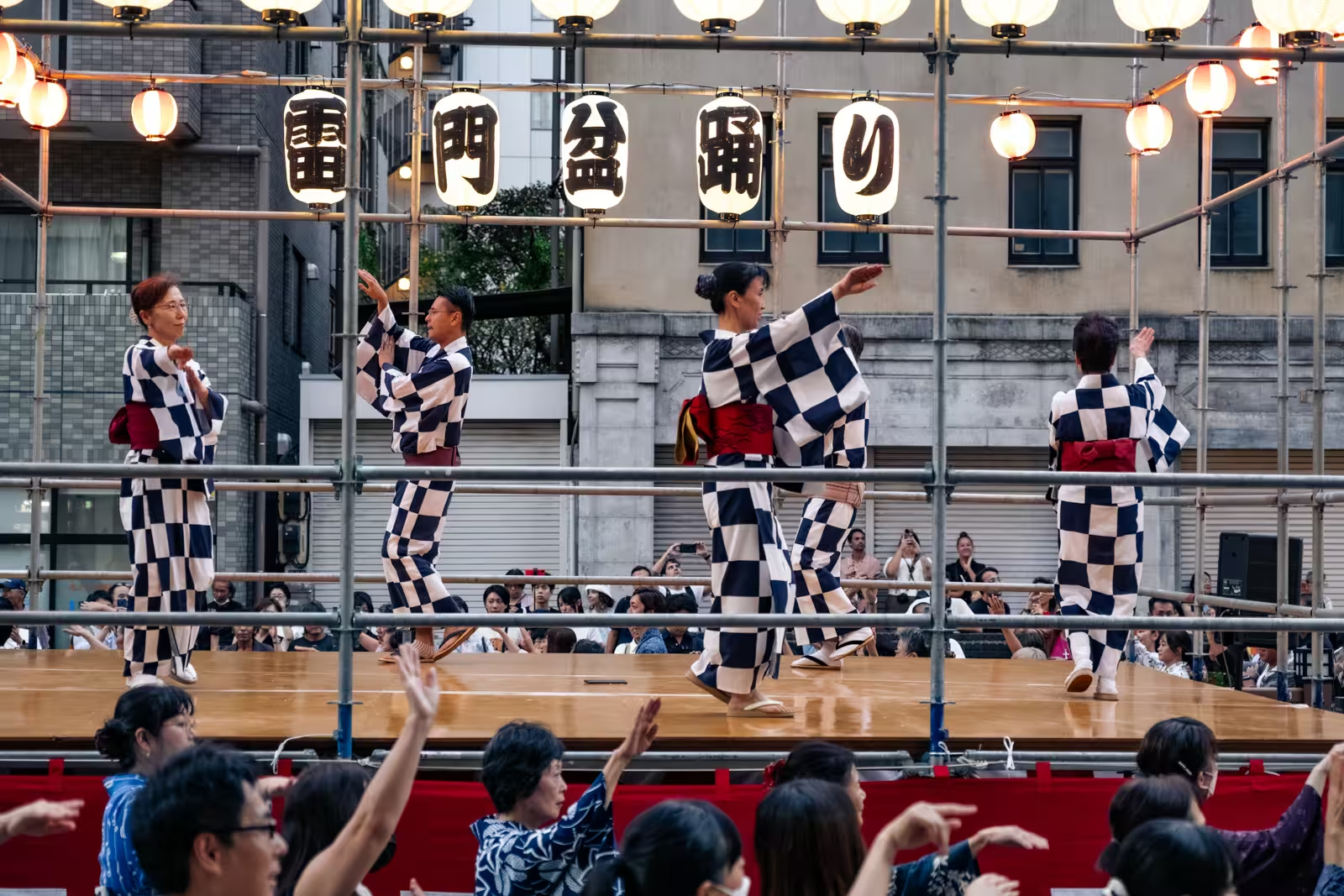
Towards the end of the night, the taiko drummers move to the yagura. They give a rousing performance on their drums which the crowd appreciates.
What is Bon Odori?
Bon Odori is more than a traditional dance. It’s an expression of gratitude and remembrance. The festival (or matsuri) takes place during Obon, a three-day period typically held in mid-August.
It’s a time when ancestors’ spirits return to visit their living relatives. The dance is a central element of these celebrations. It’s a way for people to pay their respects while fostering a sense of community.
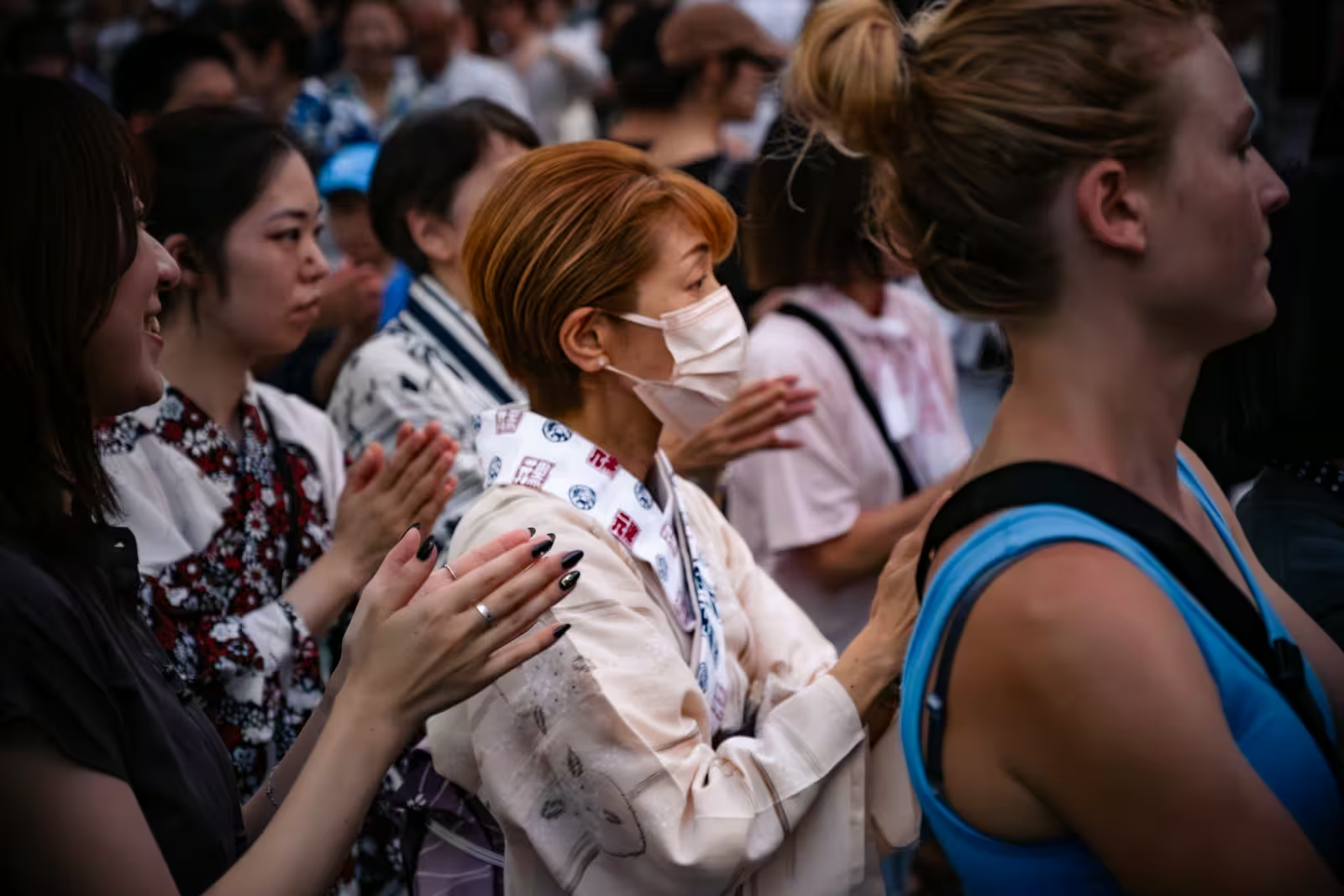
The dances of Bon Odori are characterized by their simplicity and inclusiveness. Whether you’re a seasoned dancer or a newcomer, you can easily get swept up in the rhythm.
Dance steps are repetitive and easy to follow. Anyone can join.
By the way, there are many Bon Odoris in Tokyo. So do not confuse this with the nearby Asakusa Awa Odori, which usually takes place in July.
Asakusa Bon Odori tips
Based on my experience, here are a few tips to help you make the most of the festival, especially if you’re a first-timer or a fellow photographer.
Arrive early for a good spot
The area in front of Kaminarimon gets extremely crowded. The event officially starts around 5:30 p.m., but people gather much earlier.
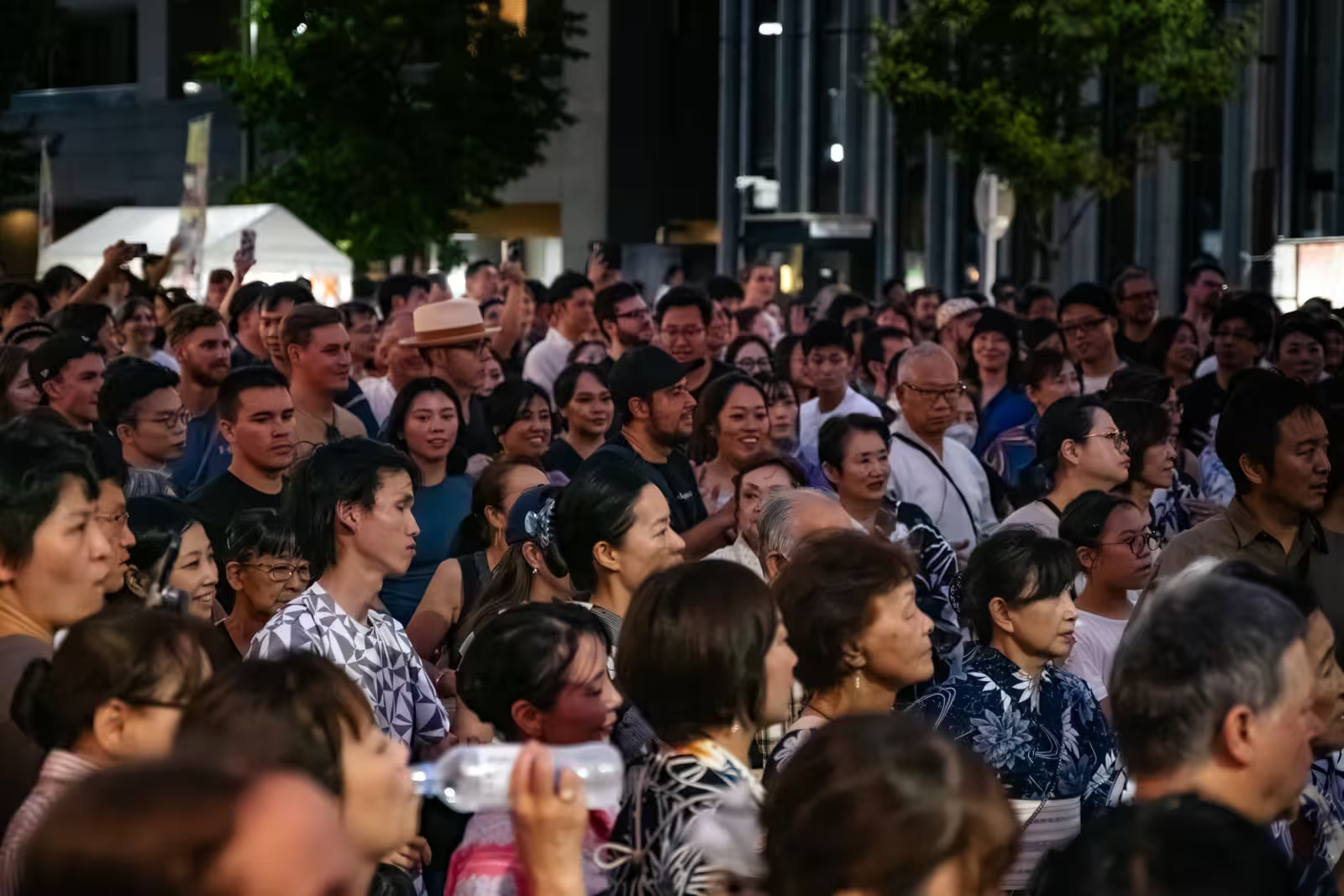
Don’t be shy, join the dance!
The dance steps are simple and repetitive. Locals are very welcoming, and many tourists jump right in. It’s the best way to experience the community spirit.
Understand the layout
Unlike other Bon Odori festivals, here the instructor dancers are on the yagura (stage) and the taiko drummers are on the road due to space constraints. Find a spot where you can see one and feel the rhythm of the other!
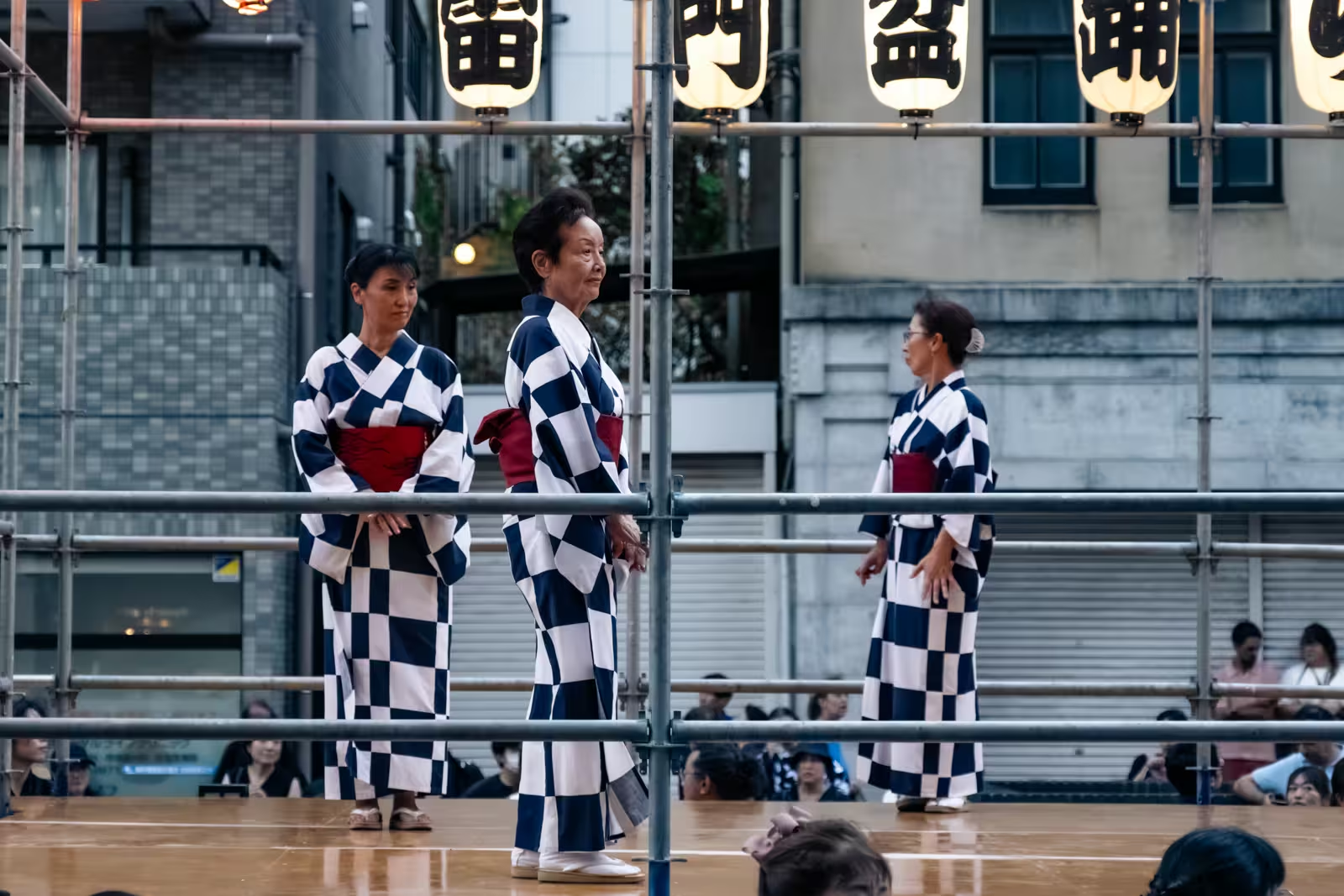
Golden hour is short
Sunset happens right as the festival begins, giving you a very short window to shoot during both the golden hour and blue hour. Be ready to start shooting immediately, because this ideal light won’t last long.
Be prepared for low light & noise
The festival area gets very dark quickly after sunset, and the street lighting is minimal. If you’re shooting with a standard camera, expect your photos to have significant digital noise.
I use Adobe Lightroom’s AI noise reduction on most of my shots. To get cleaner images, a camera with strong low-light performance (like a full-frame model) or a lens with a fast aperture would be a huge advantage.
Capture the details
Focus on the yukata patterns, the expressions of the dancers, the intensity of the taiko drummers, and the glowing lanterns. These tell the story just as much as the wide shots.
Is the Kaminarimon event worth attending?
Experiencing a Bon Odori is a powerful reminder of how communities keep traditions alive. It’s a chance to see history not in a museum, but dancing in the streets.
If you have the opportunity to go, don’t hesitate. If you want to see more photos of this event, look at [Bon Odori 2025 at Asakusa’s Kaminarimon Gate].
Are you a festival lover? Asakusa is also home to the Asakusa Samba Festival. It’s enormous, drawing a huge crowd to the area around Kaminarimon Gate.