
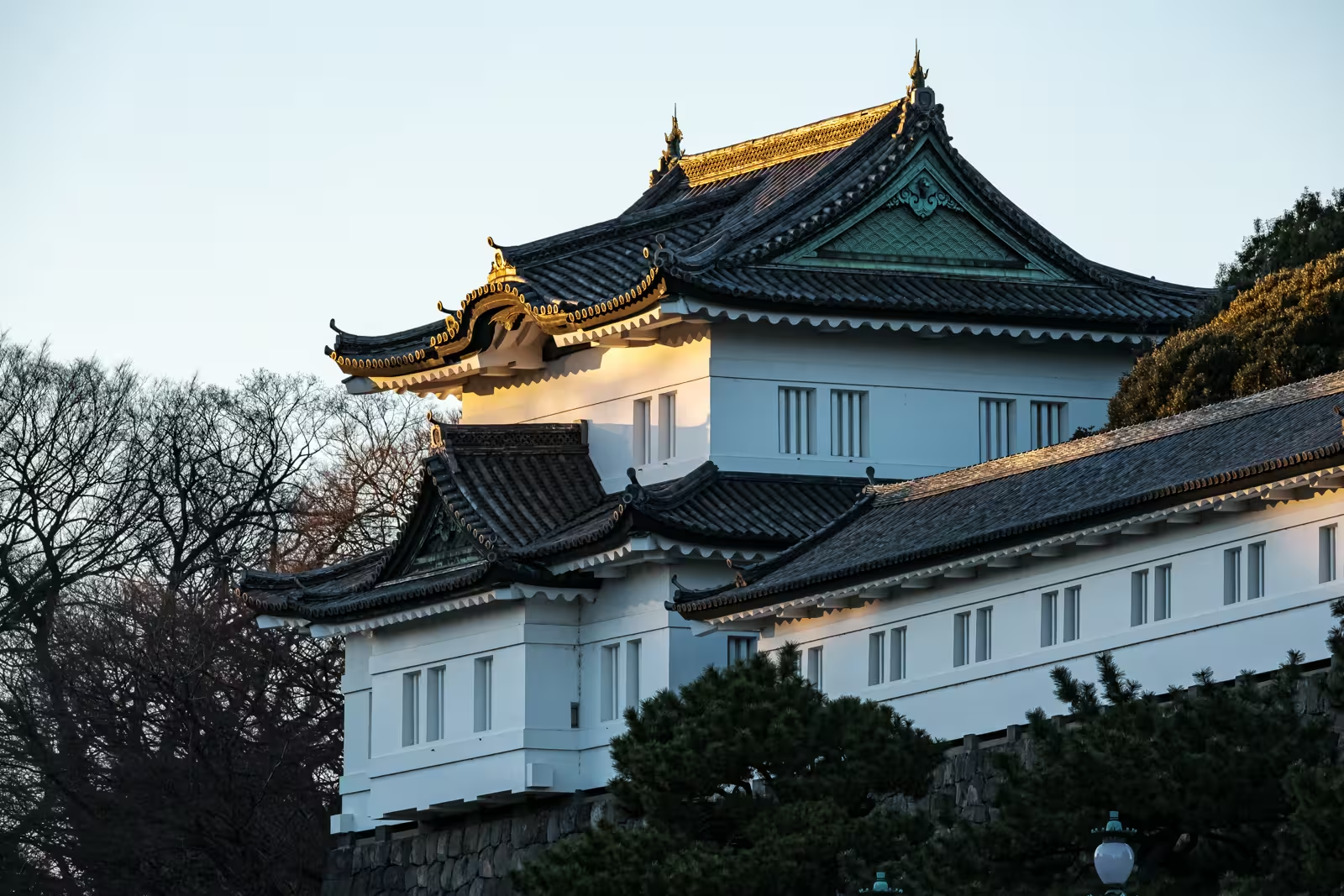
Most tourists leave Tokyo Imperial Palace with the same shot of the famous bridges. Savvy photographers know where to find the angles and light that bring this historic landmark to life.
This location rewards patience and a little insider knowledge. My guide will show you how to move beyond the crowds and find other interesting things at the former Edo Castle.
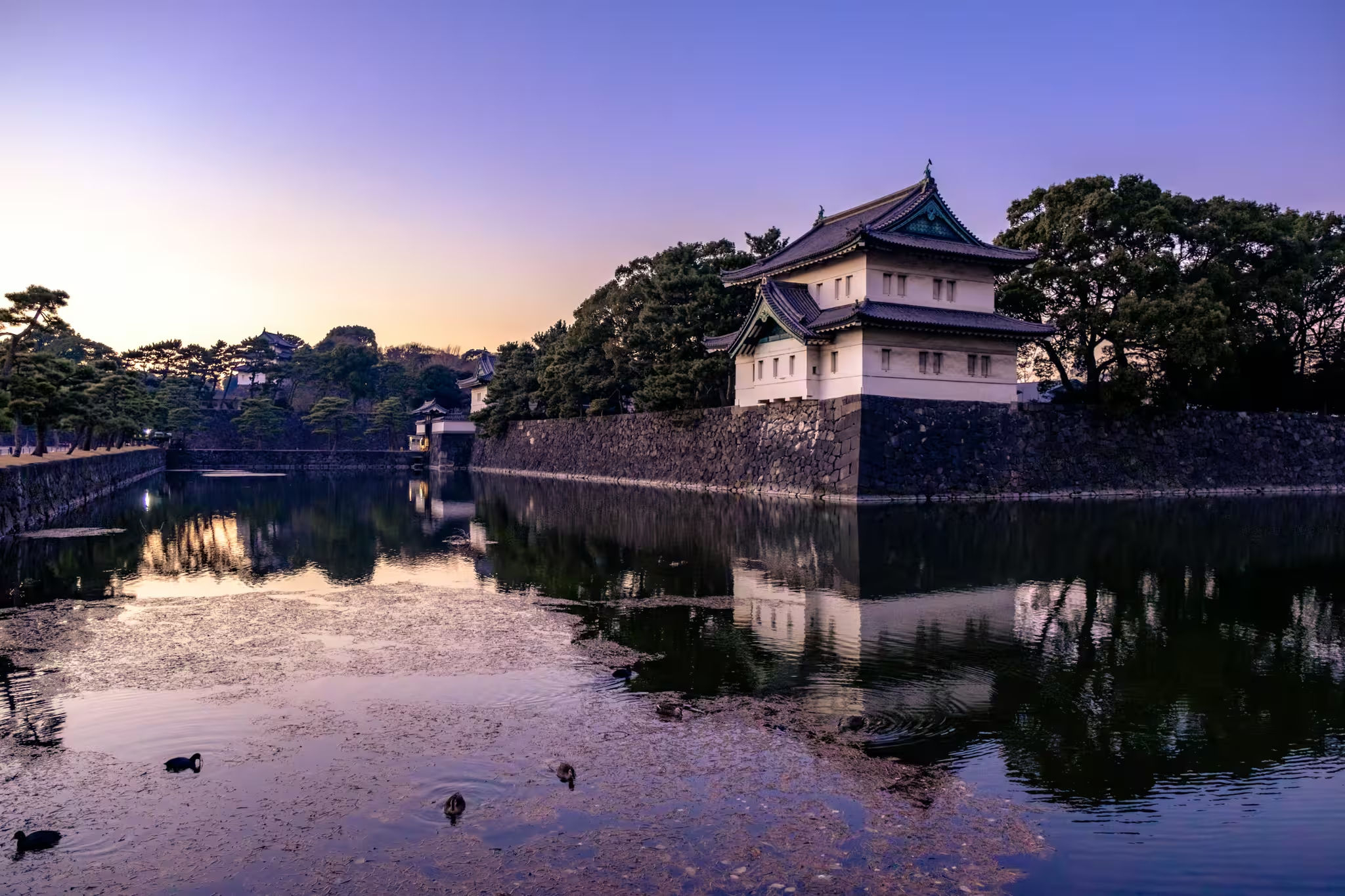
The palace was once home to the Tokugawa Shoguns. It was the seat of their power for nearly three hundred years. Today, it is home to Japan’s Emperor.
There is little chance of seeing him there, but his castle is a top tourist spot. You can even get inside for certain events. Let’s look at it through my camera lens.
What to photograph at the palace
Beyond the moats and walls, keep an eye out for these subjects:
- Castle architecture: The Fushimi, Fujimi, and Tatsumi Keeps.
- Seasonal flora: Cherry blossoms in East Garden (spring) and Ginkgo trees along the moat (autumn).
- Birding: Use a long lens to spot wildlife in the extensive greenery and in the moats.
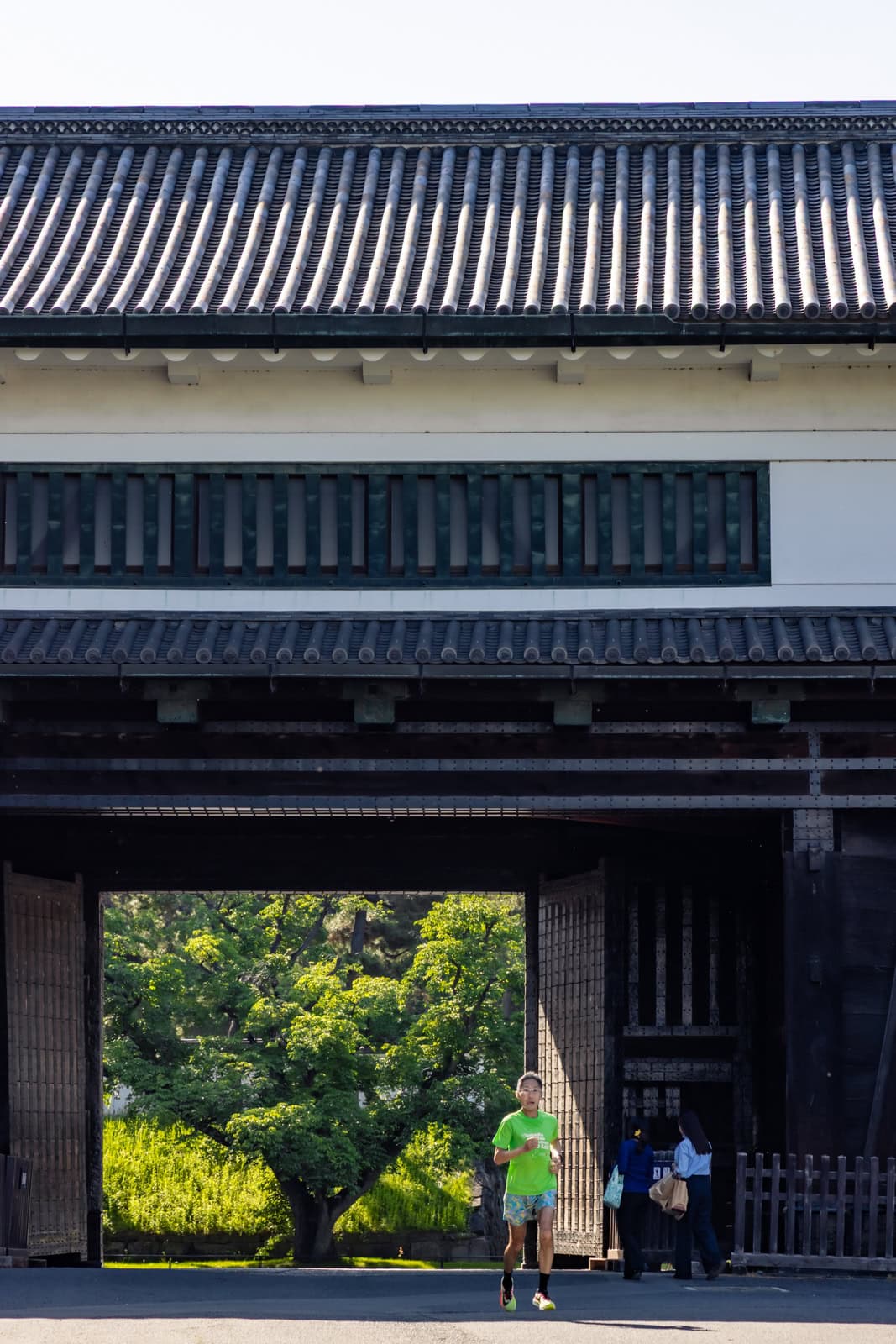
- Runners: The 5km jogging course around the palace is popular. But it has a rule: you must run it counterclockwise.
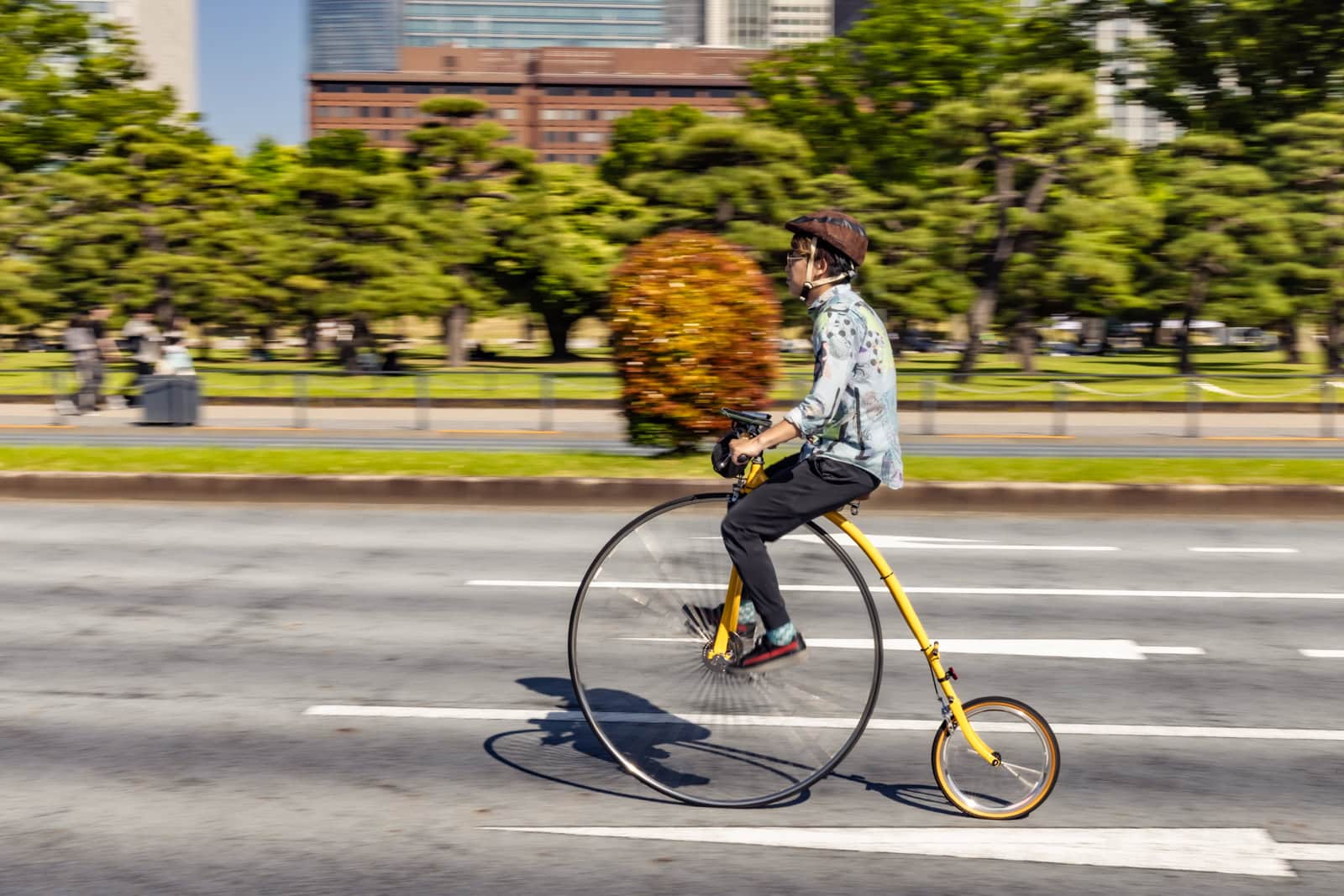
- Bicycles: Uchibori-dori avenue in front of the Tokyo Imperial Palace gardens is closed to traffic every Sunday from 10:00 a.m. to 3:00 p.m., creating a 3-kilometer loop for cyclists and pedestrians. Known as “Palace Cycling,” it allows visitors to enjoy free bike rentals and leisure riding surrounded by castle moats and pine trees.
Best photography spots & compositions
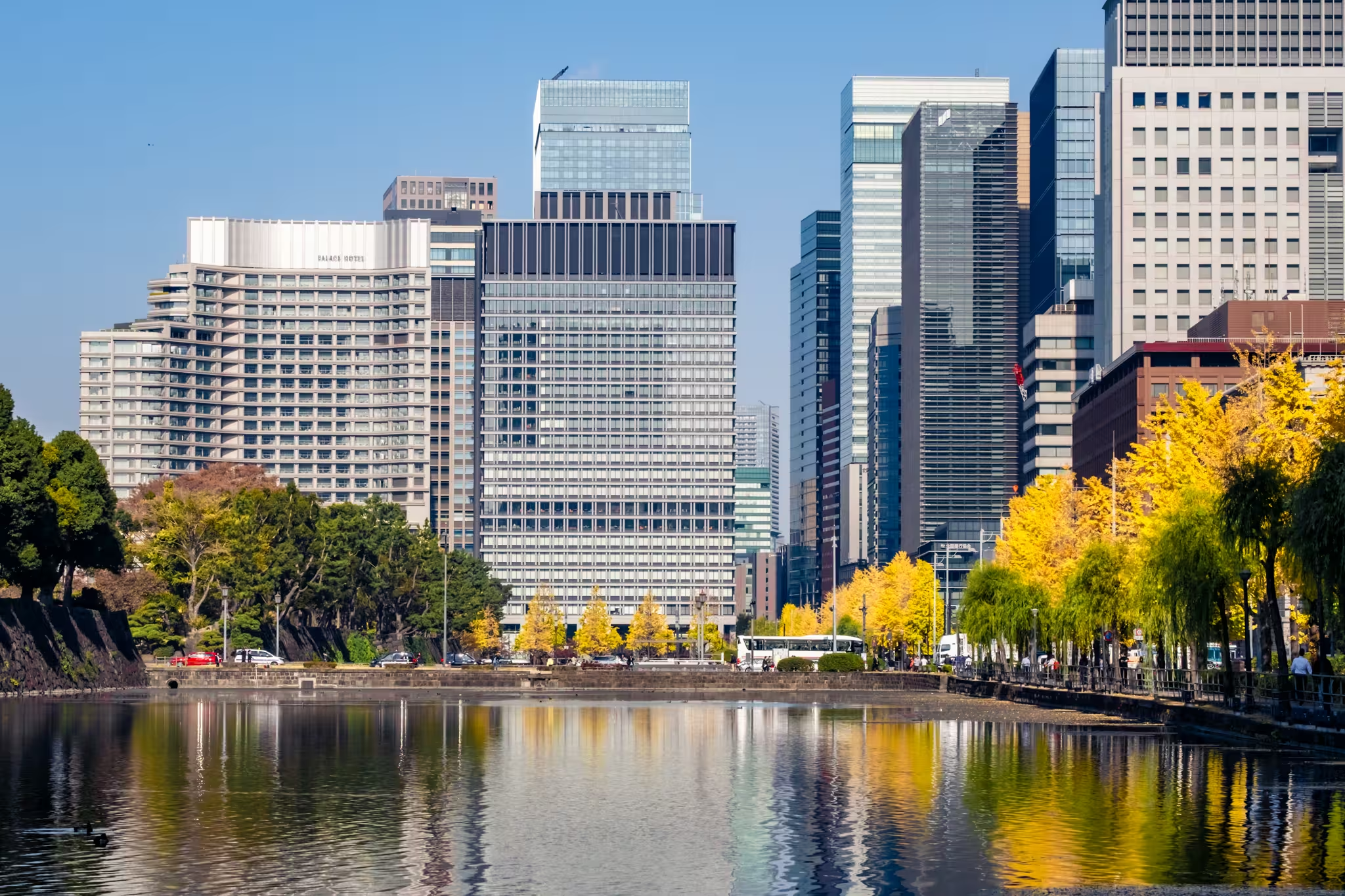
Hibiya Moat: Reflections & urban contrast
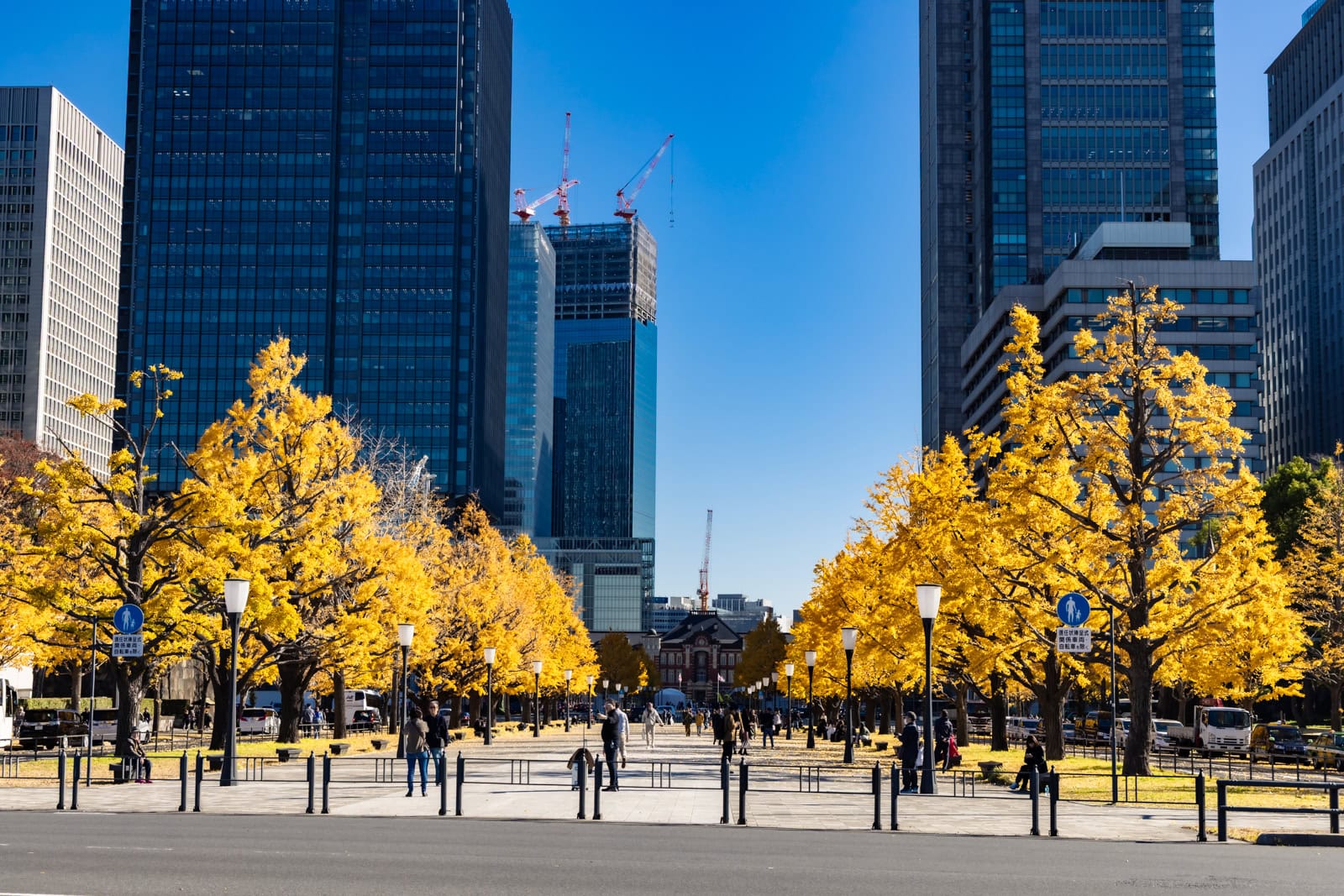
While moats encircle the palace, the section between the grounds and Tokyo Station offers the best views. Its ginkgo tree leaves are stunning in autumn. Against the Marunouchi skyscrapers, they make a beautiful contrast.
Main Gate (Seimon)
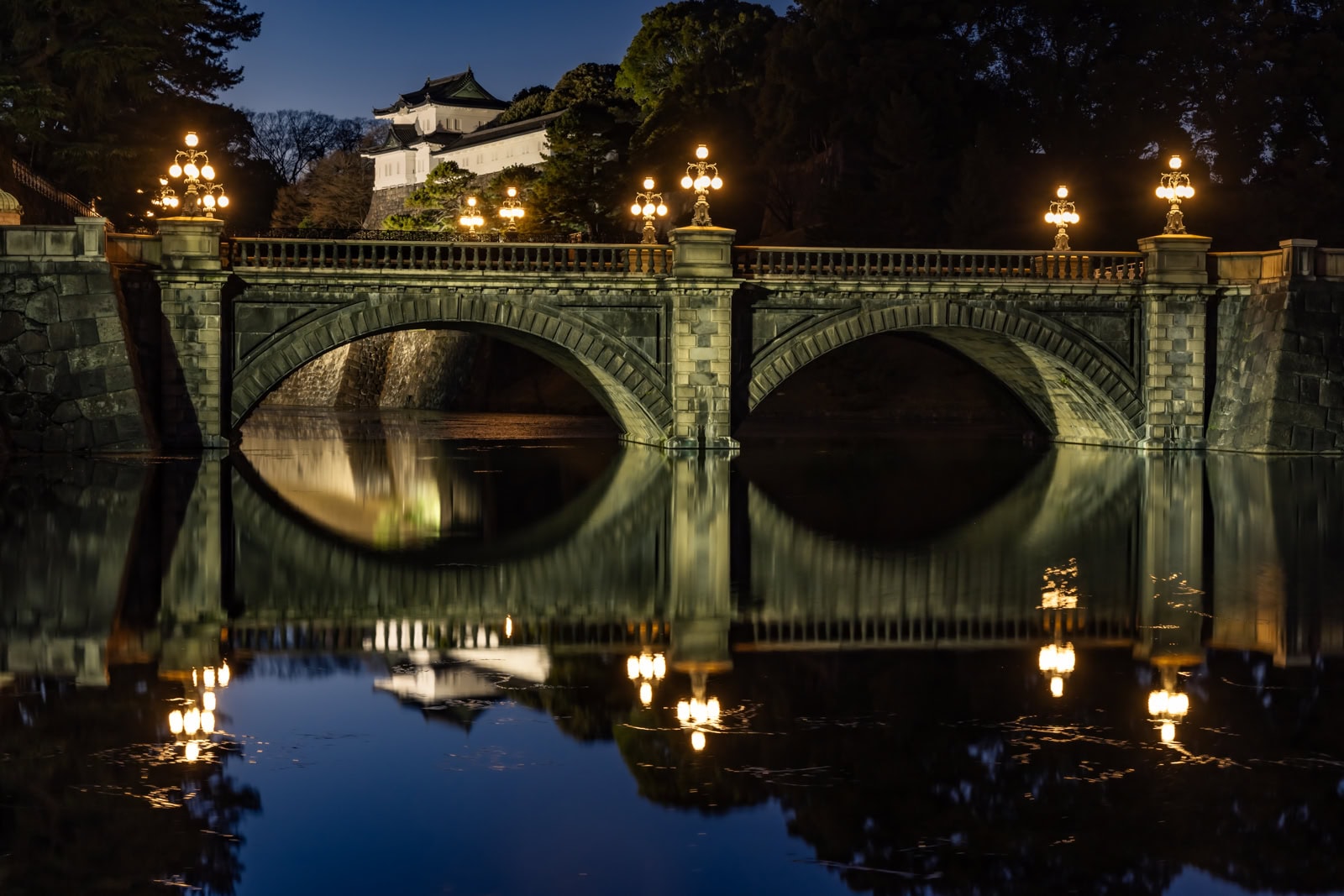
This is the Palace’s grand entrance. The famous Seimon Ishibashi (nicknamed Meganebashi or “Eyeglasses Bridge”) stands in the foreground, with the Iron Bridge (Nijubashi) and the Fushimi Keep rising behind it.
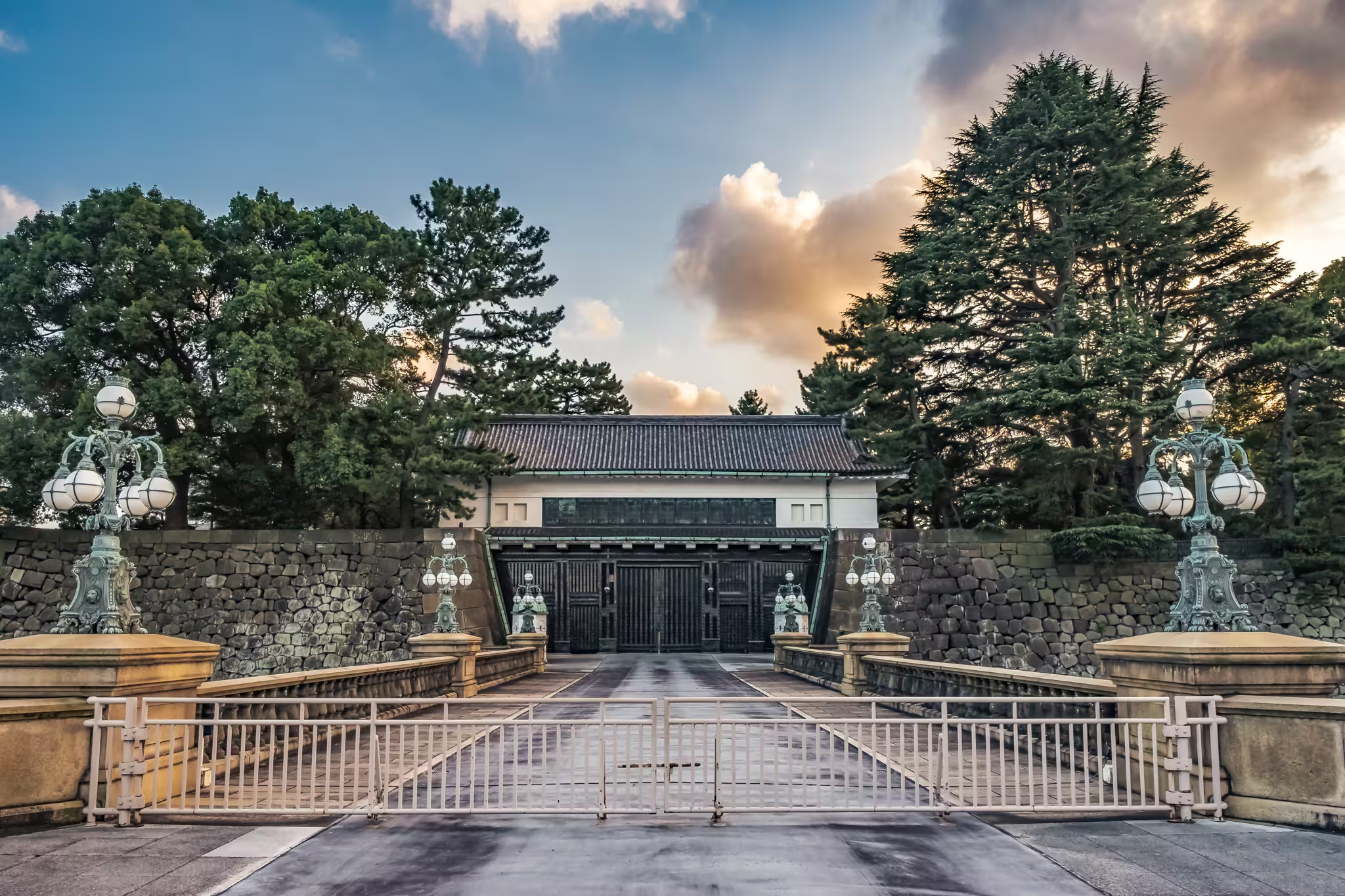
Two Imperial guards are always on duty here. While you cannot cross the bridges, this area forms the basis of the “classic Tokyo shots”.
Move around to also include the stone bridge in front, the iron bridge behind, and Fushimi Keep behind. For a truly special photo, visit on a winter night when the illuminations are active.
Tatsumi Keep (巽櫓)
This is the closest part of the palace to Tokyo Station. Here is a photo tip: Shoot from the corner near Wadakura Fountain Park. Frame the turret in the foreground with the Kikyo Gate and Fujimi Keep behind it. For a bonus tip, go in winter (more below).
Sakurada Gate: The sunset vantage point
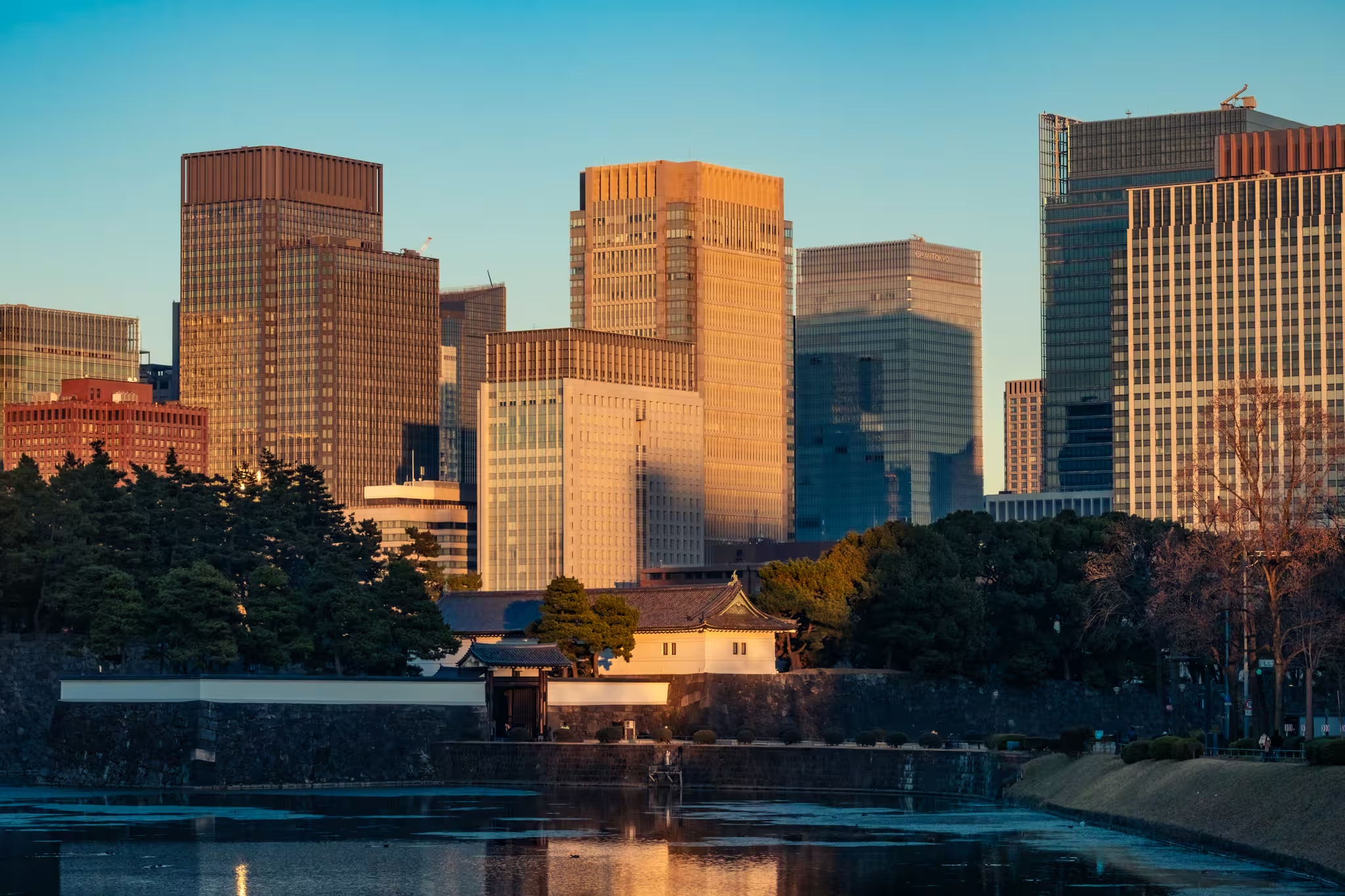
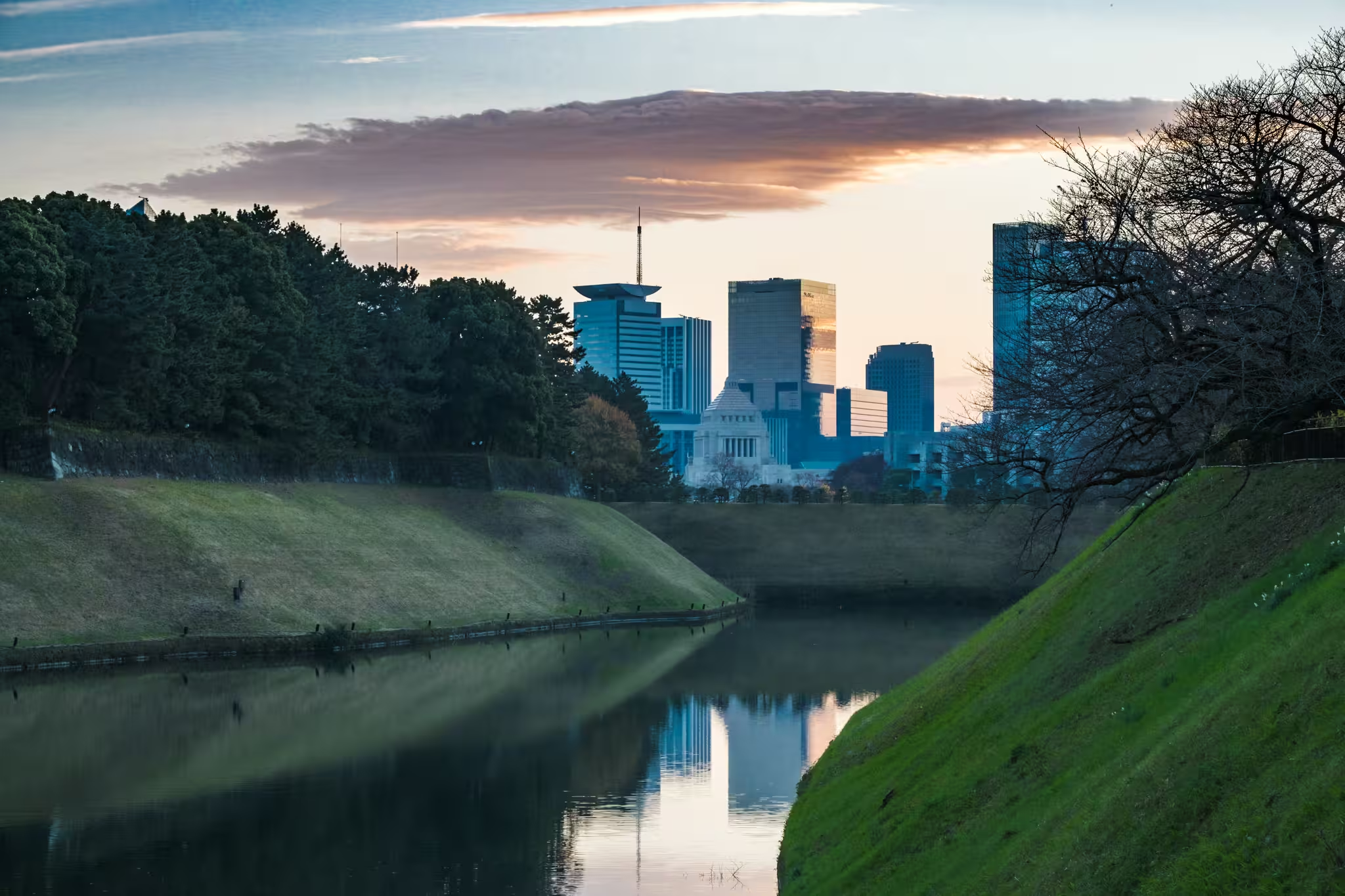
Go outside the gate to the bridge. Look past the moat, up the hill towards the National Diet Building. It’s a great view, especially in the morning or at sunset.
You can even walk about 150 meters up the hill from the Sakurada gate then look back towards it. Overlooking the moat is a tremendous scene, the soaring Marunouchi skyscrapers tower behind the old castle.
Ramparts: Minimalist angles
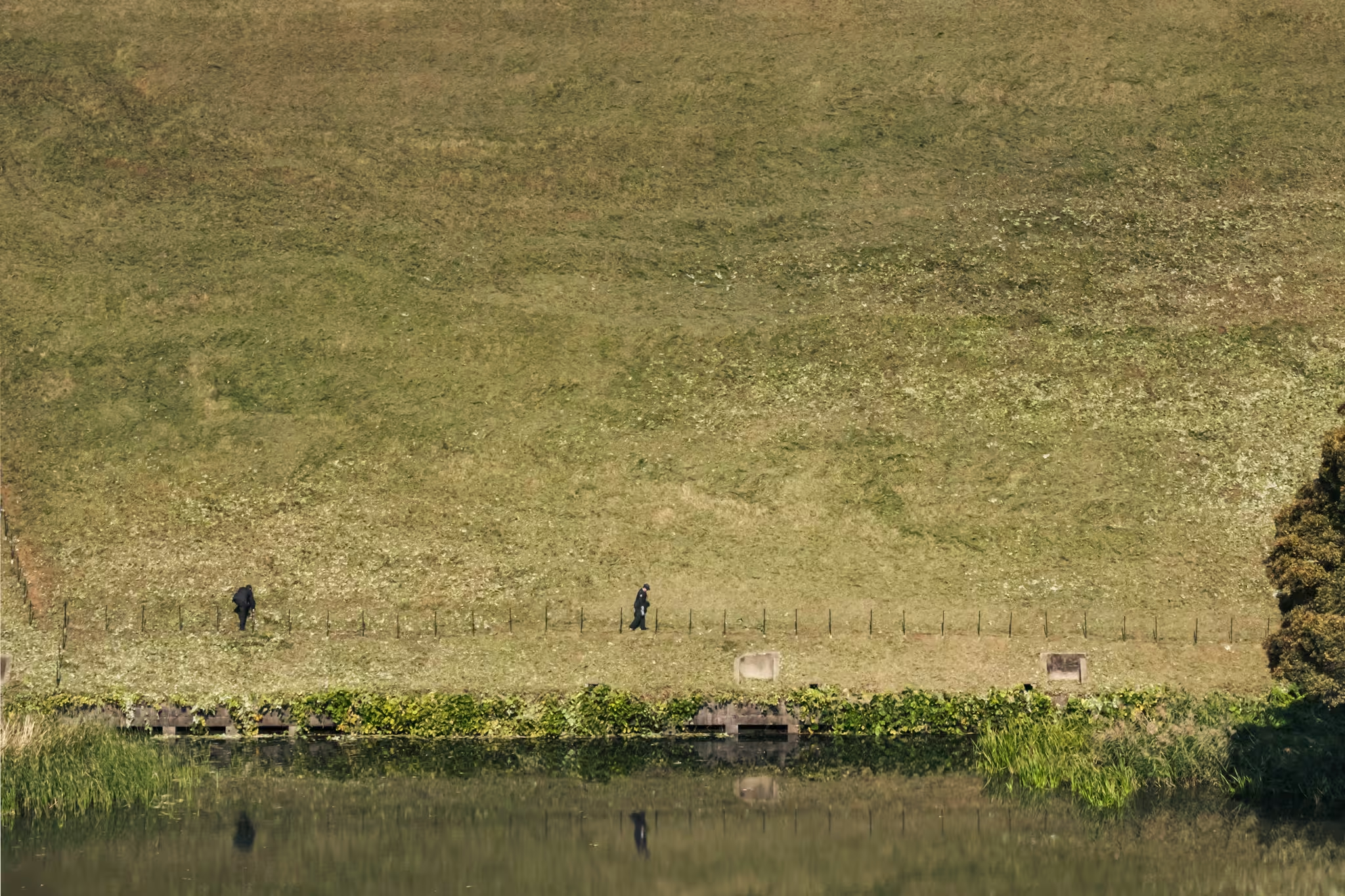
There are a few of these around the palace. The workers on them look so small! It’s a great chance for minimalist photography.
When to photograph Tokyo Imperial Palace
Spring cherry blossoms & autumn leaves
- A few cherry blossom trees are outside the walls. The best idea is to walk along Inui Street when it is open to the public and enjoy an Imperial Hanami.
- Autumn is spectacular. Many ginkgo and maple trees are in and around the palace. This is another season to enjoy Inui Street.
Golden hour vs. midday clouds
- If you want a particular recommendation for a time of day, I’d choose dawn or sunset which has the best light, and there is activity around the palace.
- I like to visit the palace on partially cloudy days. Clouds always add a little drama and interest to any photograph, and this place needs the help.
Night photography
For about two weeks in winter, parts of the palace are illuminated. The areas include:
1. Seimon (Main Gate)
2. Sakishitamon (Sakishita Gate)
3. Otemon (Otemon Gate) at the East Gardens
4. Fujimi Keep
5. Tatsumi Keep
Visitor information
Address: 1-1 Chiyoda, Chiyoda City, Tokyo 100-8111
It’s about a ten-minute walk from Tokyo Station.
I’ve marked some points of interest that might assist you when visiting Tokyo Imperial Palace on this map:
Photo spots near the palace
- East Gardens of Tokyo Imperial Palace (literally, over the wall)
- Chidorigafuchi Green Way (or Moat): famous for its cherry blossoms
- Hibiya Park
- Kitanomaru Park
- Tokyo Station (great ceilings to photograph)
- Wadakura Fountain Park
Palace Events: Inui Street & Public Greetings
You can’t just walk in, but the palace is open for these public events:
- Cherry blossoms in spring on Inui Street
- Inui Street also opens for an autumn walk.
- Emperor’s Birthday (February 23)
- Emperor’s New Year Greeting (January 2)
- Take the palace tour
- For the most up-to-date information, consult the Imperial Household Agency website.
Palace event photography tips & rules
Tokyo Imperial Palace has public events which is good because Japan loves its Emperor, and people jump at any chance to see him. If you join one, beware of the following:
- They are incredibly crowded. If you are taking small children, keep a firm hand on them.
- Using tripods and selfie sticks is strictly prohibited.
- You go through security checks, so travel light to avoid delays.
- Photographing the Emperor during a public event at the palace can be challenging. He stands behind the glass windows of Chowaden Hall.
- Glare and shooting from within the crowd of 1000s can be problematic. Patience is a virtue.
Palace history: From Edo Castle to Imperial residence
An Edo Clan samurai, Shigetsugu Edo, built his residence in the Honmaru and Ninomaru at the end of the Heian period. In 1457, Ōta Dōkan took control of the area and constructed his castle.
Control passed to the Hōjō clan in 1525, though they lost it in 1590. Eventually, Ieyasu Tokugawa took over after Hideyoshi offered him the eight Kanto provinces.
Under the Tokugawa Shogunate, the castle became a massive power base. Ieyasu’s grandson, Iemitsu, completed the construction in 1638.
Eventually, the castle boasted thirty-eight gates, twenty-meter-high ramparts, and protective moats stretching as far as Ichigaya.
When the Tokugawa era ended in 1867, the Shogunate surrendered its home. It was renamed the Imperial Castle in 1868, and the Emperor has resided there since 1869.
Is Tokyo Imperial Palace worth visiting?
Don’t let the high walls of the palace fool you. It’s a location rich with photographs. Trade the crowded main gate for a sunset view from Sakurada. Go for the spectacular winter illuminations. A little time and effort gives images tourists miss completely.
Exploration will reward you at the palace. Grab your camera and be inquisitive. Imperial Palace has a lot in store for you.
If you are a history buff, remember to check out Masashige Kusonoki’s statue. It’s only a short walk away. He’s the samurai who died defending an ancient emperor. There is much in the area to photograph.