Tokyo Auto Salon 2020
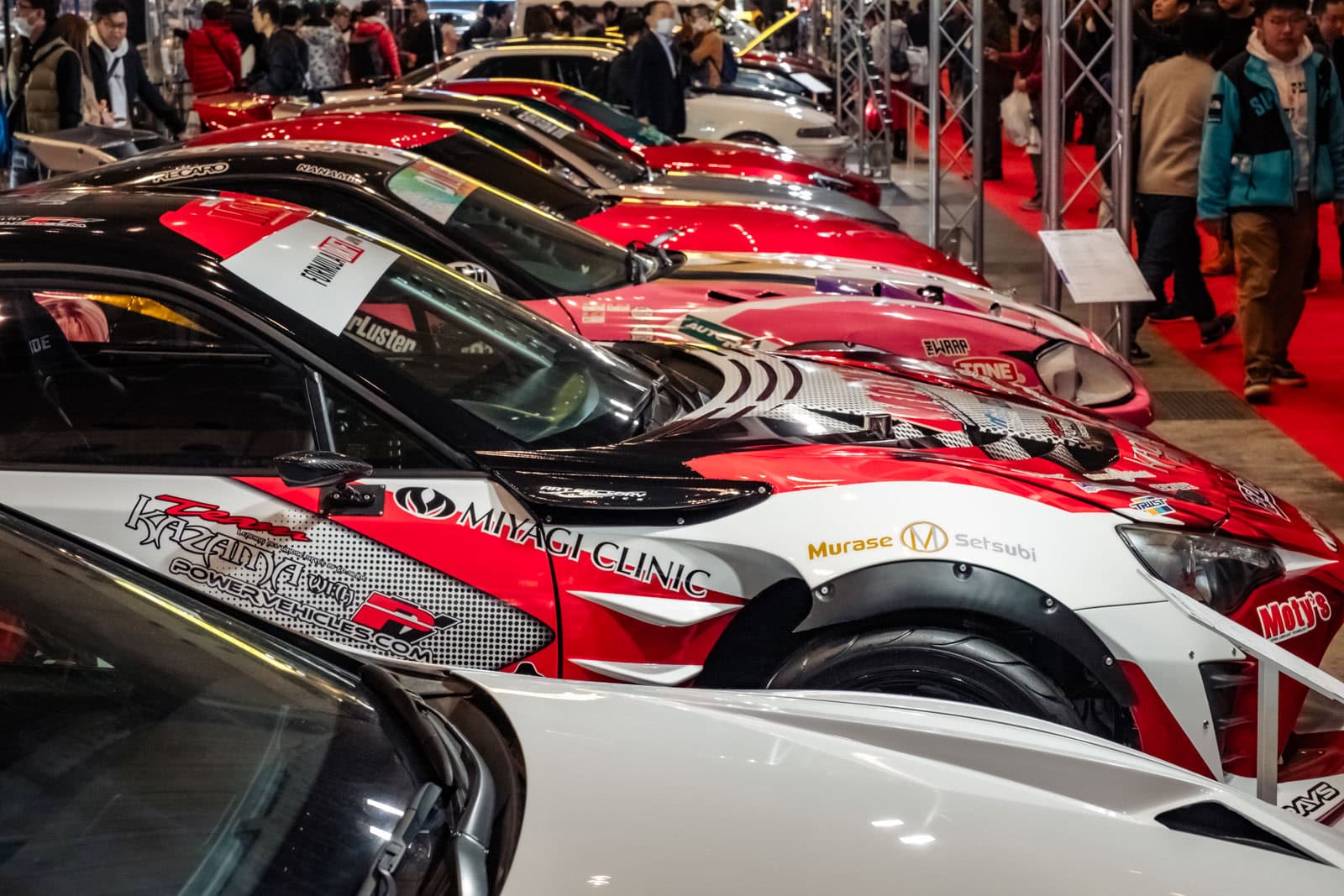
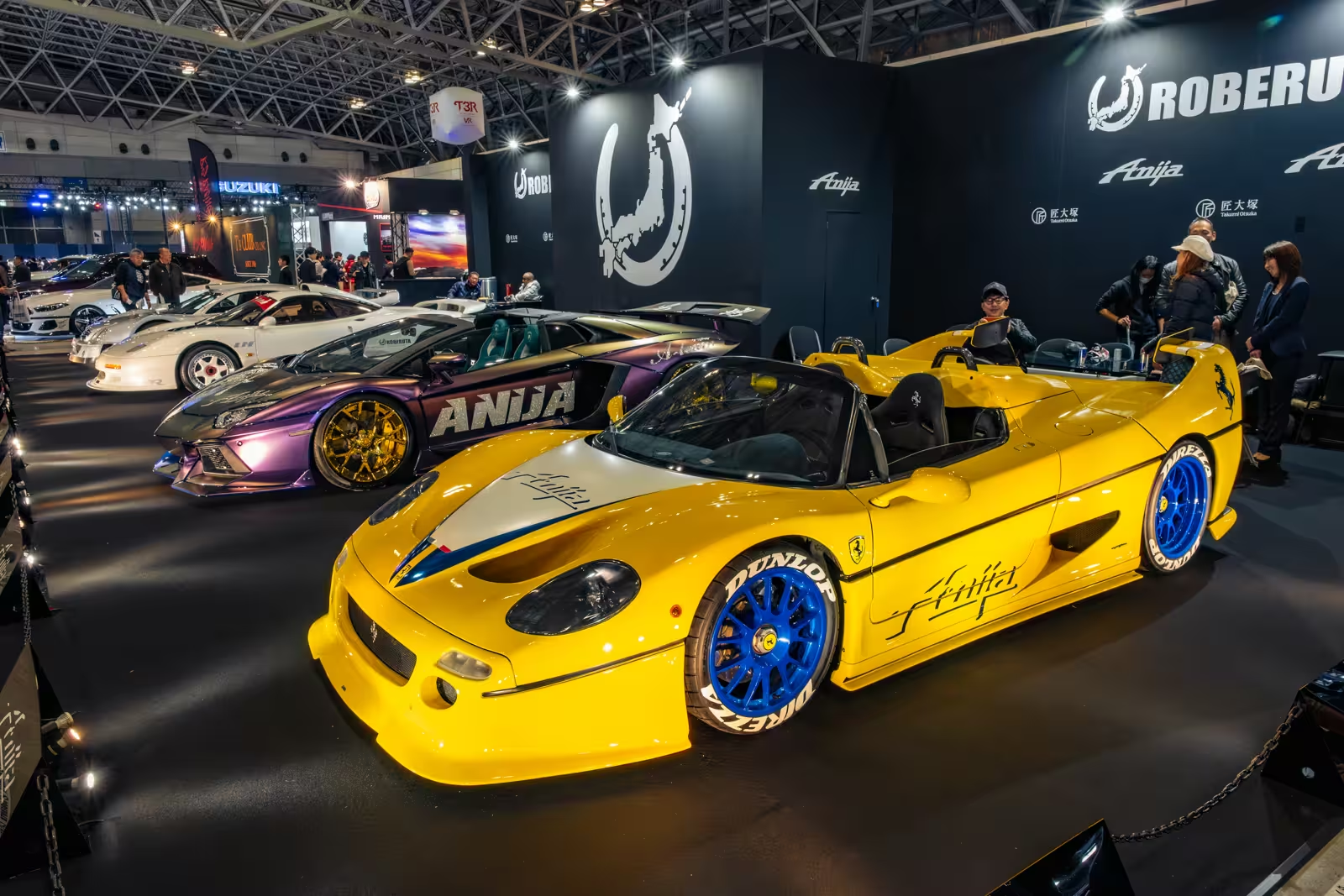
Working my way through Tokyo Auto Salon 2020 in a single day required a pragmatic approach to both observation and movement. With 438 exhibitors and approximately 800 vehicles distributed throughout the Makuhari Messe, the scale of the event is significant.
During its three-day run from January 10th to 12th, the venue saw a recorded attendance of 336,060 people. This volume of visitors, combined with the concentration of hardware, created a challenging but rewarding environment for car photography.
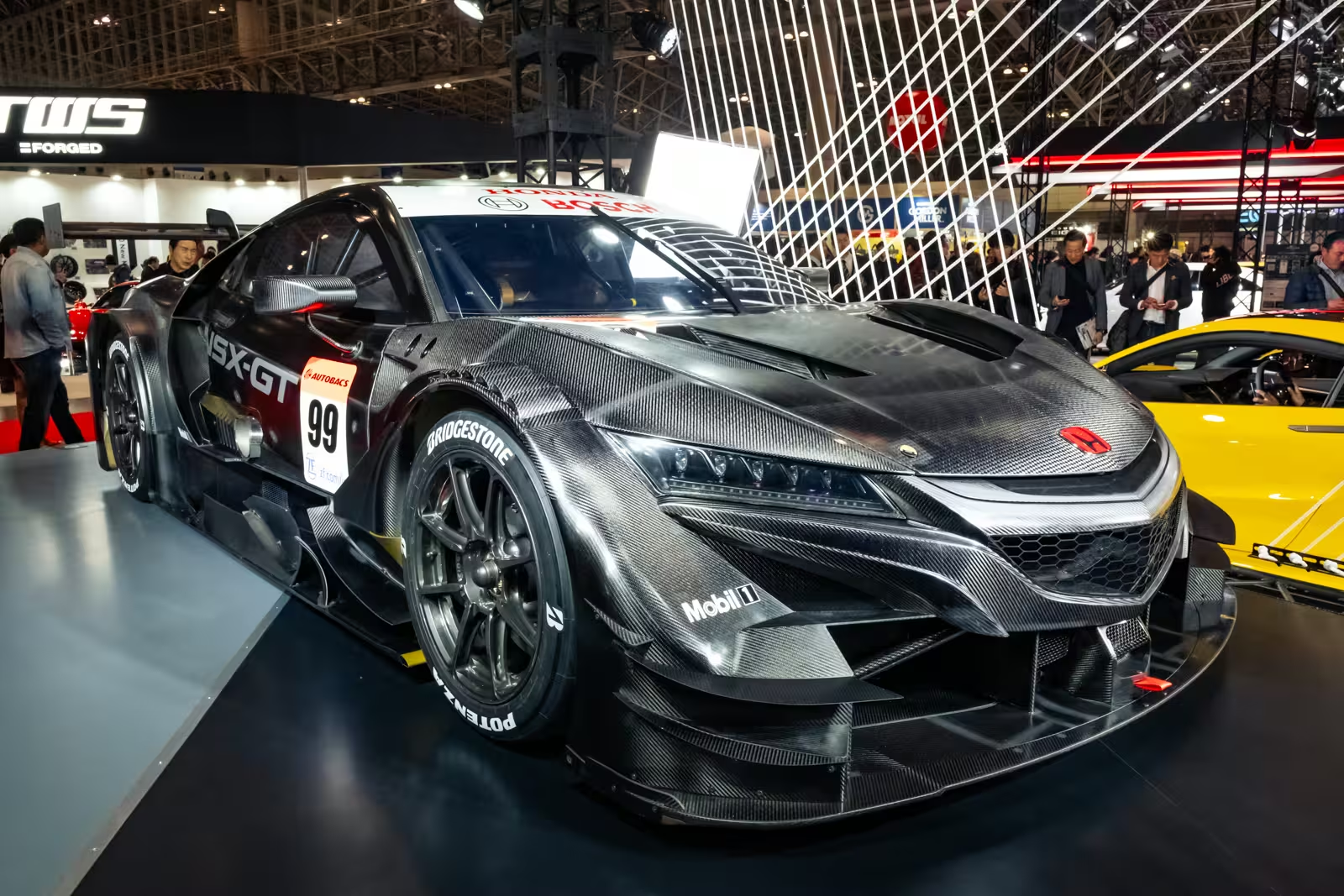
My top pick: Forgiato Japan ’56 Chevrolet Bel Air
With hundreds of modern builds on display, my focus settled on a classic that demonstrated a high level of technical practice. My choice for the best car at Tokyo Auto Salon 2020 was the 1956 Chevrolet Bel Air presented by Forgiato Japan.
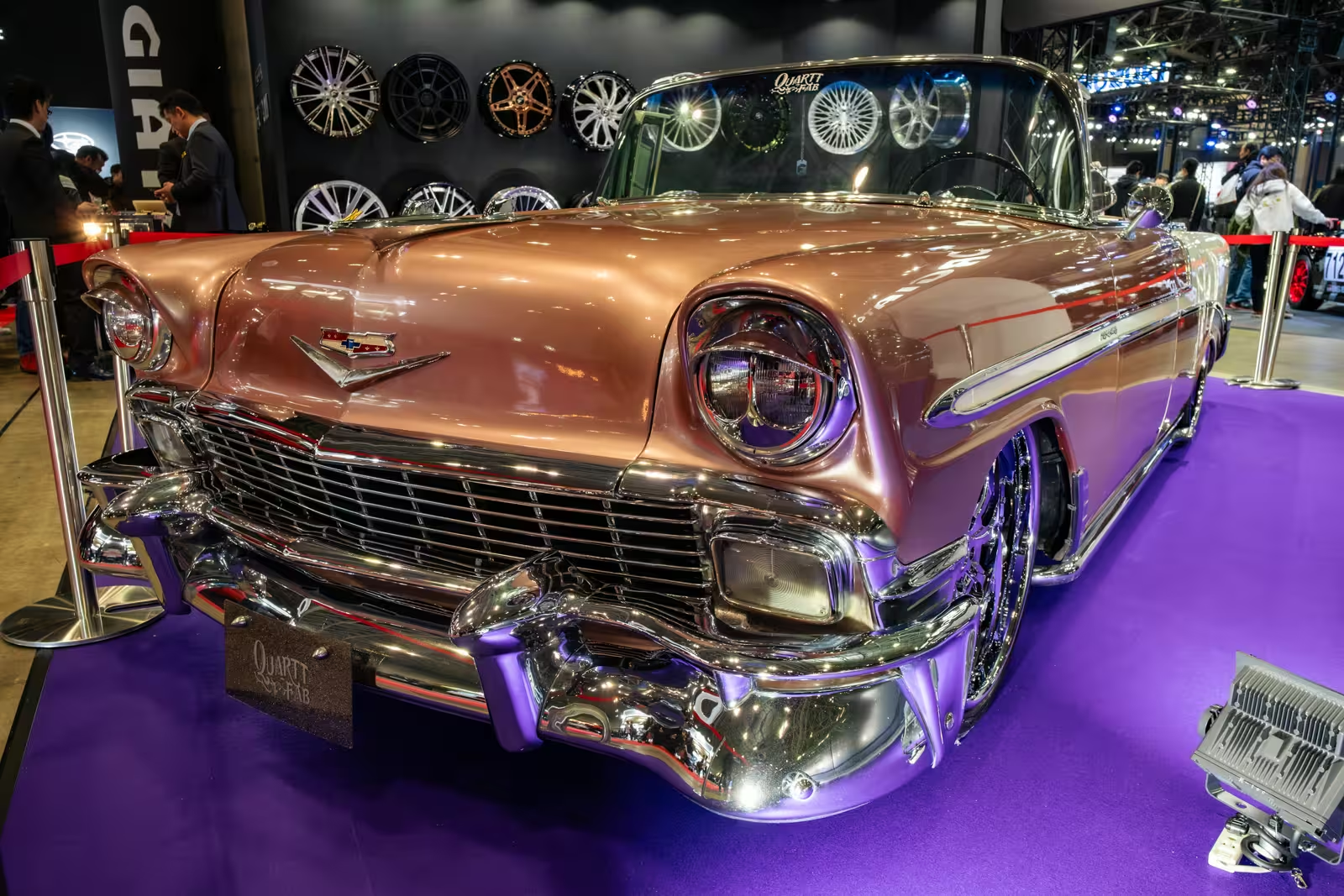
From four-door sedan to custom two-door convertible
The craftsmanship involved in this build was incredible. Originally a four-door sedan, the vehicle was modified into a two-door convertible. The conversion resulted in a clean, balanced silhouette that maintained the character of the 1950s original while incorporating modern technical elements.
It featured a hydraulic suspension system, which allowed for a significantly low stance, and was fitted with 20-inch Forgiato AVVIATO-B wheels. Observing the transition between the vintage body lines and the modern wheels provided a clear example of how classic aesthetics can be reinterpreted through contemporary customization.
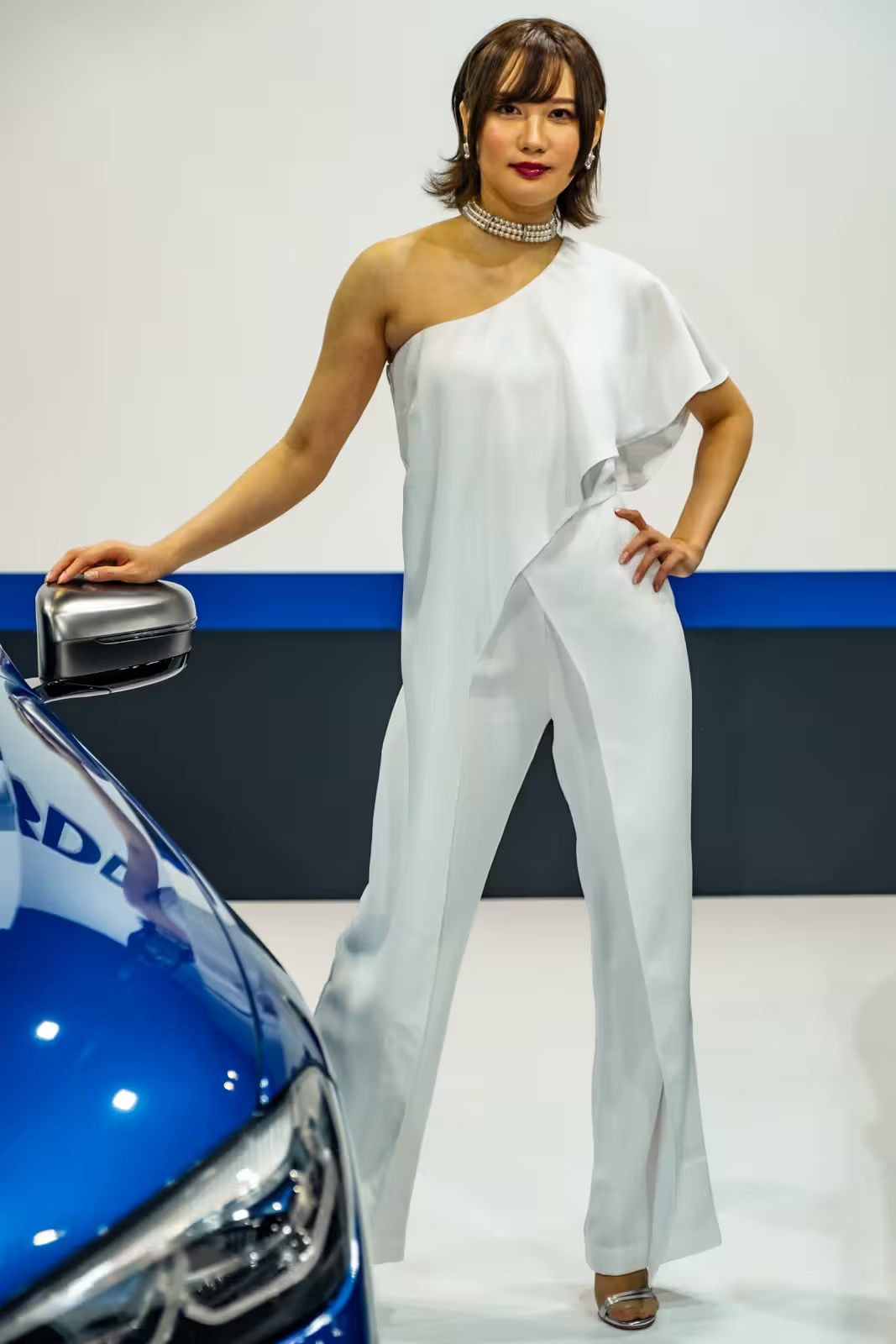
Women of TAS: Tokyo Auto Salon 2020 models
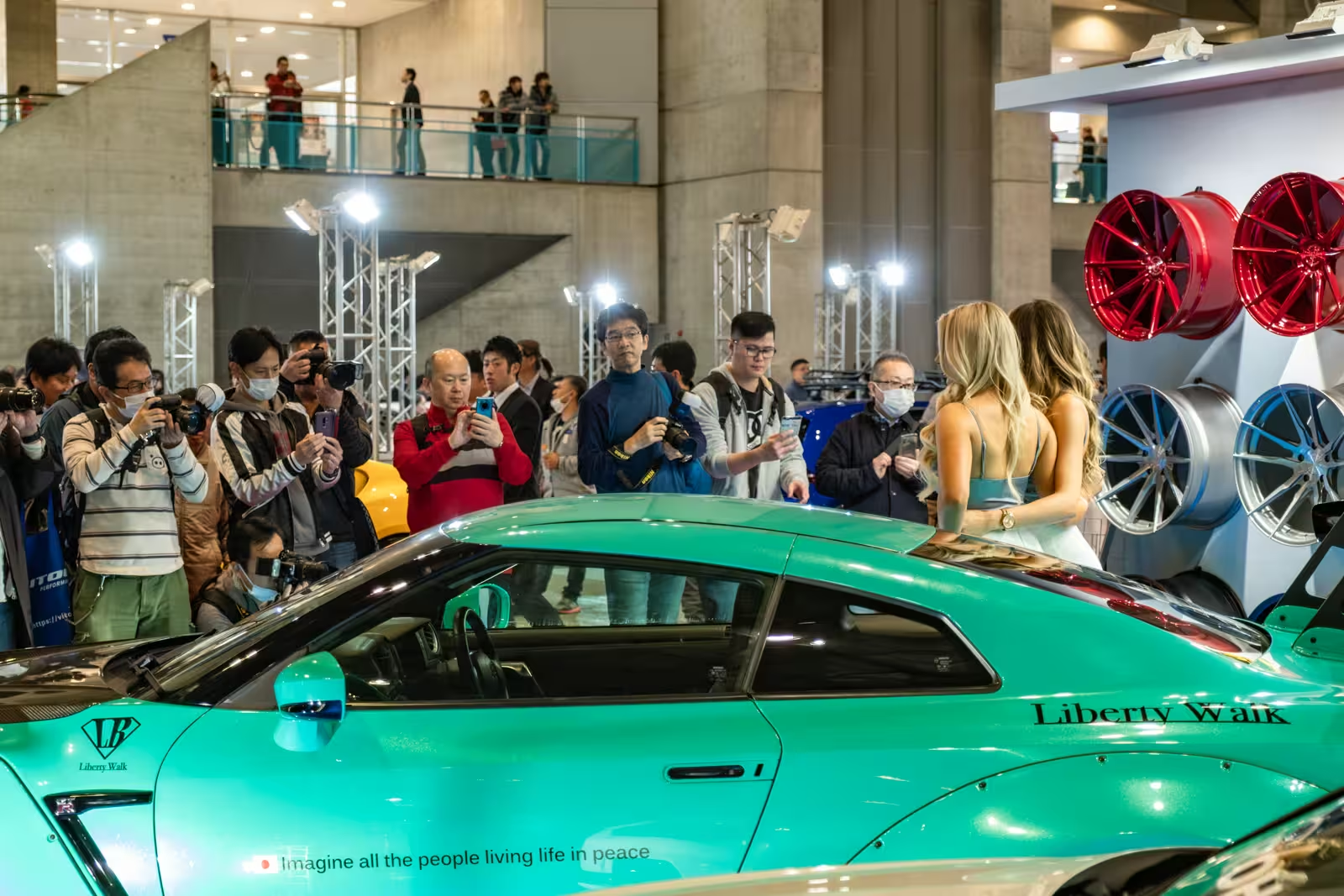
Tokyo Auto Salon models are a central element of the event’s structure, often drawing as much attention as the vehicles themselves. From a photography perspective, this work is demanding. The individuals representing these brands spend long hours under intense booth lighting, wearing elaborate costumes and maintaining their composure within a high-energy environment.
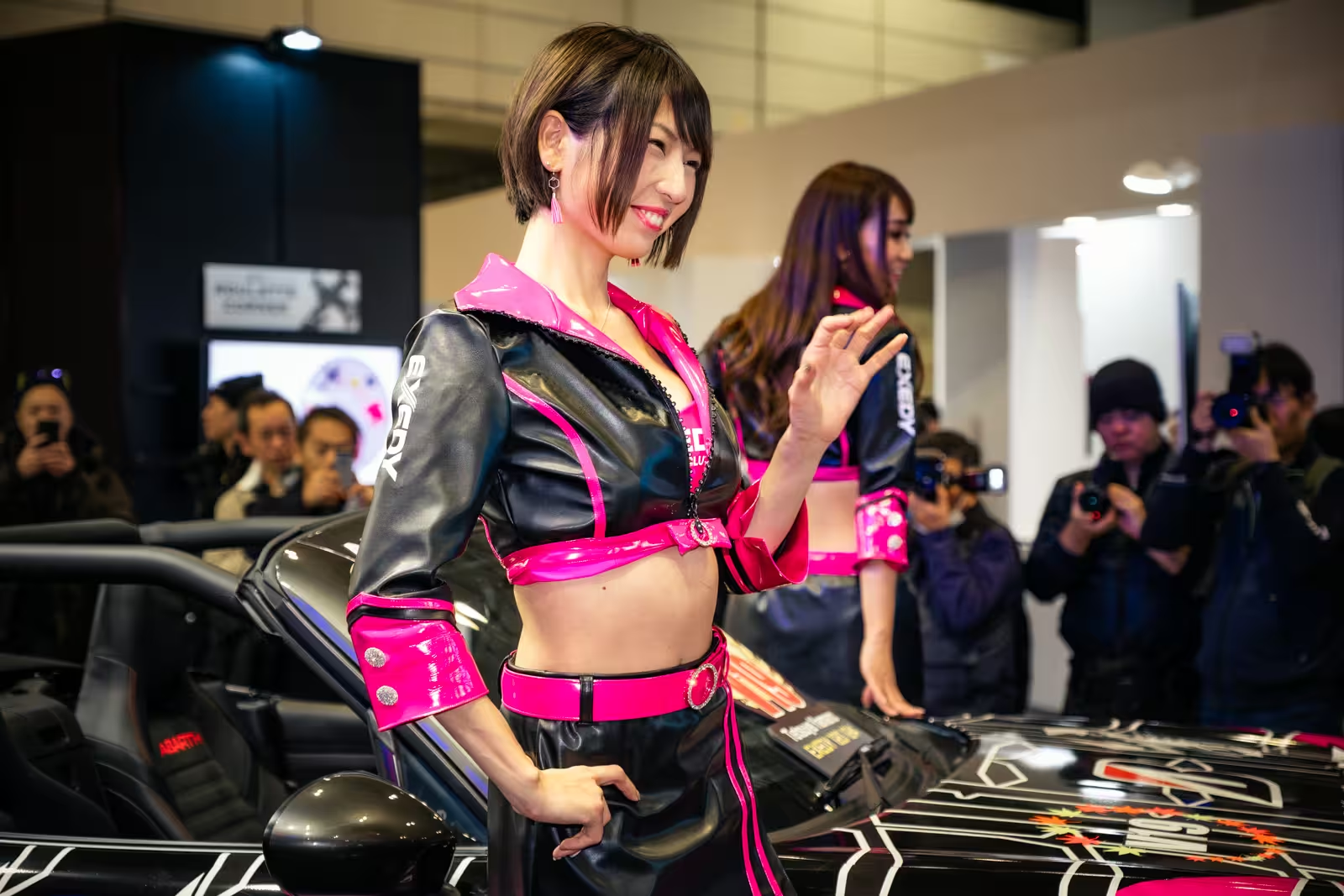
EXEDY girls: Machi Kiyose & Mai Ando
The “Exedy girls,” representing the clutch manufacturer, were particularly effective in their roles. Among them were Machi Kiyose (official Instagram account) and Mai Ando. Their work involved more than just posing.
They demonstrated an ability to acknowledge the crowd and interact with photographers individually despite the scale of the audience. The EXEDY booth served as a functional hub, displaying their racing clutch series and hosting talk shows with professional drivers, which provided varied subjects for documentation.
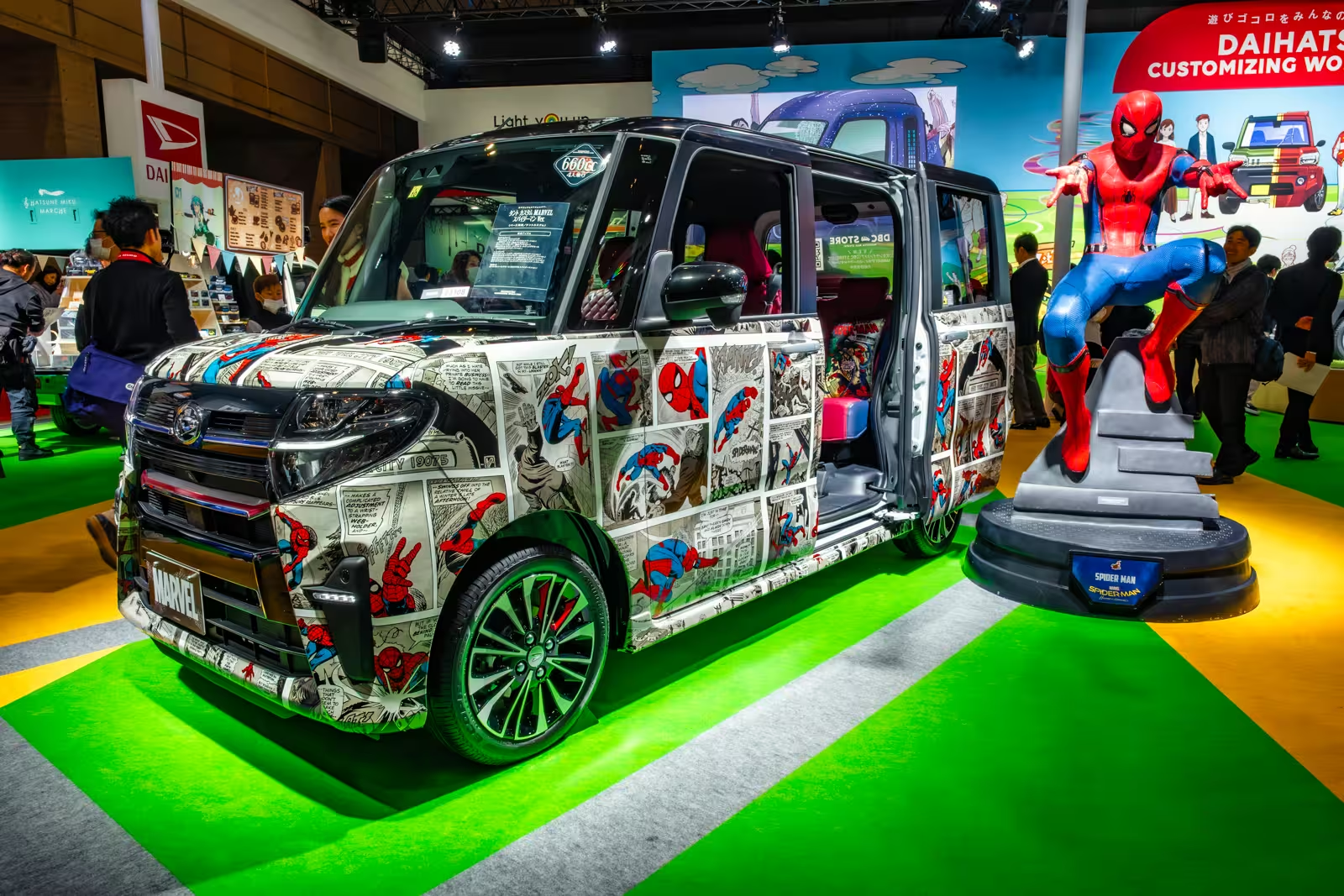
TAS car photography
Engaging in car photography at an event of this magnitude is a lesson in patience and technical adaptation. The variety of vehicles and the presence of the models offer constant opportunities to practice composition under artificial light.
Because I only had one day to see the 800 vehicles on display. There was no chance of me shooting all them. I could only shoot a fraction of the cars presented by the 438 exhibitors.
My photography gear for this shoot
- Camera: Fujifilm X-T3
- Lens: XF 16-55mm F2.8 R LM WR
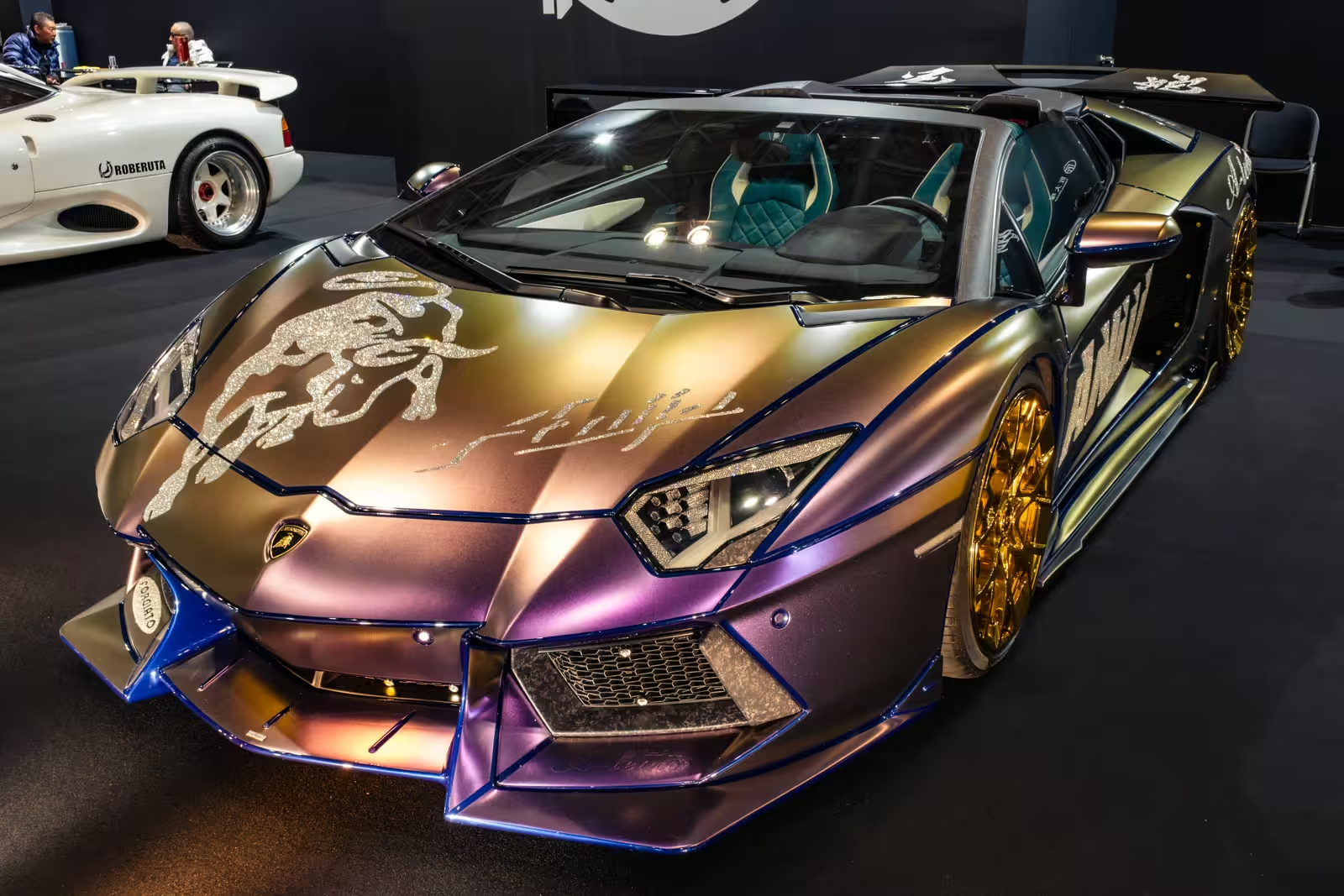
Is the Salon worth attending?
Of course it was! It’s a significant event for those interested in the intersection of Japanese car culture and automotive design. While the enormous number of attendees and the size of the Makuhari Messe make a single-day visit feel brief, the opportunity to observe builds like the Forgiato Bel Air and the professional work of the event models provides a valuable learning experience.
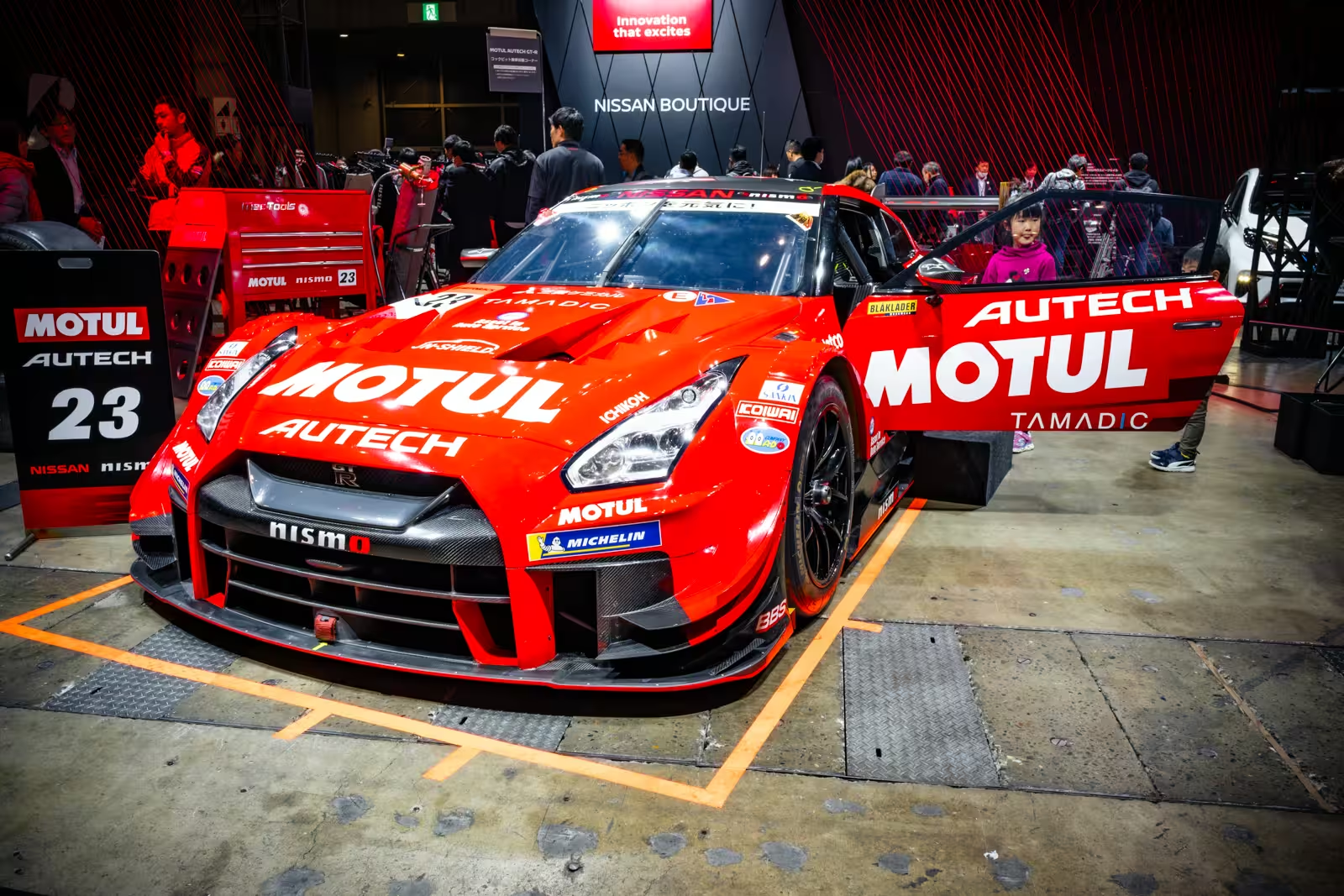
My time there confirmed that a full three-day attendance would be necessary to shoot everything on display. That’s my dream.
Are you ready to see more of Tokyo Auto Salon? I’ve made [Tokyo Auto Salon Photo Guide] which has all the information you need to know about the event.