The Kurayami Festival: Beyond the Shadows

The Kurayami Matsuri (Darkness Festival) is a seven-day festival held every year from April 30 to May 6 at Fuchu’s Okunitama Shrine in Tokyo. It is one of the Kanto region’s oldest and most significant festivals, known for its “darkness” theme. The highlights are floats and mikoshi (portable shrines) carried through the streets in the evening on two of its nights. This is my photography report from 4 May, 2026.

As an Amazon Associate I earn from qualifying purchases. See my full disclosure here.

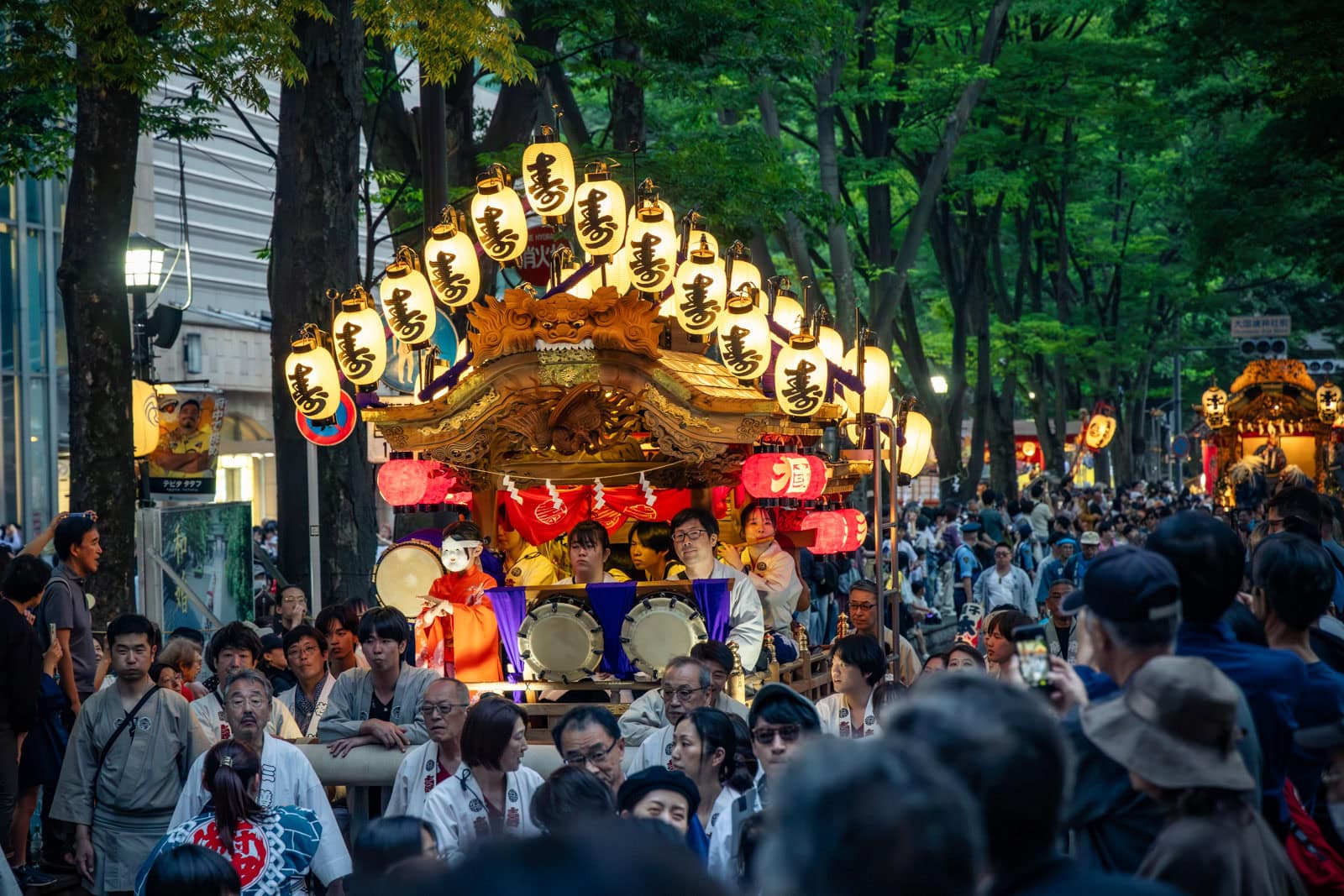
A festival float covered in glowing paper lanterns moves through a dense crowd at the Kurayami Festival.
Lens: Canon RF 24-105mm F4 L IS USM (1/320 sec at f/5.6, ISO 10000)

My first visit to Okunitama Shrine’s Kurayami Matsuri in Fuchu was in 2026. Also known as the Darkness Festival, it originally took place after the city’s lights were turned out. The event is dedicated to the deity, Okunitama-no-okami, who protects the Musashino region. Now, it is a Tokyo designated Intangible Folk Cultural Asset. I had a great night time experience.
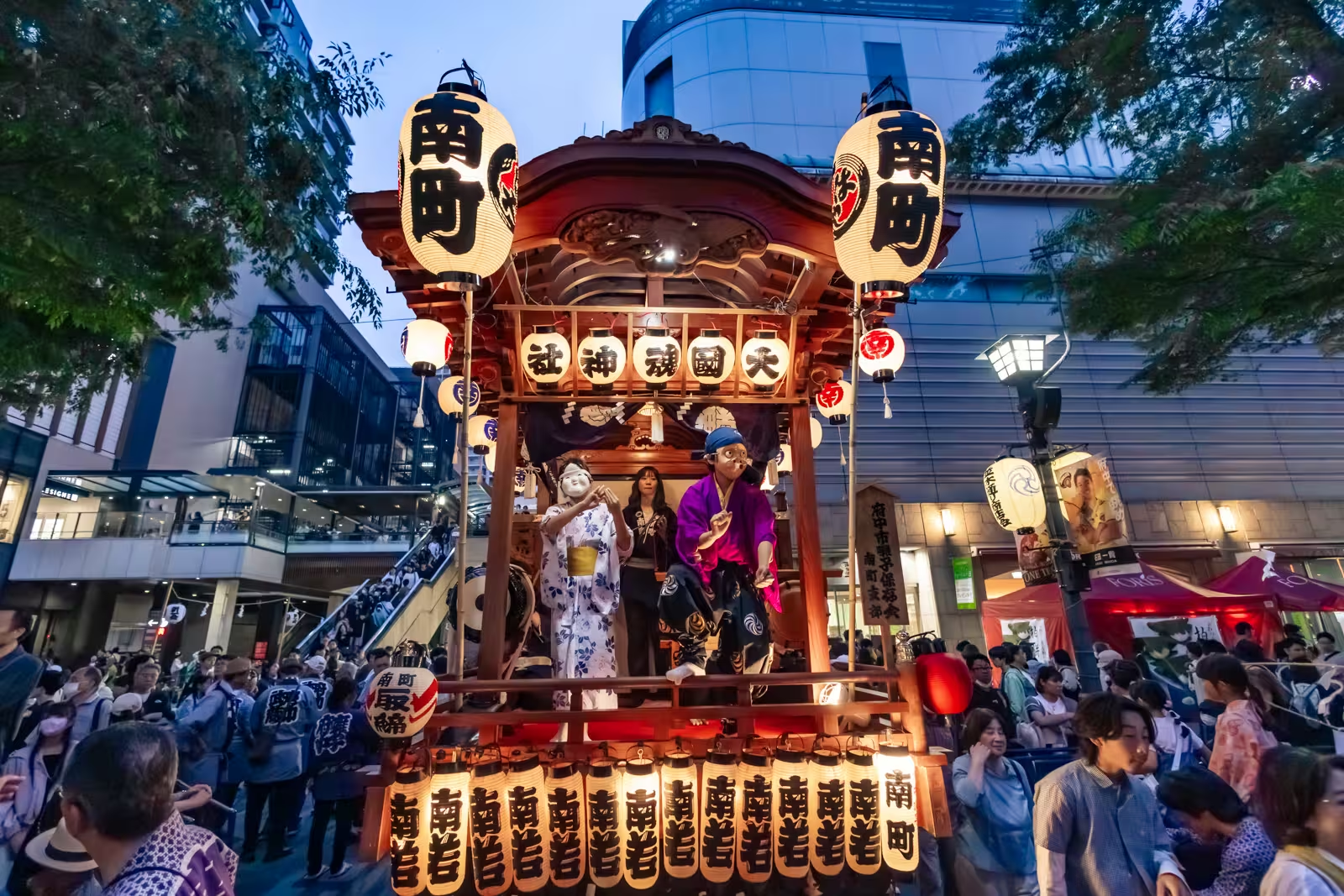
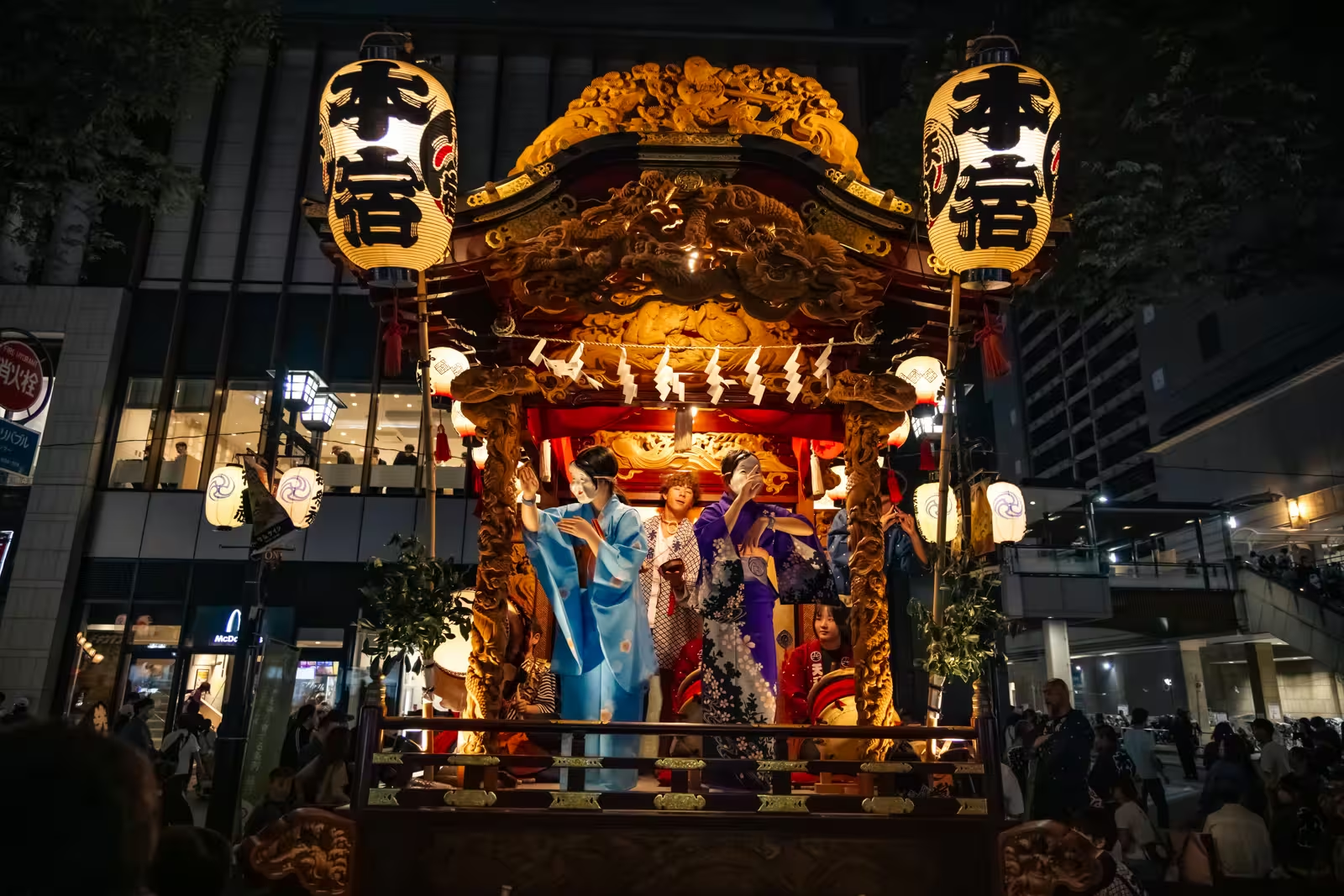
A Japanese festival float lit with paper lanterns and featuring performers moves through a city crowd at dusk.
Lens: Canon RF 16mm f/2.8 STM (1/400 sec at f/4.0, ISO 10000)

While the event is smaller than the Sanja, the Kurayami goes for a whole seven days! It also takes place over Japan’s famous Golden Week, which is a series of public holidays. If you go, be prepared for crowds.
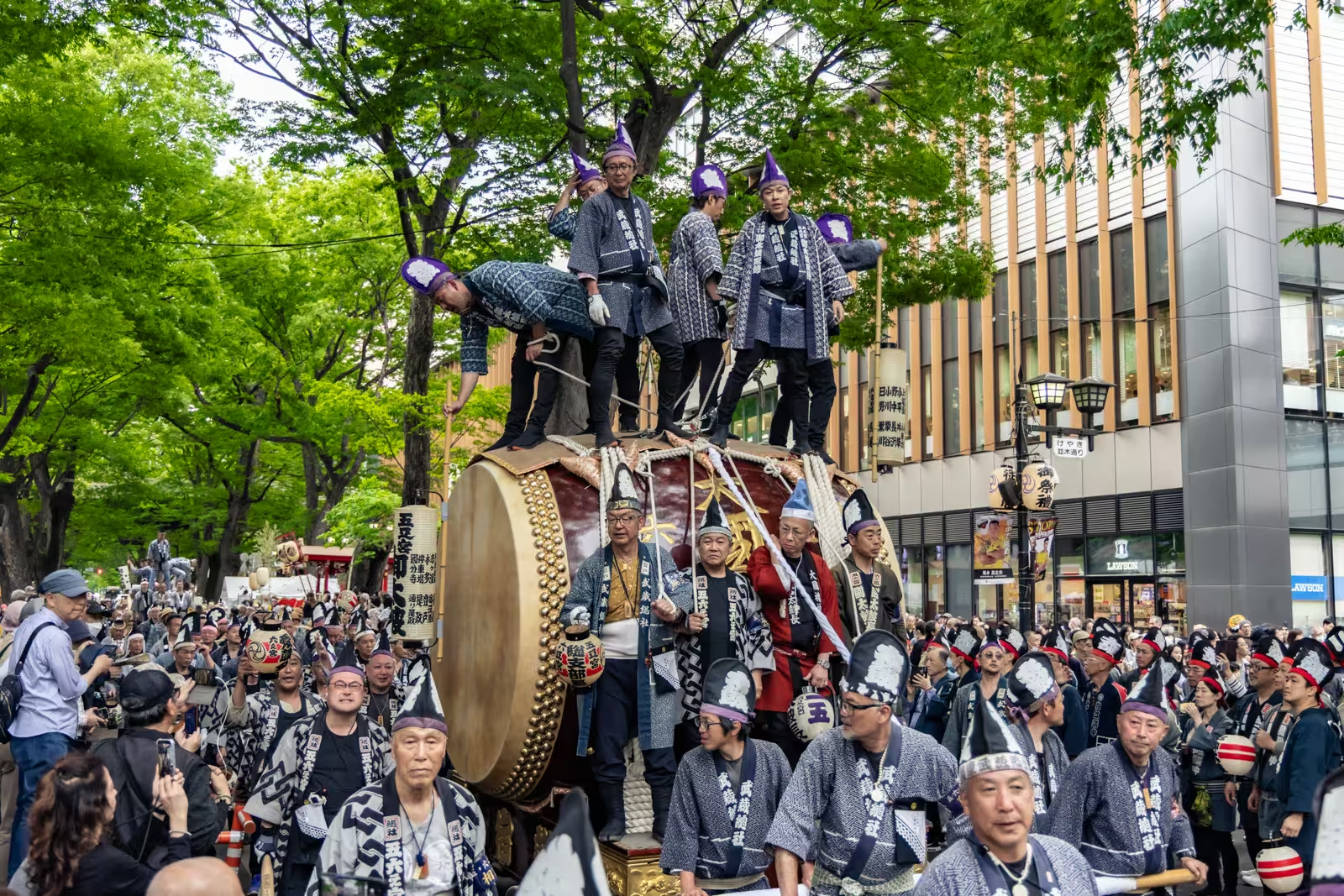
Men in traditional dress lead a massive drum float through a city street during the Kurayami Festival.
Taiko moving into position
Lens: Canon RF 24-105mm F4 L IS USM (1/400 sec at f/5.6, ISO 800)

I got there around 3:30 p.m., well before sunset to give me plenty of time to work out a plan. My first idea was to head to the shrine, see what was happening there and then scout a position for photographs. The only thing I knew was that much of the action for that night’s Kurayami Festival would take place on the old Koshu Kaido (now known as Keyaki Namiki-Dori) , one of Edo’s major roads.
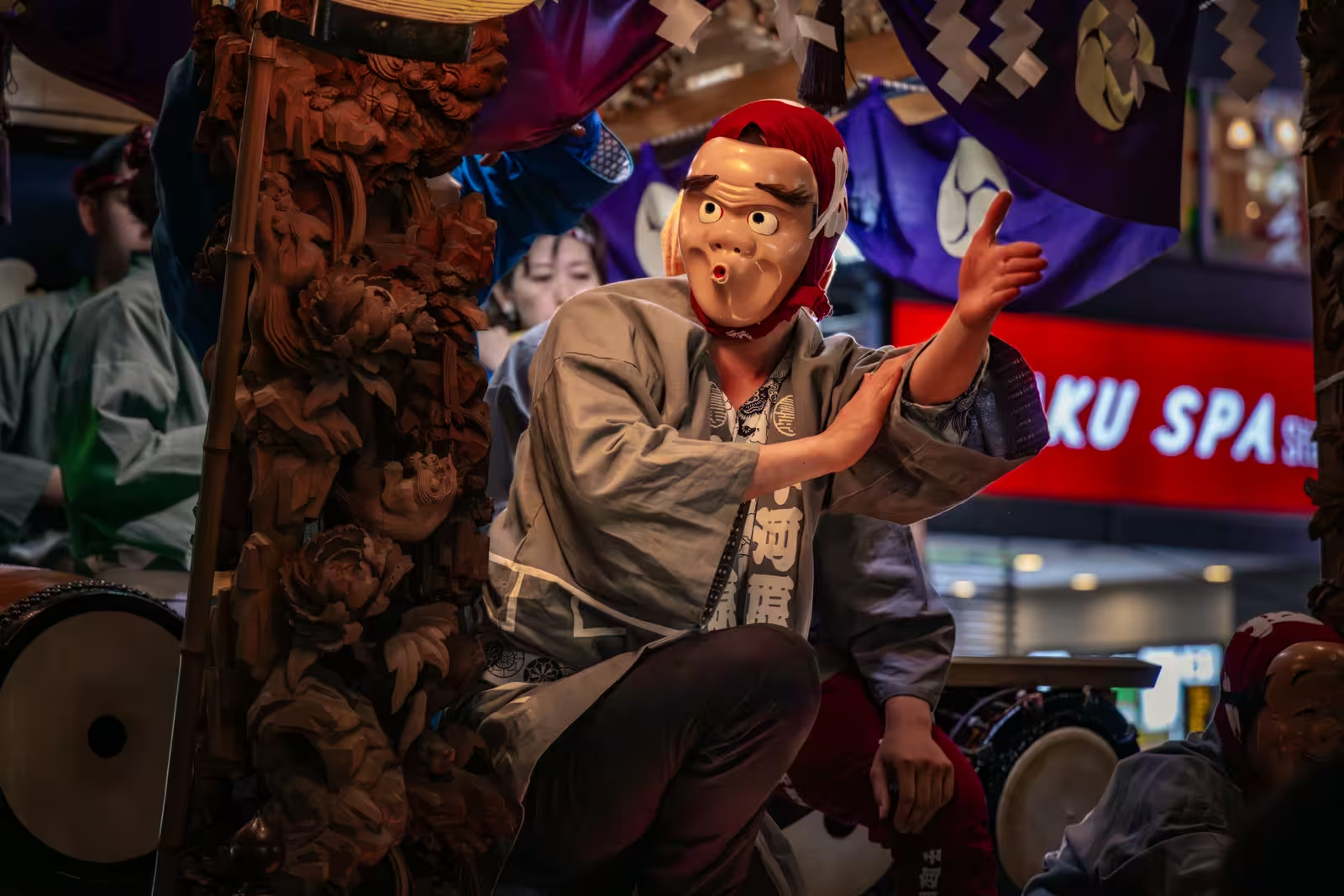
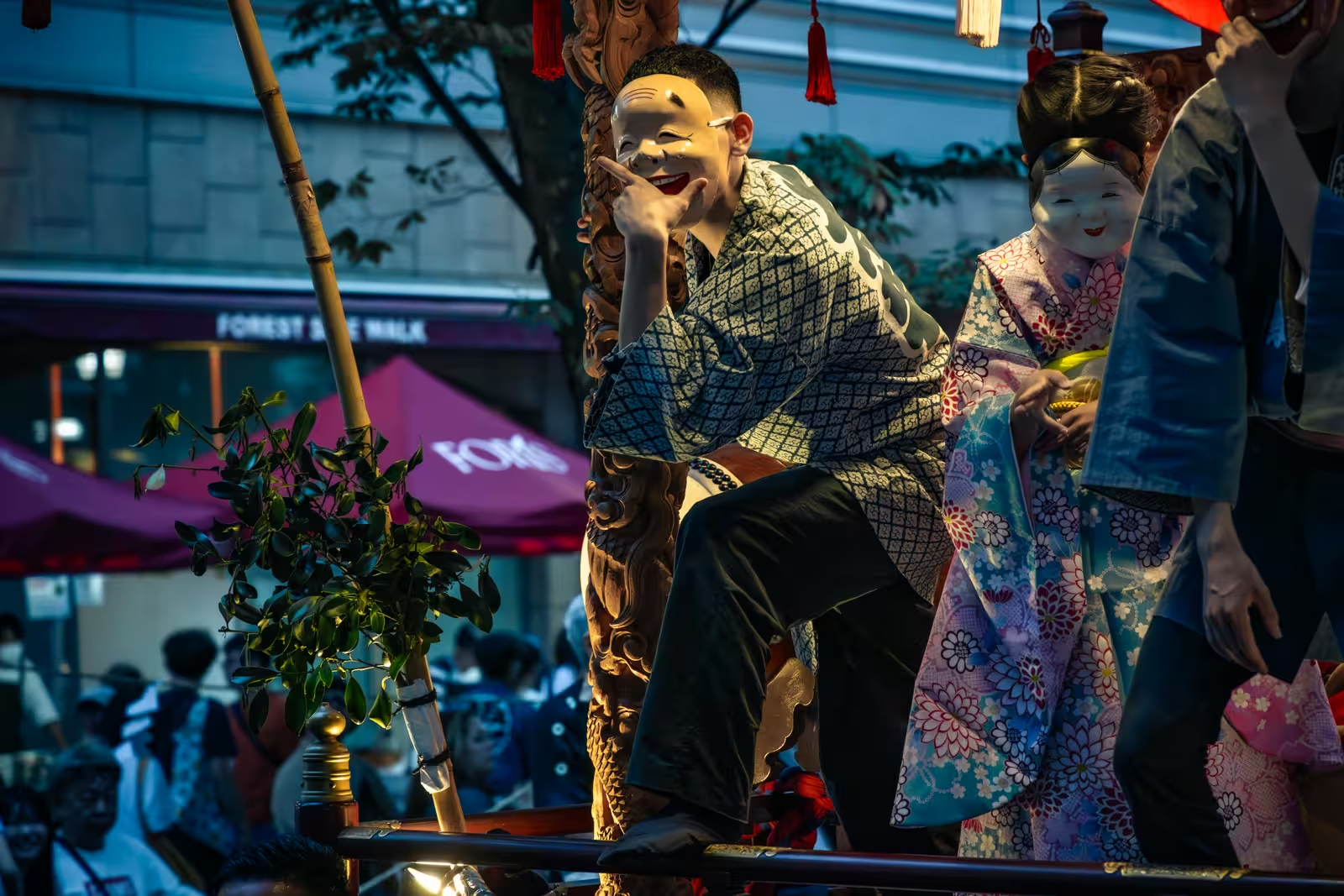
Hyottoko performer in a grey happi coat dances on a carved wooden float during the Kurayami Festival.
Hyottoko
Lens: Canon RF 24-105mm F4 L IS USM (1/400 sec at f/4.0, ISO 10000)

The road was the perfect place for this event. Keyaki is the Japanese word for the Zelkova tree, some of which might be 30 meters high, line the road. They were the perfect background because they muted the afternoon setting sun.
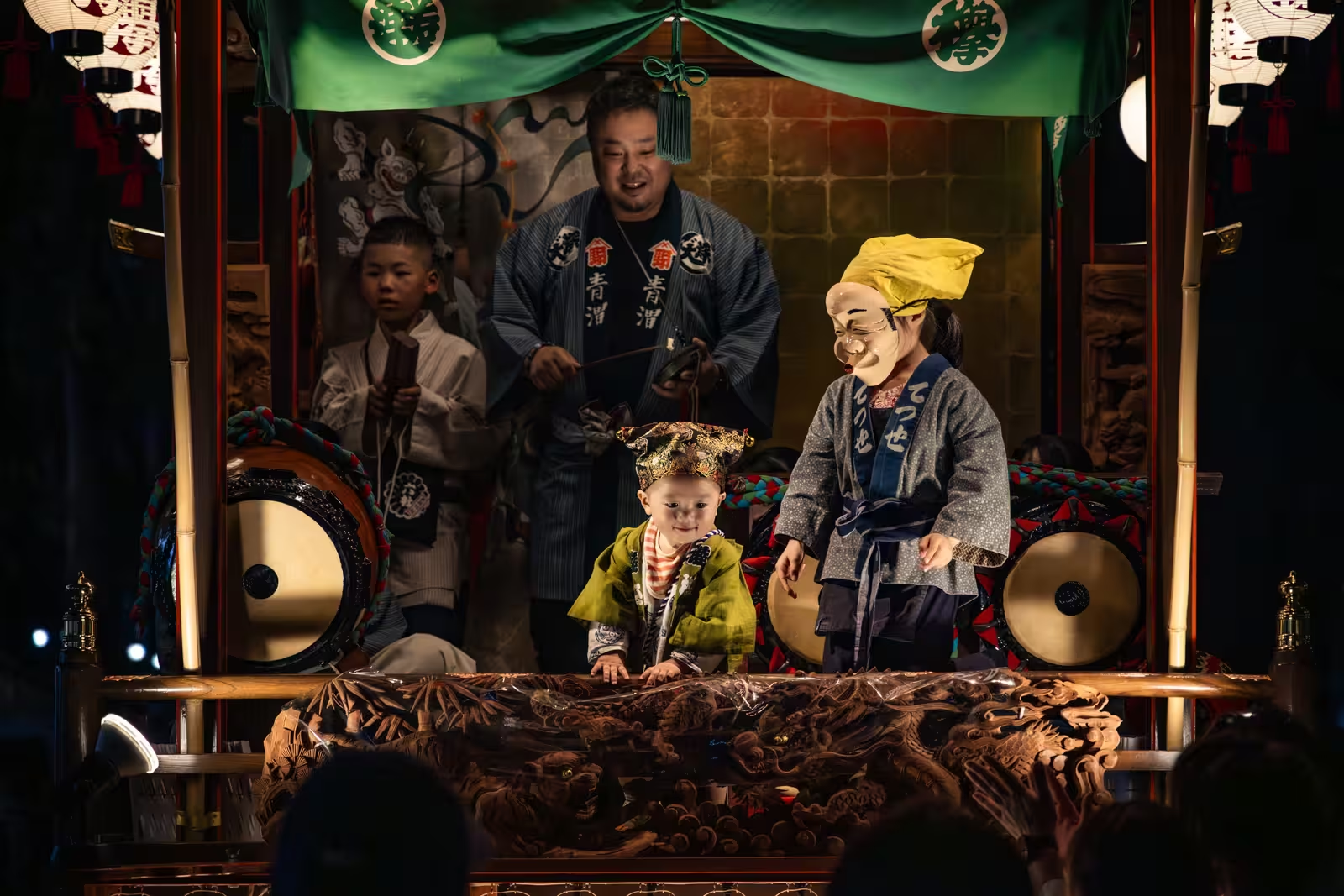
Performers in traditional dress on a Japanese festival float with taiko drums, a masked child, and green banners.
Lens: Canon RF 24-105mm F4 L IS USM (1/2000 sec at f/4.0, ISO 10000)
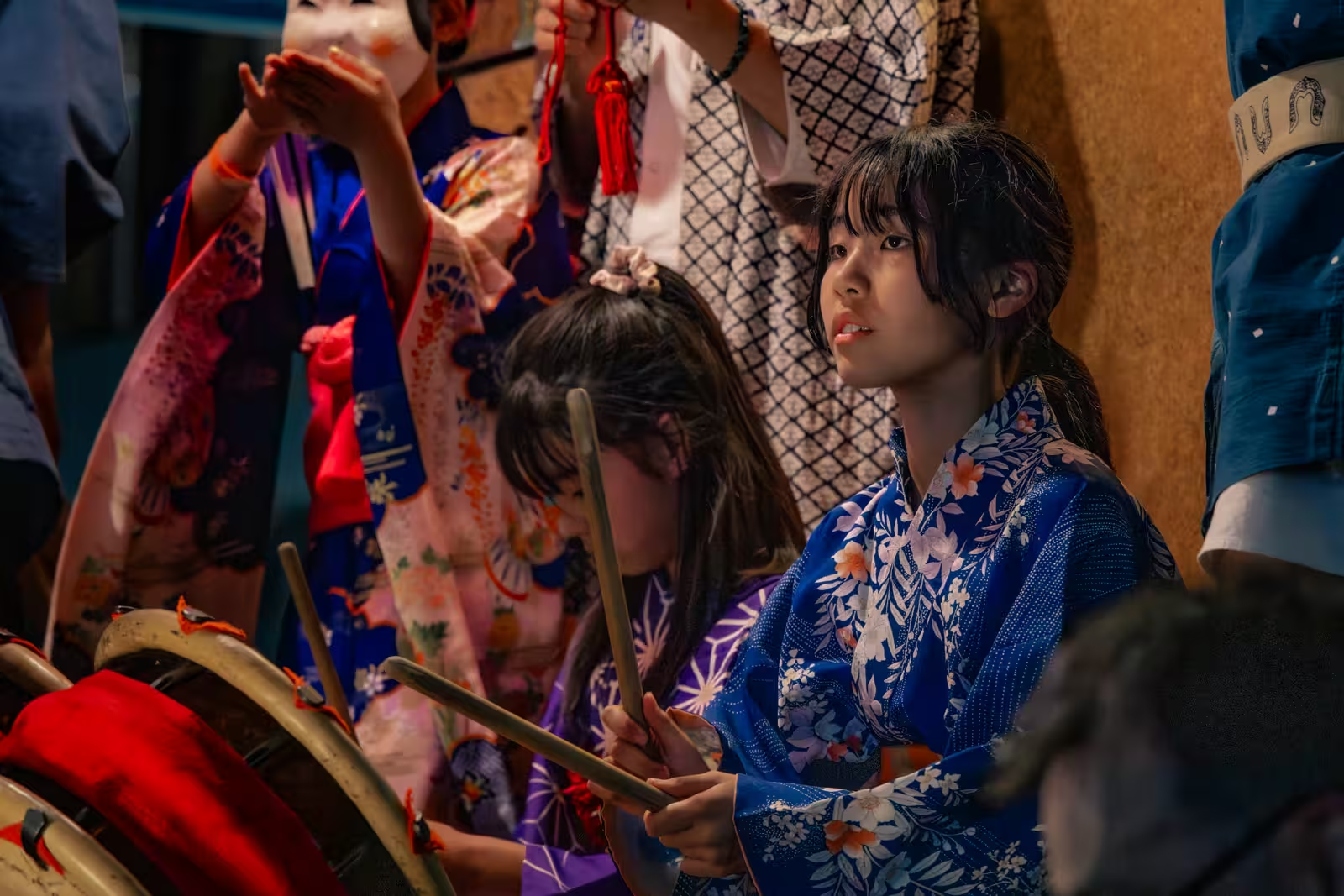
Young performers in traditional floral dress play taiko drums during a Japanese festival.
Taiko player
Lens: Canon RF 24-105mm F4 L IS USM (1/640 sec at f/4.0, ISO 12800)

The procession: Floats, flutes, and folklore

At 6 p.m. the floats, (山車 or dashi) appeared. The wheeled carriages adorned with beautiful wooden carvings were man-powered. By that I mean, teams pulled them with huge ropes. When they got into their assigned positions along Keyaki Namiki-Dori, they were pushed backwards and forwards many times to finesse them into position.
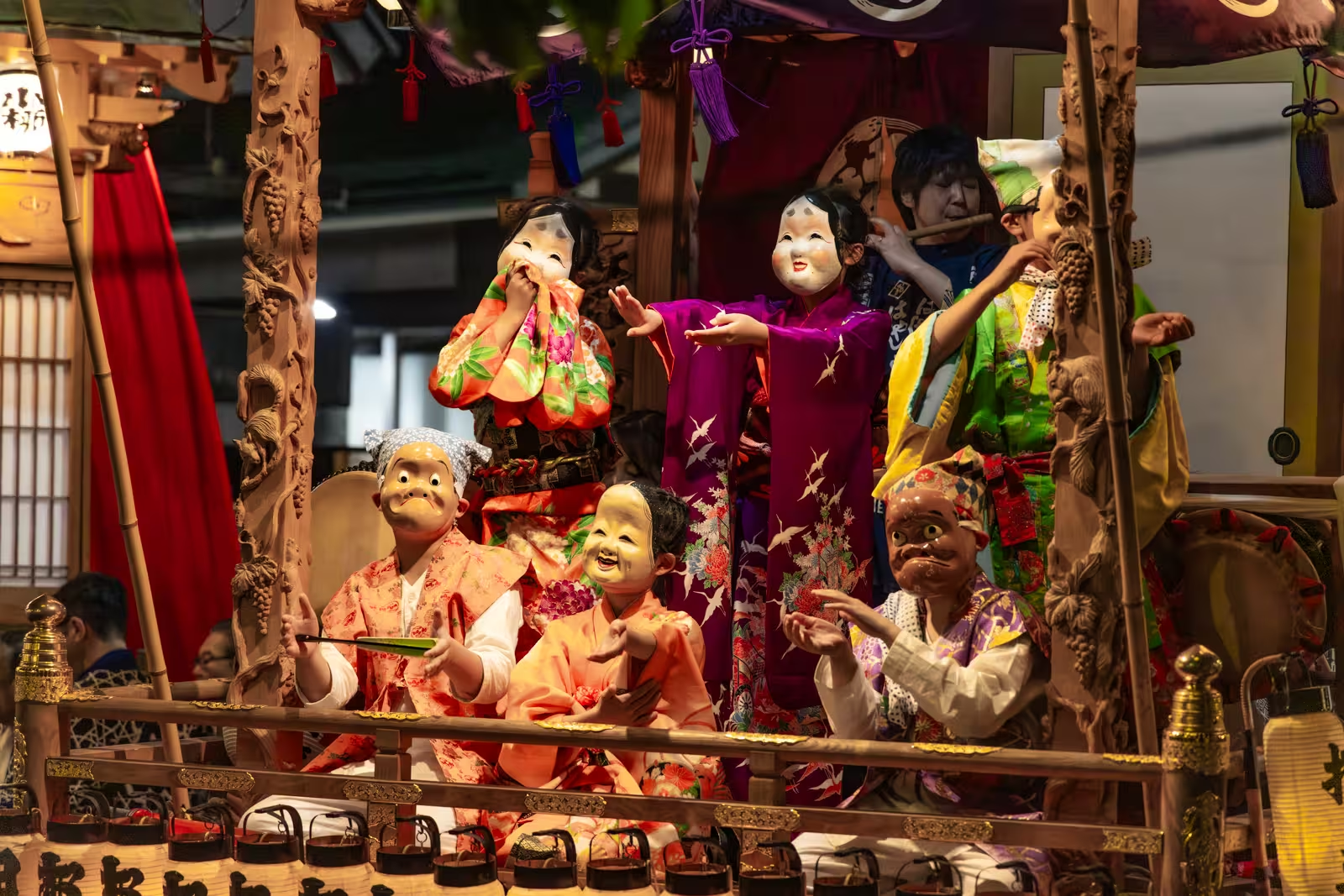
Hyottoko and Okame performers in traditional dress dance on a carved wooden float during the Kurayami Festival.
Lens: Canon RF 24-105mm F4 L IS USM (1/500 sec at f/4.0, ISO 12800)
Masked dancers in kimonos perform on a lantern-lit, carved wooden float during the Kurayami Festival at night.
Lens: Canon RF 16mm f/2.8 STM (1/400 sec at f/4.0, ISO 10000)

The floats carried two sets of performers. One was the musicians with their fue (flutes), taiko (drums), and kane (gongs and bells). The other were the dancers, Hyottoko (火男), Okame (阿亀), foxes, and lions! Due to the length of the night’s activities, each person danced or played for a certain amount of time then they were replaced by another.
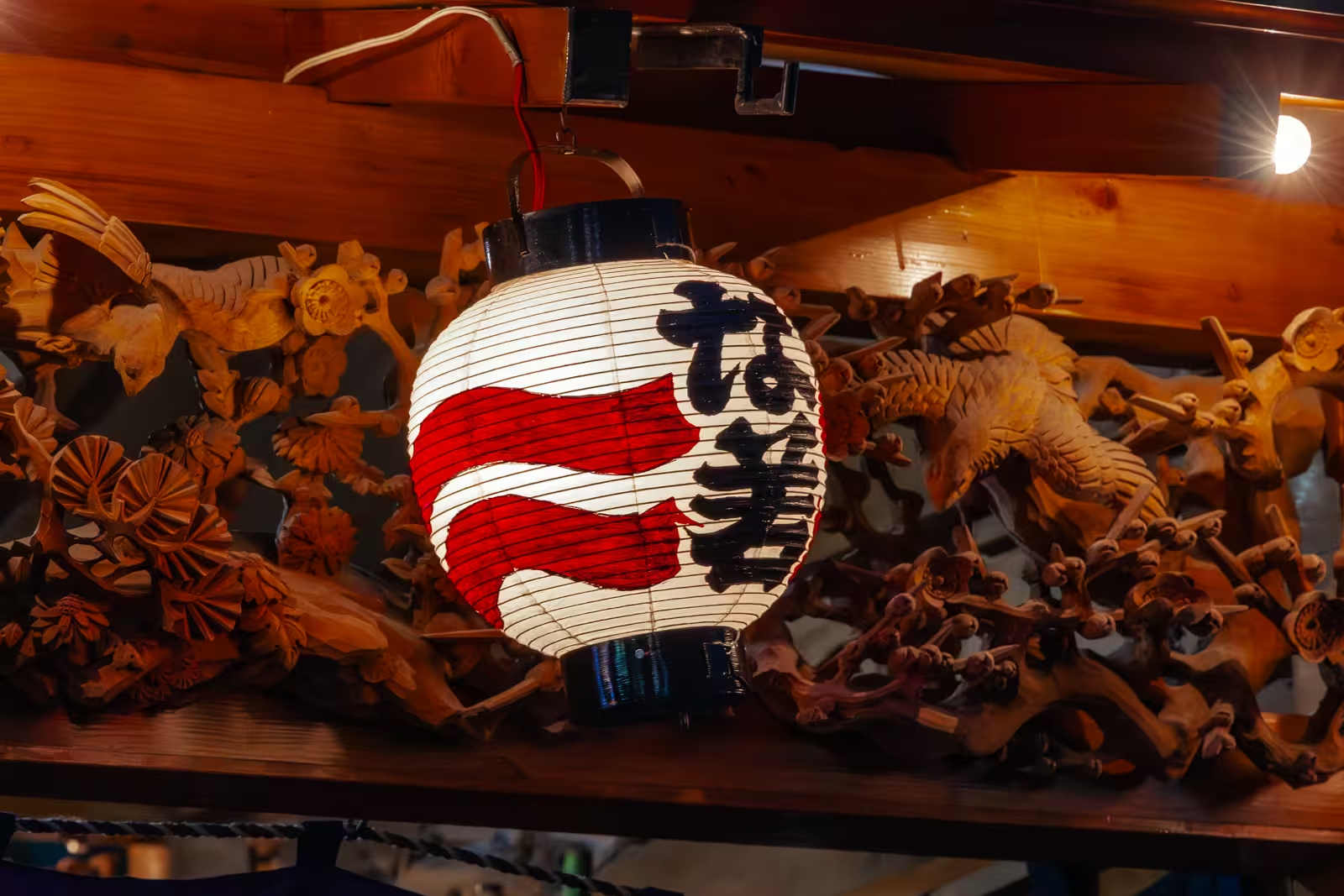
A glowing paper lantern in front of detailed wood carvings on a festival float during the Kurayami Festival.
Lens: Canon RF 24-105mm F4 L IS USM (1/500 sec at f/5.6, ISO 10000)
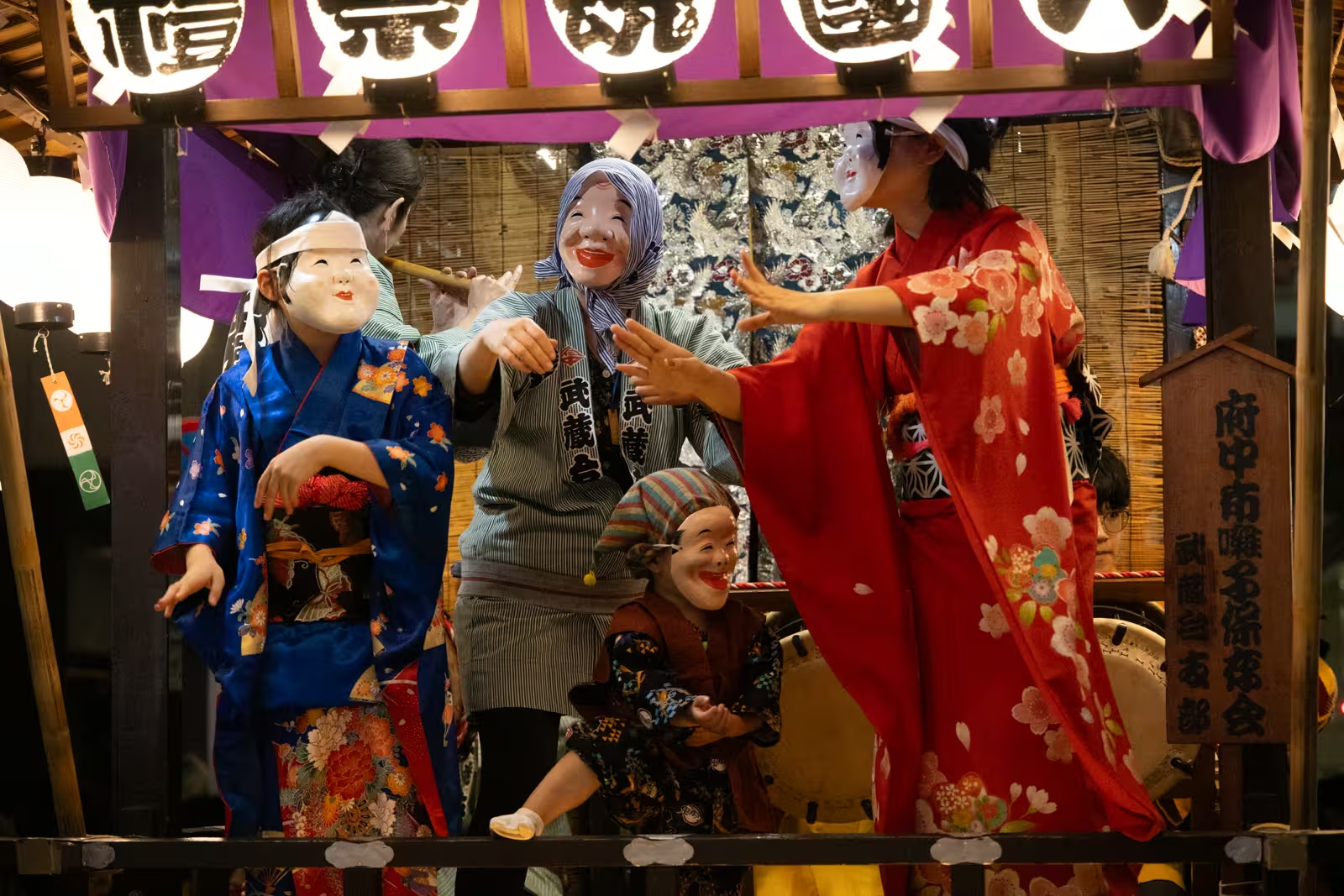
Masked performers in floral dress dance on a lantern-lit float during the Kurayami Festival.
Lens: Canon RF 24-105mm F4 L IS USM (1/500 sec at f/4.0, ISO 10000)

What are Hyottoko and Okame?

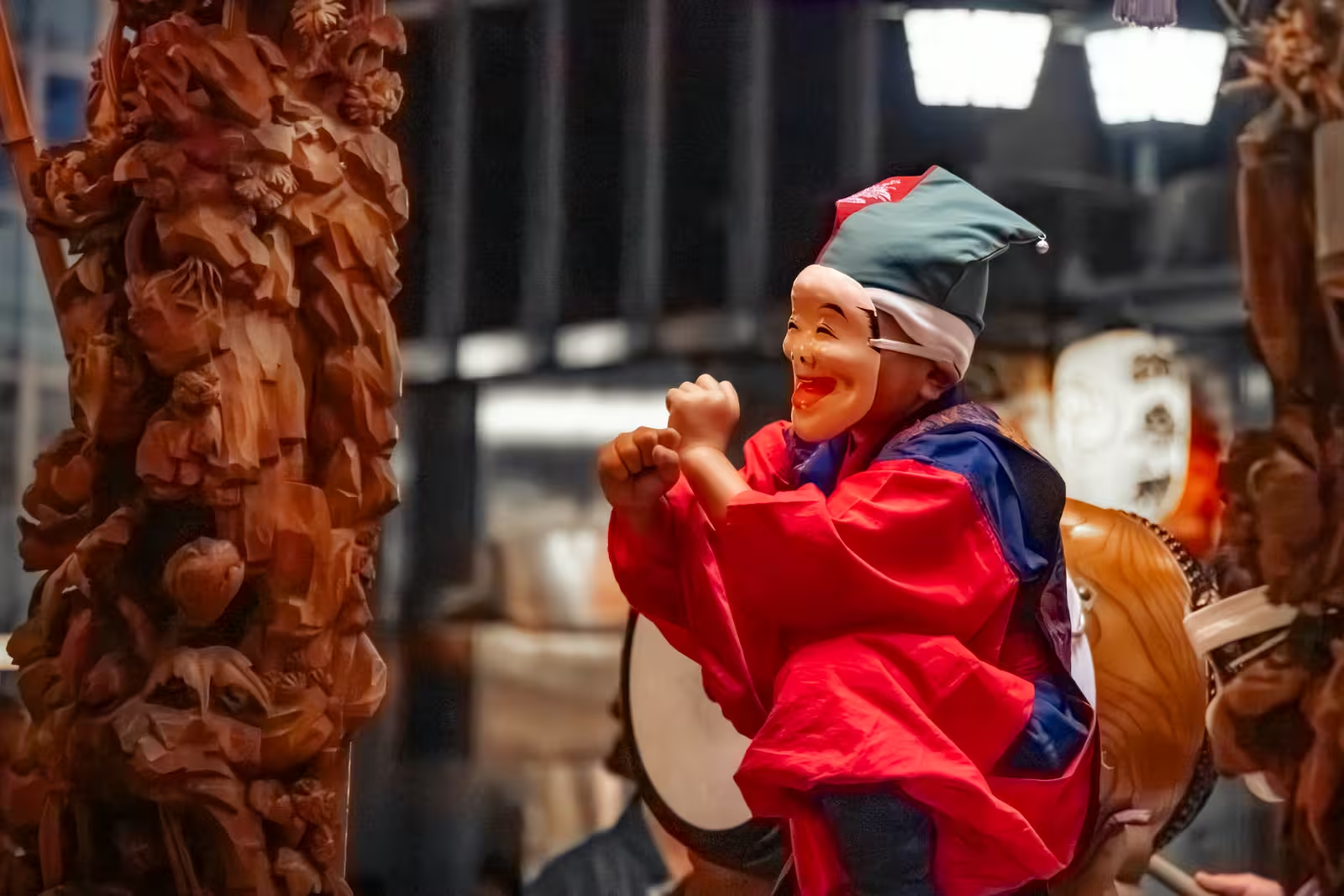
Hyottoko: He is a comical male character portrayed through the use of a mask with its mouth puckered to one side. Sometimes he might even have different eye sizes. At this Kurayami Festival, I saw one with two complete bug eyes! The performers often wear a scarf around his head (usually white with blue dots).
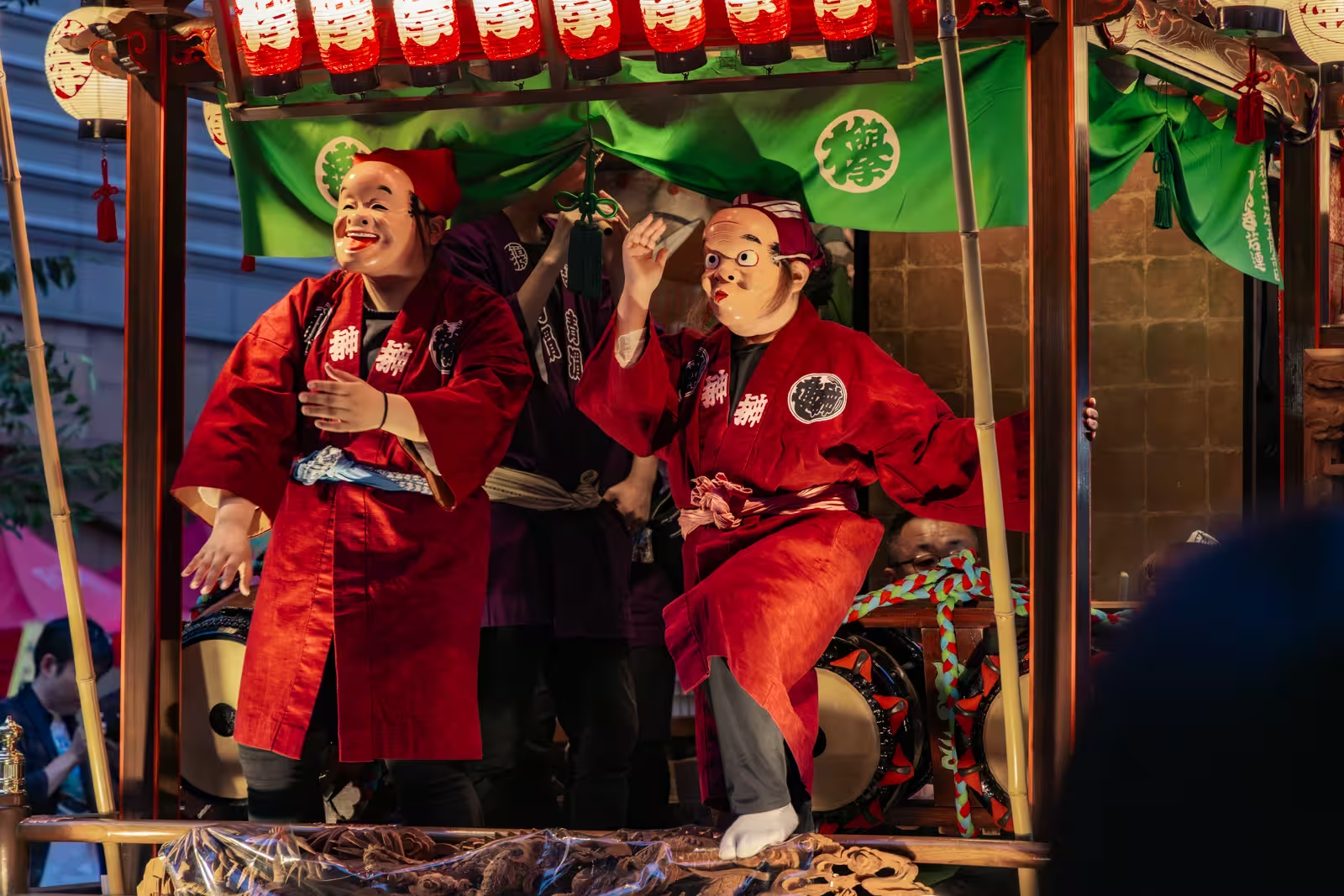
Hyottoko dancers in red robes perform on a float with lanterns and green banners at the Kurayami Festival.
Double Hyottoko!
Lens: Canon RF 24-105mm F4 L IS USM (1/250 sec at f/5.6, ISO 5000)
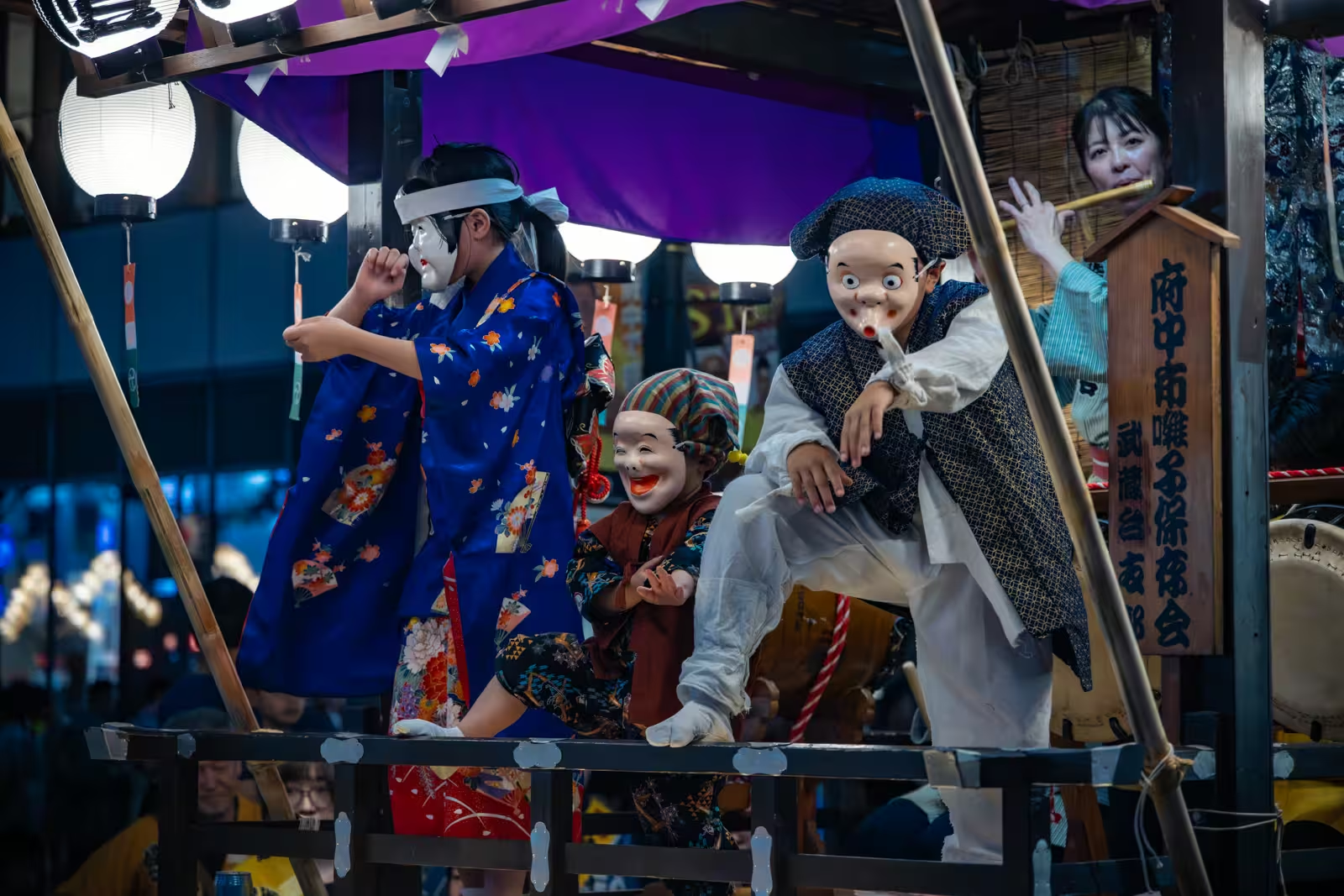
Masked performers in traditional dress dance on a lantern-lit float during the Kurayami Festival.
Lens: Canon RF 24-105mm F4 L IS USM (1/500 sec at f/4.0, ISO 10000)

Okame, also known as Ofuku (おふく): She is usually portrayed as an ugly, plump woman, good-natured and humorous associated with Hyottoko.
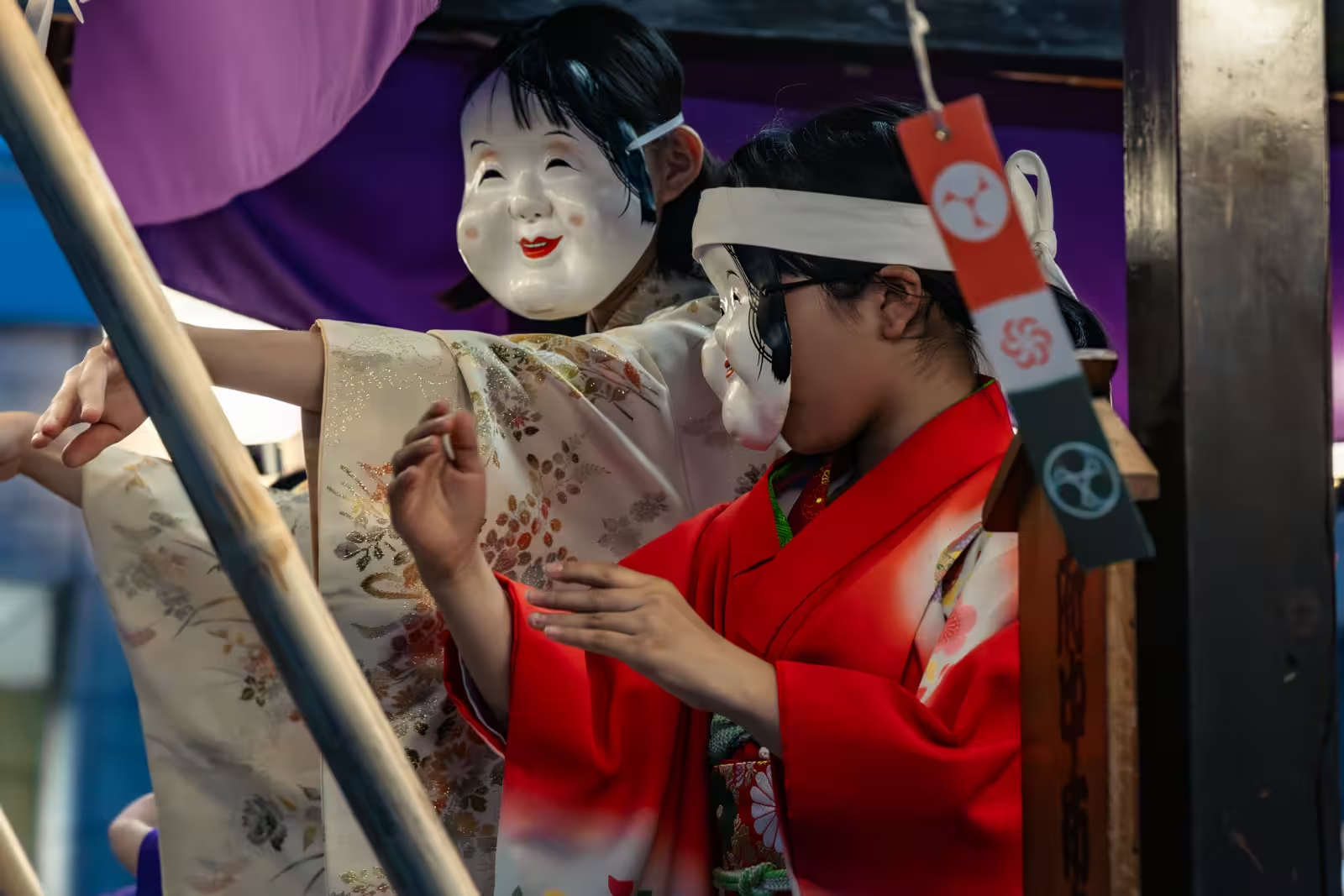
Masked performers in red and floral kimonos dance on a float during the Kurayami Festival.
Lens: Canon RF 24-105mm F4 L IS USM (1/400 sec at f/5.6, ISO 10000)
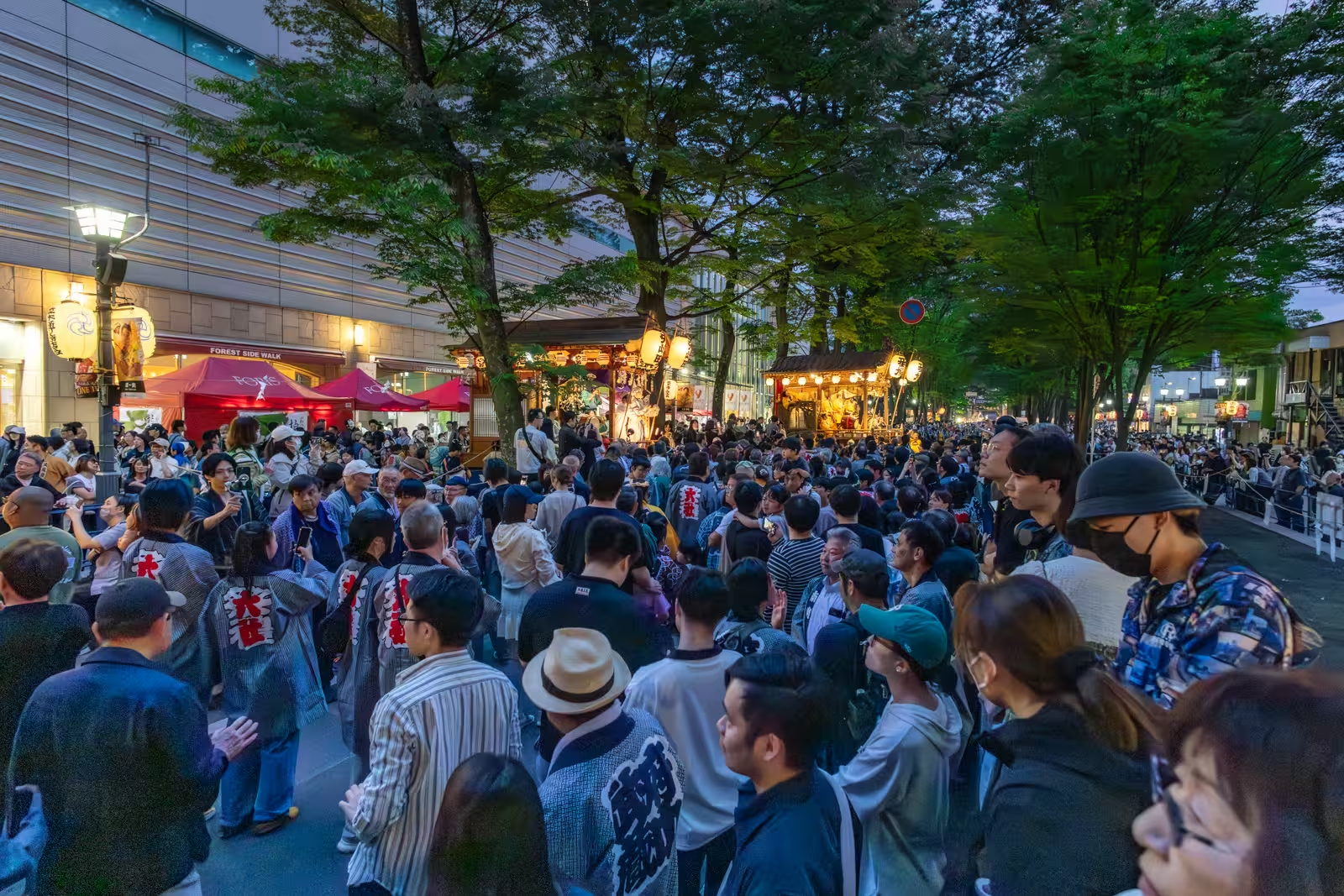
A large crowd gathers on a city street at dusk to watch glowing floats during the Kurayami Festival.
Lens: Canon RF 16mm f/2.8 STM (1/320 sec at f/4.0, ISO 10000)

The two of them do a humorous Japanese folk dance using rhythmic and silly movements. On some floats, they were joined by foxes and lions.
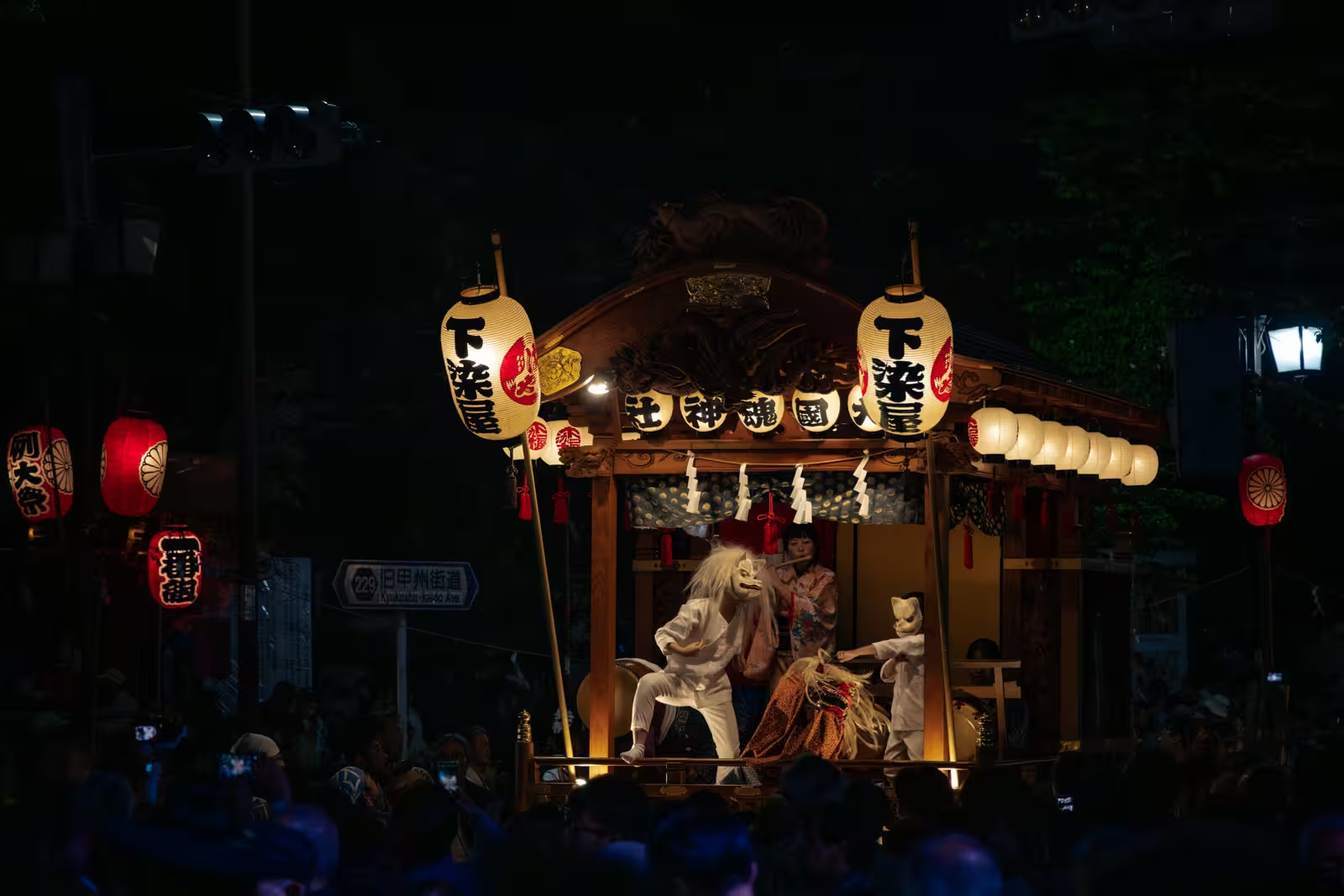
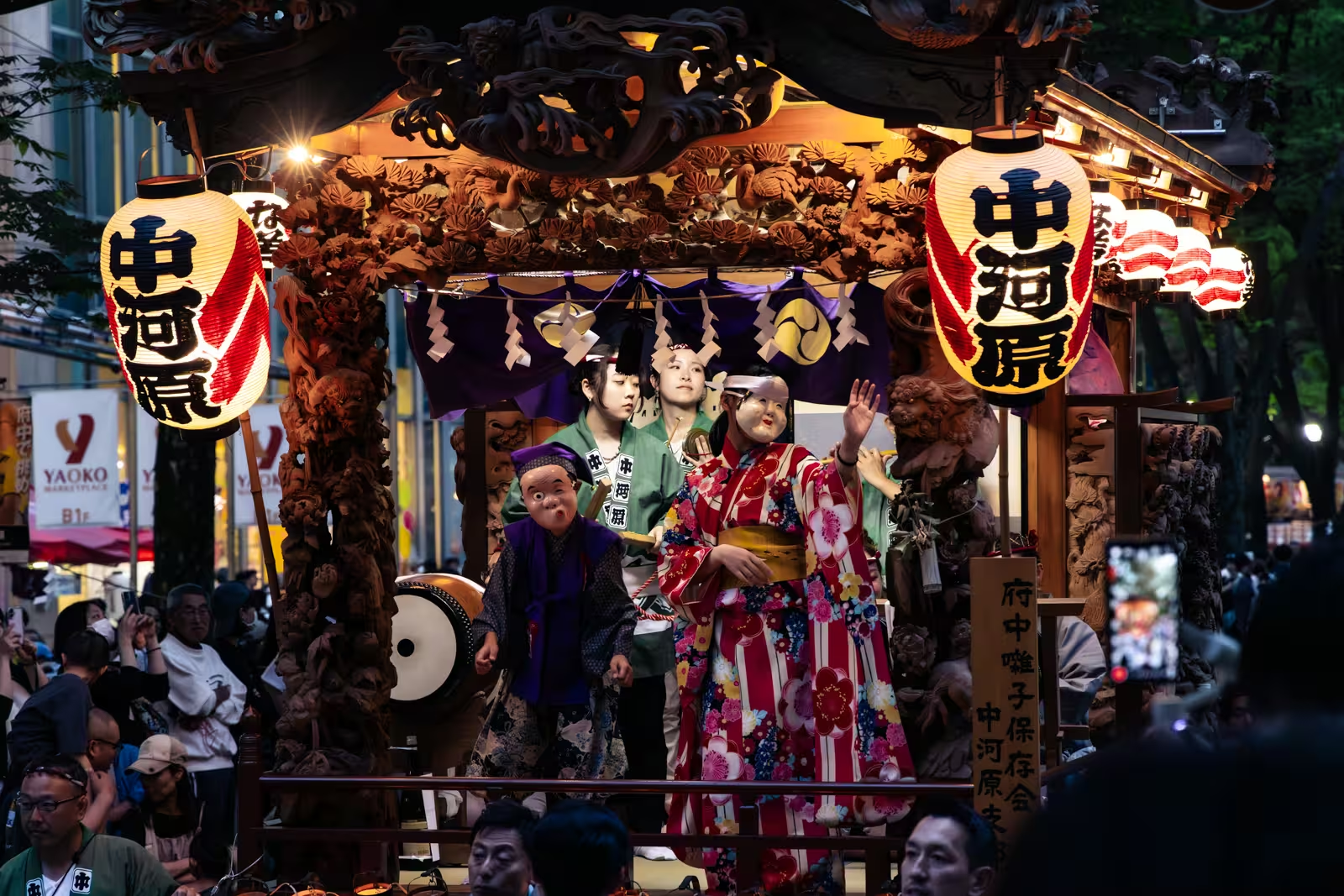
Masked performers dance on a lantern-lit wooden float during the Kurayami Festival at night.
Lens: Canon RF 24-105mm F4 L IS USM (1/1000 sec at f/5.6, ISO 12800)
Masked dancers and a woman in a floral kimono perform on a carved wooden float during the Kurayami Festival.
Lens: Canon RF 24-105mm F4 L IS USM (1/320 sec at f/5.6, ISO 10000)

The Shishimai: Why do the lions “bite”?

Yes, lions dance at Japanese festivals and they can be hard to shoot in the dark. They perform the Shishimai (Lion Dance) where the performers move with a sudden, jerky energy meant to ward off evil spirits. They also protect people through an interesting ritual.
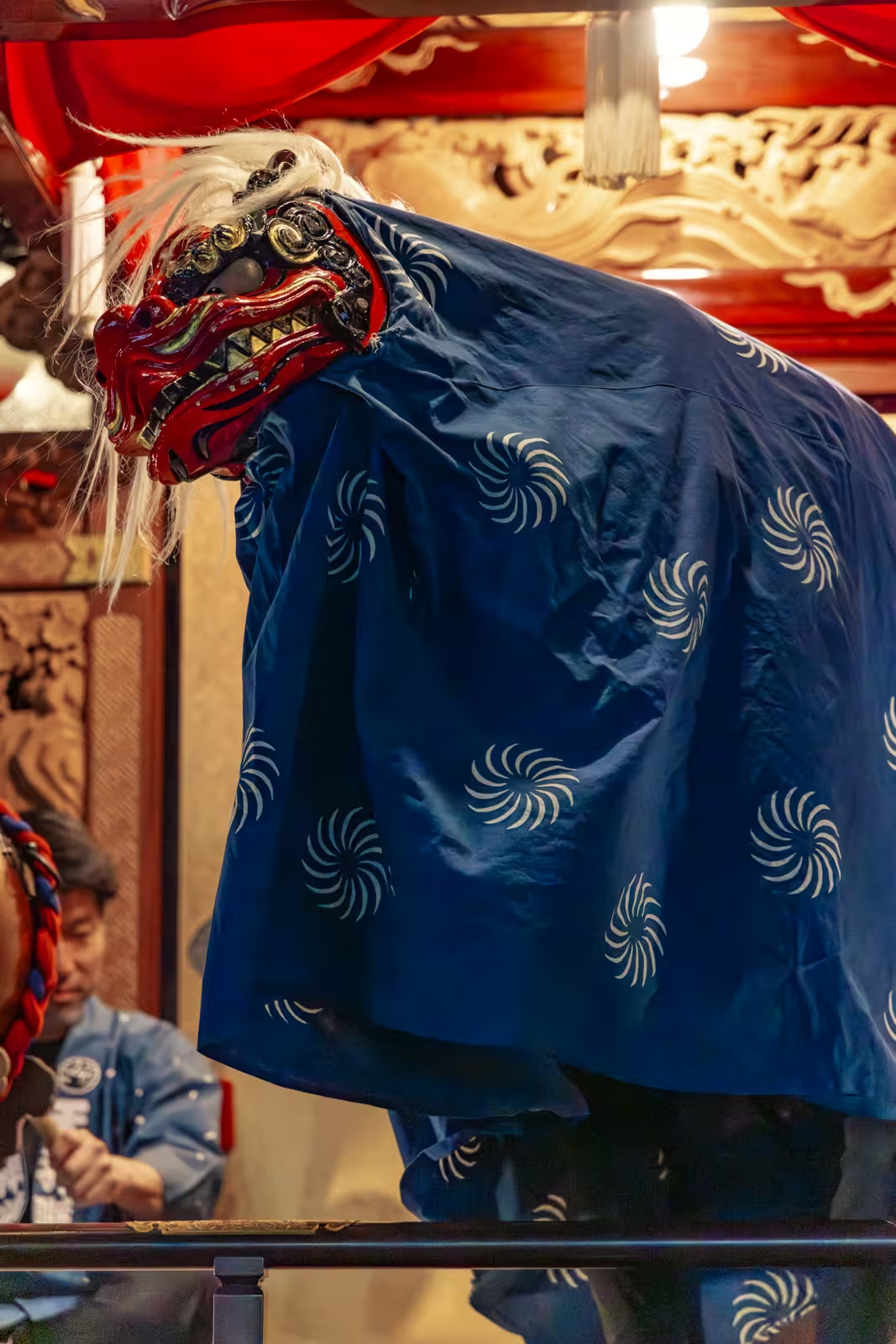
A Japanese Shishimai performer in a red lion mask and blue fabric with white swirling patterns during a festival.
Shishimai lion dance performer
Lens: Canon RF 24-105mm F4 L IS USM (1/500 sec at f/4.0, ISO 10000)

I watched as some lions “bit” the heads of local children which is a traditional blessing for good health. From a photographer’s perspective, this is the ‘money shot,’ but you need fast reactions to spot it happening and then capture it in the dim street light.
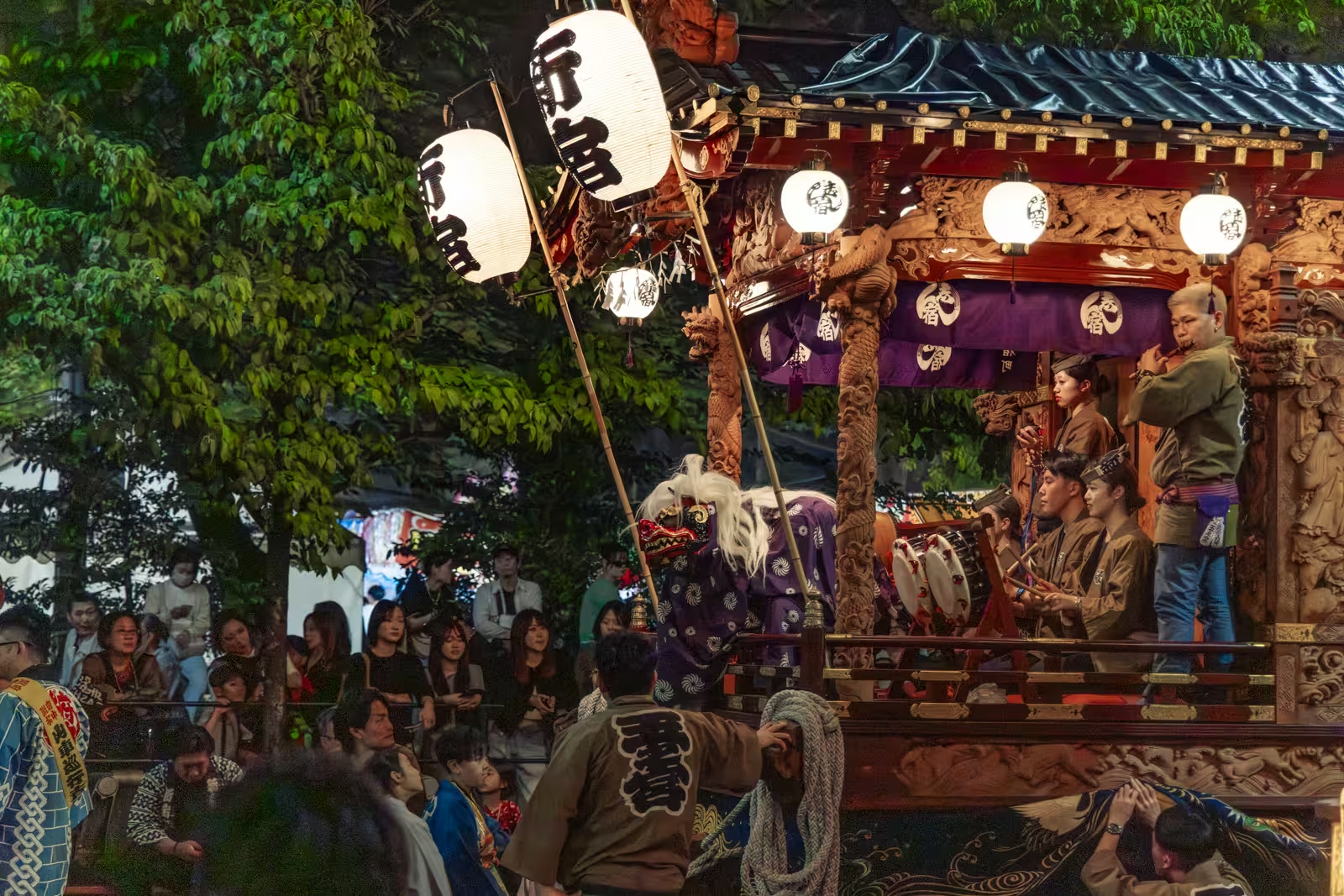
A lion dancer and musicians on a carved festival float at the Kurayami Festival, surrounded by lanterns and crowds at night.
Lens: Canon RF 24-105mm F4 L IS USM (1/800 sec at f/4.0, ISO 12800)

Photography tips: Shooting the Kurayami Matsuri in low light

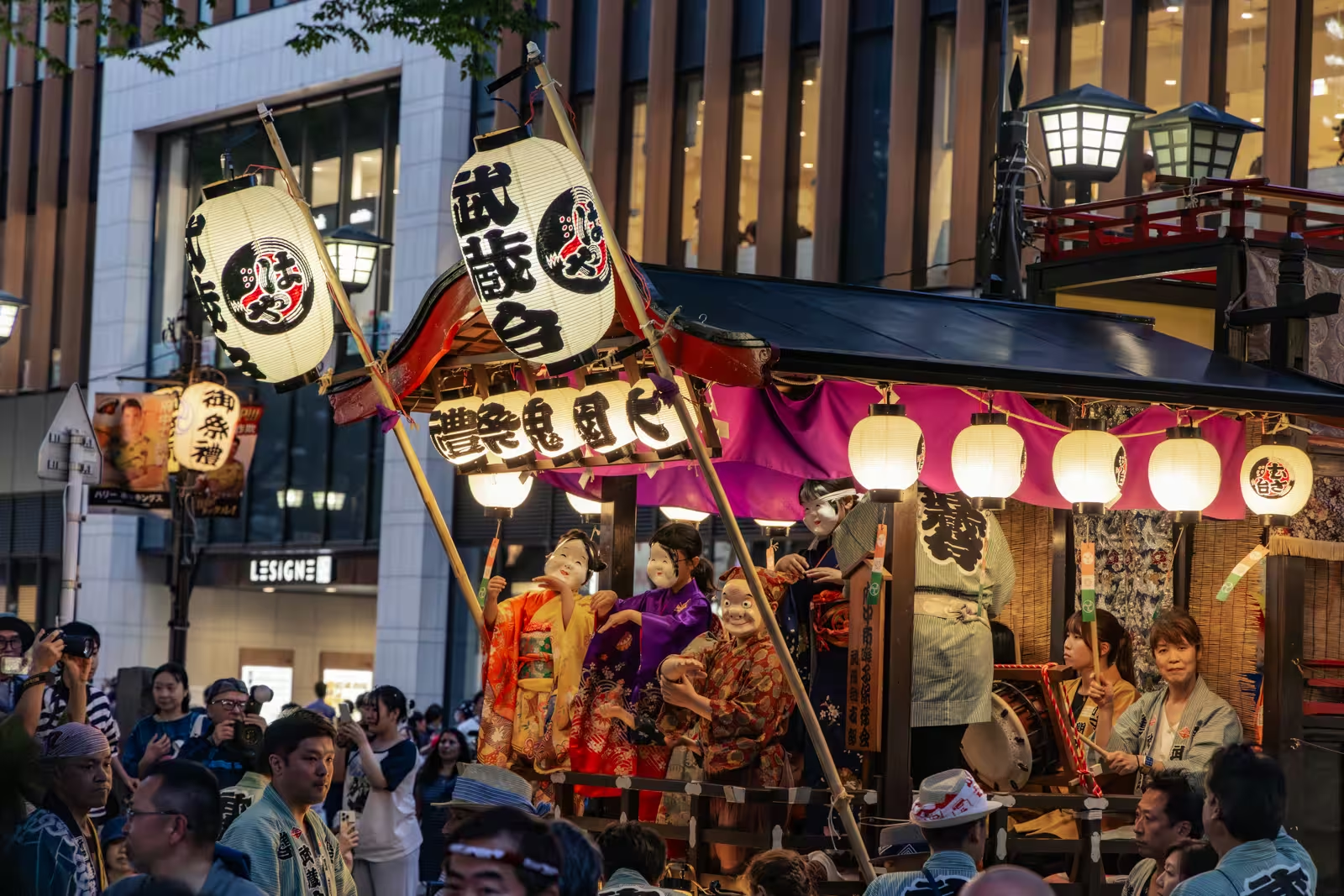
For my time at the festival, sunset was at 6:30 p.m. which meant we should have had golden and blue hours for our photography. Unfortunately, it didn’t work out like that. The trees and buildings blocked out most of the light. The sky looked great, but at ground level it was quite dark. The Kurayami Festival lived up to its name.
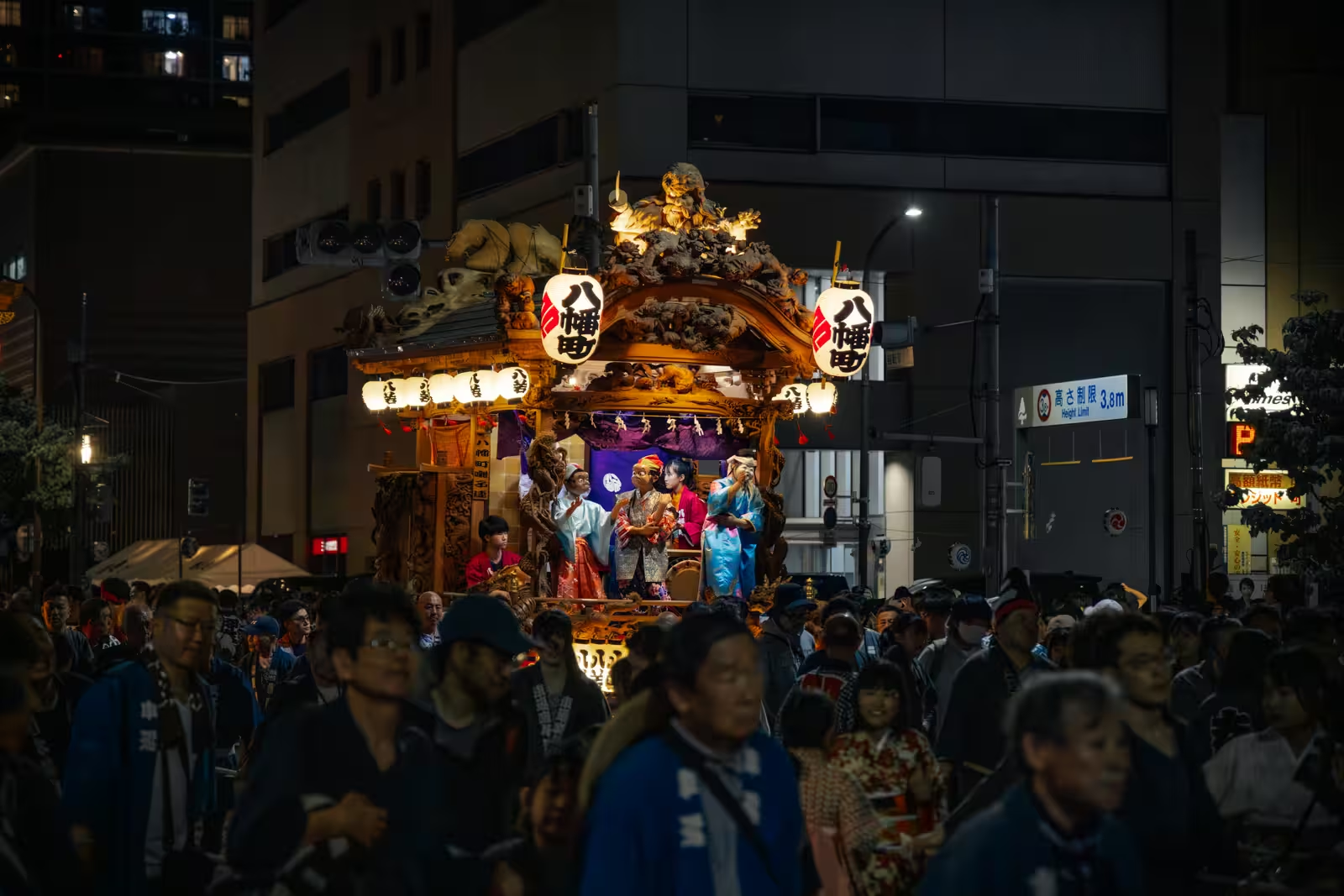
A lantern-lit festival float with performers moves through a large night crowd during the Kurayami Festival.
Lens: Canon RF 24-105mm F4 L IS USM (1/400 sec at f/4.0, ISO 12800)
Masked dancers perform on a lantern-lit float during the Kurayami Festival as it passes through a city crowd.
Lens: Canon RF 24-105mm F4 L IS USM (1/320 sec at f/5.6, ISO 10000)

I had the camera for the job, a Canon EOS R5 with two lenses, the RF 24-105mm F4 L IS USM and the RF 16mm f/2.8 STM. They were good enough for the job, but I have to admit a slightly faster medium zoom would be great. Still, I had an extra card up my sleeve as Adobe Lightroom can deal with any noise issues. I needed that because many of my shots were taken at ISO 12800. But I knew it wouldn’t be a problem because I had already done this with the Hachioji Festival.

Hyottoko and Okame performers in traditional dress dance on a carved wooden float during the Kurayami Festival.
Lens: Canon RF 24-105mm F4 L IS USM (1/400 sec at f/5.6, ISO 10000)

One funny thing, I got so wrapped up in this festival that I attended for the first time, that I kind of abandoned camera settings! In some cases I wanted to freeze the action so I adjusted my shutter speed forgetting that my ISO was sky high. That’s a bit embarrassing, but I got the job done.
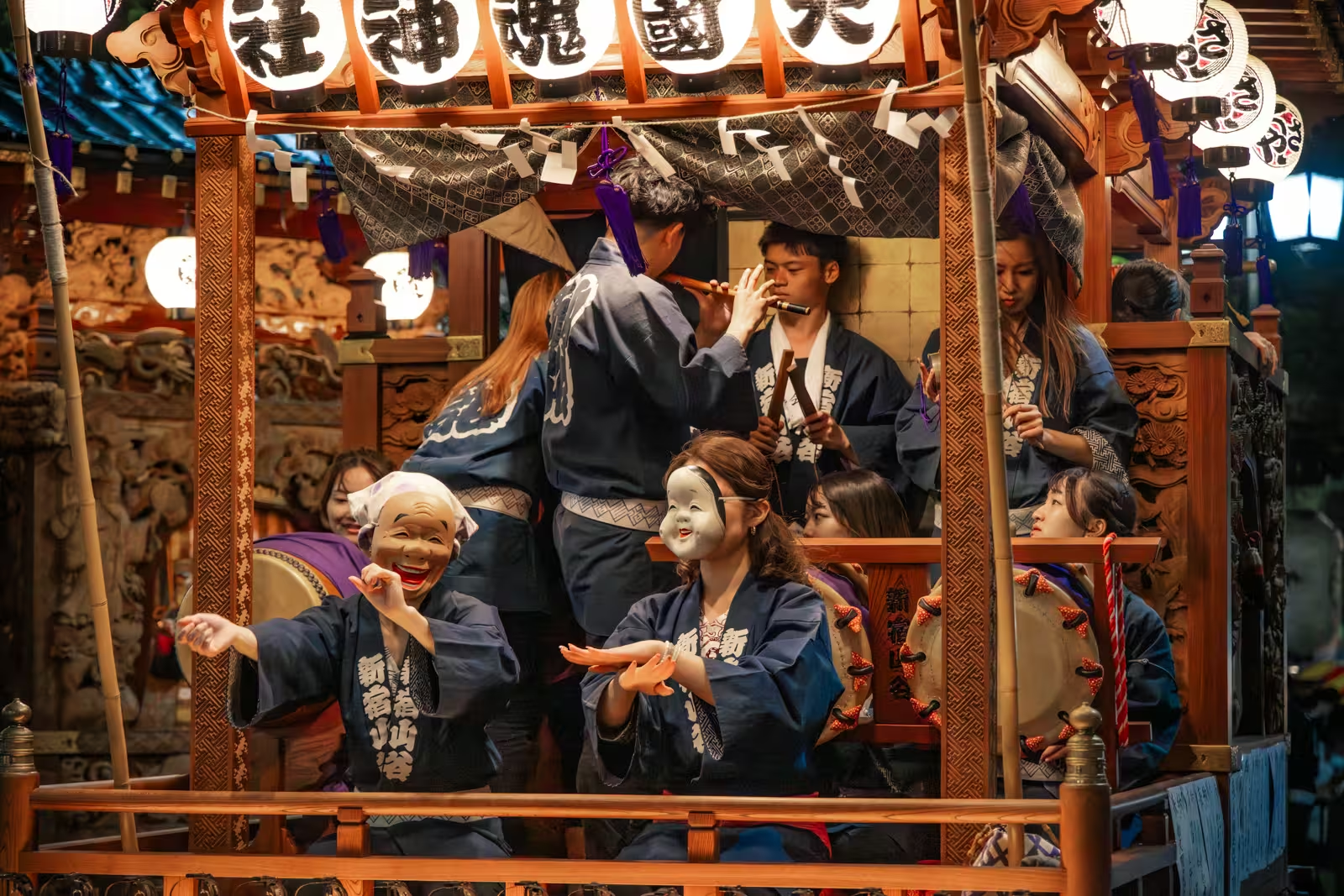
Masked performers in traditional dress dance on a festival float with carved wooden pillars.
Lens: Canon RF 24-105mm F4 L IS USM (1/640 sec at f/4.0, ISO 12800)

Is the Kurayami Festival worth it?

Absolutely! The Kurayami Matsuri is a festival with a difference. It requires you to work in the dark. While the low light and fast-moving performers present a challenge, your reward will be a set of images that will last a lifetime.
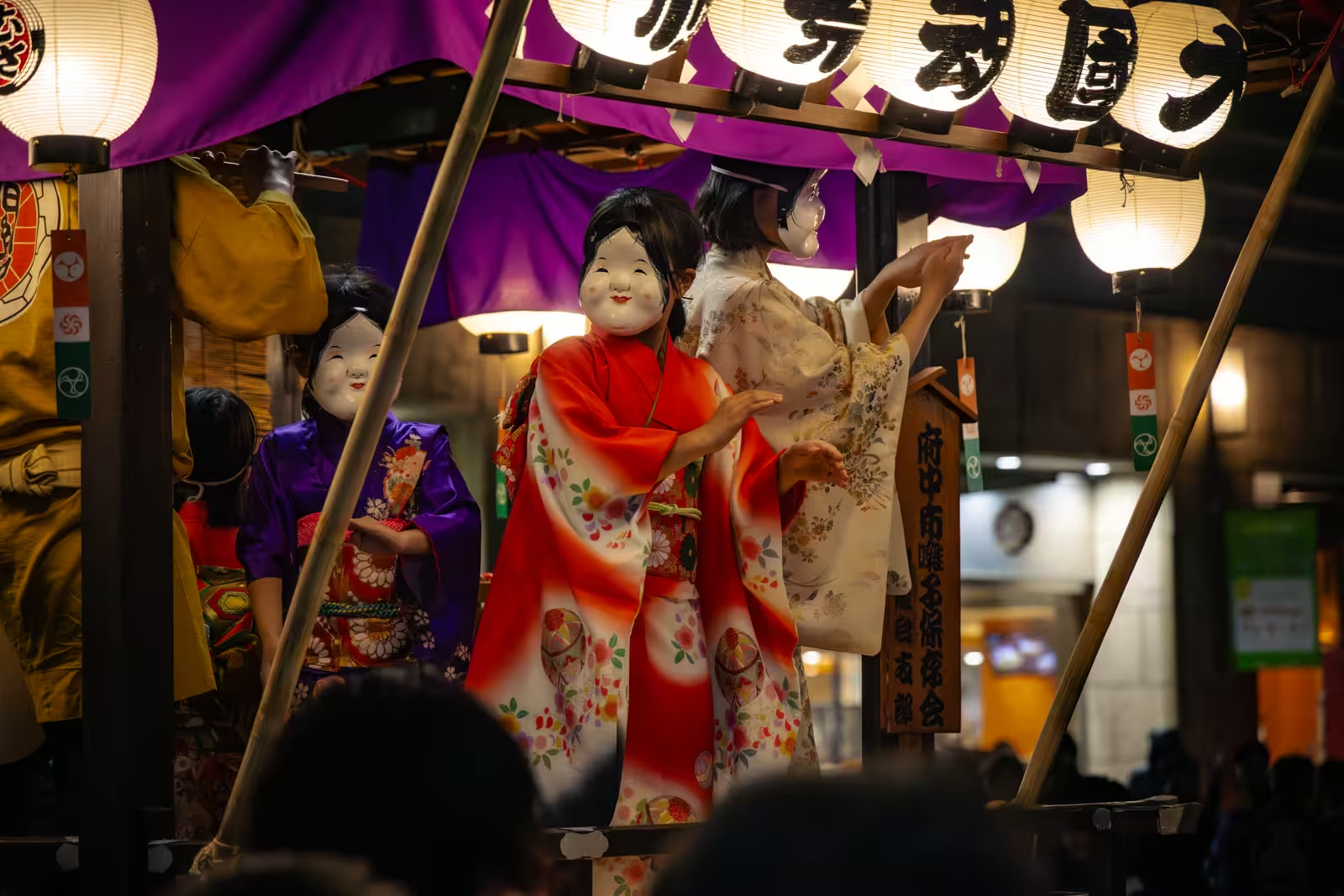
Masked dancers in floral kimonos perform on a lantern-lit float during the Kurayami Festival.
Lens: Canon RF 24-105mm F4 L IS USM (1/1000 sec at f/4.0, ISO 12800)

If you plan to attend, my best advice is to arrive early, scout your spot on Keyaki Namiki-Dori, and don’t be afraid to push your sensor to its limits. As the festival goes for seven days, you have plenty of chances for photos. You could even go to some of the daytime events. For more information, look at Okunitama Shrine’s website.

A masked performer in red festival robes dances on a float beside a detailed wood-carved pillar.
Lens: Canon RF 24-105mm F4 L IS USM (1/1000 sec at f/4.0, ISO 12800)

Are you planning to photograph a festival in Japan this year? Let me know which one you’ll be going to. Comments and questions are always welcome.
Similar Posts

  • A Photographer’s Look Back at Tokyo Game Show 2016

    A Photographer’s Look Back at Tokyo Game Show 2016 The Tokyo Game Show in 2016 was a spectacle of epic proportions, a celebration of games, cutting-edge tech, and dazzling cosplay. With excitement for new releases and virtual reality taking center stage, I plunged into the final day’s crowd with my camera, ready to capture the…

  • How to Take Long-Exposure Photographs: A Beginner’s Guide

    How to Take Long-Exposure Photographs: A Beginner’s Guide Have you ever wondered how photographers capture stunning, colorful light trails in night cityscapes? The technique is called long-exposure photography. This guide will teach you how to make your own by looking at the gear and camera settings you need. Long-exposure photography camera gear First, stability is…

  • Daigyoretsu Opens the Sanja Matsuri

    Daigyoretsu Opens the Sanja Matsuri If you are planning your trip to a future event, read [Sanja Matsuri Daigyoretsu: A Photographer’s Guide]. To learn more about my first adventure at the 2018 Daigyoretsu, read on. The Sanja Matsuri (or Sanja Festival) is a cornerstone of Tokyo’s cultural calendar. It draws approximately two million visitors over…

Leave a Reply

Your email address will not be published. Required fields are marked *