My First Hachioji Matsuri (2025): Drums, Floats, and Frenzy
The humid August air in Hachioji wasn’t the only thing that was thick. It was filled with the distant, thundering beat of taiko drums and a palpable energy that pulled me in the moment I stepped off the train. On August 3rd, 2025, I was about to dive headfirst into the Hachioji Matsuri (festival)—one of the Kanto region’s largest summer celebrations.
This wasn’t just a day out; it was a full-sensory immersion into the heart of a Japanese matsuri. From the magnificent dashi (floats) that command the streets to the roar of the crowd, the experience was unforgettable. If you’re a first-timer like I was, consider this your guide and recap. It’s a look at the must-see sights, sounds, and essential tips to make the most of it.
First impressions: Arriving in Hachioji
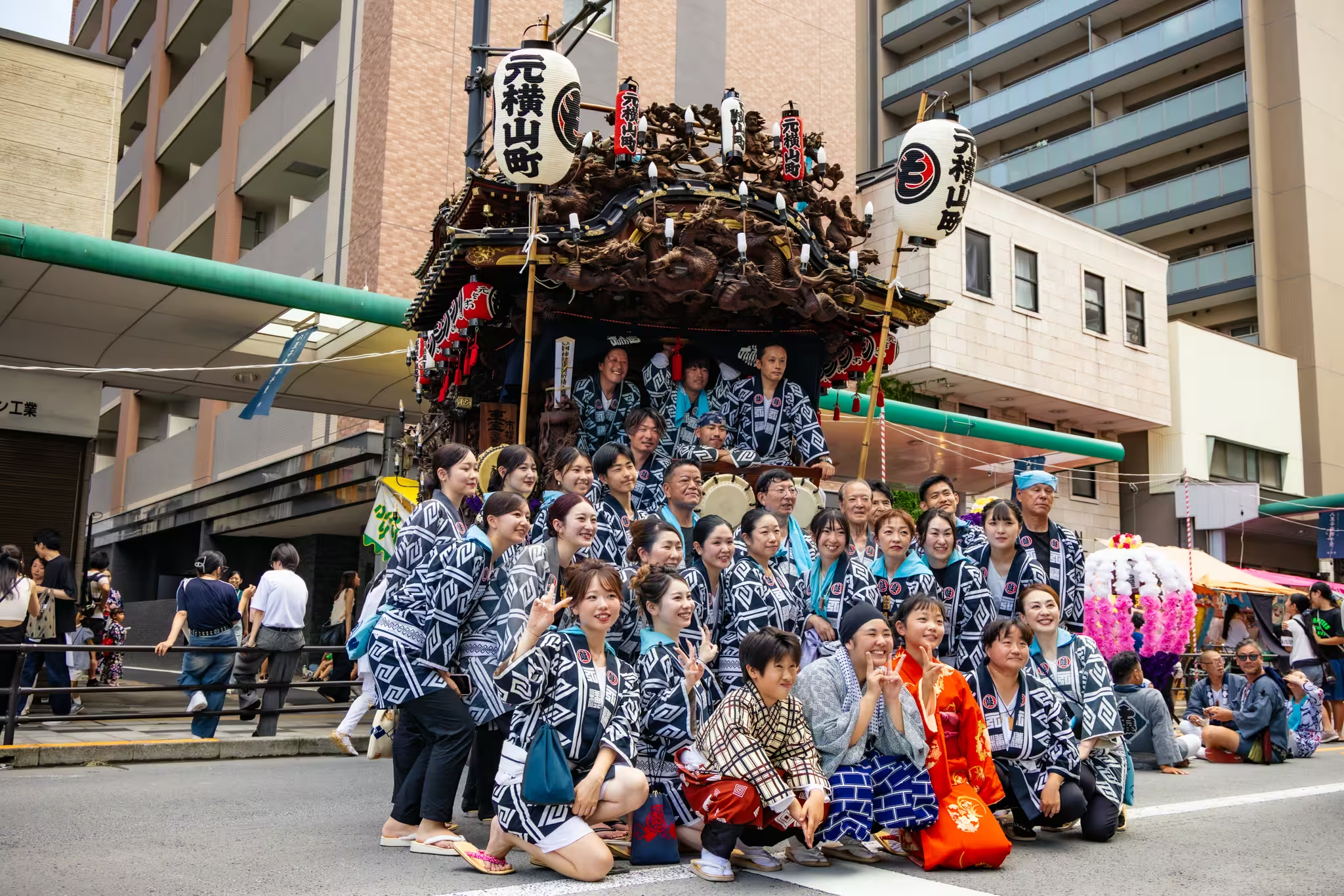
My journey to the festival began on the Chuo Line. It’s an easy 45-minute ride from Shinjuku, making it a perfect day trip from central Tokyo. Arriving at Hachioji Station, I headed for the North Exit and was met by a sea of people. While I had researched the route to the main street, Koshu Kaido Avenue, I instantly realised I wouldn’t need a map. My guide was the crowd itself—a colorful river of families, friends, and couples in traditional yukata and jinbei.
Everywhere I looked, the spirit of a Japanese summer was on full display. Couples shared shaved ice, teenagers laughed for selfies, and young children pointed in awe from their parents’ shoulders. A TV crew was the final stage of setting up.
You could smell the matsuri. Yatai (street stalls) lined the streets. The air was thick with the savory smoke of noodles on the grill and the sweet, tempting scent of choco bananas.
Hachioji Matsuri main events
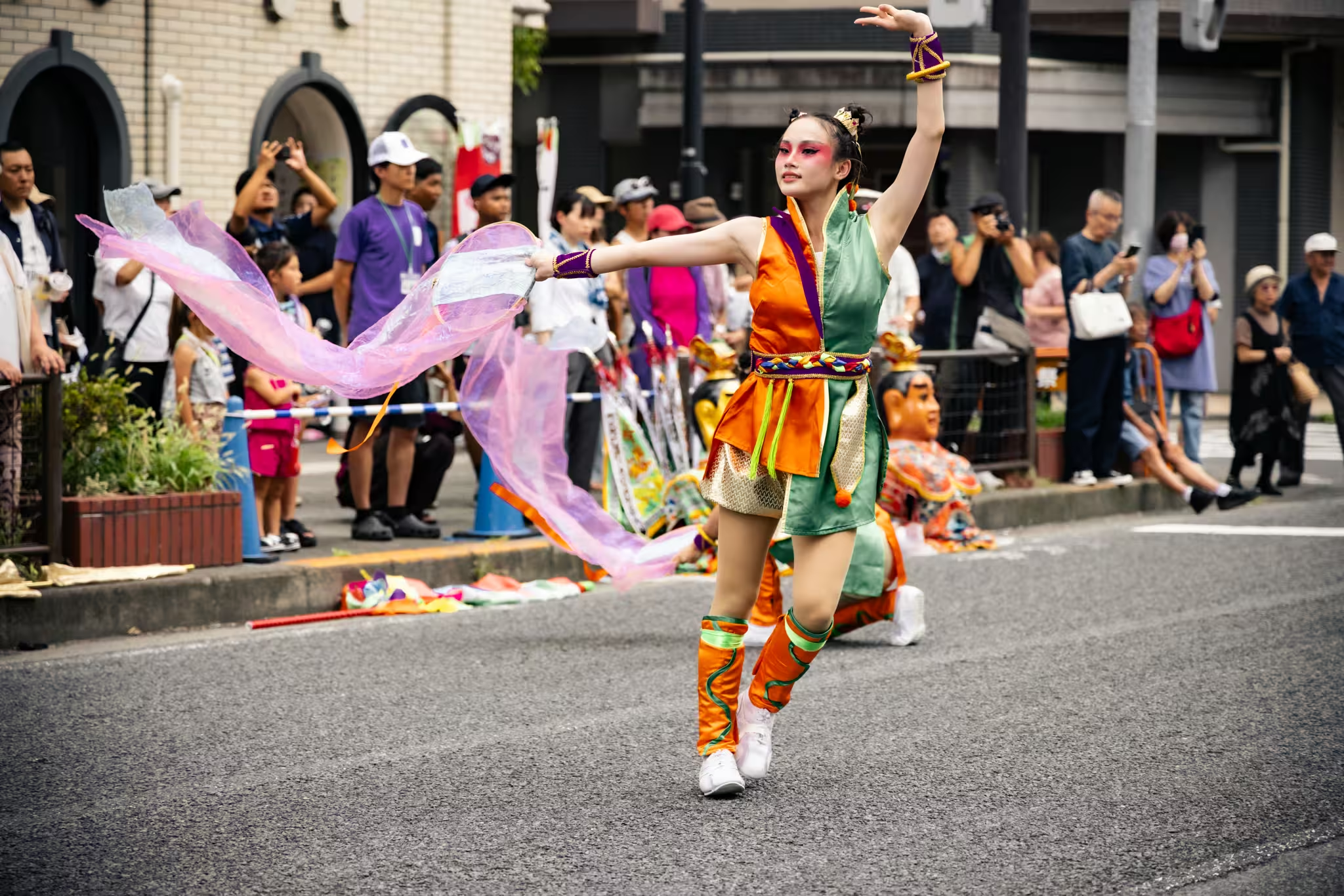
I arrived at the festival on Sunday around 2 p.m. The dashi were on the street, but they were only on standby. They wouldn’t move until the sun went down. Until that happened, we enjoyed the food and various events (like Taiwanese and lion dancers) to whet the appetite.
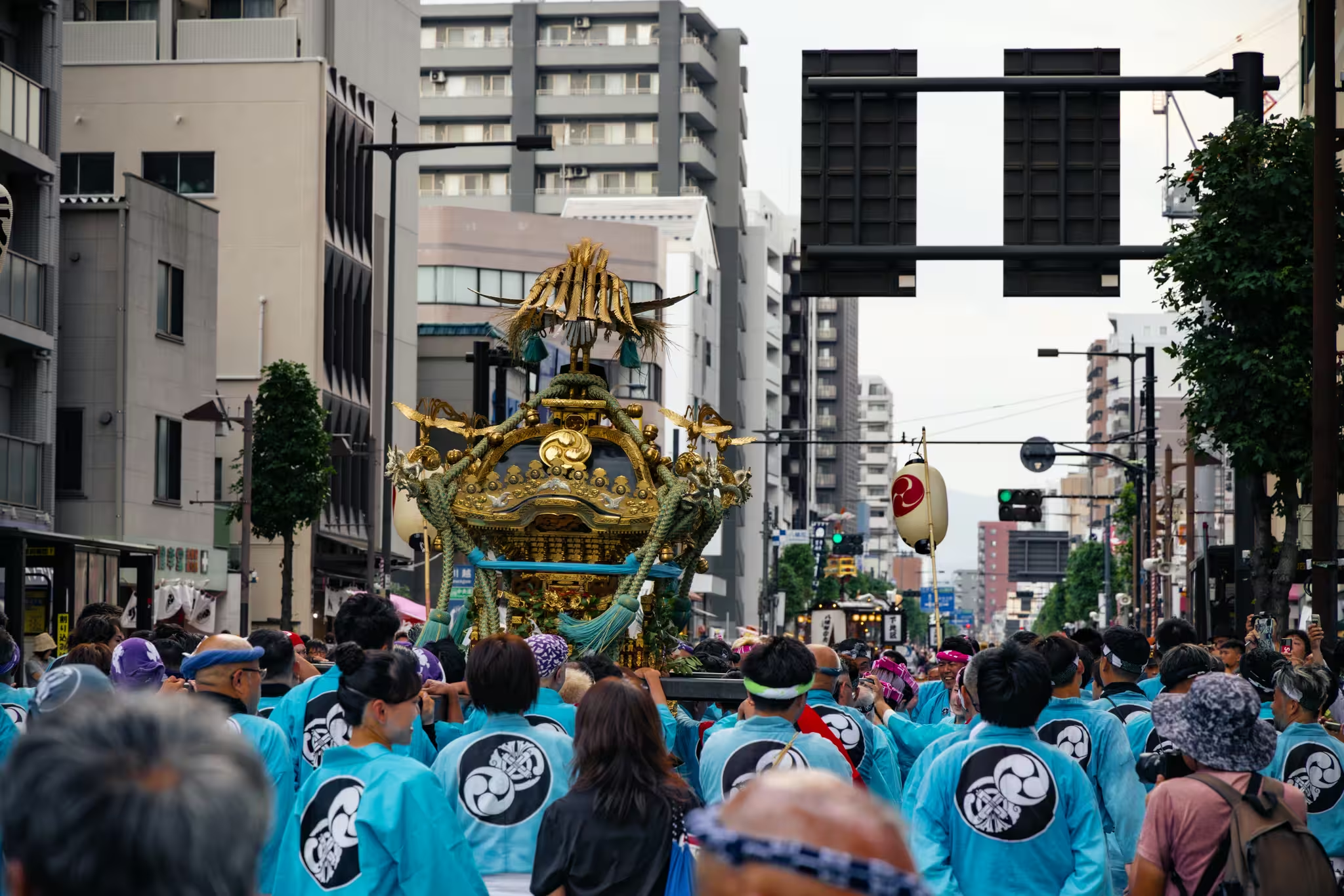
The energetic mikoshi (portable shrines)
Mikoshi kicked off the evening. These ornate portable shrines weigh around one ton, and were carried by as many as 100 people dressed in traditional garb.
It must be an exercise in perseverance. Everyone is so close together, bouncing the mikoshi on their shoulders. They work in unison as they inch their way down the street, chanting ‘Wasshoi! Wasshoi!’ in a unified rhythm to synchronize their immense effort.
The magnificent dashi (floats)
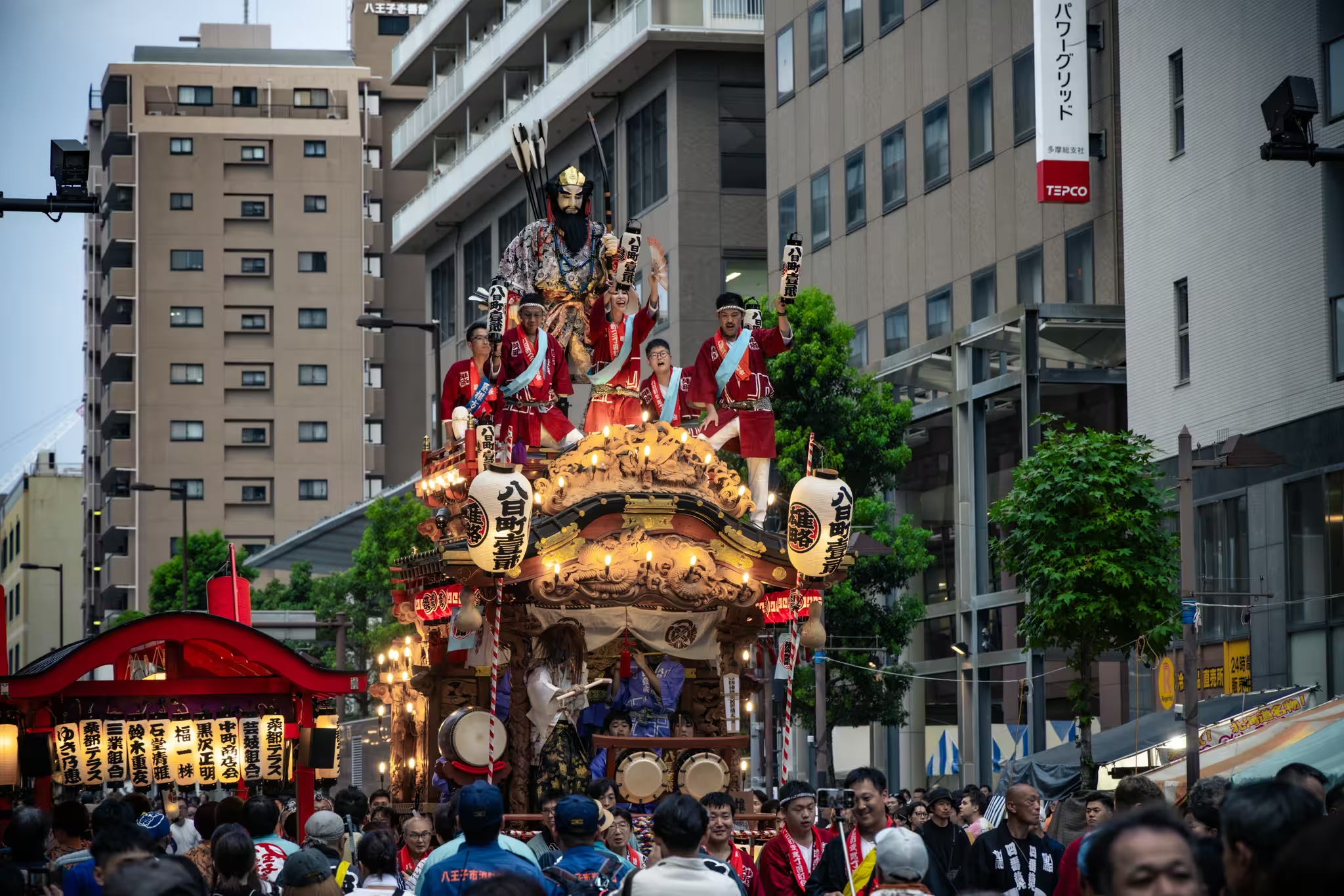
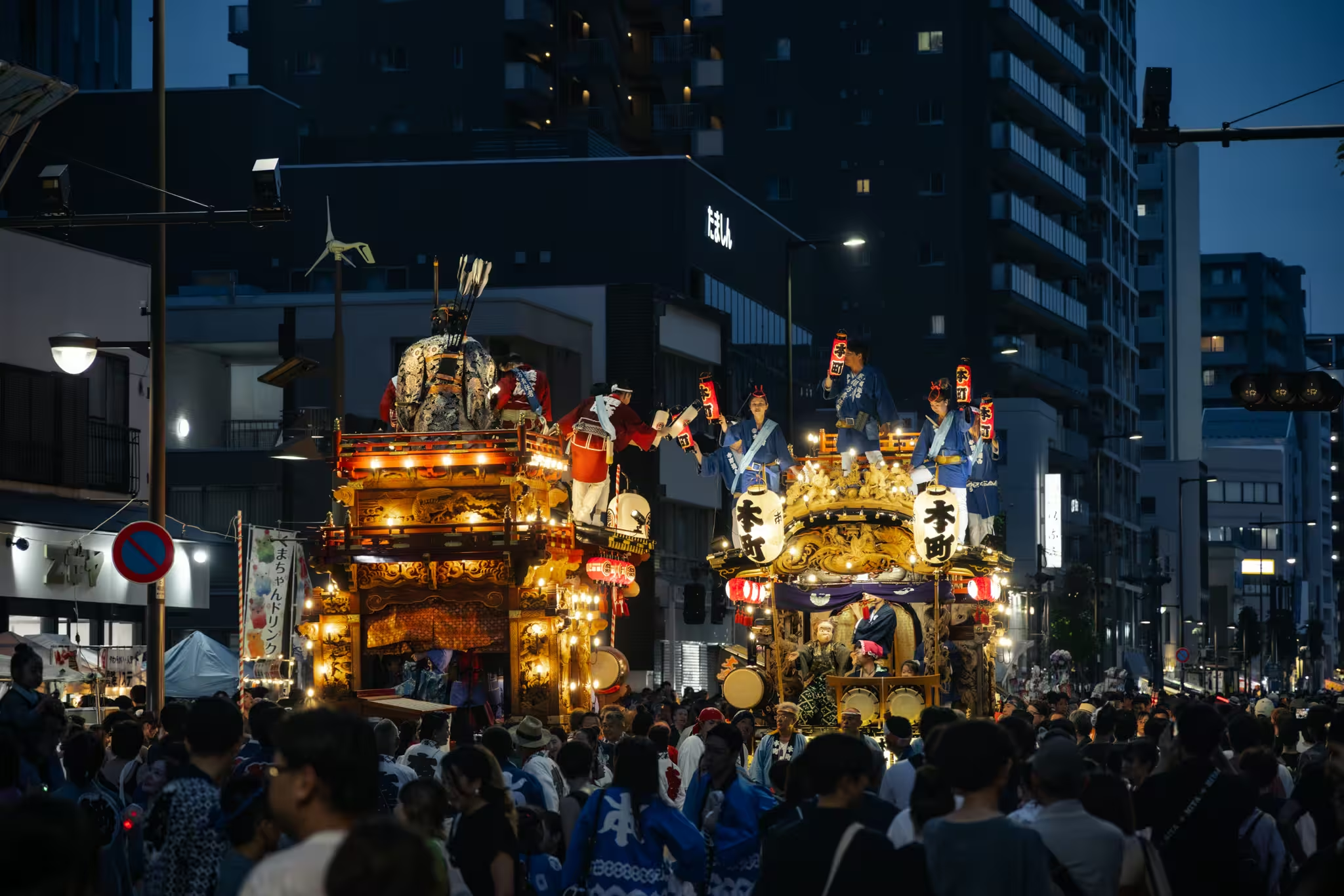
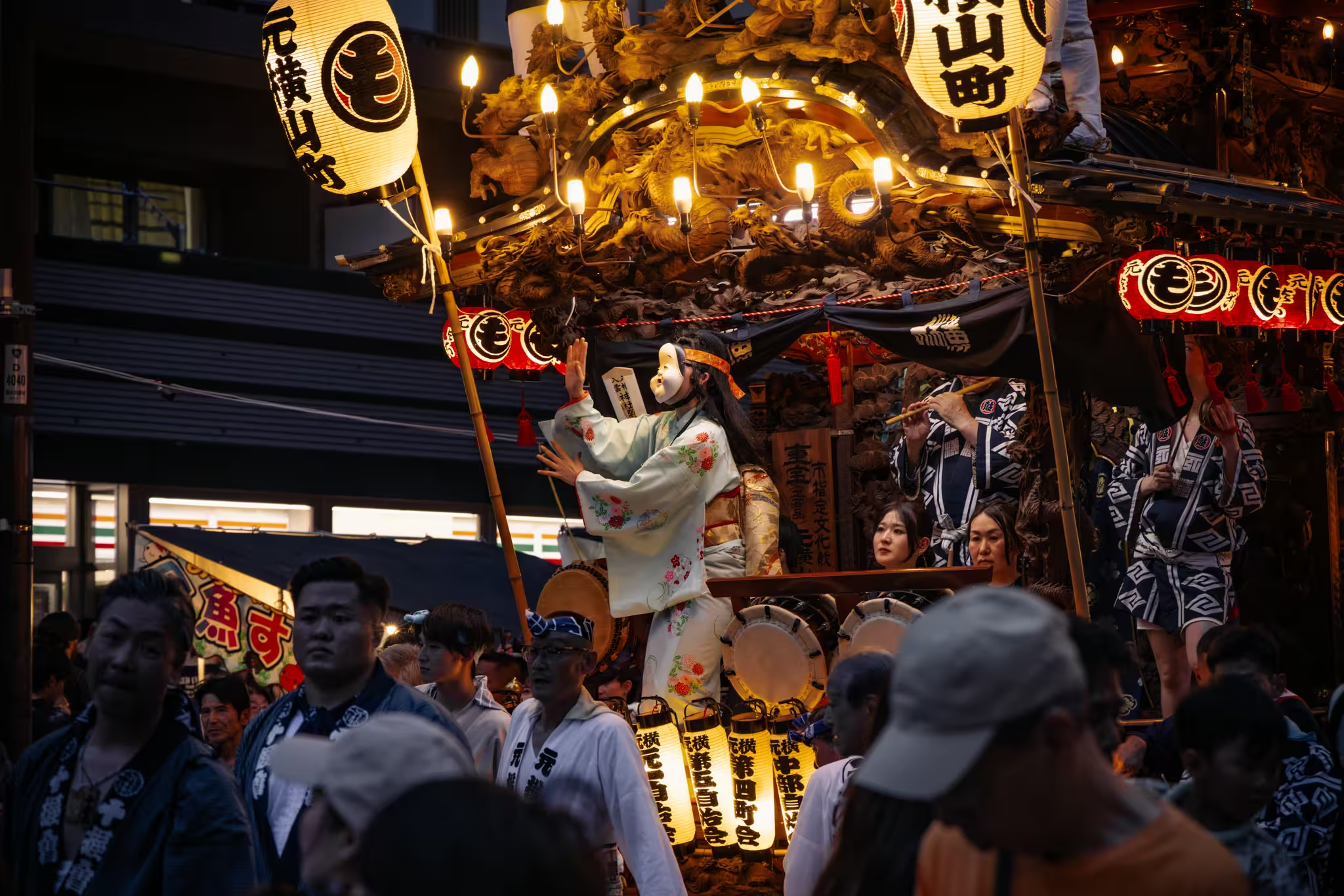
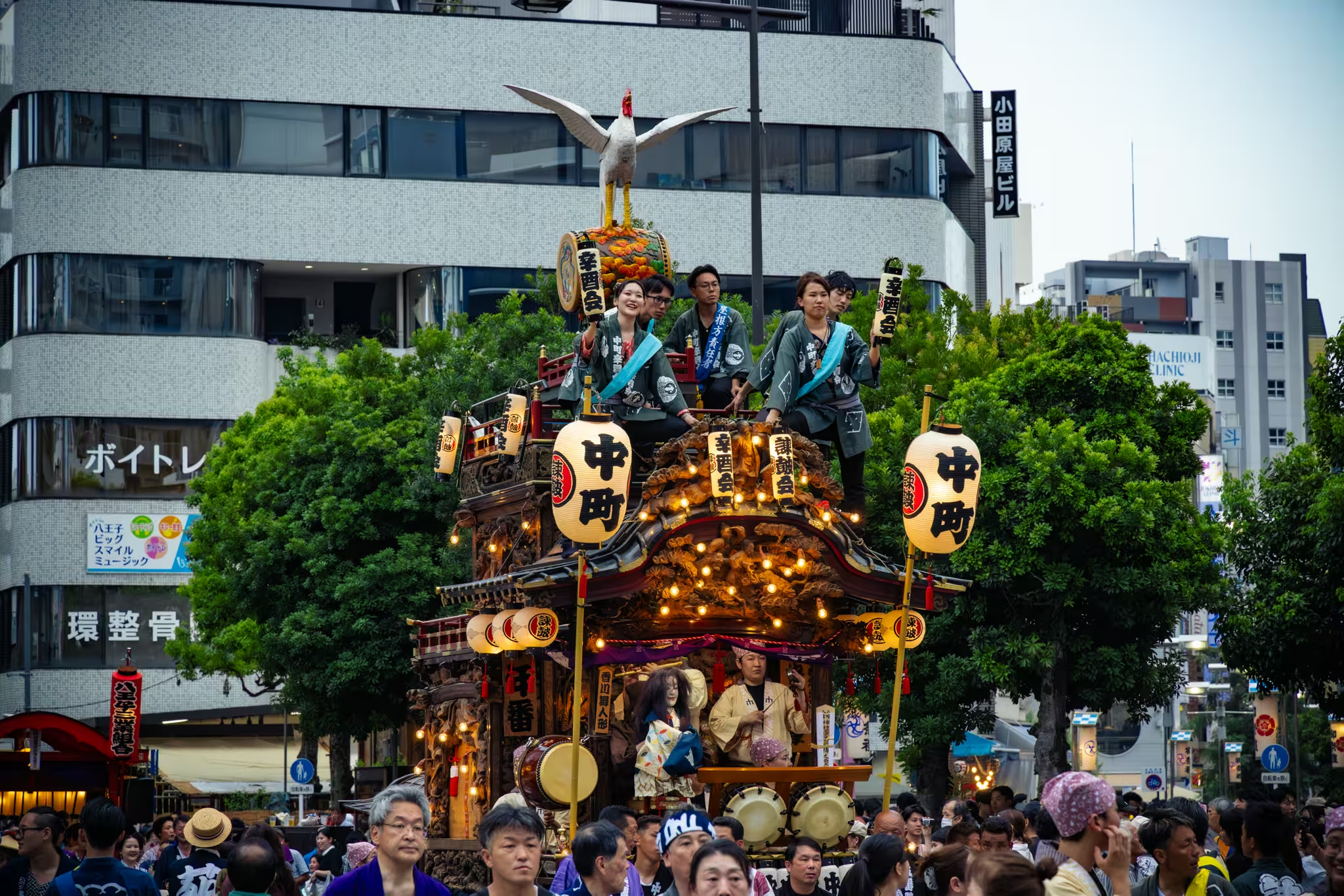
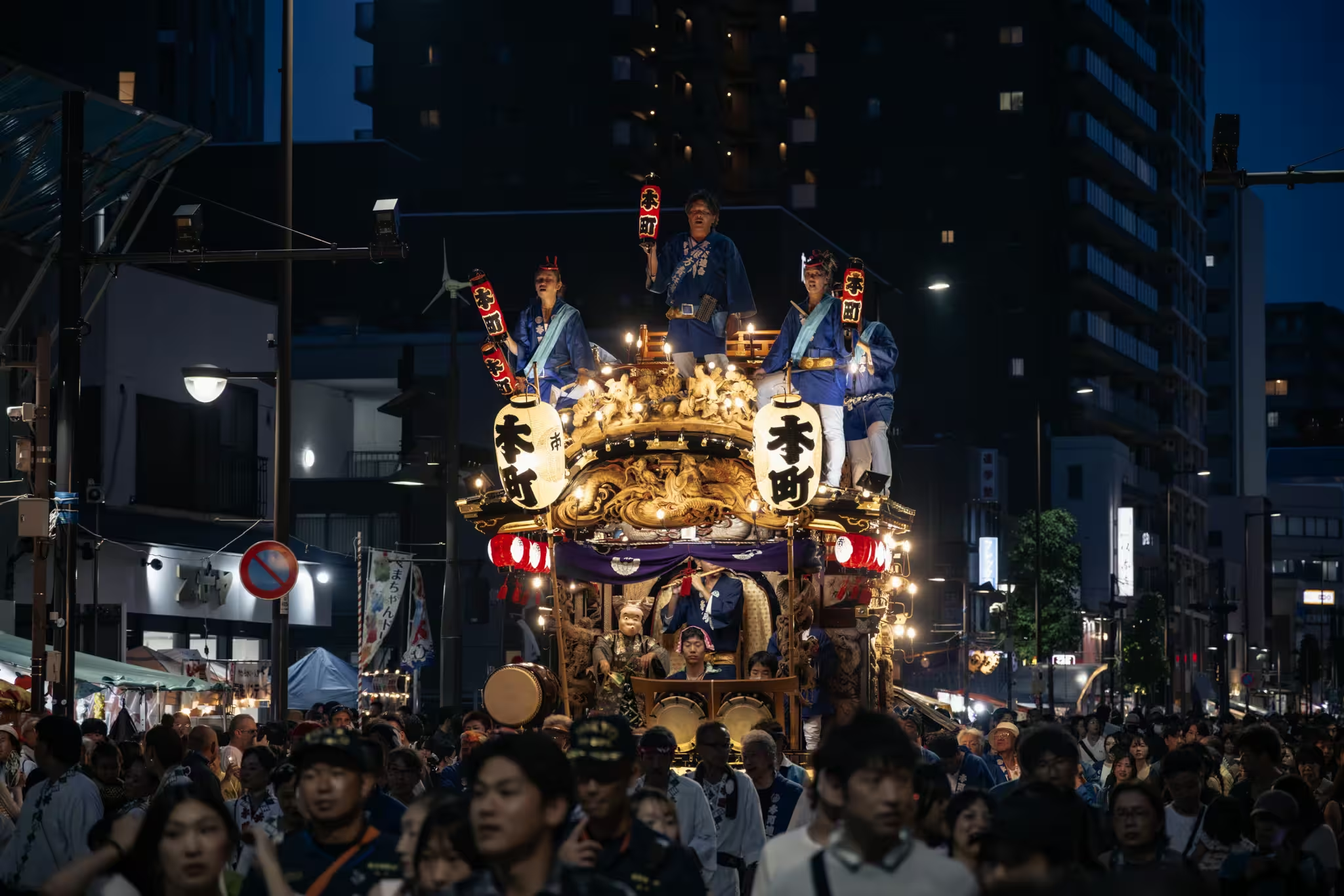
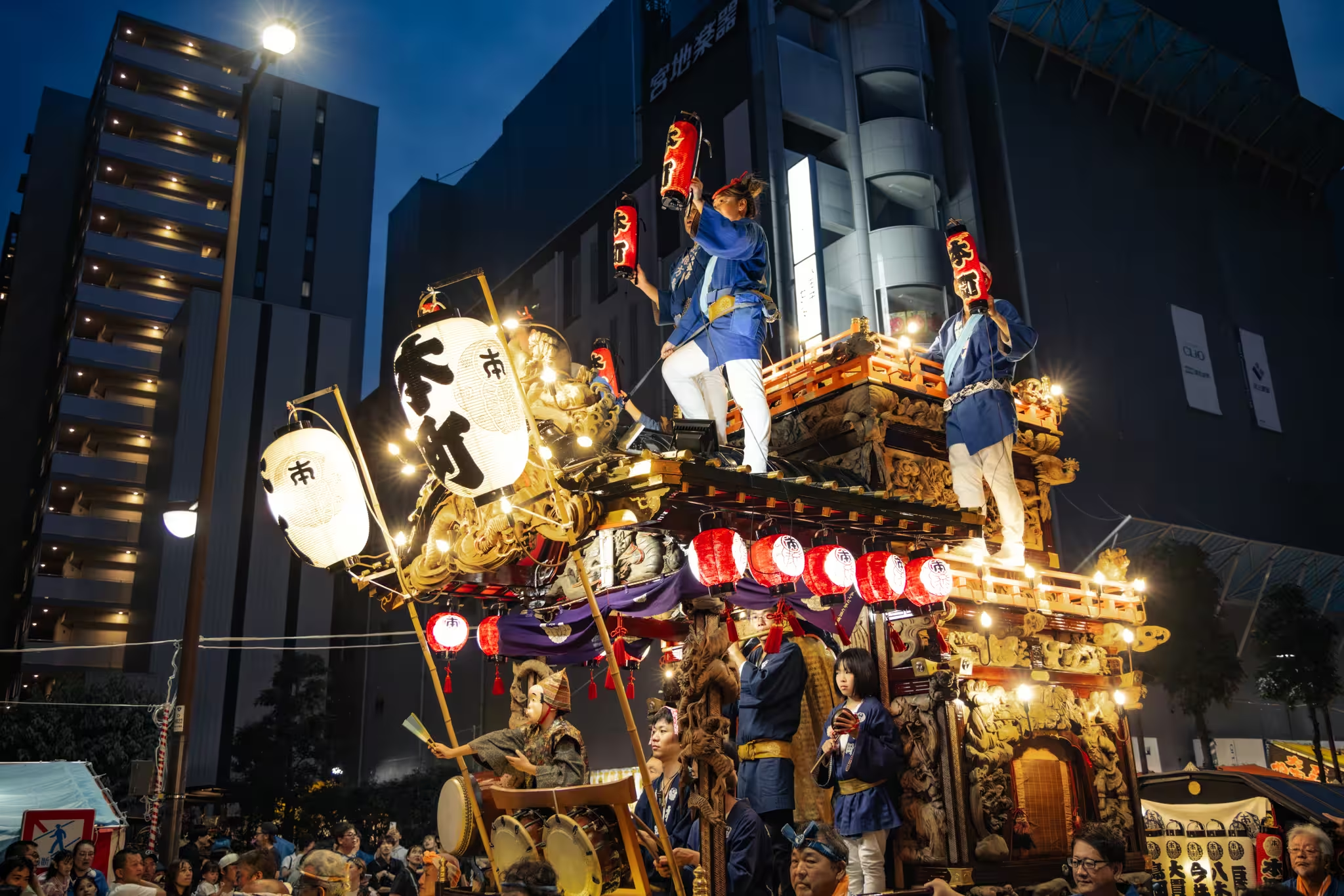
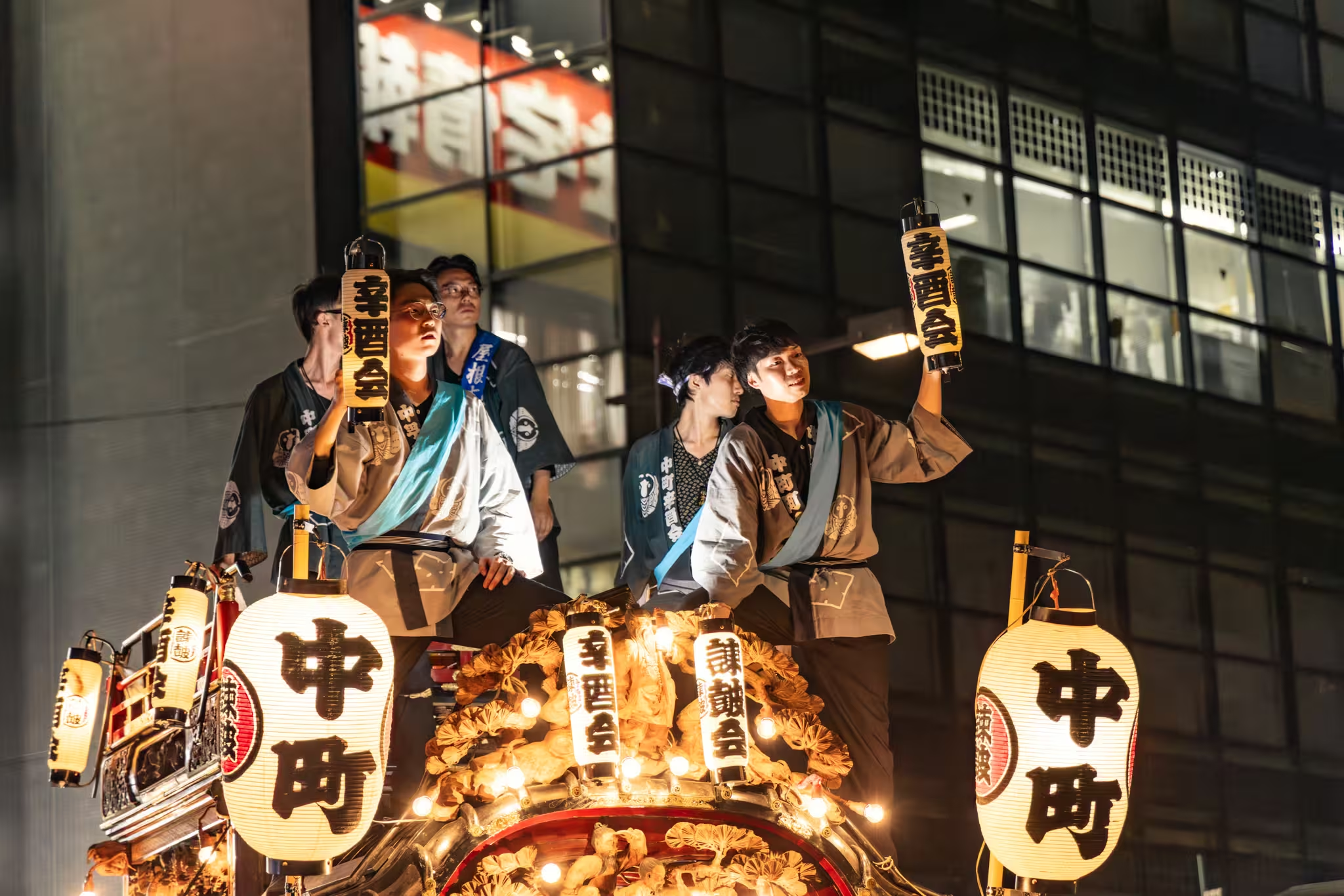
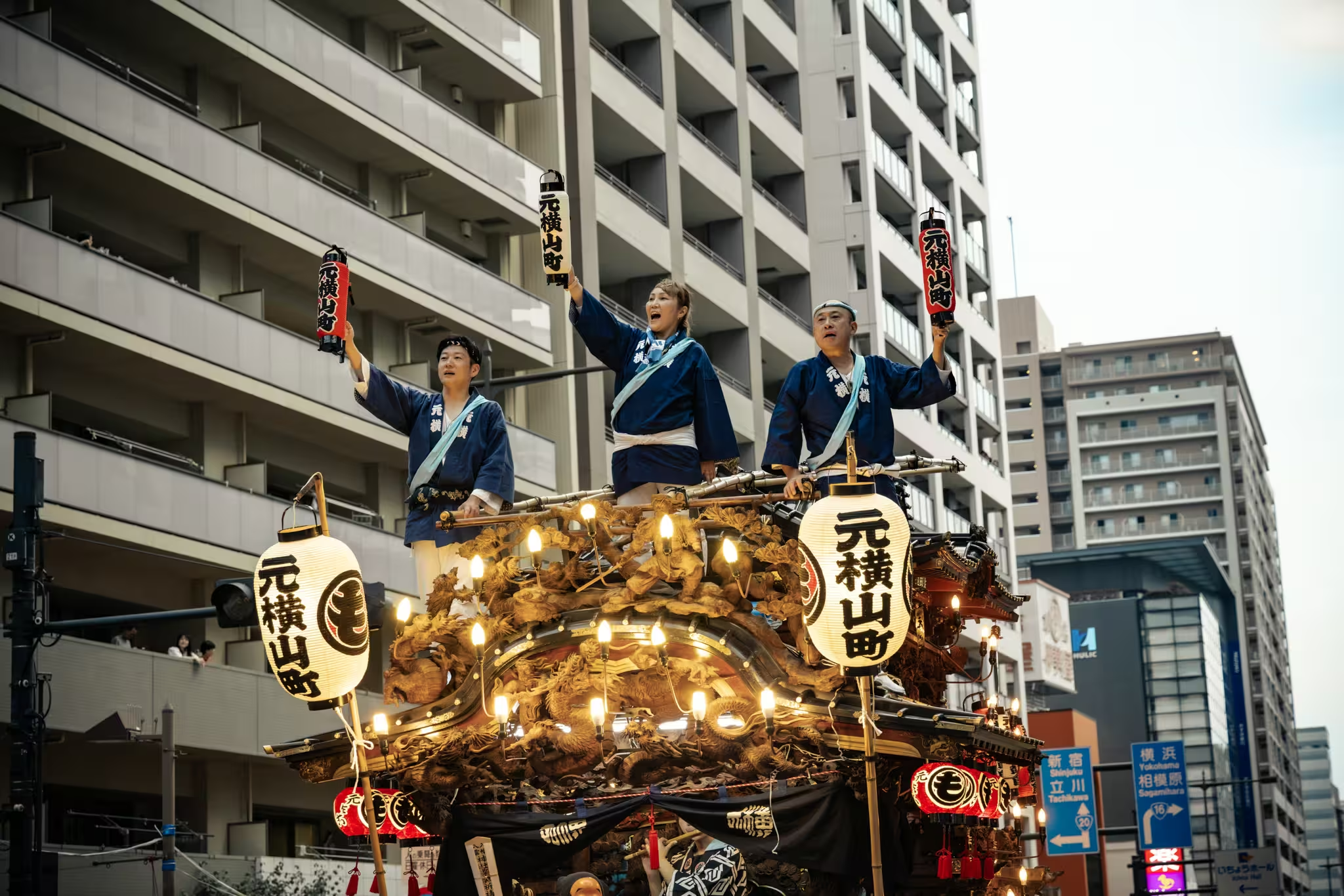
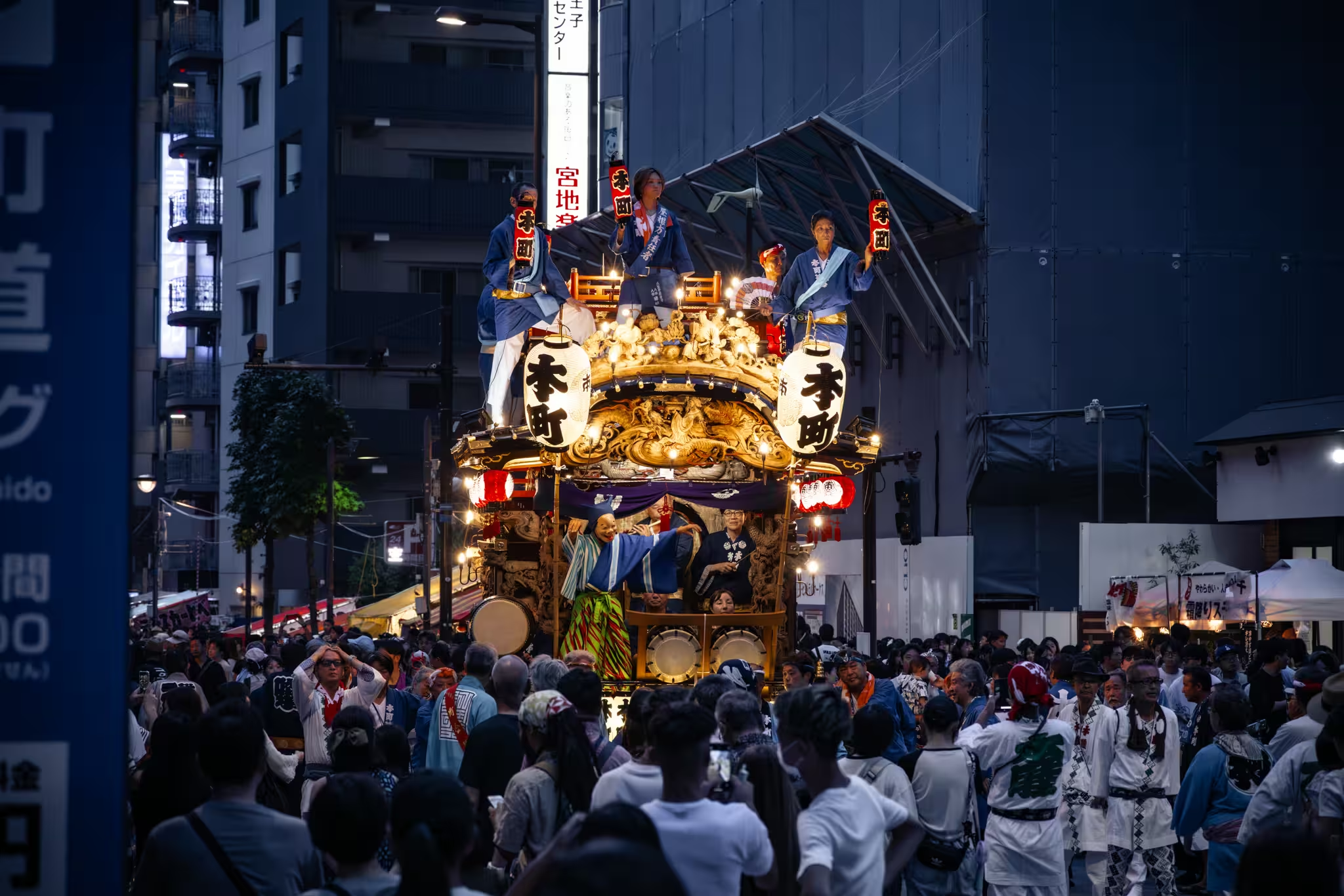
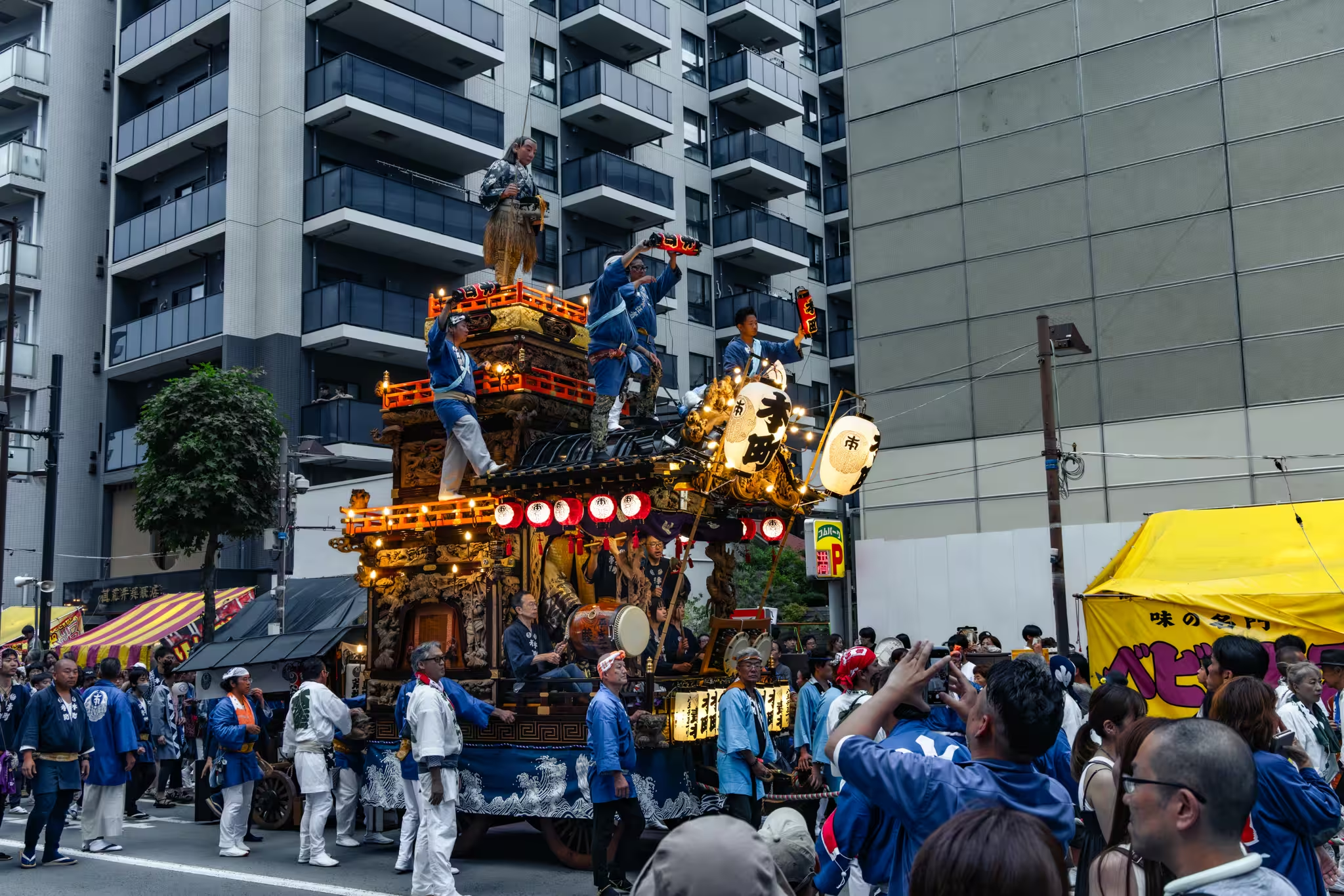
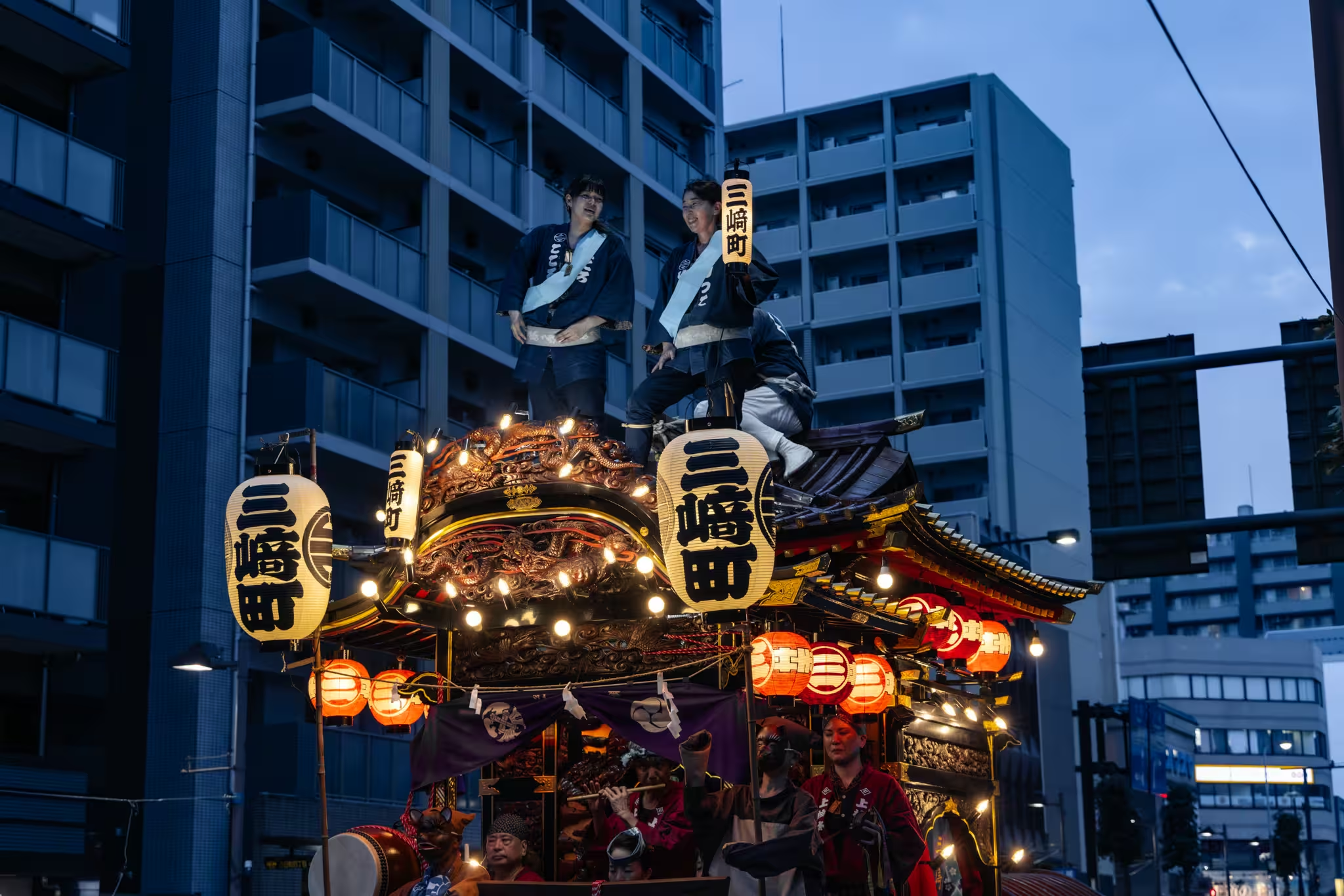
This is the main act, and they come alive roughly when the sun goes down. These wheeled floats are among the biggest in the Kanto region. It’s impossible to miss them, as they are covered in lights that give them a ghostly appearance. Intricate carvings decorate them, and they carry musicians and dancers, some of whom are perched at the very top carrying lanterns.
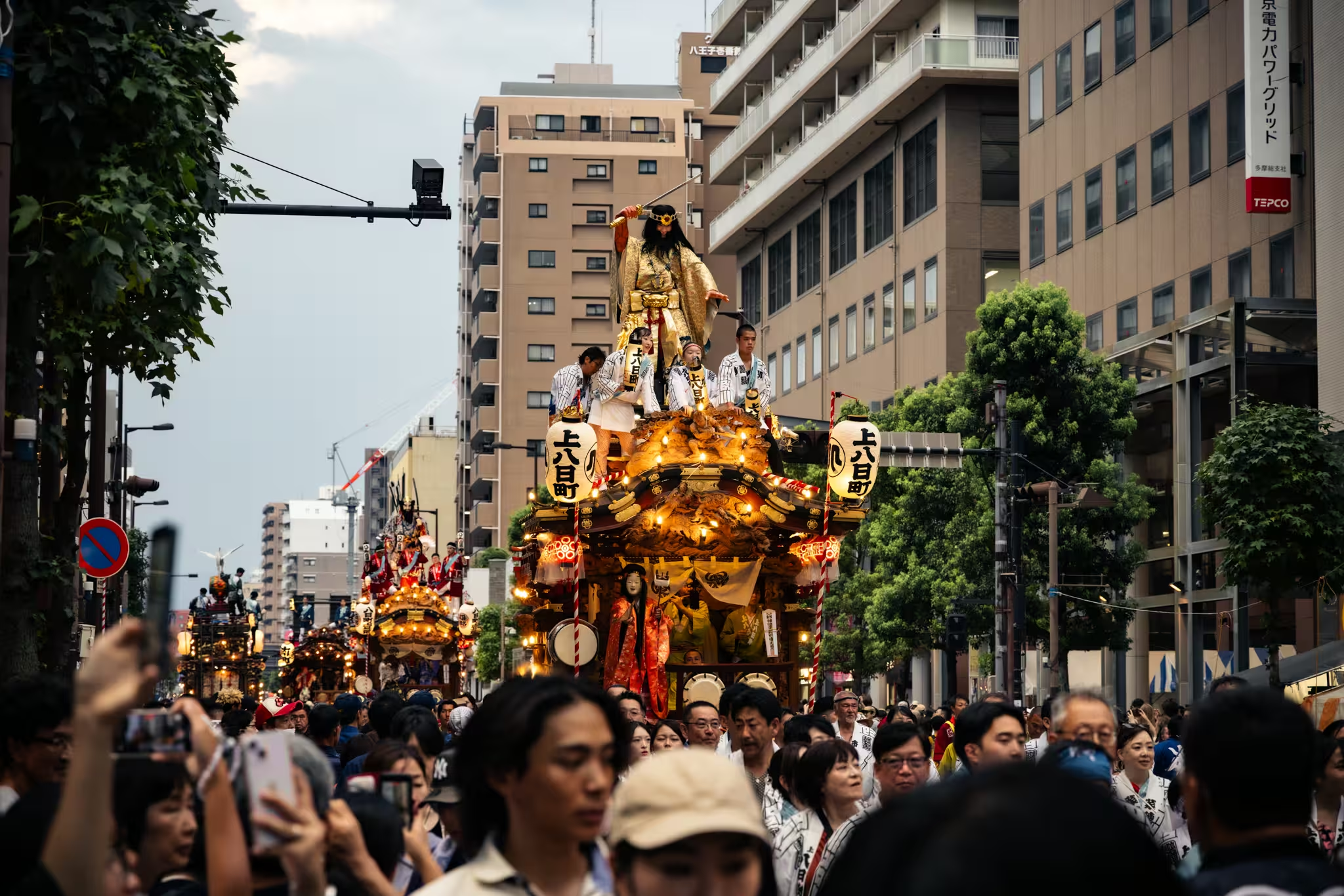
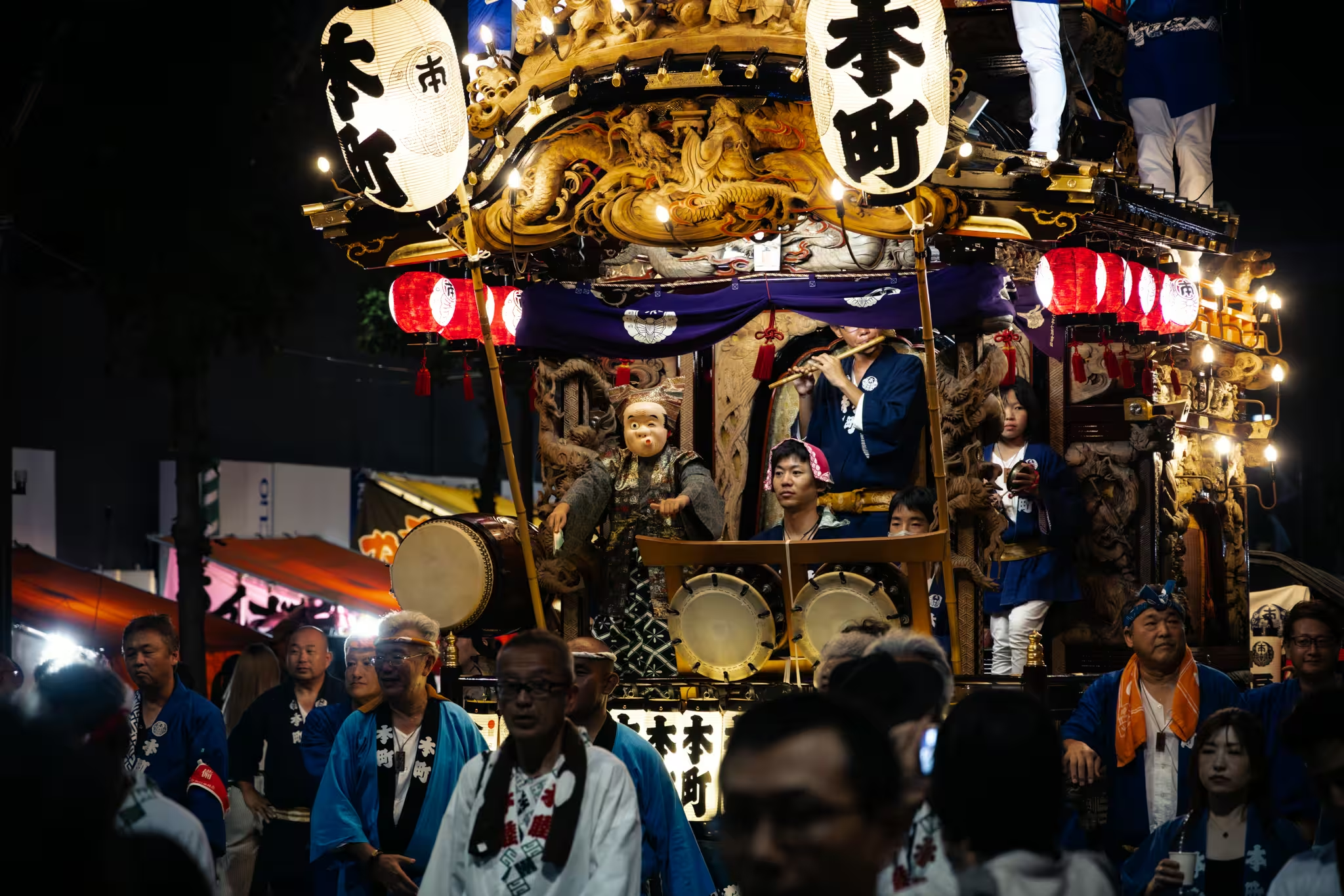
Nineteen of them parade up and down Koshu-Kaido Street. When they pass by each other in the street, they, “Buttsuke” (The Float Battle). As two floats meet, the musicians unleash a frenzy of sound, and the handlers strain to bring them face-to-face. High above the crowd, participants on the top deck lean out precariously, stretching to touch their lanterns together in a gesture that’s part battle, part celebratory ‘cheers’.
A feast for the senses: The yatai (food stalls)
This is B-gourmet (B級グルメ), Japanese festival comfort food. They sell yakisoba (fried noodles), takoyaki (octopus balls), karaage (fried chicken), choco banana, and kakigori (shaved ice) to beat the heat. Make sure to take cash as these stalls don’t accept cards.
Tips for future first-timers
1. Dress appropriately: You’ll be walking and standing for hours in a Tokyo summer. Wear clothes that are cool and comfortable.
2. Stay hydrated: August in Japan is hot and humid. Buy drinks from stalls or bring them.
3. Bring cash: Essential for food, drinks, and games.
4. Timing is everything: Arrive in the late afternoon to see the area in daylight, but stay after sunset when the lanterns on the floats are lit for the most magical atmosphere. The Buttsuke battles look intense under lights.
5. Charge your phone: You’ll be taking tons of photos and videos. A portable battery is a great idea.
6. Embrace the crowd: Don’t fight it, flow with it. It’s part of the experience.
7. Listen to the security staff: Mikoshi and floats are big, they weigh at least a ton, and they have no brakes. The people who man them concentrate hard, so don’t distract them by getting close. If security tells you to move, do so immediately.
An unforgettable summer night
As a first-timer, the Hachioji Festival was nothing short of exhilarating. Seeing the floats parade along the streets gave me some memories for a lifetime. I’ll never forget the people atop the floats reaching out to each other to touch lanterns ten meters above the ground. It was the perfect Japanese summer experience. To find out more about the event, look at the official website.
Have you ever been to a Japanese matsuri? Share your favorite memory in the comments below!