Sanja Matsuri 2017 Photo Journal from Asakusa
This post focuses on my photographic experience at Sanja Matsuri 2017. If you are planning a future trip to the event, check out my [Sanja Festival: A Photographer’s Guide(coming soon)] for full information.
Asakusa is rarely quiet, but every May during the Sanja Festival (Sanja Matsuri), this historic district transforms into something else. Widely considered Tokyo’s wildest weekend, it becomes a sea of color, energy, and deep-rooted tradition. Imagine golden shrines bobbing through the streets like ships in a storm, the rhythmic chants of bearers blending with the roar of two million onlookers. Whether you enjoy the history, the spectacle, or the photographic challenge, this event promises an experience that sticks with you. Let’s go.
The history of Sanja Matsuri and Sensoji Temple
To understand the madness, you have to understand the history. It began on March 18, 628, with a miraculous catch. Two brothers, fishermen casting their nets in the Sumida River, hauled up something unexpected. It was a statuette of the Bodhisattva Kannon.
A wealthy landlord named Hajino Nakatomo recognized the significance of their find. He approached the brothers, converted them to Buddhism, and together they consecrated the statue in a small temple. That humble beginning evolved into Sensoji, Tokyo’s oldest temple, which still houses the goddess’s statue today. The Sanja Festival is the raucous, joyful celebration of those three men and their discovery.
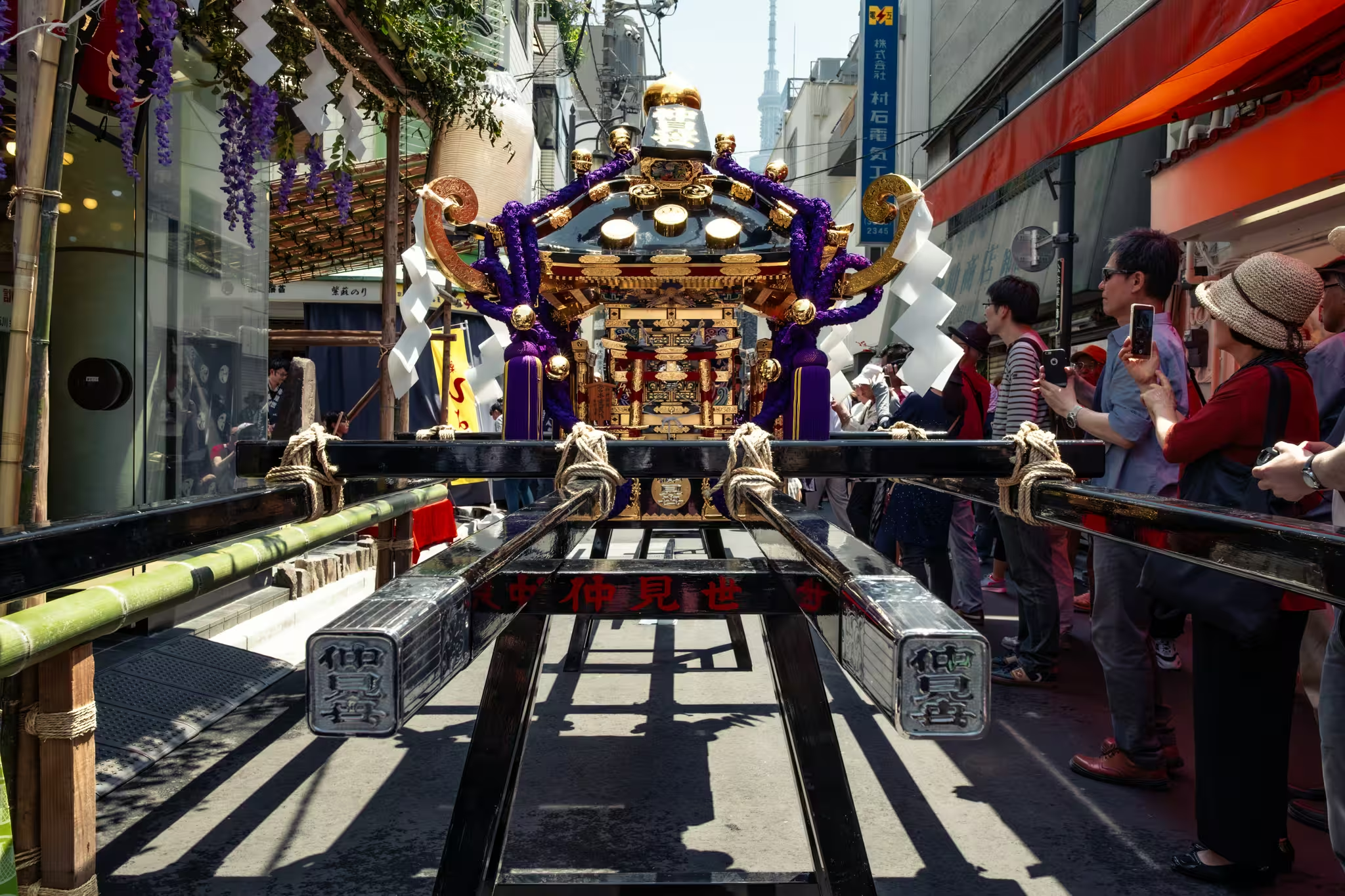
The mikoshi parade: One-ton portable shrines
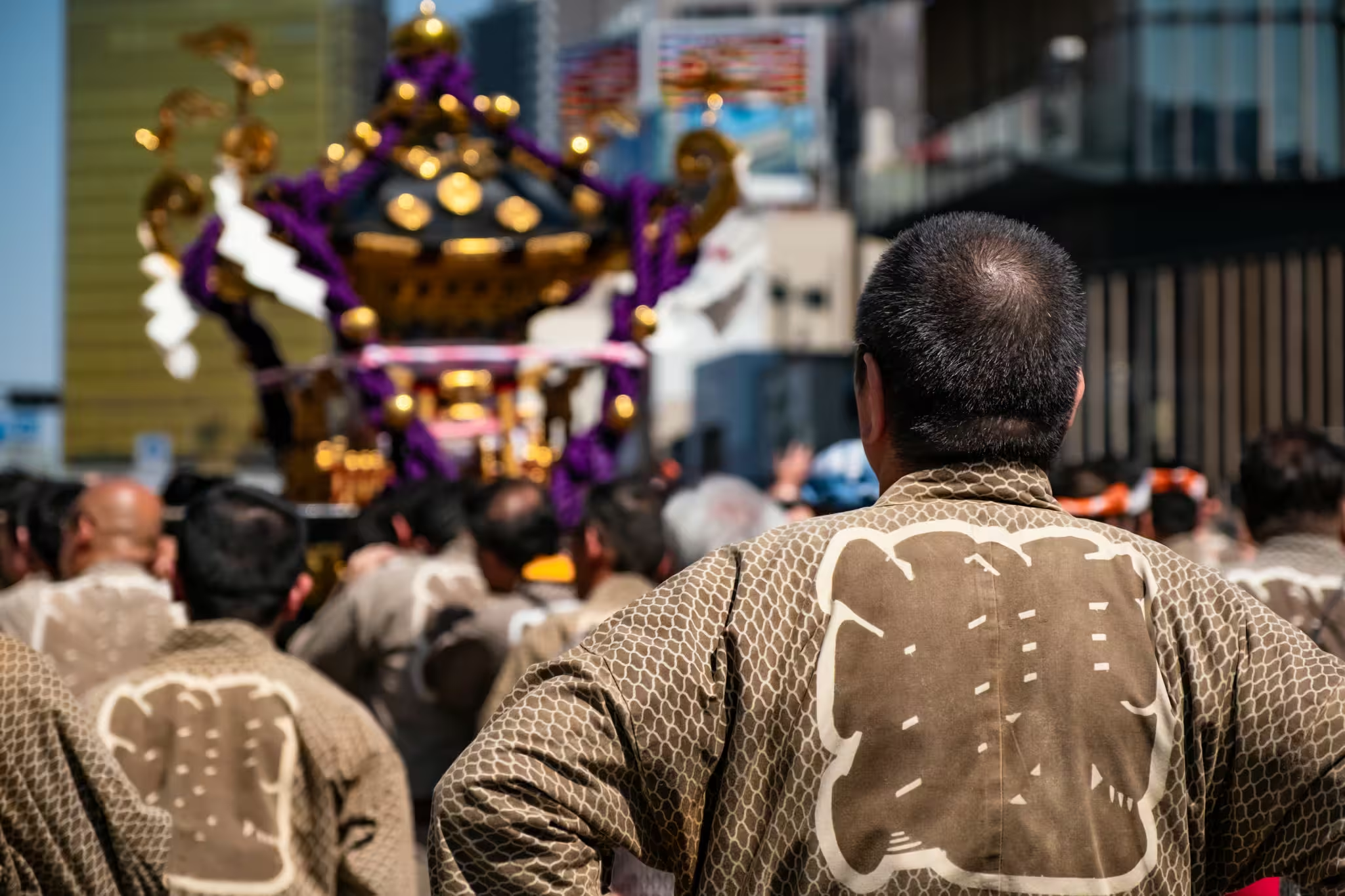
Three mikoshi are the festival’s heartbeat. These are not mere floats. They are miniature, portable versions of the Asakusa Shrine itself, cloaked in gold sculptures, intricate carvings, and gold leaf. Each weighs approximately one ton and houses a kami (Shinto god). While they are the stars of the show, they only emerge on the third and final day.
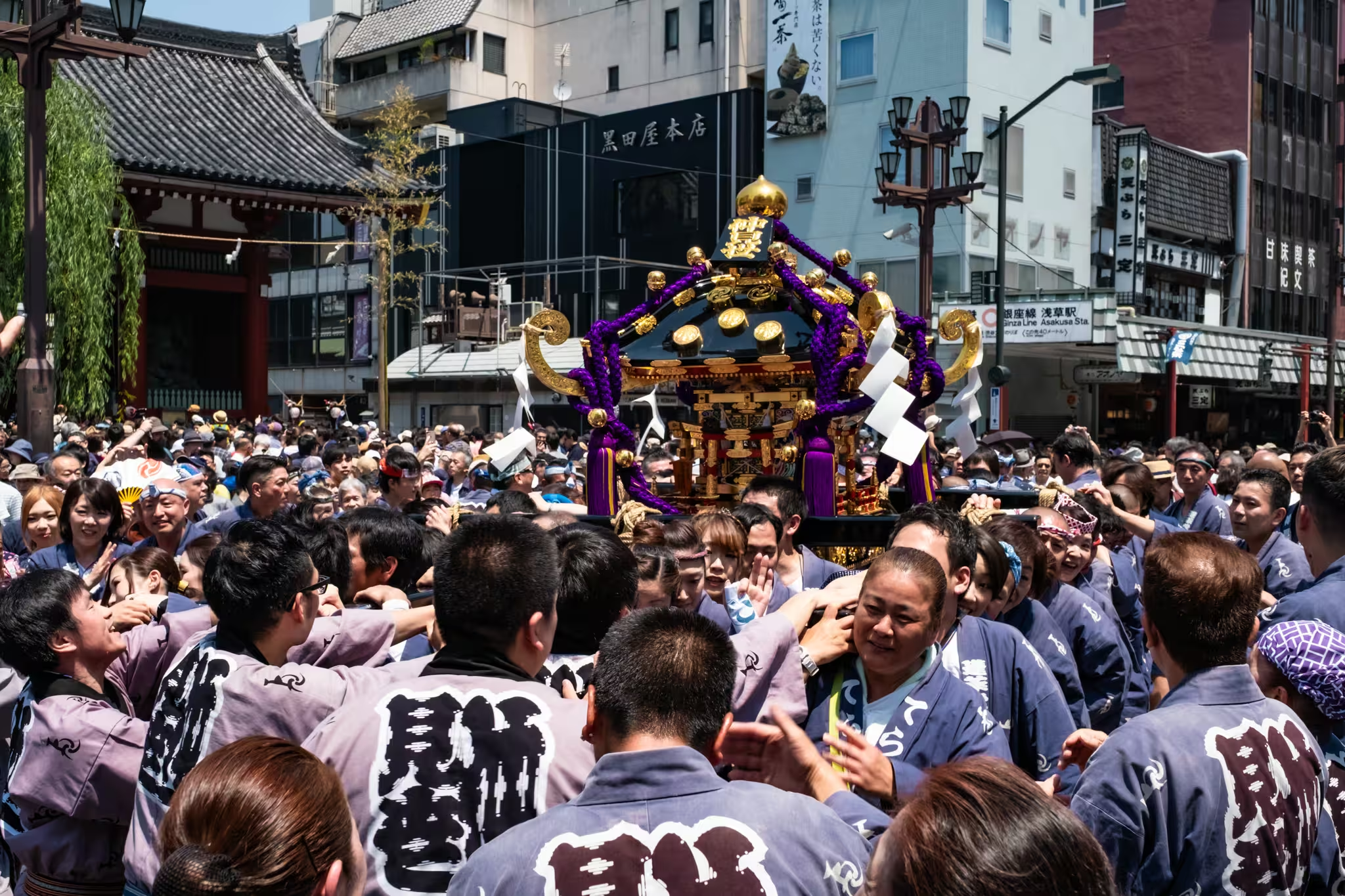
Moving a one-ton shrine requires about 40 people pushing against long wooden poles, though a rotation of nearly 500 bearers is needed throughout the day to keep them moving. They don’t just carry the kami; they bounce the mikoshi vigorously on their shoulders. This isn’t just for show. The bouncing—known as tama-furi—is said to intensify the power of the deity inside and bestow good luck upon the neighborhood.
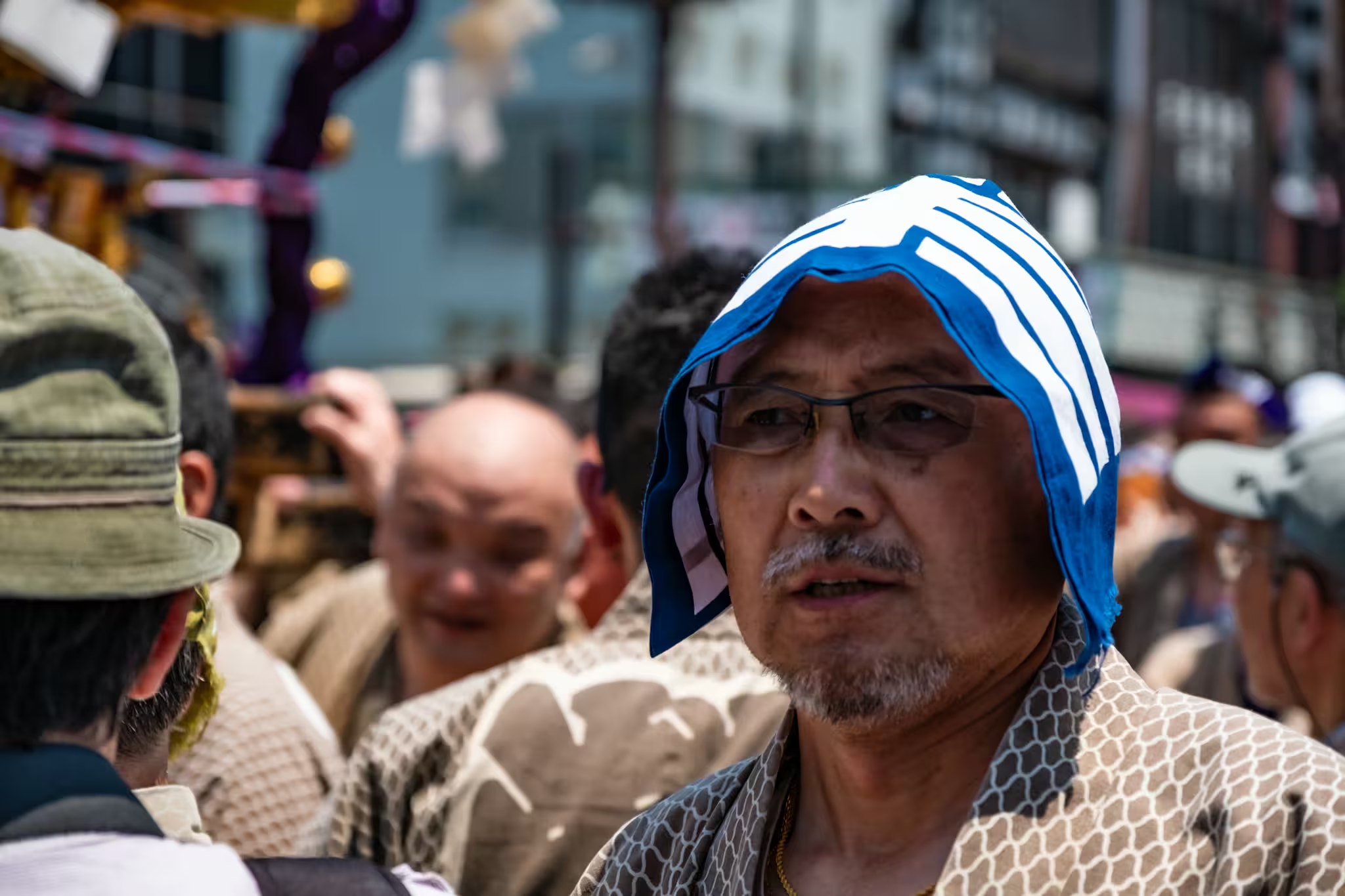
Watching them, I doubted anyone could carry these things for long. The physical toll is immense. You can see the strain on the bearers’ faces before they are rotated out and fresh shoulders take their place. In recent years, even international visitors have joined the fray, going shoulder-to-shoulder with locals.
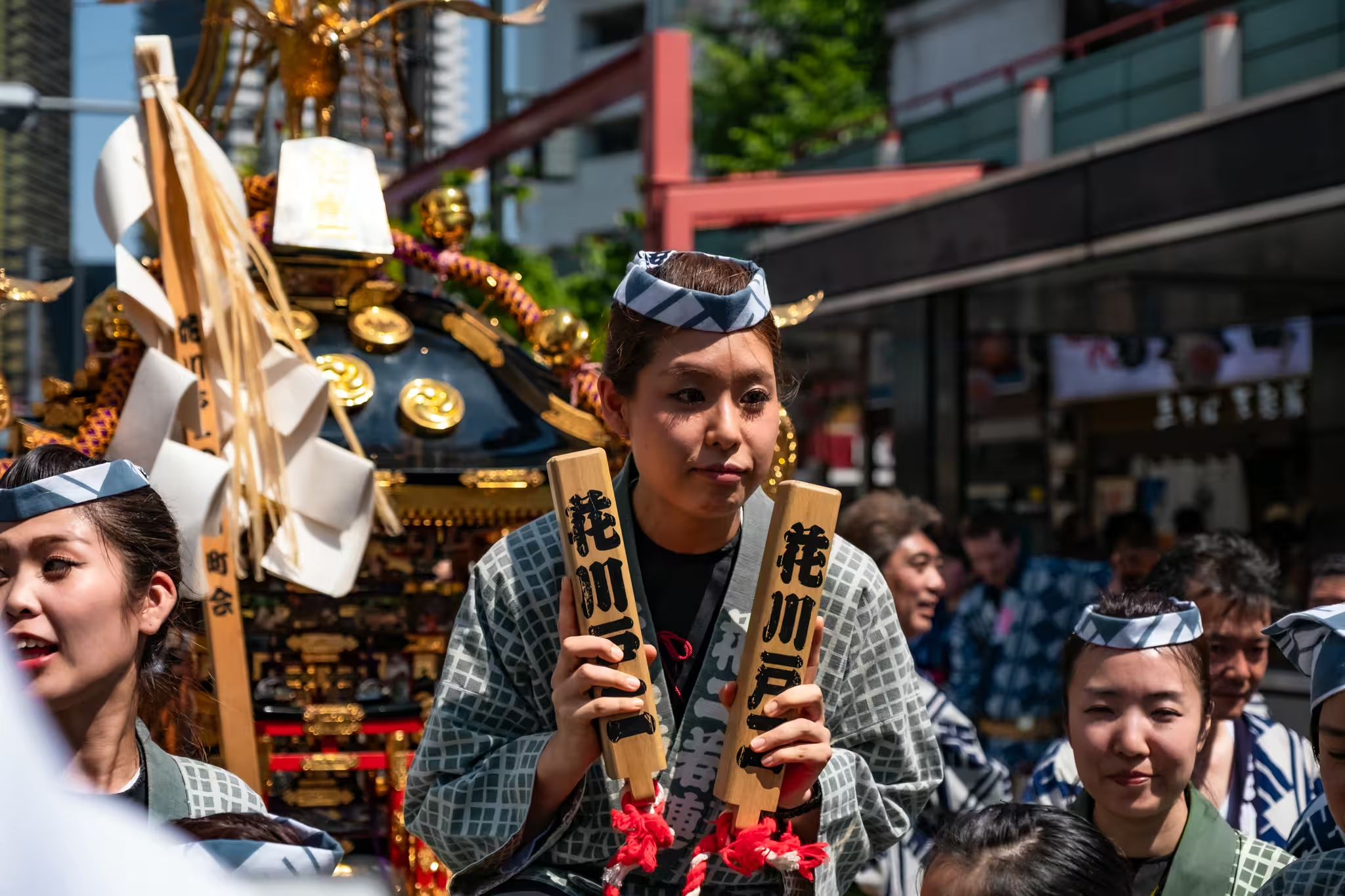
The sheer mass of the mikoshi makes them potentially dangerous. If a one-ton shrine were to topple, the result would be disastrous. Consequently, dedicated teams direct the flow, ensuring no one collides with shops or the crushing crowds.
While the “Big Three” dominate Sunday, Saturday offers a different flavor. Approximately 100 smaller mikoshi parade through the neighborhood, carried by everyone from local guilds to women and children, proving that the festival belongs to everyone.
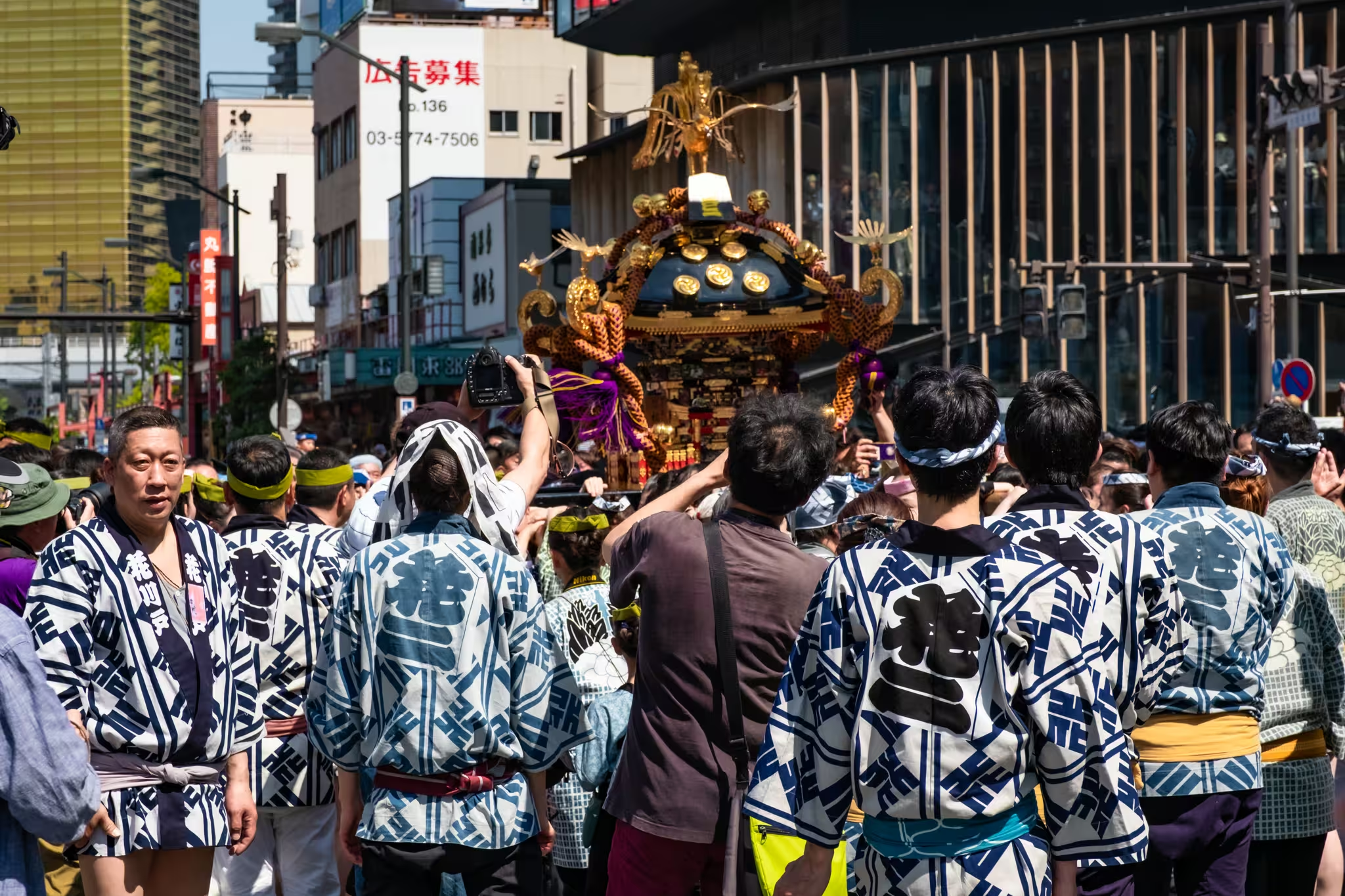
What to expect: Crowds, vibe, & viewing spots
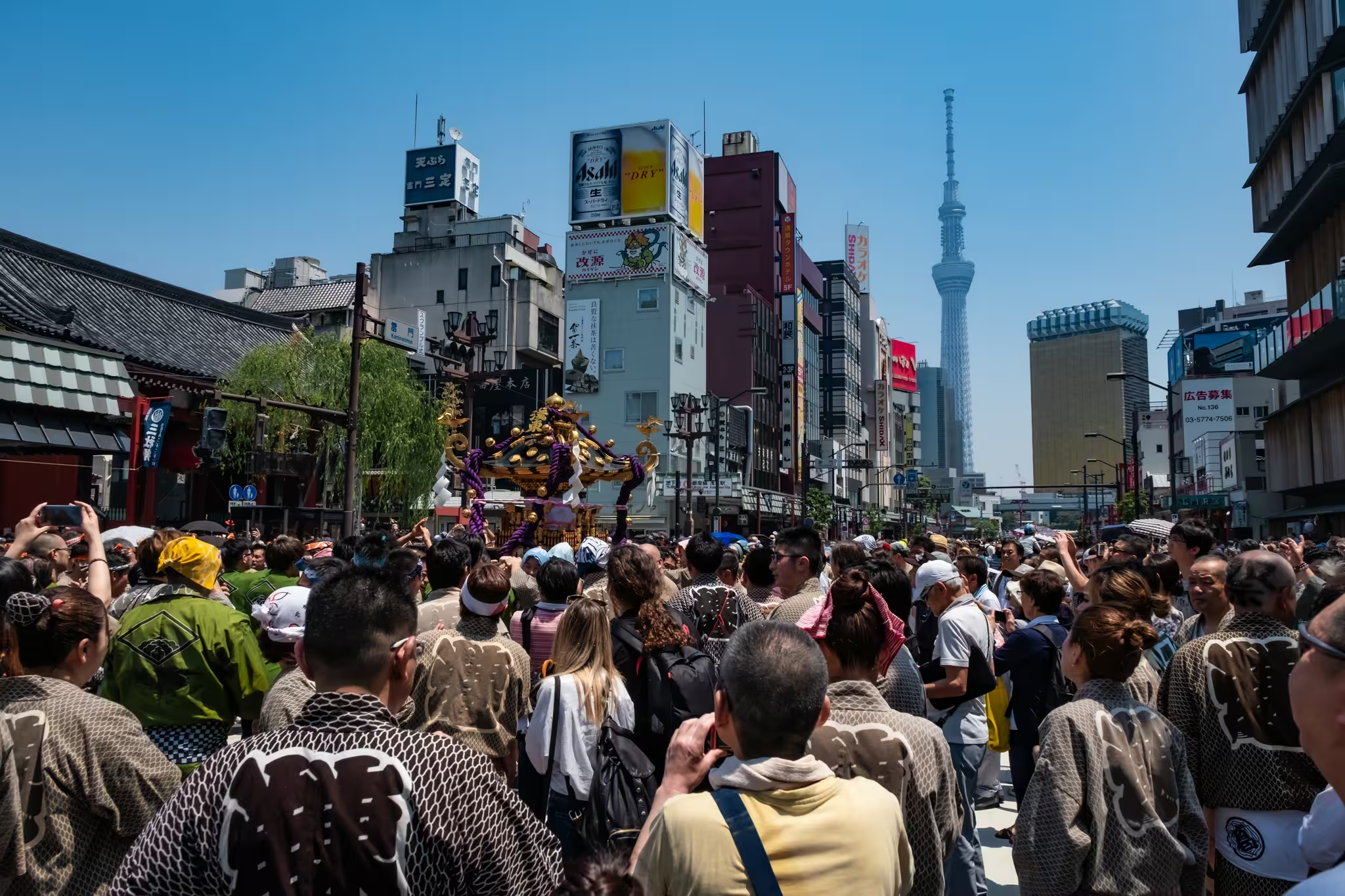
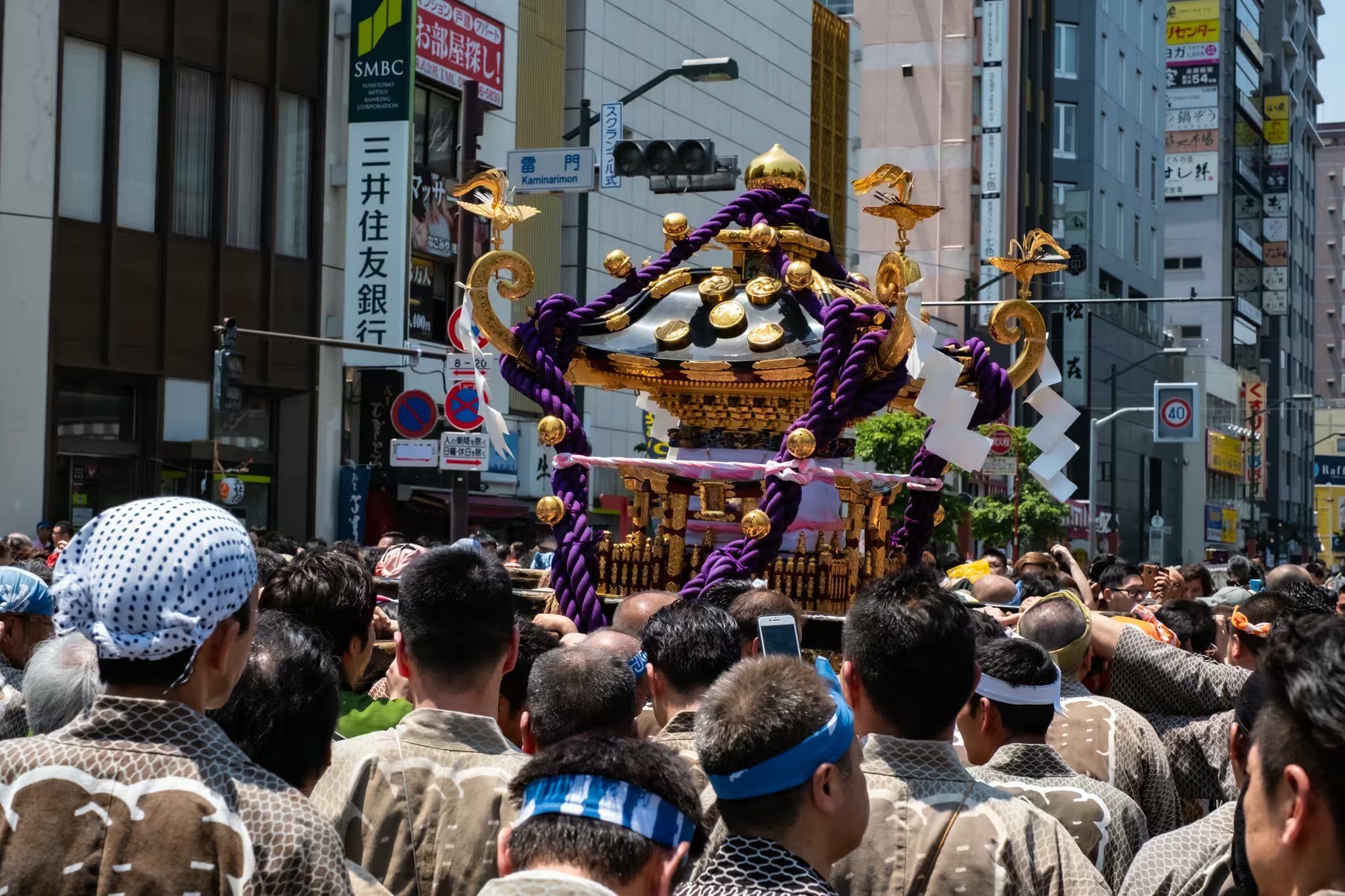
For these photos, I could only attend the Sanja on Sunday in 2017. I missed Saturday entirely due to work. To rub salt into the wound, I didn’t arrive until mid-morning, missing the moment the mikoshi departed for their neighborhood rounds. But that was okay; the main action eventually finds you. I staked out a spot near the Kaminarimon (Thunder Gate) and waited.
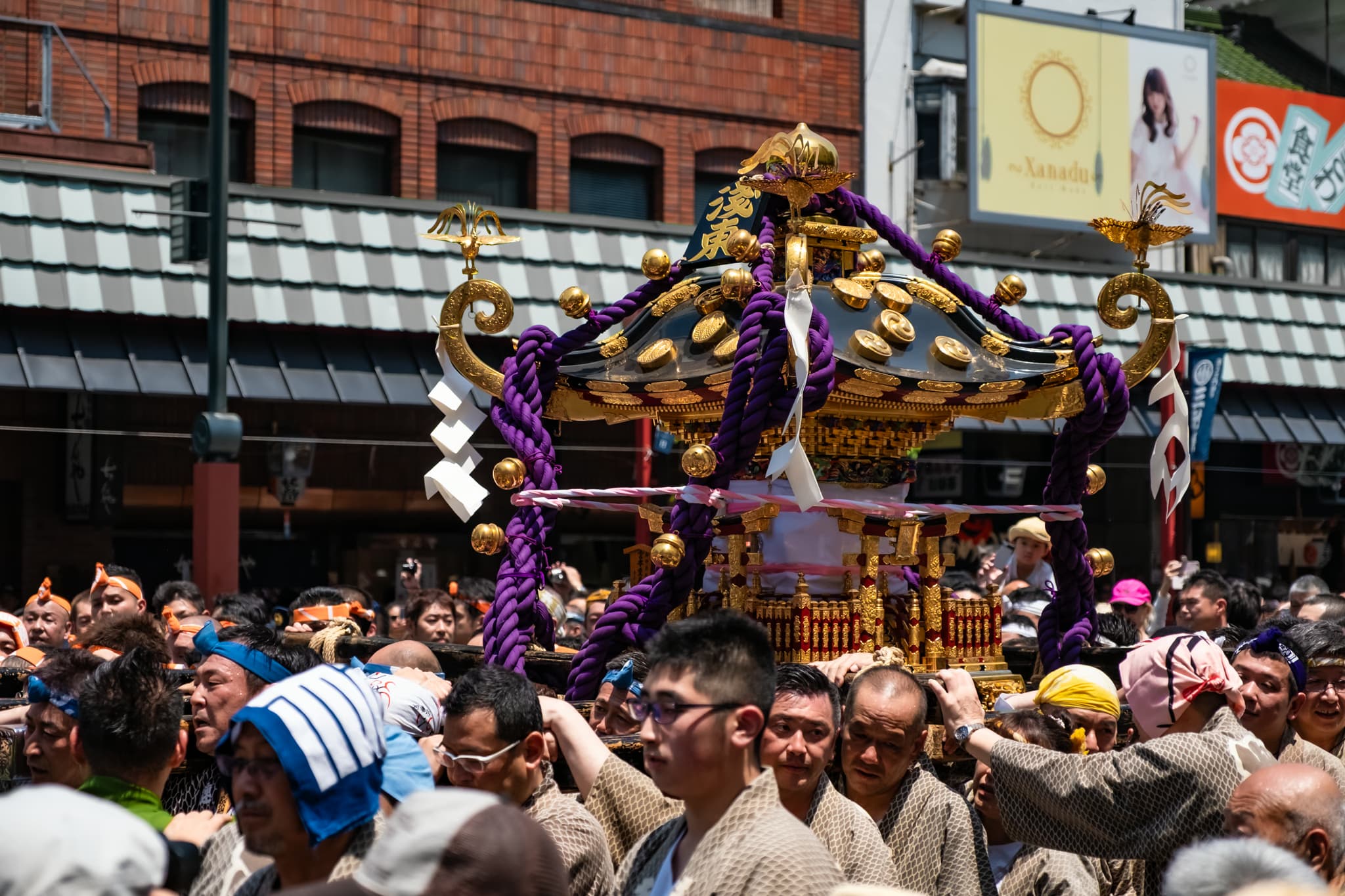
“Crowded” is an understatement. People flooded Asakusa. You really have to see it to understand the density; everywhere you looked, there was a wall of humanity.
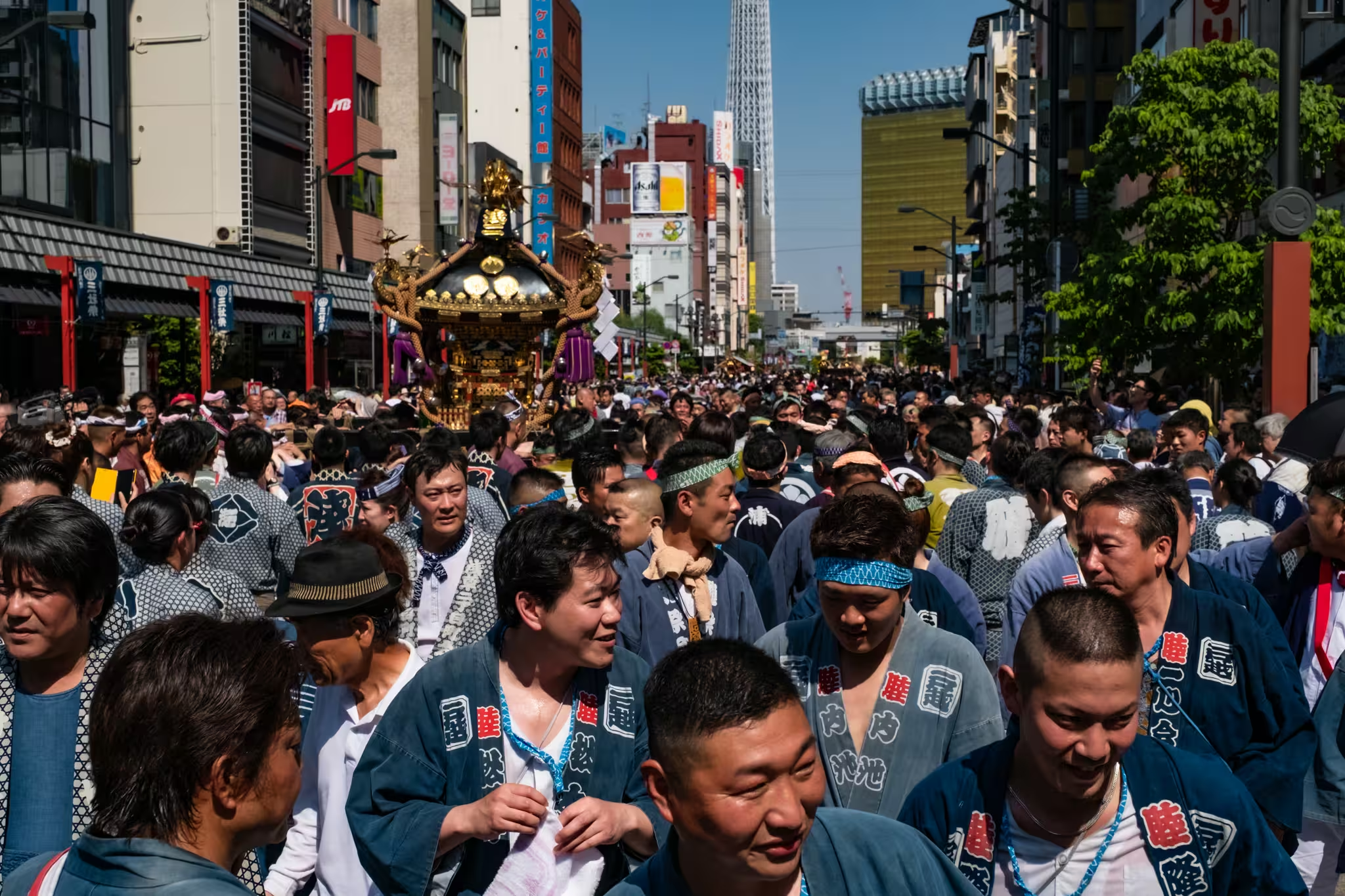
Looking back at these photos of the 2017 Sanja Festival several years later, I view them with a critical eye. I see their flaws. At the time, I concentrated heavily on the mikoshi themselves rather than the event as a whole. I missed the context—there are few photos of the temple and the shrine, which are the very reasons the event exists. A viewer might struggle to gain true insight from my shots alone.
For example, take a look at the pictures of the Tokyo Skytree. The tower looks impressive, towering over the district, but it wasn’t part of the festival. There was little need for me to focus on it. But that is the value of hindsight. As I republish these old photos, they serve as great case studies—specifically, a study of what not to do in the future!
Despite the missed shots and the late start, I truly enjoyed the Sanja Festival 2017. It was a chaotic, exhausting, wonderful day.
Photography tips from Sanja Matsuri 2017
The Sanja Matsuri is fast-paced and crowded. My biggest advice is to look away from the shrines occasionally; the expressions of the exhausted bearers often make for better photos than the gold mikoshi itself. Also, bring a zoom lens—the crowds are too dense to zoom with your feet.
My photography gear for this shoot
Camera body: Fujifilm X-T2
Lens: XF 16-55mm F2.8 R LM WR
Why Sanja Matsuri should be on your Tokyo itinerary
The takeaway
The Sanja Festival is one of Tokyo’s most intense and historic events, attracting millions to Asakusa to celebrate the founders of Sensoji Temple. The highlight is the parading of three massive, one-ton mikoshi (portable shrines), bounced through the streets to wake the spirits and bring good fortune.
What you need to know
The history: Origins date back to 628 AD with the discovery of a Kannon statue in the Sumida River.
The spectacle: Watch for the “Tama-furi” (soul shaking), where bearers vigorously bounce the heavy shrines.
Photography tip: Don’t just focus on the main subject. Capture the environment, the crowds, and the architecture to tell a complete story.
Final thought: Even if you miss the early morning start or your photos aren’t perfect, the energy of Sanja Matsuri is an experience that transcends the camera lens.
For the latest information: Check the official Sanja Festival website.