In the Minato ward of Tokyo, Sengakuji Temple is where 47 masterless samurai etched a tale of honor and sacrifice into Japanese history. Here’s your guide to capturing the solemn, bloodied, and storied past of one of Tokyo’s most revered sites.
While the 47 Ronin legend has been told in movies and plays, it’s rooted in a true historical event that unfolded over 300 years ago. Though censorship by the Shogunate has left some details shrouded in mystery, the core tale of loyalty and revenge remains.
What is the 47 Ronin story?
The story that lies at Sengakuji Temple is the historical event known as the Akō Incident, which took place in the early 18th century during Japan’s Edo Period.
It began in 1701 when a young feudal lord, Asano Naganori of Akō, was tasked with organizing a reception for imperial envoys at Edo Castle (today’s Imperial Palace). He was to be instructed in court etiquette by a powerful official named Kira Yoshinaka.
Accounts suggest that Kira repeatedly insulted Asano, possibly because Asano failed to offer him a sufficient bribe.
Finally provoked beyond his patience, Asano drew his sword and attacked Kira at Matsu no Oroka, which was once located in the East Gardens of the Imperial Palace. While the wound was not fatal, drawing a weapon within Edo Castle was a grave offense.
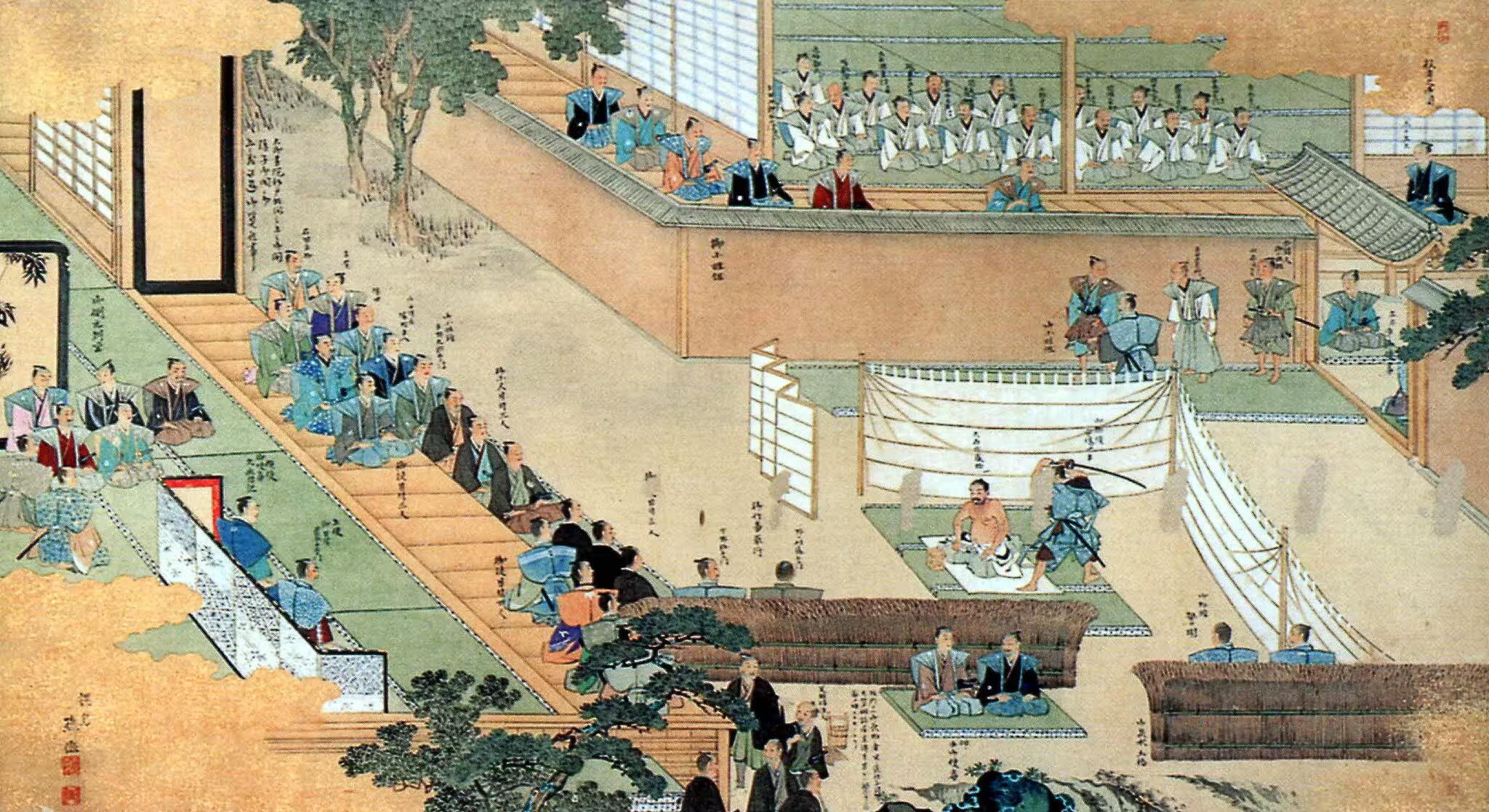
Asano was immediately sentenced to commit seppuku (ritual suicide), and his lands and titles were confiscated. His samurai were now masterless, becoming rōnin.
Led by their chamberlain, Ōishi Yoshio, 47 of these retainers swore an oath to avenge their master’s honor. To throw off suspicion, they disbanded and spent nearly two years pretending to be monks, merchants, or even drunkards while they prepared in secret.
On a snowy night, January 30, 1703, the 47 rōnin launched a surprise attack on Kira Yoshinaka’s mansion in Edo. After a battle, they found and killed him, severing his head.
They then marched across the city to Sengakuji Temple and placed it on their master Asano’s grave as a final act of loyalty.
Having completed their mission, the rōnin turned themselves in. The authorities faced a dilemma: the samurai had acted according to the warrior code of bushidō (loyalty and honor), but they had also defied the shogun’s law.
In the end, 46 of the men (one was pardoned) were sentenced to the honorable death of seppuku, which they carried out on February 4, 1703. They were then buried here at Sengakuji Temple alongside the master they faithfully served.
What to see at Sengakuji Temple
Gates & entrance
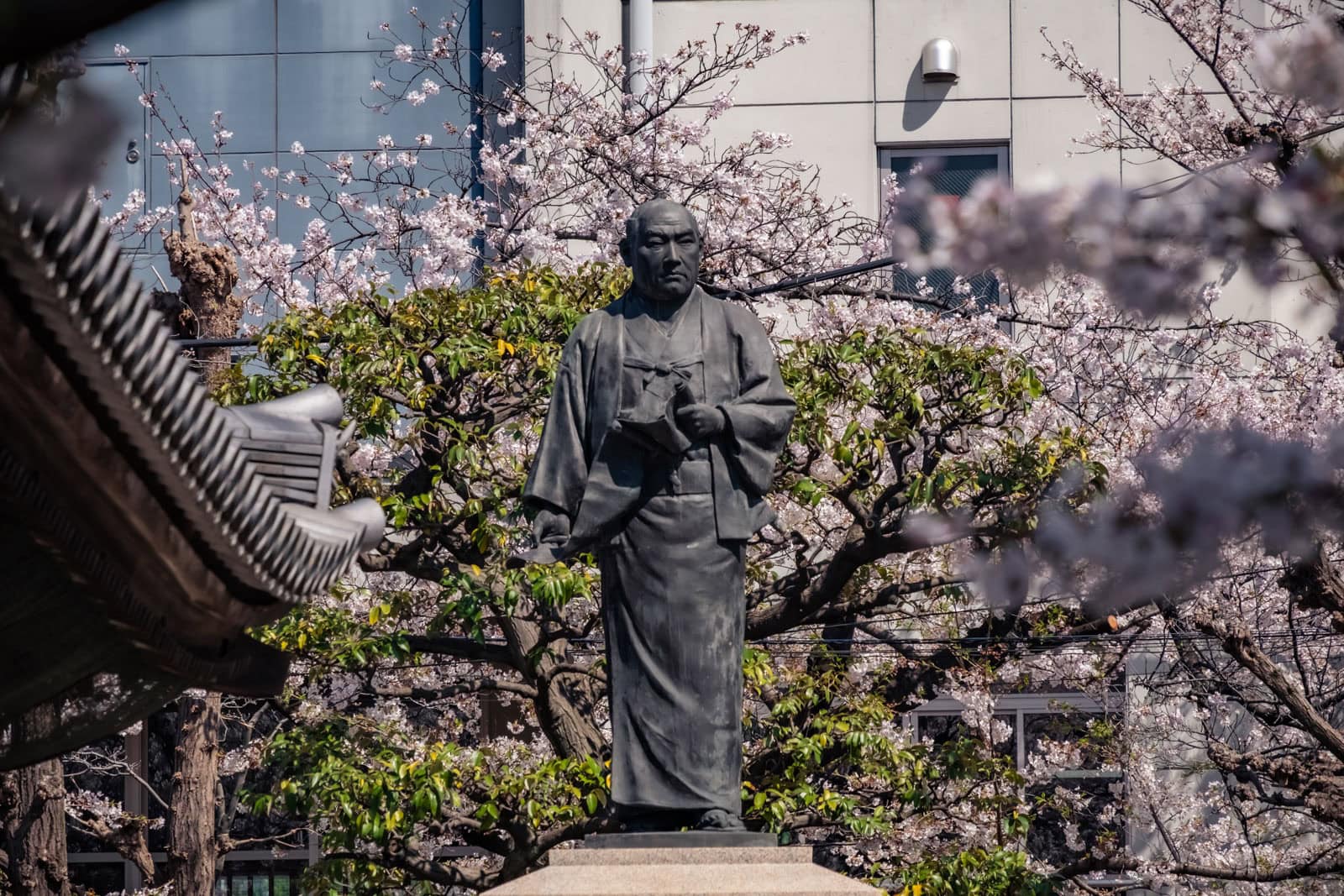
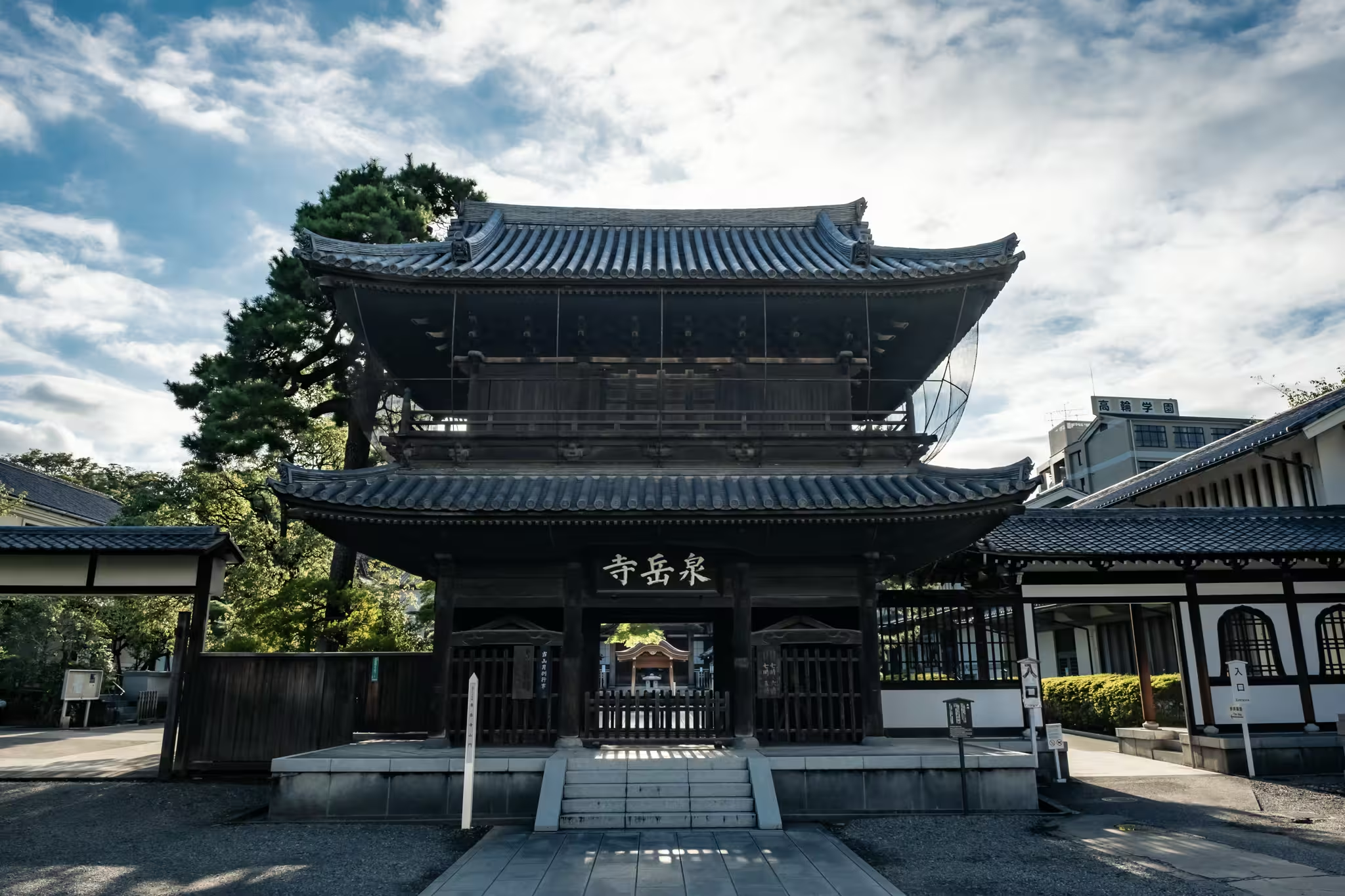
Two wooden gates are at the entrance. Between them are gift shops, a cafe, and a large statue of Yoshio Ooishi on a pedestal that stands guard.
The main hall
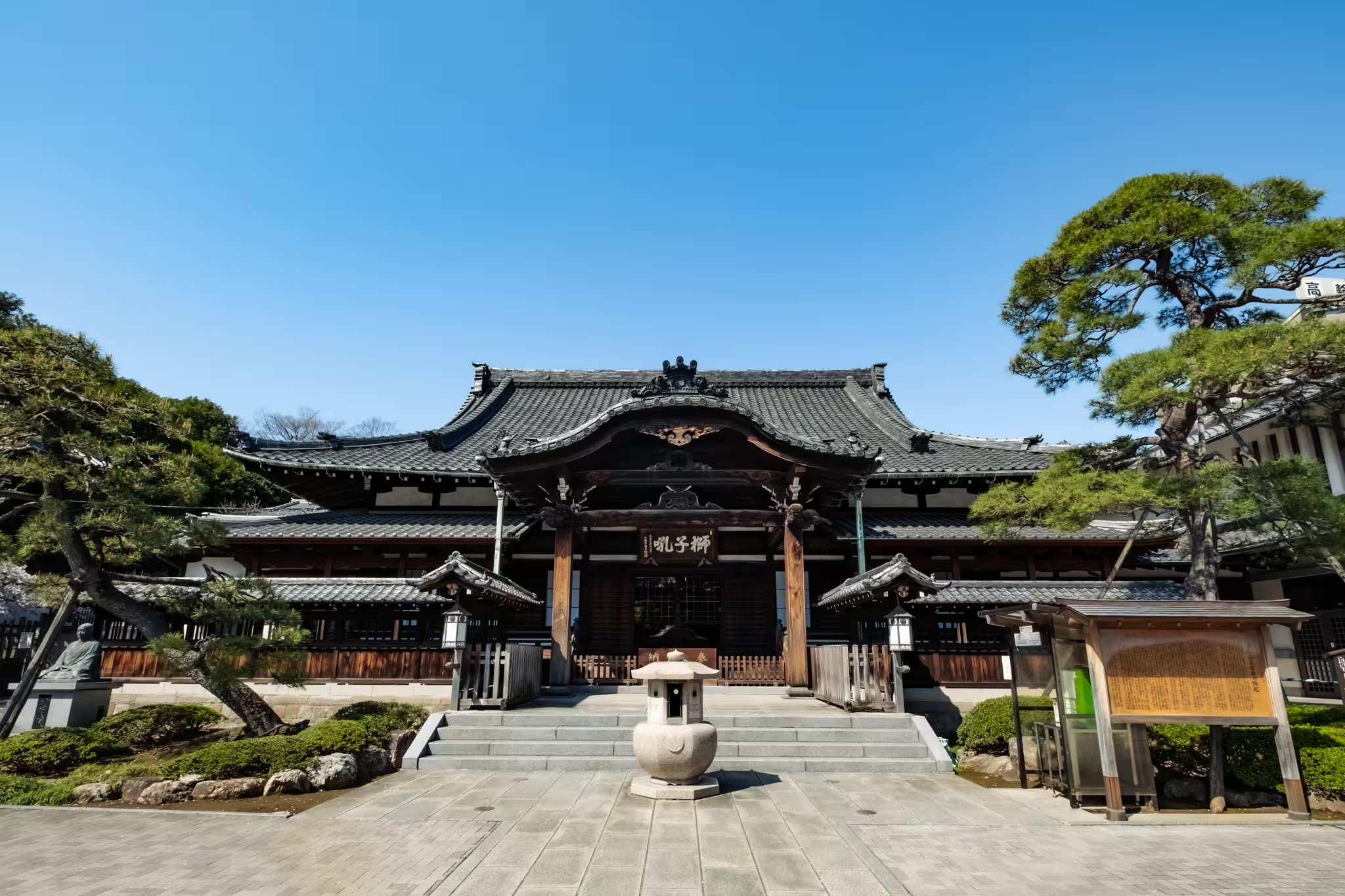
The temple belongs to the Buddhist Soto Zen School. Tokugawa Ieyasu built it in 1612 near Edo Castle (today’s Imperial Palace). Fire destroyed it in 1641.
Reconstruction was ordered at its present site on a bigger scale by the third shogun, Tokugawa Iemitsu, and carried out by five daimyō clans, including the Asano clan.
Museums remember the raid
The two on-site museums are a must-see for history buffs. One displays rare implements and artifacts used during the raid. The other houses a collection of wooden statues depicting the entire 47 Ronin, alongside original armor and weapons.
Asano’s rock of seppuku
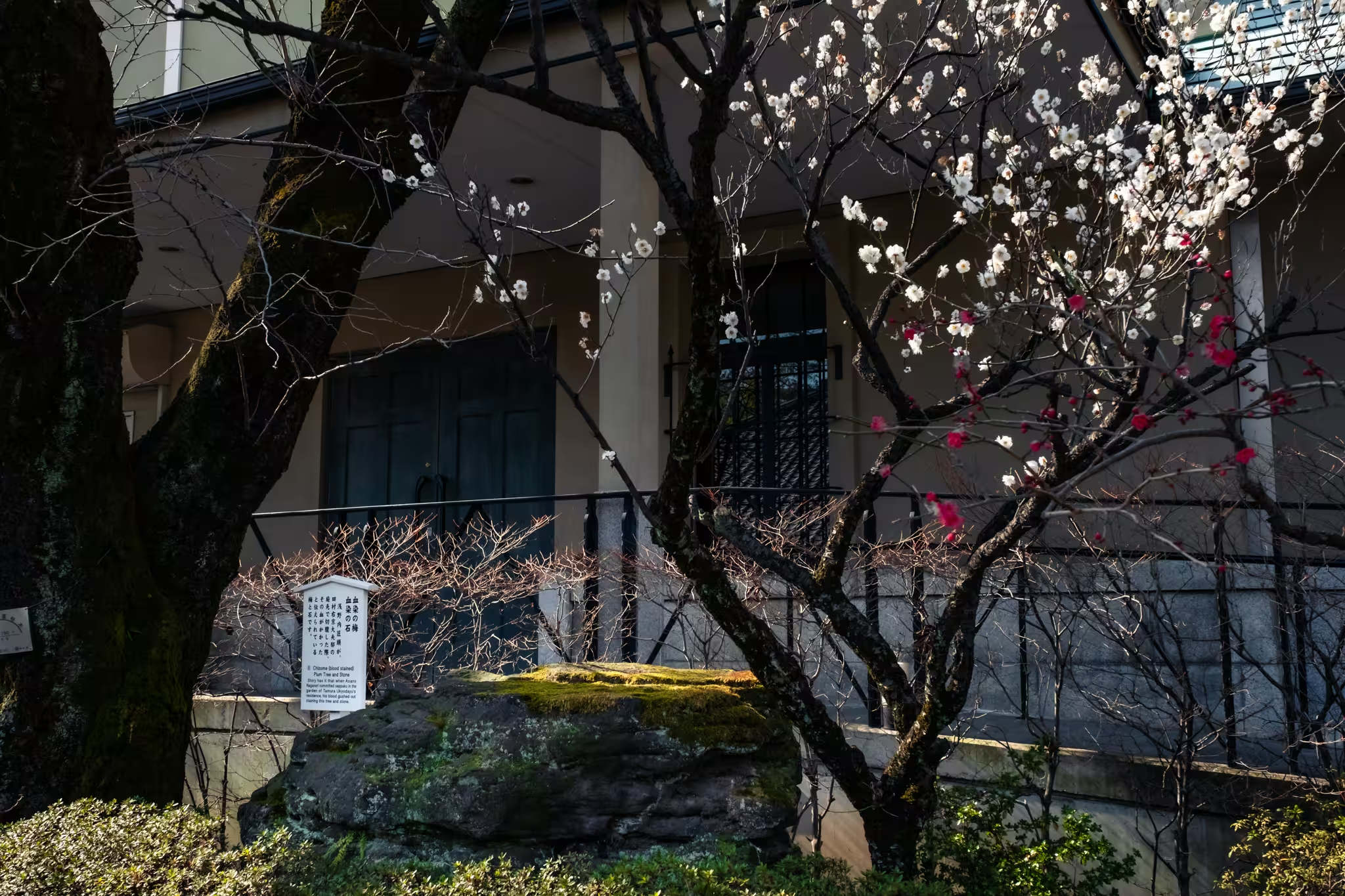
Between the two museums is the “Bloody rock and plum tree”. It’s said Asano’s blood splashed on it when he committed ritual suicide (切腹) at Tamura Ukyo-dayu’s residence in Shinbashi. It’s on the right side of the path leading to the cemetery.
Kira’s well
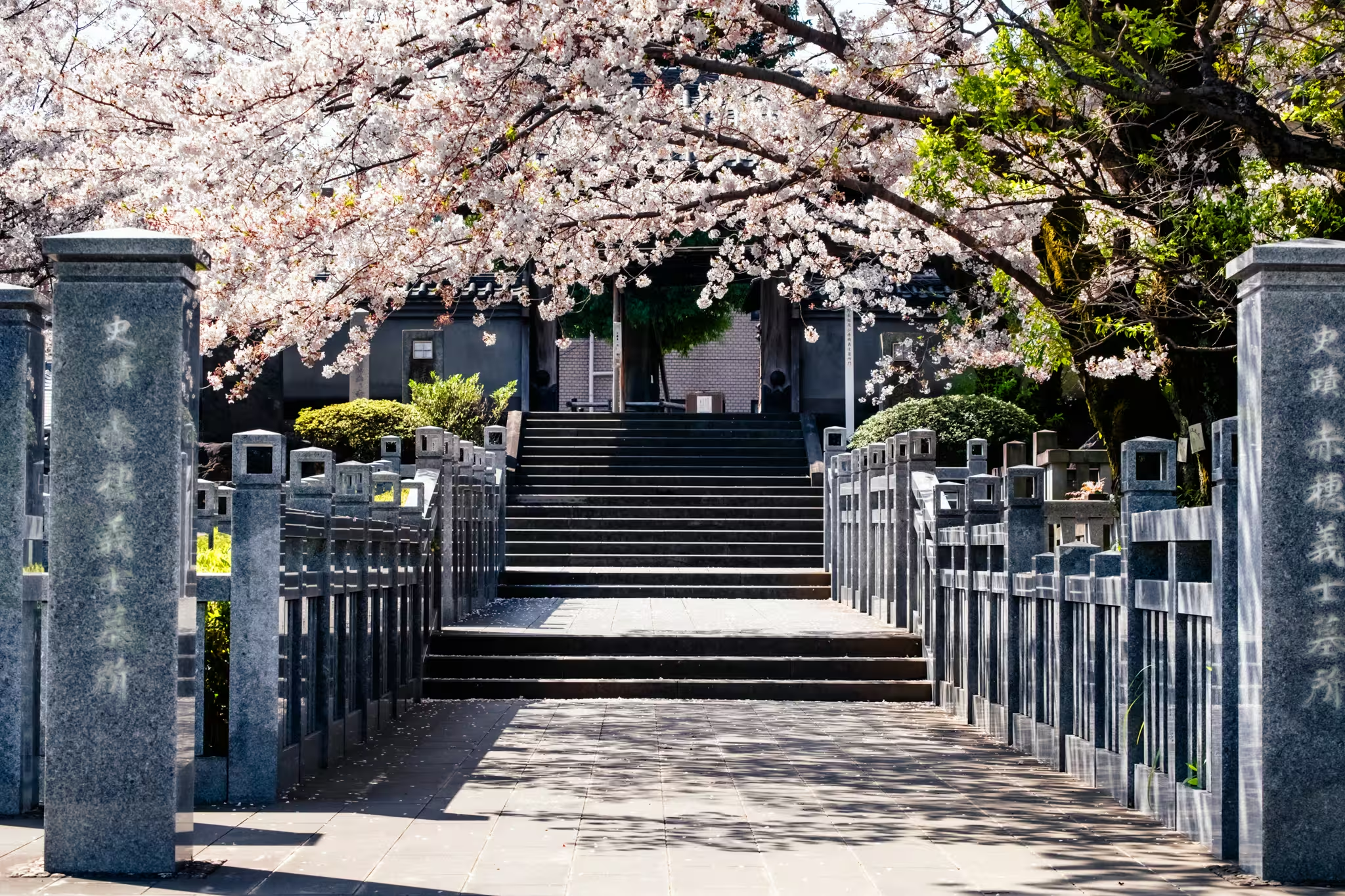
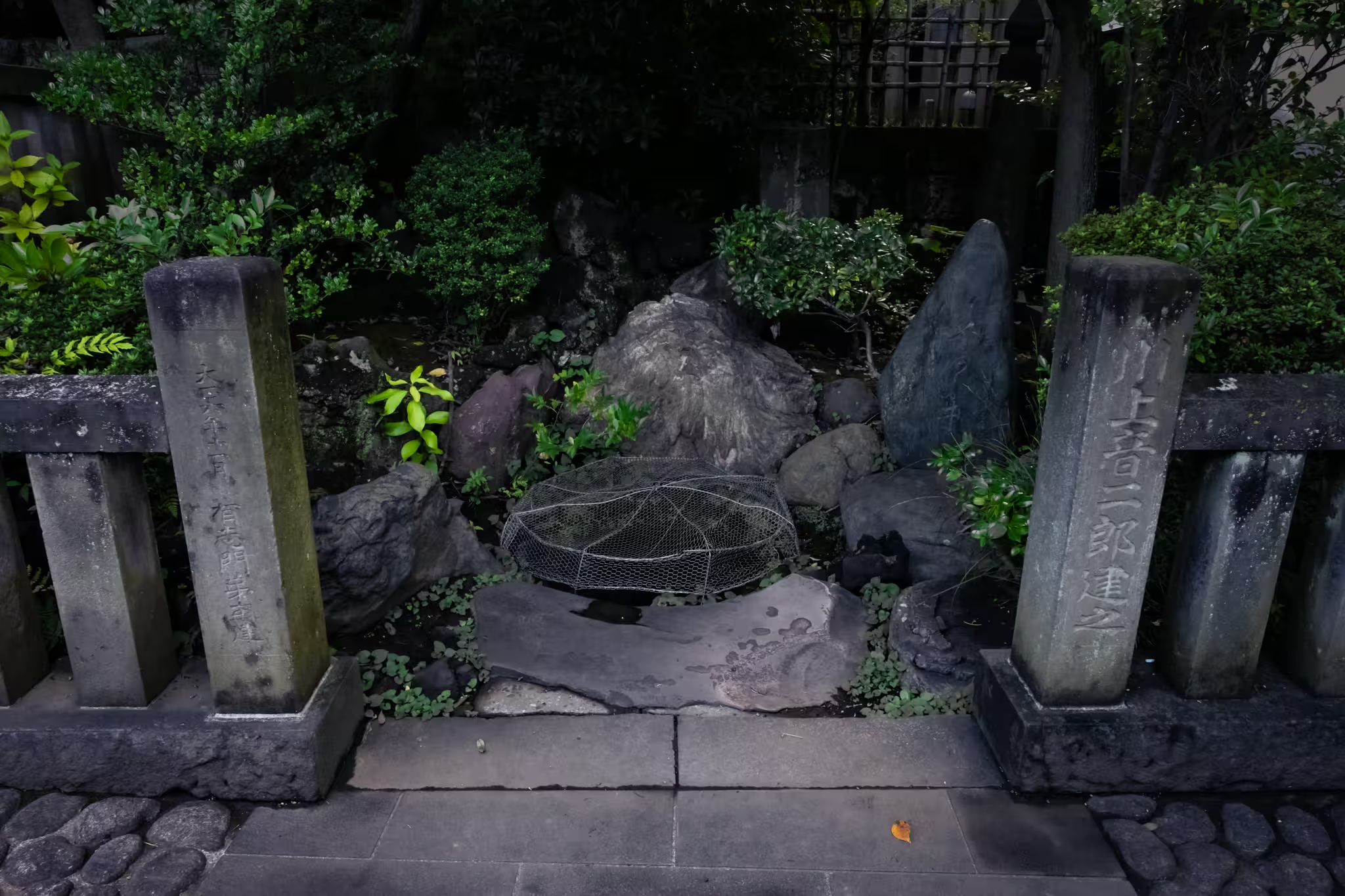
The ronin used a well to wash Kira Yoshinaka’s head before they presented it to Asano. It’s between the “Bloody rock and plum plum tree” and the cemetery. A few cherry blossom trees have been placed here. It’s beautiful in spring.
Hallowed ground: The 47 Ronin Cemetery
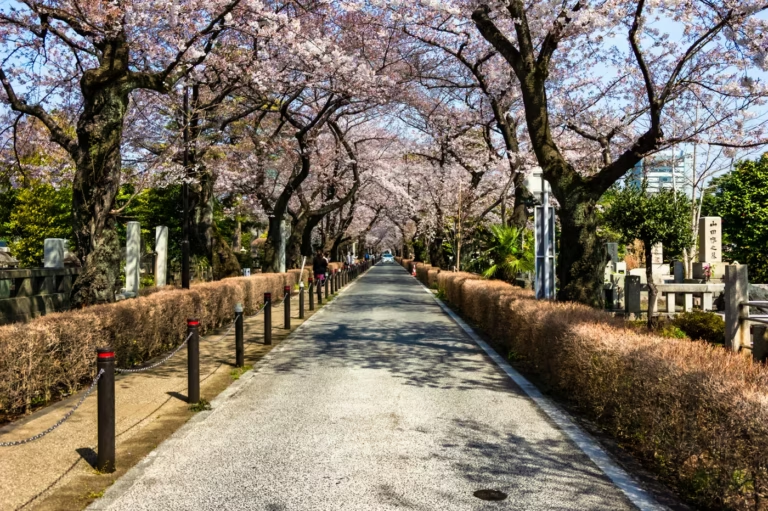
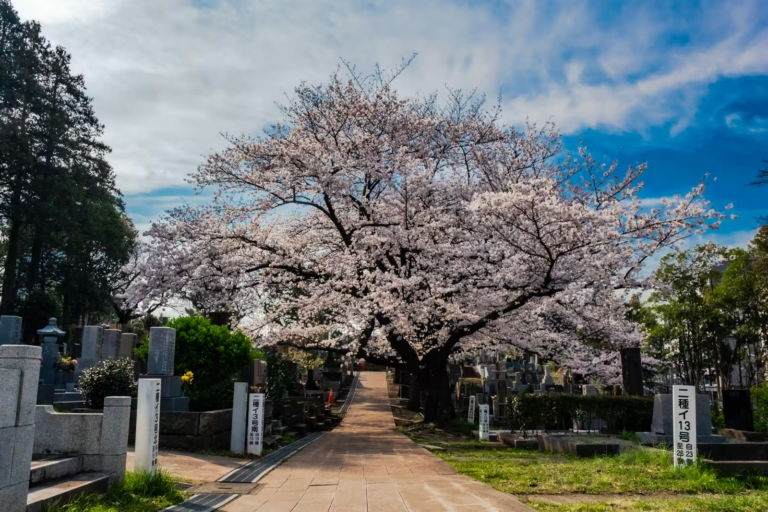
The Ronin’s cemetery is compact and intimate, which adds to its solemn atmosphere. There is nothing colorful or unnecessary about it. It is square-shaped, with the graves arranged along the sides and in the middle. The smell of incense pervades the air.
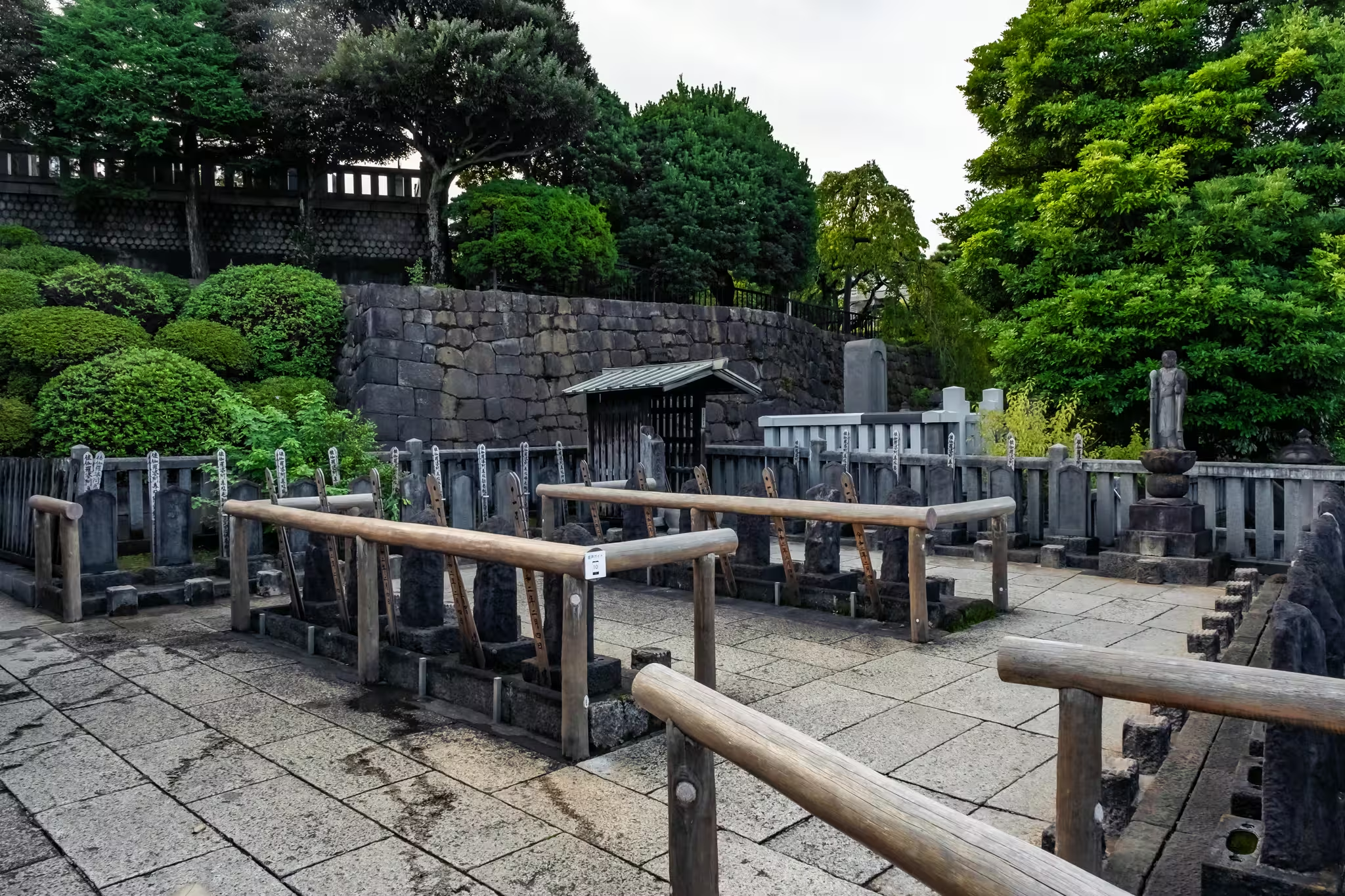
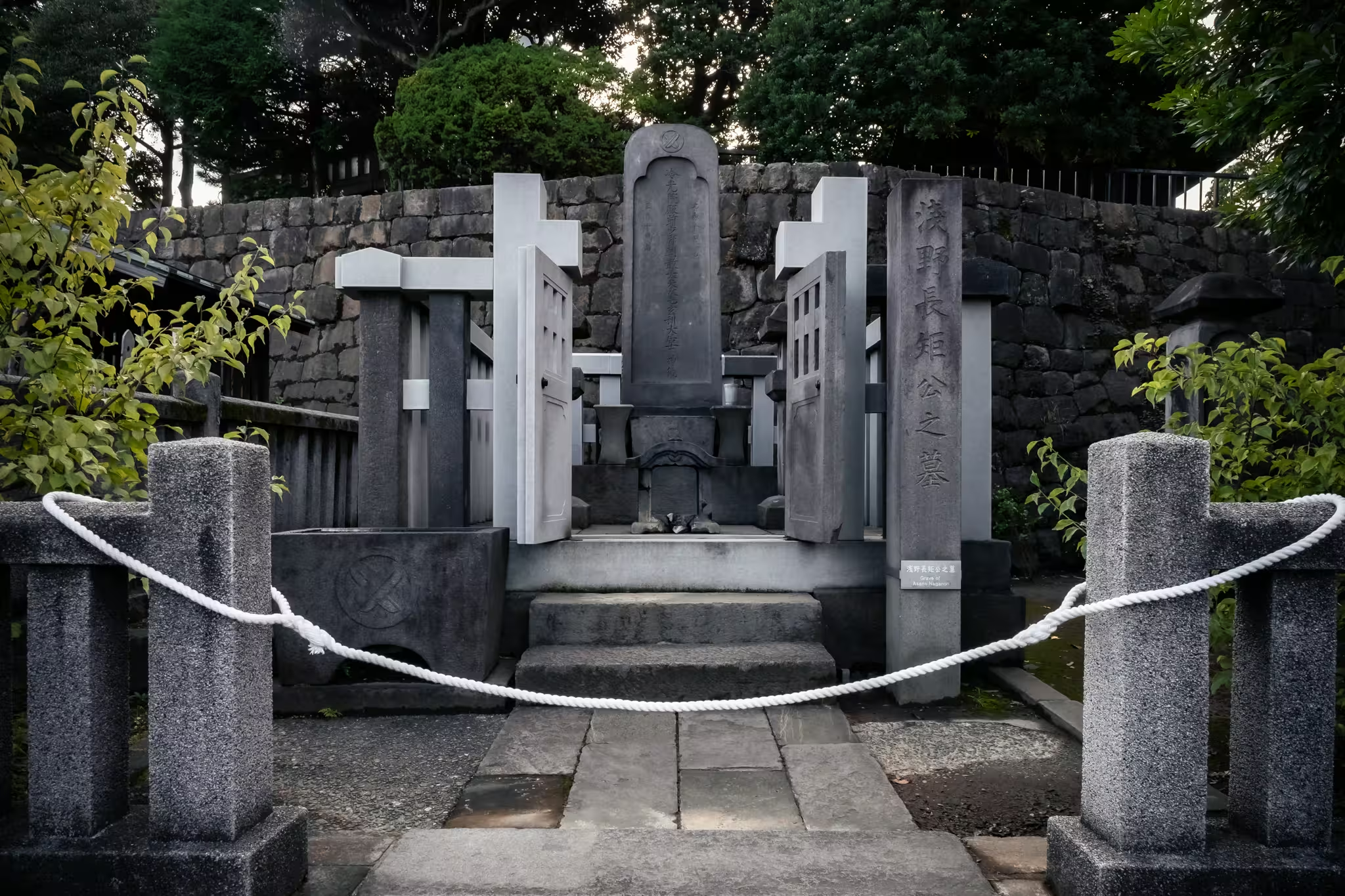
Asano’s grave is outside the square, often with fresh flowers. Near him are the graves of family members, including his wife and grandmother. Ooishi lies close to his master.
47 Ronin tombstones
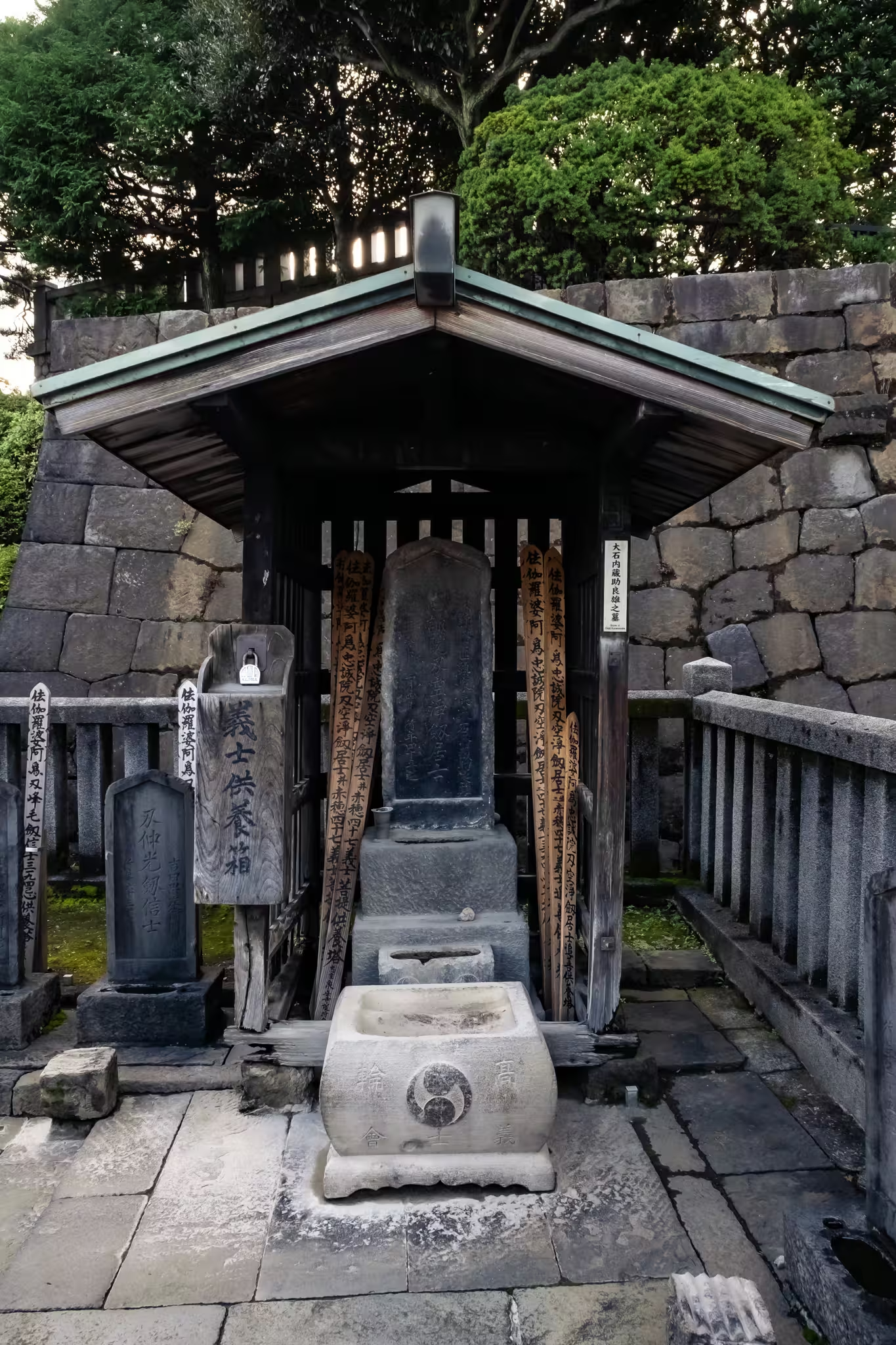
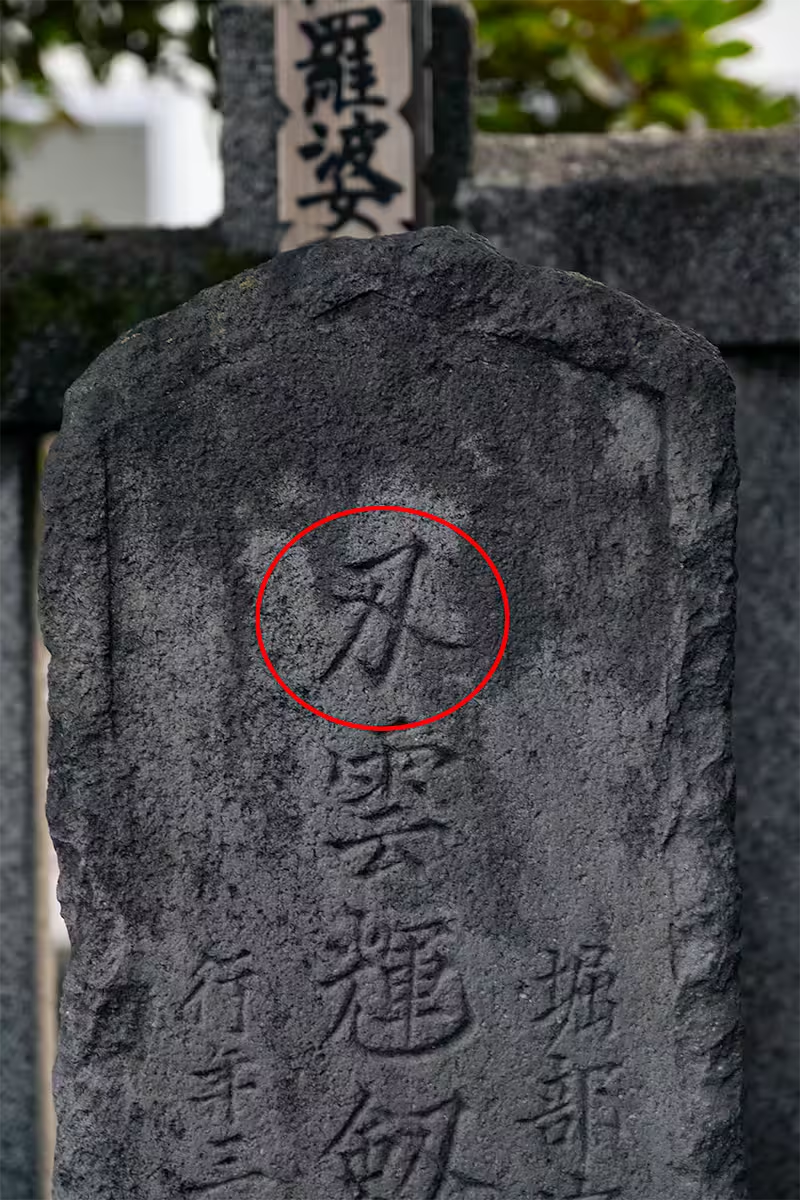
Each tombstone has the Japanese character 刃 at the top. This denotes that the person who rests there committed seppuku (ritual suicide).
Photography & visiting tips
- A massive statue of Yoshio Ooishi is at the entrance. This is a great photo in spring when the cherry blossoms bloom.
- Tripods and selfie sticks aren’t allowed.
- No photography in the museums.
- Try to visit in spring for the temple’s cherry blossoms.
Gishisai Festival memorializes the 47 Ronin
For a truly special experience, visit on December 14 for the annual Gishisai festival. Re-enactors in samurai kit of the period commemorate the ronin’s final march.
Is Sengakuji & its cemetery worth visiting?
Sengakuji Temple isn’t Tokyo’s largest or most colorful temple, but it is one of its most profound. It’s a place to stand in quiet contemplation, to feel the weight of history, and to honor the samurai who chose loyalty over life.
It’s a reminder that the echoes of Japan’s past are still here on the streets of its modern capital.
If you have been to the graves of the 47 Ronin, what did you think of them? Leave them in the comments below. And for those wanting to see another of Tokyo’s temples, check out Tennoji and its Big Buddha.