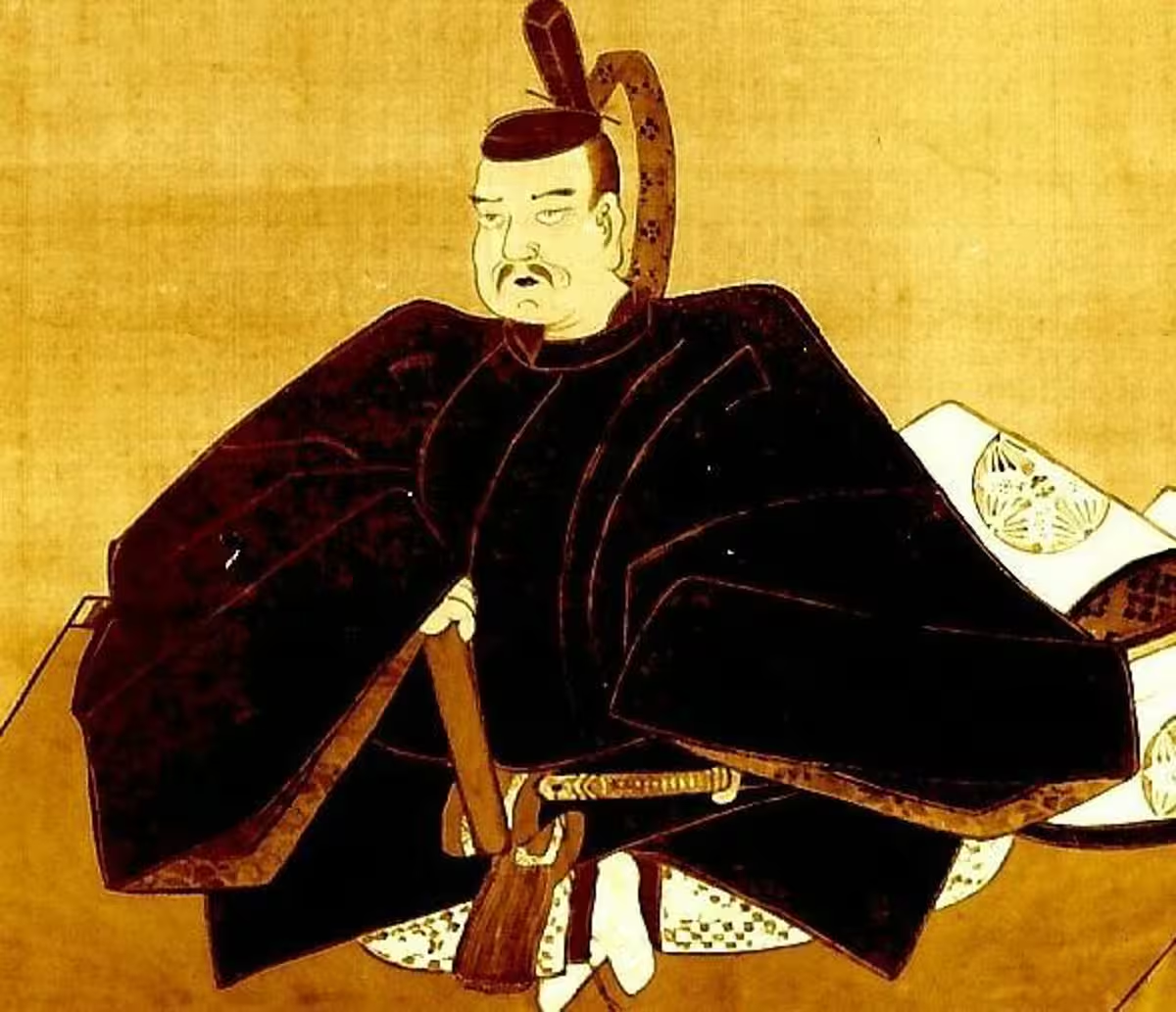
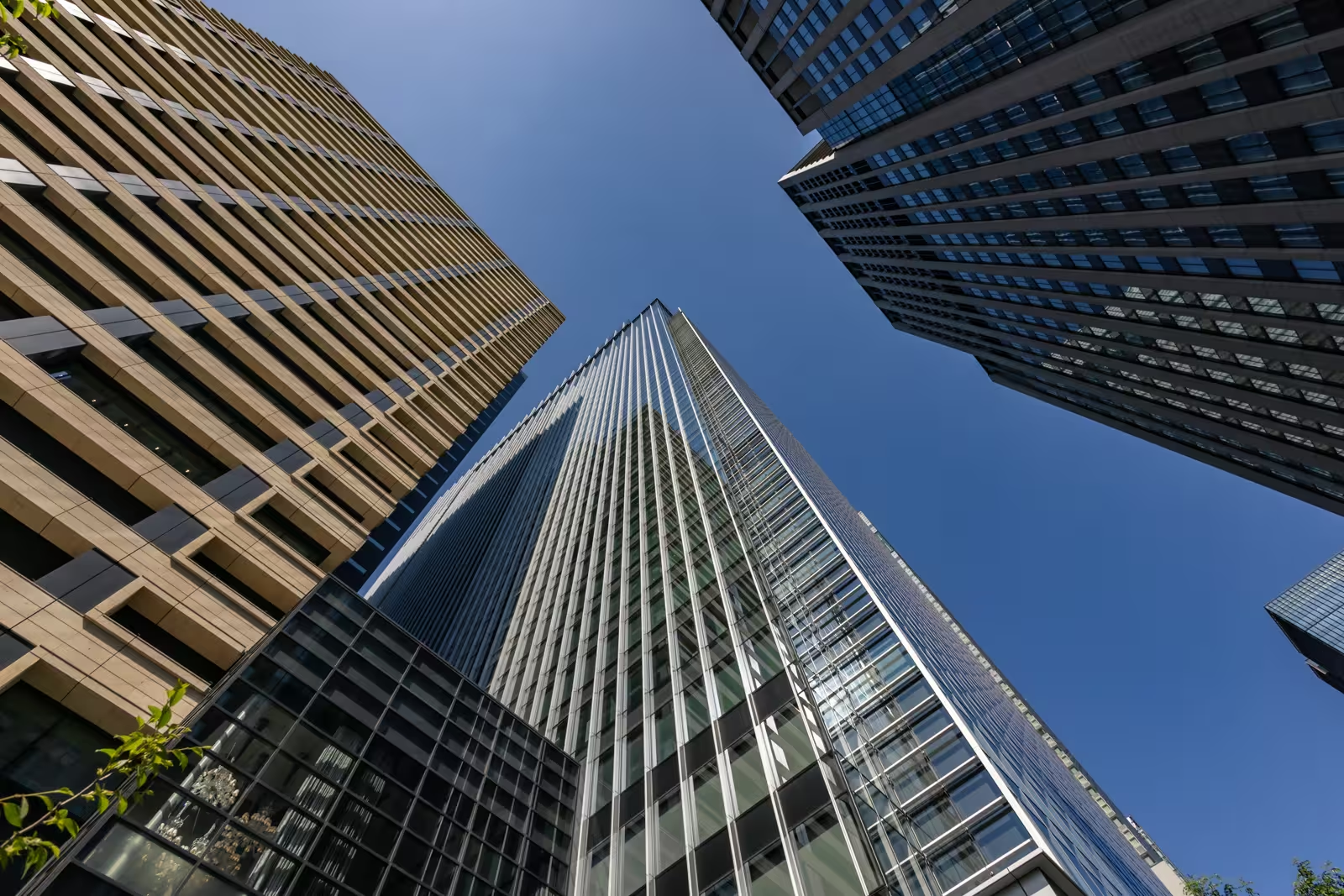
In the heart of Tokyo’s bustling financial district, nestled between gleaming skyscrapers, lies a quiet, unassuming stone monument. This is the grave of Taira no Masakado, a 10th-century samurai whose spirit is said to influence the fortunes of modern Japan.
Masakado was a rebel who declared himself the “New Emperor,” and his story is a dramatic tale of ambition, rebellion, and a curse so powerful that it commands the respect of business executives to this day.
Who was Taira no Masakado?
Taira no Masakado was a prominent samurai warrior of the Heian period and a descendant of Emperor Kanmu. His life took a dramatic turn from loyal courtier to the leader of a major rebellion.
From imperial servant to rebel leader
Born in the early 900s, Masakado initially served the imperial regent Fujiwara no Tadahira in the capital. He later returned to his home in the Kanto region.
It was there disputes with his relatives over his inheritance escalated into armed conflict. To consolidate his power, he was involved in the killing of several of them between 931 and 936.
Rise & fall of the New Emperor
Feeling disconnected from the distant rule of Kyoto’s imperial government, Masakado launched a full-scale rebellion in 939, known as the Tengyō no ran. He began by attacking a central government outpost in Hitachi Province and went on to conquer several other provinces.
In a move that shocked the imperial court, he declared himself the “Shinnō” (New Emperor), establishing a new kingdom in the Kanto region. The Kyoto government’s response was swift and ruthless.
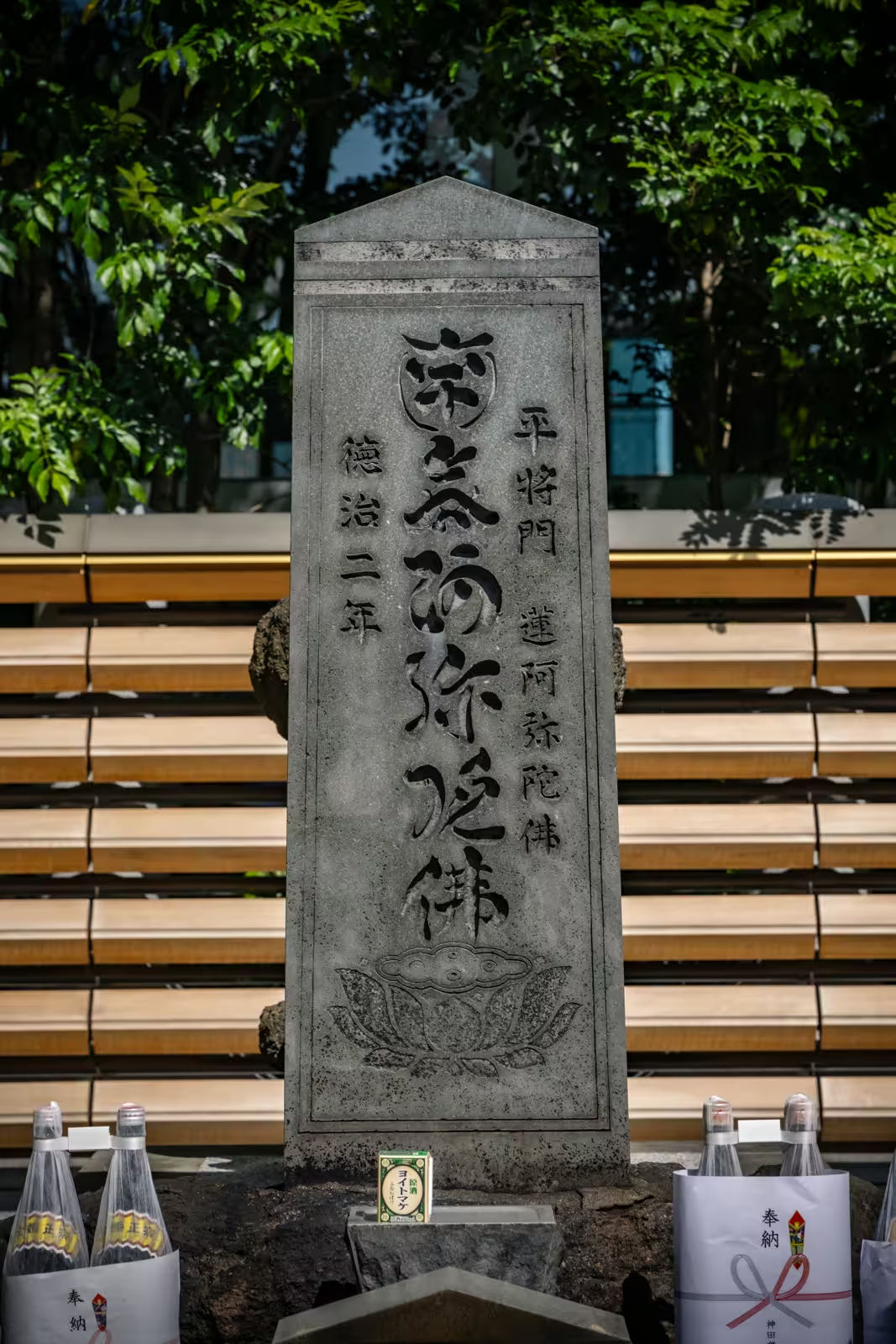
It placed a bounty on his head, and in 940, he was defeated and killed in battle by the forces of Fujiwara no Hidesato and his cousin, Taira no Sadamori. Masakado was decapitated, and his head was taken to Kyoto for public display as a warning to any other potential rebels.
In a show of gratitude, Hidesato offered the bow and arrow he used in the battle to the Kameido Katori Shrine, naming them “Kachiya,” or “winning arrow.” This event is still commemorated today in the annual Kachiya Matsuri (Winning Arrow Festival) held on May 5th at the shrine, featuring reenactment events.
Curse of the Onryo: Tokyo’s Vengeful Business Guardian
The story of Taira no Masakado doesn’t end with his death. His spirit’s journey back to his homeland is the stuff of legends and has had a lasting impact, especially on Tokyo’s business world.
Why do people still visit his grave today?
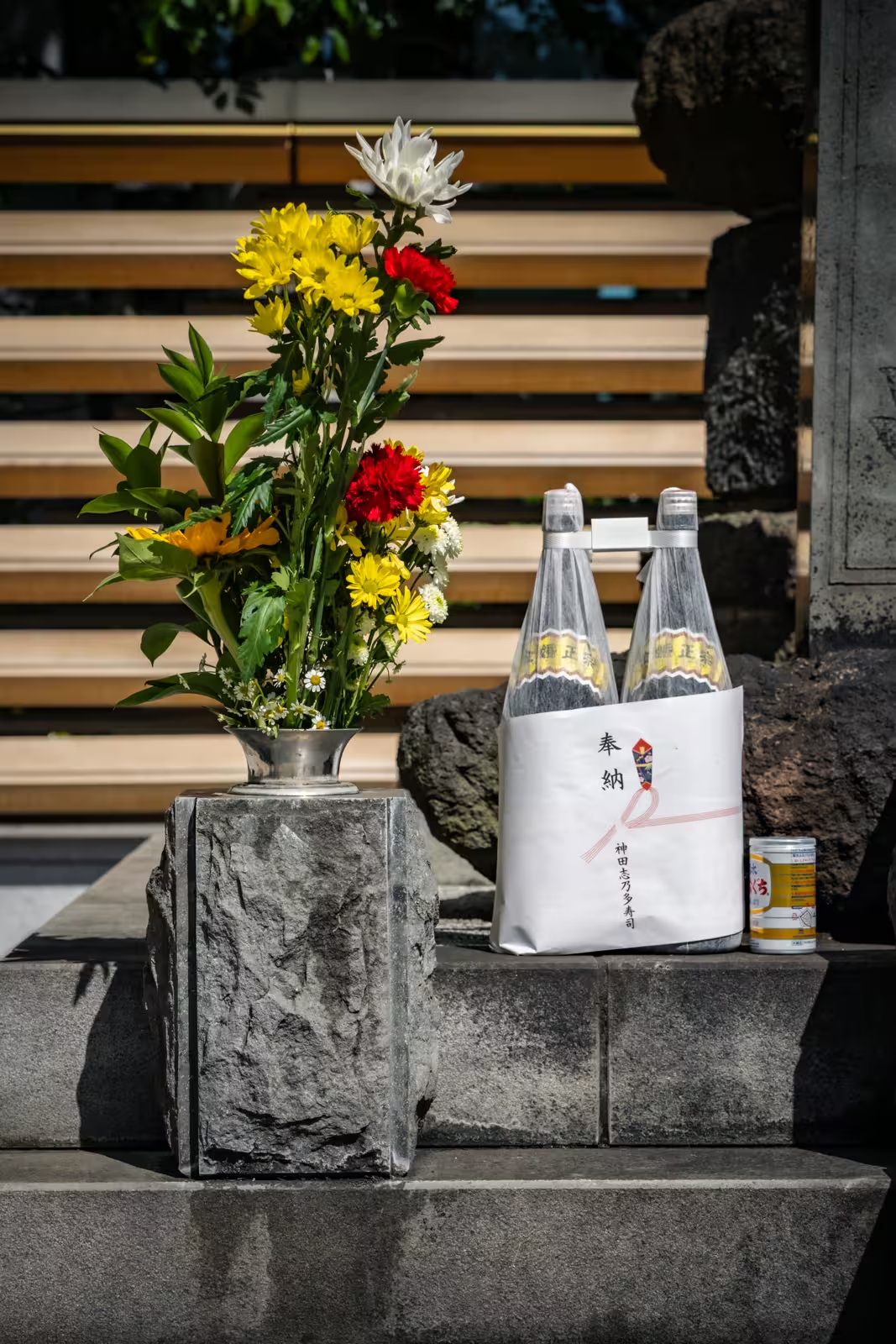
You’d be amazed at how many people visit the grave. Whenever I’ve walked past it, someone has been there offering prayers. It’s not long until the next person or group arrives.
This deep respect stems from a unique mix of historical legend and persistent superstition. In Tokyo’s Otemachi financial district, Taira no Masakado is revered out of a belief that his spirit must be appeased for business success and safety.
This reverence is rooted in several factors:
- The vengeful spirit legend (onryo): After his execution, legend says his head flew back from Kyoto to his home region, eventually landing in a fishing village that would become part of Tokyo.
- Over the centuries, his spirit became associated with misfortune and accidents for anyone who disrespected or tried to move his grave, known as the Kubizuka (head mound). To learn more about this, read this article on Yokai.com.
- The area around his grave is prime real estate. Businesspeople from the surrounding financial institutions frequently visit to pray for protection and prosperity, viewing him as a guardian deity (kami) of their ventures.
- Fear of the curse: The belief in his curse is ingrained in the local business culture. Rumors say surrounding office buildings have no windows overlooking the grave.
- Another story claims that executives avoid sitting with their backs to it.
- One volunteer group even opened an account in his name, for the grave’s upkeep, showcasing the deep-seated respect (or fear) for the legend.
- A symbol of resilience: Masakado is also seen as a “hero of the people” who stood up against an oppressive government. This adds another layer to his spiritual presence in Tokyo.
What does Masakado’s Kubizuka look like?
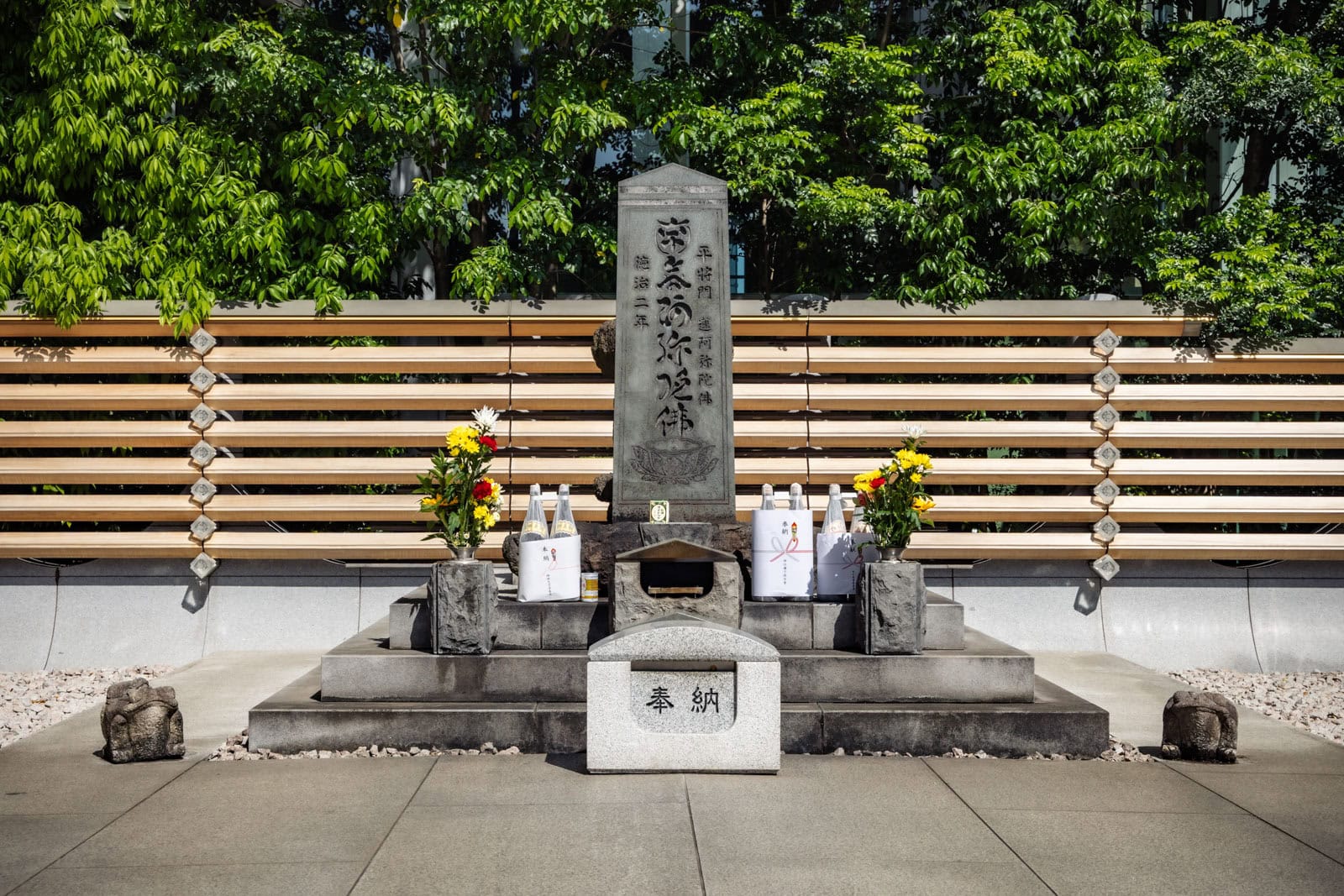
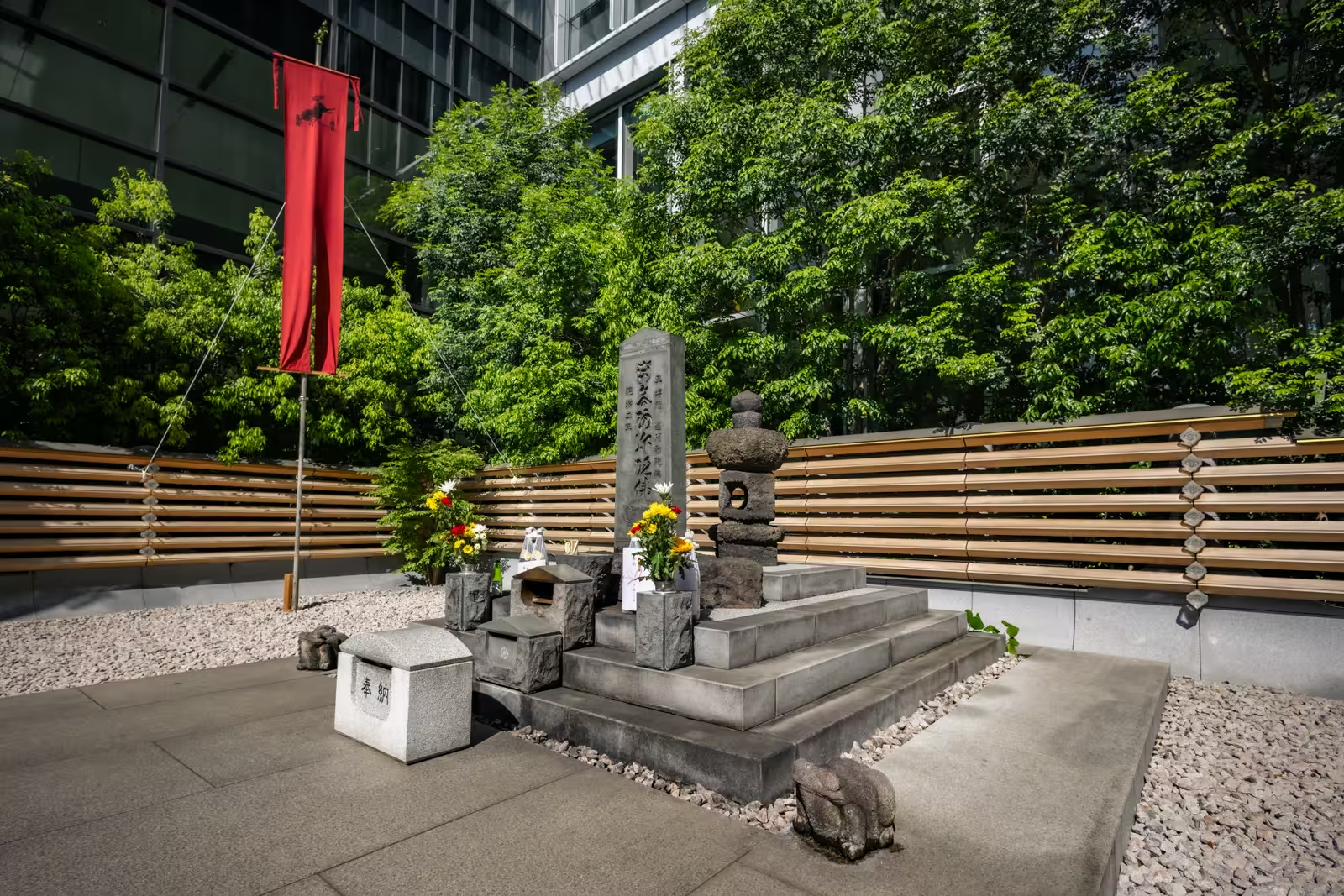
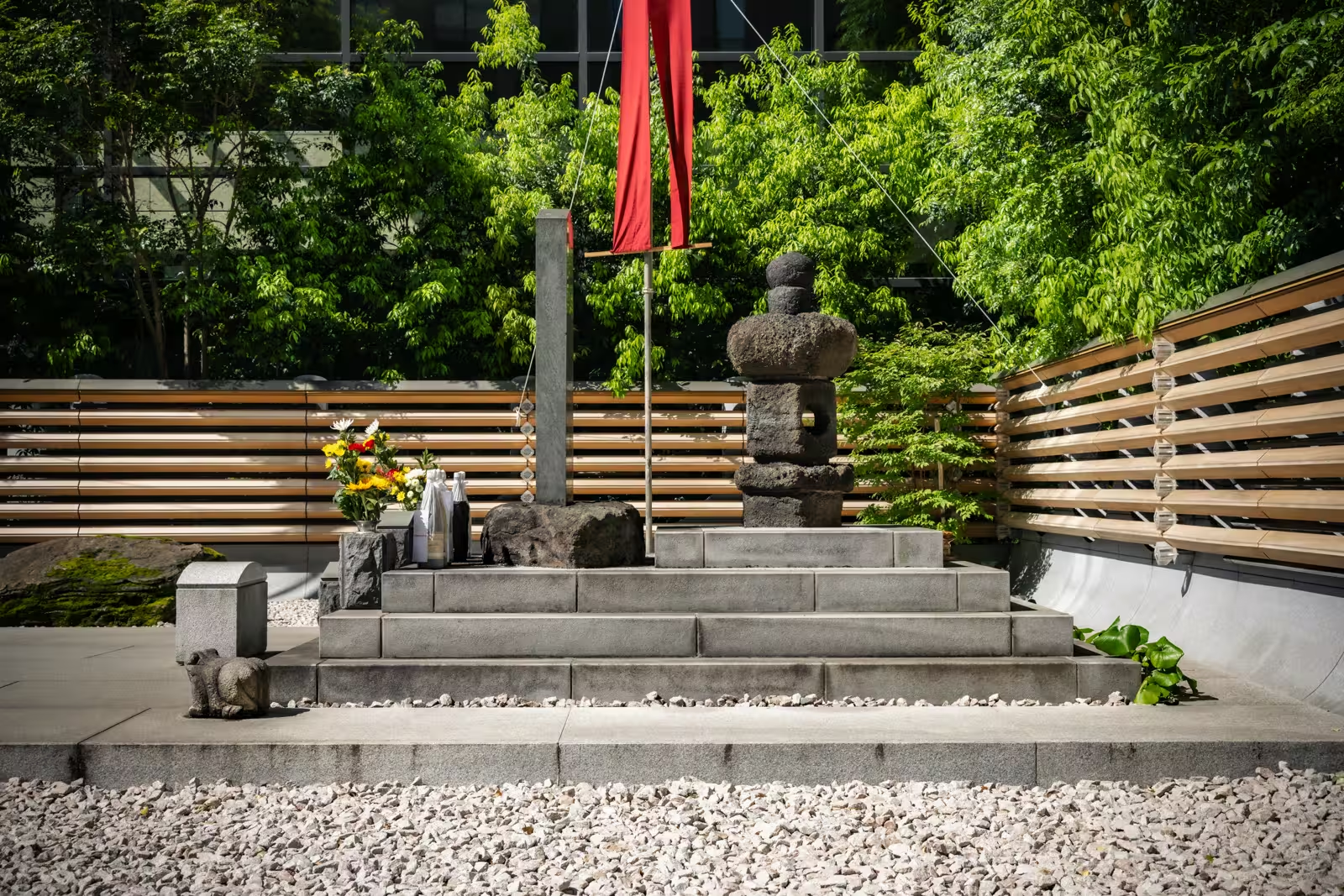
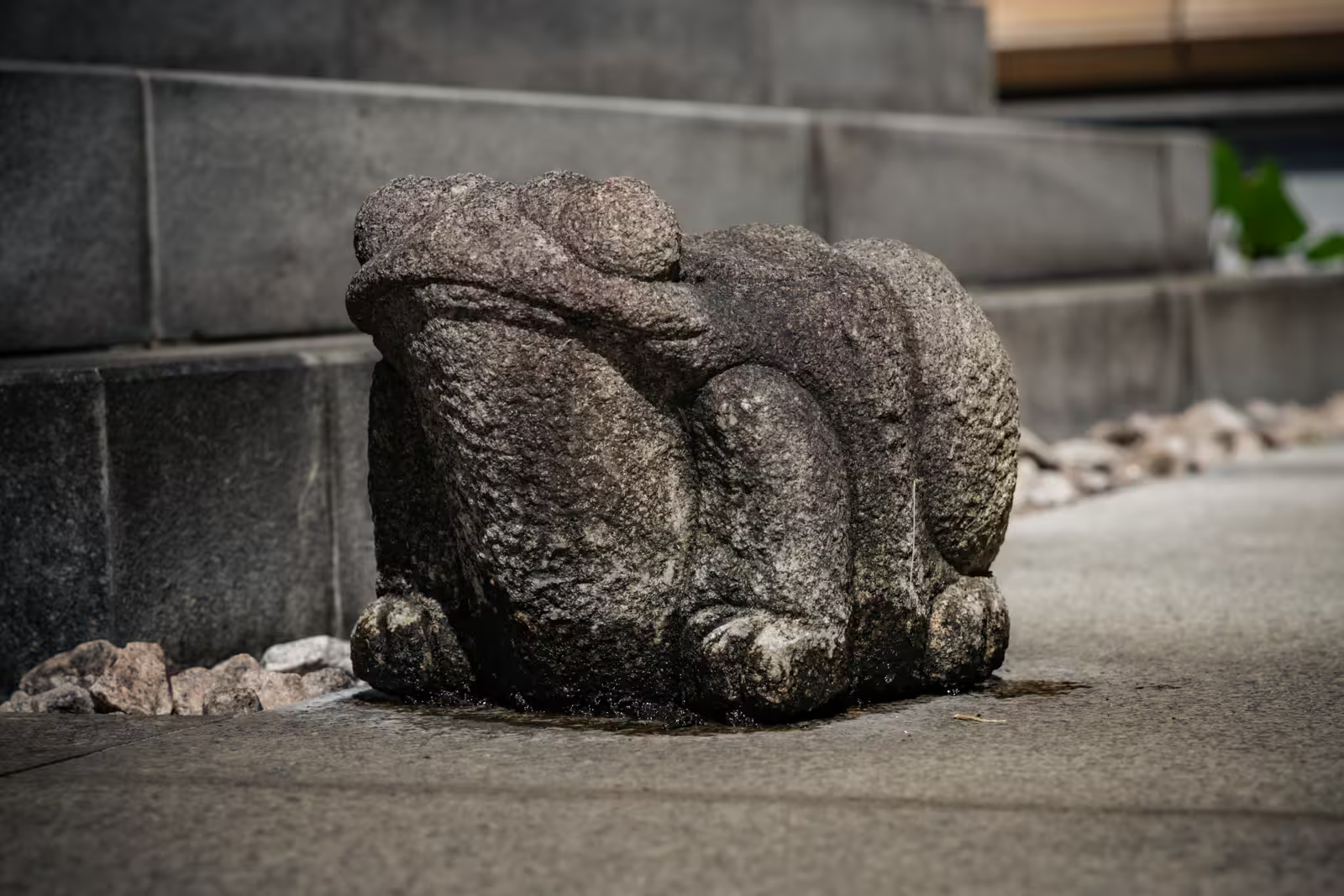
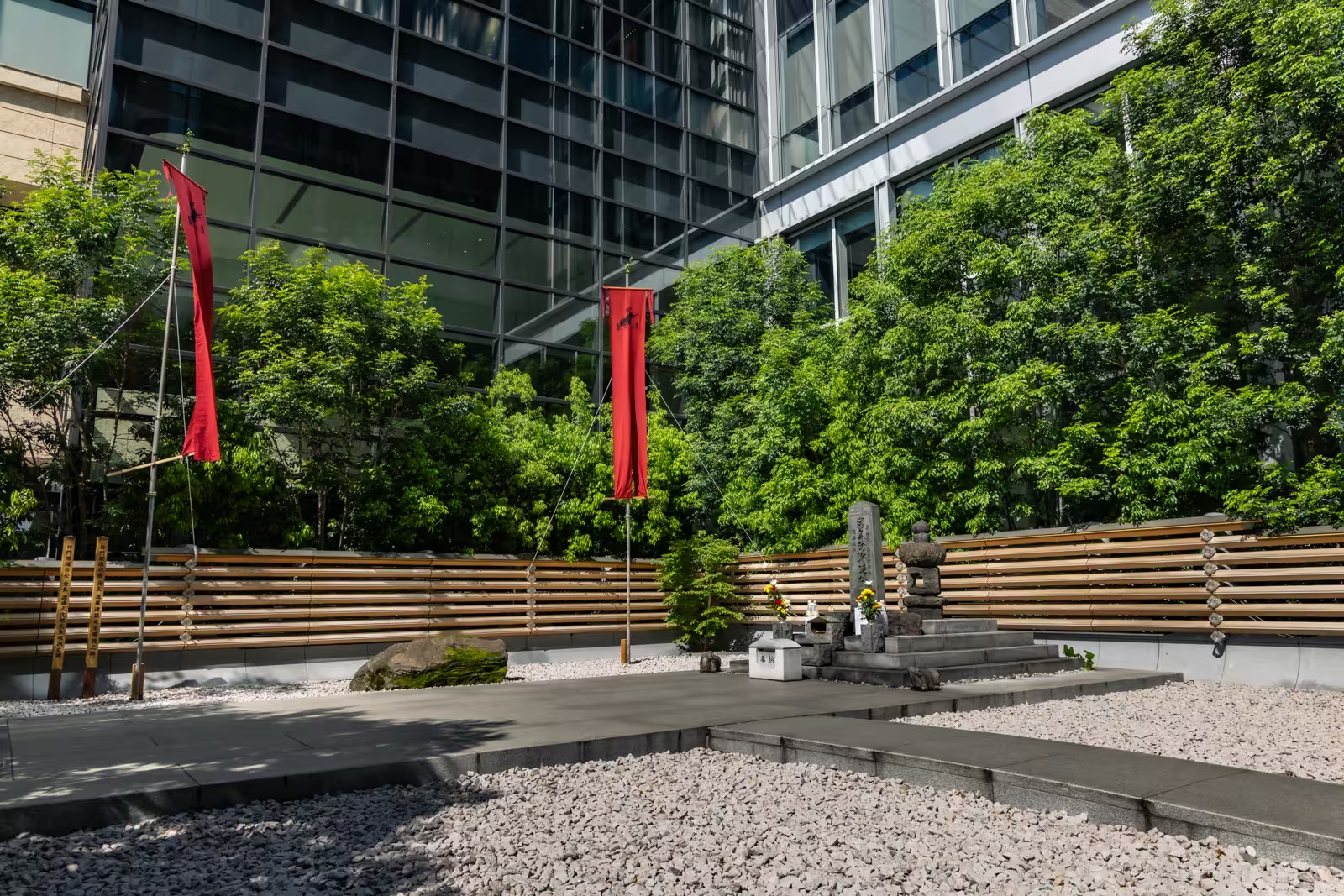
Taira no Masakado’s grave, the Masakado no Kubizuka, is a simple stone monument tucked into a secluded green space between skyscrapers. You’ll find it adorned with offerings of flowers, incense, and sake, and surrounded by numerous frog statues.
In Japanese, frogs are called “kaeru,” which also means “to return.” The word is a pun in this case. According to legend, Masakado’s head hopped like a frog on its journey back to the Kanto region.
Visitor information for the grave
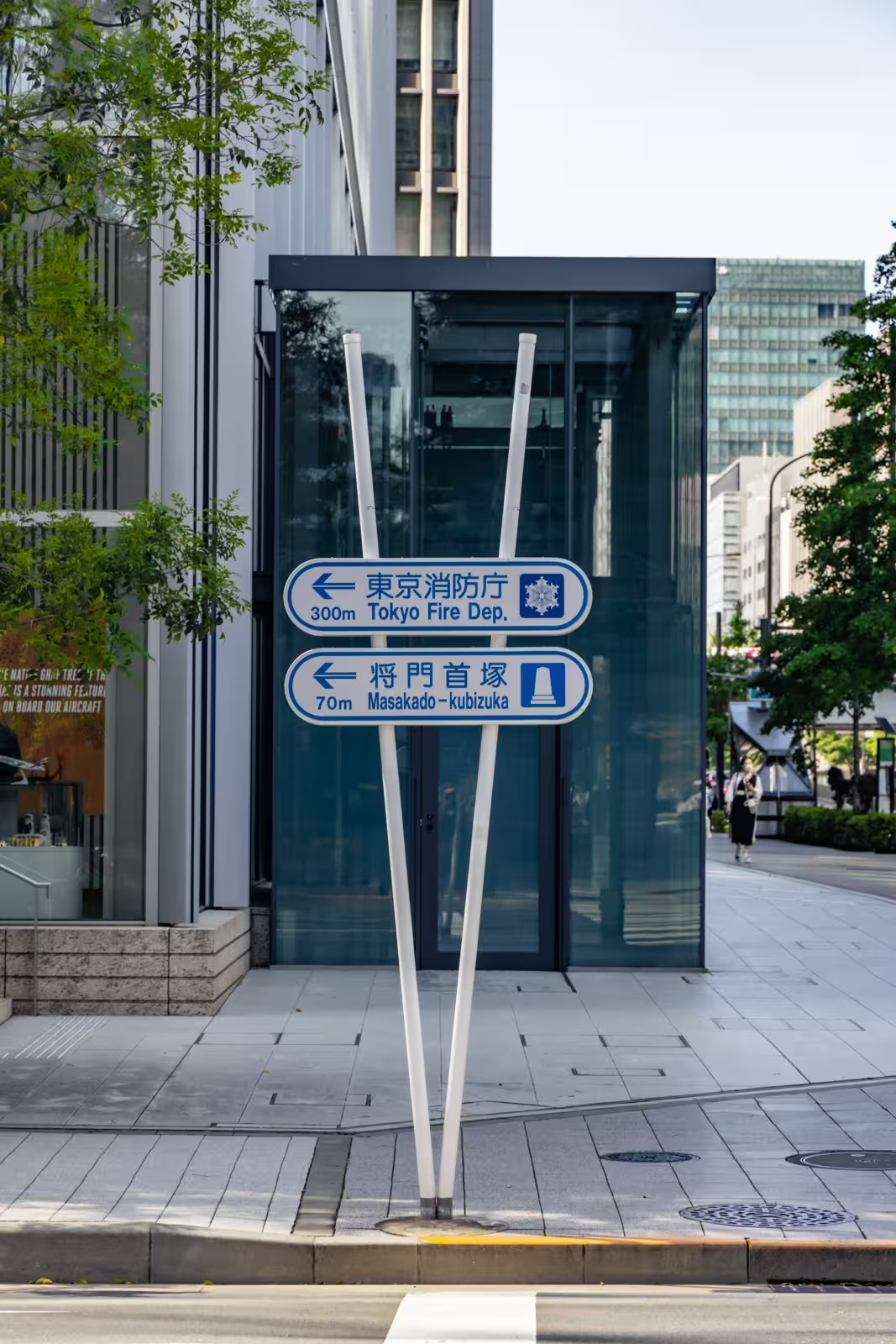
- Where is the grave? Masakado’s grave is just outside the Four Seasons Hotel at Otemachi, located between the Tokyo Imperial Palace and Tokyo Station.
- Address: 1 Chome-2-1 Ōtemachi, Chiyoda City, Tokyo
- Closest Station: Otemachi Metro Station (Tozai, Marunouchi, Hanzōmon, Chiyoda, and Mita lines). Use Exit C4 or C5.
- Opening hours: Open 24 hours a day.
Here is a map for the grave:
Photography tips
Skyscrapers surround the grave, so be prepared for shadows. Also, as the site is historically and culturally important, be respectful. Make sure to avoid photographing worshippers.
You’ll often see a caretaker looking after the grave’s upkeep. To avoid any issues, I have always checked with him if taking photos is okay. He’s never said no to me; in fact, he’s been quite enthusiastic about it.
Legacy of a rebel samurai
While Taira no Masakado’s grave might not be on every tourist’s list, it holds historical importance. It offers a glimpse into the city’s traditions. From a rebel to a deity enshrined at the nearby Kanda Myojin Shrine, his influence on the Japanese business world is undeniable.
His final resting place is a reminder that even in one of the world’s most modern cities, history and legend are powerful. You can learn more about the man on the Visit Chiyoda website (just use Google to translate the Japanese).
Have you visited any other historical spots with surprising modern-day importance? Share your experiences in the comments below!
My photography gear for this shoot
- Camera body: Canon EOS R5
- Lenses:
- Canon RF 24-105mm F4 L IS USM
- Canon RF 16mm f/2.8 STM