Shinjuku Gyoen Chrysanthemum Exhibition 2019
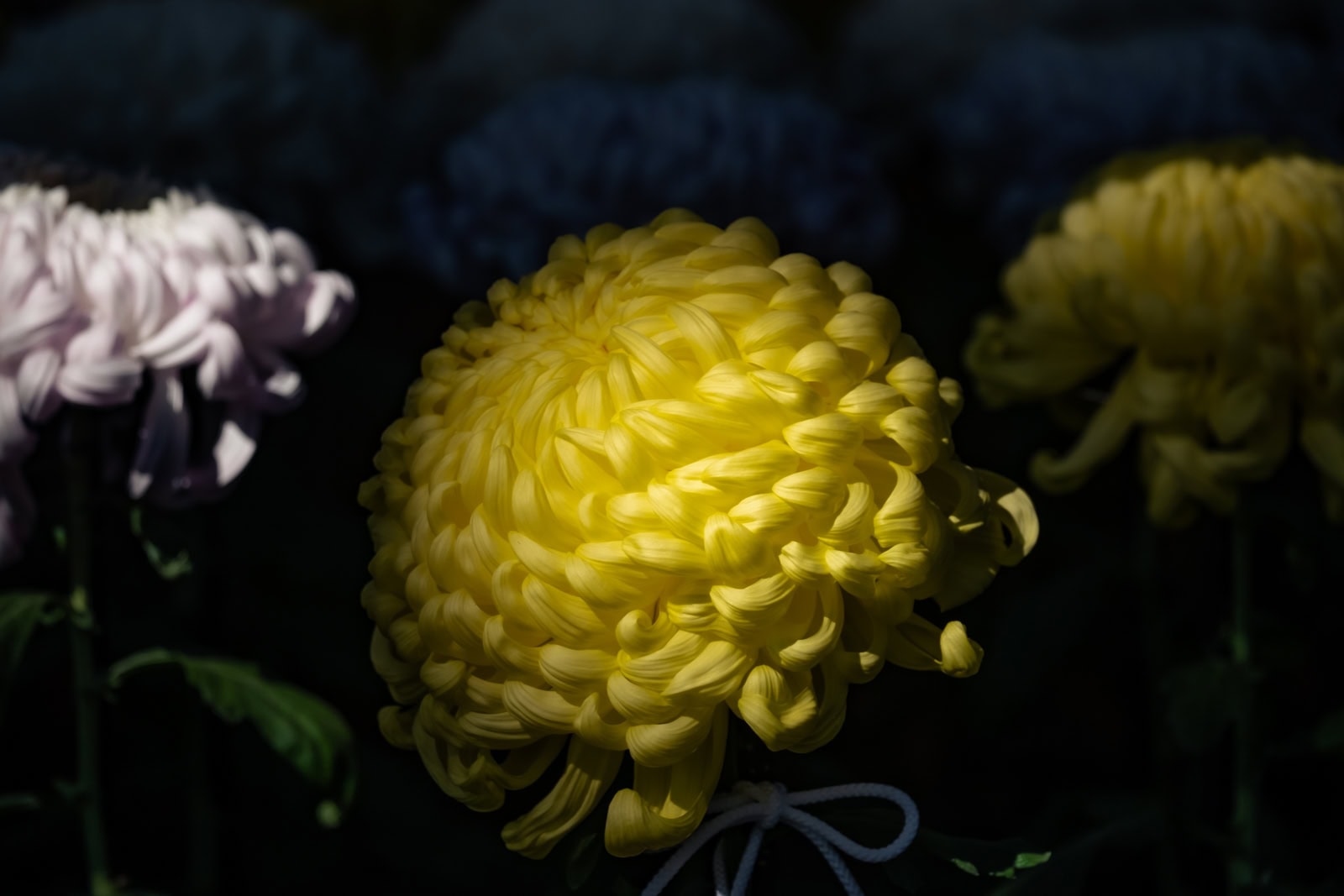
On cool November mornings, the air in Shinjuku Gyoen carries a sharp, herbal scent. It is the smell of thousands of chrysanthemums, or kiku (菊), arranged in protective wooden pavilions.
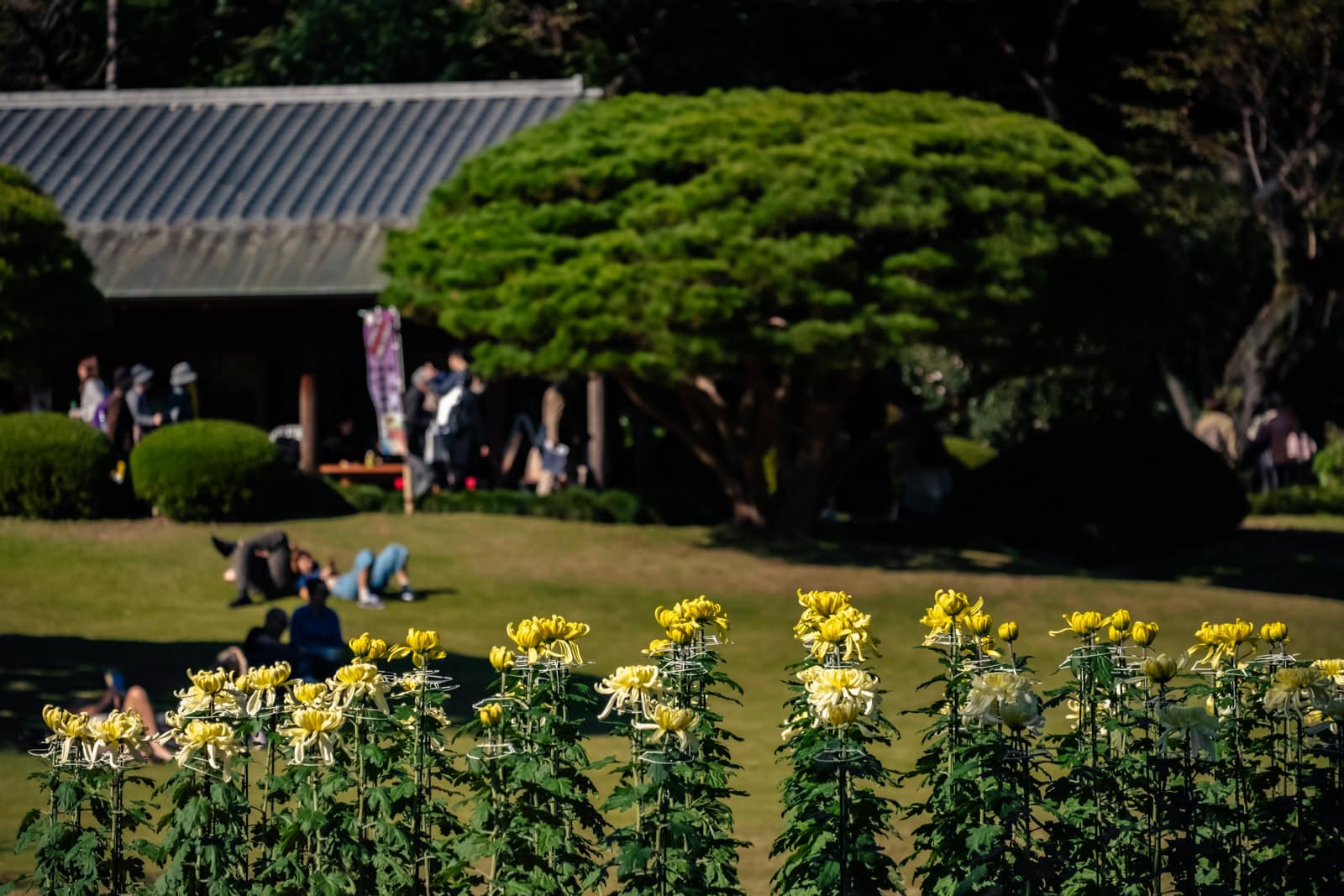
While many visitors come for the autumn leaves, the focus of this particular season is a flower that serves as the emblem of the Japanese Imperial Family. My visit in 2019 was to photograph these disciplined floral structures.
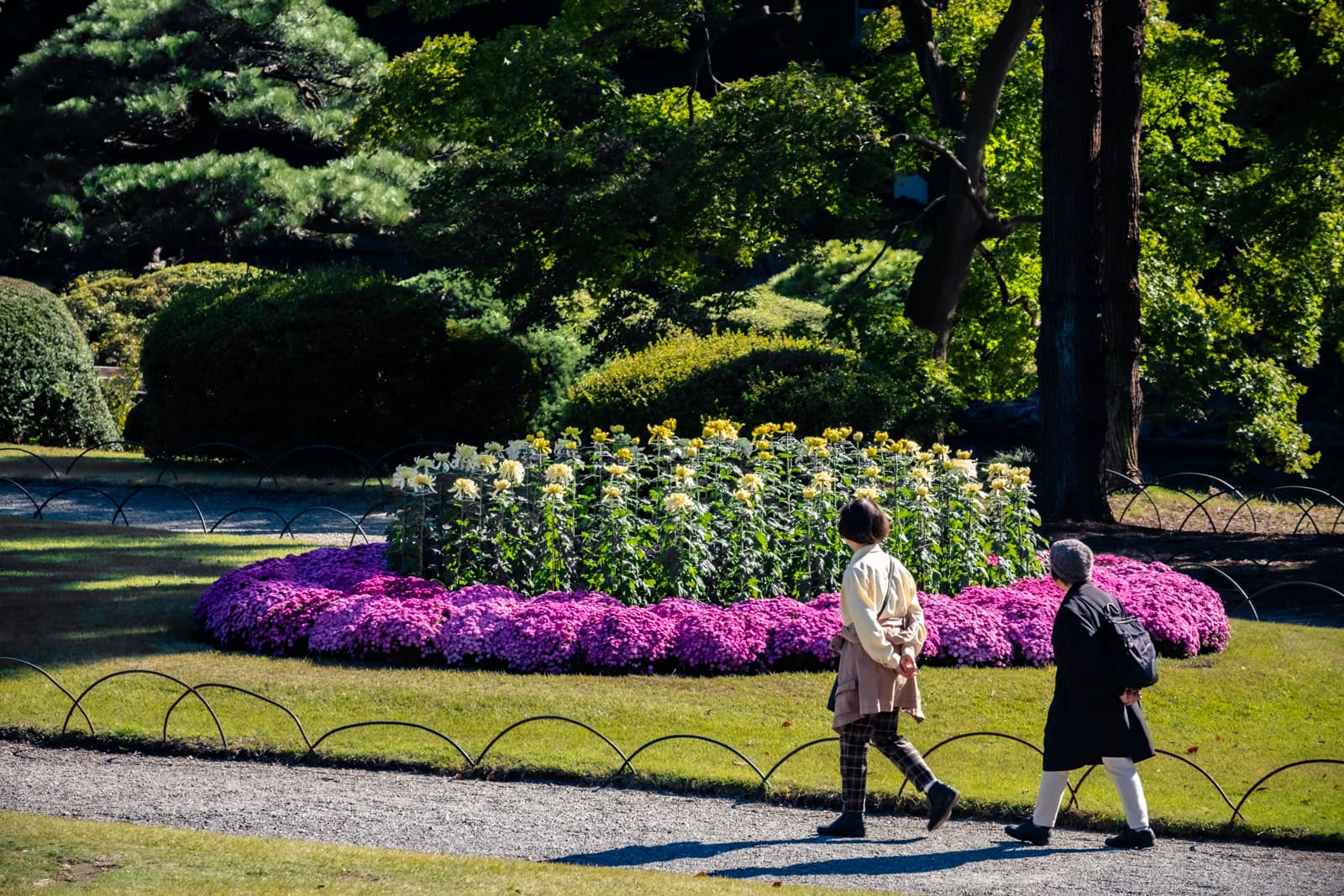
Photographing the 2019 display
My walk through the garden on November 5, 2019, coincided with some great weather. The light was diffuse, and the temperature stayed low. The grounds were quiet, which allowed for a slower pace. I spent time looking at the way the light hit the petals, noticing the physical weight of the larger blooms.
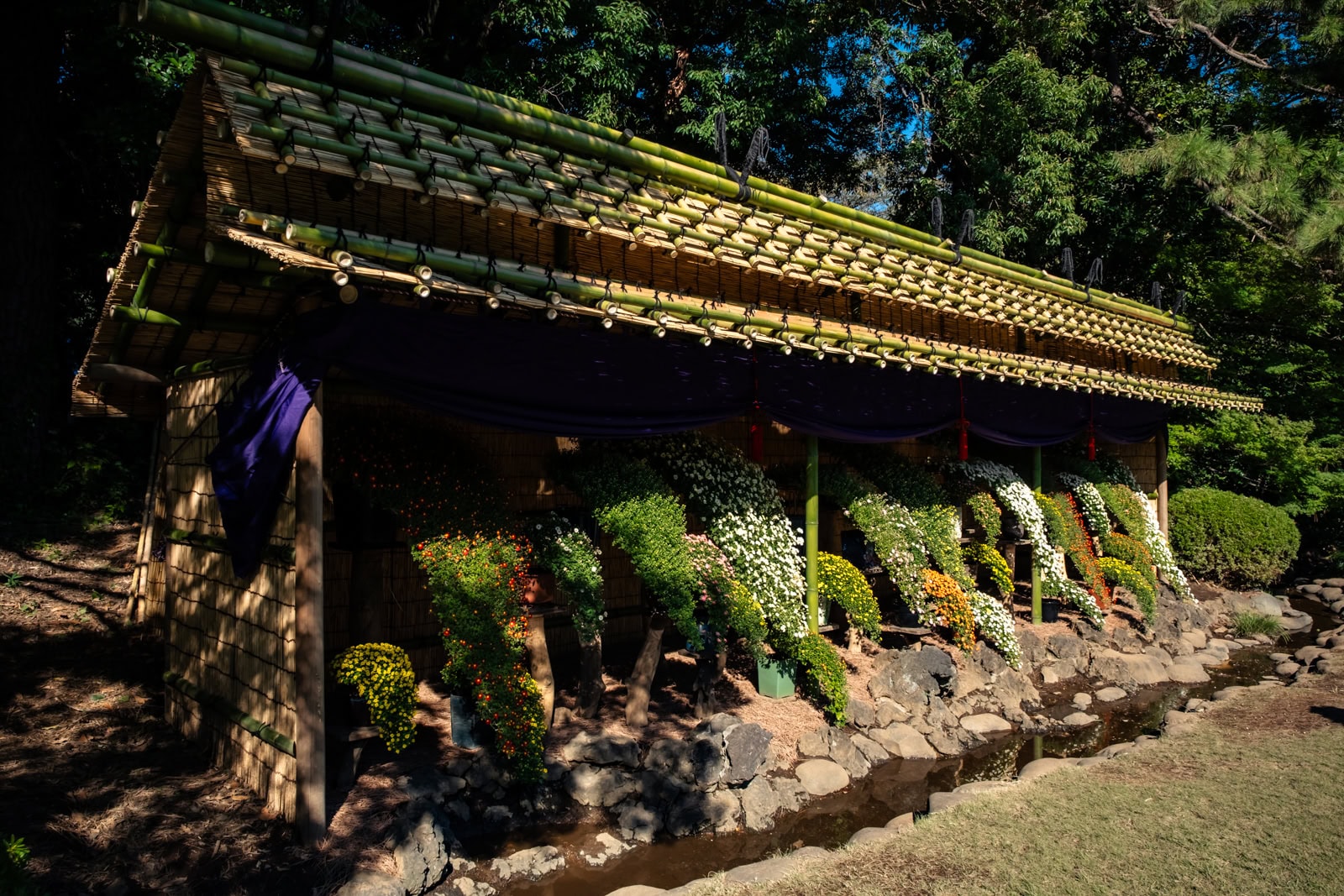
The arrangements reflected a specific aesthetic: intentional and geometric. Bamboo scaffolding supported the stems, keeping them upright and spaced at exact intervals.
In my photographs from that day, I noticed I focused heavily on the flowers themselves. In retrospect, it might have been a good idea to include some people in my photos.
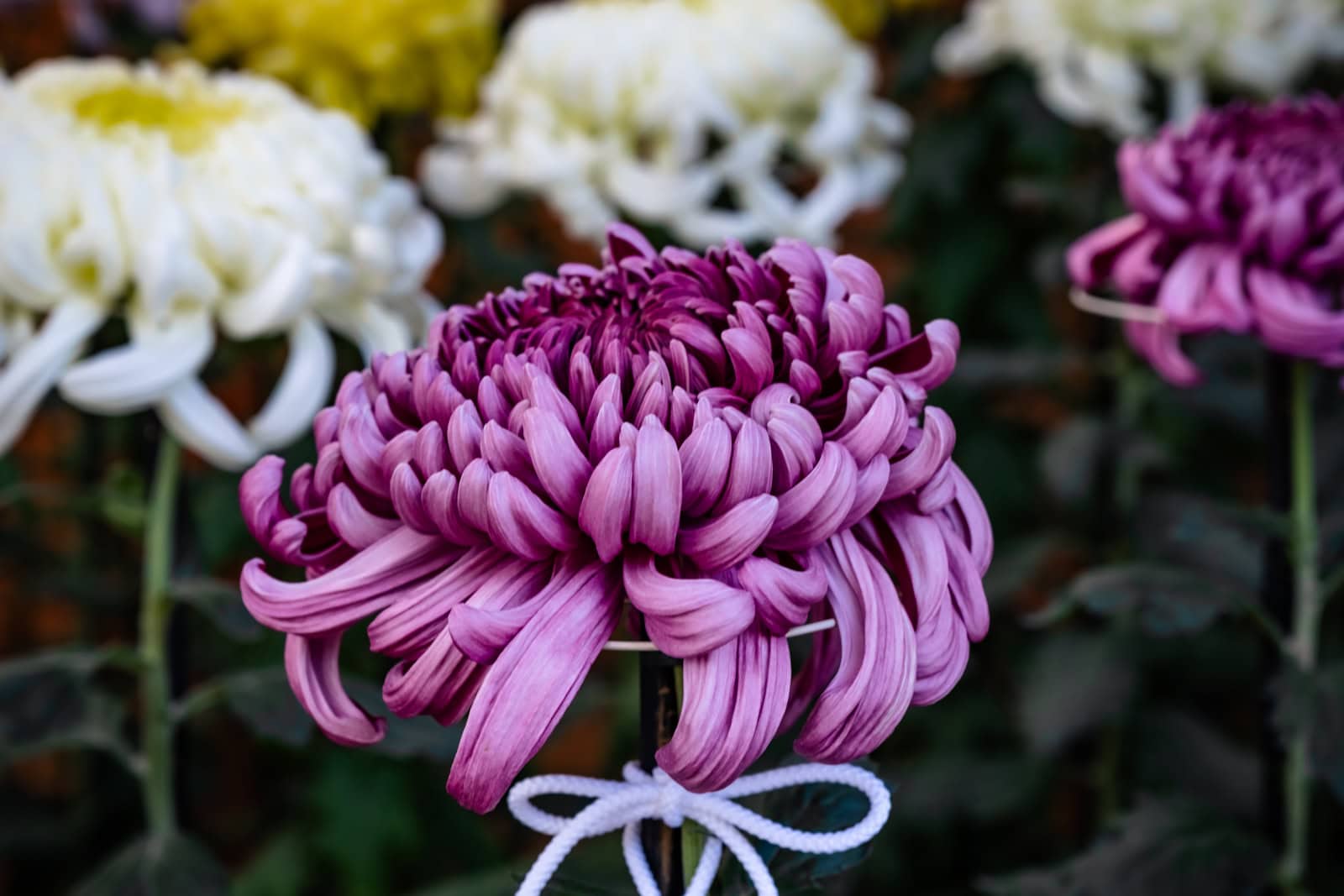
I have one wish regarding the layout: it would have been wonderful if the uwaya had been closer to the ponds. Seeing the flowers, water, and bridges in a single frame would be spectacular.
Understanding ogiku & other styles
The exhibition categorizes flowers into several distinct styles. Each requires years of practice to cultivate correctly:
- Ogiku (large-flowered): These are single-stemmed plants topped with a massive, spherical flower head. At Shinjuku Gyoen, they are often displayed in the “Tazuna-ue” style, a diagonal arrangement that represents the reins of a horse.
- Kengai (cascade): Small flowers are trained over a frame to resemble a flow of water moving down a cliffside.
- Classical varieties: These include the Edo, Ise, and Saga types. Each has a specific petal morphology, ranging from thin, brush-like strands to thick, curled ends.
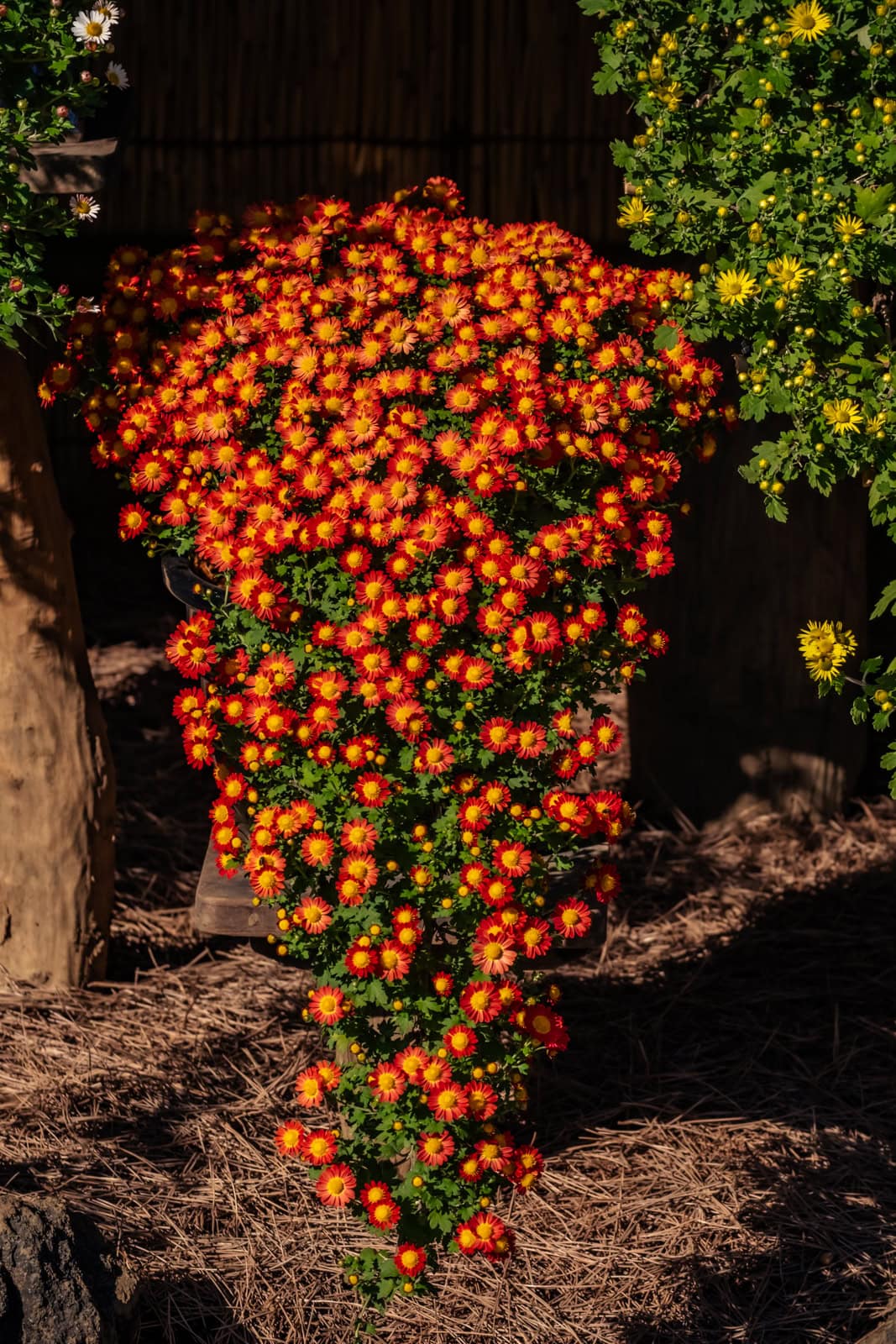
Practical photography tips
If you are visiting for the purpose of photography, there are specific constraints to keep in mind:
- Tripod restrictions: While Shinjuku Gyoen generally allows tripods in open lawn areas, they are strictly restricted within the Japanese Traditional Garden during the Chrysanthemum Exhibition. This manages foot traffic on the narrow, high-volume paths.
- Handling the light: Because the uwaya pavilions create deep shadows, you may need to increase your ISO to maintain a fast shutter speed. This is especially important if you are using a telephoto lens to isolate specific ogiku blooms. However, you can also use flashes as they are allowed.
- Timing: You do a quick “Golden Hour” shoot as the park closes at 4:30 pm, about the same time as the sun goes down. Check the times before doing this though.
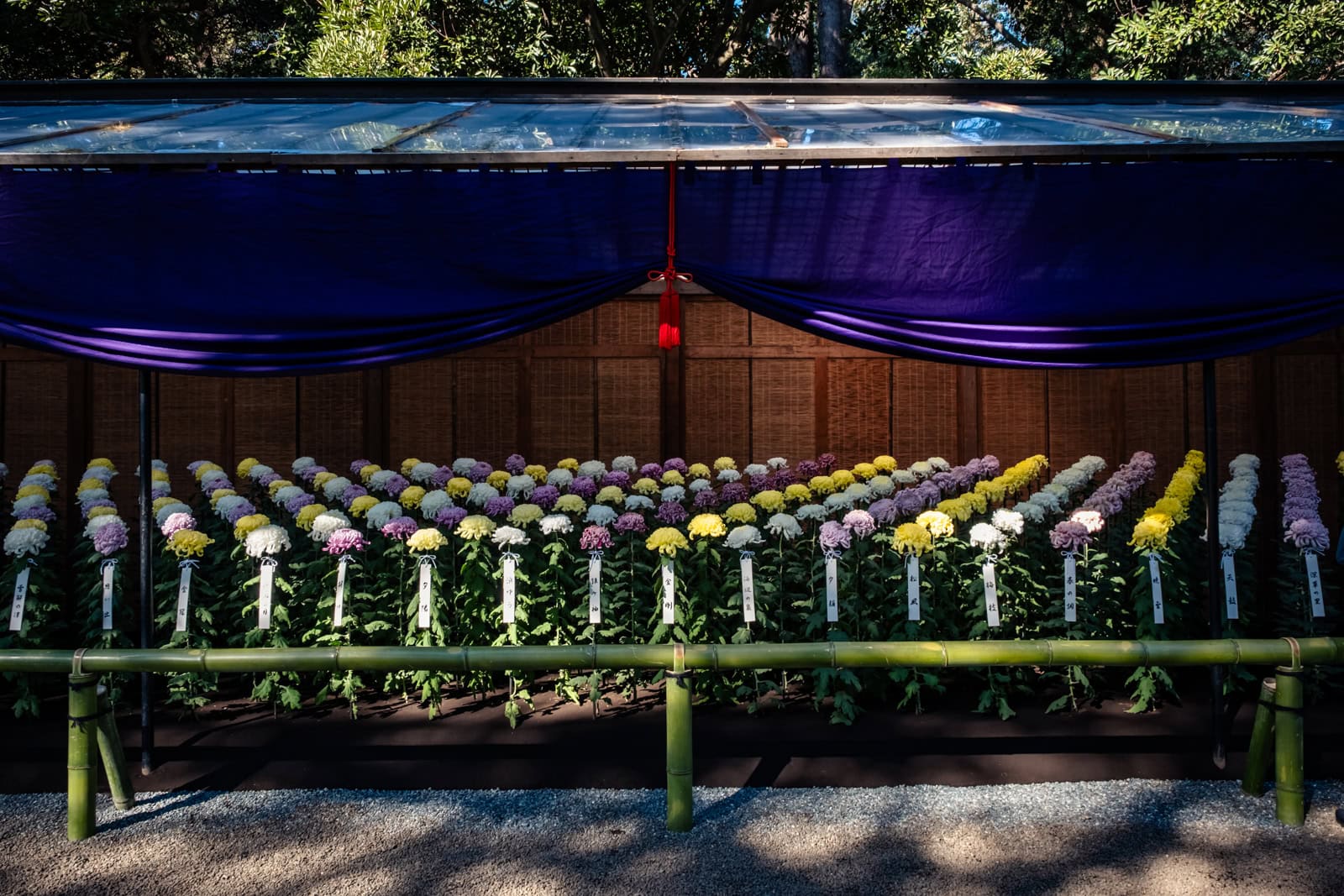
Shinjuku Gyoen Chrysanthemum Exhibition history
The relationship between the garden and this flower is formal and long-standing. Imperial chrysanthemum viewing parties were relocated to this site in 1929.
Following World War II, the garden became a national park, and the exhibition was opened to the public. This history is visible in the technical precision of the displays.
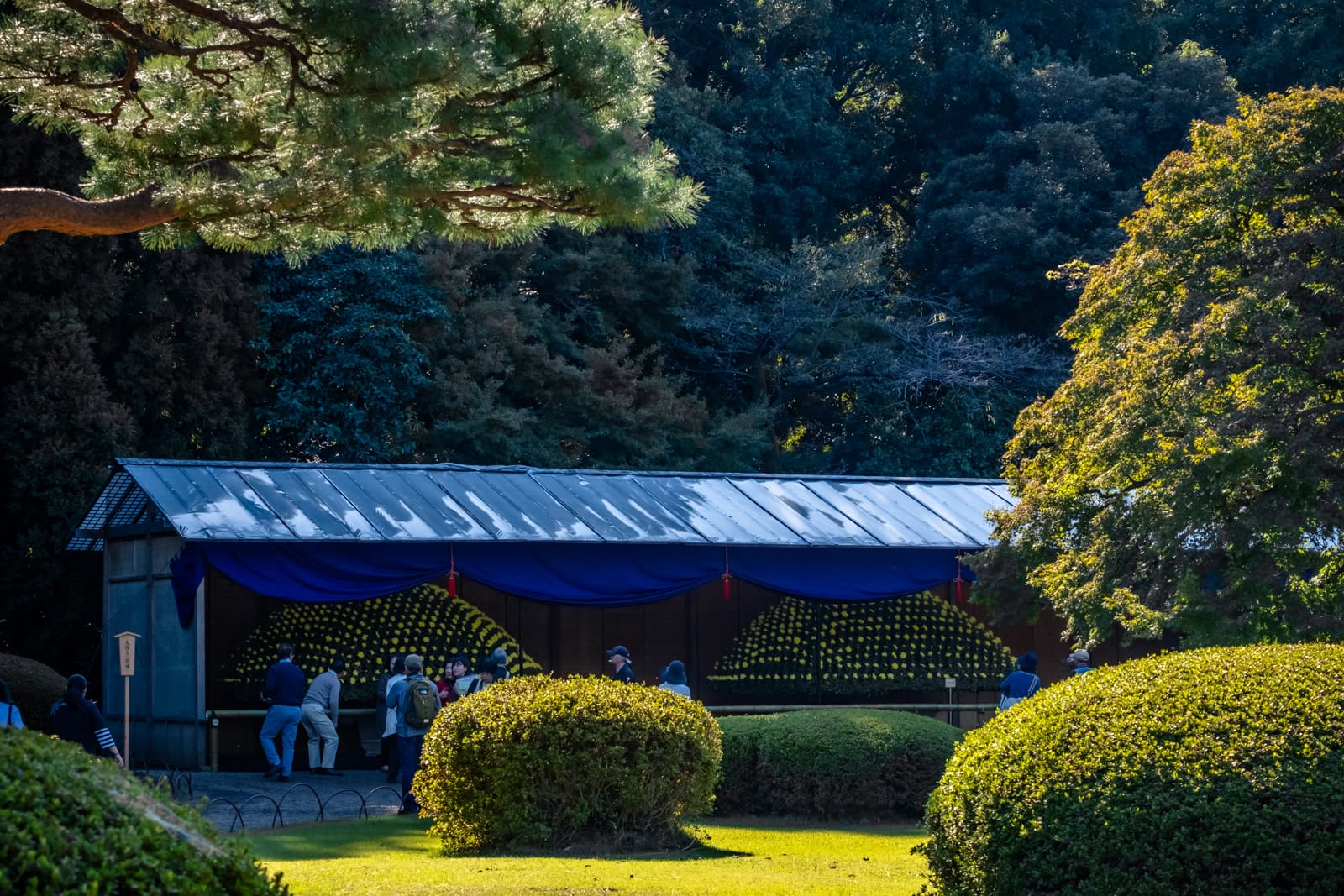
This exhibition features several uwaya, temporary wooden structures with thatched roofs, placed throughout the Japanese Traditional Garden. These structures protect the plants from rain and frost, providing a neutral, architectural frame that contrasts with the organic shapes of the surrounding pines.
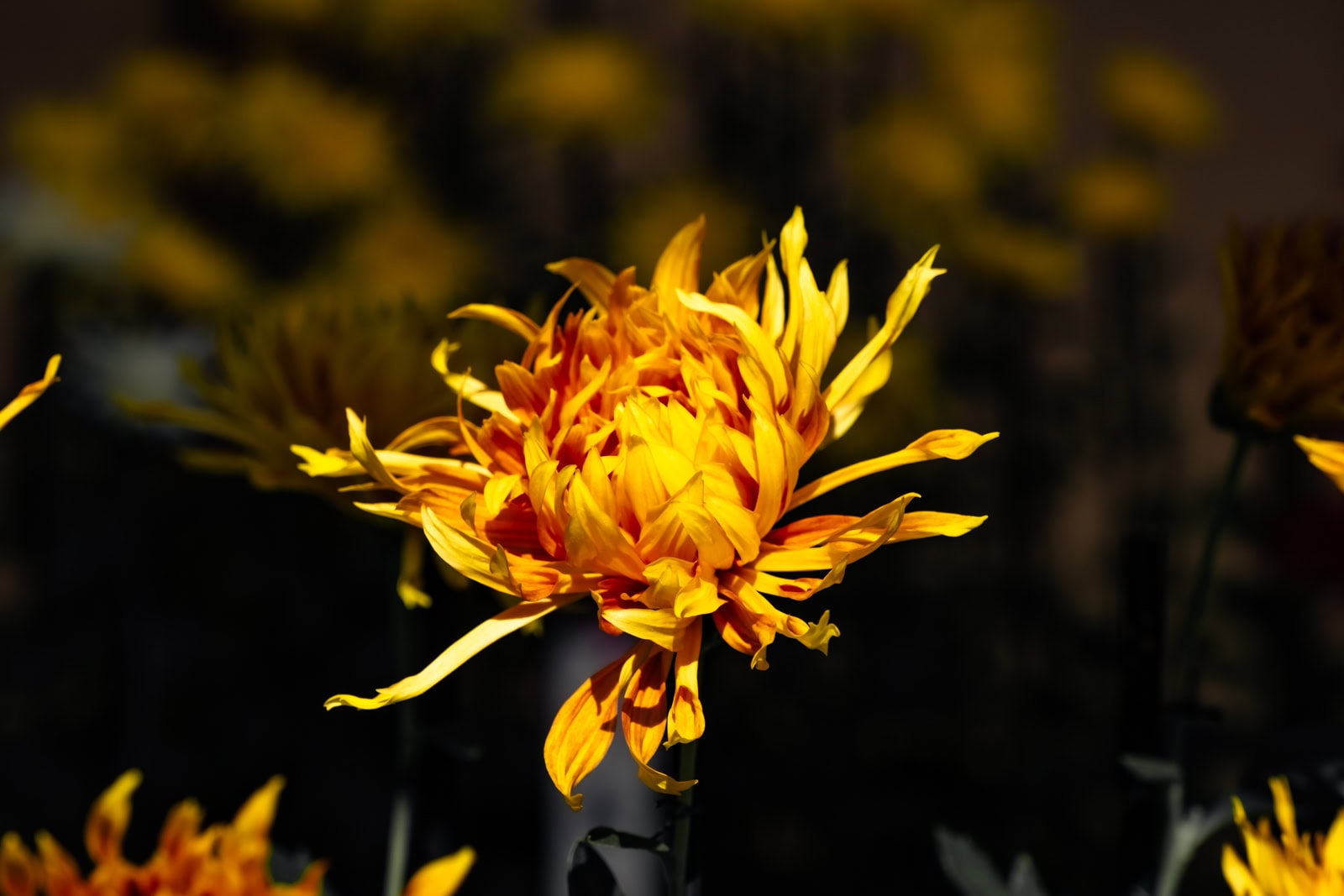
Other places with chrysanthemums in 2019
While Shinjuku Gyoen is probably the most well-known place to see chrysanthemums, I saw some other places in 2019:
- Hibiya Park: This park hosts the Tokyo Metropolitan Tourism Chrysanthemum Exhibition. It is a large-scale event held since 1915, featuring approximately 2,000 plants. It is a good place to observe bonsai-style chrysanthemums.
- Yushima Tenjin: A major Shinto shrine in central Tokyo that is also famous for its plum blossom exhibits in late winter.
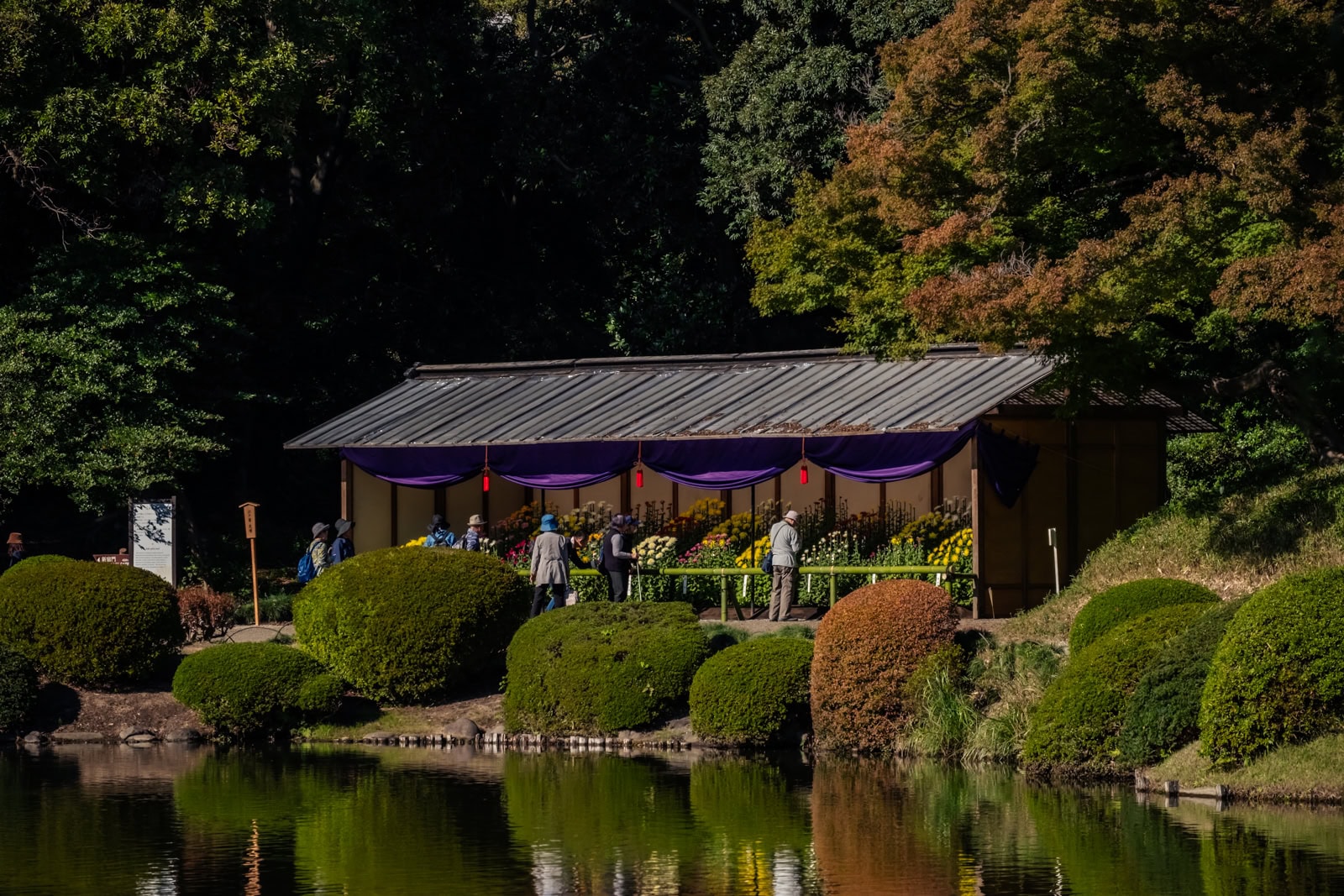
The 2019 chrysanthemum exhibition was a significant milestone for my photography. It was a day spent documenting a Japanese floral art.
The event is a reminder of the patience required to produce something so temporary yet so precise. If you want to learn more about Shinjuku Gyoen National Garden, read [Shinjuku Gyoen National Garden].
Date of Photos: 5 November 2019
My photography gear for this shoot
- Camera body: Fujifilm X-T3
- Lenses:
- Fujifilm XF 16-55mm f/2.8 R LM WR
- Fujifilm XF 55-200mm f/3.5-4.8 R LM OIS