
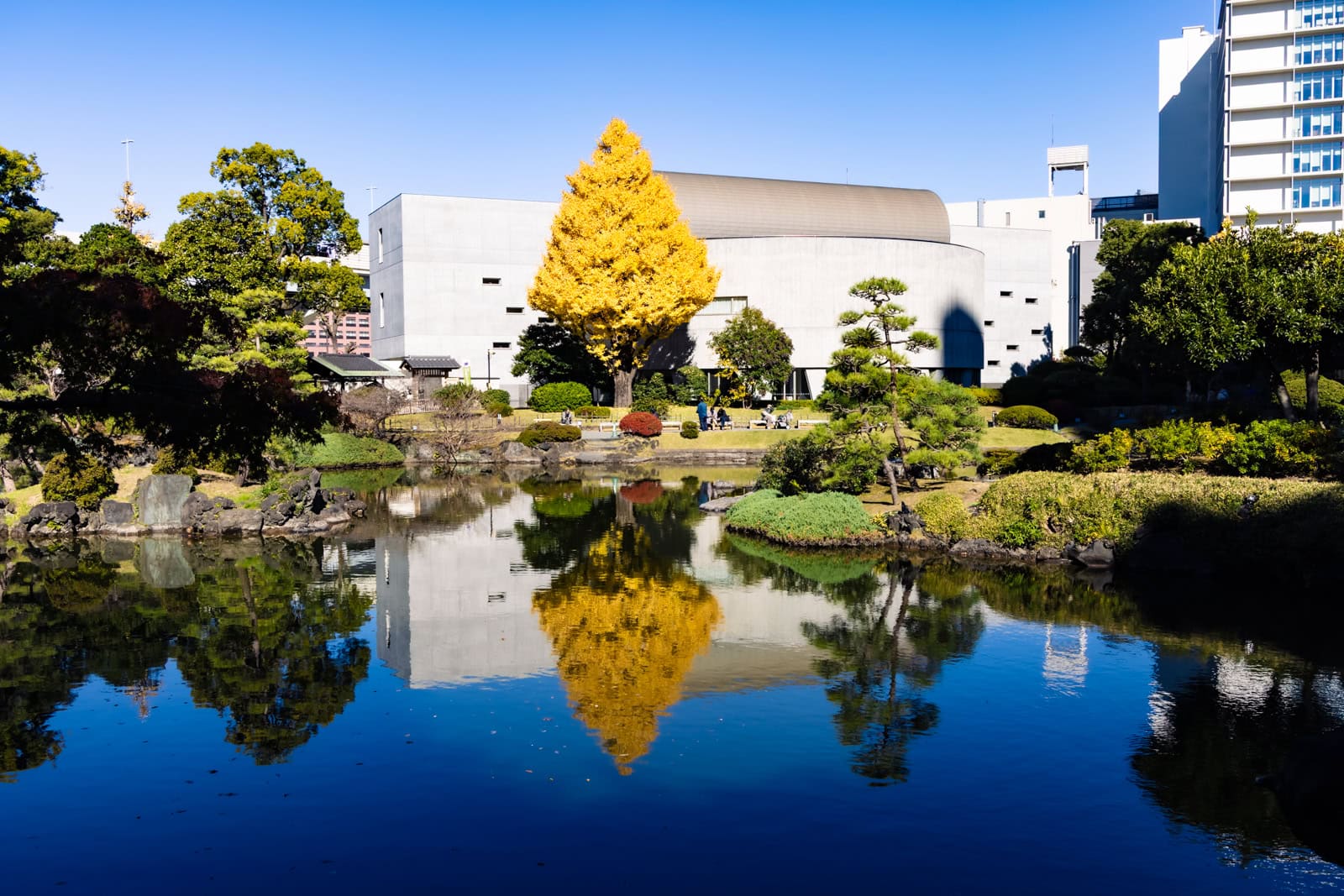
In a quiet corner of Tokyo is a museum where steel tells a story not of war, but of art. The Japanese Sword Museum invites you to forget the battlefield and focus on the blade itself.
You’ll discover centuries of masterful craftsmanship in the hypnotic, wave-like hamon patterns and decorated fittings that are miniature sculptures in their own right. It is a chance to witness the soul of the samurai, expressed not in combat, but in craft.
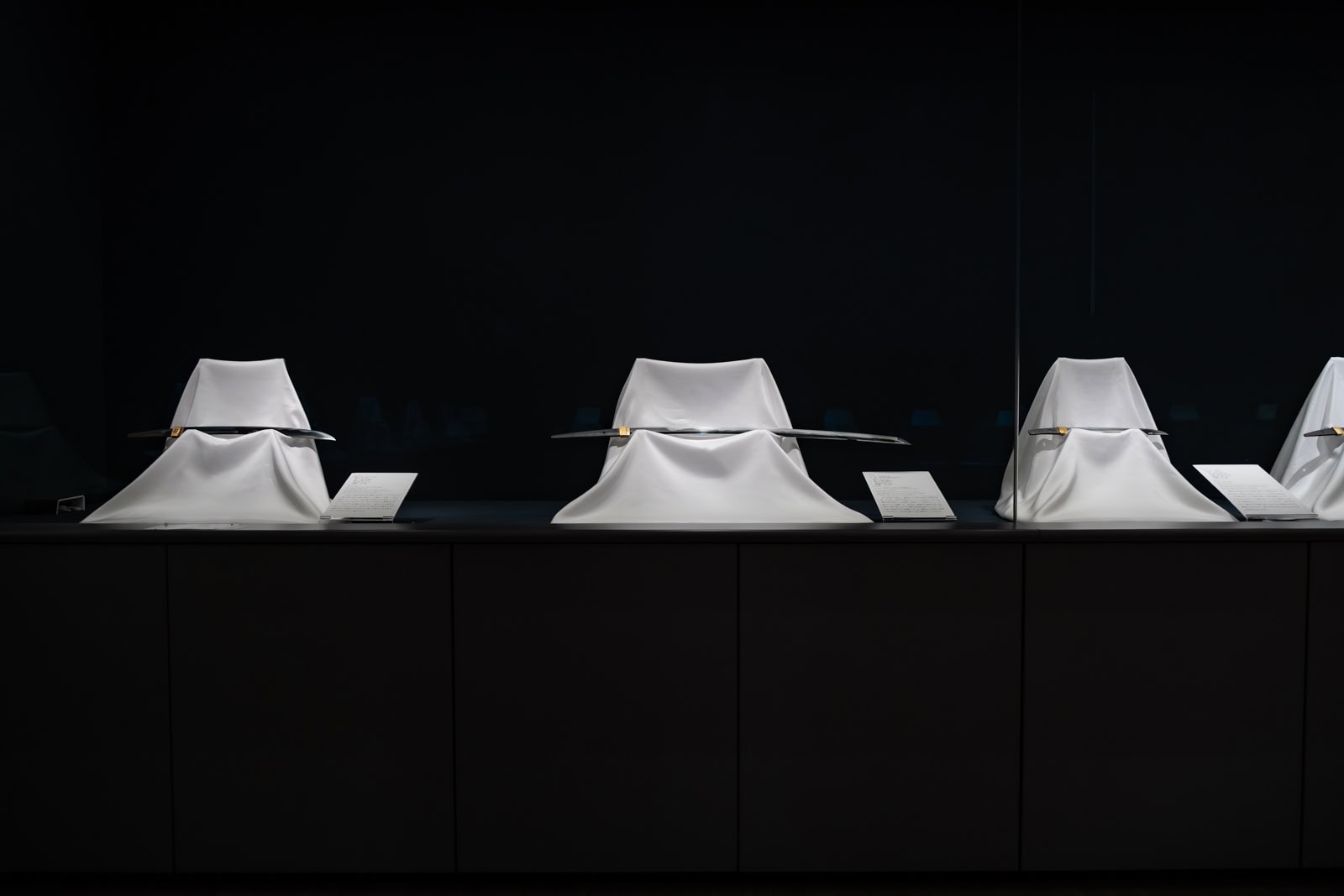
There were around immaculate fifty blades on display during my visit. Each piece is a pristine example of its kind.
The swords come from many eras of Japanese history. On my last visit, I saw a 13th-century tachi, the predecessor of the katana. Another time, there were suits of armor. What you see depends on when you visit. Exhibits change several times a year.
Some blades have histories. You can learn who made them and maybe even who carried them. But the museum’s focus is on the sword as an object of art. The goal is not to recount battles. It encourages appreciation for the craftsmanship of the swordsmiths.
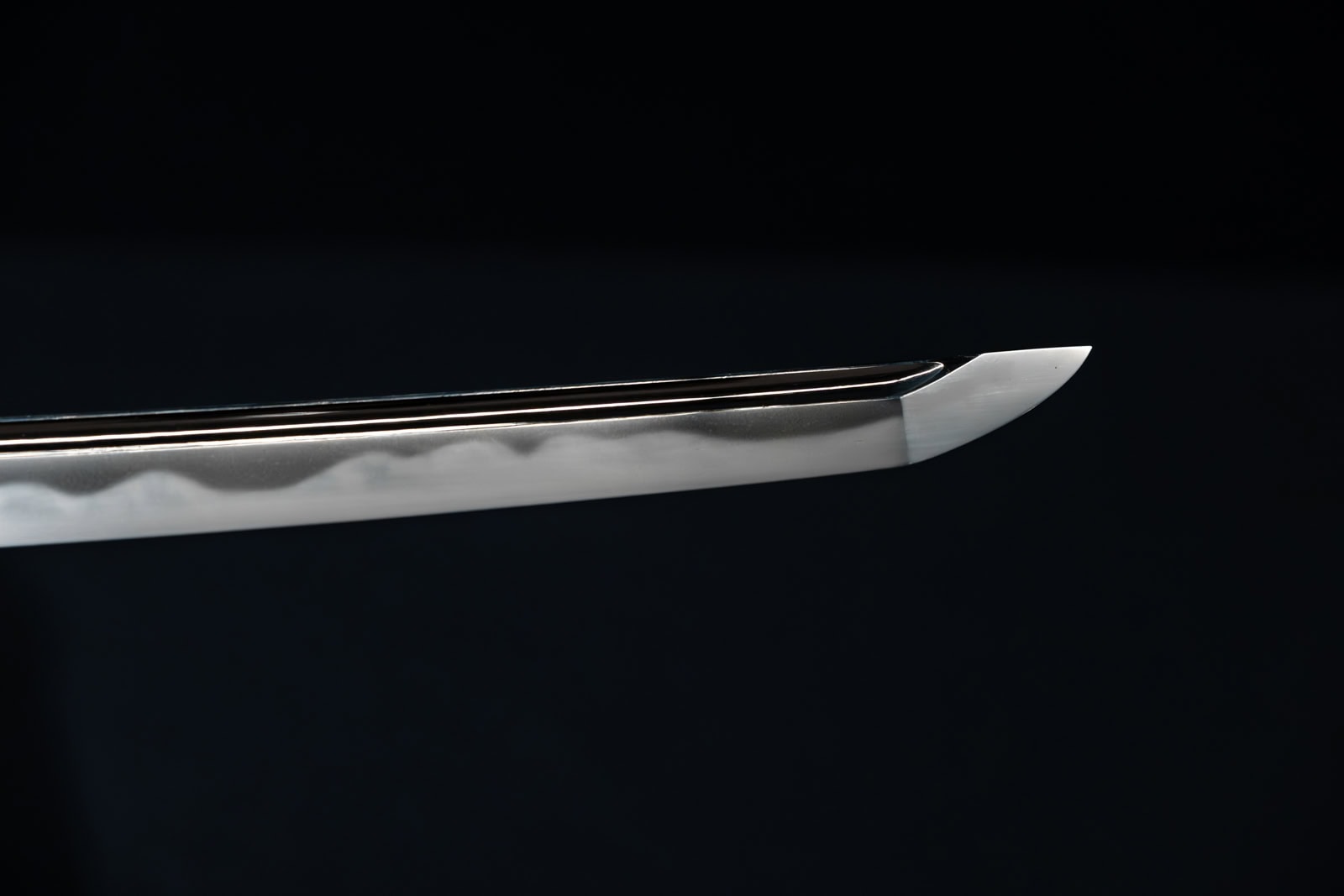
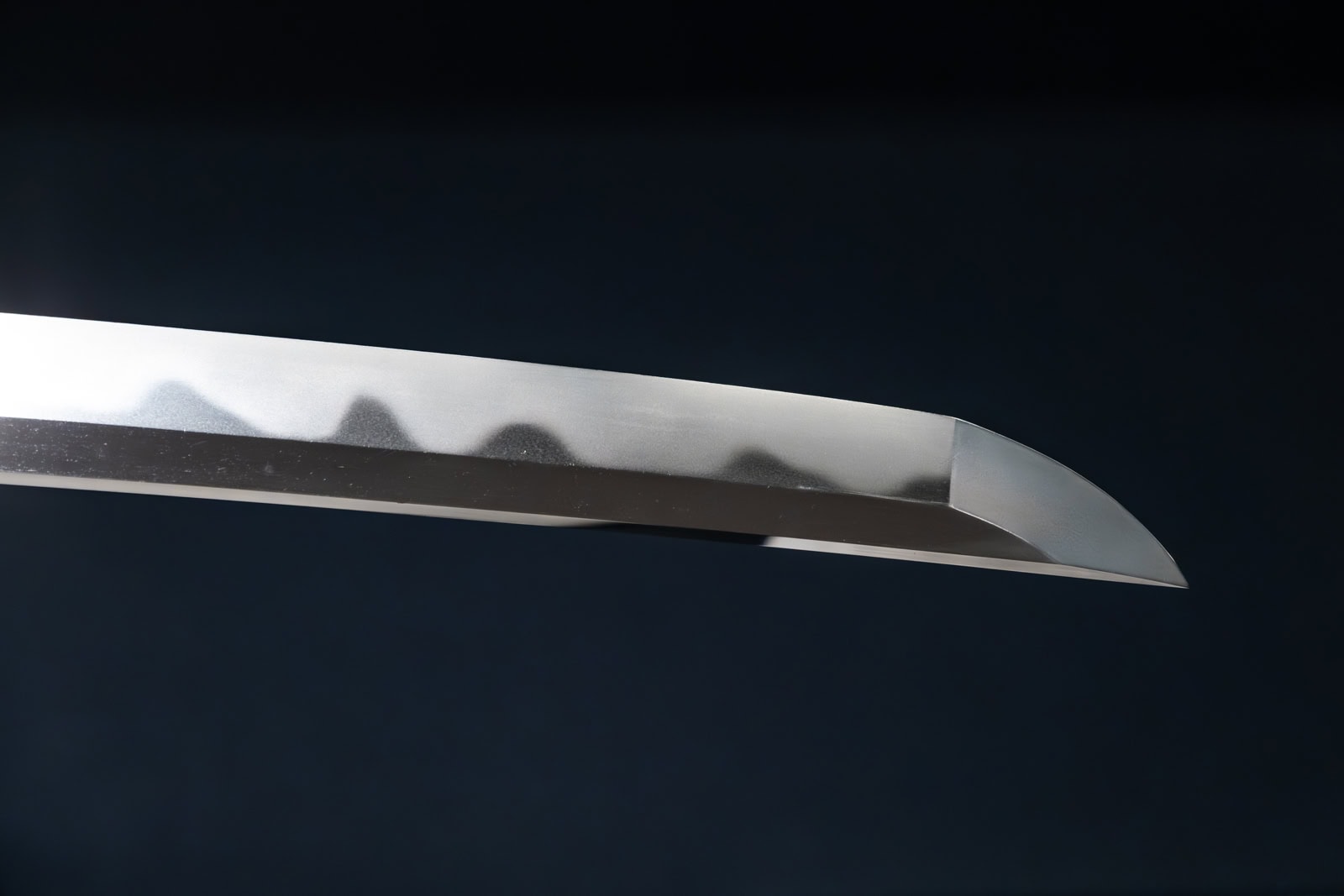
One of the most captivating details of a Japanese sword is the hamon. That’s the shimmering, wavelike pattern that traces the hardened edge of the blade.
This isn’t mere decoration. It’s the visible result of the master smith’s clay-tempering technique. Call it a unique signature that reveals both their technical skill and artistic soul.
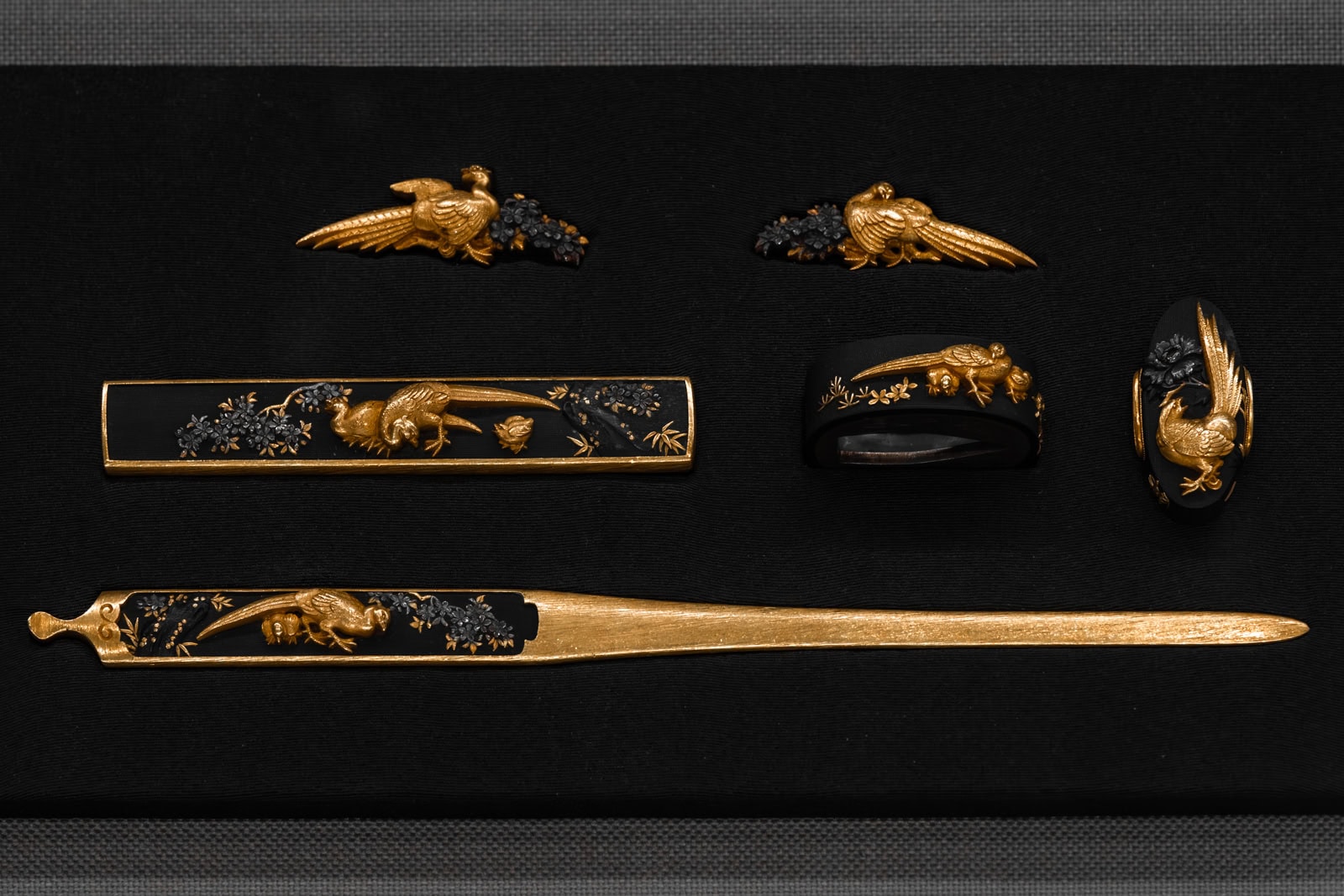
The hamon is one of this complex artistry. The genius extends to every component. Look closer at the tsuba (handguards) or the menuki (hilt fittings). They are miniature sculptures in their own right, each tells its own story in metal.
The museum is a must-visit for lovers of fine art and samurai lore.
What to expect: Artistry over warfare
To fully appreciate the Japanese Sword Museum, it helps to know what it is—and what it isn’t. This is a must-see destination for:
- Art and design lovers: Anyone who appreciates fine craftsmanship, metallurgy, and functional art will be captivated.
- History buffs: The collection offers a tangible connection to different eras of Japanese history through the evolution of its most iconic object.
- Artisans and makers: The sheer skill on display is a profound source of inspiration.
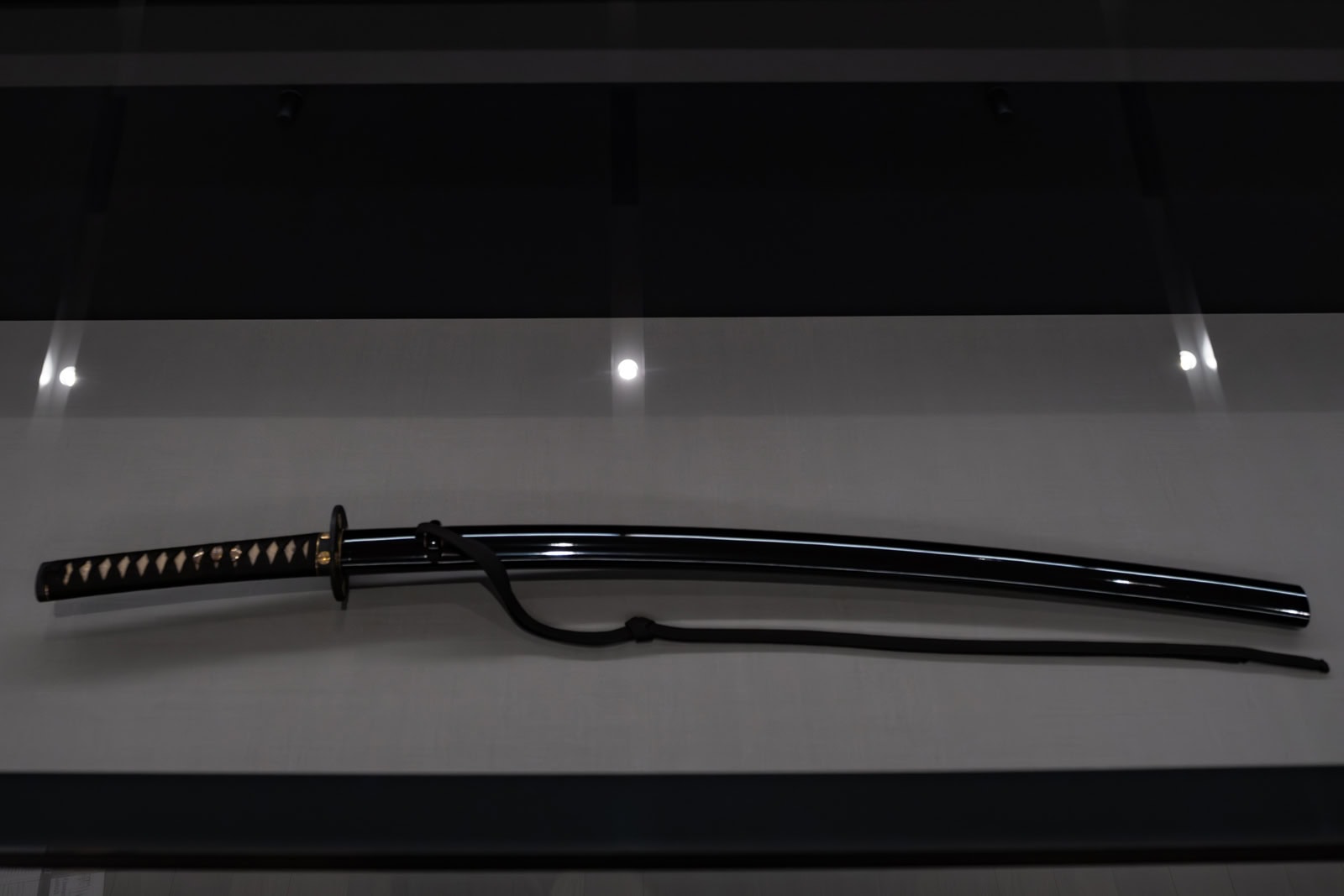
However, if you are looking for tales of famous samurai battles or extensive displays of armor and warrior life, you may find the museum’s focused, art-centric approach too specialized.
Types of Japanese swords display
The museum has a collection of about 190 items, including swords, mountings, and armor. The government has designated some of them as national treasures, important cultural properties, and art objects. They include:
- Katana: an iconic sword. It was developed during the Nanboku-cho period (1336-1392).
- Kodachi: a short sword
- Tachi: the father of the katana. They appeared in the Heian period (794-1185).
- Tanto: a short blade between 15-30 centimeters. It is classed as a sword and often used as a knife.
- Wakizashi: a short sword with a blade between 30 and 60 centimeters. It is often paired with a katana.
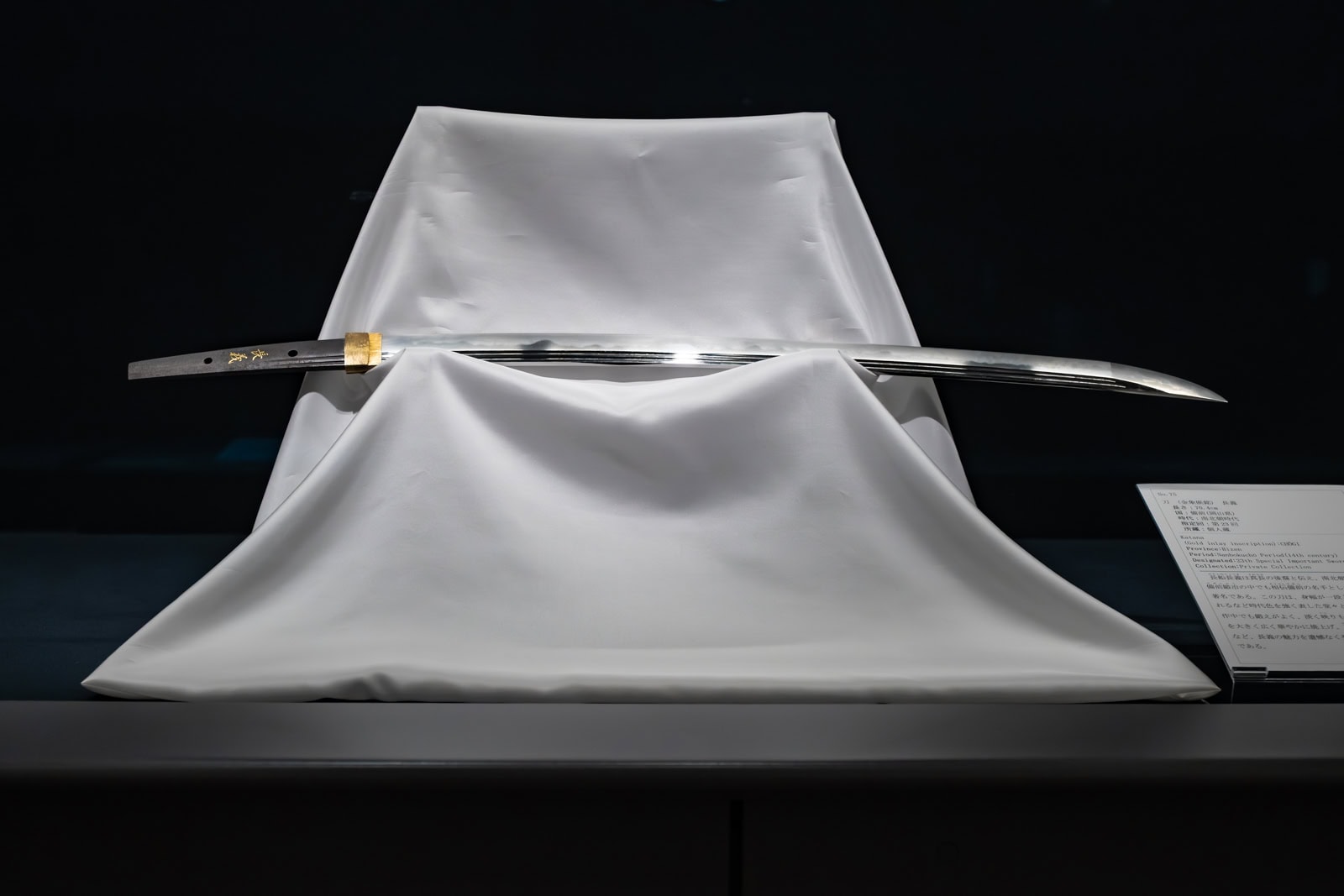
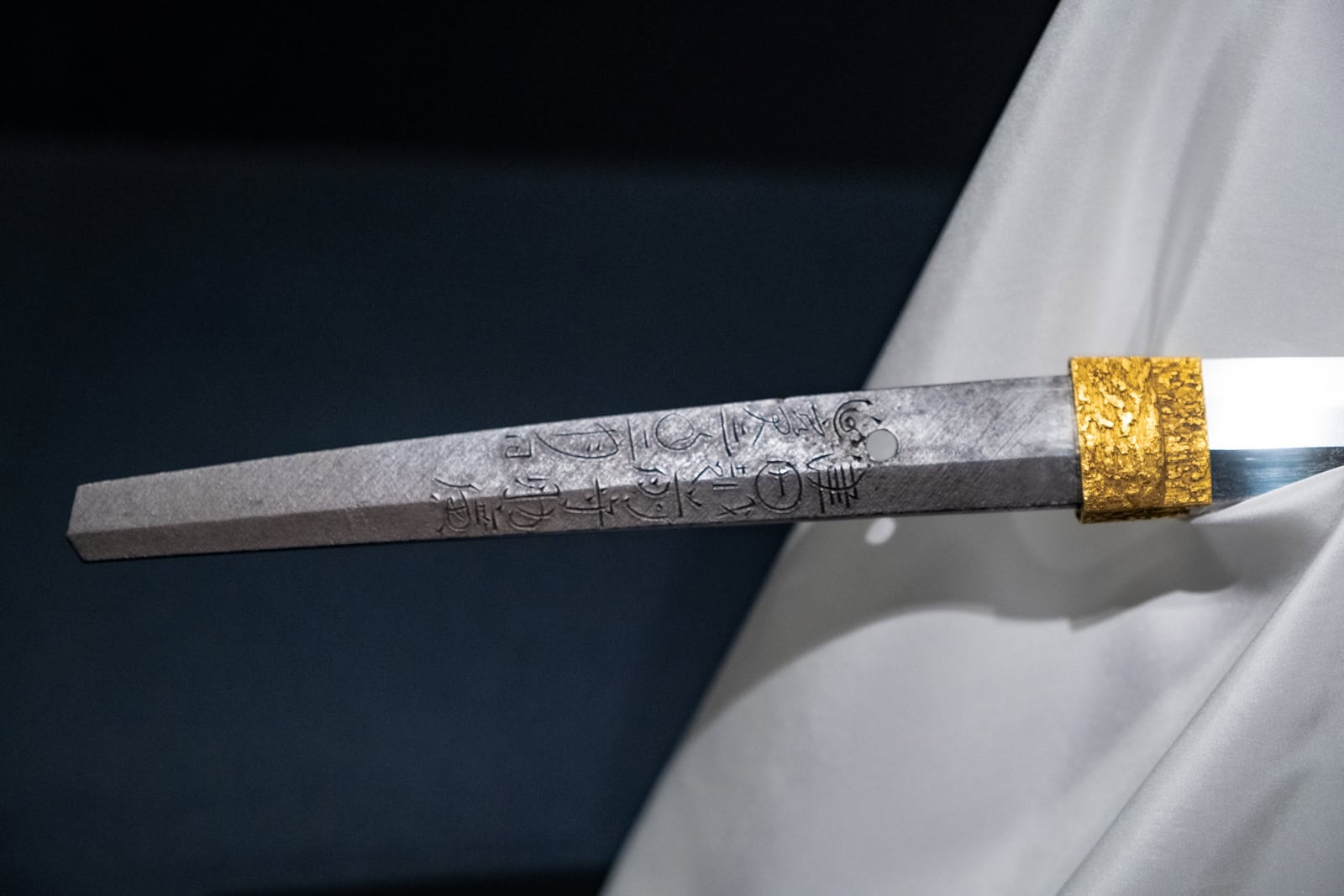
Some swords are complete, in their scabbards, and decorated. Others are only the blade and nakago (tang). This paraphernalia also goes with them:
- Fuchigashira: decorative metal caps attached to the hilt.
- Kogai: a decorative utensil fitted into a slot on the side of the scabbard.
- Kozuka: The handle of a small utility knife called the kogatana. This decorative handle often sits in a pocket on the scabbard.
- Menuki: ornate decorative sculptures tucked under the hilt-wrapping, which also help improve the grip.
- Tsuba: crossguards.
To appreciate the art, it helps to understand the craft. The first floor features a dedicated exhibit on the sword-making process. Be aware that the accompanying video is in Japanese.
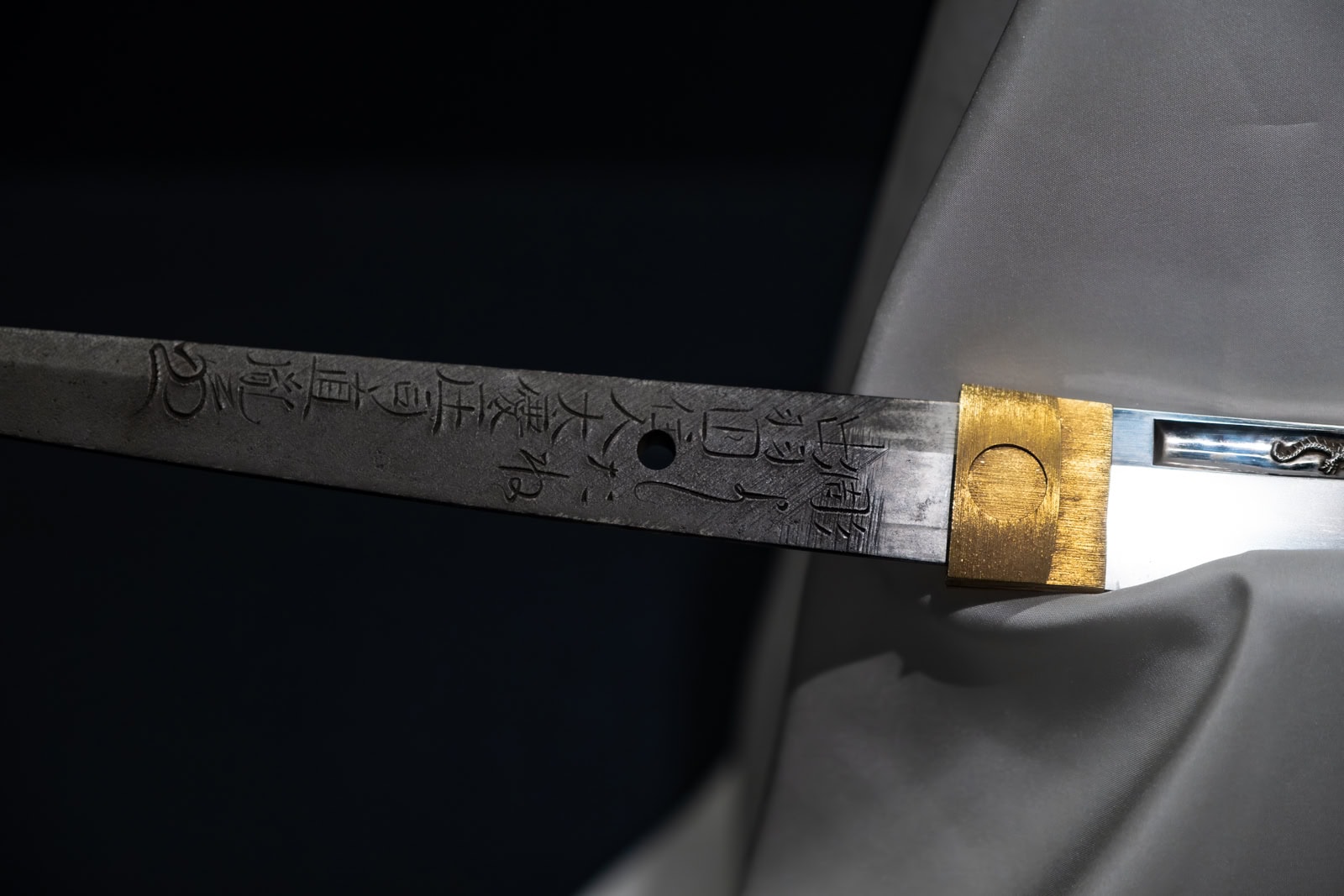
Can you take photos at the museum?
It depends. Some swords can’t be photographed, and they’ll be marked so. Unfortunately, photography isn’t allowed in some exhibits. Contact the museum before you go and ask to avoid disappointment.
Photography tips for the museum
- The lighting is good, but you need high ISO.
- The lighting and glass have been optimized for people, not for cameras. Glare can be problematic. Play with your camera, and move it around to minimize reflections and bright spots.
- The quality of the glass is good. Don’t get absorbed in your photography, and bump the cabinets with your lens.
- A zoom lens might be useful. I used my Fujifilm 16-55 mm for these photos, and it was short. I wanted to get closer to the swords.
Photo spots near the museum
- Edo-Tokyo Museum
- Sumida Hokusai Museum
- Tokyo Metropolitan Memorial Hall
- Yasuda Park
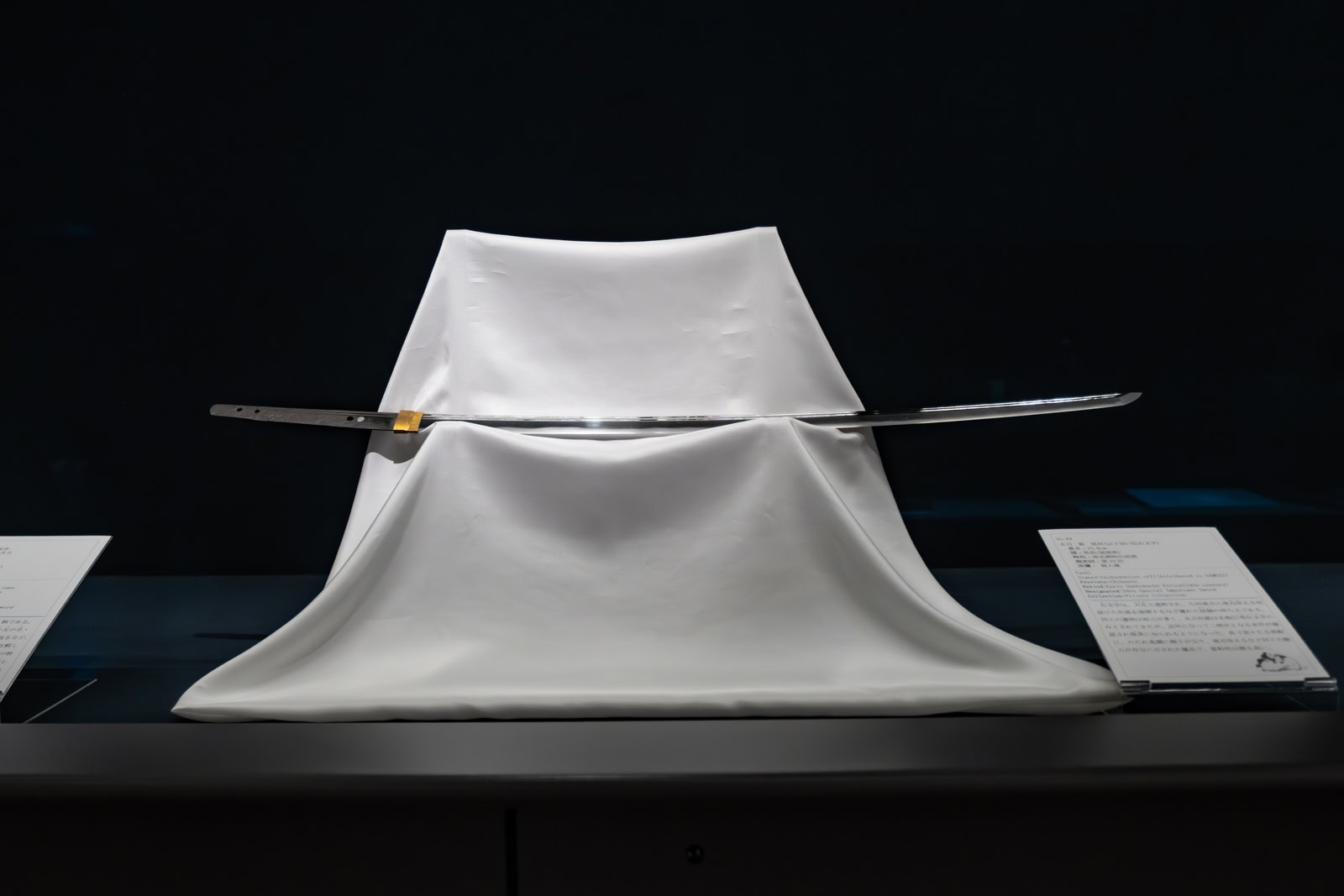
Visitor information
- Japanese Sword Museum address: 1-12-9 Yokoami, Sumida City, Tokyo
- Closest train station: Ryogoku Station which is served by the JR Sobu and Toei Subway Oedo Lines.
- Opening hours: 9:30 a.m. to 5:00 p.m. (with last entry until 4:30 p.m.)
- Admission costs: 1000 yen
- You can find the most current hours and information on the official Japanese Sword Museum website.
- Here is the museum on Google Maps:
History of the museum
The museum’s own story is compelling. In the aftermath of World War II, the Allied Occupation’s disarmament policy led to the confiscation of countless swords. That included priceless heirlooms and artistic treasures.
Fearing the permanent loss of a vital cultural heritage, a group of dedicated individuals formed the Society for the Preservation of Japanese Art Swords in 1948. This museum is the direct result of their efforts to protect these masterpieces for future generations.
Is the Japanese Sword Museum worth it?
The Japanese Sword Museum will give you much to think about. Don’t ask how these blades were used, but how they were born.
It is proof that beauty can be born from implements of war.
Don’t let its size fool you; the quality of the collection is world-class. You are in the presence of masterpieces forged by legends. You will leave with a new appreciation for an art form where technique, beauty, and spirit are forged into a single, perfect object.
If you are into Japanese history, Tokyo Metropolitan Memorial Hall is also a short walk away. It will take you to one of the city’s most tragic events, the Great Kanto Earthquake of 1923. That is one place you shouldn’t miss out.