Sumida Hokusai Museum
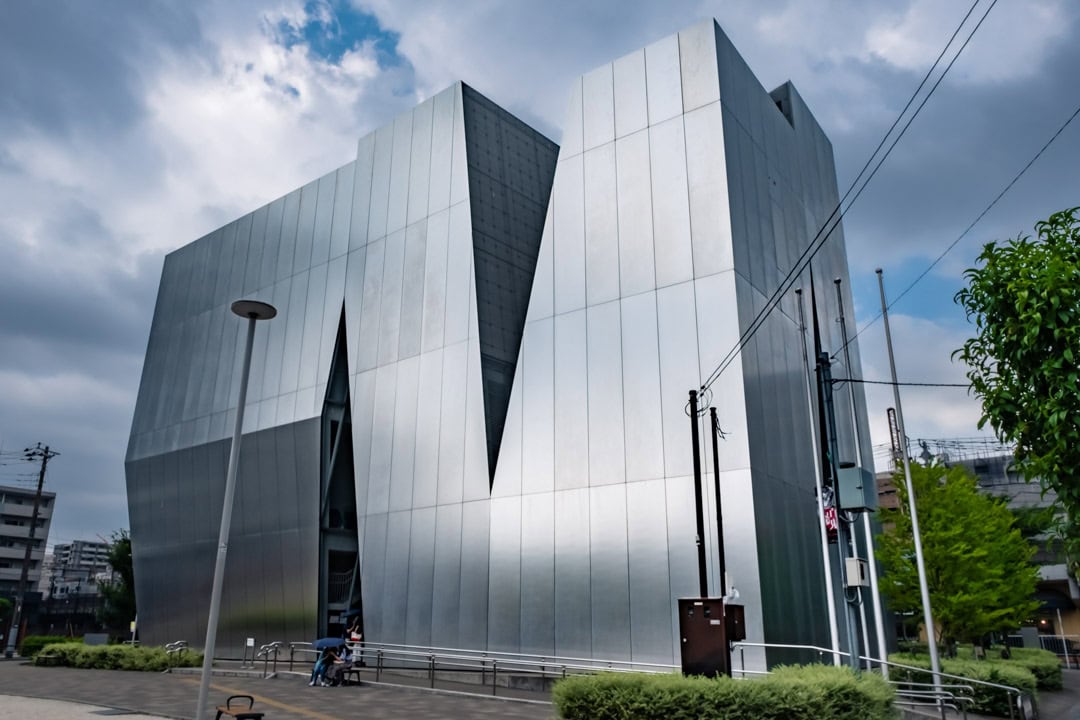
The Sumida Hokusai Museum celebrates one of Japan’s most celebrated artists, Katsushika Hokusai. The exhibits offer an intimate look at the genius behind ‘The Great Wave off Kanagawa’ and countless other ukiyo-e masterpieces.
From its sleek, modern architecture to its rich displays of iconic prints, it is a must-visit destination that brings the master’s legacy to life. My guide takes you through the entire experience, from photography tips, the art, and planning your visit.
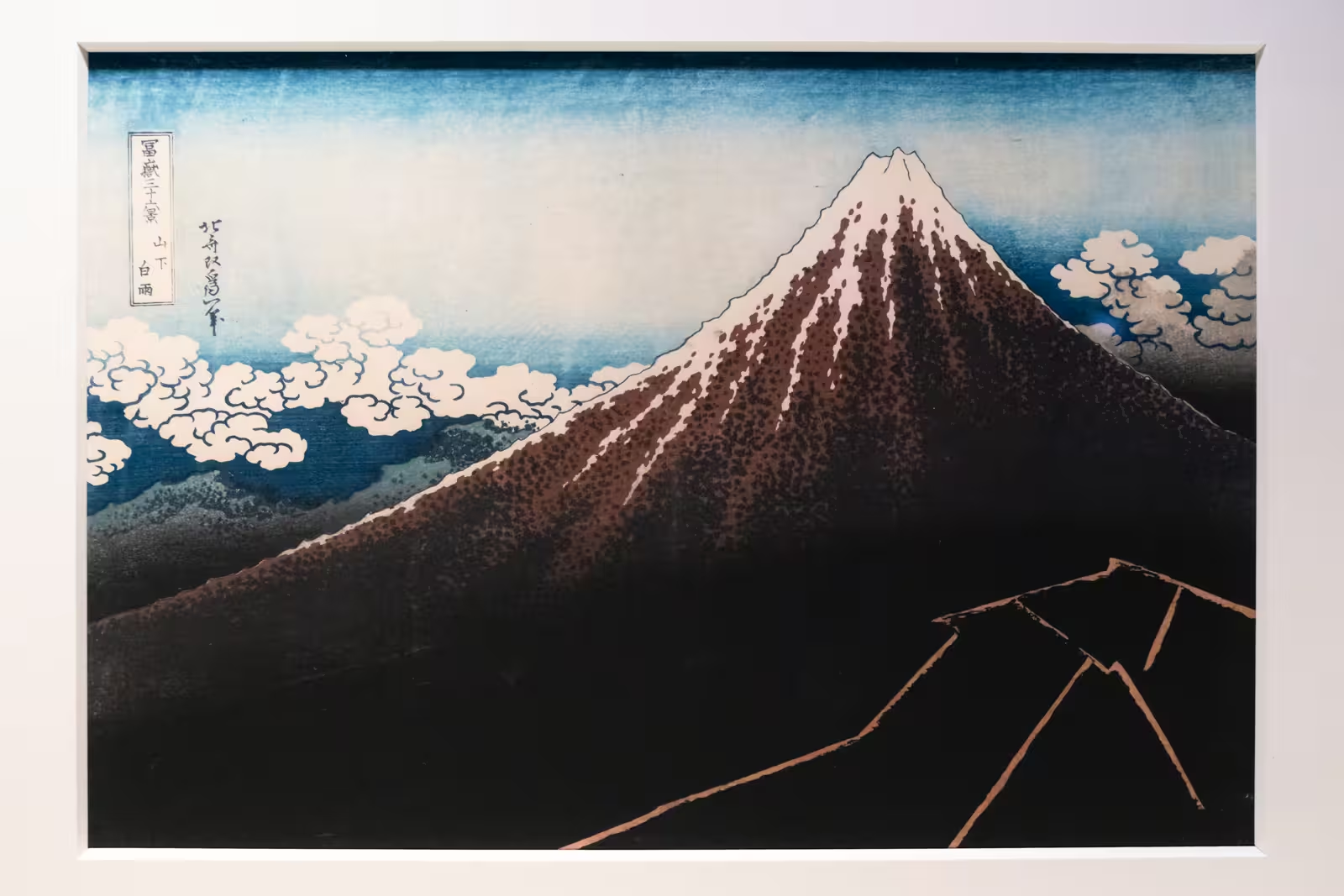
Photography tips for the museum
- Tripods and flash photography are not allowed.
- The rooms are dark, so boost your ISO.
- You won’t need a long zoom for this museum.
- Photography is allowed in the permanent exhibit area only. However, be aware that specific pieces within this area may be marked as off-limits to photography.
Photo spots near the museum
- Edo-Tokyo Museum
- Japanese Sword Museum
- Tokyo Metropolitan Memorial Hall
- Yasuda Park
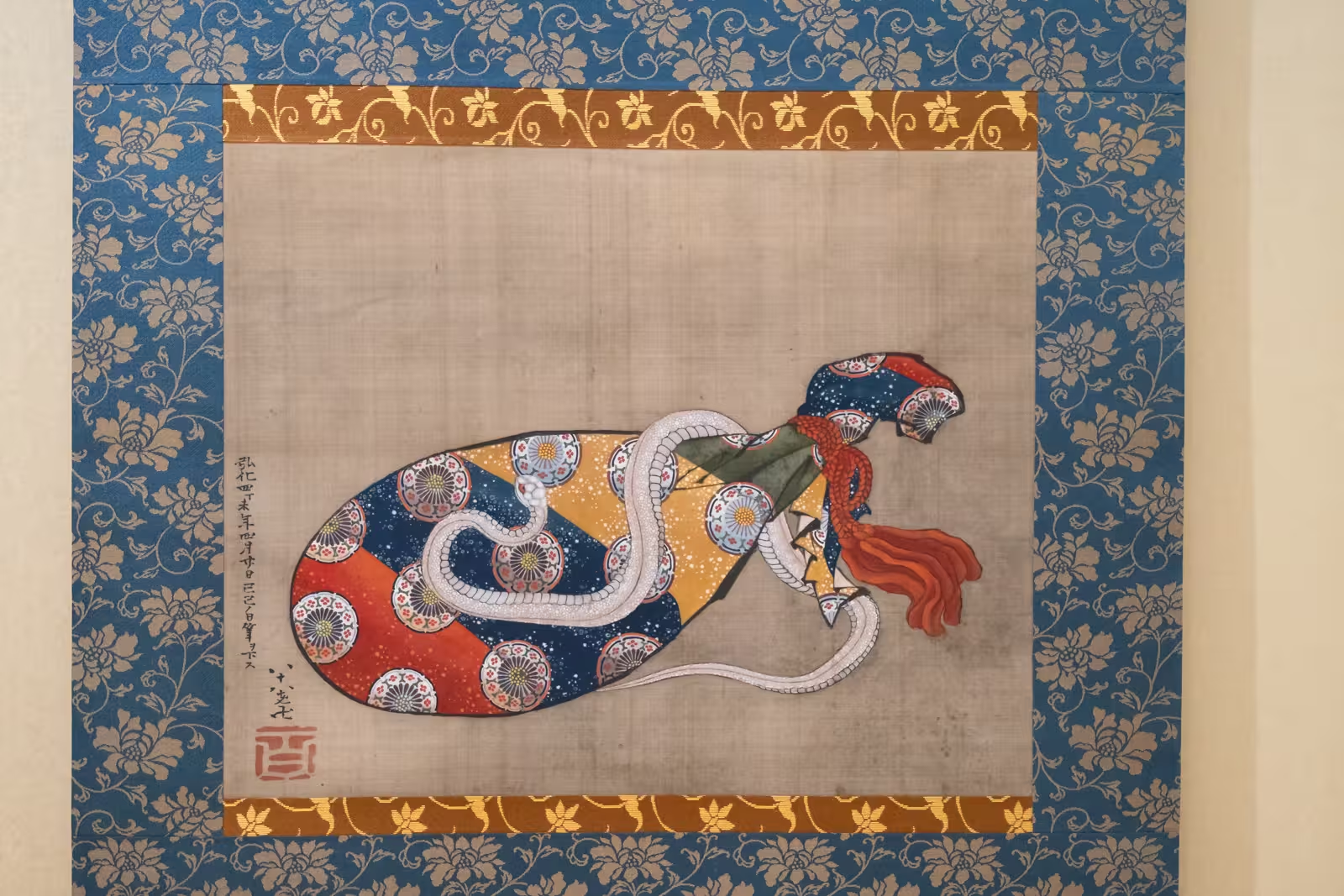
What’s in the Sumida Hokusai museum?
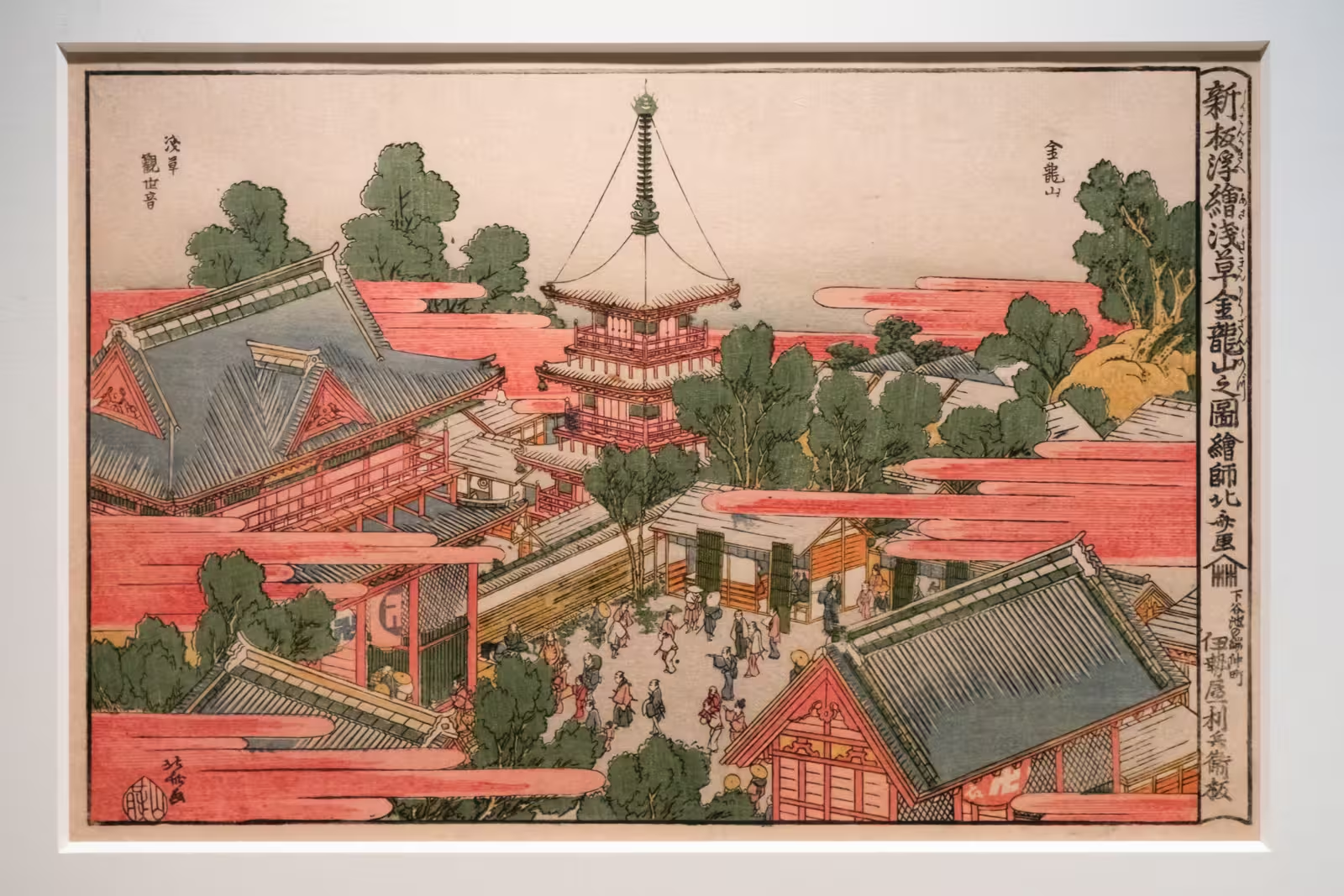
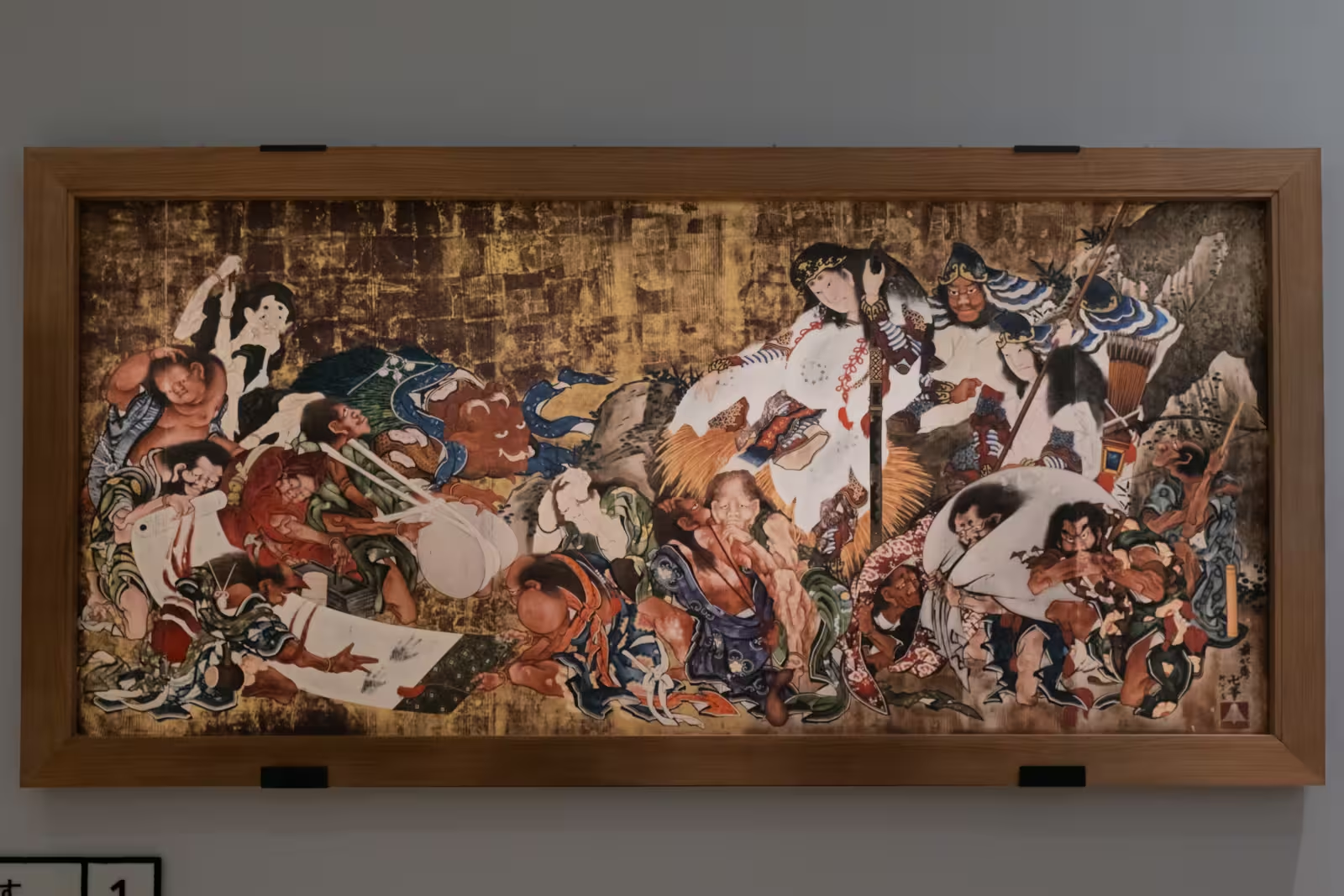
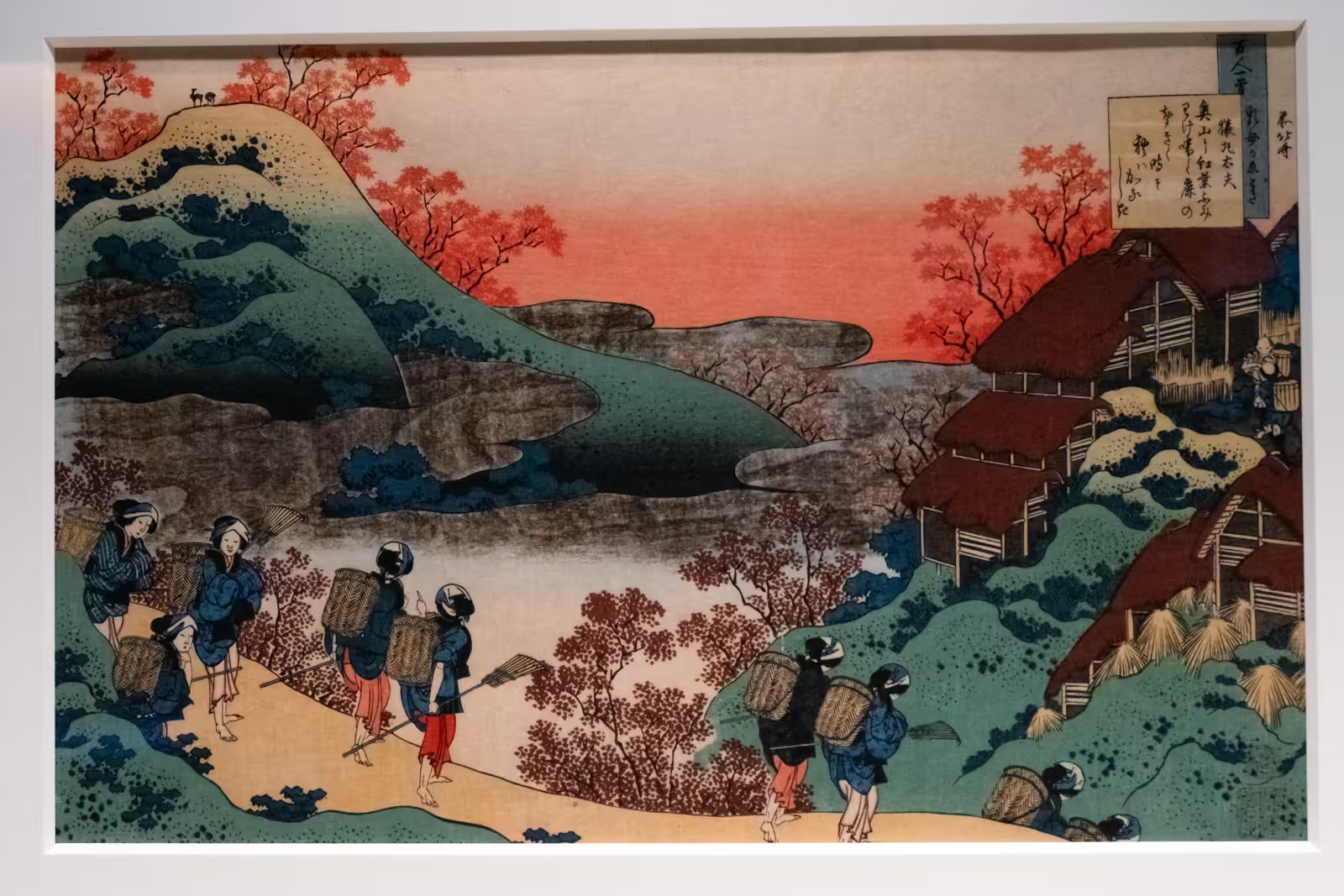
Famous Hokusai artworks on display
- Boy Viewing Mount Fuji
- Fine Wind Clear Morning (also known as Red Fuji)
- The Ghost of Oiwa (from the series ‘One Hundred Ghost Stories’)
- The Great Wave off Kanagawa (Hokusai’s most iconic work)
Permanent & temporary exhibitions
- Buy your tickets on the first floor, then take the elevator to the fourth floor. Two types of tickets are available: the permanent and the temporary. The latter changes regularly, so consult the website to see what is on display.
- The main exhibition spaces are on the third and fourth floors, with the permanent collection on the fourth floor.
- Special temporary exhibitions span both the third and fourth floors. If you purchase a combination ticket for both, you’ll need to use the stairs to move between the two floors.
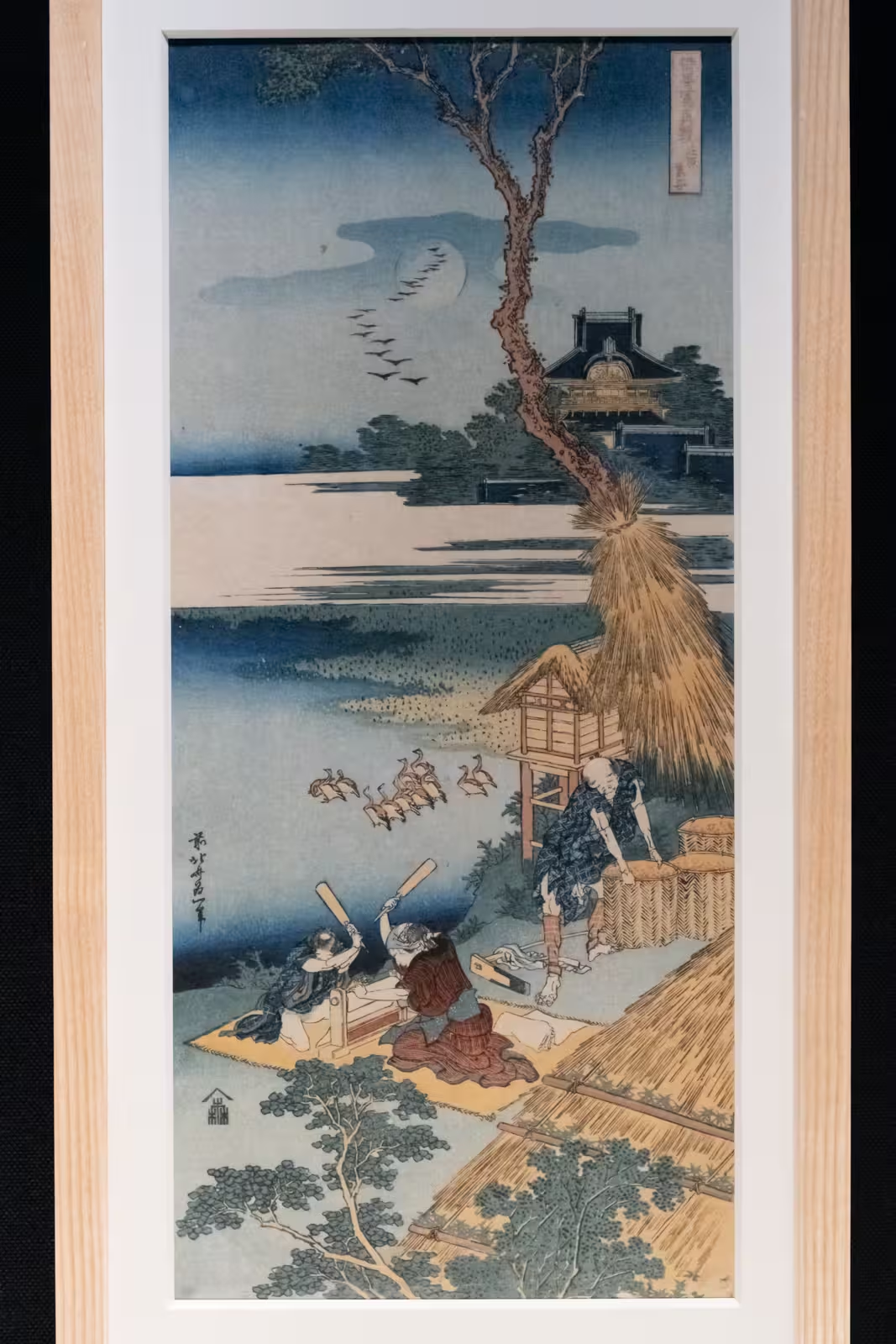
- The permanent exhibit features high-fidelity replicas of Hokusai’s most famous works. Visitors can see the incredible detail up close without risking damage to the priceless originals.
- Most of the ukiyo-e prints are small. Many were around 12 x 10 inches (30 x 25 cm). But some are smaller and others are larger. The point is don’t go expecting large-scale masterpieces.
- Access from the ground floor to the exhibition halls is by elevator only.
See the ukiyo-e printing process
The museum isn’t only about the art; it also delves into the almost industrial-level process of making ukiyo-e. You’ll learn how publishing houses in Hokusai’s time mass-produced these iconic prints.
You can learn about his works from multi-lingual touch-panel displays. If you don’t speak Japanese, don’t worry, as much is in English. Flip through the virtual books of Hokusai’s pictures and learn about their histories.
While most displays are multilingual, some interactive exhibits require knowledge of Japanese. For example, one game I played required me to match hiragana characters to a drawing; successful completion revealed the full artwork.
Unique museum’s architecture & design
Award-winning architect Kazuyo Seijima designed the four-story building. The concept was for a museum approachable from all sides. Walkways bisect the building on ground level, leading to the entrance in the middle.
The museum’s unique modern architectural design features interlocking, geometric blocks clad in reflective aluminum panels. They give the building a sleek, mirrored appearance that reflects the surrounding environment and the sky.
Angled cuts and voids allow natural light to enter while also providing views of Tokyo and the Tokyo Skytree.
Visitor information
Where is the Sumida Hokusai Museum?
- Address: 2-7-2 Kamezawa, Sumida City, Tokyo
- Here is the museum on Google Maps:
How to get to the museum
The museum is a 5-minute walk from Ryōgoku Station (Toei Ōedo Line) or a 9-minute walk from Ryōgoku Station (JR Sōbu Line).
Entry fee
- ¥400 for the permanent exhibition.
- Buying tickets via the online portal will be impossible for overseas visitors as a 7-digit zipcode number is necessary.
- Check the website for special exhibition prices.
Opening hours & closed days
- Tuesday to Sunday from 9:30 a.m. to 5:30 p.m. Tickets can be purchased up to 30 minutes before closing time.
- The museum is closed on Monday. If that day is a public holiday, it will be closed and open the following day.
- It is also closed from December 29 to January 1.
- For the most up-to-date information, consult the official Sumida Hokusai Museum website.
Is the museum worth visiting?
I love the Sumida Hokusai Museum. It’s a journey into the world of a legendary artist, housed within a masterpiece of modern architecture. The exhibits offer admirers of ukiyo-e and the curious a compact yet profound look at Katsushika Hokusai’s legacy.
Don’t miss the chance to get up close with ‘The Great Wave’ and his many other works that defined an era of Japanese art. If you want to see more of Tokyo’s art, see [Roppongi Hills’ Maman Spider].