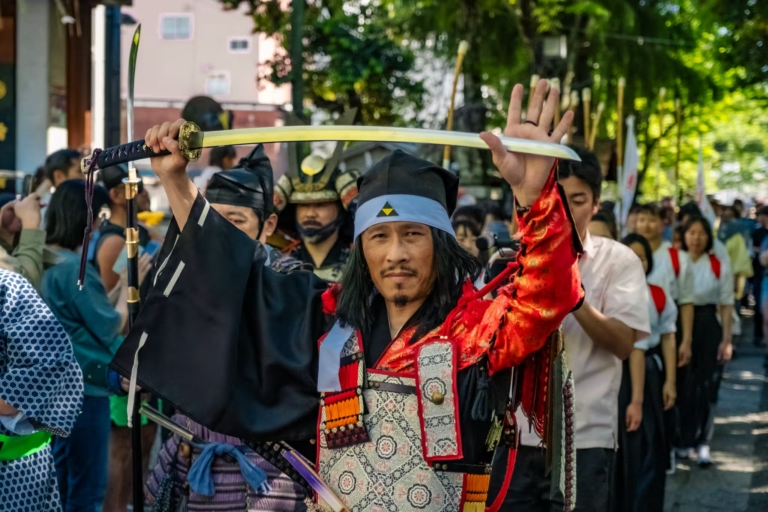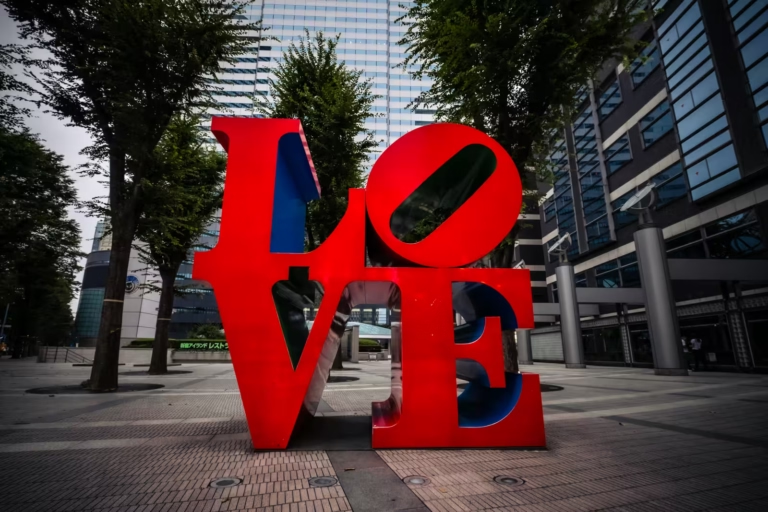
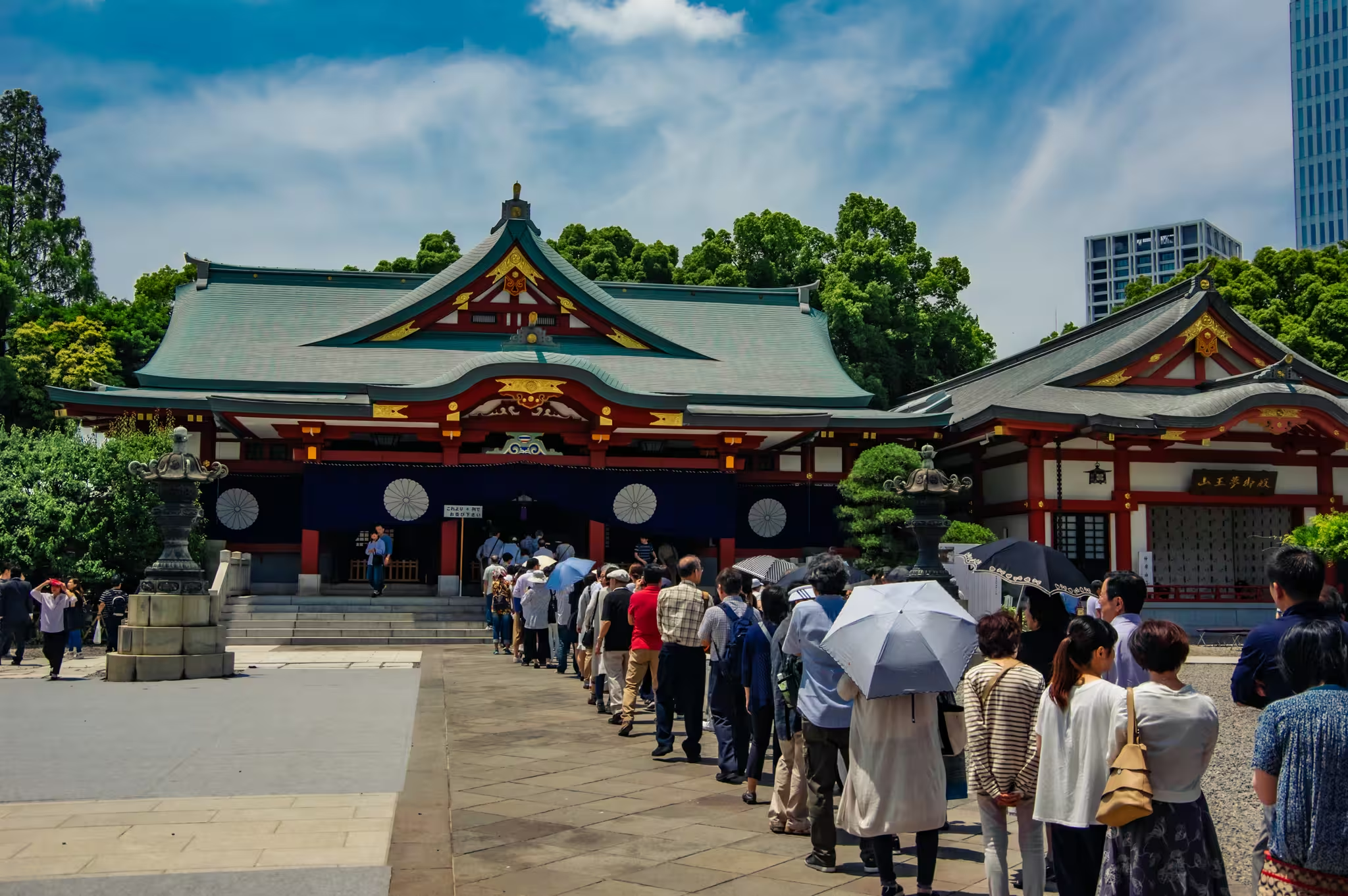
Tokyo is a city defined by layers, where the ultra-modern wraps around the ancient. The Sanno Festival at Hie Shrine perfectly captures this duality, offering a compelling mix of color, tradition, and urban texture. While many flock to the festival for its chaotic energy, I explored its quieter side in 2016.
My day had calm moments and timeless rituals, set against the dramatic juxtaposition of traditional shrine architecture and Nagatacho’s towering skyscrapers. Join me as I look back at this event, where even a quieter Sunday held a world of photo opportunities.
A modern approach to Hie Shrine
If you haven’t visited Hie Shrine yet, be prepared for the terrain. The hill it sits upon is surprisingly imposing. To enter, one is usually faced with a long, steep series of stairs that can be quite a workout.
Luckily, on this visit, I utilized the shrine’s outdoor escalators. It made the ascent effortless, a modern convenience that always feels slightly surreal in such a traditional setting.
Understanding the Sanno Festival
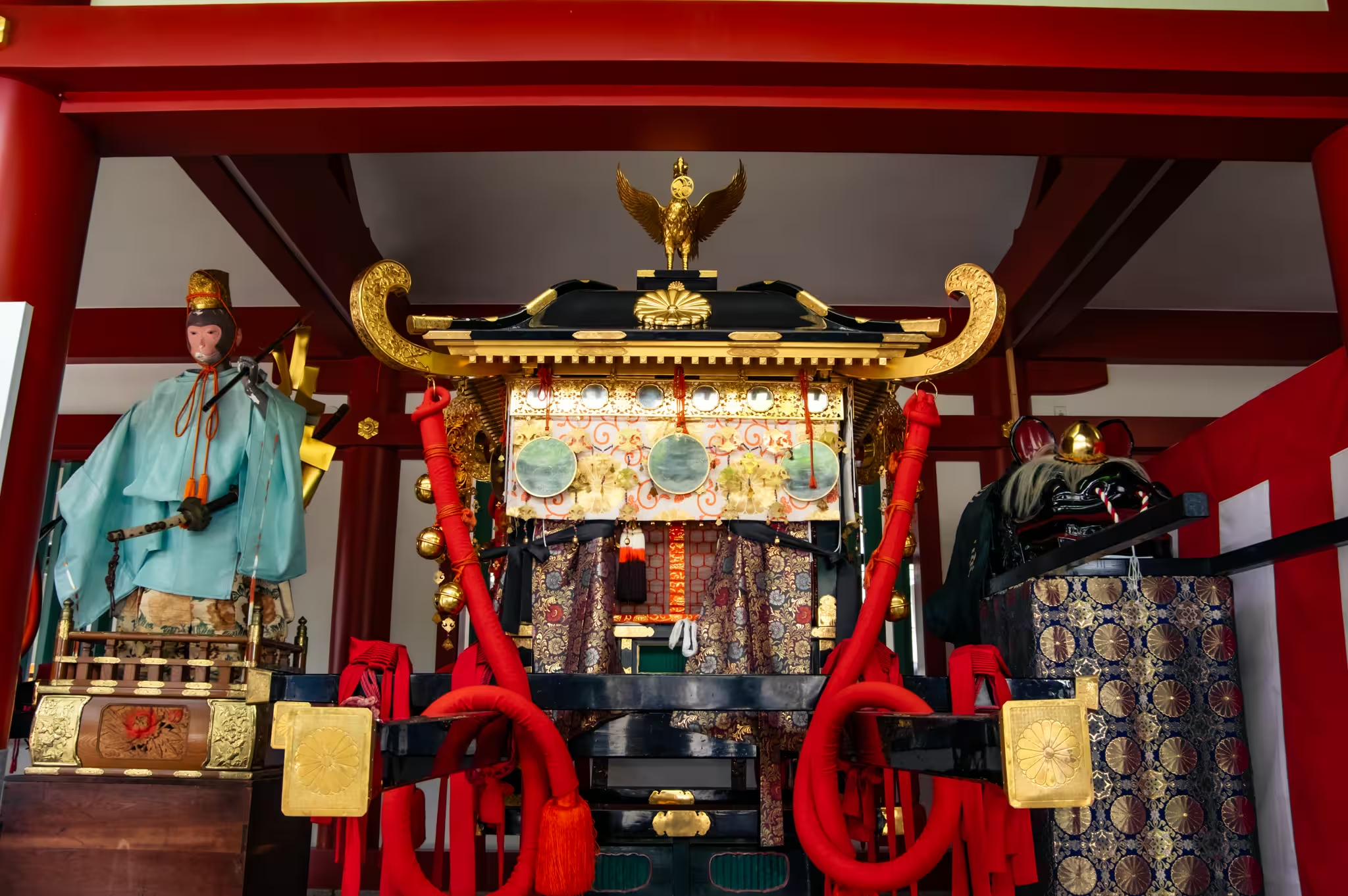
The Sanno is celebrated as one of the three most famous festivals in Tokyo. Spanning eleven days, it takes place at Hie Shrine, though it is only held in full splendor during even-numbered years. The festival’s crown jewel is the Shinkosai, a massive procession around the city.
During this march, participants carry omikoshi (portable shrines) on a grueling nine-hour route that includes a stop at the Imperial Palace. It requires an incredible amount of stamina from the bearers and is a spectacle of endurance.
Missing the parade, finding the music
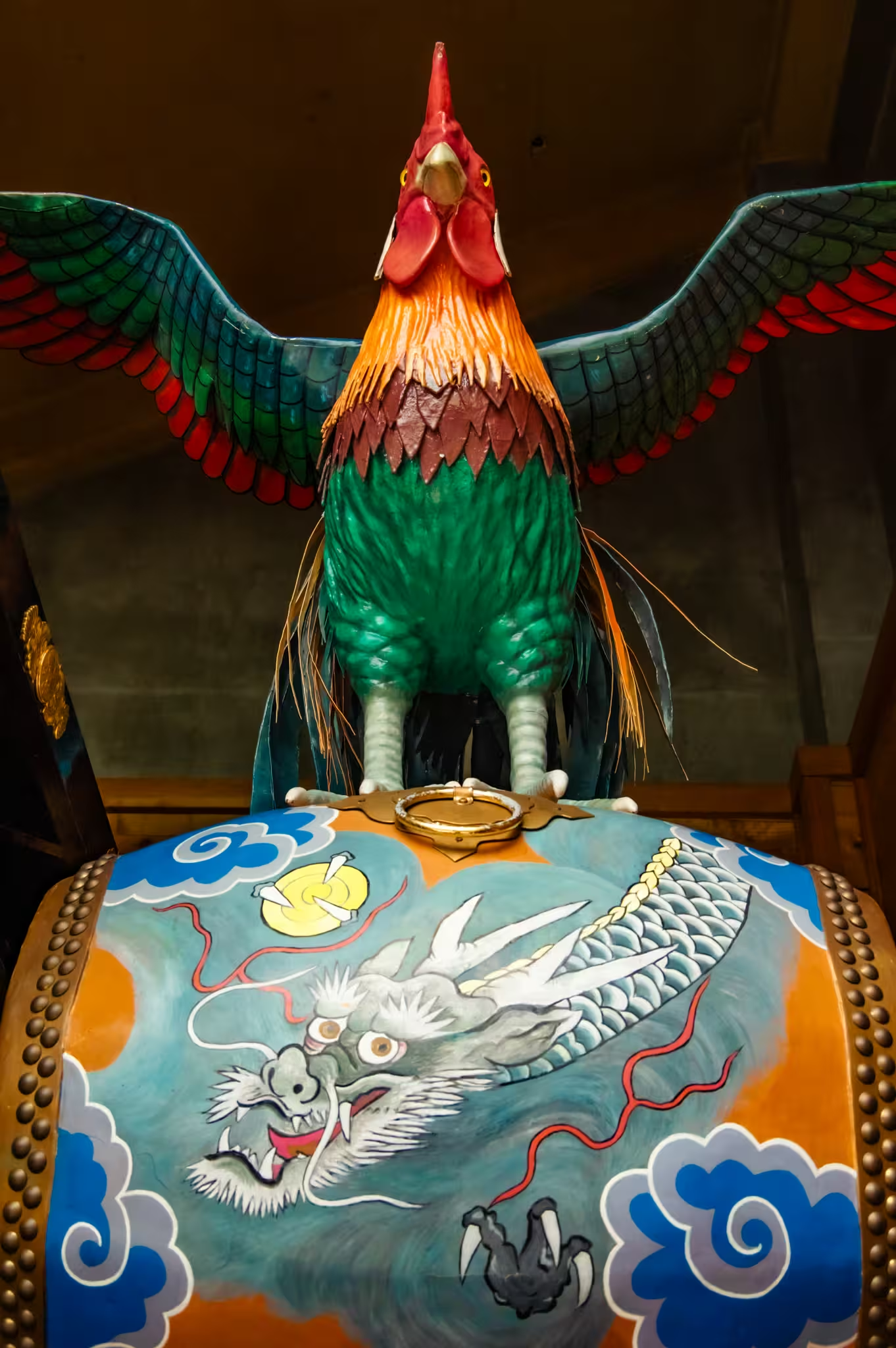
Because 2016 was an even-numbered year, the schedule included the famous Shinkosai parade. Unfortunately, work obligations kept me from attending the main event, so I missed the height of the festivities. By the time I arrived, the crowds had thinned. I mostly observed locals coming to pray and enjoy tea.
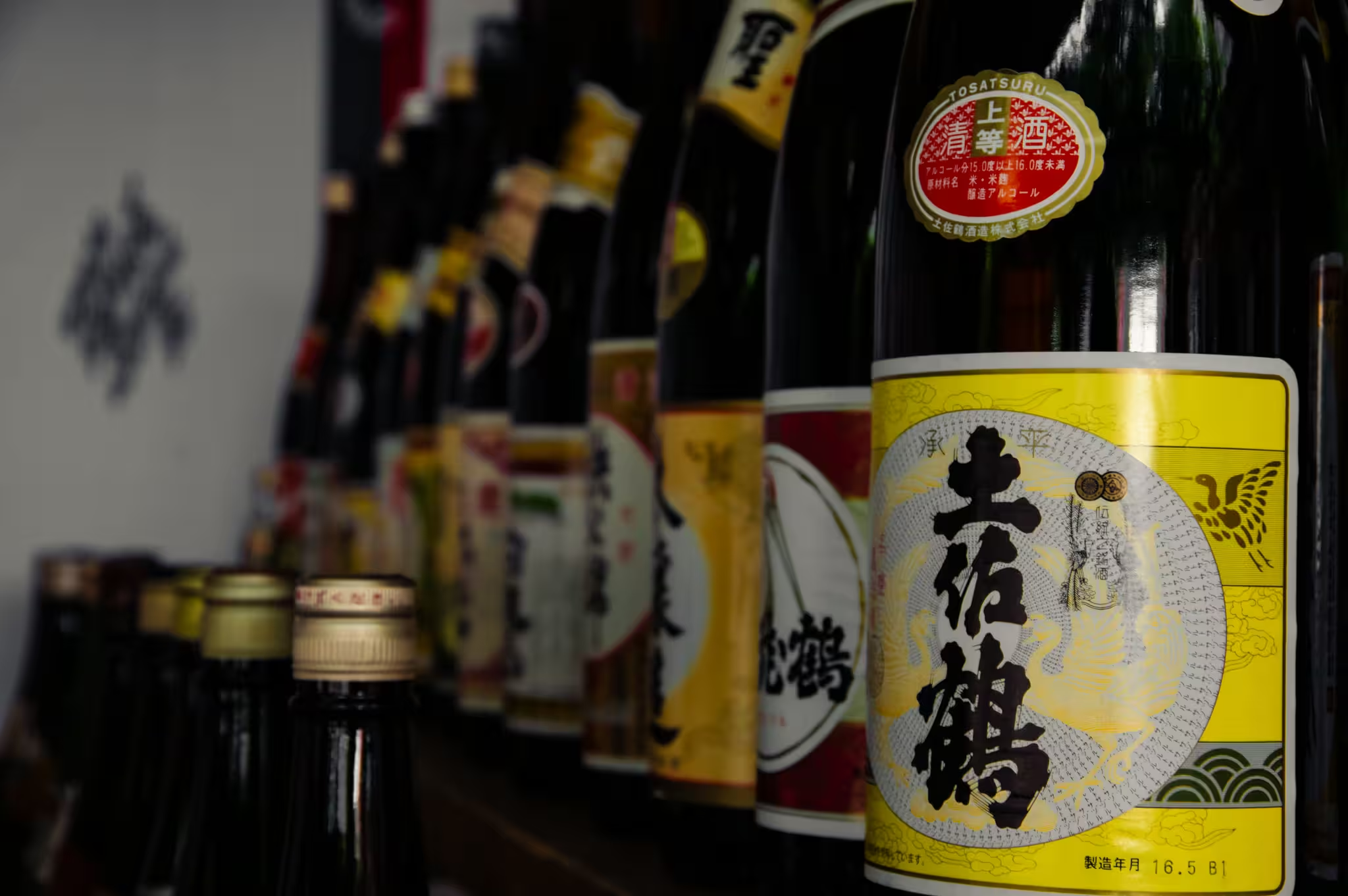
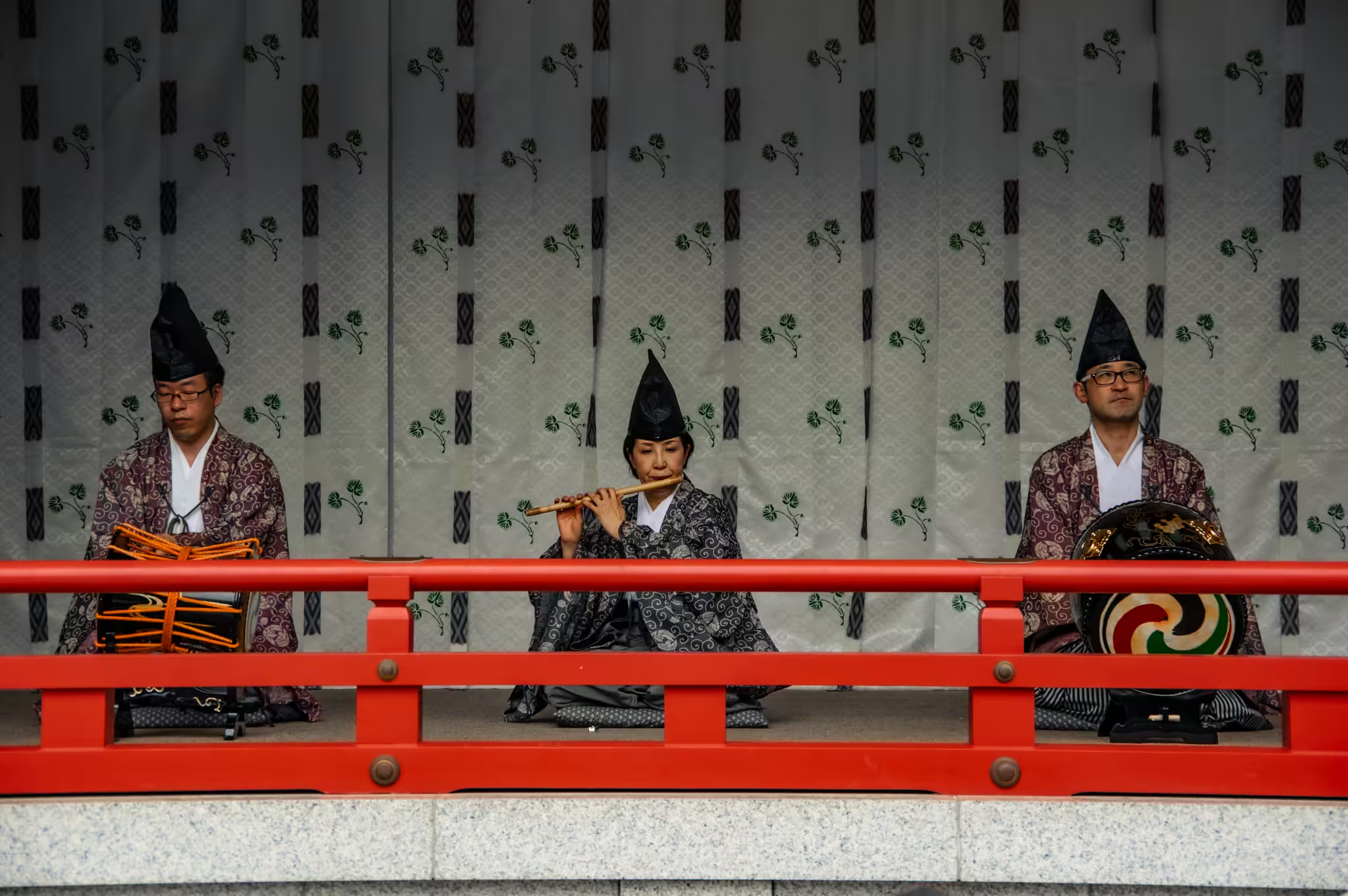
While it wasn’t a high-energy day, it offered a different kind of beauty. One highlight was witnessing a live performance of gagaku (ancient court music). I had never heard it played live before. Seeing such a historic art form preserved at a major festival was moving; we must keep these old arts alive.
Sanno vs. Sanja: Contrasting festivals
The atmosphere at Hie was a stark departure from my favorite festival, the Sanja Matsuri, which is held a month earlier in May in Asakusa and is significantly larger and far noisier.
The Sanno feels more reserved in comparison. Regardless of personal preference, both stand as magnificent tourist attractions that showcase different beats of the city’s heart.
Framing the old against the new
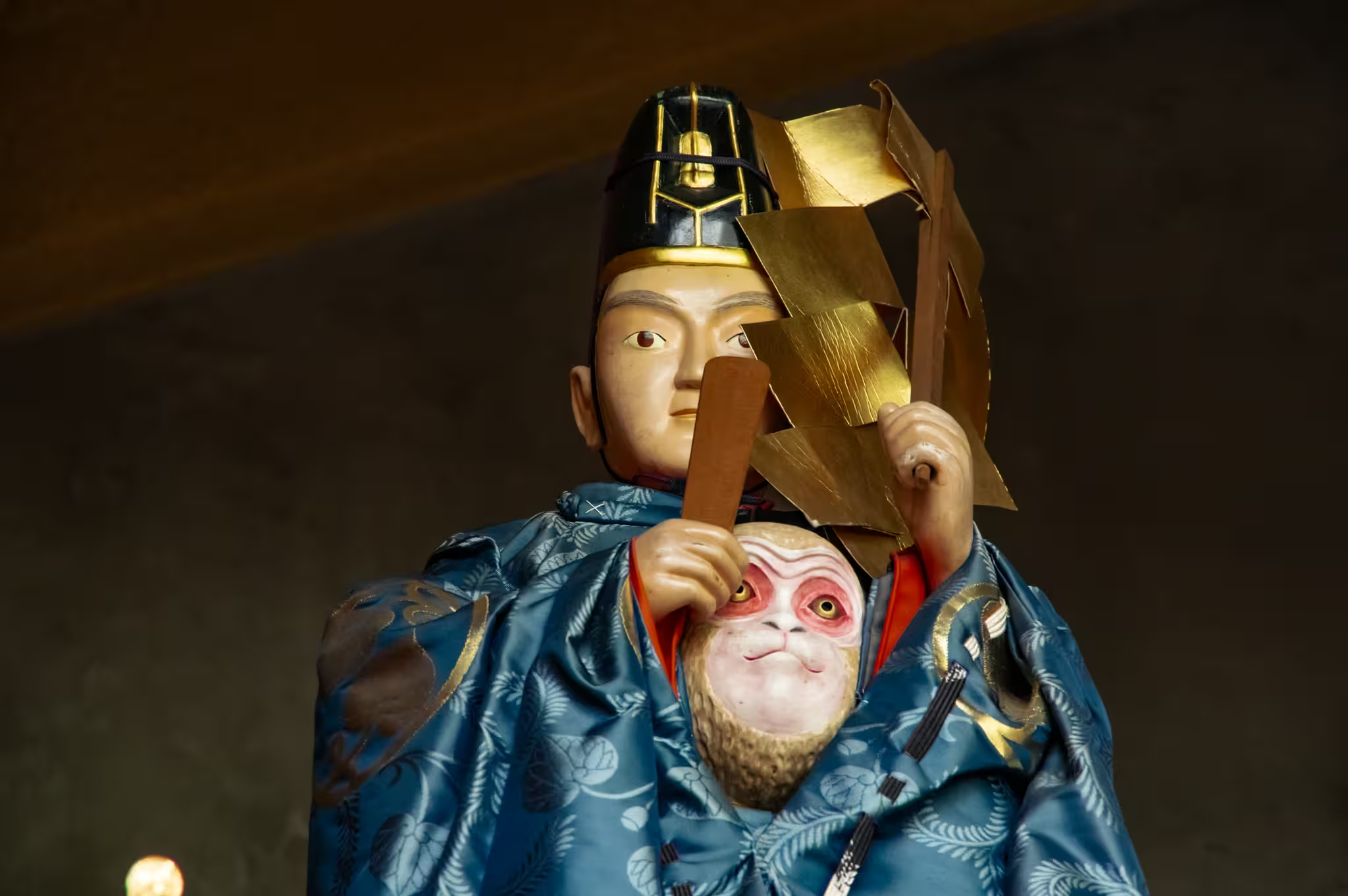
With no major parades to chase that Sunday, I spent my time wandering the shrine grounds. I photographed the intricate details of the omikoshi and the candid expressions of the visitors.
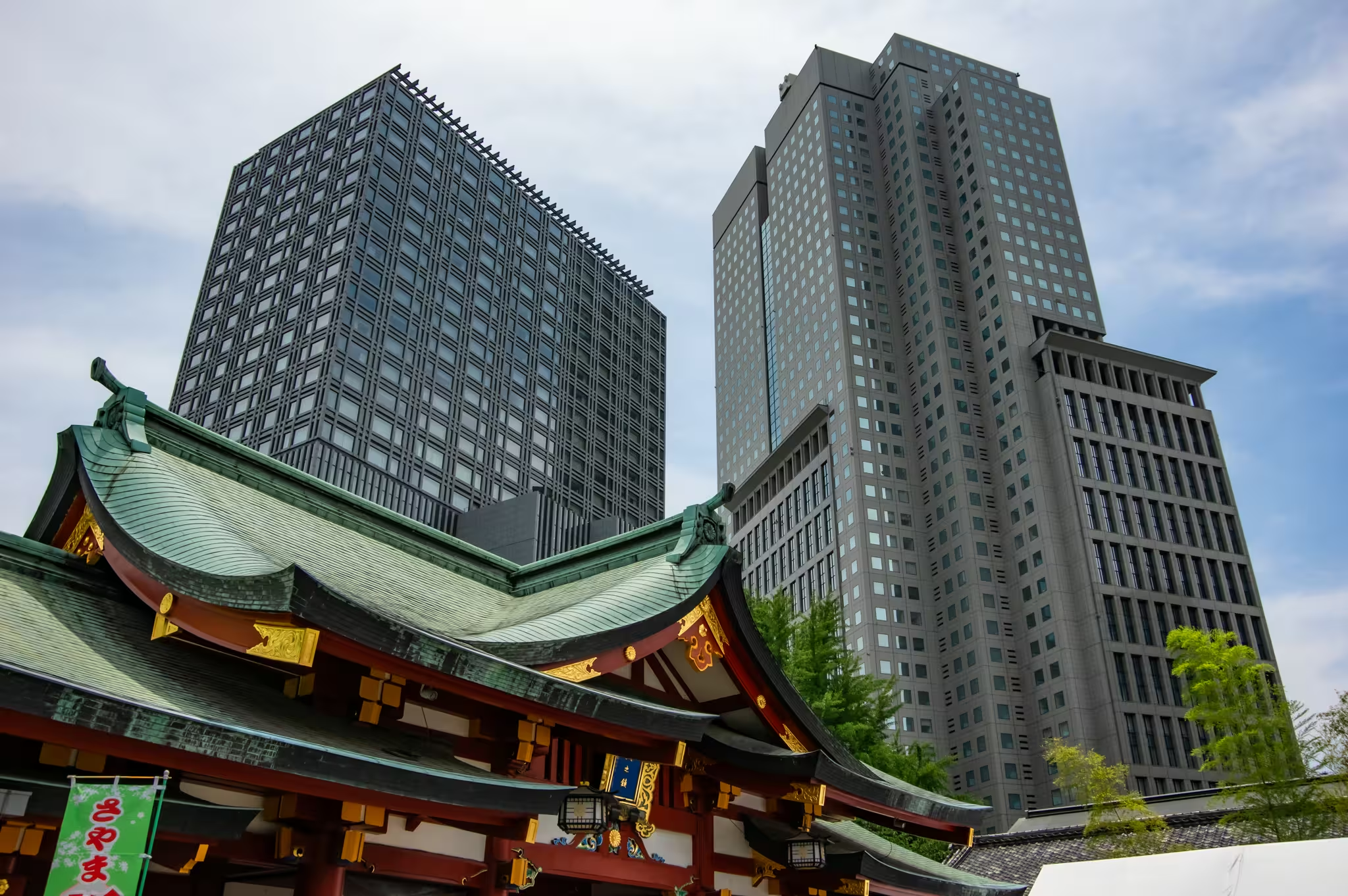
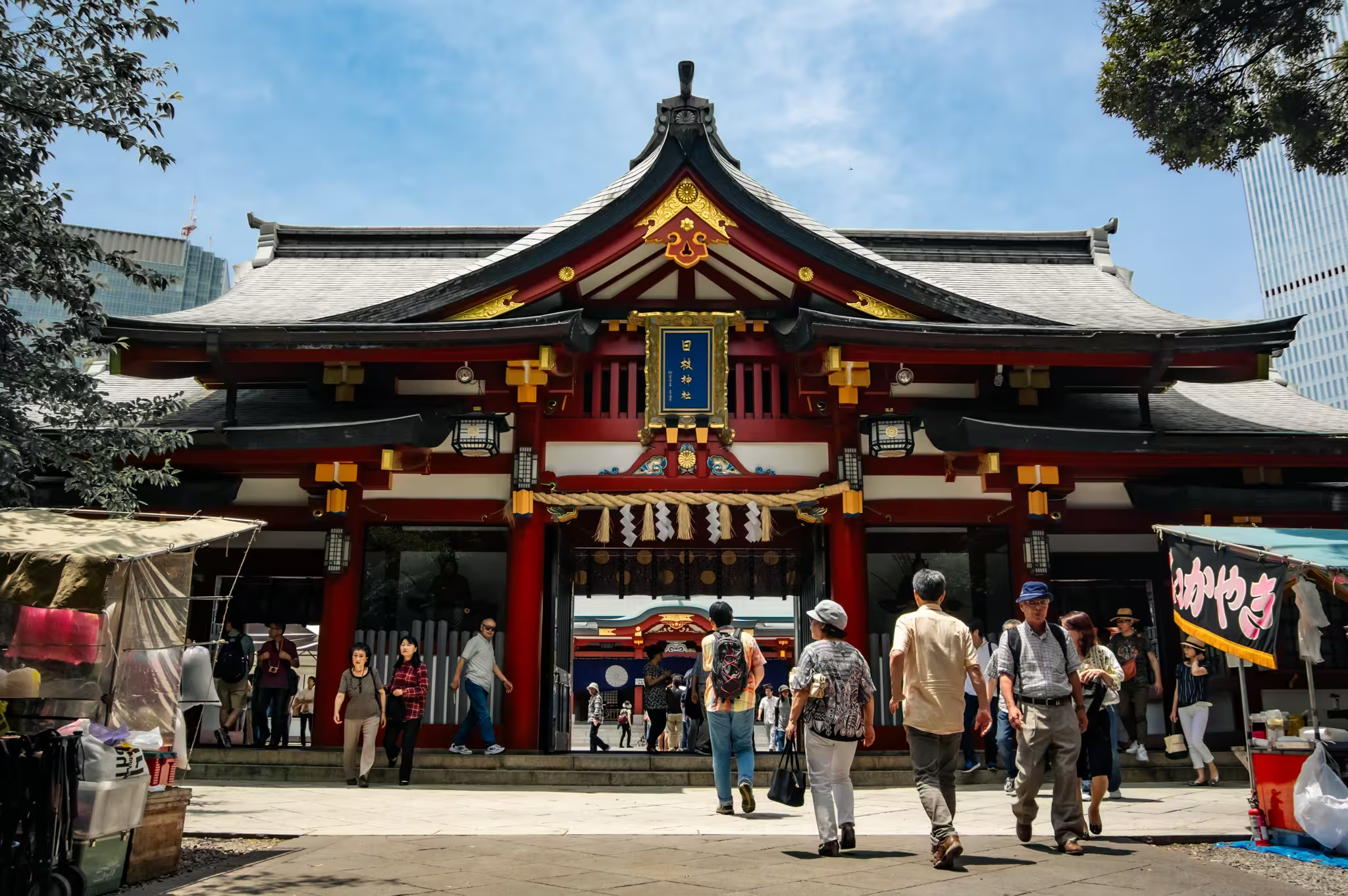
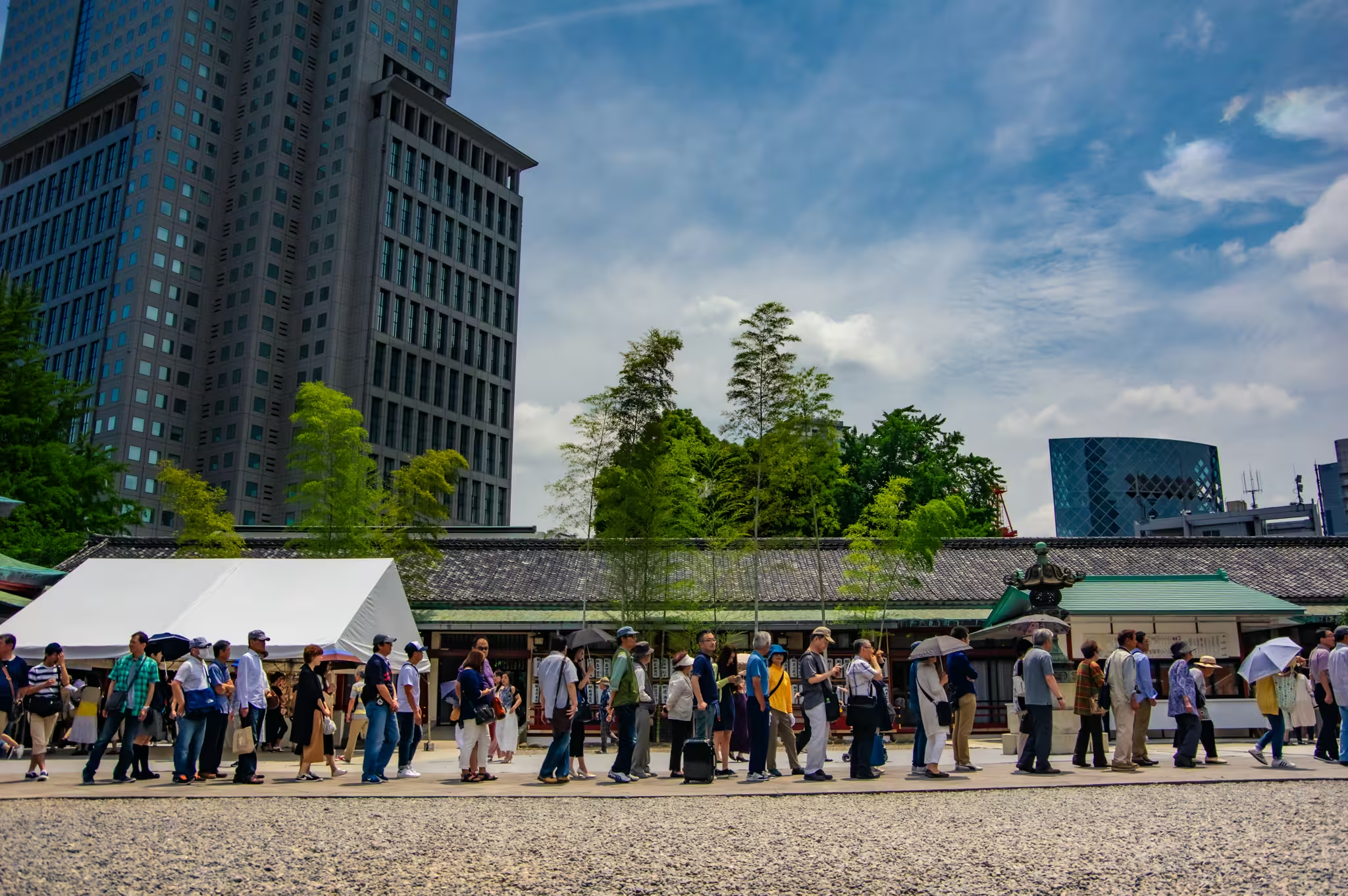
However, the architecture stole the show. Located in Nagatacho, the center of Japanese politics, Hie Shrine is ringed by glass and steel skyscrapers.
The way these modern giants tower over the wooden shrine buildings illustrates how Tokyo intertwines the old and the new. It creates an amazing visual contrast that is irresistible for photographers.
Is the Sanno worth it?
The Sanno Festival at Hie Shrine remains one of the most visually captivating ways to experience traditional Tokyo amidst a modern landscape. While my 2016 visit was a quiet experience, the contrast between the ancient shrine architecture and the skyscrapers of Nagatacho makes it a must-see for any travel photographer.
Have you visited Hie Shrine (official website) during a festival? Which do you prefer: the high energy of the Sanja or the tradition of the Sanno? Let me know in the comments!