Thomas Baty: Aoyama Cemetery’s Transgender Pioneer
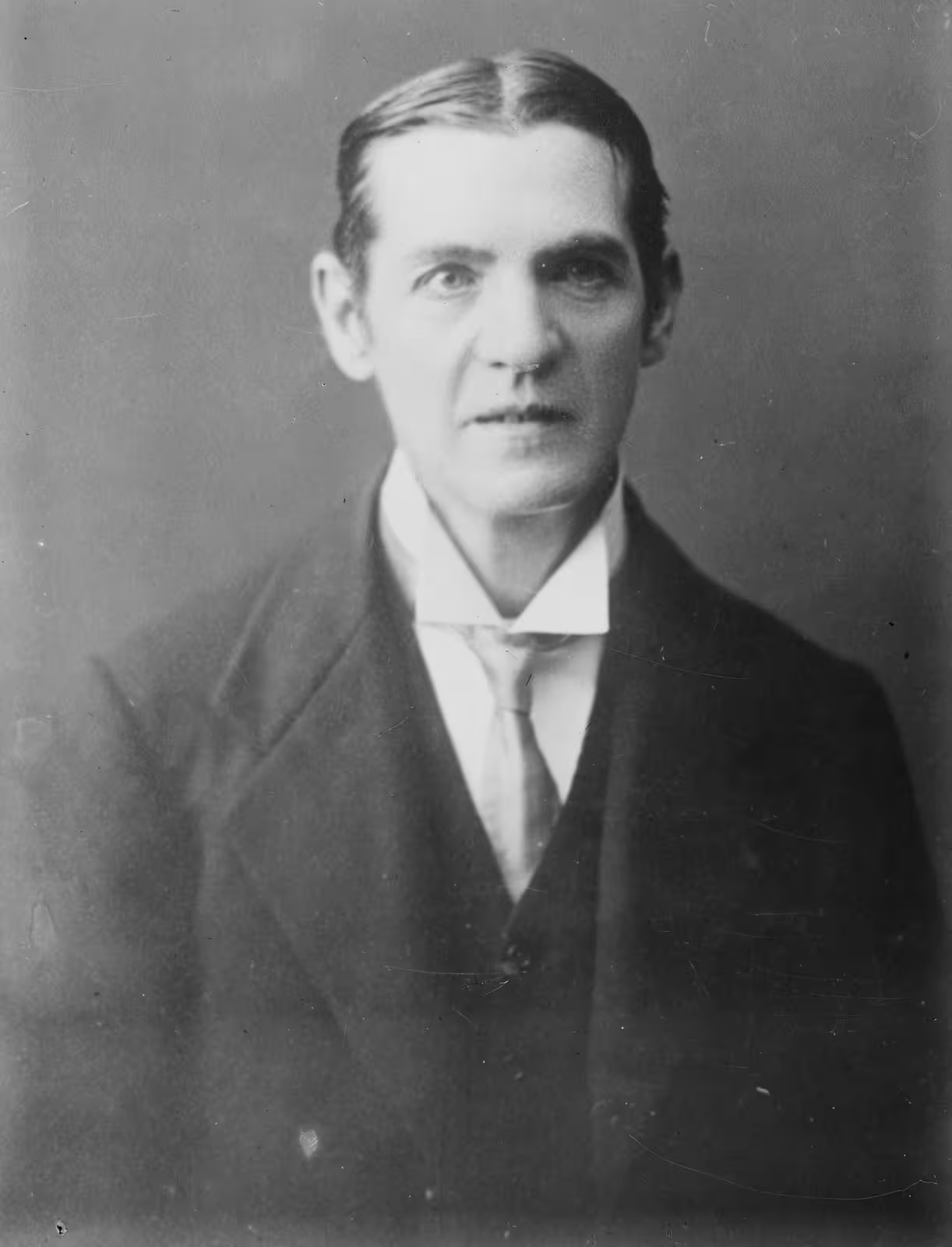
How did a brilliant British jurist, a trailblazer for gender identity, branded a traitor by his own country, end up buried in Aoyama Cemetery? That’s the story of Thomas Baty, a pioneer in multiple realms of life and, above all, a man of radical conviction.
A jurist & gender identity pioneer
Thomas Baty was a respected British jurist specializing in international law. He held a Doctorate in Civil Law (DCL) from Oxford and a law degree from Cambridge. During the 1900s, he began to publish books on this field.
Beneath the surface of the respected British jurist was a radical who challenged the conventions not just of law, but of identity itself. He was a critic of established ideas of gender and sex identity.
In 1912, he established the “Aethnic Union”, a society which was intended to ignore differences of biological sex and the gender expectations that sprang from that.
Under the name Irene Clyde, Baty wrote on feminist and philosophical themes. Notably, he authored the utopian feminist novel “Beatrice the Sixteenth” (published 1909), which explored themes relevant to gender and society.
Later in life, his commitment to this identity deepened, and he began to live as a woman, using the name Irene Clyde. Baty wore women’s clothing and requested to be addressed as female.
He is now widely recognized as a pioneering figure in transgender history. Baty’s readiness to dismantle the rigid categories of gender would be mirrored in his later willingness to question the absolute loyalty demanded by nation and empire.
Legal advisor to the Japanese Foreign Ministry
His journey to the East began in 1915. Through the Grotius Society in London, he met a Japanese diplomat who introduced him to an opportunity: the Japanese Foreign Ministry was seeking a new foreign legal adviser.
Baty applied, was accepted, and arrived in Tokyo in 1916, beginning a role he would hold for the rest of his life. His expertise was highly valued, particularly during a complex period in Japan’s international relations.
Thomas Baty lived by his convictions
From the beginning of the Manchurian Incident of 1931, Baty applied a philosophy to justify and legitimize Japan’s advance into East Asia. It emphasised effective territorial control as the chief criterion for state recognition.
China certainly lacked that. Japan seized upon this interpretation to legitimize its actions.
WWII: Treason & loss of citizenship
Despite the outbreak of war in 1941, Baty chose to remain in Japan. He rejected British Embassy offers to arrange repatriation.
Furthermore, he continued working for the Japanese government throughout the conflict. He defended Japan’s policy of conquest as a response to Western imperialism in Asia.
Following Japan’s surrender in 1945, the British Foreign Office considered indicting Baty for treason. However, the Central Liaison Office, a Japanese government agency, held the opinion that Baty’s involvement in the causes of the war was minor.
Additionally, legal advisers within the British government argued against prosecution due to Baty’s advanced age. The British government chose to revoke Baty’s British citizenship and allowed him to remain in Japan, where he died in 1954.
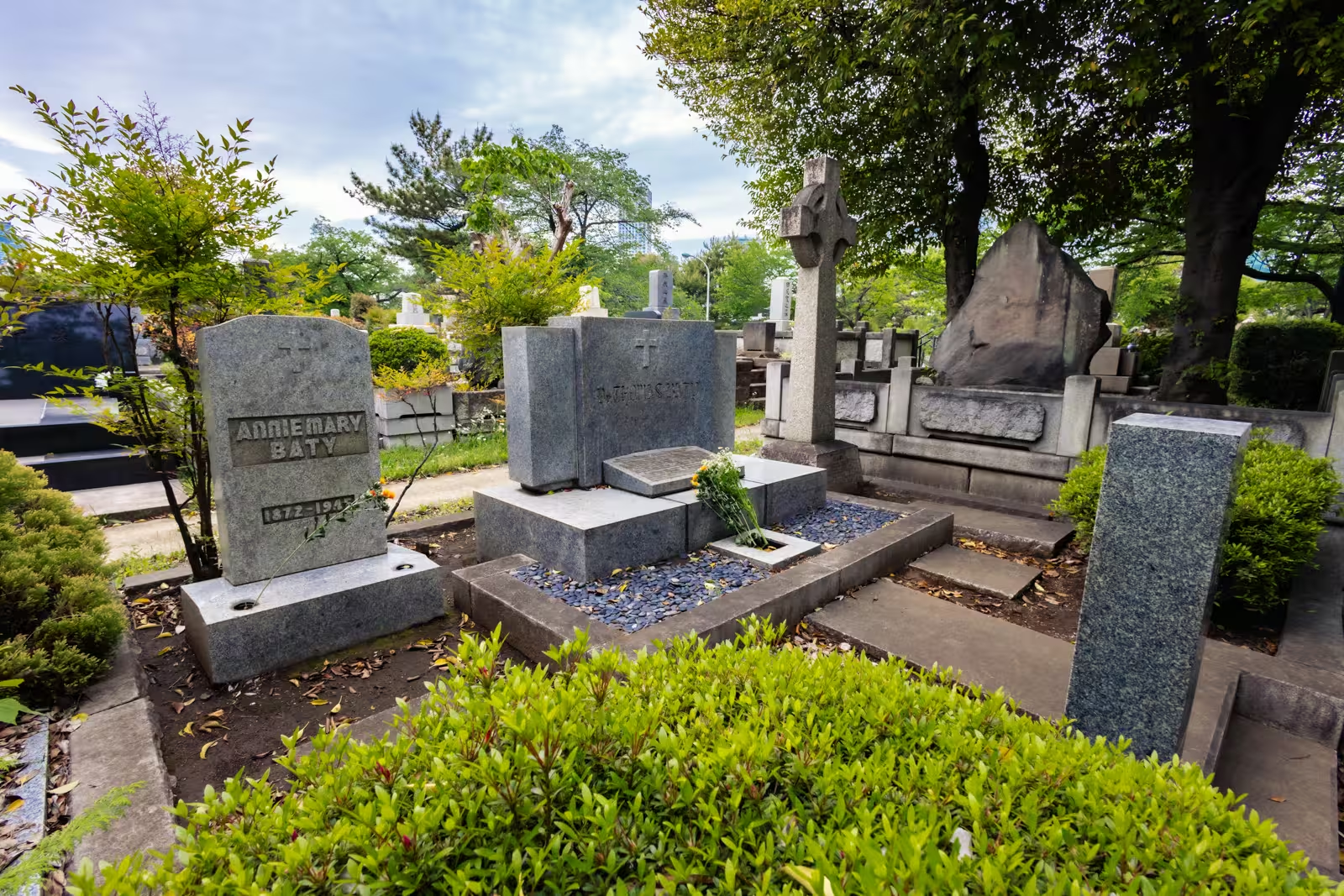
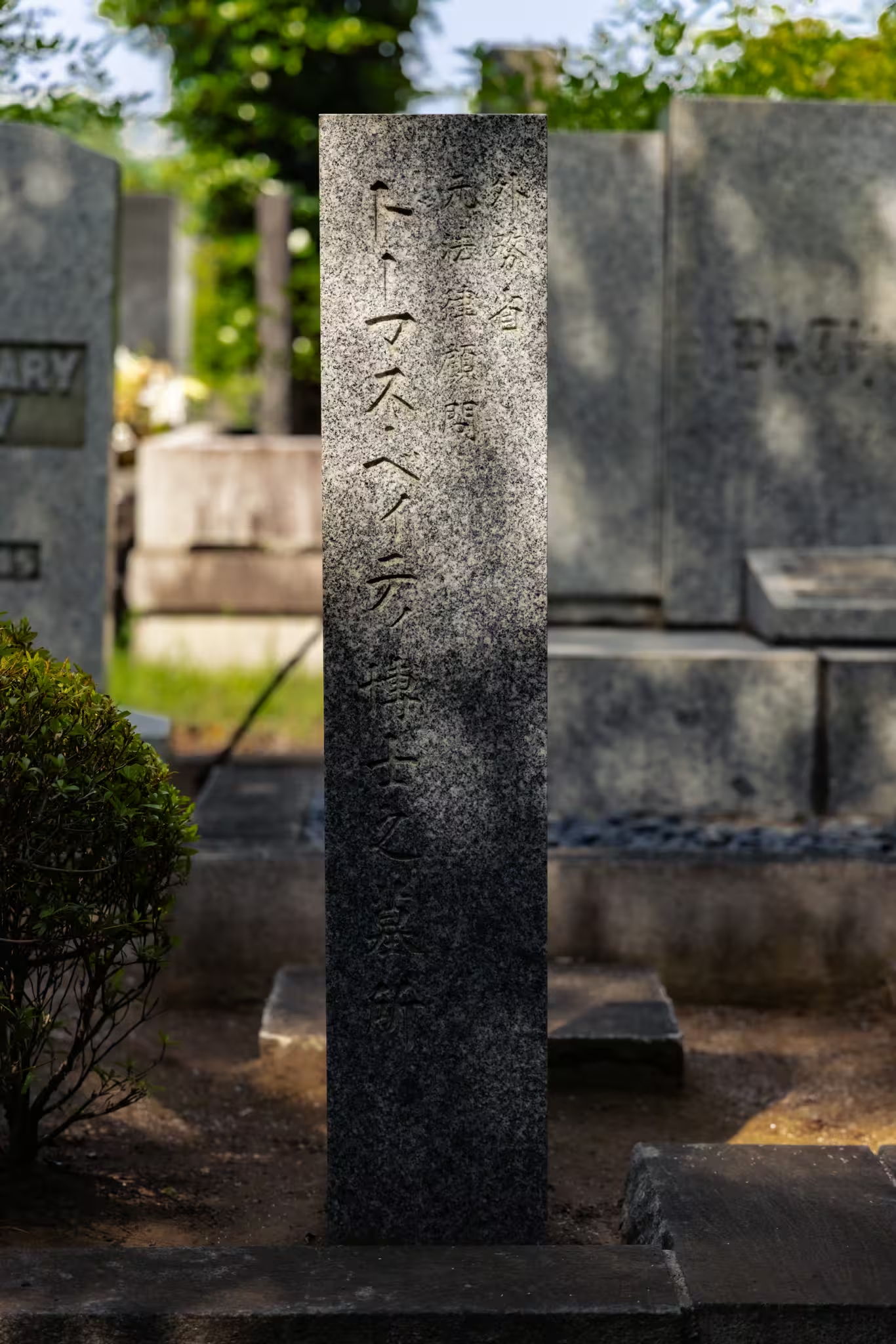
Baty’s grave in Aoyama Cemetery
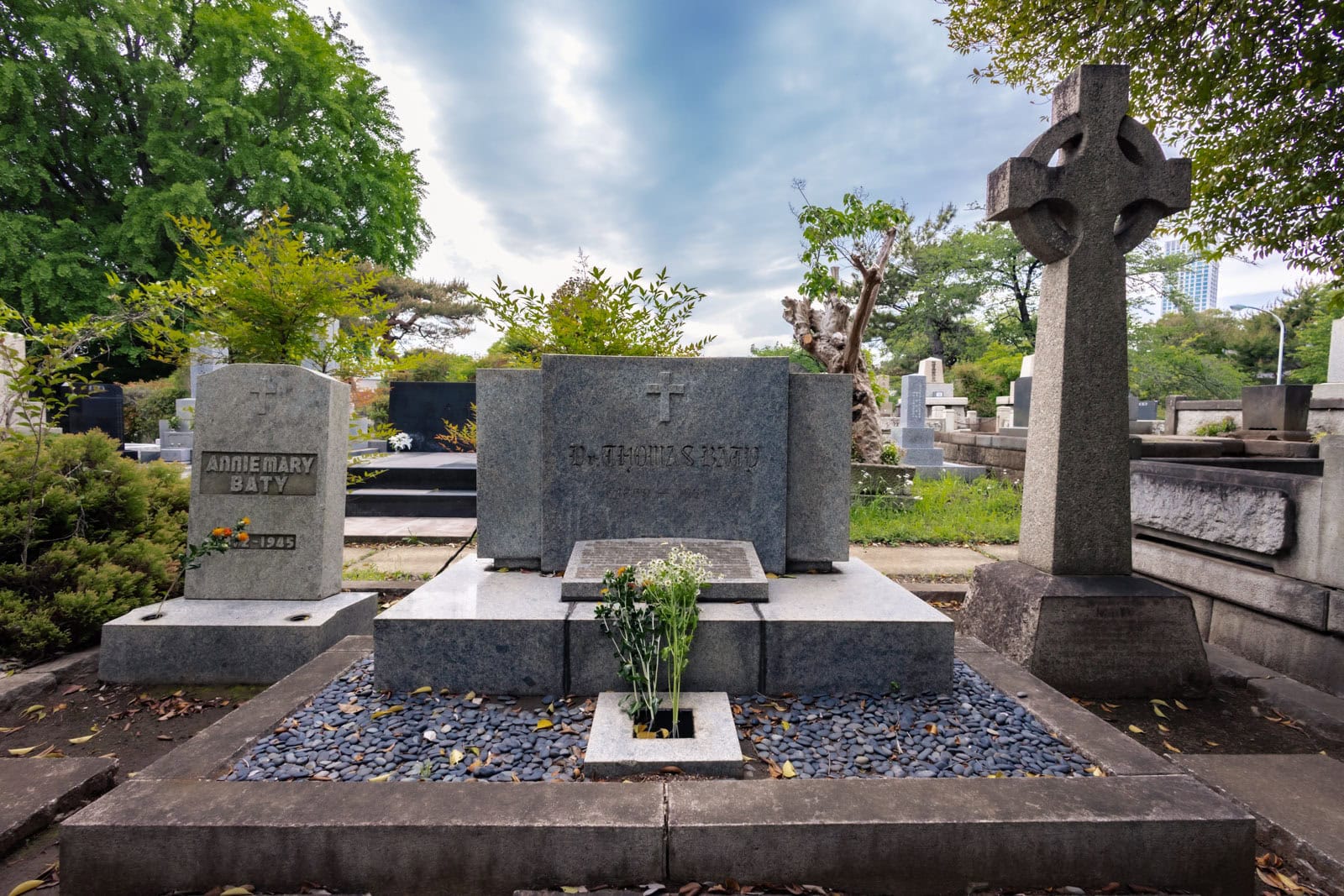
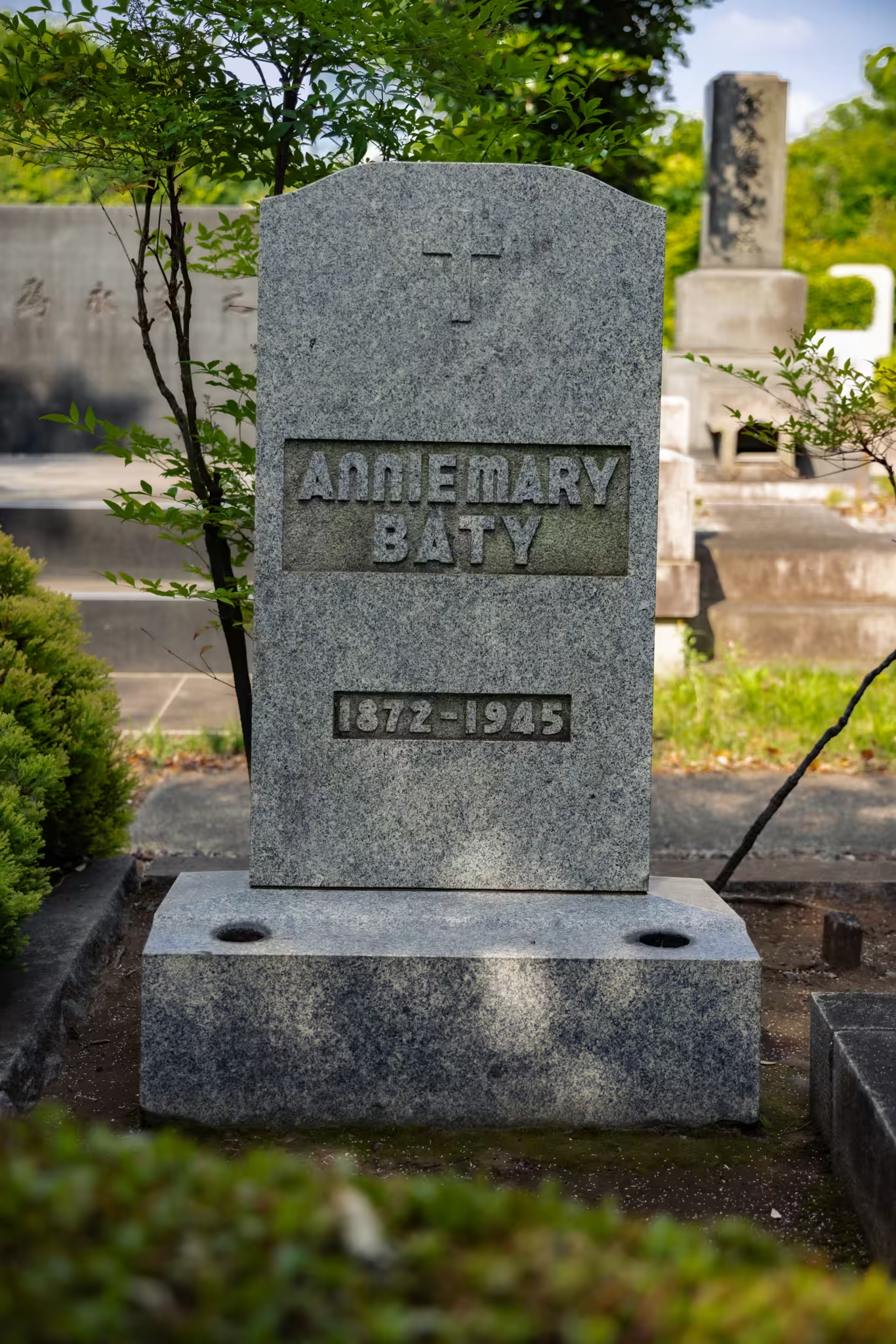
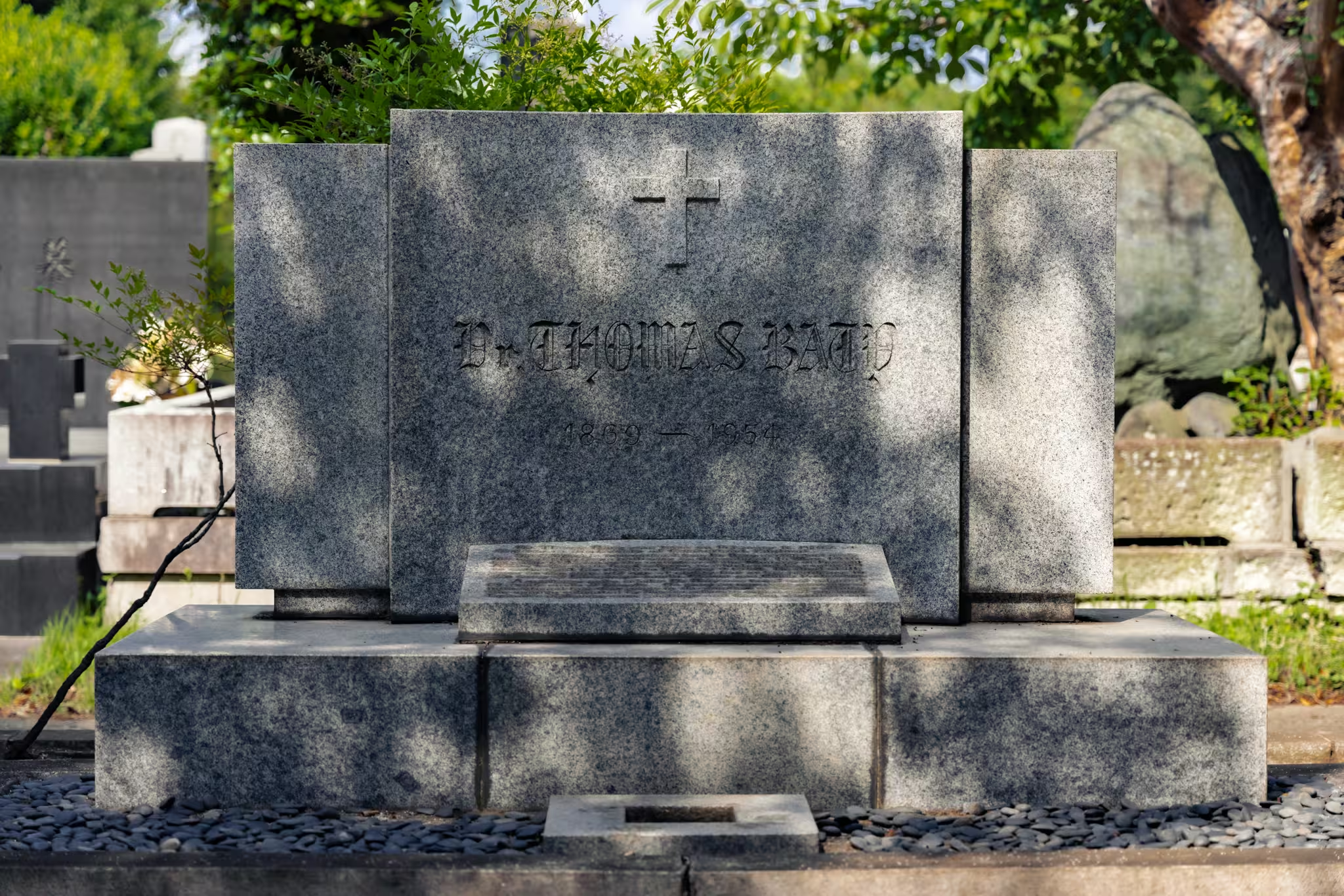
So, we return to the grave in Aoyama Cemetery. It is the final resting place not of one person, but of many: Thomas Baty, the brilliant jurist; Irene Clyde, the gender pioneer; and the man Britain branded a traitor.
To his homeland, his choices during the war were a betrayal.
Yet, in his mind, he was acting on a lifetime of beliefs. He sided with an Asian power against what he saw as the hypocrisy of Western imperialism. Thomas Baty’s life was a study in radical conviction, challenging the fixed loyalties of nation, empire, and even gender itself.
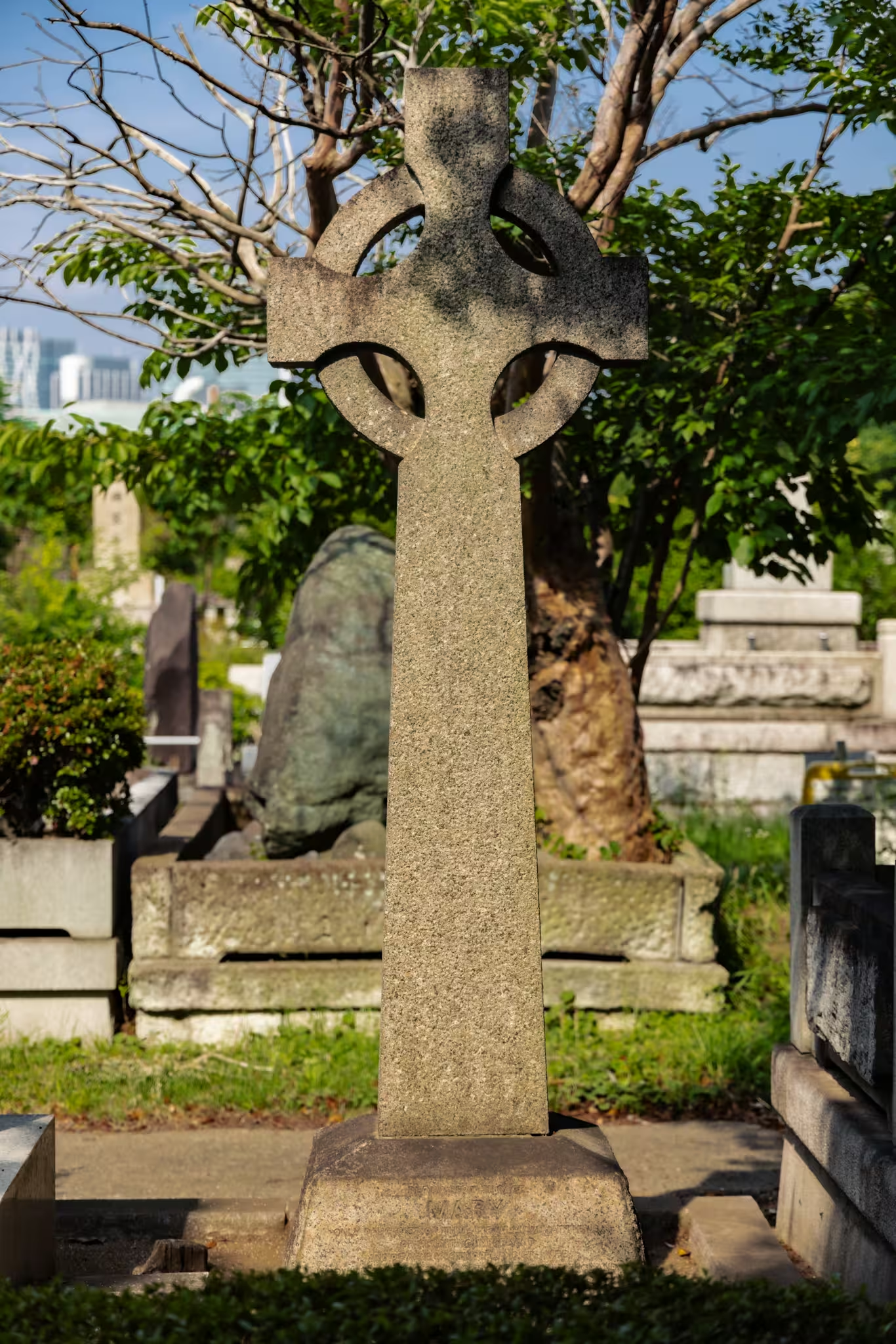
With his sister and mother buried beside him, his quiet grave in Tokyo is a testament to his identity and which nation he ultimately chose as his own.
If you want to see more people from Baty’s generation, check out my article on Hideki Tojo’s grave. That one is in Zoshigaya Cemetery and it is also the resting place of many other famous identities.
External related articles
- Reflections on Thomas Baty (on LGBT+ Language and Archives)
- Thomas Baty, gender critic (on Archives and Manuscripts at the Bodleian Library)