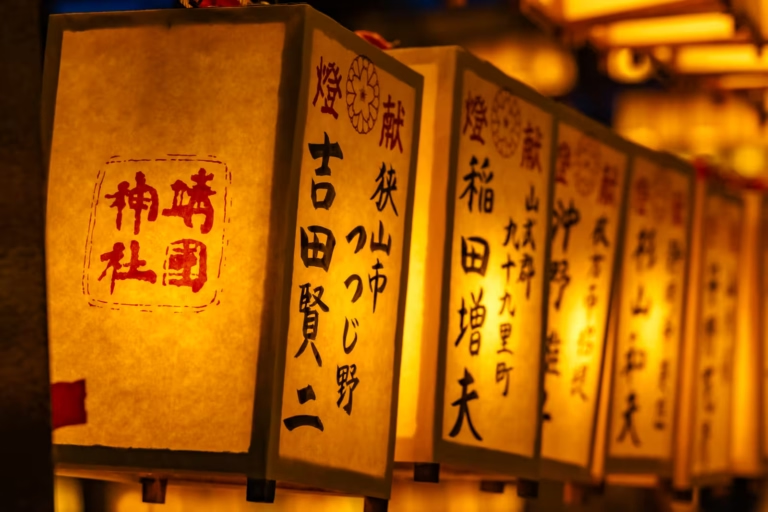
Yushukan Museum

Part of the famous Yasukuni Shrine, the Yushukan Museum offers a dive into Japan’s military history, with an extensive collection of swords, armor, aircraft, and tanks. Military history enthusiasts will find enough to stay occupied for hours.
However, people aiming to take photographs of the exhibits need to be aware of some restrictions.
First, it’s important to address the context. Yasukuni Shrine is a controversial place, and so is the museum. As Tokyo Snapped won’t delve into the debate. It will focus on the museum from a photographer’s perspective.
What to expect
The Yushukan provides a comprehensive museum experience, easily filling a couple of hours for a general visitor. For photographers, however, allow for even more time to carefully compose your shots in the designated areas.
One important tip for international visitors: English descriptions on the displays are limited. To get the most out of the exhibits’ history, you need a translation app handy; otherwise, you might be guessing the story behind some artifacts.
Military exhibits to photograph
Photography inside the Yushukan is limited to two areas: the Main Lobby and the Grand Gallery. This means that the medieval section, with its ancient helmets and intricate armor, is off-limits for cameras.
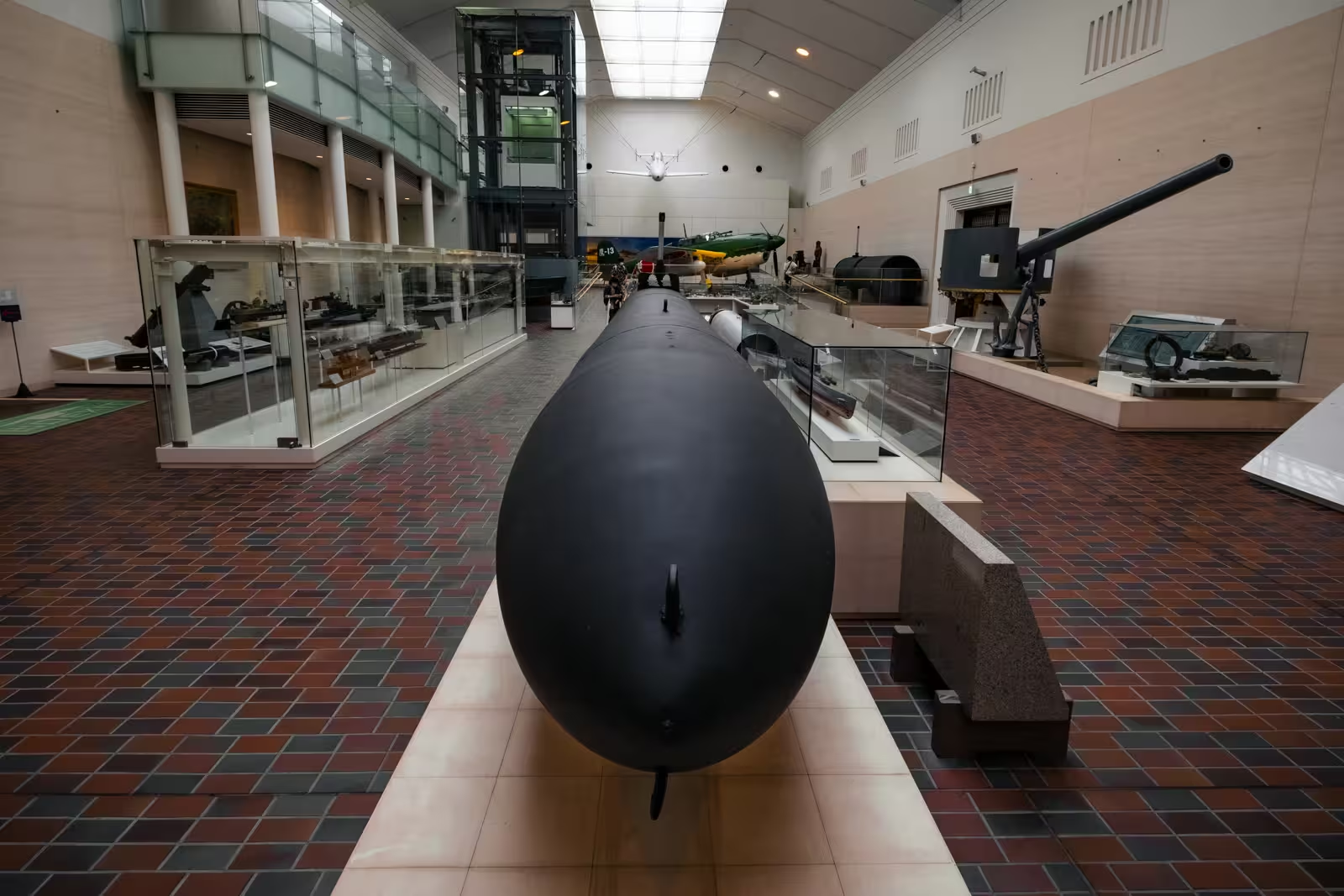
However, the areas where photography is allowed are spectacular and contain the museum’s largest and most famous artifacts.
What’s in the lobby?
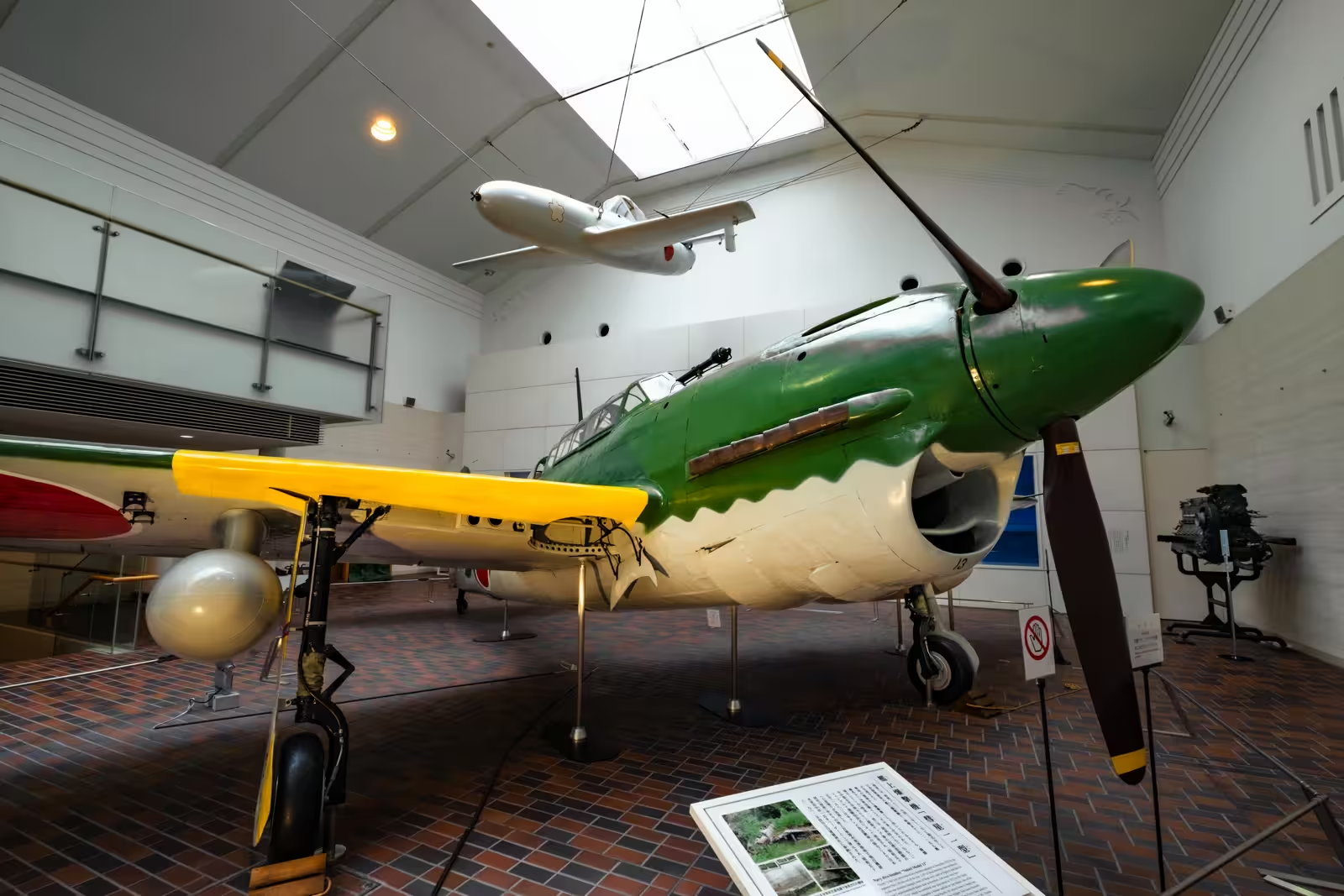
- A6M Zero fighter aircraft
- Class C56 steam locomotive number C56 31 used in Thailand after the war.
- Type 89 15 cm and Type 96 15 cm artillery pieces.
- This area can be crowded as it also has a cafe and gift shop. Be patient when taking photos.
What’s in the Grand Gallery?
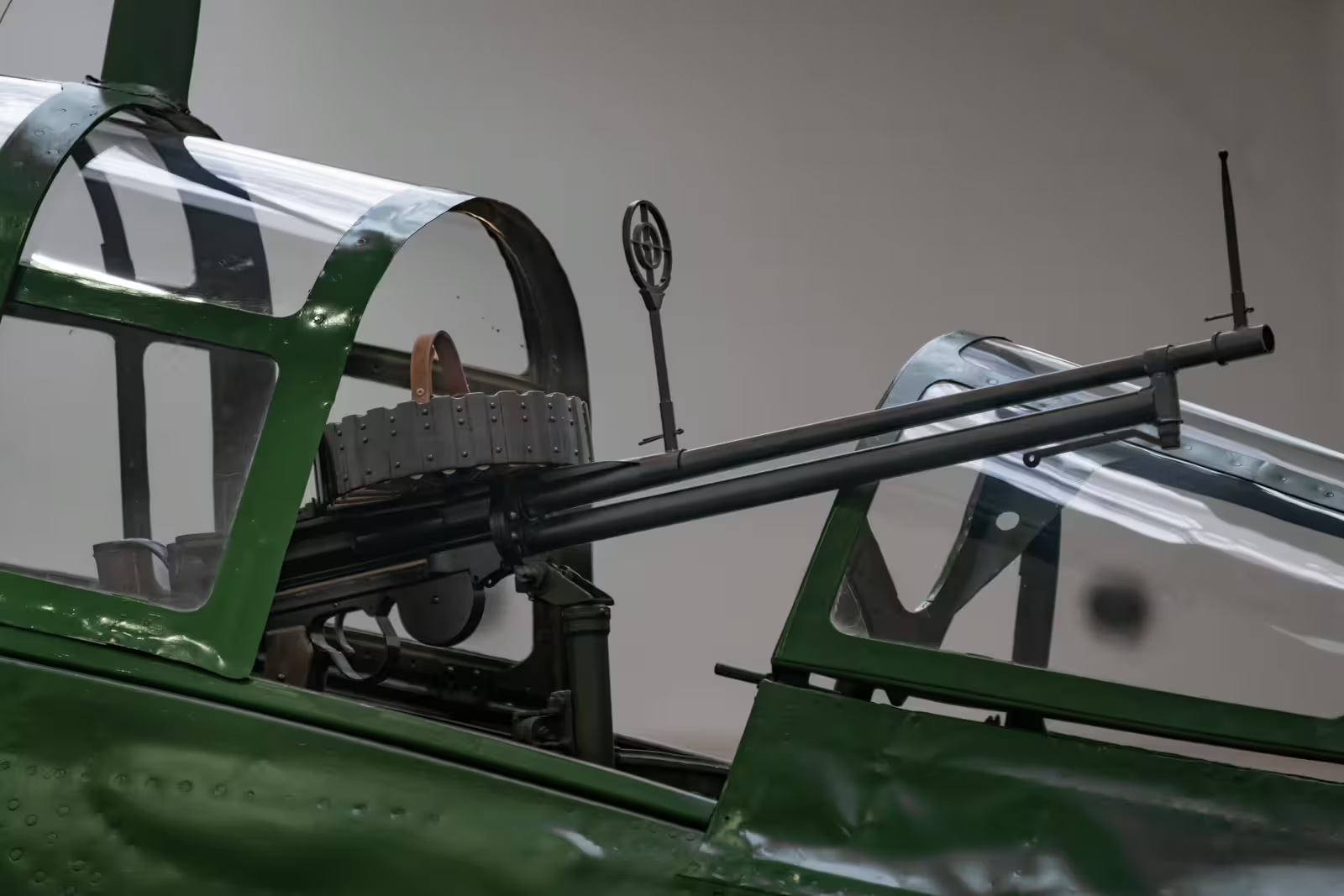
- Anti-aircraft guns
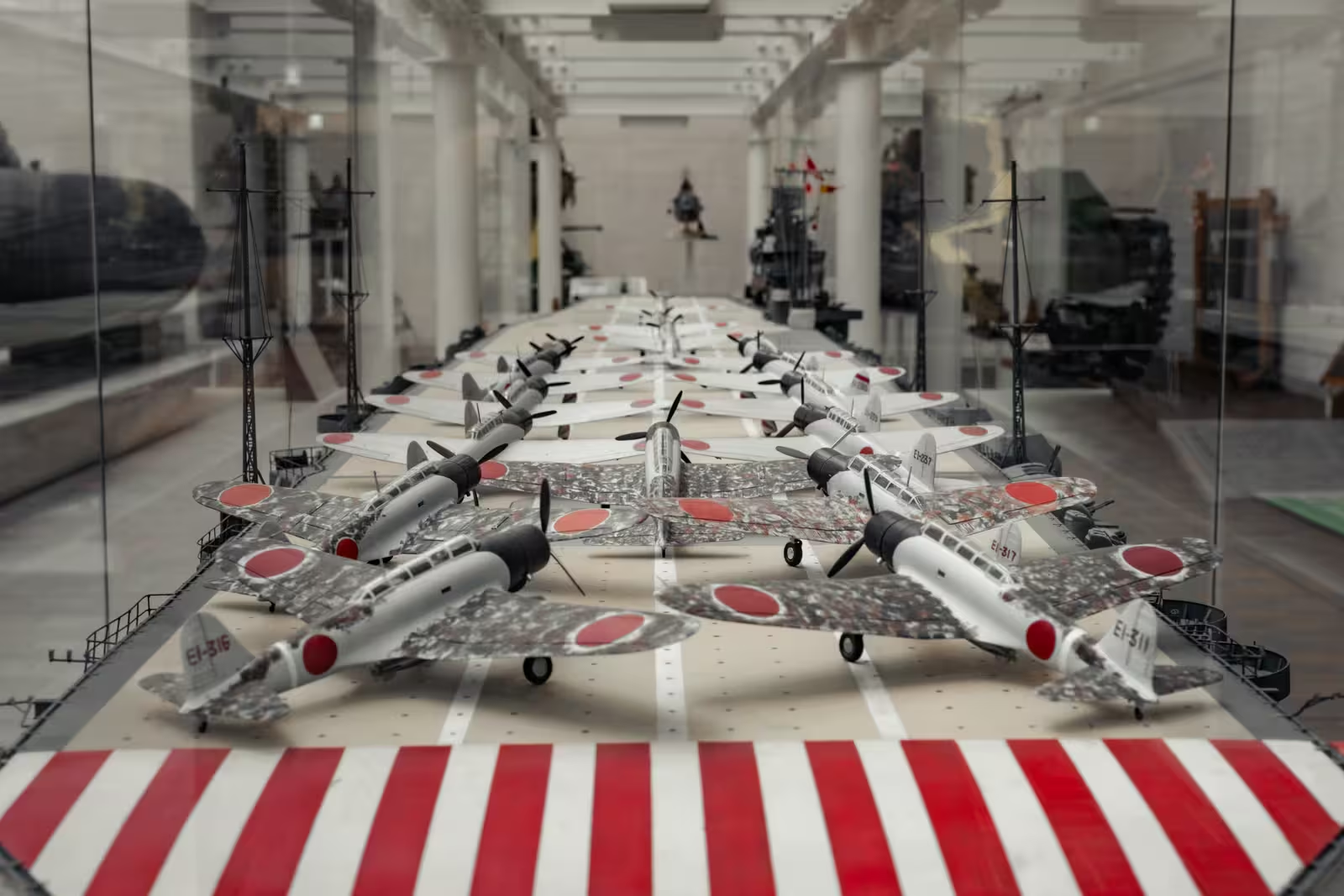
- Yokosuka D4Y Suisei (Comet) carrier-based dive bomber.
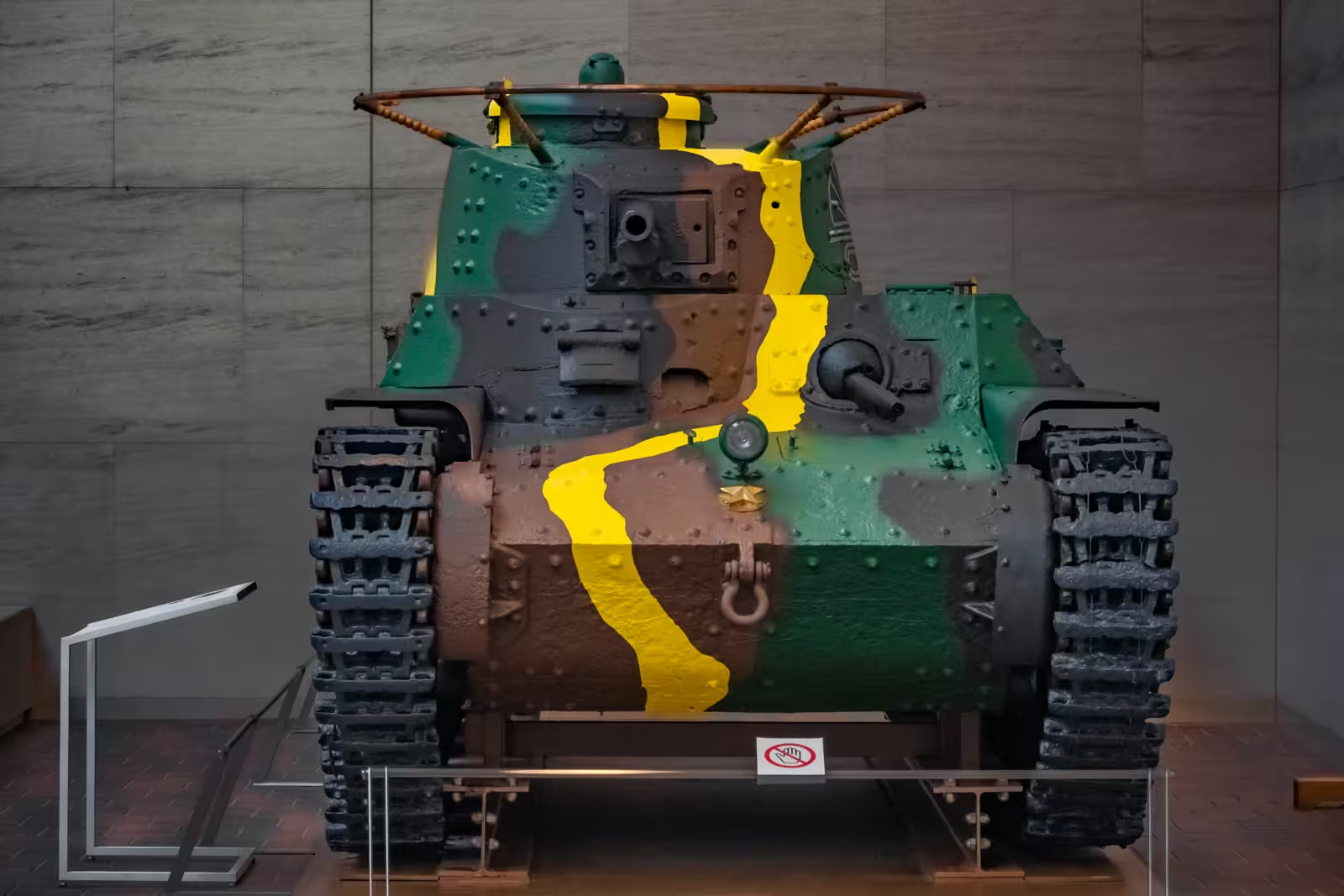
- Type 97 Chi-Ha tank found on Yap Island,
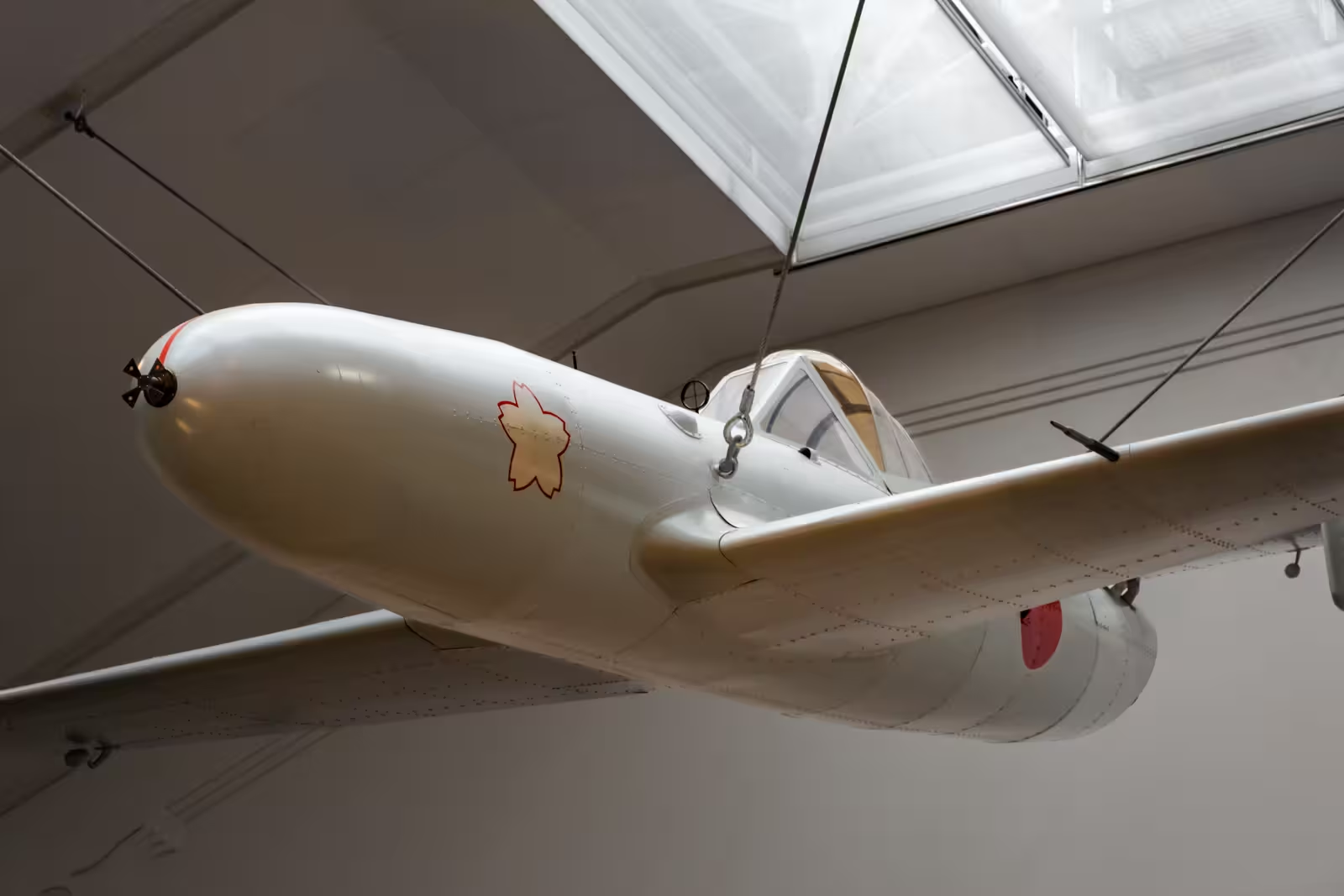
- a replica Ohka Model 11 rocket-propelled suicide aircraft
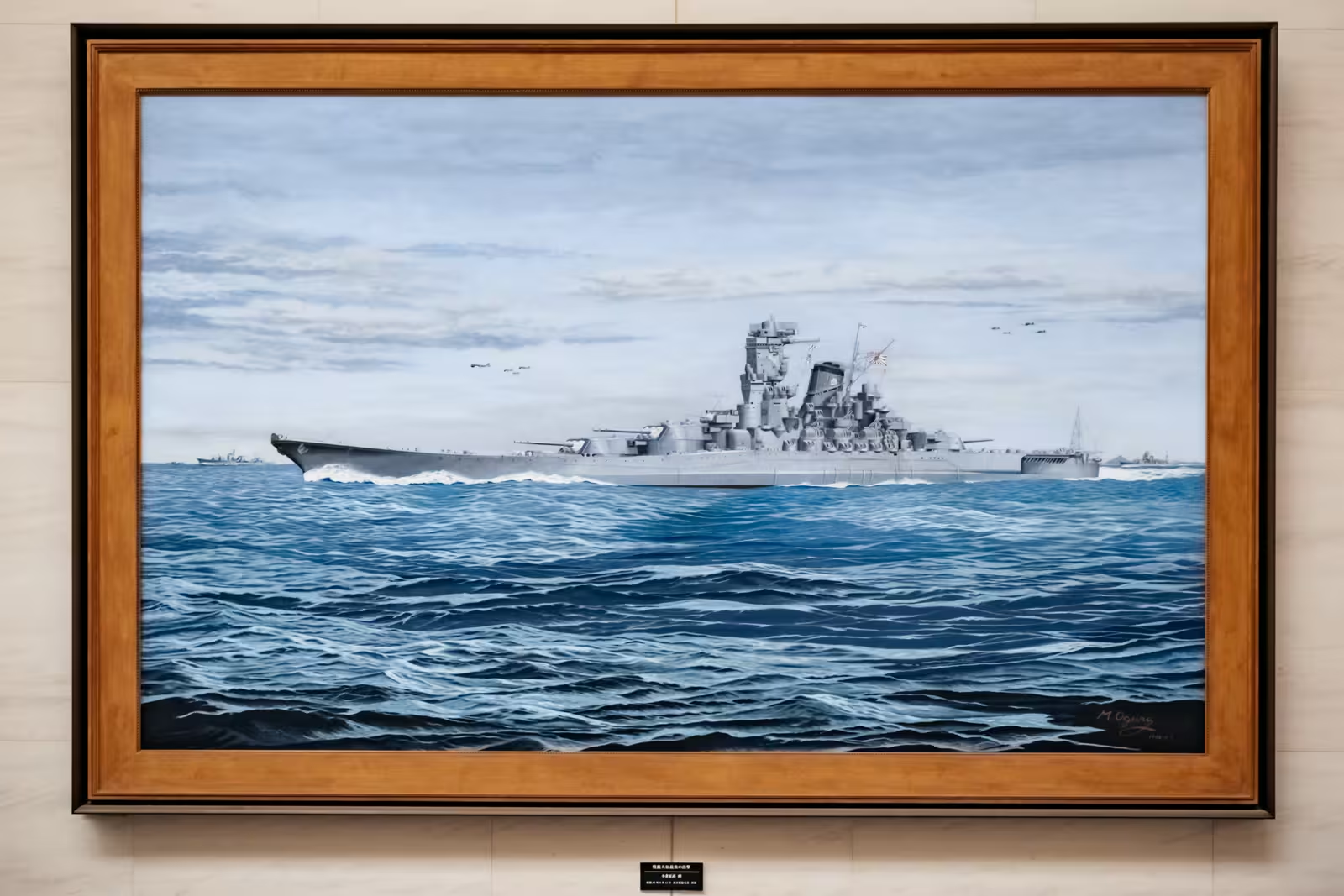
- a model of the Mutsu (陸奥) battleship
- Mementos from battlegrounds. They include helmets, a uniform worn by a paratrooper, and letters.
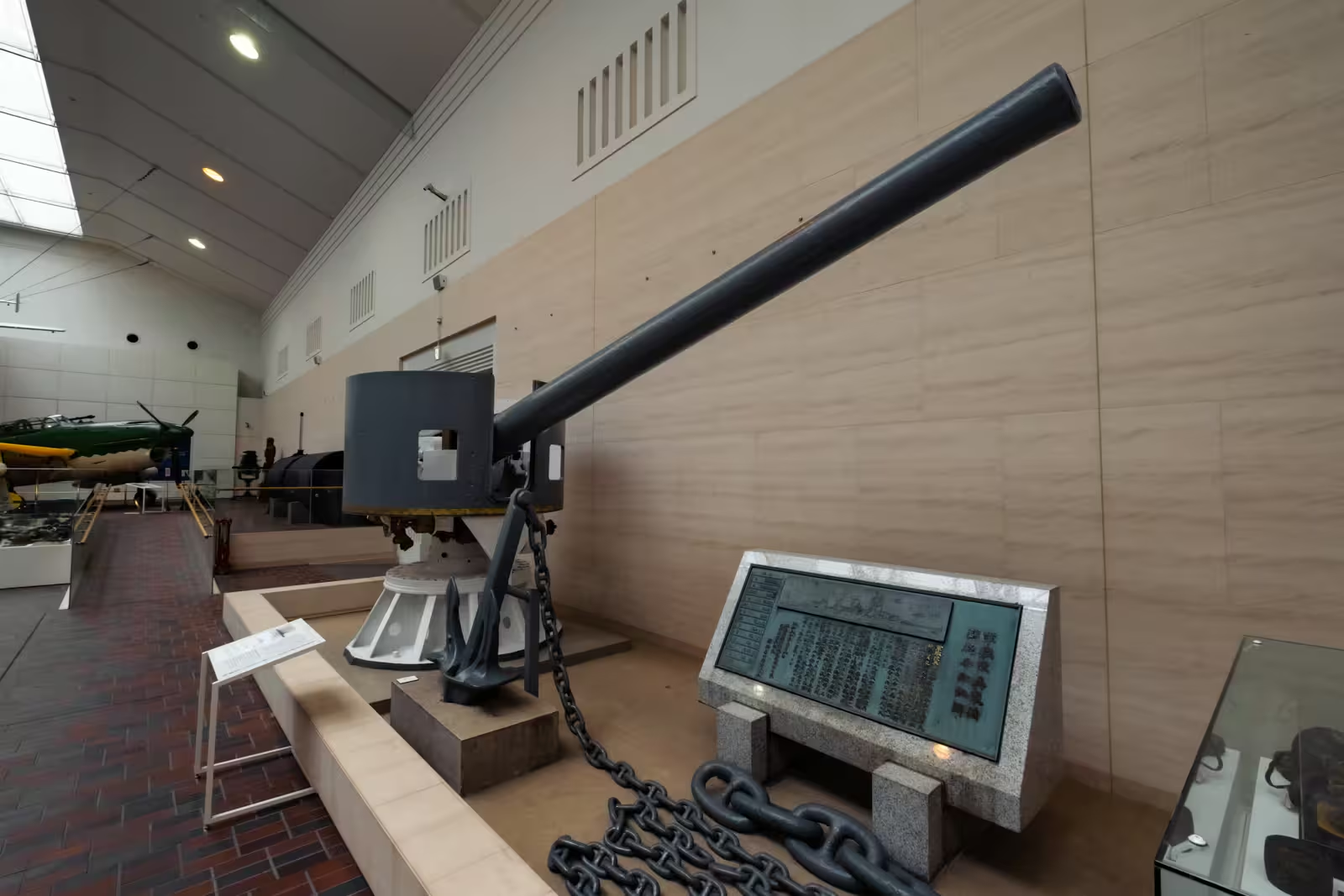
- Model 3 14 cm secondary gun from the battleship Mutsu
- Special Attack Surface Boat Shin-Yo Model 1 (suicide weapon)
- Type 4 200 mm rocket mortar
- There is so much more. The list is extensive. Much of it doesn’t exist anywhere else in the world. If you want to photograph it, you must go to the Yushukan.
Grand Gallery photography rules
- Flashes, tripods, and selfie sticks aren’t allowed.
- This area is bright, so there shouldn’t be any problems with photography. Just boost your camera’s ISO a little.
Visitor information
- Where is the Yushukan Museum? It’s at Yasukuni Shrine.
- Address: 3-1-1 Kudankita, Chiyoda City, Tokyo
- Admission costs:
- Lobby exhibits are free.
- The museum costs 1000 yen.
- Opening hours:
- 9 a.m. to 4:30 p.m.
- Closed at the end of June and December
- Before you visit the shrine, check the official Yasukuni/Yushukan website for the most up-to-date information and news.
Photo spots near Yaskuni Shrine
- Chidorigafuchi Moat (famous for cherry blossoms)
- Chidorigafuchi National Cemetery (for Japan’s unidentified war dead)
- Imperial Palace
- Kitanomaru Park
History of the museum
The Yushukan has two purposes:
- Show respect for the enshrined deities of Yasukuni Shrine
- Display military equipment.
It first opened in 1882. From small beginnings, it expanded, and new buildings were added. But the 1923 Great Kanto Earthquake caused its demolition.
Chuta Ito, the Meiji Shrine architect, designed a new building. It opened in 1932. Unfortunately, American bombing raids caused much damage in World War 2. Many records and paintings from the Tokugawa shogunate were lost.
In the post-war period, the building served a very different purpose. An insurance company used it as the Occupation forces had taken over its offices. The company left in 1980. In July 1986, the building became a museum again.
The main building was renovated on July 13, 2002, and the layout and exhibits were updated. A new building with a cinema was added to commemorate the shrine’s 130th anniversary. Everything looks great.
Is the Yushukan worth visiting?
Absolutely. While the museum’s location is a subject of controversy, for photographers and military history fans, it remains an unparalleled destination.
If you want to photograph rare Japanese military artifacts that exist nowhere else in the world, this museum is a must-visit. Have you been to the Yushukan? Share your experience in the comments.
By the way, if you want to see a military museum with a difference check out [Memorial Battleship Mikasa Photo Guide].