Are you heading to Tokyo for the first time? You’ll need a Meiji Shrine photography guide. This wonderful place is in a forest in the heart of bustling Tokyo. Time slows down there.
City sounds will fade into the rustle of leaves as you enter its forest of 120,000 trees. Shinto traditions and ceremonies abound.
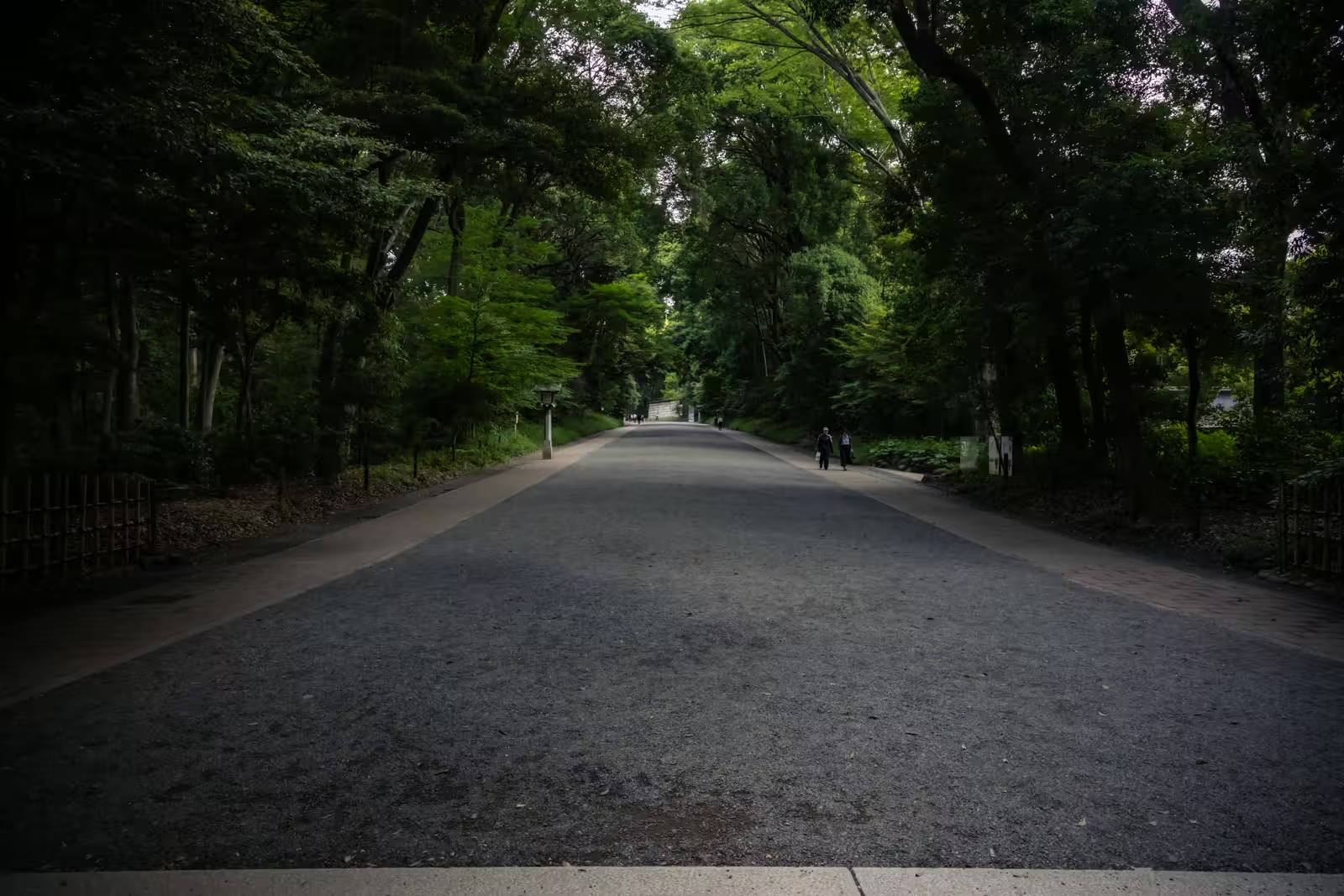
It took me about 10 minutes to walk from the front torii, past the famous sake barrels, to the main halls. Even in the height of summer, the dense canopy provides a cool relief from Tokyo’s harsh sun.
Harajuku, the world leader in pop culture, is just across the road. This harmony of the sacred and the trendy is a surreal experience. One might feel like it was built specifically for us photographers.
Meiji Shrine photo spots
Inner Garden: Iris field & Nan-chi Pond
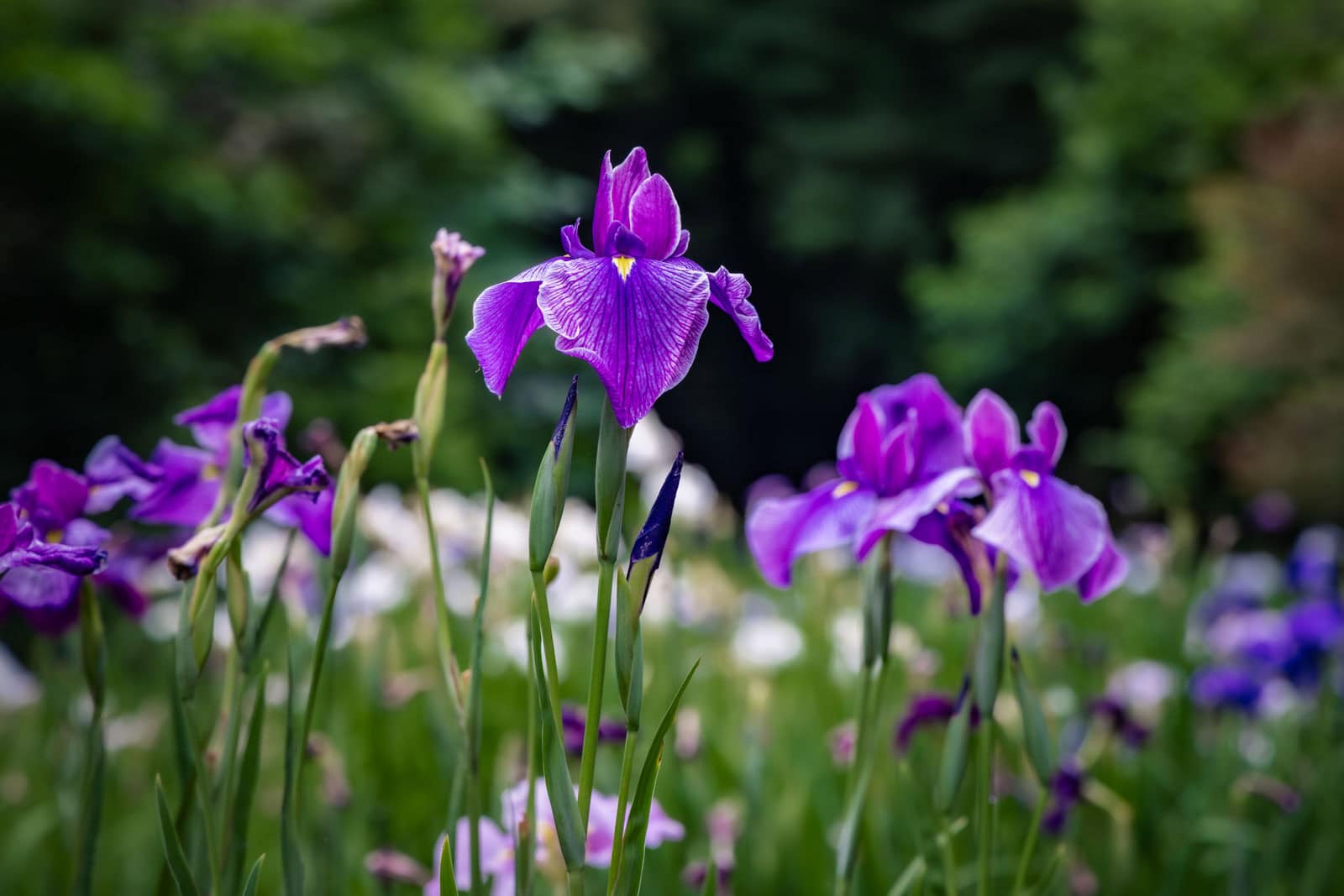
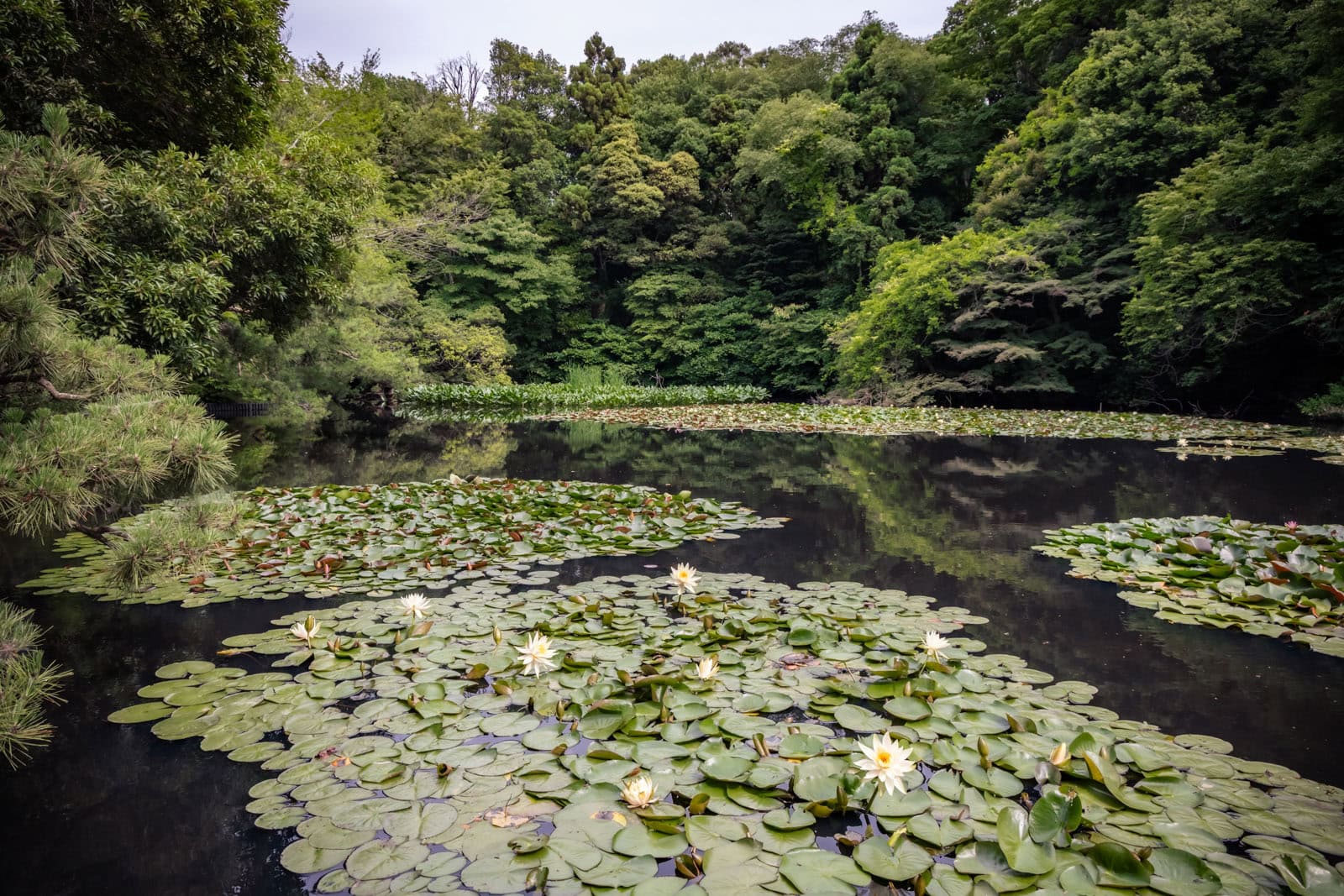
Deep in the forest lies the Inner Garden, a serene world of its own that requires a separate entrance fee (¥500). It’s famous for the iris field and the Nan-chi pond where the Empress Shoken liked to fish.
For the iris field (best in June), get low to make the flowers fill the frame. At the pond, tripods are not allowed, so try bracing your camera on a stable surface. To capture the clear water, you might want to use a polarizing filter if you want to cut through reflections.
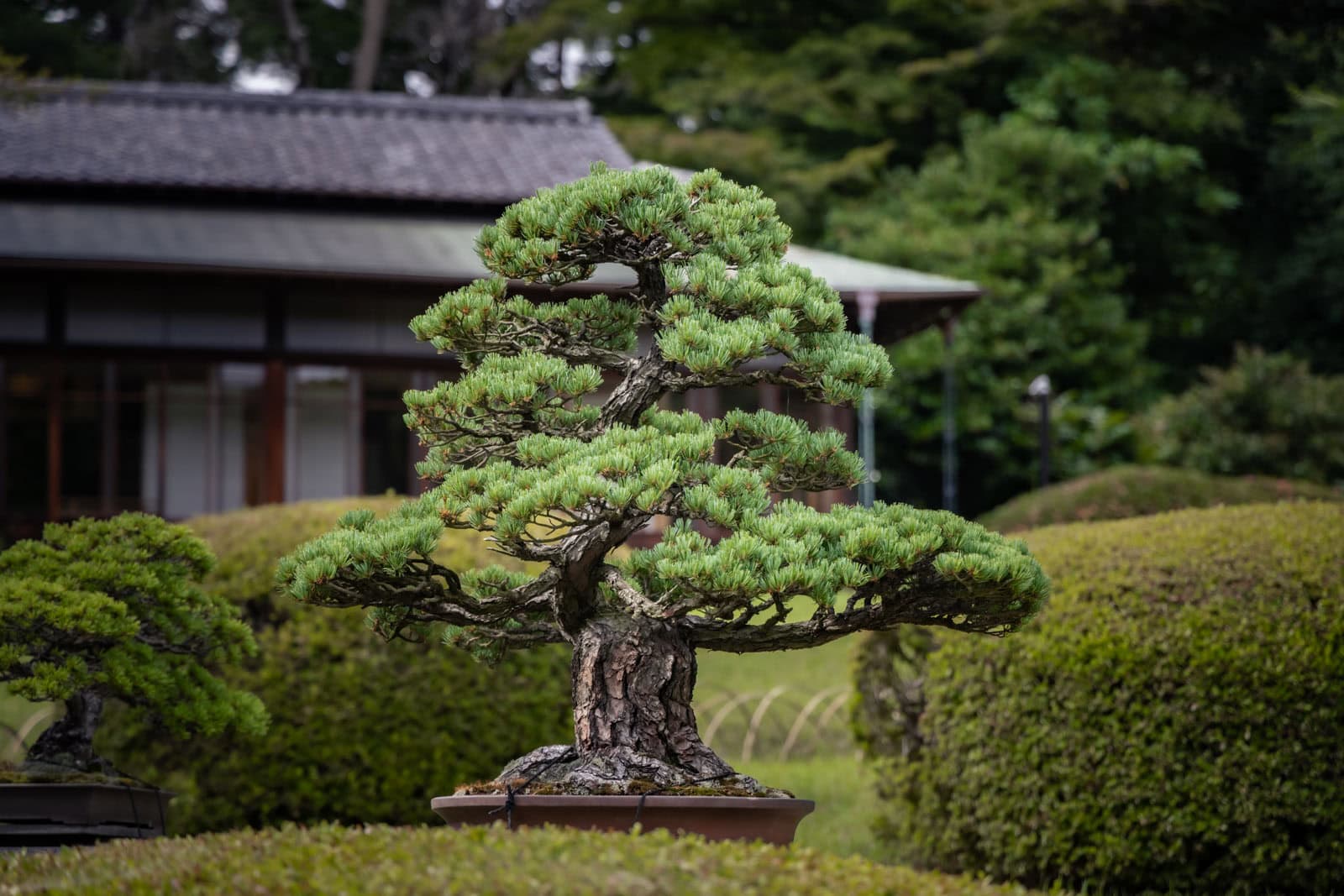
Near the pond, is the Kakuun-tei, a sukiya-style teahouse used by the Empress. Azaleas bring color to the lawn in spring. Some bonsai are also there for lovers of the art.
Many visitors also queue to see Kiyomasa’s Well, believing it to be the highlight of the garden and powerspot. Honestly? It’s a small, simple spring. While historically significant, I’d rather spend my time with the flowers or at Nan-chi pond.
Kazaridaru sake & wine barrels
Lining the approach near the main entrance is the massive wall of kazaridaru. These decorative, empty sake barrels are donated annually by brewers across Japan as offerings to the enshrined deities.
Directly opposite them stands a surprising counterpart: barrels of Burgundy wine from France, symbolizing Emperor Meiji’s embrace of Western culture.
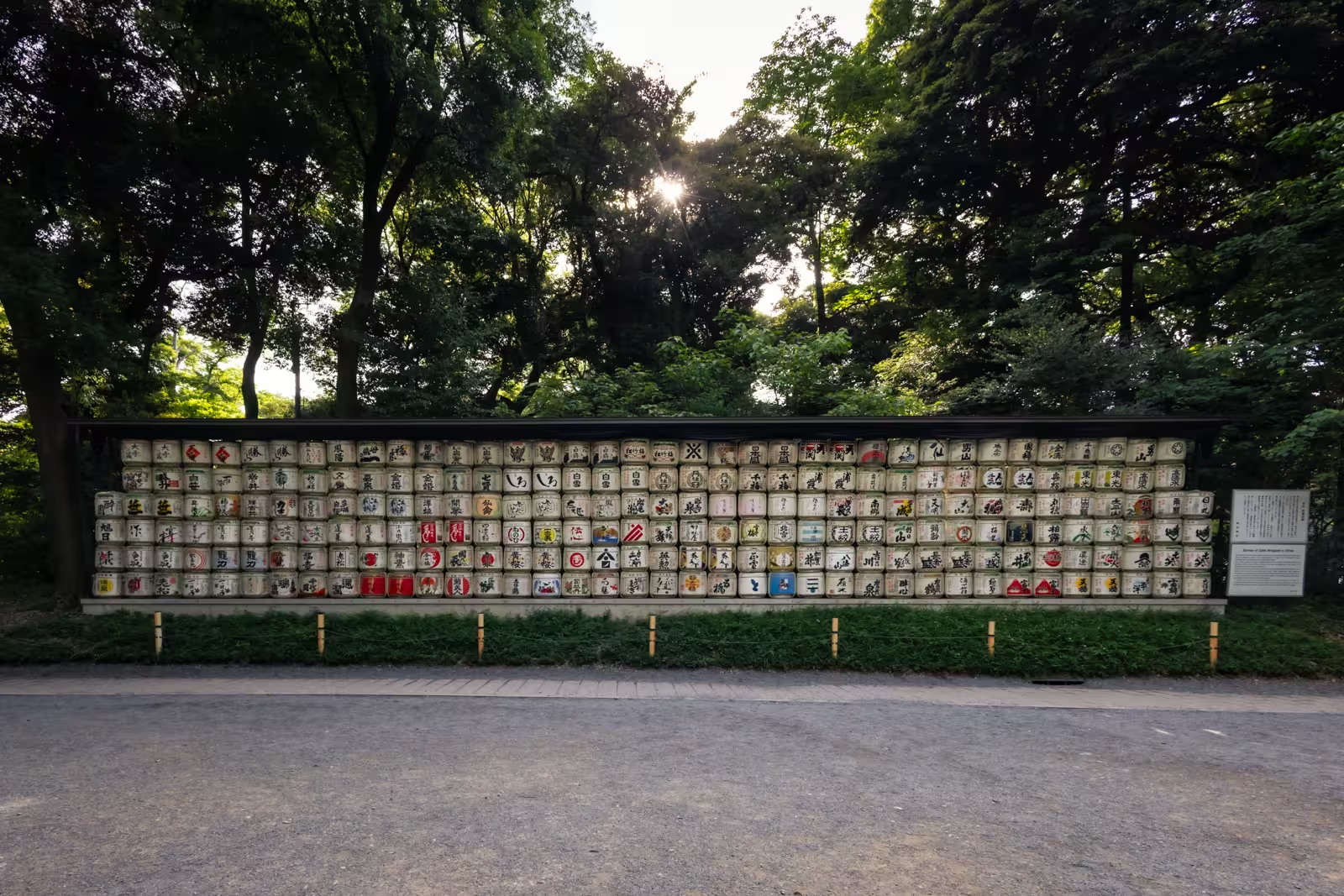
Photo tip: These are best photographed in the soft morning light before the crowds arrive. Use a telephoto lens to isolate the intricate calligraphy on specific barrels.
You could even go wide to capture the symmetry of the opposing walls.
Main shrine complex
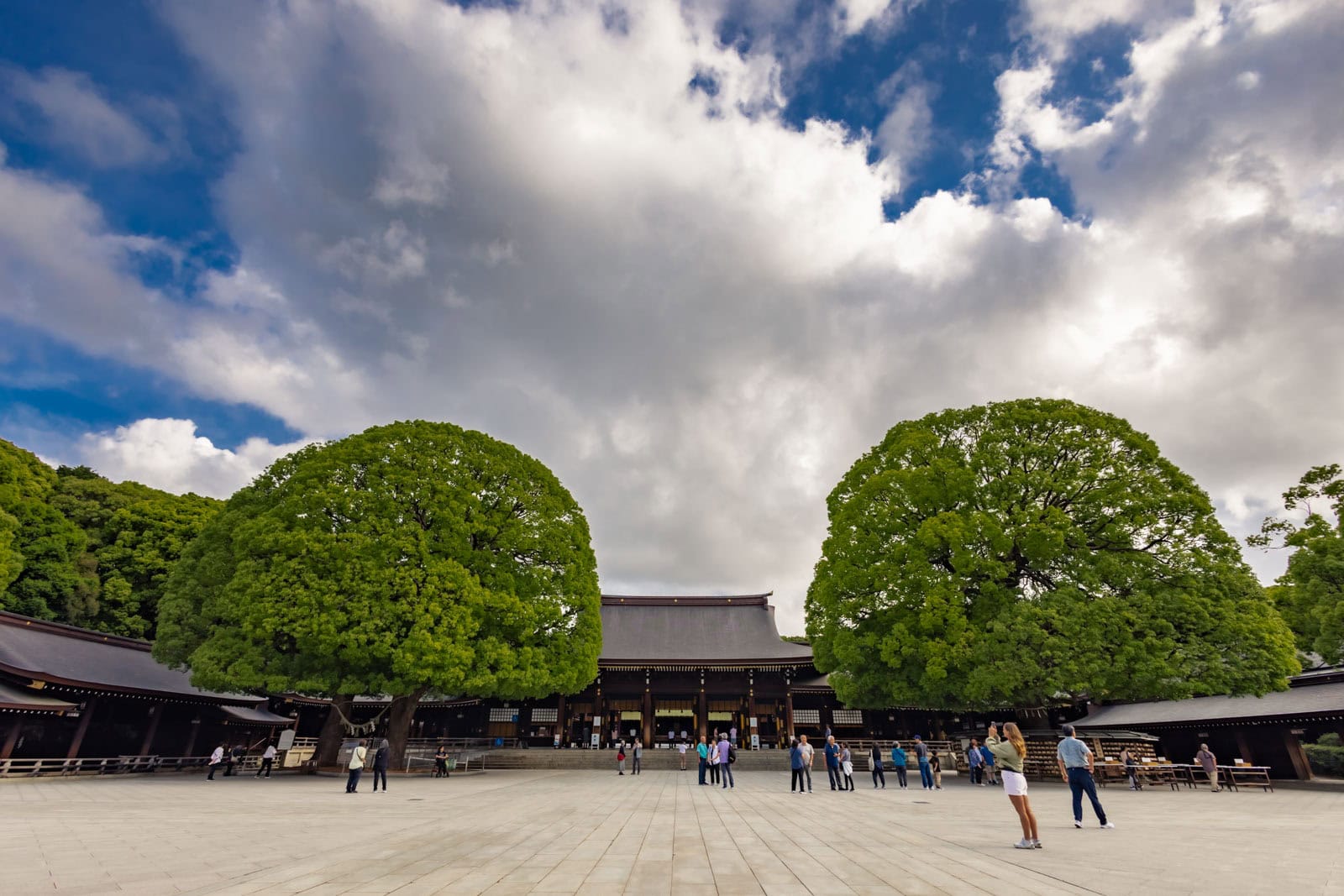
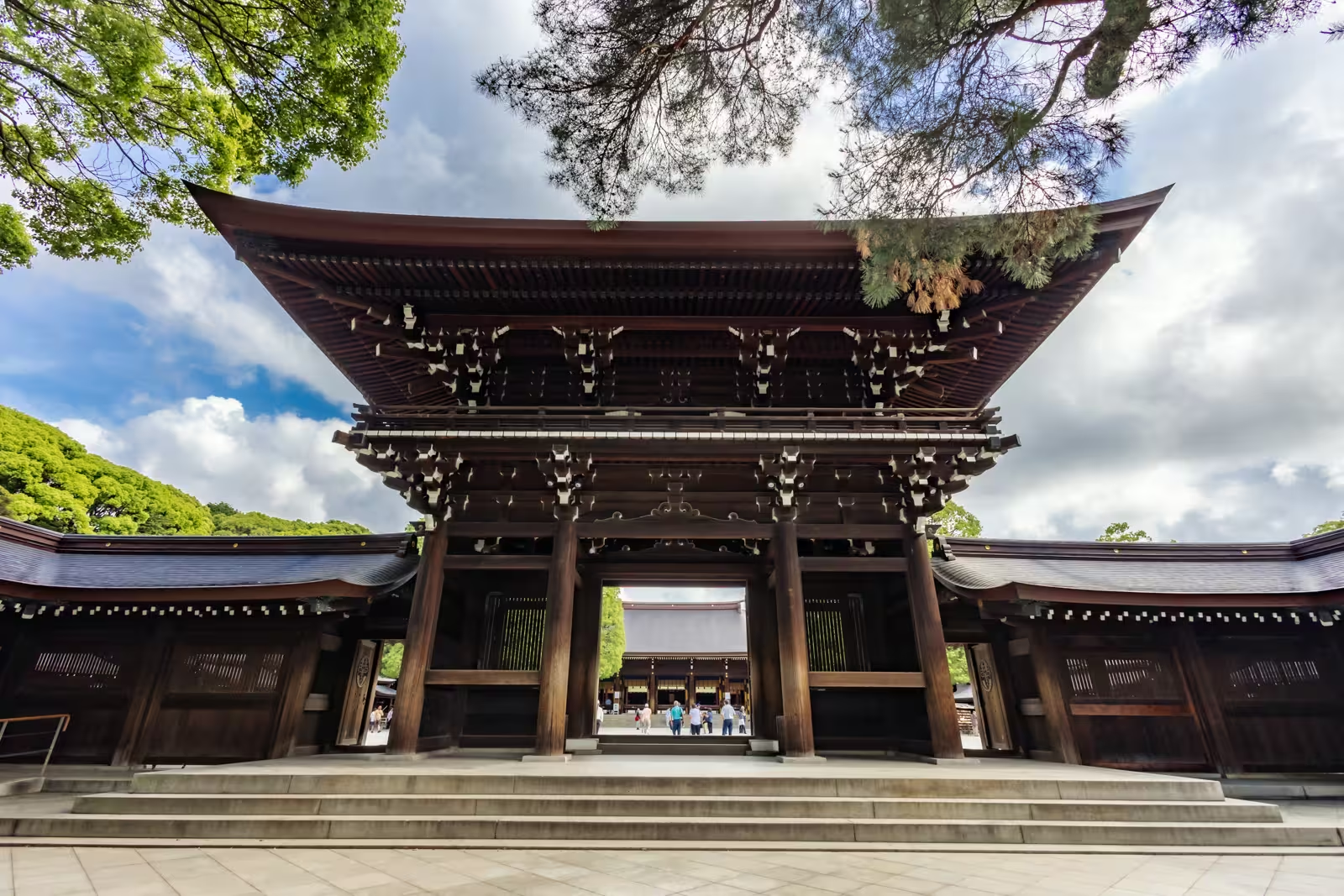
The heart of the shrine is the Haiden (offering hall) and Honden (main hall). They were made with Japanese cypress and copper in the traditional nagare-zukuri style. The elegant, sloping roof is a key feature to capture, so use a wide-angle lens to set it against the sky.
To photograph the intricate details, respectfully wait for worshippers to finish their prayers. Once they are gone, use a zoom lens to capture the wooden carvings and gold embellishments.
Giant torii gates
You’ll pass through several massive wooden torii gates on your walk through the forest. The main one near Harajuku Station is one of the largest in Japan.
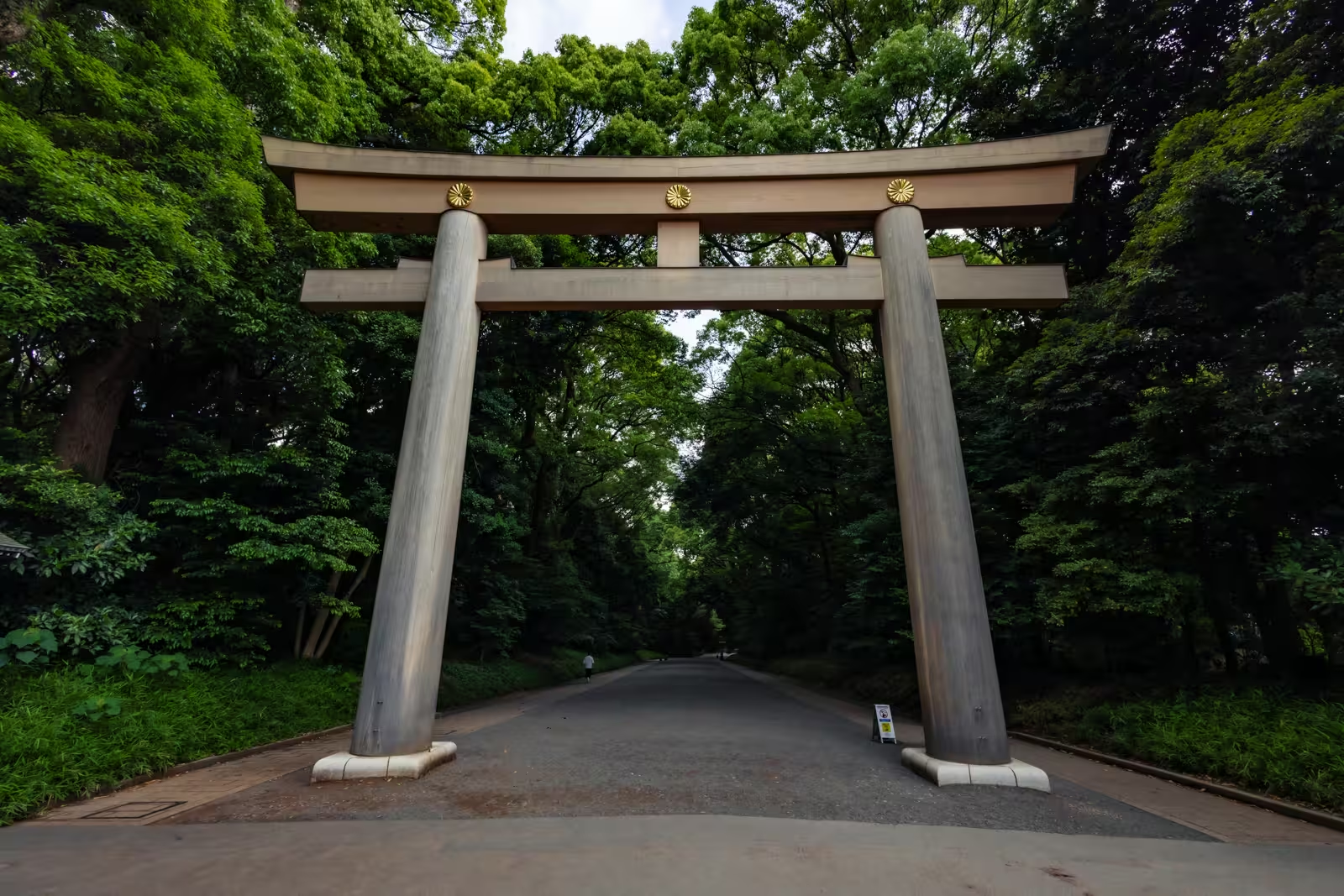
To capture its immense scale, use a wide-angle lens and try shooting from a low angle for a more dramatic perspective. Also, use the gates to frame a shot looking down the long, forested path.
Little details: Ema, lanterns, & temizuya
Don’t forget the many little details around the shrine. There are ema votive tablets, lanterns, crests and temizuya.
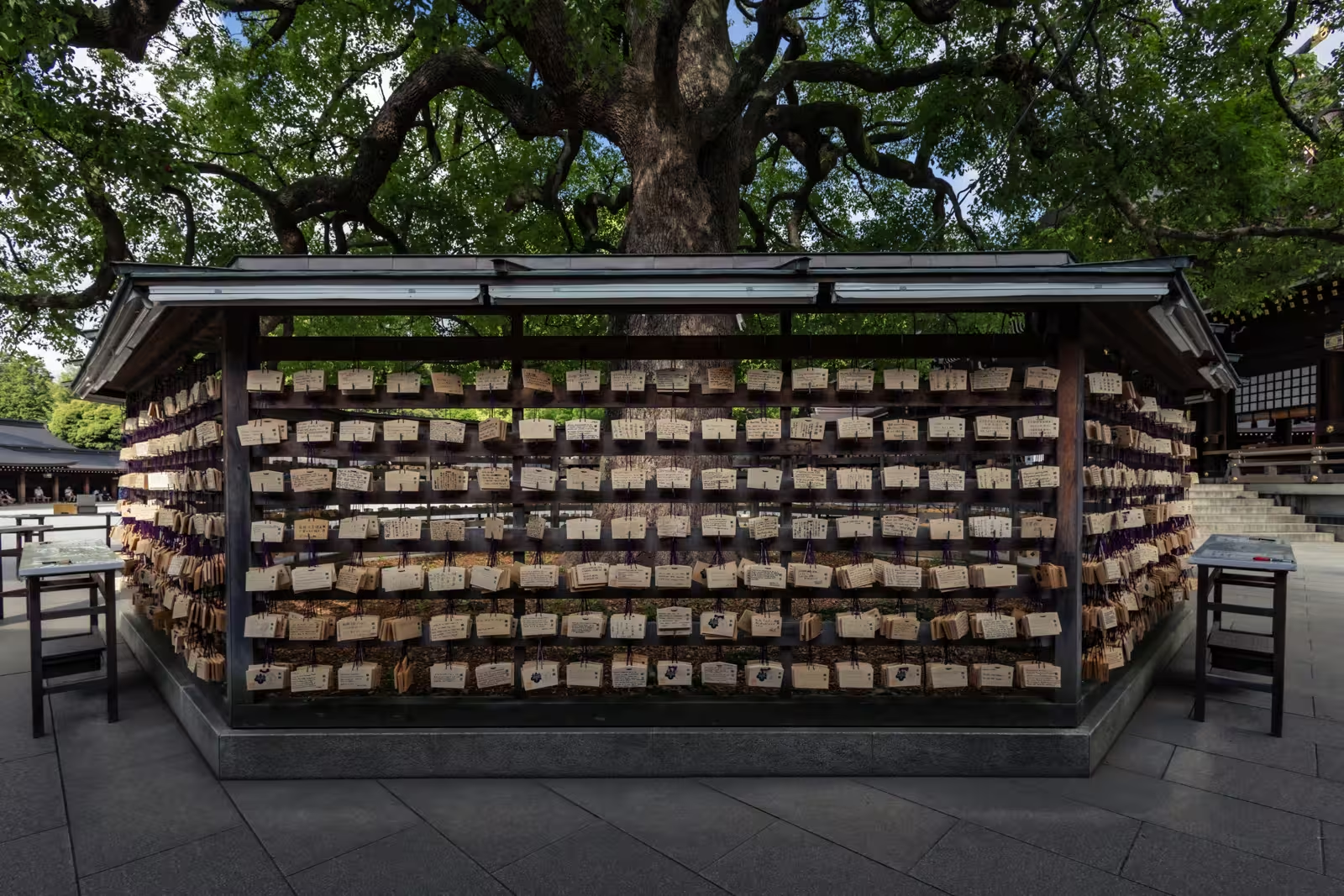
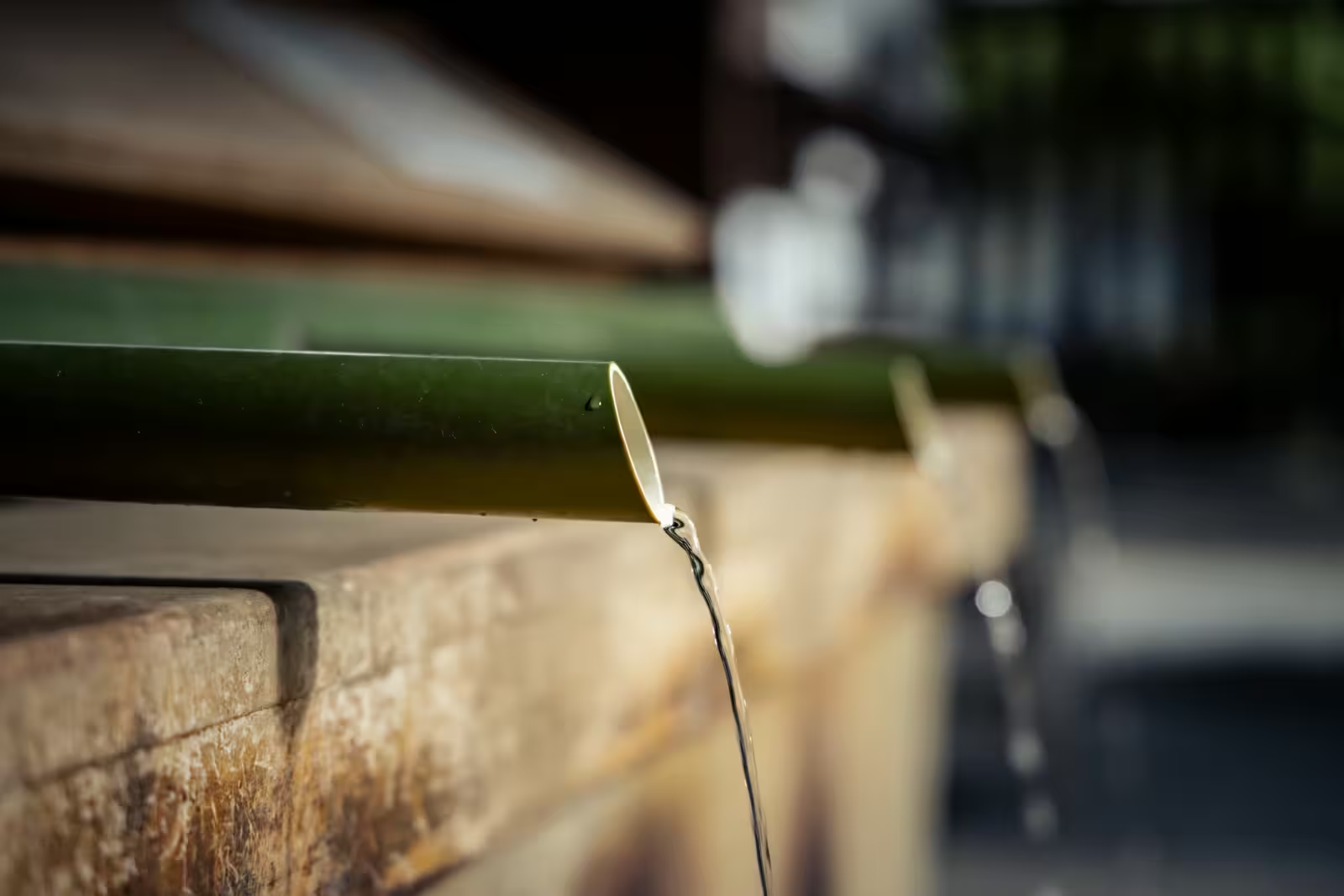
Temizuya is the place to wash your hands before prayers at the main hall. In this case, it has bamboo pipes from which water drips. Closeups of these can add something extra to your portfolio.
Seasonal flower & festival guide
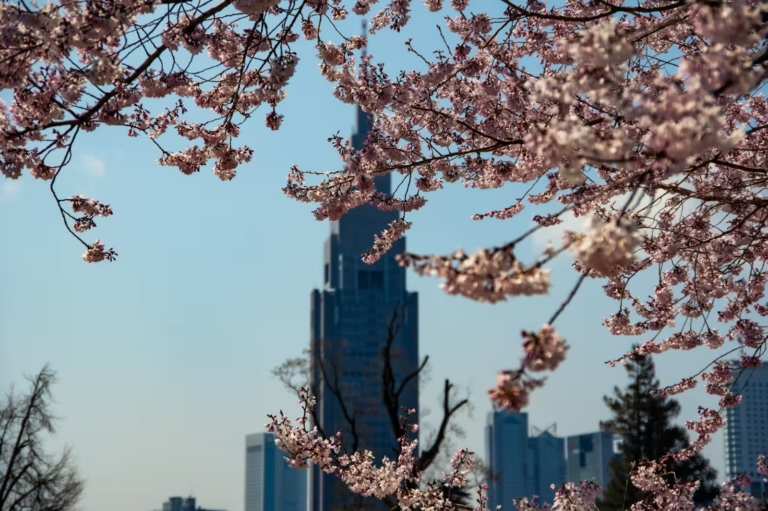
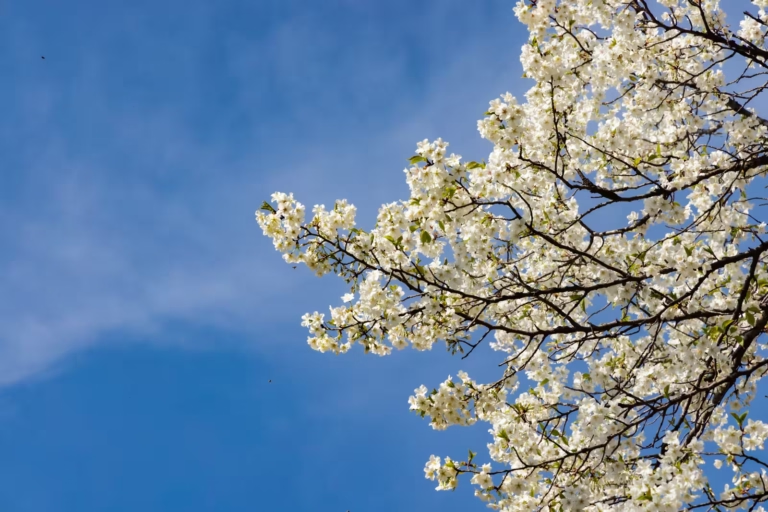
Spring (March-May): Cherry blossoms, azaleas.
Summer (June-August): The famous irises, Tanabata festival.
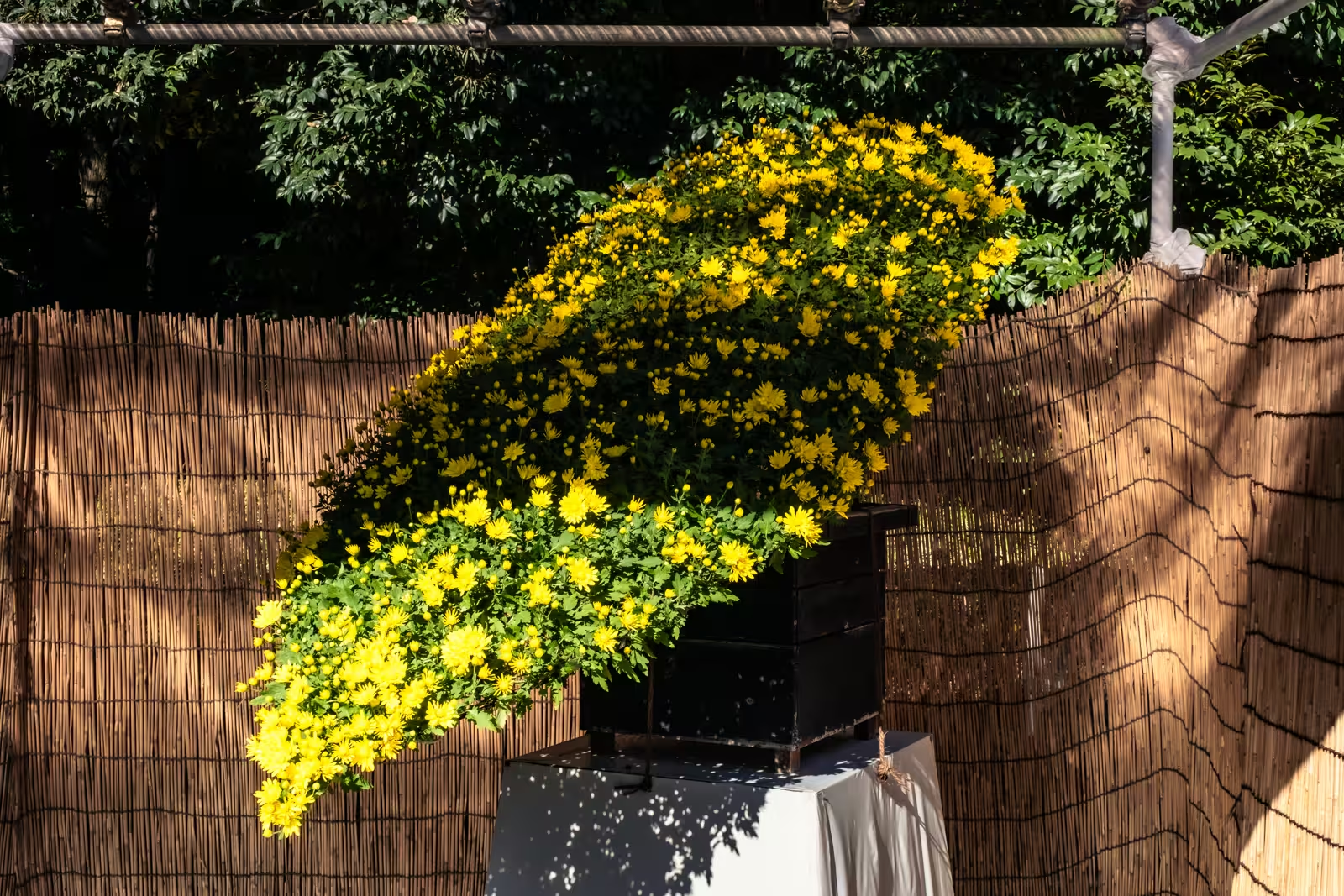
Autumn (September-November): Chrysanthemum displays, Autumn Grand Festival.
Winter (December-February): Serene winter light, and the massive Hatsumode (New Year’s) crowds, Setsubun (Bean Throwing Festival).
Check the shrine’s official website for complete details.
Capture a Shinto wedding procession
Meiji Shrine’s wedding processions are famous. Couples in colorful kimonos and hakamas make for superb photos.
While they can happen on any day (depending on the Rokuyo calendar), you have a great chance of seeing one on a weekend morning.
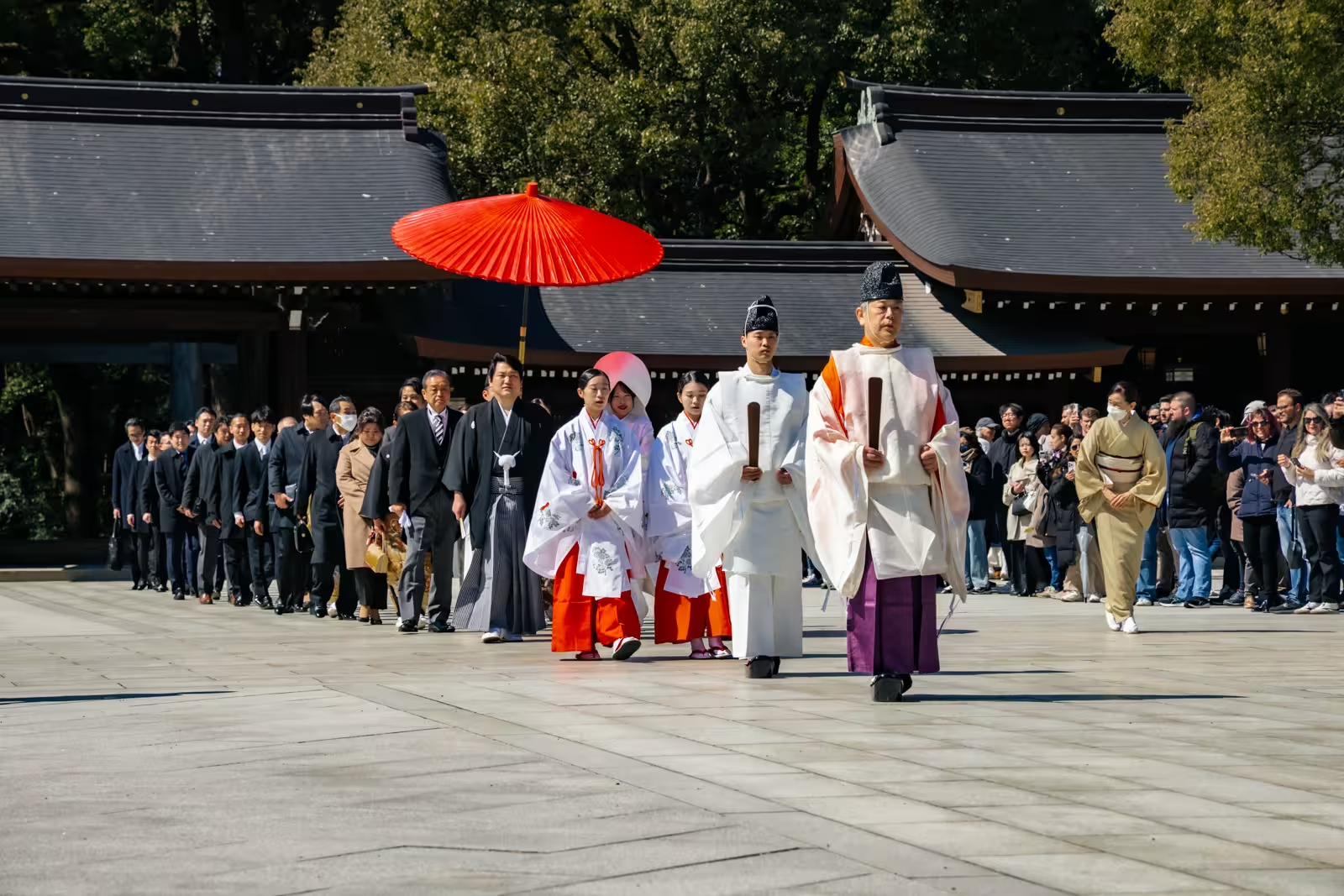
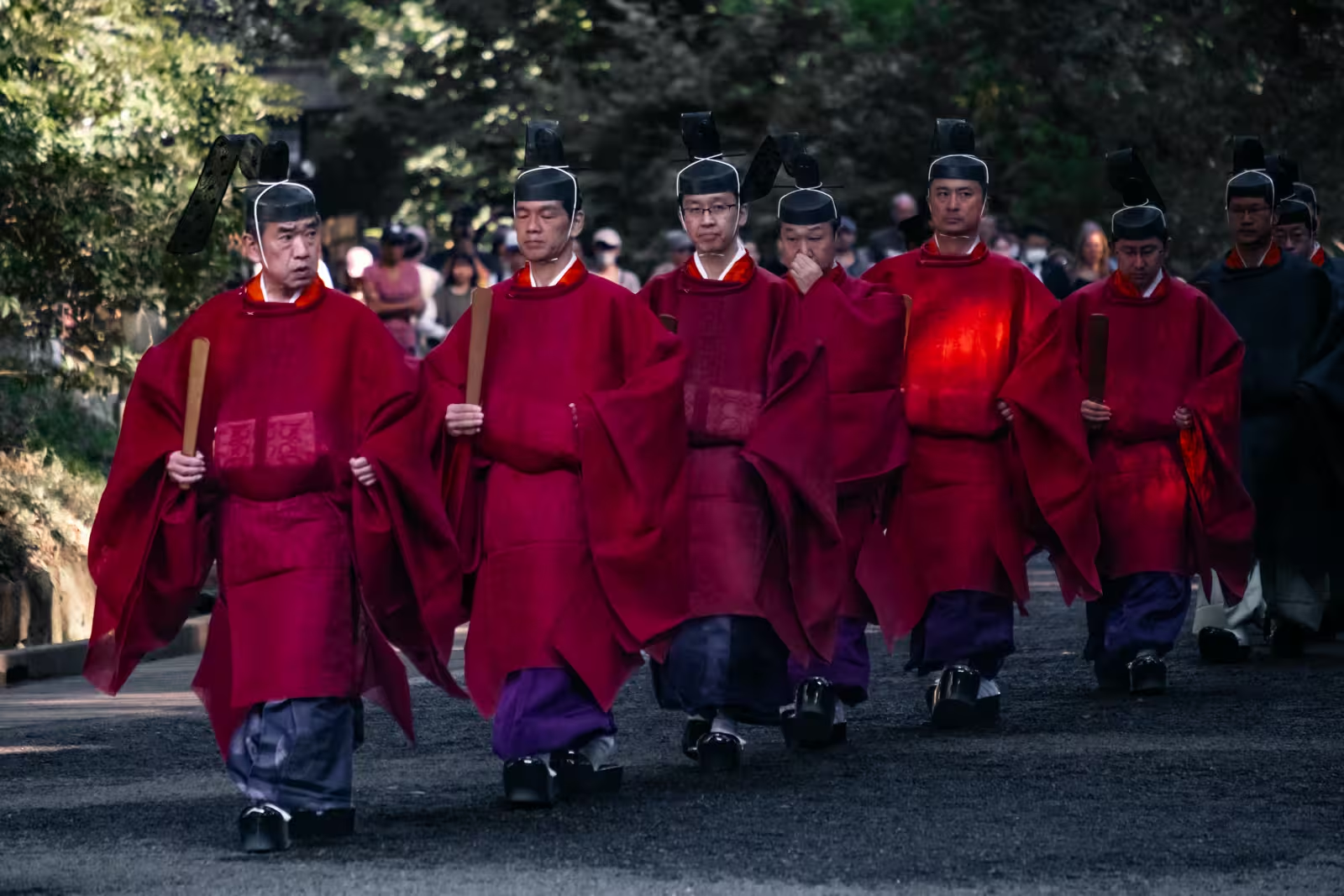
Before and after the ceremonies, they cross the courtyard in front of the main hall. The bride and groom, parents, and guests walk in order of importance, following the priest and Miko.
Visitors crowd the route to take pictures of it. Read about them in this article. Read my guide to learn more about [Wedding Processions at Meiji Shrine].
Meiji Jingu photography rules & etiquette
- “No Photo” zone: It is forbidden to take photos of the Inner Sanctum (looking directly into the main temple building where people pray). Furthermore, don’t point your camera at anyone praying. That will bring the attention of the security guards.
- Commercial photography: You need a permit for commercial/model shoots
- Drone policy: Drones are strictly prohibited (but this is standard for Tokyo).
- Closeups of staff (i.e. priests and miko shrine maidens) is discouraged.
Yabusame: Horse archery for an emperor
One of the shrine’s major events is the Emperor’s Autumn Grand Festival (November 1–3). This festival commemorates the shrine’s founding and its connection with Emperor Meiji (1867–1912).
It is three days of traditional performing arts, martial arts, and sacred rituals. If you have limited time, the absolute highlight for photographers is Yabusame (horseback archery), which traditionally takes place on November 3rd.
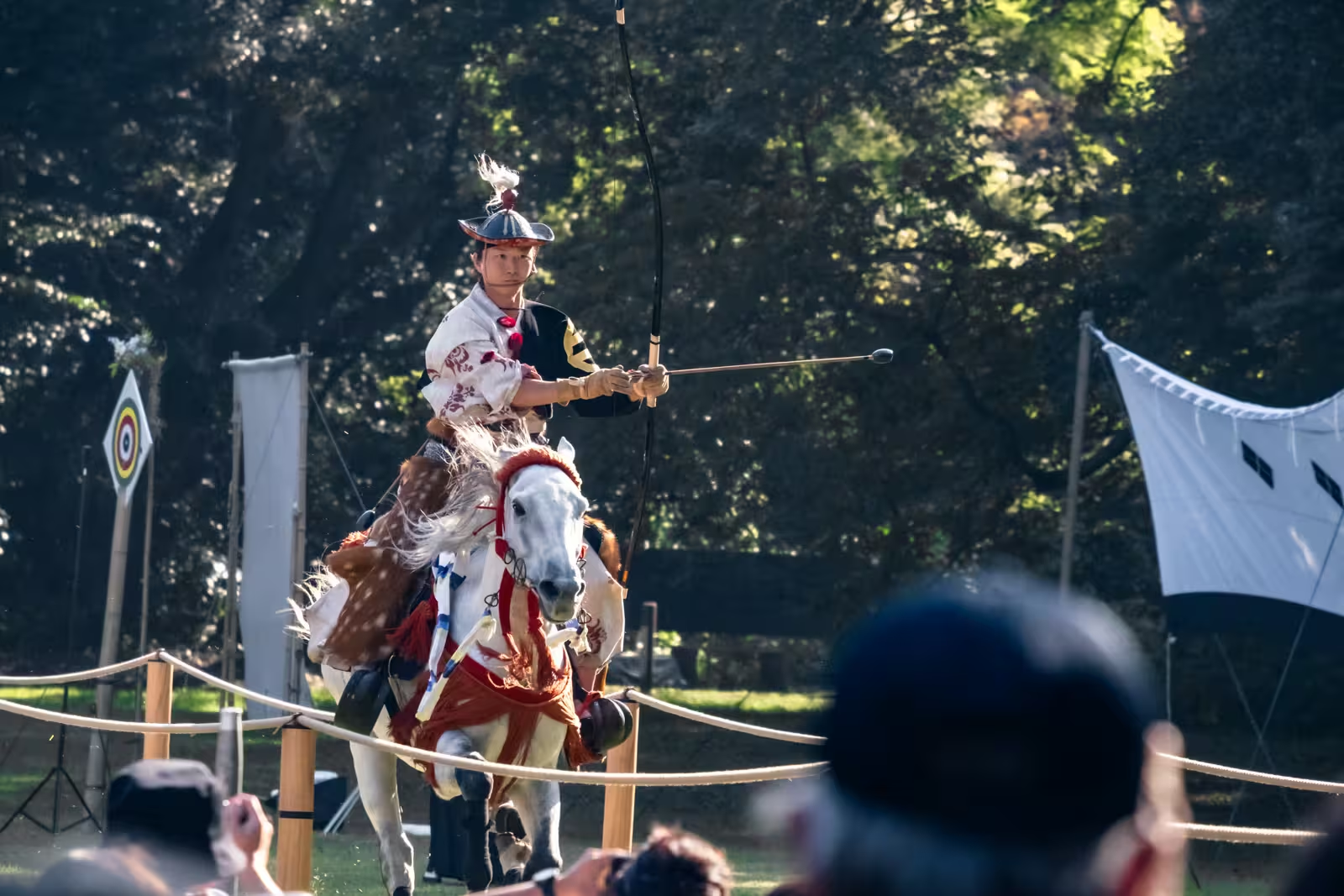
Run by the Japan Equestrian Archery Association, it’s a high-speed display of samurai skill. The event is free to watch, but you must grab a spot early as the viewing area fills up fast. Admission is sometimes restricted once the venue reaches capacity, so aim to arrive at least an hour before the start.
Nearby photo spots: Harajuku, Yoyogi & Shibuya
- Harajuku architecture (some great buildings in the area have gone up)
- Miyamasumitake Shrine (a tiny shrine near Shibuya Station)
- Rockabilly dance groups (next door at Yoyogi Park)
- Tokyu Plaza Omotesando Harajuku (a department store’s mirror-filled entrance)
- Yoyogi Park
Shrine history & architecture
Dedicated in 1920 to the late Emperor Meiji and Empress Shoken, the shrine was built on the site of an iris garden the couple adored. Designed by Chuta Ito in the traditional nagare-zukuri style, it was a massive public effort.
Though the original buildings were lost in WWII air raids, public fundraising allowed the shrine to be rebuilt. It stands today as a symbol of resilience and respect.
My verdict: Will photographers love Meiji Shrine?
Meiji Shrine is a great Tokyo tourist attraction. Every photographer should put it on their itinerary. With the history, architecture, flowers, events, ceremonies, and yabusame it’s no wonder it attracts so many visitors.
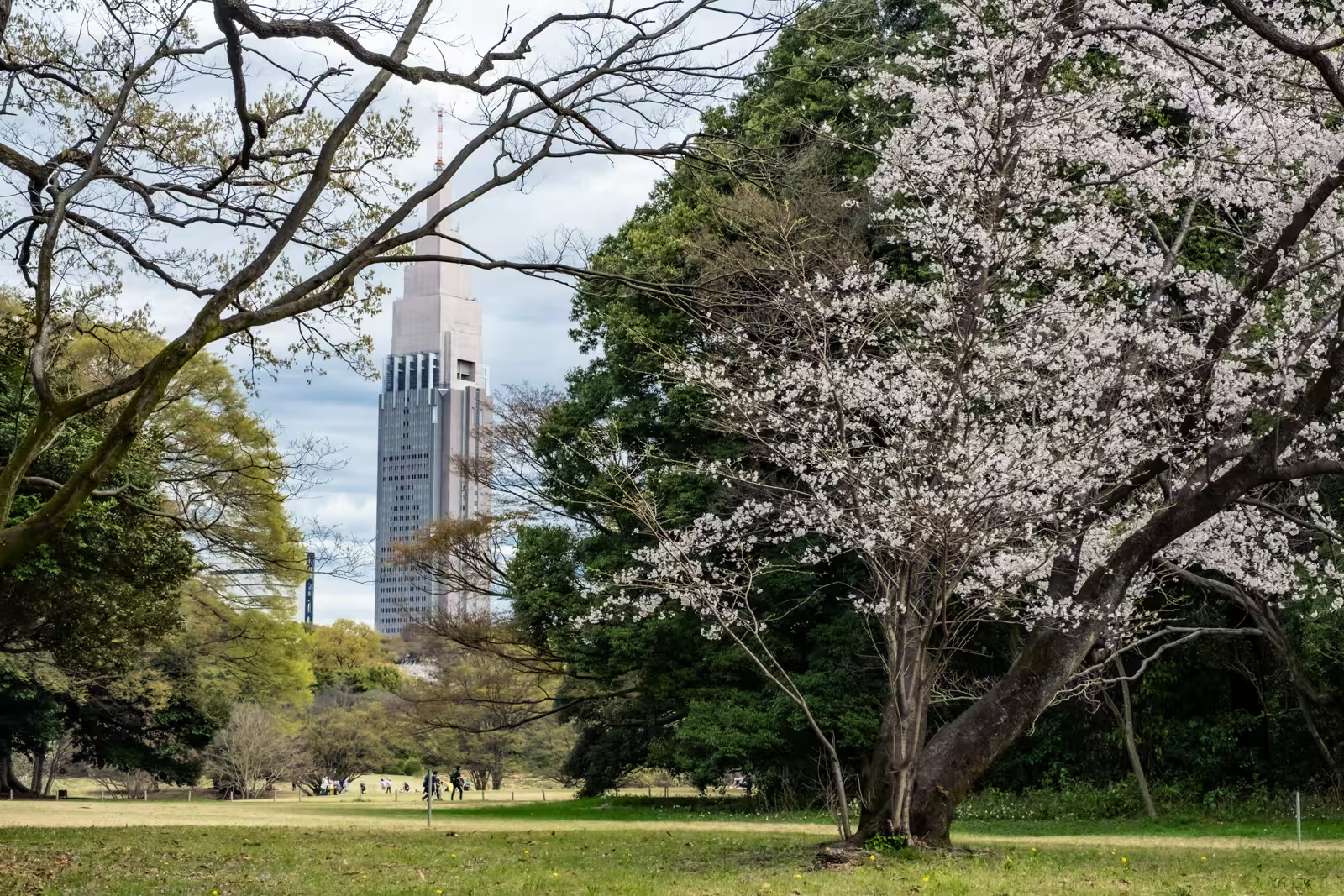
The real bonus is that Yoyogi Park, Harajuku, and Shibuya are close. If you went on a Sunday, you could fill an entire day with many great things to do. And most importantly, they would all be picture-worthy!