Wedding Processions at Meiji Shrine
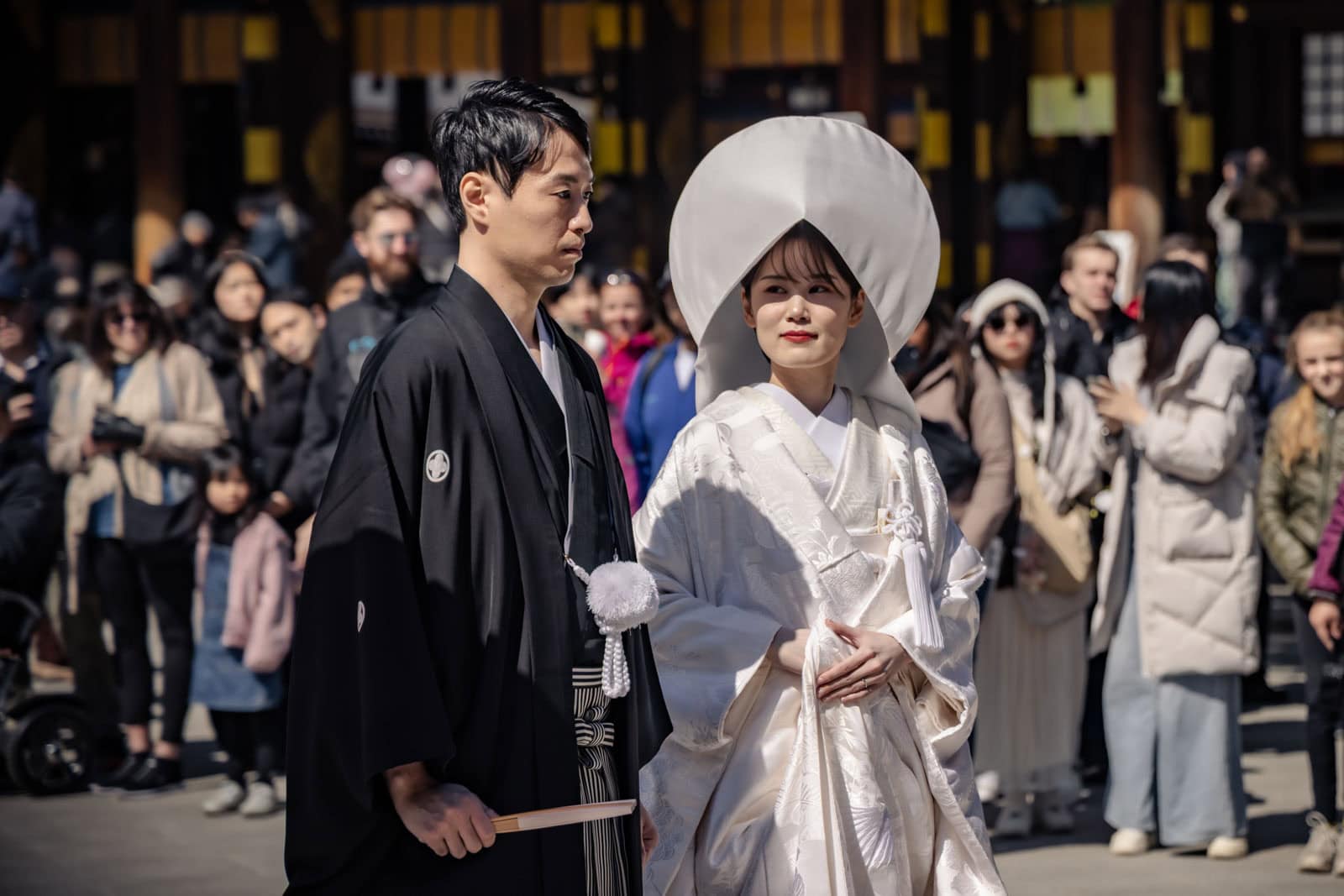
A Meiji Shrine wedding is steeped in tradition. They are a combination of spectacle, kimonos, history, and cultural grandeur. Ready your camera! This is your chance to capture Tokyo’s most enchanting wedding moments and create unforgettable travel photos. Let’s head to this amazing venue to see them.
When to see Meiji Shrine wedding parades
There is a chance of seeing a Meiji Shrine wedding at any time. But every day isn’t equal in Japan. Some are more special than others. Luck is an important part of life for the Japanese.
Many are superstitious. Certain words and numbers are avoided as they are associated with misfortune. Weddings are no exception to this. Having said this, most weddings will be on weekends.
Use this calendar for lucky wedding days
Before you visit the shrine to see a wedding, look online for a Rokuyo calendar. They show good or bad fortune days. Tai-an (大安) is the luckiest one. The culture for it comes from ancient China.
There are about fifty of these days in a year. Everyone loves good fortune. Many couples want their wedding on Tai-an. It gives you the best chance to see a wedding procession at Meiji Shrine.
Some days are to be avoided. A few are even favorable before or after certain times. Many shrines offer discounts on unlucky days. That keeps business coming in. Don’t be surprised to see people getting hitched on the worst day, Butsumetsu. That’s when Buddha died.
Fewer weddings happen during the hottest and coldest months. Summer is a terrible time for these formal events. No one likes to spend an afternoon drenched in sweat. Cold winters can be uncomfortable too.
Wedding procession rules & etiquette
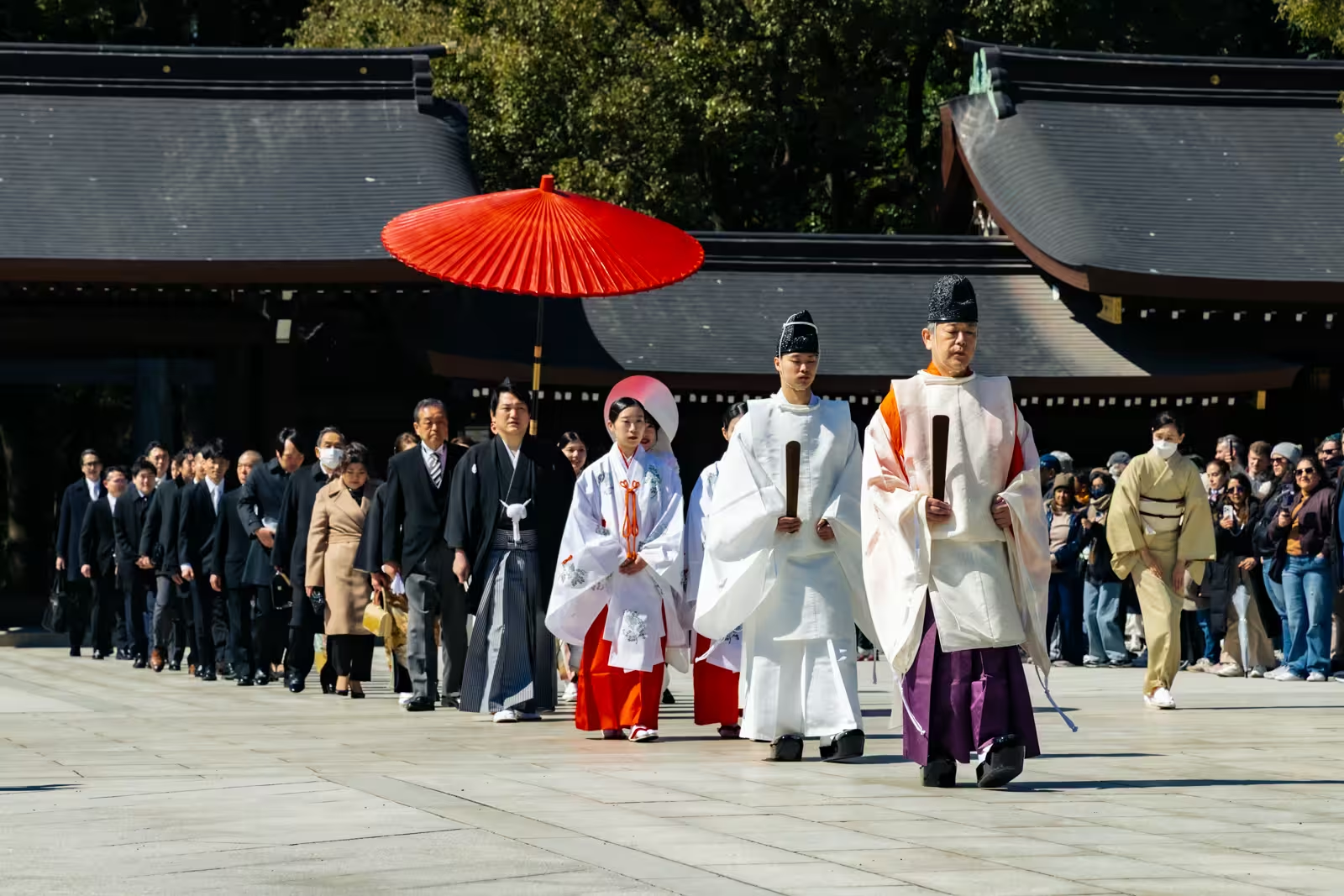
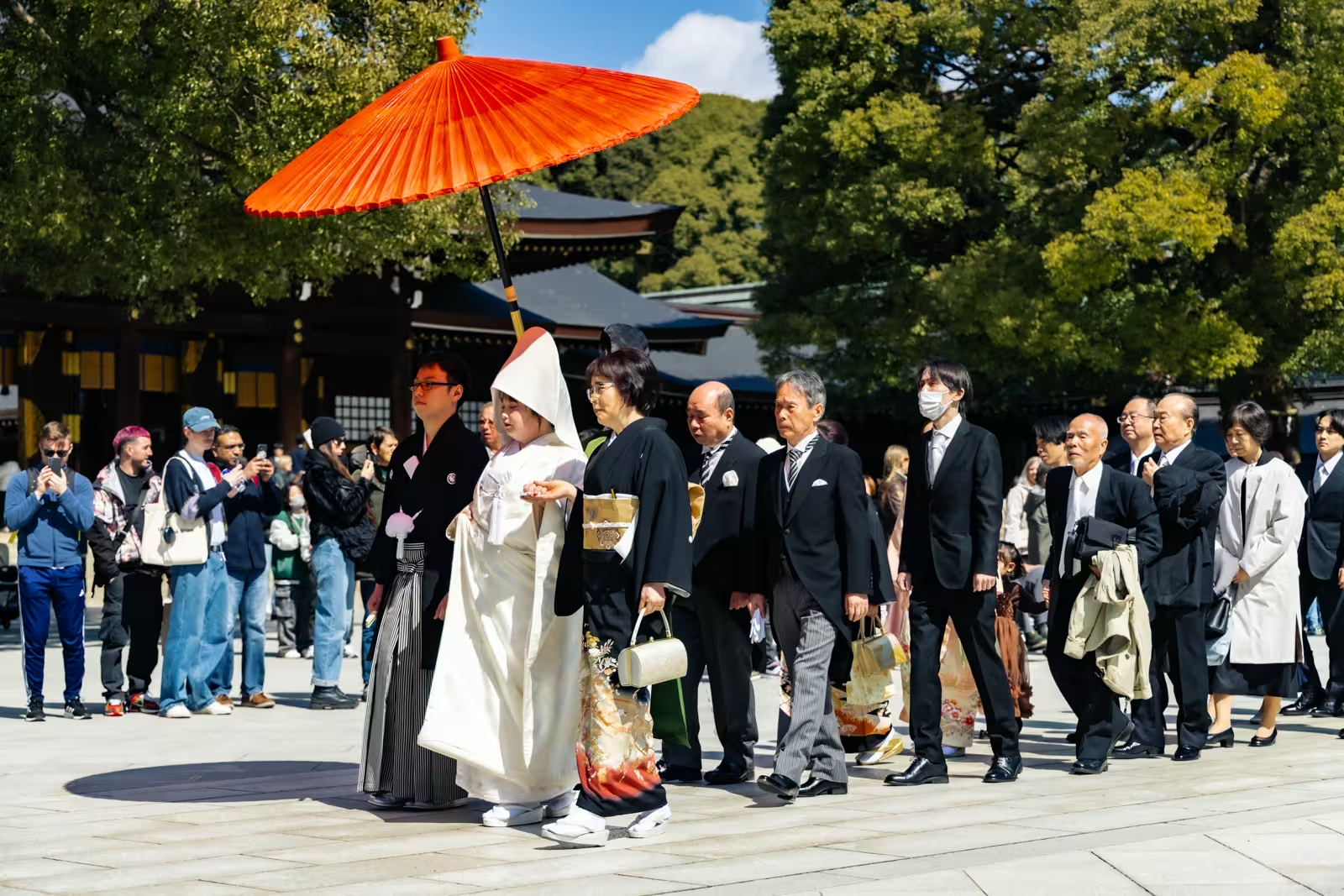
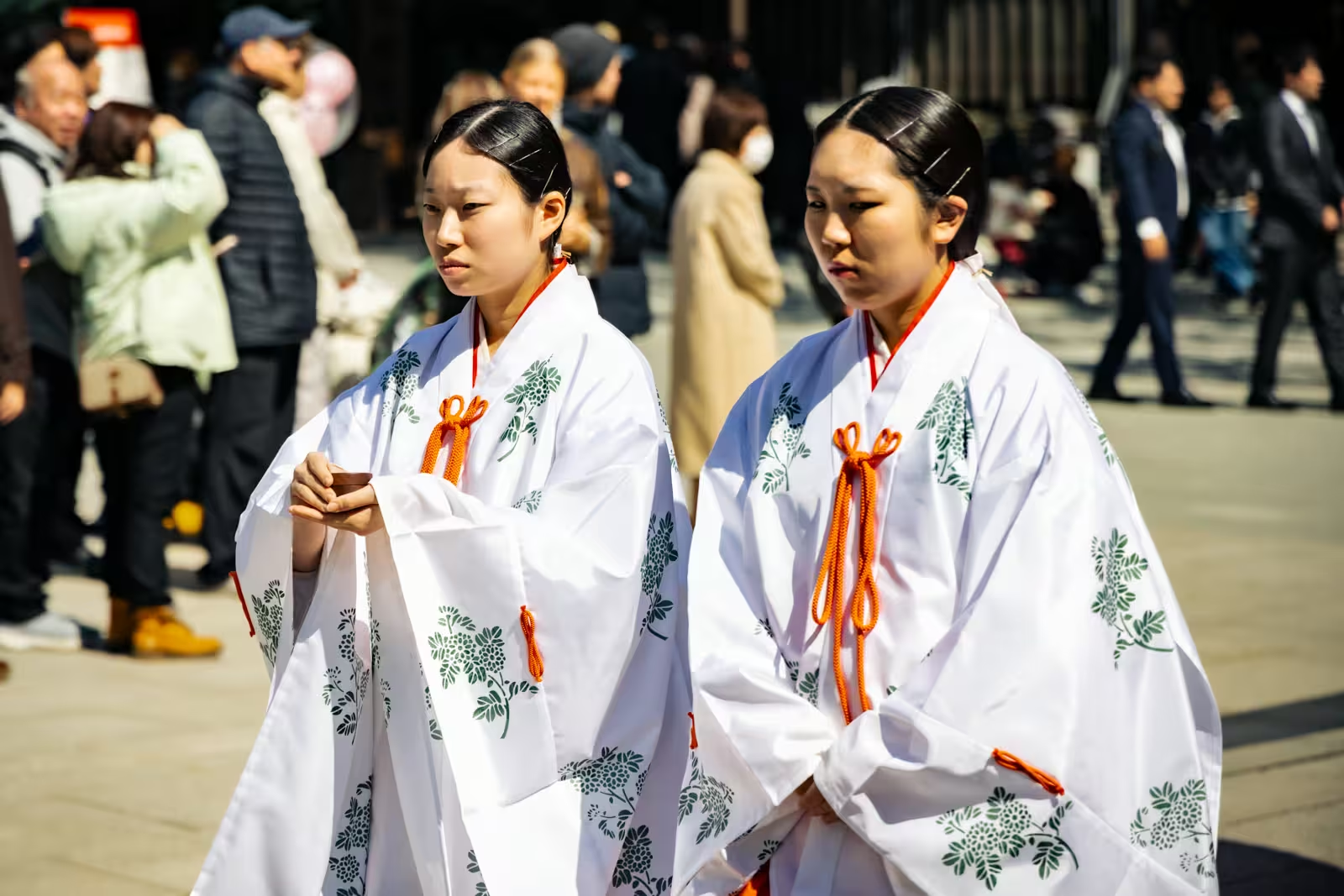
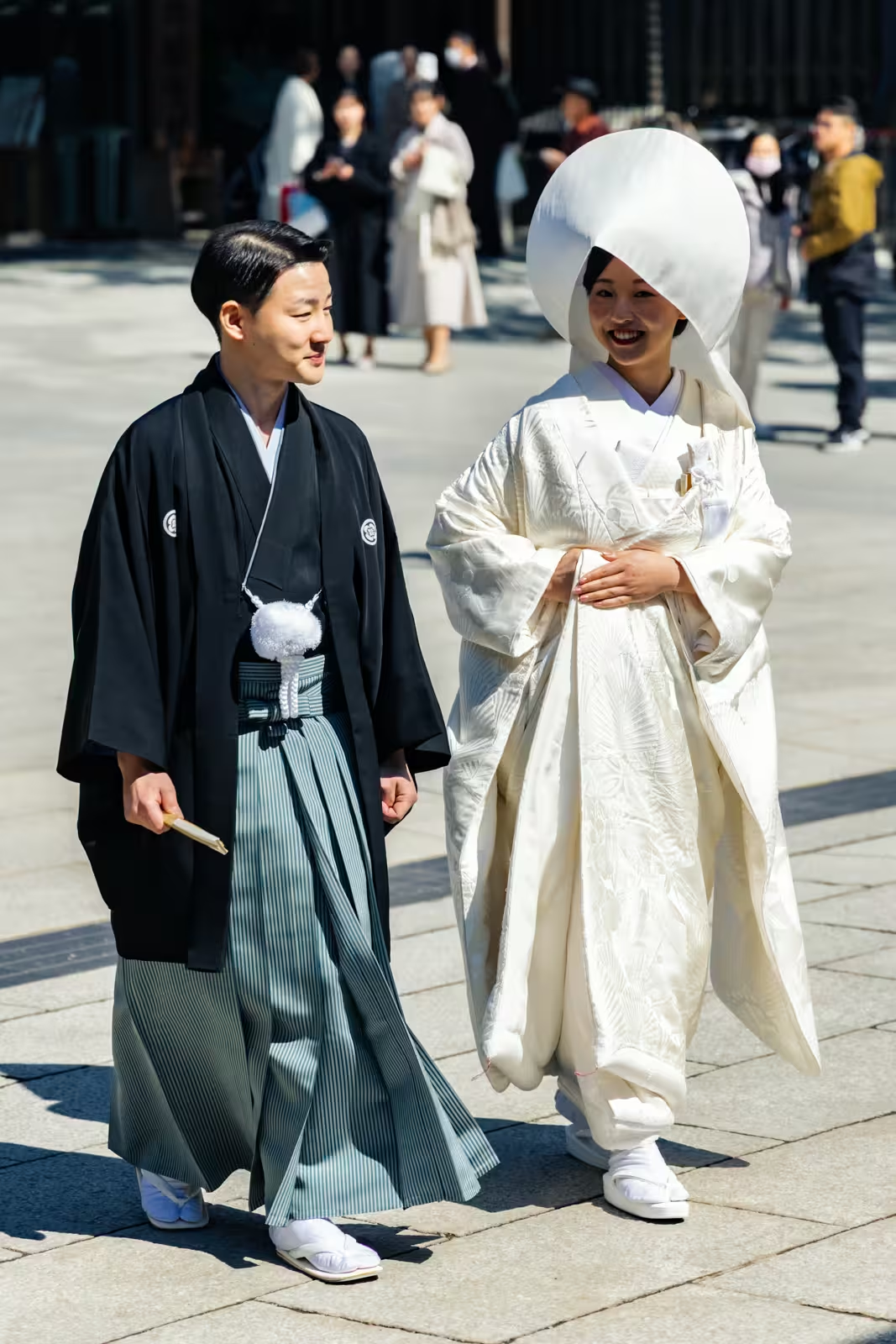
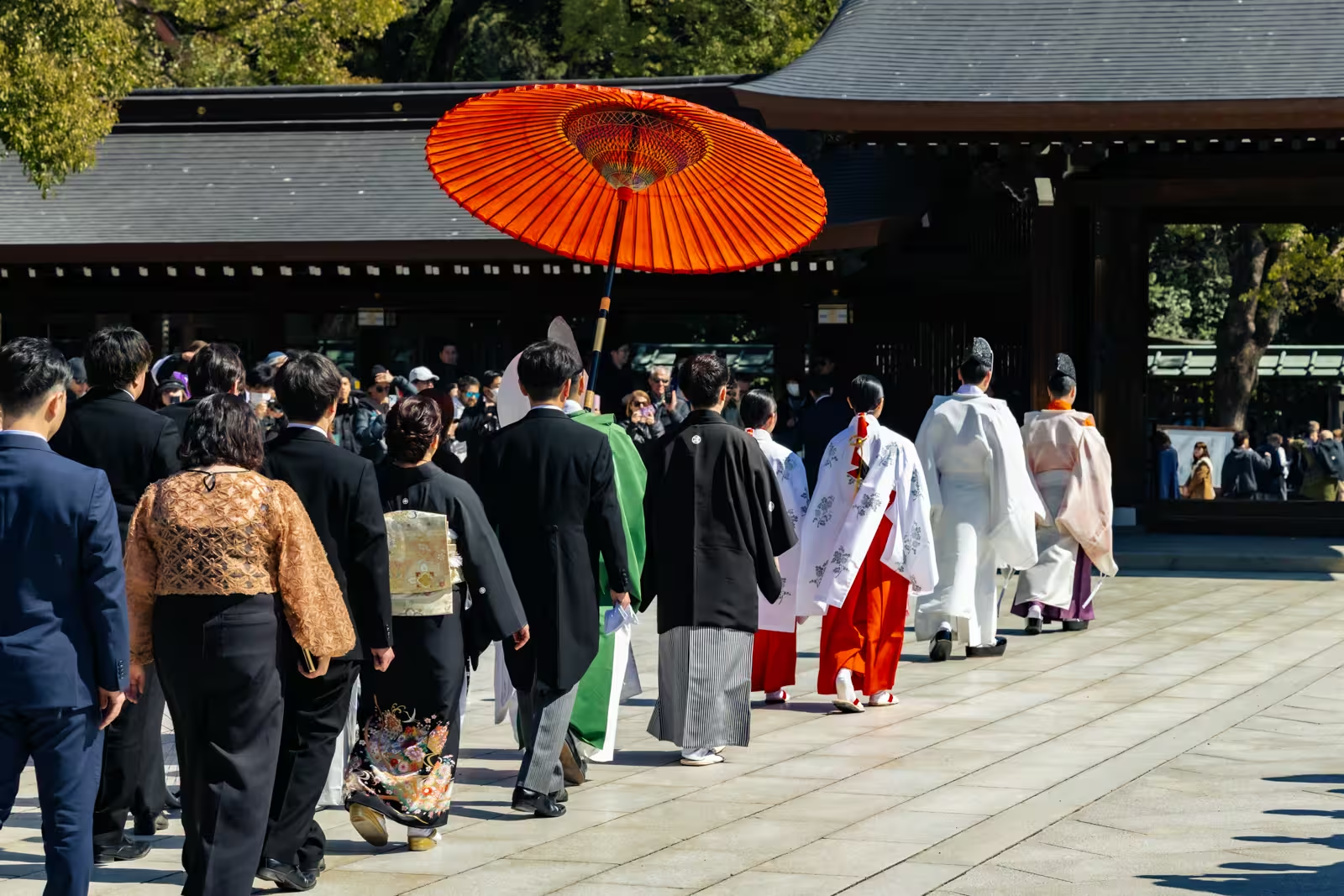
- They are solemn. Two priests lead them. Miko (shrine maidens), the couple (in hakama and shiromuku kimono), under a red umbrella, with their attendants, follow. Family and friends in formal wear bring up the rear. Everyone moves across the main hall’s courtyard to the chapel. The procession returns once the ceremony is finished.
- When photographing a marriage procession, getting lost in the moment is easy. It’s possible to forget where you are. Be careful of creeping forward, trying to get that perfect picture.
- Staff in the courtyard announce the parades. They are vigilant and will warn people who get too close, usually with a tap on the shoulder.
- Don’t bother with a flash as you’ll be too far away from the couple for it to be useful.
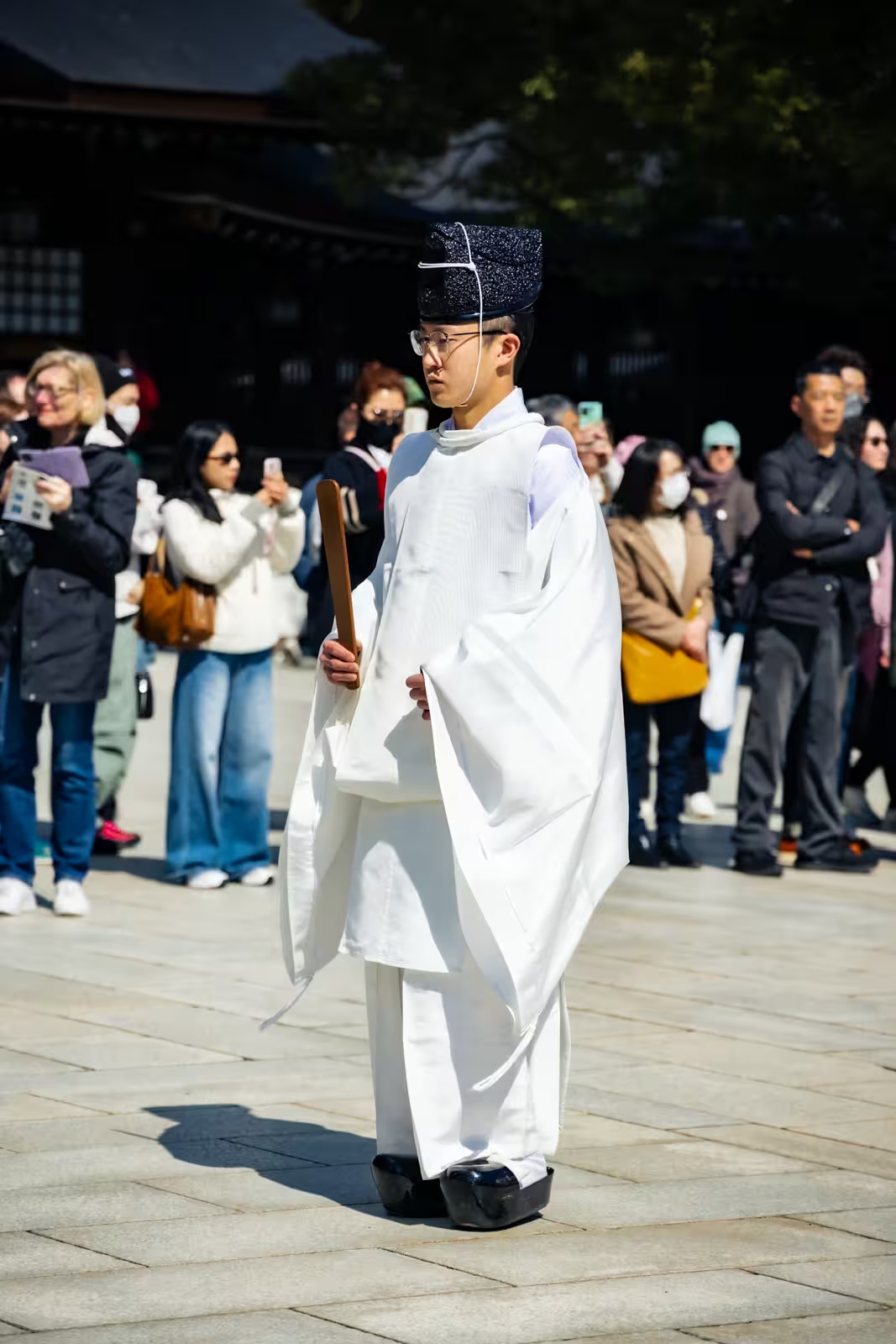
When do the weddings happen?
They are most common on weekends (Saturday and Sunday), usually between 11:00 a.m. and 2:00 p.m.
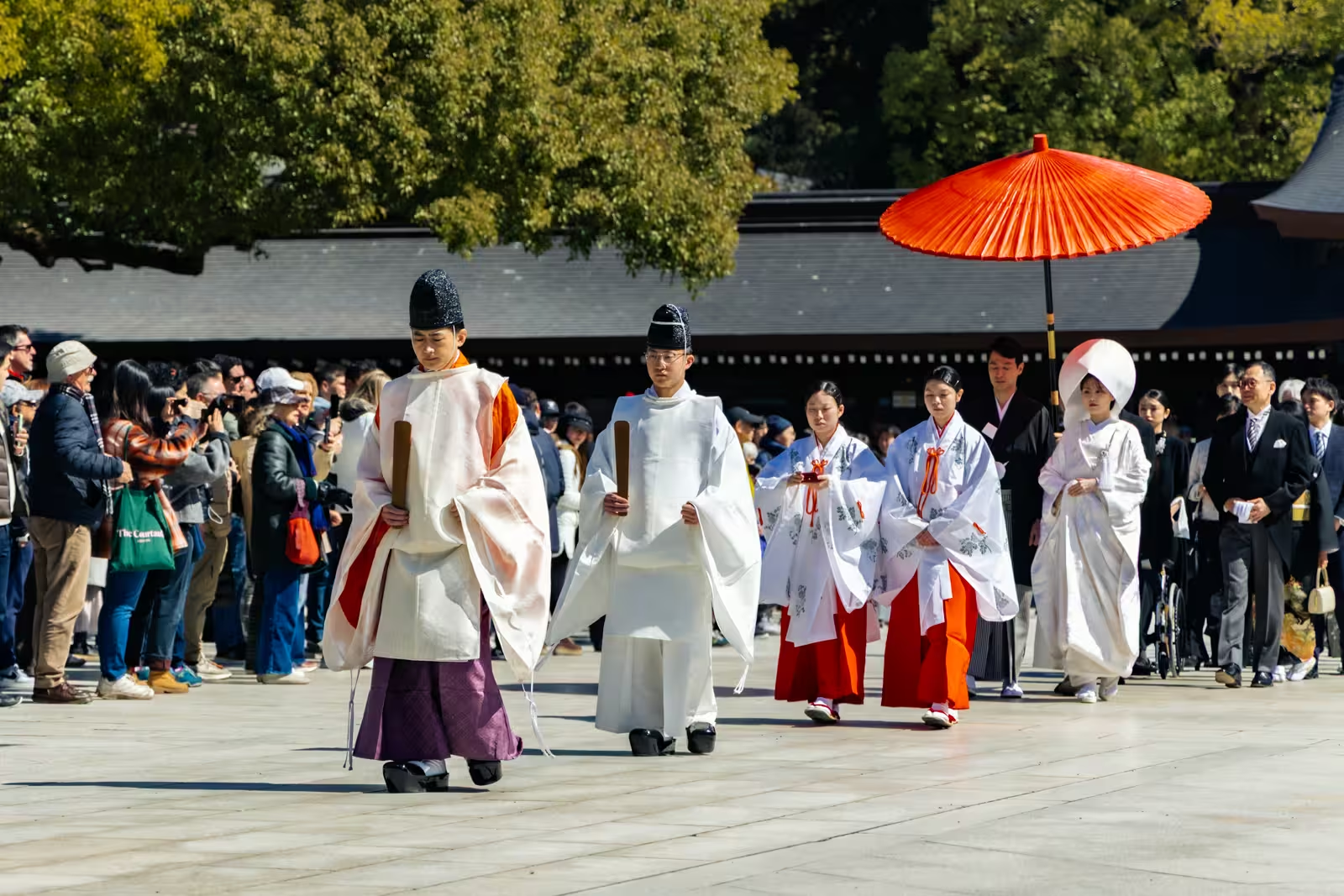
Wedding photography tips
- A 24-105mm (full-frame) lens will cover most situations. It’ll let you take wide shots and get in closer. If you want to zoom in for details and blur the background, take something longer.
- Leave tripods and flashes at home, as they aren’t allowed.
- Think about using “silent shutter” mode to keep the noise to a minimum.
- Don’t bother with a flash as you’ll be too far away from the couple for it to be useful.
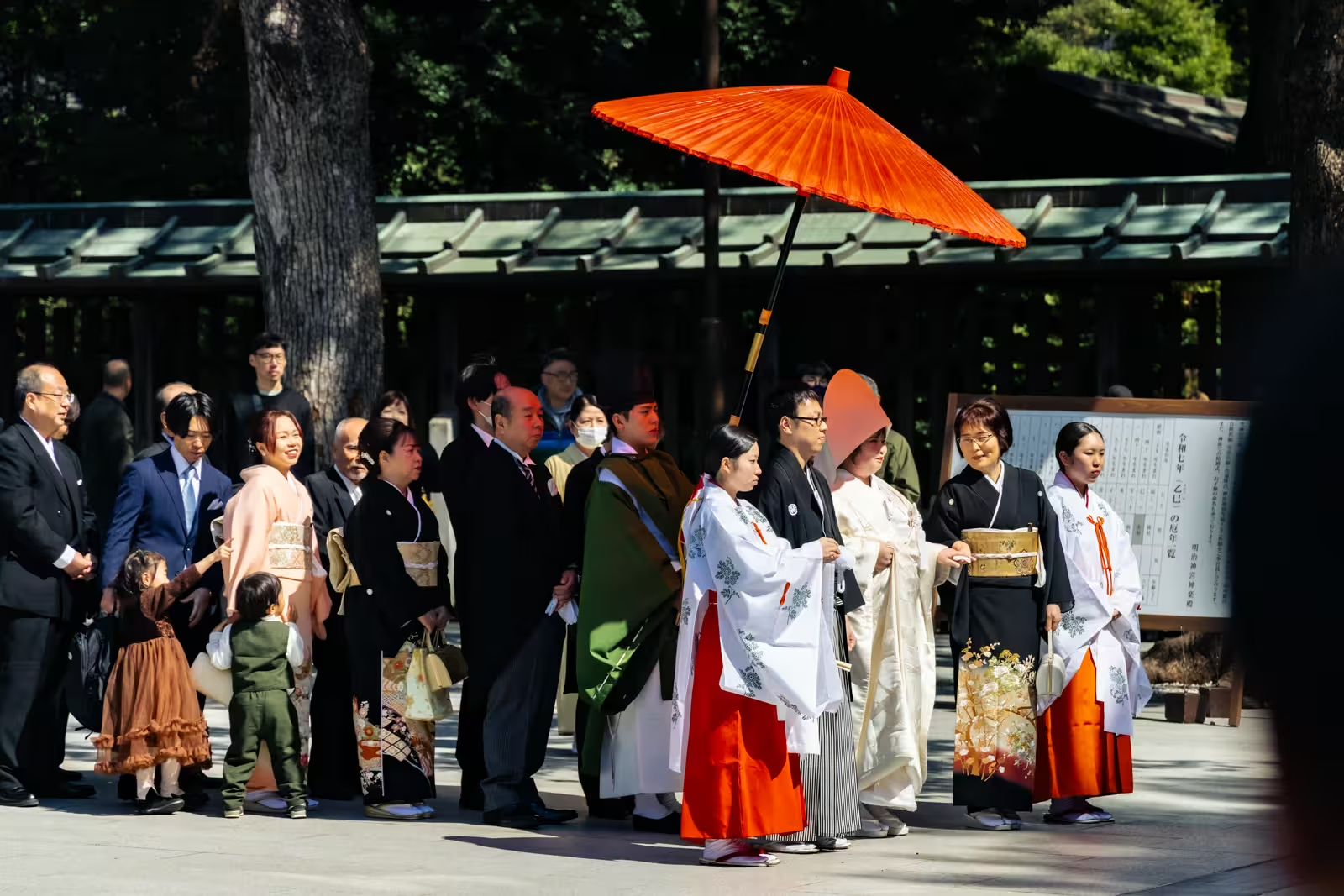
Are Meiji Shrine weddings worth seeing?
Meiji Shrine weddings are great opportunities to see traditional Japanese culture up close. The brides’ kimonos are beautiful. Some cost a fortune.
If you’re lucky, some couples appear again with a photographer to take more photos around the shrine. That might give you another chance to get more snaps.
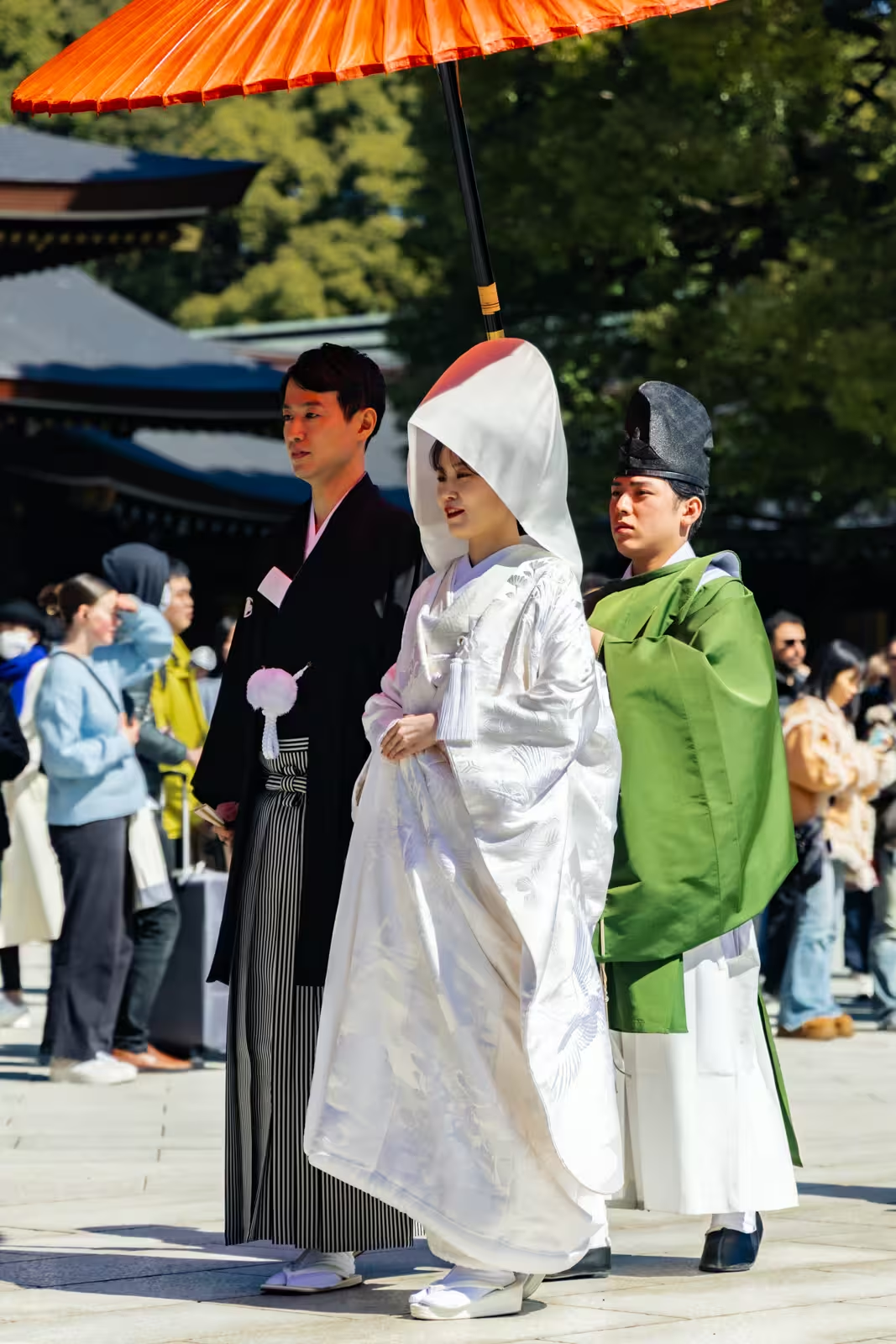
While the weddings are a highlight, they are just one part of this massive forest sanctuary. For a full breakdown of the best sake barrel angles, Torii gate, and hidden garden spots, check out [Meiji Shrine Photo Guide].
My photography gear for this shoot
- Camera body: Canon EOS R5
- Lens: Canon RF24-105mm F4 L IS USM
Have you ever photographed a procession at Meiji Shrine? Tell us about it in the comments below. And if you want to get married there, check out the official Meiji Kinenkan website.