
Sanja Matsuri Daigyoretsu: A Photographer’s Guide

The Daigyoretsu is the opener for the famous Sanja Festival. It’s an event that brings three million visitors to Tokyo’s Asakusa district for three days of endless, incredible energy.
I’ve been to this spectacular opening parade many times and believe me when I say it is a photographer’s dream. You need to see this one. Things don’t get much better than this.
It offers an opportunity to capture Japanese culture on Asakusa’s lively streets. If it’s your first time at this event, I bet you will be blown away like I was. I hope this guide will help you get the most from the event.
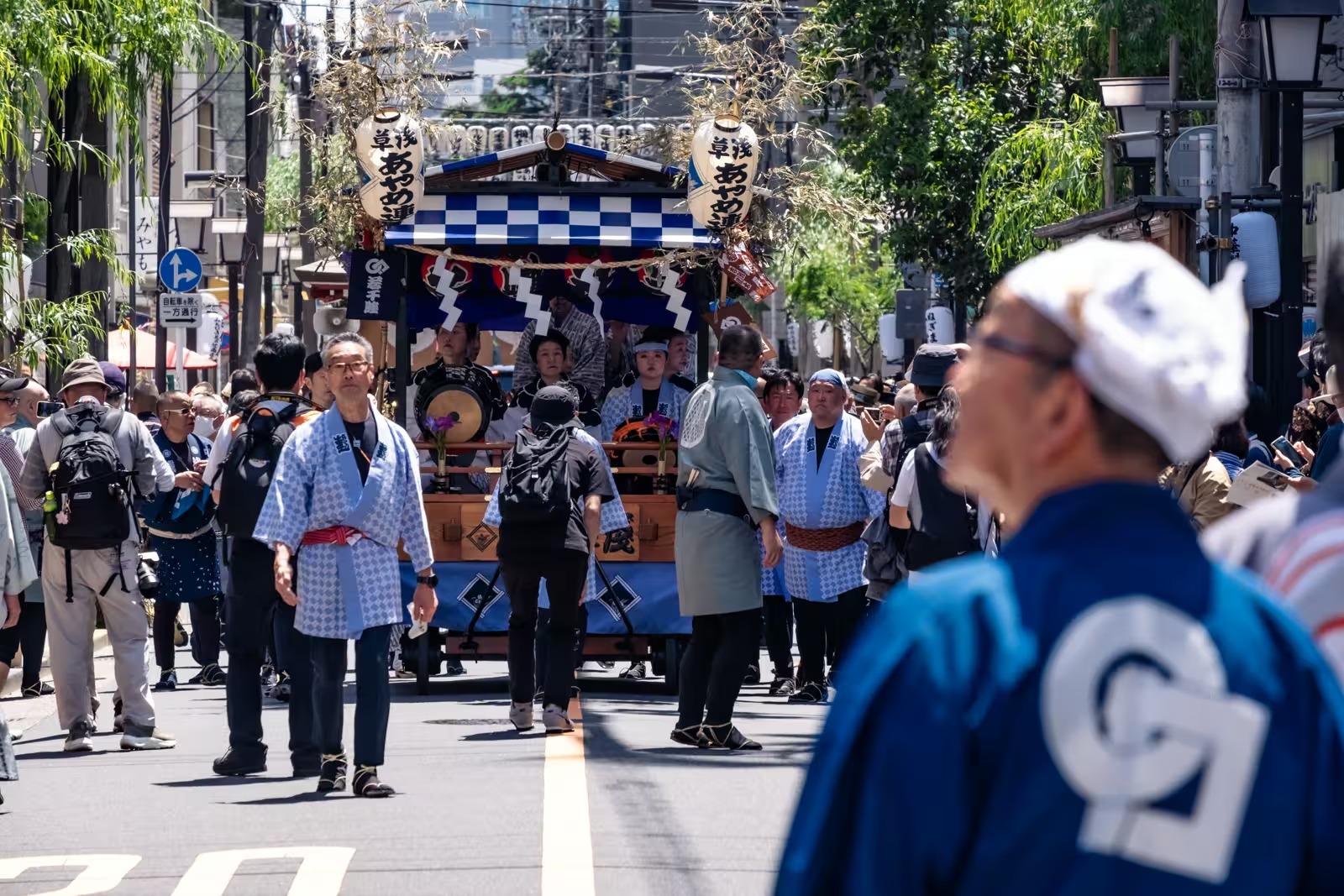
It offers an opportunity to capture Japanese culture on Asakusa’s lively streets. If it’s your first time at this event, I bet you will be blown away like I was. I hope this guide will help you get the most from the event.
What is the Daigyoretsu Parade?
The Daigyoretsu is the opening procession for the Sanja Matsuri, one of Tokyo’s most important festivals. At its heart, the parade is a celebration honoring the three founders of Sensoji Temple.
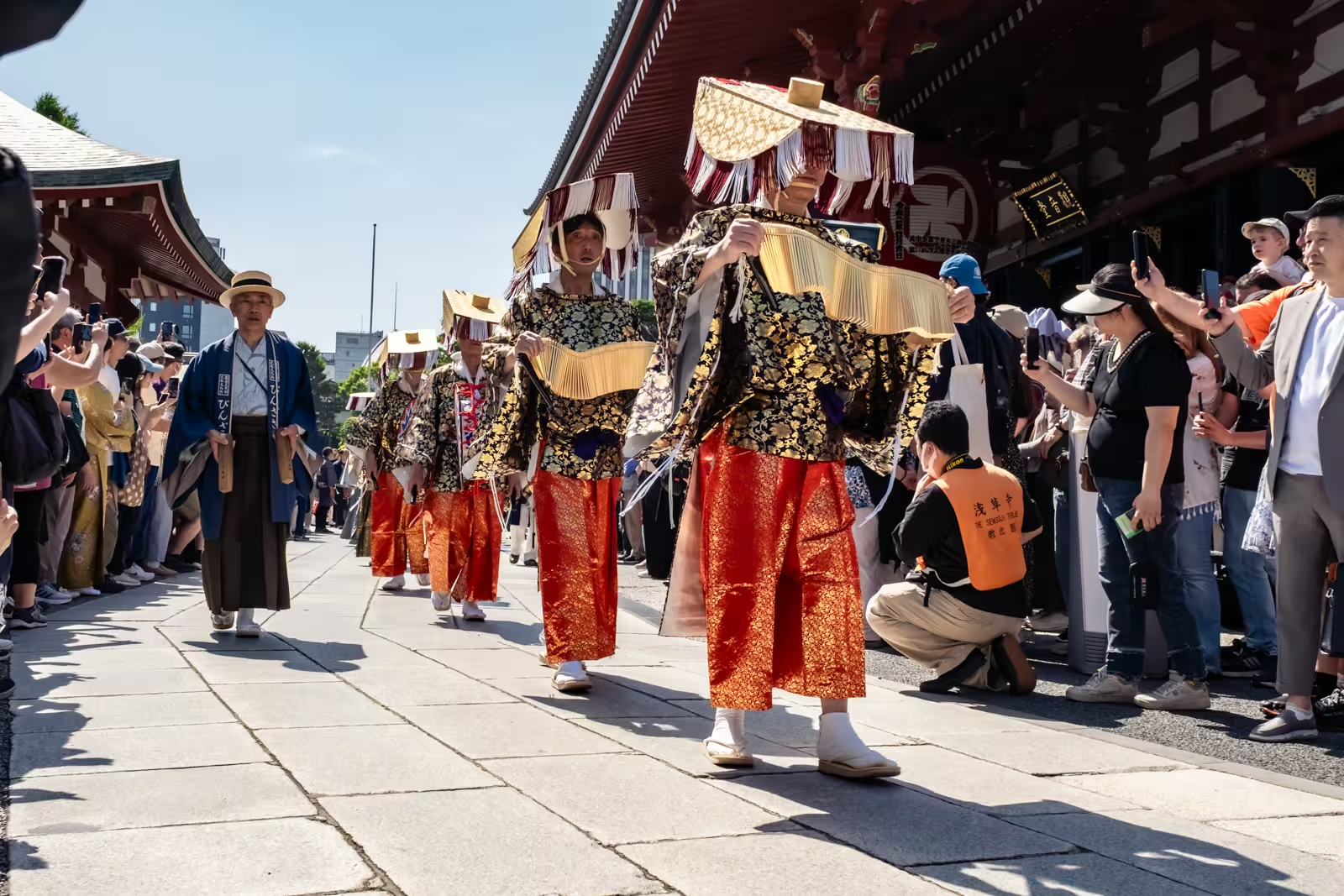
This procession is a display of Japanese culture. It features a wide array of participants, including musicians playing traditional instruments and taiko drums. You will also see geishas in full, elegant attire and others dressed in historical costumes from the Heian period (794 to 1185).
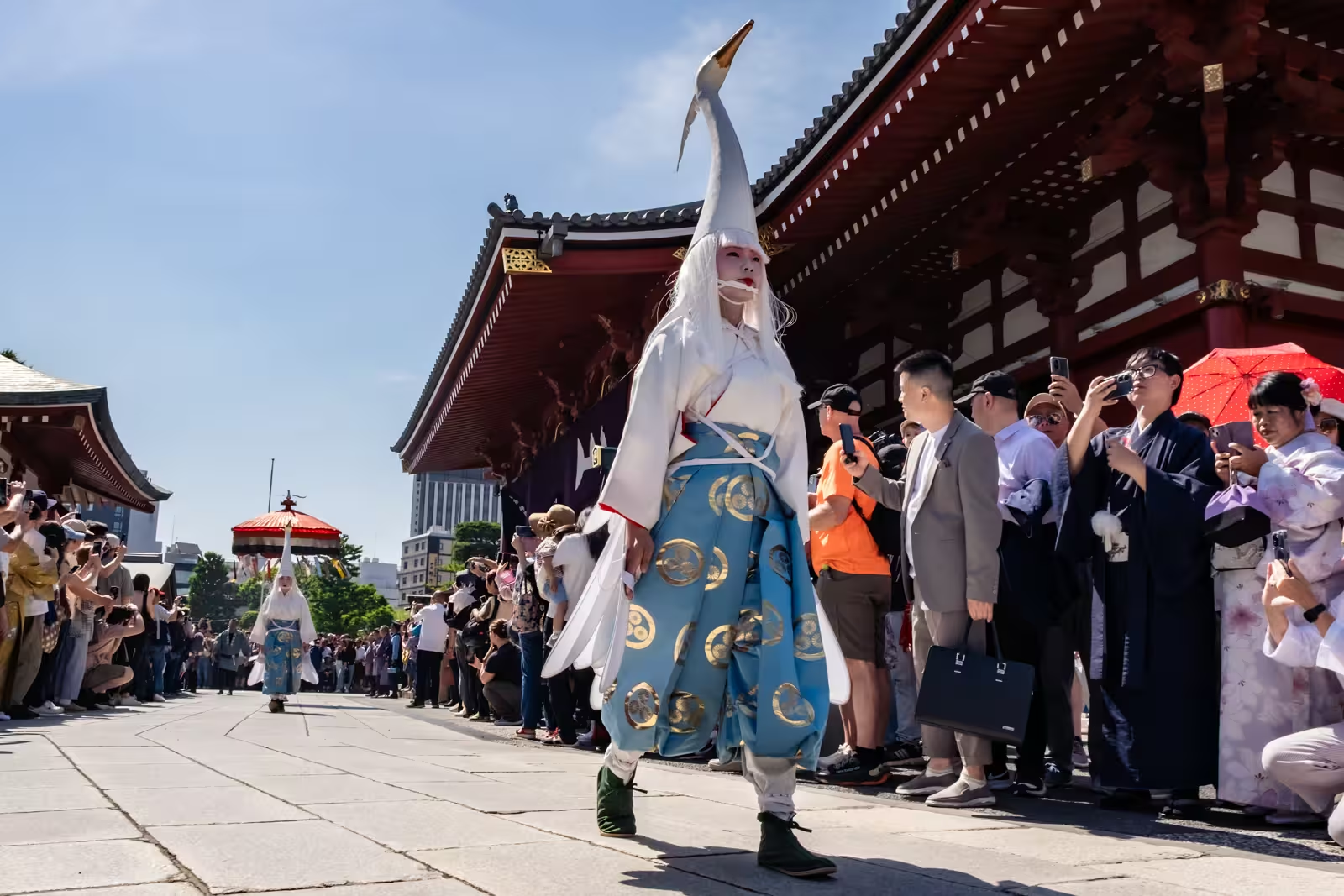
For me, the highlight is the dancers in ornate heron costumes (shirasagi-no-mai). The birds are said to protect people from illness and disease. The traditions, colors, and history on display make it an unmissable spectacle for any photographer visiting Tokyo.
The parade starts from behind Sensoji temple and heads into the backstreets. I’ve been to it several times, and the course can vary from year to year, so don’t rely on past guides for the course. Stick with the main group as it leaves the shrine/temple area or stick to known places which it will pass like Kaminarimon, Nakamise shopping street, or back at the temple and shrine.
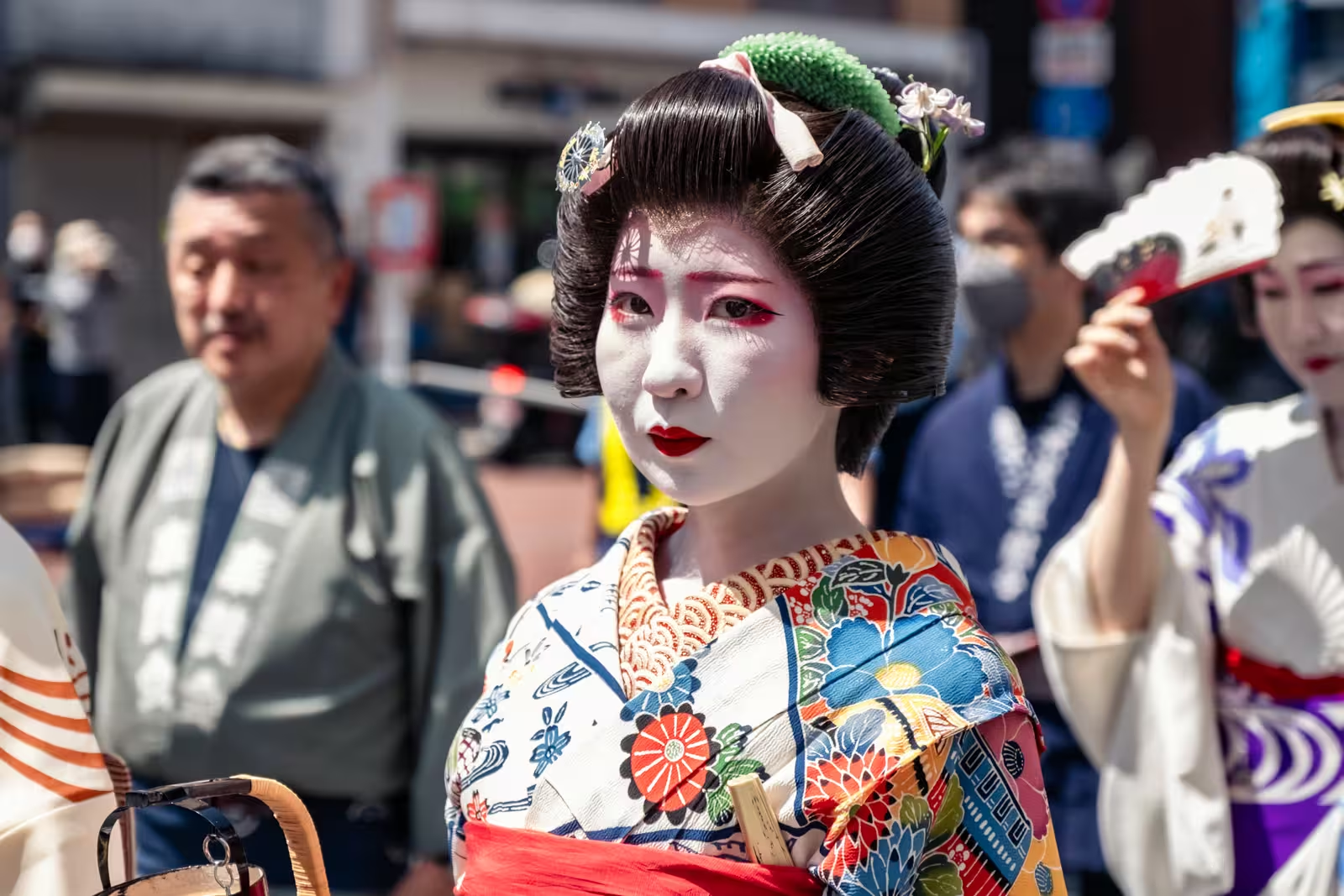
Is the parade like the Sanja Festival?
It is important to note the atmosphere. While the main days of the Sanja Matsuri can get noisy and wild, the Daigyoretsu is different. It takes place at a slow, walking pace. This slower speed allows photographers more time to compose shots and focus on individual participants.
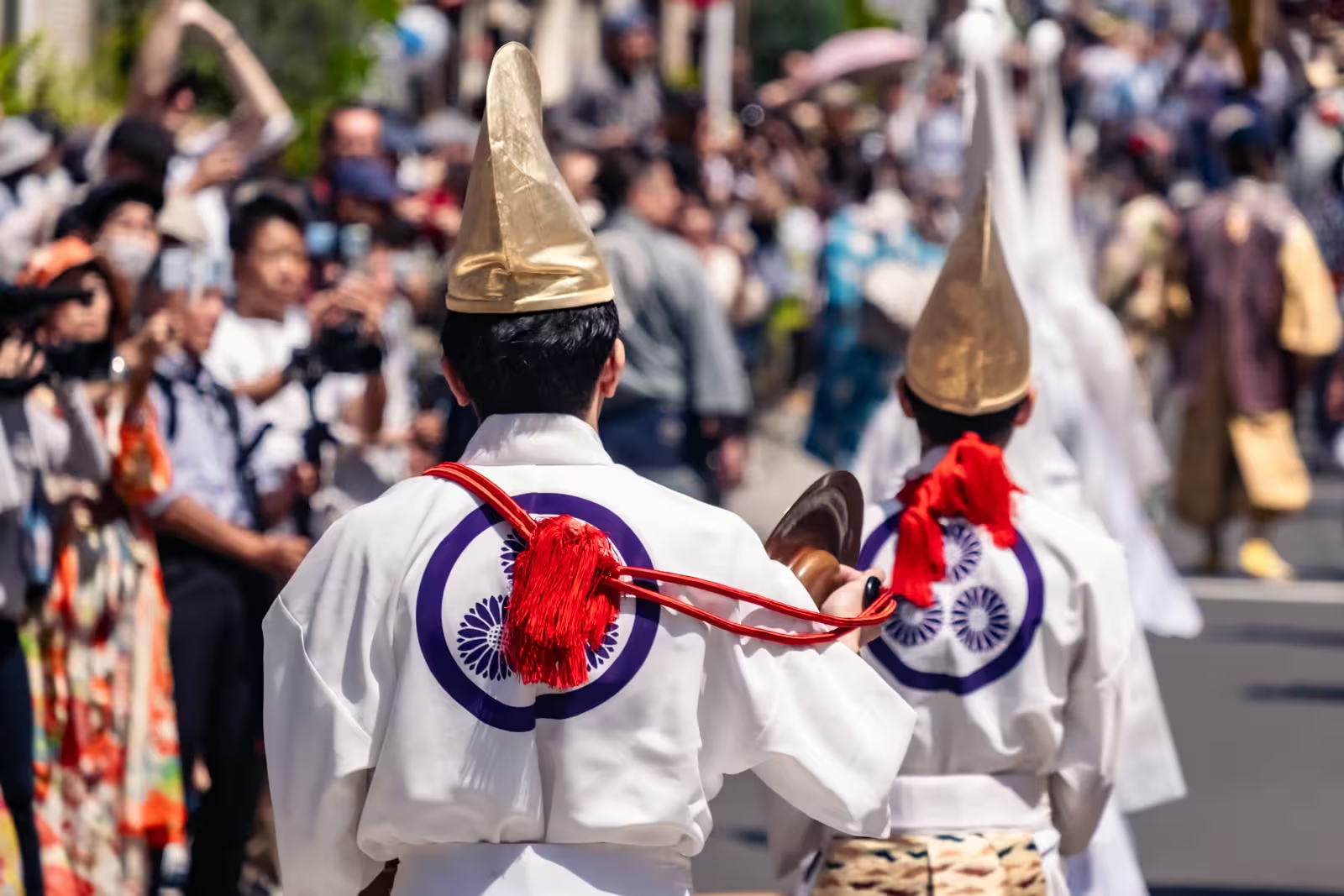
Best locations for photography
Starting point & course
It’s possible to walk the course with the parade but it can be difficult as the streets will be crowded with onlookers. But if you want to do it, ask the information booth at Asakusa Shrine where the start is, which is usually behind Sensoji Temple. Once you find the main group, follow it.
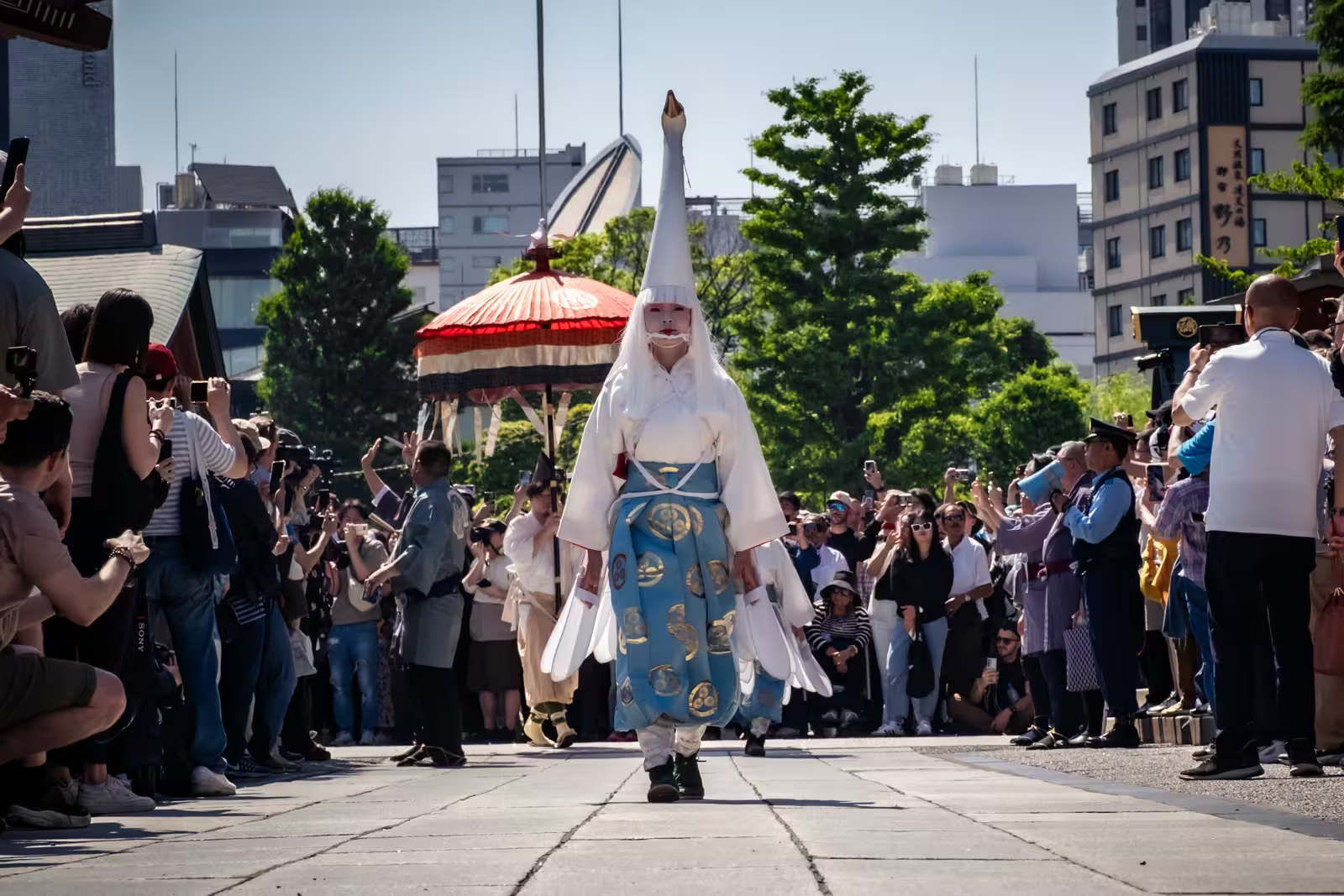
Kaminarimon Gate
The giant red lantern and Nakamise shopping street provide a classic backdrop. Arrive early if you want to shoot here, as this area will be crowded too. I skip this place because I prefer the area around the temple.
Nakamise Street
This narrow shopping street offers chances to capture interactions between participants and spectators. Think carefully about shooting here; once the parade arrives, it becomes difficult to move ahead of the crowd.
Still, there is a money shot, the parade with the Hozo Gate in front of it. This is a hard shot to get due to the crowd as you will be far at the rear.
Sensoji Temple steps
This is an easy area to shoot even though there will be many people. Everyone wants the temple in their photos and that is easy to do. You juxtapose structures against the moving parade. Experiment with angles to include the temple pagoda or the Hozomon Gates.
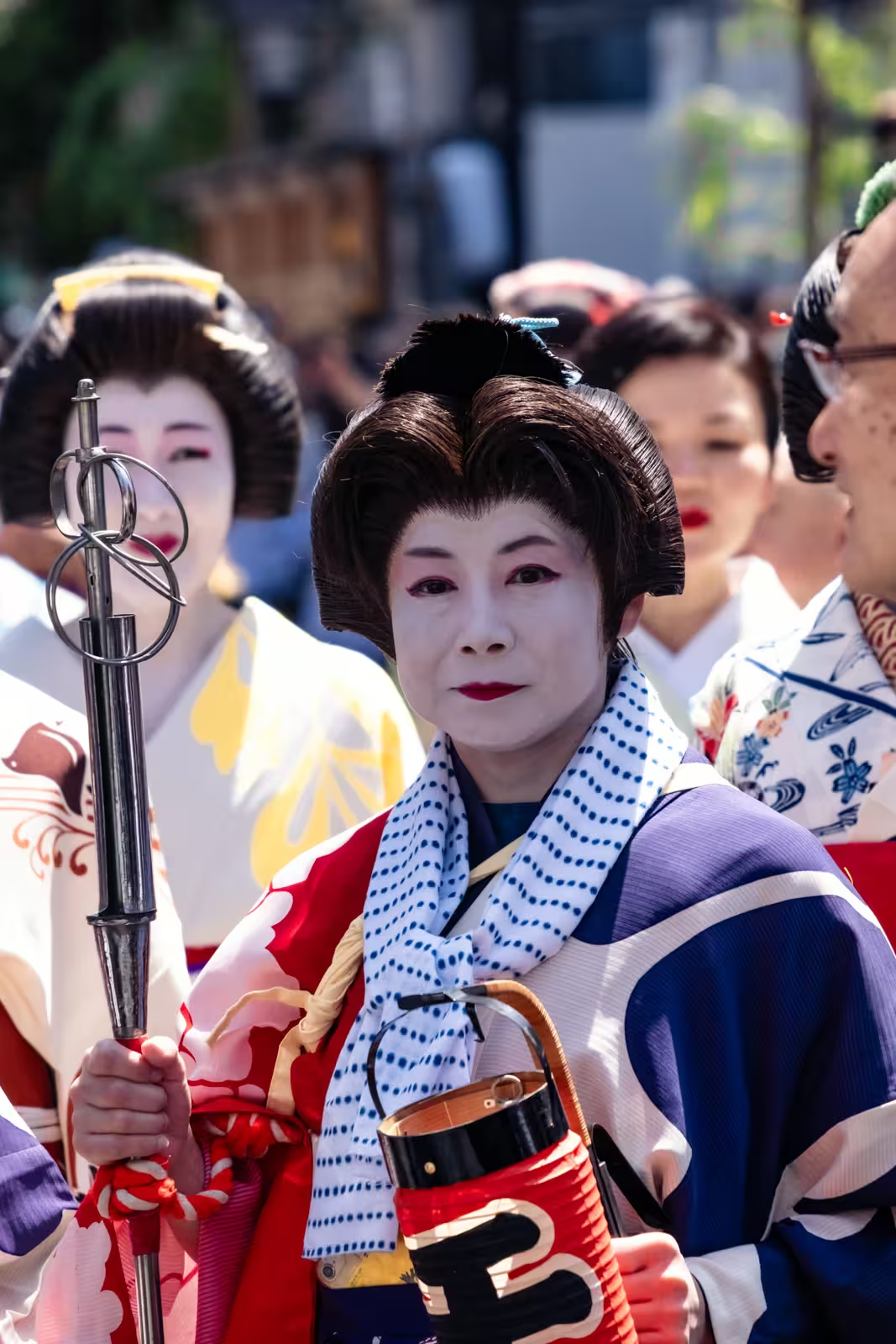
Asakusa Shrine
The parade concludes and participants often relax afterward here. This is the best spot to focus on portrait shots to highlight the details of the traditional costumes.
Daigyoretsu photo spot map
Parade photography tips
Timing is everything
Arrive at least an hour, if not more, before the parade starts to get your bearings, scout for locations and set up your gear. I usually get there two hours early, to be safe.
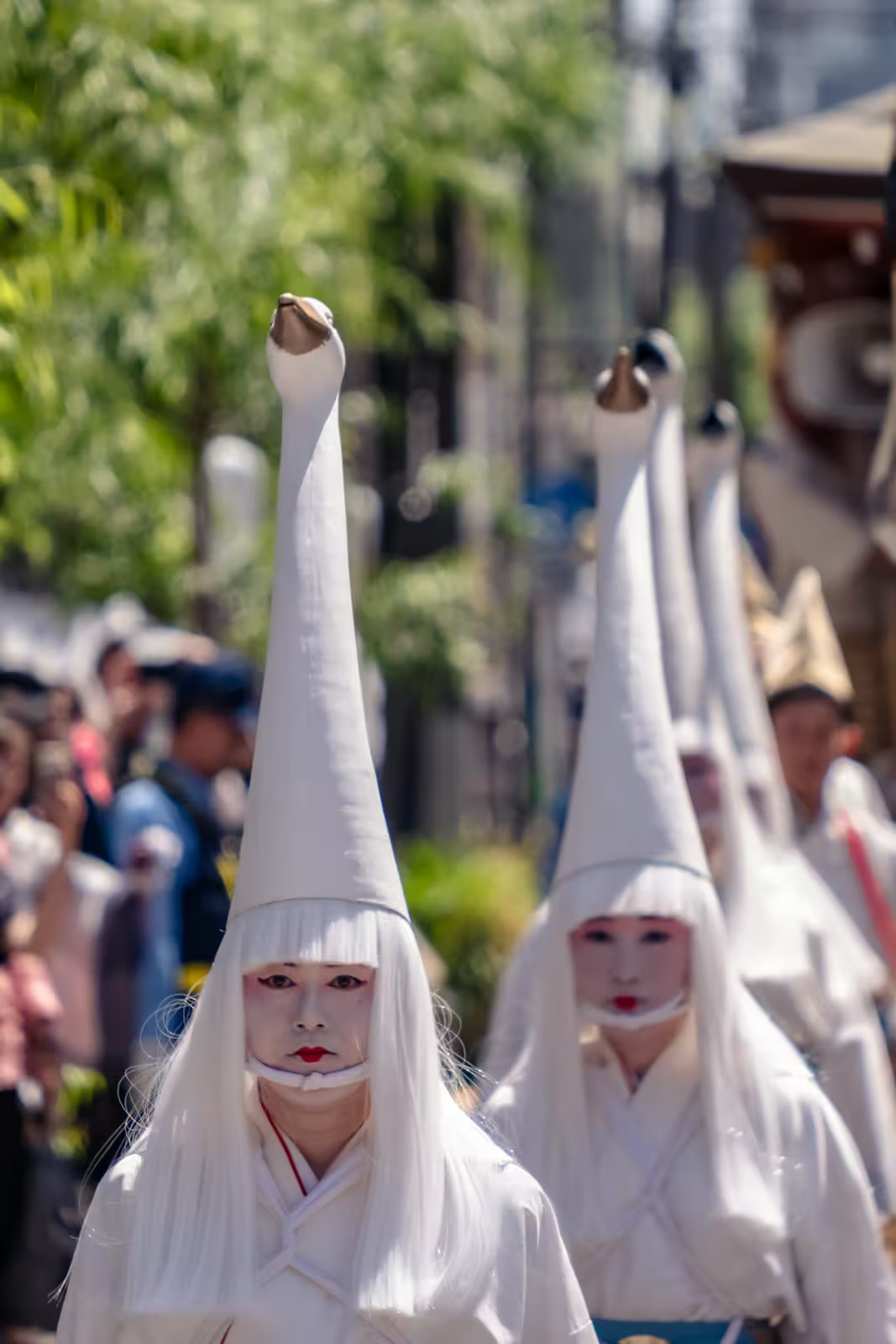
Gear suggestions
Use a short zoom lens (e.g., 24-70mm) to capture wide shots and close-ups. If you follow the parade, you might want to forgo taking extra lenses, as it constantly moves.
- Don’t forget extra batteries and memory cards, as you’ll be shooting a lot!
- Don’t take a tripod. The event is too crowded and it never stops moving.
Capture the details
Focus on costume details, the expressions of the participants, and the temple buildings. These elements add depth and storytelling to your photos.
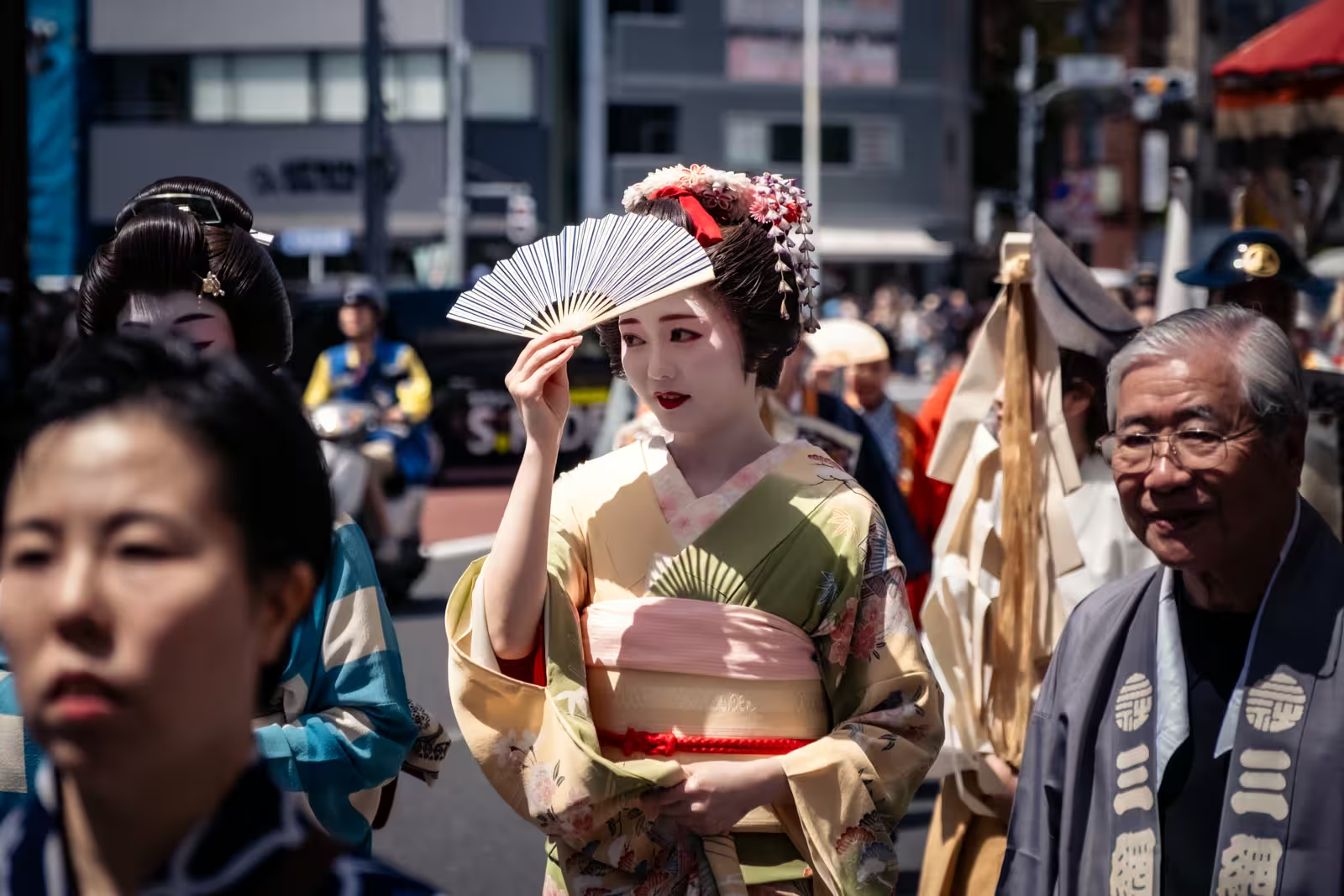
Use burst mode
The parade is dynamic, with constant movement and action. Burst mode helps you catch the important moments.
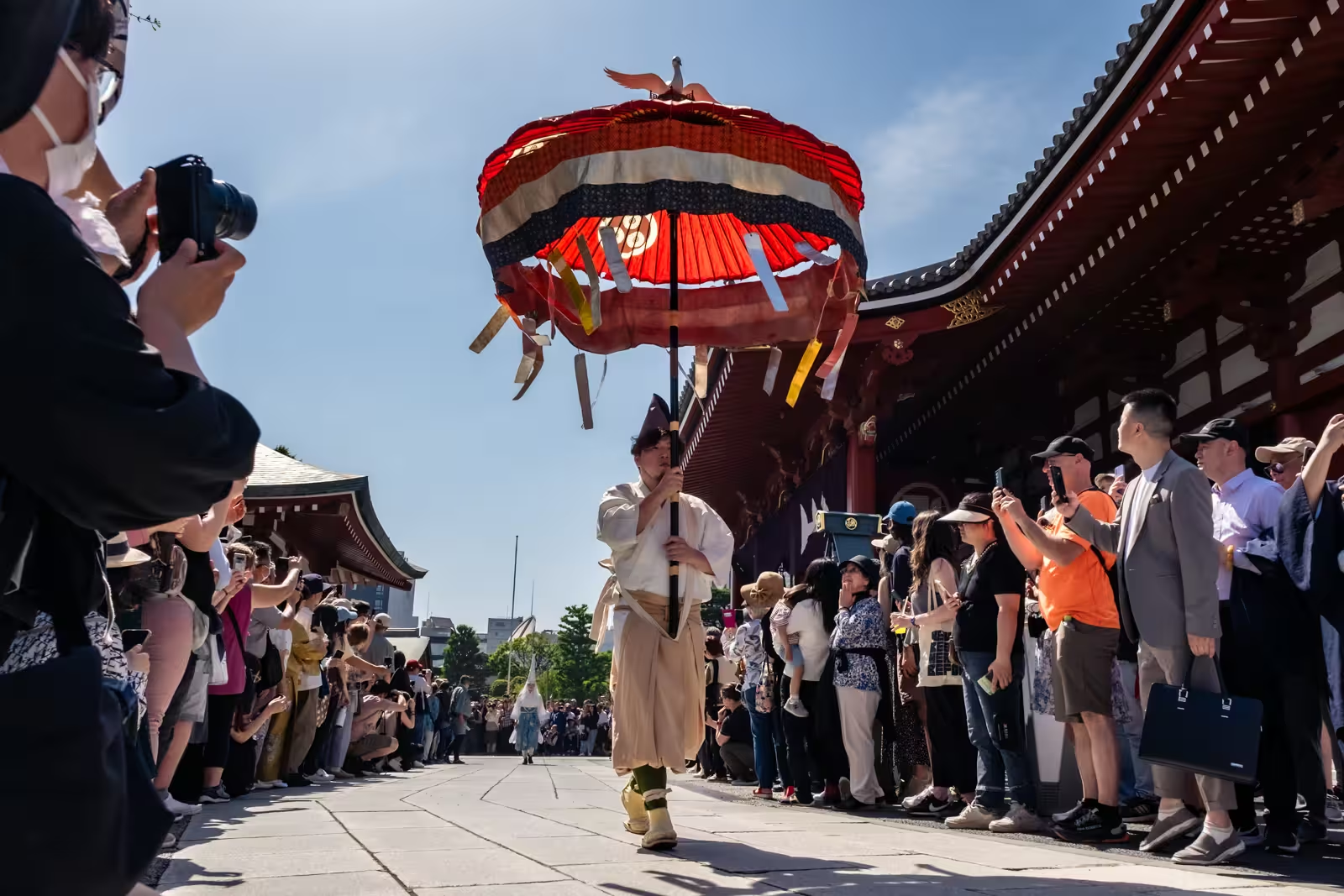
Event etiquette
- Avoid obstructing the procession and follow instructions from parade marshals.
- Ask for permission when taking close-ups of people.
- Remember, this is a religious festival, not just a photo opportunity.
- While capturing the event, be mindful of the participants and spectators.
Post-processing tips
Enhance colors
The Daigyoretsu is colorful. Adjust the color intensity and saturation to make your photos stand out, but be careful to avoid over-processing the skin tones.
Highlight the action
Use cropping, vignettes, and selective focus to draw attention to the subjects of your photos. They can help convey the energy and movement of the parade.
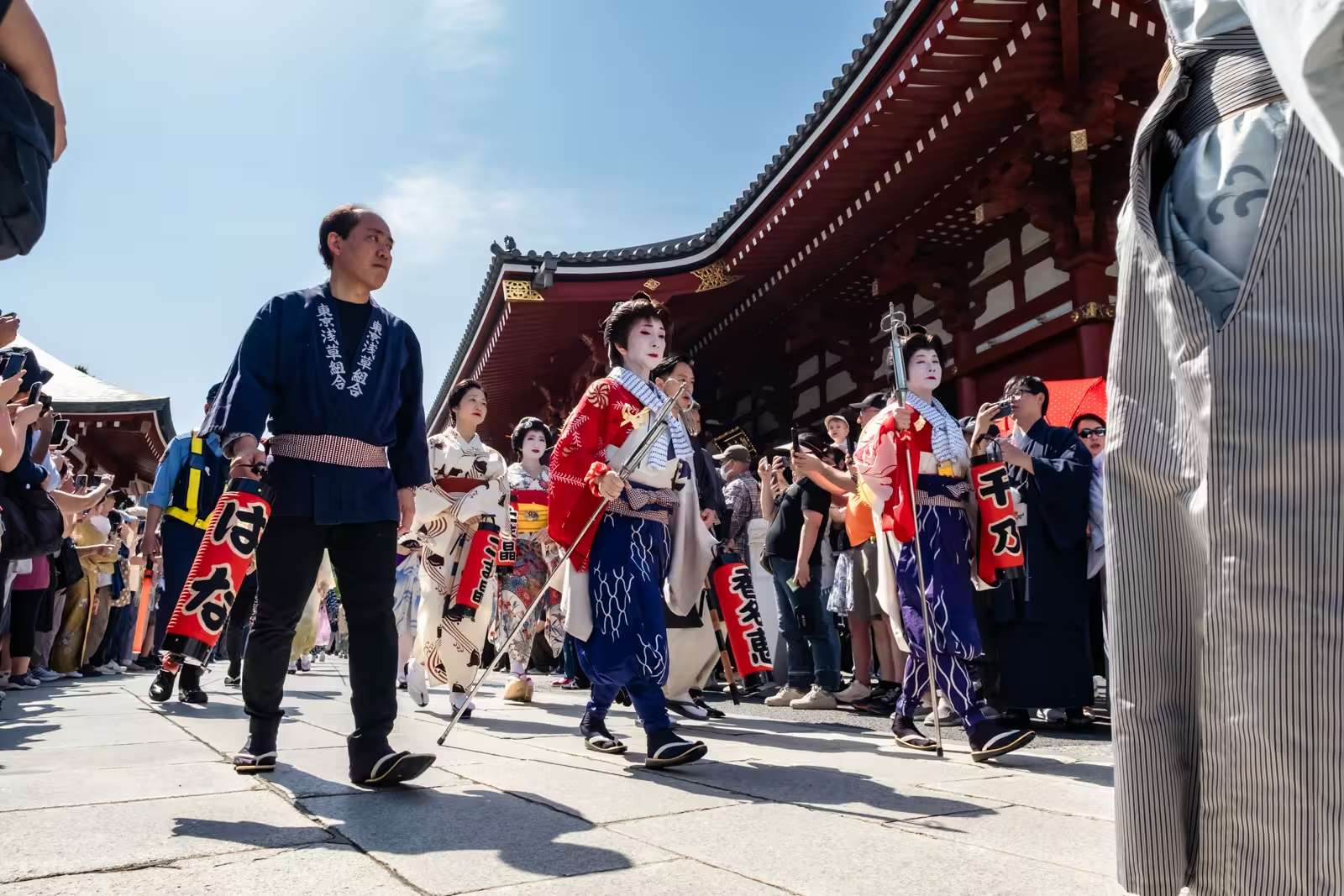
Black & White
Consider using some black and white. This can add a timeless quality to your photos.
How to get to the Daigyoretsu
It’s a five-minute walk from Asakusa Station (Ginza and Asakusa Lines).
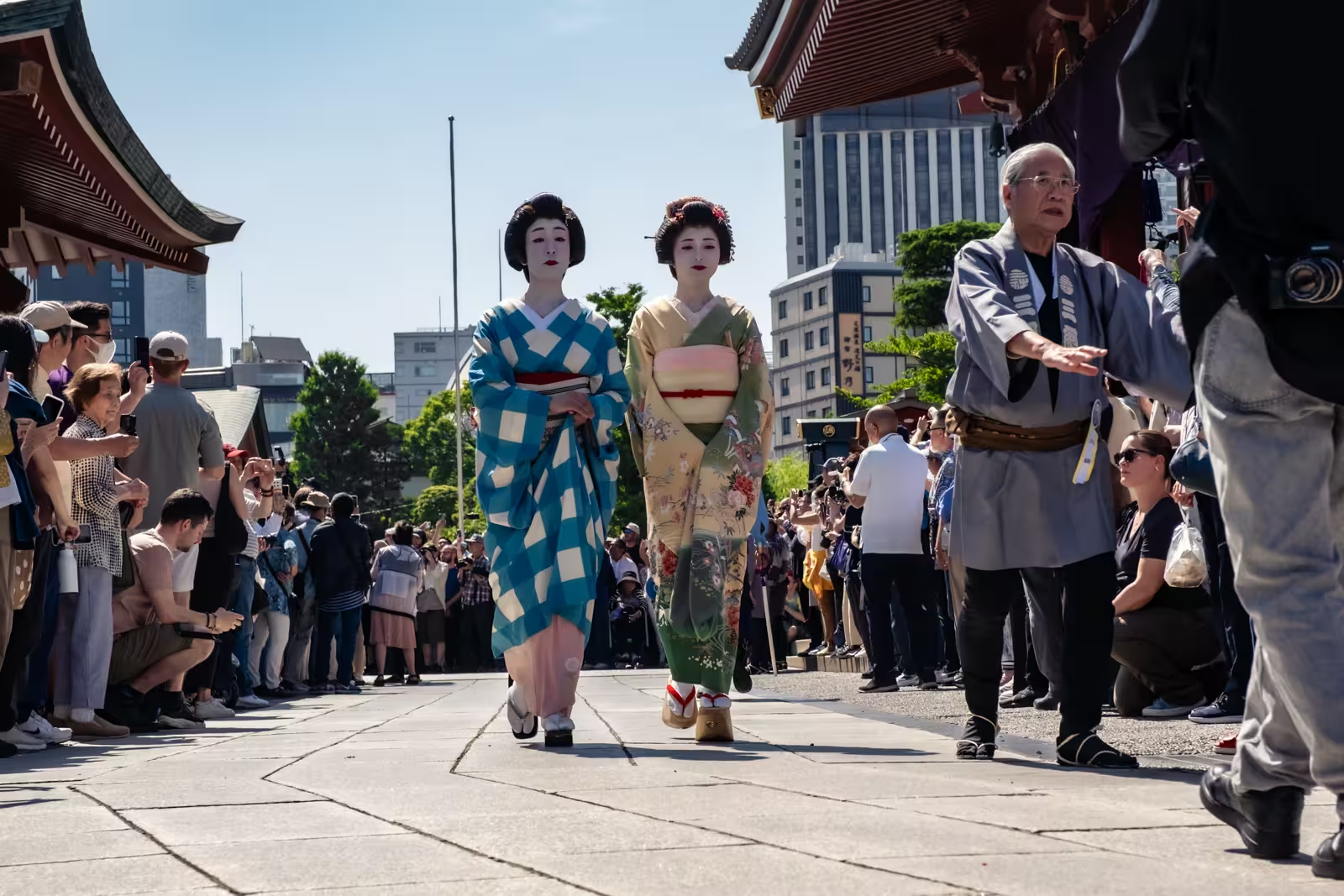
When is the 2027 event?
The Daigyoretsu Parade will take place on Friday, May 15. It will start around 1:00 p.m. However, schedules can vary each year, so check the official Asakusa Shrine or Asakusa Tourism website for the exact schedule before you go.
Paper maps are available at Asakusa Shrine. Look for its information booth, it’s easy to find.
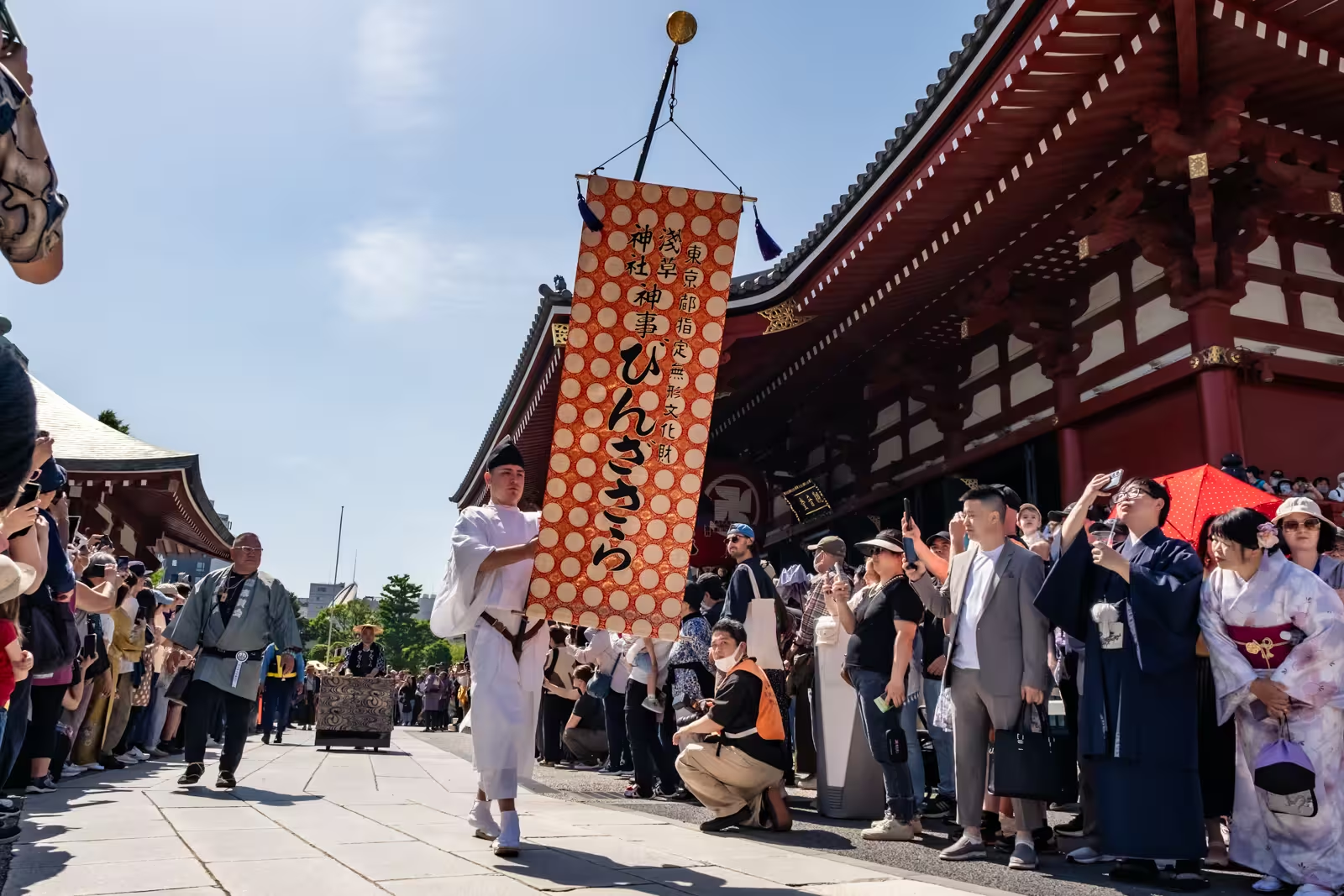
How popular is Daigyoretsu
It’s nowhere close to the size of the two main days of the Sanja, but thousands of people go to it. The most crowded time and place is when the parade returns. From Kaminarimon Gate to Asakusa Shrine, everything in between is packed with people. Get there early to secure your spot.
An archive of the parade
Is the Daigyoretsu Parade worth visiting?
The Daigyoretsu Parade in Asakusa is an experience that offers enormous photographic opportunities. Along with other major Tokyo festivals like the Sanno, and the Kanda, they provide unique glimpses into Japan’s rich heritage. I hope you will capture memorable images of the parade from the tips in this article.
Pack your gear, plan your shots, and immerse yourself in the world of the Sanja and the Daigyoretsu parade. Happy shooting! And don’t forget to share your masterpieces with the world. If you want to see another big festival, look at [Kanda Festival 2025].