Zojoji Temple Photography Guide
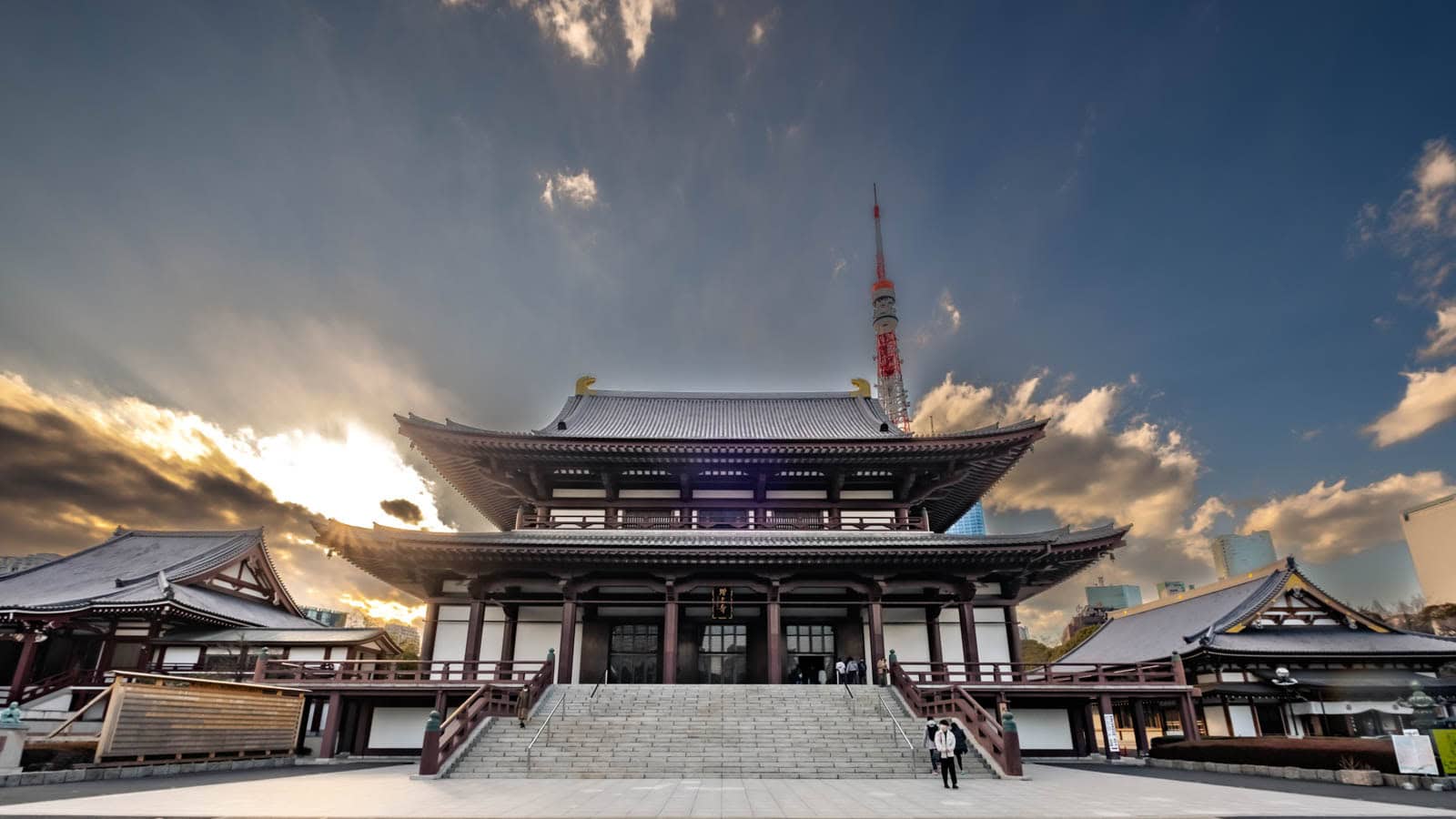
At the heart of Tokyo lies a scene that perfectly captures the city’s soul: the historic Zojoji, towered over the iconic Tokyo Tower. More than just a beautiful landmark, the temple serves as a bridge between Japan’s shogunate past and its dynamic present.
This guide will walk you through its most photogenic spots, share some of its history, and provide all the details you need for your visit.
The view: Zojoji & Tokyo Tower
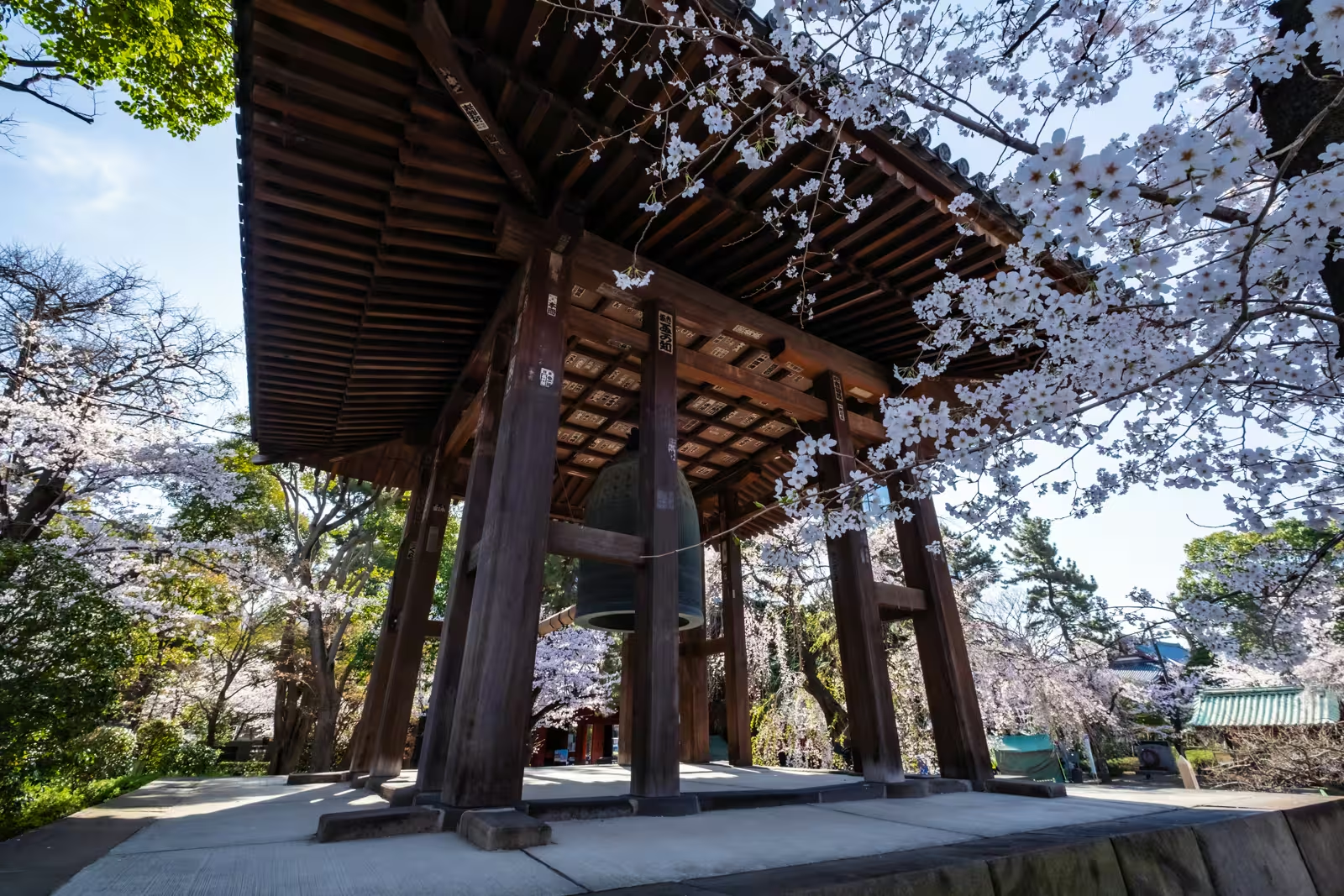
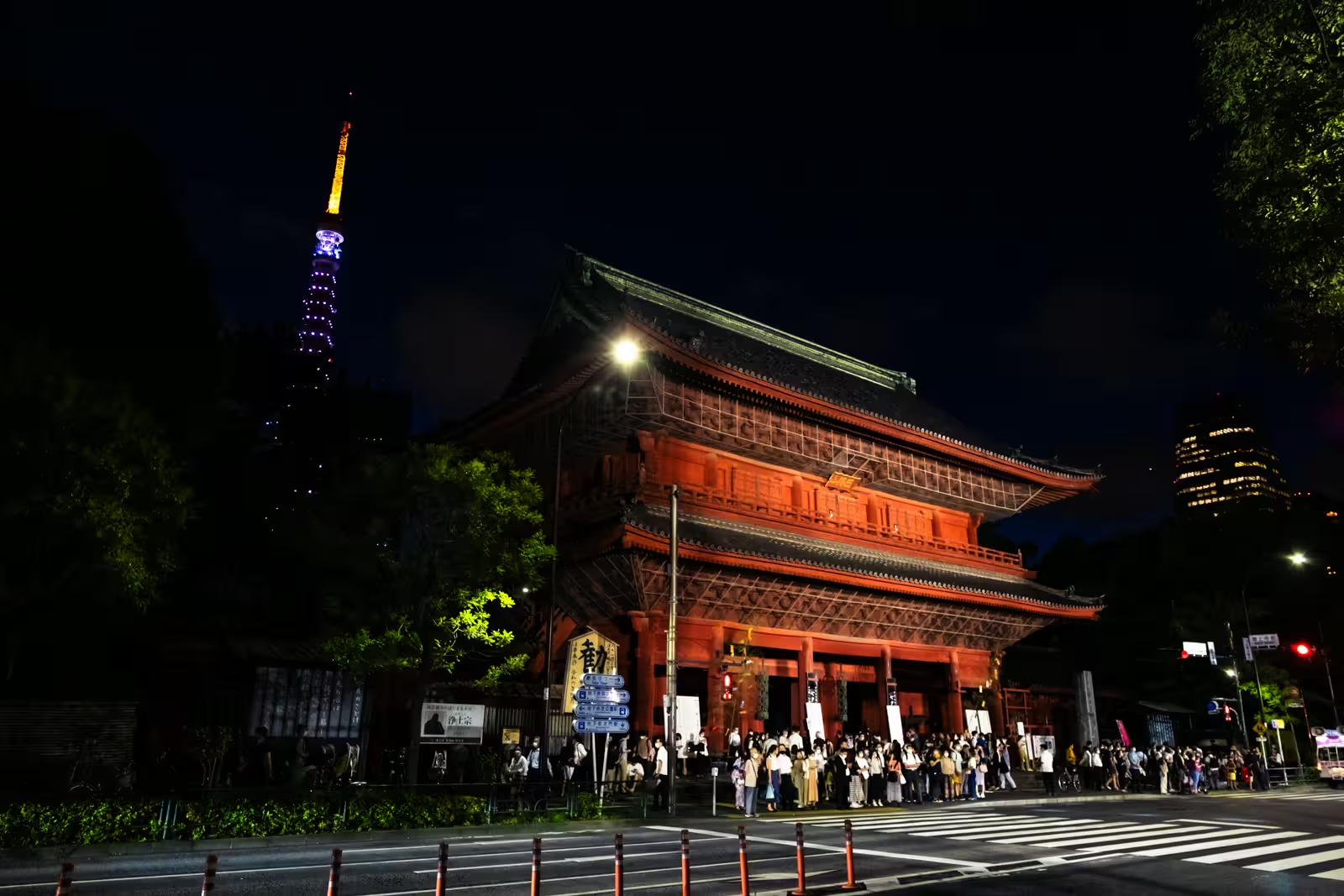
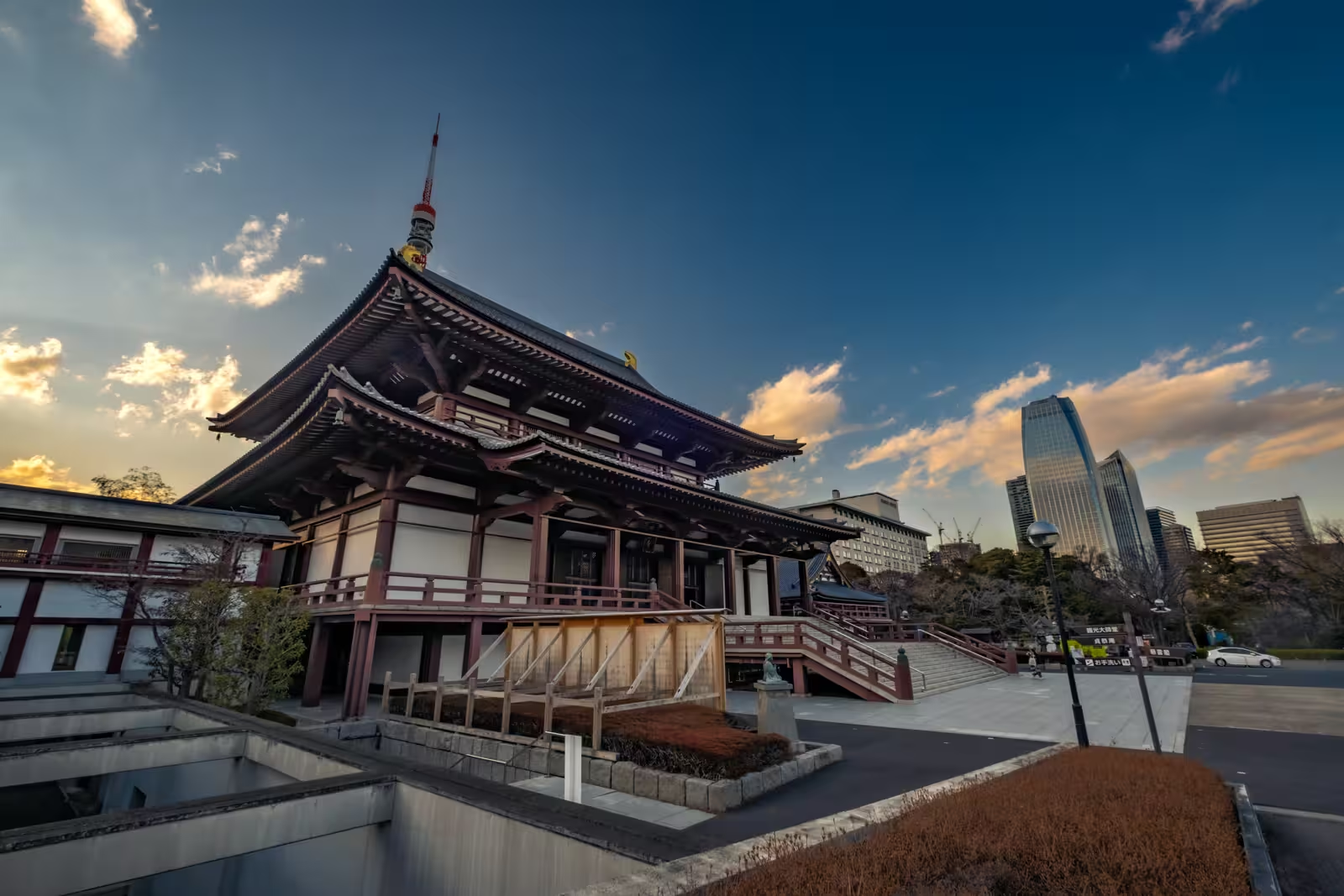
Walking through the main entrance, you are immediately greeted by a breathtaking sight. Zojoji’s main hall stands proudly with Tokyo Tower rising behind it.
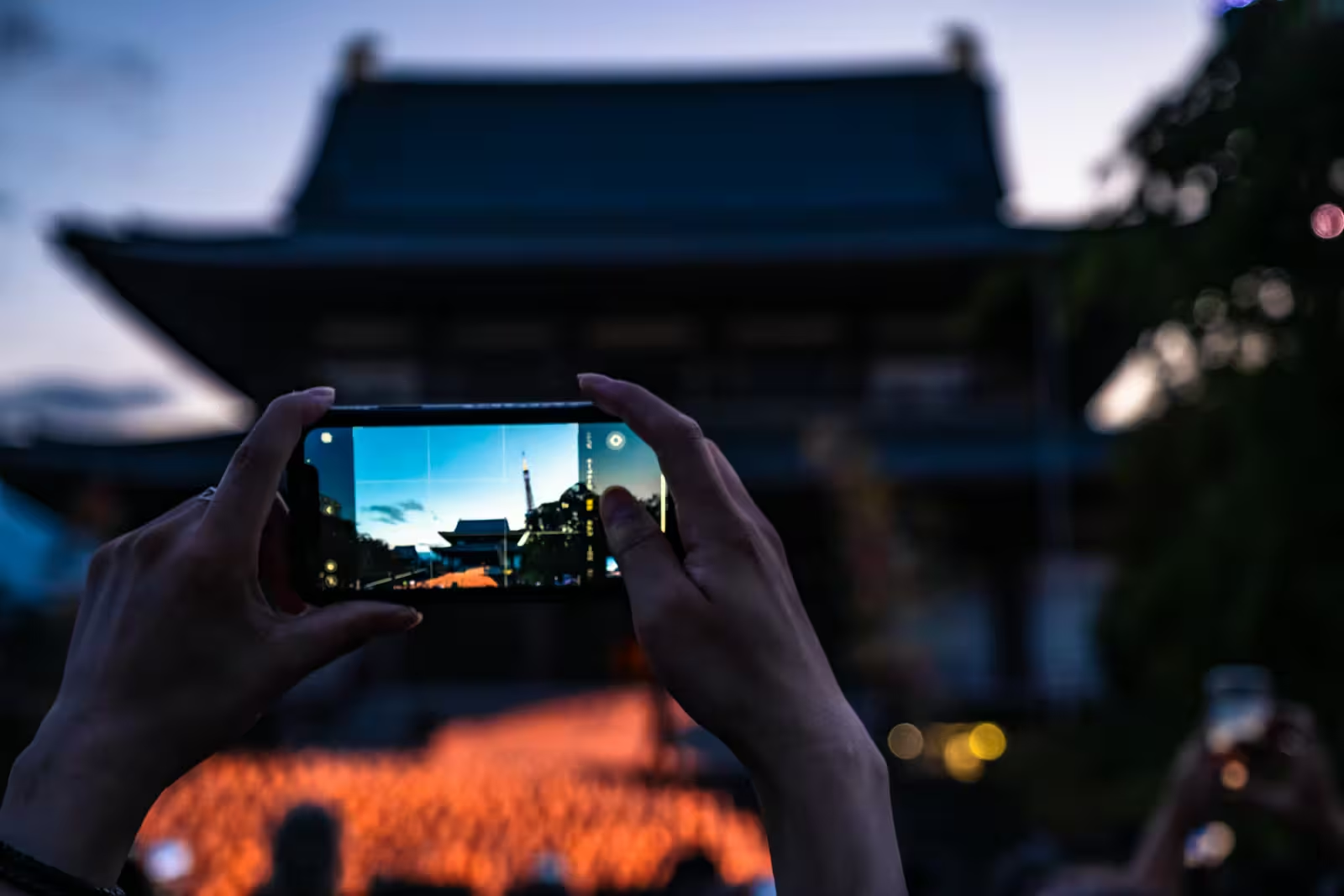
The juxtaposition of old and new that is quintessentially Tokyo. It’s a picturesque scene where the two landmarks have a strange and wonderful partnership. I find it difficult to take any photo in this area without including the tower, and I make sure to capture this famous pairing every time I visit.
What’s at the temple?
Sangedatsu Gate
One of the few original structures at Zojoji is the Sangedatsu Gate. This massive, vermillion-red gate, built in 1622, is a powerful symbol of the temple’s endurance. It is said that passing through it cleanses you of greed, hatred, and foolishness.
Daimon (Great Gate)
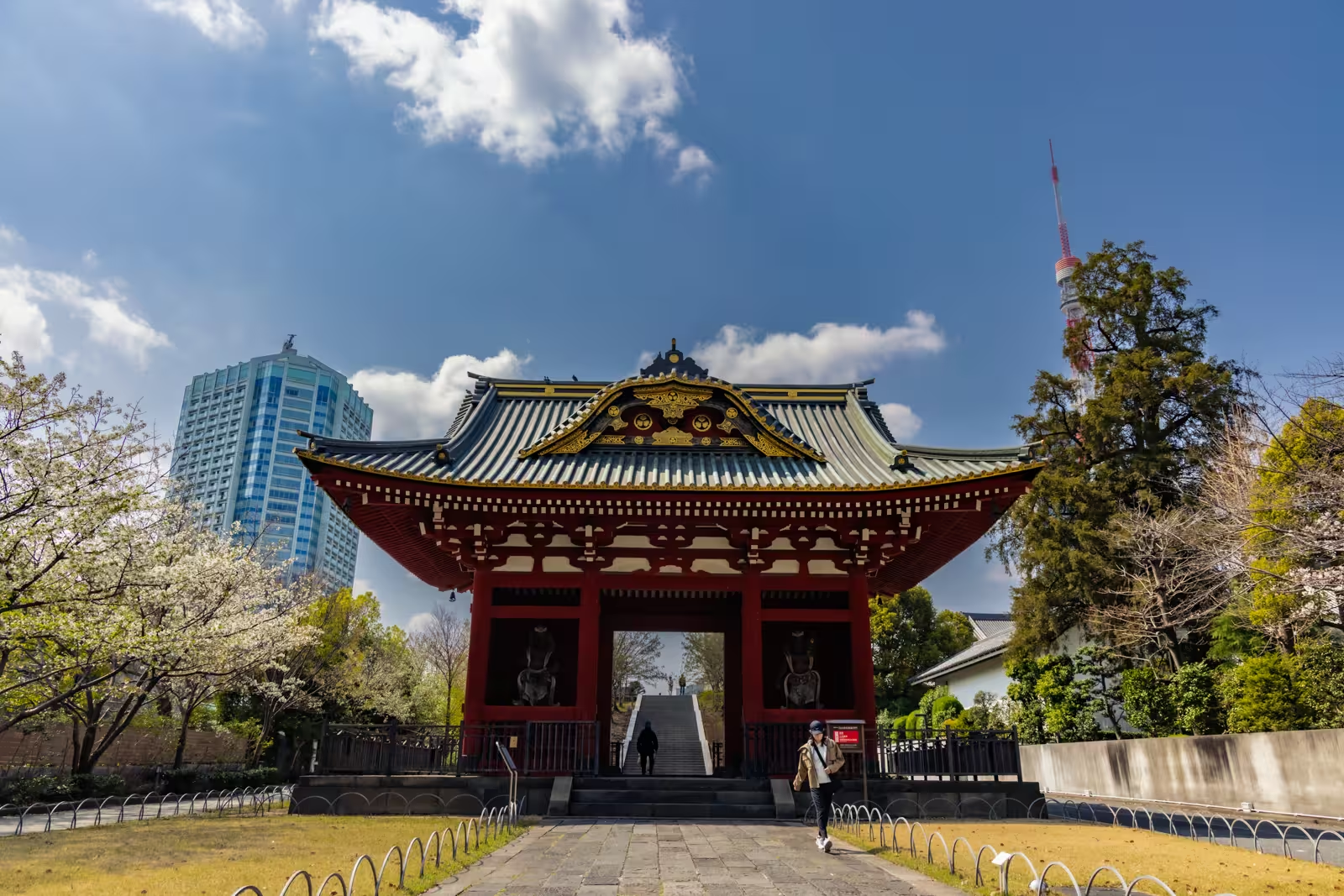
About five hundred meters from the temple entrance stands the Daimon, or “Great Gate.” While this is a concrete reconstruction, its position offers another fantastic photo opportunity, perfectly framing Tokyo Tower in the distance.
It’s also historically significant, as it’s near the Daiichi-Keihin. That’s the road that follows the approximate path of the old Tokaido highway that once connected Kyoto and Edo.
Taitokuin Mausoleum model
Beneath the main hall, a gallery holds a treasure: a stunning 1/10 scale model of the Taitokuin mausoleum. WW2 air raids destroyed the original, but this replica shows the structure that once housed the remains of Shogun Hidetada Tokugawa.
The craftsmanship of the model is incredible. Fantastic wall hangings surround it, offering a poignant look at the temple’s lost grandeur.
Presidential trees & a somber memorial
The temple grounds hold stories from across the globe. You’ll find two trees planted by U.S. Presidents: one by Ulysses S. Grant and another by George H.W. Bush. Nearby, a memorial stands in solemn remembrance of those who died in the Hotel New Japan fire in 1982.
What to photograph at Zojoji
The temple is a photographer’s treasure trove. Here are some subjects to look for:
- Architecture: From the grand main hall to smaller, intricate structures.
- Tokugawa graveyard: The magnificent tombs of six of Japan’s fifteen Tokugawa shoguns, along with some of their wives and concubines.
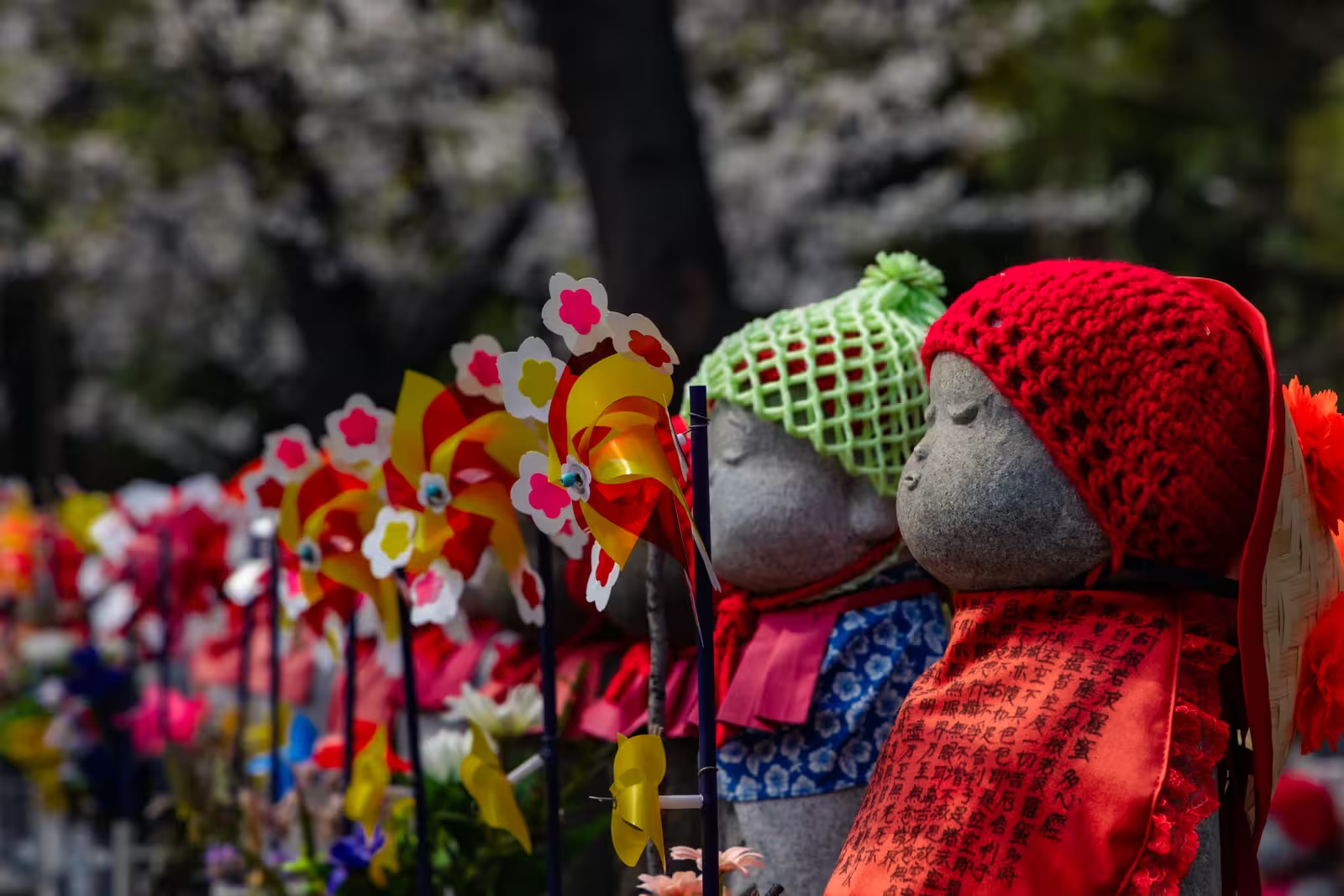
- Jizo statues: Rows of stone statues, often adorned with red bibs and hats, that are seen as the guardians of children.
- The Great Bell: An impressive, historic temple bell.
- Cherry blossoms: A beautiful sight during the spring season.
- Kumano Shrine: A serene spot for protection and mythology.
- Tokyo Tower: From various angles and perspectives throughout the grounds.
Kumano Shrine guardian crow
Tucked away in the temple’s northeast corner is the Kumano Shrine. In Chinese geomancy (feng-shui), this direction requires special attention to ensure positive energy flow. The kami (deities) enshrined here provide that protection.
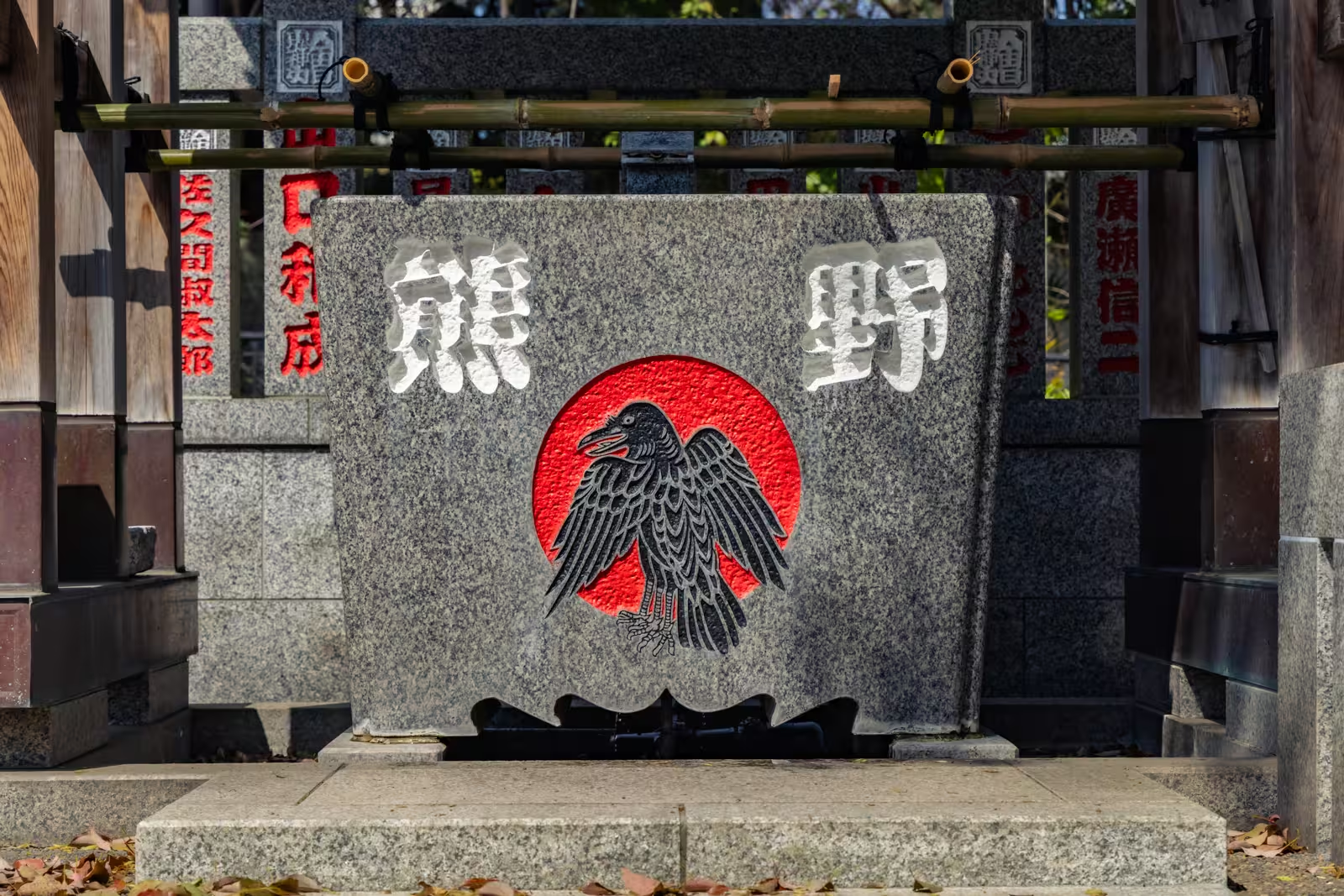
A unique feature is the washbasin, which depicts Yatagarasu, the mythical three-legged crow. As a servant of the sun goddess Amaterasu-no-Okami, this crow is said to have guided Japan’s first emperor, Jimmu, from Kumano to Nara. It makes for a fascinating and meaningful photograph.
A note on a changing viewpoint
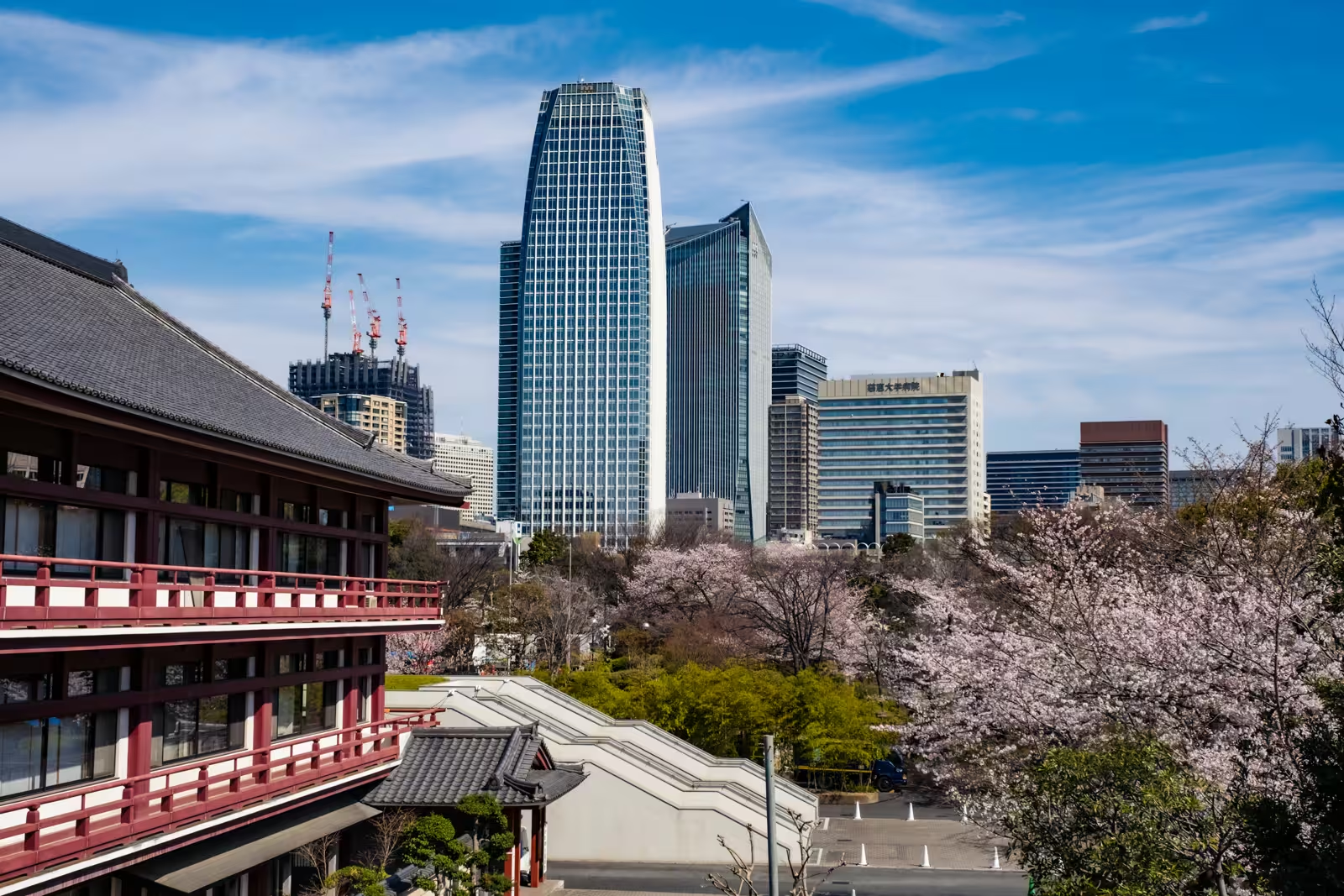
The classic photograph of Zojoji with Tokyo Tower has been a favorite for thousands of people, including myself. Unfortunately, the view has recently changed with the construction of the Azabudai Hills skyscraper, which is on the right side of the frame.
For those who, like me, consider the new building a blemish on a once-perfect photo, there’s a solution. By moving to the courtyard on the left side of the temple, you can compose your shot to mostly hide the new skyscraper and preserve the timeless quality of the scene.
Visitor information
- Address: 4-7-35 Shibakoen, Minato City, Tokyo:
- Closest train stations
- Hamamatsucho Station (JR Line, Tokyo Monorail) – 10-minute walk
- Onarimon Station or Shiba Park Station (Toei Mita Line) – 3-minute walk
- Daimon Station (Toei Asakusa & Oedo Lines) – 5-minute walk
- Akabanebashi Station (Toei Oedo Line) – 7-minute walk
- Kamiyacho Station (Tokyo Metro Hibiya Line) – 10-minute walk
- Admission fees
- Grounds: Free
- Mausoleum (Graveyard): ¥500
- Museum: ¥700
- Combined Ticket: ¥1000
- Opening hours
- Temple grounds: 6:30 a.m. to 5:30 p.m.
- Graveyard & museum: Weekdays 11 a.m. to 3 p.m. | Weekends 10 a.m. to 4 p.m.
- For more information, consult the official Zojoji Temple website.
- Here is the temple on Google Maps:
Photo spots near the temple
- Atago Shrine
- Kyu Shiba Rikyu Gardens (one of Tokyo’s shogunate parks)
- Shiba Park (2020 plum blossom pics here)
- Tokyo Tower
Recommended temple events
- New Year’s Day (Hatsumode): January 1
- Setsubun (Bean-Throwing Festival): February 3
- Tanabata (Star Festival): July 7
- Before you go, please check the official Zojoji website for the latest details, as event schedules can change or be canceled.
Is Zojoji worth visiting?
While Tokyo has many famous temples, Zojoji offers a unique combination of history, beauty, and photographic opportunities. It’s a place where you can feel the weight of shogunate history while standing in the shadow of the modern Tokyo Tower.
Though the classic view has evolved, the temple’s atmosphere and wealth of details remain unchanged. Don’t just take a picture. Spend time exploring and discovering the stories for yourself. Add Zojoji to your list; you won’t be disappointed.