The Transformation of the Kanda River Sakura

As some of you might know, I live in Suginami Ward’s Takaido-Higashi. I’m lucky because in spring, many great cherry blossom spots are just a short train ride for me. Shinjuku Gyoen isn’t far and neither is Inokashira Park. One more is within easy walking distance of my house.
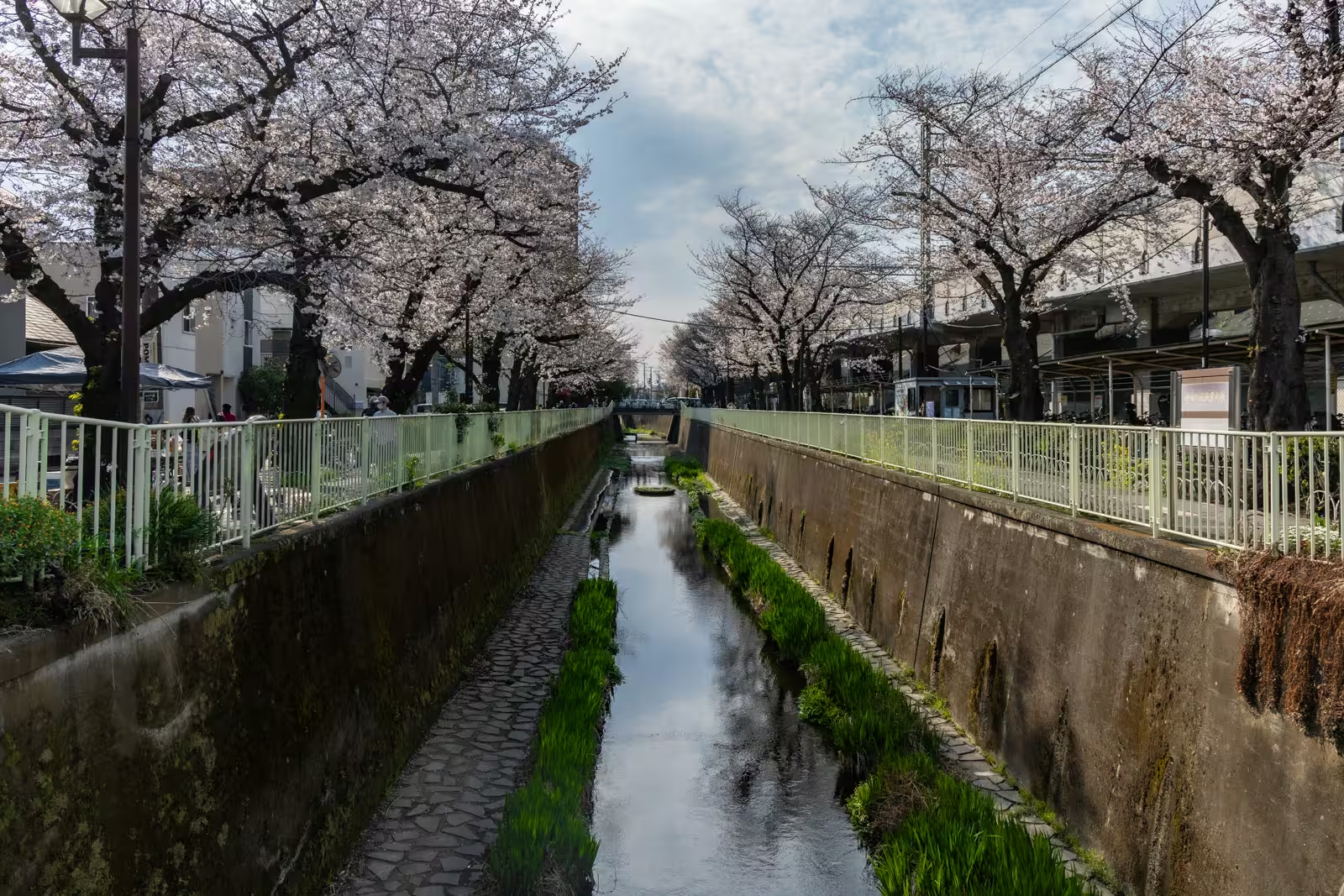
This place is the Kanda River, which I often shoot in spring. It’s the most local of local photography shoots in the great metropolis of Tokyo. When you go to this place, you might forget you are in the concrete jungle for a while.
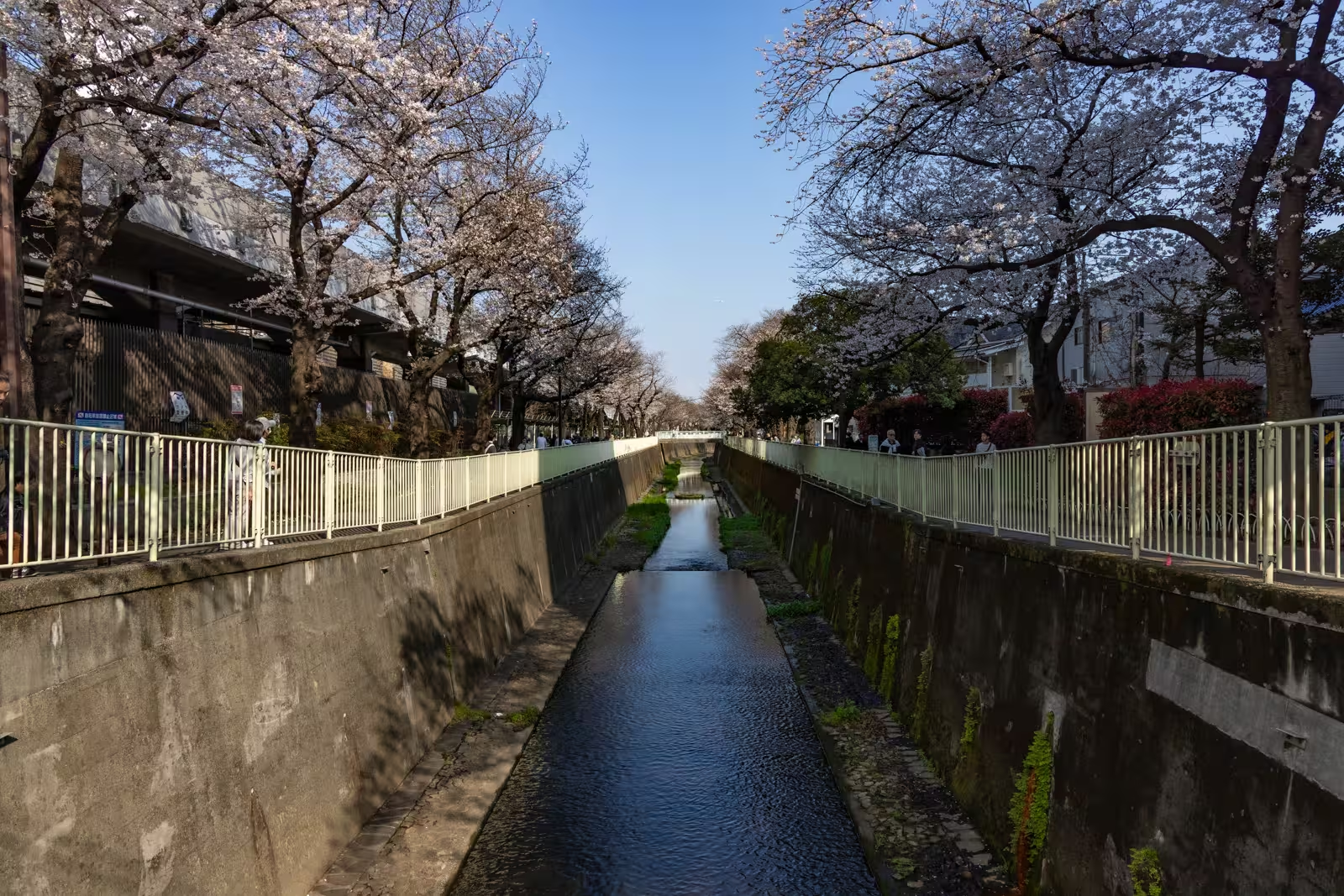
Tsukuda Bridge’s disappearing sakura tunnel
I used to love shooting the Kanda River, near Takaido Station. Every spring, I used to go there. Occasionally my wife and I would picnic on one of the benches along the banks.
One of the premier spots was Tsukuda Bridge (佃橋), just over the road from the station. It was amazing. The trees reached out from both sides forming a tunnel over the river below. It was a true spring spectacle. However, there has been a problem.
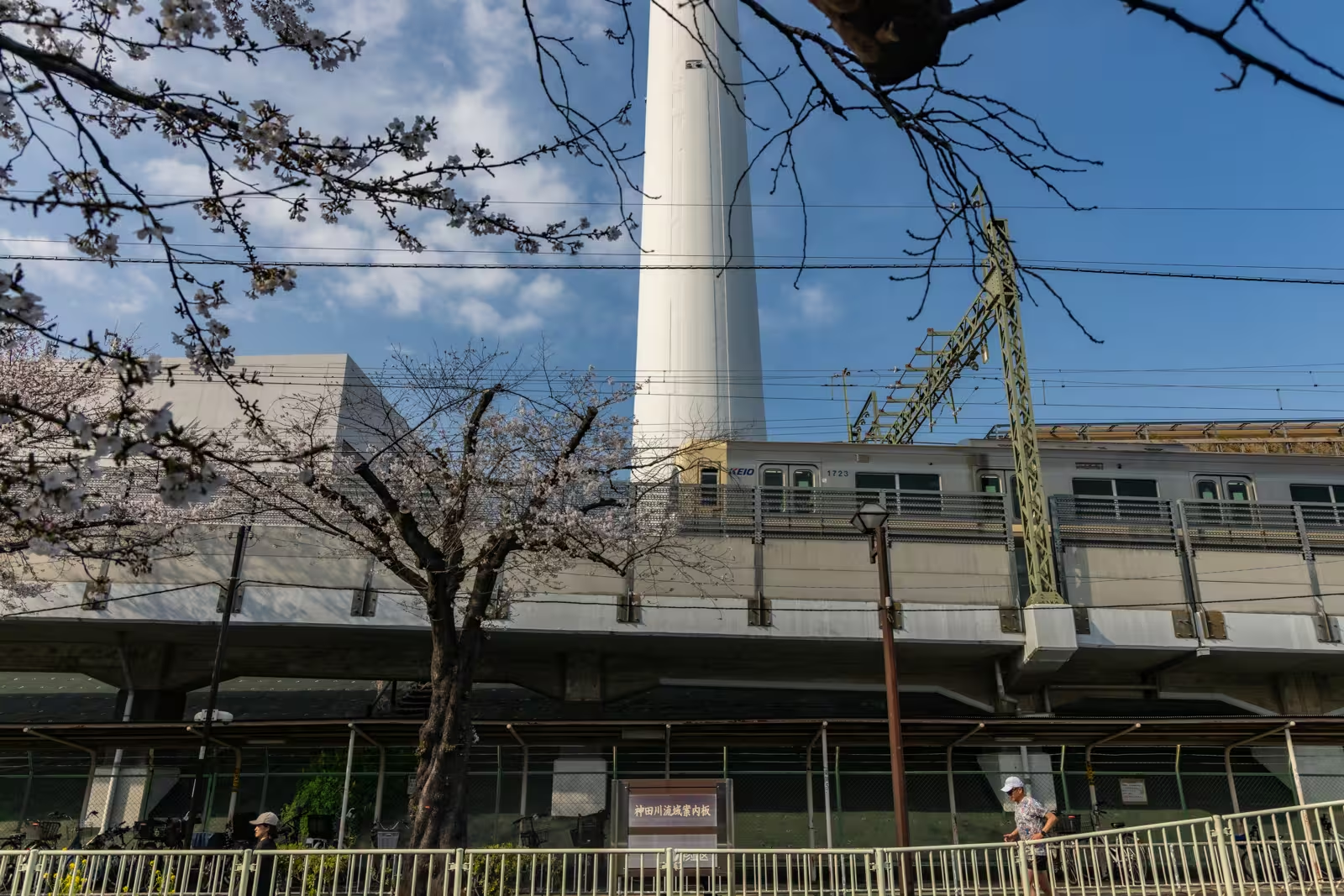
The trees were lopped a few years ago. The branches that once reached across the river, are now missing. Some have been reduced to stumps high up on the trunks. That once beautiful canopy is no more. Witches’ Broom got hold of it.
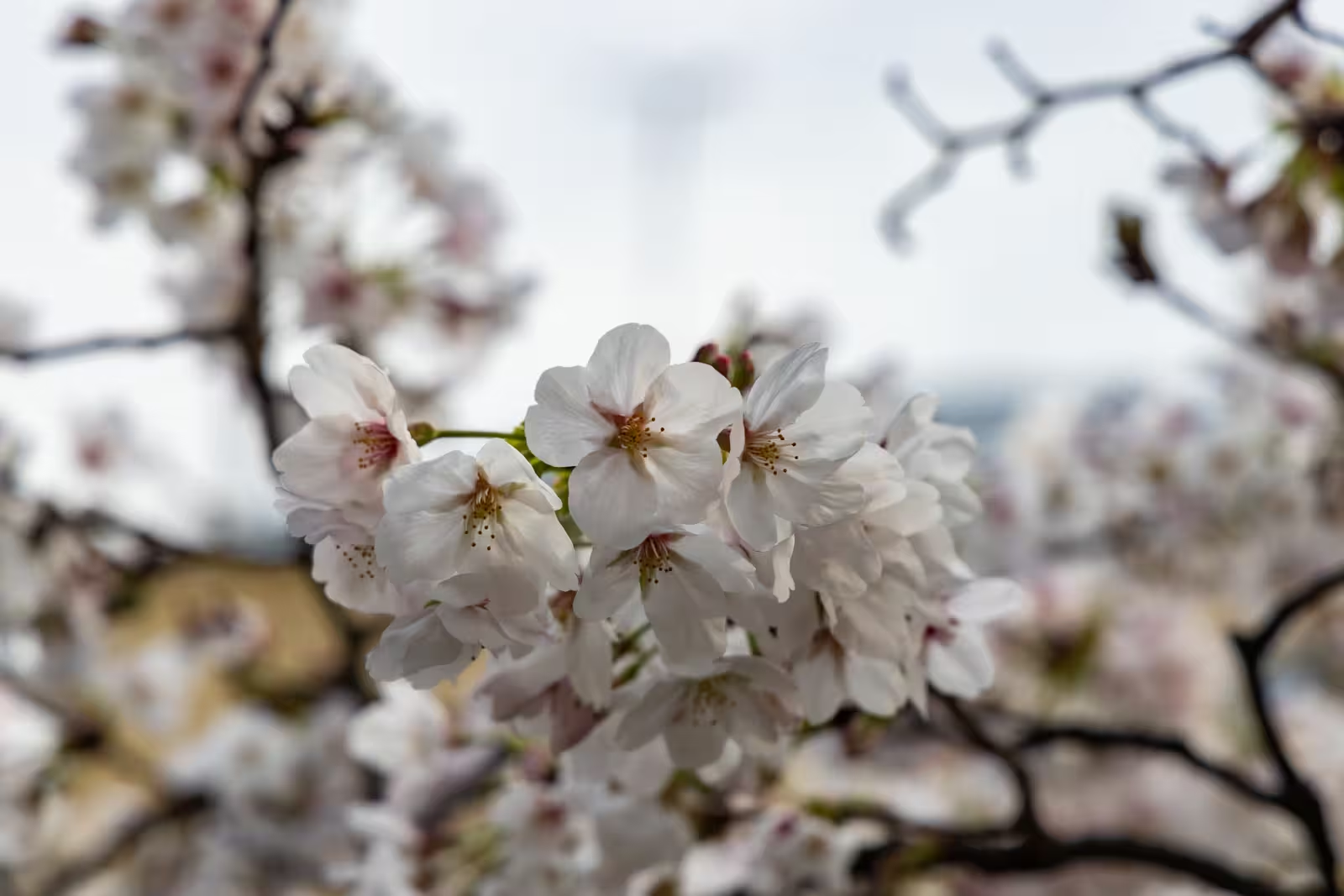
What is witches’ broom disease?
As the trees along the river are of the Somei Yoshino type and over 60 years of age, they are susceptible to witches’ broom disease (てんぐ巣病), which is triggered by several things including a fungus, Taphrina wiesneri which is the cause of this problem. What happens to trees infected with it?
- A distorted clump of branches grows close together that look like a witches’ broom.
- If left untreated, new branches bloom and drop their leaves earlier than other branches of the tree.
- White spores are often visible underneath any foliage produced on the branches infected by fungal witches’ broom.
- Cherry leaf curl (another fungal problem) may also develop on infected branches.
- Eventually, the growth of witches’ brooms will disrupt the flow of sap and the host branch will die back.
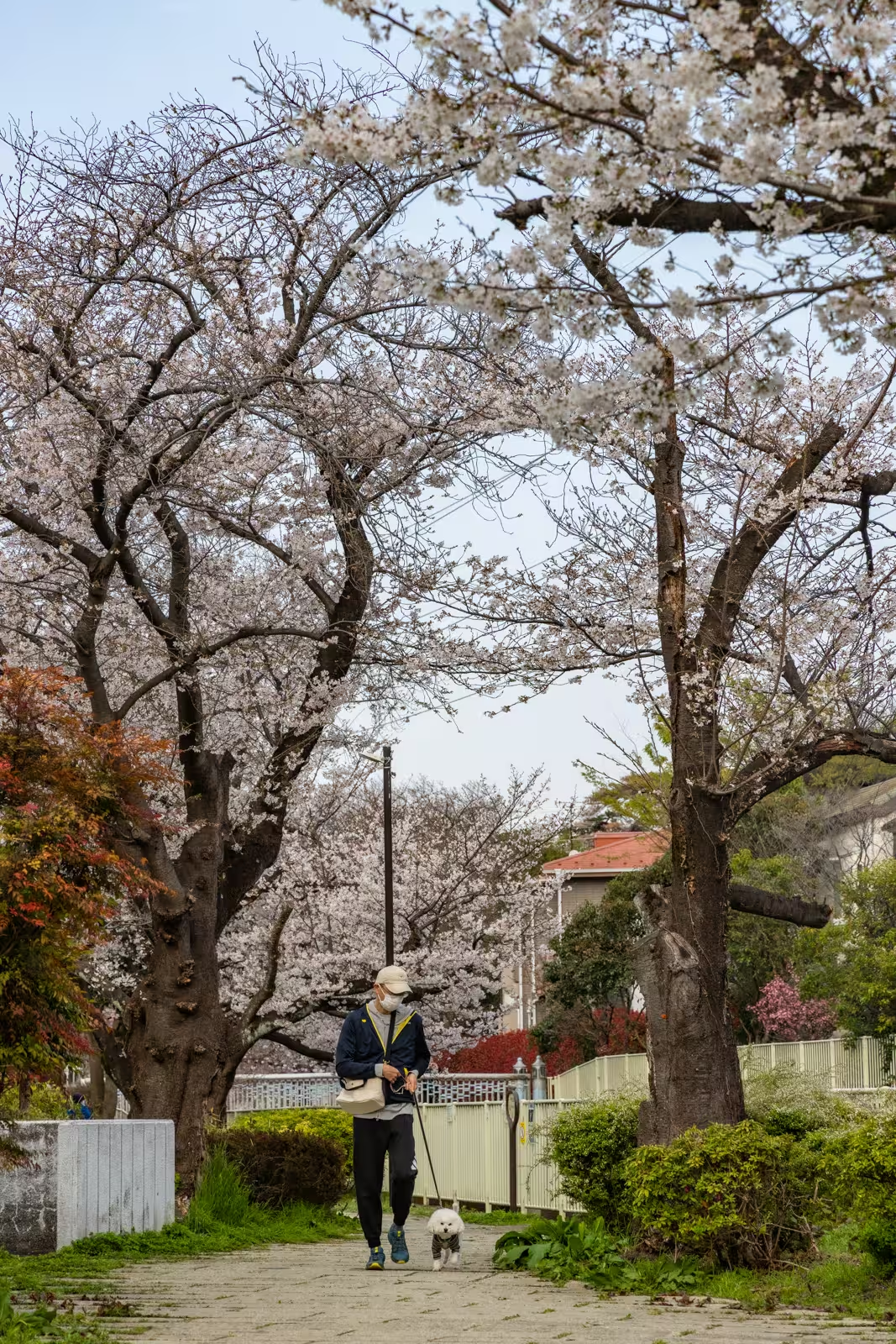
Why we must protect Japan’s iconic trees
Like many arboricultural diseases, witches’ broom can spread, so keeping on top of it is vital. As cherry blossoms are a symbol of Japan, this is a problem that needs to be kept under control.
Touching a cherry tree is something to be avoided. If you damage it, that could cause ugly witches brooms (of the non-fungal) type to appear and scar the tree. Even arborists’ (tree doctors) tools, if not cleaned, can pass it on. That’s how much of a threat this disease is.
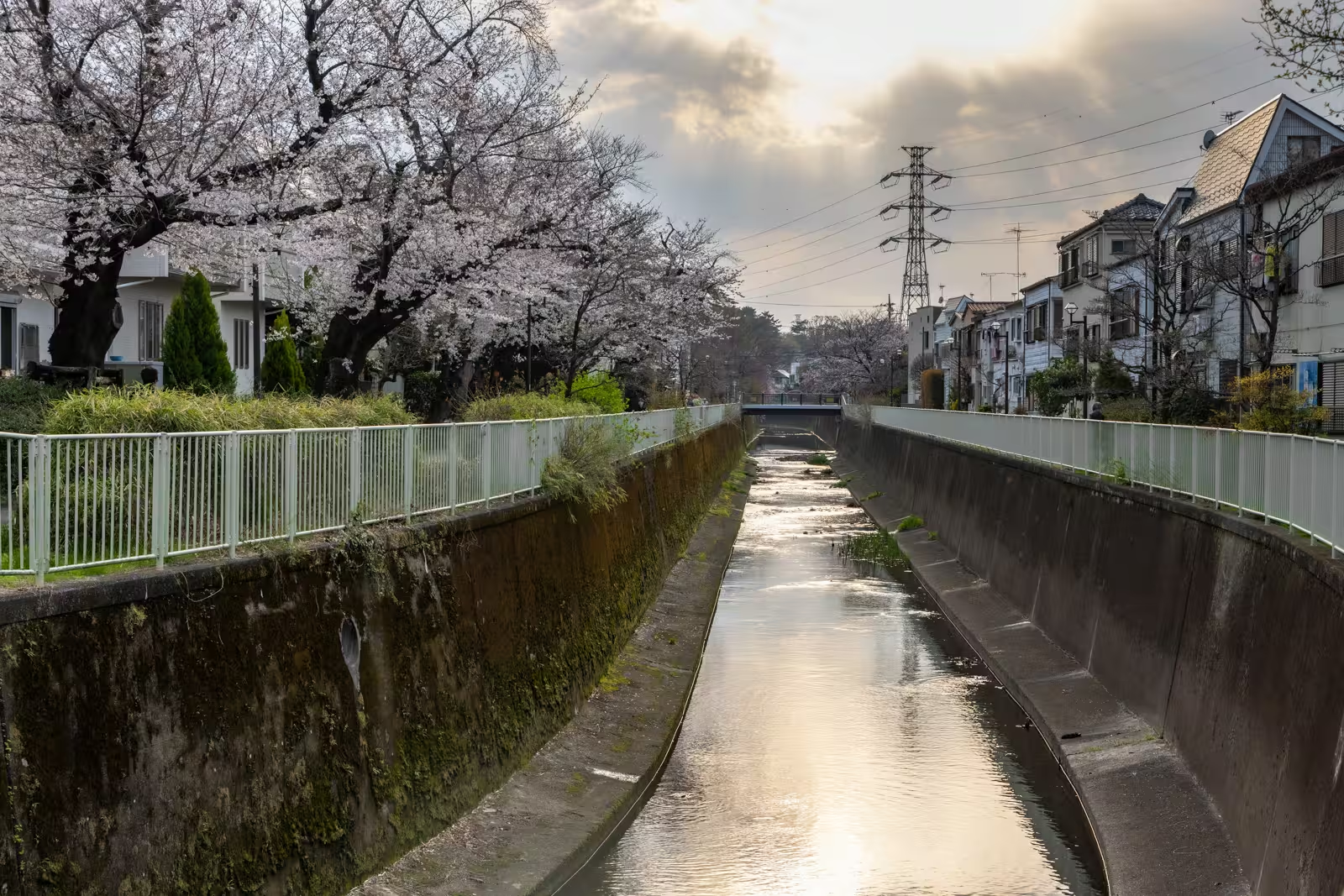
The Kanda River cherry blossoms’ future
Diseased branches do not recover once they are infected. They have it forever. So the beautiful view we once had in Takaido, is now gone forever. Further lopping in the future will probably happen as there is no cure for this disease.
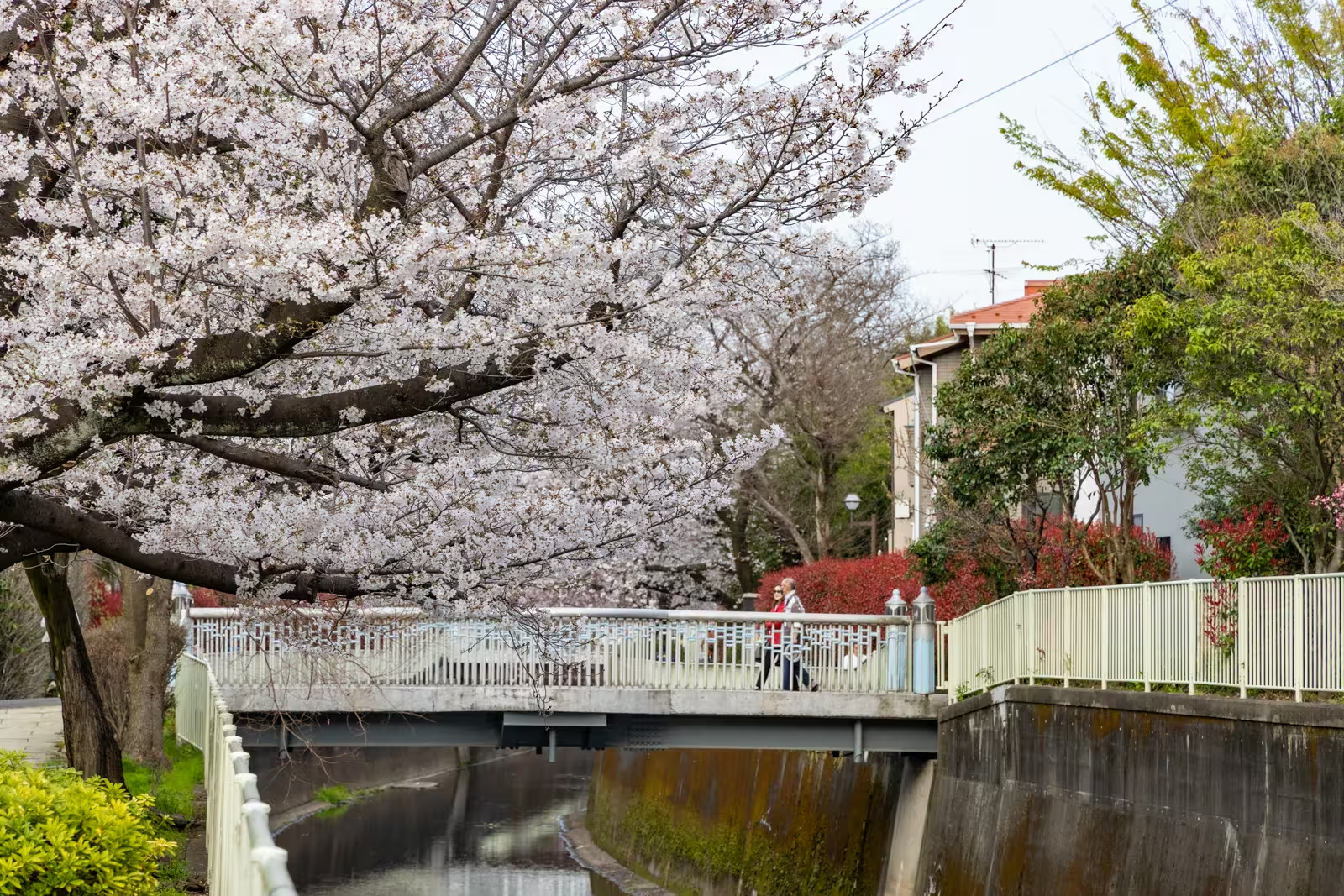
The Japan Times reported in 2006 that a study carried out by the Flower Association of Japan found 18 prefectures had the disease. That’s a high number, and I wonder if witches’ broom has spread further. Just to repeat, there is no cure, but the beloved cherry blossoms must be treated with utmost care.
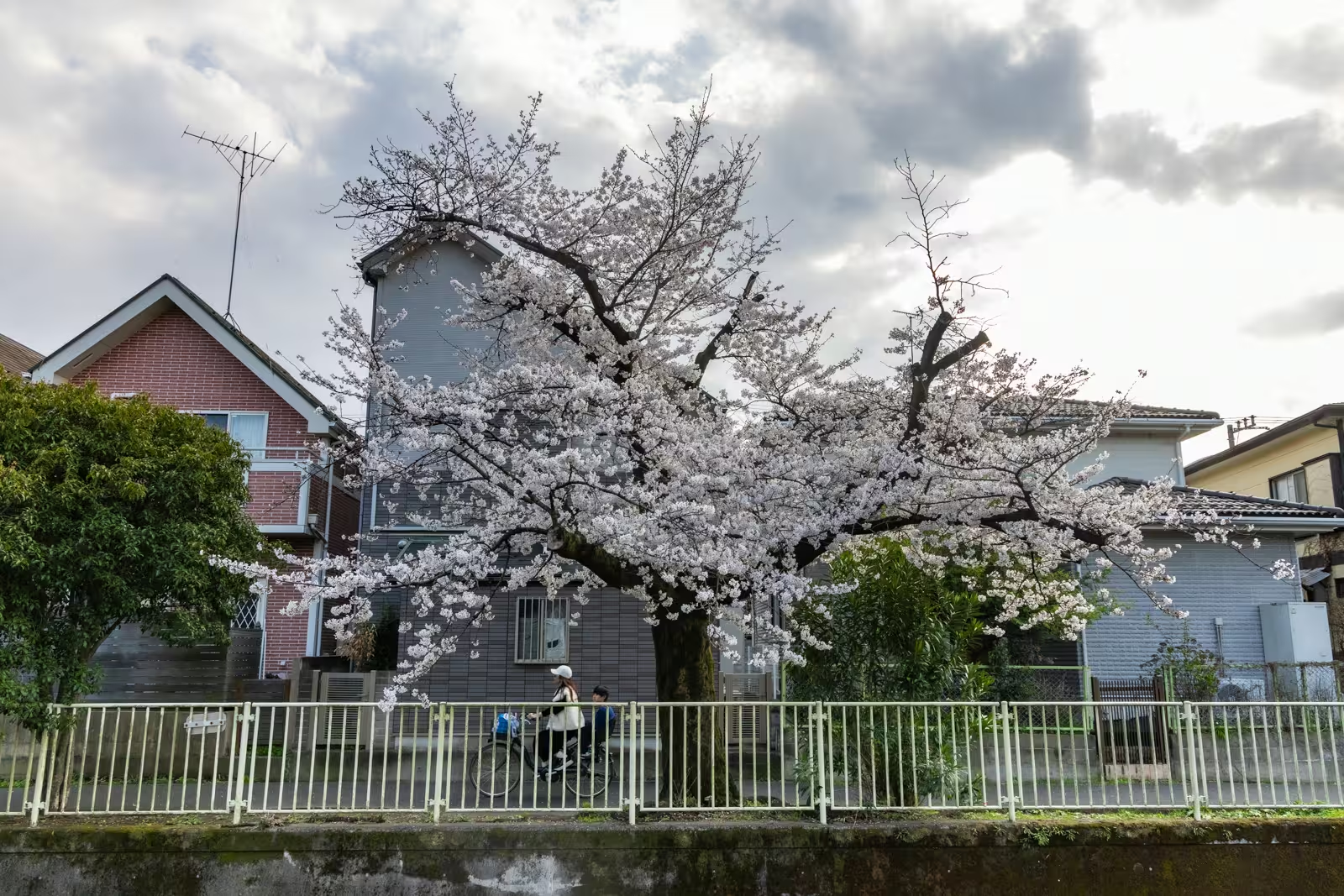
Since the Somei Yoshino are more susceptible to witches’ broom. Tomohiro Ito wrote in his article that some places have replaced those trees with others of different types. It’s something to think about. How Suginami Ward will deal with this remains to be seen. I just hope this problem doesn’t spread to other areas.
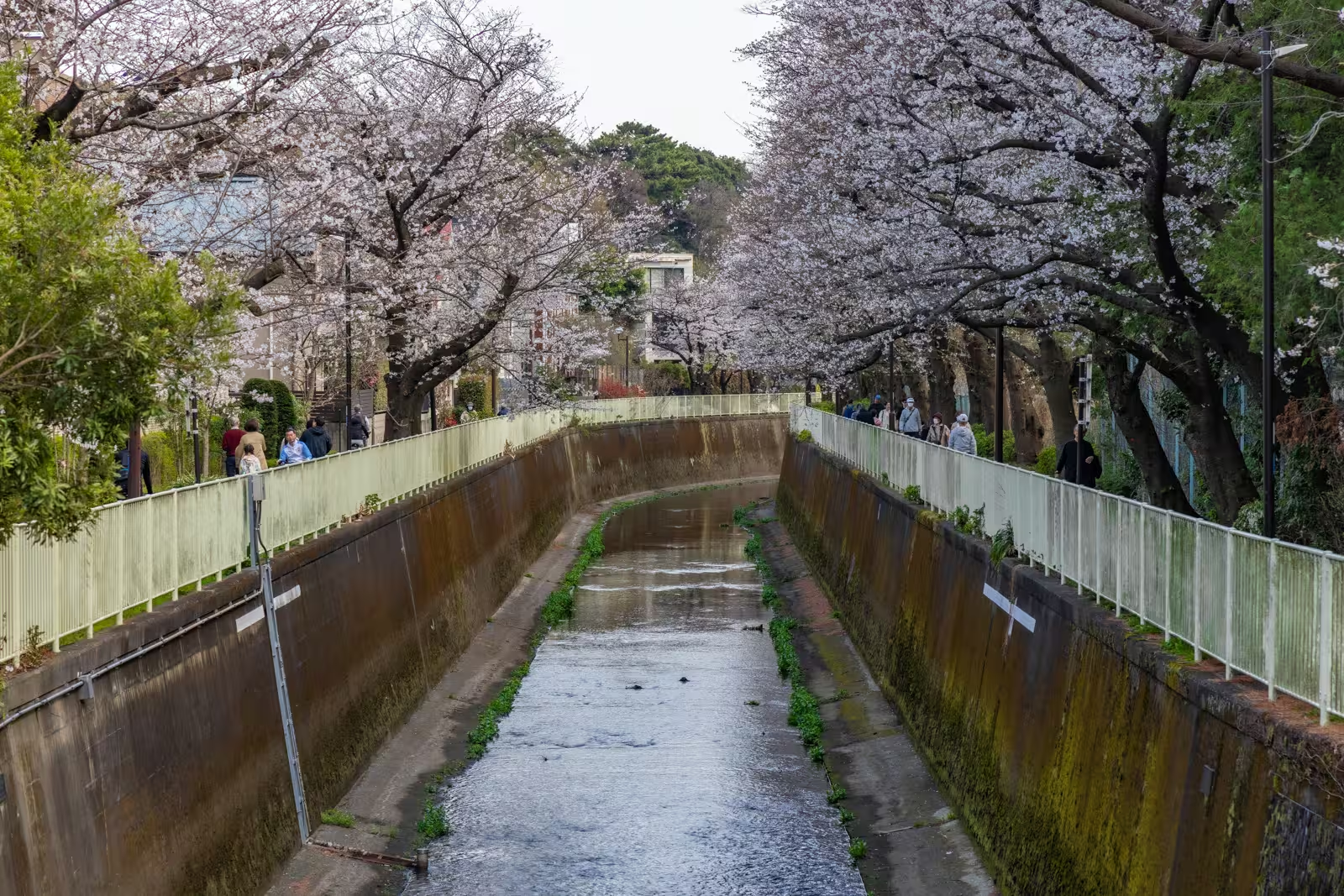
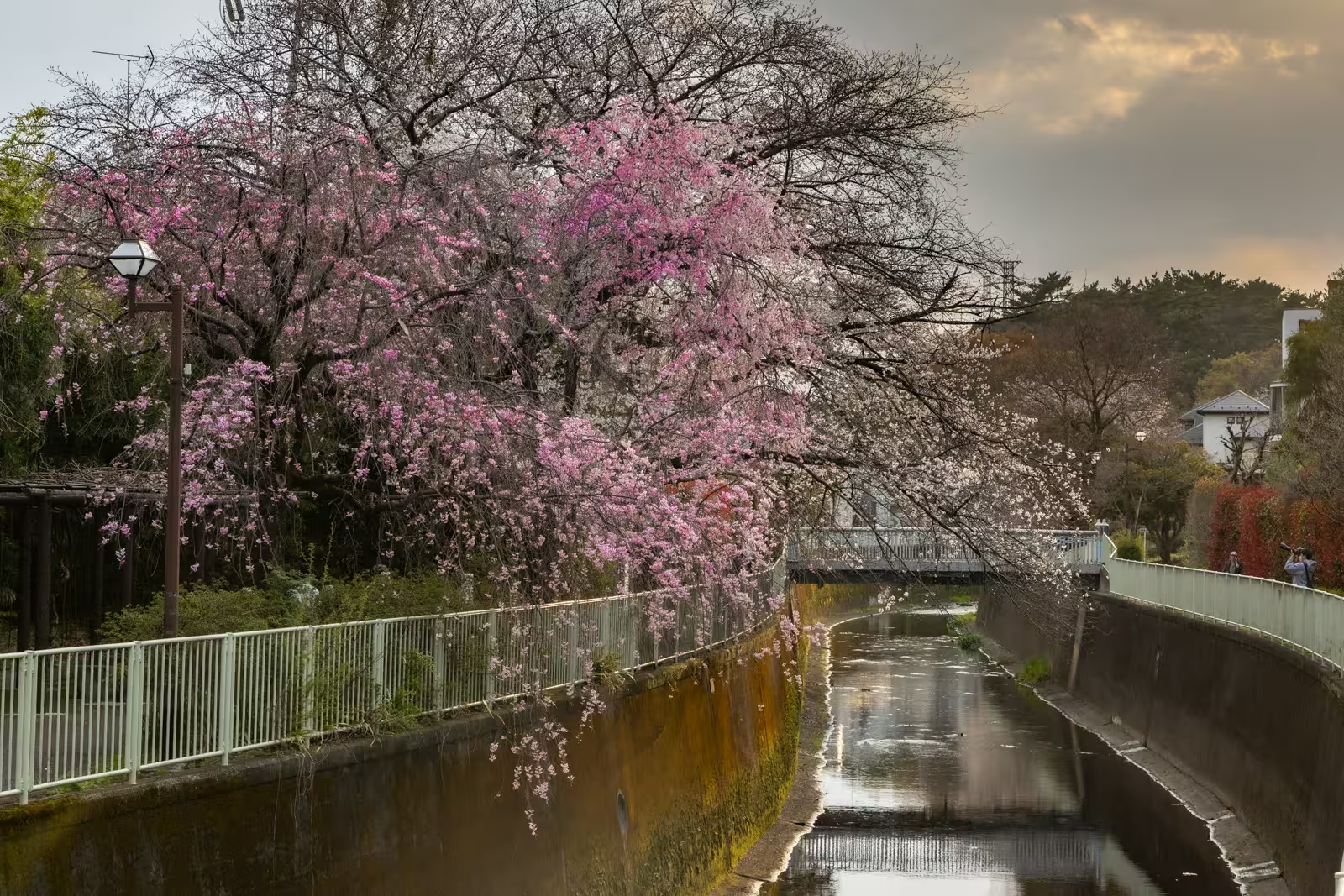
Even though the trees were missing some branches and the flowers weren’t quite at their peak, the Kanda River was a great place for a walk. Blue skies provided a great start to the photo session, but thick mushy clouds soon rolled in. That was a pity.
If you are looking for something else to do near the Kanda River check out Kisshoin. It’s a fantastic little temple that is worth a quick visit.
My photography gear for this session
- Camera body: Canon EOS R5
- Lens: Canon RF 24-105mm f/4 L IS USM