Sanja Festival: A Photography Guide for 2027

The Sanja Festival (or Sanja Matsuri) is one of Tokyo’s most famous and photographed events. This massive three-day event happens on the third weekend of May.
It offers photographers a mix of culture, history, and artistic moments. Here’s my guide to help you make the most of this photographic opportunity.
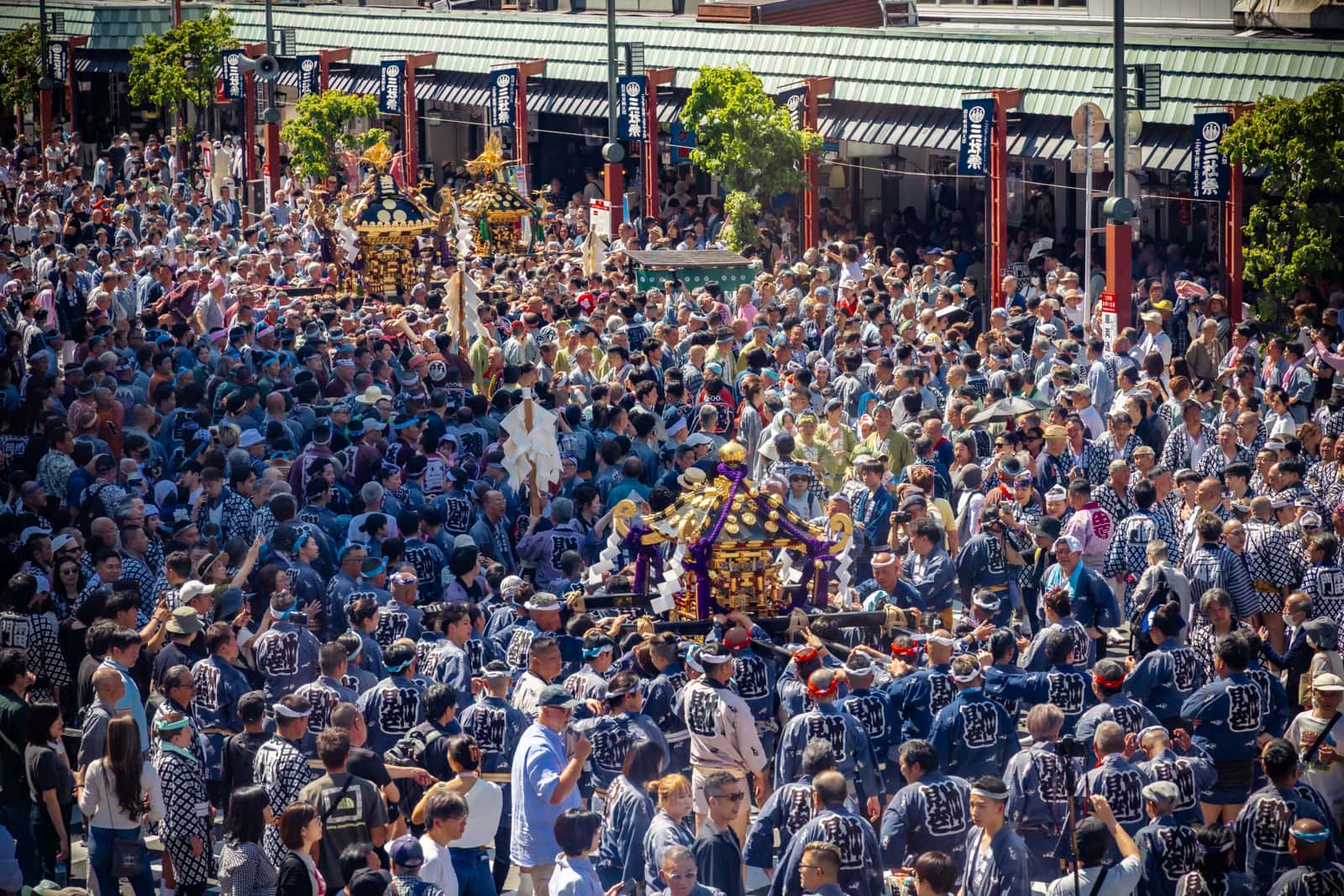
Sanja Festival key events
Daigyoretsu Parade (Friday)
- What to expect: This parade features priests, geisha, musicians, and dancers.
- Photographic tips: Arrive early to secure a good spot along the route. To help you plan, I’ve created a detailed guide to the Daigyoretsu Parade’s best photo locations and timeline.
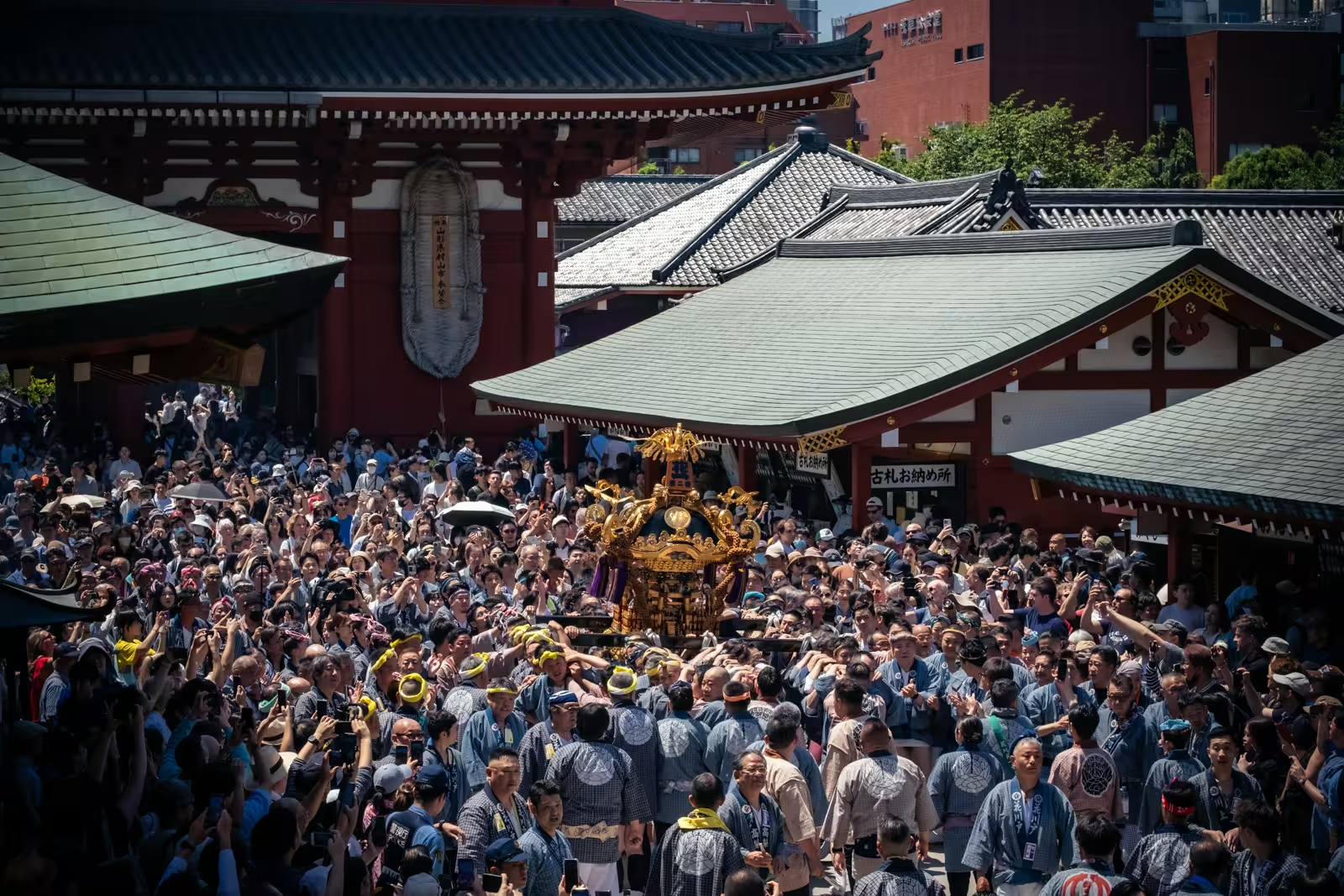
Mikoshi processions (Saturday & Sunday)
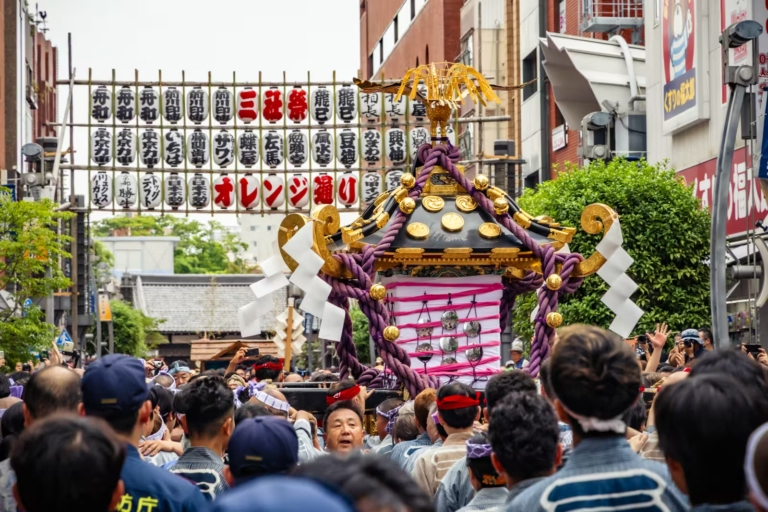
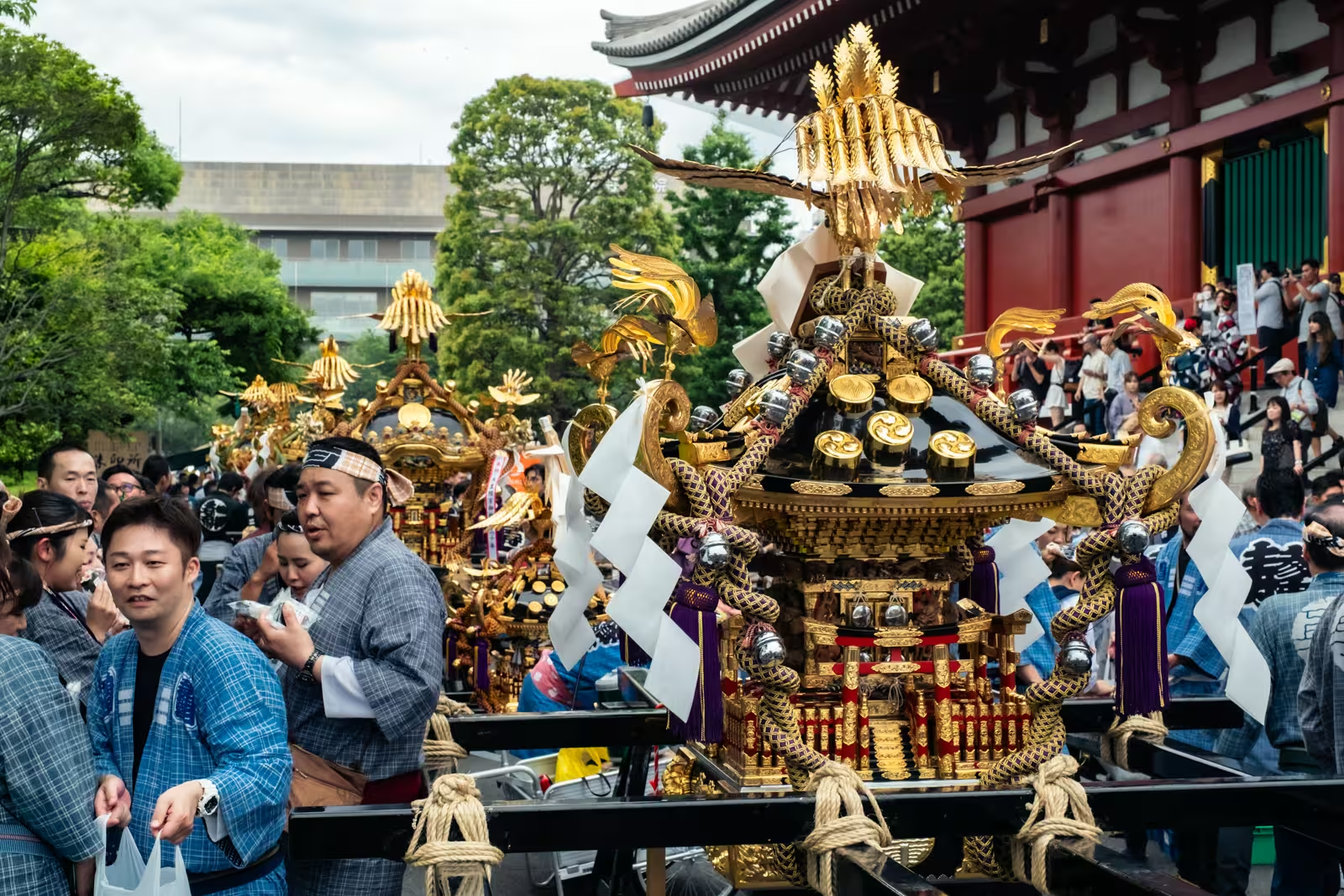
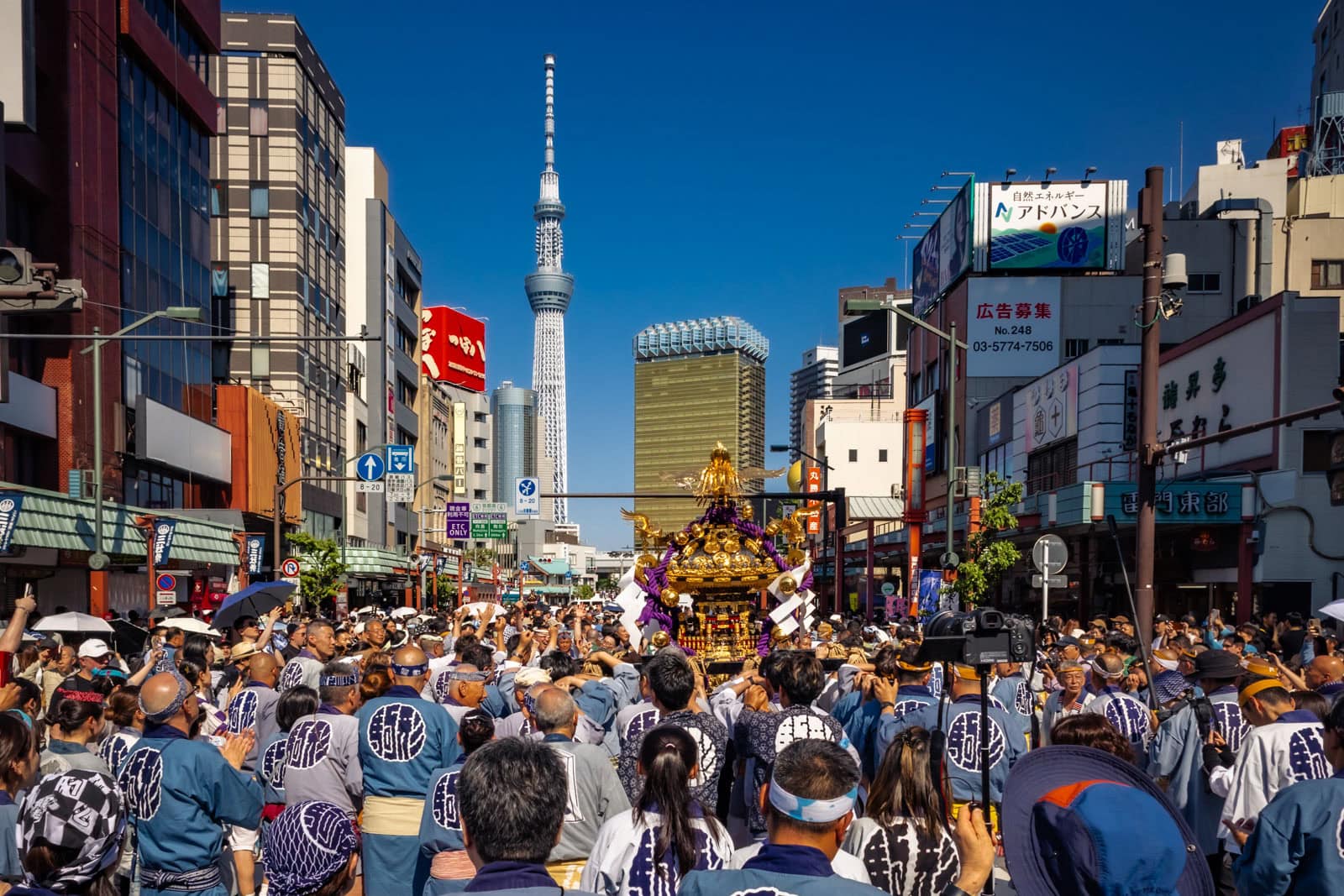
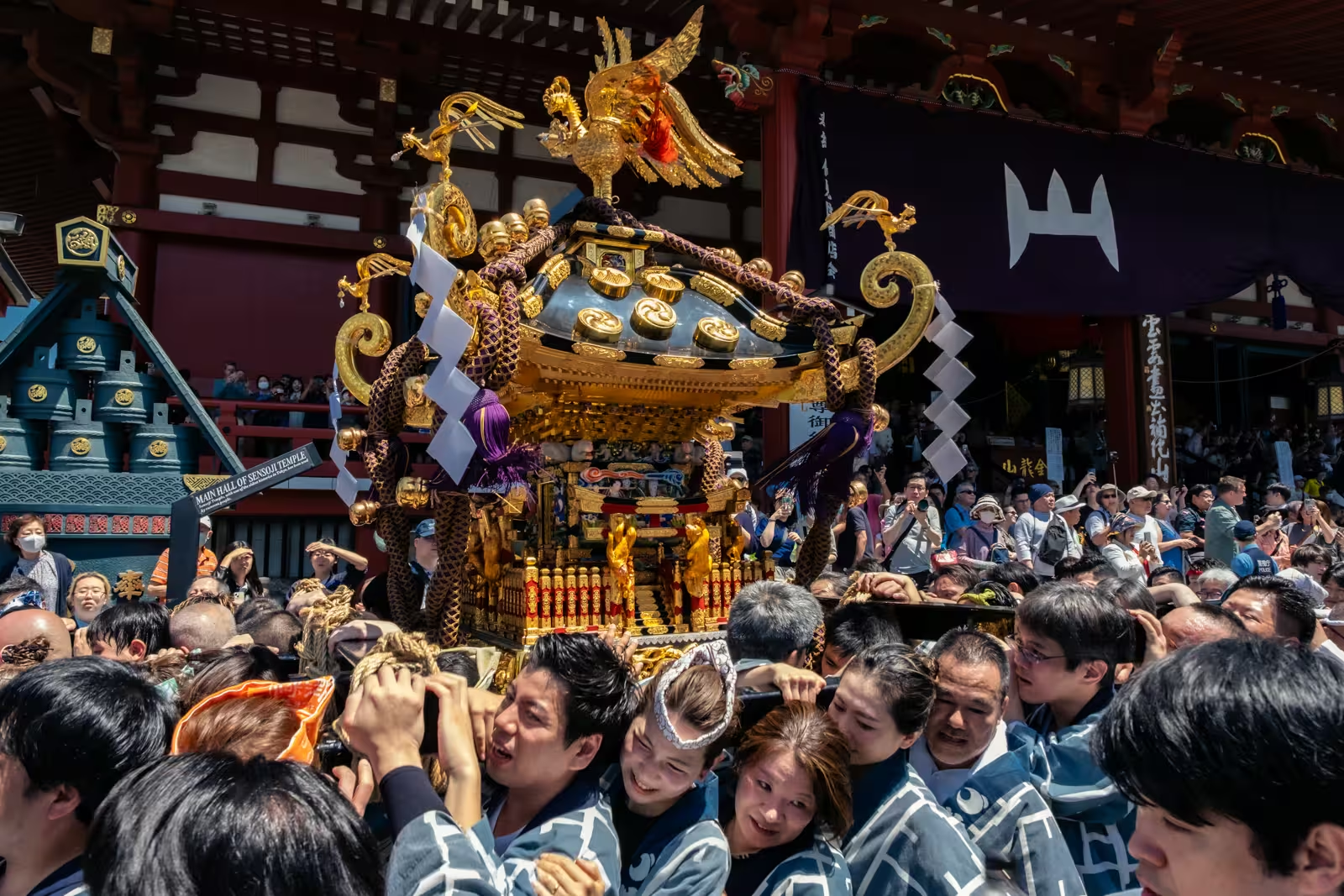
- What to expect: This is the heart of the festival. 100 mikoshi are carried through the streets. The energy and enthusiasm of the carriers are infectious and visually striking. Be prepared for some of the most intense crowds you will ever experience.
- Photographic tip: Wide-angle lenses can capture the crowd’s intensity. Be careful as you don’t want to obstruct the mikoshi and cause safety issues. Don’t get too close.
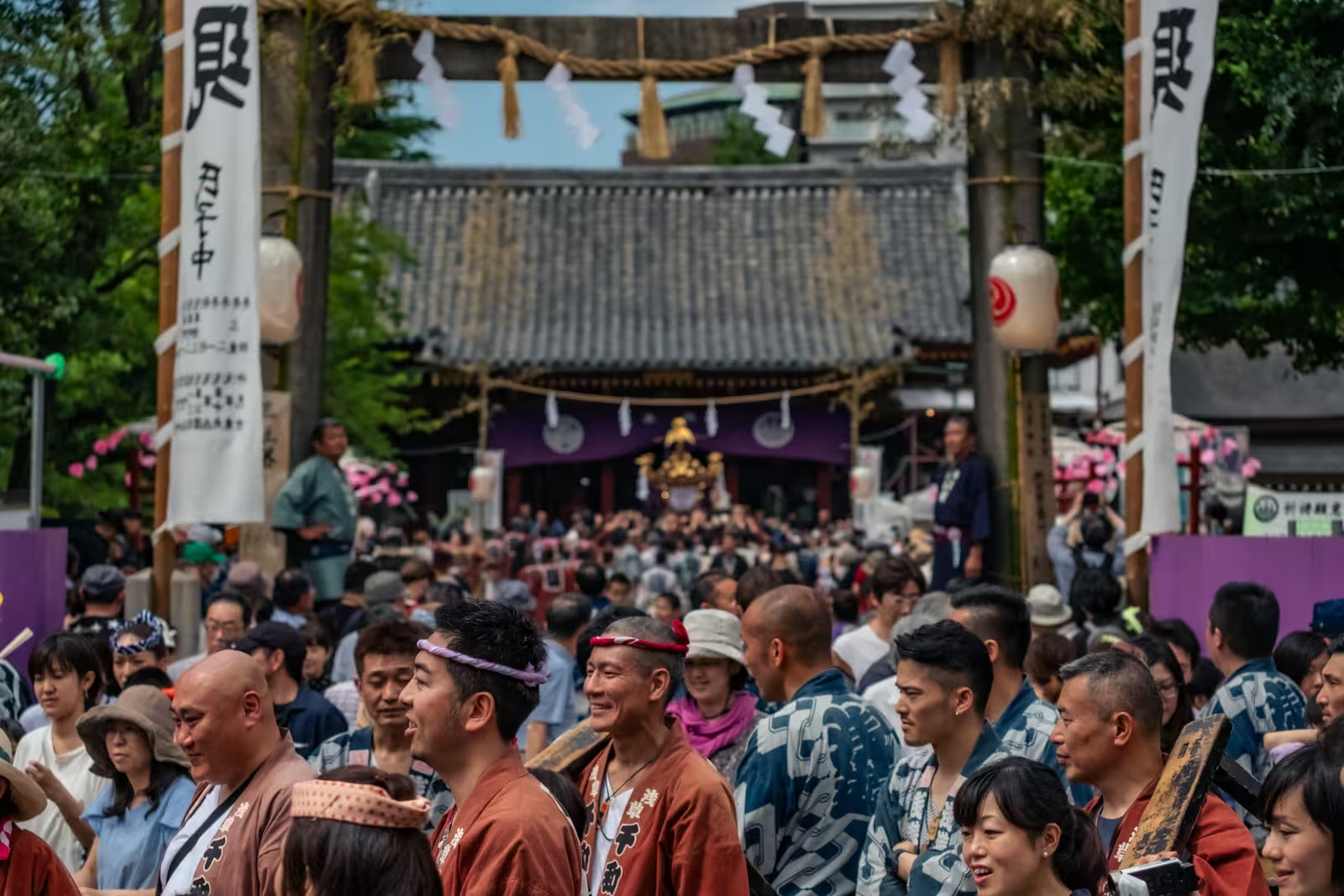
Food stalls
- What to expect: Sensoji’s grounds are flooded with food stalls. They infuse the event with the spirit of Shitamachi (old downtown).
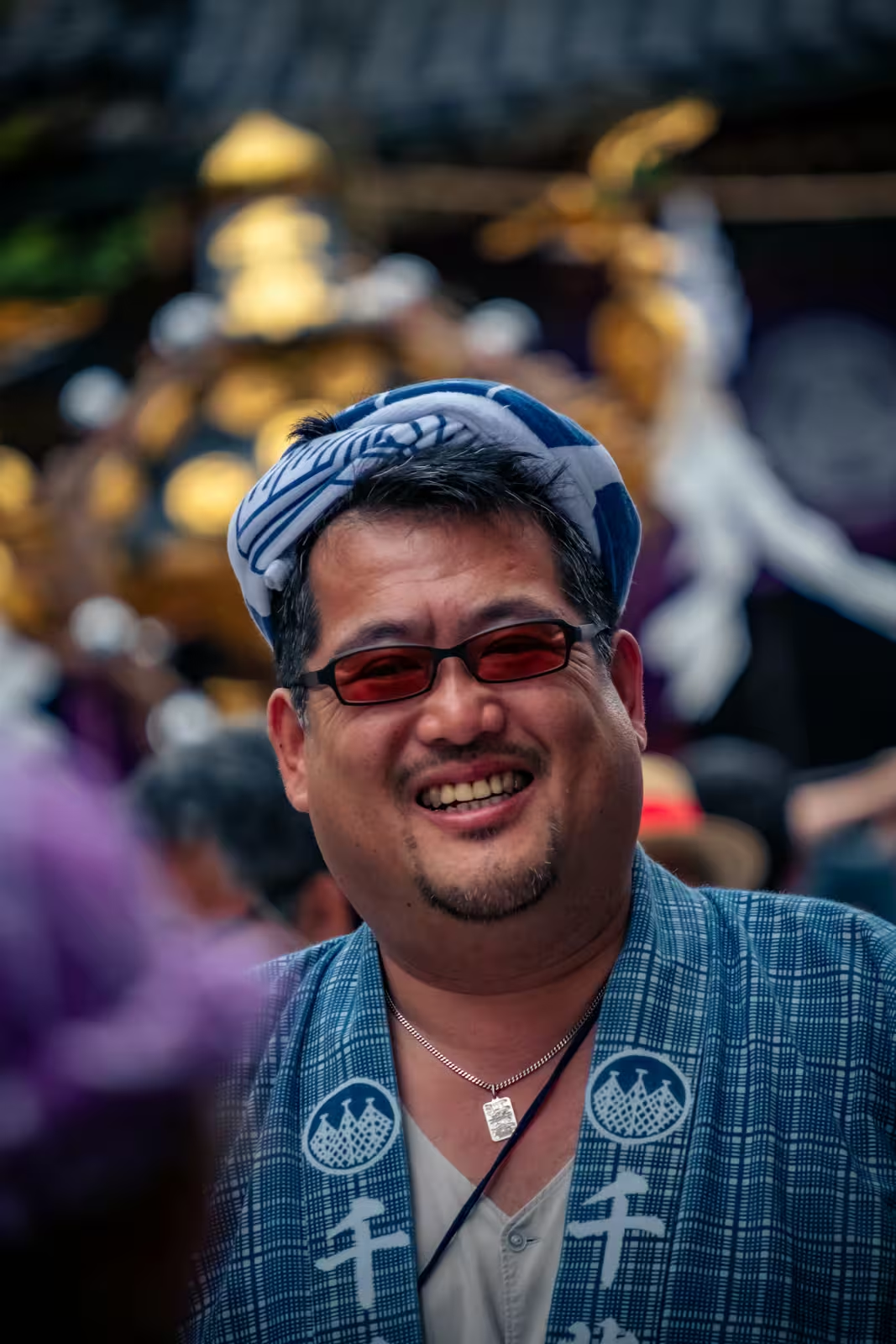
- Photographic tips: These can be good for portrait and food photography.
Best spots for photography
Asakusa Tourist Information Center
The eighth floor gives a good view of Kaminarimon, Nakamise, Hozomon, the Pagoda, and Sensoji Temple. From the second floor, you get a better view of Kaminarimon and Mikoshi on the street.
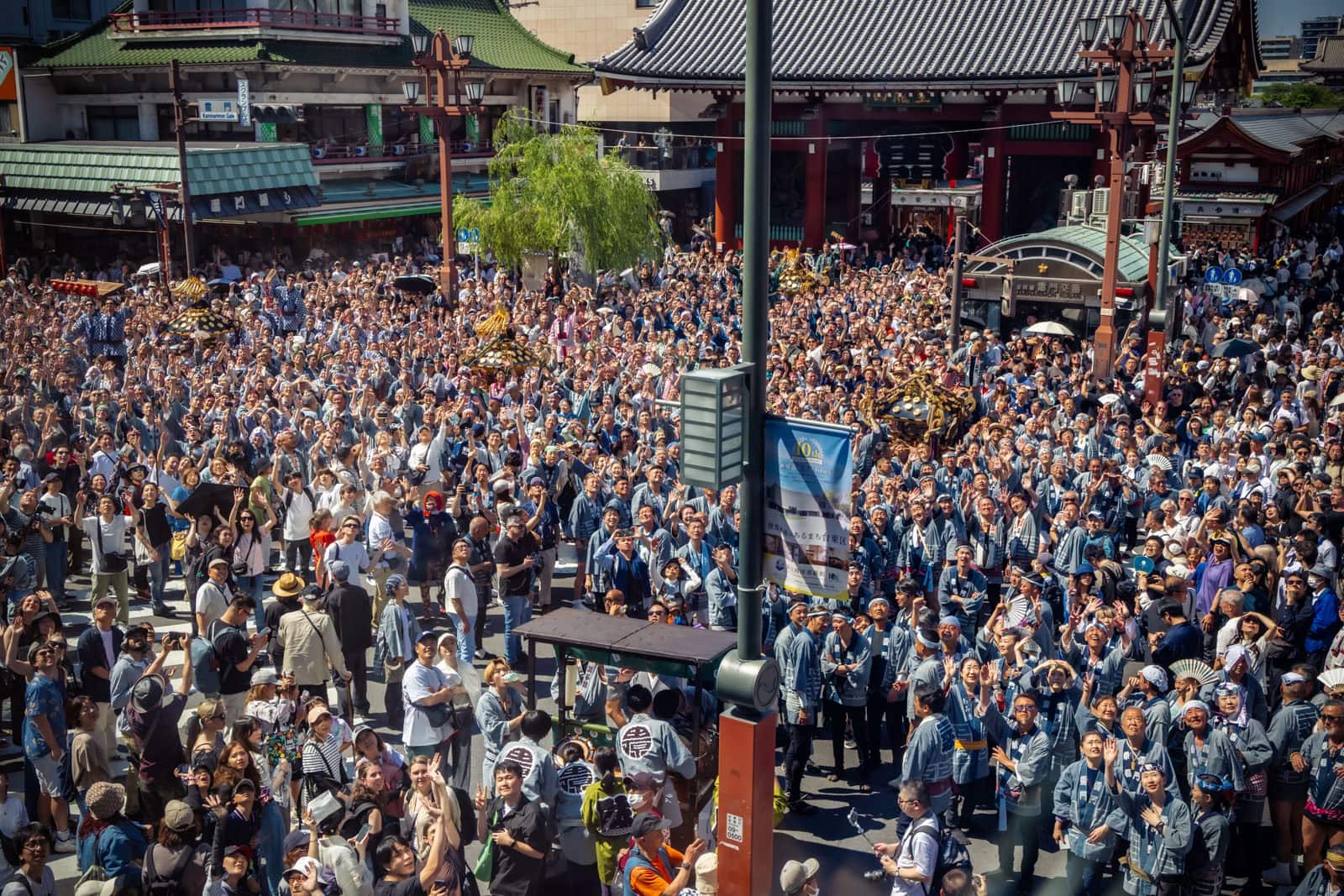
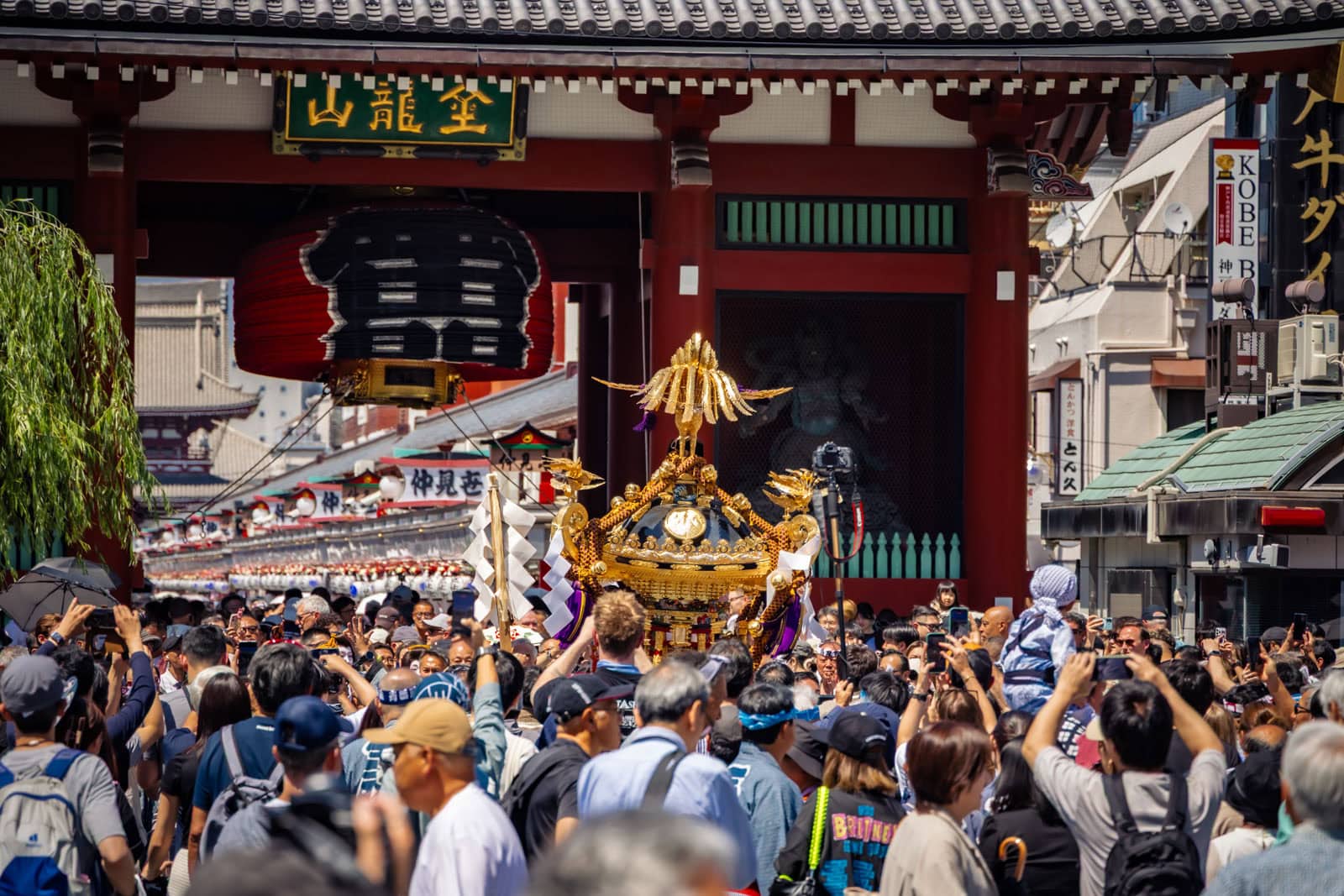
Kaminarimon (Thunder Gate)
Sensoji’s main entrance. The Sunday action here can be intense.
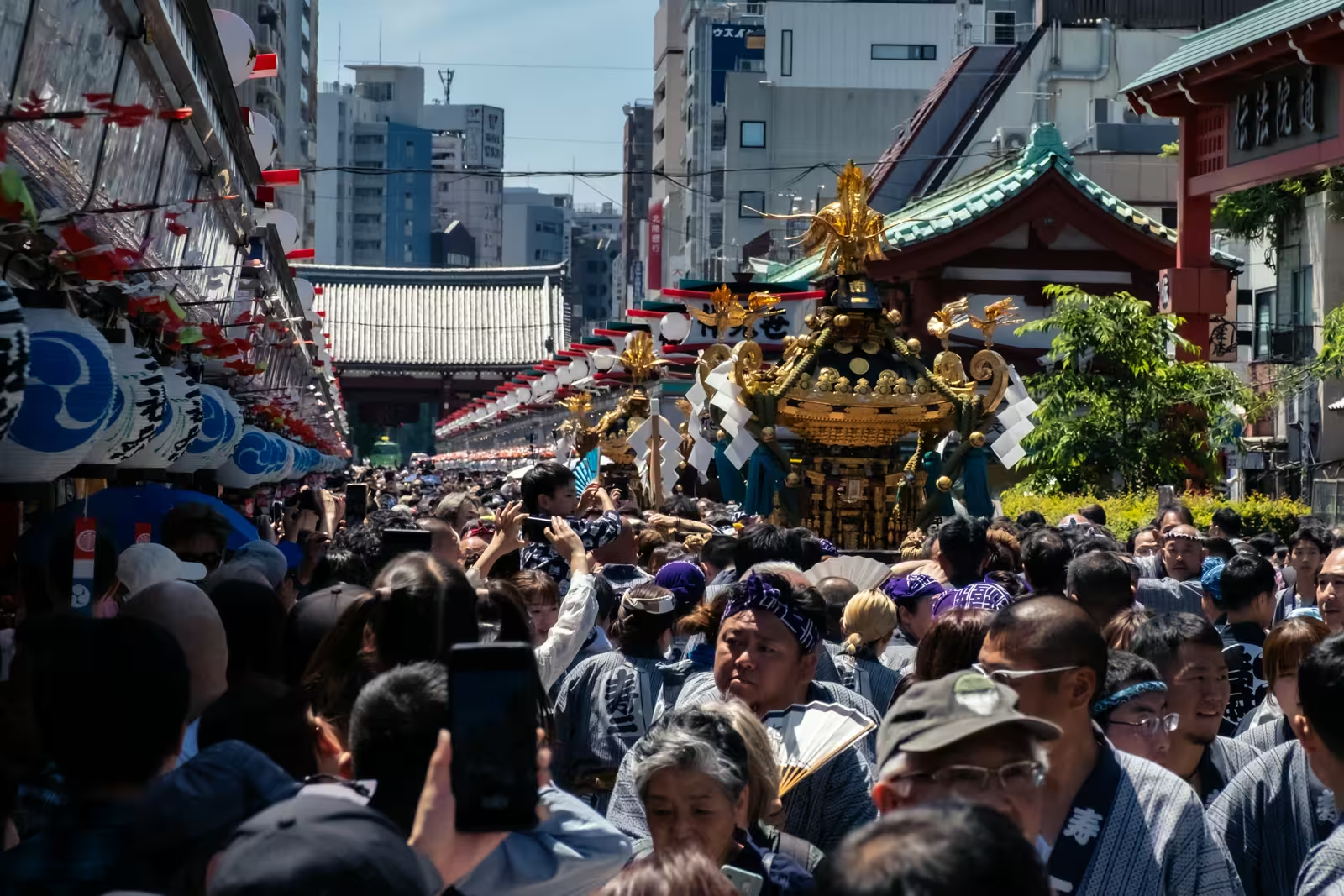
Nakamise shopping street
Perfect for street photography and capturing the bustling festival atmosphere.
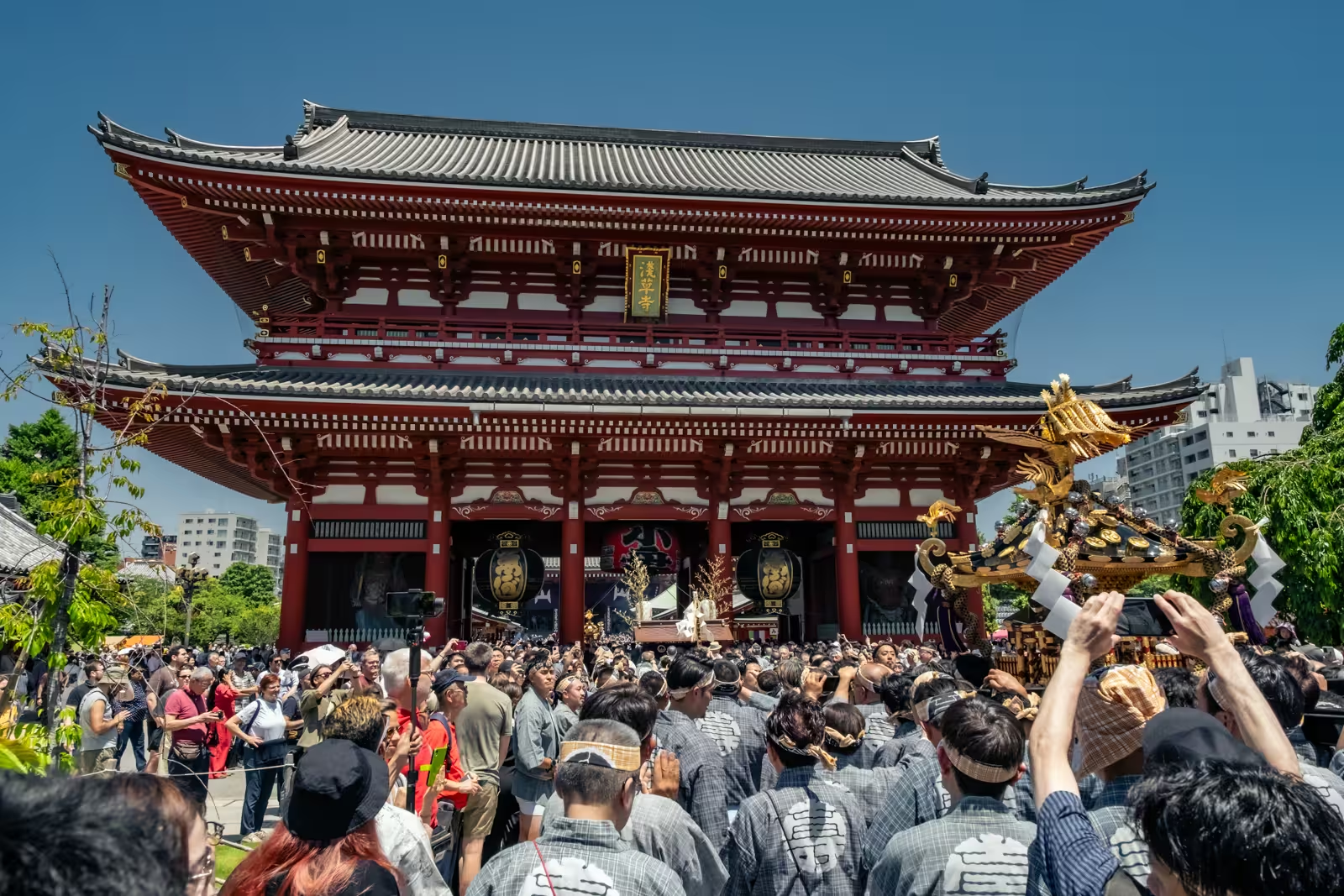
Hozomon (Hozo Gate)
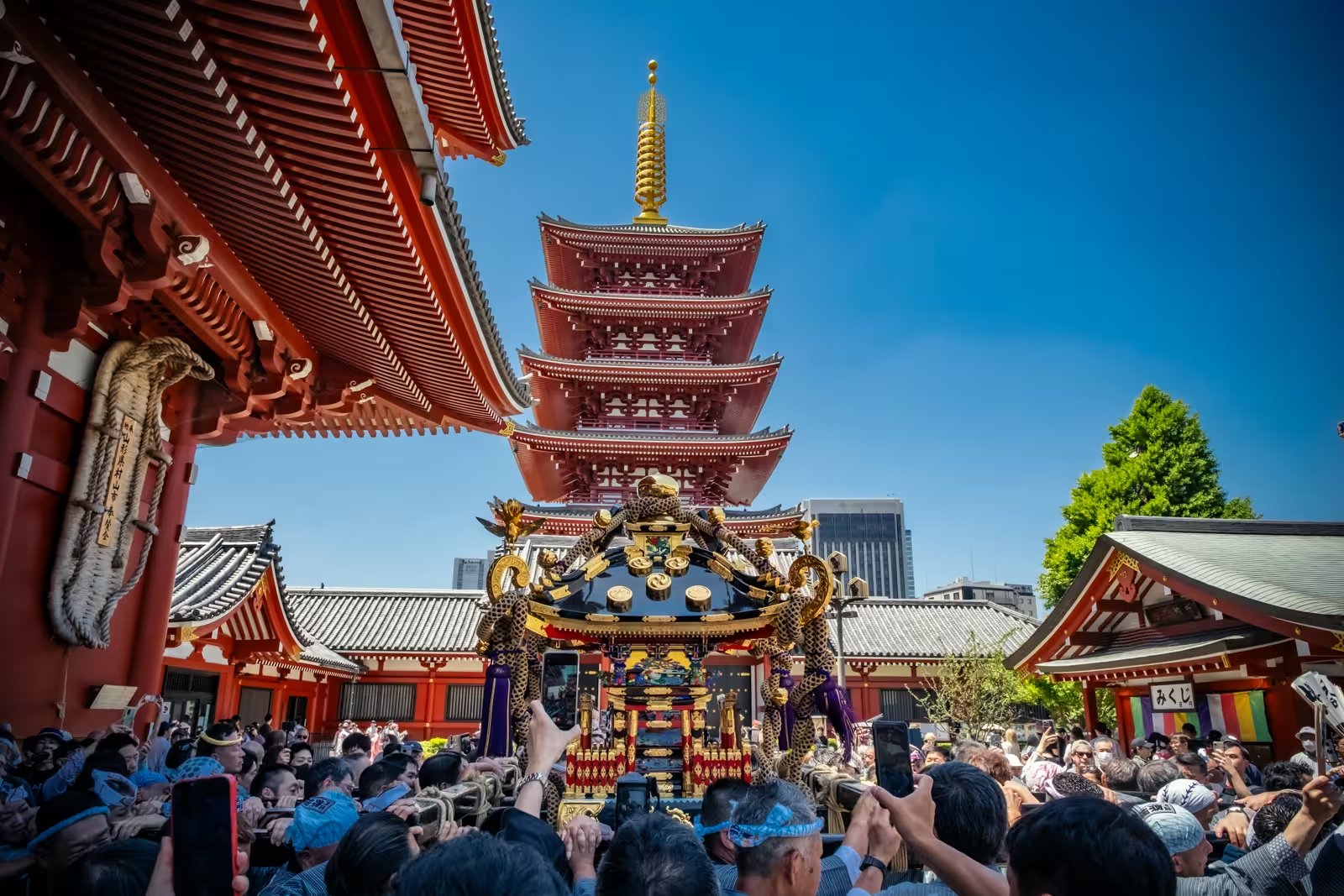
This gate is between Sensoji Temple and Nakamise. Photograph the mikoshi and crew as they pass through it and under massive lanterns.
Senso-ji Temple
Ideal for capturing the central events and the architecture! You can shoot from the temple’s stairs and verandah, but security might sometimes ask you to move.
Behind Sensoji Temple
The mikoshi use this area for a lunchtime rest on Sunday.
Asakusa Shrine
After lunch, the mikoshi move from behind Sensoji Temple to the shrine for a blessing then out again.
Here are the areas on Google Maps:
Tips for photographers
Respect the culture
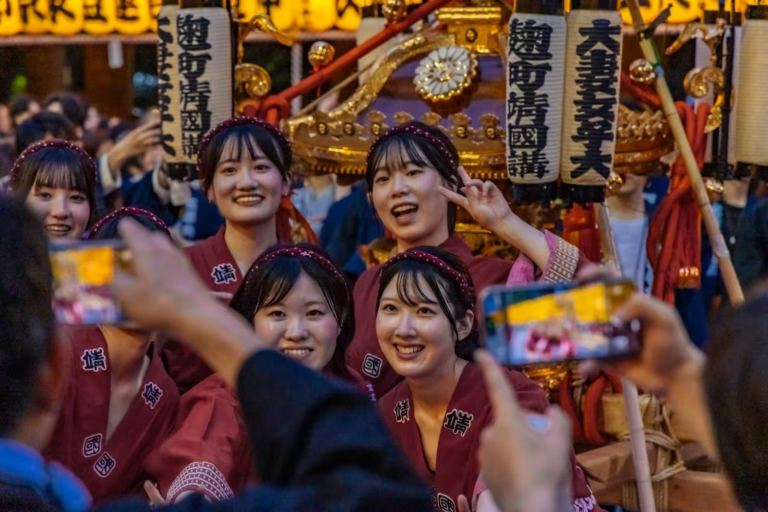
- Always be mindful of the participants and the spectators. Avoid obstructing the procession and ask for permission when photographing individuals up close.
- Some food stalls don’t like cameras. Look for the no photography sign.
Blend into the crowd
Dress modestly and try to blend into the crowd. This helps in capturing more candid and natural shots.
Prepare for crowds
The festival attracts thousands of visitors. Be prepared to navigate dense crowds and keep your gear secure.
Lighting challenges
The festival events span from bright daylight to evening, posing varying lighting conditions. Don’t use a flash anywhere near the mikoshi as it might blind the people carrying it causing an accident.
Tell a visual story
Aim to create a narrative with your photos. Capture wide shots to establish the scene. Mid-range shots are for context and close-ups for details.
Respect the security guards
The mikoshi are huge and weigh nearly a ton. If they fall, someone will get injured. Police and security guards carry a huge responsibility to ensure everyone’s safety. Please listen to them if they ask you to move. Be mindful that some aren’t fluent in English.
Tracking the mikoshi
Recently, a change has happened at the Sanja Festival. When the main mikoshi are sent into the neighborhoods, they have GPS attached. You can follow them during the festival at sanjasama.jp (external website). This actually helps reduce crowd congestion around Kaminarimon.
Post-processing tips for festival photos
Enhance colors
Colors fill the festival. Adjust saturation and vibrance to your liking but avoid overdoing it.
Focus on the details
Use selective sharpening to emphasize the intricate details of costumes and mikoshi. Vignettes can also assist with this.
Sanja Matsuri: My photos from the festival
- Kaminarimon: Photographing the Sanja Festival 2026
- 2025: Seeing through crowds with the Canon R5
- 2018: Photos from Sensoji
- 2017 Photo Journal from Asakusa
History of the Sanja Festival
Two brothers who were fishermen, Hinokuma Hamanari and Hinokuma Takenari, discovered a statue of Kannon Bodhisattva in the Sumida River in 628 AD. A wealthy landlord, Hajino Nakatomo, heard of their discovery, approached them, and converted them to Buddhism.
The men devoted their lives to Buddhism and consecrated the statue in a small temple, which became Senso-ji Temple. The festival honors them.
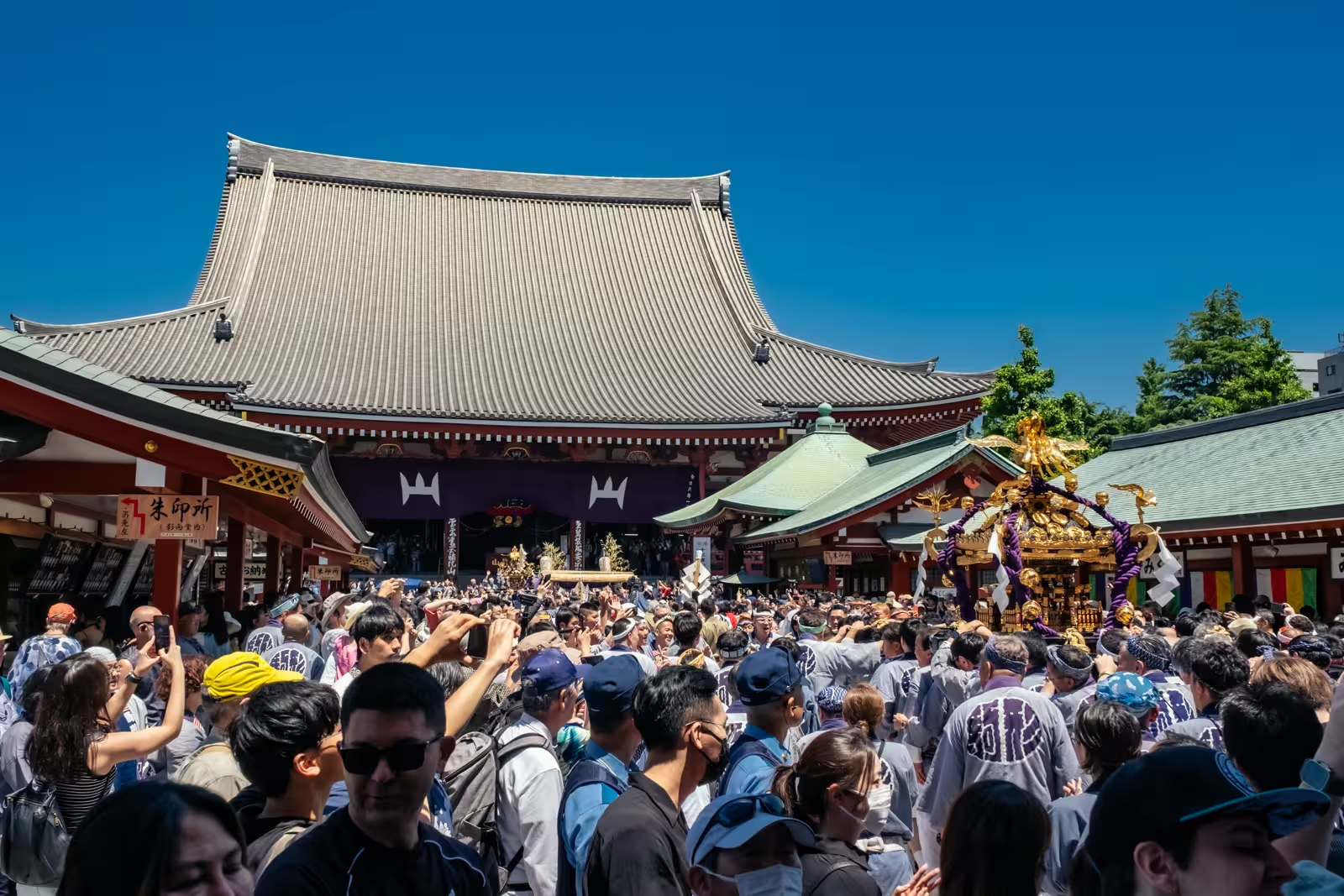
The Sanja is renowned for its processions, floats, and mikoshi (portable shrines). It celebrates tradition, community, and the spirits of the men enshrined at Asakusa Shrine. Photographers will get a lot of visual inspiration from it.
Is the Sanja Festival worth it?
The Sanja Festival is a treasure trove for photographers. It offers a dynamic blend of history, culture, and Japanese traditions. Prepare adequately and you’ll have a good chance of getting stunning images.
It doesn’t matter if you are a seasoned professional or an enthusiastic amateur. The Sanja Festival will enrich your photographic portfolio. You’ll leave it with great Tokyo travel memories. Happy shooting, and may your lenses capture its spirit in its glory! To help plan your visit, consult the official Asakusa Shrine website.