Koishikawa Korakuen Gardens

If you are looking for a Tokyo photo spot that has a bit of everything, Koishikawa Korakuen Gardens is it. From history and beautiful bridges to flowers and temples, this park delivers. Birdwatchers love it, too. Some might say it is perfect. Well, if it’s not, it must be close.
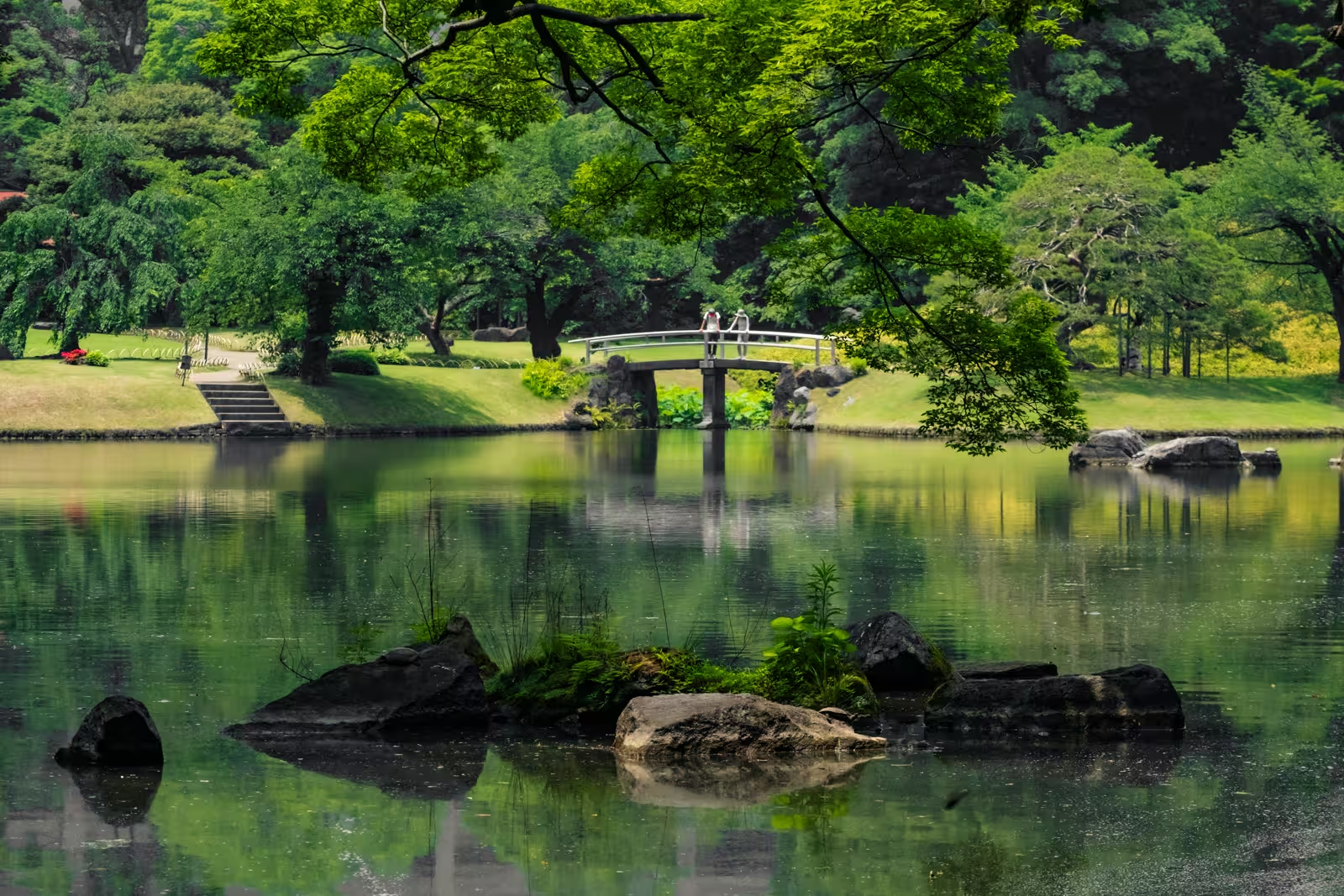
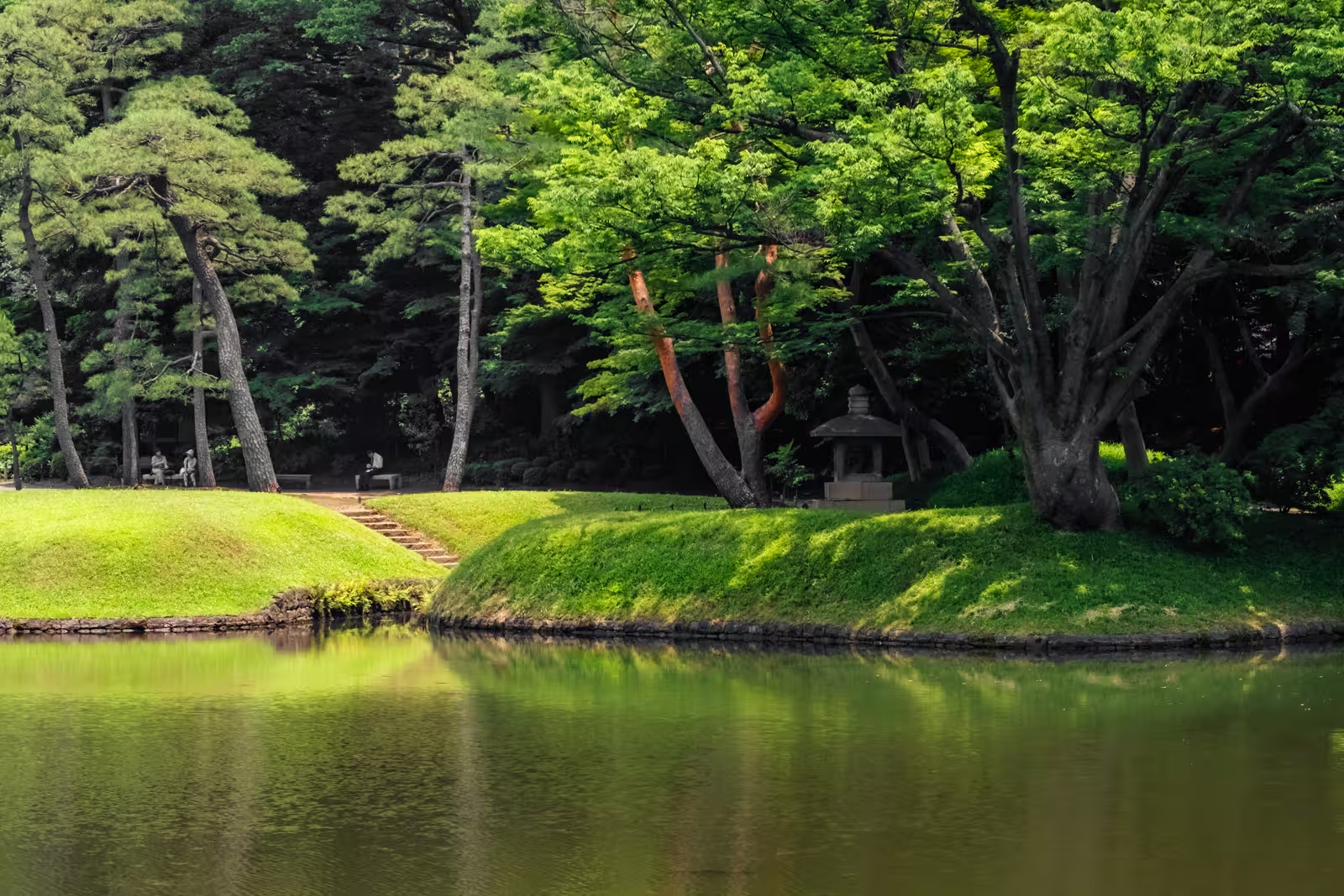
Koishikawa Korakuen’s centerpiece is the Daisensui pond, a feature found in most Edo-period parks in Tokyo. As you follow the paths winding around the water, every turn offers a different perspective. Your eyes will be busy taking everything in.
You will see plenty of variety as you walk through the grounds. The builders created miniature replicas of famous historical landmarks from Japan and China. They included mountains, rivers, and even a temple featured in a Chinese classical text. Koishikawa Korakuen is full of surprises.
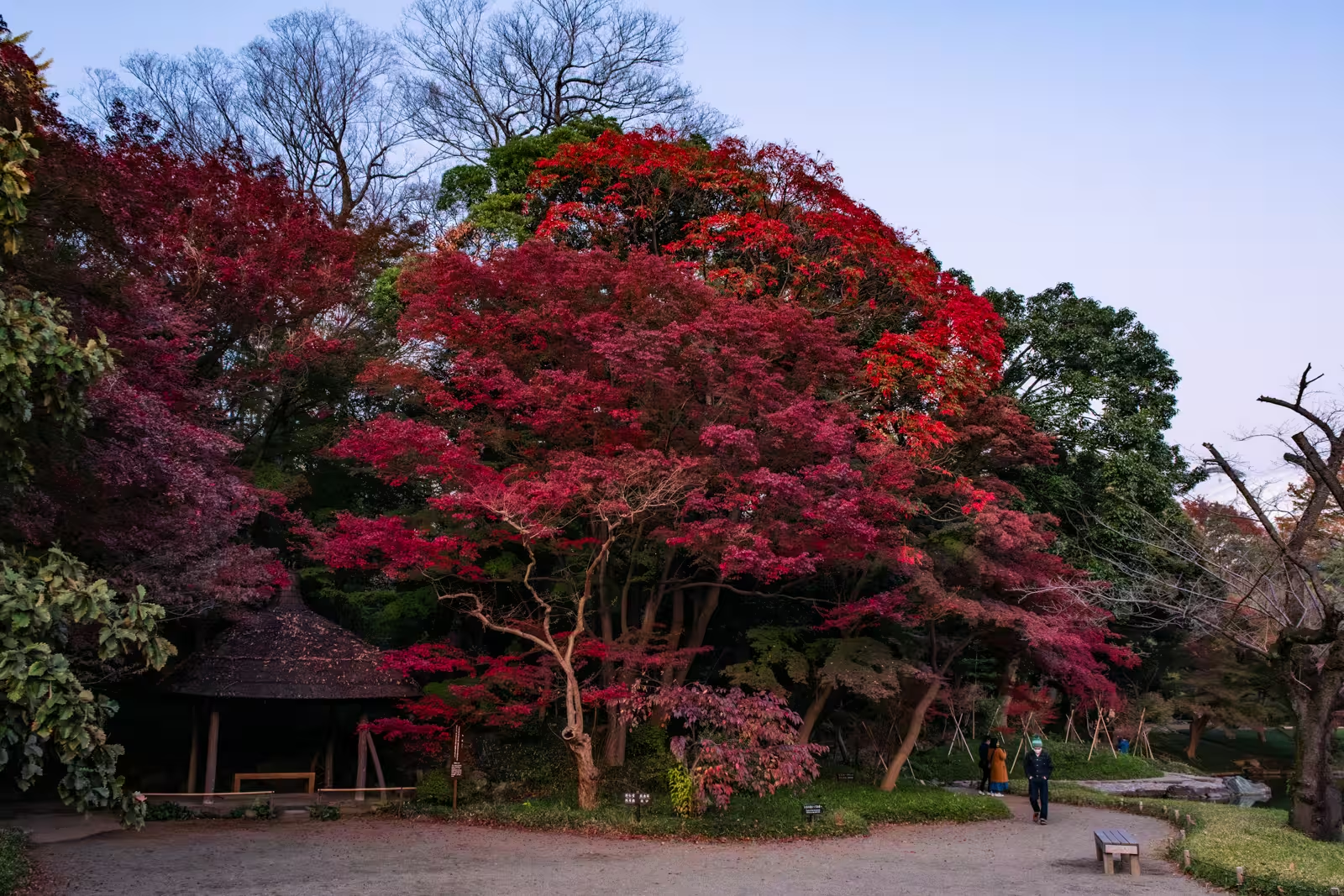
It is also a park of seasons. Throughout the year, different flowers and trees transform the landscape, making it worth photographing no matter when you visit. Does it get a perfect 10? I don’t know about that; you are the final judge.
What to shoot at Koishikawa Korakuen
I honestly don’t know where to start, there is so much here! You would need many hours to shoot everything, but if you are short on time, here are the compositions you shouldn’t miss.
Two amazing bridges
Two amazing bridges sit at the top of my list:
- Tsuten-Kyo: This vermillion-colored bridge is gorgeous in autumn. It spans a ravine deep in the trees. Just be aware that photographing it can be tricky due to the heavy shadows.
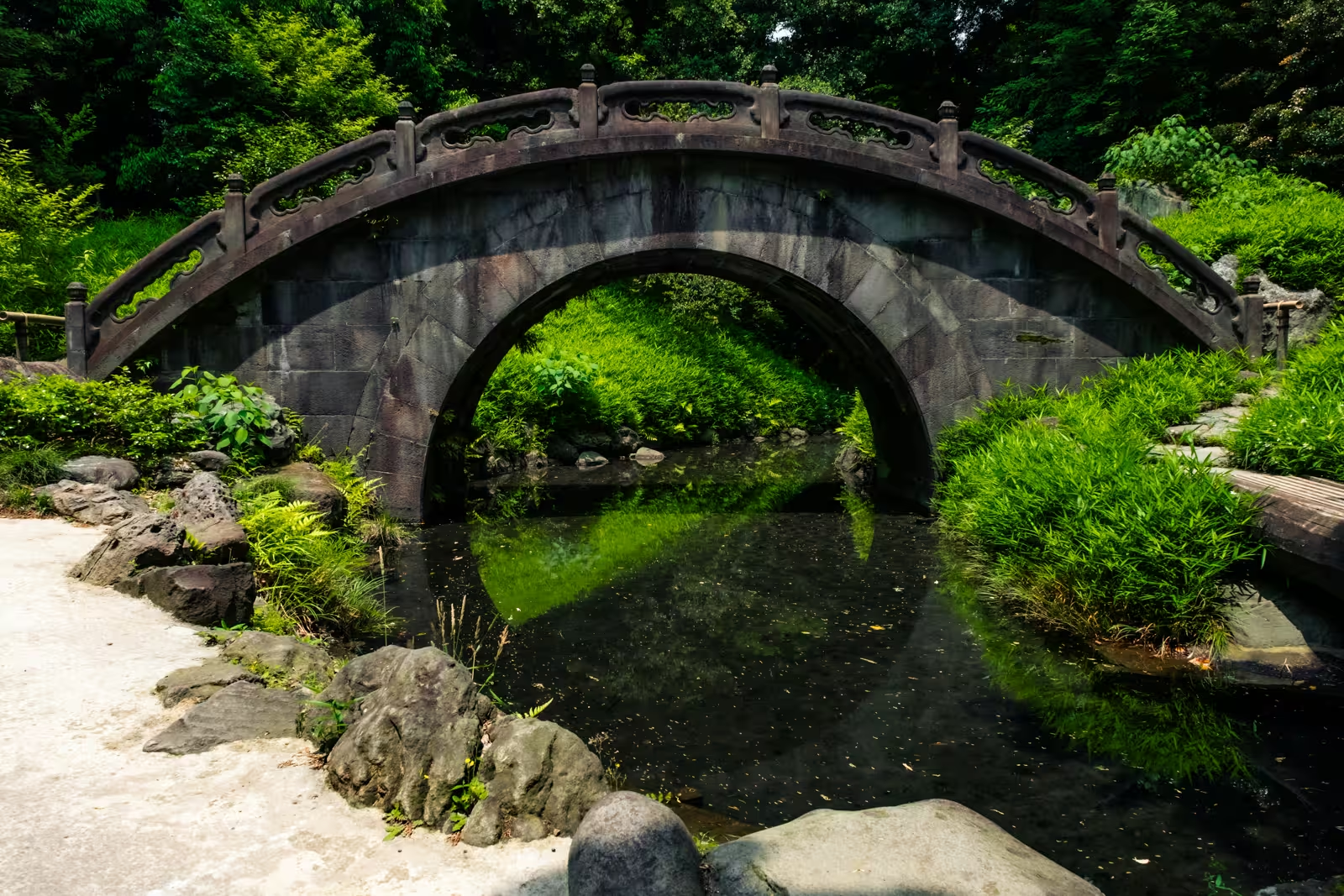
- Engetsu-Kyo (Full Moon Bridge): This is special because it remains in its original form. It is a stone “drum” type bridge that crosses a stream. If you look at its reflection in the water, the shape creates a perfect full moon!
Historic structures & landscapes
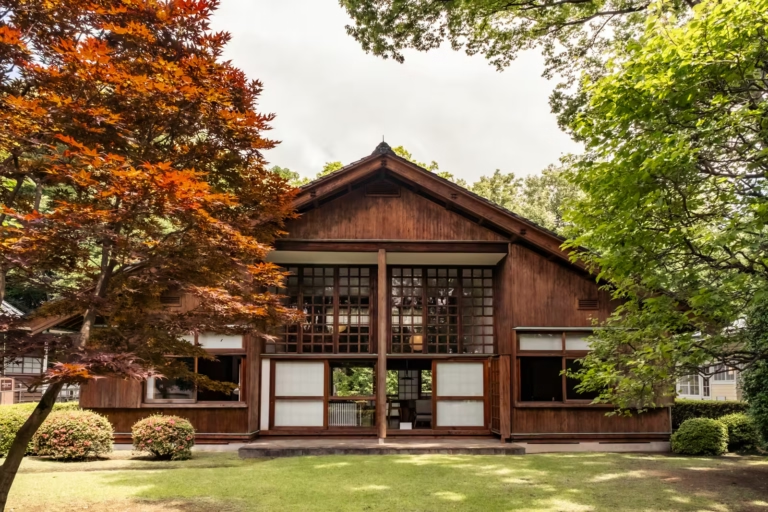
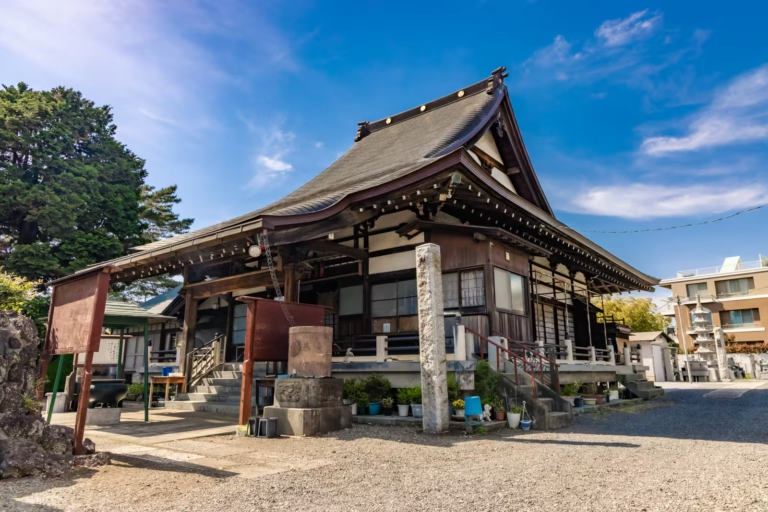
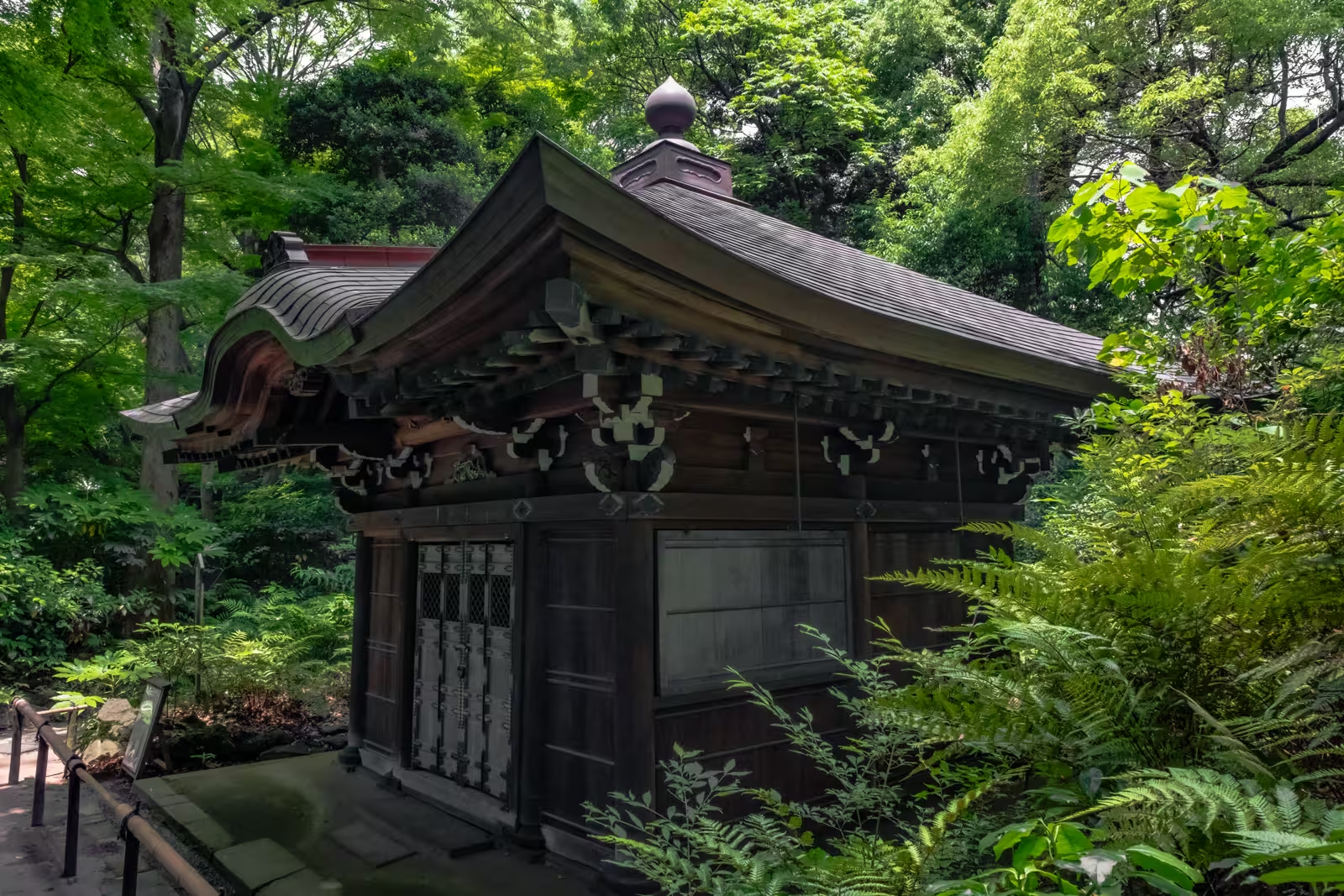
Many historic buildings here have either been rebuilt or are just remains (usually a few foundation blocks). The most interesting structure is Tokujin-do, a small temple. Unfortunately, it is closed, but the exterior is still photogenic.
You will also find miniature replicas of famous places from around Japan. My favorite is “Atagozaka” (Slopes of Mt. Atago), an imitation of the famous Kyoto mountain. With a rice field sitting underneath, it is incredibly picturesque.
The Tokyo contrast
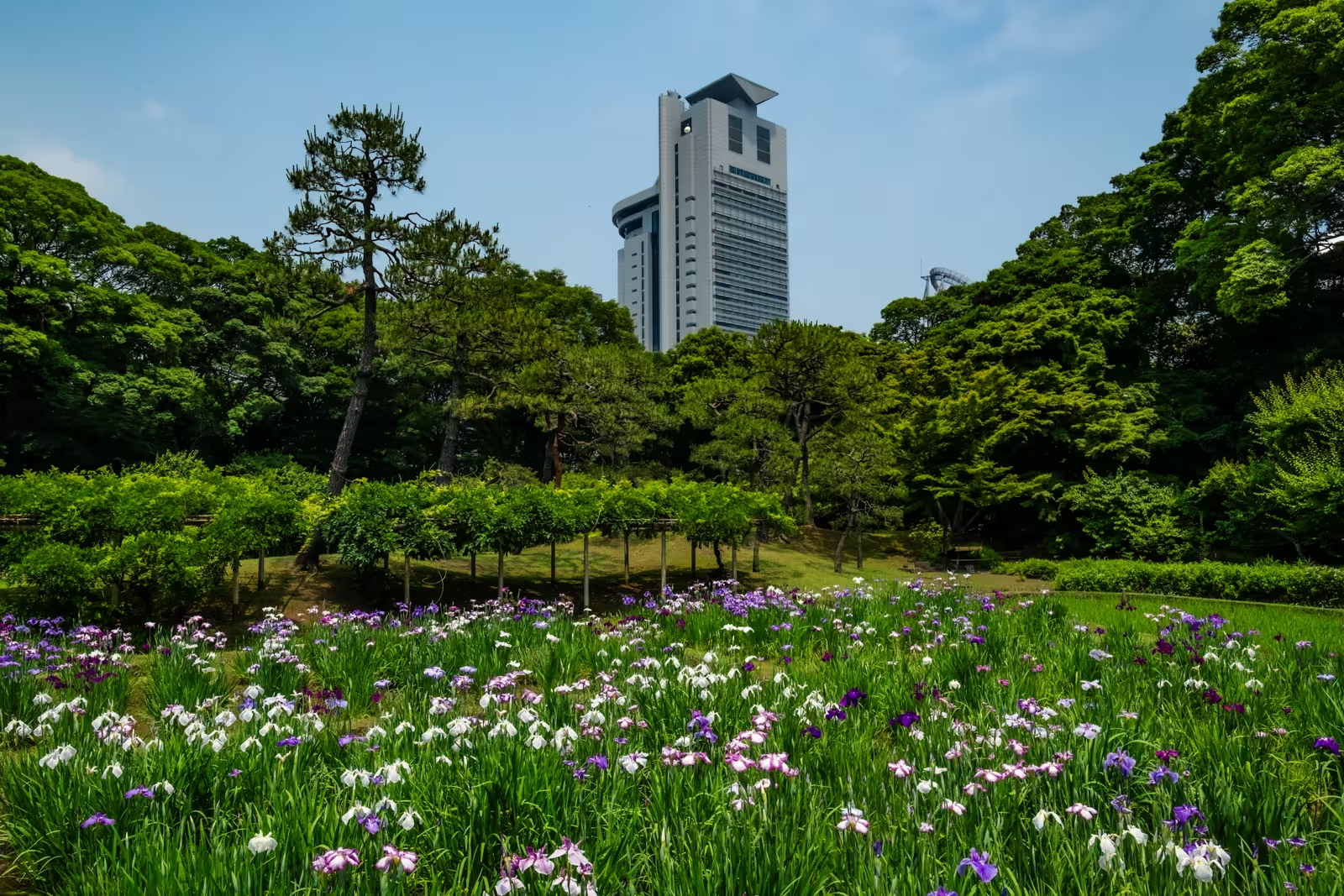
One of the most fun shots is the contrast between old and new. Tokyo Dome sits right next to the park, and you can see its white roof rising over the trees. You can even hear the screams of the rollercoaster riders while you are enjoying nature!
Nature & wildlife
Don’t forget your zoom lens. The island in the middle of the main pond is home to some kingfishers (some of these birds can also be found at Zenpukuji Park in Suginami Ward).
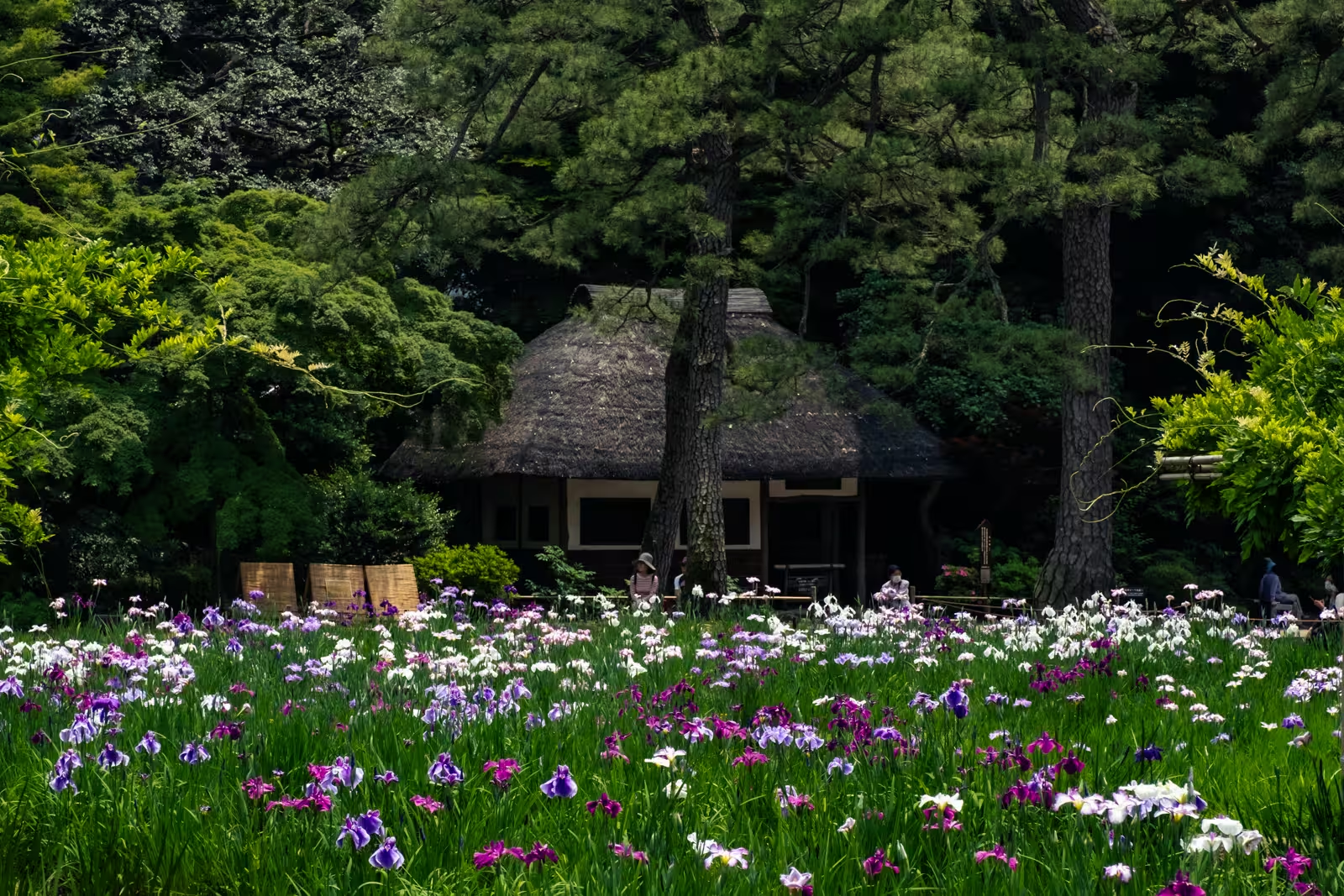
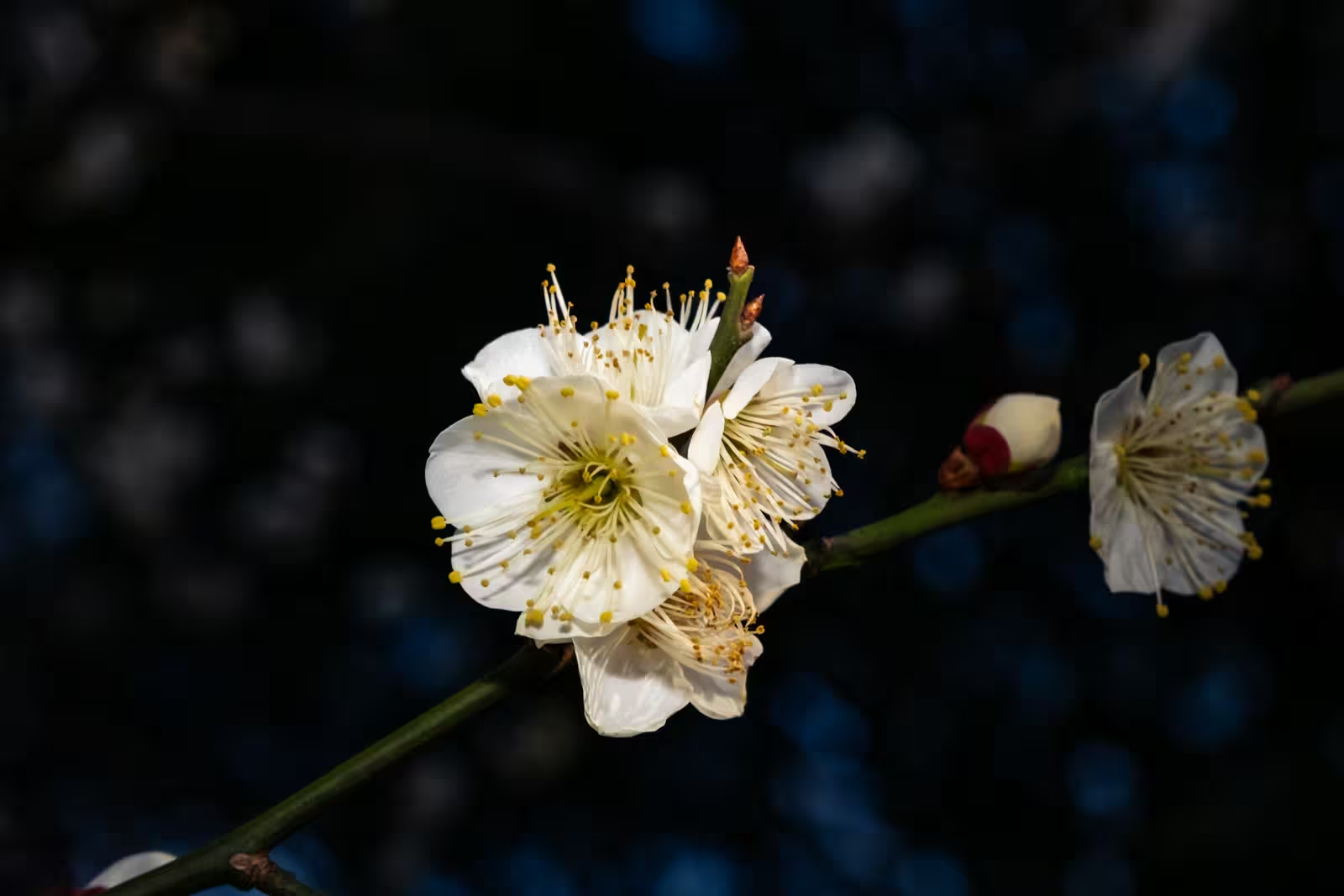
As for flora, the park is famous for plum blossoms and cherry blossoms. You can also capture hydrangeas, Japanese irises, and the fiery colors of autumn leaves.
Events at the park
Koishikawa Korakuen has events sprinkled throughout the year. There are spring (cherry blossom) and autumn light ups. I’ve even been there for Edo Sato Kagura dance.
Seasonal photography
Every season at Koishikawa Korakuen is excellent, so it depends on what colors you want in your portfolio.
- Spring: A crowd favorite thanks to the plum and cherry blossoms.
- Early summer: This is when the huge Japanese Iris field blooms. I try to photograph it every year.
- Autumn: You cannot beat the marvelous red and gold leaves here.
Plum blossom archive
Visitor information
- Address: 1-6-6 Koraku, Bunkyo City, Tokyo
- Train Access: Iidabashi and Suidobashi stations ( on the JR Chuo-Sobu Lines).
- Metro (Subway) Access
- Iidabashi Station: Served by the Tokyo Metro Tozai, Yurakucho, Namboku, and Toei Oedo lines. Exit C3 is closest to the park.
- Korakuen Station: Served by the Marunouchi and Namboku lines.
- Opening Hours
- 9:00 a.m. to 5:00 p.m.
- Closed from December 29 to January 1.
- Admission
- ¥300
- To help plan your visit, consult the official Koishikawa Korakuen Gardens website.
- Here is the park on Google Maps:
Photo spots near Koishikawa Korakuen
- Bunkyo Civic Hall: One of my favorite observatories.
- Koishikawa Botanical Gardens: A beautiful spot that doubles as a research facility.
- Tokyo Dome: The famous baseball stadium with an amusement park next to it.
- Ushi-Tenjin Kitano Shrine: Famous for plum blossoms.
History of the park
Yorifusa Tokugawa began building Koishikawa Kōrakuen in 1629, but it was up to his son, Mitsukuni, to complete it. For the final phase of the work, he employed the Chinese scholar Shu Shunsui as his advisor, which explains the heavy Chinese influence in the design.
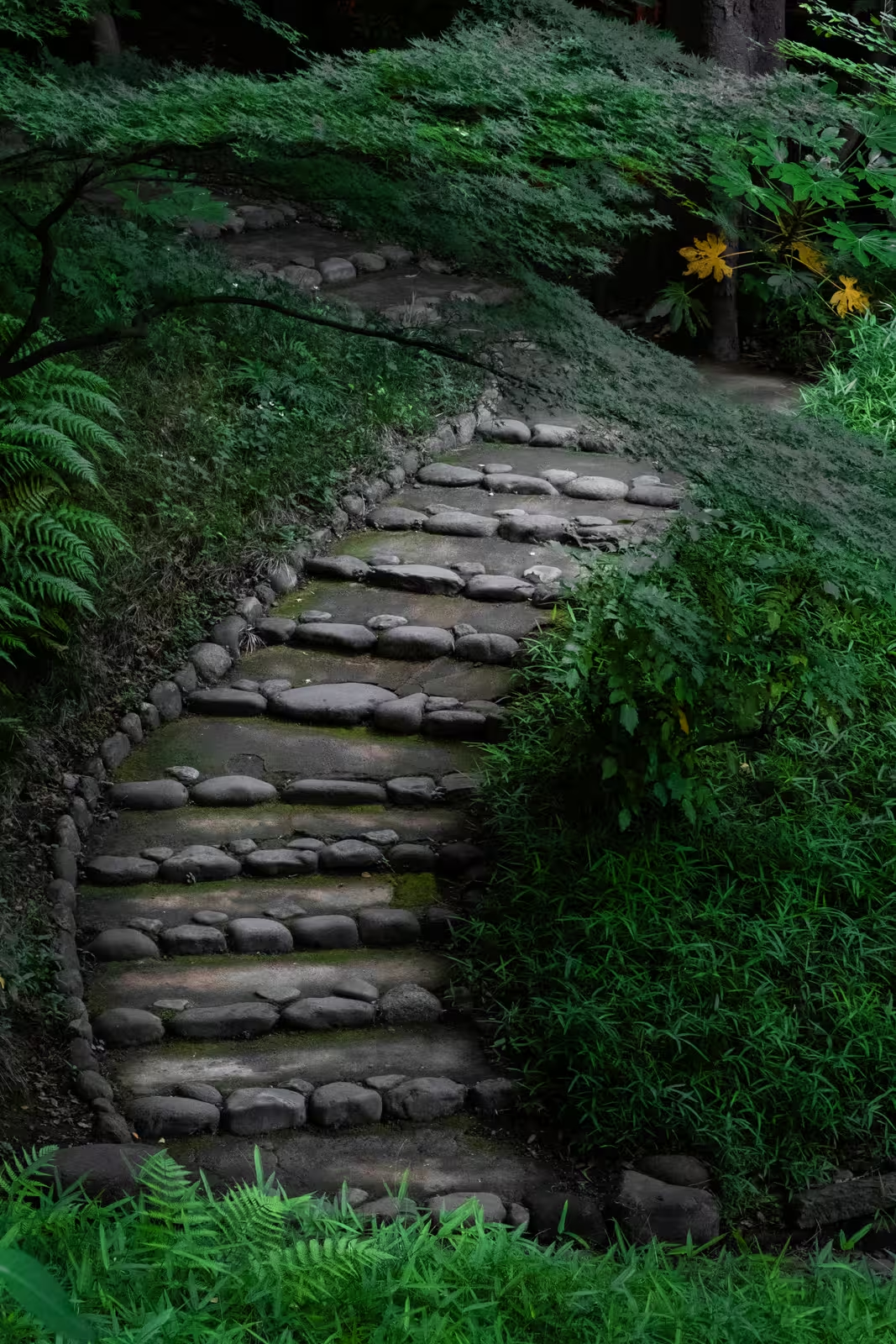
The park’s name actually comes from a poem encouraging rulers to “look after their subjects first and then themselves.” Maybe the Tokugawas missed that piece of prose. What do you think?
Is Koishikawa Korakuen worth visiting?
Koishikawa Korakuen is a massive place that is sure to grab a photographer’s interest. If you had to choose just one park to visit in Tokyo, you couldn’t go wrong with this one. It truly has something for everyone, regardless of the season.
Did I miss any of your favorite spots in the garden? Leave your questions and comments below! If you are looking for a completely different type of connection with nature, check out my article on Todoroki Valley.