Nogawa Park Photo Guide

Nestled in the western suburbs of Tokyo, Nogawa Park offers a tranquil escape with a unique history. It was once a golf course.
While it may not boast the historical prestige of Tokyo’s Edo-period gardens, for the discerning photographer, Nogawa Park is a seasonal treasure trove. It reveals its true beauty in fleeting moments throughout the year.
This park is so large it spans across three cities, Mitaka, Chofu, and Koganei. It is cleverly divided by a bustling road.
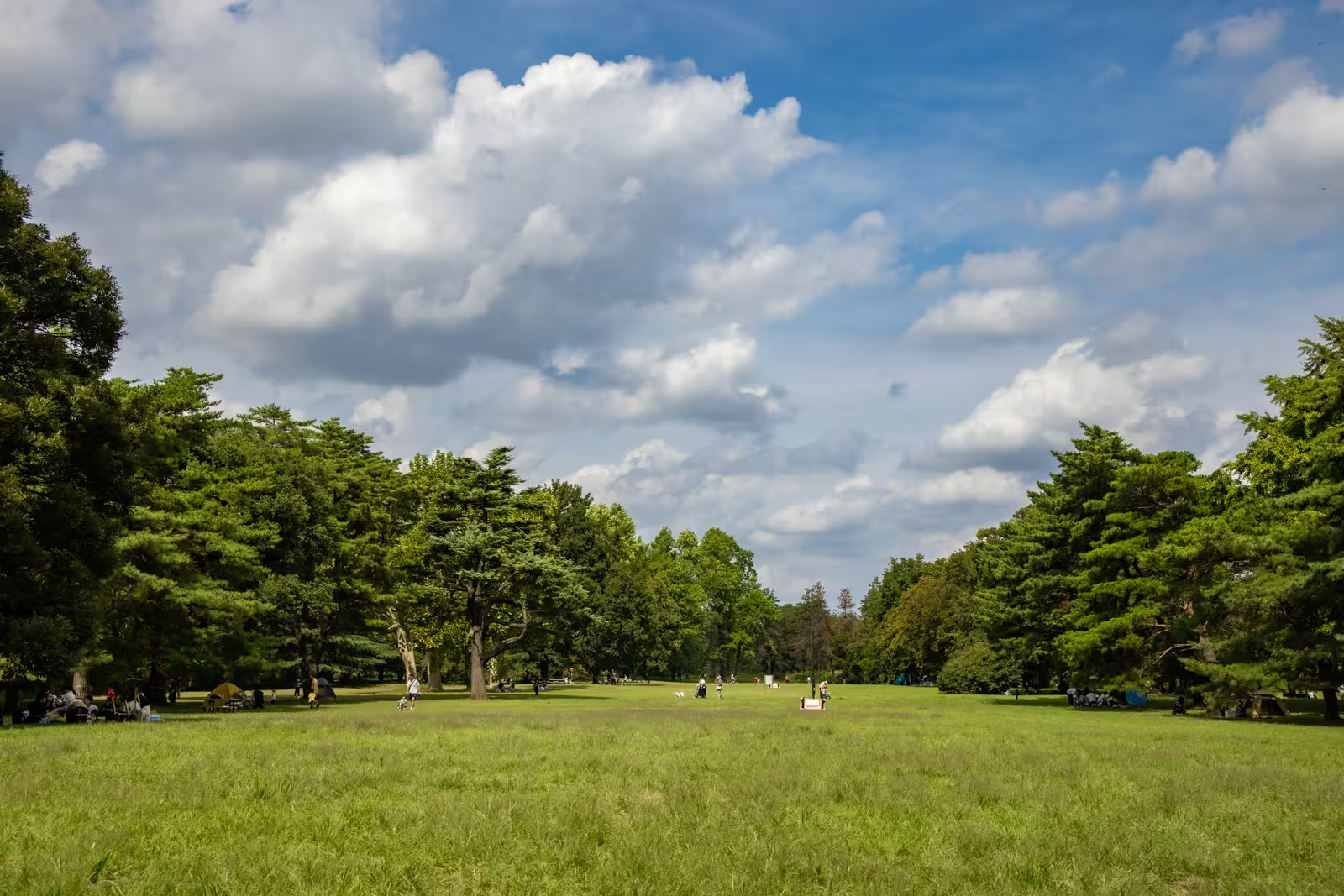
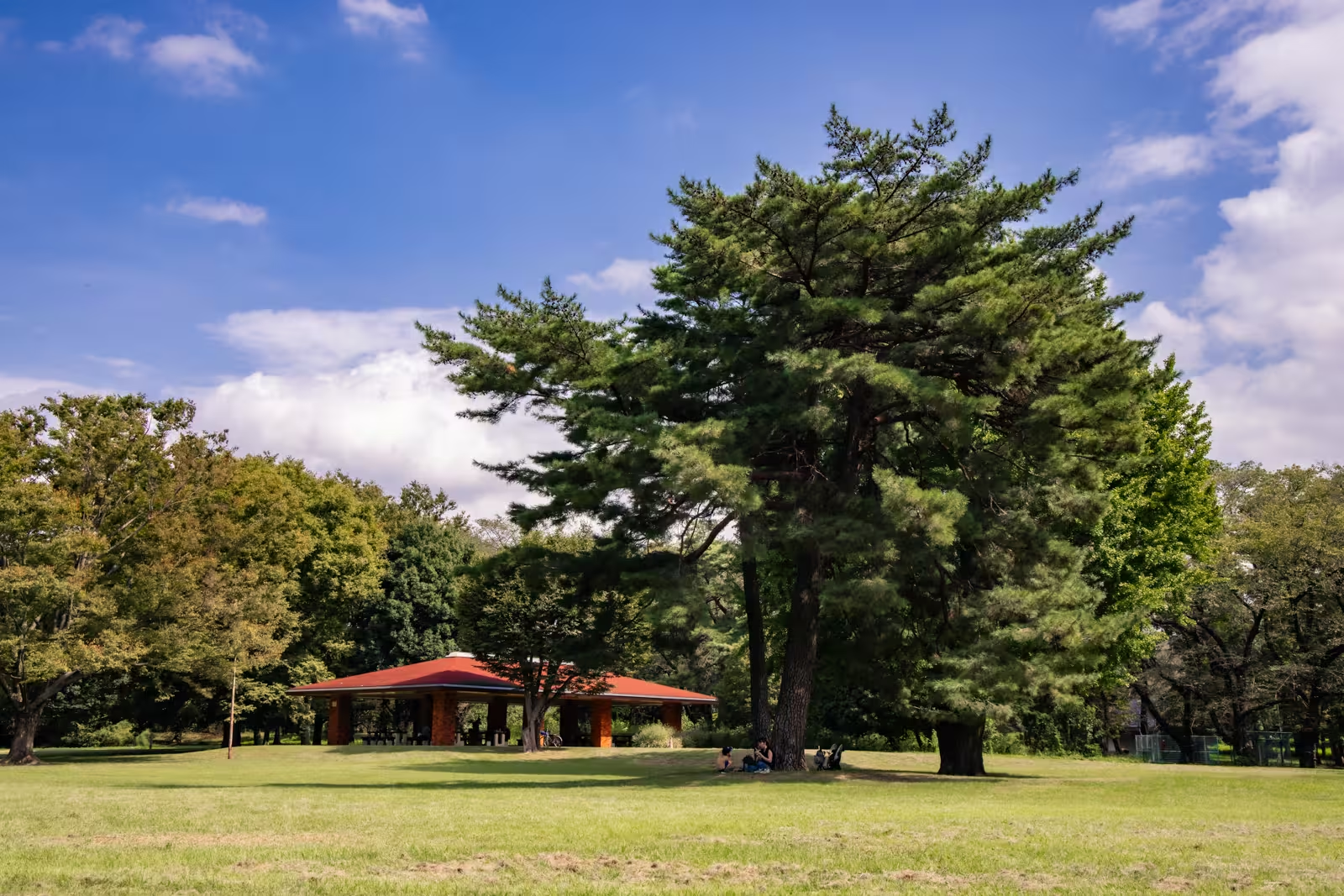
One side is a haven for nature enthusiasts, featuring the Nature Watching Center and a serene garden. The other caters to families and sports lovers with playgrounds, athletic tracks, and spacious picnic areas.
A park of two halves
The Nogawa River gracefully winds its way through the park, separating it into two distinct areas. The northern side is a sanctuary for nature lovers, with a bird sanctuary and beautifully maintained native Japanese gardens. Here, you’ll also find the Nature Observation Garden, home to a firefly habitat.
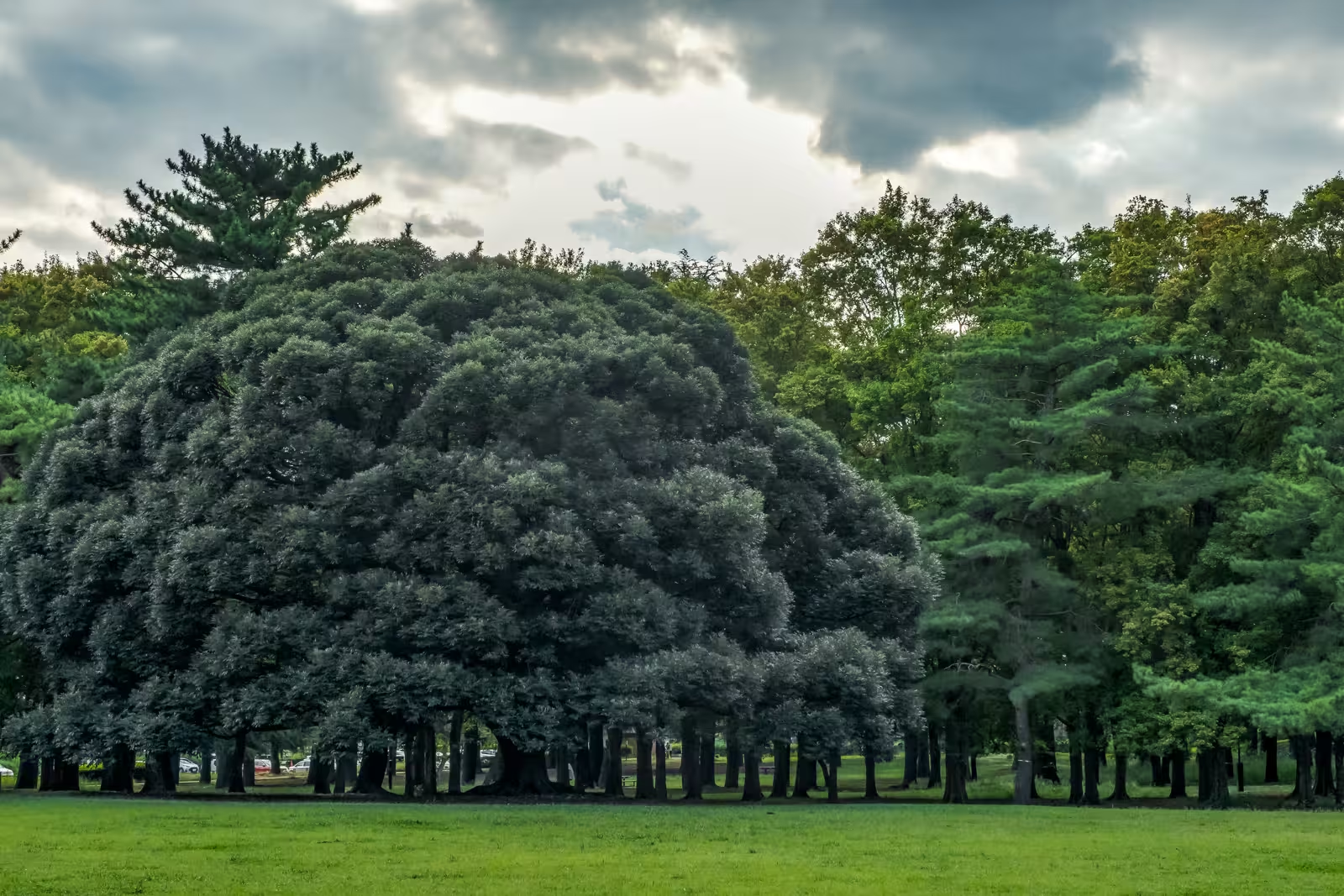
The southern portion of the park retains the open, grassy expanses of its former life as a golf course (like Kinuta Park), making it a popular spot for picnics and family outings. This is where you’ll find the majority of the park’s recreational facilities.
Seasonal photography highlights
Nogawa Park’s photographic appeal is intrinsically linked to the changing seasons. Here’s what to look for throughout the year:
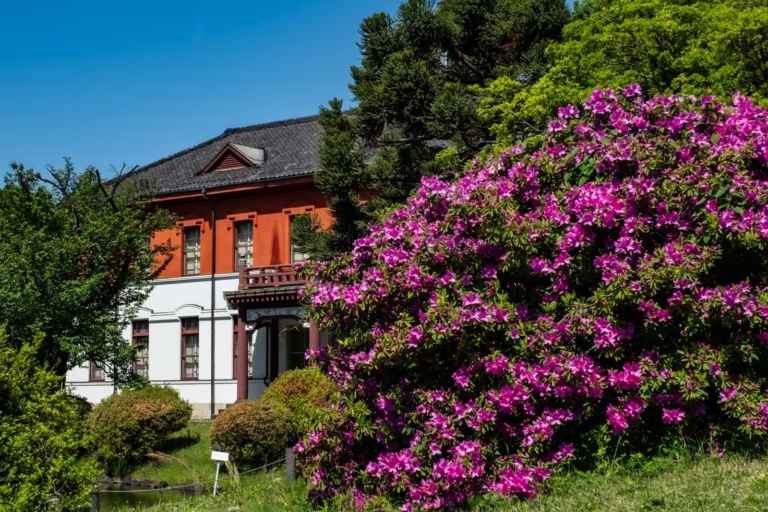
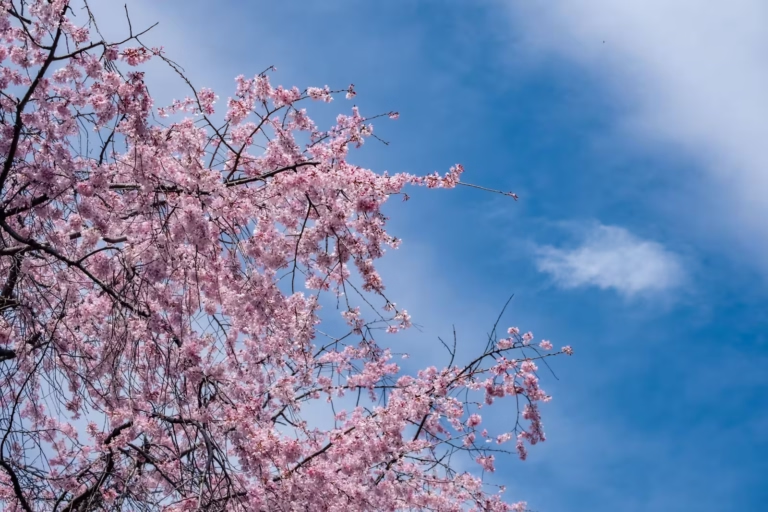
- Spring’s fleeting beauty: In spring, the park is adorned with the cherry blossoms. With over 8,000 trees, it’s a fantastic location for hanami (cherry blossom viewing) and photography, away from the more crowded city center spots.
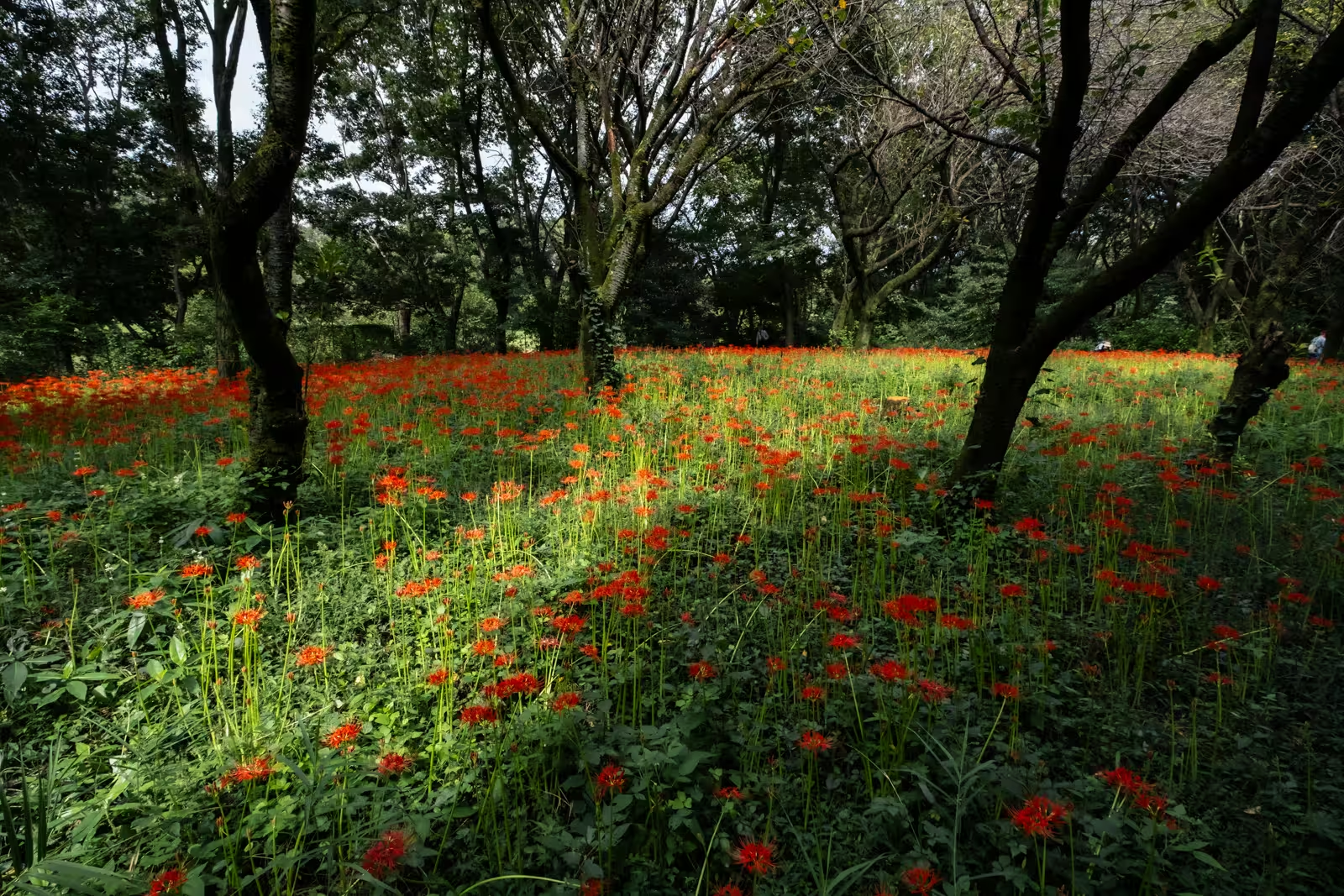
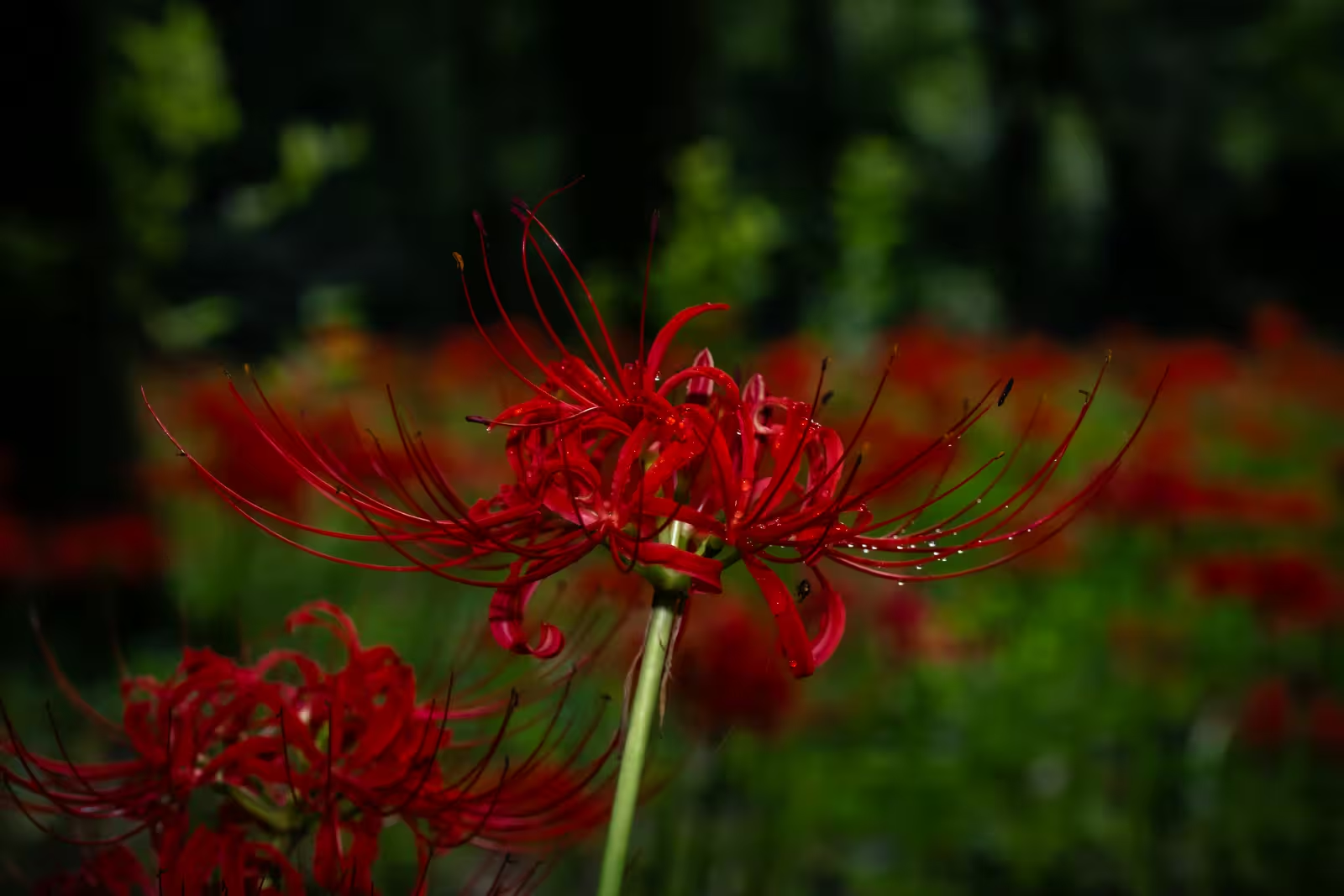
- Summer’s quiet charm: Towards the end of the season, the much-anticipated spider lilies begin to bloom, heralding the coming of autumn. The park also offers a natural spring that becomes a popular spot for paddling during the warmer months.
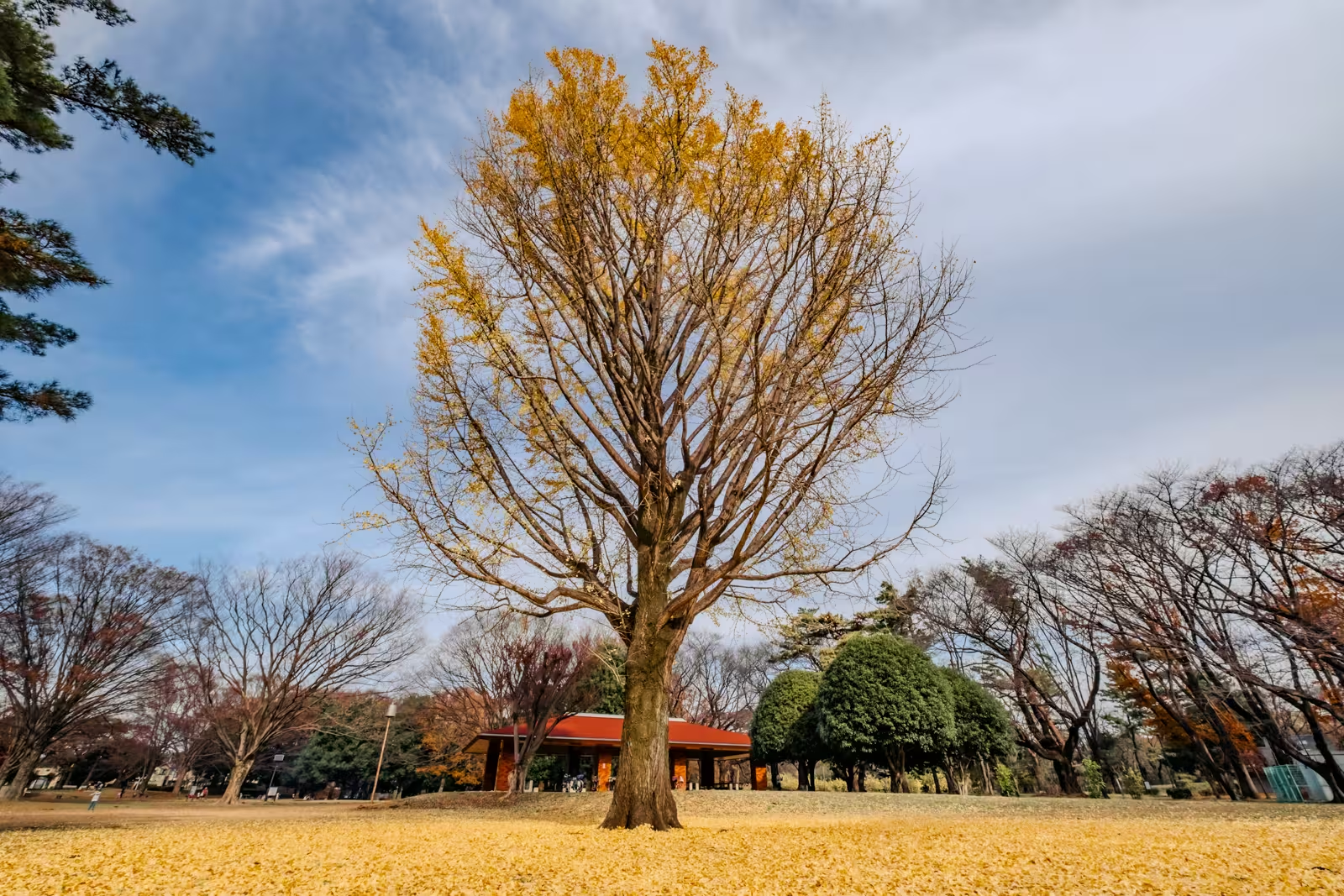
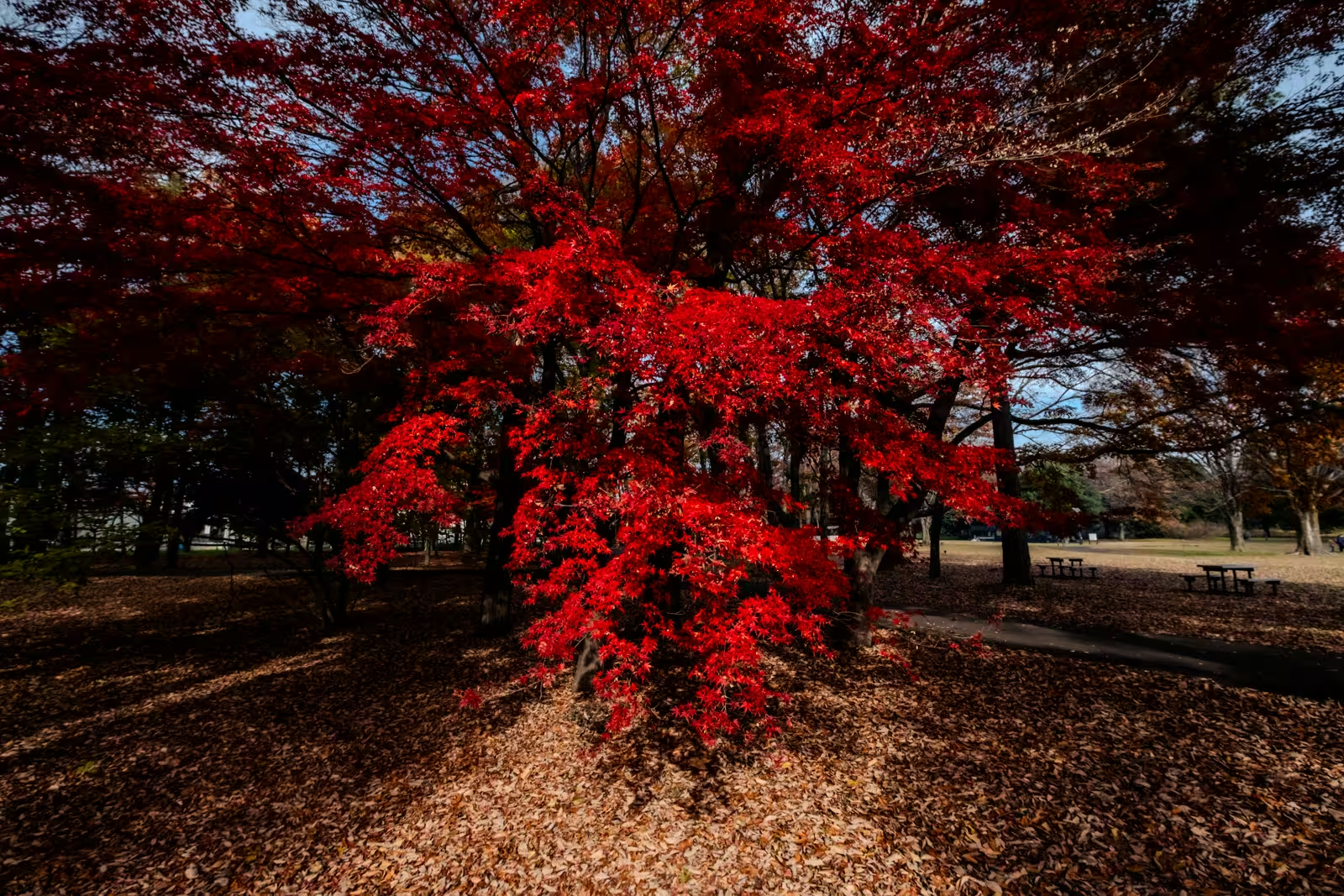
- Autumn’s fiery display: The leaves of the maple, konara oak, and zelkova trees transform the grounds with their reds and yellows. The park’s Nature Observation Garden is a prime location to capture the red spider lilies, which create a fiery carpet across the landscape.
- Winter’s subtle grace: Even in winter, the park’s stark beauty offers unique photographic opportunities. The bare branches of the deciduous trees create intricate silhouettes against the winter sky, and the evergreen camphor, Himalayan cedar, and Japanese red pine provide welcome splashes of color.
Red Spider Lilies through the years
I’ve visited Nogawa Park a few times to document these flowers. Each year offers a different perspective on the blooms. Here are the latest articles:
Photography tips for the park
- While tripods and monopods are permitted in most areas of the park, they are not allowed within the Nature Watching Center’s flower reserve.
- Take a macro lens to photograph the flowers.
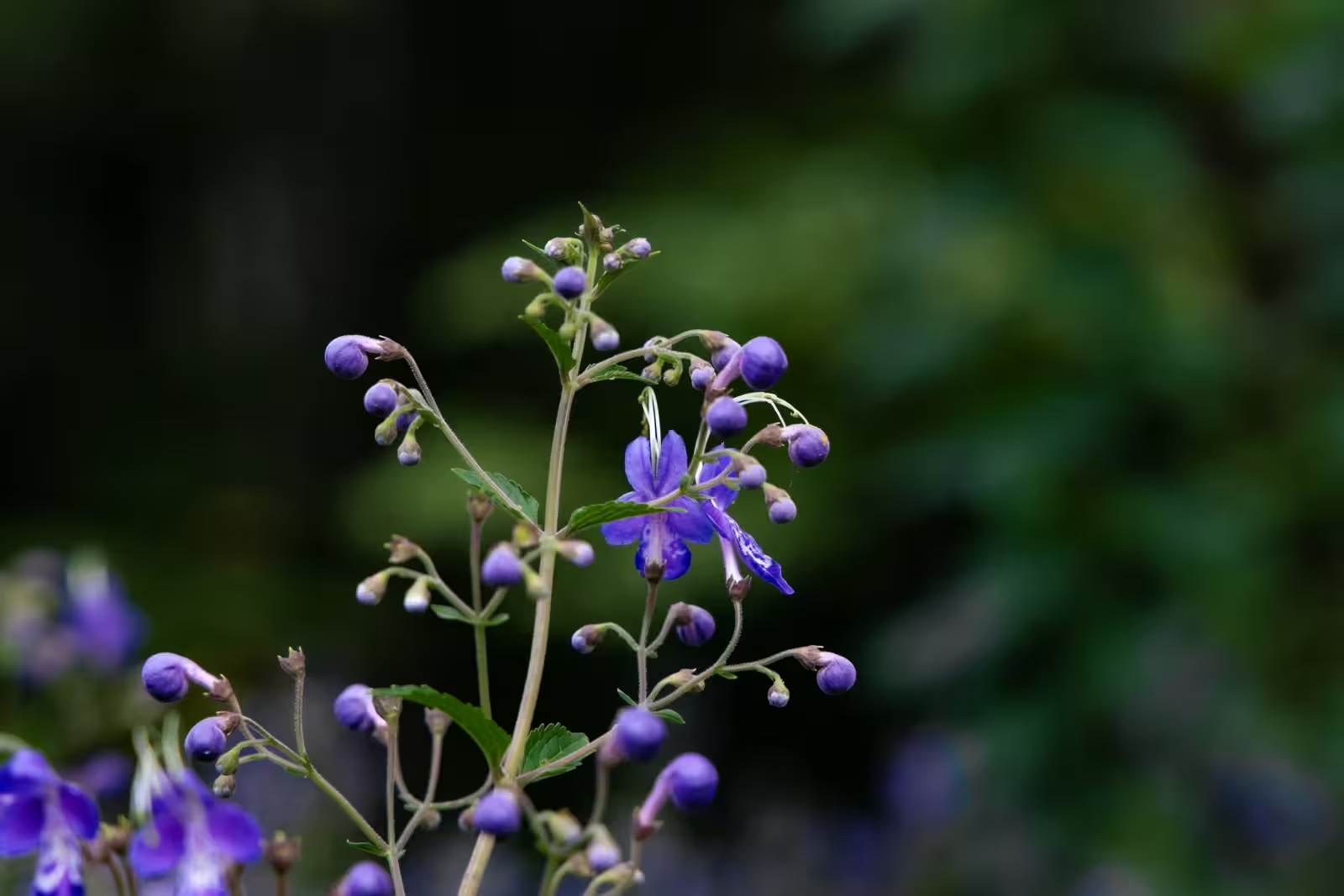
Photo spots near Nogawa park
- Chofu Airport: For those interested in aviation photography, this airport offers opportunities to capture light aircraft.
- Inokashira Park: A popular park known for its large pond and swan boats.
- Jindai Botanical Garden: Famous for its stunning rose garden.
- Tama Cemetery: The final resting place of many notable figures in Japanese history.
Visitor information
- Address: 6-4-1 Osawa, Mitaka City, Tokyo
- Closest train stations: The park is approximately a 10-15 minute walk from both Tama and Shin-Koganei stations on the Seibu Tamagawa Line.
- Entry: Free
- Opening hours: The park is 24/7 but the Nature Watching Center is open from 9:30 a.m. to 4:30 p.m.
- To help plan your visit, consult the official Nogawa Park website.
- Here is the park on Google Maps:
Is Nogawa Park worth the trip?
For photographers with a passion for capturing the ephemeral beauty of flowers and seasonal landscapes, Nogawa Park is a highly recommended destination.
Most visitors might find parks like Shinjuku Gyoen and Yoyogi Park more accessible. But Nogawa Park offers a more tranquil and intimate experience with nature.
Before you go, be sure to check what’s in bloom to time your visit for the best photographic opportunities. Whether you’re chasing the cherry blossoms of spring or the spider lilies of autumn, Nogawa Park is a rewarding location for any photographer willing to venture off the beaten path.
Have you been to Nogawa Park? Share your experience in the comments below.