Daigyoretsu Opens the Sanja Matsuri
If you are planning your trip to a future event, read [Sanja Matsuri Daigyoretsu: A Photographer’s Guide]. To learn more about my first adventure at the 2018 Daigyoretsu, read on.

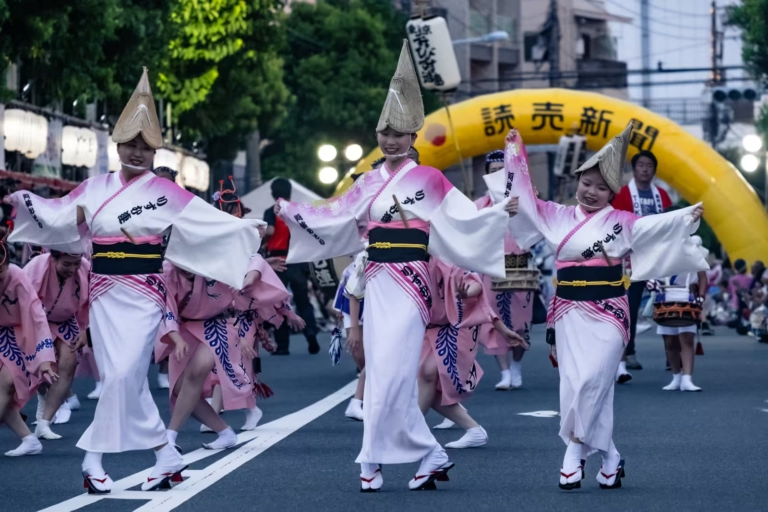
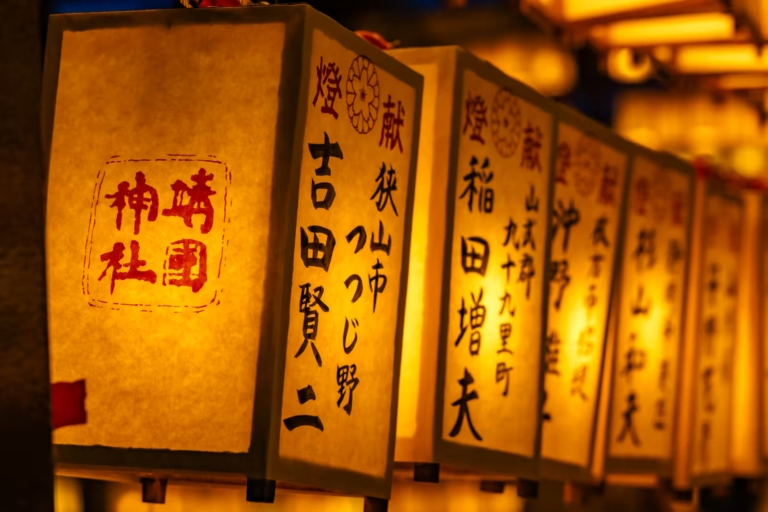
The Sanja Matsuri (or Sanja Festival) is a cornerstone of Tokyo’s cultural calendar. It draws approximately two million visitors over its three-day span every year. The festivities begin with the Daigyoretsu, or “Big Parade.”
The event dates back to the Edo period that winds through the streets of Asakusa. This parade (or procession) serves as the official start to the weekend’s celebrations. In 2018, I photographed it for the first time and gained a unique perspective on this famous festival.
A first-hand experience at the Daigyoretsu
Despite the warmth of the afternoon, a large crowd gathered to witness the procession. The parade featured an array of participants.
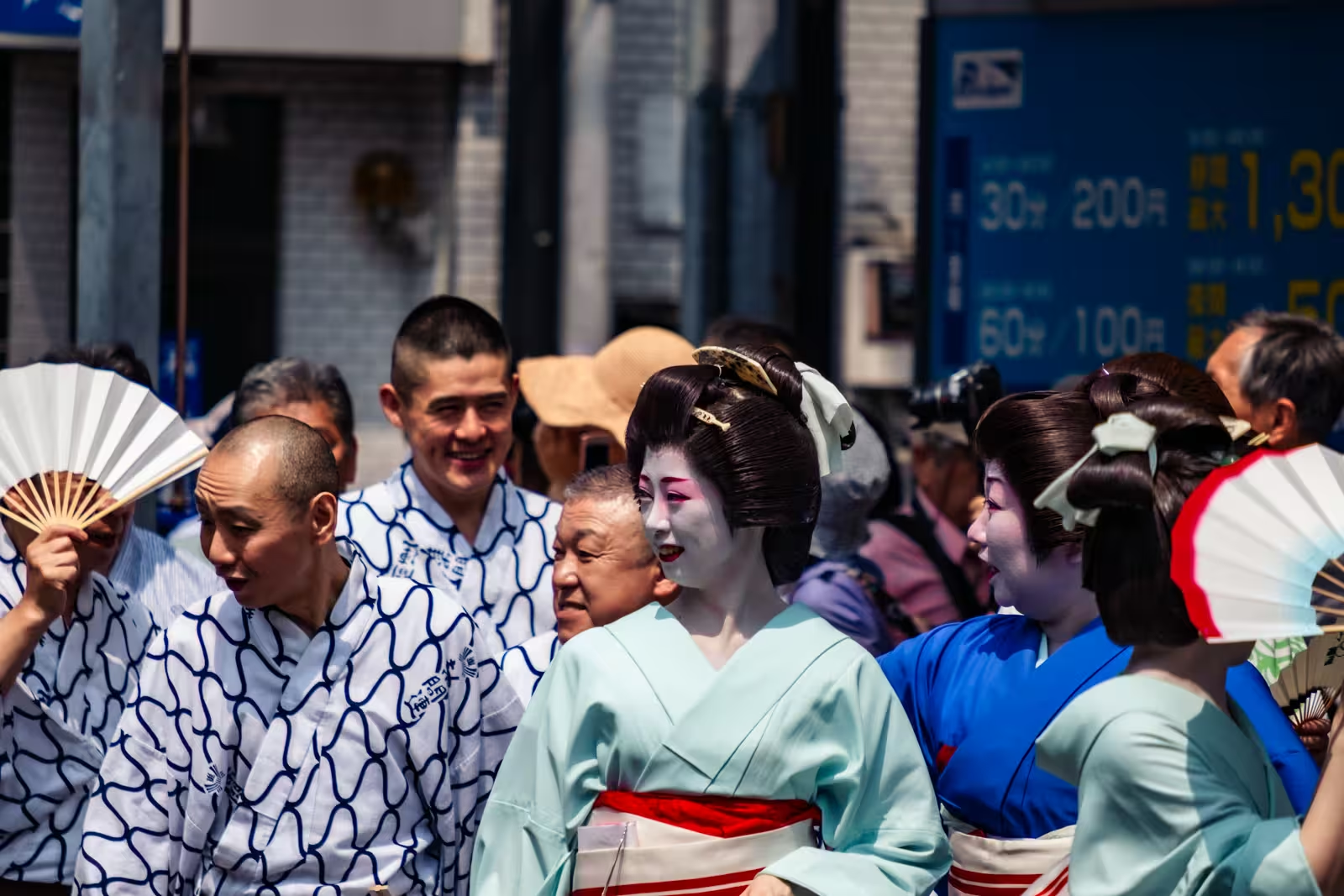
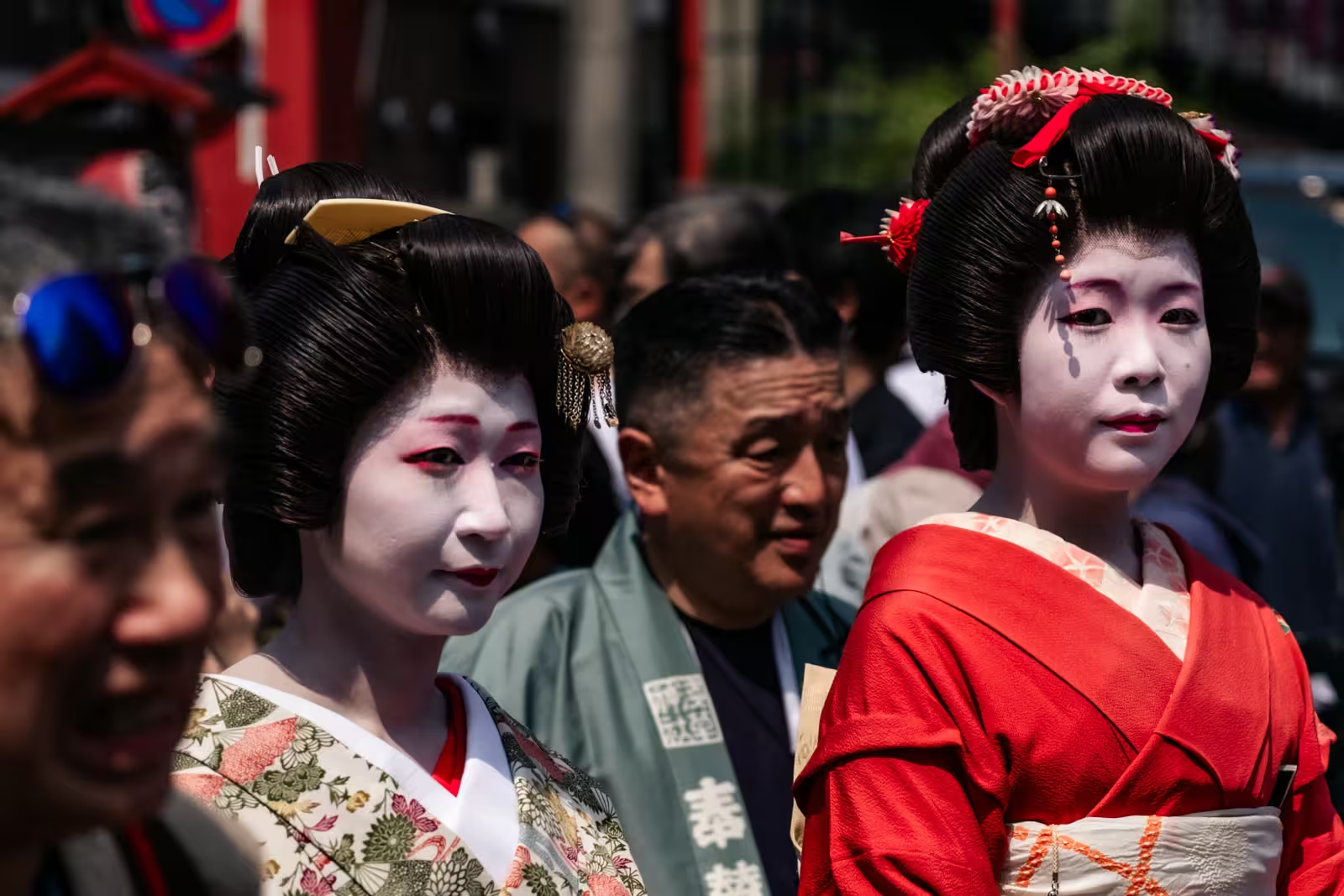
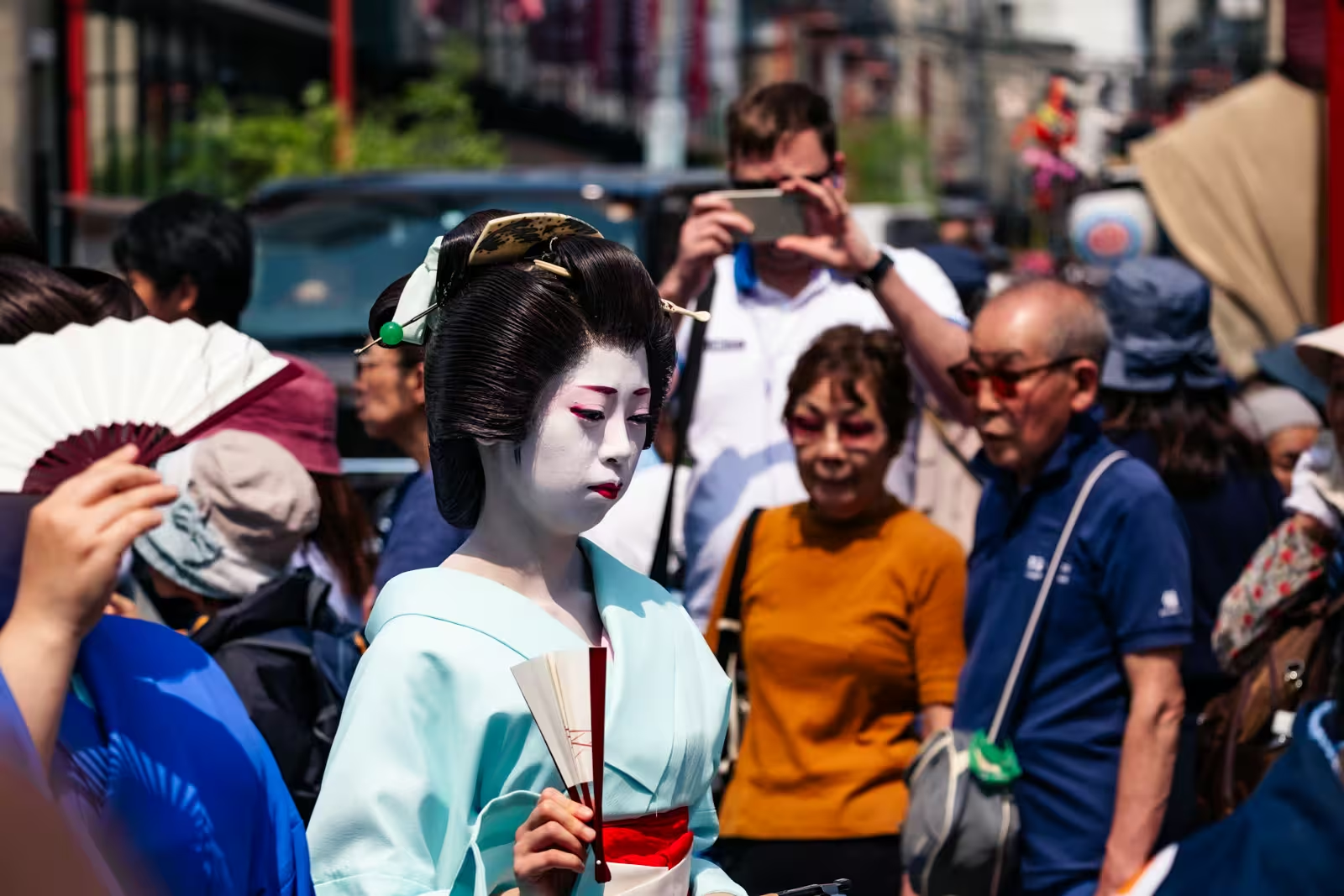
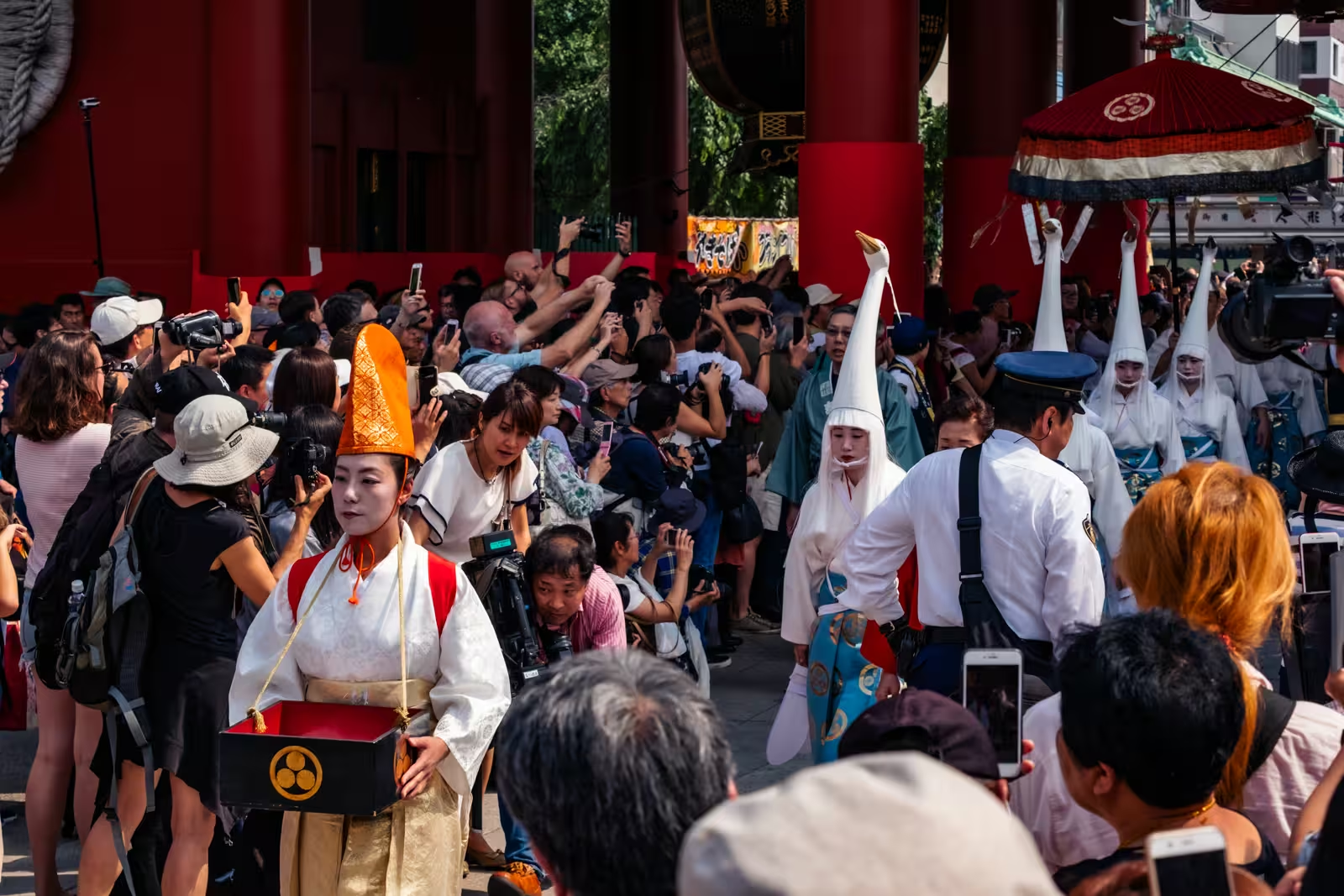
Some of them included Shinto priests, city officials, geishas, musicians, and dancers in traditional Edo-period costumes. They began their journey from the rear of Senso-ji Temple, with police ensuring a clear path for them to follow.
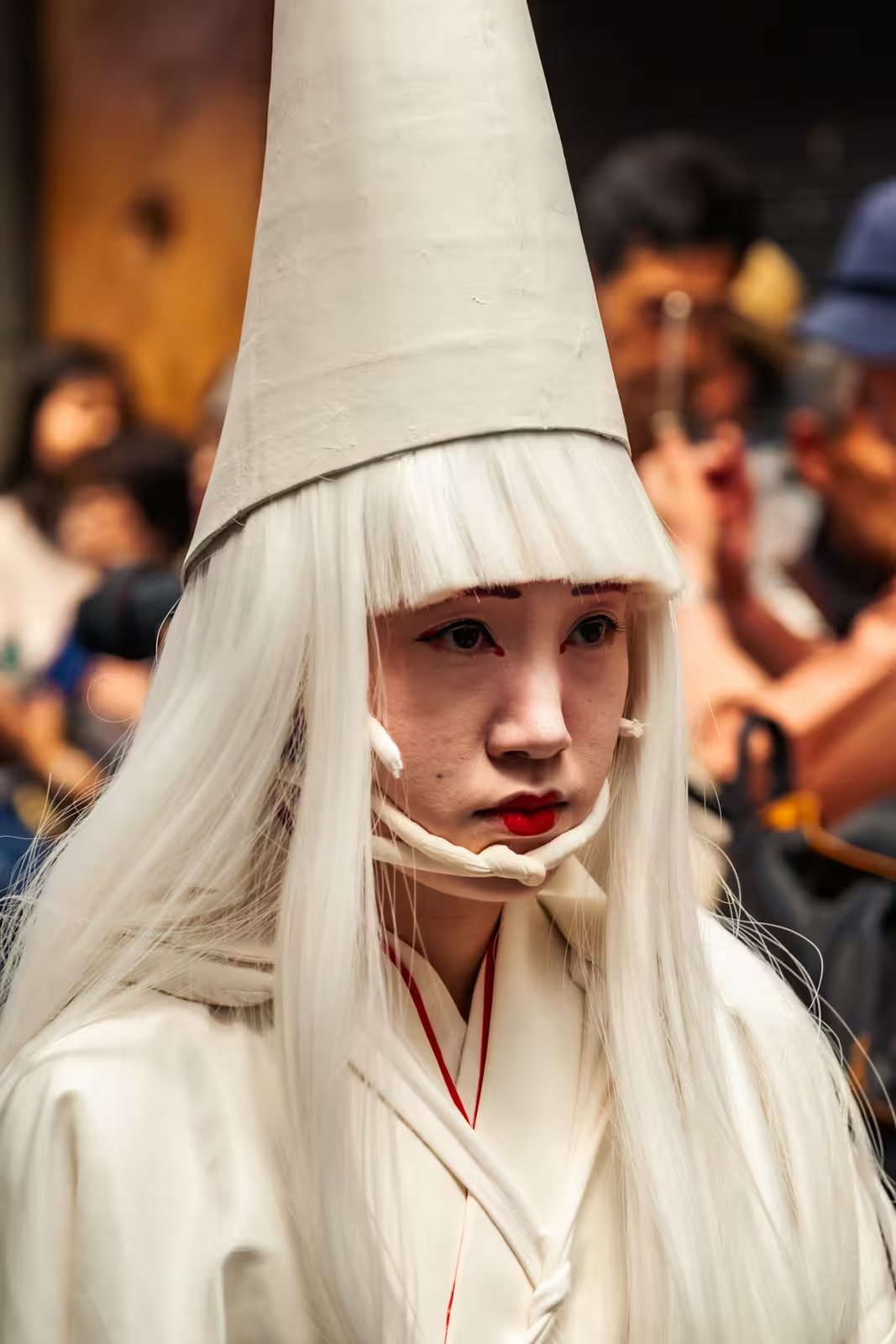
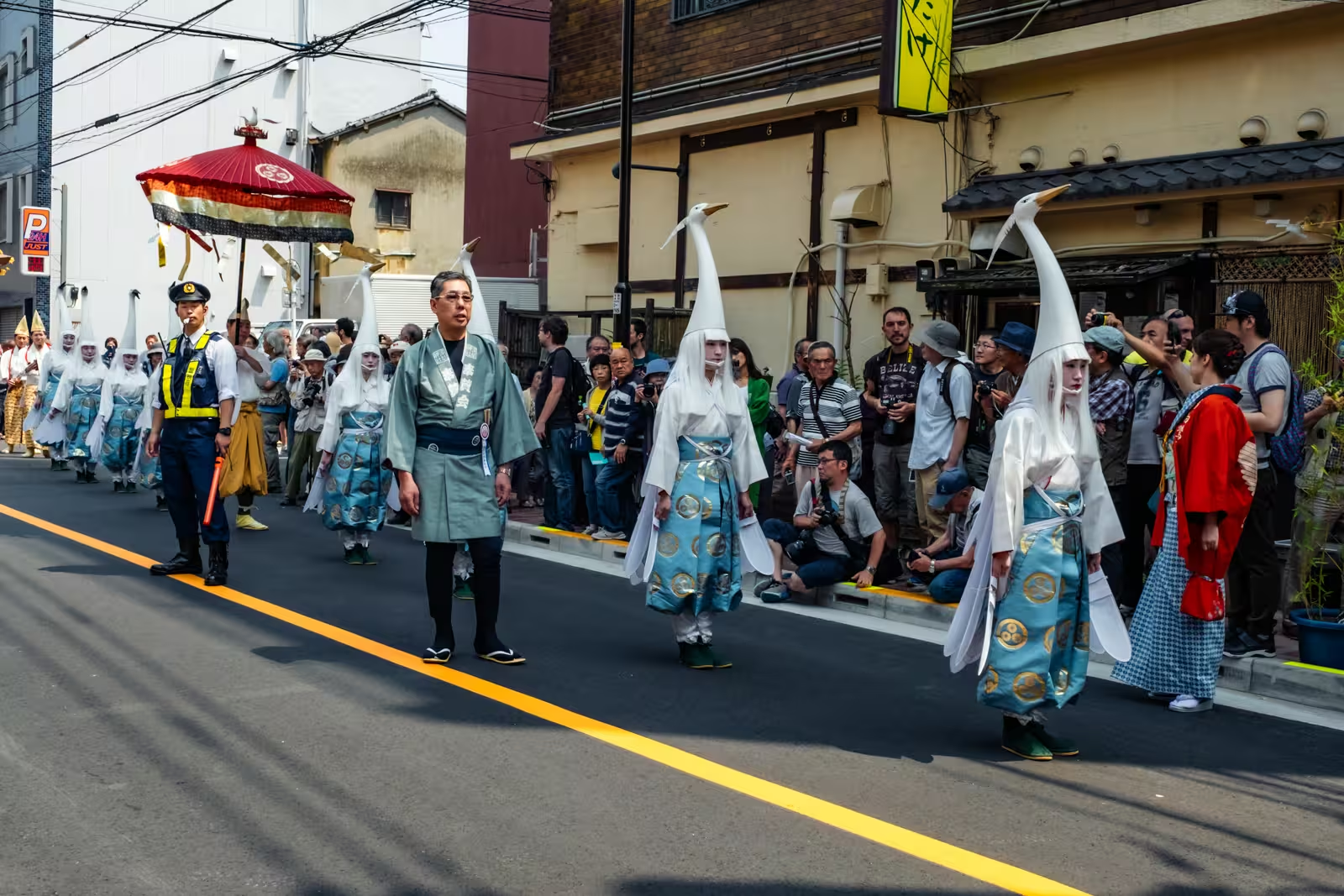
The atmosphere of the Daigyoretsu was surprisingly serene. Musicians played traditional flutes and drums, providing a rhythmic backdrop to the slow-paced procession. Every few hundred meters, the heron dancers would pause to perform their graceful dance, known as Shirasagi-no-mai.
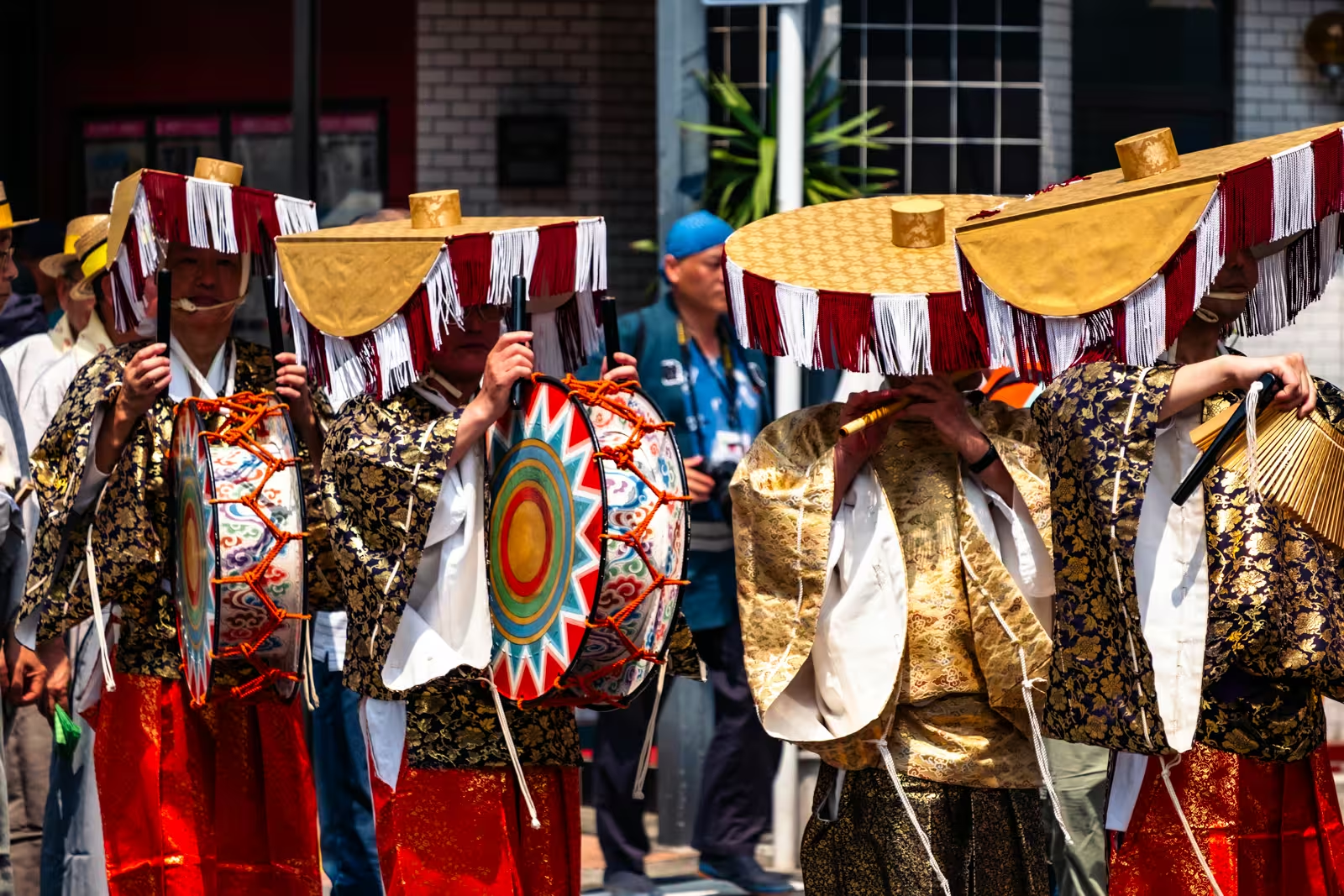
Most participants, adorned in their historical attire, simply walked the route. This calm and subdued procession stands in stark contrast to the more boisterous events that characterize the rest of the festival weekend.
Working my way through the Nakamise-Dori crowds
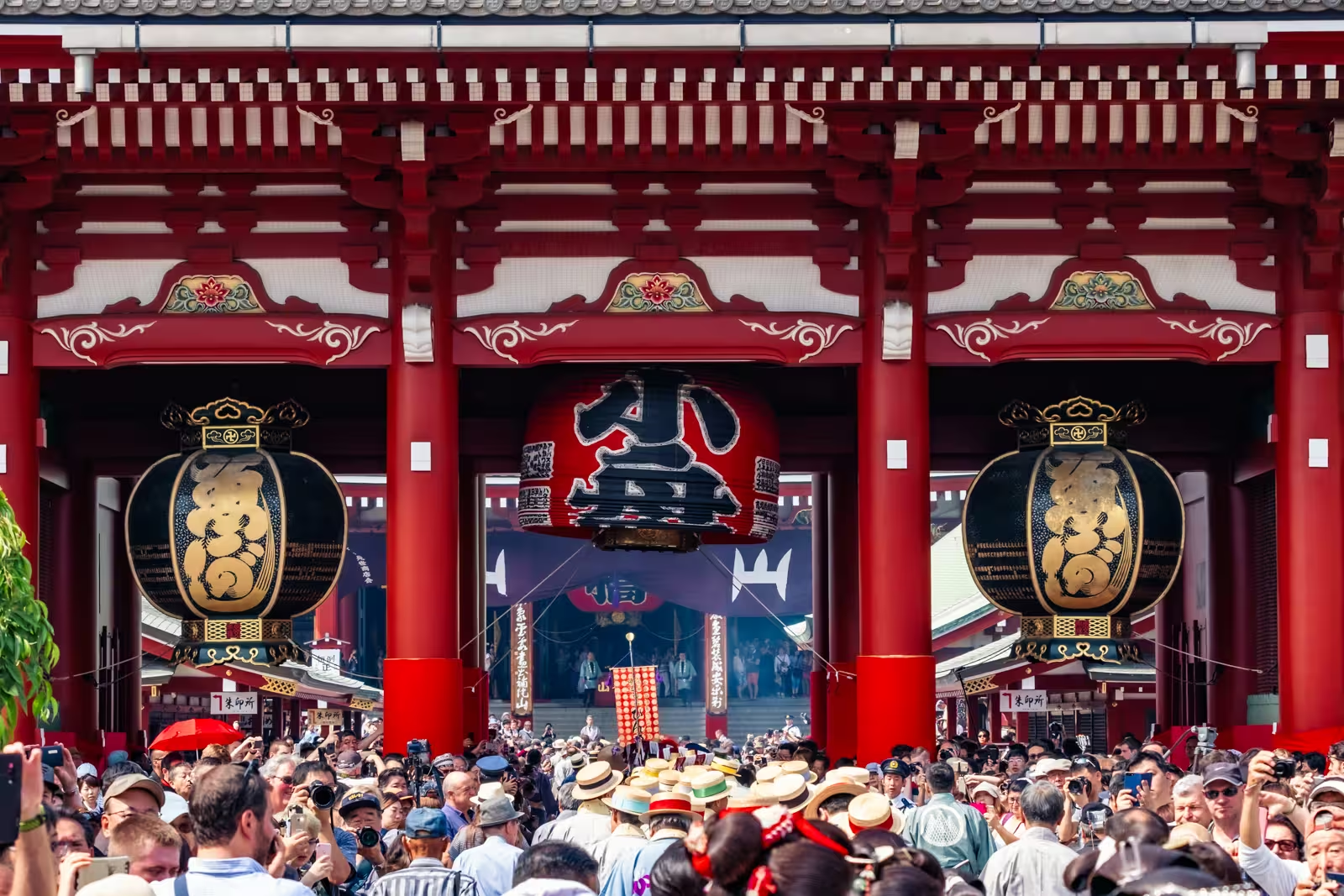
As the parade reached Senso-ji Temple’s famous Nakamise-Dori, the number of spectators swelled. The narrow, shop-lined street naturally slowed the pace of the procession, which was a necessity given the density of the crowd.
It was hard making my way through the crush, but I got to see the performers up close.
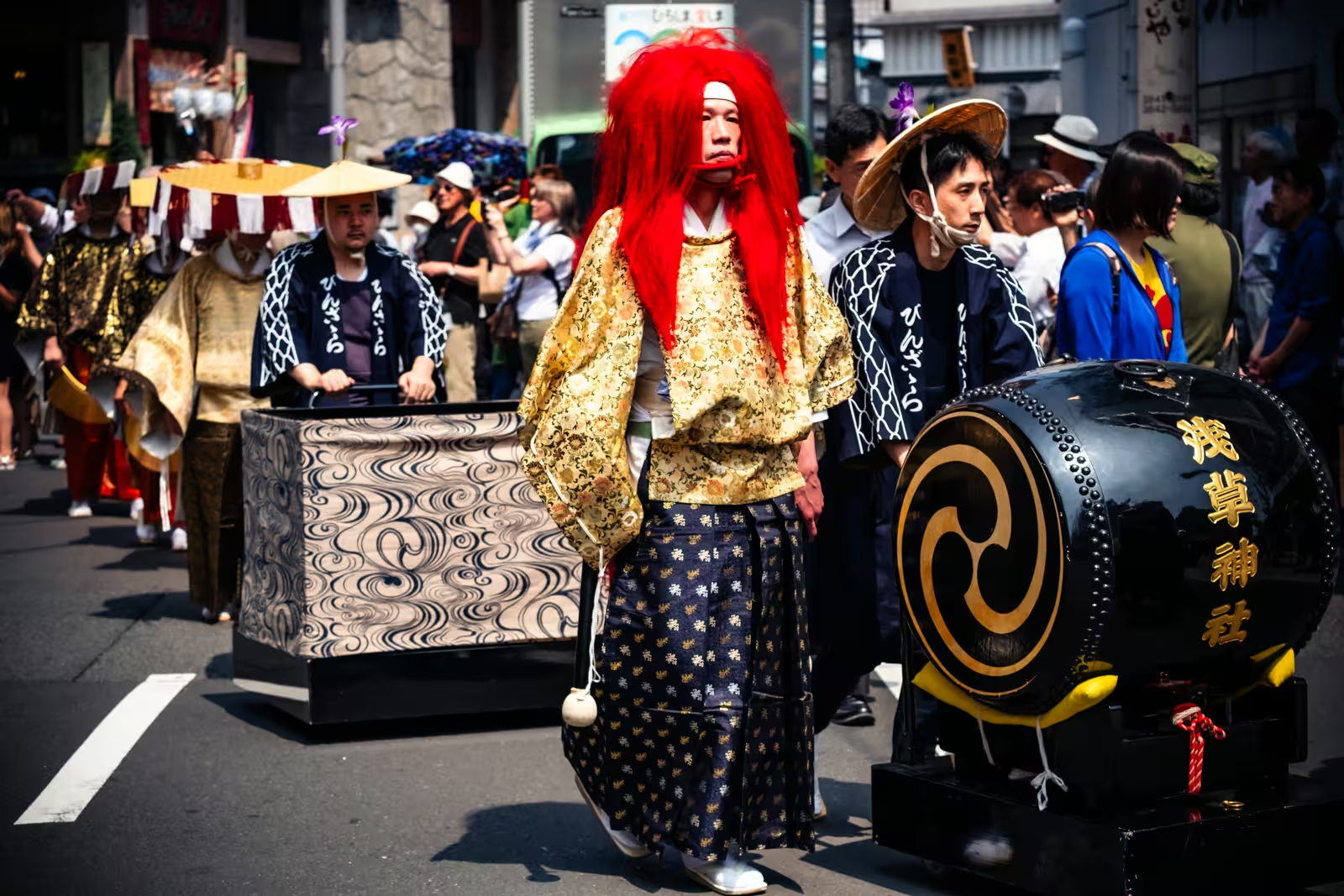
Finally, the participants made their way back to Senso-ji Temple and the adjacent Asakusa Shrine, the focal points of the Sanja Matsuri. Once they reached their destination, the main participants bowed and quietly dispersed. With that simple conclusion, the parade and my afternoon of festival photography came to an end.
What I wish I known before going
2018 was the first time for me to photograph this event and I did so without a plan. In short, I followed the parade. Things would have been so much easier if I had known where to stand at the end which would have allowed me to get better photos.
Well, I was in the basic area, but my positioning could have been better. The lack of information hamstringed me.
Later, I discovered the route changes every year, but maps of it exist. If you go to the information booth near Asakusa Shrine. So go early and pick one up. Once you have it, you can make an informed decision.
The festivities continued
While my time at the festival was limited, the energy in Asakusa was just beginning to build. Later in the day, a Shinto ceremony was held, featuring dances to pray for a bountiful harvest and prosperity.
The first of the mikoshi, or portable shrines, also made their appearance, carried through the streets by neighborhood teams accompanied by musicians. It’s a sight I hope to witness in the future.
Is the Daigyoretsu worth attending?
Absolutely. If you are a photographer with an interest in Japanese culture and festivals, I recommend the Daigyoretsu.
It’s a fantastic opportunity to capture images of heron dancers, geishas, and traditional musicians against the historic backdrop of Asakusa. You’re sure to come away with some memorable shots.
My thoughts on the Sanja’s opening event
The 2018 Daigyoretsu offered a more tranquil introduction to the Sanja Matsuri than its rowdy reputation might suggest. This Friday’s parade provides a different perspective on the weekend’s events before the larger crowds arrive.
Have you experienced a big Japanese festival? Feel free to share your thoughts or ask any questions in the comments below!
My photography gear for this shoot
- Camera body: Fujifilm X-T2
- Lens:
- Fujifilm XF 16-55mm f/2.8 R LM WR
- Fujifilm XF 55-200 mm f/3.5-4.8 R LM OIS