Myohoji Hydrangeas 2017

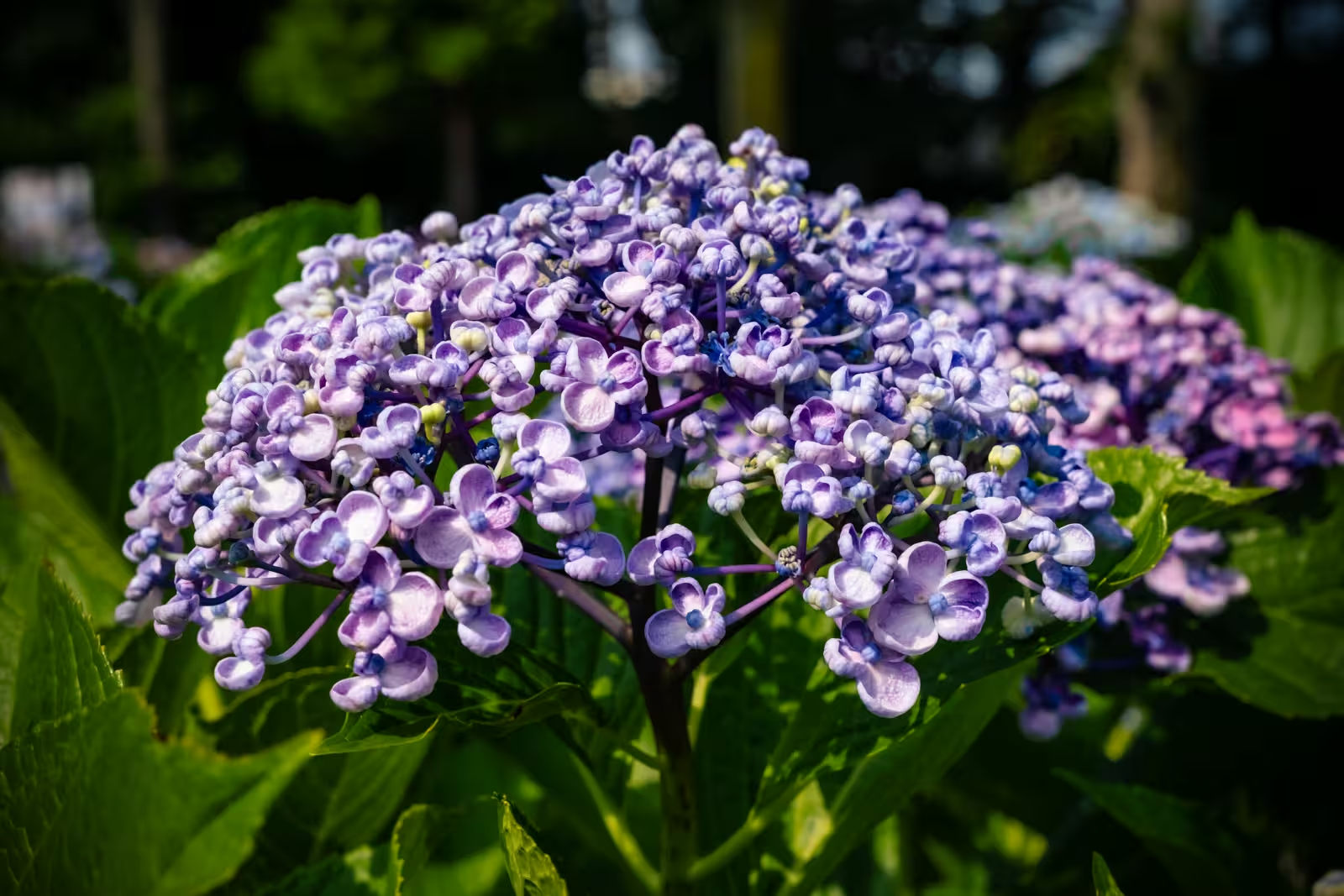
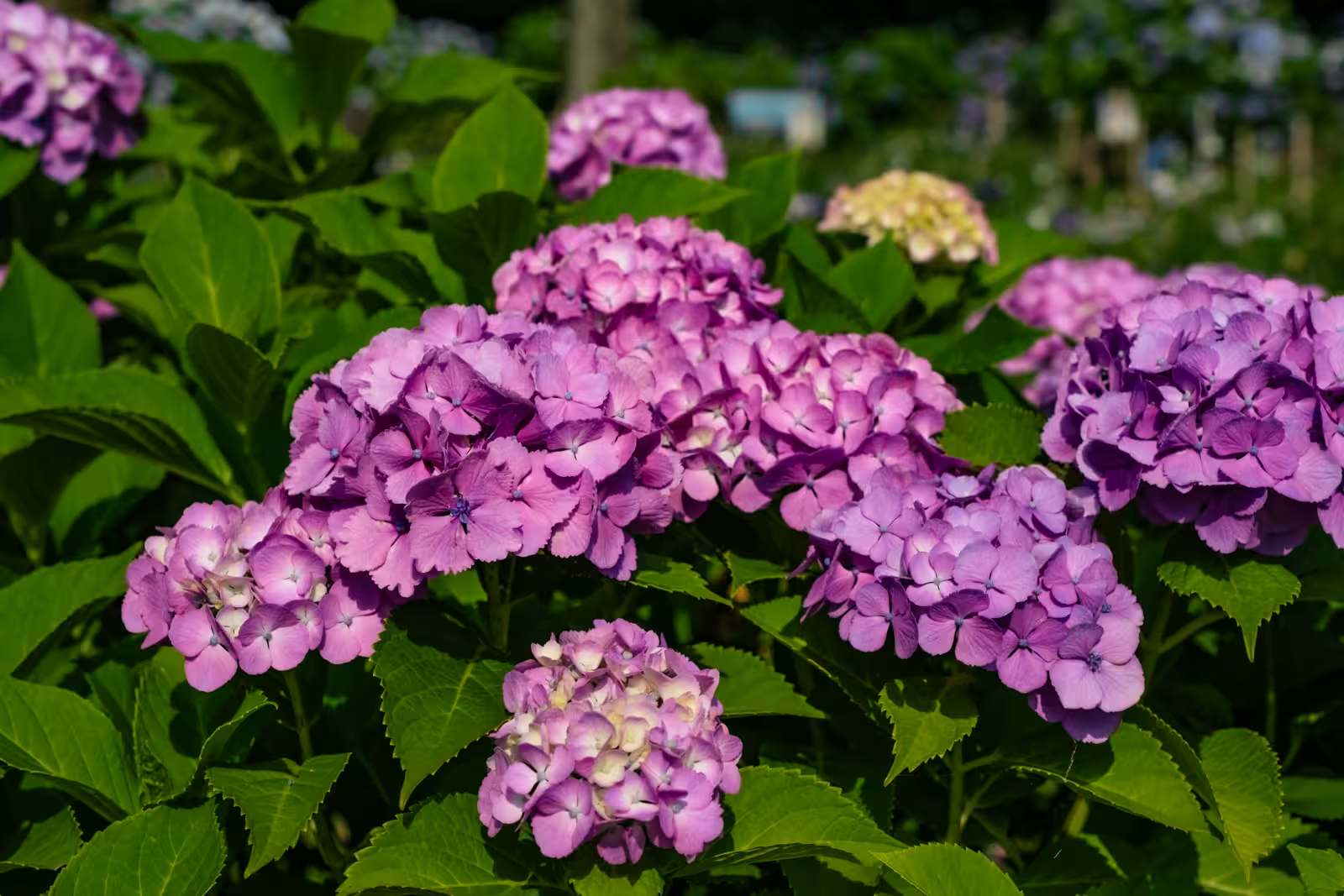
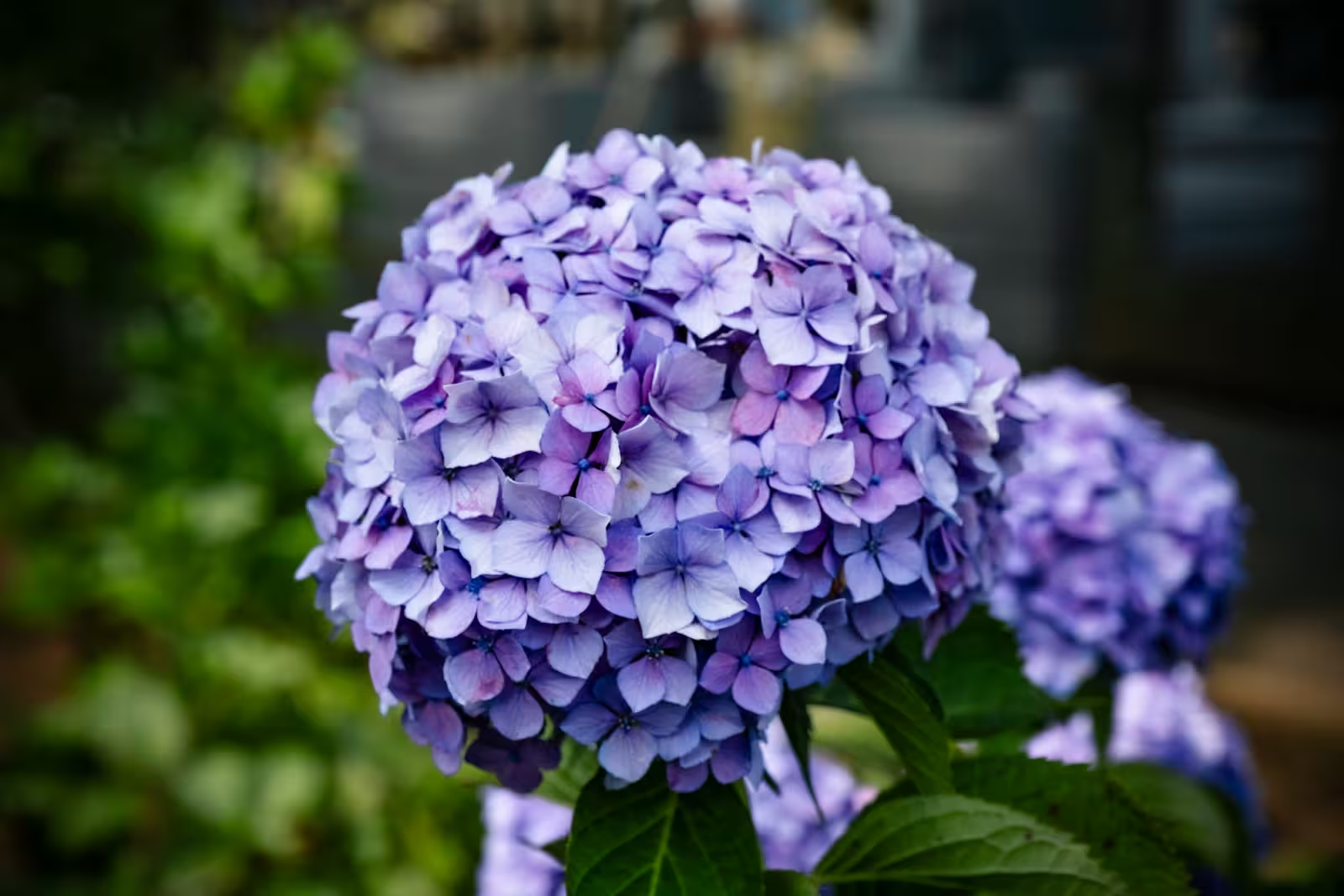
One of the last places I visited for hydrangeas (ajisai) in 2017 was Myōhōji Temple, tucked away in Tokyo’s Suginami Ward. I arrived quite late in the season, and many of the flowers were already beginning to fade.
Still, the hour-long walk from my apartment was well worth it. Even though the flowers were past their peak, they offered a quiet, beauty that I enjoyed photographing.
A historic social hub in Suginami
Founded in the early 1600s, Myōhōji is located in a peaceful residential area. For me, it represents everything a Japanese temple should be. It isn’t just a place of worship or a historical site. It also has a social function for the local community.
As we age, our social circles often shift. People marry, move for careers, or focus on family. It can become more difficult to make new connections.
I’ve noticed that temples like Myōhōji provide a necessary space for people to come together. During my visit, I saw many older residents chatting on the benches together.
The atmosphere was welcoming. As I walked by with my camera, many people looked me right in the eye and wished me a genuine “Ohayogozaimasu” with a smile. There was no hesitation or shyness.
Exploring the Myōhōji hydrangea gardens
The temple grounds are beautiful. Large trees at the rear of the complex provide deep shade from the rising summer heat, while the classic worship hall and long outdoor corridors provide a stunning backdrop. During my walk, the sound of monks chanting and praying echoed through the air, adding to the atmosphere.
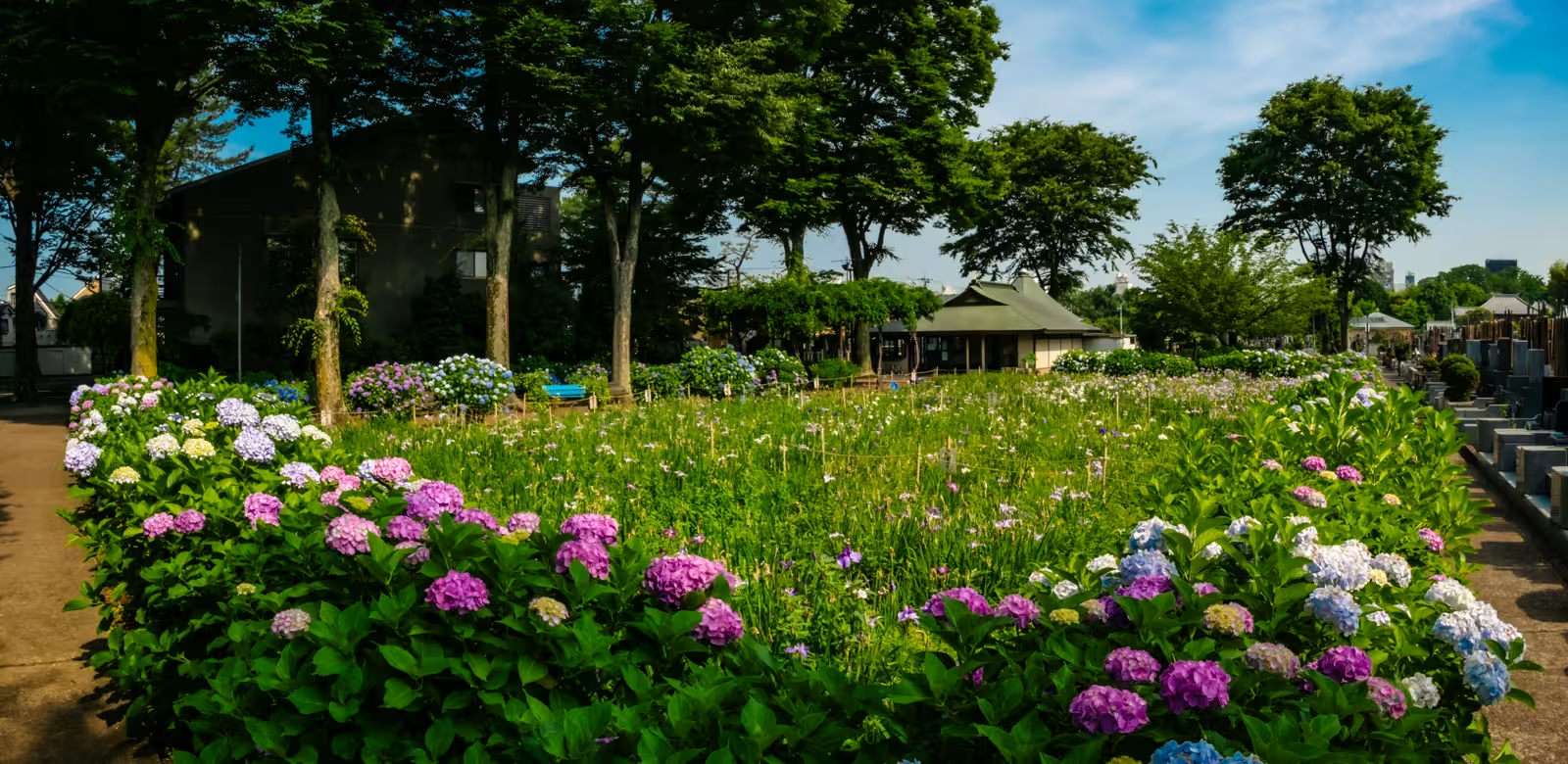
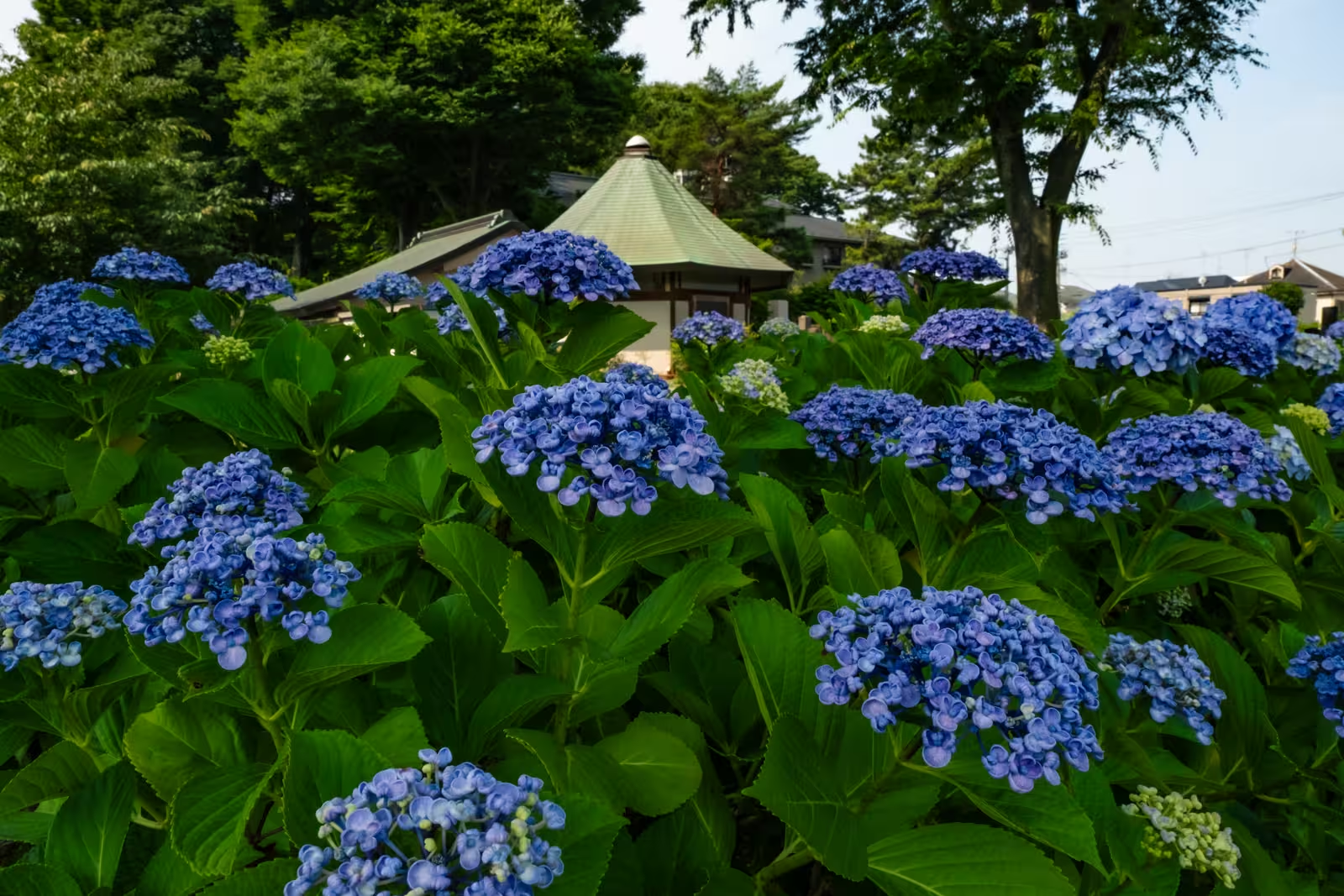
While the architecture is a draw, I was there for the Myōhōji hydrangeas. Their layout was quite unique:
- The main field: Most of the hydrangeas are arranged in a large square around a central field of irises.
- The lantern path: Another cluster of blooms lines a path flanked by traditional lanterns near the rear entrance.
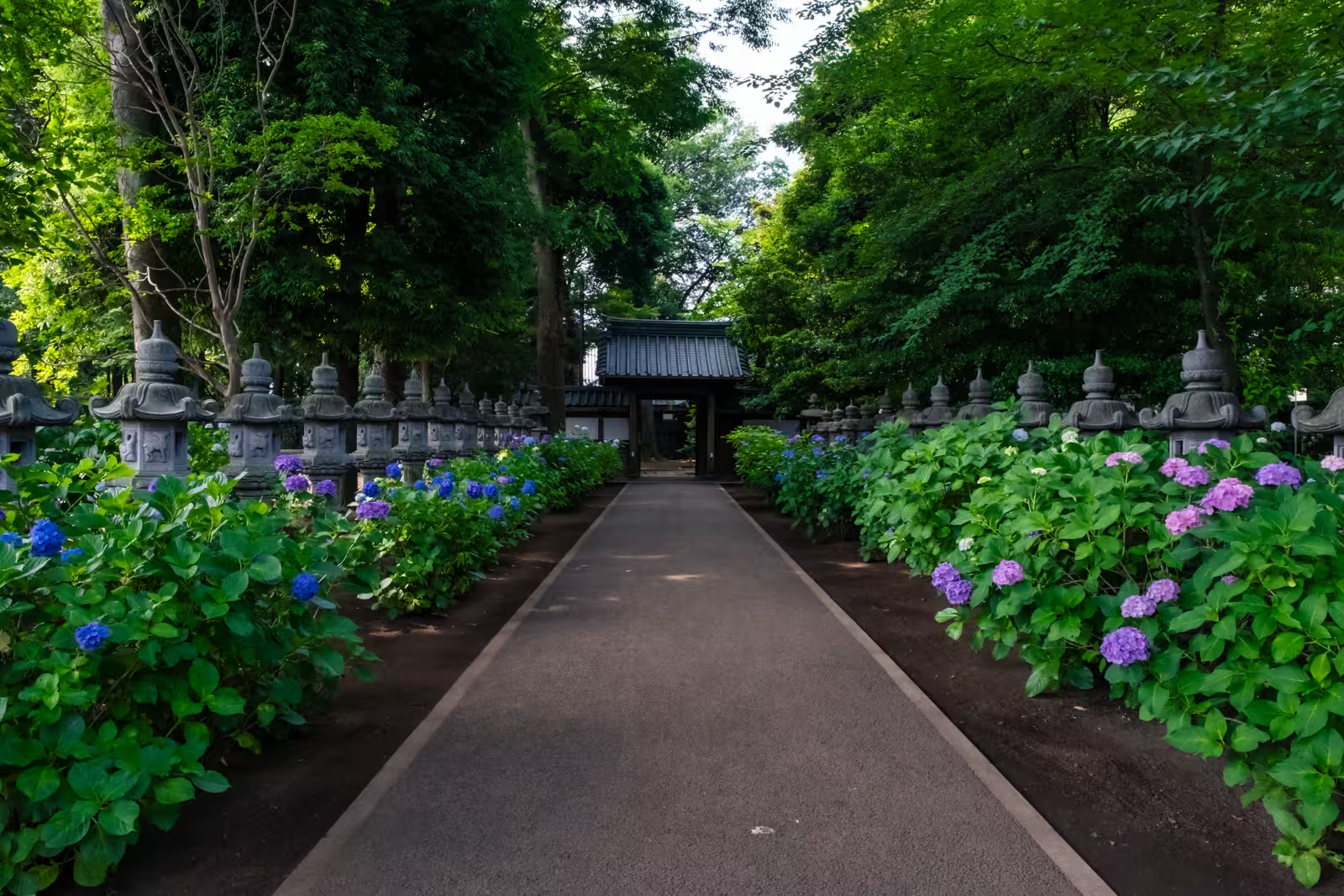
The gardeners clearly spend a significant amount of time maintaining these plants, and even late in the season, the structure of the garden was impressive.
Photography timing can be hard
As is often the case, I cursed my inability to get up at the “crack of dawn.” Mastering the early start is a skill I’m still working on! If you miss the golden hour, the light quality degrades, but arriving mid-morning meant I had the garden mostly to myself.
The “bowed” panorama
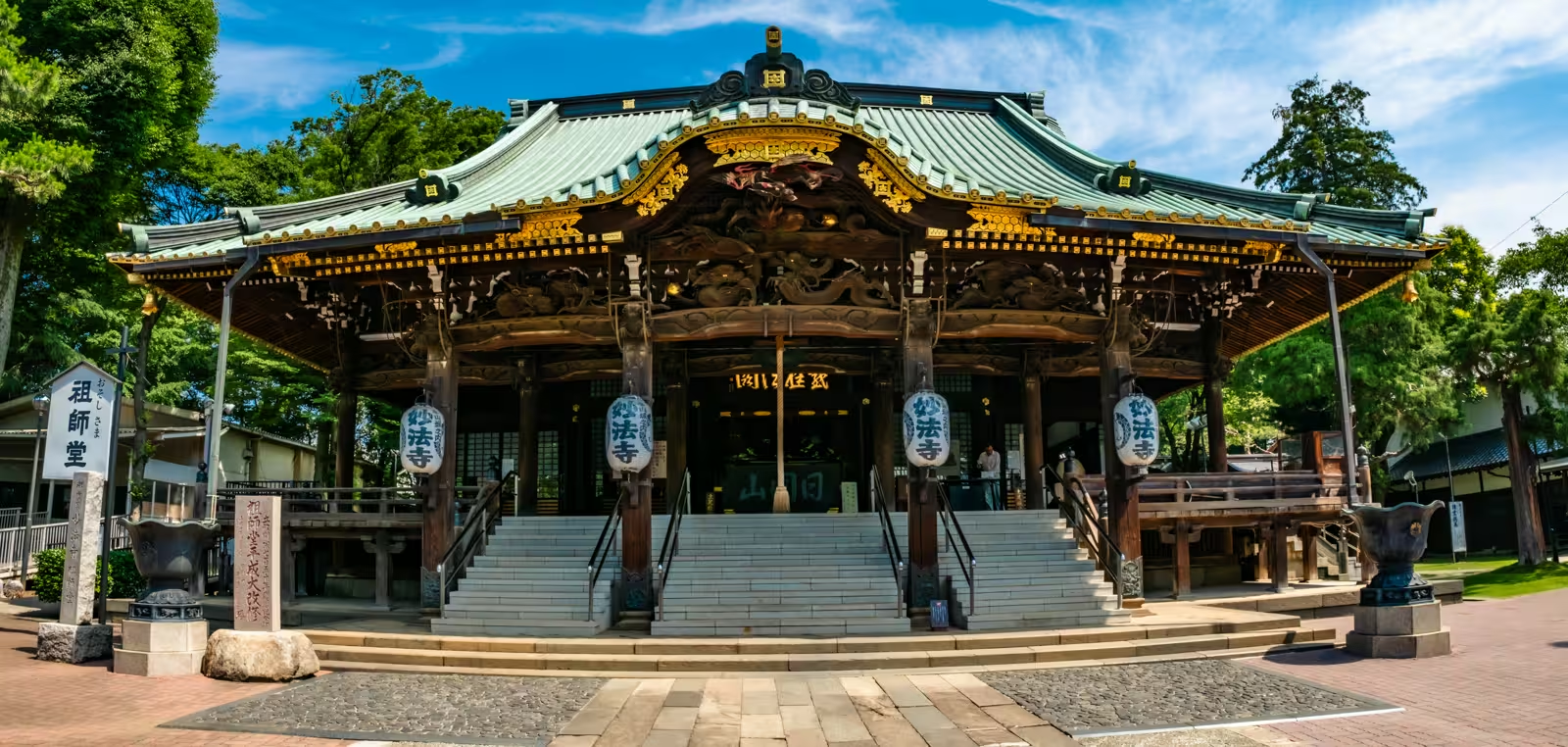
During this shoot, I experimented with handheld panoramic shots, which I stitched together in Lightroom. While the process worked well for the most part, my technique wasn’t perfect.
If you look closely at my shot of the main hall, there is a noticeable “bow” in the roofline, a common pitfall of handheld panoramas.
In retrospect, I should have applied this panoramic technique to the shot of the gate framed by hydrangeas and lanterns. It’s a pity I didn’t think of it at the time, as it would have better captured the scale of the entrance.
In retrospect, I should have applied this panoramic technique to the shot of the gate framed by hydrangeas and lanterns. It’s a pity I didn’t think of it at the time, as it would have better captured the scale of the entrance.
My photography gear used for this shoot
- Camera body: Fujifilm X-T2
- Lens: Fujifilm XF 16-55mm f/2.8 R LM WR
The X-T2 and the 16-55mm zoom were a great combination for this location, They were more than enough for me to frame both the wide garden and the tighter details of the fading petals.
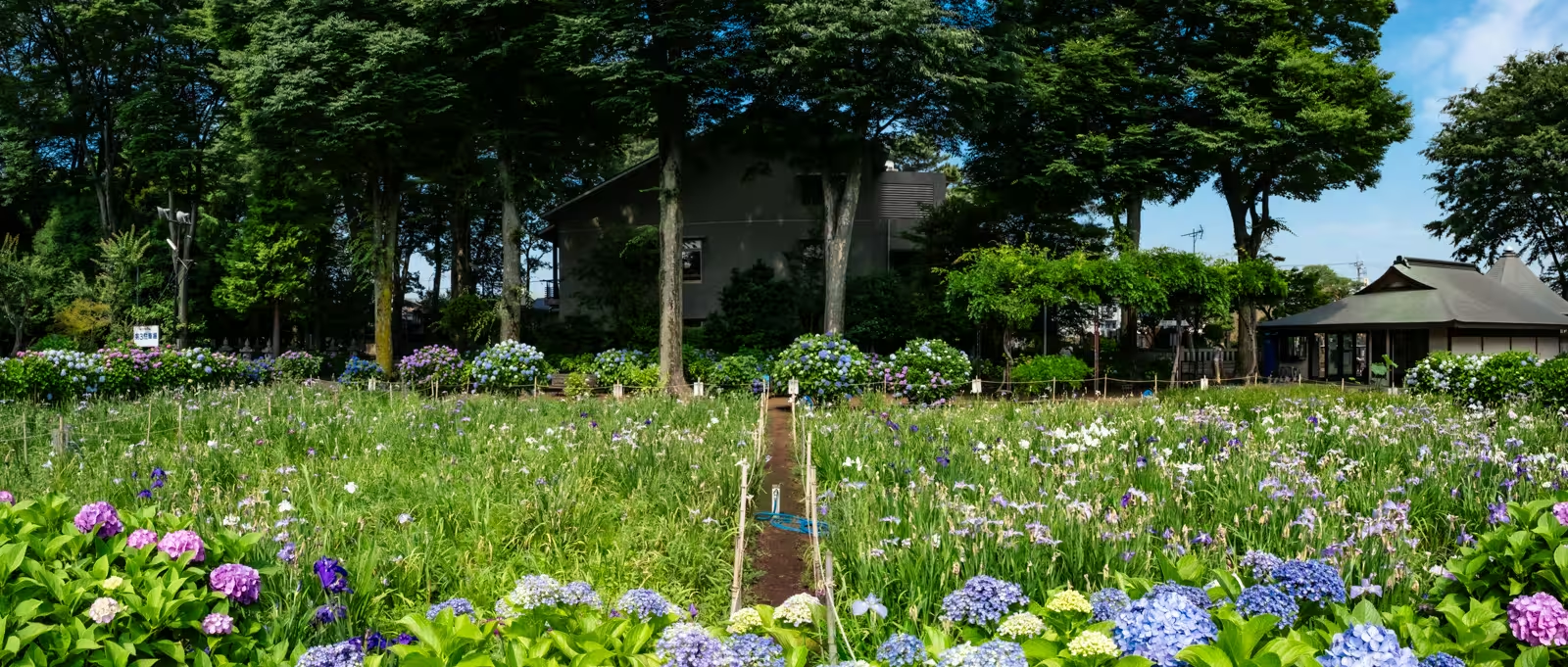
As the summer heat began to take hold, these were my final pictures of the 2017 season. If you are a lover of Japanese temples and photography, this is a must-see hidden gem in Tokyo.
Plan your visit: For a full breakdown of the history, the Josiah Conder gate, and location, read my [Myohoji Temple Photography Guide].