It was a long time ago, but stepping into Tokyo Motor Show 2017 at Tokyo Big Sight felt like walking onto a movie set for a sci-fi blockbuster. The theme for the 45th edition of the show was “Beyond the Motor,” with a strong focus on connected cars and autonomous driving technologies.
For a photographer, the focus isn’t on horsepower or torque; it’s on the lines, the light, and the stories that a car’s design tells. That’s what I wanted to capture.
Automakers like Nissan, Honda, and Mitsubishi unveiled concepts that promised autonomous driving, zero-emission futures, and AI-powered copilots. But years later, a key question remains: Were these just fantasies, or did these “dreams on wheels” actually influence the cars we drive today?
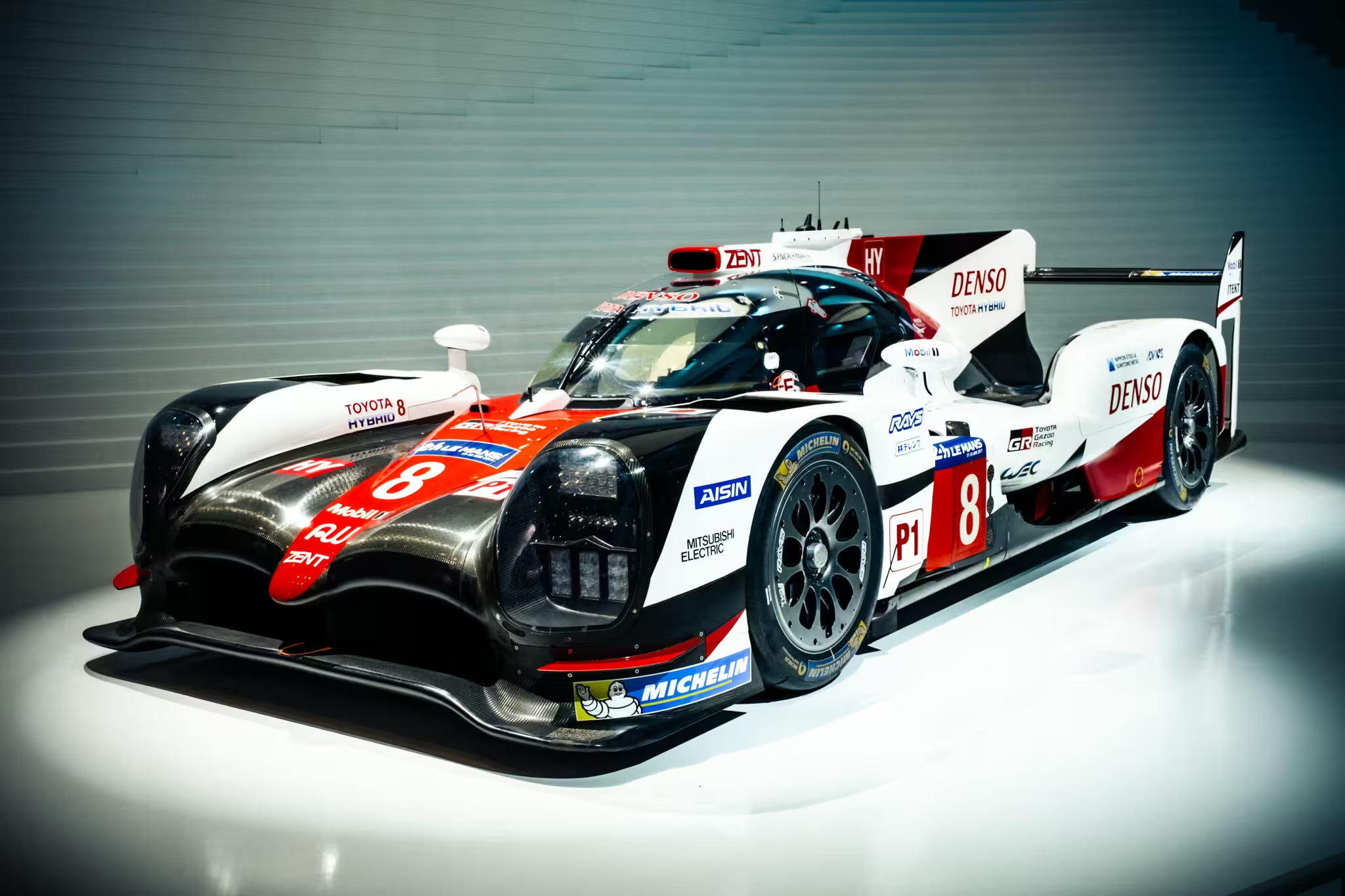
Let’s look back at the most stunning vehicles I captured through my lens and see what became of them.
Tokyo Motor Show 2017 concept cars
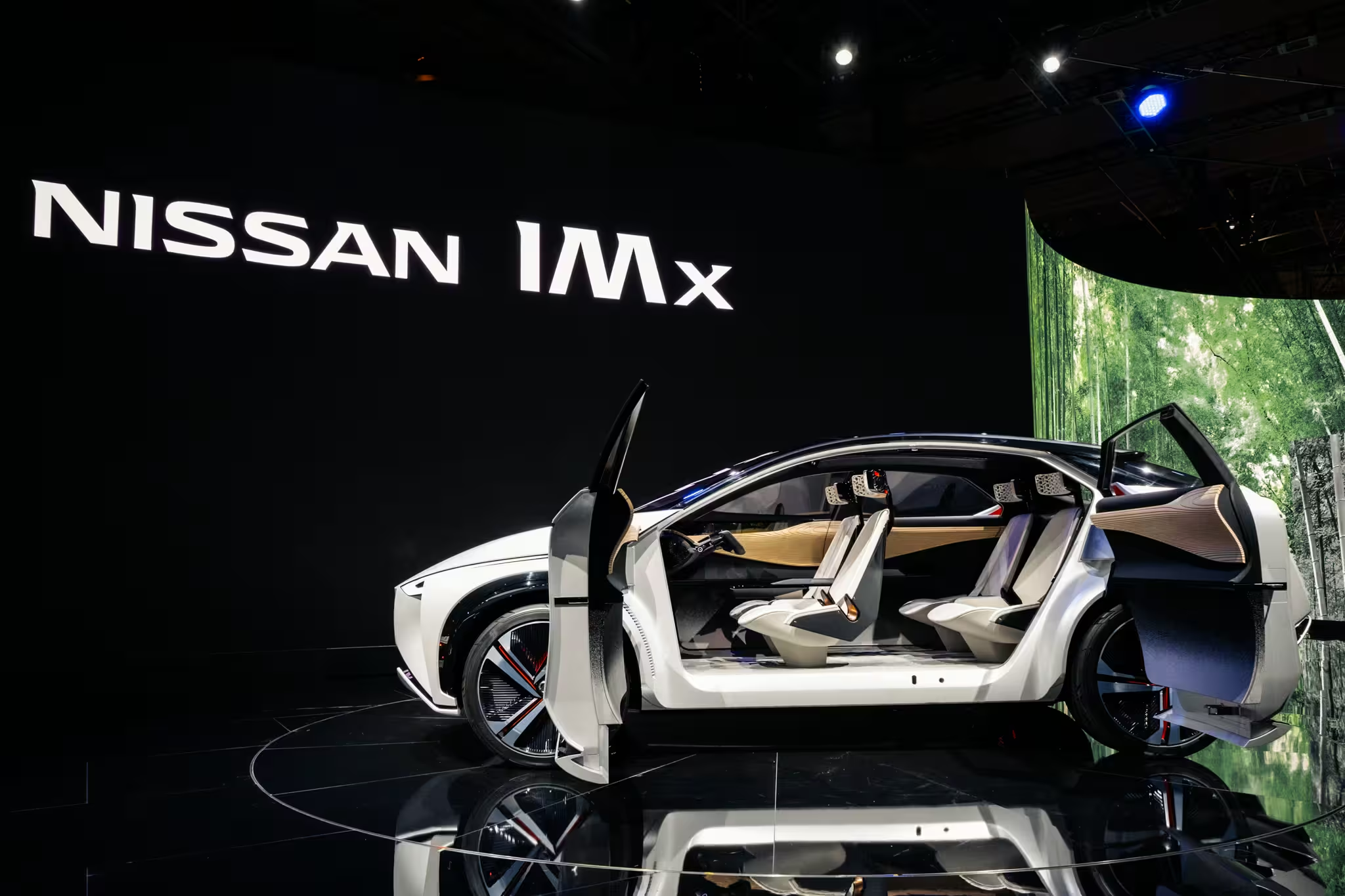
Nissan iMX: An autonomous future?
The Nissan iMX was a standout with its promise of a fully autonomous future. It featured a retractable steering wheel that could be stowed away in the dashboard, allowing the seats to recline and create a more open, relaxing space for occupants.
With a powerful electric all-wheel-drive system producing 429 horsepower and an impressive estimated range of over 370 miles (600 kilometers), the future of family road trips looked bright. One can only imagine how tired moms and dads would appreciate such innovative features on a long journey.
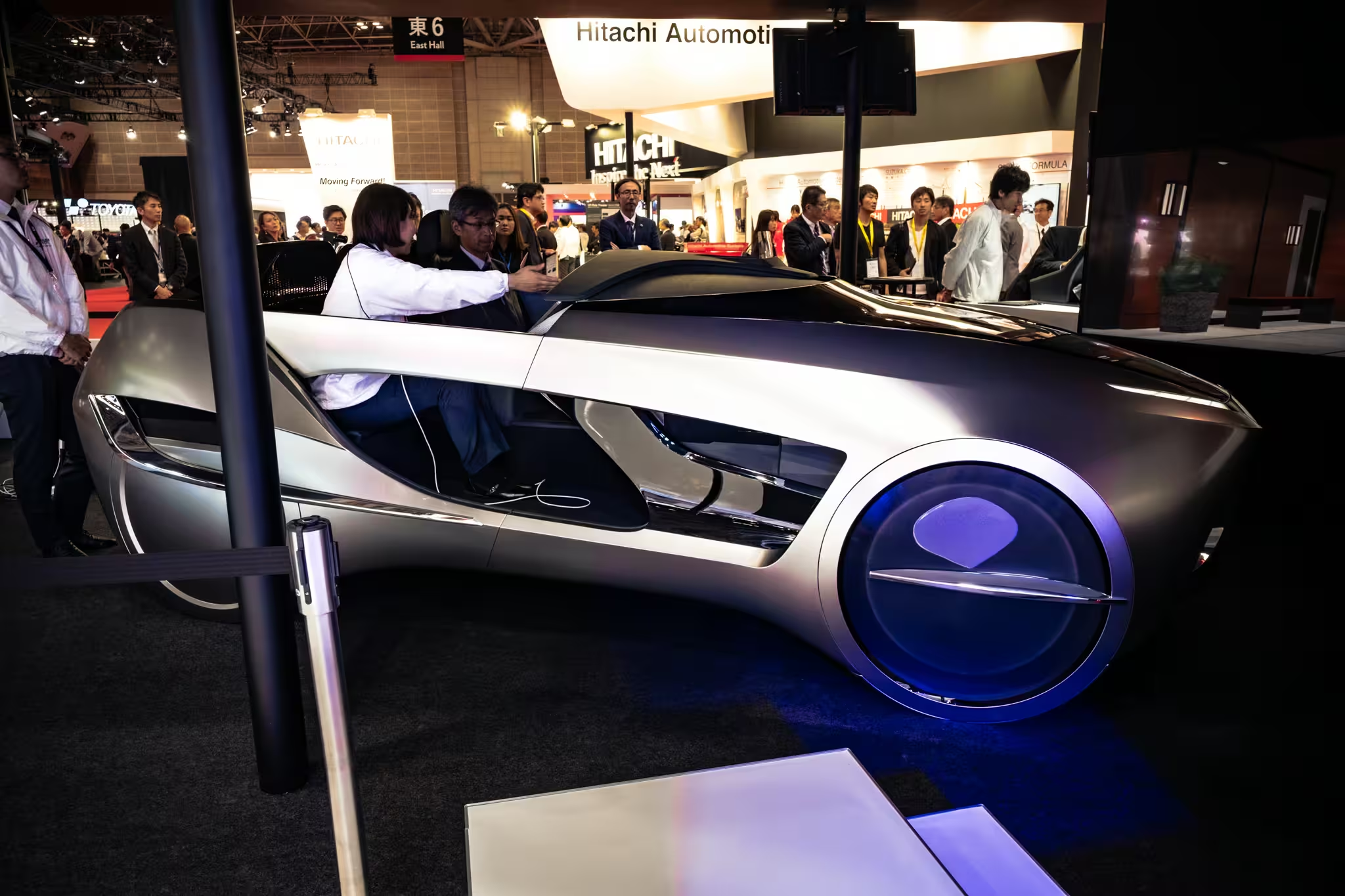
Mitsubishi Emirai 4: Safety tech on the road
This futuristic roadster from Mitsubishi Electric was packed with an unbelievable range of safety and convenience features. It utilized advanced driver-assistance technology, including an interior camera to monitor the driver and front passenger for signs of fatigue or distraction.
One of its most innovative features was the ability to project an illuminated indicator onto the road when a door was about to be opened, alerting nearby vehicles and pedestrians.
Honda Sports EV: AI-powered retro cool
Next up was the all-electric Honda Sports EV concept, a sleek coupe with a retro design. It was envisioned with an onboard artificial intelligence called the “Honda Automated Network Assistant,” designed to create a sense of unity between the driver and the car.
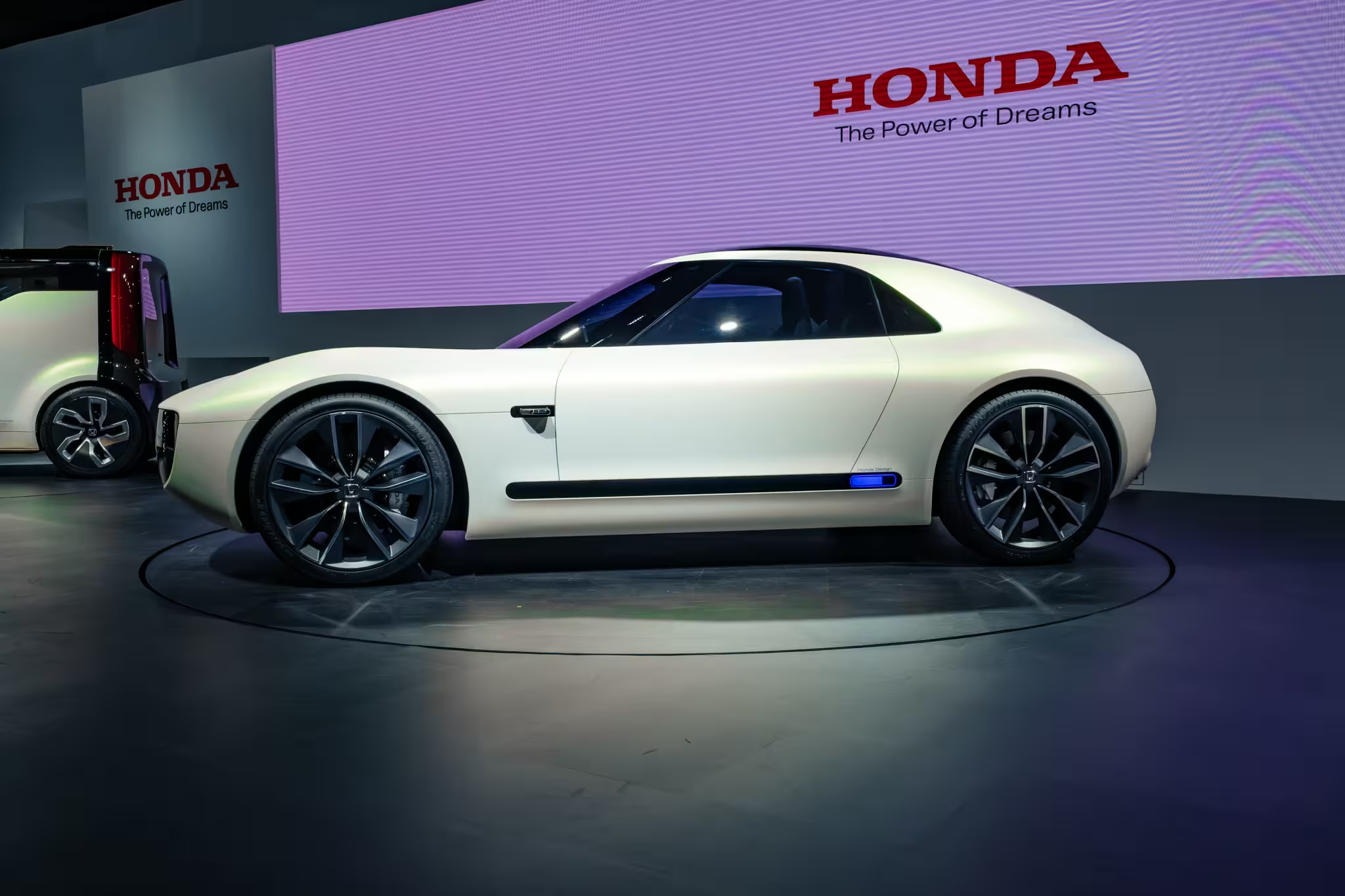
Its nostalgic aesthetic, combined with futuristic technology, made it a car I desperately wanted to drive.
Many of the displays, particularly the Emirai, looked like mockups showcasing potential new technologies. This left me wondering, did any of these groundbreaking ideas make it into production vehicles?
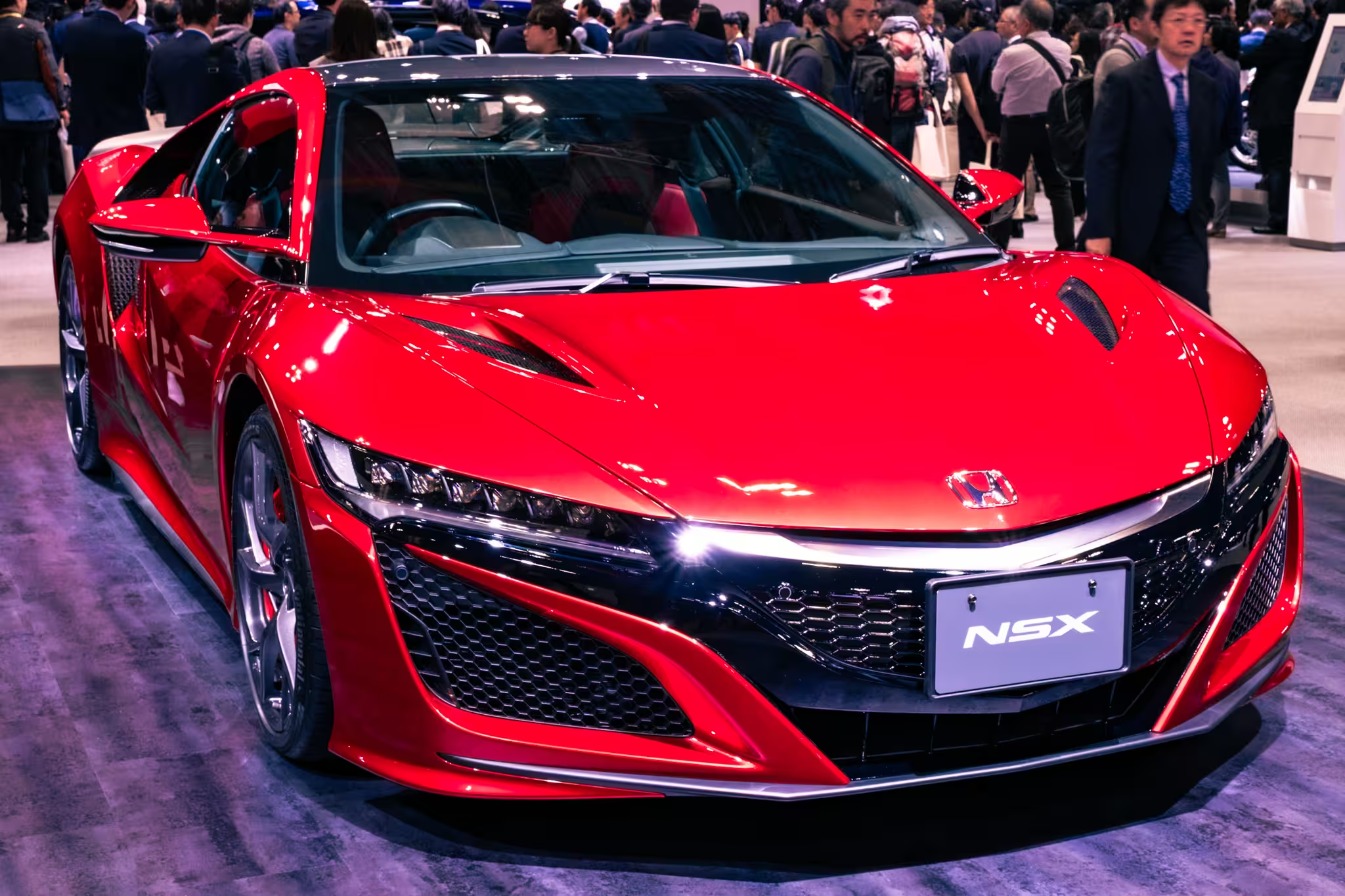
The missing piece: American automakers
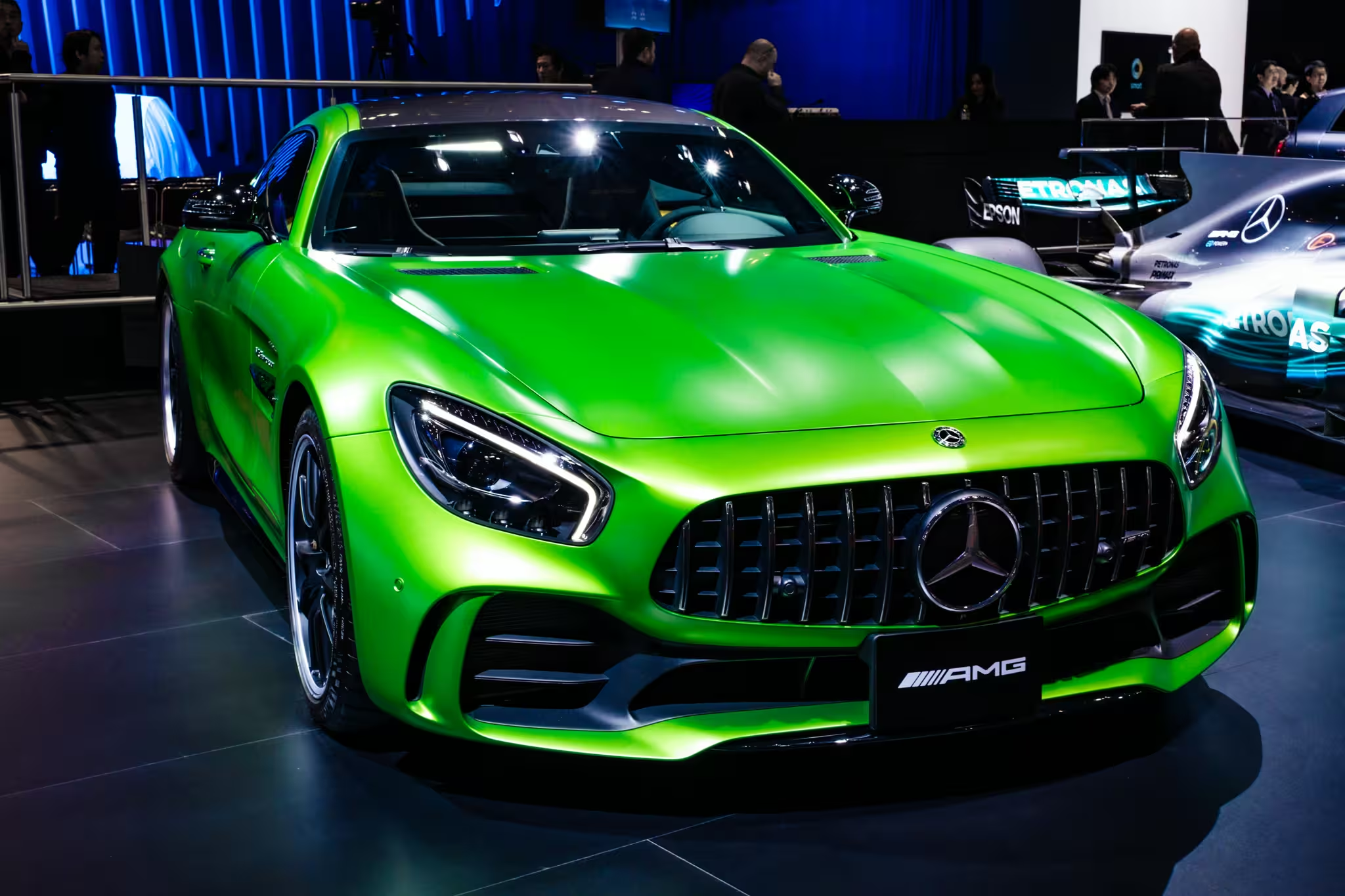
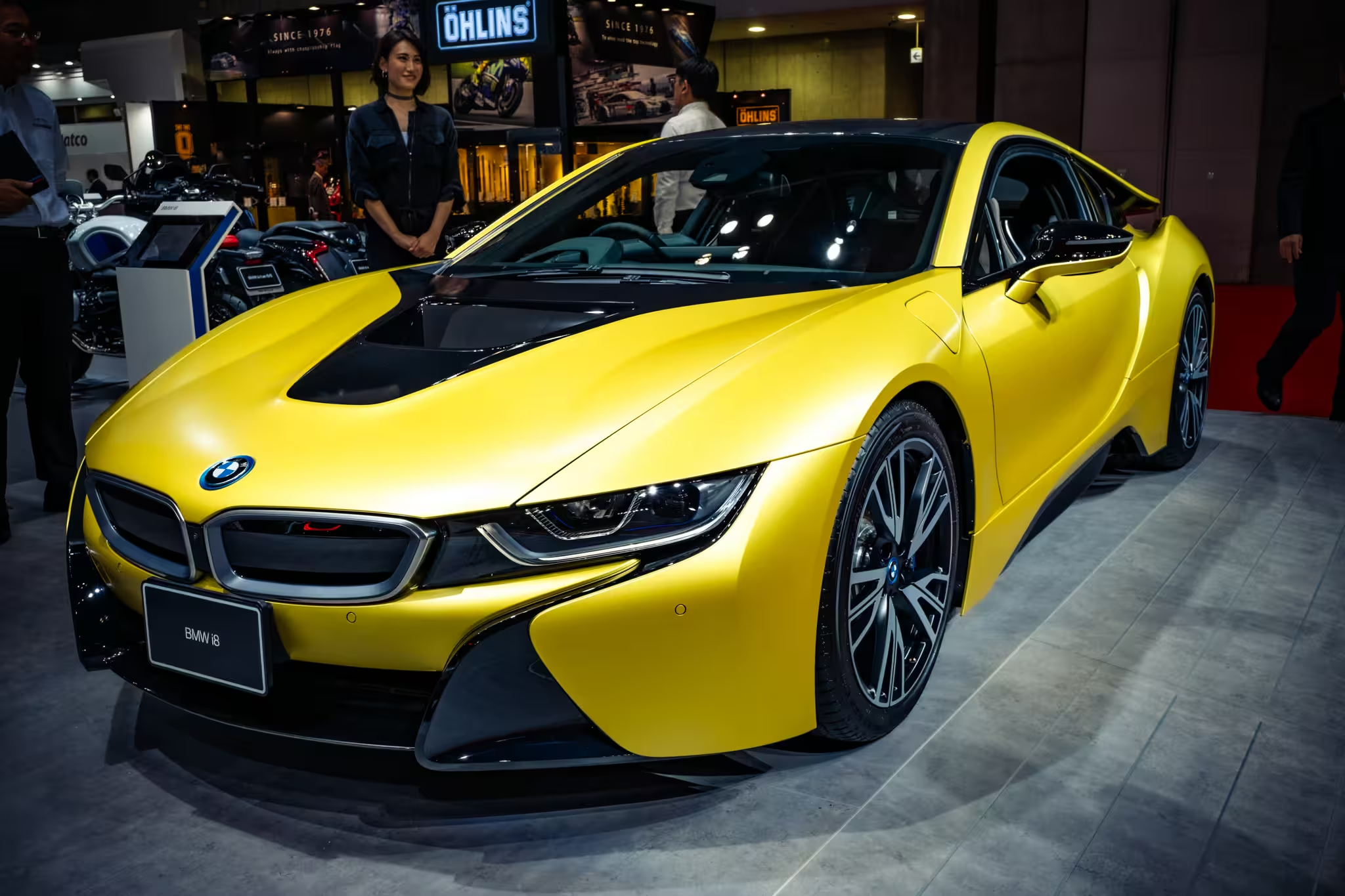
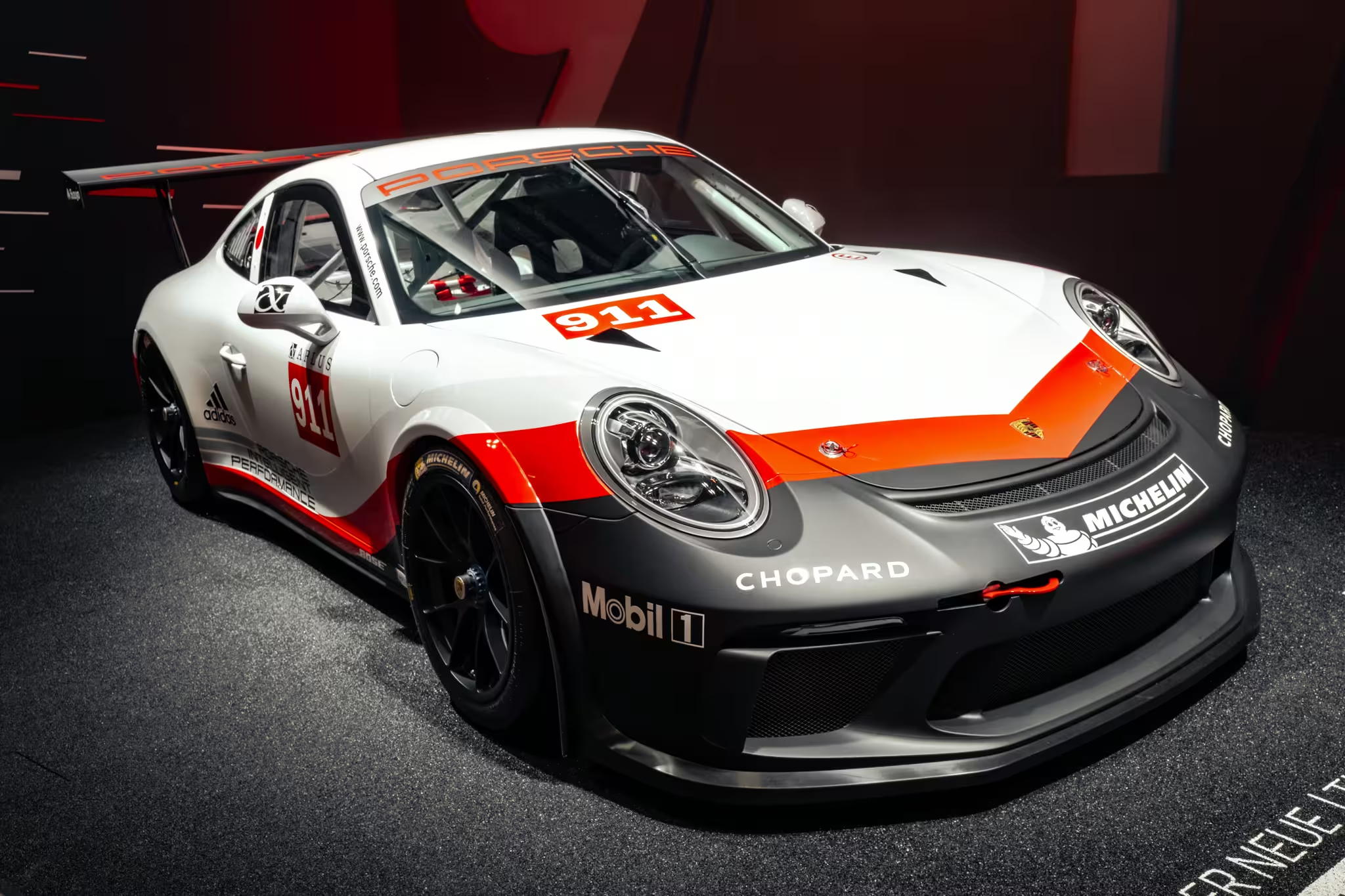
While the show was filled with cars from Japanese and European manufacturers like Mercedes, Porsche, BMW, Audi, Renault, and Peugeot, there was a noticeable absence. The Americans weren’t there. That left a gap in the global automotive narrative being presented.
What happened to these technologies?
- The Nissan iMX concept directly previewed the Nissan Ariya. The Ariya’s sleek crossover design, minimalist “lounge-like” interior, and advanced ProPILOT 2.0 driver-assist system are all evolutions of the ideas first showcased in the iMX.
- While the Honda Sports EV concept never went into production, its sibling, the Urban EV concept, became the critically acclaimed Honda e. The retro-futurism and AI-infused dashboard of the Sports EV live on in this charming city car.
- The Mitsubishi Emirai 4’s technology was a demonstration of safety features. Its driver-monitoring cameras and autonomous modes are now more common in the Advanced Driver-Assistance Systems (ADAS) packages on many new vehicles. As an article from CarBuzz explains, this is often how concept technology finds its way into the real world.
Virtual reality in automotive design
The 2017 show also highlighted a significant amount of virtual reality technology. Many of the displays seemed practical, and for those willing to wait in long lines, there were opportunities to try them out. Unfortunately, with my priority being photography, I had to pass.
Which future would you choose?
Of all the incredible concepts at Tokyo Motor Show 2017 I photographed, the Honda Sports EV was the one I most wanted to see on the road. What about you? Which of these futuristic designs would you want in your garage today?
Let me know in the comments below! If you want to see a car show with a difference, look at [Yokohama Custom Hot Rod Show 2019 Prep Day].
Editor’s note: The Tokyo Motor Show was renamed Tokyo Mobility Show in 2023. Learn more on the official website.
My photography gear for this event
- Camera Body: X-T2
- Lens: XF 16-55mm F2.8 R LM WR