
Why My Polarizing Filter Failed at Shinjuku Gyoen
It’s true, polarizing filters don’t always work. I discovered this the hard way during a photo excursion back in 2017. As a self-taught photographer who is constantly learning, I was eager to try anything that might make my photos pop.
This particular trip to see the chrysanthemums at Shinjuku Gyoen taught me a valuable lesson. It wasn’t in what works, but in what doesn’t.
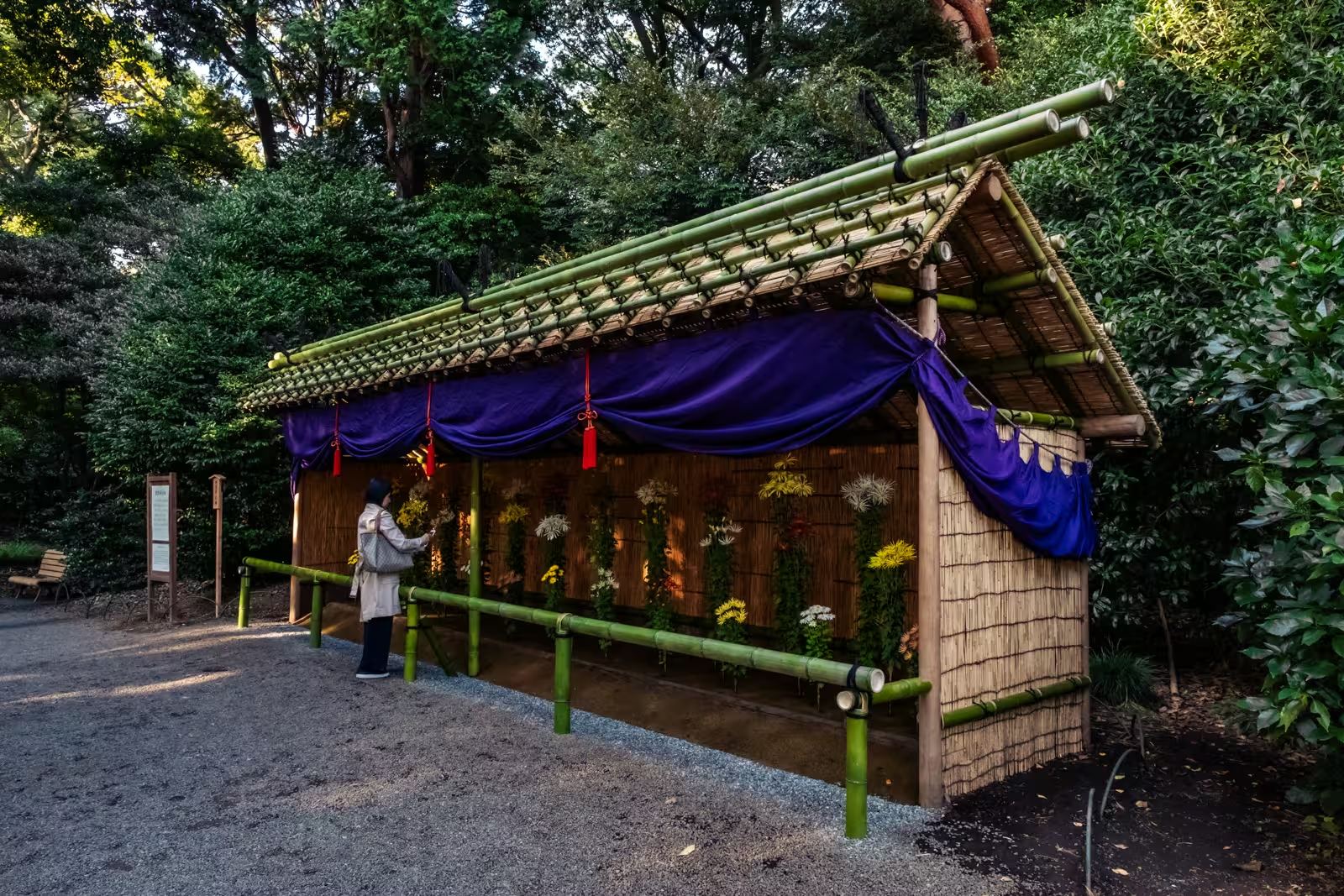
Autumn chrysanthemums at Shinjuku Gyoen
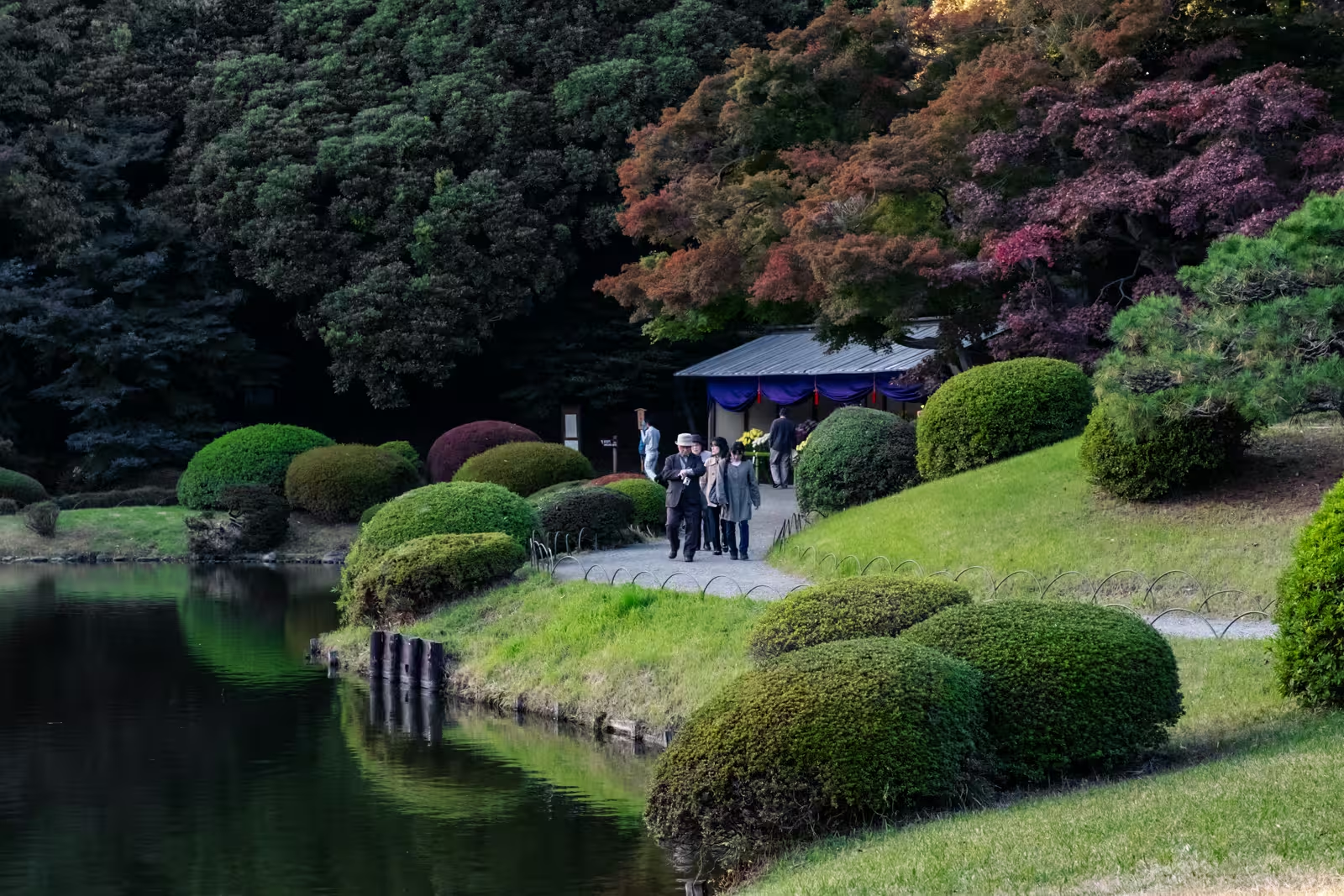
I still remember that day at Shinjuku Gyoen. It was a glorious autumn day, and the chrysanthemums were at their absolute peak.
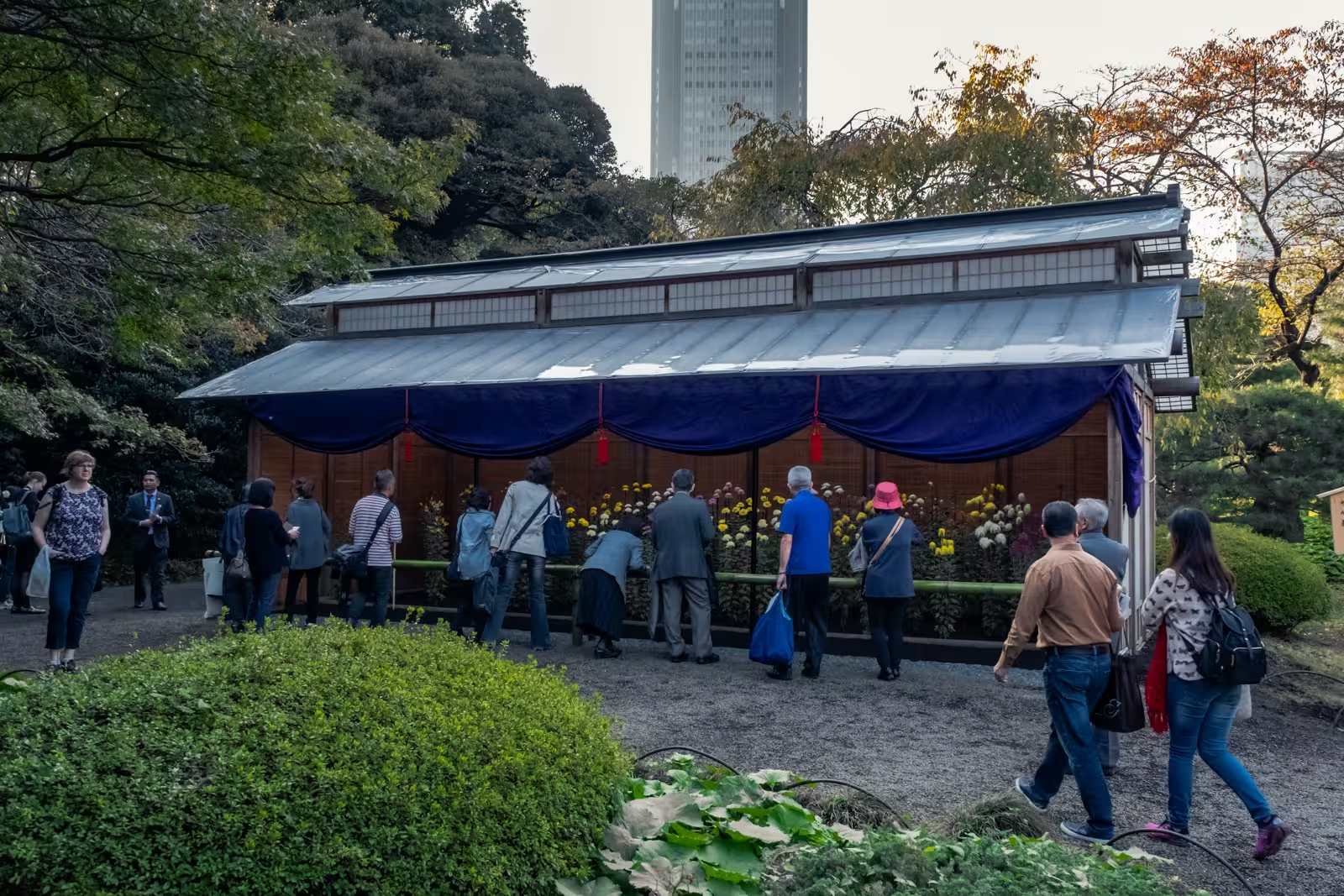
For a weekday, the park was bustling with people, all there to see the beautiful floral displays. This meant I had to be patient, often waiting for the perfect moment to capture a shot without anyone wandering into the frame.
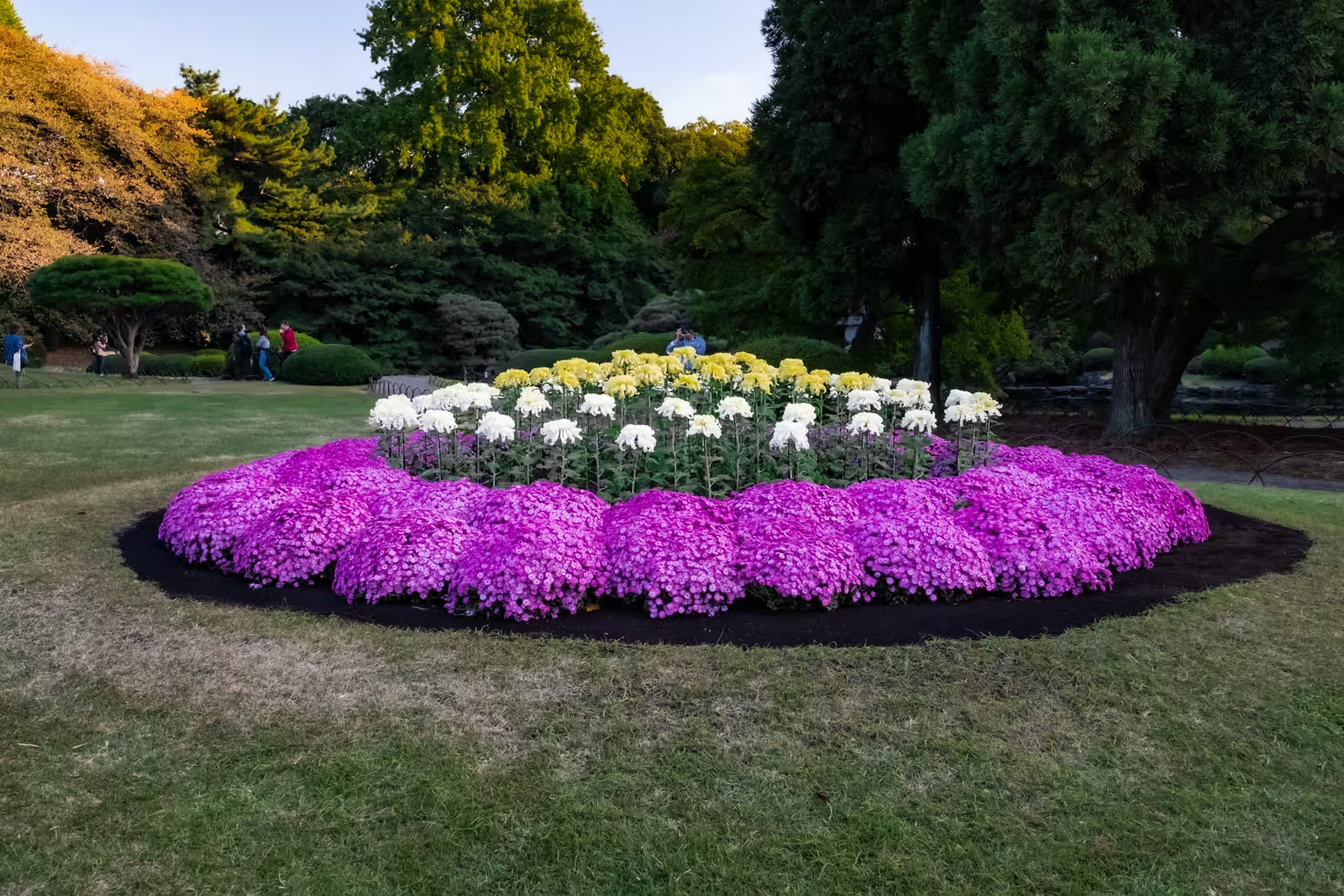
Lens: Fujifilm XF 16-55 mm at 18.7 mm (1/80 sec at f/8.0, ISO 1600)
Shinjuku Gyoen is, without a doubt, the premier location to see chrysanthemums in Tokyo. The park itself is a fantastic oasis in the city, but the quality of the flowers is what truly sets it apart.
If I recall correctly, there were six display areas set up within the Japanese Garden. Each was dedicated to a different variety of this celebrated flower.
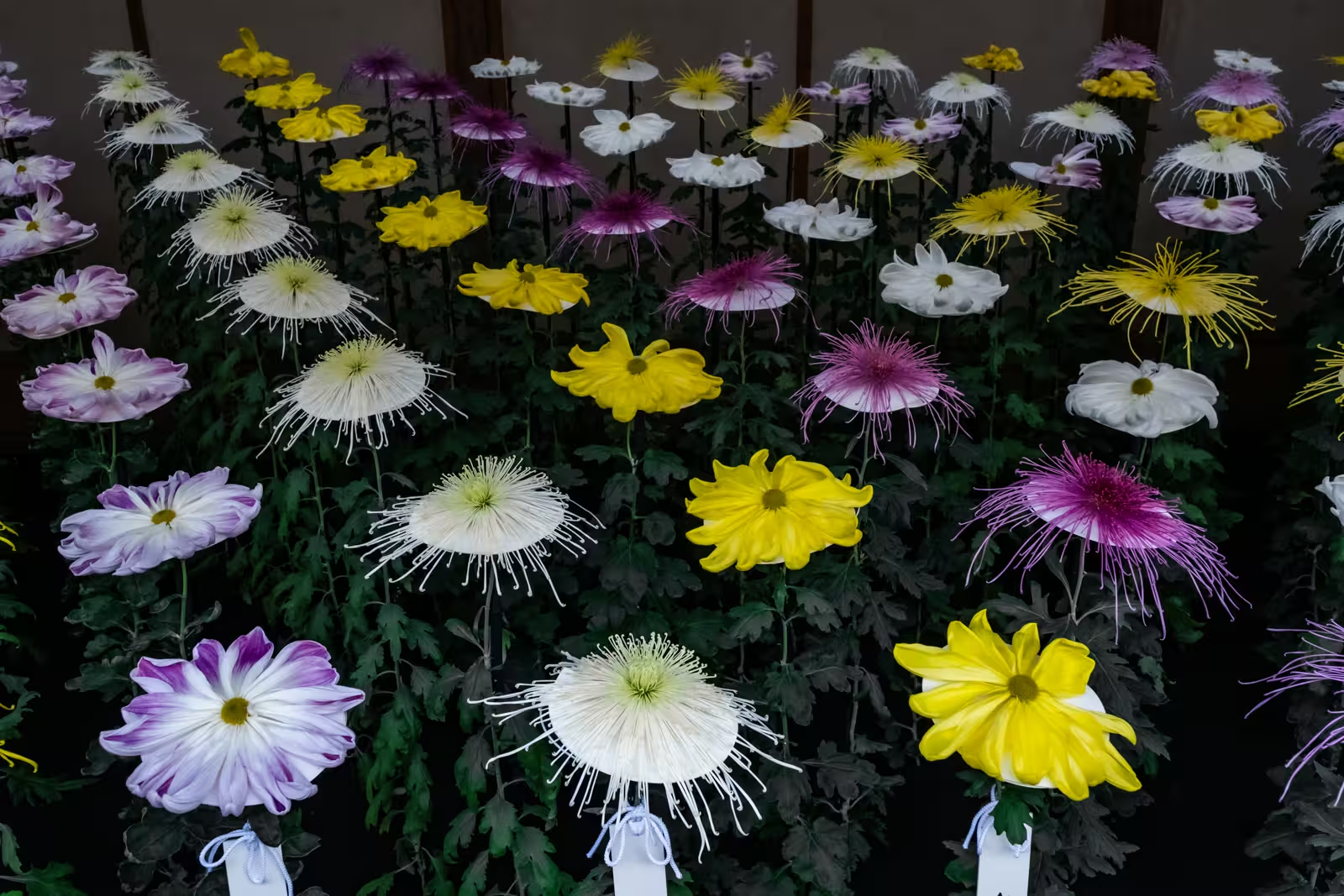
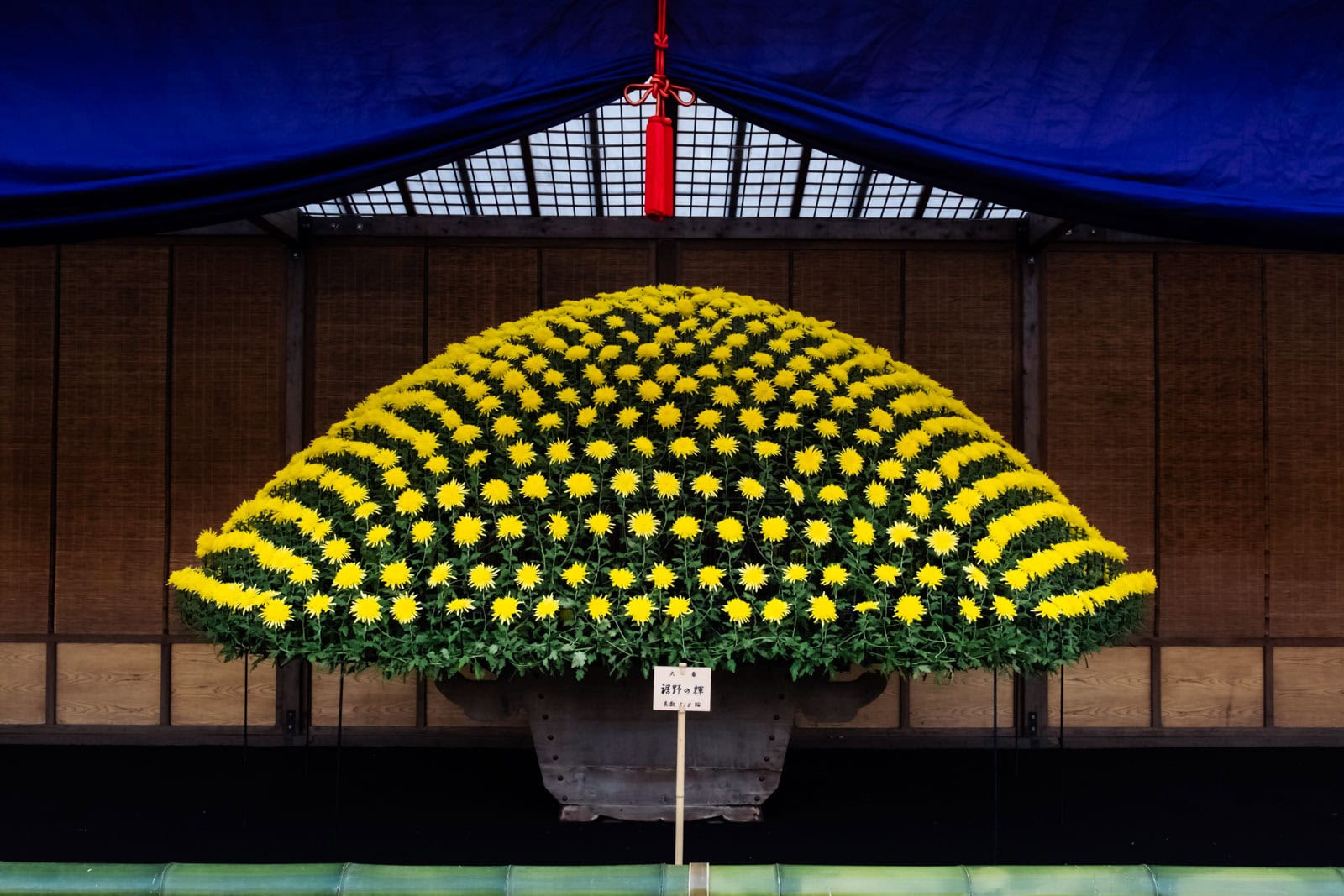
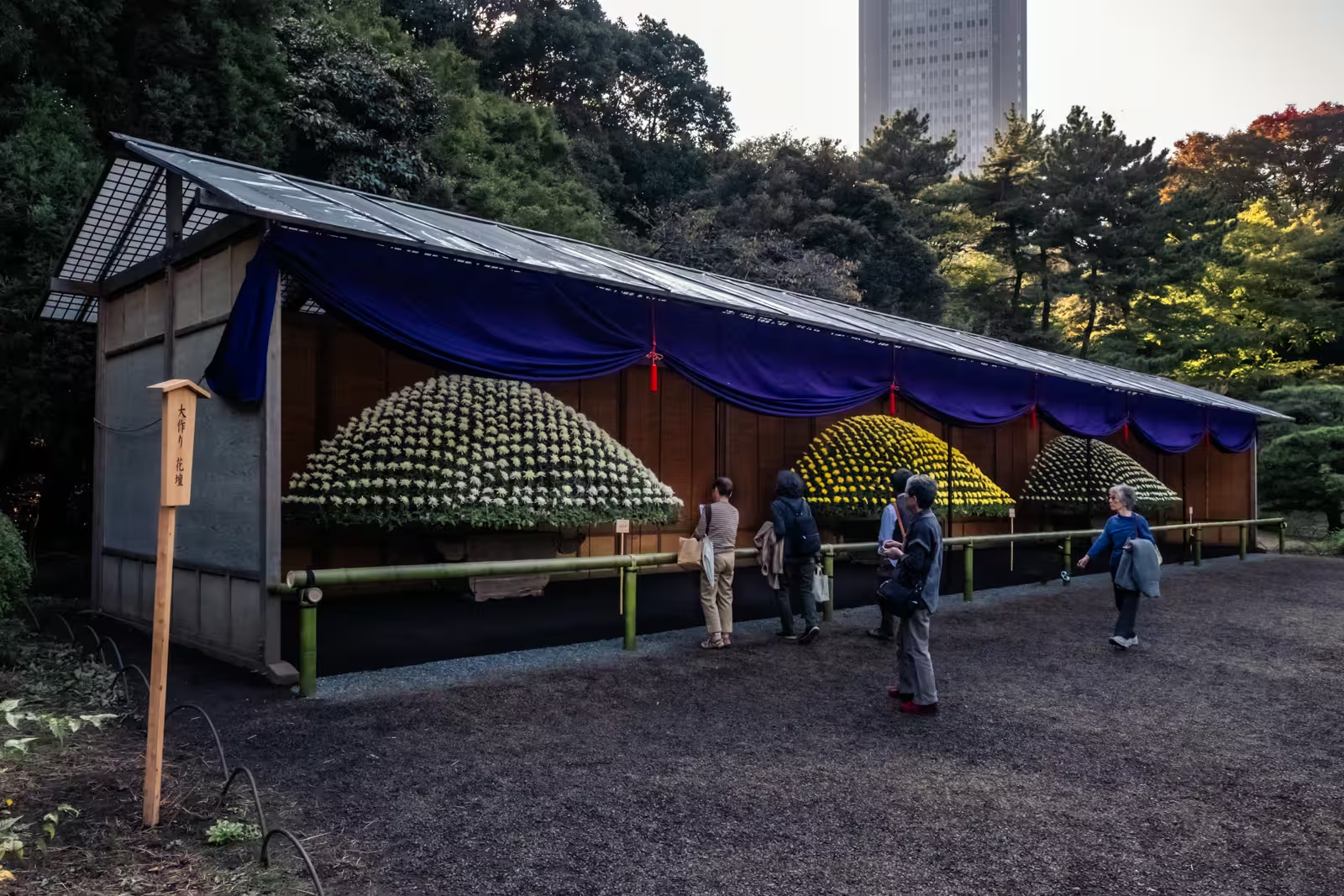
Among the various types of chrysanthemums, the ozukuri has always been my favorite. These are enormous, dome-shaped creations.
They are cultivated from a single plant to produce hundreds of blossoms. The main display featured three of these magnificent domes under one roof: a brilliant yellow one in the center, flanked by two pure white ones. The sight was simply beautiful.
A problem with polarizers
For this trip, I brought a CPL filter to manage specular highlights and enrich the floral saturation. Light polarization is most effective when the sun is at a 90-degree angle to your subject. However, the Shinjuku Gyoen chrysanthemums were housed in uwaya (traditional booths).
Because they were in total shade, the light was ‘flat.’ Without direct sun hitting the petals to create glare or reflections, the filter had no polarized light to filter out.
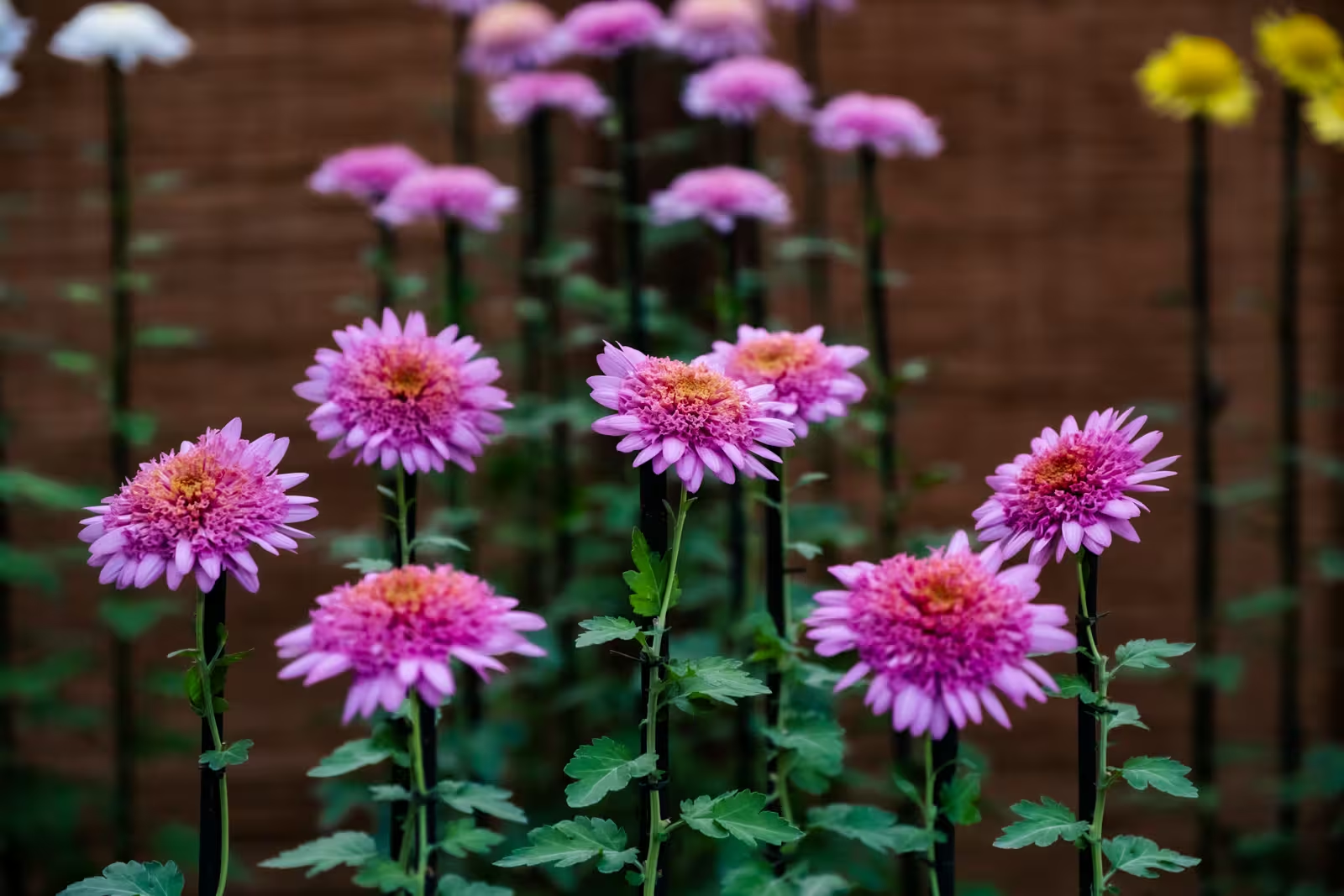
My “oops” moment soon came when I realized my filter was having no effect, as you would expect. The very tool I brought to enhance my photos was rendered useless by the lighting conditions. A pity I didn’t think about this before heading to the park that day.
This experience reshaped my approach to using polarizers. I tried them a few more times after that day, but I found their effects to be inconsistent and, at times, difficult to manage. I ended up purchasing three or four different filters over the years, but they now sit in a drawer, collecting dust and mostly forgotten.
Lessons from this flower photography trip
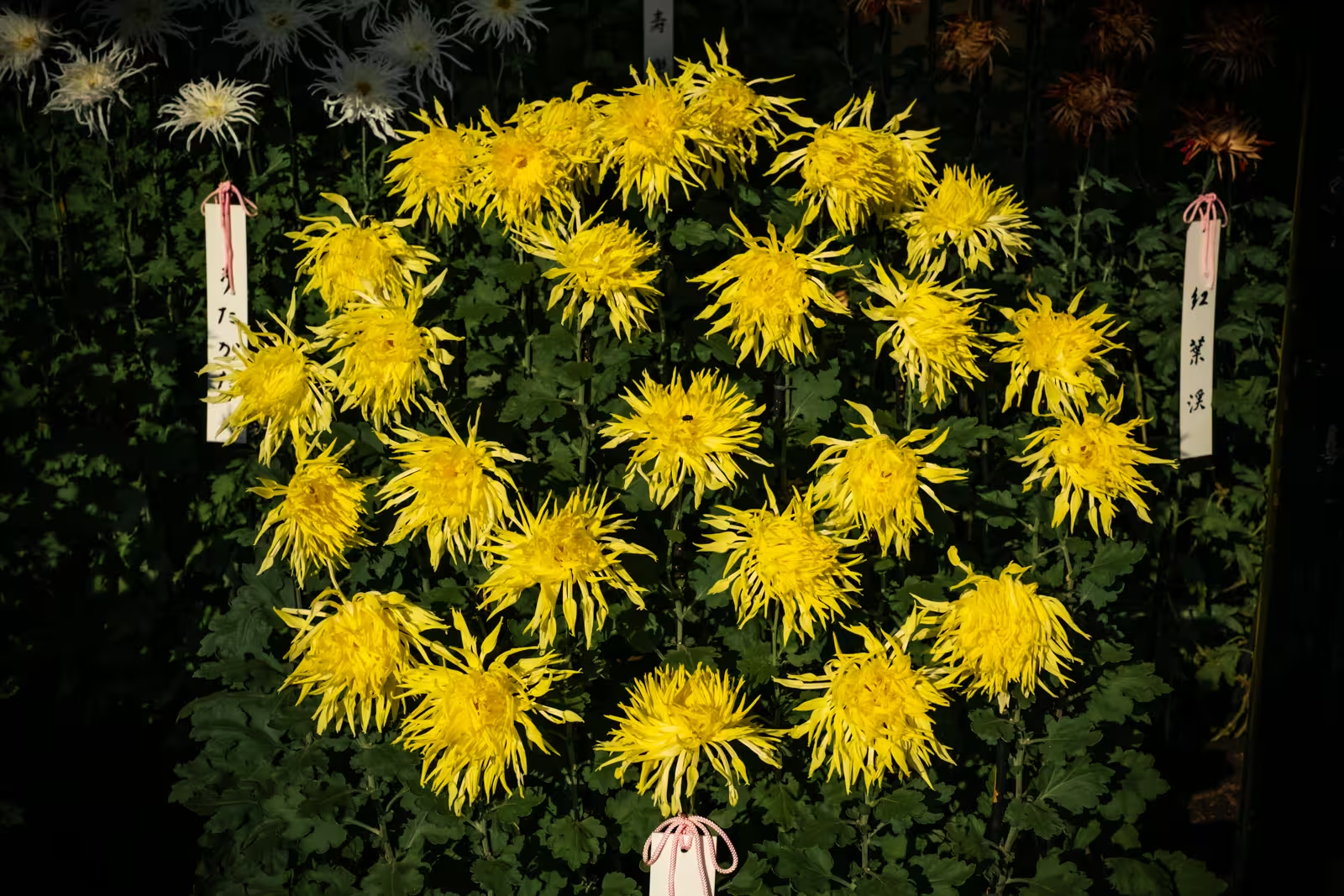
The annual chrysanthemum exhibition at Shinjuku Gyoen is a world-class display of horticultural artistry. The dedication of the growers and park staff is evident in their beautiful flowers.
And, of course, the park’s beauty extends beyond these autumn flowers, with stunning roses and cherry blossoms in other seasons.
My photographic experiment that day may have been a failure, but it taught me a fundamental lesson about polarizing filters. They are ineffective in the shade. Perhaps some of you already knew that, but for me, it was a lesson learned through experience.
By the way, did you have a chance to visit the Shinjuku Gyoen chrysanthemum exhibition in 2017? I’d love to hear your thoughts and experiences in the comments below!
My photography gear for this shoot
- Camera Body: Fujifilm X-T2
- Lens: Fujifilm XF 16-55mm F2.8 R LM WR
If you want to learn more about this wonderful park, read [Shinjuku Gyoen National Garden]. It is a great place, and has something for every season.