Escape the bustling energy of central Tokyo and step into a world of serene landscapes and rich history at Hamarikyu Gardens. Once a private hunting ground for shoguns, it now offers a unique oasis where traditional Japanese aesthetics meet the city’s futuristic skyline.
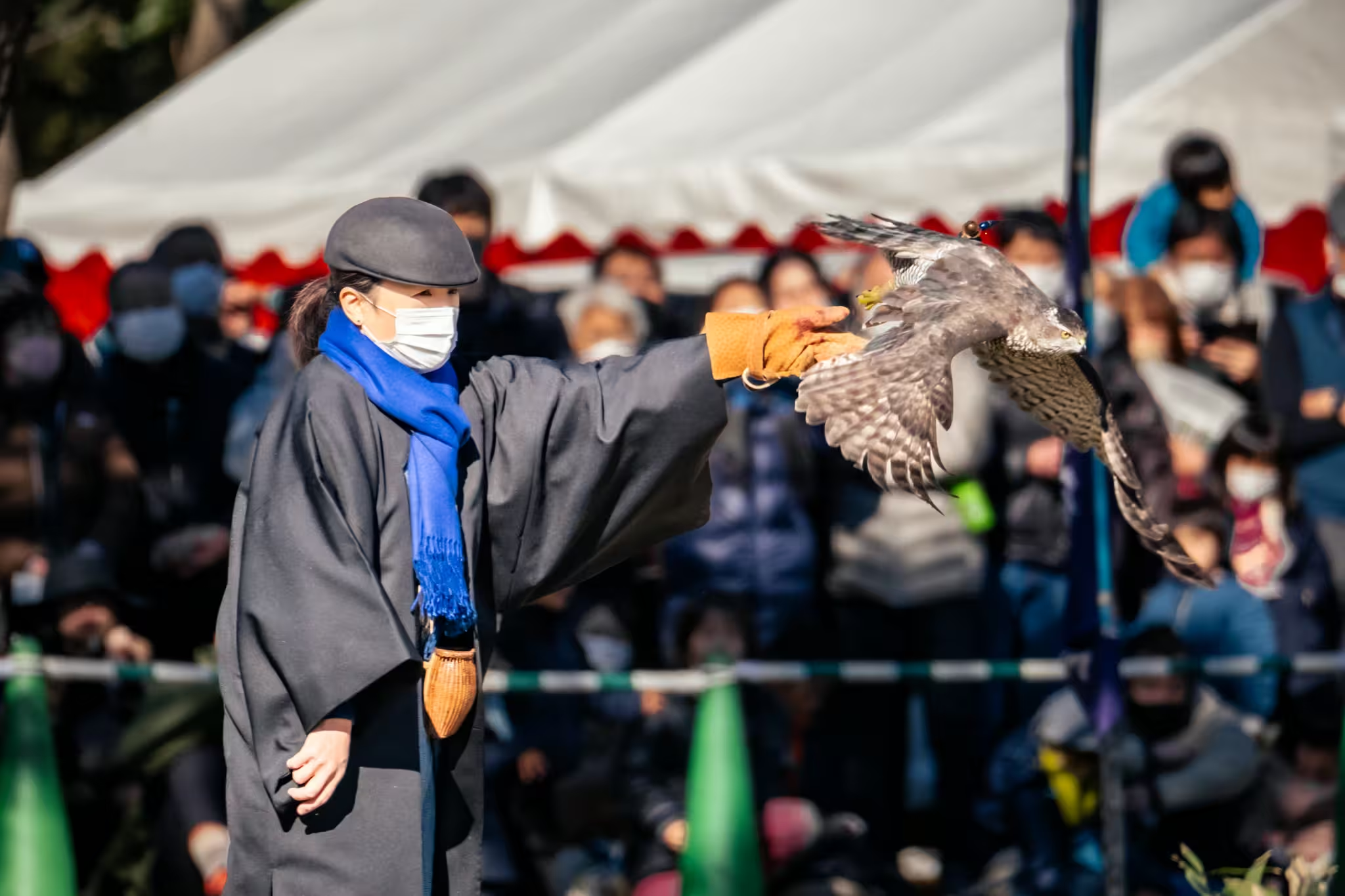
Hamarikyu is filled with picturesque scenes, from tidal ponds and a historic teahouse to seasonal flower fields. This is my photography guide to getting the most out of your visit to this historic garden.
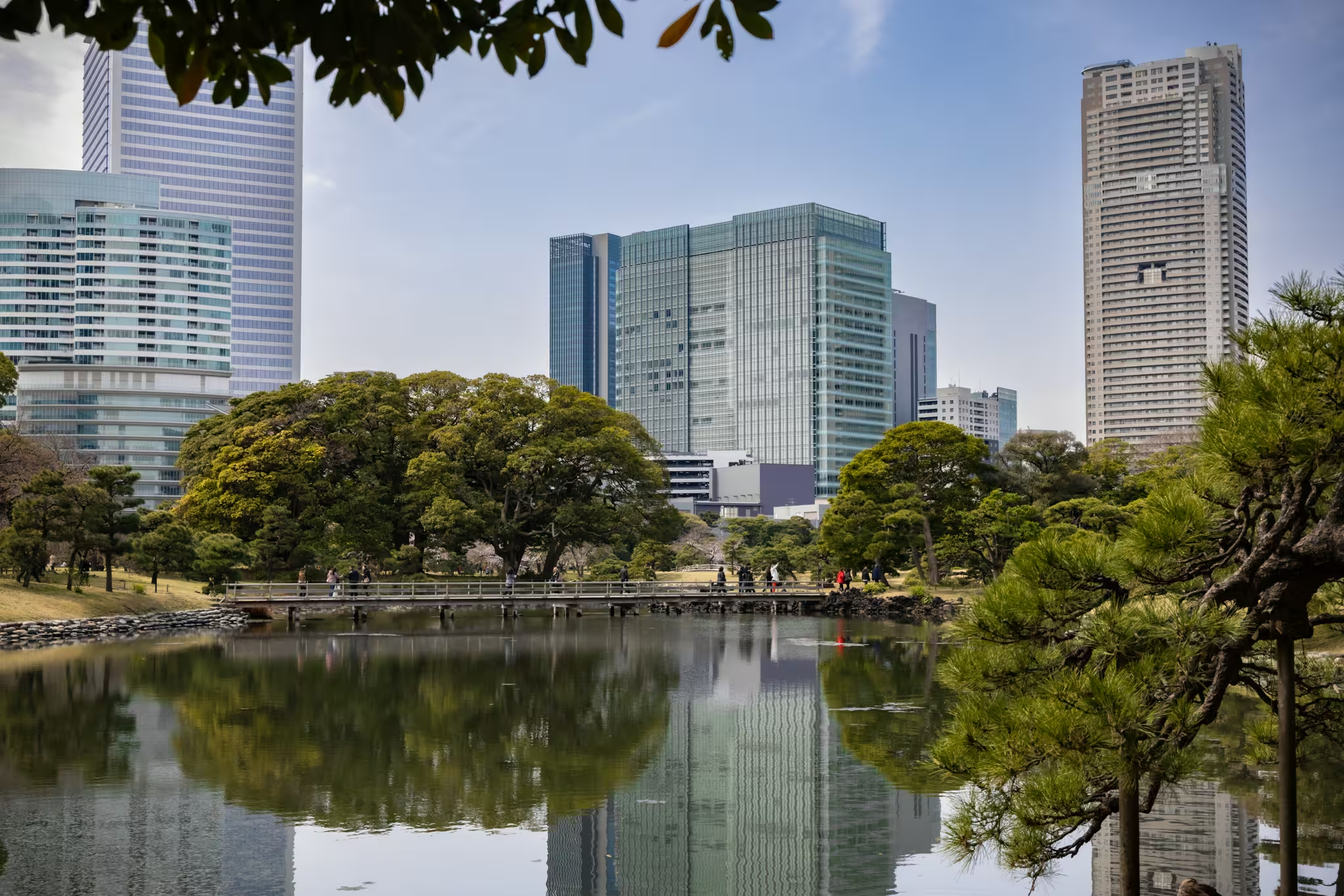
Photography tips for your visit
To make the most of your photographic journey through Hamarikyu, keep these tips in mind:
- Tripod use: Please note that tripods are generally not permitted within the gardens. Apply for permission before you go.
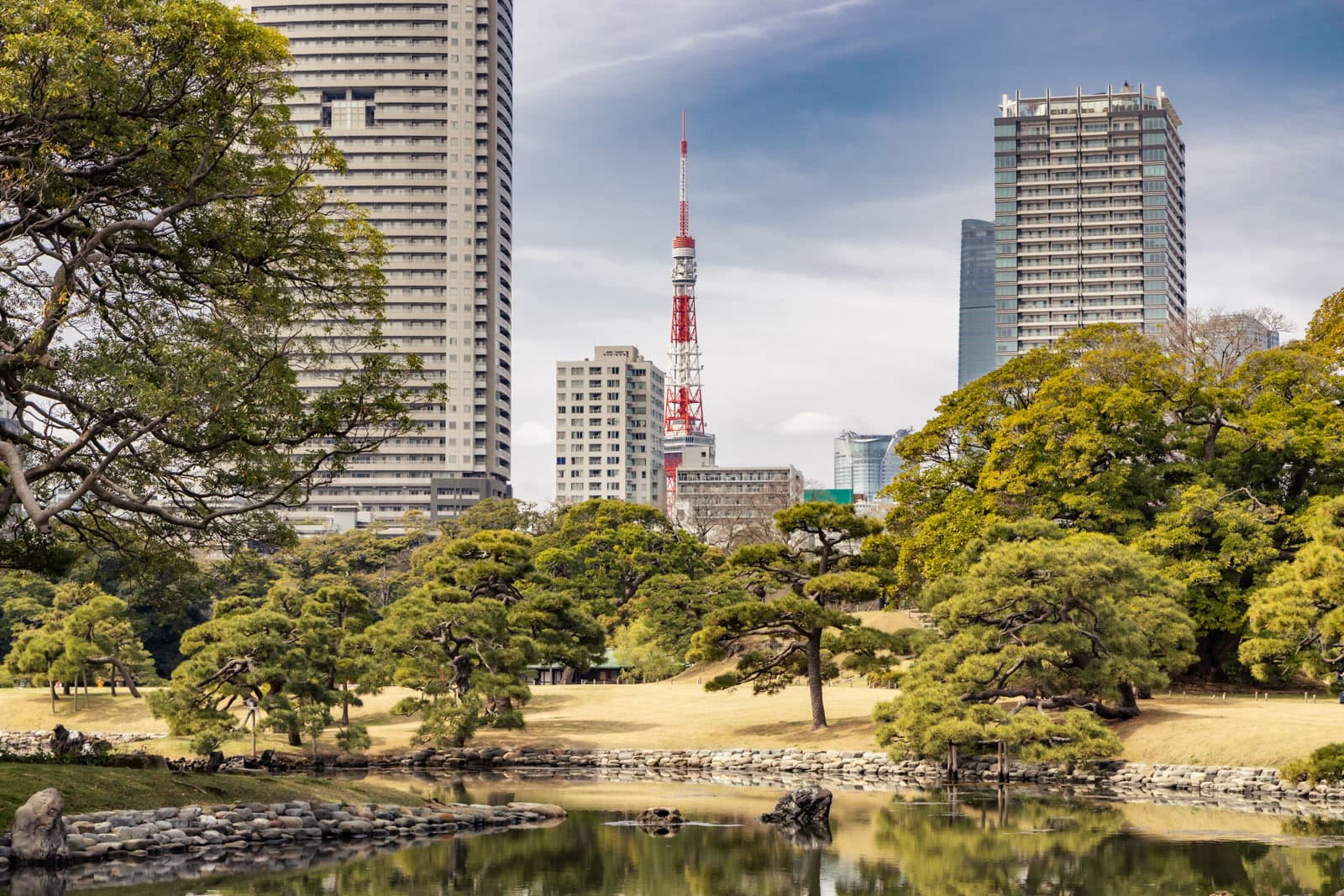
- Lighting: For the best lighting on Tokyo Tower, plan your visit in the morning when the sun will illuminate it from the front. In the afternoon, it will be backlit.
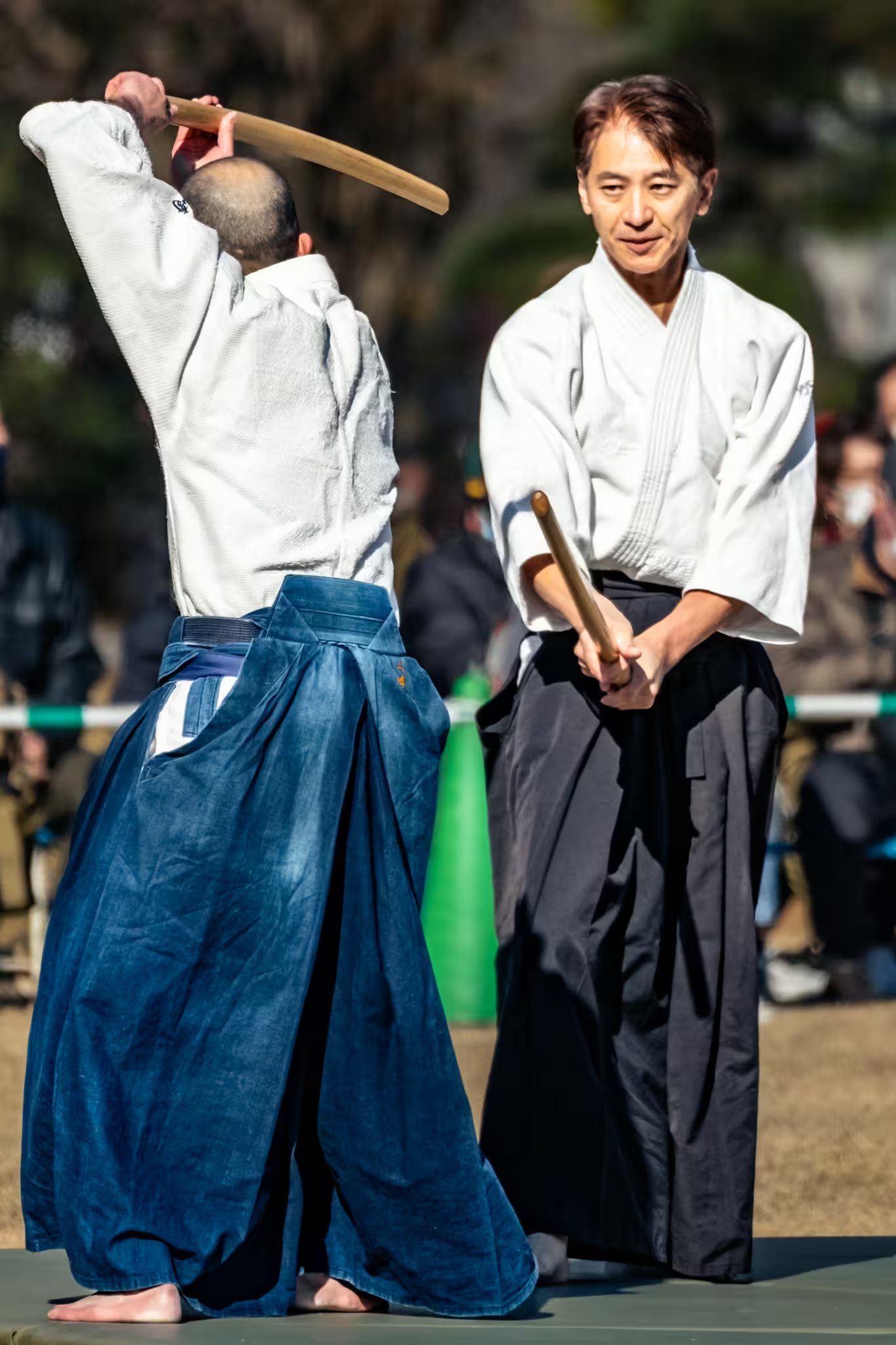
- Crowds: Larger crowds during peak seasons like cherry blossom viewing and special events like aikido and the falconry displays. Visiting on a weekday or early in the morning can provide a more tranquil experience.
Perfect spots for photographers
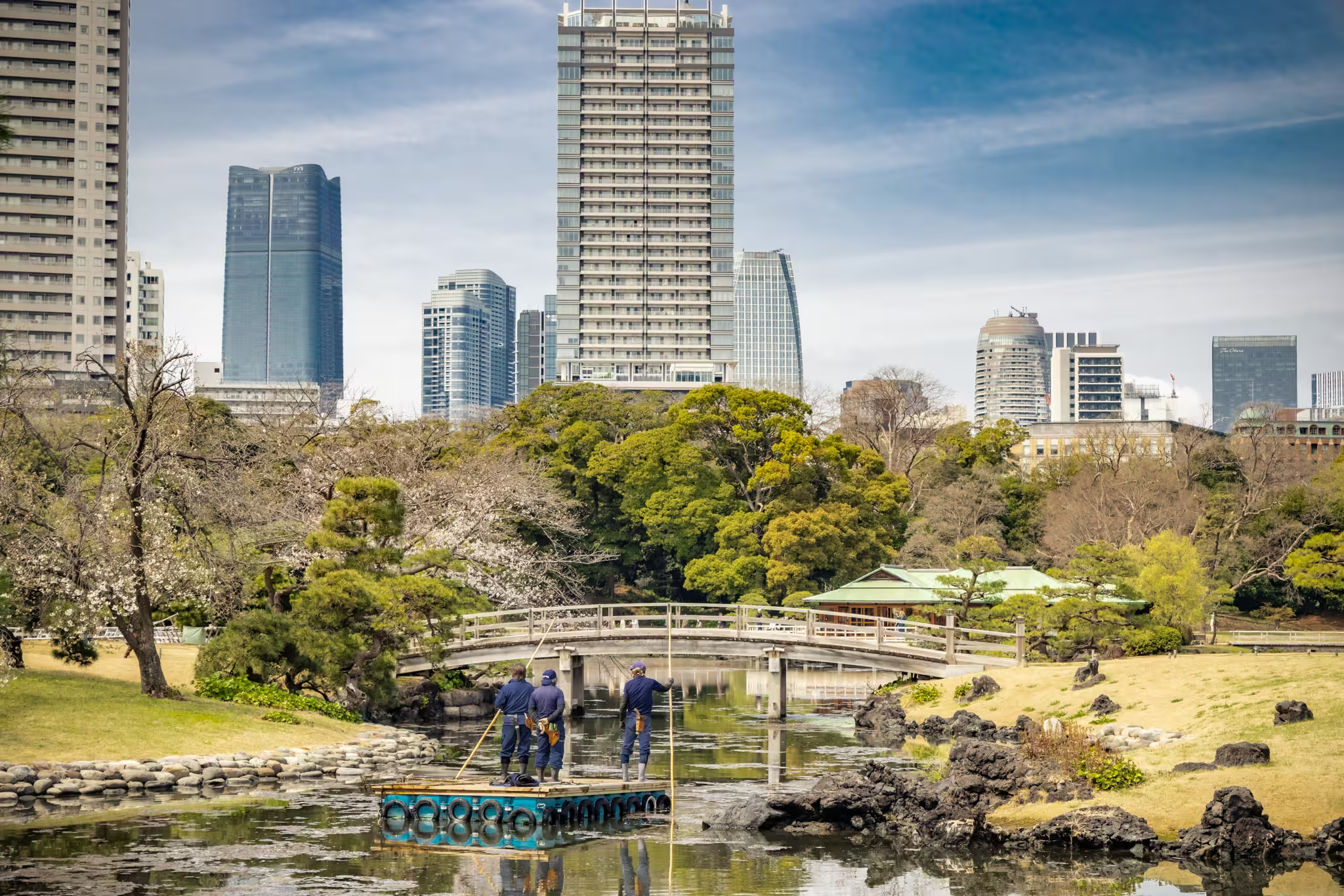
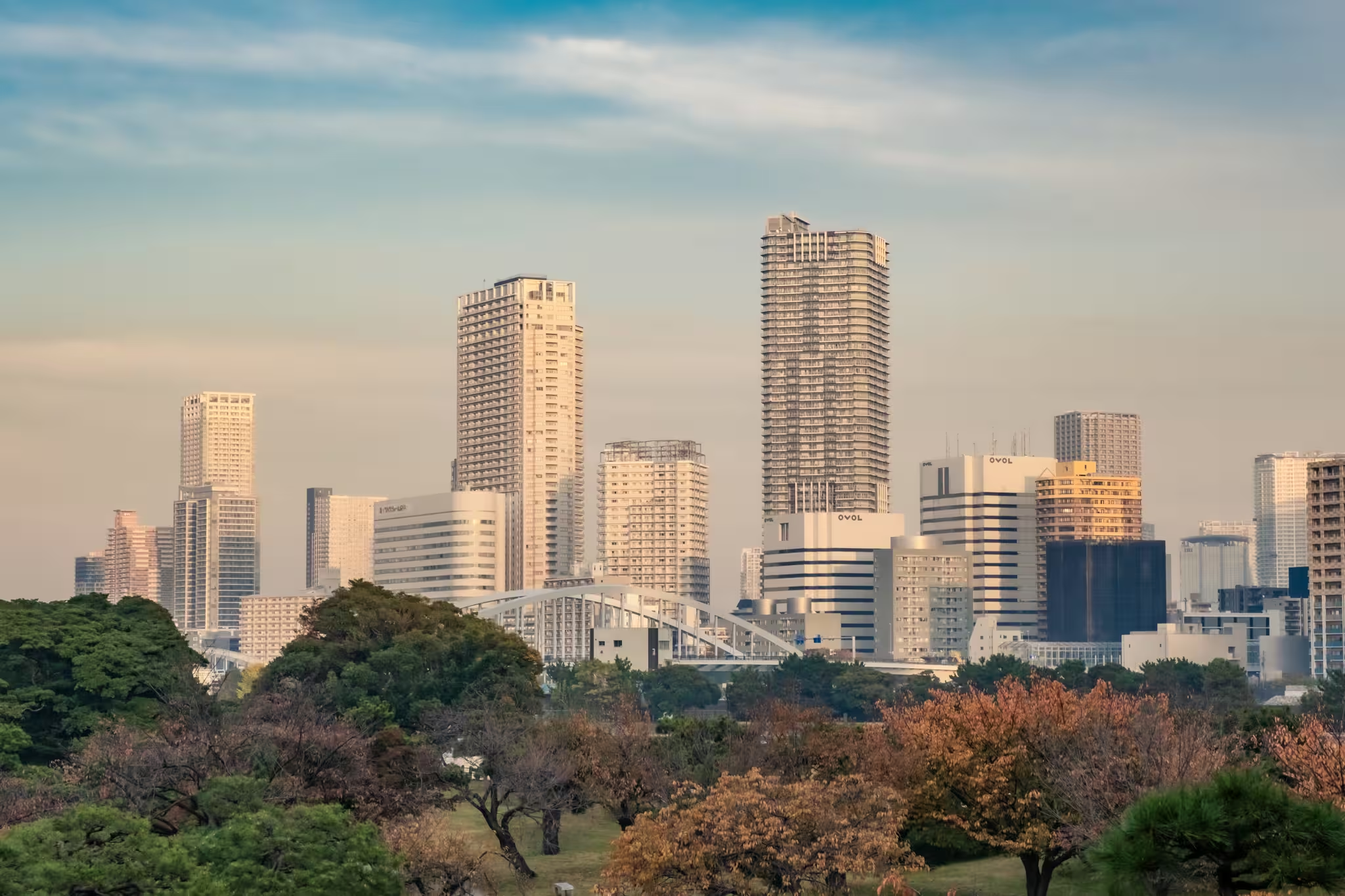
Hamarikyu Gardens offers a breathtaking contrast of tranquil nature set against the dramatic backdrop of the Shiodome district’s skyscrapers. This juxtaposition creates endless opportunities for stunning photographs.
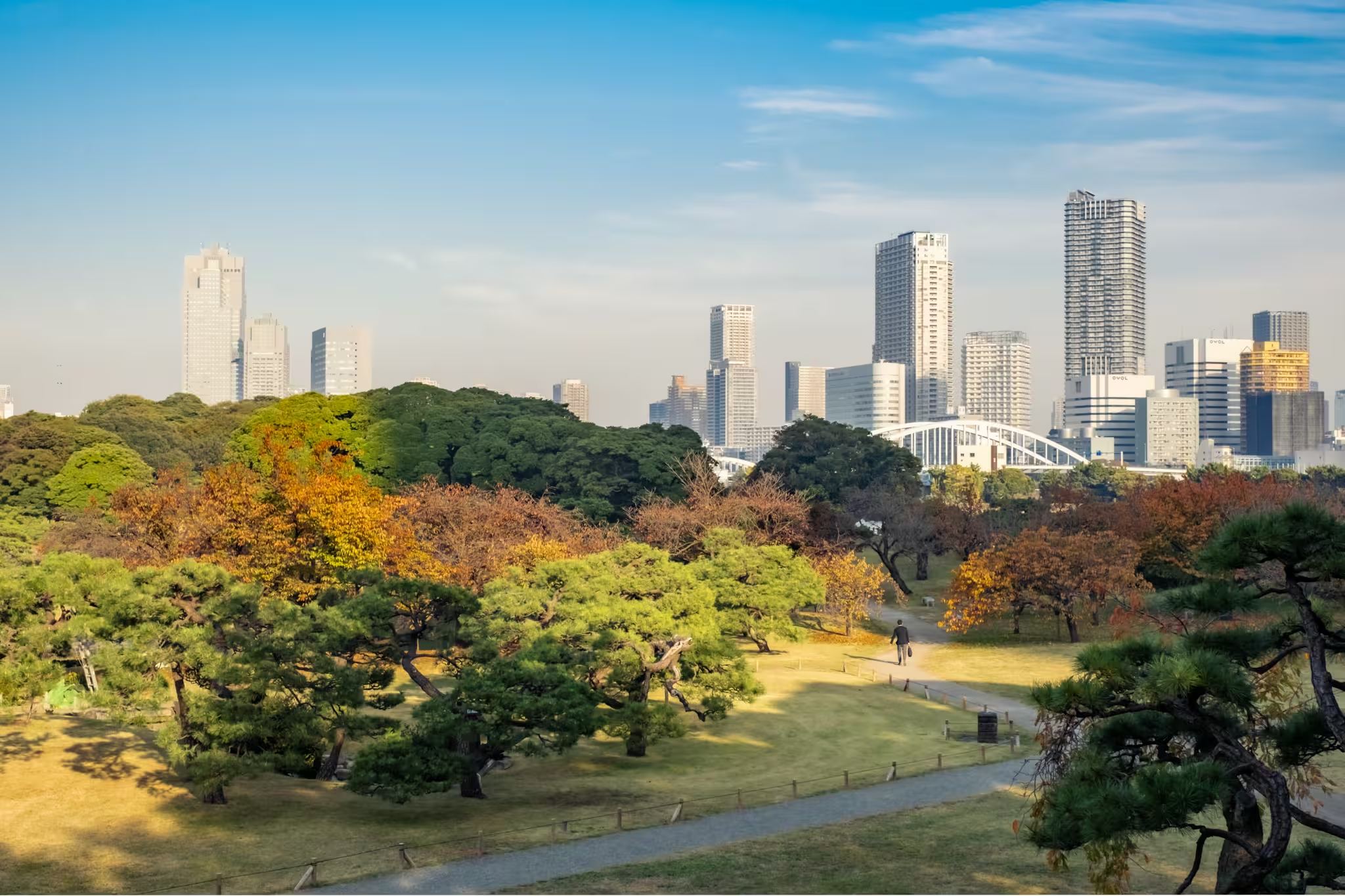
Key photo locations
- Shioiri pond: The garden’s centerpiece is a large tidal pond, the only one of its kind remaining in Tokyo. Its water level ebbs and flows with the tides of Tokyo Bay, creating an ever-changing landscape. The surrounding trees and modern buildings often reflect in the water.
- Nakajima-no-Ochaya: Seemingly floating in the middle of the pond is a traditional teahouse connected by the picturesque Otsutai Bridge. Here, you can enjoy a cup of matcha and Japanese sweets while soaking in the panoramic views.
- The 300-year-old pine tree: Near the main entrance stands a magnificent and meticulously pruned pine tree that has seen centuries of the garden’s history.
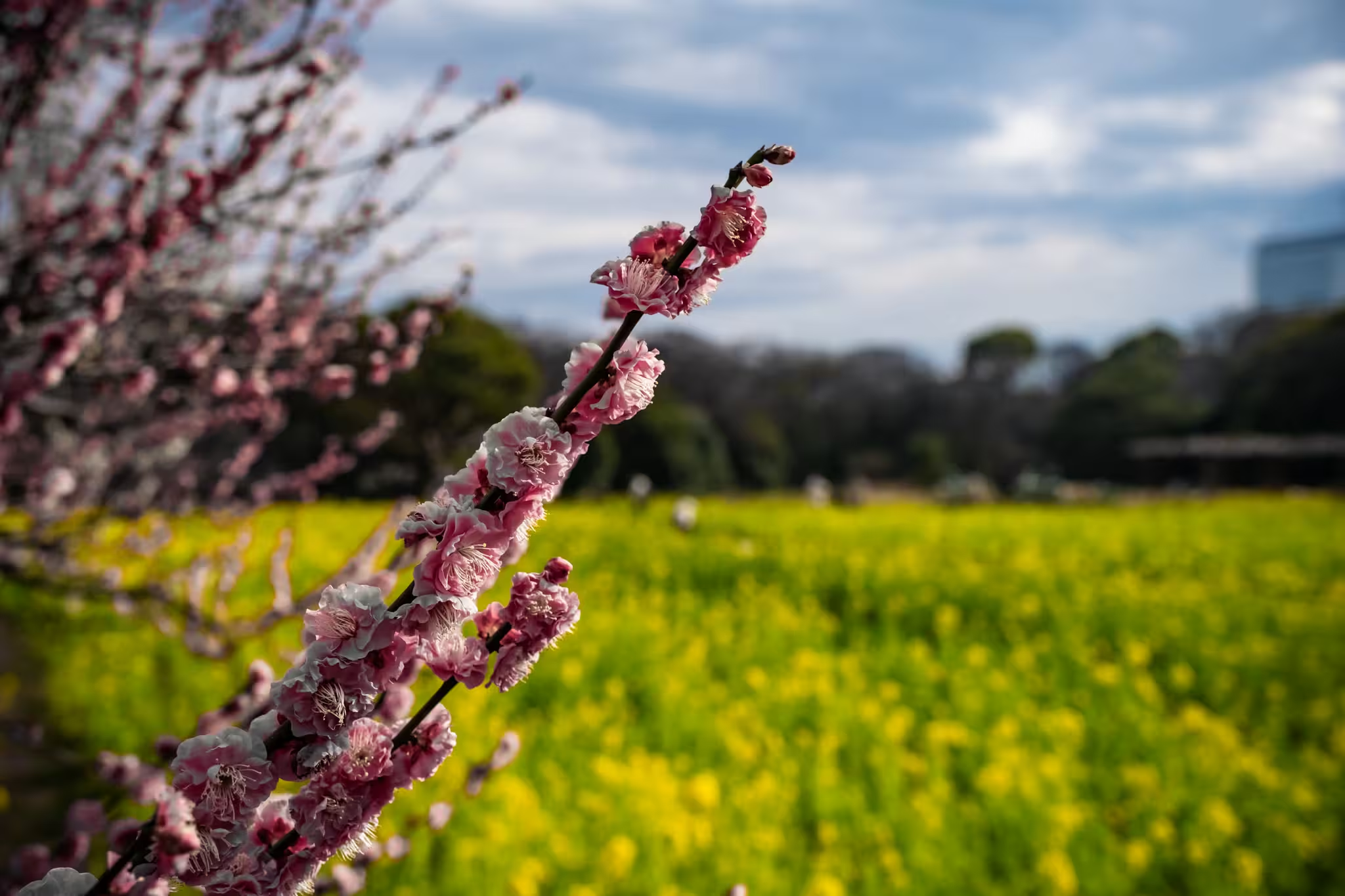
- Flower fields: Expansive fields of seasonal flowers, such as rapeseed in the spring and cosmos in the autumn, provide a vibrant burst of color against the urban skyline.
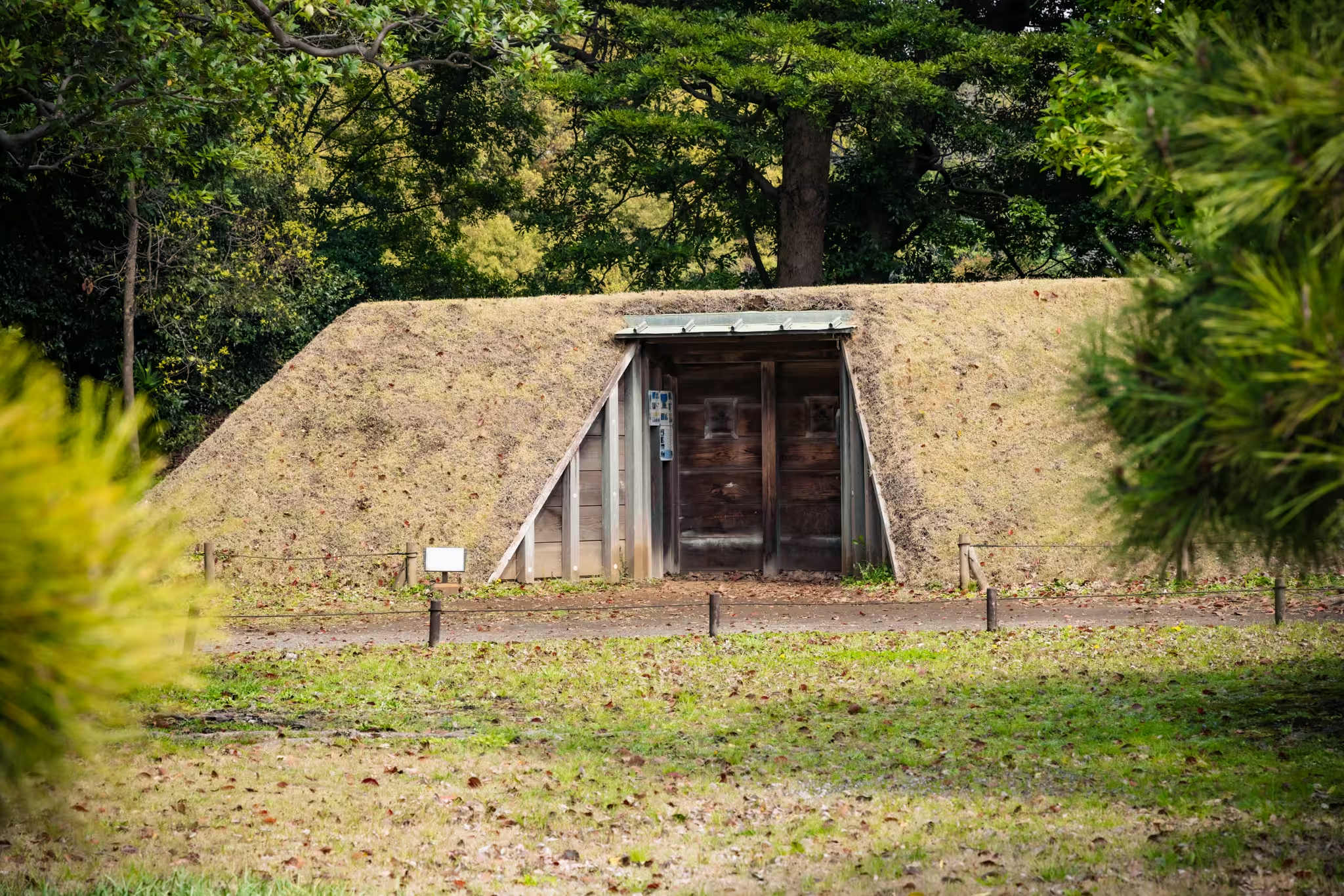
- Historic duck hunting grounds: The gardens still feature two former duck hunting ponds, Koshindo Kamoba and Shinsenza Kamoba. At Koshindo, you can see the original blinds used by shogun hunters, a unique historical feature in Japan.
- View Tokyo landmarks: From various points within the park, you can capture iconic views of Tokyo Tower and the Rainbow Bridge.
Seasonal splendors
Each season brings its own unique charm to Hamarikyu Gardens, making it a destination worth visiting year-round.
- Spring: The gardens come alive with the delicate pink and white hues of plum and cherry blossoms, creating a classic Japanese springtime scene. The vibrant yellow of the rapeseed fields adds another layer of beauty.
- Summer: Lush greenery and blooming lotus flowers in the ponds offer a serene and refreshing escape from the summer heat.
- Autumn: From mid-November to early December, the maple and ginkgo trees transform the gardens with brilliant shades of red and yellow.
- Winter: The crisp air of winter offers clear views of the skyline and a peaceful atmosphere with fewer crowds. In early January, the gardens host impressive aikido and falconry demonstrations.
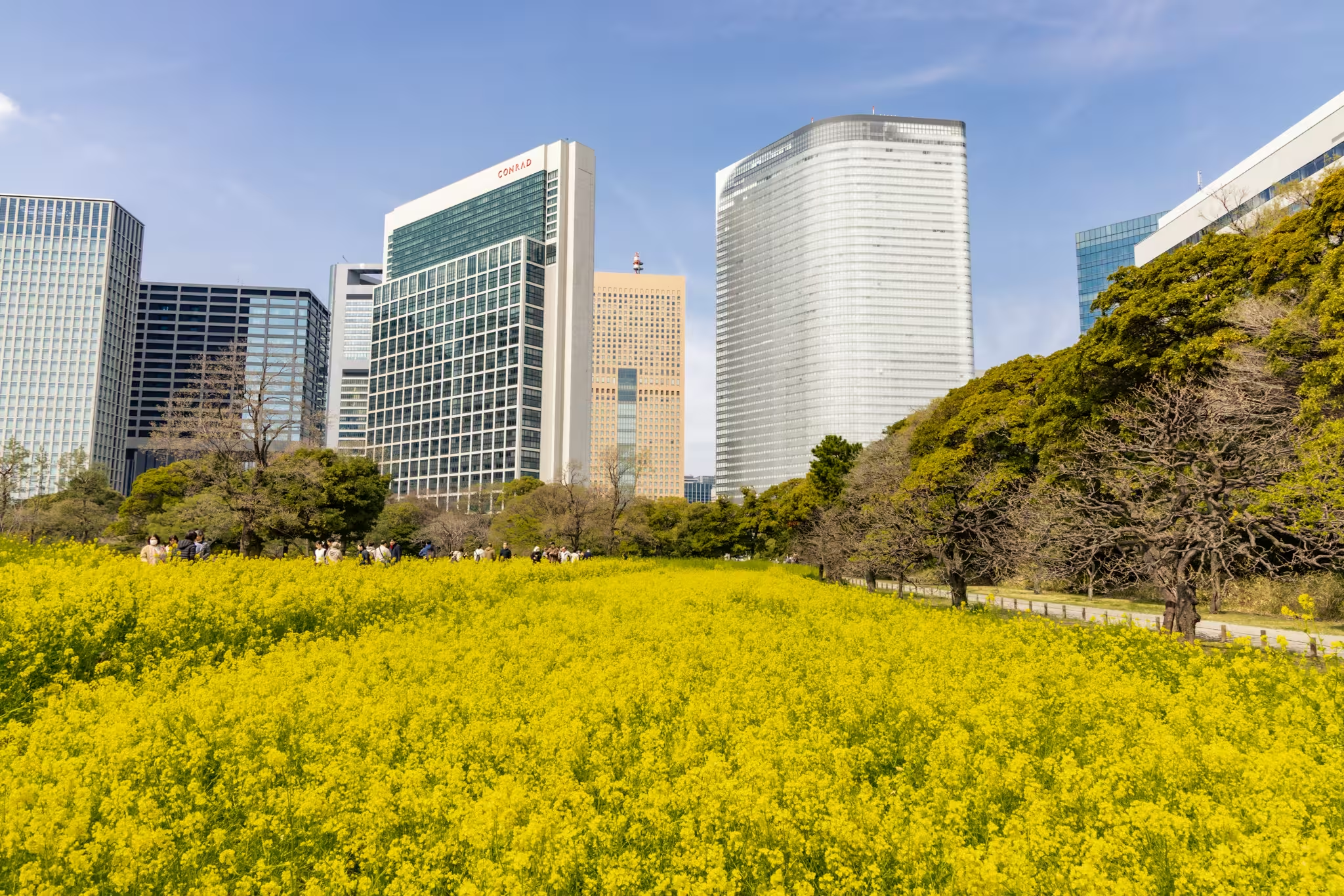
Photo spots near the park
- Andaz Tokyo Rooftop Bar: Drink while taking your photos 52 floors above the city.
- Kyu Shiba Rikyu Gardens: Another Edo-period park but without a shogun’s duck hunting ground.
- Rainbow Bridge: Offers iconic and sweeping views of the Tokyo skyline.
- Shiba Park: Famous for its beautiful plum blossoms in early spring.
- Caretta Shiodome Sky View: A small observatory with fabulous views of Tokyo Bay
History of the gardens
Hamarikyu Gardens was built as a feudal lord’s residence during the Edo period (1603-1867). Later, it became the property of the Tokugawa shogun family. For centuries, it served as their private villa and a place for falconry and duck hunting.
After the Meiji Restoration in 1868, the gardens were transformed into an imperial palace. Sadly, the Great Kanto Earthquake of 1923 and bombings during World War II caused significant damage. In 1946, the gardens were opened to the public.
Is Hamarikyu Gardens worth visiting?
Whether you’re a professional photographer or just looking for a quiet escape from the city’s neon, Hamarikyu Gardens is a must-see. The unique blend of Edo-period history and the towering Shiodome skyline offers a visual narrative of Tokyo that you won’t find anywhere else.
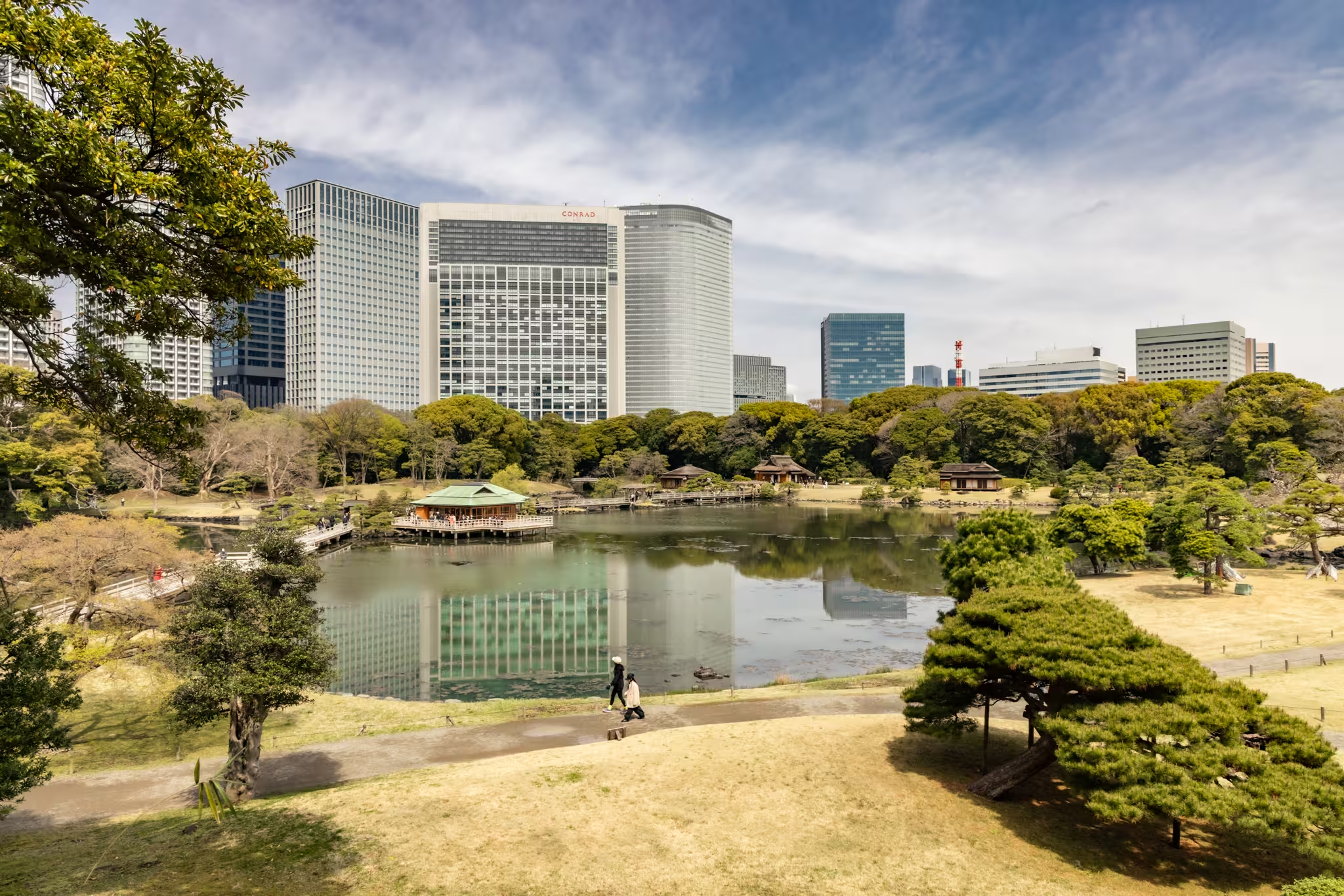
Don’t forget to stop by the Nakajima-no-Ochaya teahouse for a matcha break. It’s the best way to soak in the view before heading back into the city.
When you finish at the gardens, check out the nearby Caretta Shiodome Sky View. It’s only a short walk away. This observatory gives wonderful views of Tokyo Bay, Rainbow Bridge, and Hamarikyu Gardens. By the way, if you are a fan of Hayao Miyazaki, he built a clock at the nearby Nippon Television building. That is a worth a photo stop too!