My First Experience with Futsal Photography
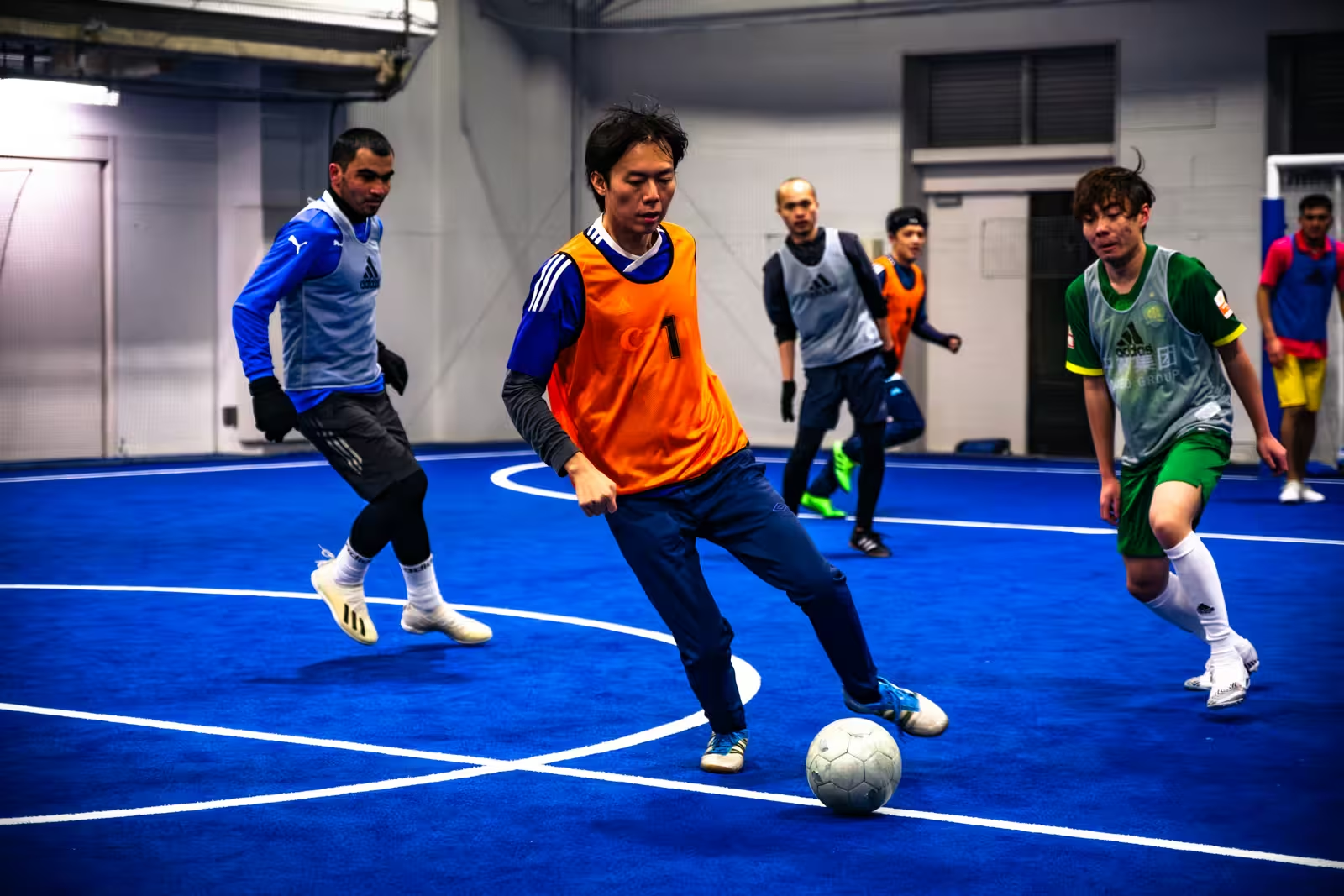
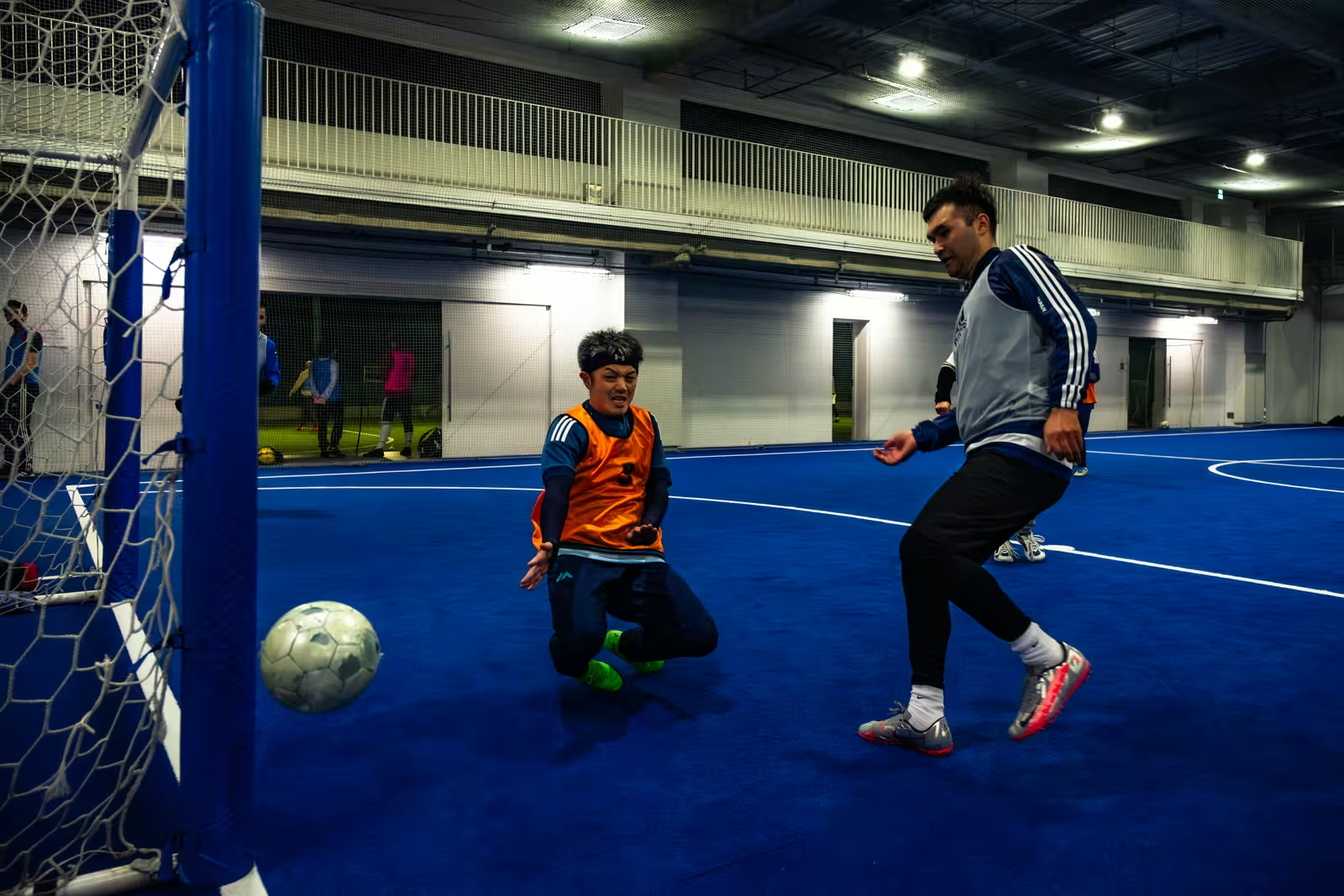
Have you ever pointed your camera at a sport you knew nothing about? That was me, stepping into the world of futsal for the first time in 2021. It was a thrilling, fast-paced challenge that pushed my skills in unexpected ways. Thanks to the welcoming folks at Futsal Tokyo Meetup, who kindly granted me access to one of their matches at BONFIM Football in Minami-Nagasaki, I embarked on my learning experience. This is the story of my first night shooting futsal: a journey of quick lessons, technical hurdles, and the surprising drama of an indoor court.
Learning the game
I had to understand what I was watching. To my untrained eye, it resembled soccer, but that was the extent of my knowledge. I had seen some pictures online, but I turned to YouTube to prepare. It taught me the basics a beginner needed. While the rules became clearer, one question remained: how do you actually photograph it? That, I would soon discover, was the real challenge.
From cricket to the indoor court
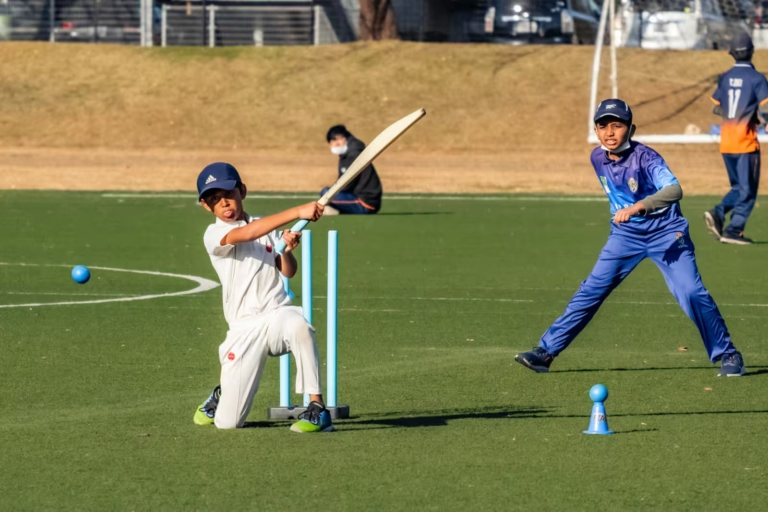
I have experience with cricket photography, but that is completely different. It is played outdoors, often with the luxury of natural light that allows for higher shutter speeds. The action is usually at a distance, giving you more time to compose your shots. Futsal, I quickly learned, demanded completely different skills.
Managing difficult indoor light
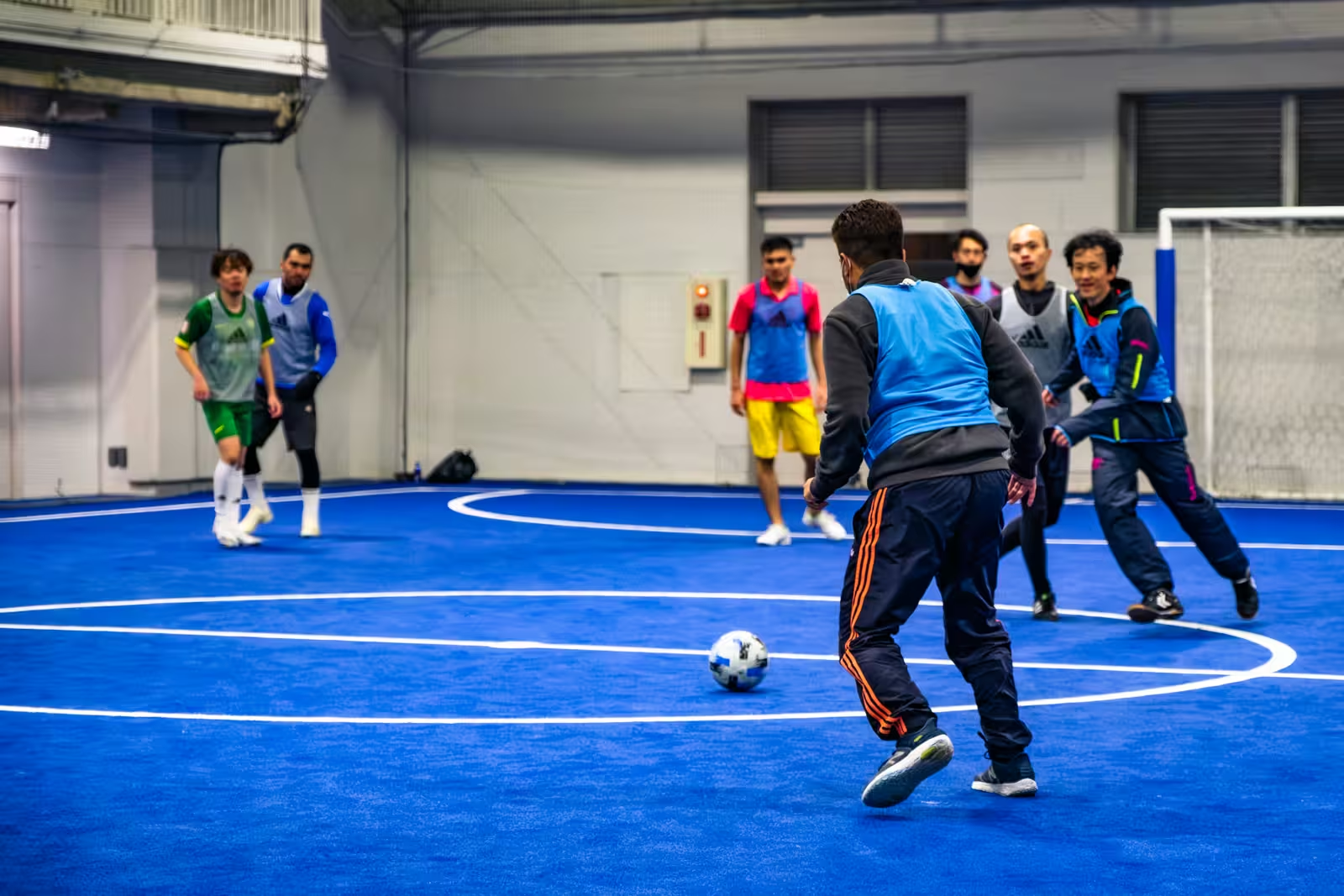
The venue had two courts: one outside and one inside. My hopes for the outdoor court were quickly dashed. While it was bright enough for the human eye, I judged the lighting insufficient for my camera’s sensor to capture clean, sharp images.
That left me with the indoor court. Although not ideal, it was workable. It was a little dark, but I felt it would work out especially as I hit Adobe Lightroom for post-processing.
Fast action and quick reactions
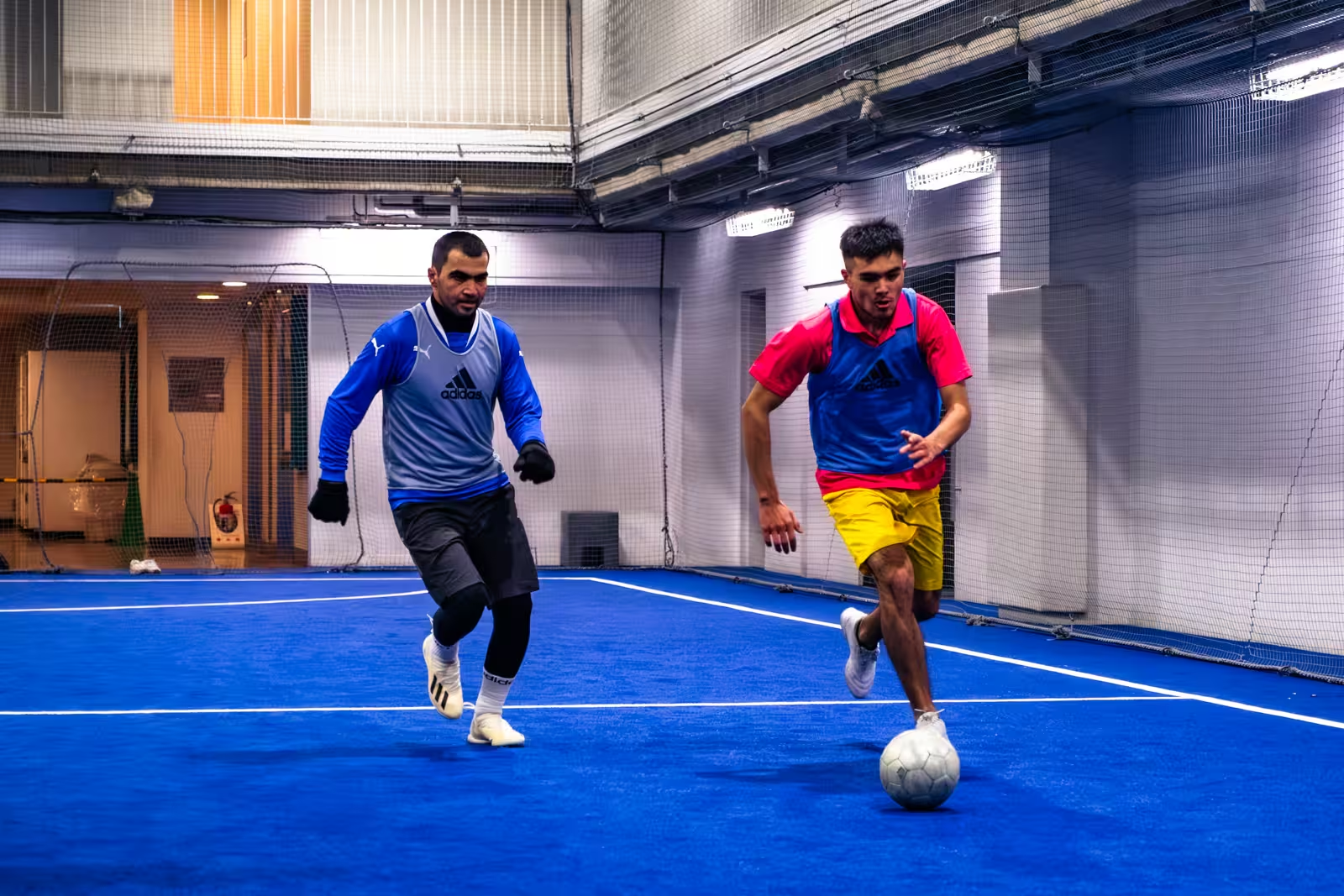
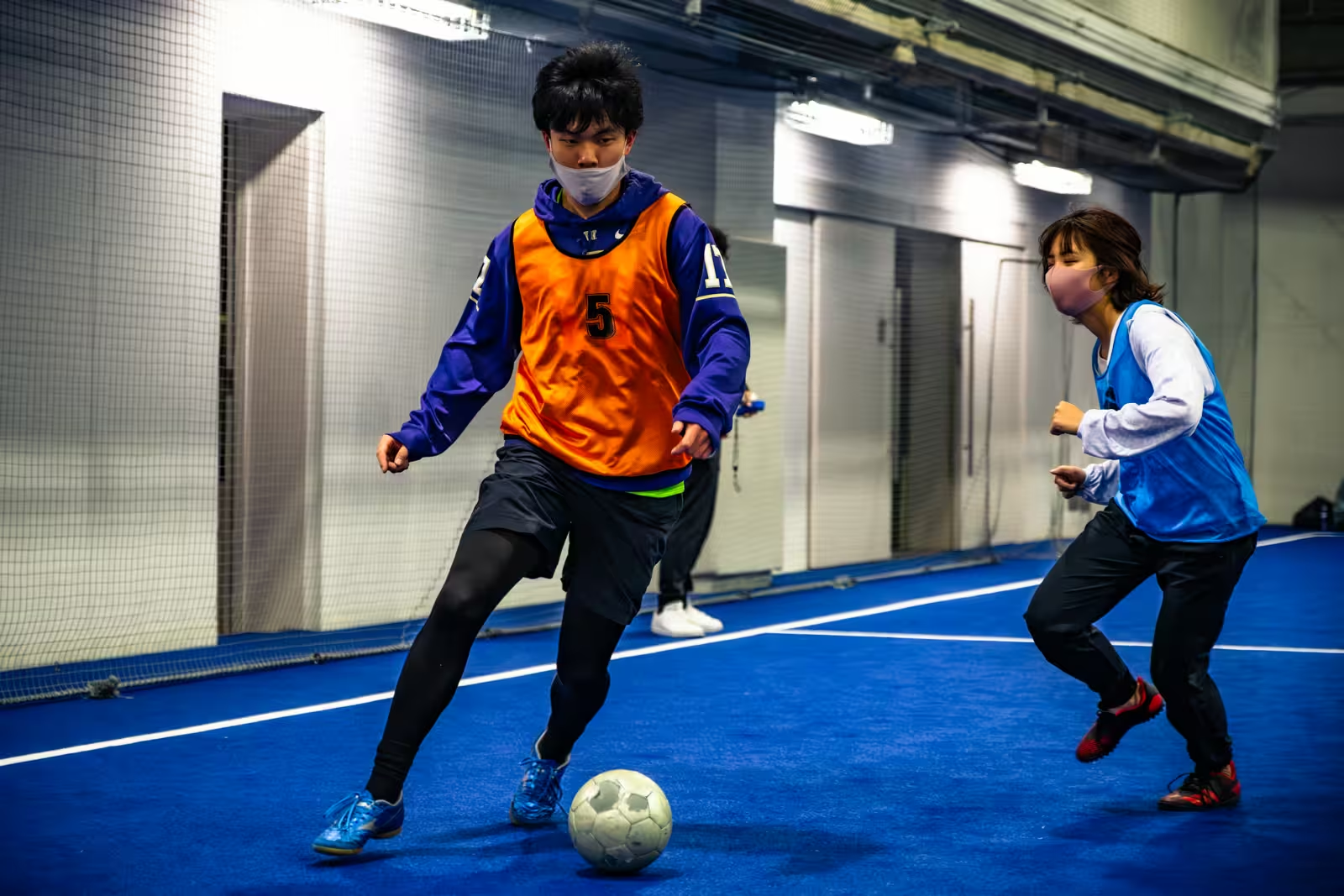
The biggest problem was the sheer speed of the game. Ball possession changed in the blink of an eye, and I had to react quickly as the game moved up and down the court.
By the end of the night, I had taken close to 3,000 pictures and had the pleasure of meeting some fantastic people. The Futsal Tokyo Meetup group ran a fun and inclusive event.
Major challenges to expect
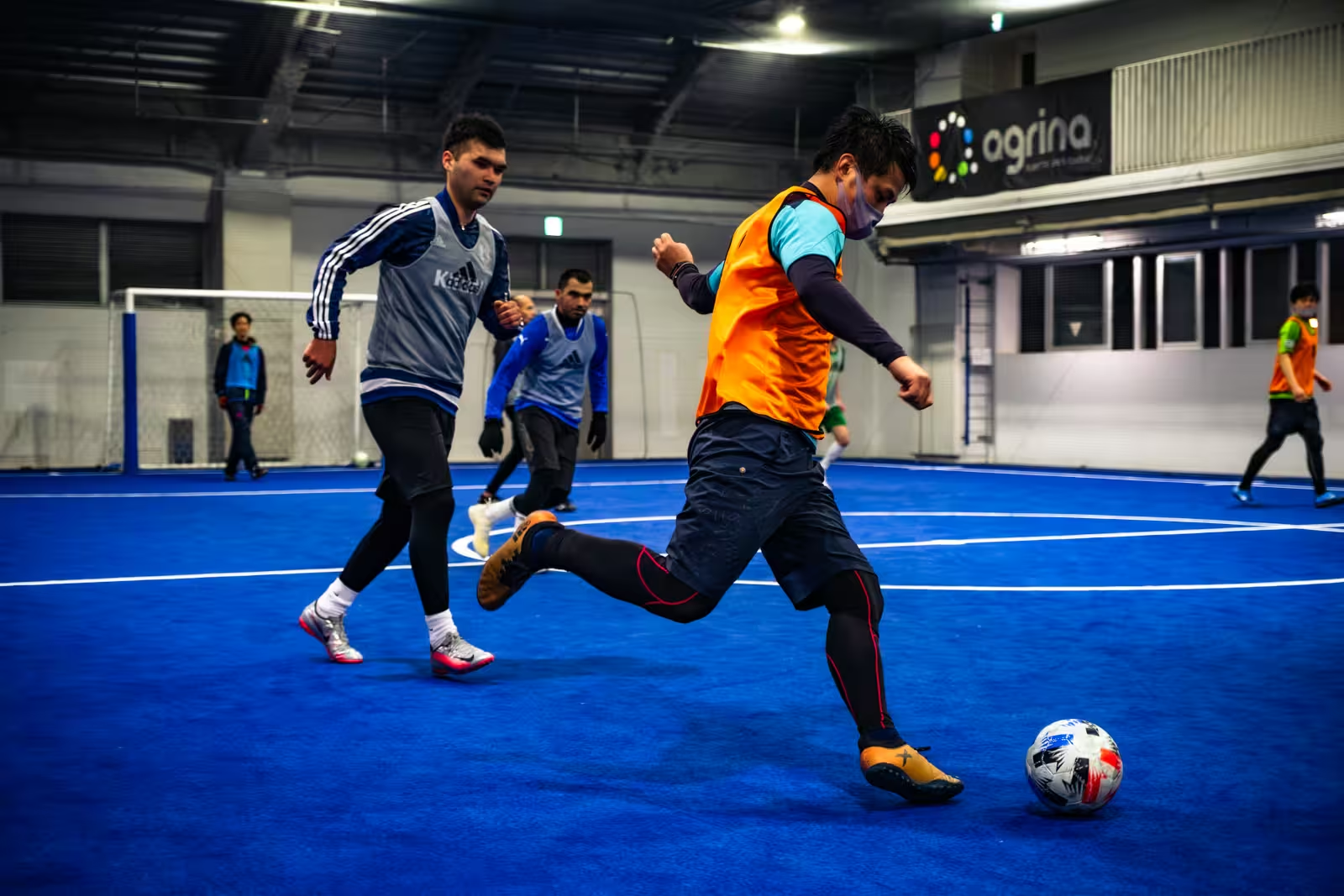
After reviewing my photos, a few key challenges became crystal clear. If you are heading to your first game, be prepared for these:
- Tough lighting is a given: The lighting will probably be poor. Inconsistent indoor lights can also negatively affect your white balance.
- The action is non-stop: If you pause to check your photos (“chimping”) or let your mind wander, you will miss a crucial moment. Keep your eye on the game as much as possible.
- The need for speed: To avoid blurry players, you need high shutter speeds. This is non-negotiable.
- Close-quarters shooting: When shooting from the sidelines, players will rush directly past you. The distance between you and the ball disappears in a second, so you need to keep your head and camera swiveling.
- Watch out for flying balls: The ball can and will fly in random directions. Stay alert to protect yourself and your camera from potential damage.
Tips for your first shoot
Based on my experience, here are some tips to help you get the best possible shots.
Scout the location
Walk around the court with your camera before the game starts. Take test shots from different areas to get a feel for the lighting conditions and find the best vantage points.
Settings for low light
- Use your widest aperture: I shot at the maximum aperture my lens would allow to let in as much light as possible.
- Crank up the ISO: Do not be afraid to use a high ISO. Court lighting is often darker than it appears, so boost it. Keep in mind this may increase digital noise in your images.
How to capture sharp motion
- Use a fast shutter speed: Freeze the action with high shutter speeds, ideally 1/250s or faster. Remember, the faster your shutter speed, the darker your images will become, so find the right balance with ISO and aperture.
- Do not fear underexposure: It is okay if your pictures are one or two stops underexposed straight out of the camera. You should be able to recover those details in post-processing as long as the image is sharp.
Composition and lens choice
- Get low: Get as low as physically possible to take pictures. Photographing from eye level can make the players look small. A lower angle makes them appear bigger and more heroic.
- Do not miss the emotions: This was my biggest mistake. I was so focused on the action that I missed the interactions between players after the game. The smiles, fist bumps, and handshakes look great in pictures.
- Choose the right lens: I took all my lenses, but the longer ones got the most use. My 16-55mm lens was great for most shots, especially as it was relatively fast with its f/2.8 aperture. I used the 55-200mm for some closeups but it was a much slower lens.
- Find the best spot to shoot: The ends of the court are often best because that is where the goals are. You will have more time to react as players run toward or away from you.
Why futsal rewards photographers
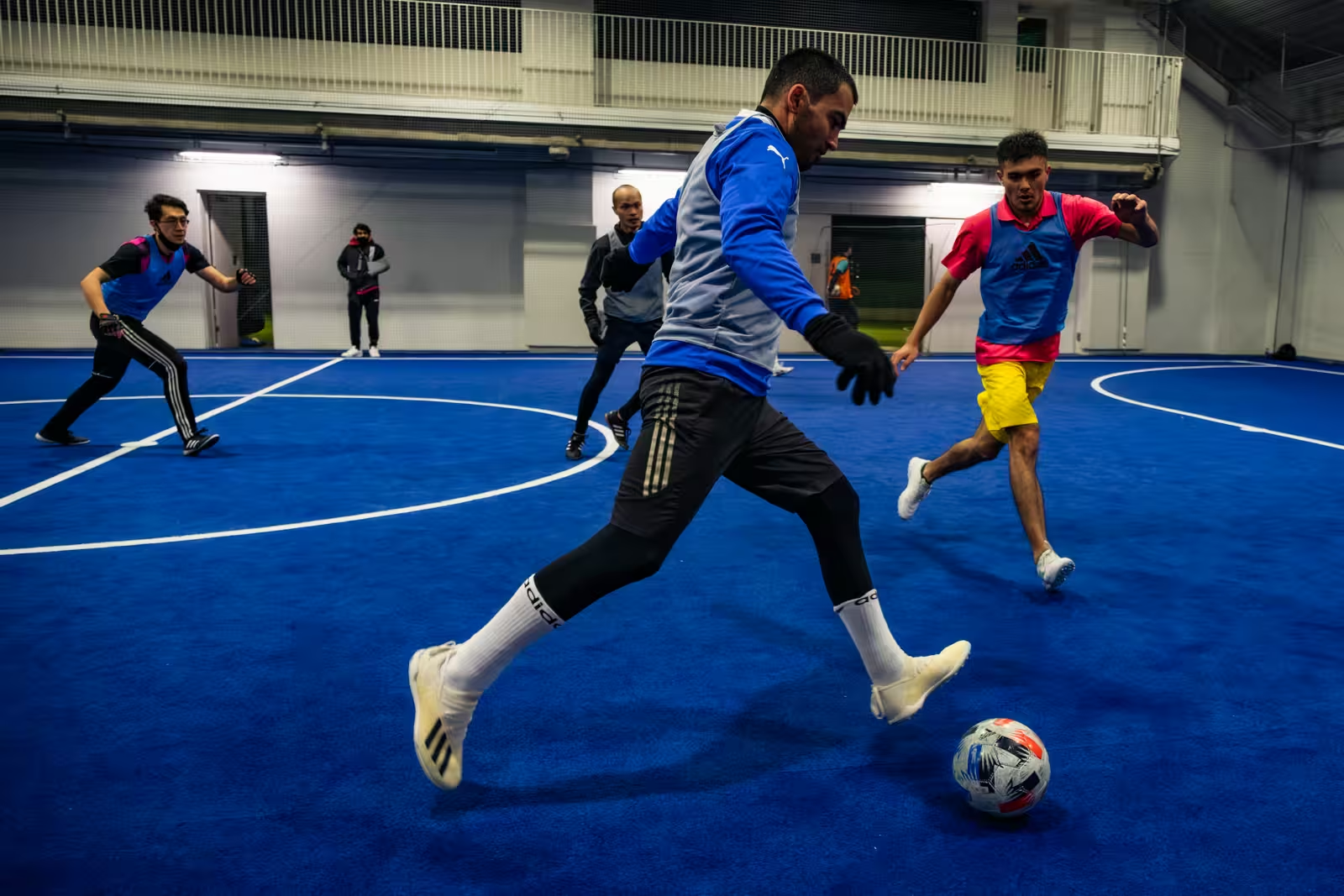
Futsal is a fantastic game for building your photography skills. It is the fastest-growing indoor sport in the world, filled with constant action and very little downtime. Because it is so fast, you get many opportunities to capture exciting pictures that pop up throughout the match.
About Futsal Tokyo Meetup
Joining is easy. FTM is a great group that welcomes everyone, from beginners to advanced players. They are a friendly and multi-lingual community with people from all over the world, so you do not need to speak Japanese. Visit their Meetup page to see when and where they play.
Is futsal photography worth it?
Futsal is a sport I am eager to photograph again. While it presents unique challenges, its fast-paced nature is ideally suited for creating dramatic sports photography. I still have many things to learn, but I am excited for the next opportunity.
Have you ever photographed futsal or another fast-paced indoor sport? If you have any comments, questions, or tips of your own, share them below.
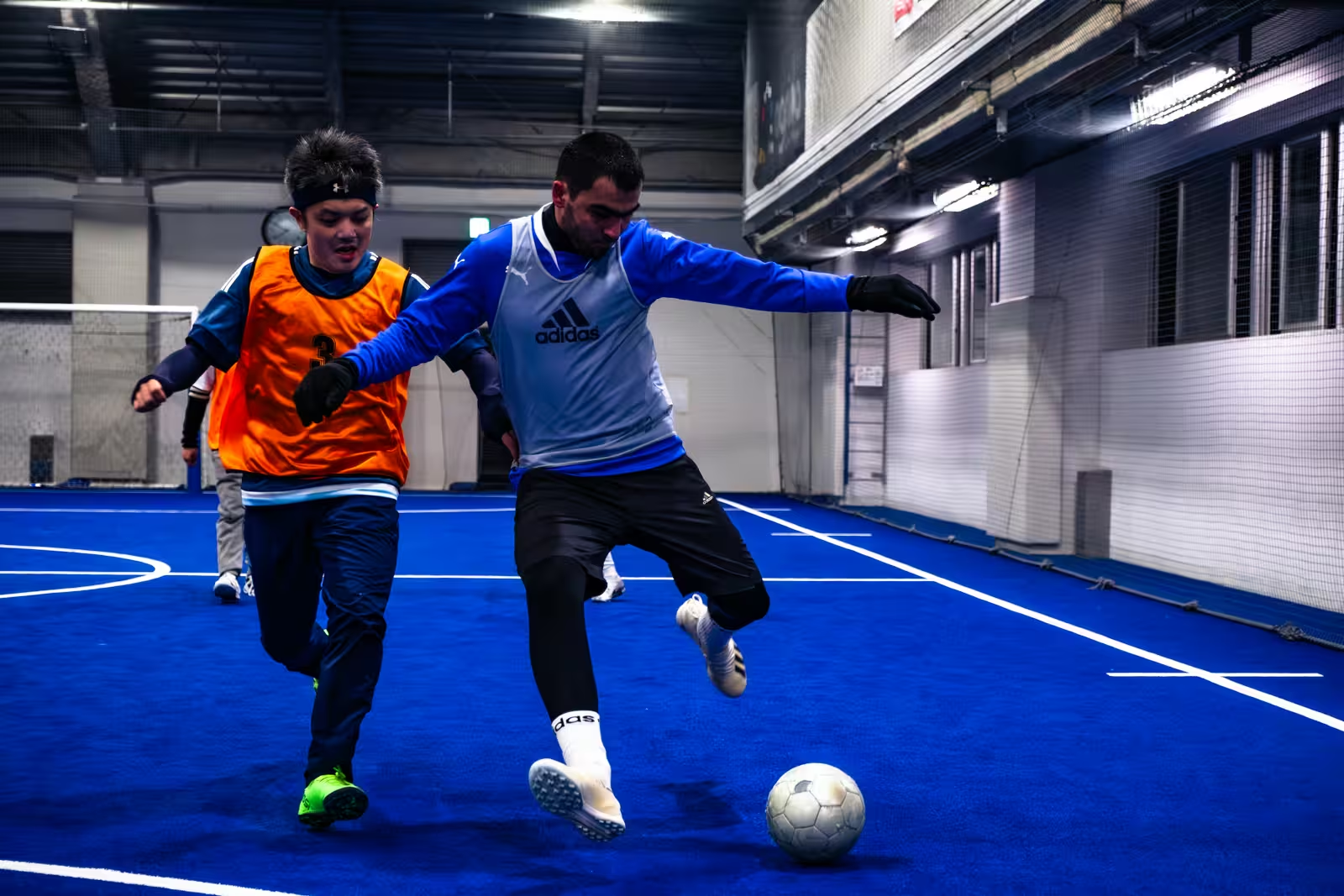
Photo gear for this shoot
- Camera: Fujifilm X-T3
- Lens:
- Fujifilm f/2.8 R LM WR
- Fujifilm XF 55-200 mm f/3.5-4.8 R LM OIS
Date of Photos: 9 January 2021