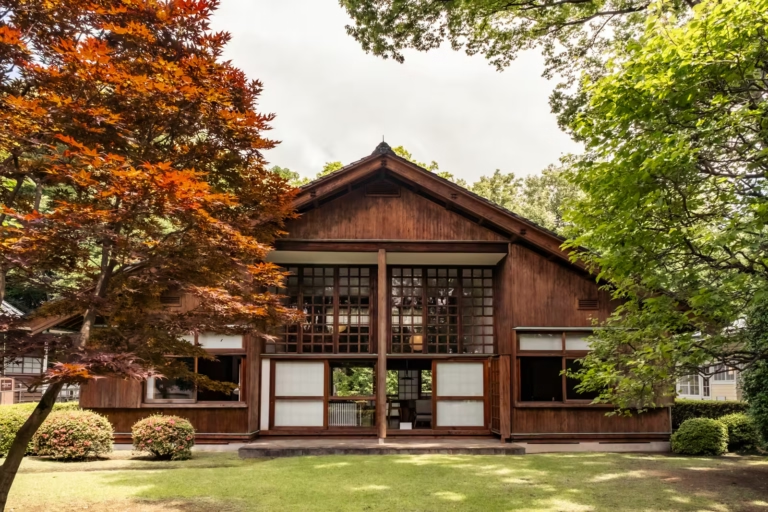
Harajuku’s Architectural Marvels: 10 Must-See Buildings
I’ve often found Tokyo’s architecture to be dominated by concrete, steel, and glass boxes. However, Harajuku is leading a change, with a wave of interesting and innovative designs. Here are ten buildings along or near Omotesando that showcase this architectural evolution.
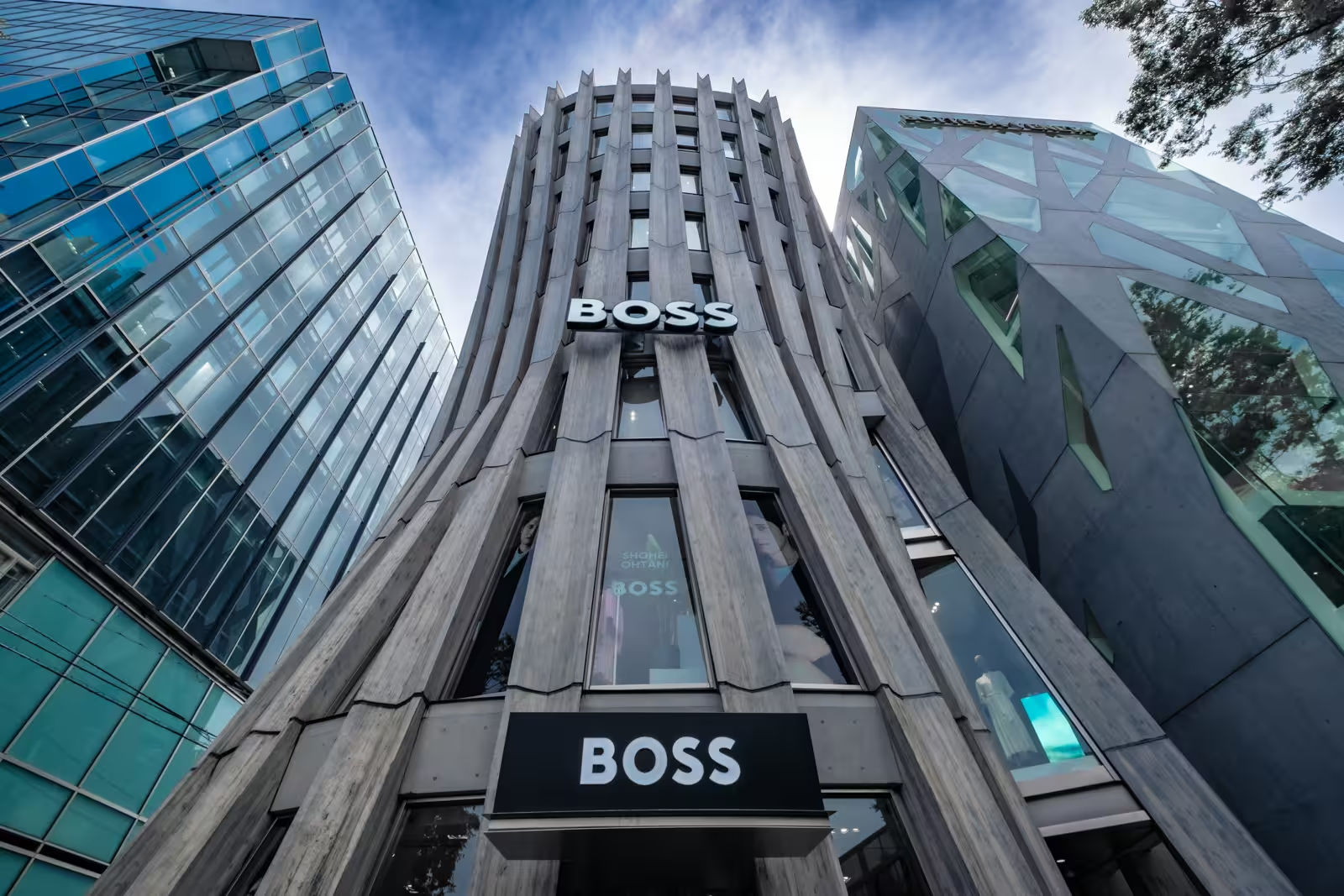
Omotesando Keyaki Building
- Opened in 2012
- Designed by Norihiko Dan
- Noriko Dan and Associates (official website)
This might be my favorite piece of Harajuku architecture. Concrete and grey are the themes. It stands out thanks to being reminiscent of a tower from The Lord of the Rings. This building is the perfect home for the Boss store, brutal, stunning, and stylish.
Prada Tokyo Aoyama
- Opened in 2003
- Designed by Herzog & de Meuron
- herzog & de meuron (official website)
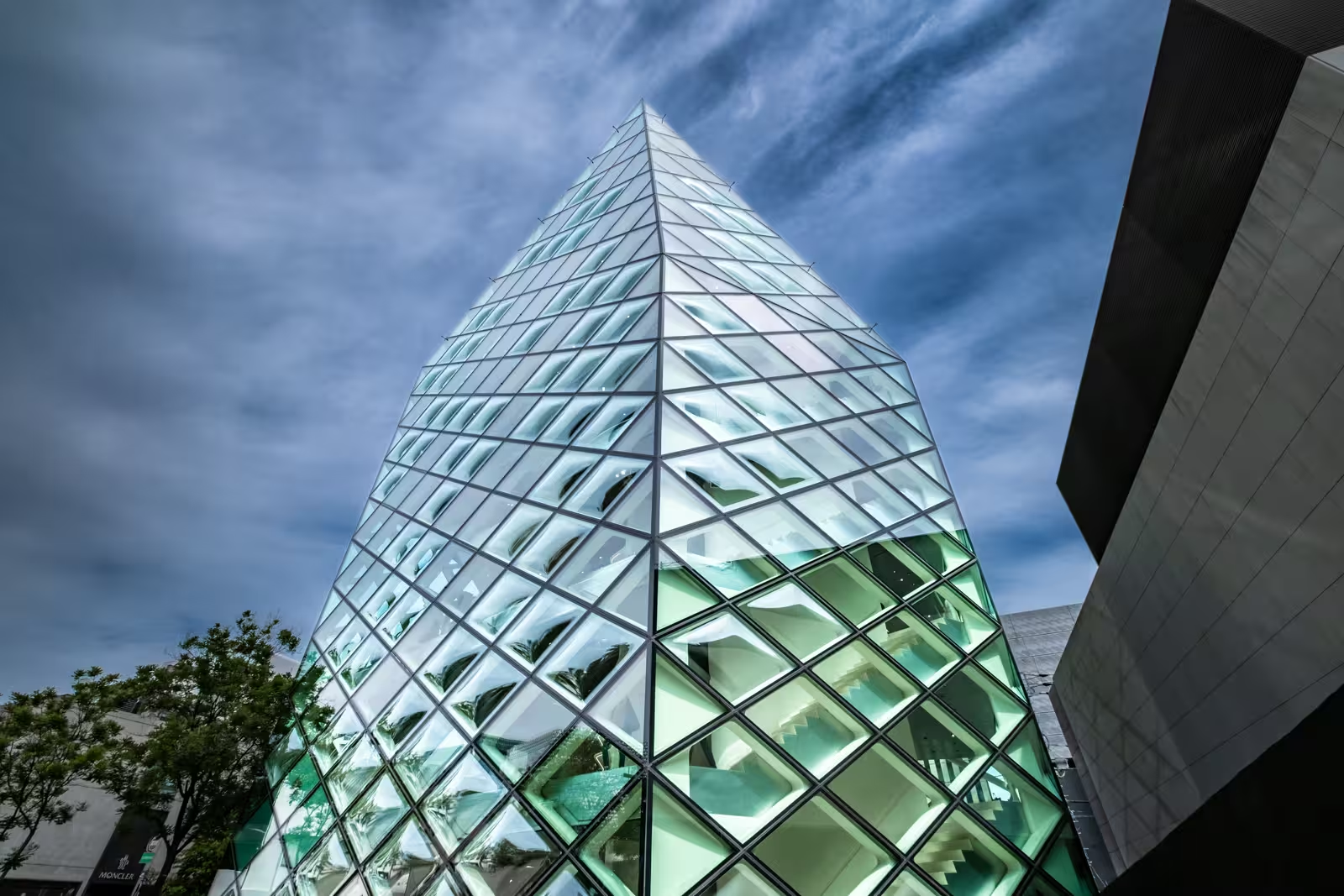
The building’s fluid interior creates the illusion of a single, continuous space, with visible connections between each floor. At night, the interior lights transform it into a glowing tower thanks to it being covered by convex, bubble-like diamonds.
The Iceberg
- Opened in 2006
- Designed by Benjamin Warner
- Benjamin Warner (on LinkedIn)
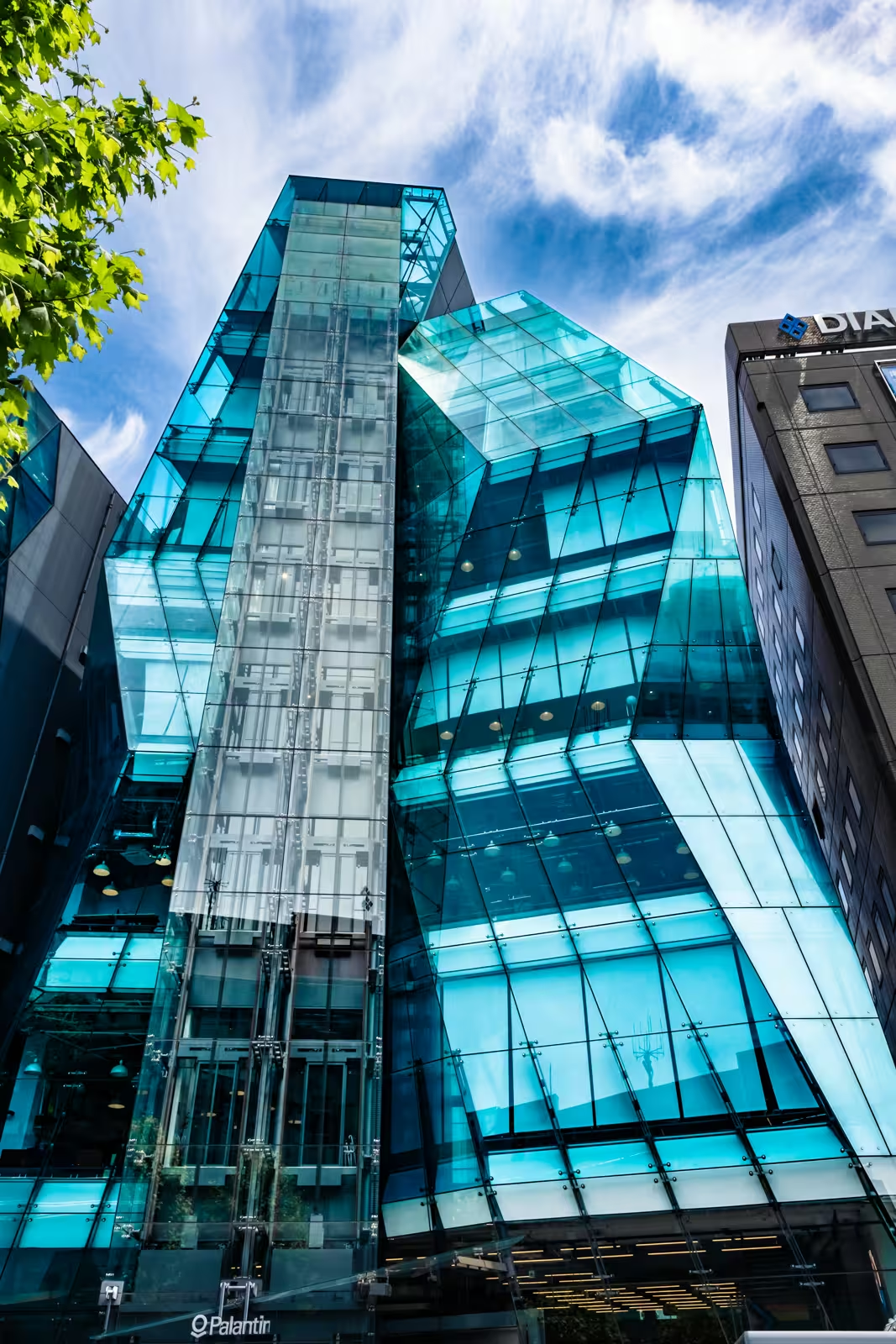
A standout piece of Harajuku architecture. Blue-tinted glass combined with its angular facade gives the building a three-dimensional feel. A fantasy writer created this crystal tower.
Tokyu Plaza Omotesando Harajuku
- Opened in 2012
- Designed by Hiroshi Nakamura
- Hiroshi Nakamura & NAP (official website)
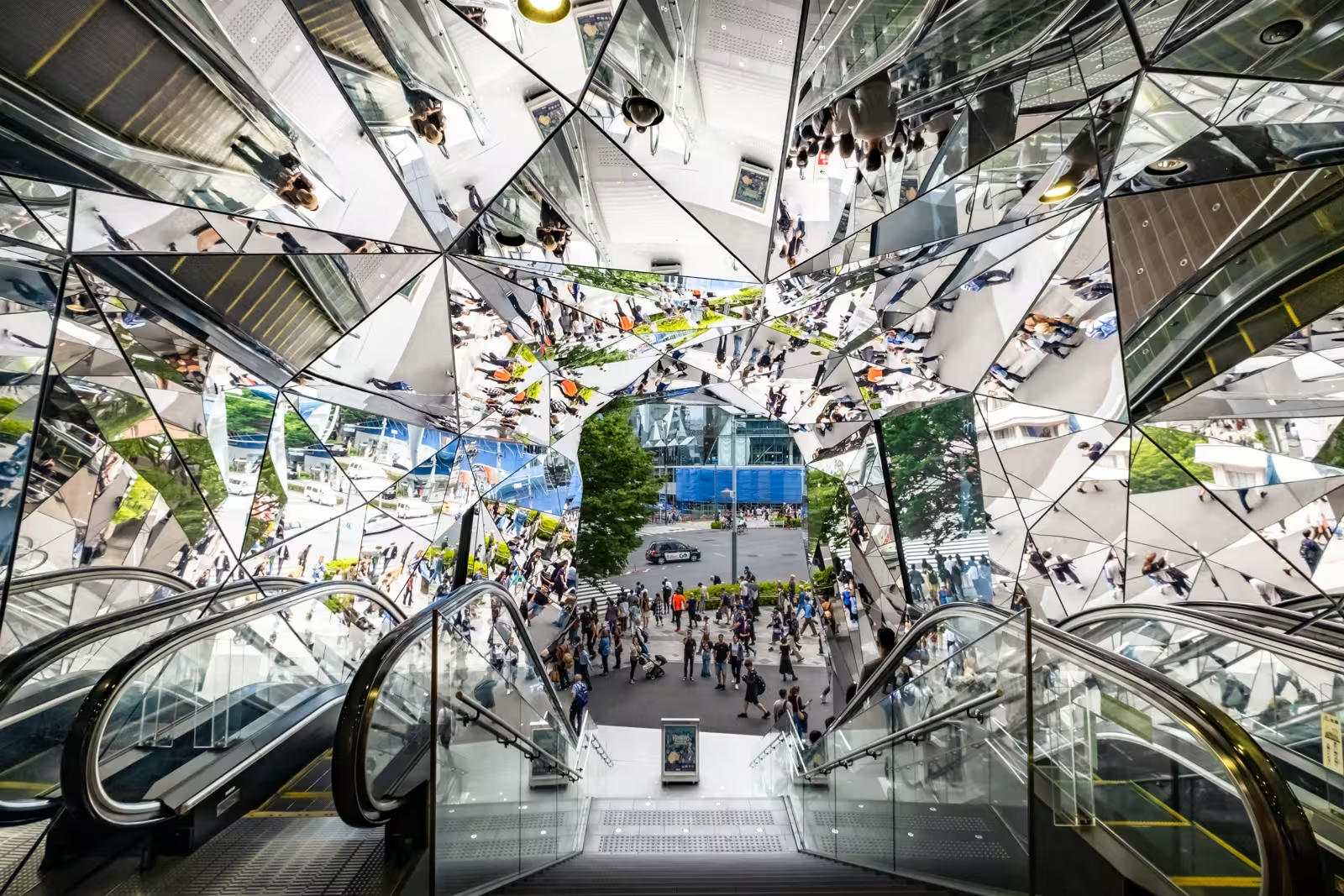
This building is on the main intersection of Harajuku. Trendy people crowd its mega fashion shop, The Shel’tter Tokyo. Others head to its restaurants like Bills Omotesando and Urth Caffe. Many photograph its incredible wall-of-mirrors entrance.
Hulic Aoyama No. 2 Building
- Completed in 2008
- Designed by Jun Aoki and Associates
- Jun Aoki and Associates (on Arch Daily)
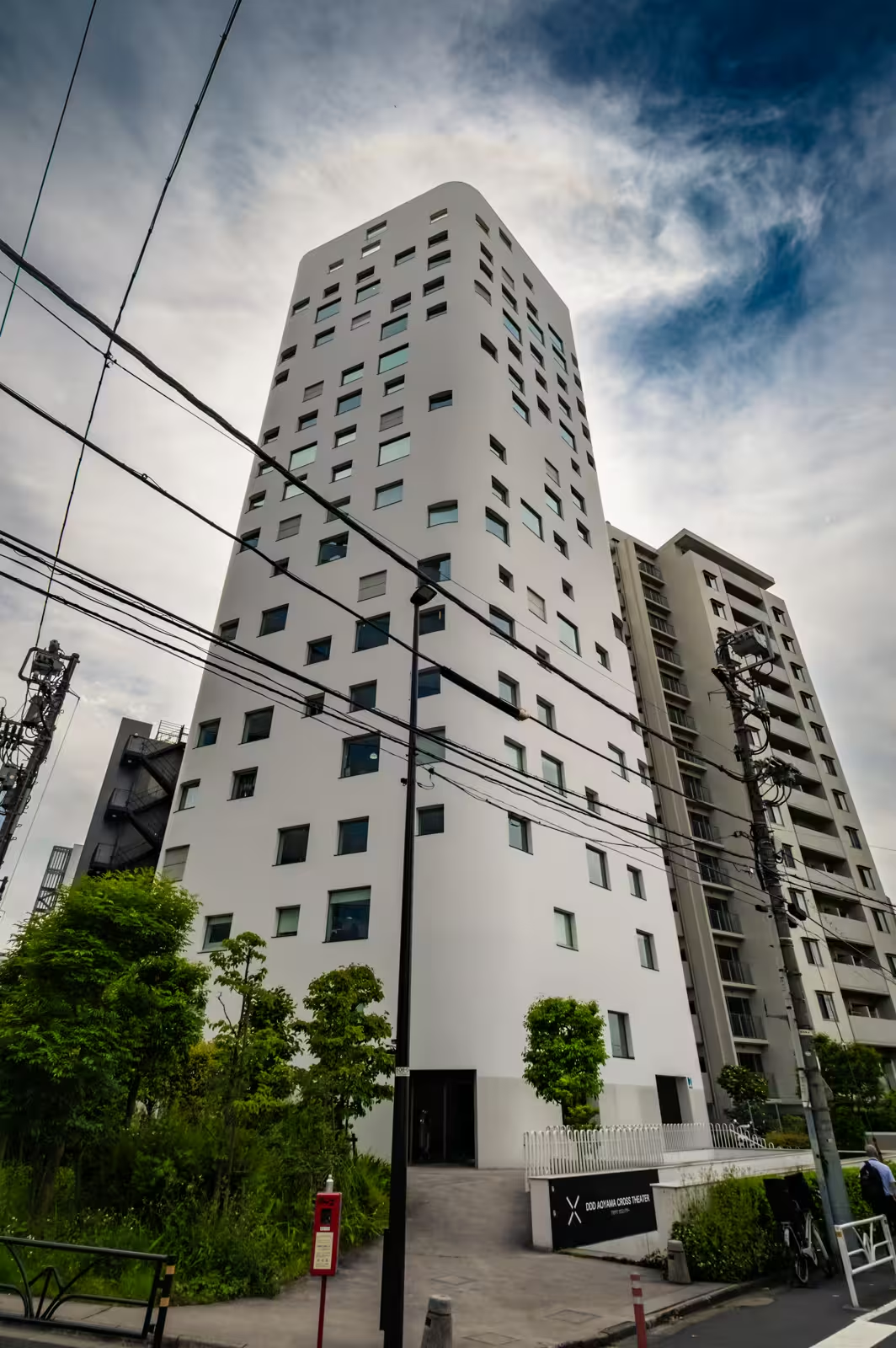
Seven types of windows ranging from 1.5 to 2.2 meters in size punctuate this nine-floor office building’s facade. The ceilings are a luxurious 4.9 meters in height.
Strangely, it reminds me of the Derinkuyu underground city in Turkey. Of course, this is vertical! By the way, this building was formerly known as Sia Aoyama. A long time ago, Red Bull occupied it. I used to teach English to their staff!
Spiral Building
- Completed in 1985
- Designed by Pritzker Prize-winning architect Fumihiko Maki
- Maki and Associates (official website)
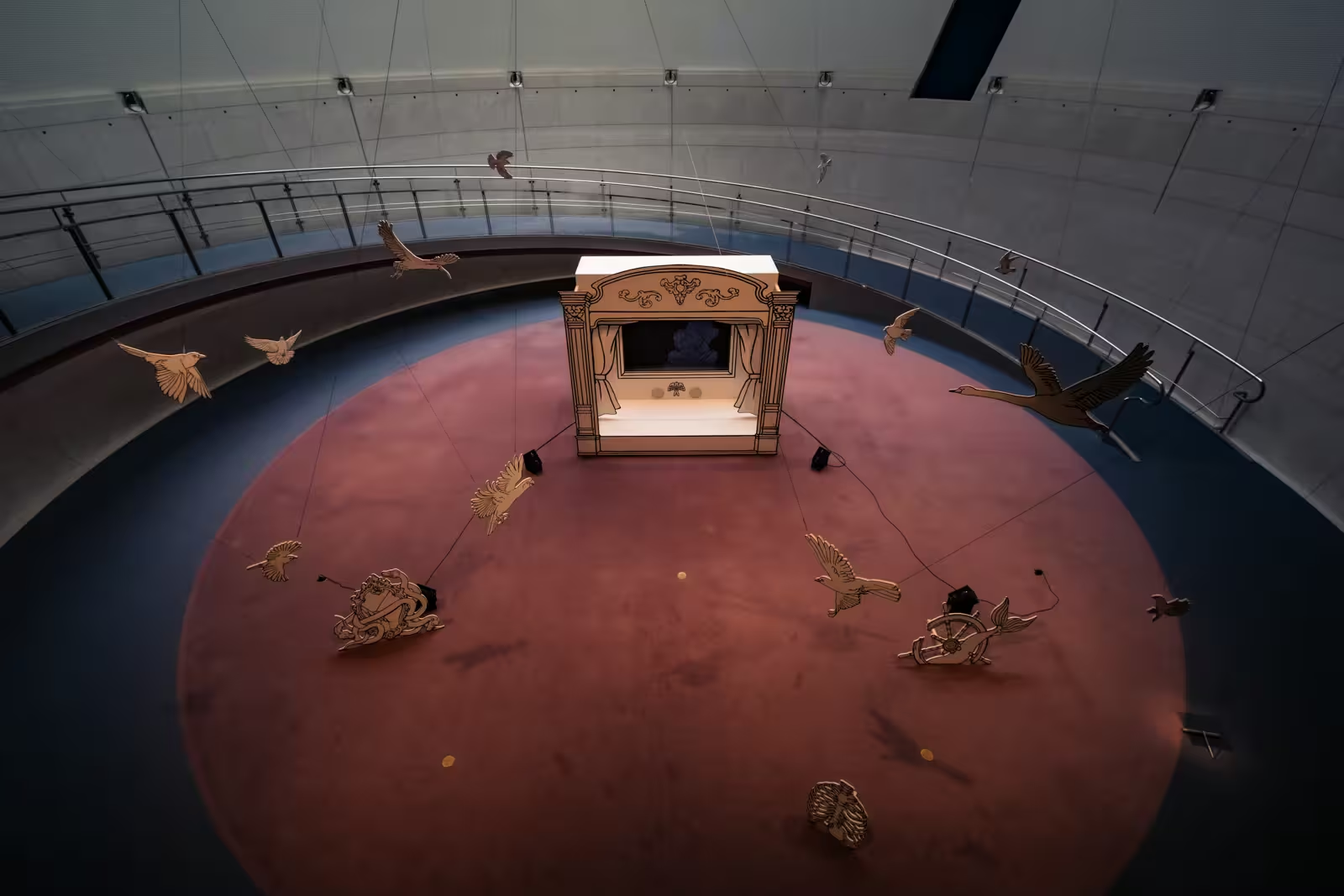
Spiral is an arts complex in Tokyo’s Aoyama that fuses culture and business. It has spaces for various activities. An art gallery, a cafe, a multipurpose hall, restaurants, gift shops, and a beauty salon occupy it.
The name derives from the building’s exterior and interior design. They express the image of an ascending spiral. Walk inside and you’ll see exactly that.
Miumiu Omotesando
- Completed in 2015
- Designed by Herzog & de Meuron
Miu Miu is a sister brand of Prada across the road. Herzog and de Meuron built both. The building is different from many in the area.
The architects didn’t want another glass tower. They made this one see-through. The interior is visible from all sides. This transparency creates a unique and voyeuristic experience, blurring the lines between the public street and the private retail space. Aoyama Cemetery is nearby, too!
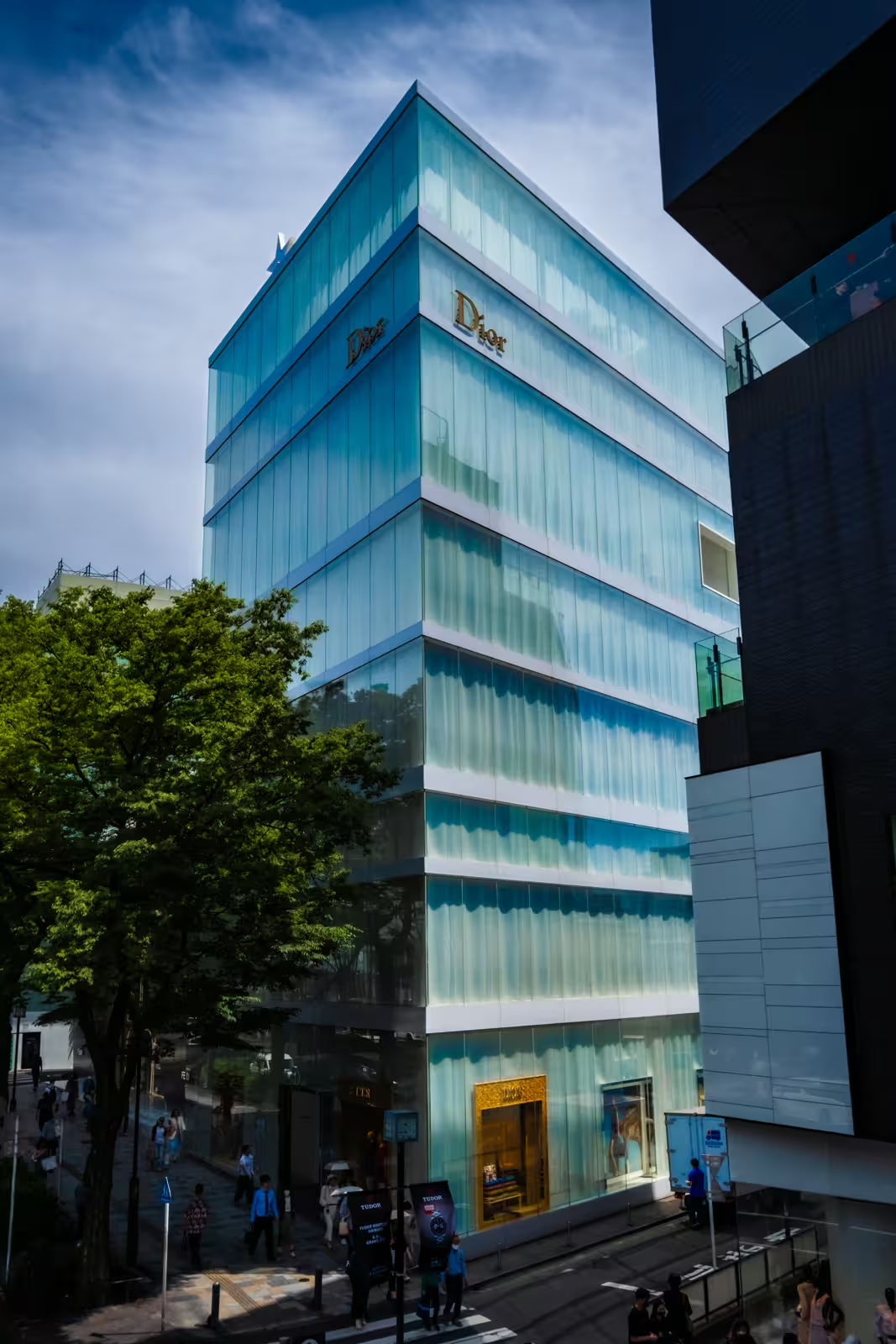
Dior Omotesando
- Completed in 2003
- Designed by Kazuyo Sejima+Ryue Nishizawa
- Kazuyo Sejima+Ryue Nishizawa (official website)
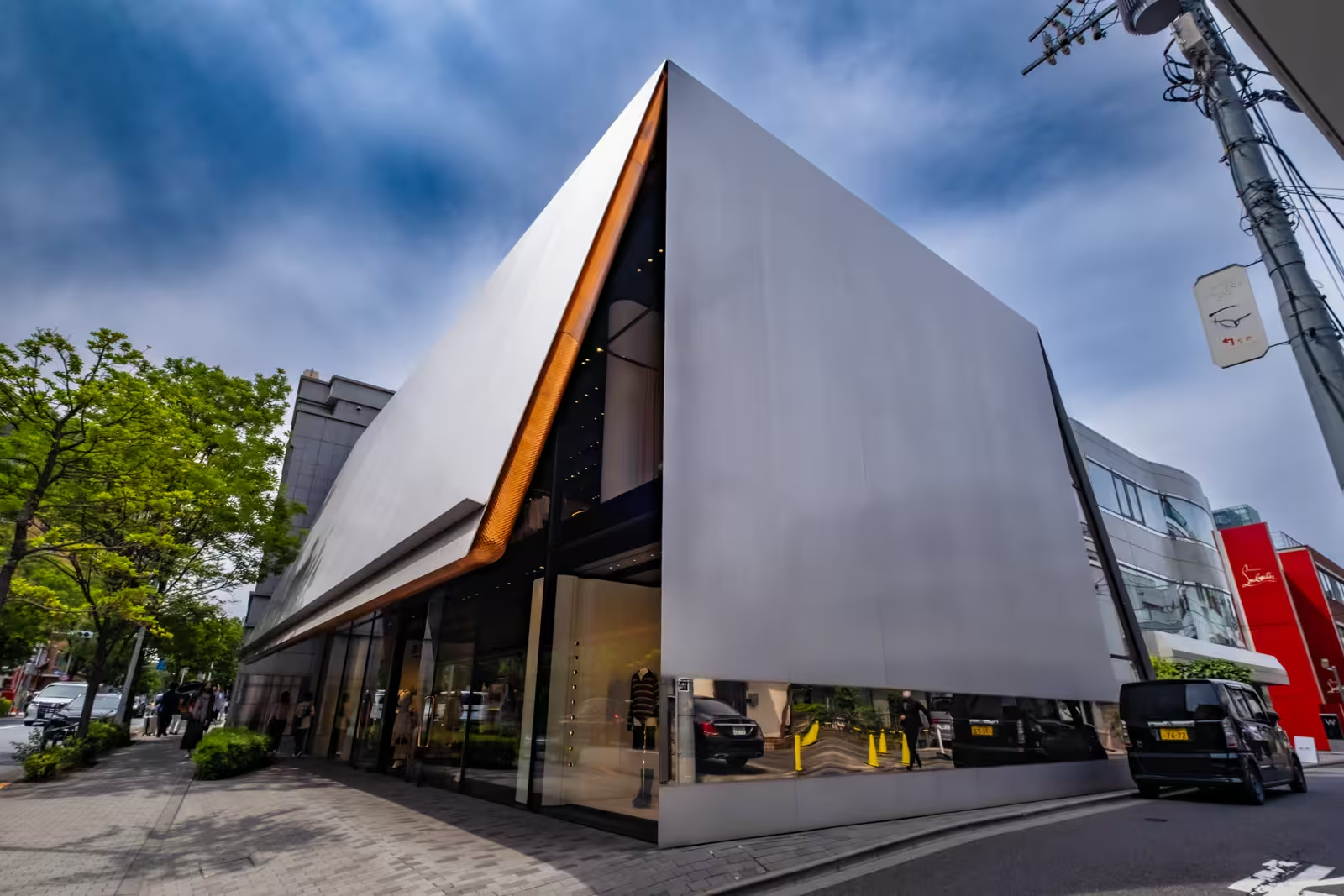
Dior Omotesando is a trapezoid box. Due to building laws, it couldn’t be higher than 30 meters. The architects used floors of different heights to maximize space. Isn’t that innovative?
The building’s showpiece is the exterior glass. It has two skins. A clean, square, outer one of clear glass with the inner one of translucent acrylic. The external facade gives a hint at what is inside while revealing nothing. When lit at night it’s spectacular.
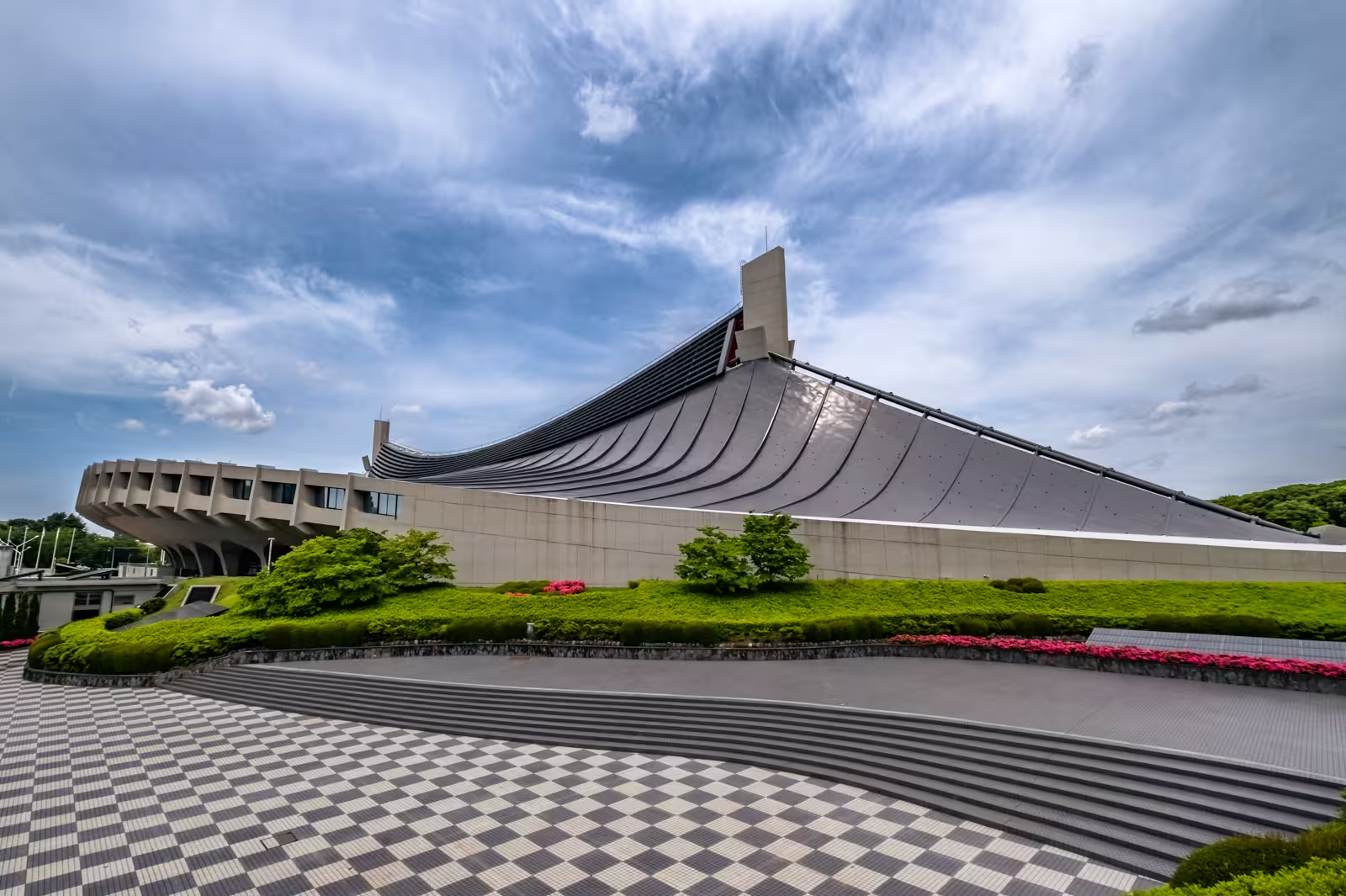
Yoyogi National Gymnasium
- Opened in 1964
- Designed by architect Kenzo Tange
- Tange Associates (official website)
The Yoyogi National Gymnasium is iconic and modern with its sweeping profile. Completed in time for Tokyo’s 1964 Summer Olympic Games, this building belongs in the twenty-first century. It was probably the first great piece of Harajuku architecture.
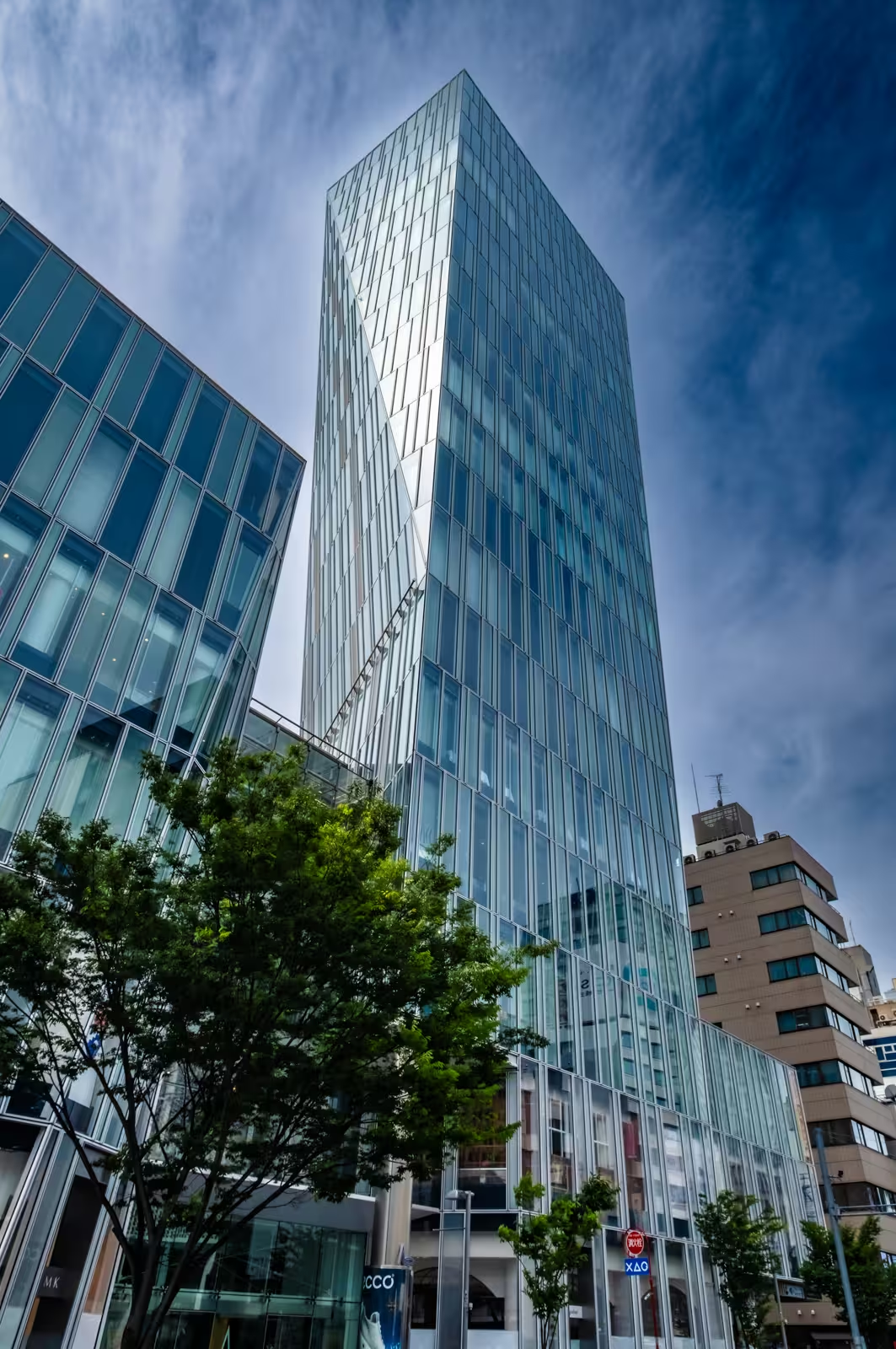
Ao – Omotesando
- Completed in 2009
- Designed by Sakakura Associates
- Sakakura Associates (official website)
With its striking silhouette, this shopping and office complex stands out in Aoyama. Apparently, from the rooftop, you can see Mount Fuji. I need to check that out!
Building locations
Here are the buildings on Google Maps:
Is Harajuku’s architecture worth visiting?
In the past, I’ve often complained about Tokyo’s post-war buildings. Many of the skyscrapers are just metal and glass boxes, reminiscent of the international style of architecture. They lack style and beauty. But when Japan was rebuilding itself in the 1960s and 70s, that might have been what was needed.
Trends are changing though. As these ten examples show, the creativity of a new generation of architects (including those from overseas) is pushing the limits. Sustainability, innovation, and new materials allow new designs. The future is looking pretty good.
If you are interested in this subject, check out Tokyo Architecture City Guide: 35 Iconic Buildings to Visit in Japan’s Capital City on ArchDaily.