Hikawa Maru Photography Guide
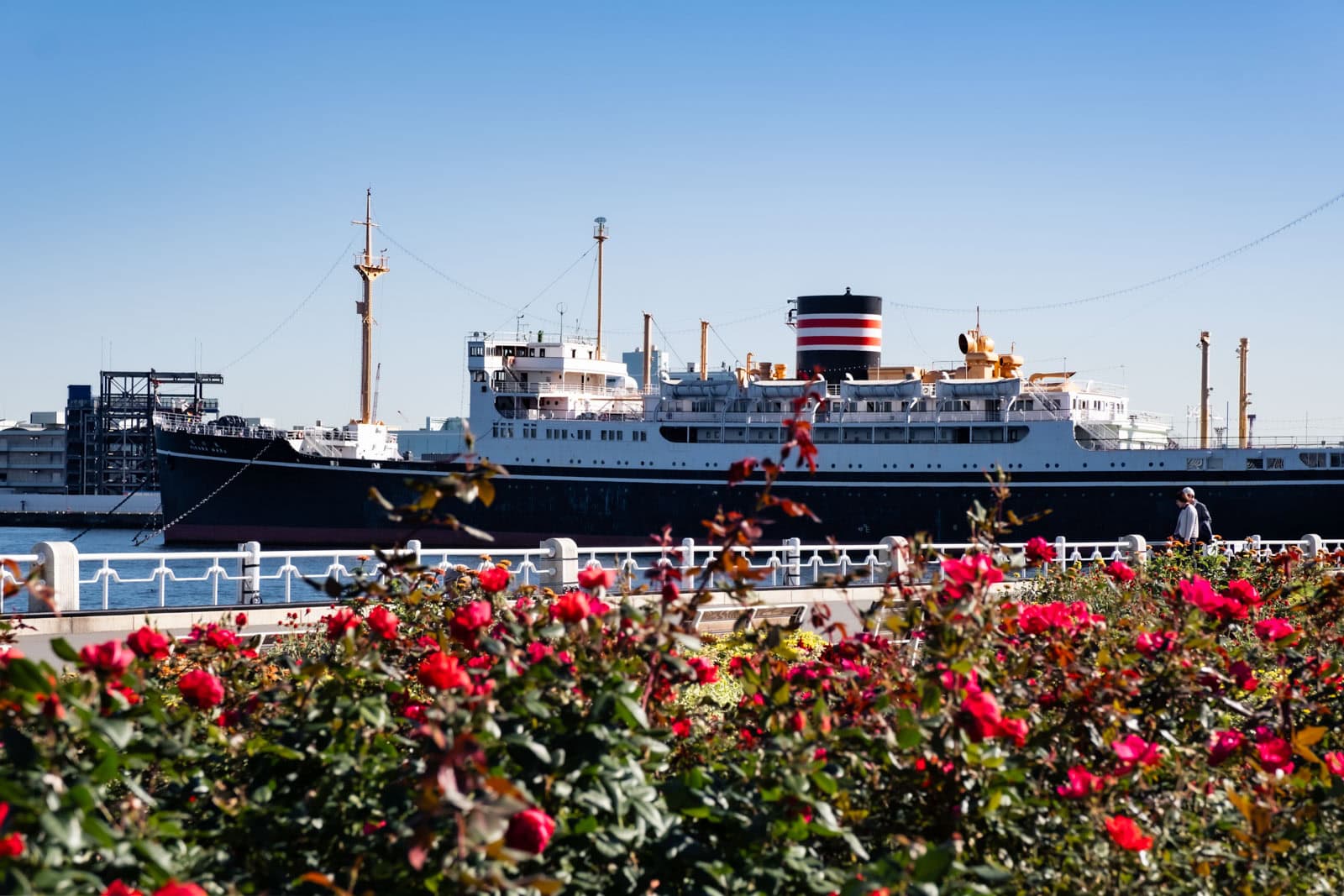
Step aboard and imagine walking the same decks as Charlie Chaplin. This ship has a history that spans from luxury trans-Pacific voyages to service as a World War II hospital ship. For photographers, this floating museum is a treasure trove of stories and images waiting to be captured.
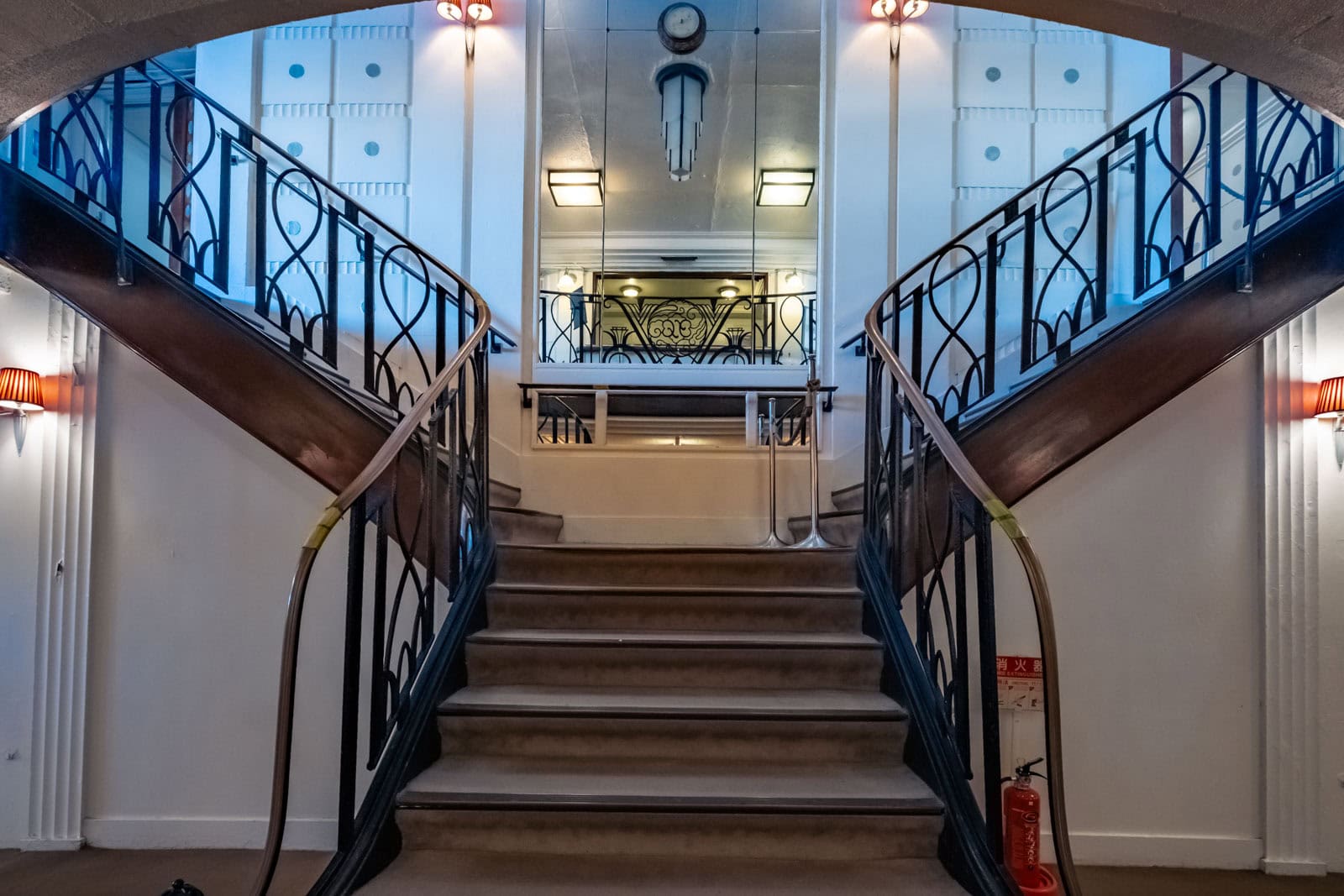
What to photograph onboard
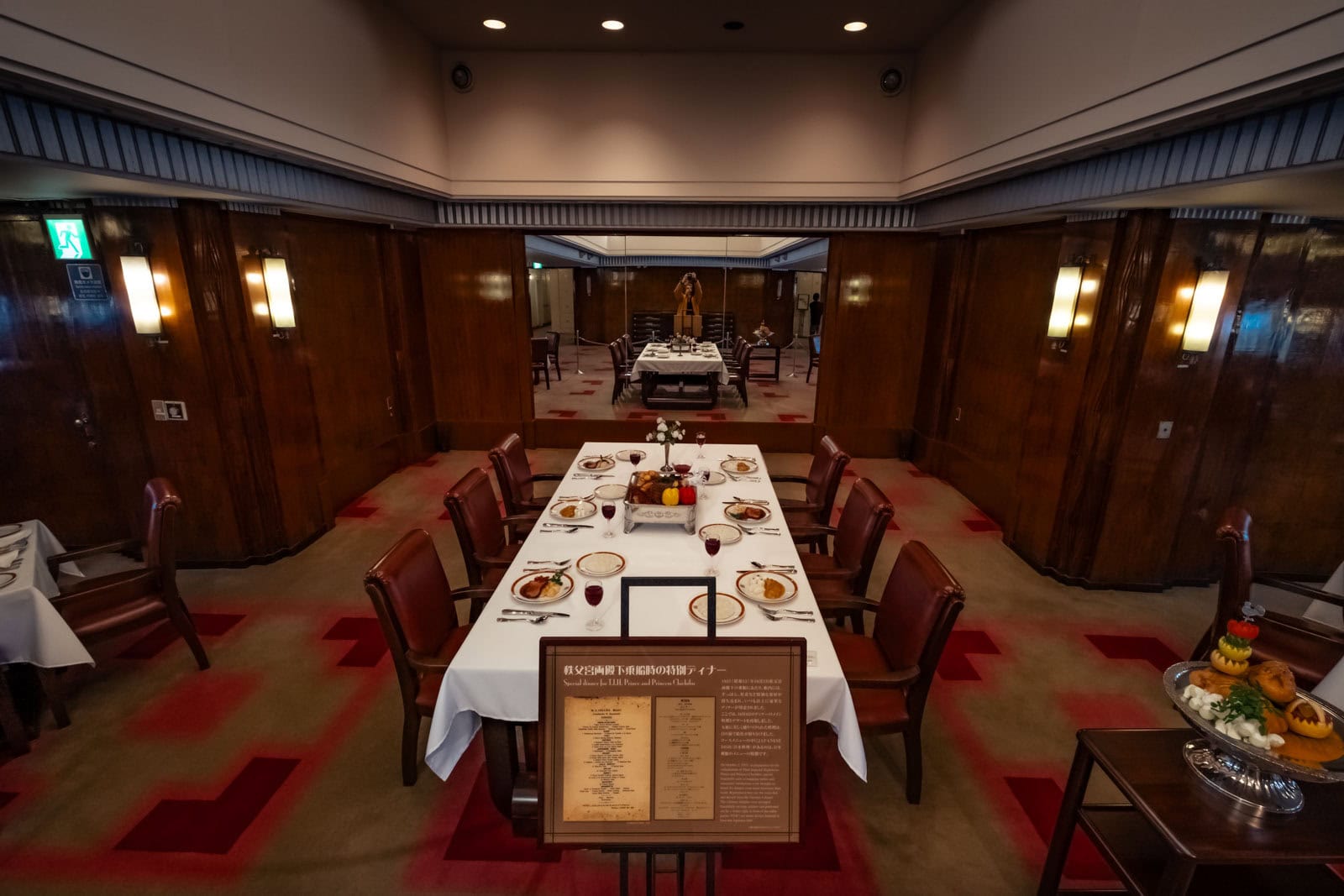
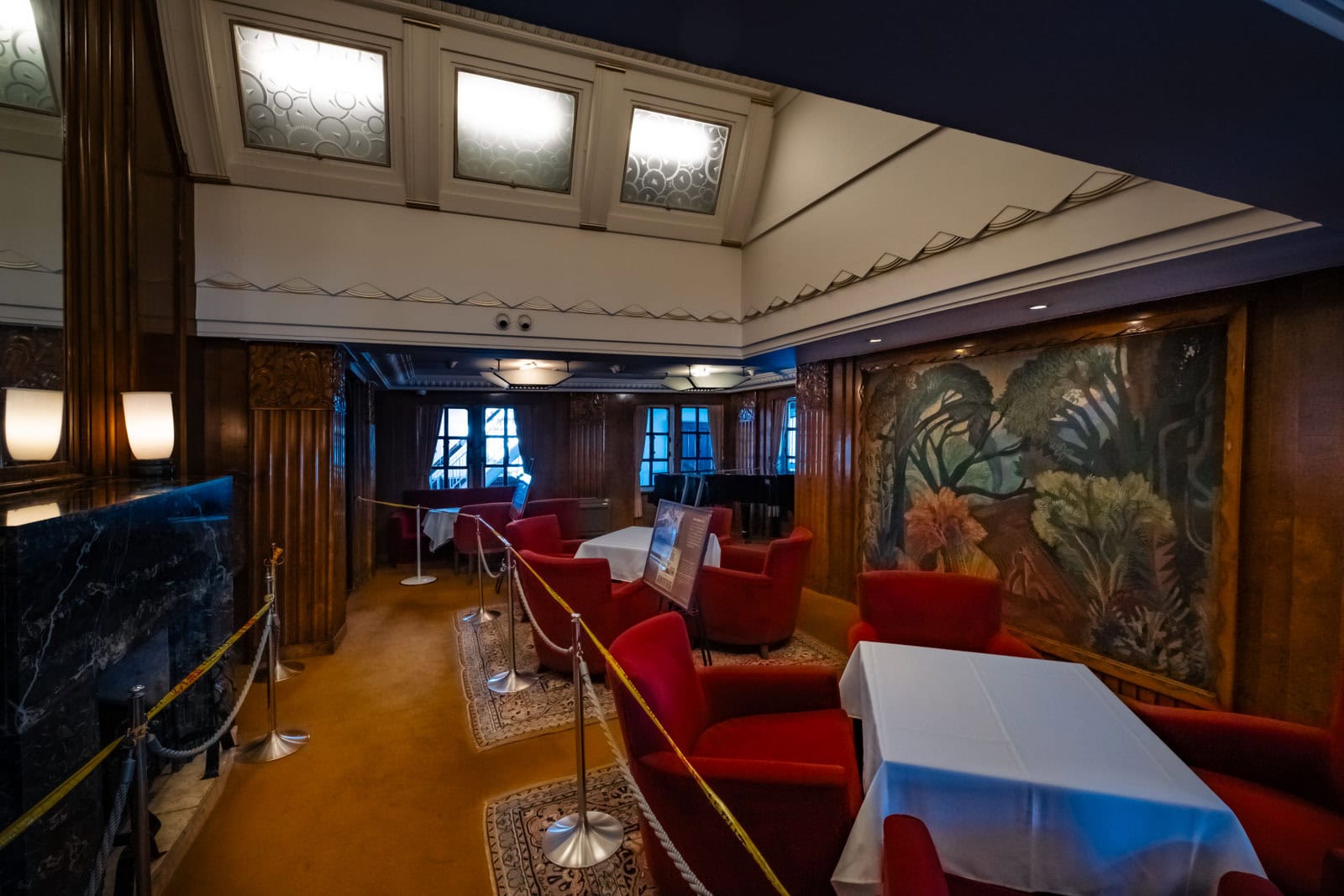
- Capture the exquisite Art Deco details and imagine the luxurious trans-Pacific dinners held here.
- Step on the captain’s bridge and photograph the vintage navigation equipment with sweeping views of the harbor.
- First-class dining saloon
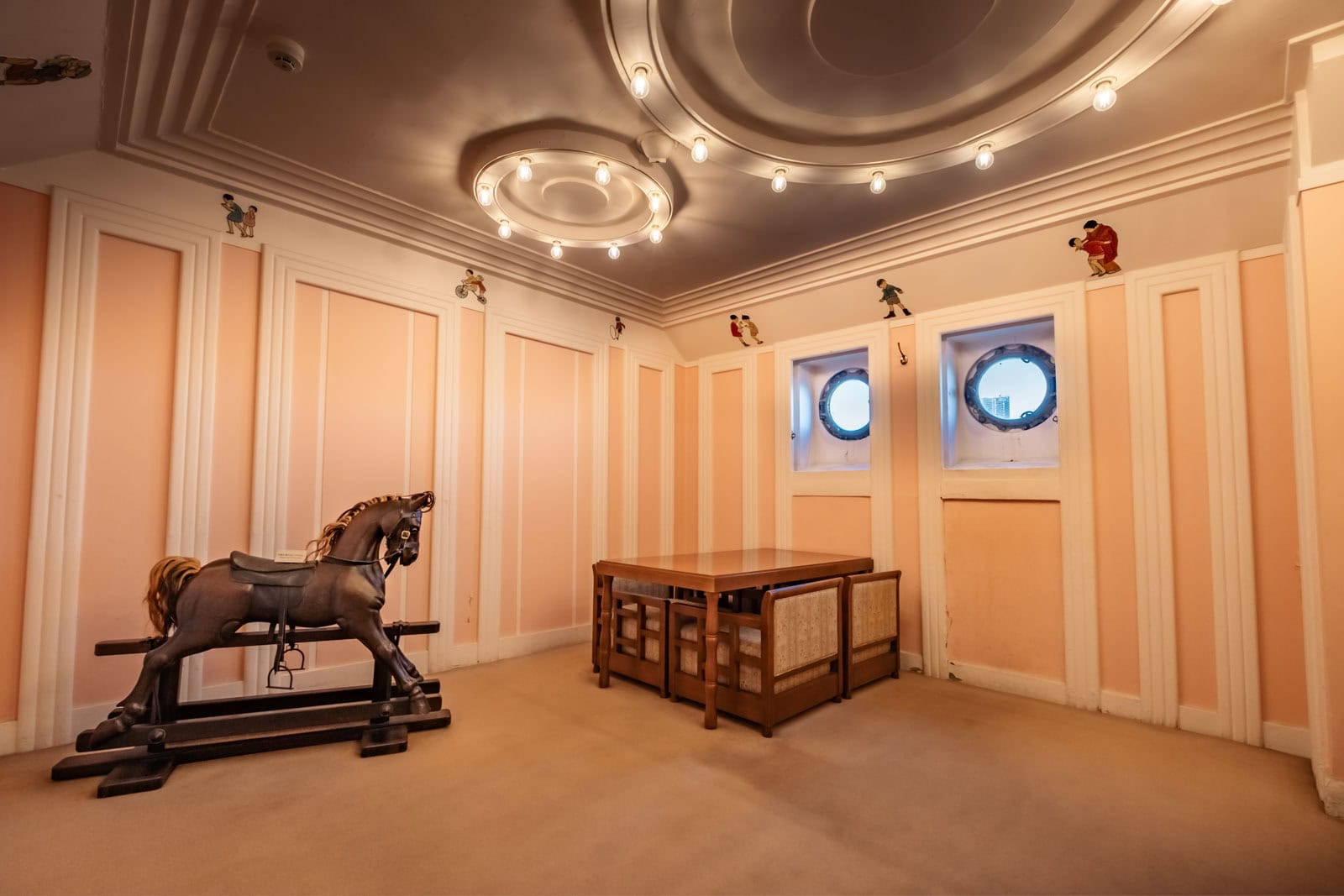
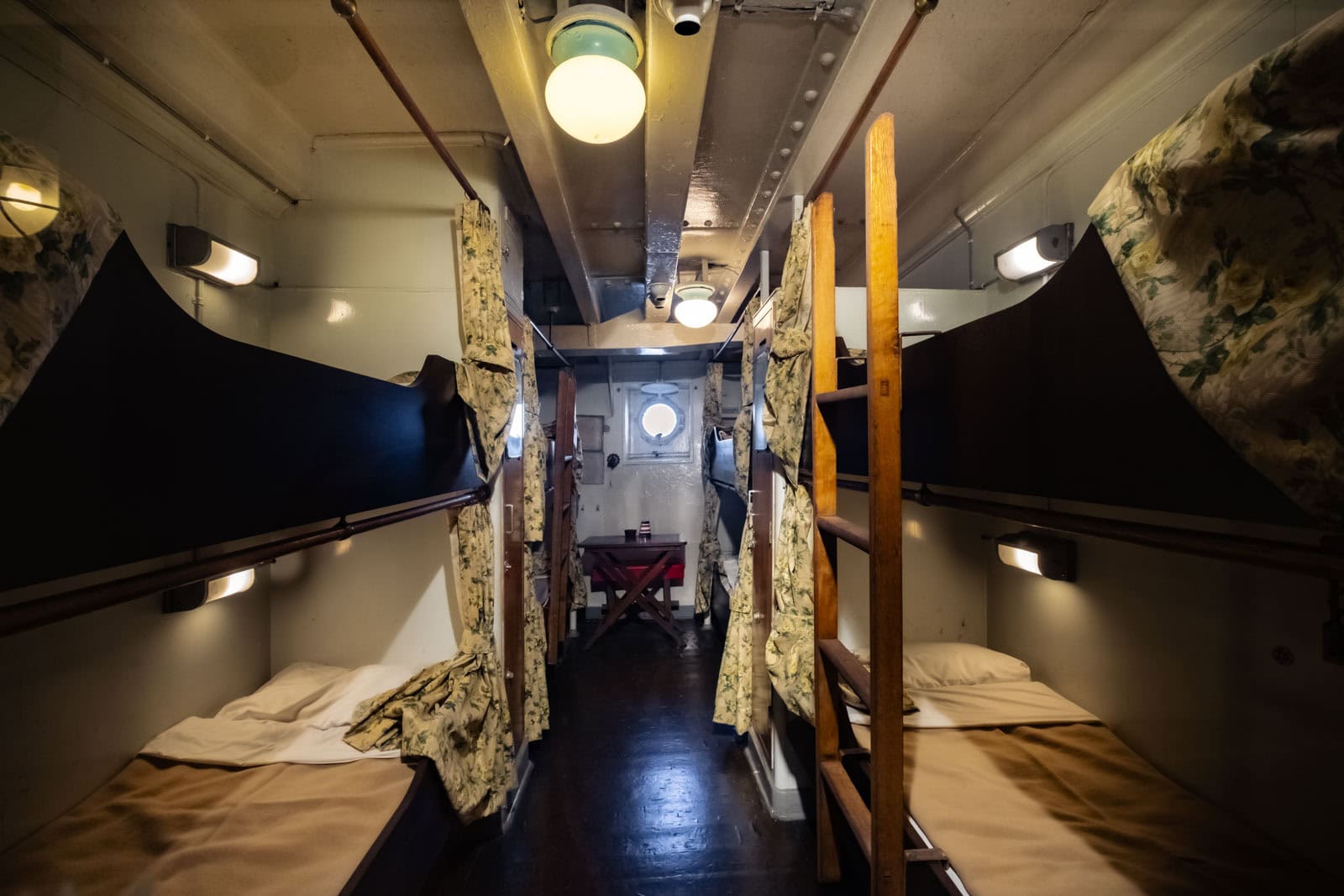
- Passenger cabins
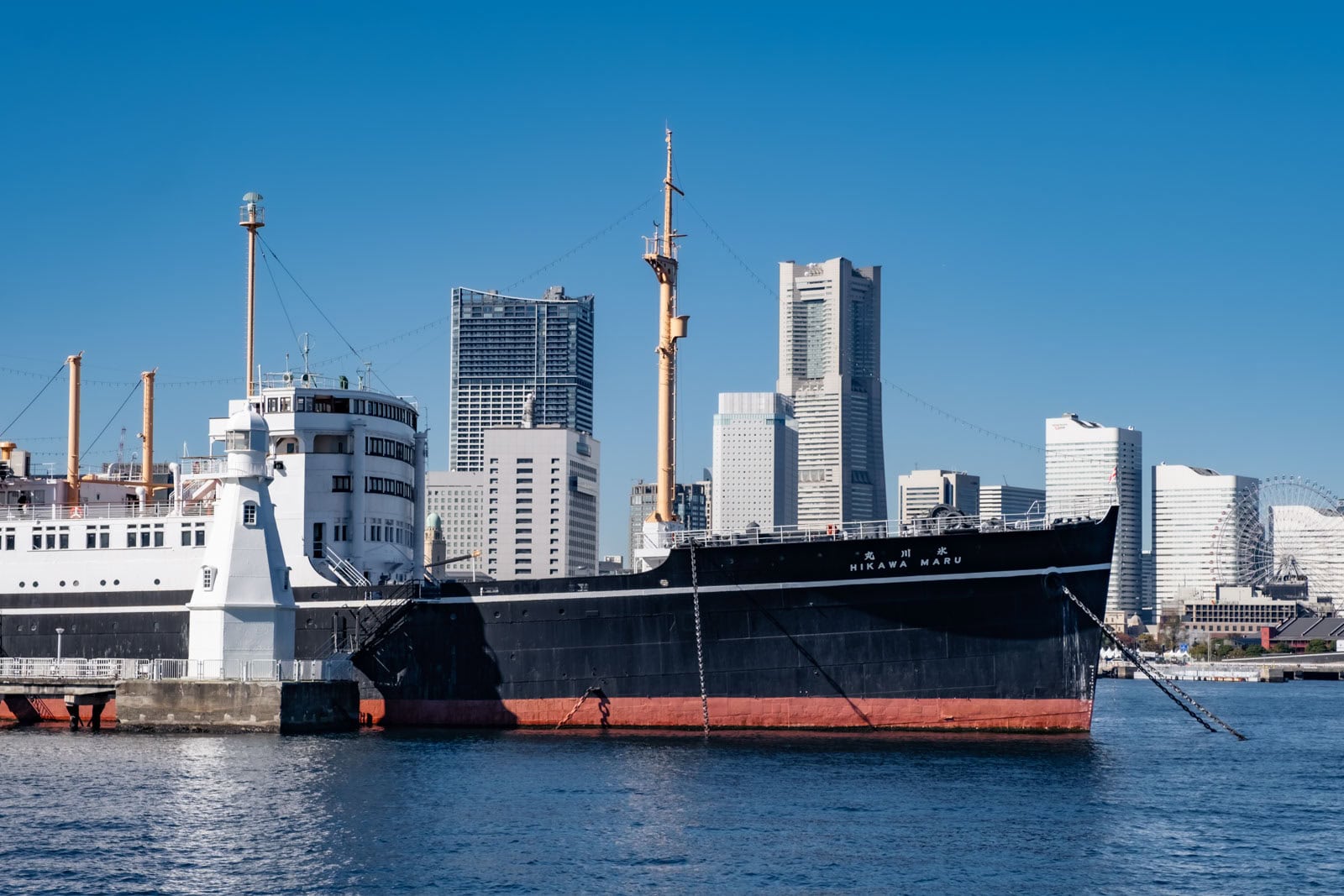
- Frame the modern Minato Mirai skyscrapers using the historic railings of the ship for a perfect “then and now” shot.
Photography challenges on the ship
Many areas on the ship lack light for good photography, so take the fastest lenses and wide angles if you have them.
- No tripods: find other ways to stabilize your camera. One idea is to brace yourself against a wall. You might even use a flat space for a steady shot (and use your timer).
- Passenger cabins are locked, but some have glass doors to see inside. Reflections will be a problem, so play with the angles to minimize them. If you have access to Photoshop, you can eliminate them with a few button clicks.
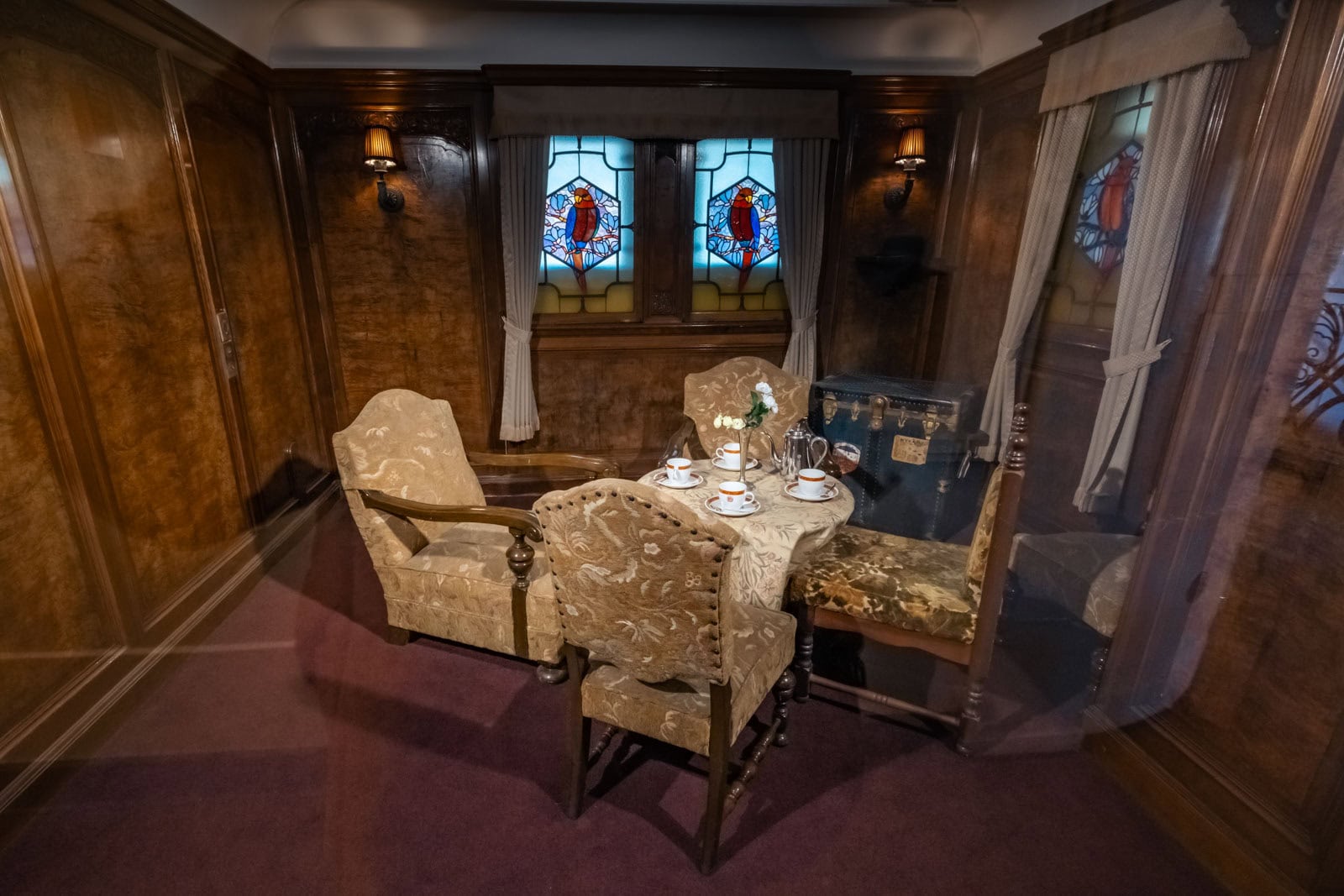
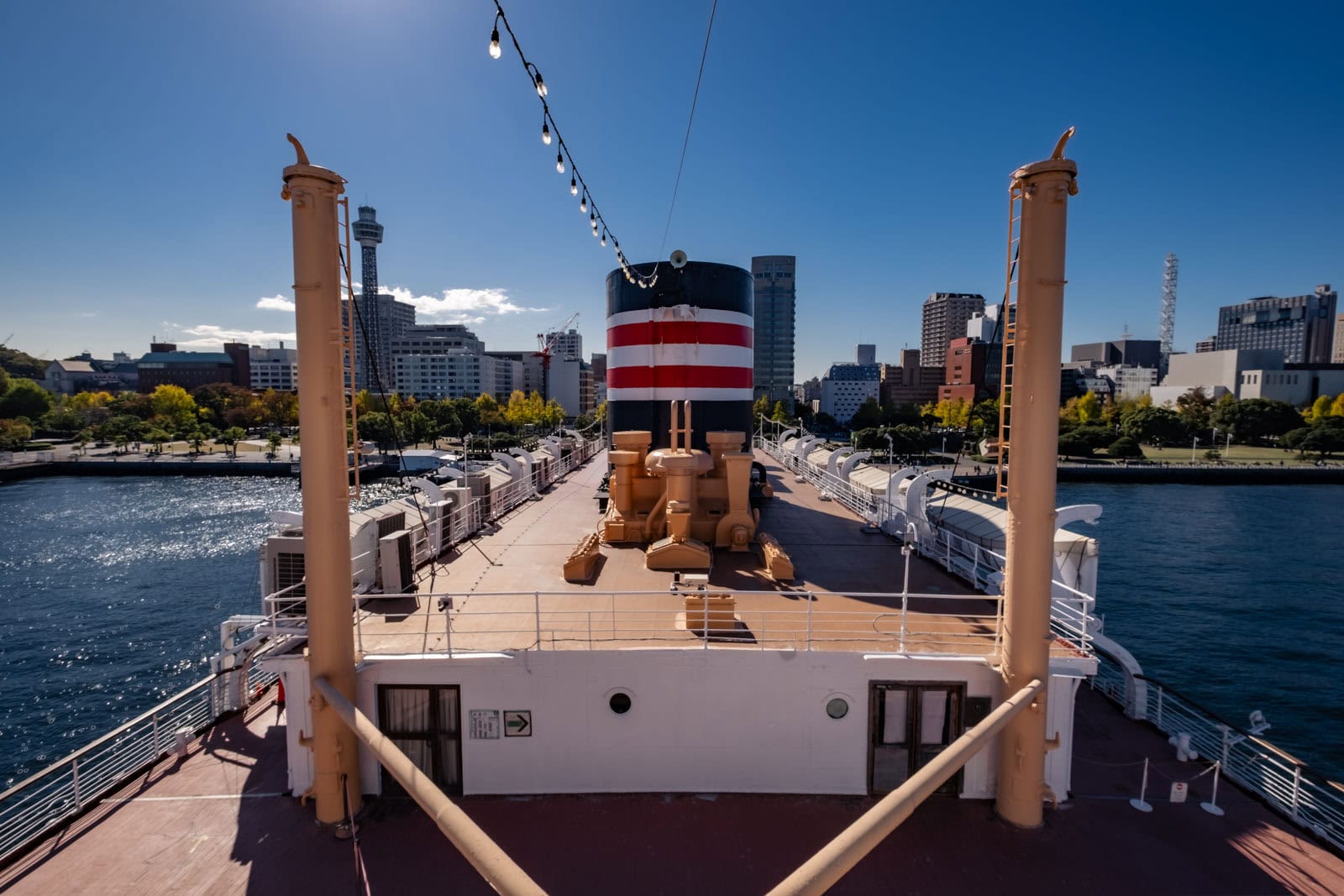
Photo spots near the ship
This list is just the beginning. The Yamashita Park area is packed with photographic opportunities, all within easy walking distance.
- Berrick Hall: a registered historical Yokohama building. The architect J. H. Morgan designed it in 1930 to be the residence for a British trading merchant, B.R. Berrick.
- Chinatown (great places to eat and some beautiful temples)
- Harbour View Park Observatory: a lookout with benches on top of a bluff
- Marine Tower
- Nippon Maru: a sail training ship permanently moored next to Yokohama Landmark Tower.
- Yokohama Bay Bridge
- Yokohama Foreign Cemetery
- Yokohama International Passenger Terminal
- Yokohama Landmark Tower (with a fantastic observatory on top)
- Yokohama Port
History of the Hikawa Maru
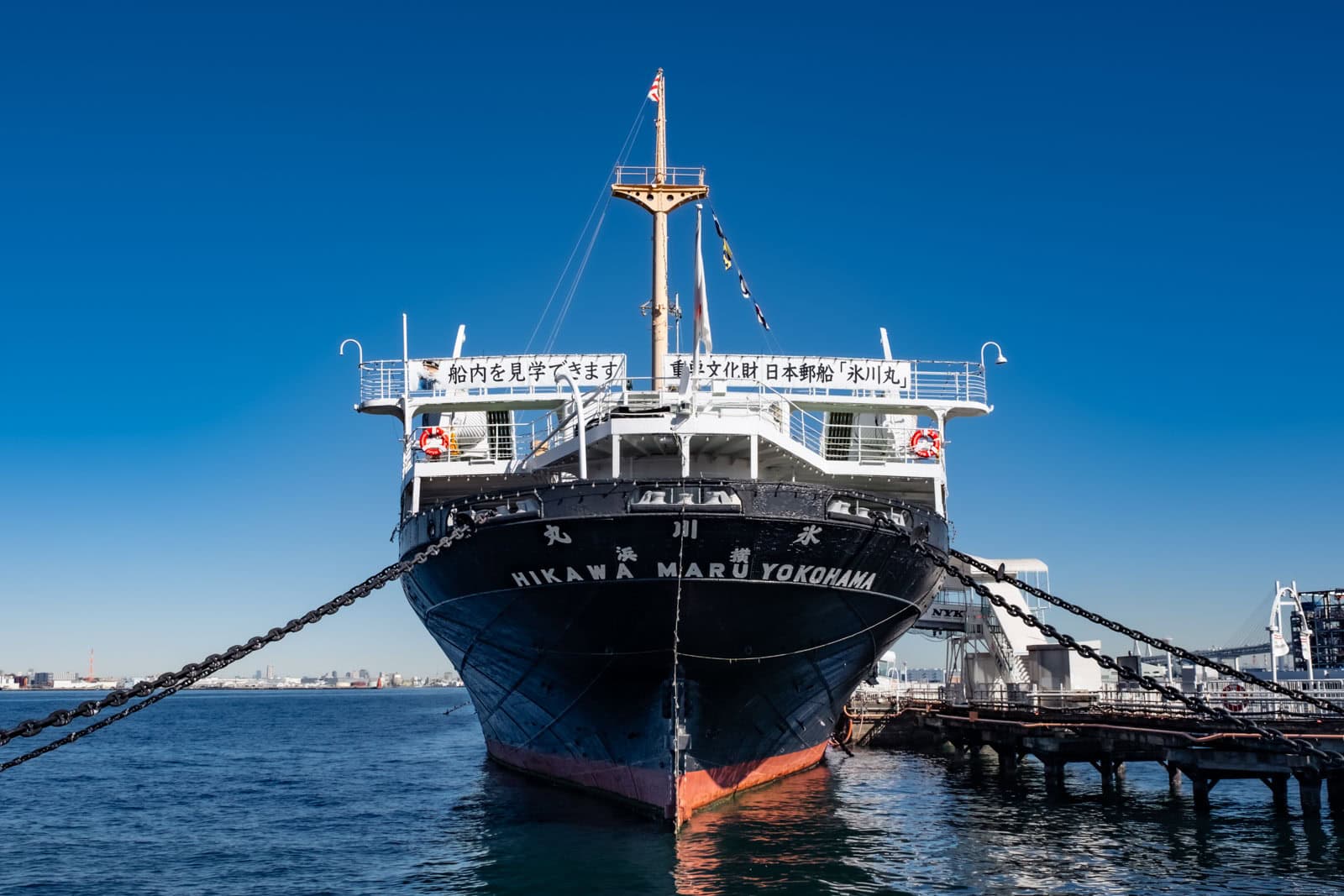
Yokohama Dock Co. built the ship in 1930 and gained a reputation as a luxury liner. Until WW2, she ran routes between Yokohama, Vancouver, and Seattle. In 1940–41, before Japan entered the Second World War, many Jewish refugees fled Nazi persecution to Canada and the United States via Japan, and they sailed on Hikawa Maru.
Charlie Chaplin was one of her famous passengers. His visit coincided with the May 15th Incident, where ultranationalist naval officers assassinated Prime Minister Inukai Tsuyoshi.
The plotters believed that killing a high-profile visitor like Chaplin would draw the United States into a war with Japan. He avoided that as he was watching a sumo match.
She had two sister ships named Hei Maru and Heian Maru that were lost in the war. All were named after famous Shinto shrines. Hikawa Maru survived, but mines damaged her three times during her time as a hospital ship.
She resumed cargo-passenger ship services on the Seattle route in 1953. The ship retired in 1960 after 254 voyages across the Pacific Ocean. It carried more than 25,000 passengers. Hikawa Maru has been at Yokohama’s Yamashita Park since 1961 and became an Important Cultural Property in 2016.
Is the Hikawa Maru worth photographing?
The Hikawa Maru is more than just a beautiful subject; it’s a witness to history. From its elegant Art Deco salons to its resilient hull that survived a world war, every corner of this ship tells a story.
Whether you are a history buff, a travel photographer, or simply looking for a unique Yokohama experience, the Hikawa Maru offers a captivating journey into Japan’s maritime past. It stands today not just as a ship, but as an iconic piece of Japanese history, waiting for you to explore and photograph. To see another ship with a military past read my [Memorial Battleship Mikasa Photo Guide].