Rikugien Gardens Photo Guide
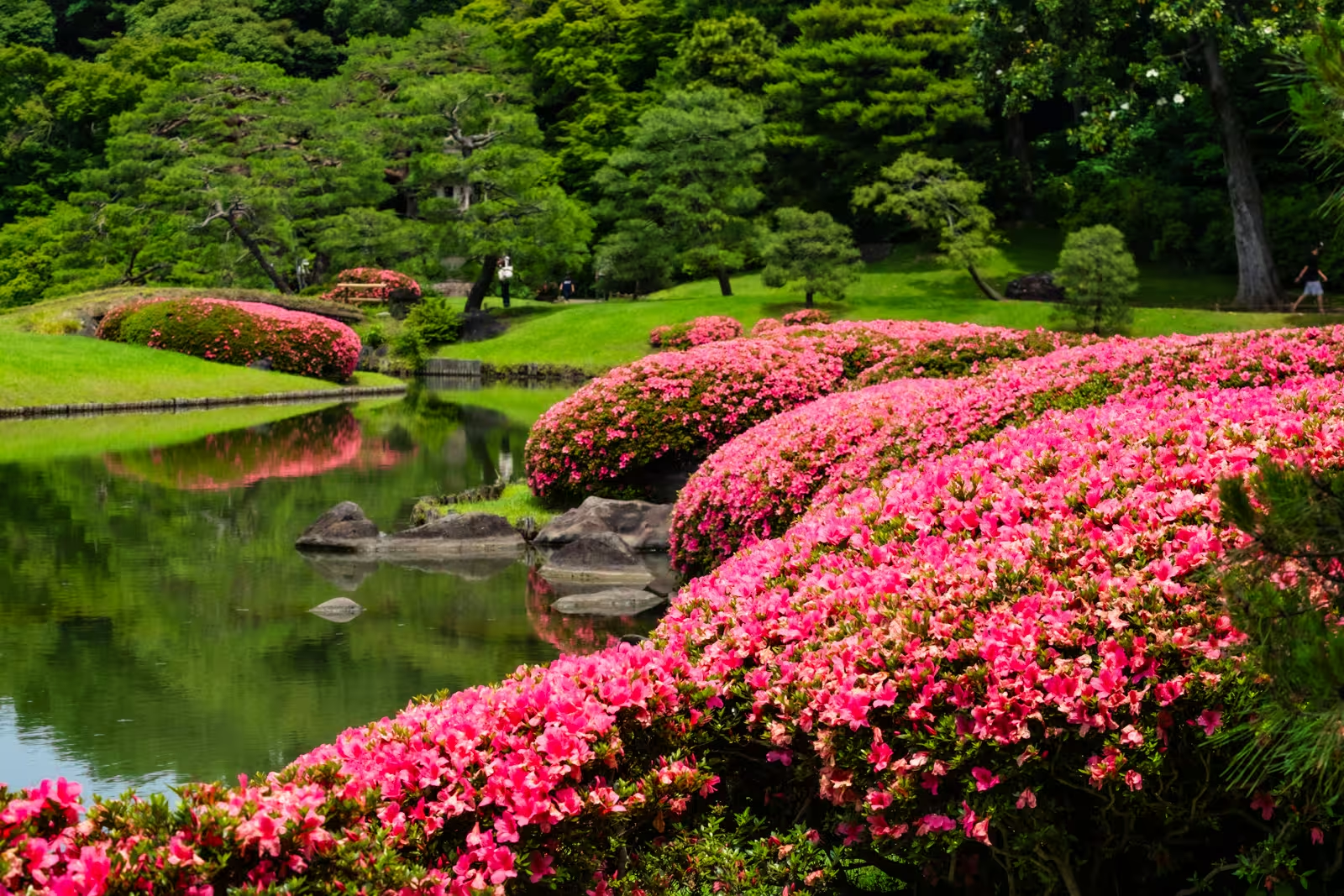
Rikugien Gardens is another of Tokyo’s Edo-period parks. Many people consider it to be one of the city’s best. While it isn’t big, it is beautiful. Scenes from classical waka poetry famously inspired its design. A Yamanote line station is only a few minutes walk away making it easily accessible.
Main photo locations at Rikugien
The famous weeping cherry tree
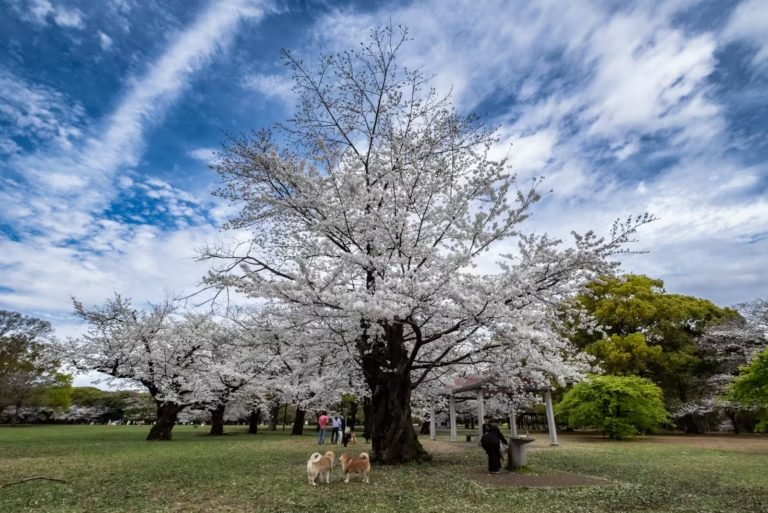
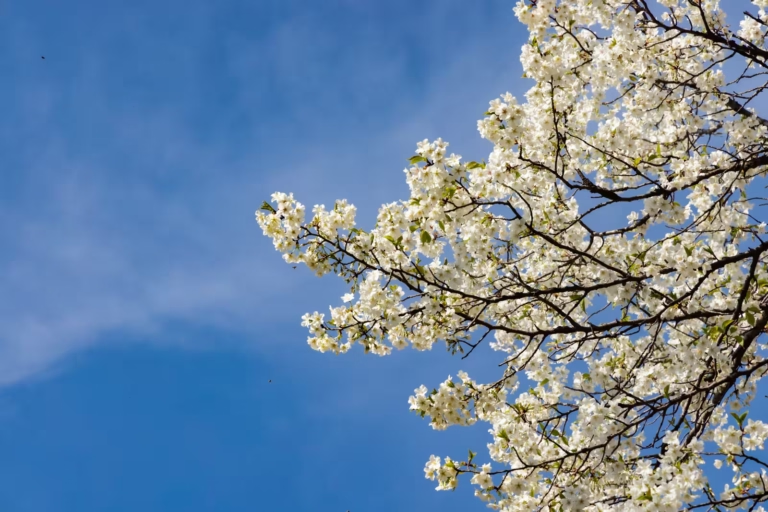
One of the first things you’ll see upon entering the main gate is a pleasant surprise: a huge, beautiful, weeping cherry blossom tree. It is famous, and swarms of photographers surround it in spring. To photograph this tree entirely, I recommend using a wide-angle lens!
Islands, hills, and winding paths
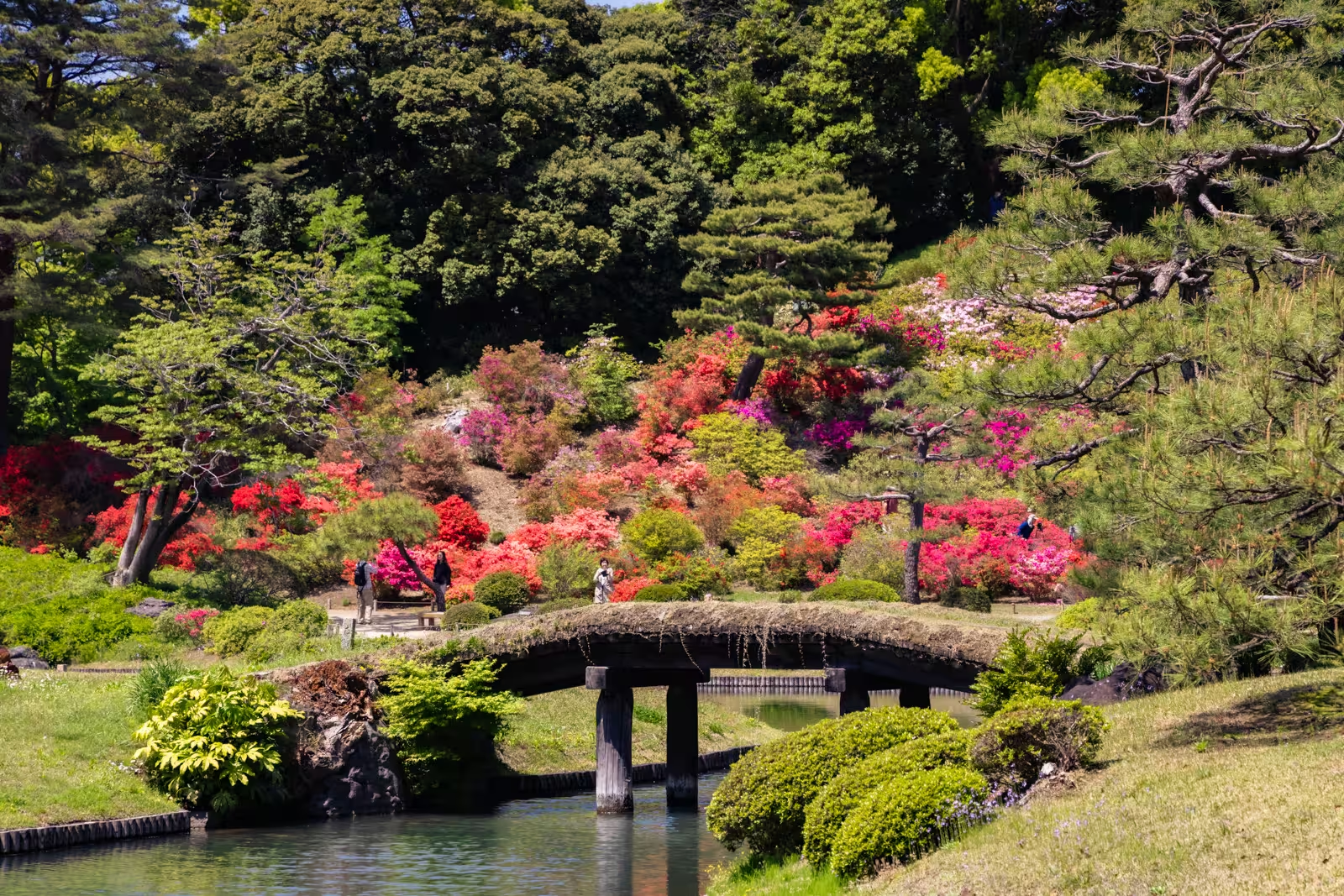
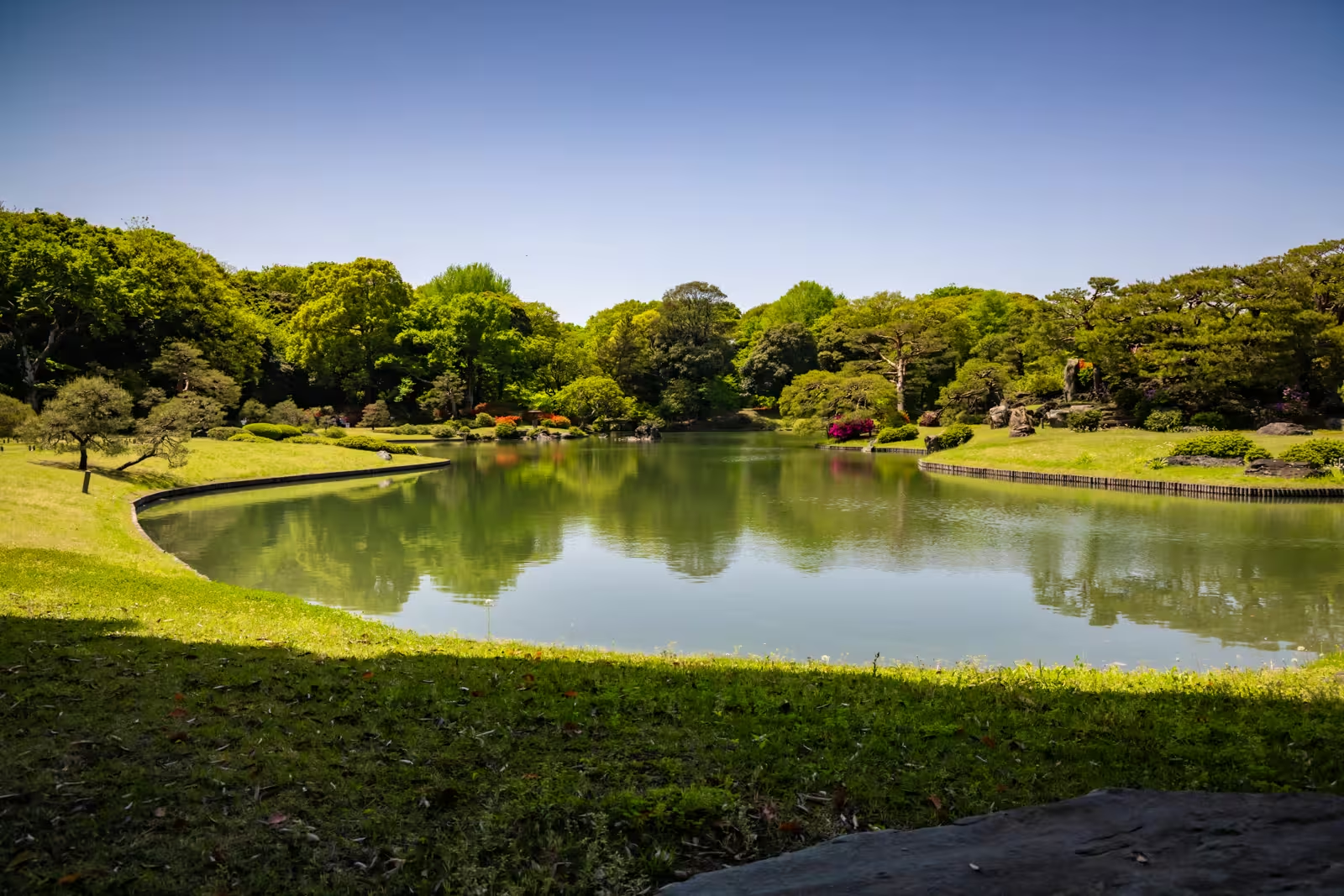
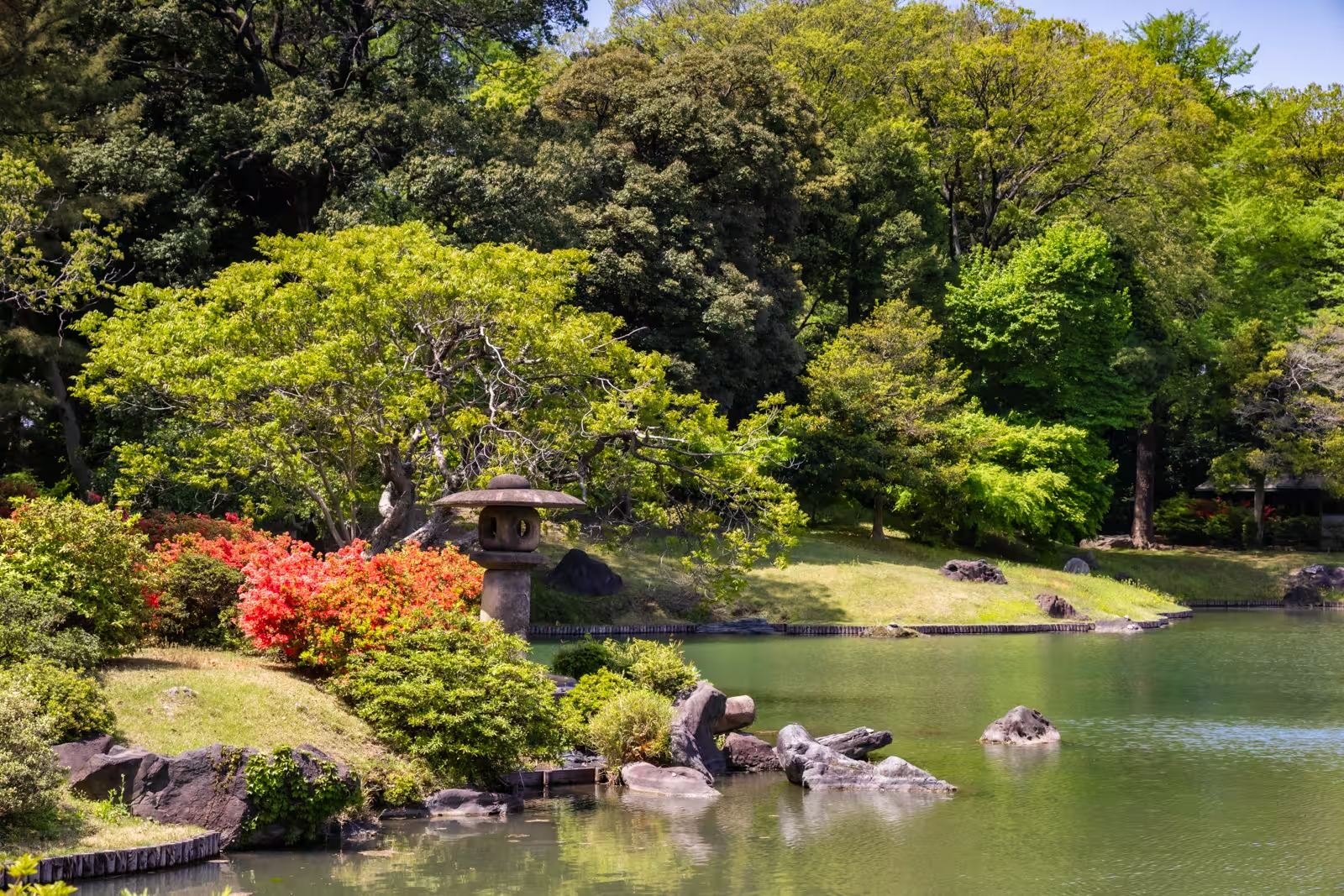
The garden is a classic Edo-period design, featuring a large central pond with several islands. One is quite large, while the other, named Horaijima, is tiny but cute.
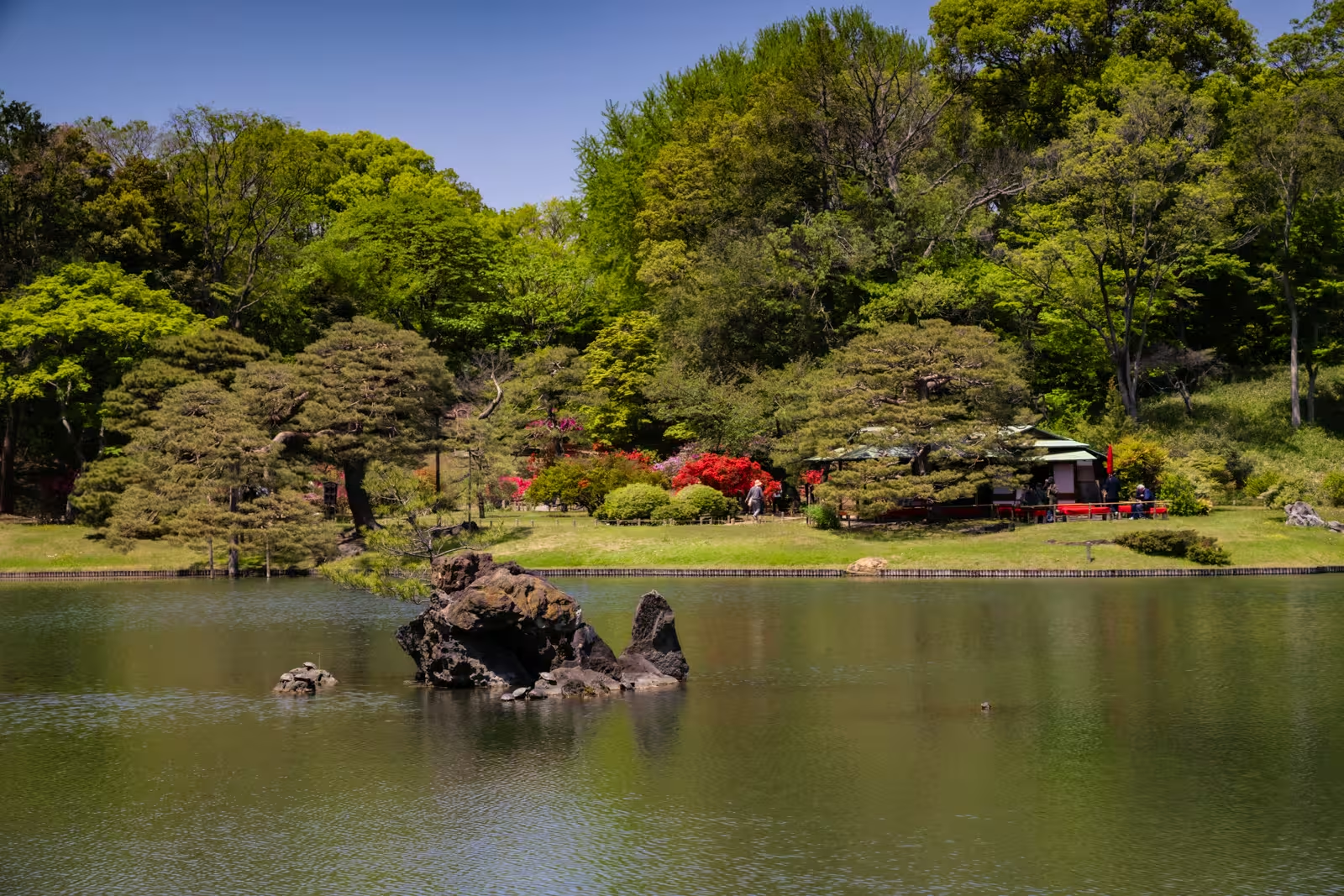
Rikugien Gardens has many winding paths from which you can enjoy the view. Some pass through a small forest, while others go over beautiful lawns. Little bridges cross canals, and if you need a different perspective, you can climb Fujishiro-toge, the park’s tallest hill.
Teahouses with a view
And what Japanese garden would be complete without a teahouse? Rikugien has three: Takimi-no-chaya and Tsutsu-no-chaya, which are now rest houses. The third, Fukiage-no-chaya, still serves matcha (green tea) with wagashi (Japanese sweets). You can have your tea hot or cold, costing 500 yen (prices are subject to change).
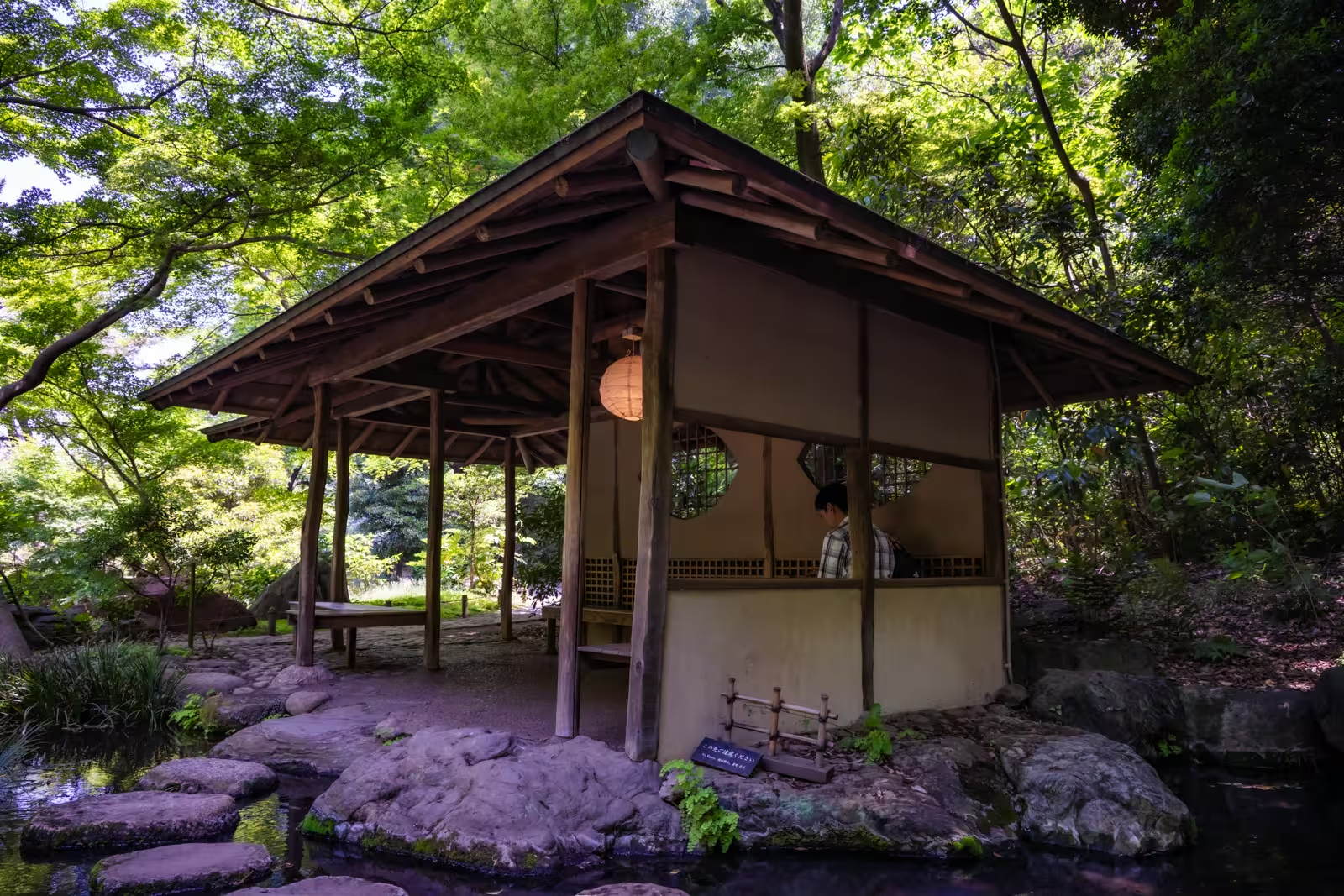
It’s lovely, sitting next to the water, enjoying the view. On a sunny day, you can sip your tea and watch birds fly across the pond as they did back in the old days. If you have a long lens, you can snap photos while you rest!
Photography at the Rikugien Gardens
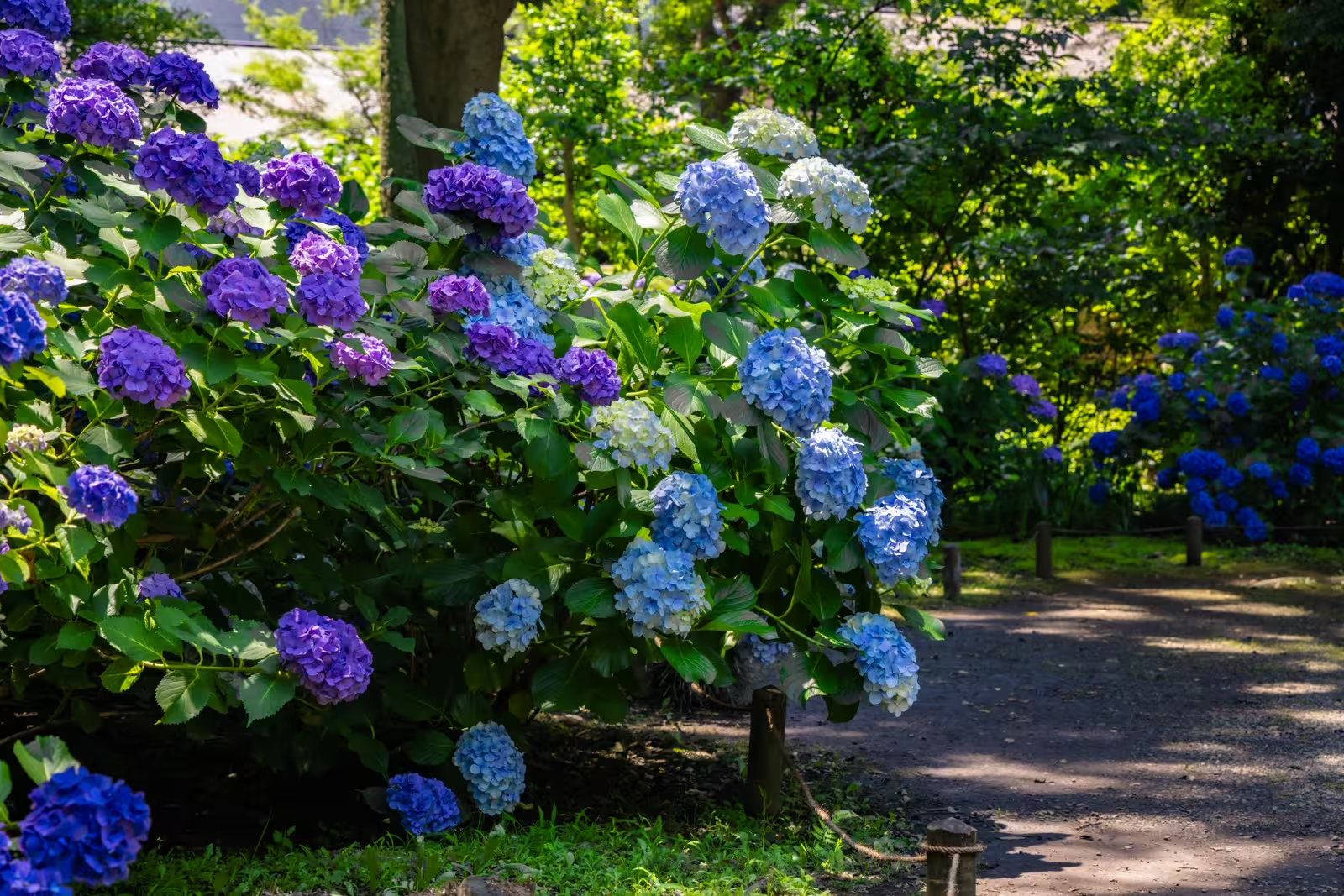
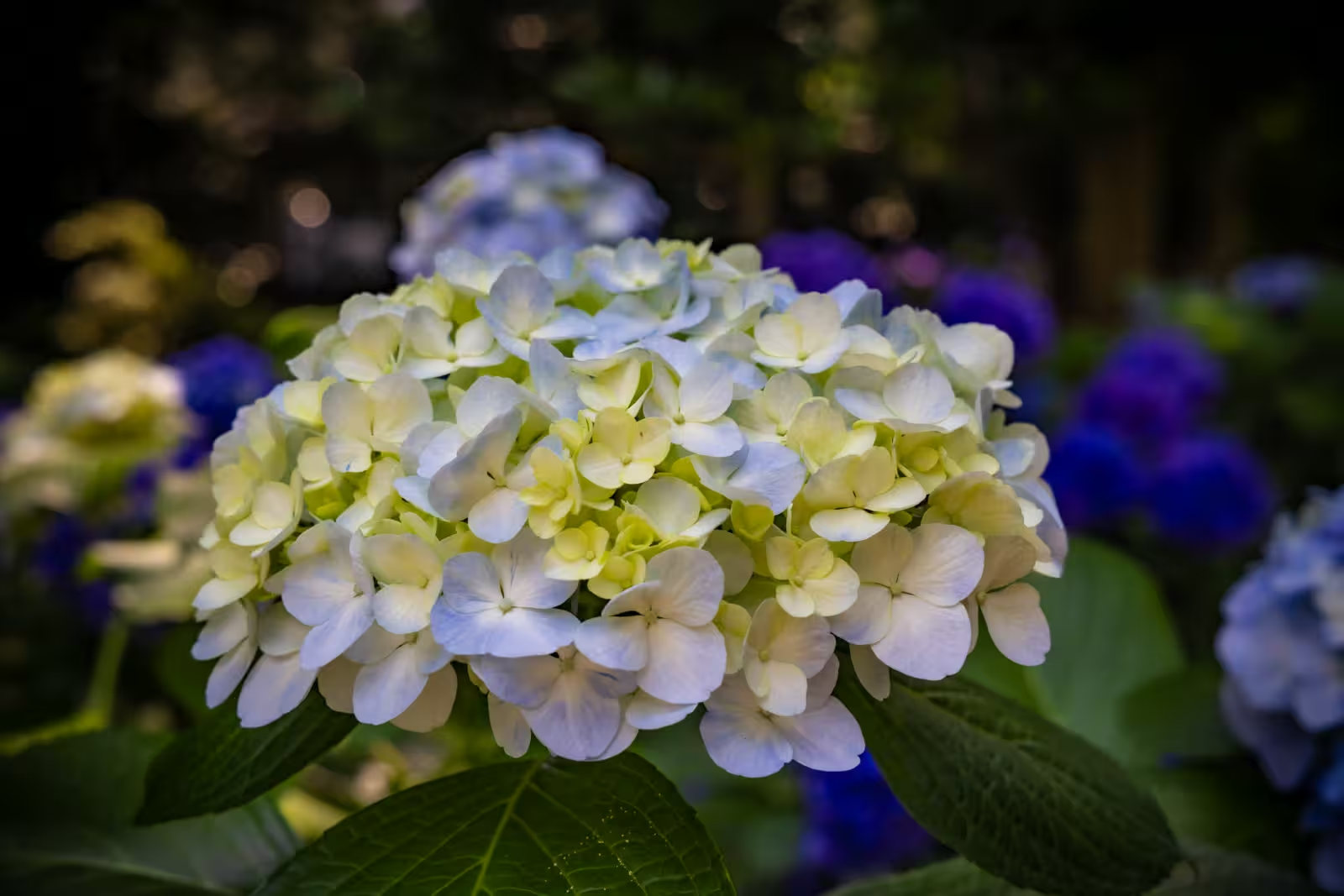
Why is Rikugien a fabulous Tokyo photo spot? One reason is that it’s wonderful for flower photography. Each season has something special. Spring sees the weeping cherry tree come into bloom. Autumn has fabulous leaves and a nighttime light-up. Summer and winter have their own, too (please look at the park’s website for full details).
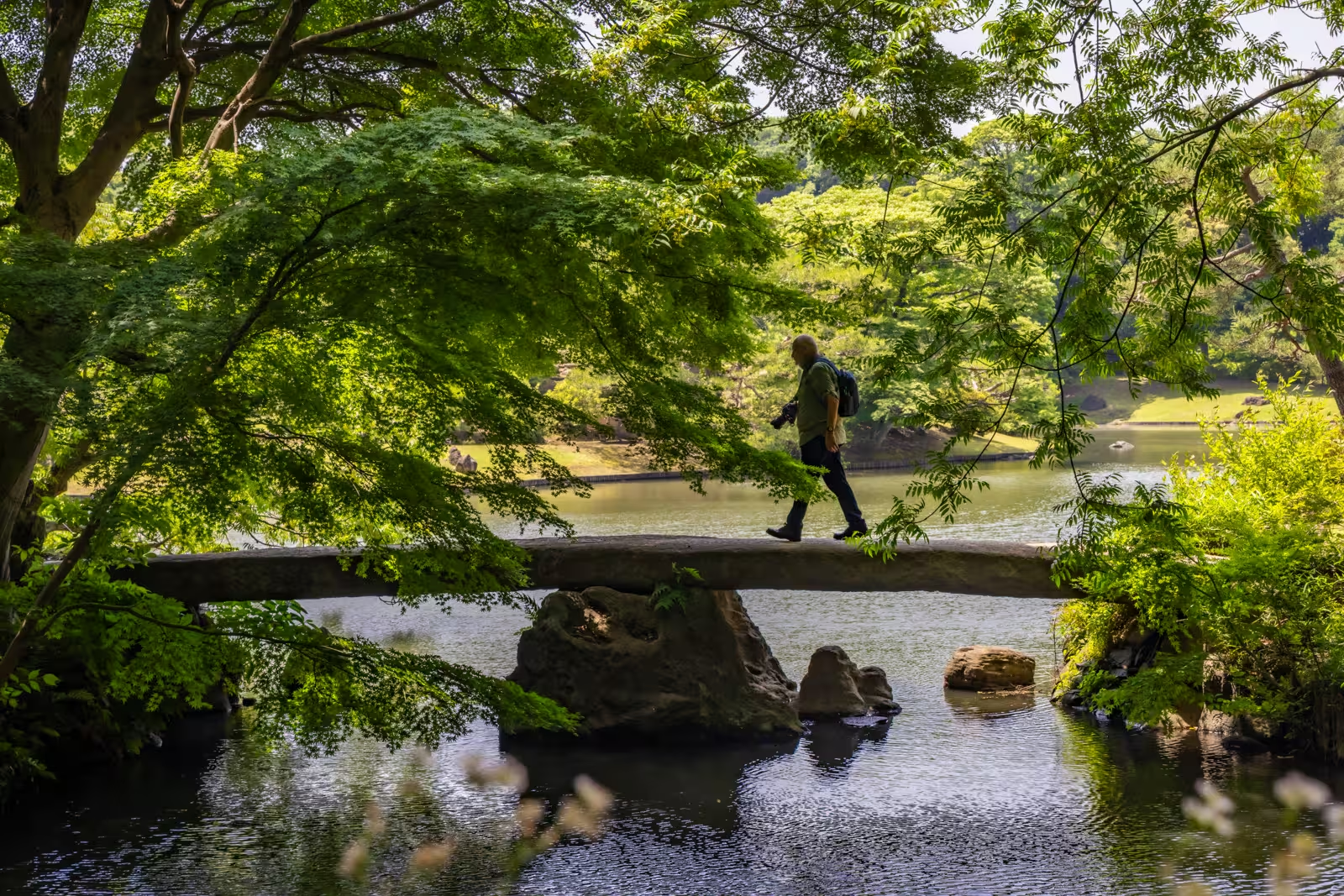
With flowers, islands, wildlife, and hills, every type of lens will have its use, long or short. Be aware that tripods are not allowed due to some paths being too narrow. This is especially important during night illumination events. Make sure to take the fastest lens you have and boost your ISO.
Best time for photos: Evening illuminations
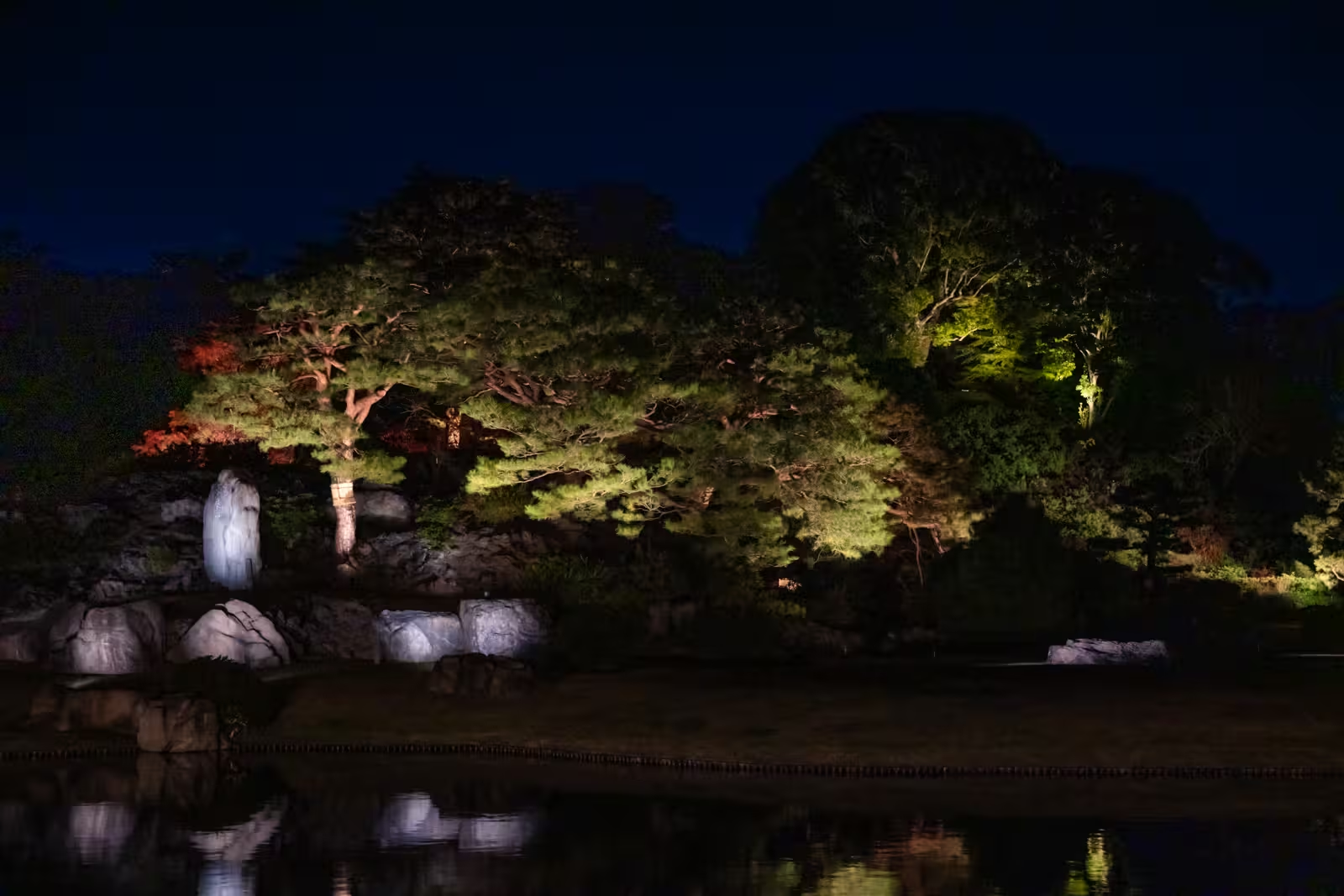
Rikugien is beautiful by day. But, its most spectacular moments are during the special evening illuminations in spring and autumn. These are must-see events that transform the garden into an otherworldly landscape.
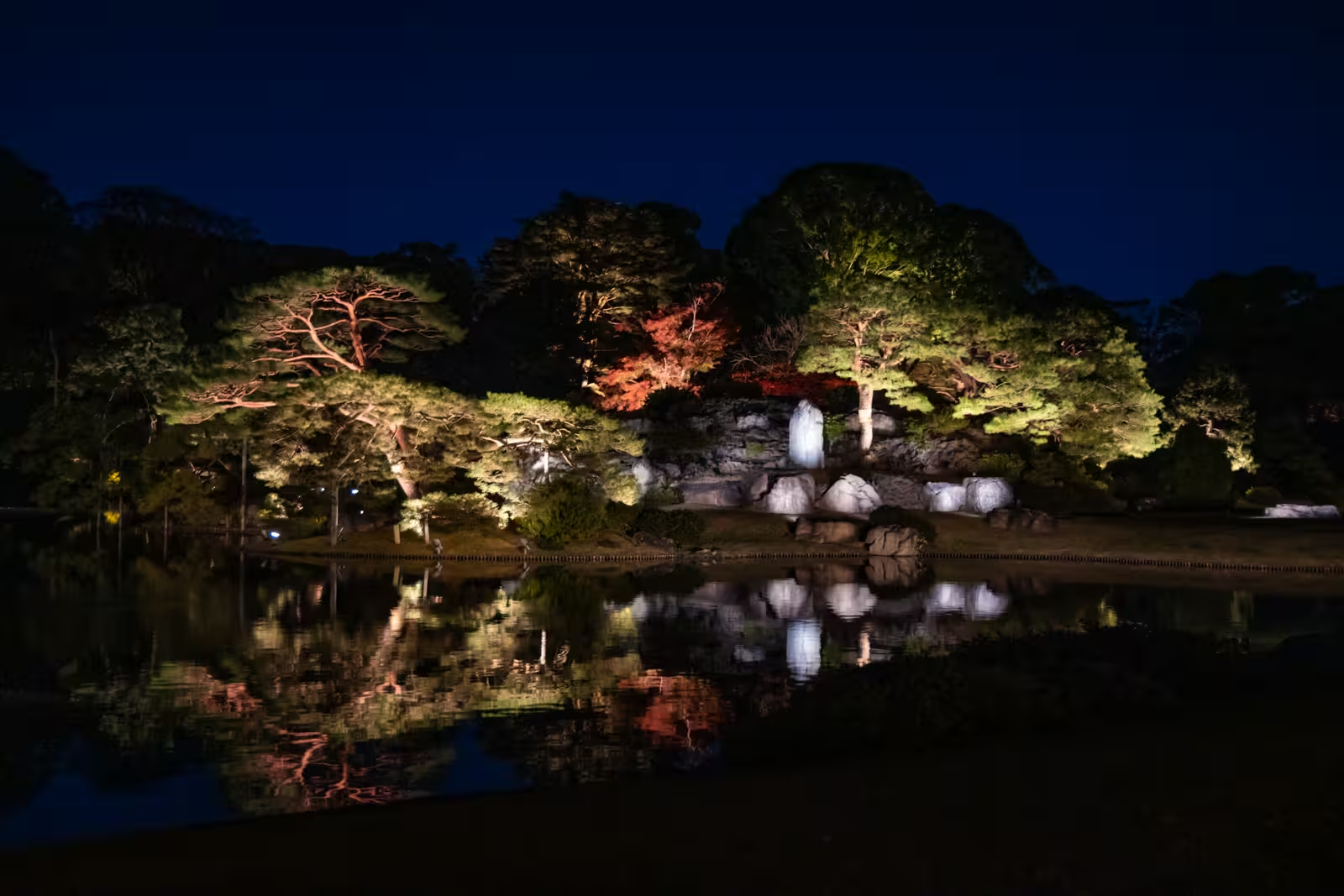
Important: These are separately ticketed events. The garden closes at 5:00 p.m. and reopens in the evening exclusively for illumination ticket holders. A standard daytime ticket will not grant entry.
Autumn Light-Up (Koyo)
Typically held from late November to early December, this event showcases the stunning autumn colors as the maples and other trees are lit up against the night sky. This is an incredibly popular event that requires some planning.
For a complete walkthrough on how to make the most of your visit, see our dedicated guide, [Rikugien Light-Up 2026: 7 Insider Tips for a Magical Night (coming soon)].
Spring light-up (cherry blossoms)
Usually running for about a week in late March, this event highlights the magnificent 15-meter-tall weeping cherry tree, which appears to float like a pink waterfall in the dark. Like the autumn event, it is extremely popular.
For the most up-to-date information on dates, hours, and ticket purchasing for the spring illumination, check the official Rikugien Gardens website. Details are typically announced a few months beforehand.
Daytime visits
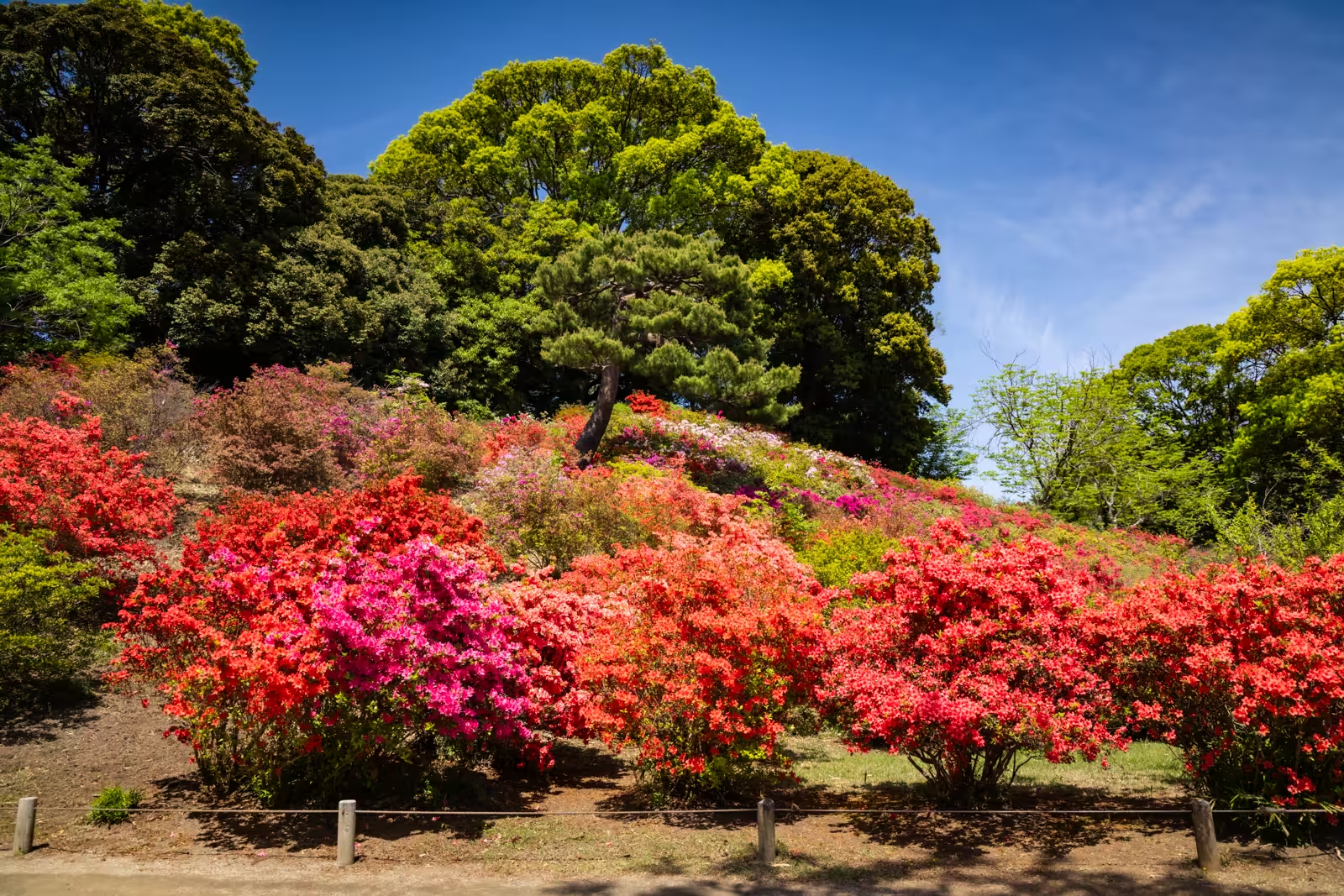
Spring is also a wonderful time for a daytime visit when the park is flooded with the color of blooming cherry blossoms and azaleas. In my opinion, autumn days are equally spectacular with their colorful foliage.
Visitor information: Access, hours & fees
Where are Rikugien Gardens?
Address: 6-16-3 Honkomagome, Bunkyo City, Tokyo
During peak spring and autumn times, the Someimon Gate, which is much closer to Komagome Station (only a 2-minute walk), is temporarily opened. This can save visitors some walking. During other times of the year, they must use the main gate, which is a little further away.
Here is the park Google Maps:
Train access
- Komagome Station on the JR Yamanote (South Exit) and Tokyo Metro Namboku (Exit 2) Lines.
- Sengoku Station on the Mita Metro Line.
Opening hours
9 a.m. to 5 p.m. (with last admission at 4:30 p.m.).
Entry fees
- ¥300
- Admission is free on Greenery Day (May 4th) and Tokyo Citizens’ Day (October 1st).
- It is also free for elementary school students and junior high school students who live or attend school in Tokyo.
- For the most up-to-date information, consult the official Rikugien Gardens website.
Nearby photo spots for photographers
- Gokokuji (one of Tokyo’s oldest temples)
- Koishikawa Botanical Garden
- Kyu-Furukawa Gardens (with its Josiah Conder-designed mansion and rose garden)
- Sky Circus Sunshine 60 Observatory (in Ikebukuro)
- Somei Cemetery
A brief history of the park
The fifth shogun, Tsunayoshi, loved waka poems. He read about a garden in one of them and wanted to recreate it in real life. In 1700, he commissioned Yoshiyau Yanagisawa to build it for him. The result was a park that contained eighty-eight miniature poetic scenes. About half of them remain today.
Is Rikugien worth it?
I like Rikugien Gardens a lot. It is a beautiful place for photographers. And it is gorgeous in autumn and spring, the flower seasons. Those two are fantastic. You can capture so much with a camera.
With the Yamanote line so close, you can get to parts of the city with no problems. The only thing you need to worry about might be the mosquitoes. In the hotter months, they can get thick in several places.
I’m sure you’d enjoy Rikugien Gardens. It’s been a favorite of mine in Tokyo for many years. If you go, pick up a pamphlet (in English) from the reception. It will give you full details of what is inside. Please remember Kyu-Furukawa Gardens is a short walk away, and is worth checking out especially when its roses bloom.
Have you photographed Rikugien Gardens? Share your experience in the comments section.