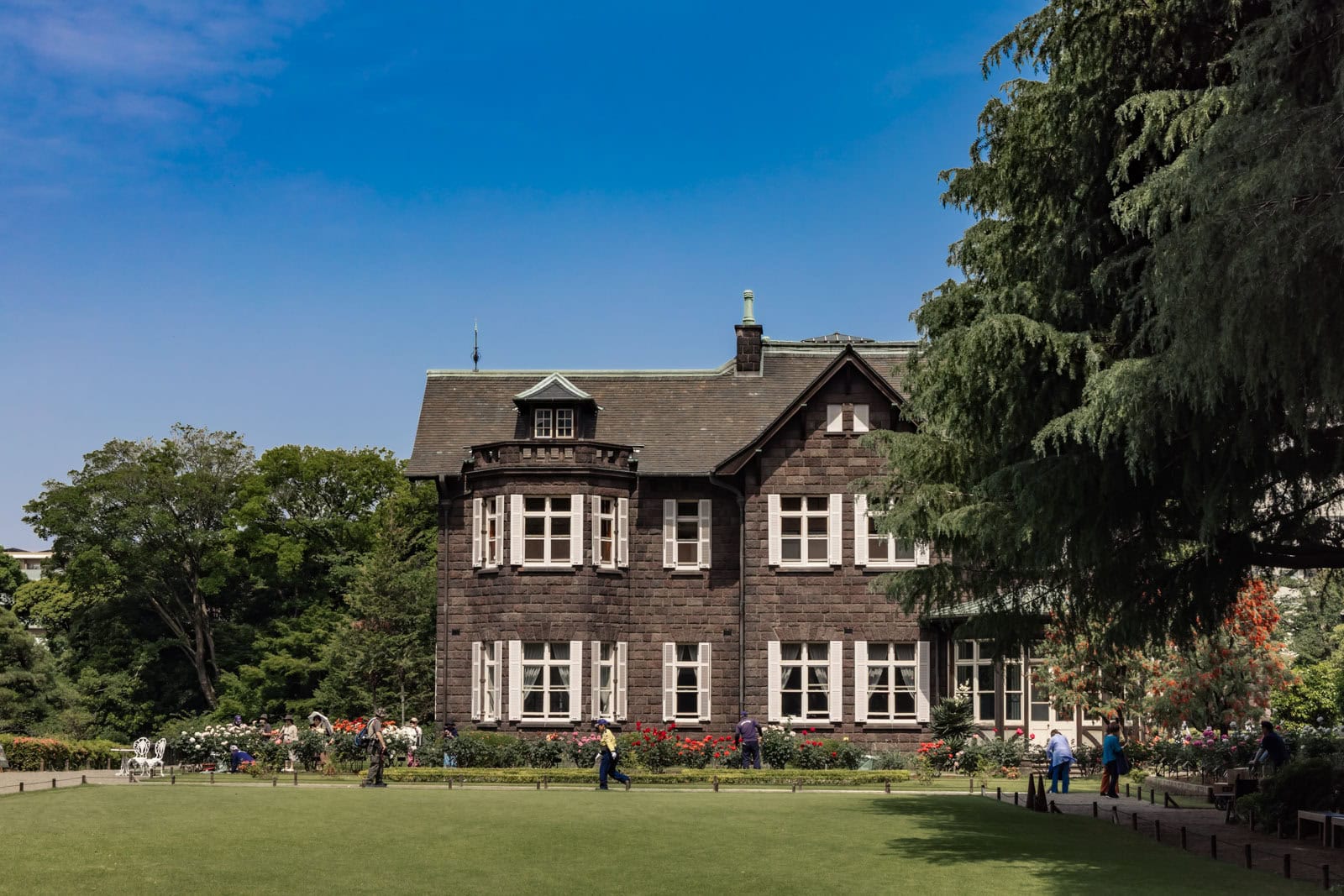
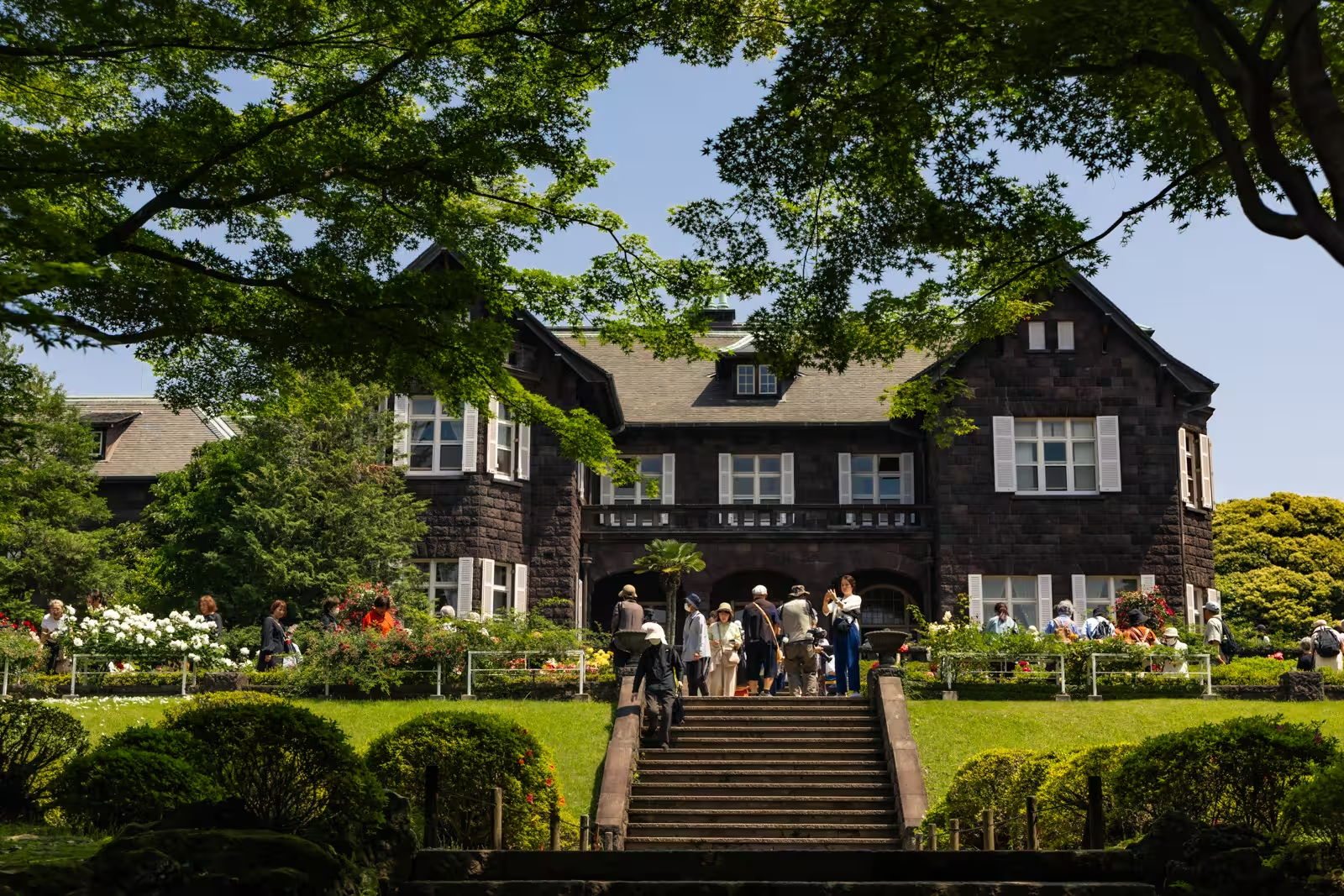
Imagine a stone manor and a fragrant rose garden with both designed by the famous architect Josiah Conder. You can’t get much more English than that, can you? And this one comes with a twist.
The manor and garden are in Tokyo. They are known as Kyu-Furukawa Gardens, straight out of Japan’s Taisho era. Elegance and history abound. Flower photographers love it.
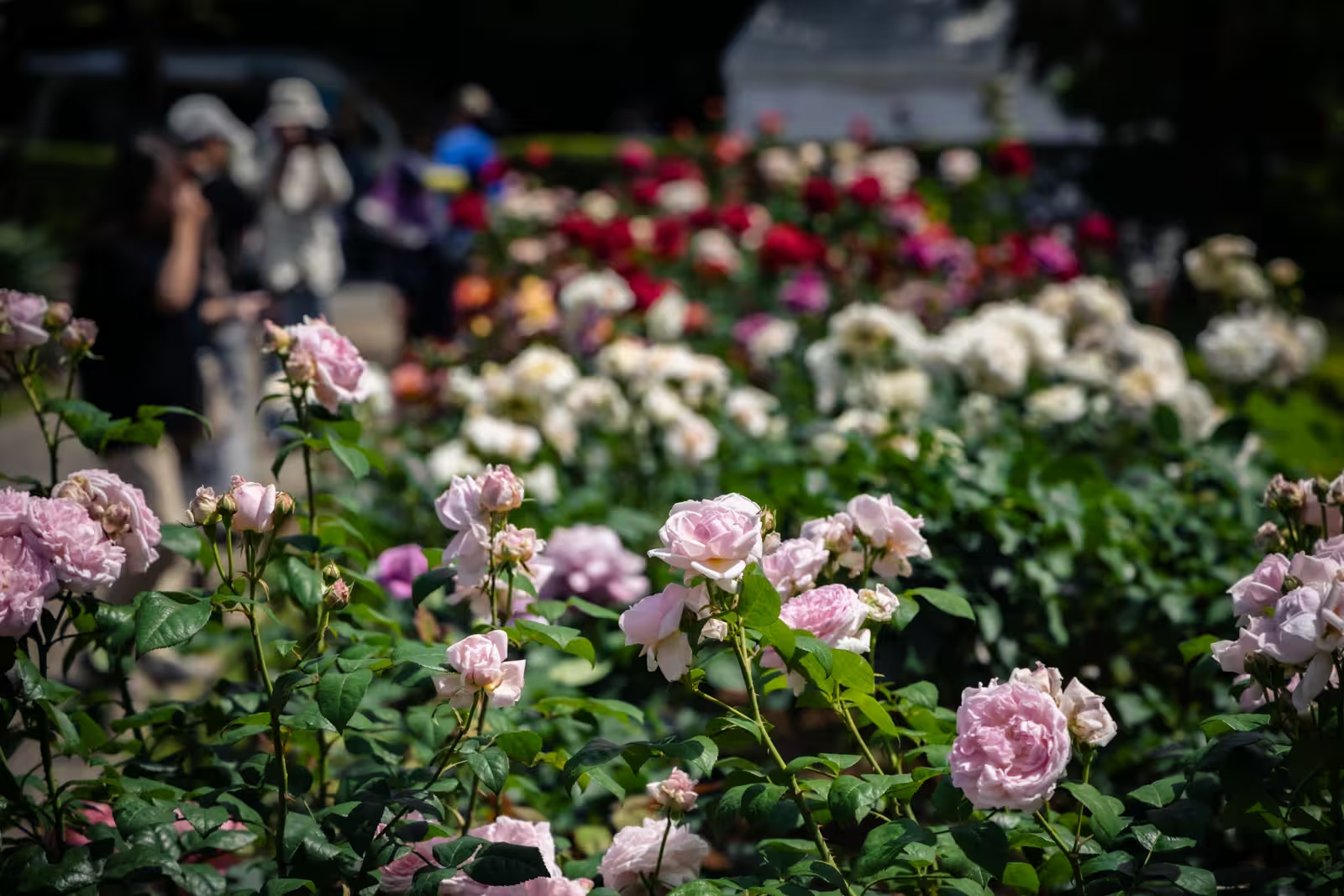
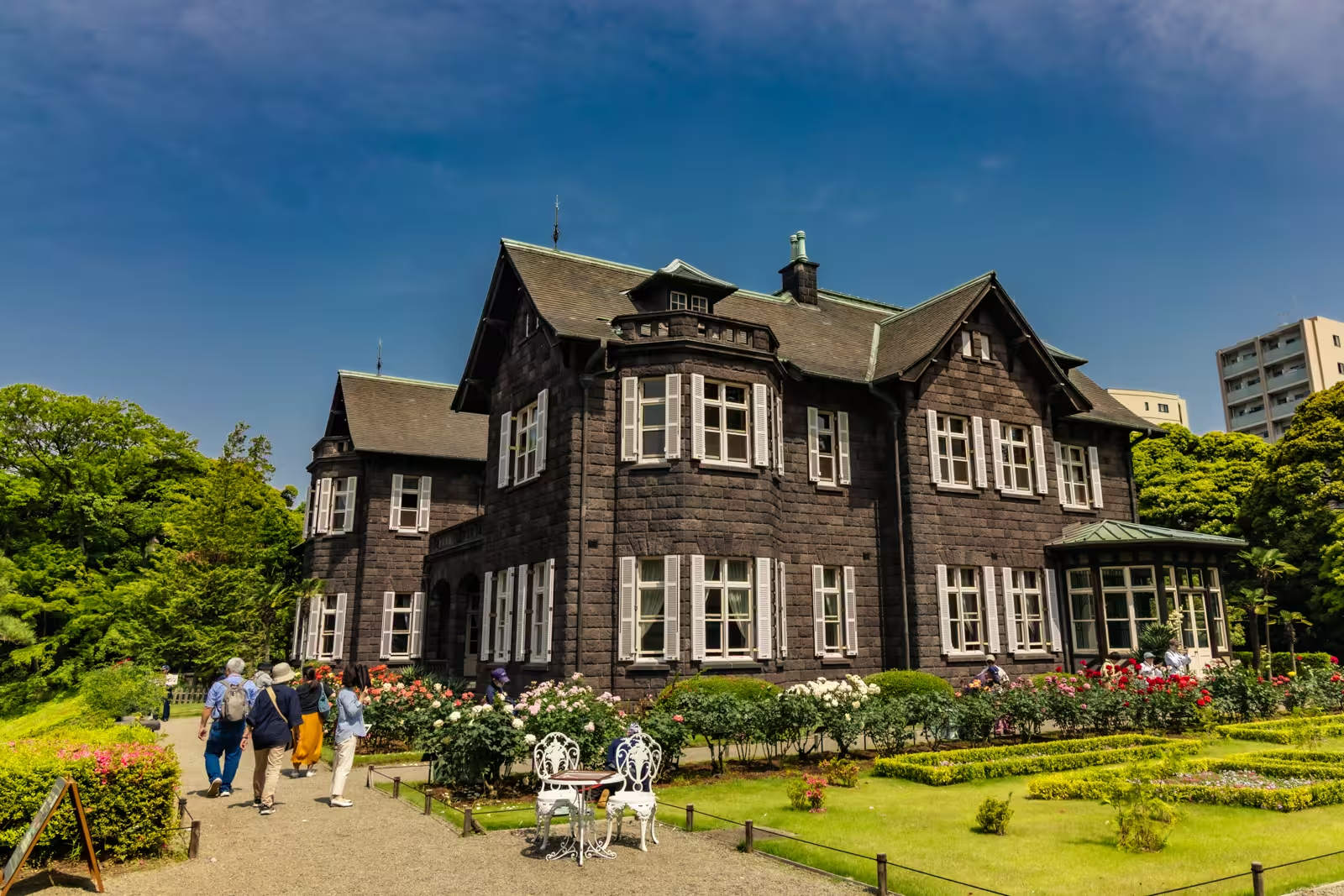
Josiah Conder’s mansion
Josiah Conder, the father of modern Japanese architecture, designed the mansion. He also designed other famous Tokyo landmarks like the Kyu-Iwasaki-tei Gardens and the Holy Resurrection Cathedral.
The building is a blend of styles, with a Western-style ground floor and Japanese-style rooms with tatami mats on the second floor. Now, it is open to the public in the twenty-first century.
One of Tokyo’s best rose gardens
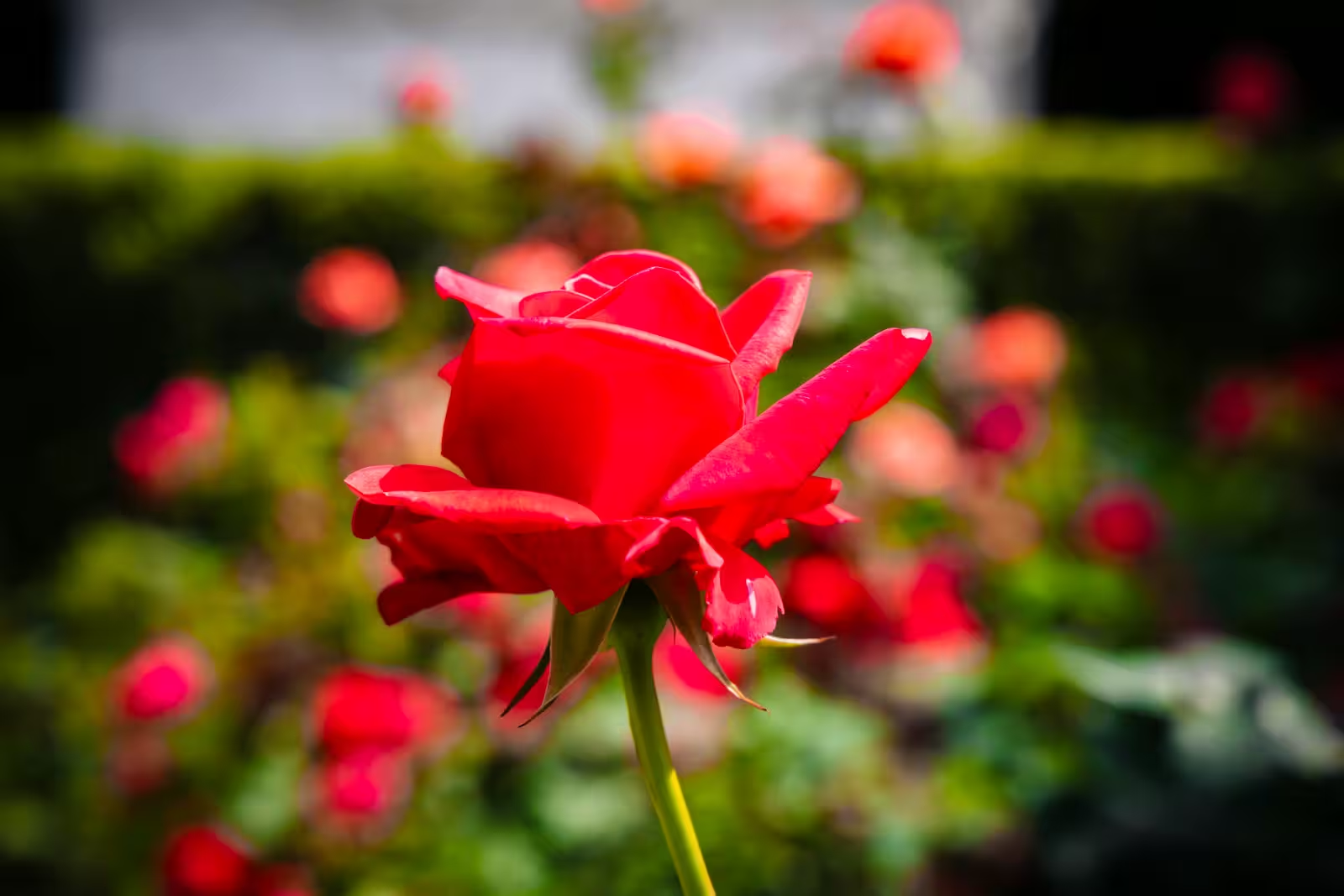
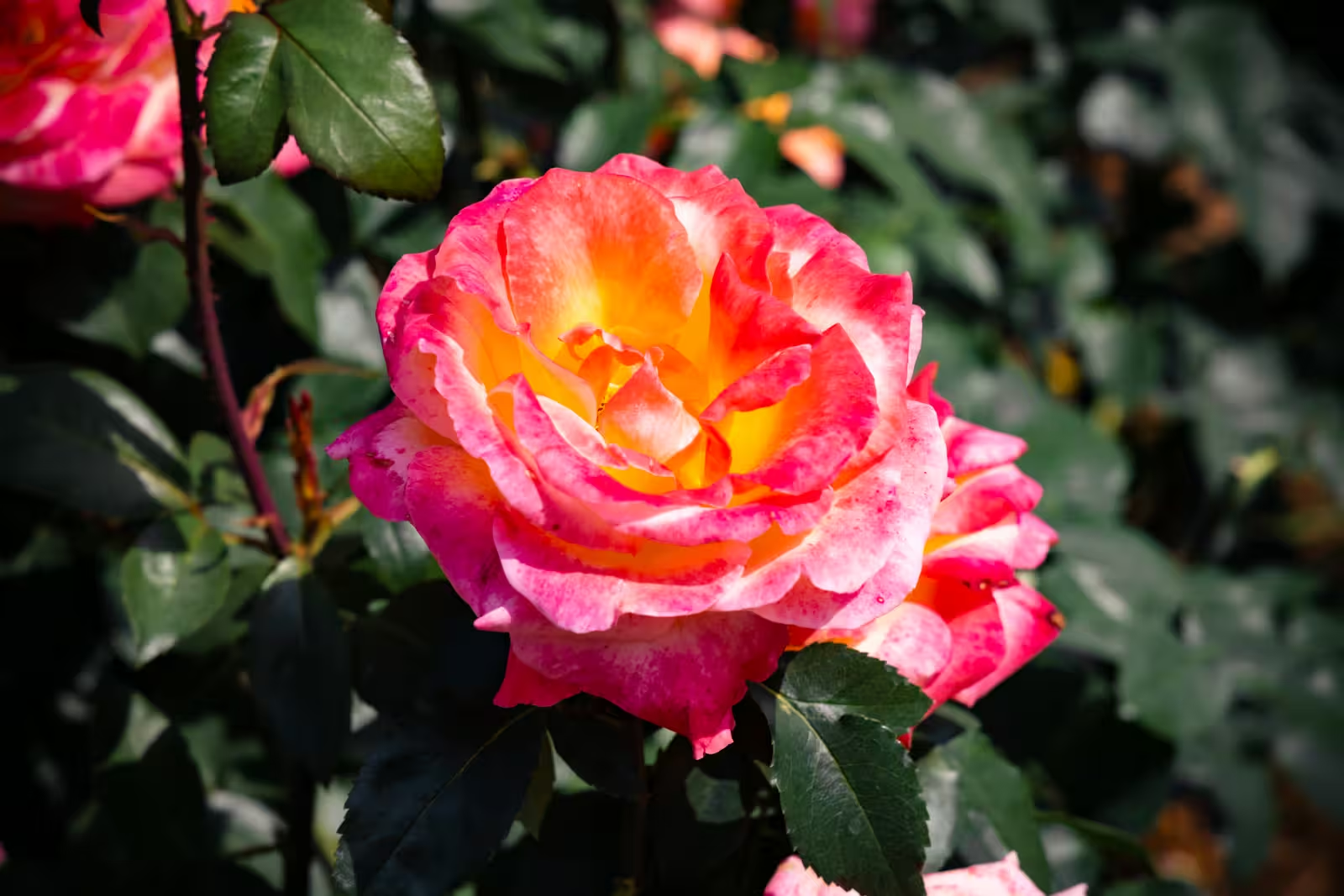
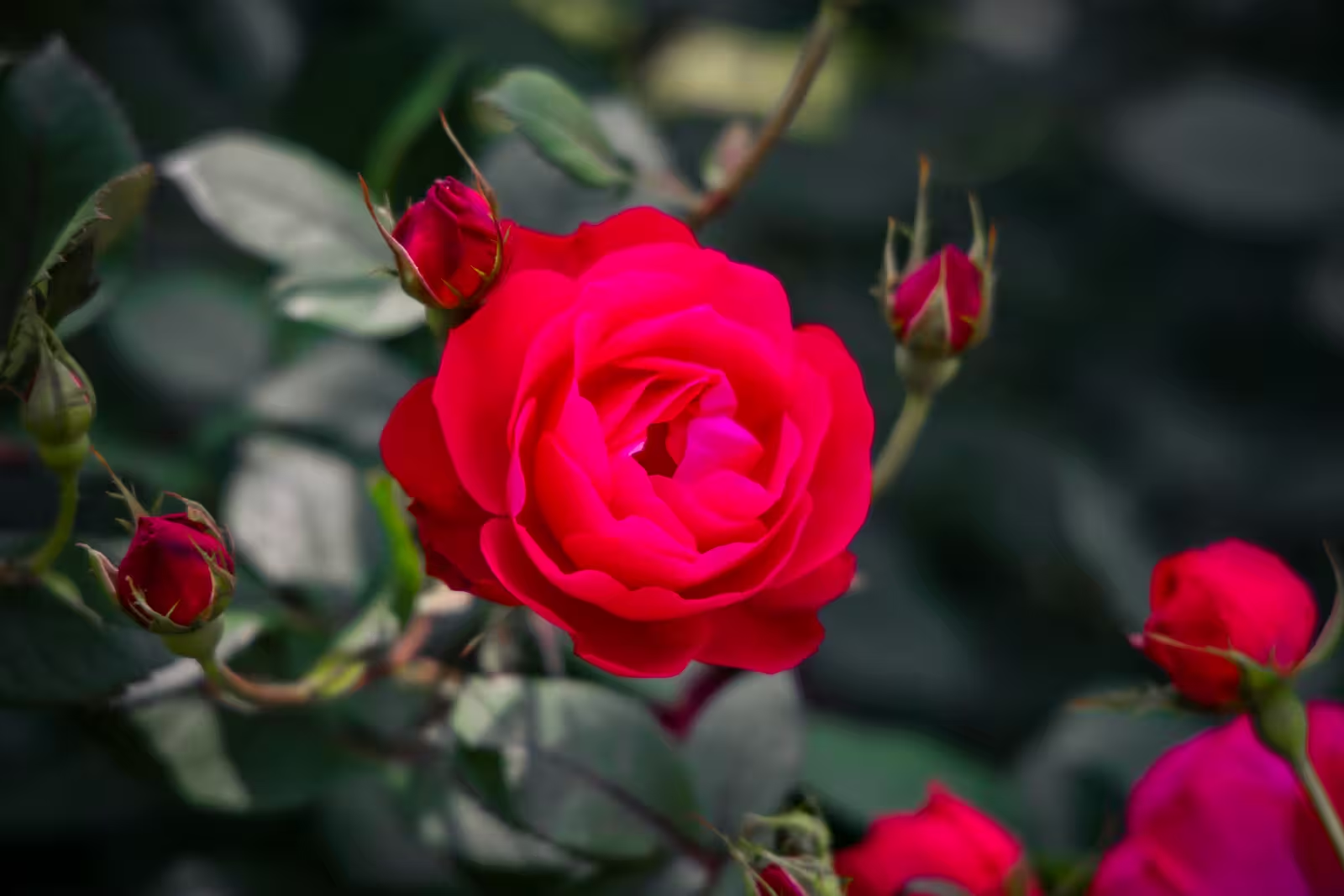
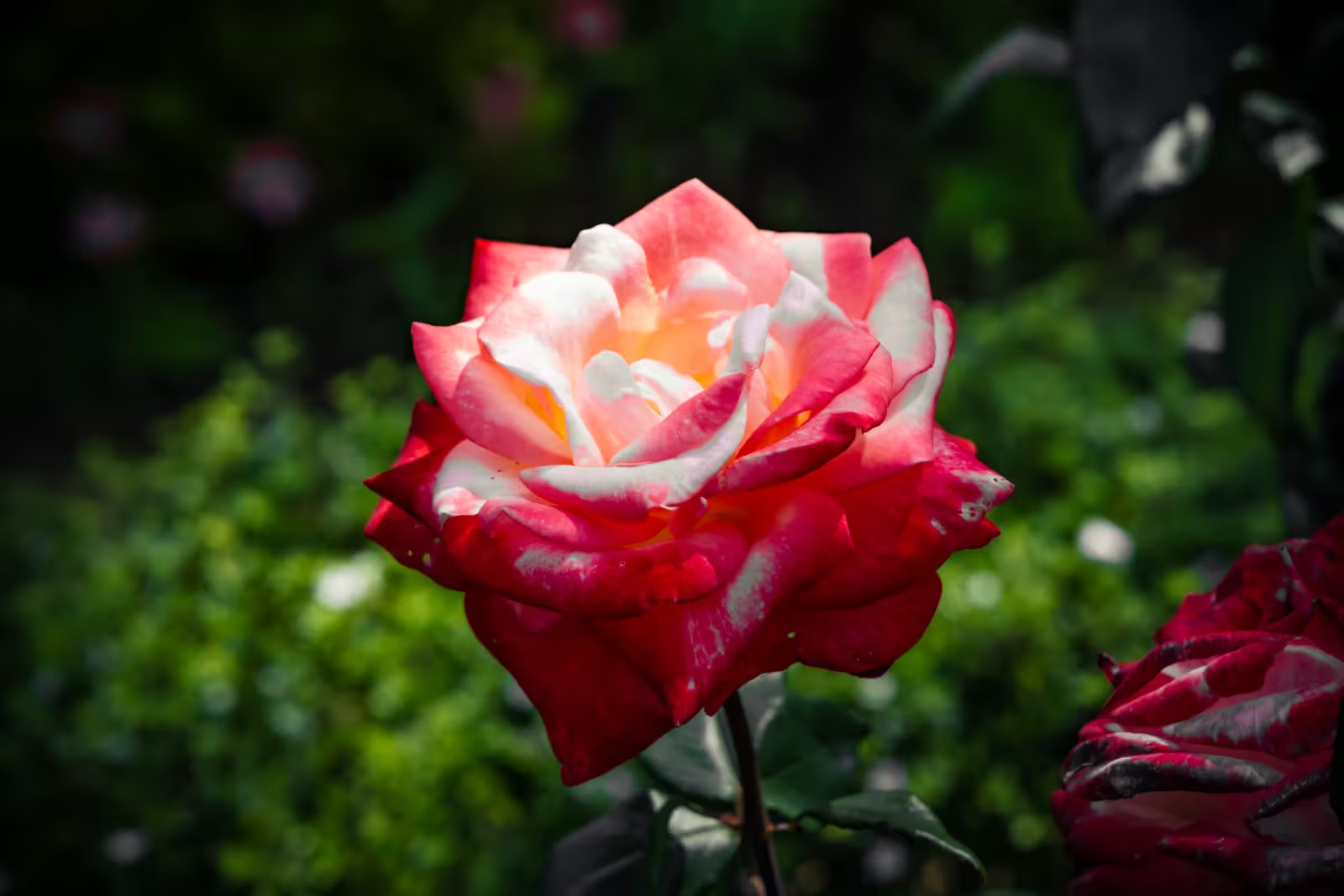
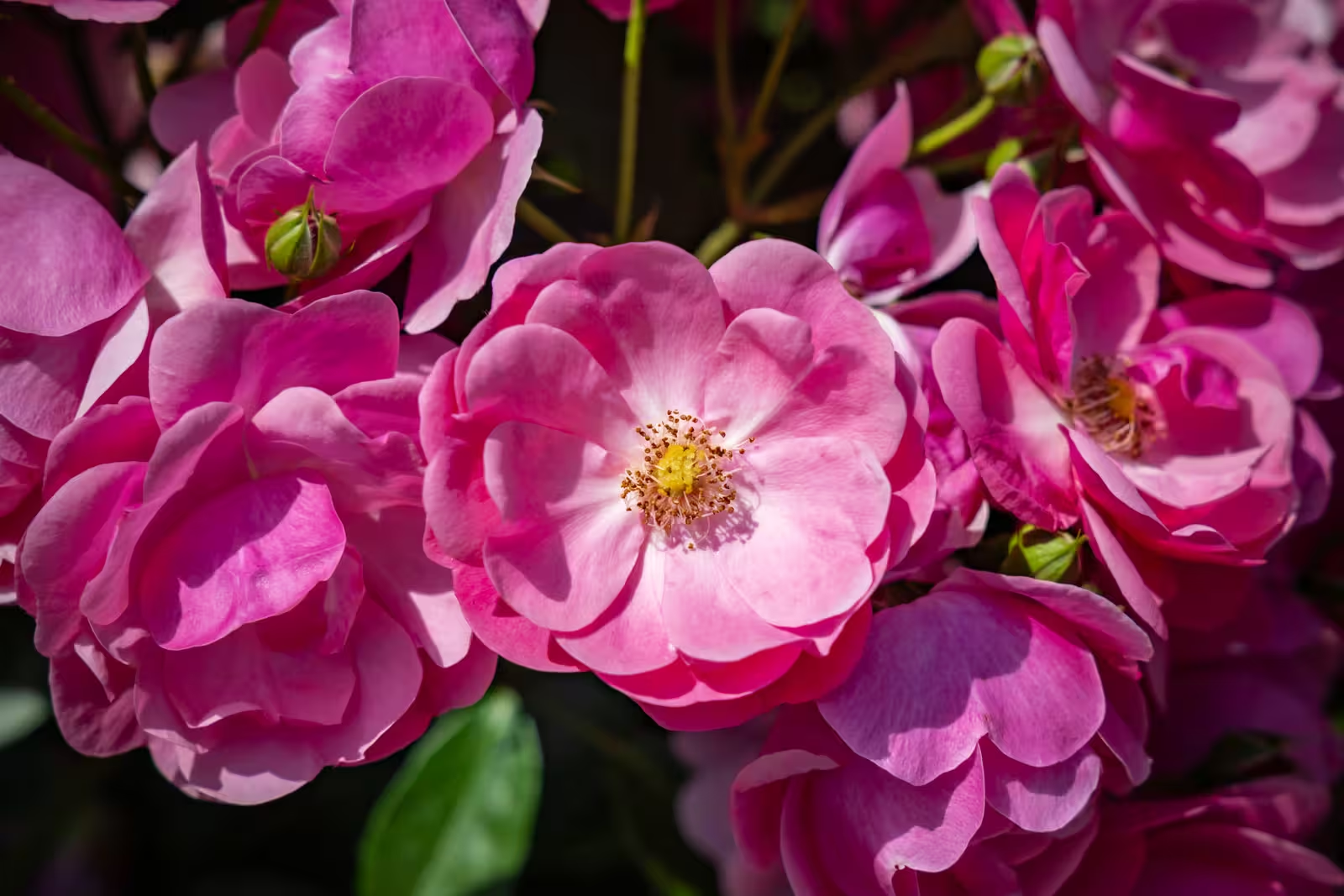
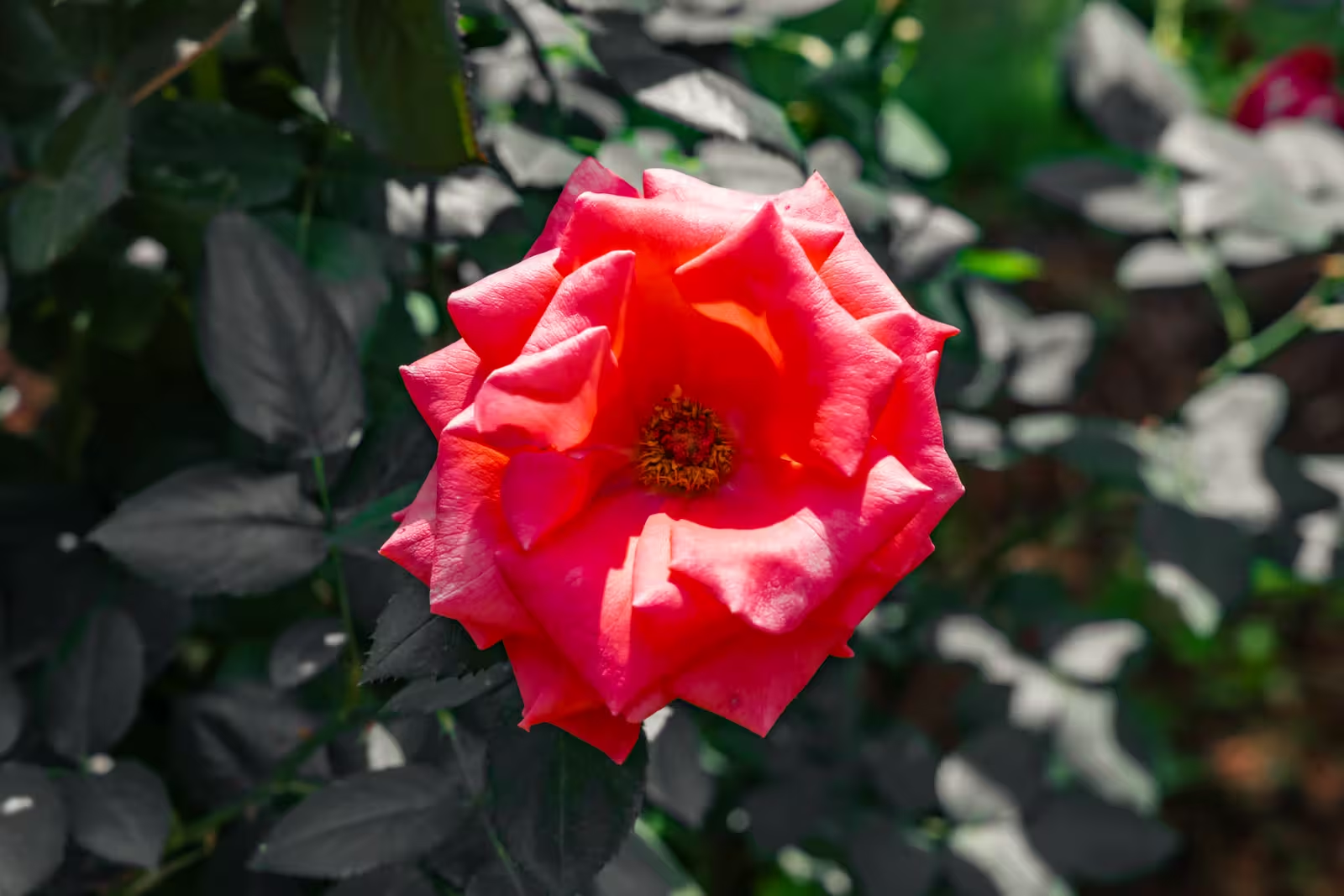
When the roses bloom, the grounds overflow with people. Everyone comes with a camera or a smartphone to photograph the sea of color. The garden is alive with brilliant reds and oranges through yellows, pinks, and whites.
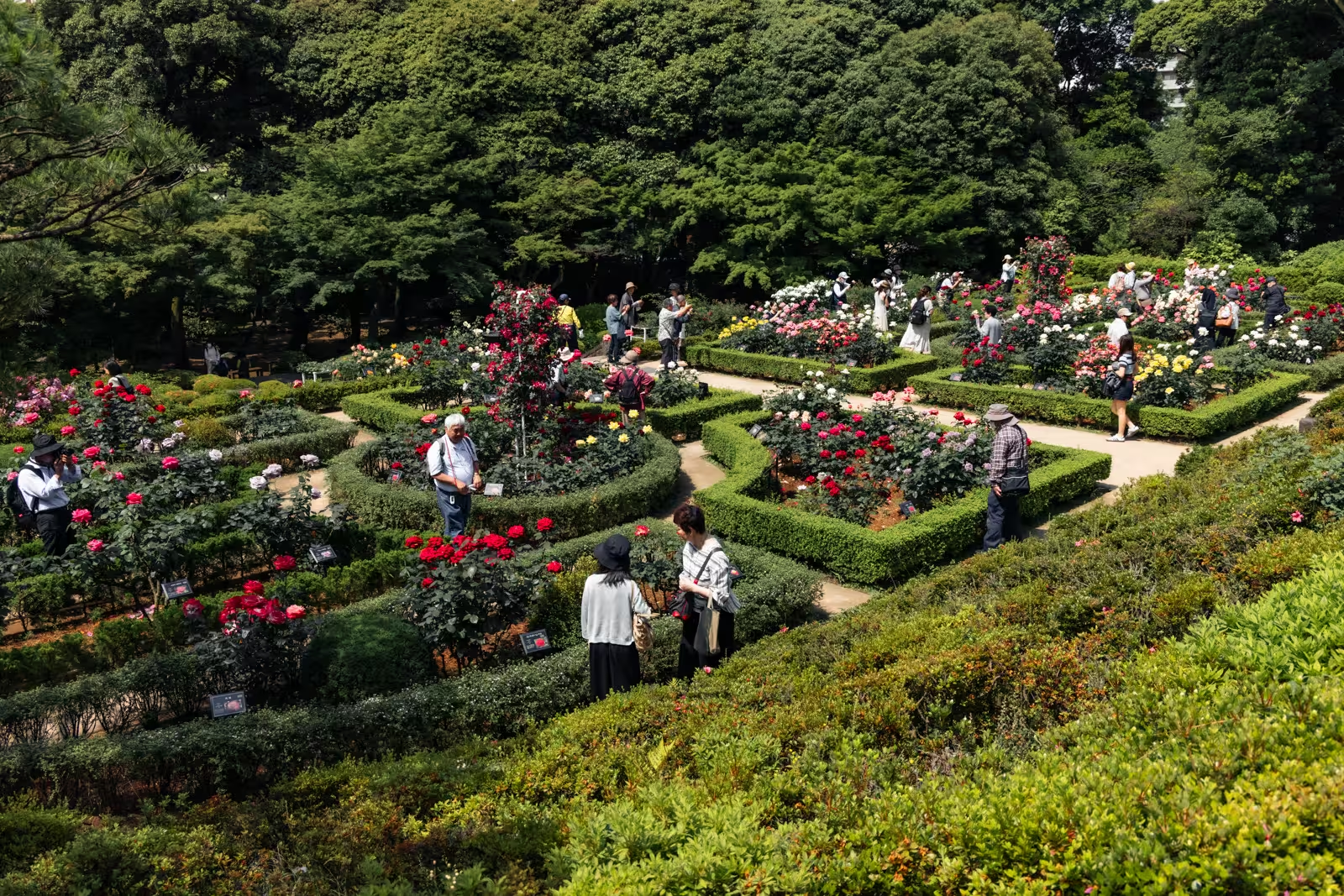
It’ll be picture-perfect if you visit when the weather is right. There are approximately 100 varieties and 200 rose plants spread between the upper and lower gardens.
The staff at Furukawa tend to them with great care and have created something outstanding. Luckily, we can see the blooms twice a year, in May and October. Without a doubt, it is in the city’s top five.
A Japanese garden with a heart
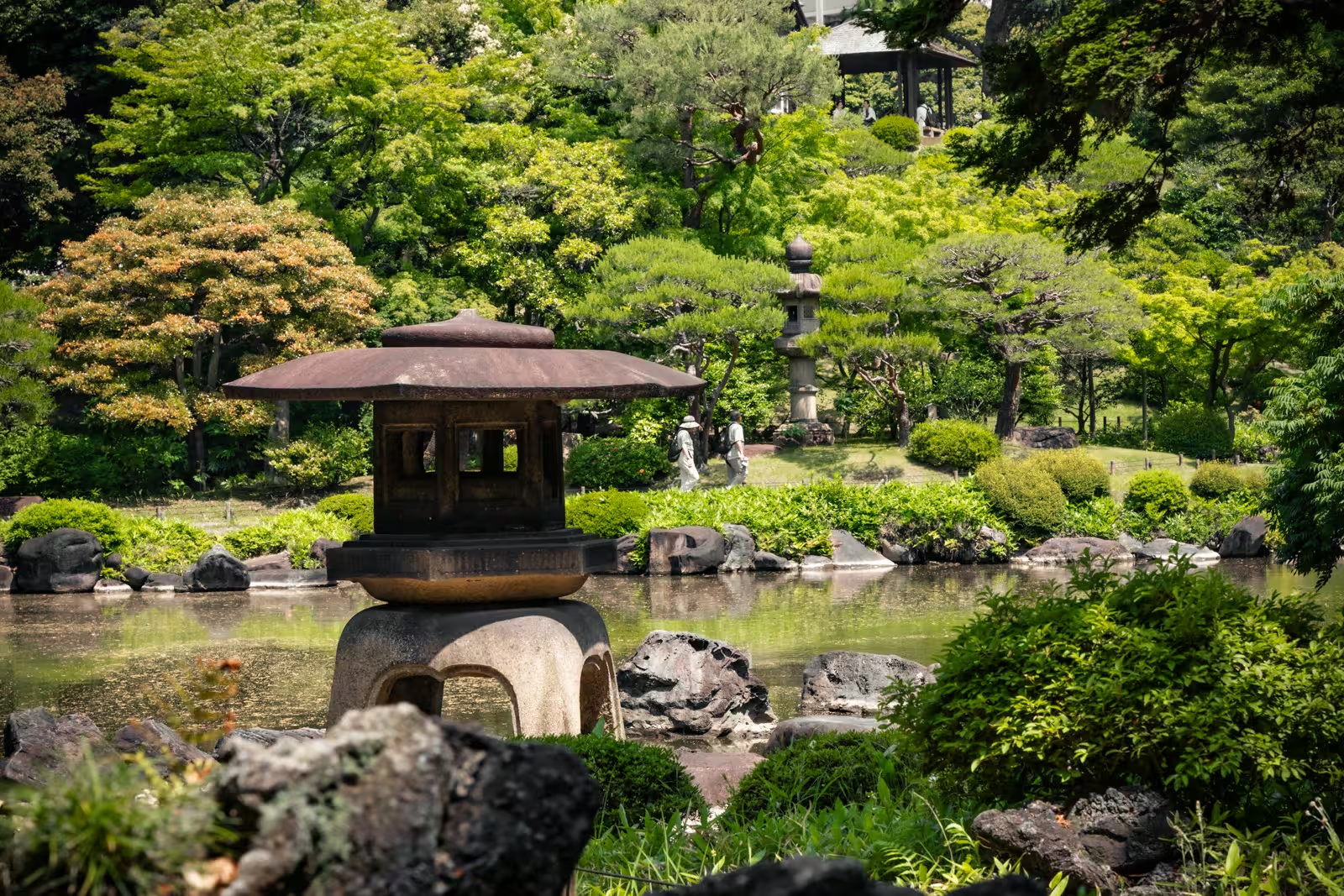
At the rear of the property is a Japanese garden (not designed by Conder). It is a mini-version of other Edo-period ones in Tokyo, best seen in autumn. The pond’s name is Shinji-ike.
It was intentionally shaped like the kanji character for “heart” (心). A waterfall (“Otaki”) empties into it. For good measure, there is a teahouse and another waterfall (Karetaki), though this one is dry.
Photography tips for Kyu-Furukawa
- Tripods are allowed, but not when the roses bloom.
- During the rose season, the weekends will be crowded. Go on a weekday to ameliorate that problem.
- A polarizing filter can reduce glare on leaves and the pond’s surface, improving color saturation.
- Two staircases lead through the lower rose garden down to the Japanese garden. It is forbidden to take pictures from it during the rose festivals, as it could be dangerous when many people are there. Security monitors the area carefully.
- Take a macro lens and a flash for the best flower photography.
When to visit: Seasons & festivals
Annual rose festivals
There are the annual Spring Rose (typically late April to June) and the Autumn Rose Festivals (in October). They draw large crowds and often feature special illuminations (in spring) and music performances. Here is my archive of prior events I have attended:
Year-round beauty beyond the roses
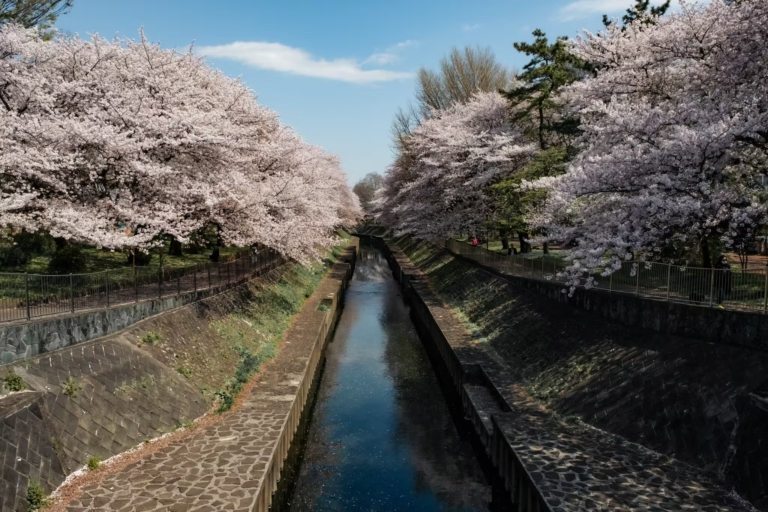
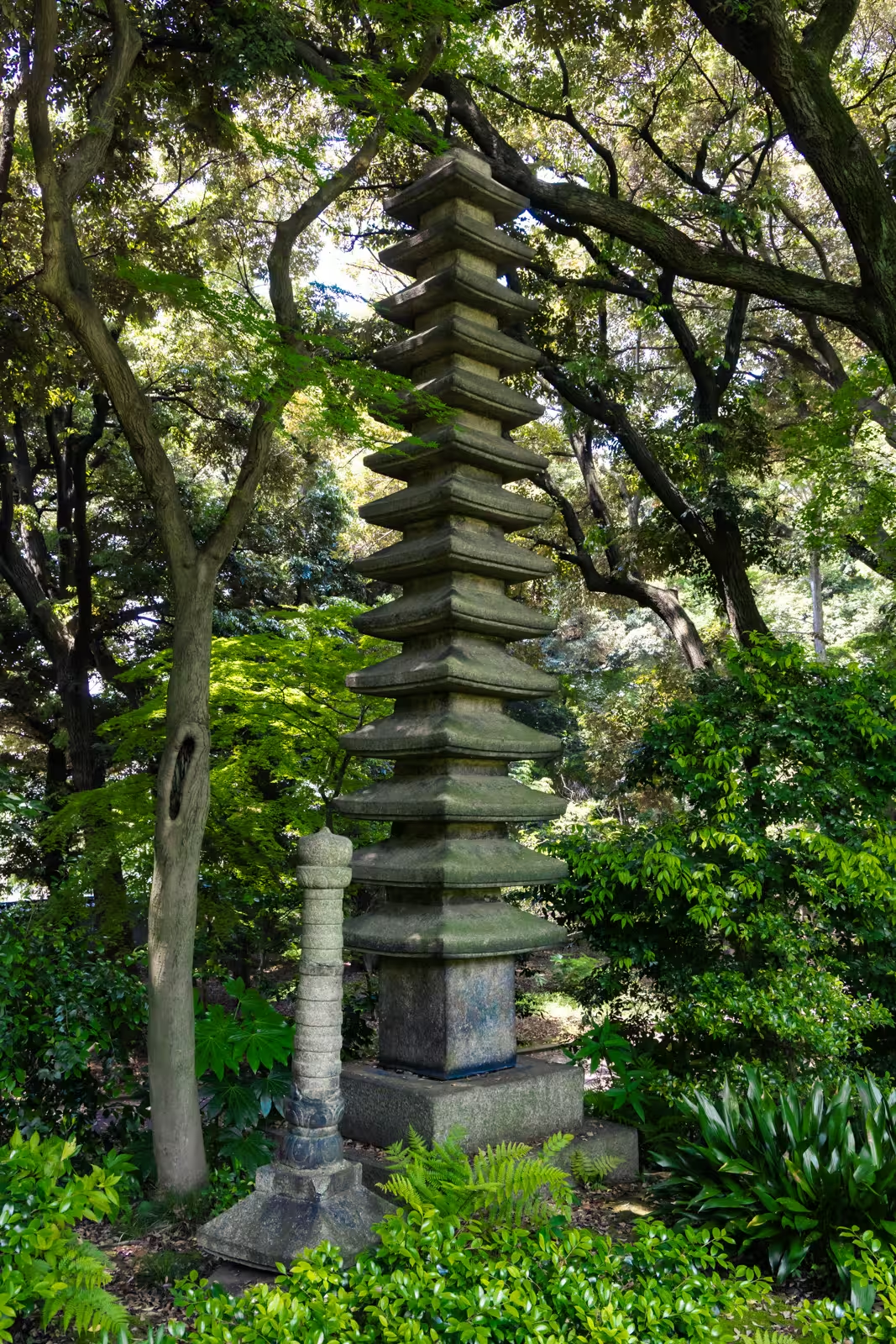
Spring has cherry blossoms, summer has lush greenery, and autumn has vibrant foliage.
Visitor information
- Address: 1-27-39 Nishigahara, Kita City, Tokyo
- Closest train stations:
- Kami-Nakazato on the Keihin-Tohoku Line
- Komagome on the Yamanote and Namboku Lines
- Nishigara on the Namboku Line
- Opening hours:
- 9 a.m. to 5 p.m. (last entry at 4:30 p.m)
- Kyu-Furukawa Gardens close over the New Year Holidays from December 29 to January 1.
- Admission costs: ¥150
- For more information, look at the official Kyu-Furukawa Gardens website.
- Here are the gardens on Google Maps:
Mansion tours
The guided tours of the mansion require an advance application, by email, and have a separate fee (¥800 payable on the day at the entrance). Check the official Kyu-Furukawa Gardens website for the latest application process and schedule, as simply showing up may not guarantee entry. Unfortunately, they are in Japanese only.
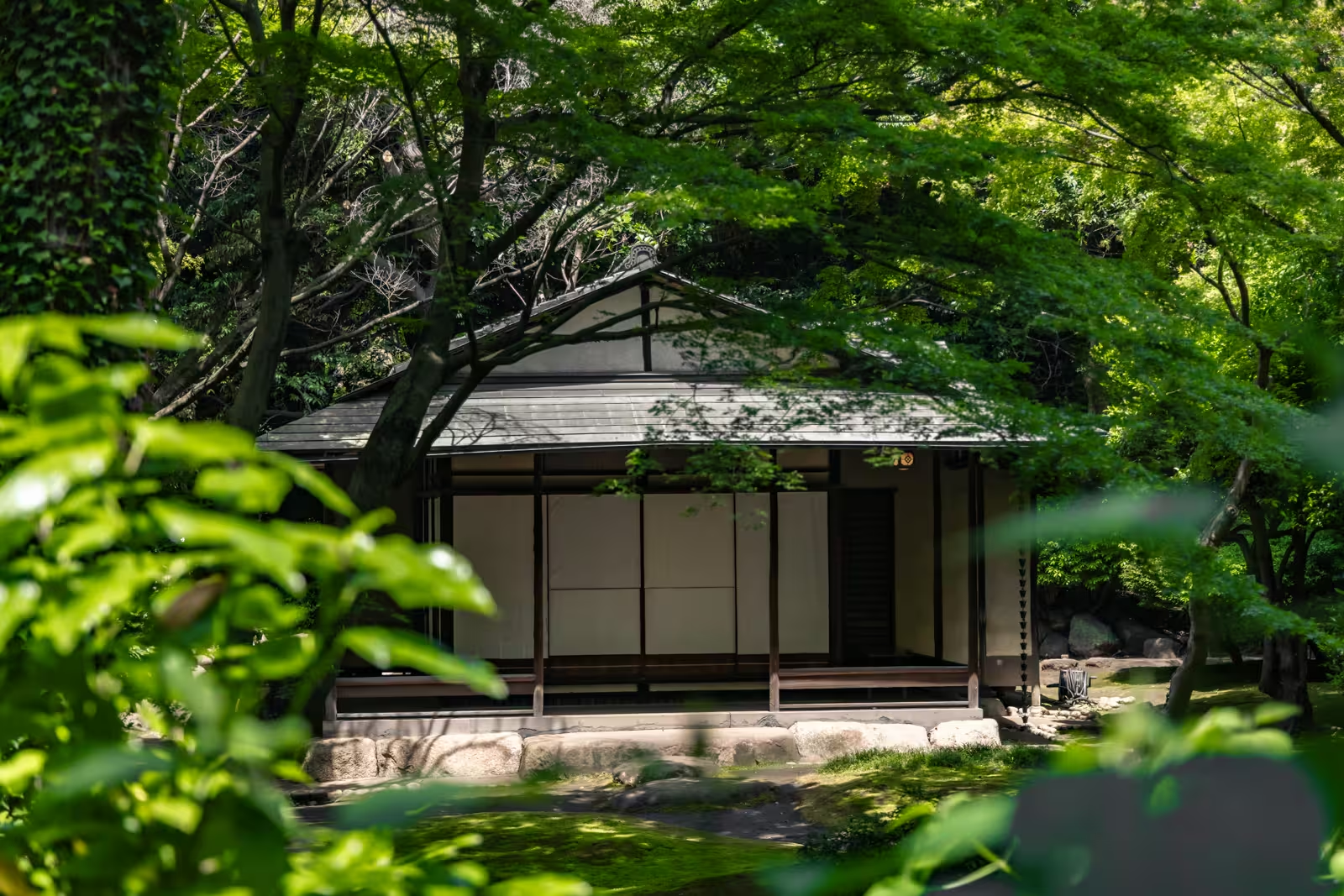
Photo spots near Kyu-Furukawa Gardens
- Hokutopia (Observatory)
- Rikugien Gardens (an Edo-period park a short walk away)
- Somei Cemetery
History of the gardens
- The statesman Mutsu Munemitsu originally owned the property, but it passed to the Furukawa family when they adopted his second son.
- The current buildings and gardens were commissioned by Baron Toranosuke Furukawa and completed between 1917-1919.
- Josiah Condor (1852 – 1920), the English architect, designed the mansion.
- Jihei Ogawa (1860 – 1933), a Kyoto designer, created the Japanese garden.
- Kyu-Furukawa is a typical example of the gardens of the Taisho Period. Some people compare it to Kyu-Iwasaki Gardens in Ueno.
Are the mansion & rose garden worth visiting?
I love Kyu-Furukawa as it is picturesque. But make sure you go in May or October for the rose festival! Josiah Conder gifted Tokyo with a little piece of England! Jihei Ogawa also left behind a fabulous place to celebrate autumn at his pond.
With its stunning architecture and beautiful gardens, Kyu-Furukawa is a rosy dream for any visitor. Flower photographers, in particular, need to put it on their bucket list.
Which part of the garden would you be most excited to photograph, the English mansion area or the Japanese pond?