Sarashobo: Tokyo’s Rarest Antique Books
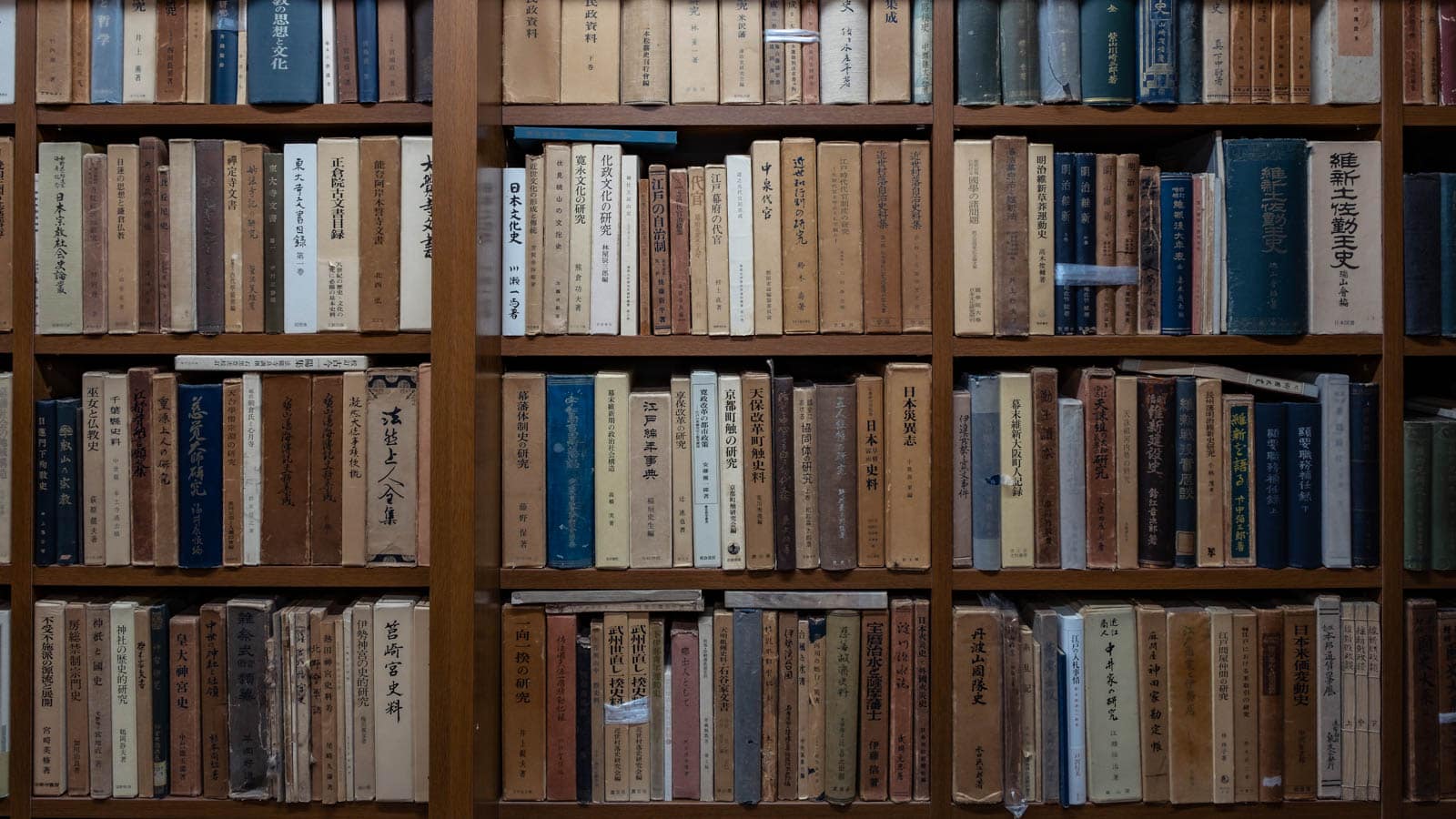
In the heart of Tokyo lies a neighborhood where time seems to slow down, a place where the scent of aging paper hangs in the air. This is Jinbocho, the city’s famed ‘Book Town,’ home to nearly 200 bookstores catering to every literary whim.
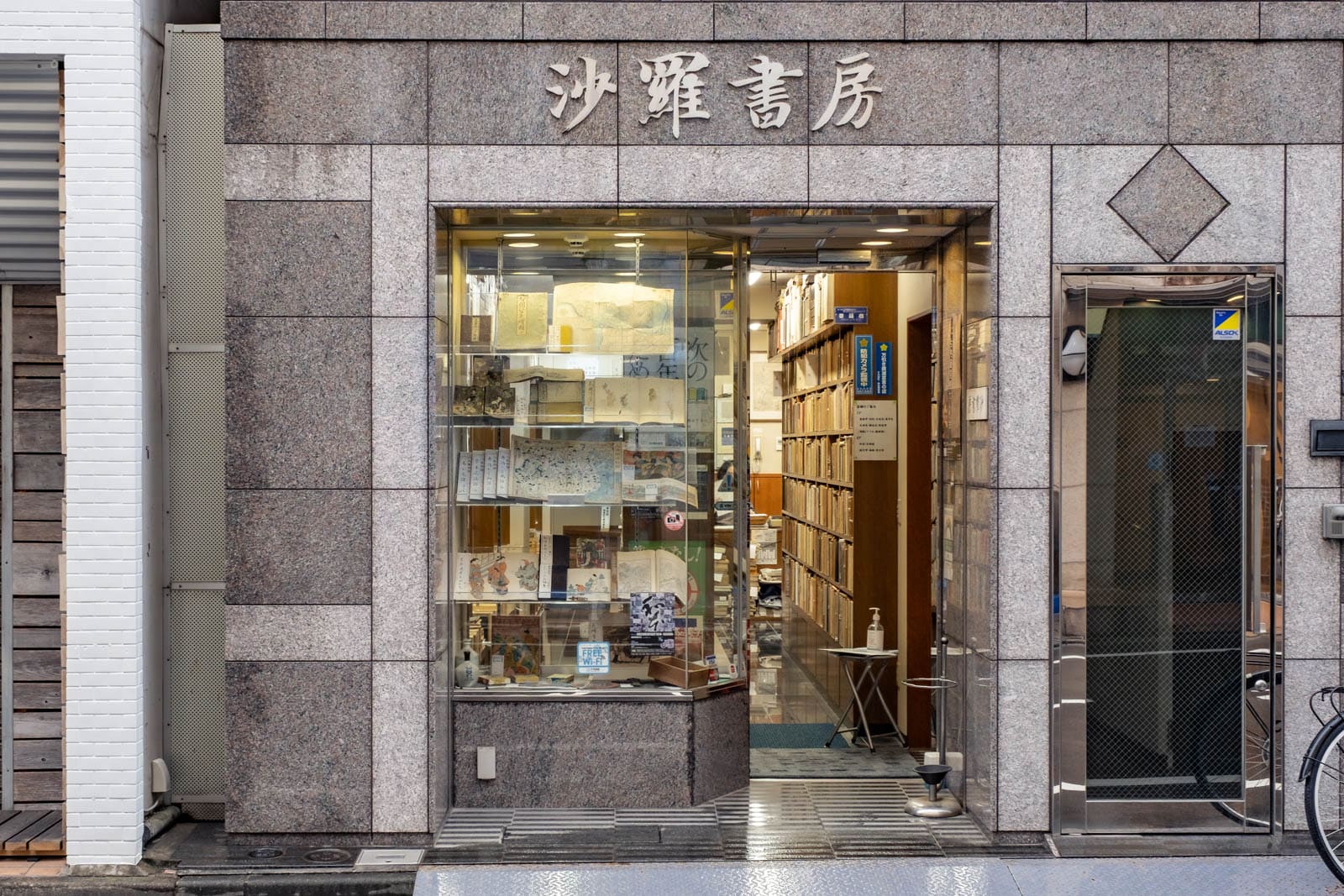
But tucked away among the modern paperbacks and manga collections is a shop from another era. It is Sarashobo, a treasure trove of rare and antique Japanese books.
Why go to Jinbocho’s Book Town?
Do you need something on Russian literature? You can get it there. The whole set of Black Jack? Definitely. A book on Edo-period anatomy? No problem. Maps of Japan dating from the Kamakura period? There are those. A complete set of the One Piece comics? It’ll probably be in a box somewhere!
It doesn’t matter if you need the common or the rare; someone has it. Or, they will be able to get it for you.
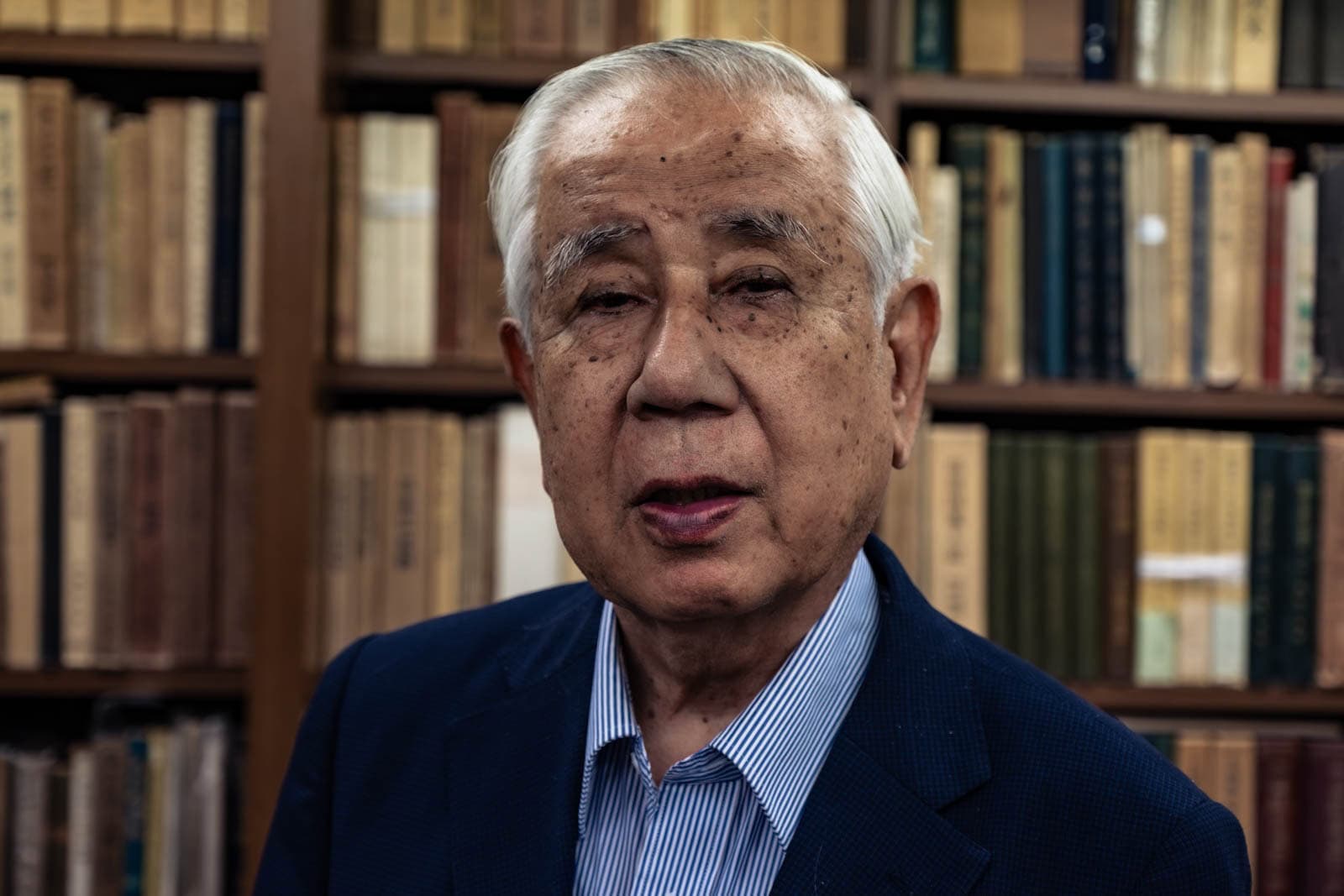
Meet the master: Sarashobo’s Yasuo Hatsugai
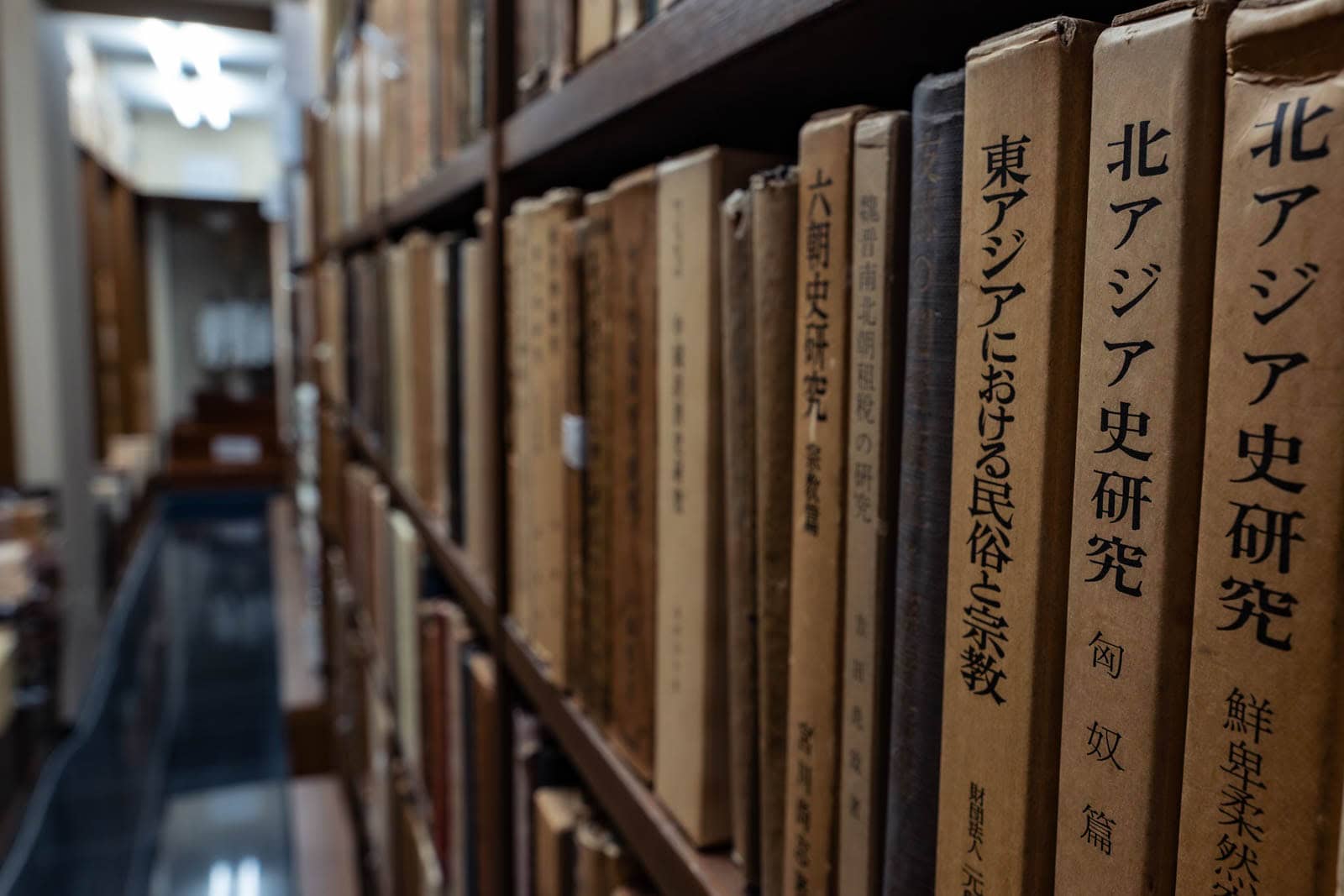
At the heart of Sarashobo is its proprietor of over fifty years, Yasuo Hatsugai, who graciously shared his time with me. His shop is a sanctuary filled with the rich, sweet scent of aged paper. Floor-to-ceiling shelves are lined with the intricate, hand-sewn spines of antique volumes.
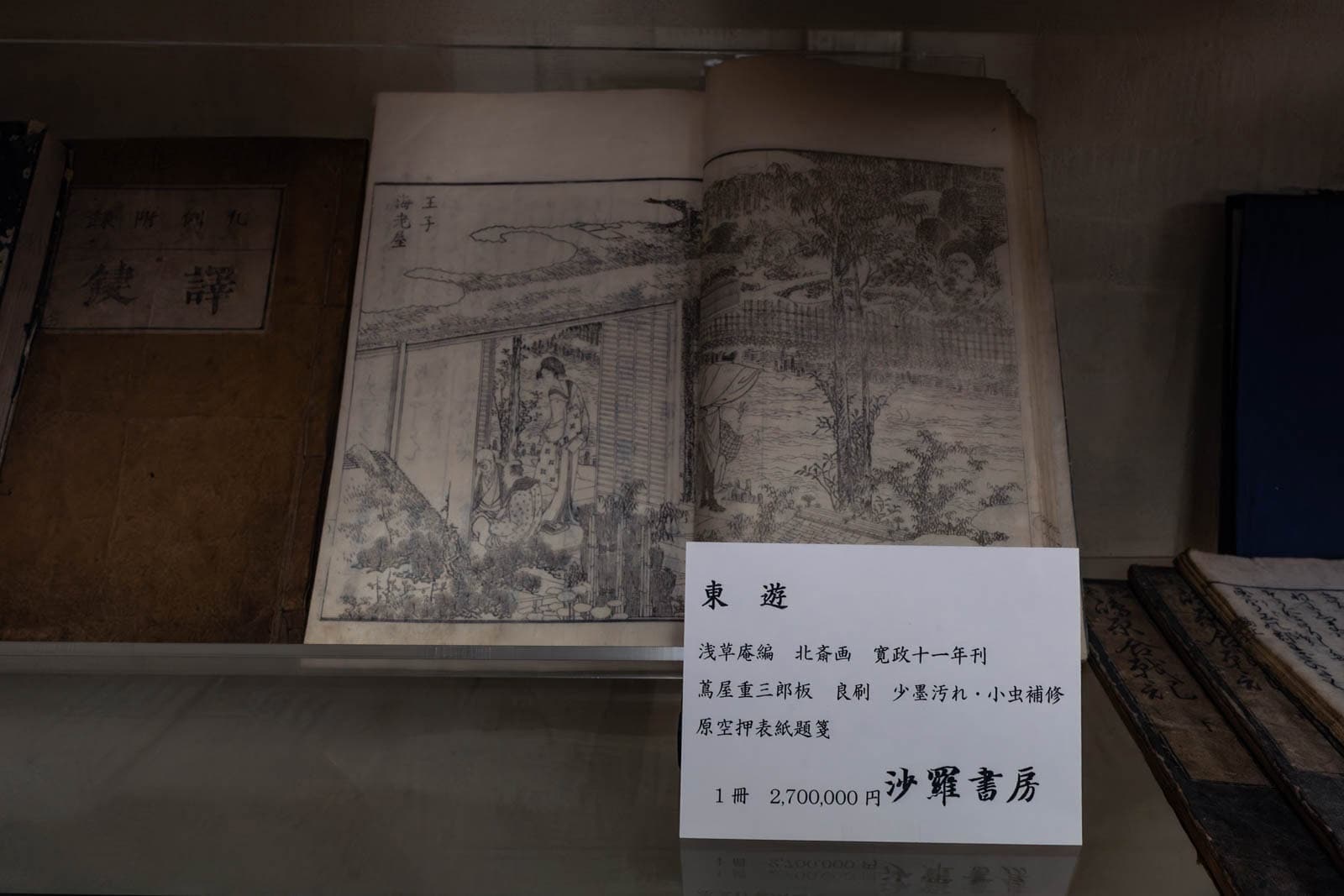
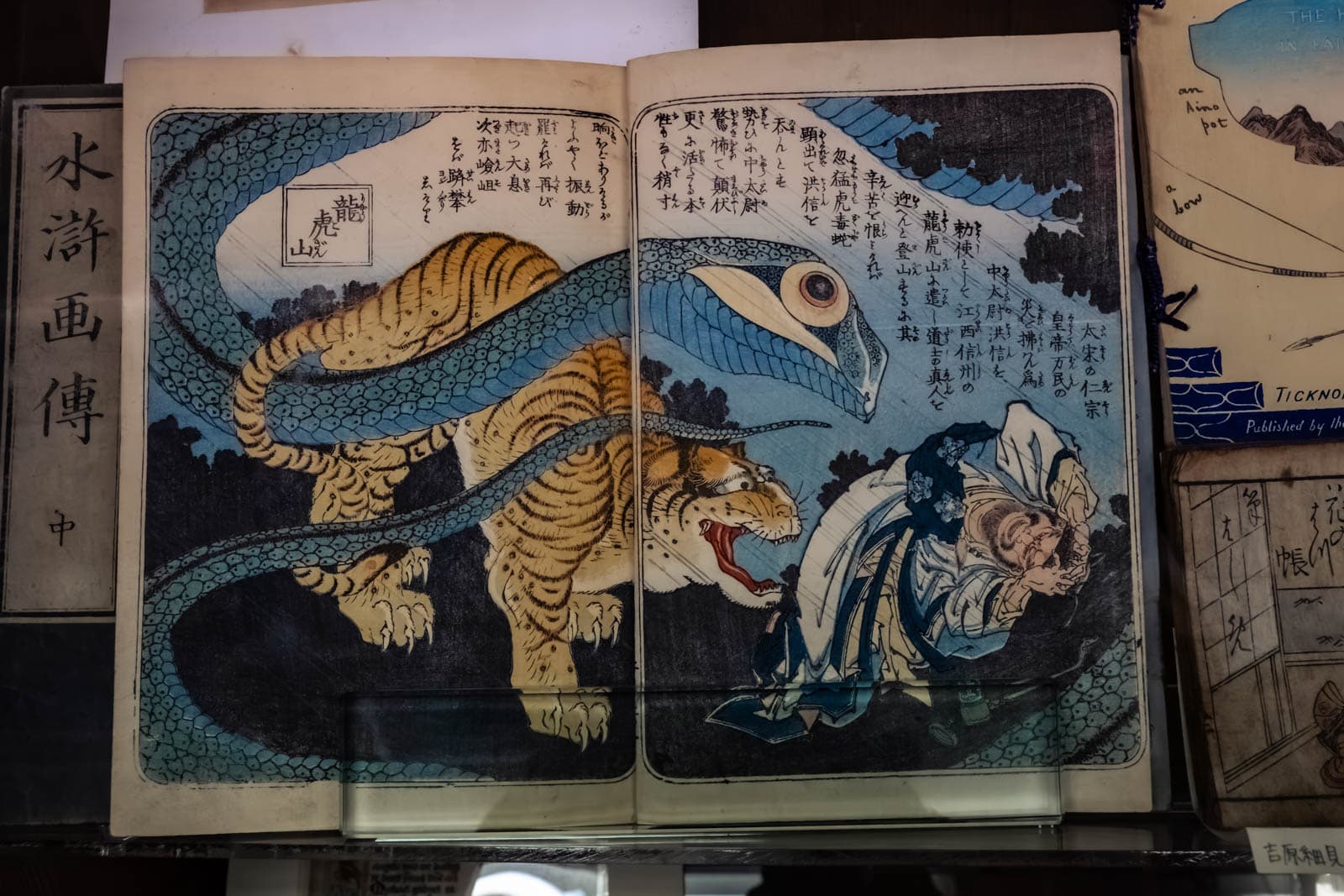
Even if you can’t read Japanese, the artistry is a universal language. Opening books reveal elegant, centuries-old typography and breathtaking woodblock prints that feel like self-contained worlds.
Yasuo’s books range in topics from fortified towns and castles of the Edo period to Ainu folklore. The list goes on and on. He even has copies of Bibles imported to Japan from Europe in the sixteenth century.
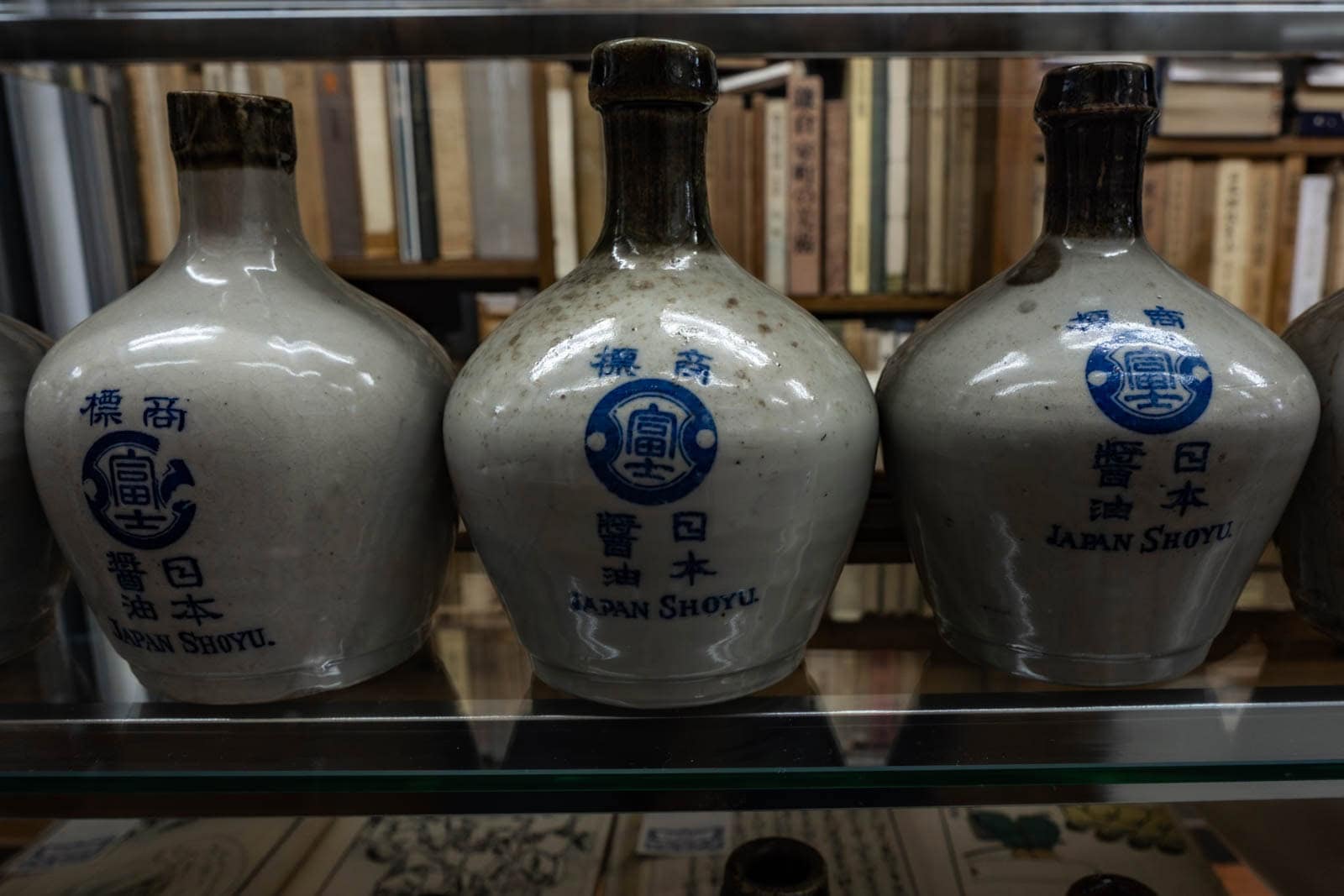
Treasures from feudal Japan
Foreign writers living in nineteenth-century Japan published quite a few. They sold them to travelers who took them back to their home countries. In some cases, those same books returned to Japan to be part of collections here. Imagine the hands that held these books. They might have journeyed from a publisher in Yokohama to a drawing-room in London, only to return a century later.
These books attract the attention of private collectors and universities. They buy Kamakura period maps worth 10 million yen or original drawings by Hokusai. These are the rarest of the rare and have huge price tags. You can see them on the second floor.
With such immense price tags, it probably explains why Yasuo never has many customers in Sarashobo at one time. “To get three customers in the shop on any day would make it a busy day,” he joked.
This isn’t a shop for casual browsing; it’s a gallery for priceless artifacts. And if Yasuo doesn’t have what a collector is looking for, he can find it. You might need to wait up to ten years, but he will get it.
The art of the book trade
As we spoke, one thing struck me as interesting. Some of the older books were copies of copies. Books, being made of paper, get stained, burnt, lost, etc.
People also wanted to make more of them. So, back in the day, a cottage industry popped up. People started copying businesses. Luckily, they existed, or else we might have lost much.
But preserving these artifacts is more than just a business; it’s a craft that requires a lifetime of dedication. It’s a staggering amount of knowledge that can only be gained through decades of immersive work and, of course, countless hours of reading.
Plan your visit
- Sarashobo address: 1-32 Jinbocho, Kanda, Chiyoda 101-0051 Tokyo. Get to Jinbocho station (Hanzomon, Mita, and Toei Shinjuku lines) and leave via exit 5. From there, it is a few minutes walk.
- Opening hours: Tuesday to Saturday, 10:00 a.m. – 6:00 p.m. (Closed Sunday, Monday).
- Good to know: The ground floor is open to the public. If you wish to see the more valuable items on the second floor, just ask the staff. You won’t be able to handle the rarest books, but you will be able to see these incredible pieces of history up close.
- For more information, consult the official Sarashobo website.
- Here is the bookstore on Google Maps:
Photo spots near the bookshop
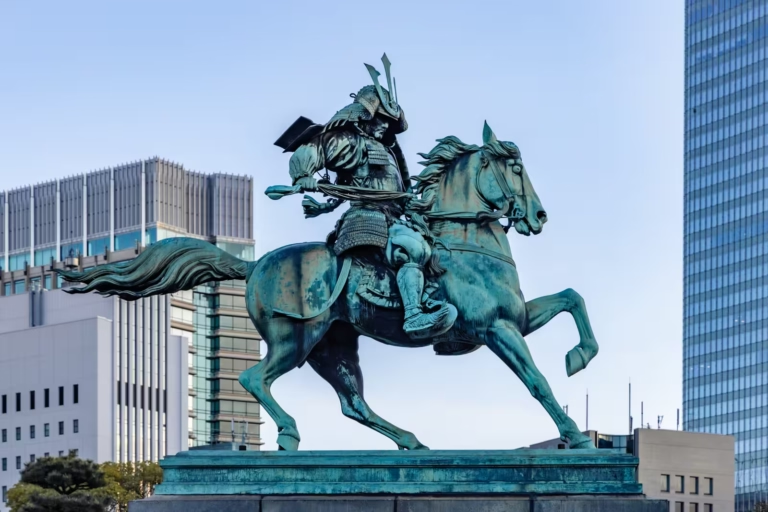
- Imperial Palace
- Kitanomaru Park
- Koishikawa Korakuen Gardens
- Yushima Seido Temple
Is Sarashobo worth visiting?
You don’t need to be a millionaire collector or a fluent Japanese speaker to appreciate the magic of Sarashobo. Yasuo-san welcomes all who are curious.
His shop is a museum where every exhibit tells a story, a quiet sanctuary preserving centuries of Japanese history, one fragile page at a time. So, next time you’re in Tokyo, wander down the streets of Jinbocho and step inside. You never know what piece of history you’ll be lucky enough to see.
If you have any questions about my visit, please leave them in the comments below.
This article was first published on [aroundtokyo.net] in 2017.