Shinjuku Gyoen: A Photography Guide to Tokyo’s Urban Oasis
Near the chaos of Shinjuku Station lies an escape into nature: Shinjuku Gyoen National Garden. This historic park is a masterpiece of landscape design. It offers a tranquil haven of seasonal blooms, serene gardens, and striking skyline views. Local and visiting photographers love its ever-changing seasons. Are you ready to discover its most picturesque corners?
Best seasons for Shinjuku Gyoen photography
Shinjuku Gyoen’s vast, spacious lawns and natural beauty make it perfect for picnics. Locals enjoy them even in the cooler months.
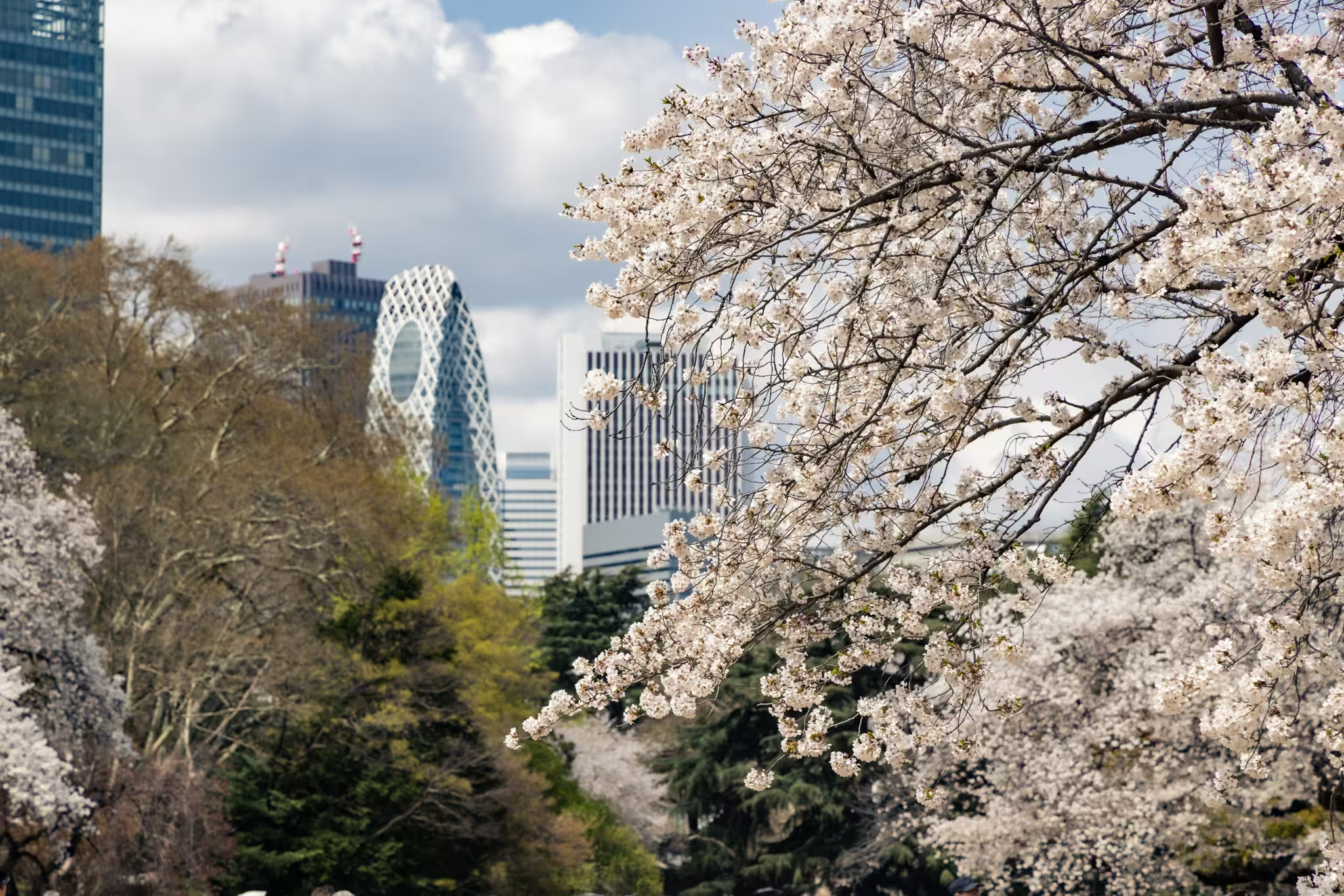
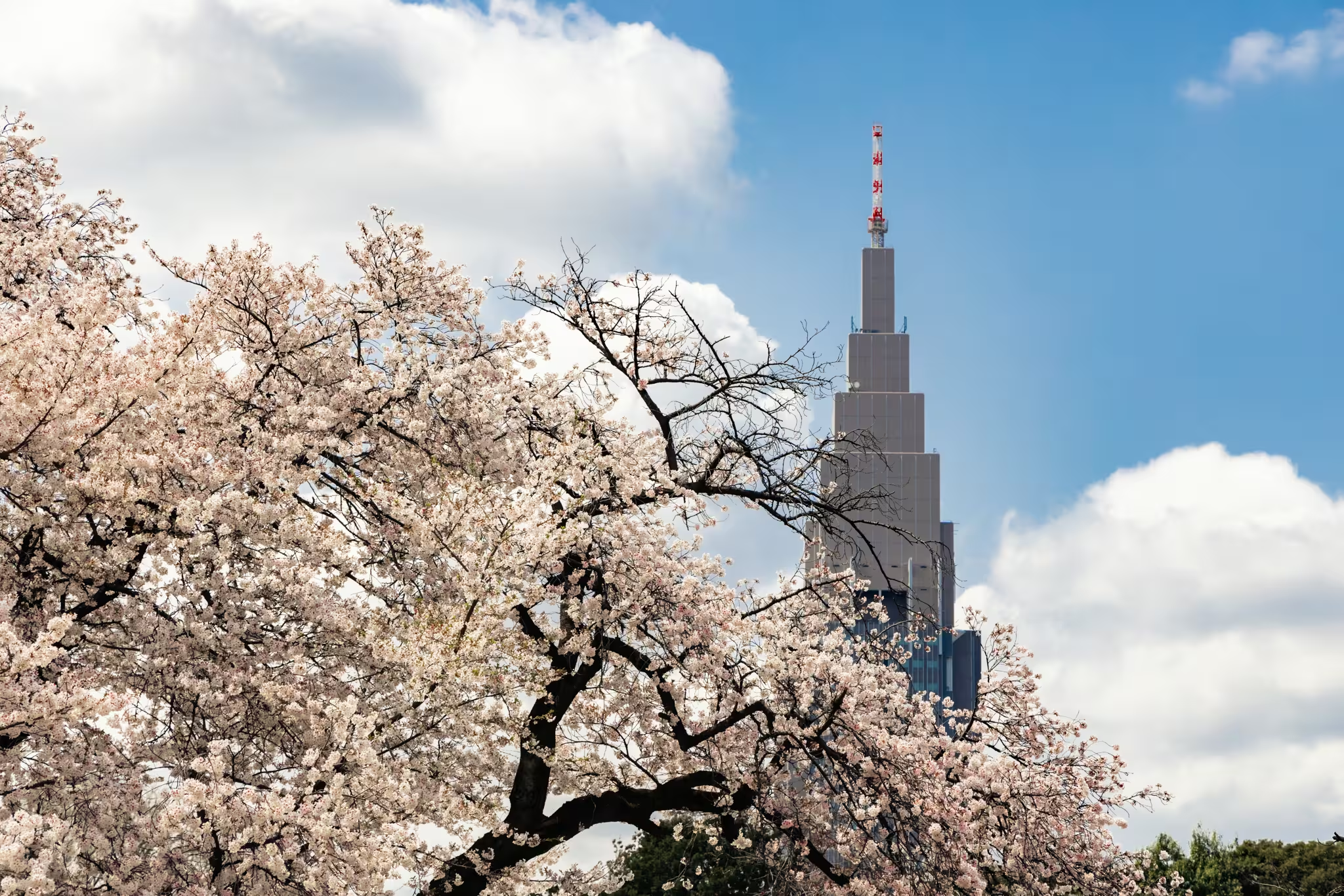
While spring and autumn draw the largest crowds for their spectacular floral displays, every season offers a unique charm. The world-famous cherry blossoms are an undeniable highlight, painting the park in shades of pink and white. Be prepared for their popularity, though—this season draws significant crowds. Their quality is so exceptional that it’s worth navigating the bustling atmosphere.
For a quieter visit, consider the lush greens of summer, though be mindful of Tokyo’s heat and humidity. Likewise, winter offers a stark, peaceful beauty with fewer visitors.
Explore three distinct gardens
Shinjuku Gyoen is far more than just a cherry blossom destination. The park is divided into three areas, each with a theme and photographic potential:
Japanese Traditional Garden
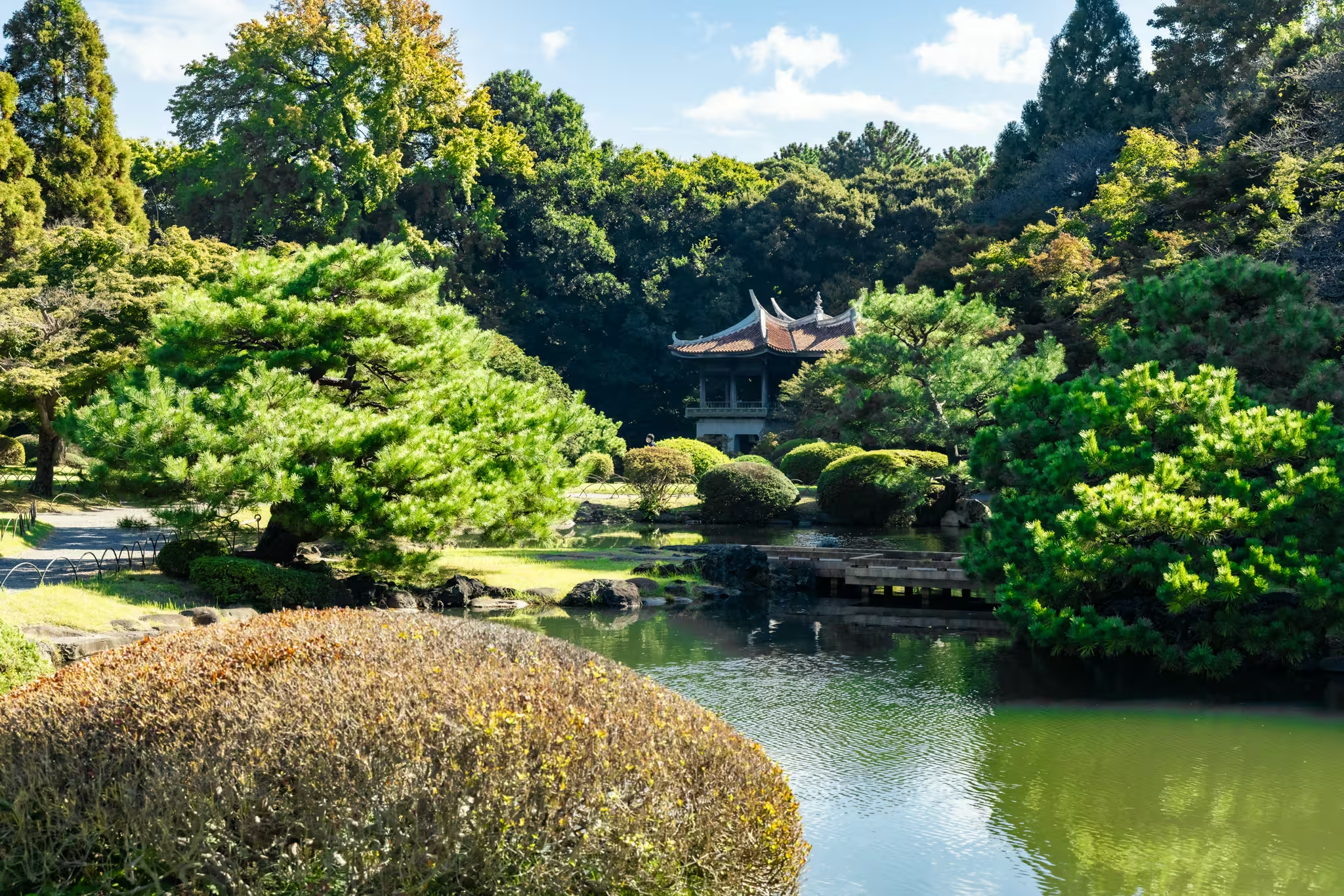
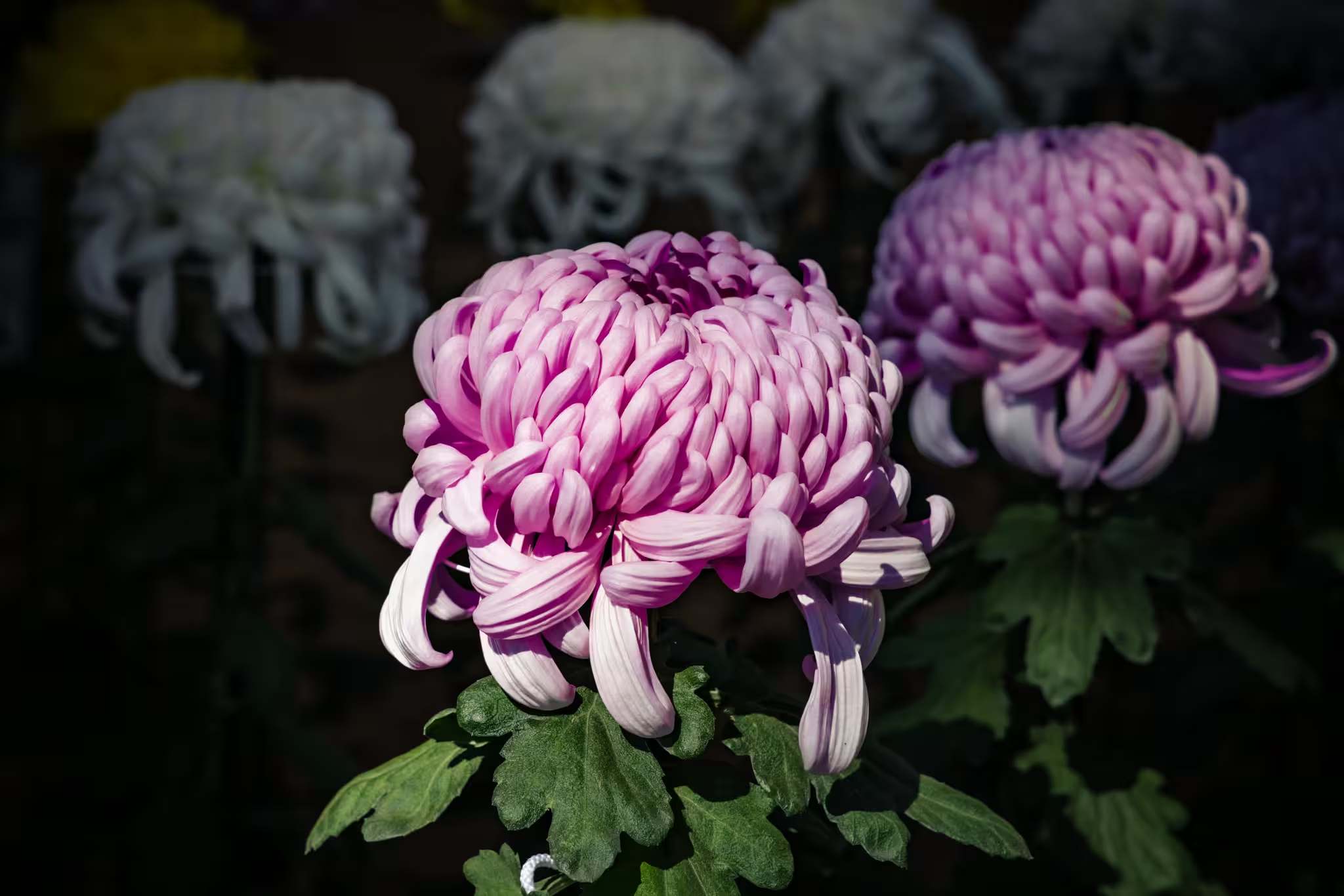
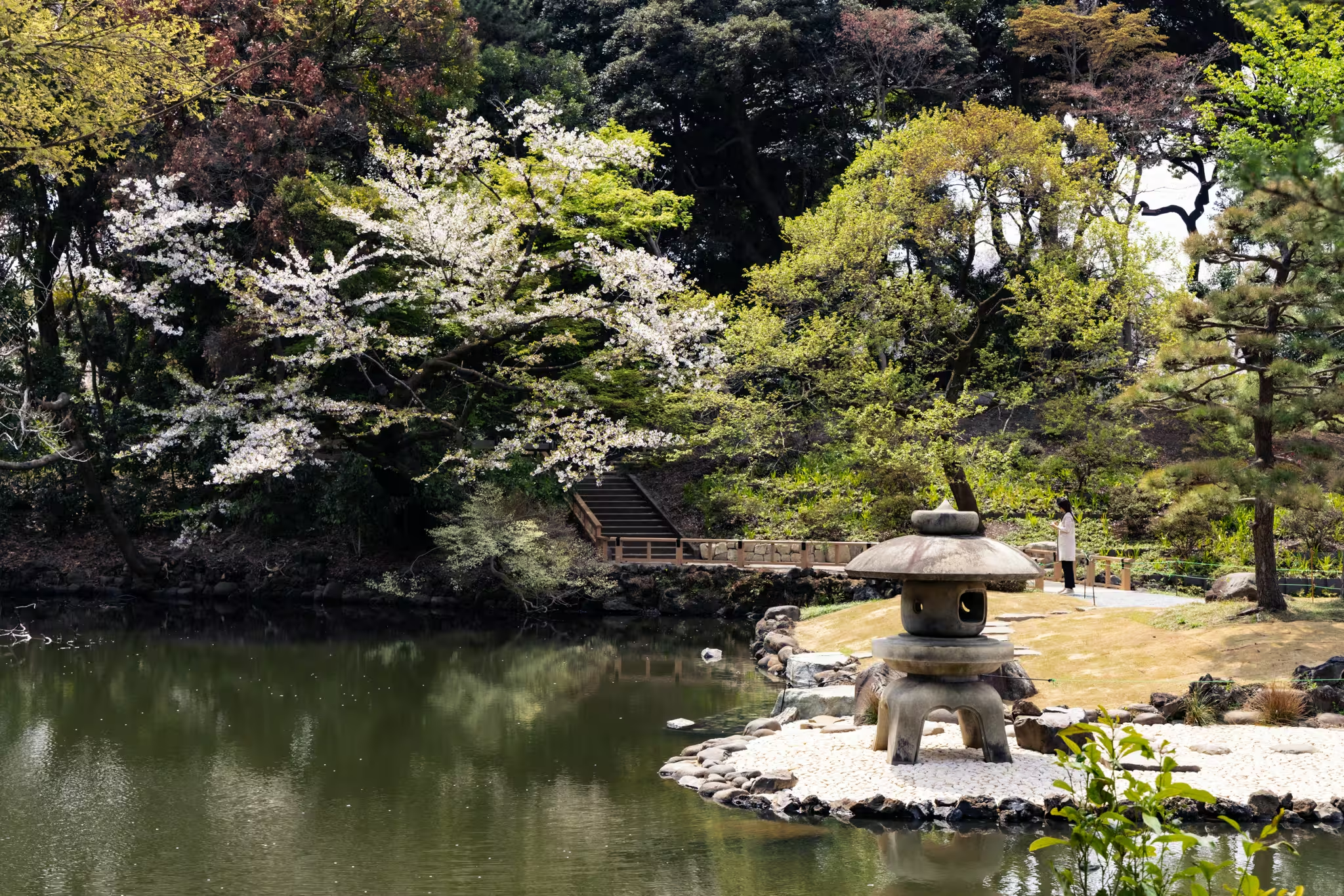
Wander across bridges arching over serene ponds, reflecting the sky and surrounding maples. This area is a showcase for classic Japanese aesthetics. Delicate plum blossoms decorate early spring, and meticulously cultivated chrysanthemums brighten autumn.
French Formal Garden
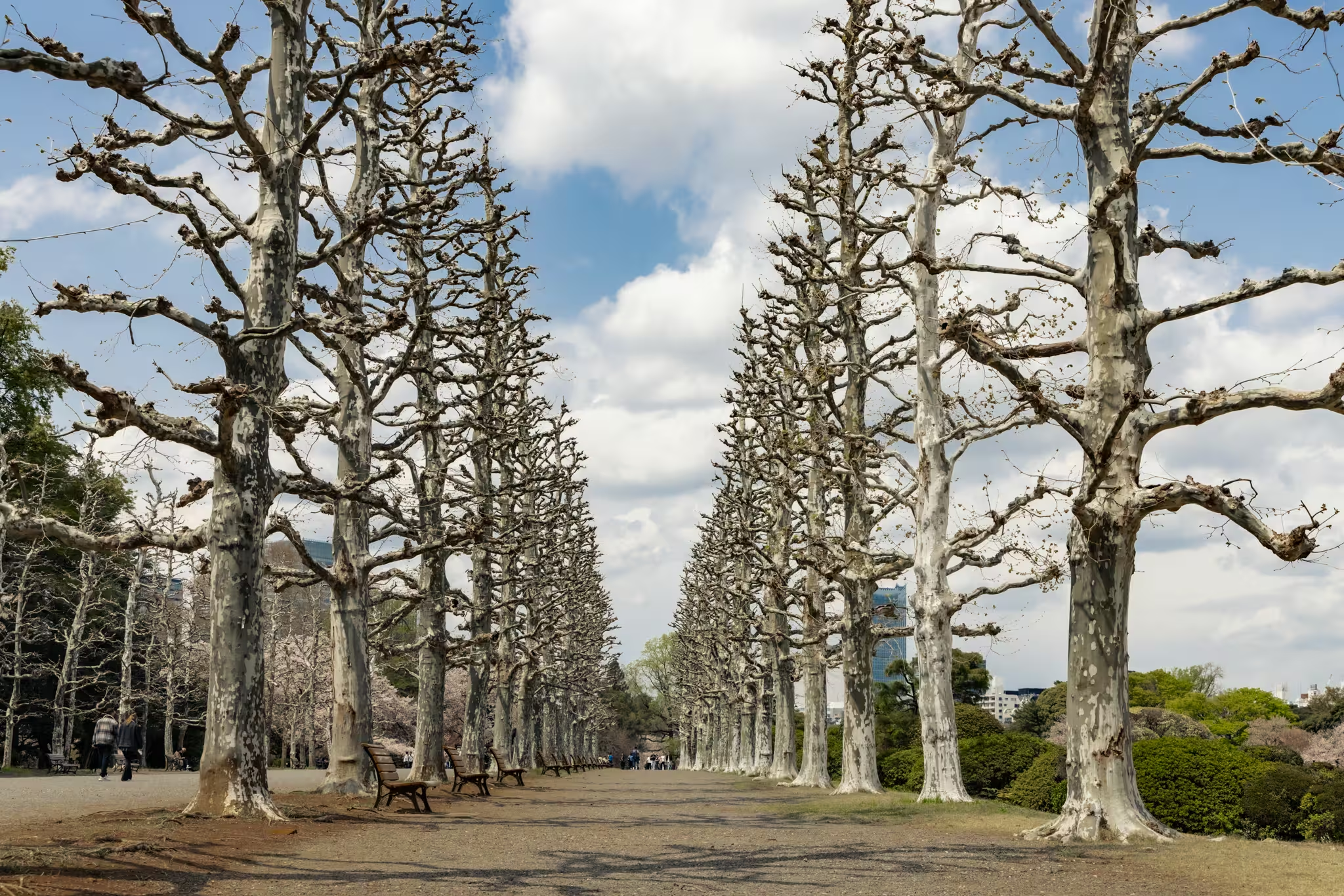
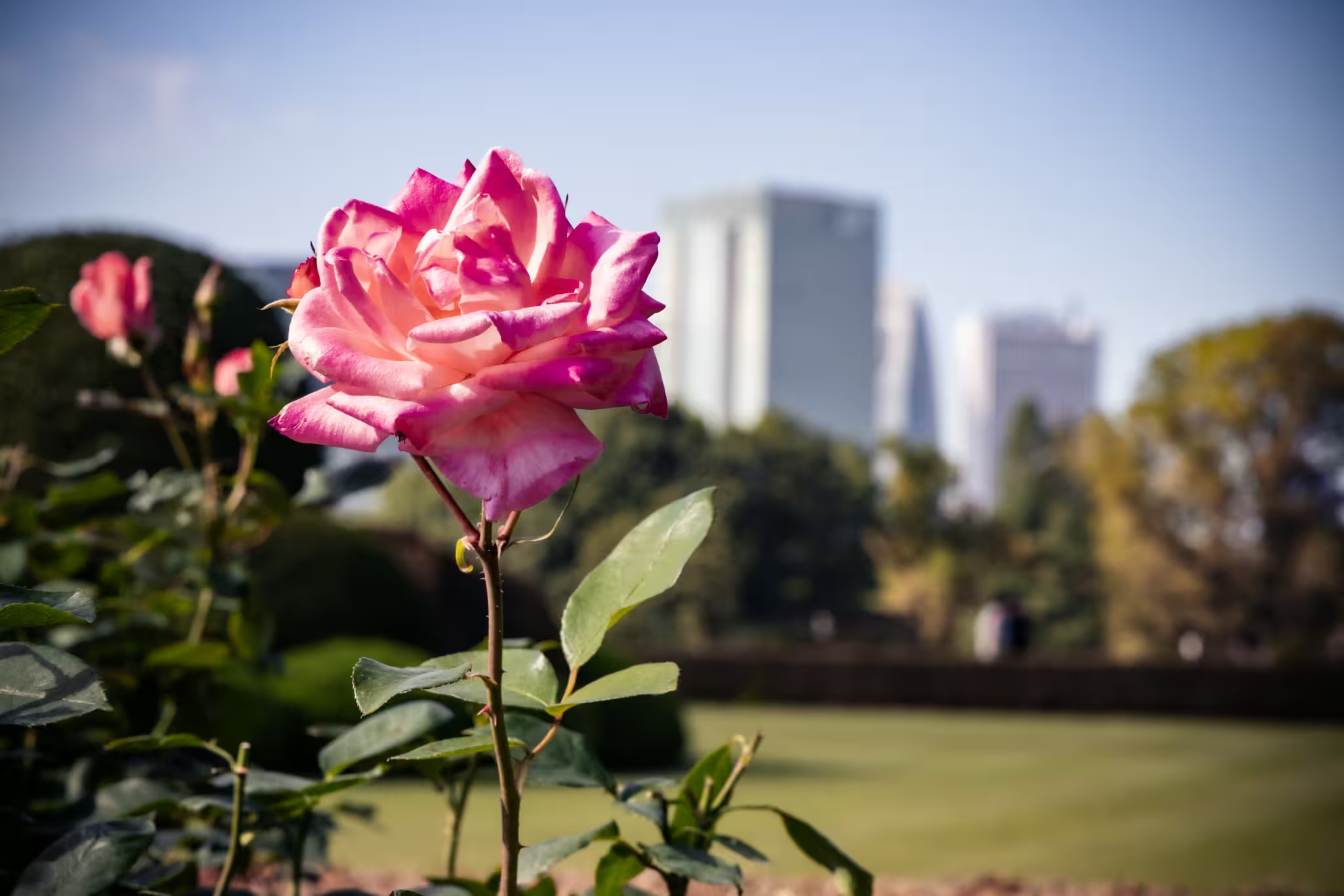
Step into a romantic European scene, with a grand rose garden and sycamore-lined avenues. In autumn, these lanes are carpeted in golden leaves. They create a dreamy setting that photographers and models play in.
English Landscape Garden
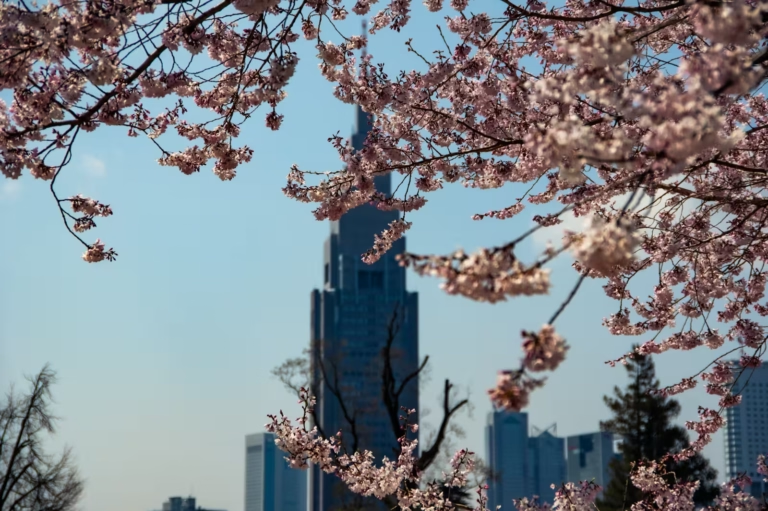
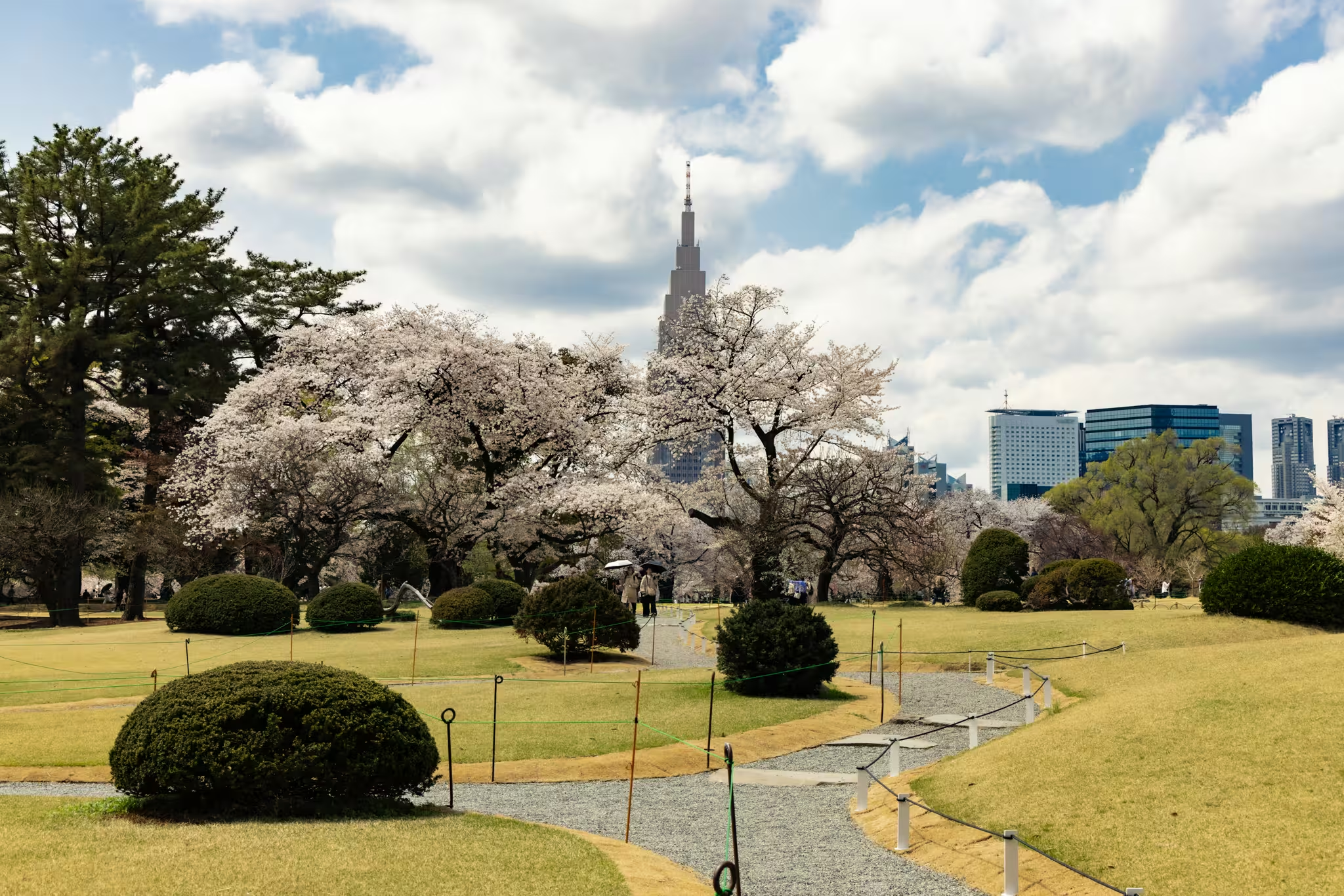
Here, a sweeping central lawn opens up to an iconic view. The skyscrapers of Nishi-Shinjuku rise over the treetops. This powerful contrast of nature and urbanity is a compelling Tokyo photo spot. It captures the city’s unique harmony.
Photographic highlights at Shinjuku Gyoen
1.World-class cherry blossoms: The park is famous for its beautiful cherry blossoms. People travel globally to see them. It’s one of Tokyo’s best cherry blossom spots.
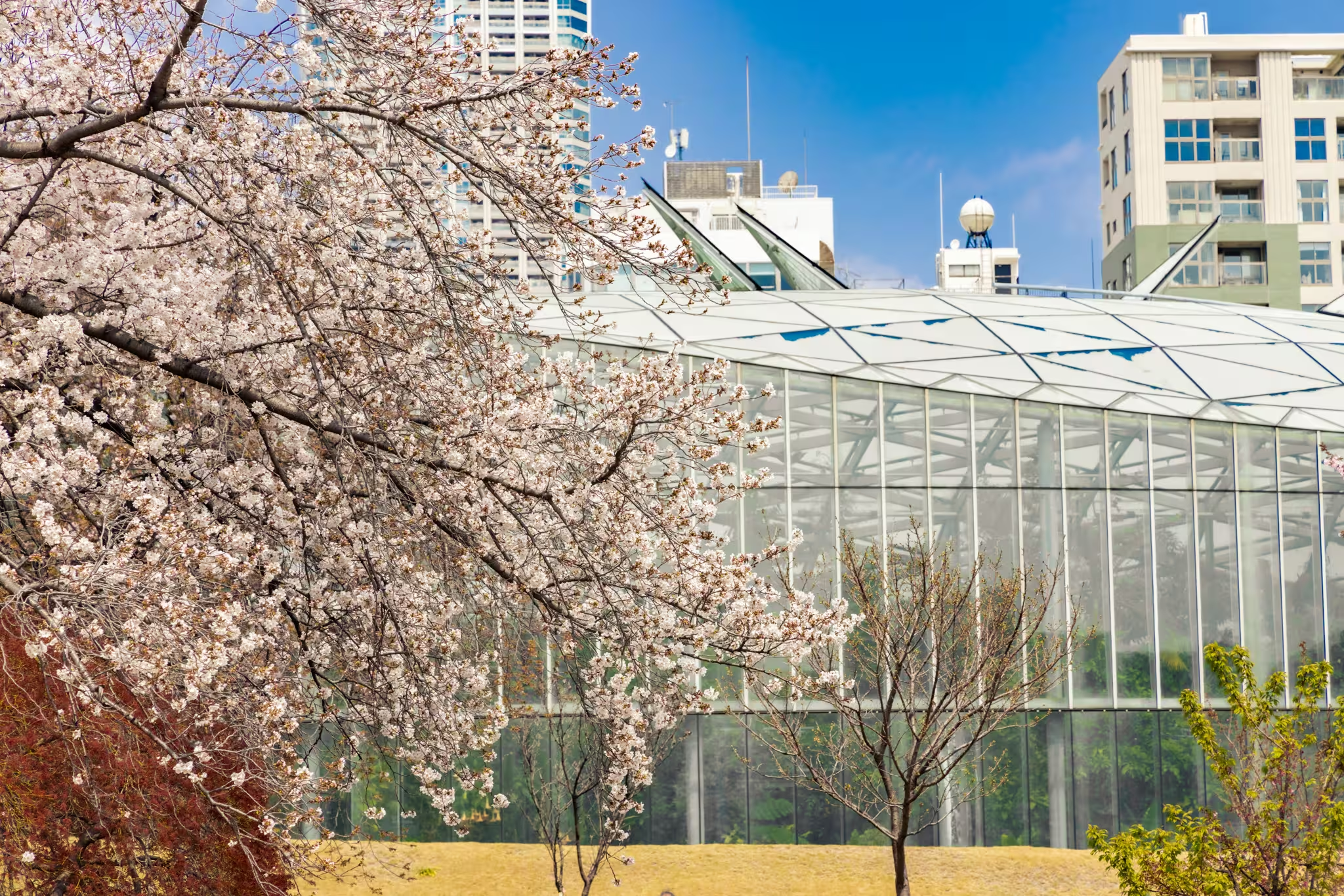
2. The tropical greenhouse: This brilliant glass structure houses over 500 plant species. This lush, tropical environment is perfect for macro and architectural shots year-round.
3. Autumn’s chrysanthemum festival: A stunning display of floral artistry. [Photos here]
4. The Taiwan Pavilion: A beautiful example of traditional Chinese architecture gifted to Japan. This pavilion is a unique cultural photo subject, especially when framed by the surrounding pond and foliage.
5. The Shinjuku skyline: Capture the contrast between the English Landscape Garden and the towering Nishi-Shinjuku skyscrapers.
6. Roses in the French Formal Garden: Visit in late spring or autumn to photograph the romantic blooms.
7. The architecturally unique Starbucks: Not just a place for a coffee break. It’s a beautiful glass structure that blends nature with a photo opportunity.
Photography tips
Tripods are allowed, but don’t let them block other passersby (That is a real rule).
It gets crowded, especially during the cherry blossom season.
Be careful with cameras inside the greenhouse. High temperatures and humidity inside might cause moisture to condense on lenses.
Plan your visit
Where is Shinjuku Gyoen?
It’s about a ten-minute walk from JR Shinjuku Station.
The park’s address is: 11 Naitomachi, Shinjuku City, Tokyo
Here is a Google map:
Train/subway access
Shinjuku (Yamanote, Chuo, and numerous others)
Sendagaya (JR Sobu and Toei Oedo Lines)
Shinjuku-gyoemmae (Marunouchi Line)
Entry fees
500 yen. You can even use your IC card (Suica/PASMO) to pay for it at the gate.
Opening hours
Hours vary throughout the year, so check the Shinjuku Gyoen official website for up-to-date times.
Nearby photo spots
1. Fire Museum: A quirky and free museum with vintage fire engines.
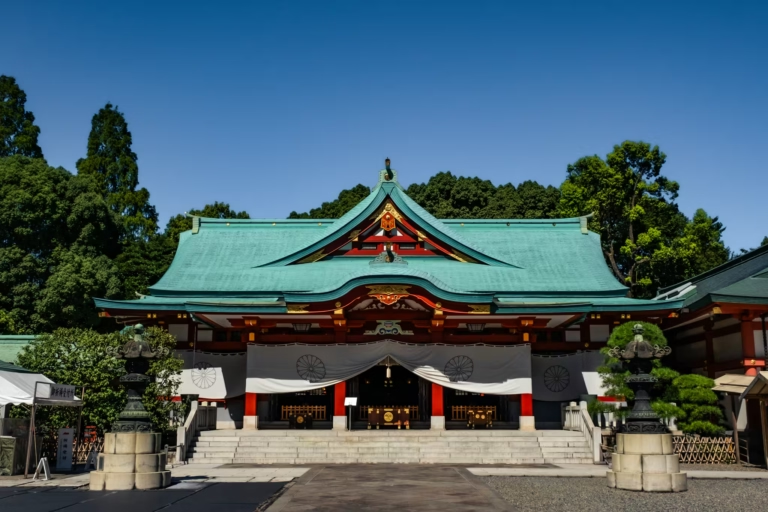
2. Meiji Jingu: Tokyo’s most important Shinto shrine, set within a deep forest.
3. Nishi-Shinjuku: An ideal area for skyscrapers and architectural photography.
4. Shinjuku and Kabukicho: The ultimate destination for vibrant street photography, neon lights, and capturing Tokyo’s energy.
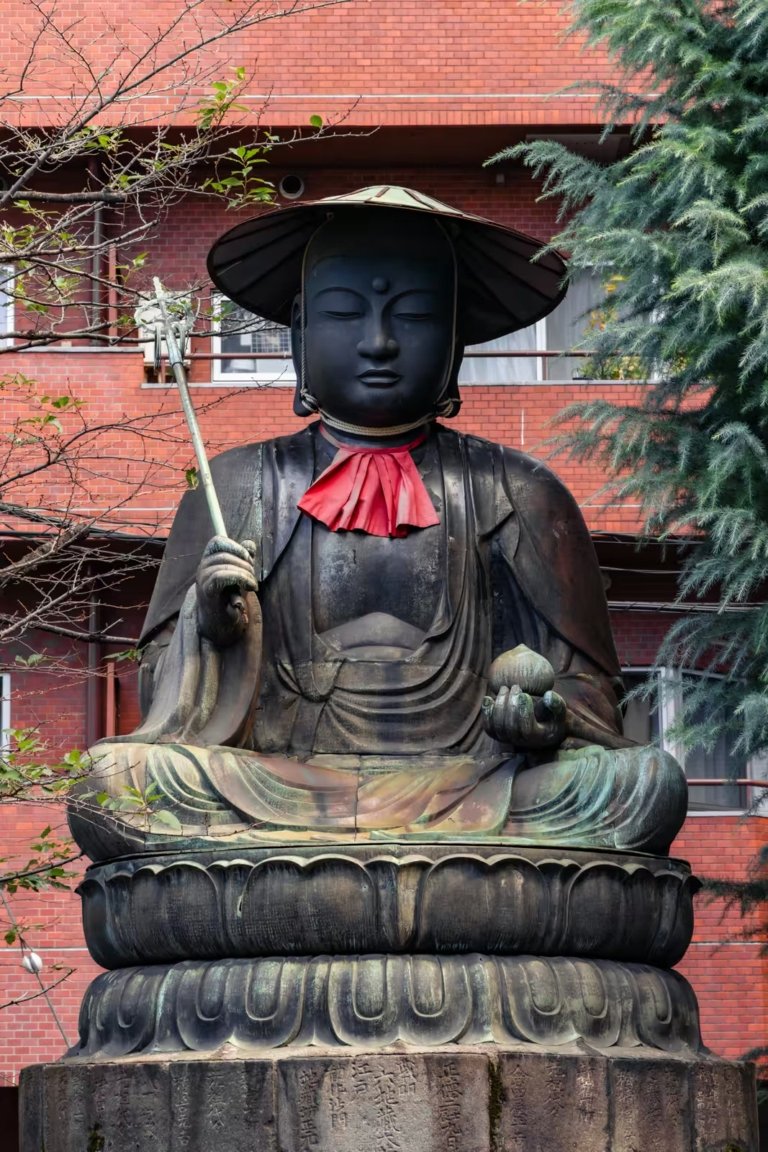
5. Taisoji Temple: Home to one of Tokyo’s largest Jizo statues.
6. Tokyo Metropolitan Government Building: Offers a free observatory for stunning panoramic city views.
7. Yasuyo Building: One of my favorite places to combine architecture and long exposure photography.
8. Yoyogi Park: Perfect for people-watching and capturing Tokyo’s subcultures, especially on weekends.
A brief history of the park
The park’s story begins in the early Edo period. Hideyoshi Toyotomi gifted the land to the Naitō clan, who built a residence and garden there. After the Meiji Restoration, the grounds were repurposed as an experimental agricultural center. Later, it became a botanical garden, before officially becoming an imperial garden in 1879.
Though destroyed by air raids in World War II, the gardens were rebuilt and opened to the public on May 21, 1949. Since 2001, it has been managed by the Ministry of Environment. The official English name is “Shinjuku Gyoen National Garden.” That gives a nod to its “gyoen” or “imperial garden” roots.
Is Shinjuku Gyoen worth it?
Shinjuku Gyoen is more than just a park. It’s an essential Tokyo experience for any photographer. With three distinct worlds to explore and a new spectacle for every season, it’s a place you can return to again and again. You’ll discover new compositions each time. It deserves a prominent spot on your itinerary, offering hours of exploration and a breath of fresh air in the heart of the metropolis.
Bonus tip
Shinjuku Gyoen has a belt of trees around it. Stand in the middle of the park on a winter’s day. The city sounds will be muted. It is a tremendous feeling.