teamLab Borderless Odaiba: A retrospective
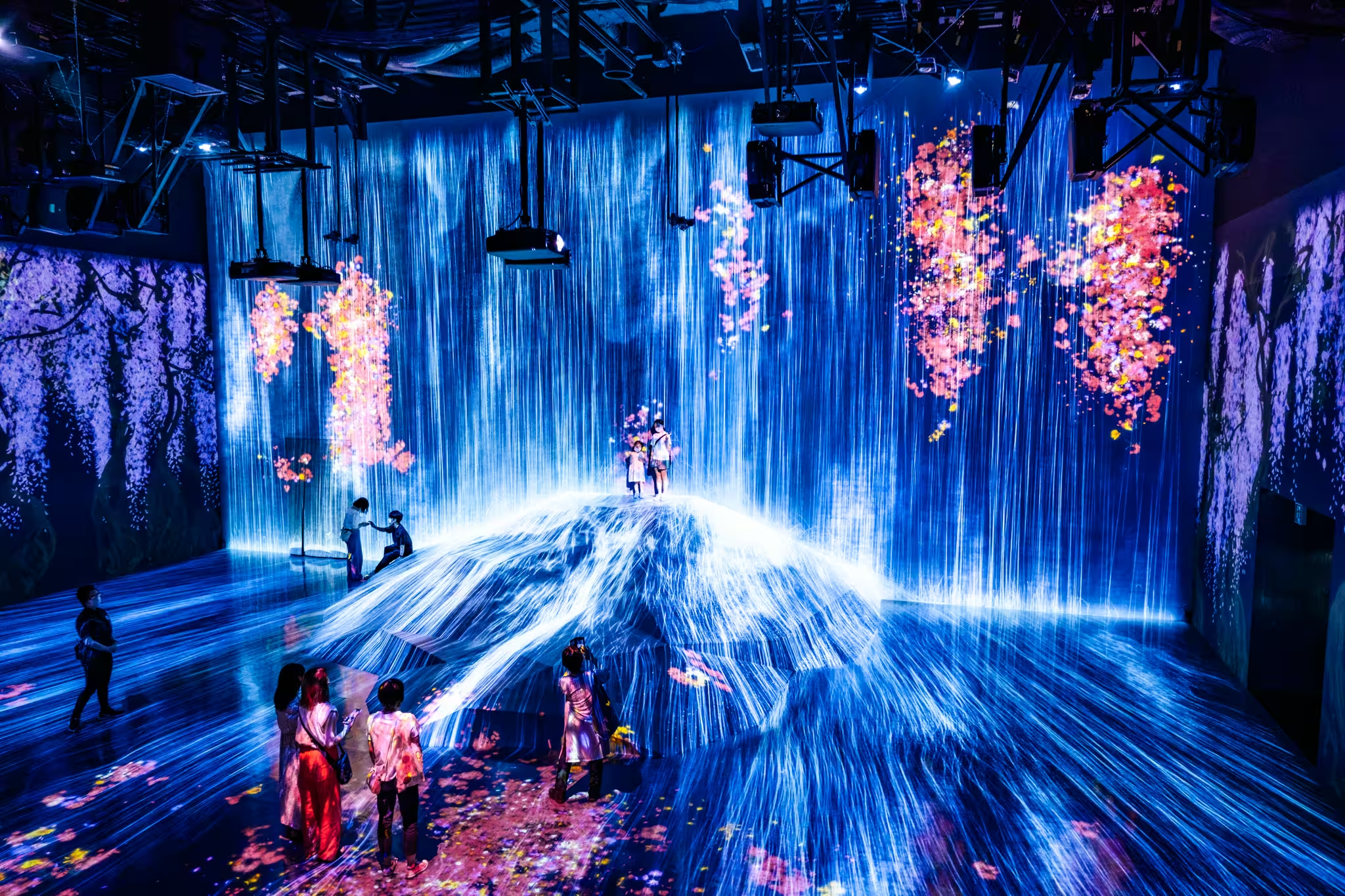
In June 2018, a revolutionary museum opened its doors in Tokyo’s Odaiba district and quickly became a global phenomenon. The MORI Building DIGITAL ART MUSEUM: teamLab Borderless was the world’s first museum dedicated entirely to digital art, and it was an experience unlike any other. This post is a look back at that iconic Aomi venue, which permanently closed in August 2022, to make way for redevelopment in the area.
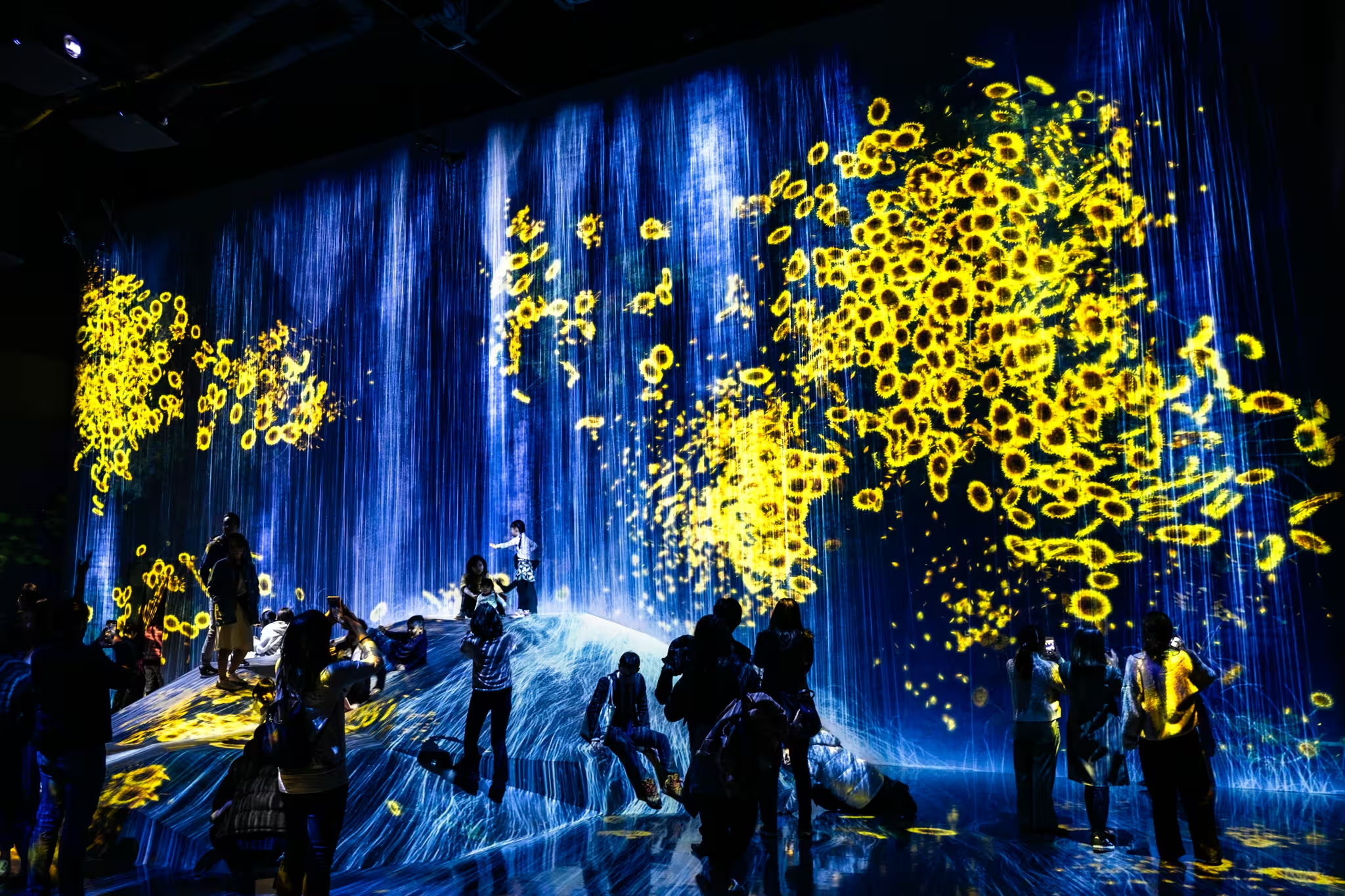
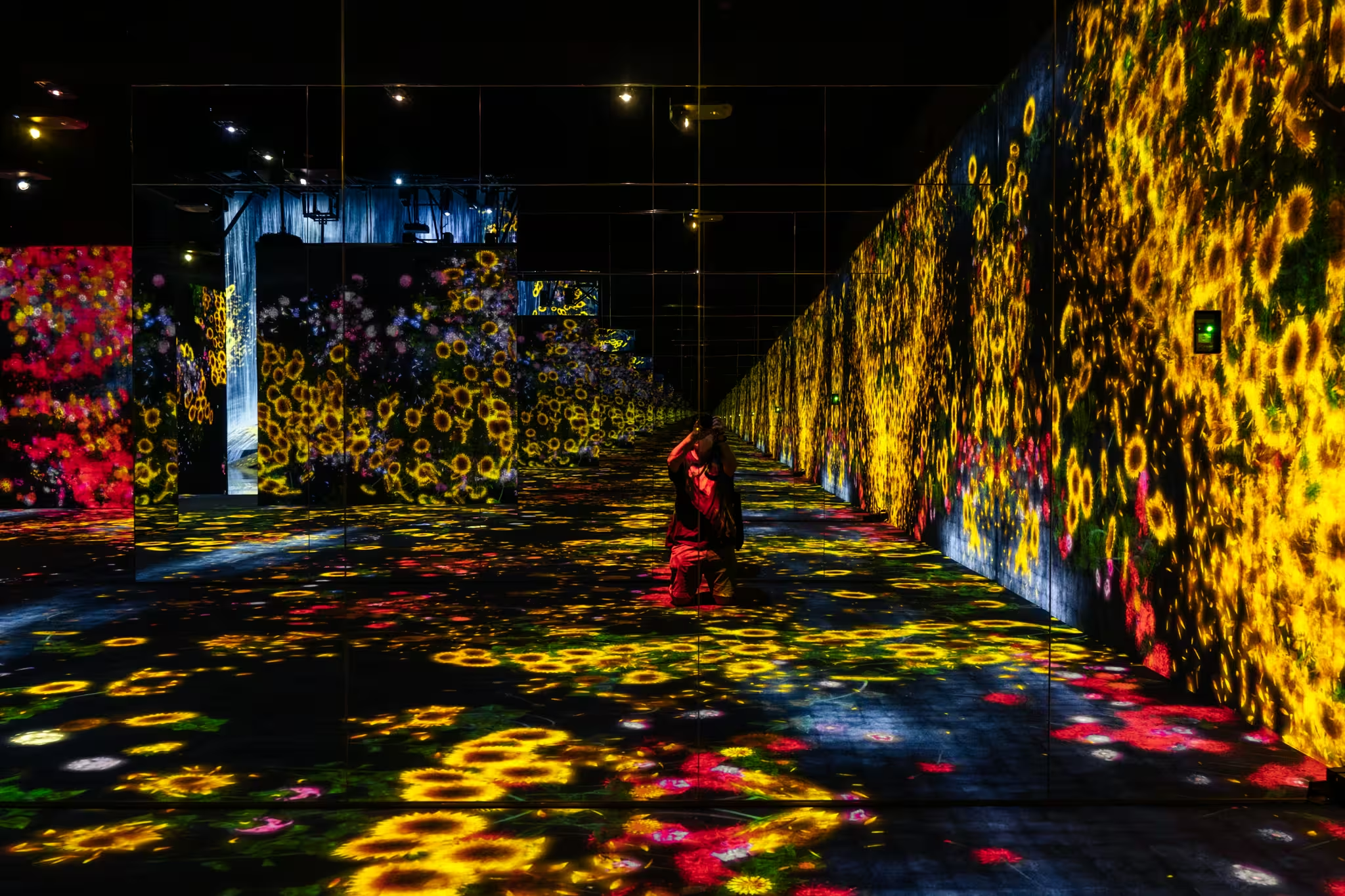
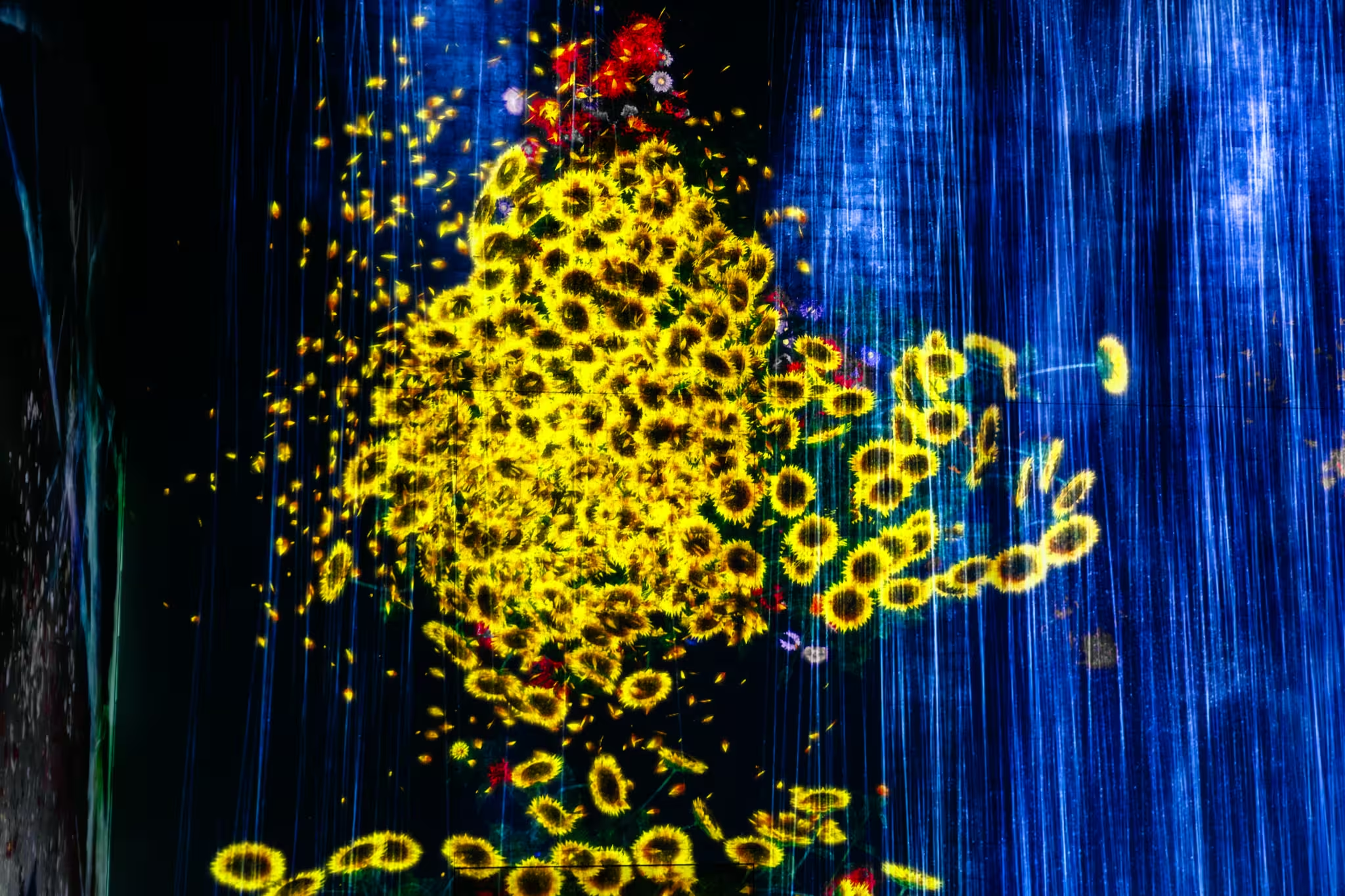
It wasn’t a typical museum with fixed exhibits in quiet halls. This was a sprawling, 10,000-square-meter world of brilliant, colorful displays in constant, mesmerizing motion. Using over 500 computers and a vast network of projectors, it created a unique, borderless world where art flowed from room to room. Once you stepped inside, you could understand why the Instagram and smartphone generation fell in love with it. Every few minutes the art would change, making every visit a once-in-a-lifetime experience.
You could be walking alongside a wall of vivid red flowers, and just a few meters away, colorful streamers would glide over a ghostly whale. Moments later, the entire scene would transform into something completely new. Some artworks even reacted to touch, creating a wonderfully stimulating and interactive adventure.
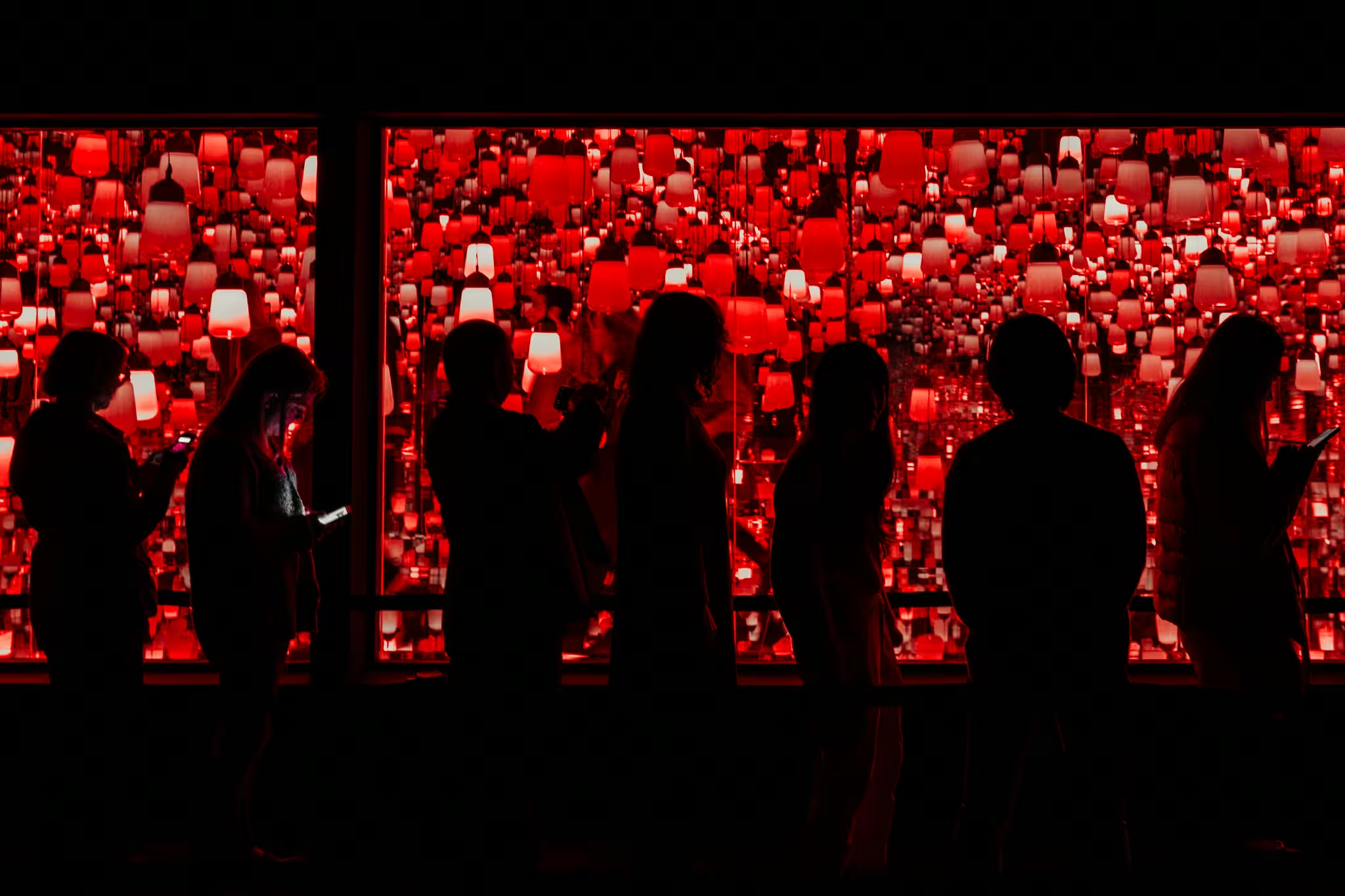
Photography tips for Digital Art Museums
Of course, its immense popularity meant it could get crowded. Navigating the space to get a clear photograph often required patience. You’d frequently have to wait for people to move, especially as many would find the perfect spot for a selfie and stay for that perfect shot.
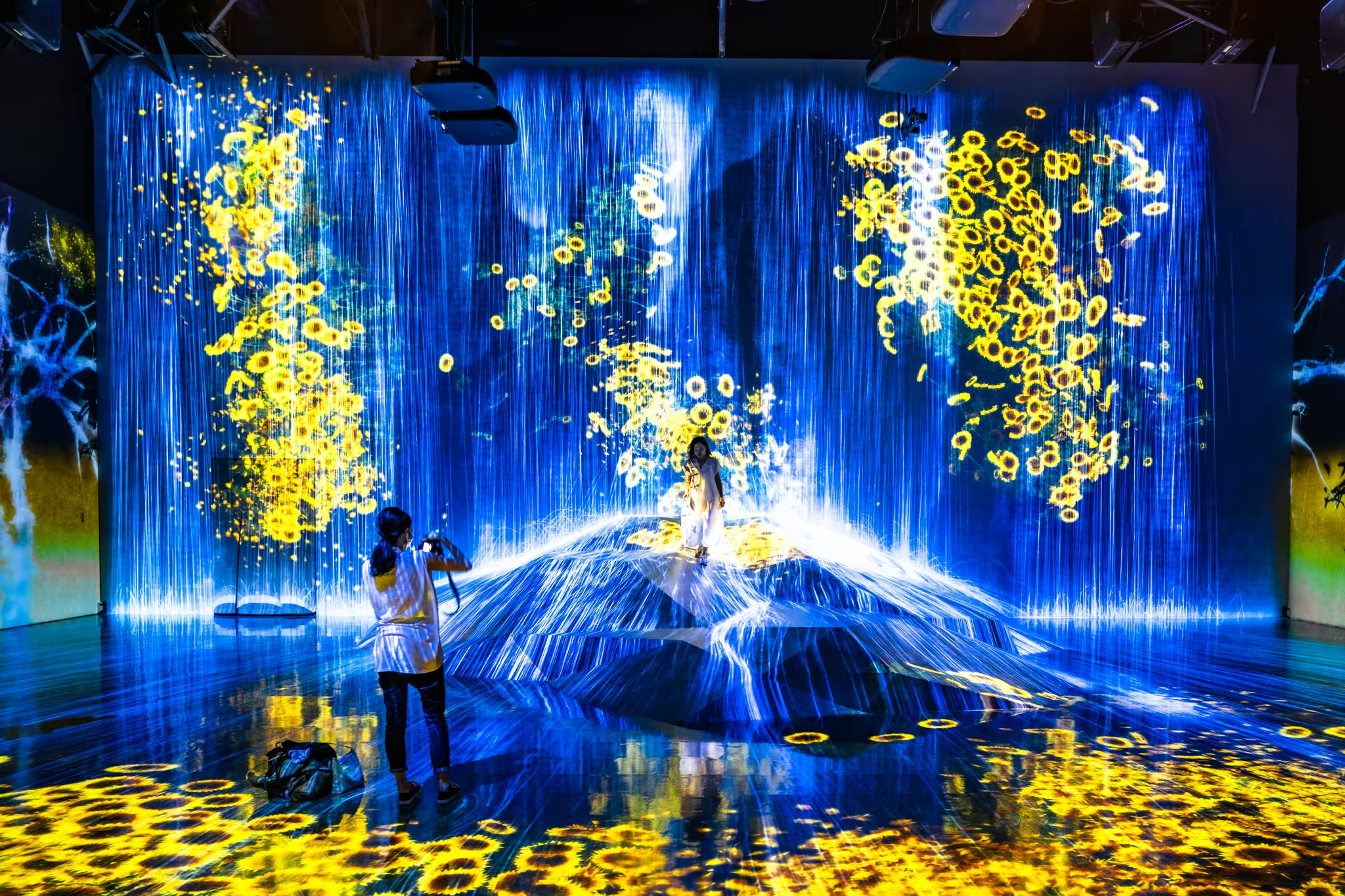
Photographing the exhibits was a unique challenge. The rooms were intentionally dark to let the projections shine, which meant pushing camera settings to high ISO was unavoidable. A lower setting risked motion blur, an unwelcome effect when people were constantly moving through the frame.
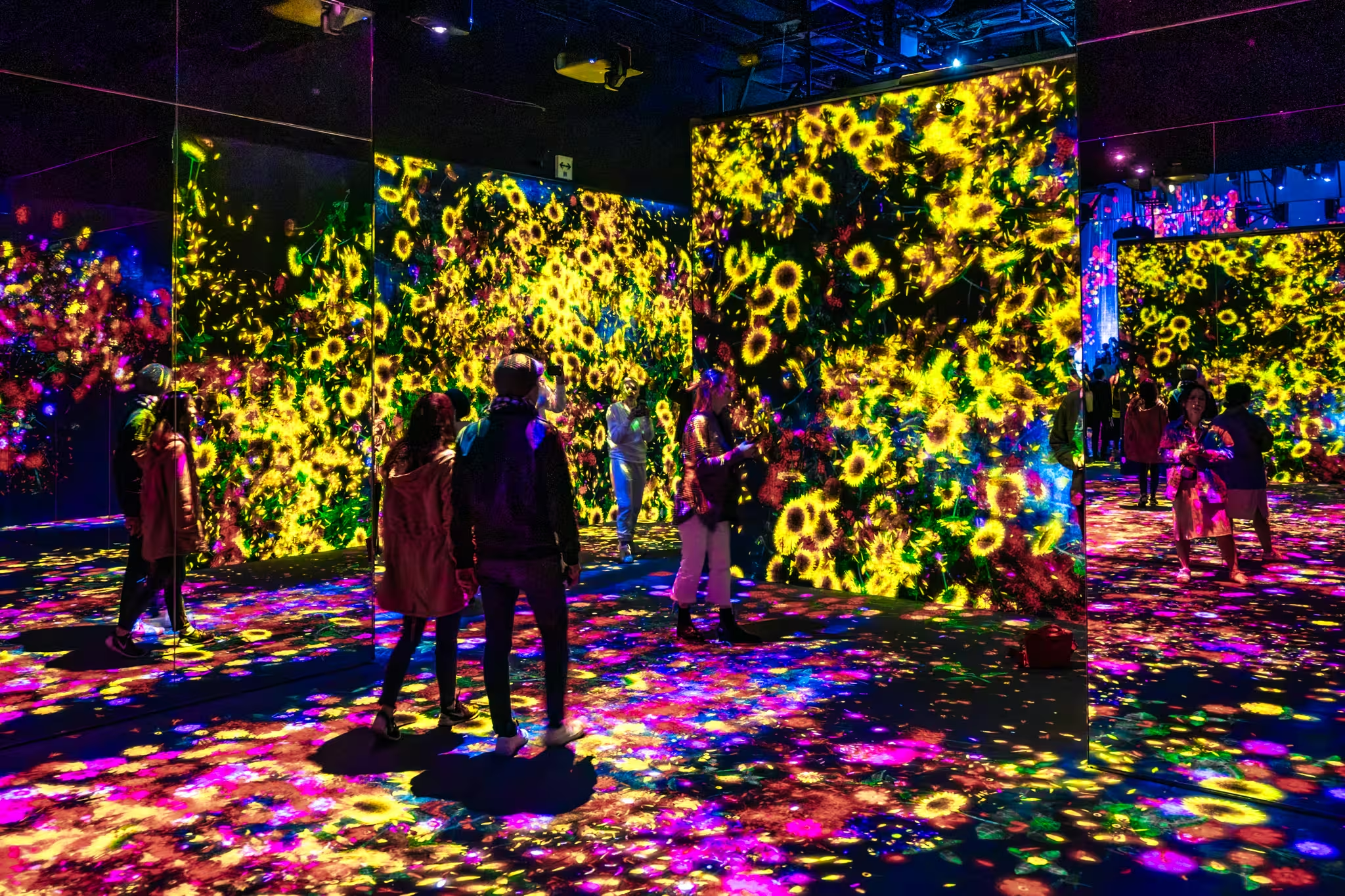
This led to an interesting realization: a smartphone was often the better tool for the job. With so many people and scenes changing in the blink of an eye, the agility of a smartphone camera had a distinct advantage over bulkier equipment. Given that most pictures were destined for social media rather than large prints, a smartphone was more than capable.
Tips for visiting the original teamLab Borderless
For those who had the chance to visit, some practical advice always stood out:
Wear sneakers: The museum featured uneven surfaces and even nets to walk on, making high heels a difficult choice.
Embrace exploration: There was no floor guide. Visitors were meant to wander, get lost, and discover the art on their own terms.
Wear white: A pro-tip for the perfect photo was to wear white clothing. When the vibrant lights hit you, you became part of the exhibition itself.
My photography gear for this shoot
Camera body: Fujifilm X-T2
Lens: Fujifilm XF 16-55mm F2.8 R LM WR
To Azabudai Hills: The Future of teamLab Borderless
While the doors to the beloved Odaiba location have closed, the spirit of teamLab Borderless lives on. A new and evolved version of the museum opened in Azabudai Hills (official website) in central Tokyo on February 9, 2024, featuring many new and updated artworks.
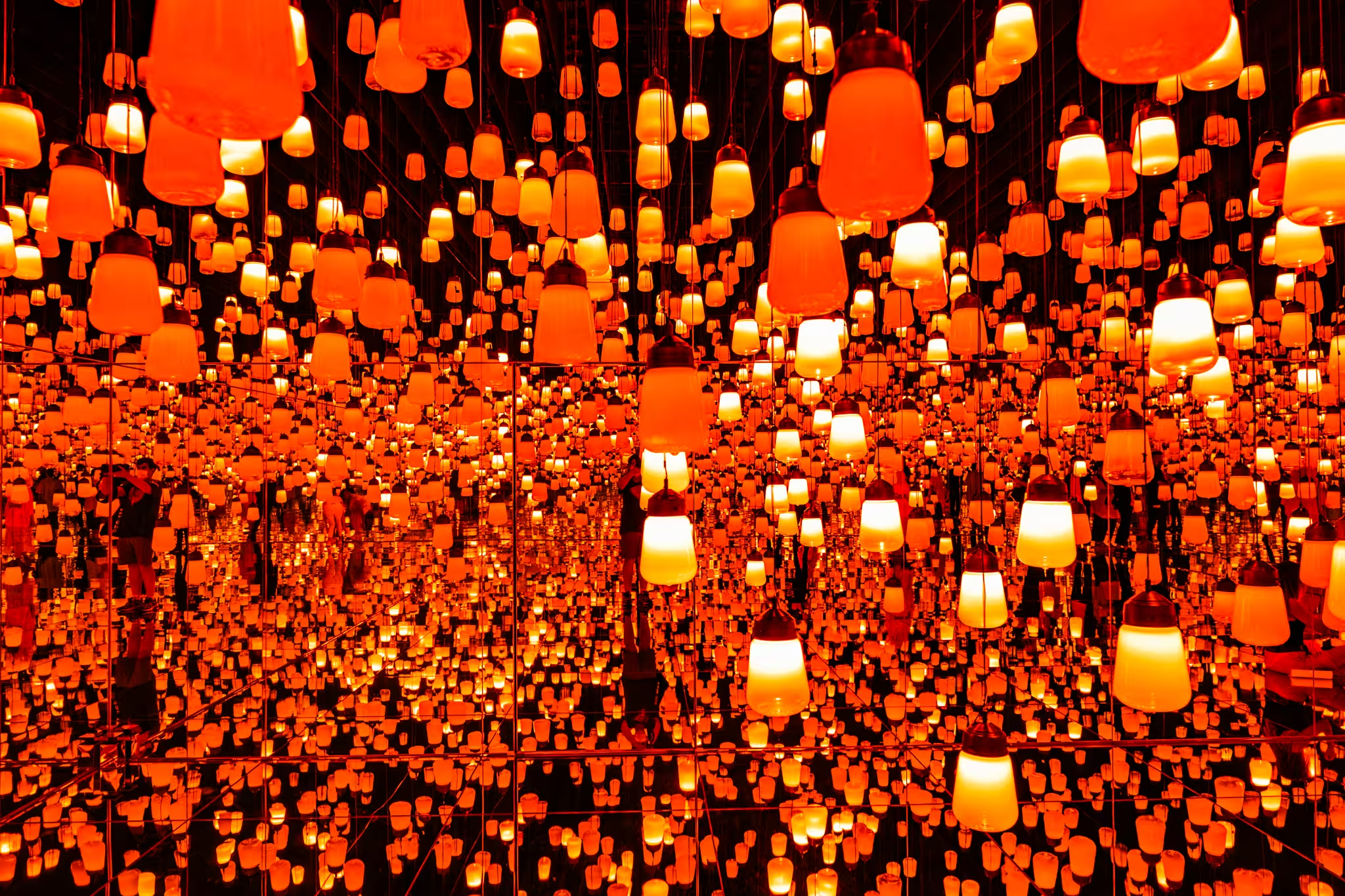
Still, this article will remain as a tribute to the original venue that started it all. It was a truly special place that captured the imaginations of millions. If you visited it, feel free to share your memories in the comments below. For those who’d like to see more of Tokyo’s art, look at my article on Louise Bourgeois Maman Spider at Roppongi Hills.
Date of Photos: 20 November, 2019