Yasukuni Shrine Photo Guide
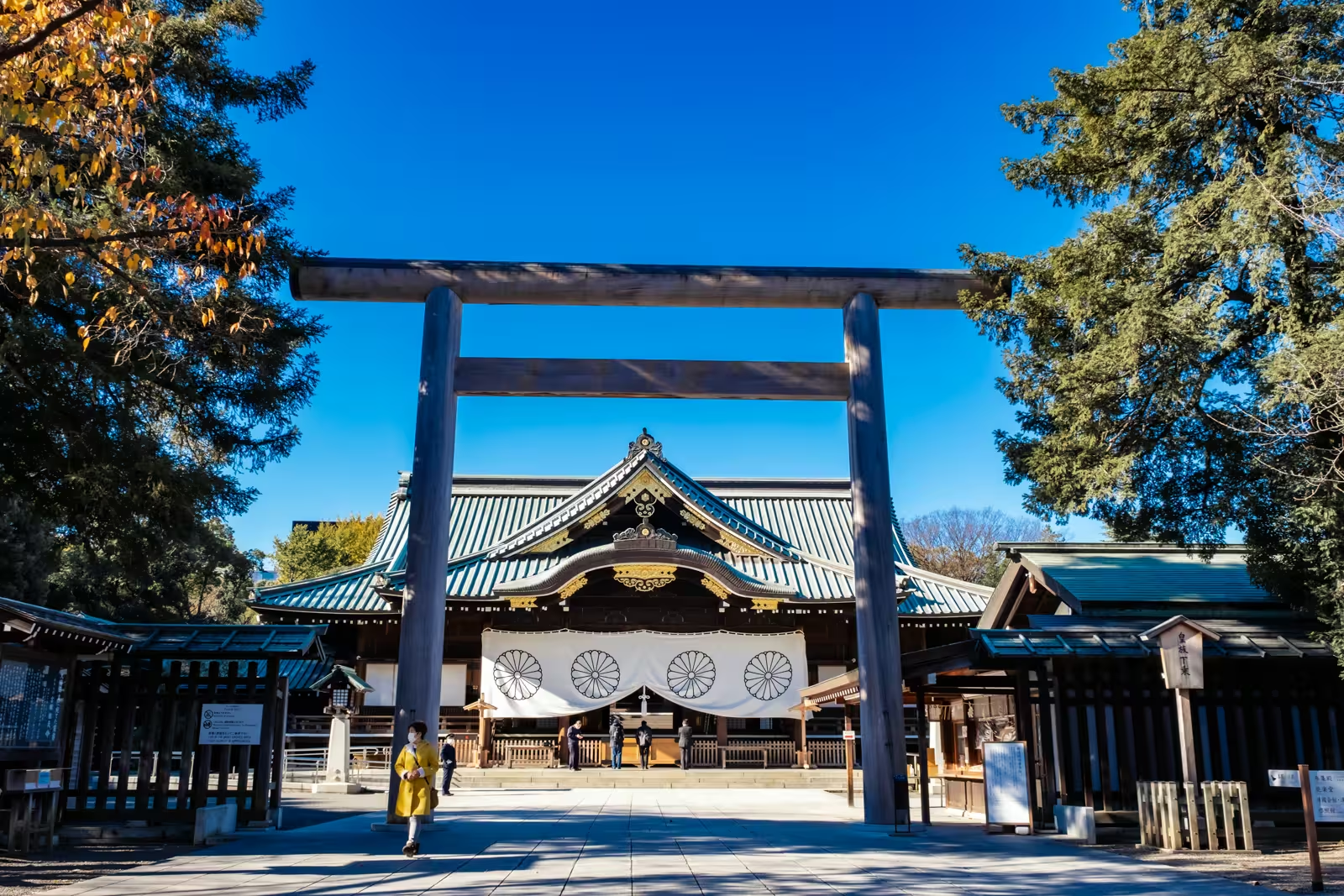
Located in the heart of Chiyoda, Yasukuni Shrine carries a gravity that few other places in Tokyo can match. Founded by Emperor Meiji in 1869, it serves as a memorial for those who gave their lives for Japan, spanning from the Boshin War through World War II. Today, it draws five million visitors annually, offering a lens into the nation’s soul and providing a world-class location for architectural photography in Tokyo.
At 6.24 hectares, the grounds are expansive. Unlike the forest-like Meiji Shrine, Yasukuni offers a structured landscape of monuments and quiet corners. Whether you are drawn to traditional architecture, seasonal festivals, or military history, this shrine is an essential addition to any Tokyo travel itinerary.
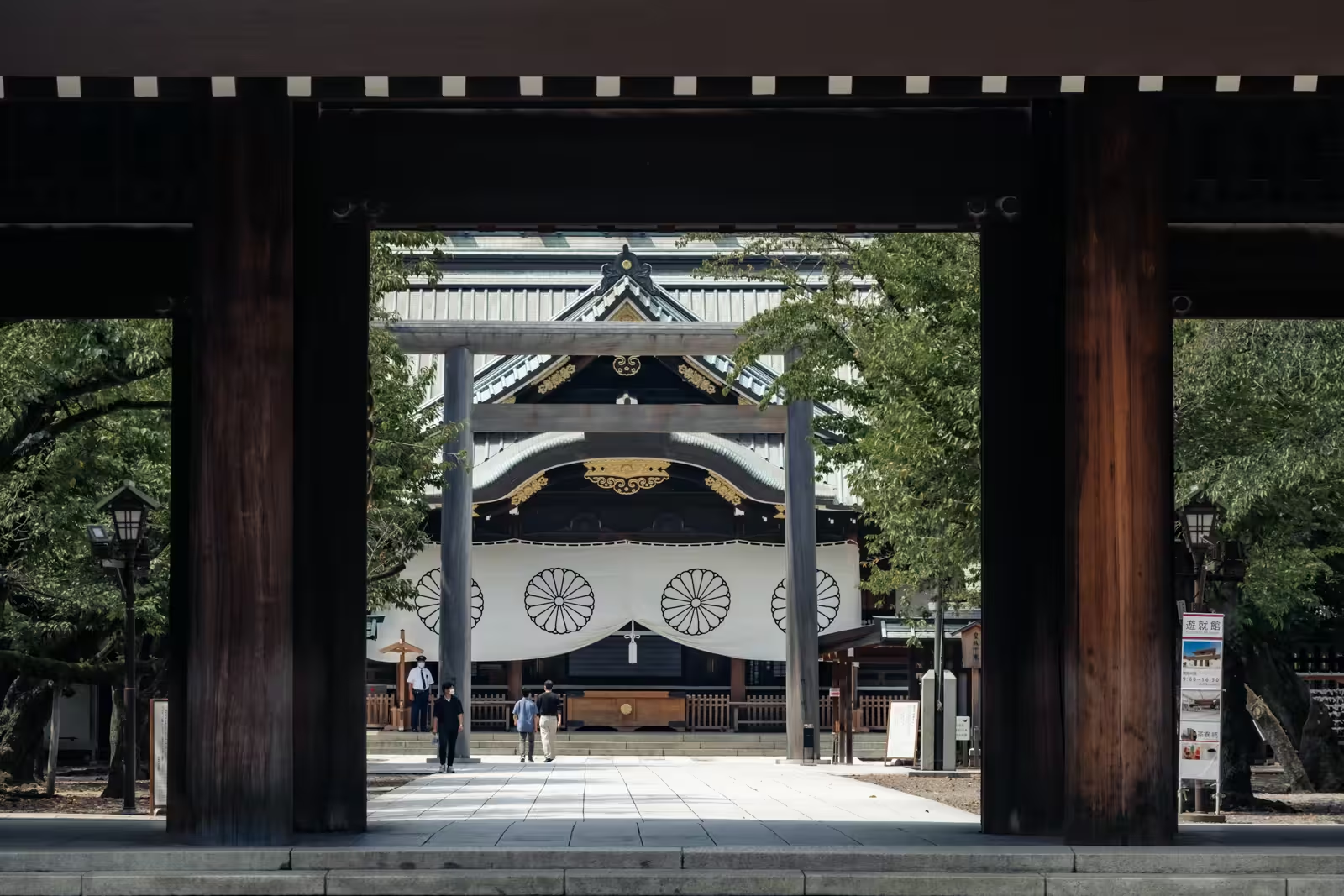
Photo walk: The approach to Yasukuni
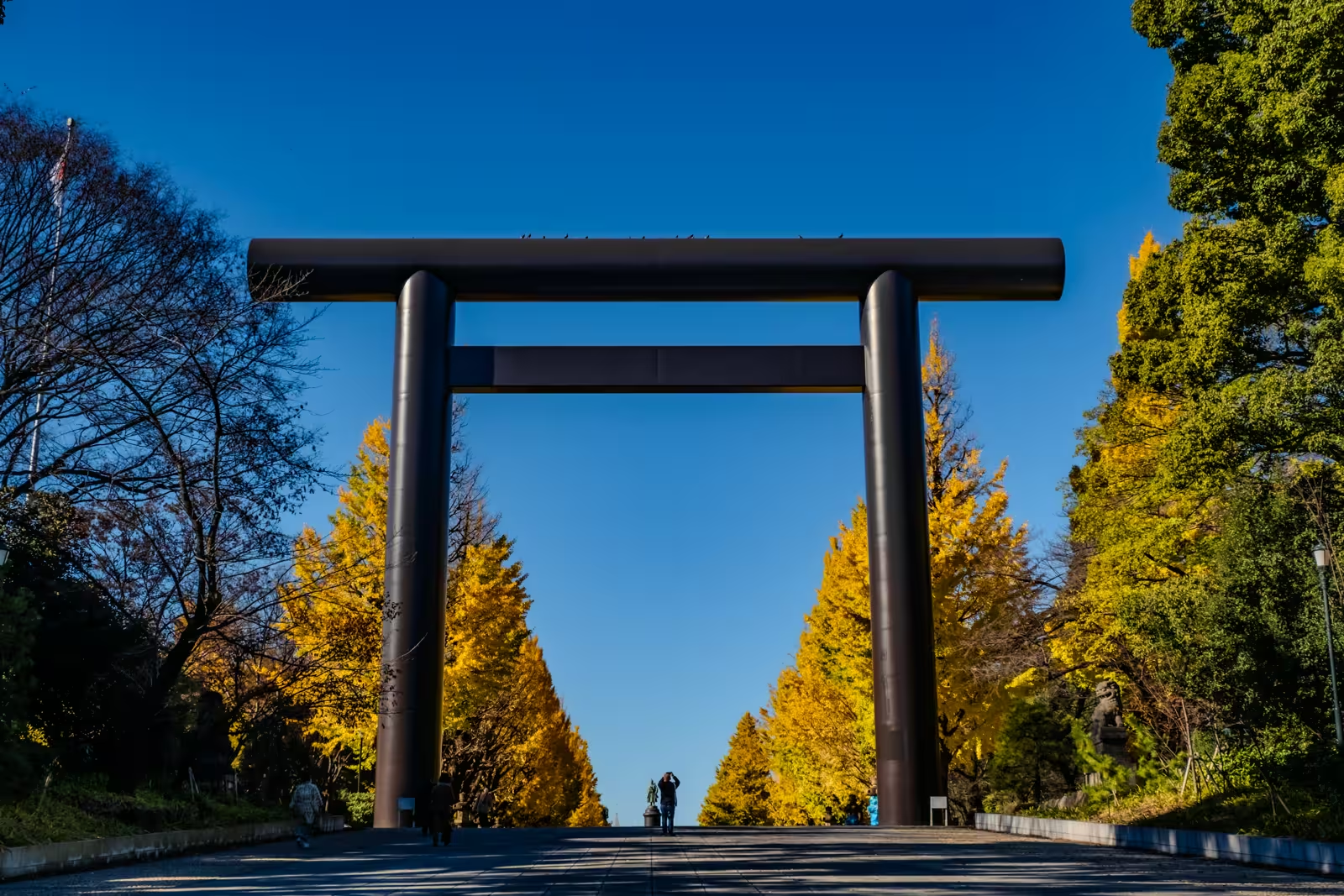
I recommend entering from the Kudanshita Station side to experience the full scale. The entrance is marked by a massive 25-meter-high steel torii gate—a monumental structure that sets the tone for the complex.
This leads to a 500-meter causeway lined with ginkgo trees. It is a spectacular walk in late autumn (late November) when the leaves turn a deep yellow, carpeting the path in gold—perfect for wide-angle photography.
Key photography spots at Yasukuni Shrine
This site impresses through sheer scale. Everything here feels oversized, designed to evoke a sense of awe. Here are the specific points of interest you shouldn’t miss:
Shooting the official Tokyo cherry blossoms
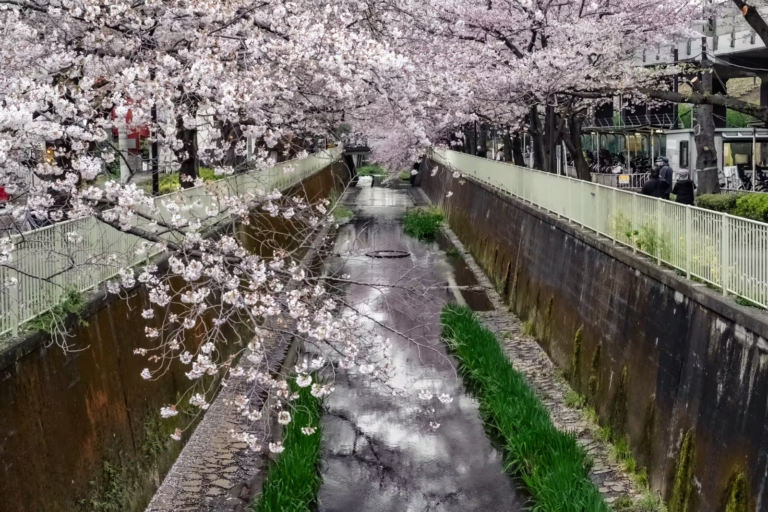
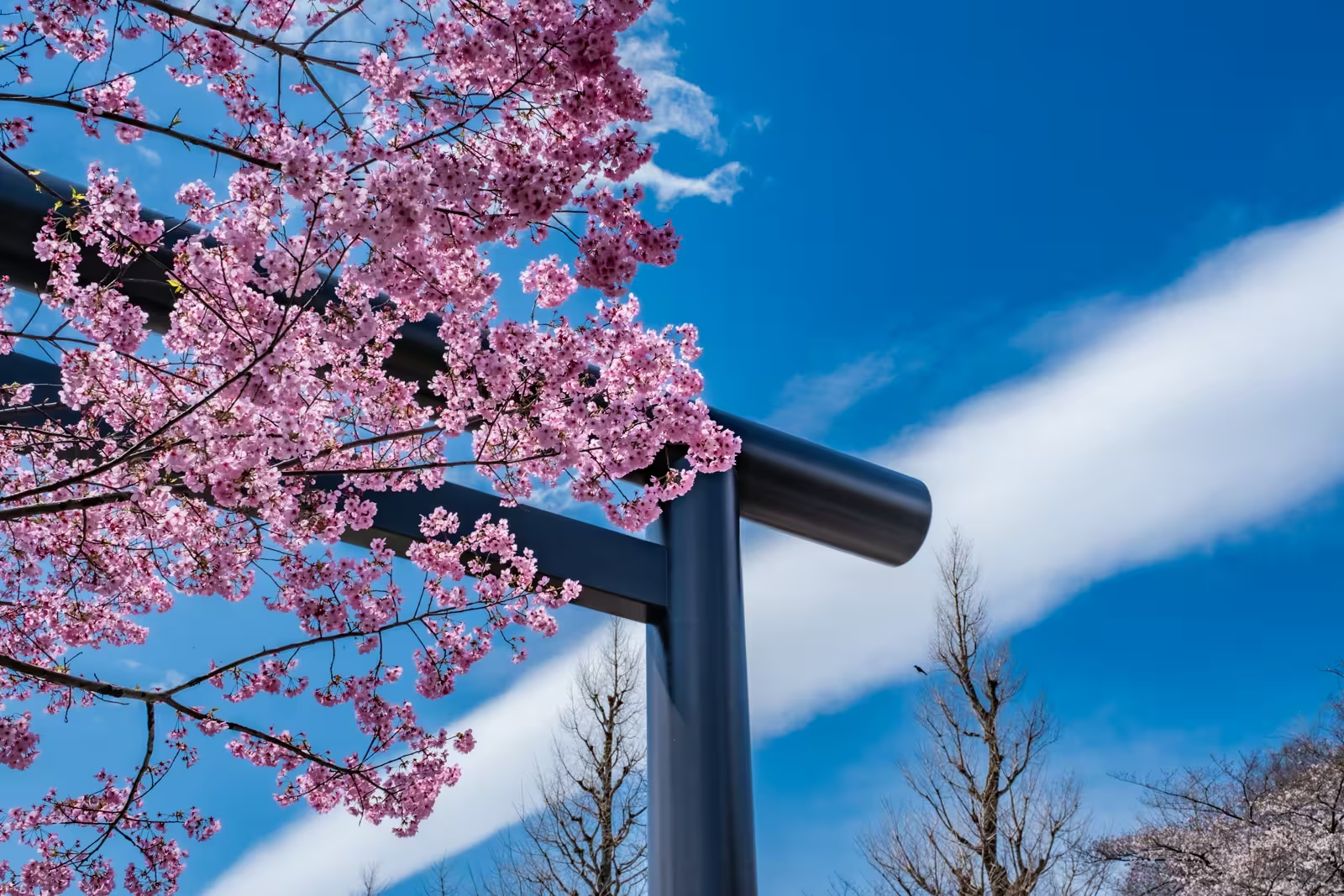
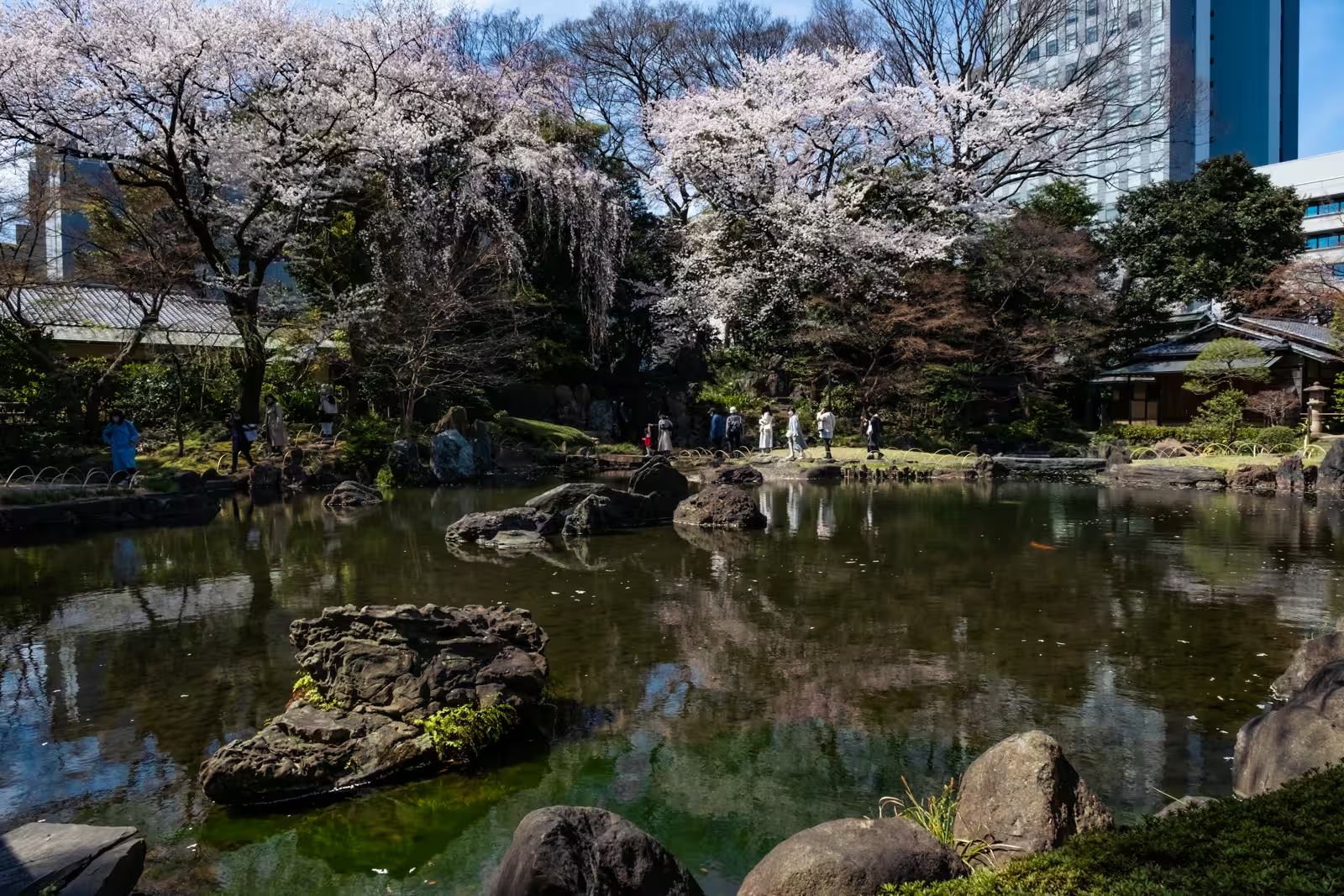
While cherry blossoms are found throughout the city, the Yasukuni cherry trees are special. One specific tree here is used by the Japan Meteorological Agency to officially declare the start of the sakura season in Tokyo. If you visit in late March, the atmosphere is elegant and celebratory.
Yushukan military museum
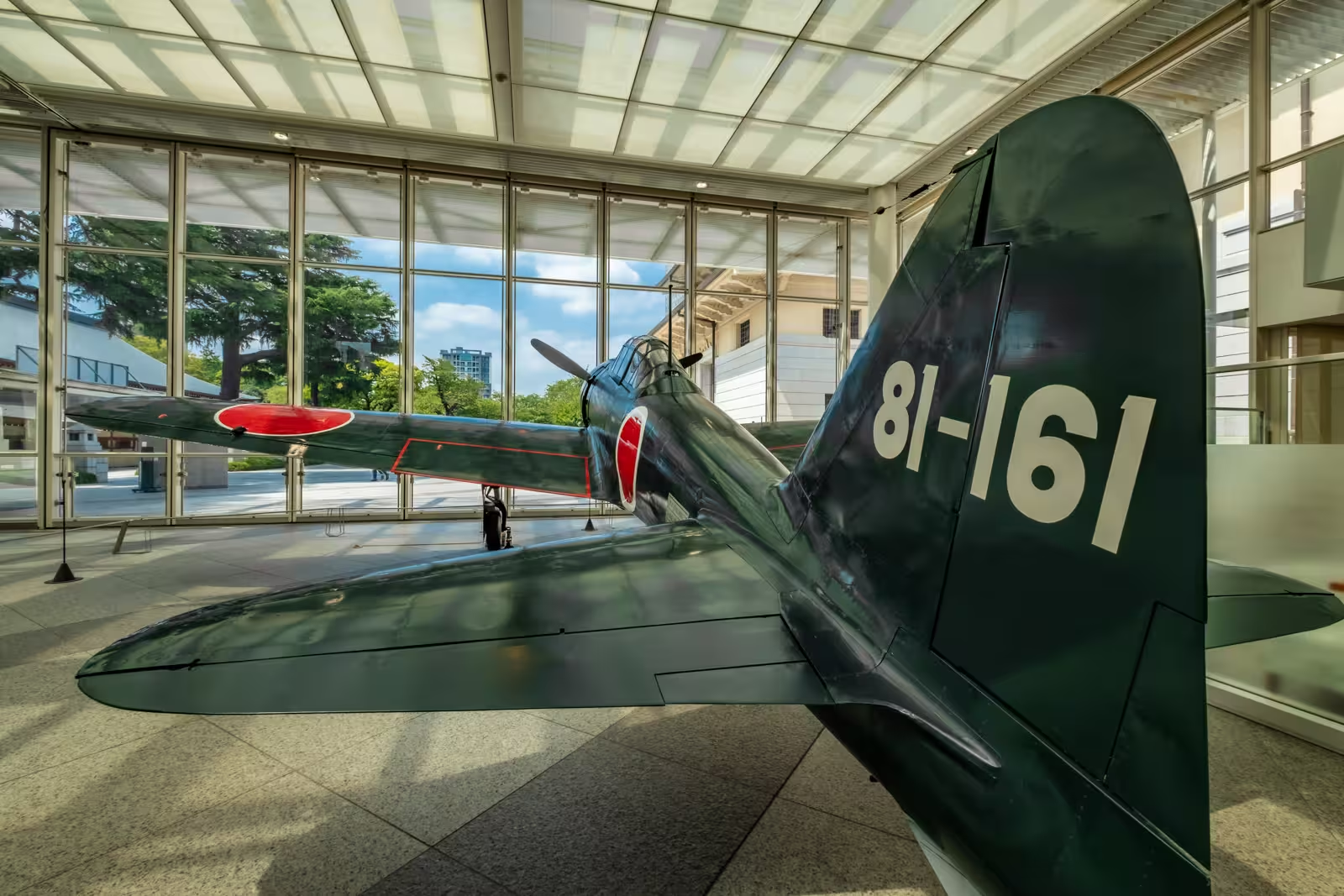
For history buffs, the Yushukan Museum is a must-see. The collection is extensive, and the foyer houses a meticulously restored Mitsubishi A6M Zero fighter plane.
- Entry Fee: ¥1000
- Note: The museum provides a deep, if specific, perspective on Japan’s military history.
Mitama Festival (summer in Tokyo)
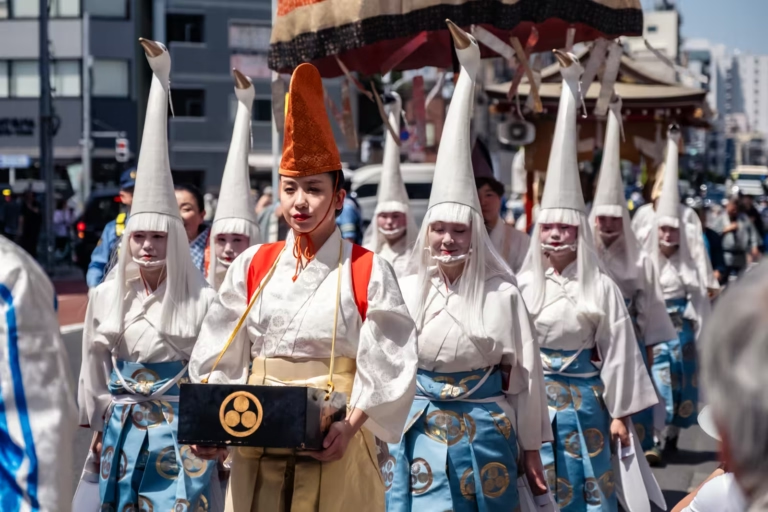
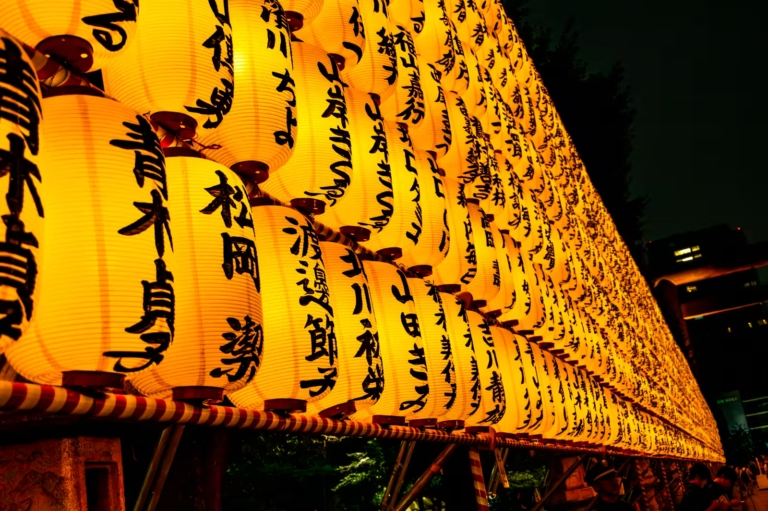
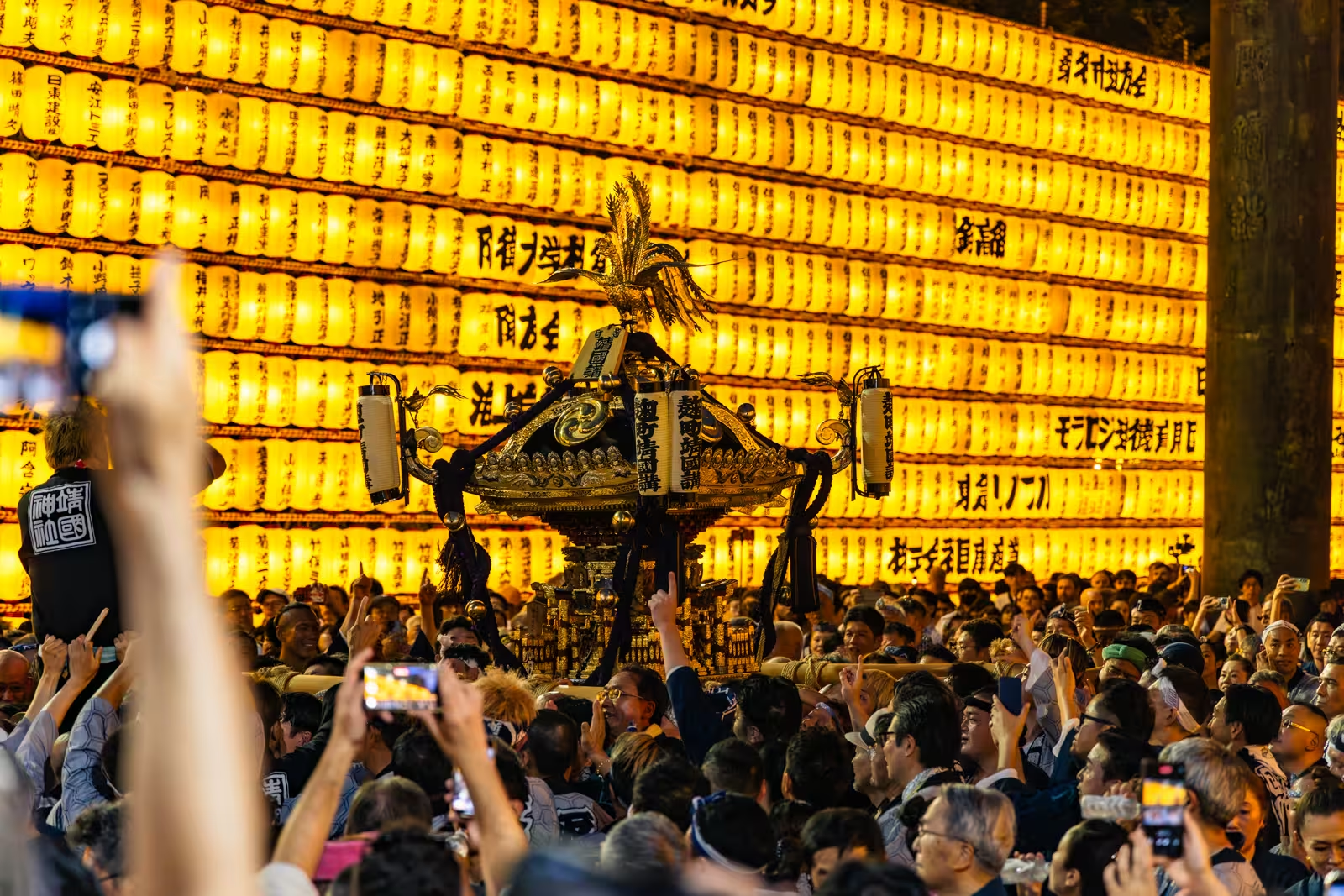
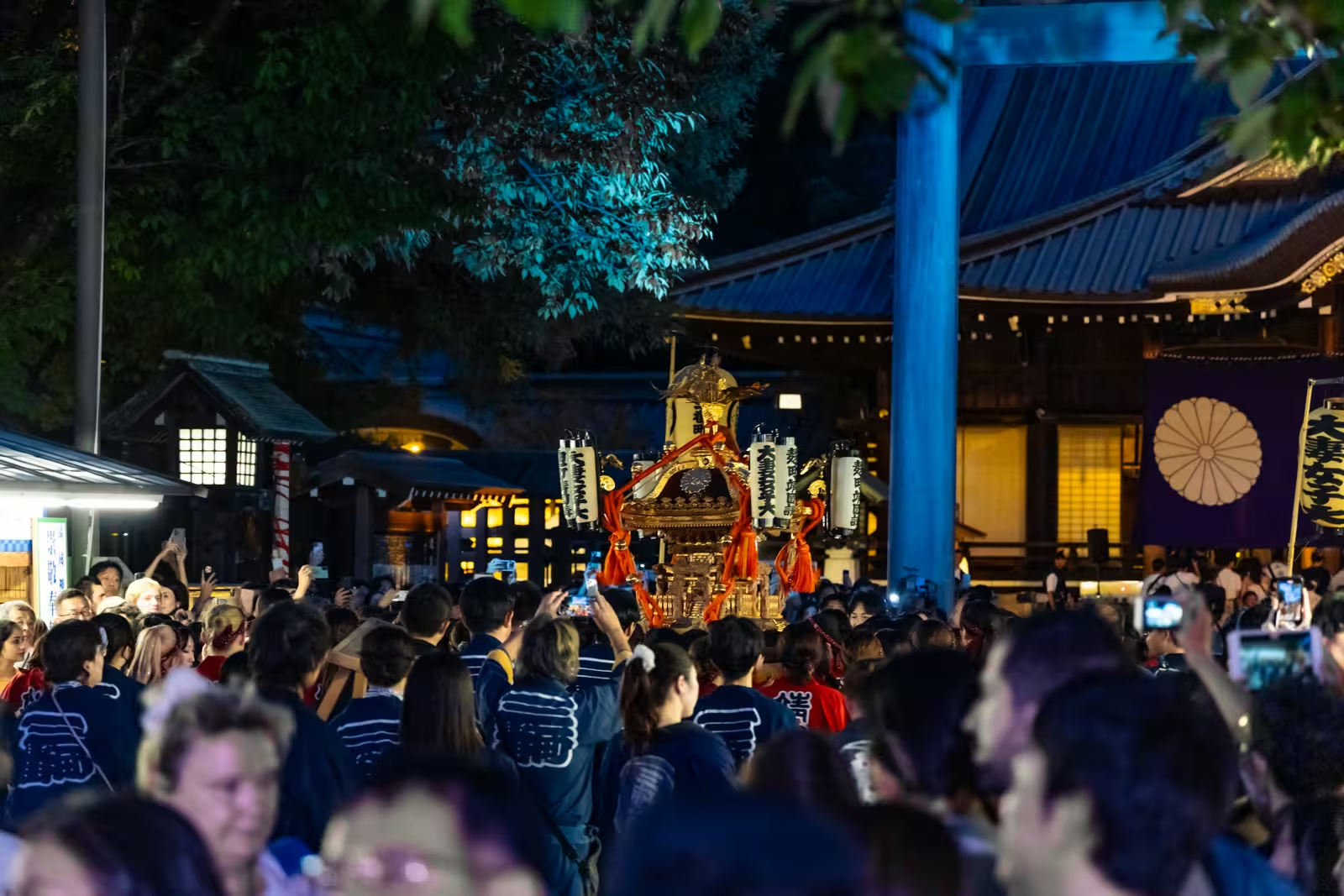
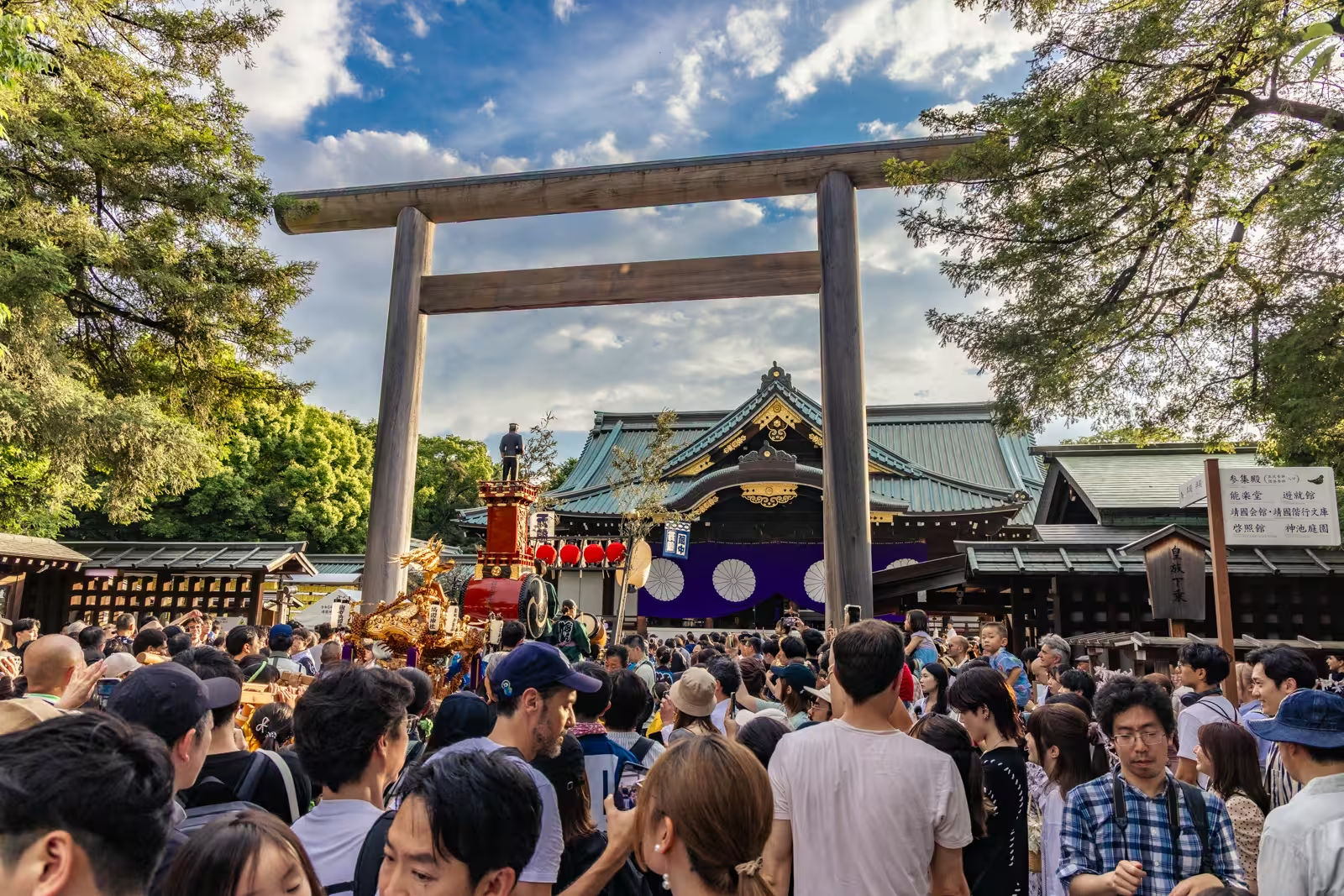
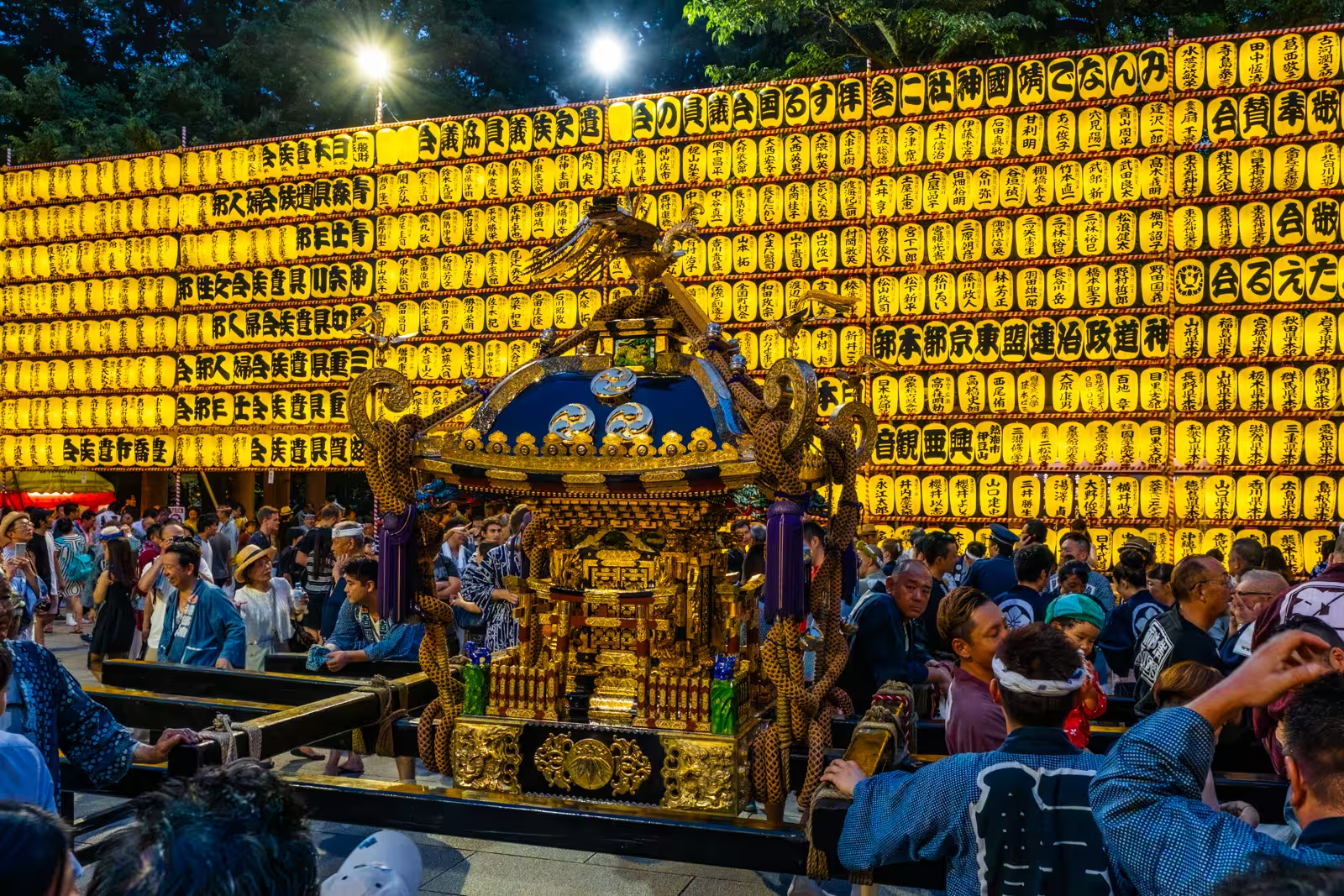
The shrine undergoes a total transformation during the Mitama Festival in July. Honoring the spirits of the departed, the complex is illuminated by 30,000 glowing lanterns. It is an energetic, noisy, and evocative event—a dream for night photography. You will see many visitors in traditional yukata and omikoshi (portable shrines) paraded toward the main hall.
Quiet solitude at the Chinreisha
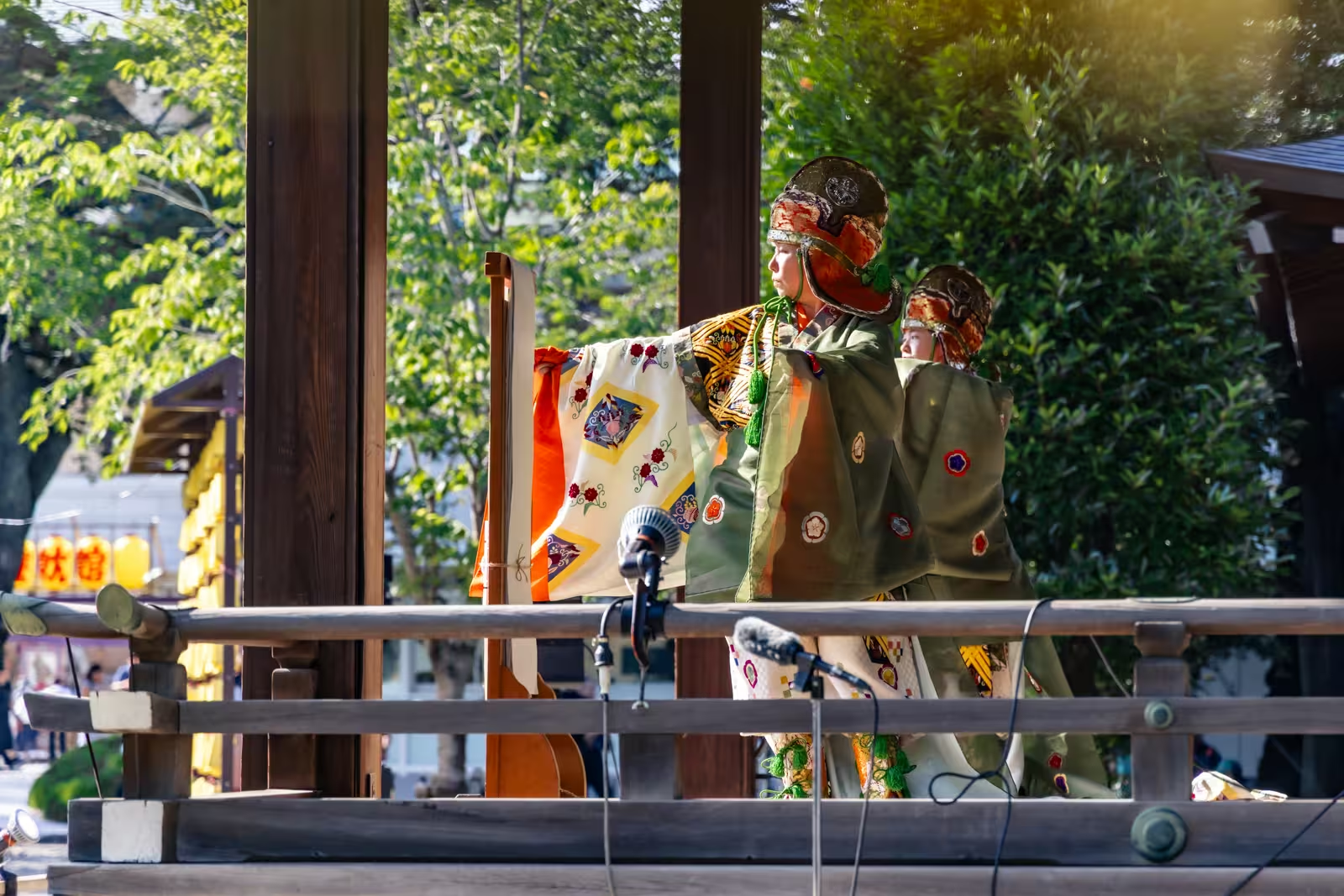
This smaller shrine is dedicated to all who died in conflicts, regardless of nationality. Currently situated behind a locked gate, it offers a moment of quiet reflection away from the main thoroughfare.
Best times for photography
- Spring (March/April): For the iconic cherry blossoms.
- Summer (July): For the Mitama Festival nighttime illumination.
- Autumn (November/December): For the golden ginkgo canopy at the main entrance.
Photography etiquette & tips
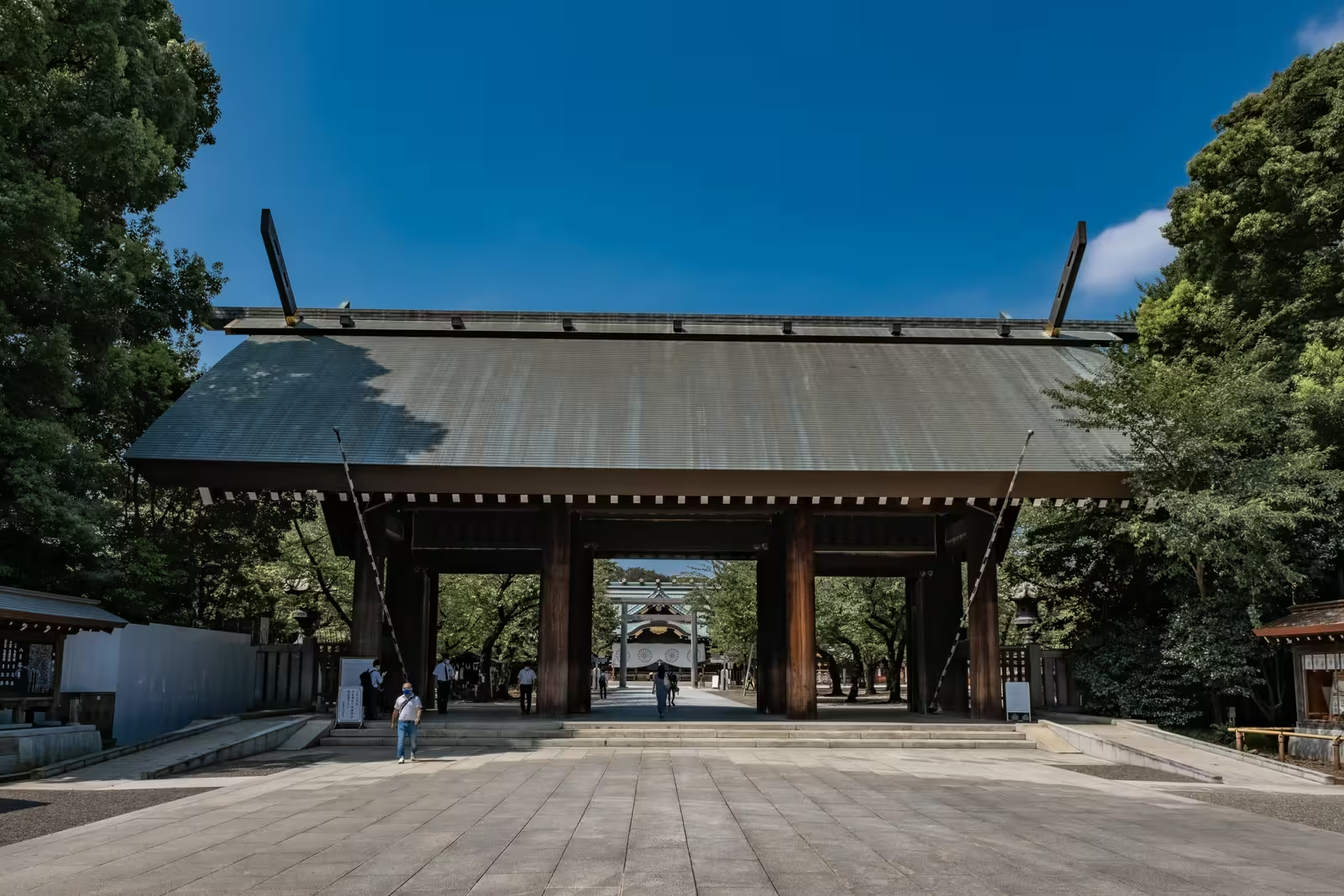
The Main Hall (Haiden) is a beautiful example of classical architecture, but please note: the area directly from its steps to the torii gate is sacred. Taking pictures is strictly forbidden in that specific spot. Be sure to frame your shots from further back or to the side to be respectful. I can tell you from personal experience the guards are vigilant.
Visitor information: Location, access, costs, & hours
Yasukuni Shrine is located within easy walking distance of the Imperial Palace.
- Address: 3-1-1 Kudankita, Chiyoda City, Tokyo
Closest train stations
- Kudanshita Station: Hanzomon, Toei Shinjuku, and Tozai Lines.
- Iidabashi Station: Namboku, Toei Oedo, Tozai, and Yurakucho Lines.
Entry fees
None
Hours
- Daily:
- 6:00 a.m. – 6:00 p.m.
- 6:00 a.m. – 5:00 p.m. in January, February, November, and December
Here is the shrine on Google Maps:
For the most up-to-date information, consult the official Yasukuni Shrine website.
Top photo spots near Yasukuni Shrine
If you are looking to fill a memory card, these locations are within a 15-minute walk:
- Chidorigafuchi Moat: Famous for cherry blossoms reflecting in the water.
- The Imperial Palace East Gardens: Classic Edo-period stone walls and gates.
- Jinbocho Book District: A vintage neighborhood perfect for street photography.
Is Yasukuni Shrine worth visiting?
Visiting Yasukuni Shrine is a multi-layered experience. It remains one of the most revered and debated places in Japan. Despite its political weight, the grounds often feel remarkably tranquil. Whether you come for the military history, the museum, or the world-renowned cherry blossoms, Yasukuni offers a unique look at the Japanese identity that you won’t find anywhere else in Tokyo.