My first visit to Tama Cemetery was an eye-opener. A mere forty-minute train ride from the electric chaos of Shinjuku, I found myself in a sprawling, 128-hectare kingdom of silence.
Beneath trees and enormous kanji-covered monoliths, rest the makers, shakers, and giants of Japan’s modern history.
It’s a place where history isn’t just in books; it’s etched in stone. Whether you’re a history lover or a photographer hunting for something unique, many delights for your camera are waiting to be discovered.
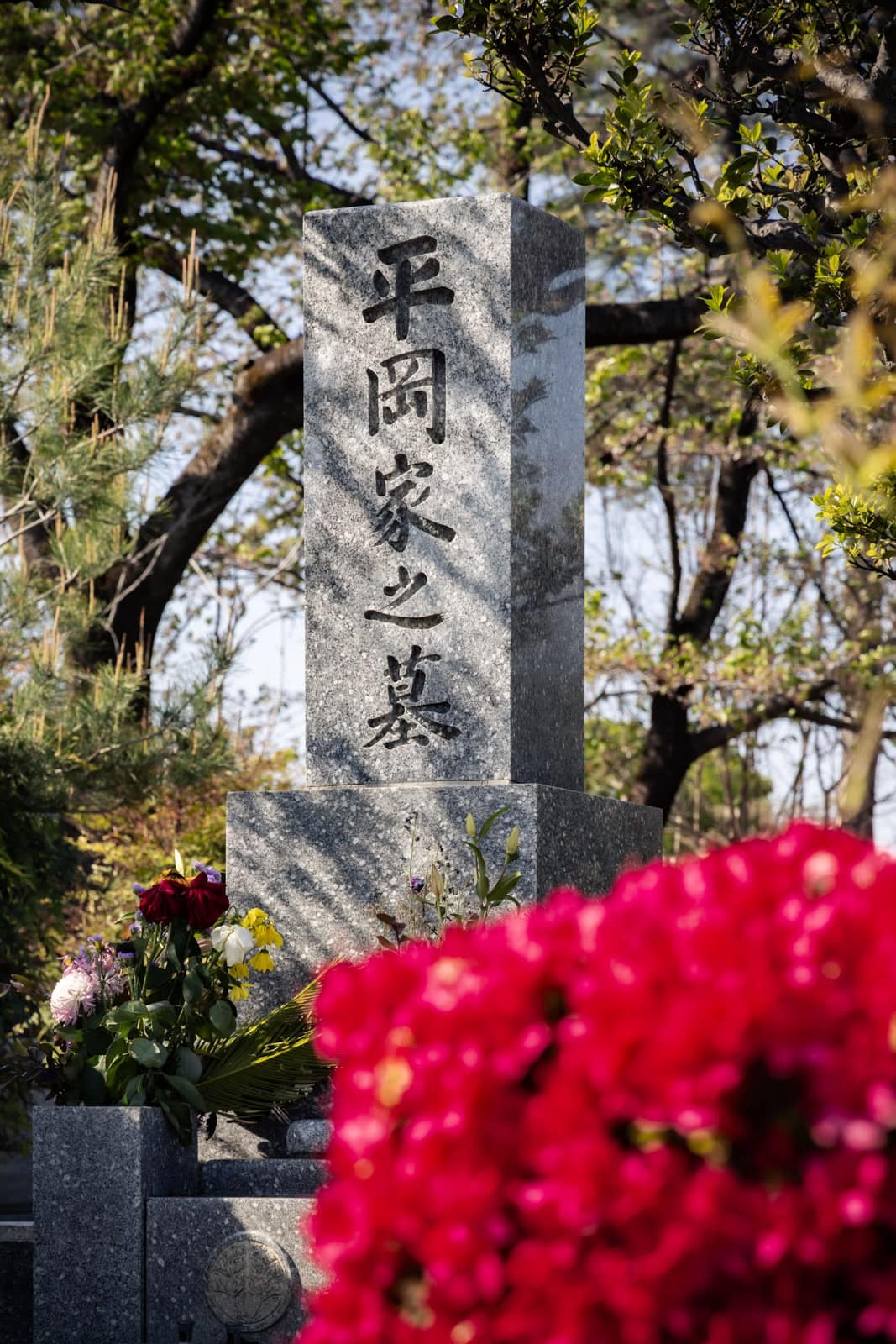
Why Tama is great for photography
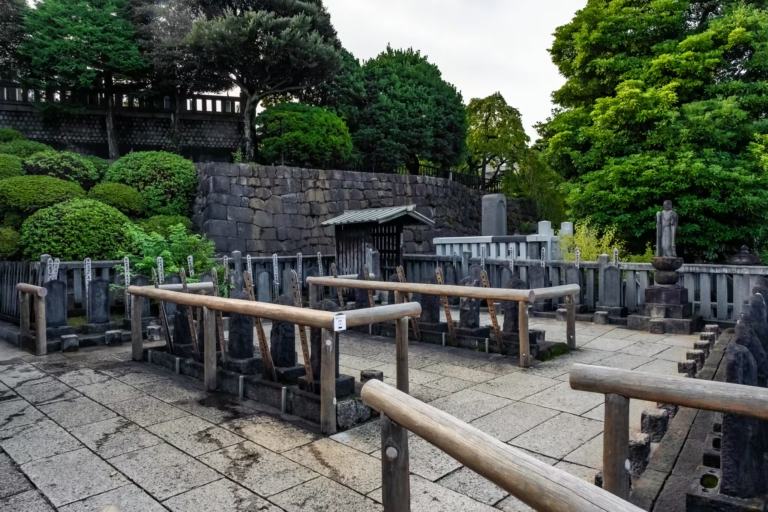
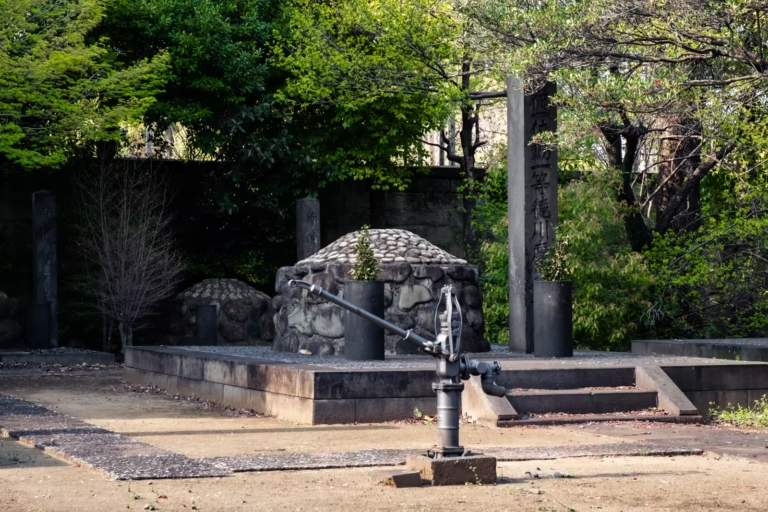
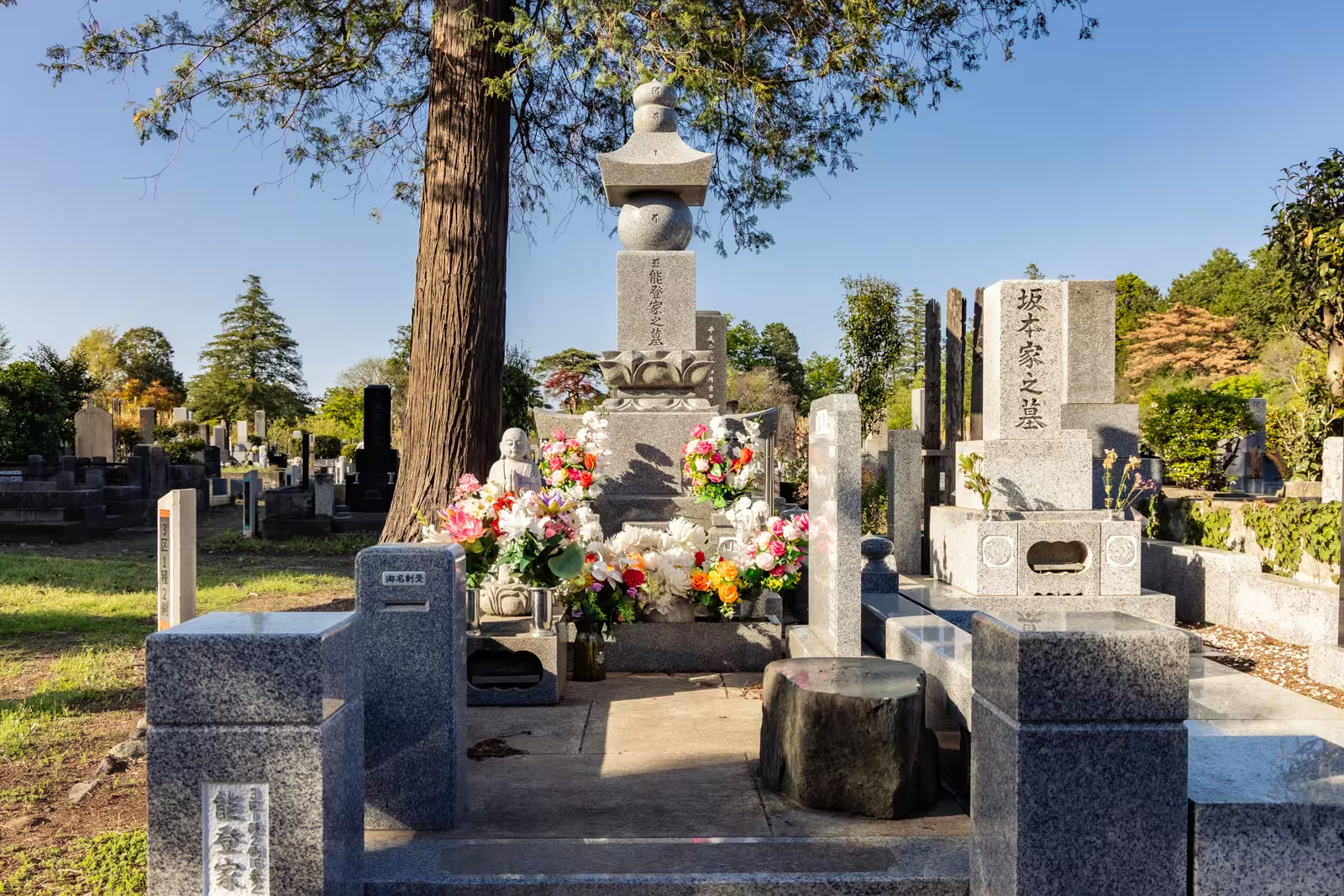
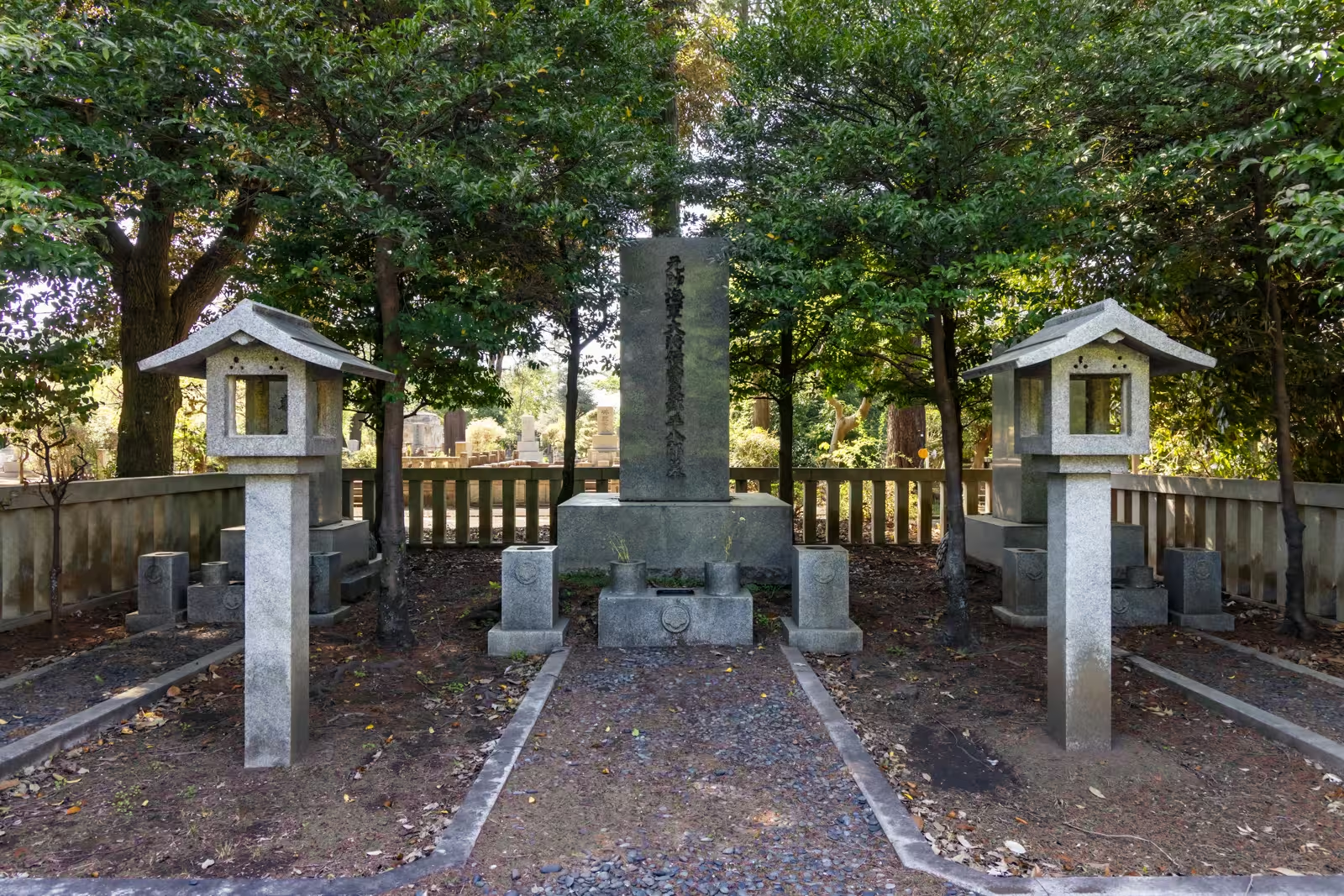
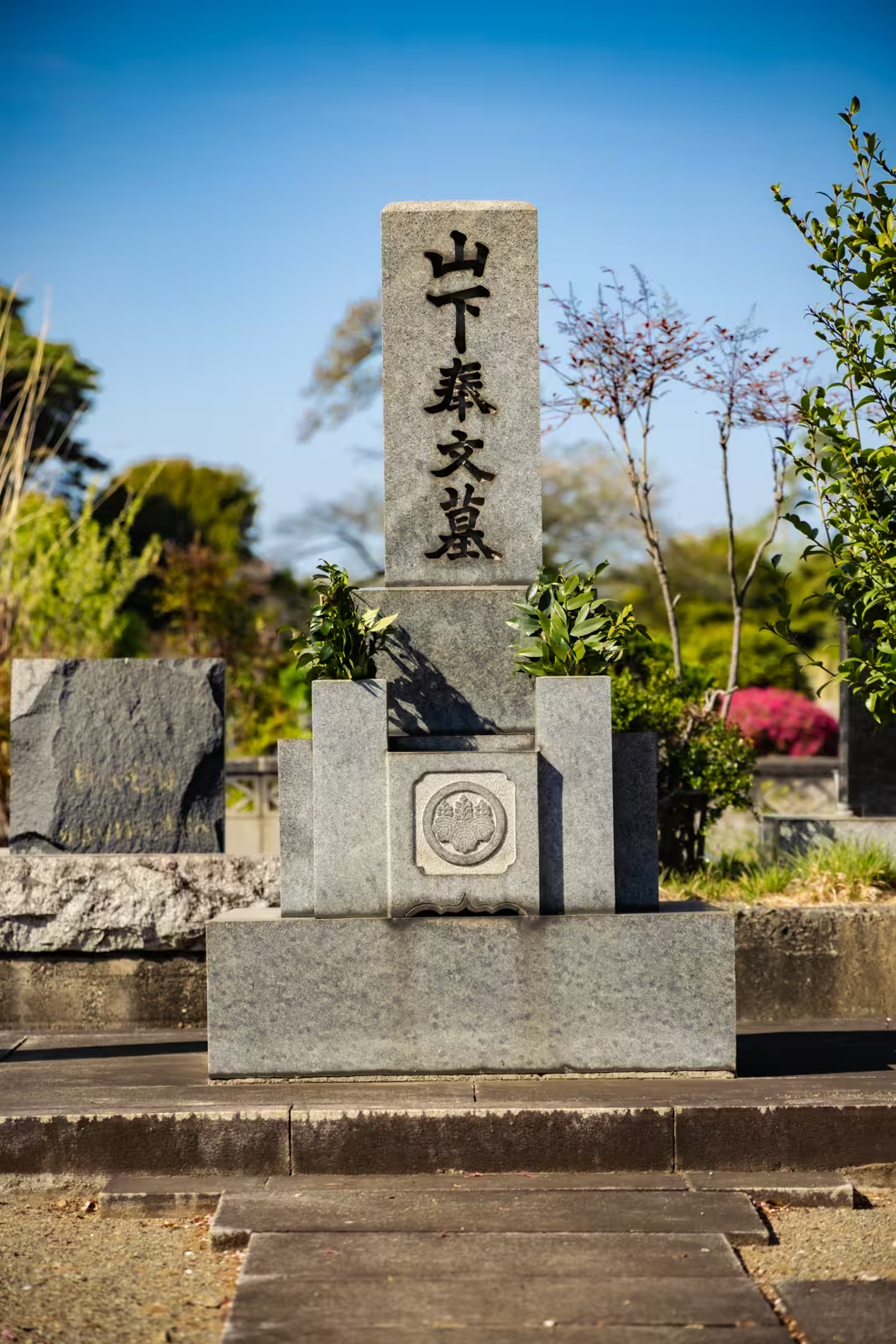
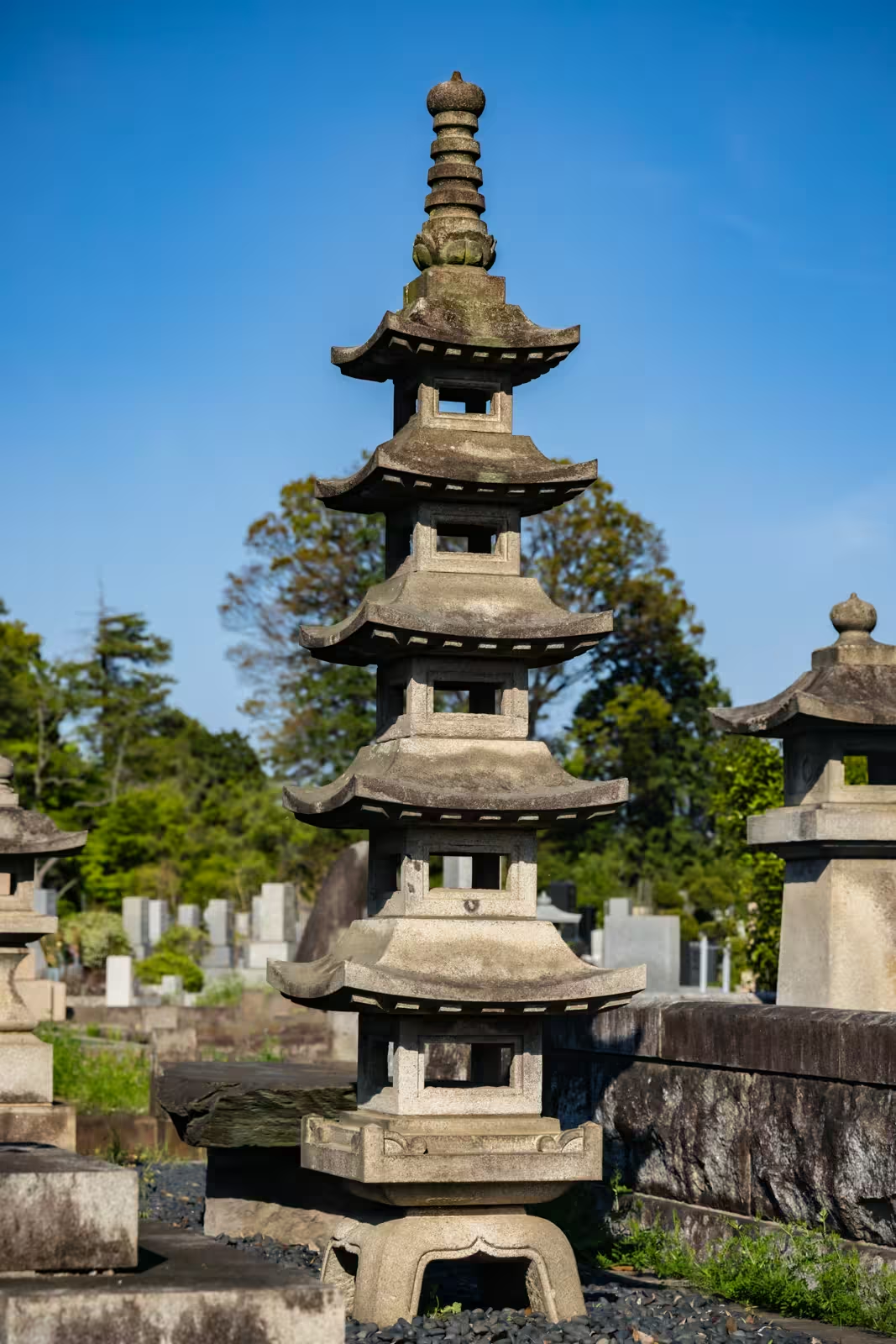
- The tomb architecture and history are impressive. Tama is on the same level as Aoyama, Zoshigaya, and Yanaka cemeteries. Enormous kanji-covered monoliths, stone lanterns, and mound-shaped crypts fill the grounds.
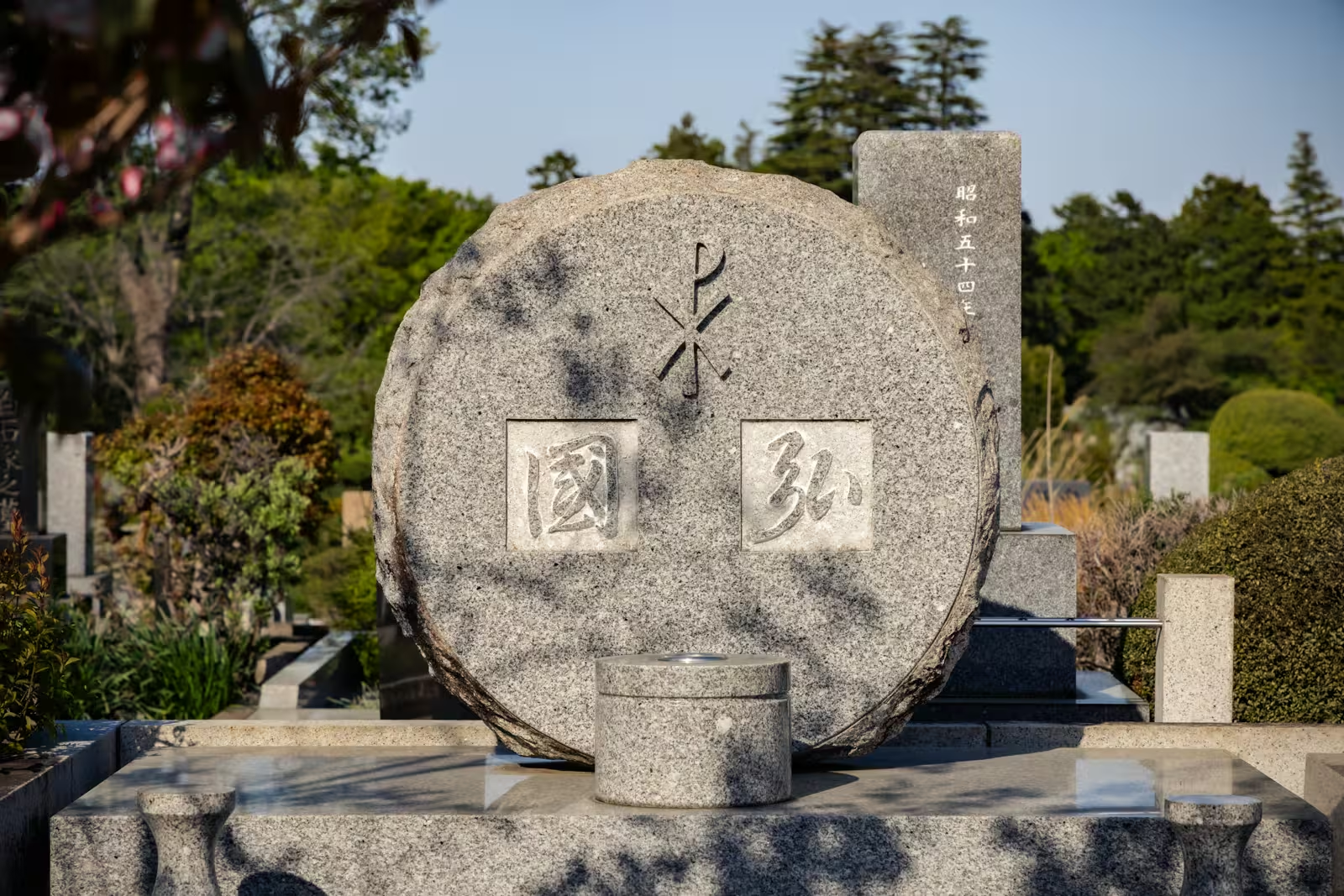
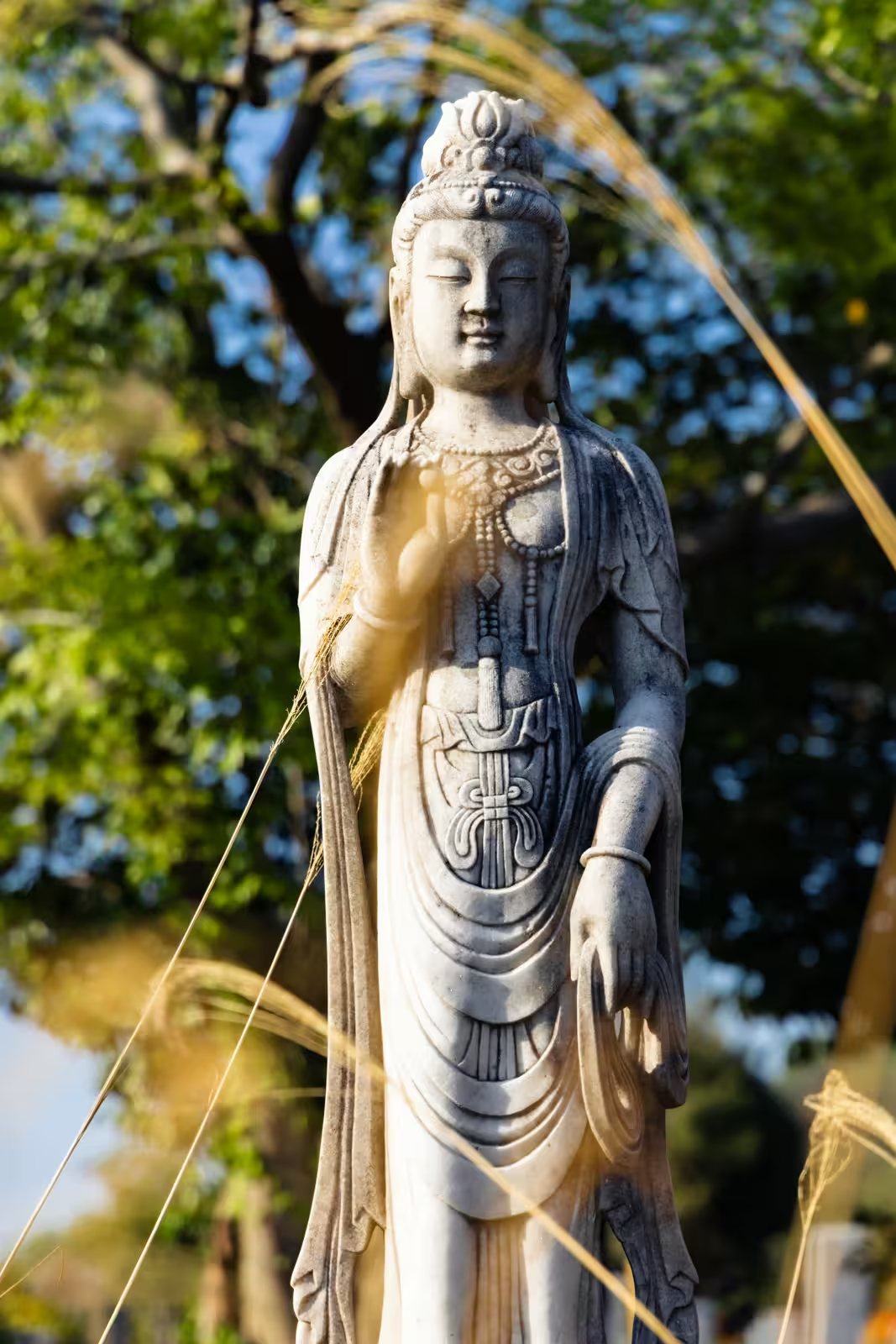
- Shinto and Buddhist icons are standard, but Christian crosses are sprinkled among them. A columbarium is also on the grounds.
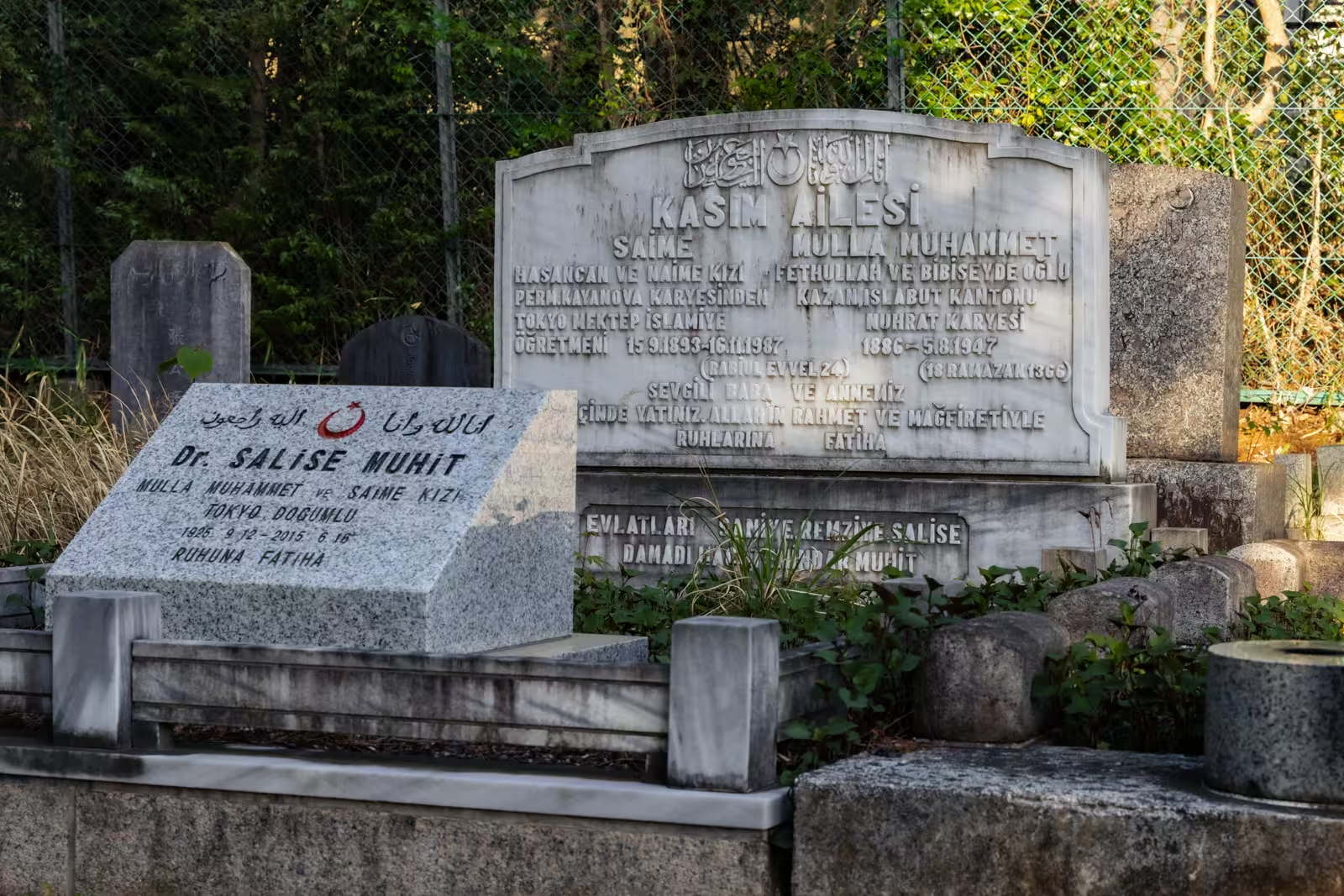
- There is even a foreign section. Many of the names seem to be of Islamic origin. A star above a crescent moon on the gravestone is common.
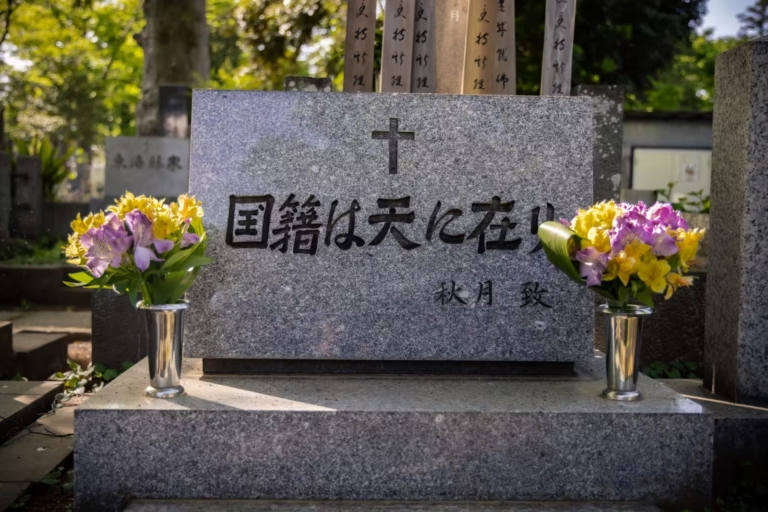
- Some of Tama’s residents had a good sense of humor in life. Others wanted to express their appreciation to someone with the word Arigato (thank you) on their tombstone. These people decorated their graves appropriately.
- No large buildings or skyscrapers are near Tama Cemetery. Trees cover the grounds. It is quiet and peaceful. Spring is an excellent time for a visit.
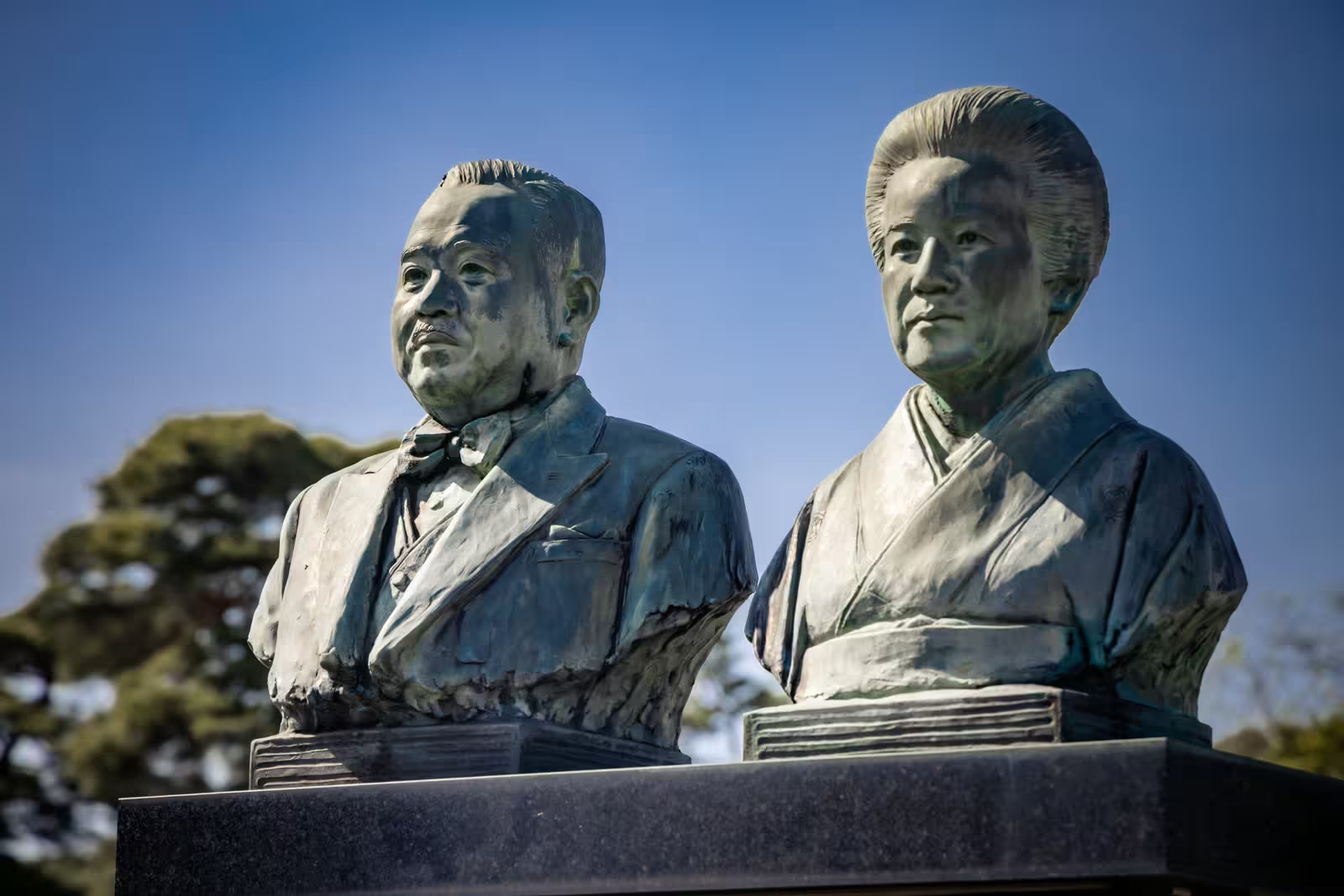
Who is buried in Tama Cemetery?
It’s a Who’s Who of Japanese historical figures. Here is an abbreviated list:
Literary giants
- Edogawa, Ranpo (1894 to 1965) – author and critic. He played a significant role in the development of Japanese mystery fiction
- Kitagawa, Fuyuhiko (1900 to 1990) – poet and film critic
- Mishima, Yukio (1925 to 1970) – literary figure
- Ōoka, Shōhei (1909 to 1988) – literary figure and translator of French literature
- Yosano, Akiko (1878 to 1942) – author, poet, pioneering feminist (in Japan), pacifist, and social reformer
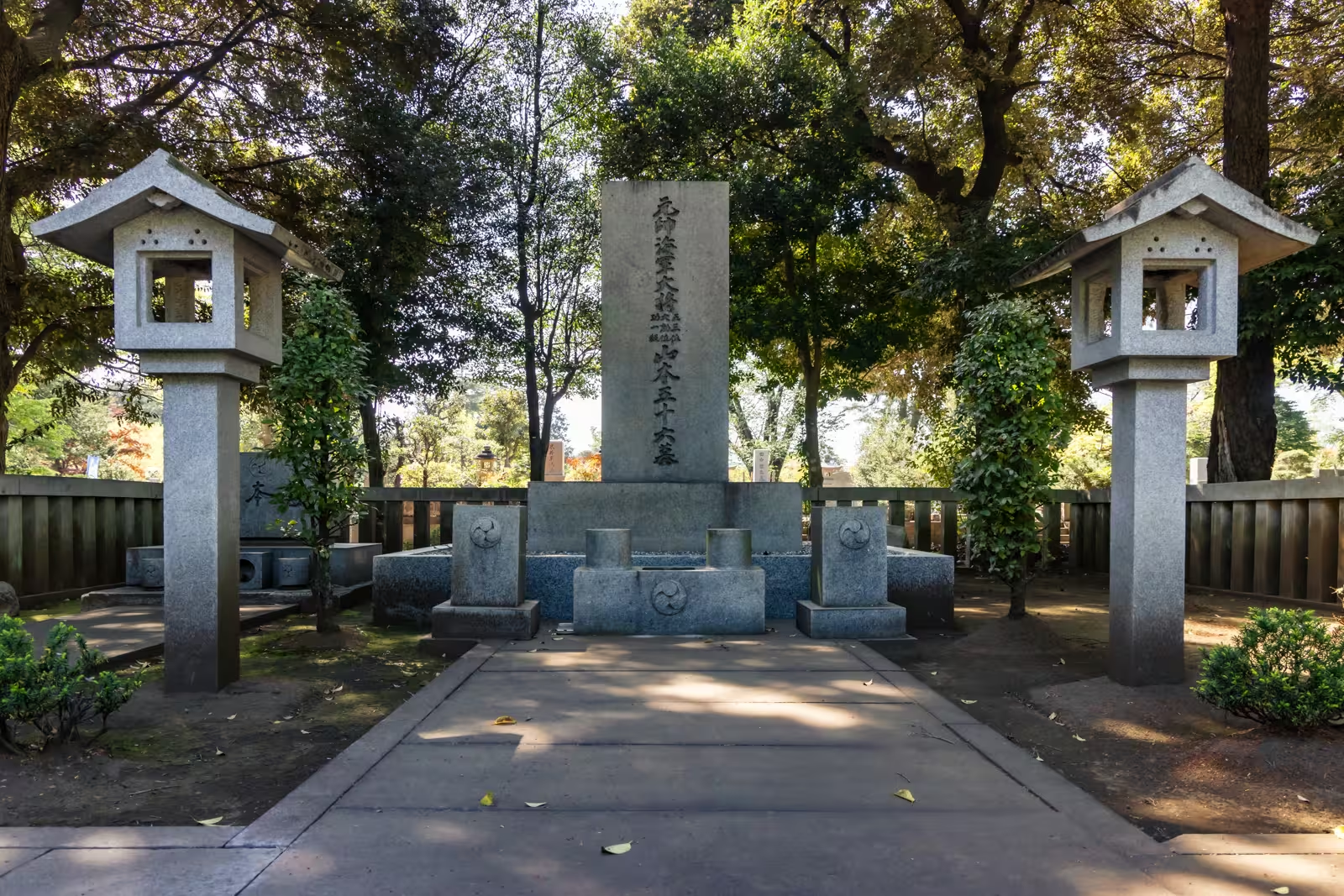
Military people
- Araki, Sadao (1877 to 1966) – senior commander in the Imperial Japanese Army. He was also a right-wing political theorist in the late Japanese Empire
- Hayashi, Senjuro (1876 to 1943) – Imperial Japanese Army commander. He was also the 33rd prime minister of Japan
- Kurita, Takeo (1889 to 1977) – senior Imperial Japanese Navy commander during World War II
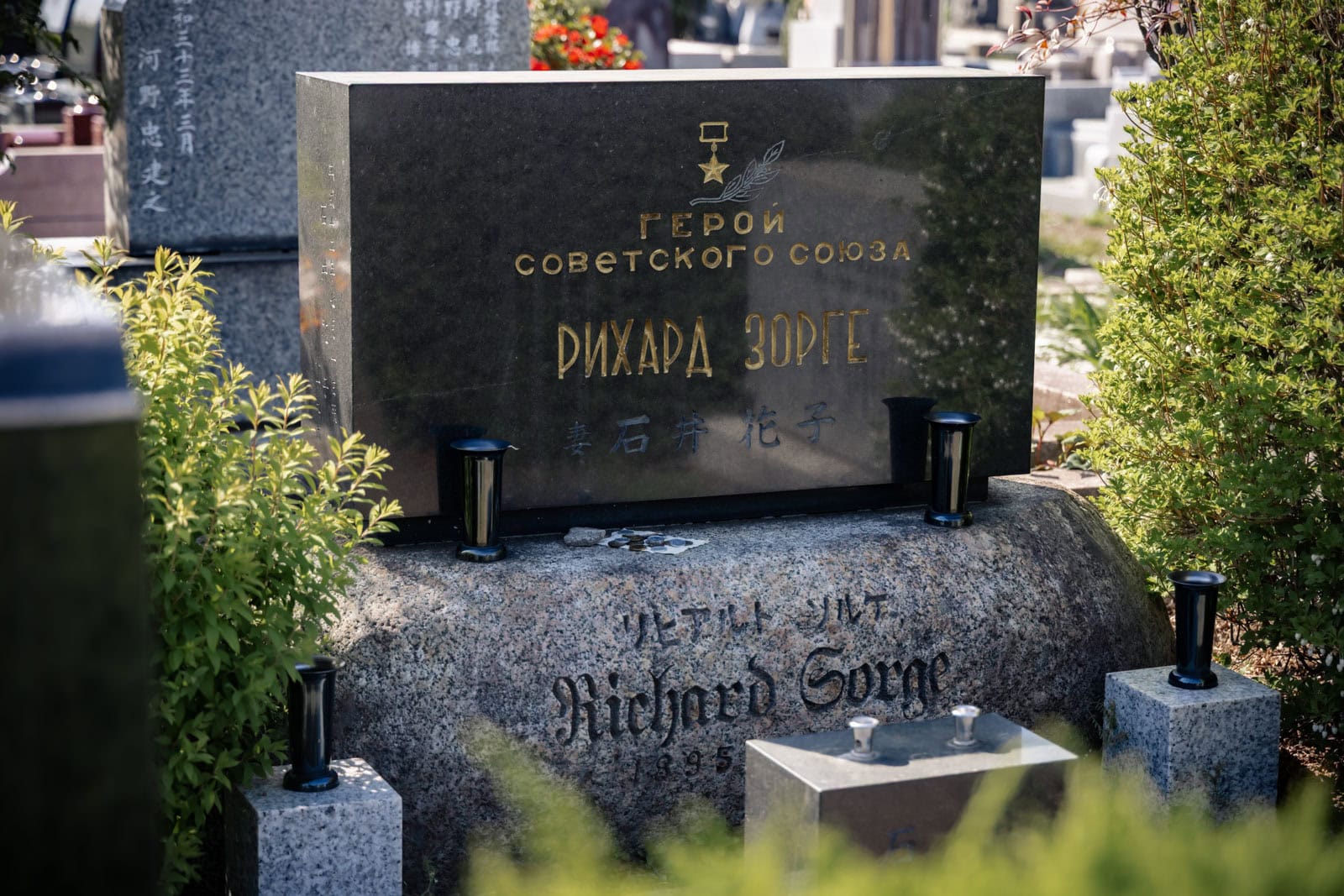
- Sorge, Richard (1895 to 1944) – German communist who spied for Russia and was executed during WW2
- Tatekawa, Yoshitsugu (1880 to 1945) – senior commander in the Imperial Japanese Army in WW2. He was also an ambassador to the Soviet Union
- Togo, Heihachirō (1848 to 1934) – Japanese naval hero
- Yamamoto, Isoroku (1884 to 1943) – Admiral and WW2 navy commander-in-chief
Pioneers of the arts
- Kaitani, Yaoko (1921 to 1991) – ballerina
- Yamahata, Yōsuke (1917 to 1966) – photographer of the Nagasaki bombing
Political leaders
- Arita, Hachihiro (1884 to 1965) – government minister. He supposedly created the concept of the Greater East Asia Co-Prosperity Sphere
- Azuma, Ryotaro (1893 to 1983) – doctor, bureaucrat, and Governor of Tokyo from 1959 to 1967
- Takahashi, Korekiyo (1854 to 1936) – politician and 20th prime minister of Japan. His house is at the Edo-Tokyo Open Air Architectural Museum.
Sporting legends
- Matsudaira, Yasutaka (1930 to 2011) – coach of Japan’s men’s national volleyball team from 1965 to 1972. He was also the first Japanese to enter the International Volleyball Hall of Fame.
- Starffin, Victor (1916 to 1957) – first professional baseball pitcher in Japan to win three hundred games.
Look at the names on that list. Many of them had a massive impact on Japanese history. Togo, Yamamoto, and Sorge influenced world events. There are more. Tama Cemetery is the resting place of giants.
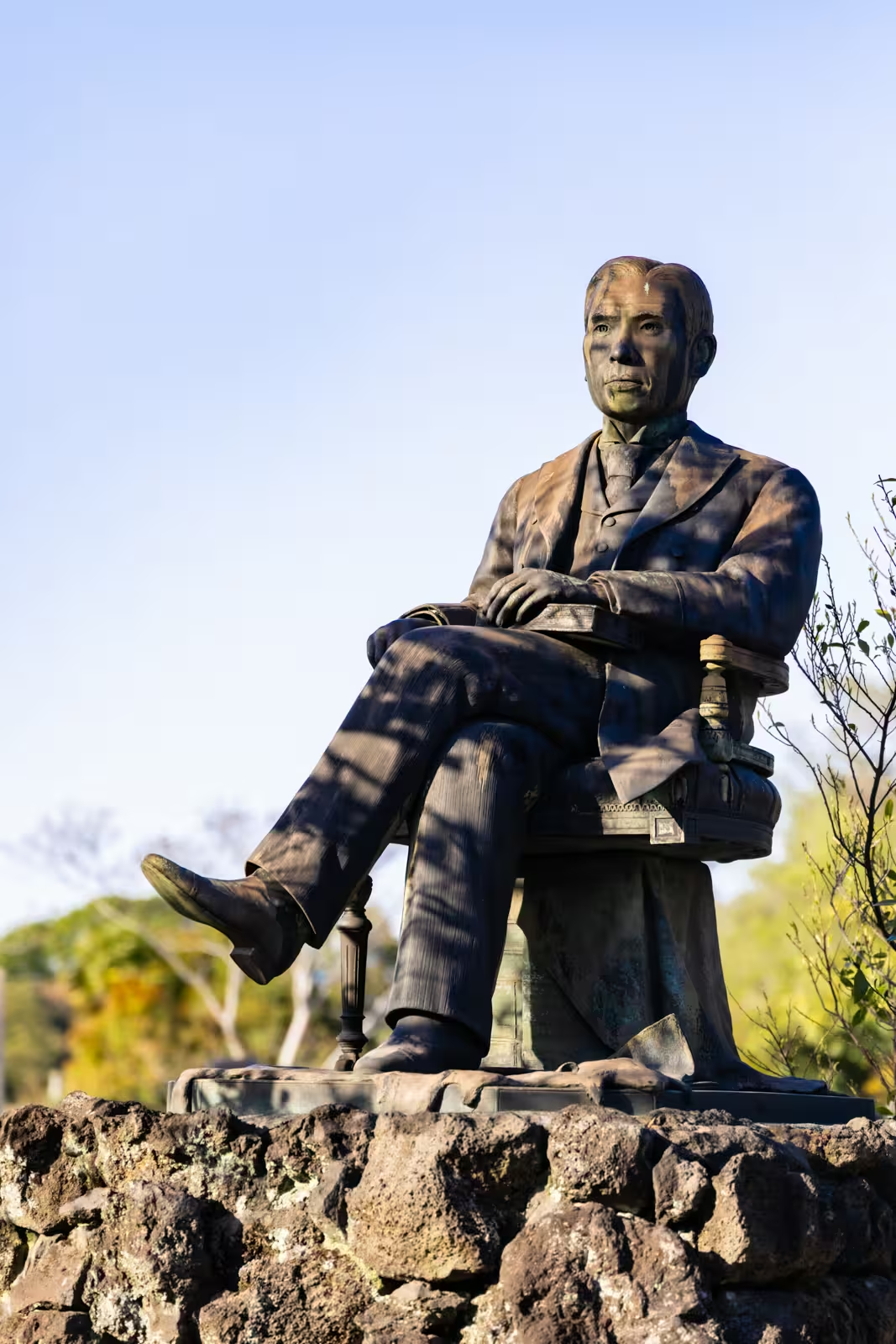
Photography tips for Tama Reien
- A wide-angle is perfect for capturing the grand avenues of trees and stones. Telephotos let you isolate intricate details on a distant tombstone from a respectful distance. Many lenses have a use here.
- Long exposures can be good. The cemetery opens at 8 a.m. That rules out sunrise pictures. But sunset is possible, in the cooler months.
- If you take a bag of heavy photo gear, use Tama Station. It is much closer to the cemetery than Tama-Reien (about a twenty-minute walk).
Photo spots near the cemetery
- Chofu Airport
- Jindai Botanical Garden
- Nogawa Park
How to find famous graves in Tama Cemetery
How do you find people? Tama Cemetery is divided into blocks and rows. Everything is numbered, including the graves. Where’s that information? It’s on bilingual (Japanese and English) maps at the administration building.
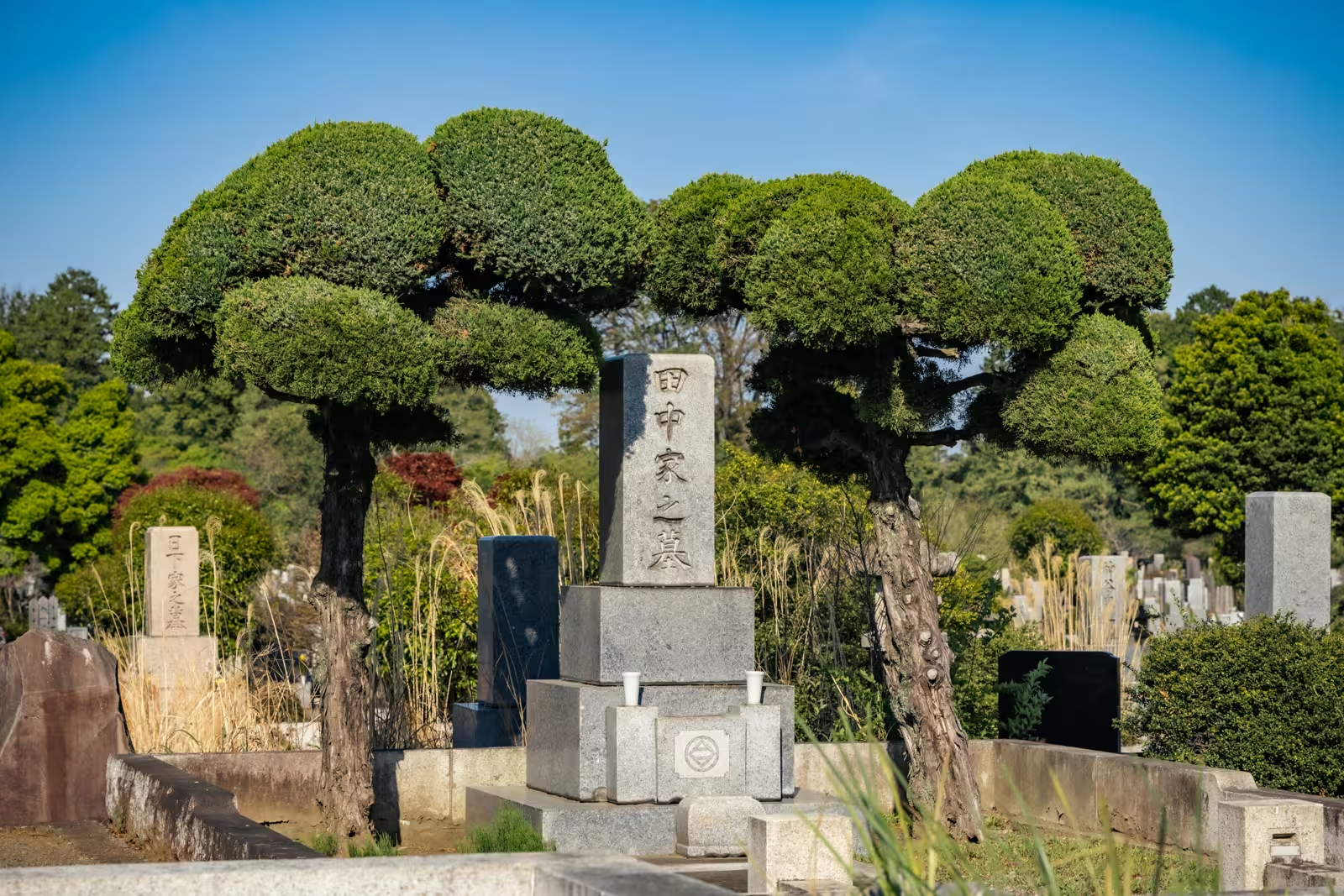
Big signboards with maps scattered throughout the grounds help visitors. Landmarks, toilets, etc., are marked on them. So finding graves should be easy with that information, right?
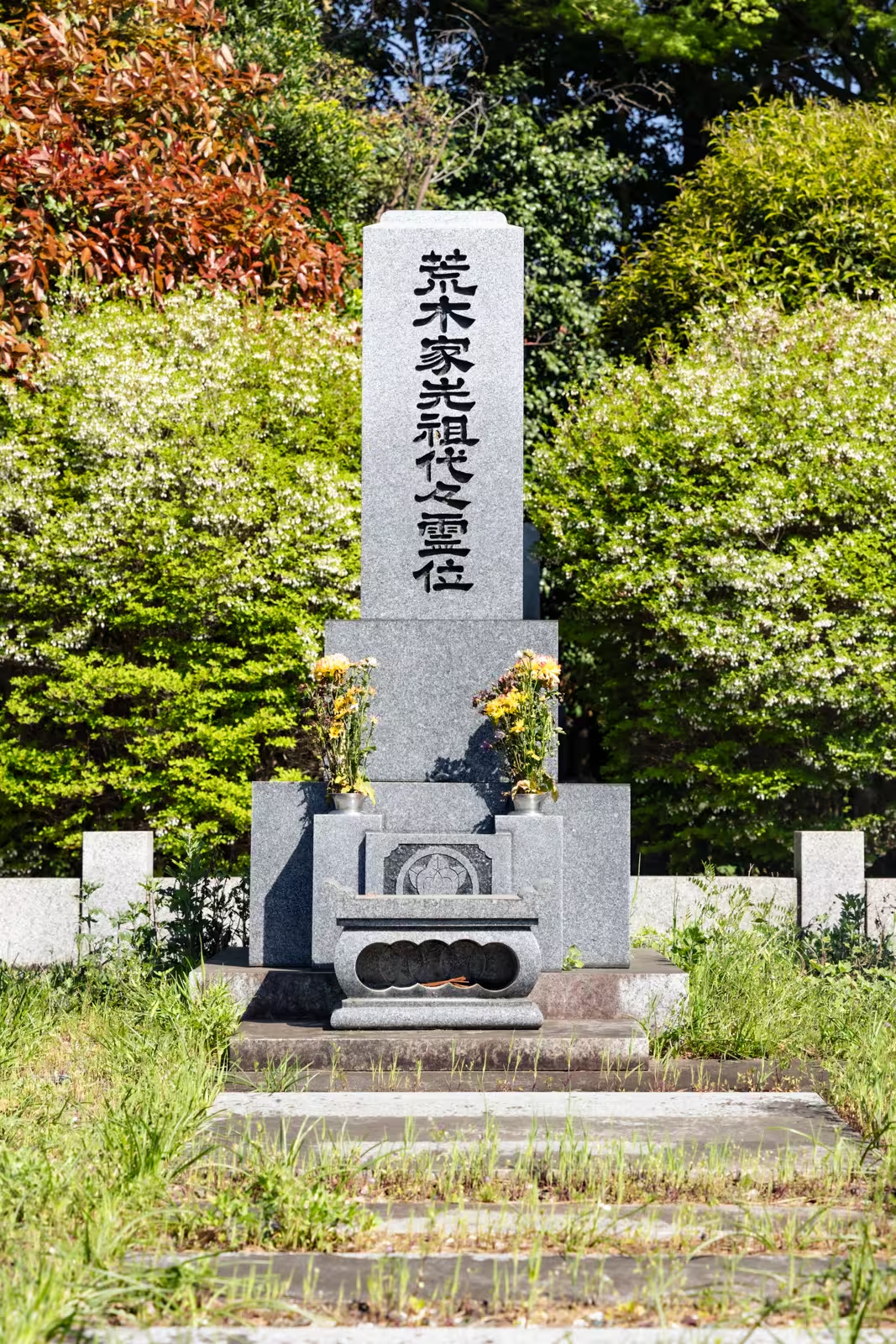
It’s not always easy. Tama is enormous. The place resembles a jigsaw puzzle. Plot sizes vary. Nothing is uniform.
Thick grass and weeds are in some areas. Gravestones become worn and eroded. Identifying tombstones might be problematic.
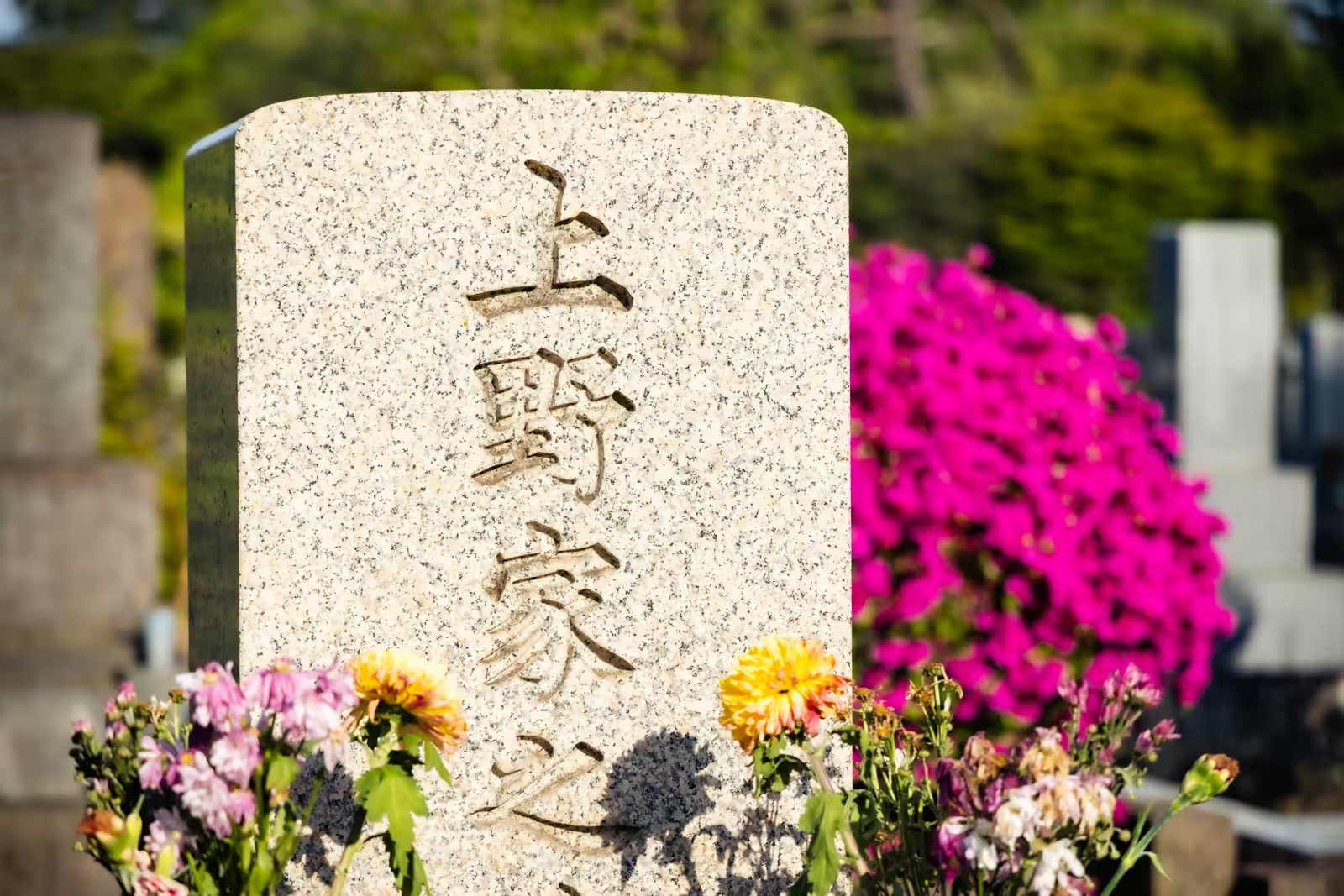
That makes the English maps less useful. Why? Keep the above problem in mind. Let’s add one more. Japanese is on the overwhelming majority of tombstones. The chance of not finding the grave you want is high. Arrange linguistic help before you go to avoid trouble.
There is a general knowledge problem. Let’s use the writer Ranpo Edogawa as an example. His real name was Taro Hirai, and his tomb bears that. If you don’t know that, you can’t find him. There are other examples.
Do your research before you go to avoid this type of problem. Wikipedia is an excellent source of information.
Yukio Mishima fans are in for bad news. You have to find it by yourself. His family wants it protected for various reasons, and the staff respects their wishes. They won’t tell you where he is. The grave isn’t on the map.
Best time to visit
Many people say spring is best for the cherry blossoms. I can vouch for that, as I have seen them. They are good!
Visitor information
Where is Tama Cemetery?
- Address: 4 Chome-628 Tamacho, Fuchu, Tokyo 183-0002
- Here is the cemetery on a Google Maps:
- Closest train stations:
- Tama – Seibu Tamagawa Line
- Tama-Reien – Keio Line
- Entry fees: None
- Opening hours: The grounds are accessible 24/7 but there is no lighting after dark.
- For the most up-to-date information, consult the official Tama Cemetery (Japanese) website.
History of the cemetery
The cemetery was opened in 1923 as Tama Graveyard, changing its name to Tama Cemetery in 1935. Its history even includes a surprise during World War II. The Japanese Air Force used its tree-covered grounds to hide aircraft from the nearby Chofu Airport.
Is Tama Cemetery worth visiting?
Given its immense size, you can’t see every grave of interest in one trip. A little planning will transform a visit from a simple walk into a profound journey through Japanese history. And it will be stress-free and deeply rewarding.
Do you want to see more of Tokyo’s graveyards? Check out [Tokyo’s Historic Cemeteries]. It will give you all the information you need to know.