Koishikawa Botanical Garden
While Tokyo is renowned for its manicured landscapes, Koishikawa Botanical Garden offers something rarer: a raw, academic wildness. Operated by the University of Tokyo’s Graduate School of Science, this space is technically a research facility rather than a leisure park.
However, its public accessibility makes it a premier destination for those who prefer their nature untamed and their photography subjects authentic.
Wild landscapes in the park
For those seeking an escape to the countryside without leaving the city limits, this garden is the answer. Walking through certain sections, you might easily convince yourself you are hiking deep in a forest. The sheer density of the trees is remarkable.
Perhaps that is a slight exaggeration, but do not underestimate the terrain. There are moments when sturdy footwear feels less like a suggestion and more like a necessity.
The undergrowth can be dense, the canopy thick, and after a rain, beware the mud in some places. In this way, the atmosphere is reminiscent of Setagaya’s Todoroki Valley.
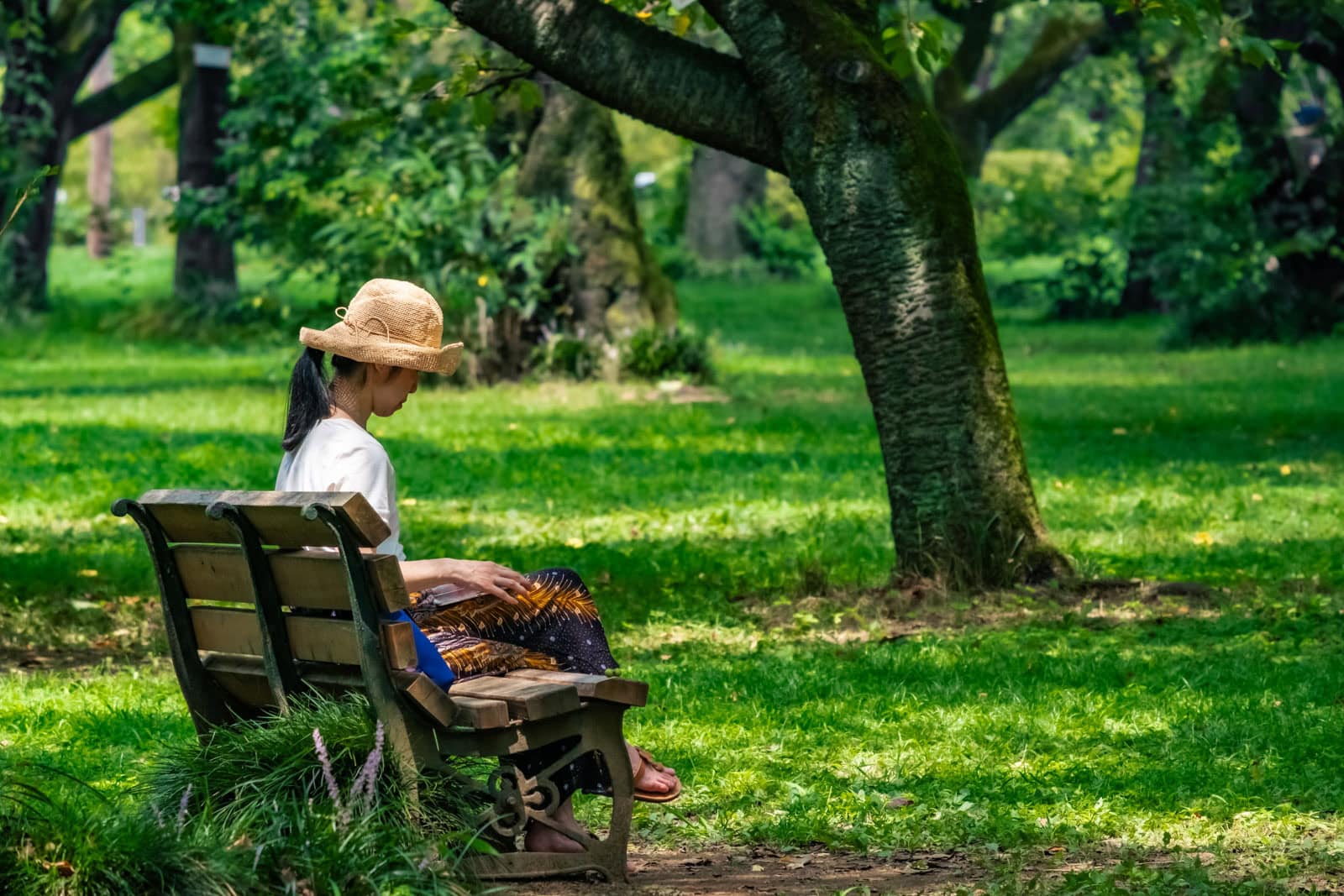
By contrast, other areas of Koishikawa Botanical Garden display precision. Trees stand in regimented rows, almost farm-like, awaiting scientific review. It is a quiet environment where you will often find people curled up under the boughs, asleep with a book nearby, or working diligently on botanical projects.
Architecture & historical heritage
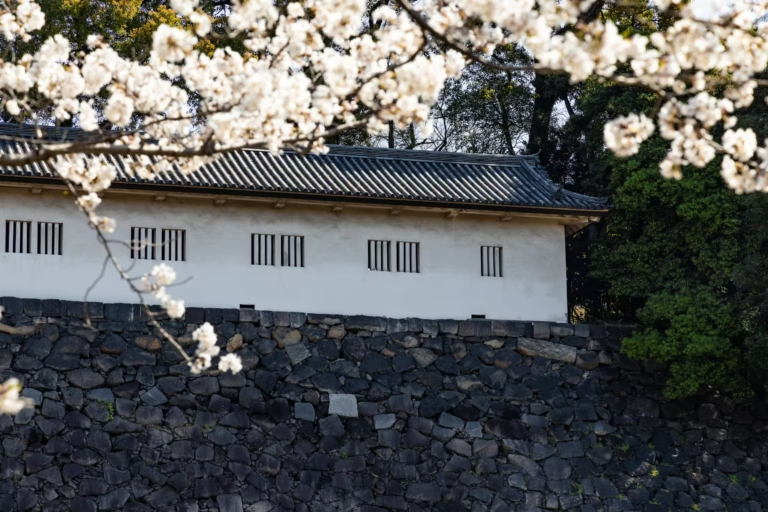
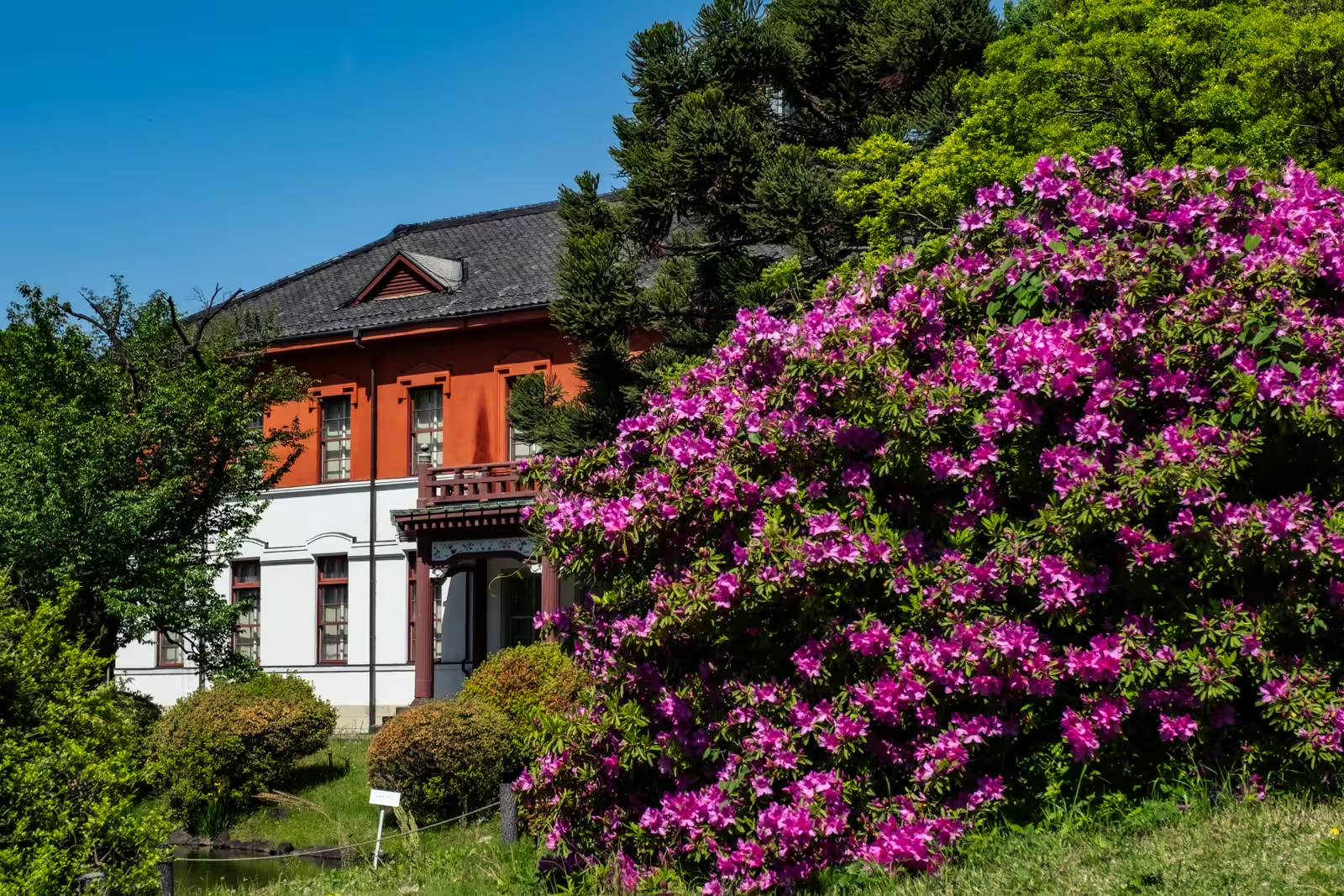
Beyond the flora, the grounds harbor a significant architectural relic: the former main building of the Tokyo School of Medicine. While the interior is closed to the public, the exterior remains a great backdrop for photos.
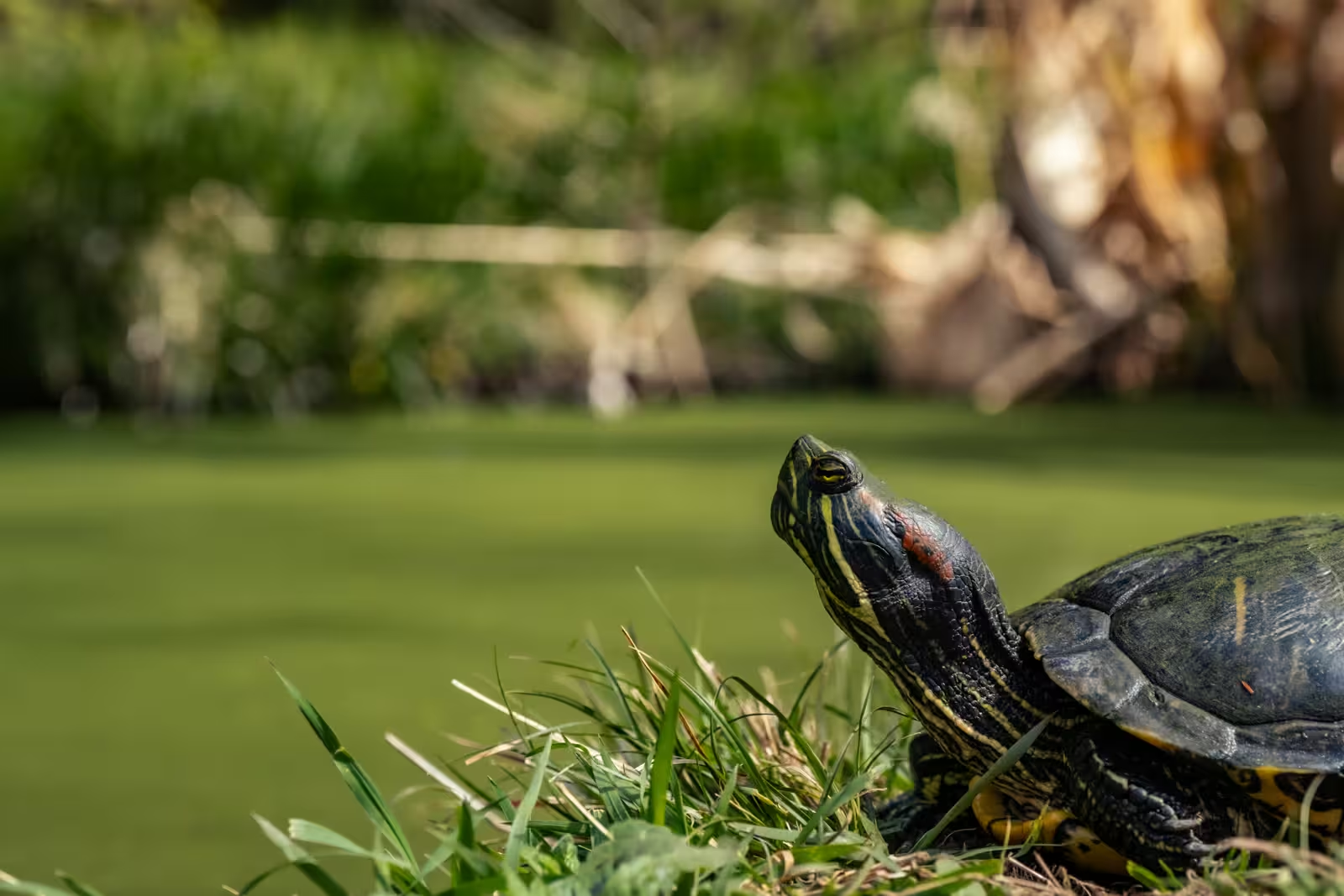
The surrounding lawn, laced with paths and pergolas, features a pond inhabited by carp and turtles. It is a scene that flower photographers will find irresistible, particularly as spring arrives.
As a university-run facility, the garden also boasts a greenhouse. The original structure was demolished in the late 2000s, replaced by a magnificent modern counterpart. It is an architectural triumph of glass and steel, housing tropical specimens in a climate-controlled environment.
Why photographers choose Koishikawa
This location is distinct from the tourist-heavy parks of Ueno or Shinjuku Gyoen. Photographers favor it for several specific reasons:
- Seasonal variety: The plum and cherry blossoms are exceptional, yet the crowds are manageable.
- Botanical diversity: As a research center, the sheer volume of flowers and trees is immense, with greenhouse displays that rotate regularly.
- Rarity: The garden houses unique specimens, including a massive Metasequoia (a “living fossil”) and a Ziziphus jujube brought from China in 1727.
- Historical curiosity: A graft of Sir Isaac Newton’s apple tree—descended from the very tree said to have inspired his theory of gravity—grows here.
- Architectural contrast: The juxtaposition of the old medical school and the modern greenhouse offers varied composition opportunities.
Photo spots near the park
If you wish to extend your photo walk, the surrounding Bunkyo ward offers:
- Bunkyo Civic Center (for skyline views)
- Gokokuji Temple
- Rikugien (a traditional Edo-period garden)
- St. Mary’s Cathedral (distinctive modernist architecture)
General tips for photographers
- Gear: The floral variety is vast, so packing a macro lens is highly recommended.
- Support: Unlike many Tokyo parks, tripods are permitted.
- Conditions: Be mindful that paths can become muddy after heavy rain.
- Comfort: In warmer months, mosquito repellent is essential.
My favorite flora & blooms
If I had to choose, two specific blooms stand out during my visits:
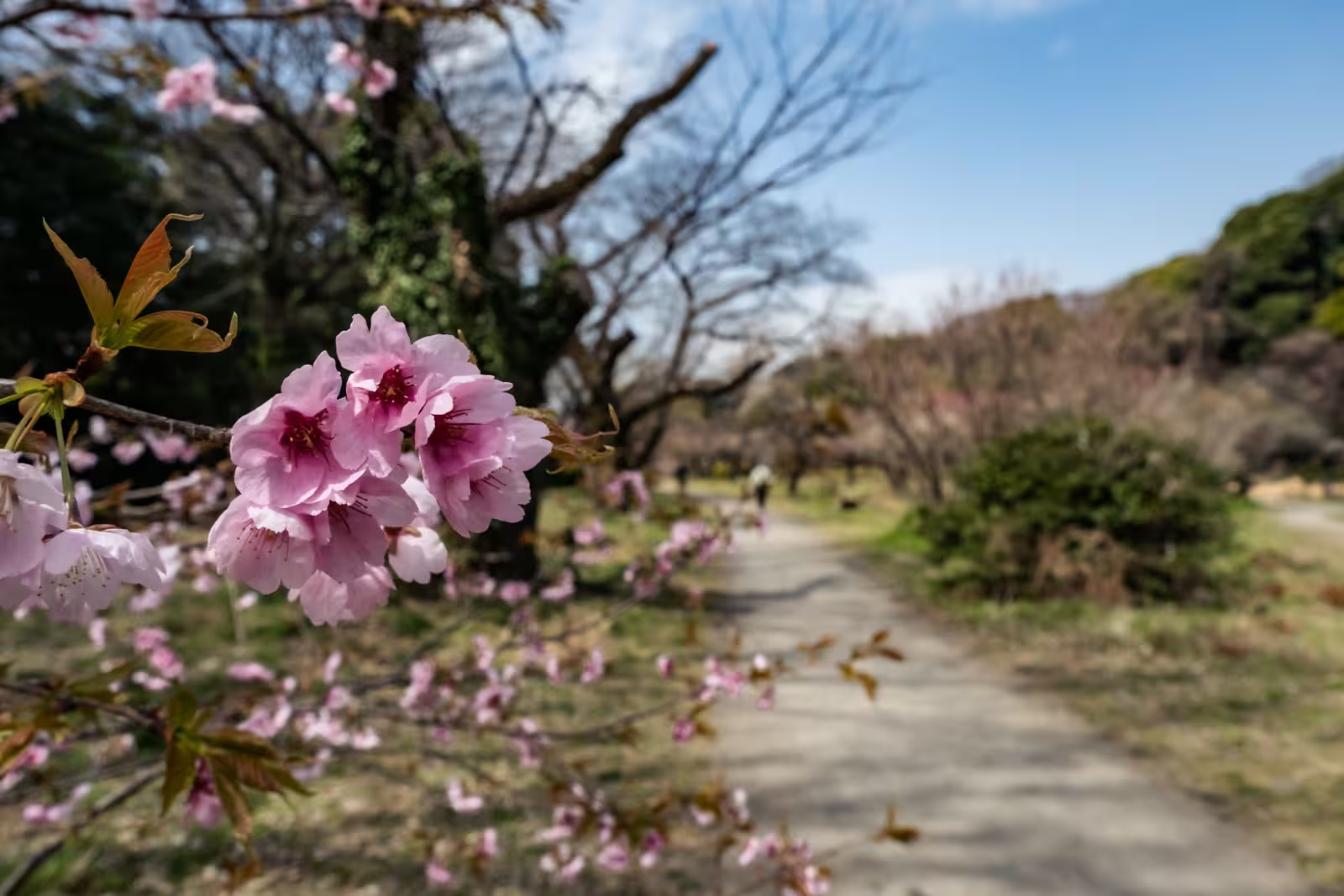
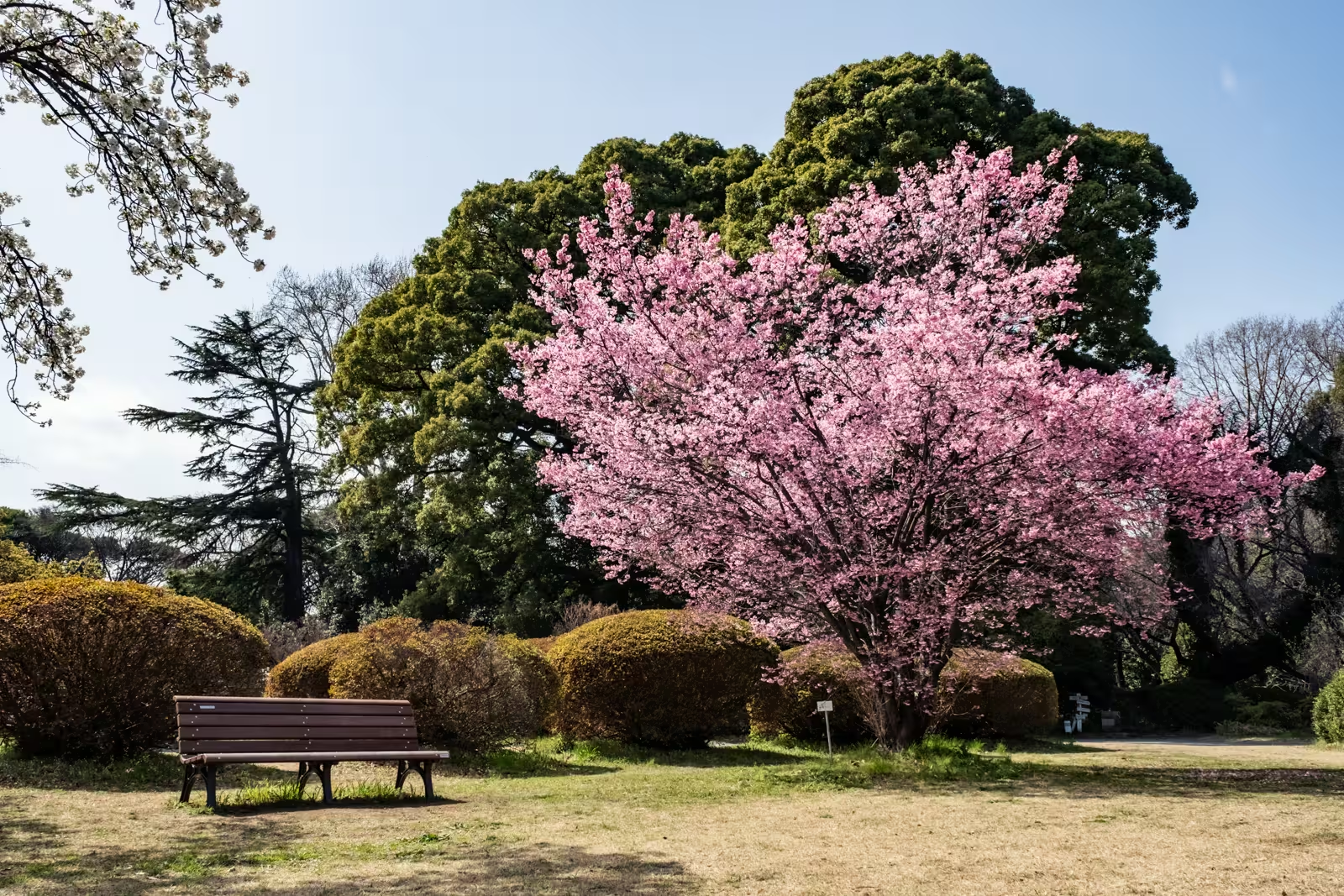
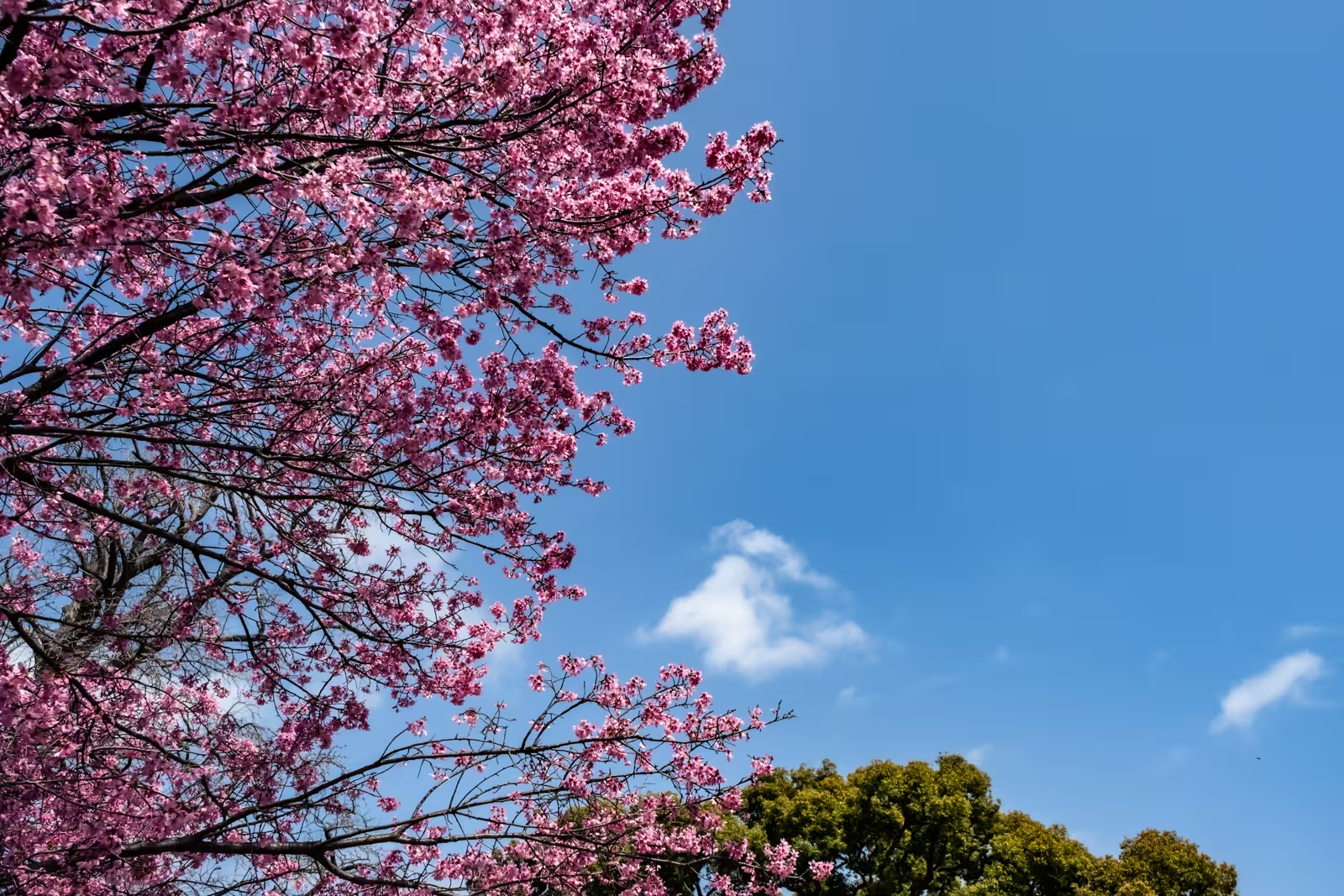
- Prunus Incisa, commonly known as the Fuji cherry due to its abundance around the iconic mountain. These blossoms begin with a delicate pink hue before fading into a pure white.
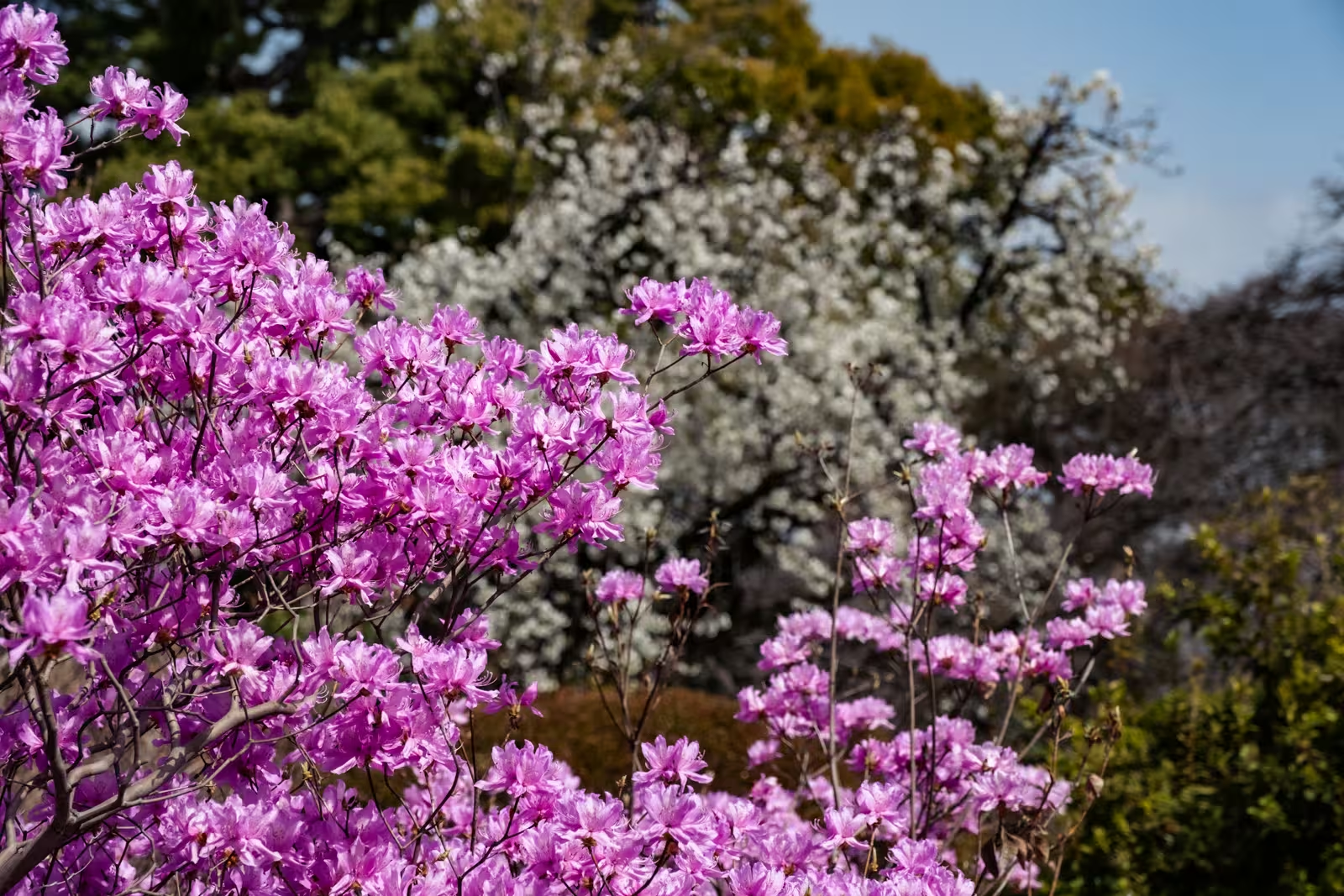
- Rhododendron dilatatum Miq., an azalea native to Japan. Like the Fuji cherry, it blooms in a radiant shade of pink.
Both flowers can be found near the park’s center. When in full bloom, their colors are electric and arresting. It makes spring at Koishikawa Botanical Garden an incredible visual experience.
Visitor information
- Address: 3-7-1 Hakusan, Bunkyo City, Tokyo
- Closest train station: The closest station is Hakusan on the Toei Mita Line. The garden is a ten-minute walk from Exit A1.
- Parking: There is no car parking available on-site, though a bicycle park is located next to the main gate.
- Operating hours
- Park: 9:00 a.m. to 4:30 p.m. (Last entry is 4:00 p.m)
- Greenhouse: 10:00 a.m. to 3:00 p.m.
- Closures: Mondays (or the following day if Monday is a public holiday), and the New Year period (December 29 to January 3).
- Admission cost: ¥500
- For more information, look at the official Koishikawa Botanical Gardens website.
- Here is the park on Google Maps:
History of the garden
Koishikawa Botanical Garden dates back to 1684 when the fifth shogun, Tsunayoshi Tokugawa, established a medicinal herb garden here. In 1722, Shogun Yoshimune Tokugawa added a hospital; while the building is gone, the original water well remains. Probably its biggest claim to fame was when it received a graft from Newton’s apple tree in 1964.
Is Koshikawa Botanical Garden worth visiting?
Koishikawa Botanical Garden does not offer the skyline views of Shinjuku Gyoen, nor does it possess the manicured, scenic central ponds of Koishikawa Korakuen. It lacks fabricated vistas.
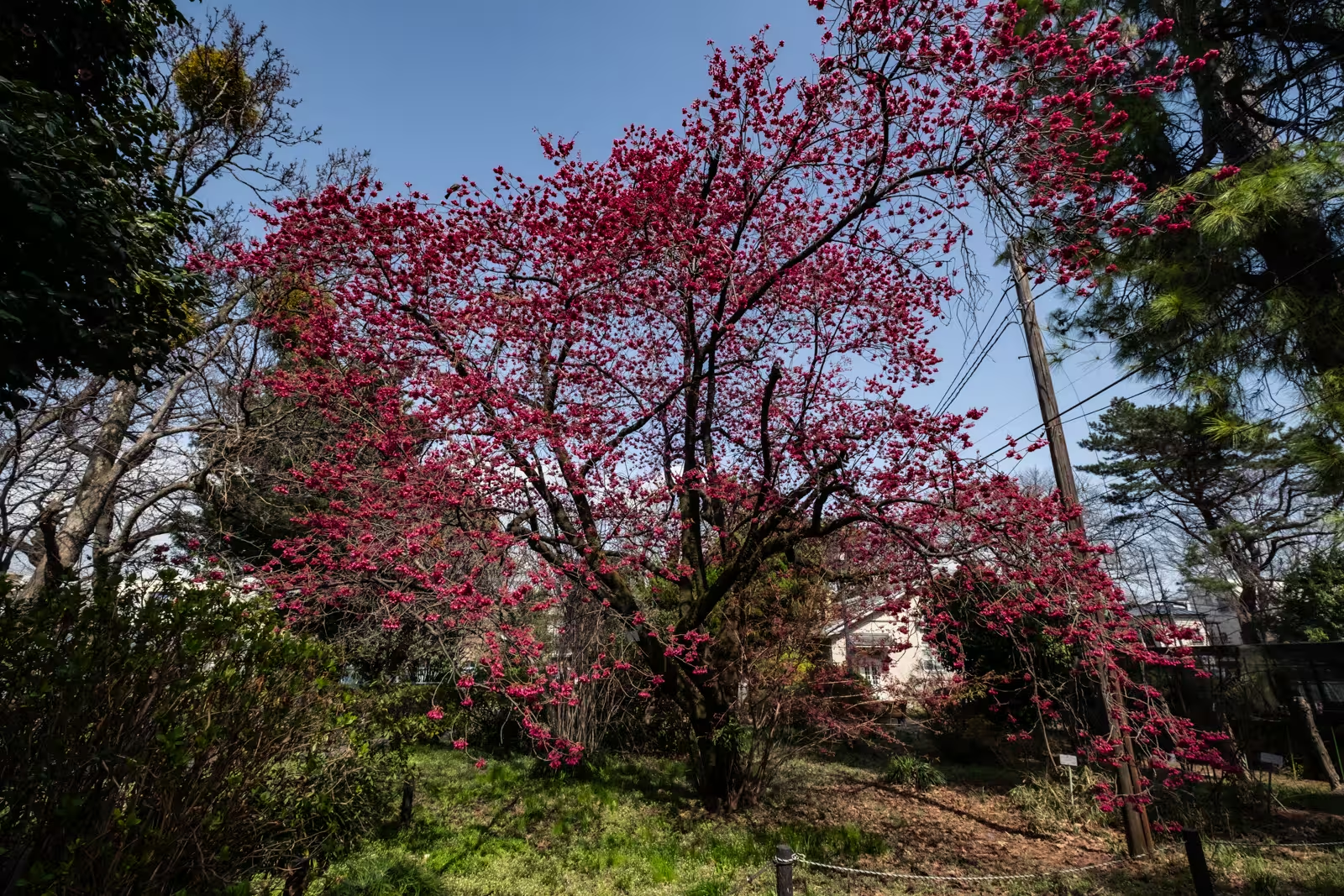
Instead, this park is dedicated to the science of flowers and trees. It is a place of biological abundance, accompanied by the quiet hum of nature with bugs, turtles, and carp included.
For those who appreciate flower or macro photography, this garden is a good choice. The ability to use a tripod is merely the final bonus in what is arguably one of Tokyo’s most rewarding photographic locations.