Miyamasumitake Shrine
Tokyo has many lesser-known places. You can walk along a street of modern buildings, and an old temple or shrine is nestled among them. It can be surprising when it happens, but it’s not unusual.
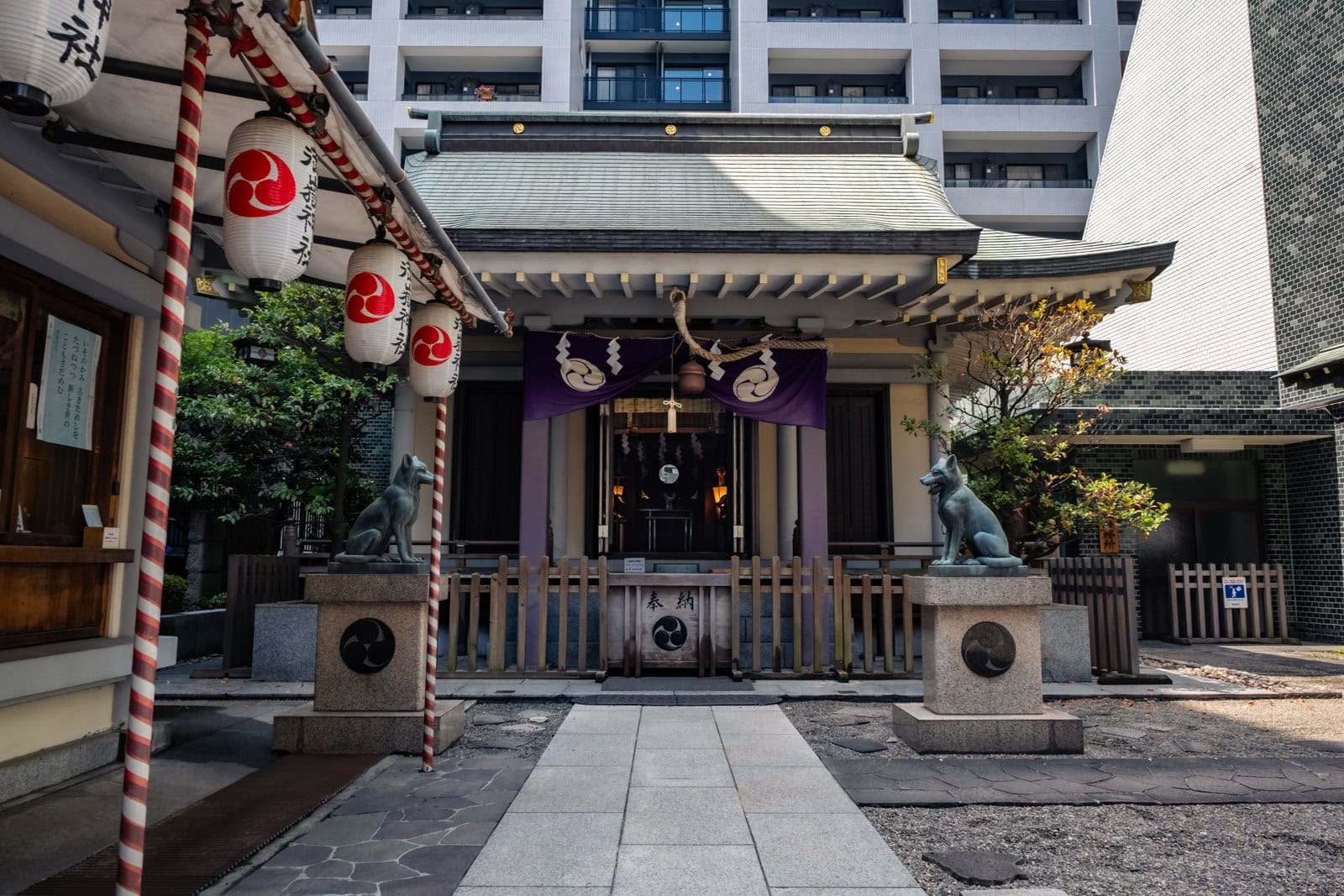
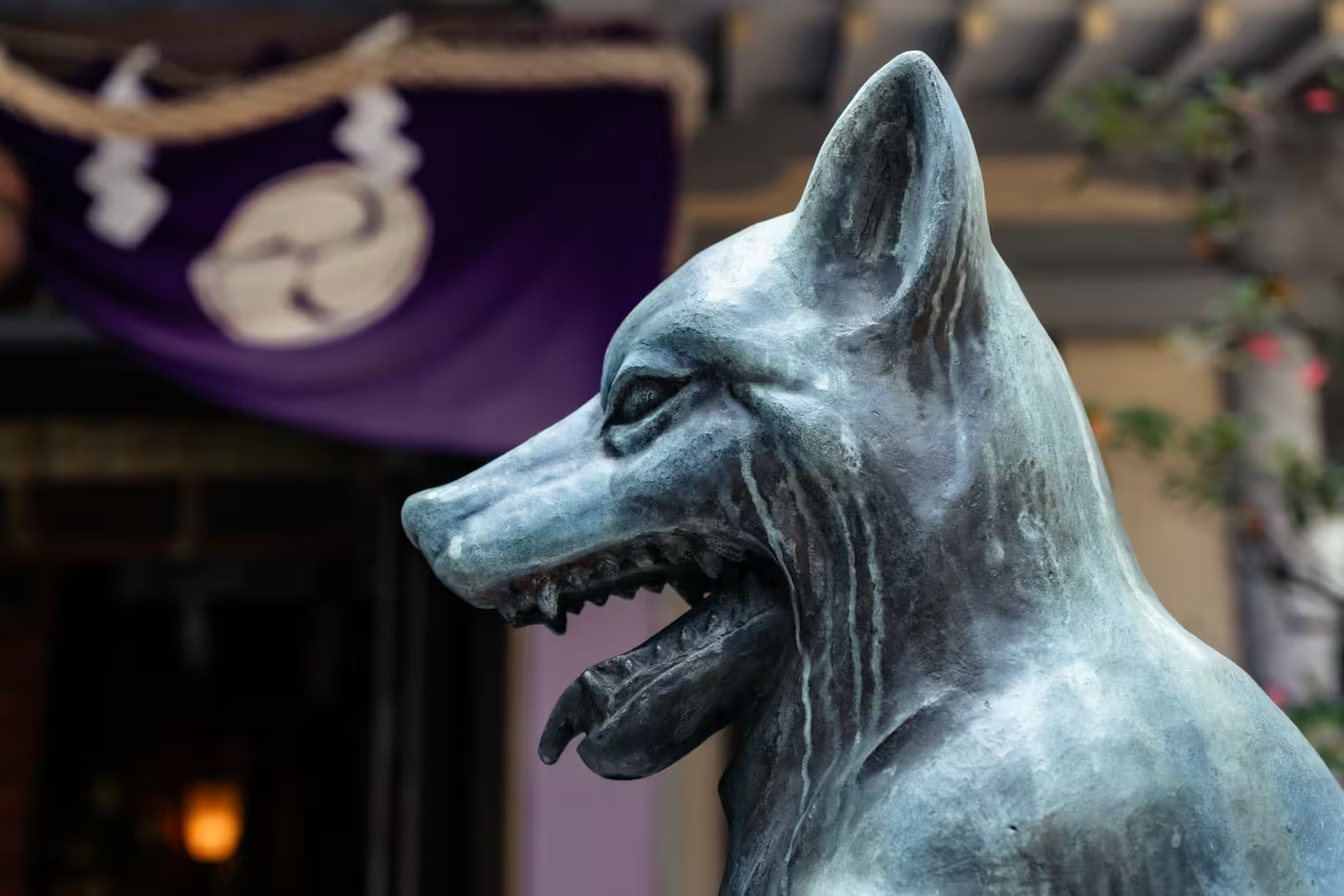
One example is Miyamasumitake Shrine in Shibuya. It’s a sacred spot protected not by the usual lion-dogs, but by a pair of rare and powerful wolf statues.
An ancient oasis in a modern jungle
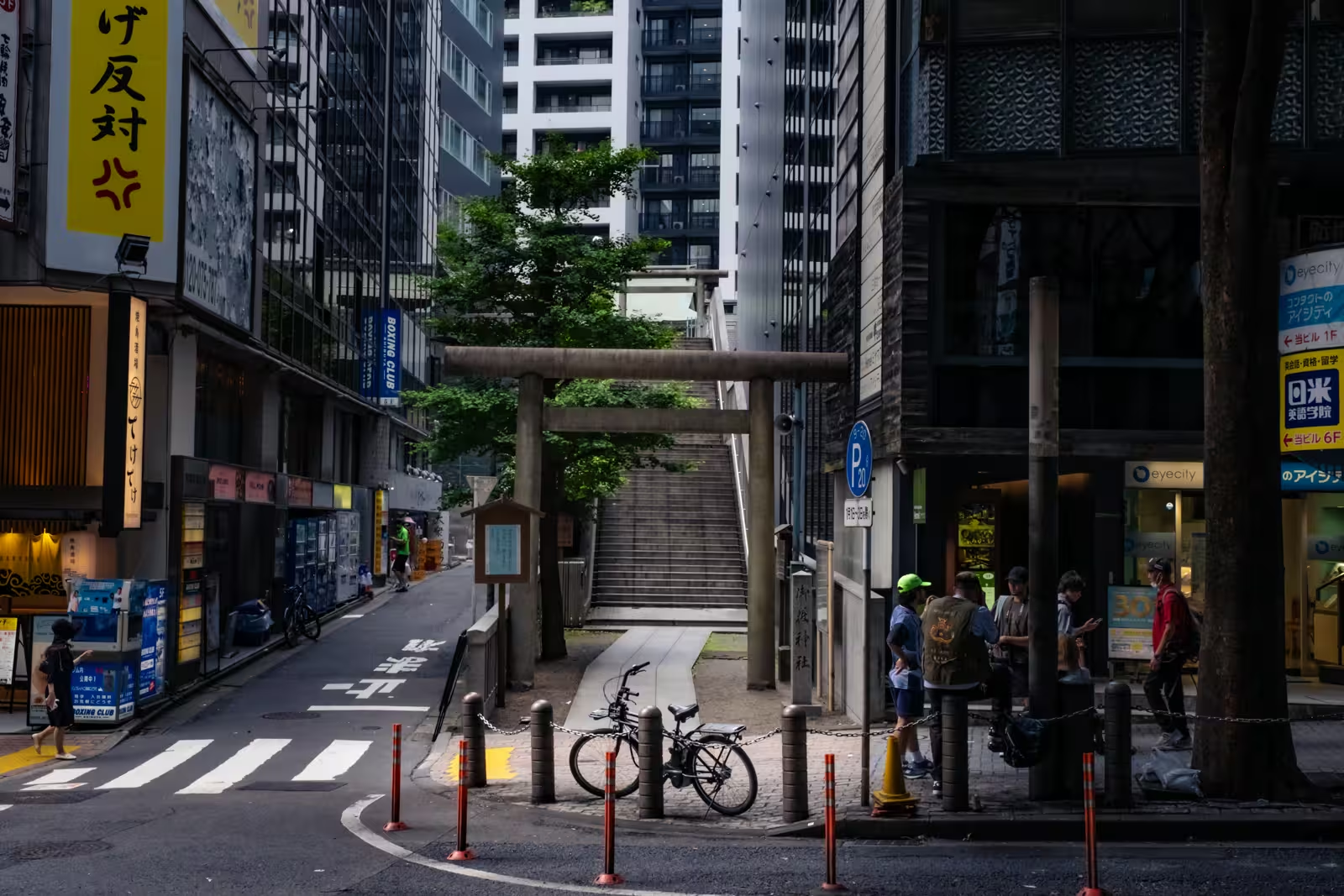
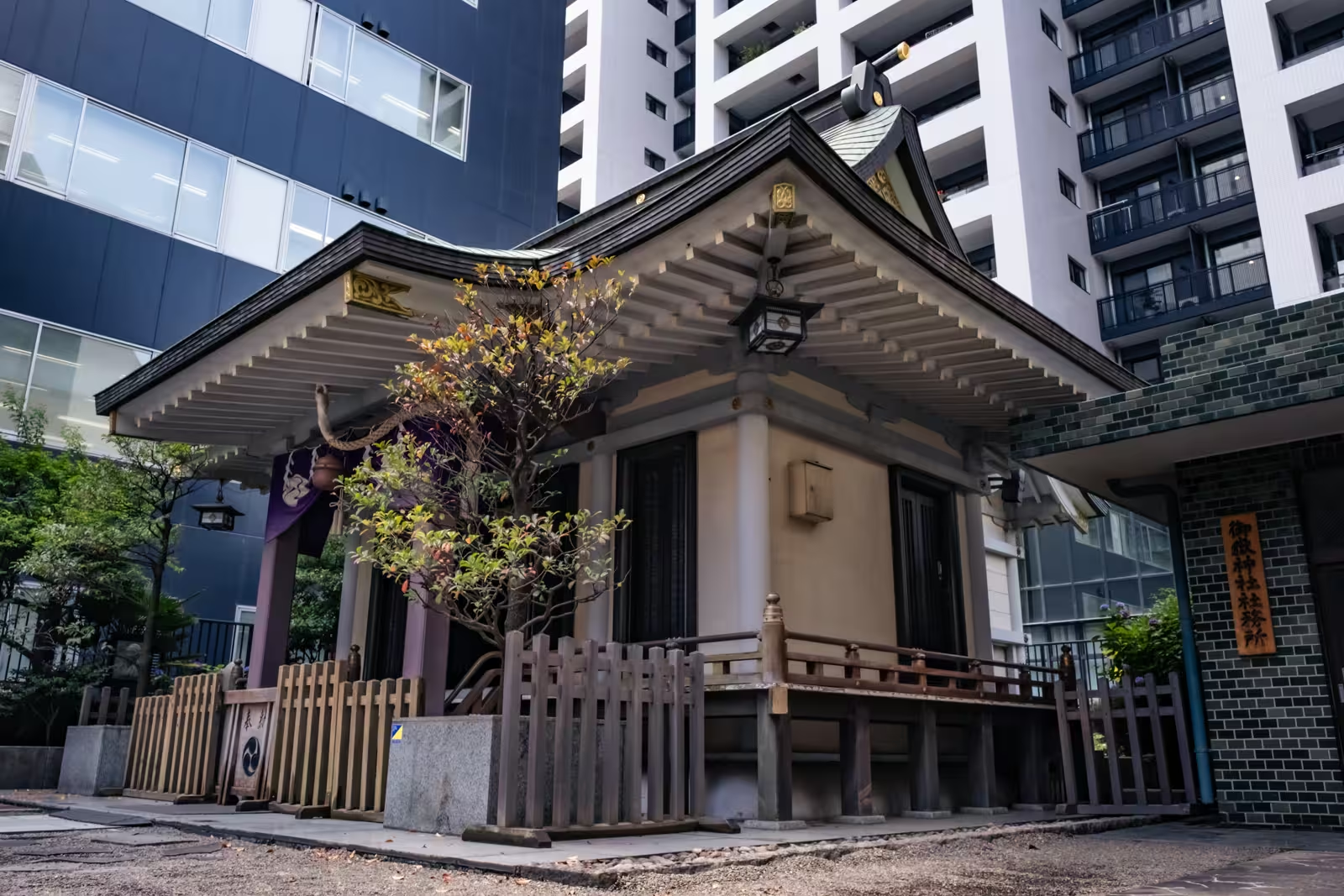
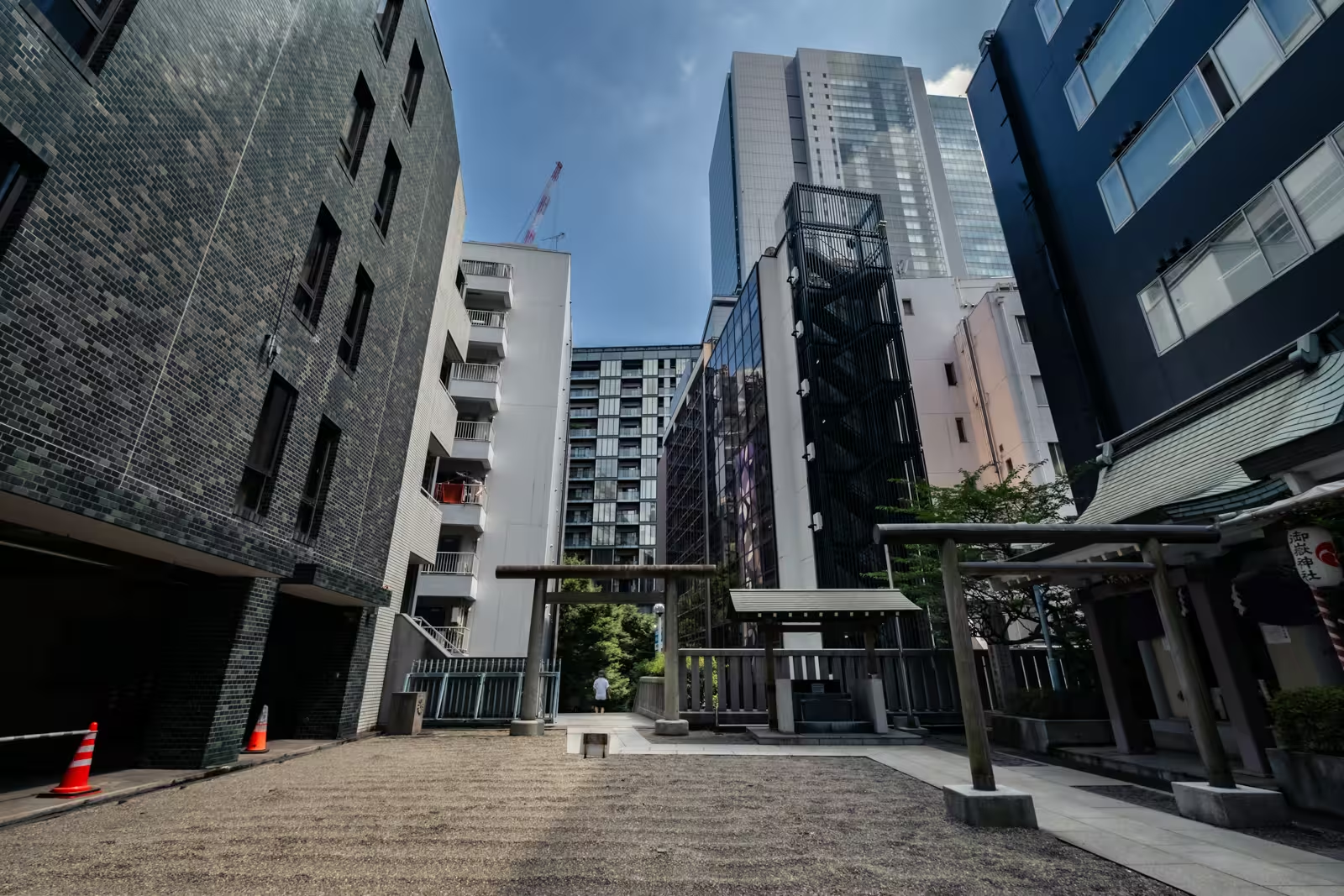
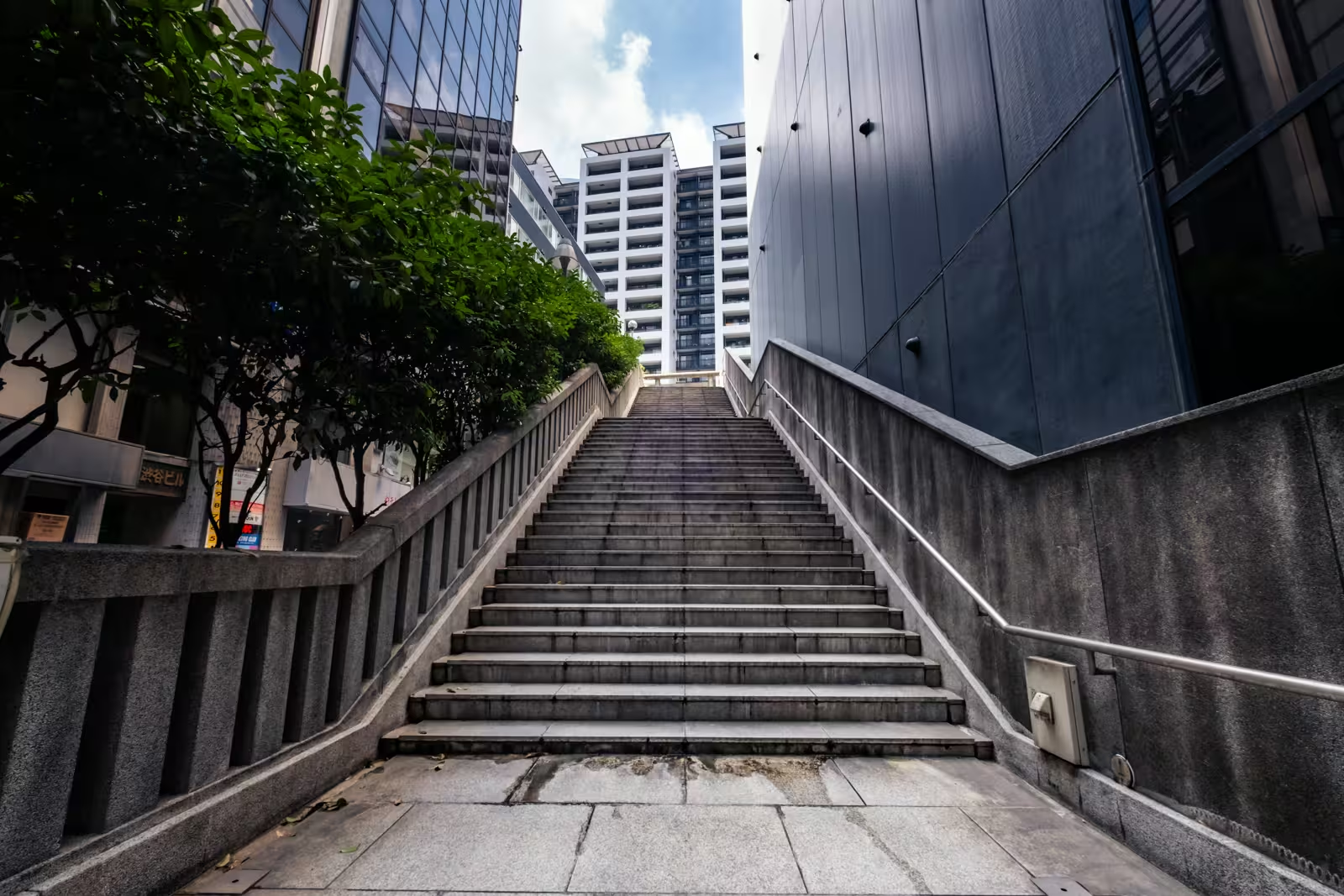
You’ll find Miyamasumitake Shrine just a short walk from Shibuya Station, up the slope known as Miyamasuzaka (“Miyamasu Hill”). The entrance is squeezed between two large buildings, so keep your eyes open. It’s very easy to walk right past it.
I used to teach in Shibuya. When I talked about Miyamasumitake Shrine to my students, some had no idea it existed. That was even with my school only a couple of minutes’ walk away.
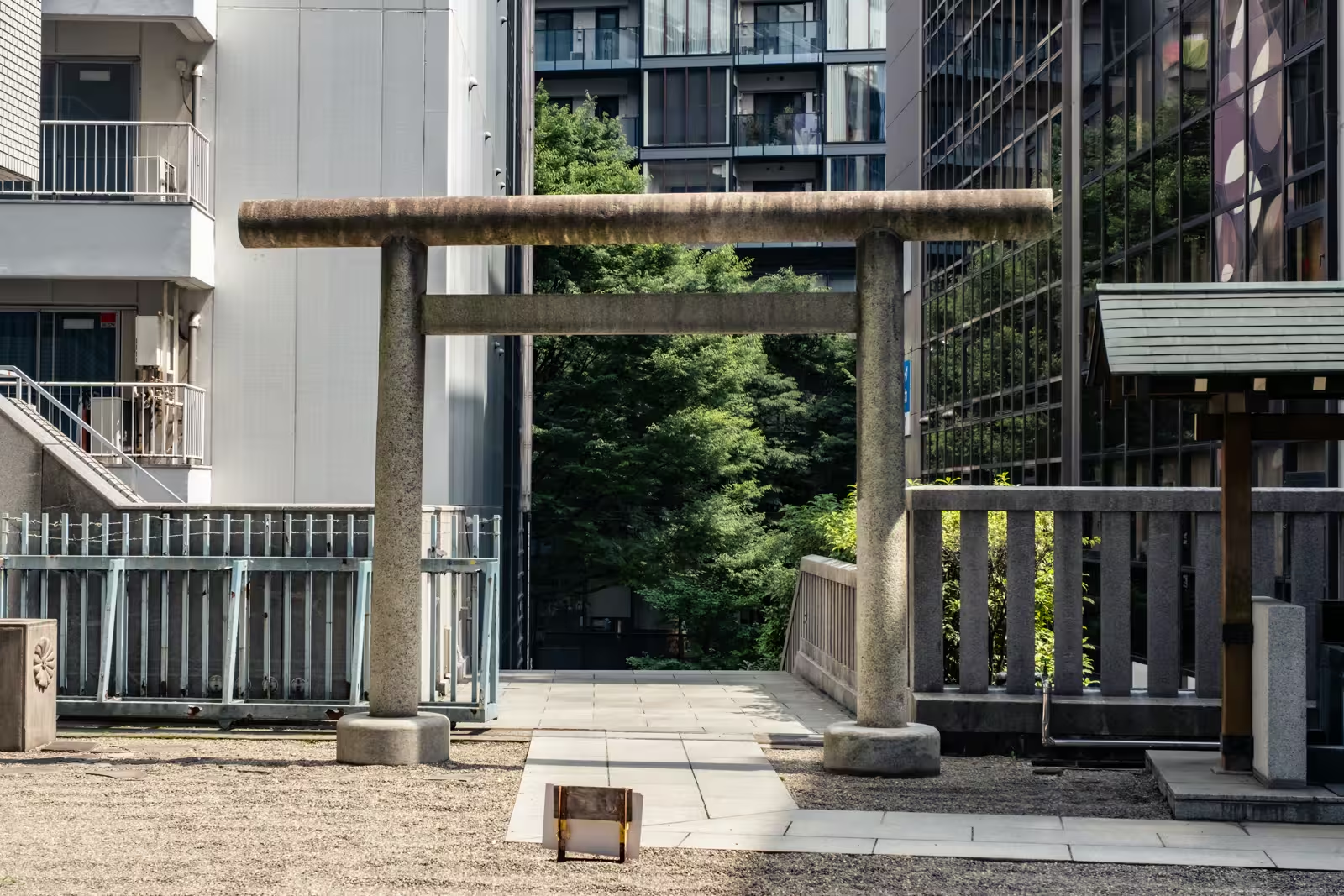
But, find your way to it and make your way up a long and reasonably steep set of stairs, and you’ll be at the entrance. You may notice that the shrine is currently at the heart of the large Miyamasuzaka redevelopment project.
Far from being a threat, this project aims to preserve the shrine, integrating its historical presence into a new public plaza. This redevelopment ensures that the shrine will remain a tranquil oasis, bridging Shibuya’s past and its future.
Wolf statues & mountain worship
Once at the top of the stairs, you’ll see what makes this shrine so special. Instead of the usual komainu (lion-dogs), the shrine is guarded by two powerful statues of Japanese wolves (ōkami). They are lean, dignified, and a rare sight in a Tokyo shrine.
This is because the shrine is of the same mountain worship faith as other famous wolf shrines in Japan, where the wolf is considered a divine messenger and protector. Take a moment to appreciate them before exploring the rest of the grounds. The shrine itself is well-kept and tiny, with a small rock garden (be sure to stick to the path!).
It’s nice to know that these small, beautiful shrines still exist in Japan. They contrast the old and the new. It’s a small shrine against the large urban buildings. They are oases of secluded tranquility in the busy city.
Annual festivals & events
To see the shrine at its most active, try to visit during one of its annual events. An annual festival is held in September, but the most famous is the Tori no Ichi (Rooster Market) held in November (like at Hanazono Shrine in Shinjuku).
During this lively market, you can buy decorative bamboo rakes called kumade, which are believed to help you “rake in” good luck and prosperity for the next year. It’s similar to the one held at Hanazono Shrine in Shinjuku.
Photography challenges
- Tall buildings surround the shrine. You need to deal with shadows practically all day.
- Most of the shrine’s tiny courtyard is covered in clean, tamajari (玉砂利). These white gravel pebbles are meant to purify the space. Keep off them and stay on the paths.
Visitor information
- Address: 1-12-2 Shibuya, Tokyo
- Closest train station: Shibuya
- Opening hours: The grounds are open 24 hours a day, but the office’s operating hours are 8:30 a.m. to 4:30 p.m.
- For more information, consult the official Miyamasumitake Shrine website.
- Here is the shrine on Google Maps:
Photo spots near Miyamasumitake Shrine
- Konno Hachimangu festival (Shibuya Mikoshi Parade)
- Shibuya Crossing
- Yebisu Garden Place Tower
- Yoyogi Park
Have you ever photographed Miyamasumitake Shrine? Share your experience in the comments below.