Kiyosumi Gardens
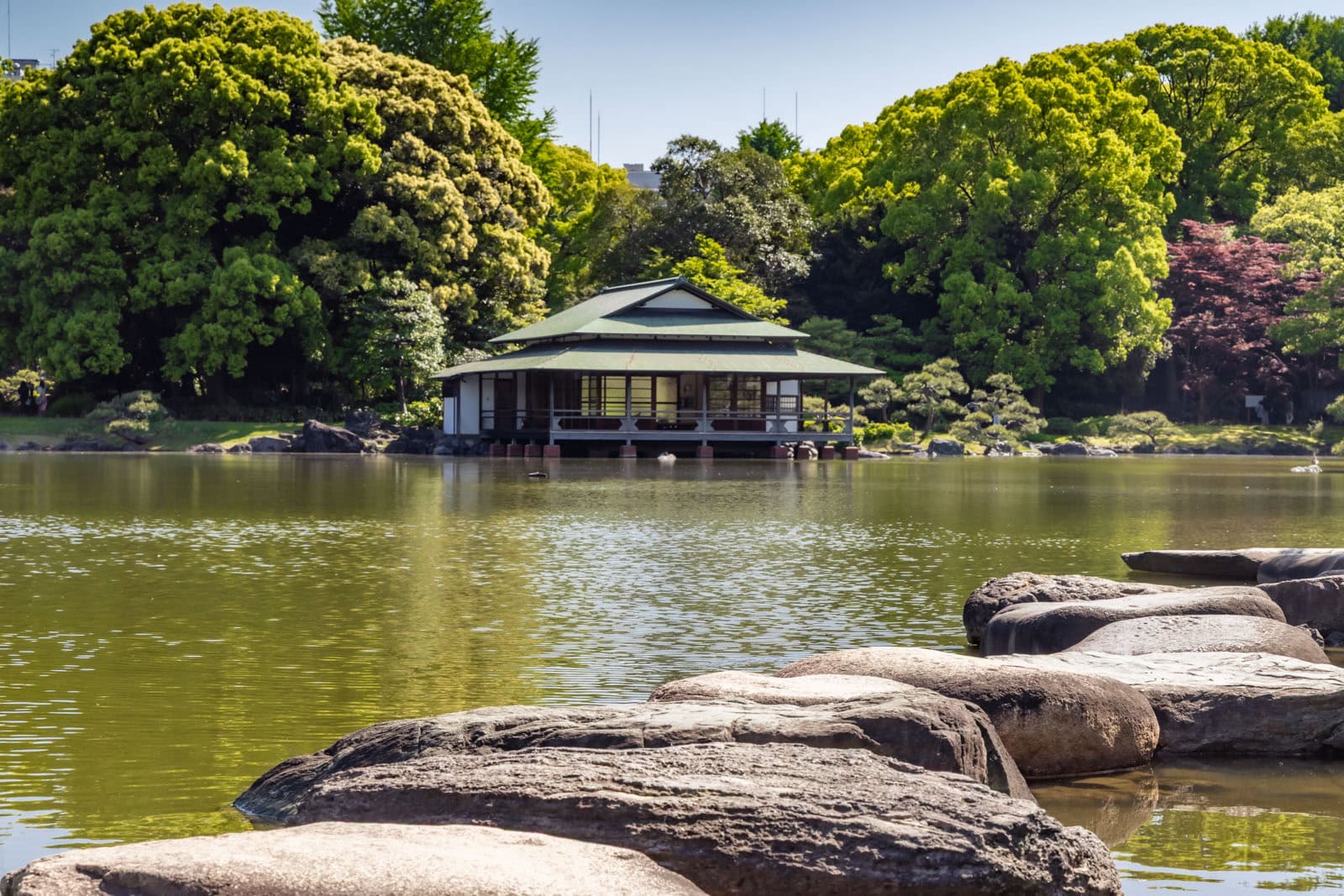
Kiyosumi Gardens is a traditional landscape park in Tokyo featuring an expansive pond, historic stone paths, and the floating Ryotei teahouse. This former Mitsubishi estate provides photographers with a classic Edo-period aesthetic often contrasted by the modern Tokyo Skytree.
The park is perfect for landscape, nature, and architectural photography. It is probably my favorite place in the city.
The Ryotei teahouse & architecture
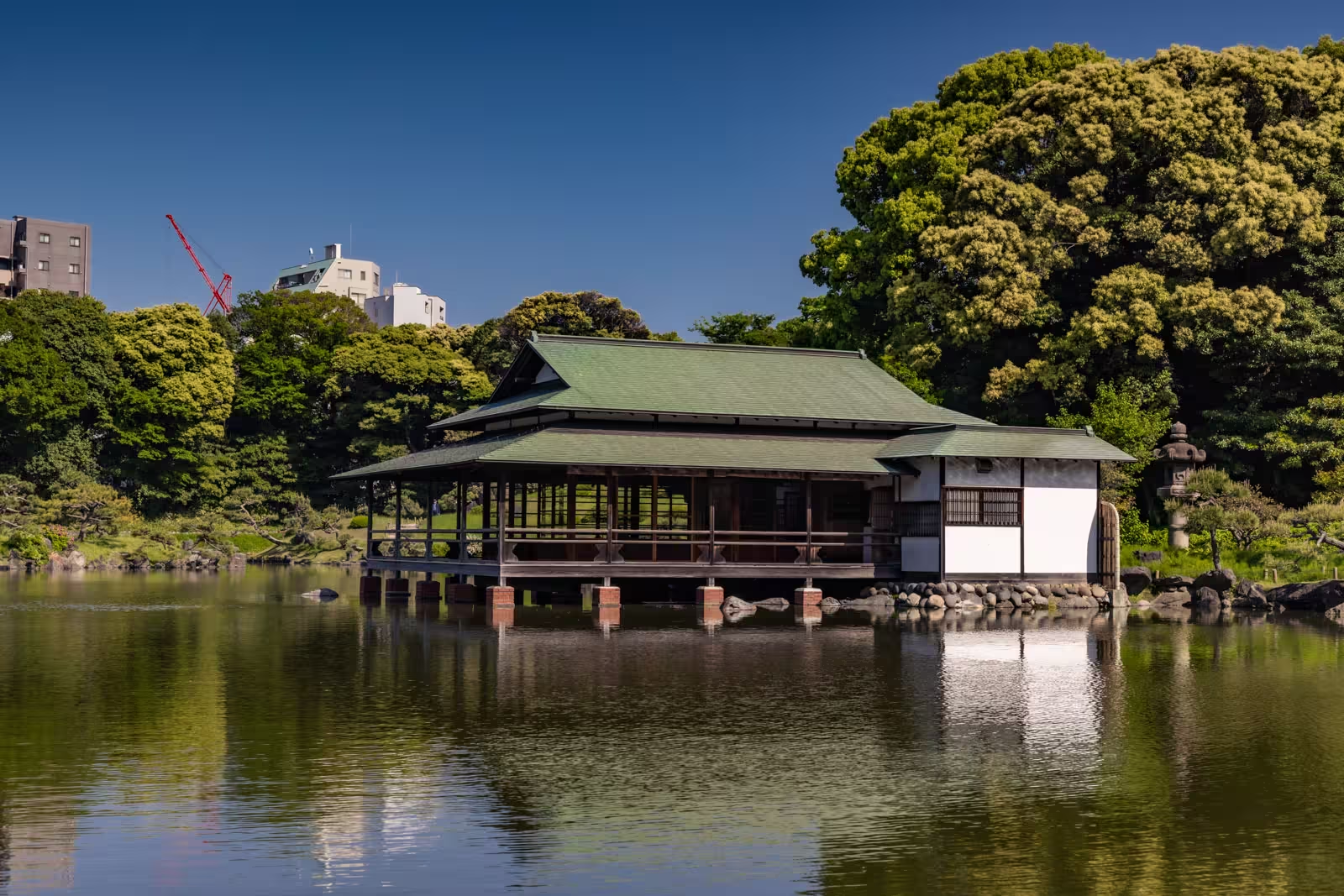
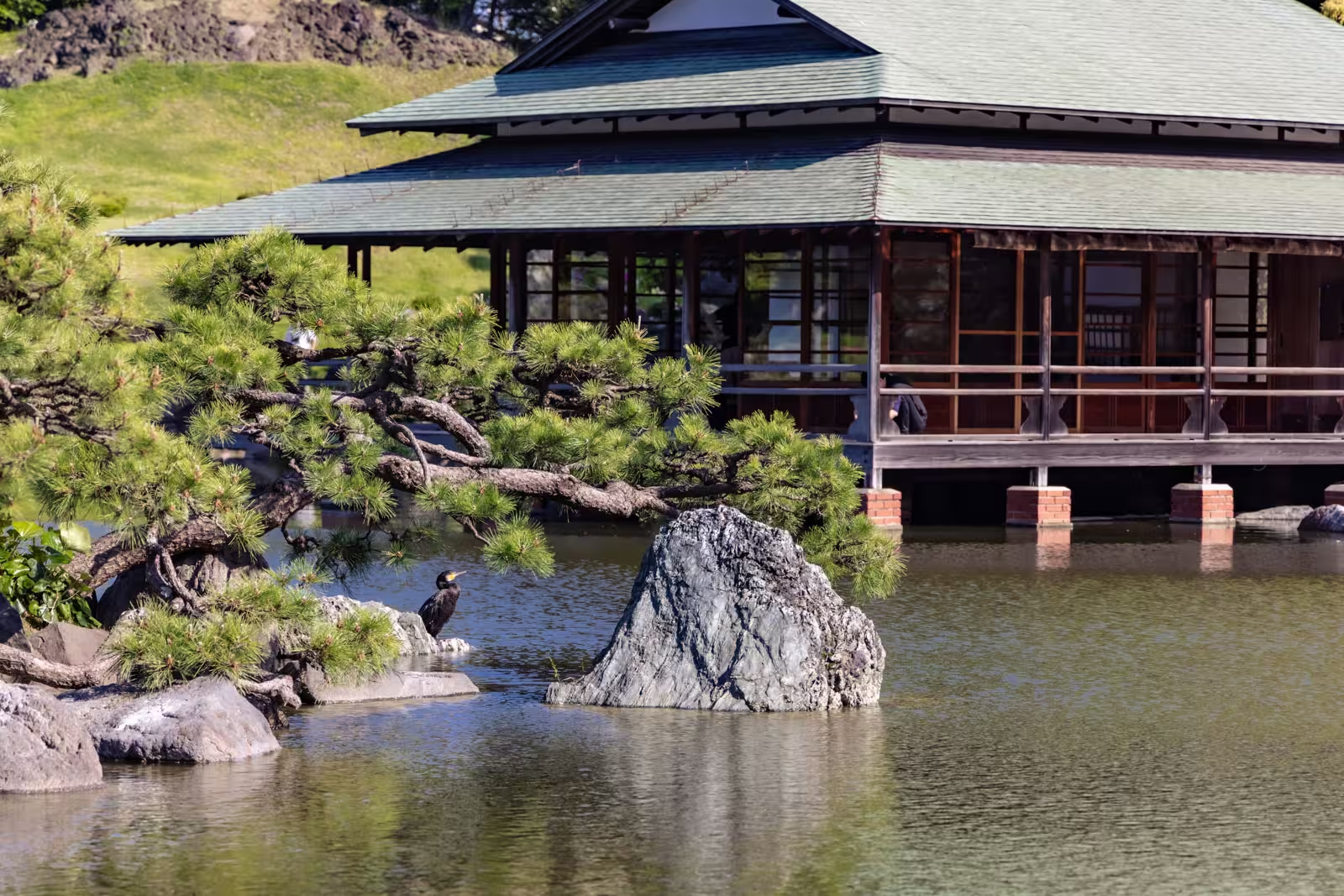
At the heart of the gardens stands the Ryotei, a guesthouse constructed in the traditional teahouse style of the era. Built in 1909 to welcome Britain’s Lord Kitchener, it appears to float gracefully over the pond, supported by sturdy piles. This architectural gem provides a glimpse into the opulent world of Japan’s early 20th-century elite.
Another significant structure is the Taisho Emperor’s Memorial Hall. Originally built for the Emperor’s funeral, this building showcases classic Japanese architecture. Though destroyed in the air raids of World War II, it was rebuilt in 1953 and now serves as a versatile space for cafes and meetings. Its elegant exterior and roof remain a constant source of admiration.
Kiyosumi is a haven for wildlife, with colorful carp and turtles gliding through the water. A variety of birds find sanctuary among the park’s trees.
What to photograph at Kiyosumi Gardens
For photographers, Kiyosumi Gardens offers a wealth of subjects:
- Seasonal flowers: Capture the ever-changing beauty of the gardens’ diverse flora.
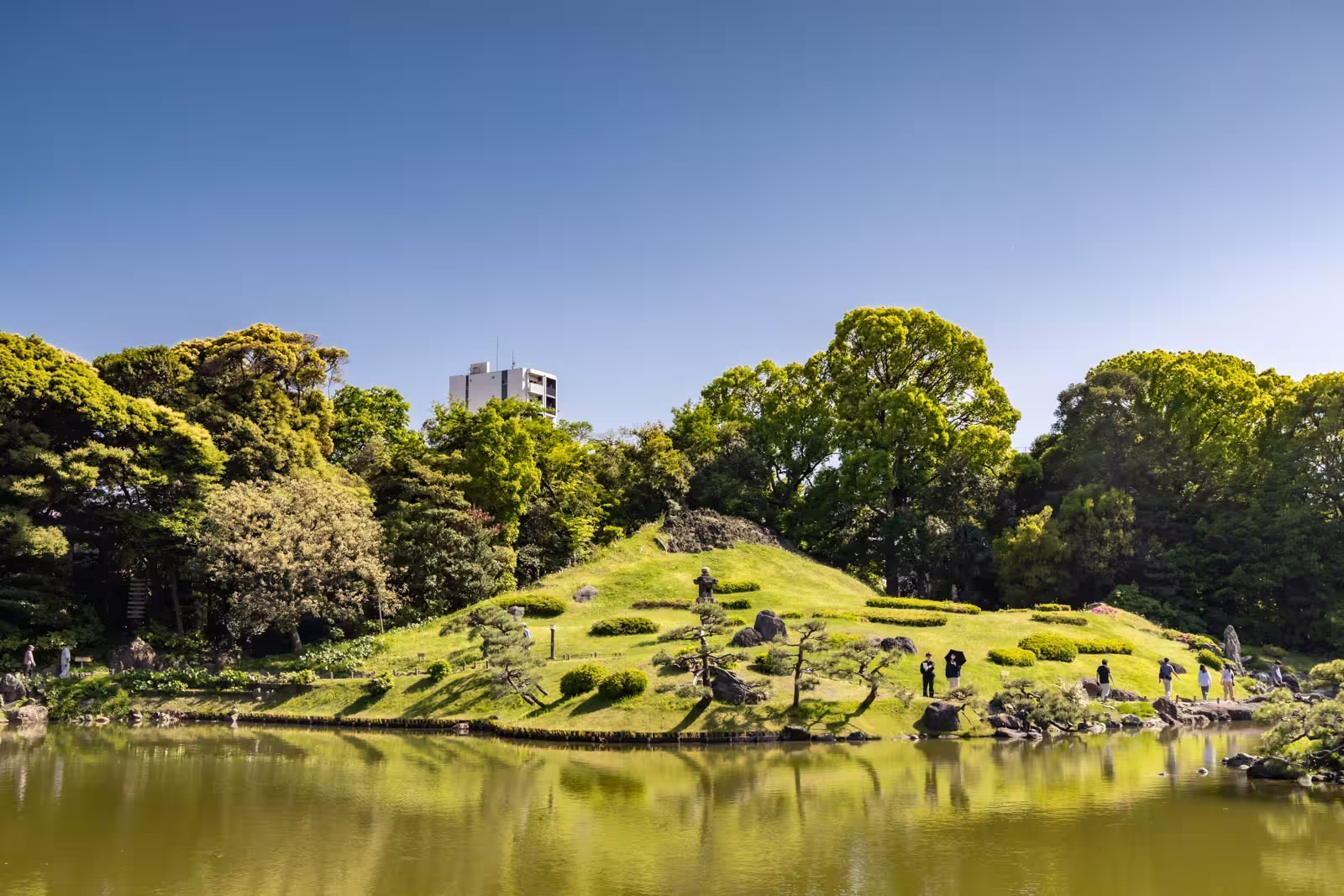
- Mount Fuji replica: A small hill within the gardens provides a charming miniature of Japan’s most iconic peak.
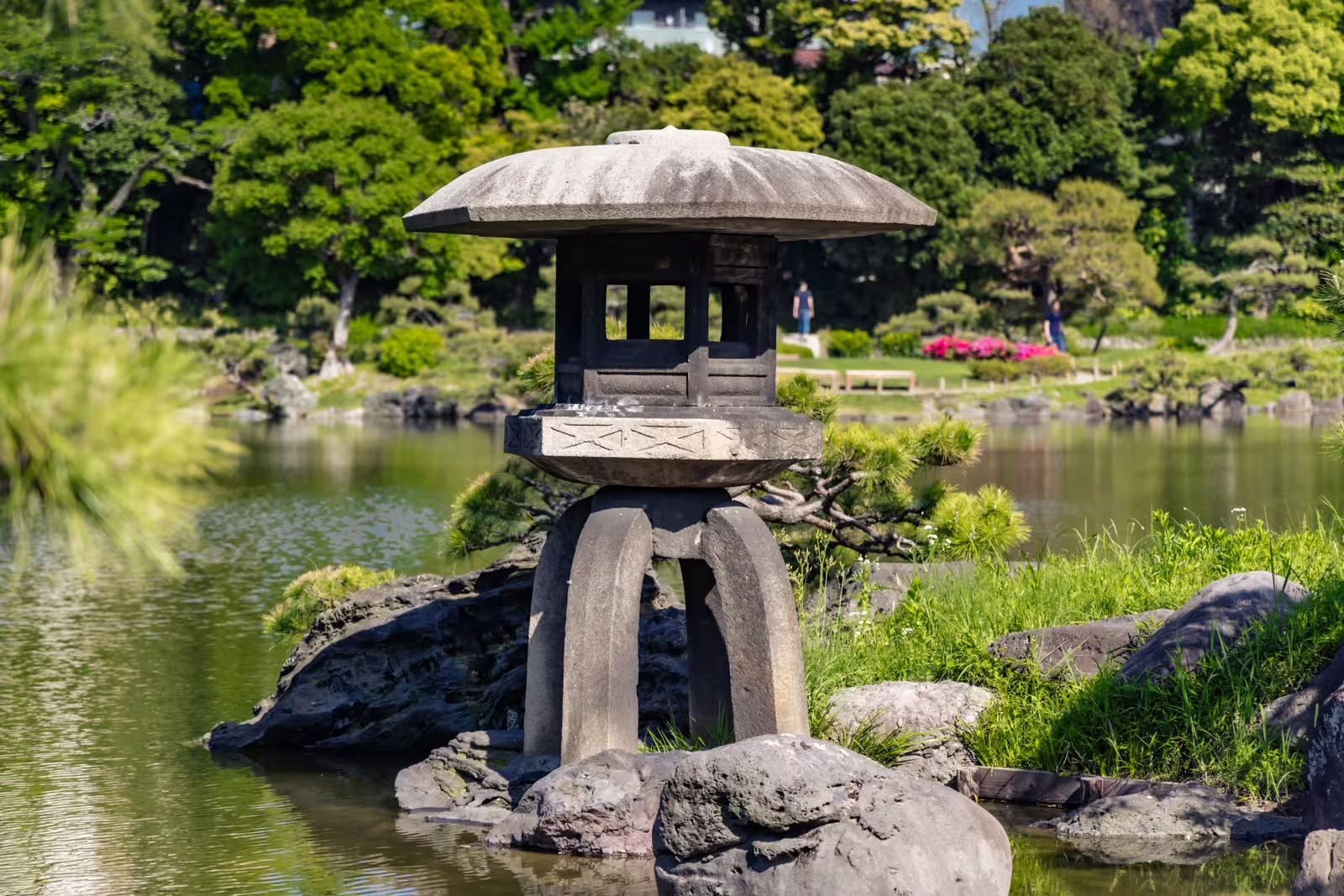
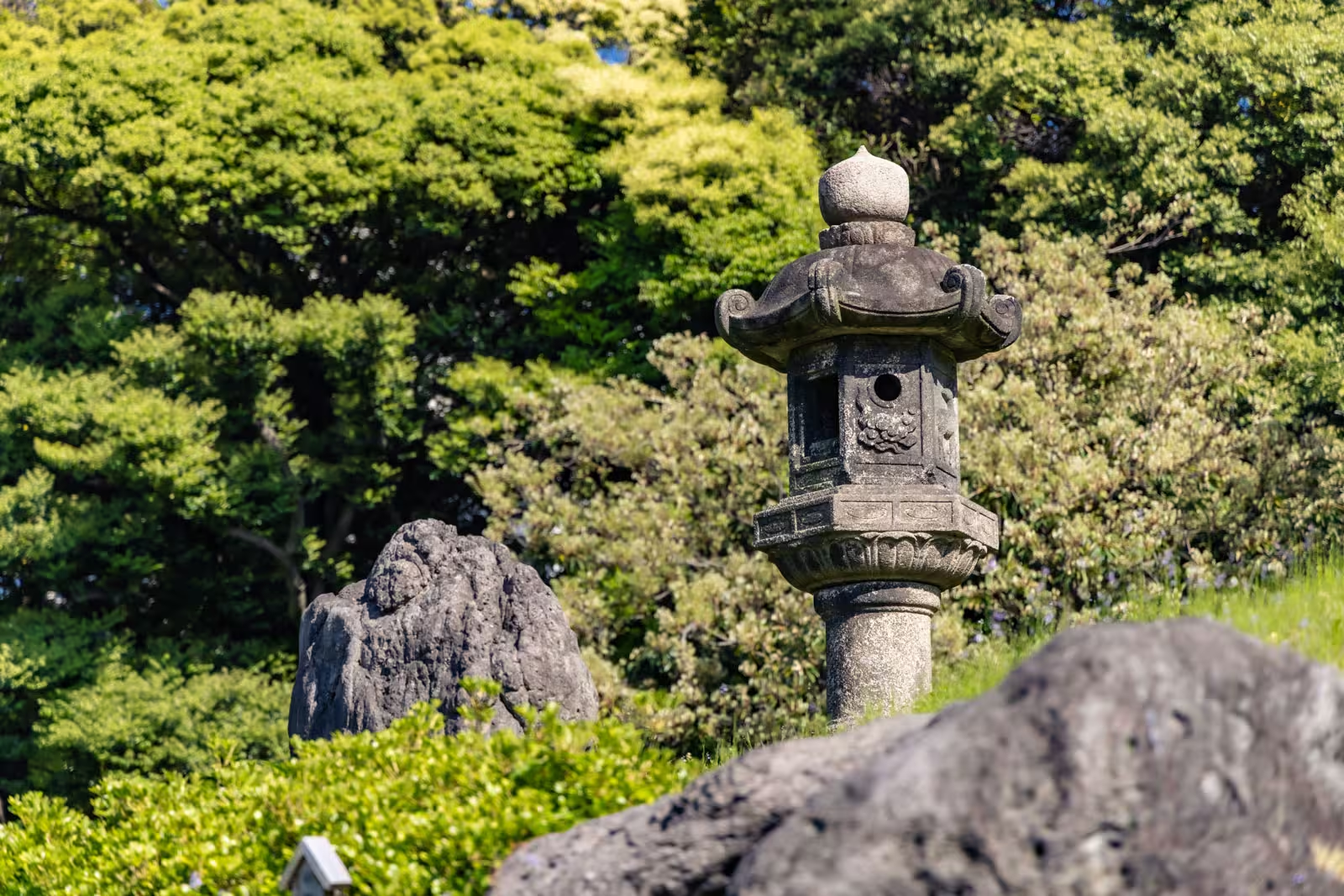
- Rock formations: The gardens are renowned for their impressive collection of rocks, carefully arranged to create a sense of natural artistry. And don’t forget the isowatari stepping stones that stretch over the pond.
- Ryotei teahouse: The elegant guesthouse is a perfect subject for architectural and landscape photography.
- Taisho Kinenkan: The memorial hall offers another example of classic Japanese design.
- Wildlife: The pond’s inhabitants and the various bird species provide opportunities for wildlife photography.
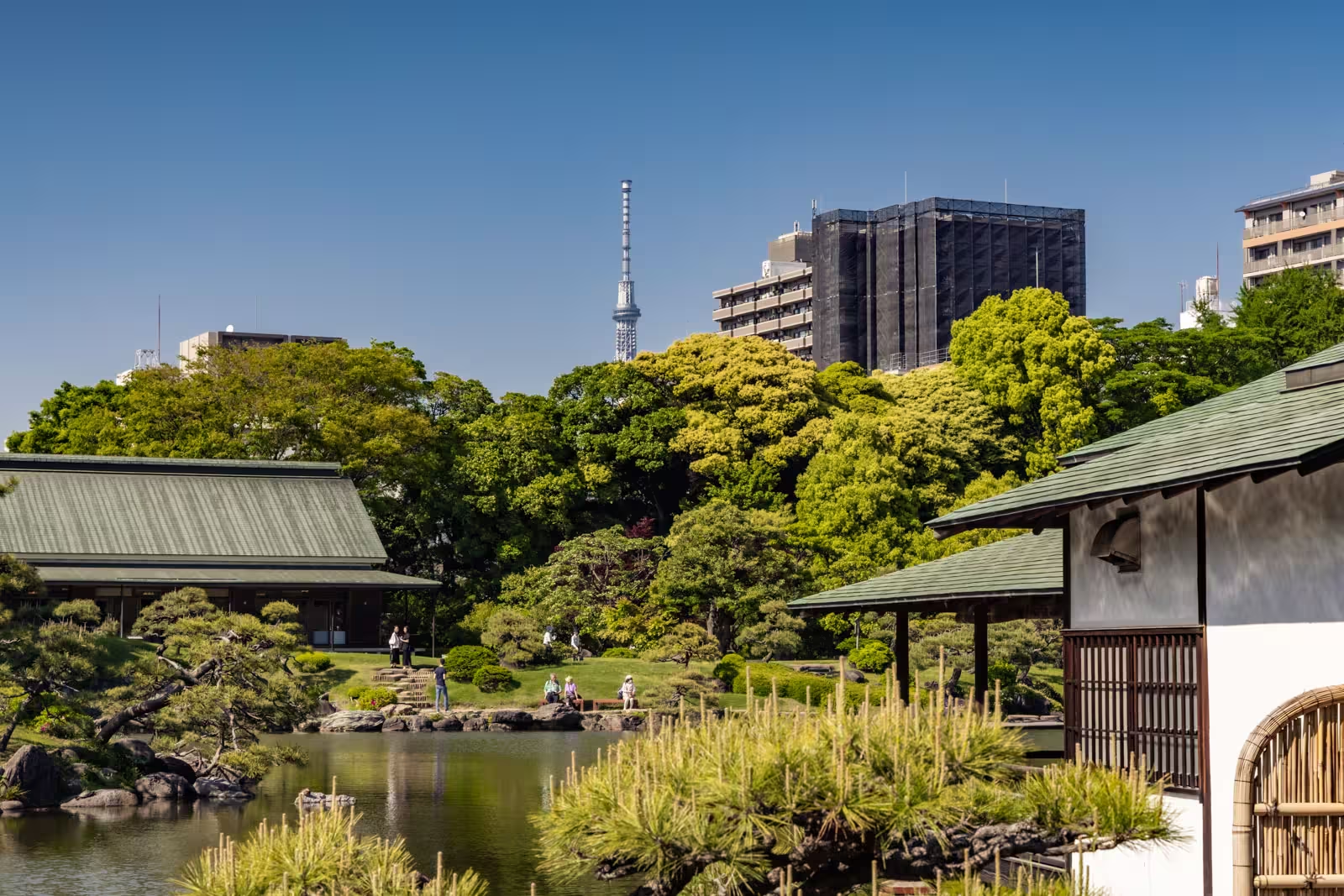
- From the far side of the pond, near the Ryotei, the modern marvel of the Tokyo Skytree can be seen, creating a striking contrast between old and new.
Seasonal photography
Kiyosumi Gardens is a celebration of the seasons, its colors and textures constantly changing:
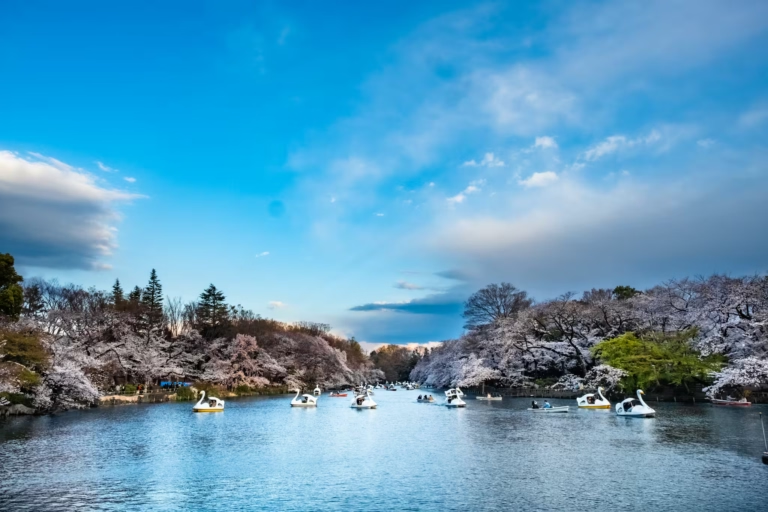
- Spring: The gardens come alive with the delicate pink and white hues of cherry blossoms.
- Summer: Azaleas and hydrangeas burst into bloom, adding a splash of color to the lush greenery.
- Autumn: The leaves of the trees transform into a fiery palette of reds, oranges, and yellows.
- Winter: The subtle beauty of camellias and Japanese apricots takes center stage.
Photography gear & tips
Lenses
- Wide-angle lens (16-35mm): Perfect for capturing the full expanse of the pond and the Ryotei teahouse.
- Telephoto lens (70-200mm): Ideal for isolating details like birds on the islands, turtles on the rocks, or compressing the background to make the Tokyo Skytree appear closer.
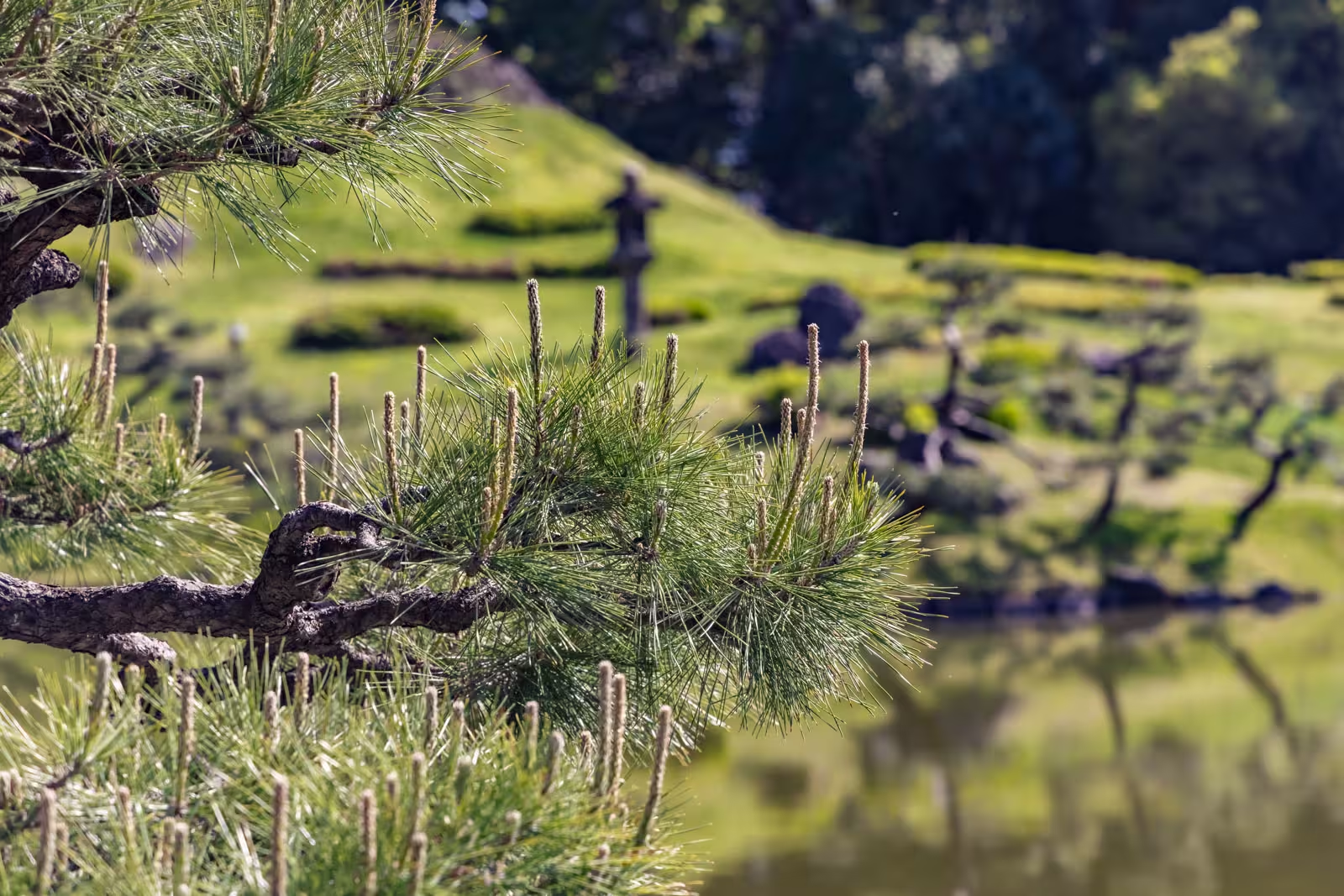
- Macro lens: Essential for detailed shots of flowers, water droplets, and insects during spring and summer.
Tripod policy
- For private purposes, tripods are allowed provided they don’t cause inconvenience to other park visitors. Avoid setting them up on narrow paths and stepping stones that will block people. For commercial purposes, submit an application form that is available on the website.
Compositional tips
- Use the isowatari (stepping stones) as leading lines to guide the viewer’s eye across the water.
- Look for reflections. On a calm day, the pond offers perfect reflections of the Ryotei and the surrounding trees.
- Frame the Tokyo Skytree from the far side of the pond for a unique composition blending modern and traditional elements.
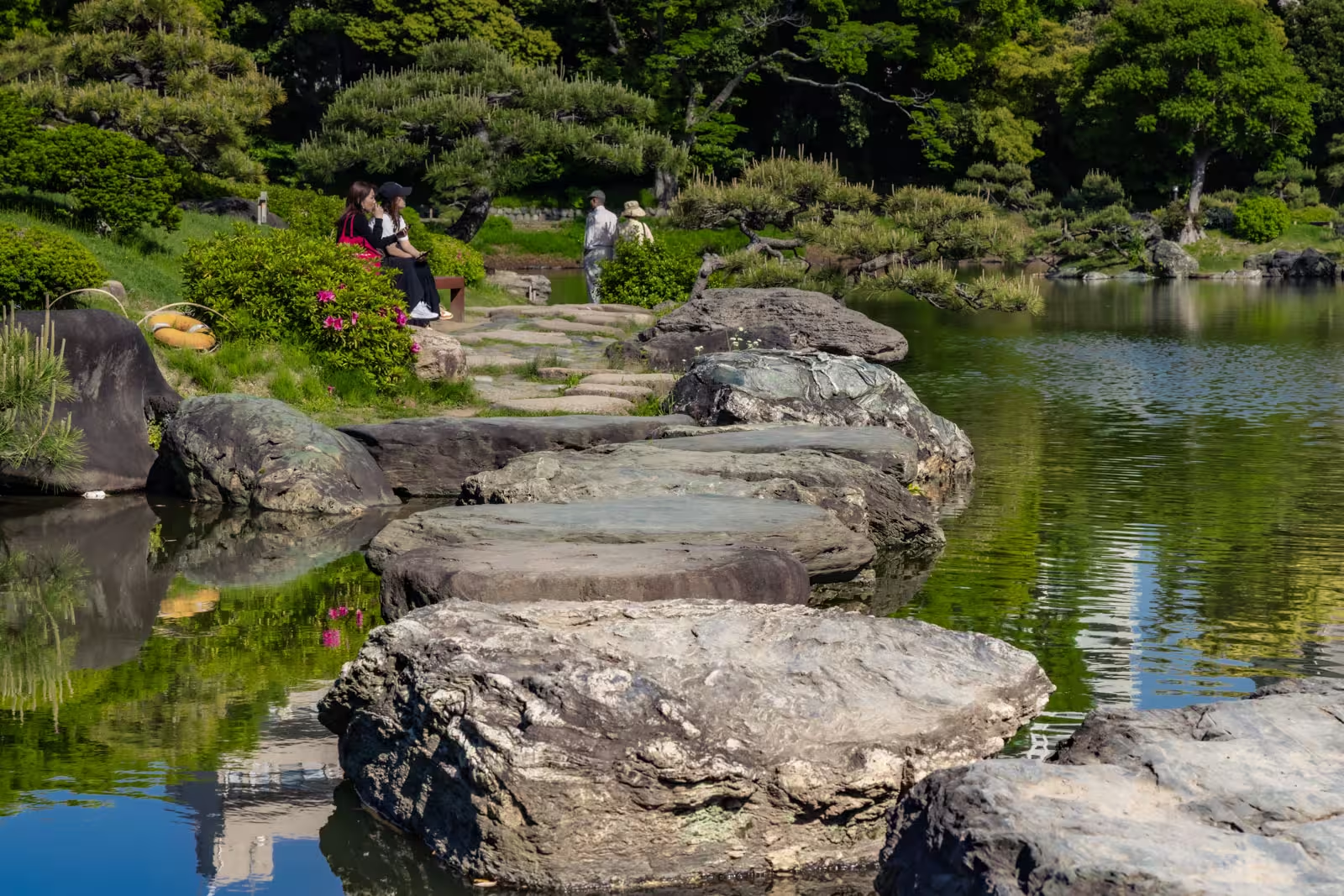
Photo spots near Kiyosumi Gardens
Extend your photo walk by visiting these nearby locations:
- Eitai Bridge: Excellent for long-exposure light trail photography at night.
- Fukagawa Edo Museum: Capture life in a recreated 19th-century Edo-period village.
- Kiba Park & Sarue-Onishi Park: Spacious local parks with green spaces and modern Tokyo life.
History of the gardens
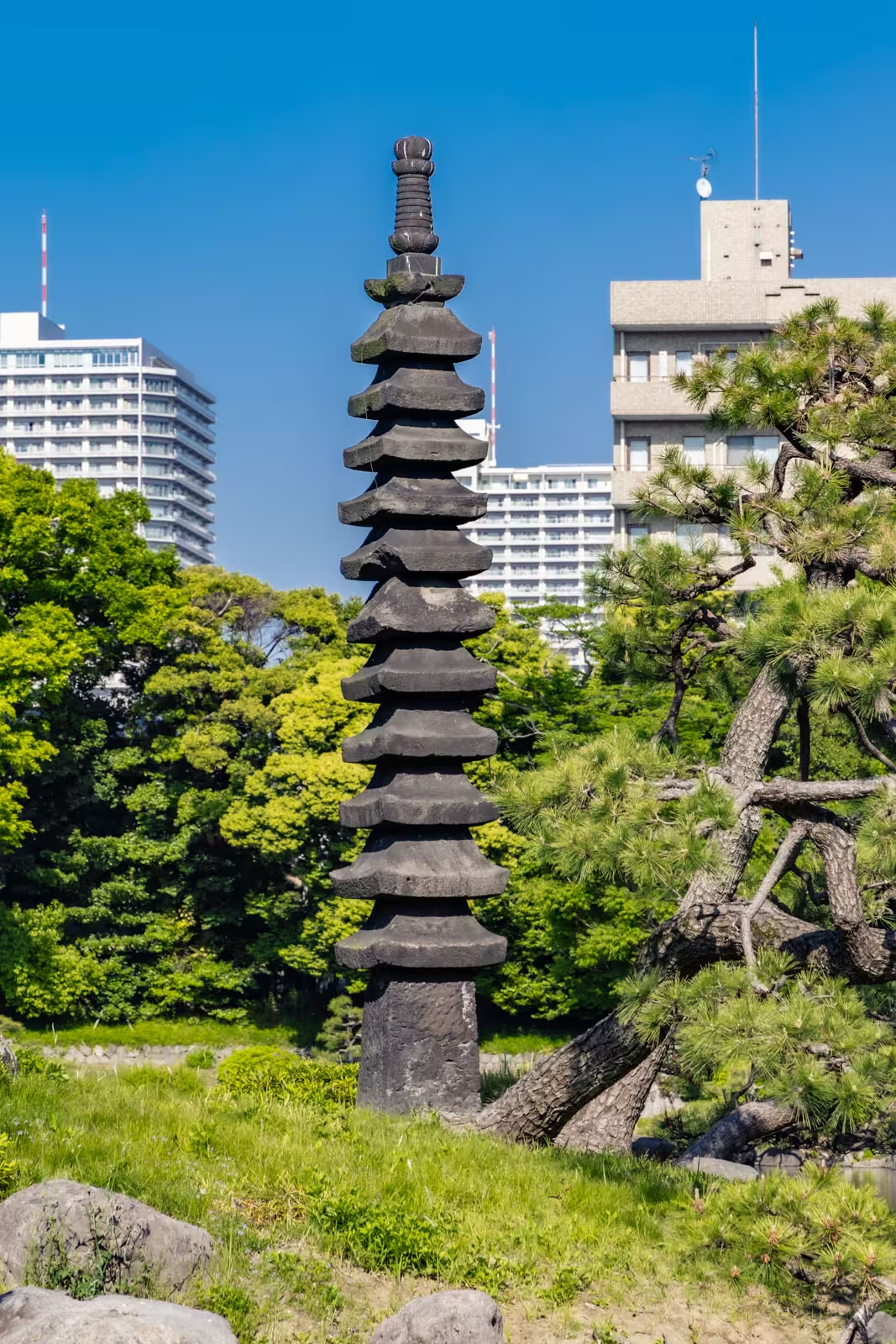
The land on which Kiyosumi Gardens now sits has a long and storied past. It was first owned by a 17th-century merchant, Kinokuniya Bunzaemon, before passing into the hands of the Daimyo of the Sekiyado domain, who built a mansion on the property. It is said that he brought stones from all over Japan to adorn his estate.
In 1878 the land was acquired by Yataro Iwasaki, the founder of the Mitsubishi Corporation. He transformed it into a recreation area for his employees and a venue to entertain distinguished guests.
His vision was to create a haven of luxury and serenity. It was a testament to his immense wealth and influence during a period of rapid modernization in Japan.
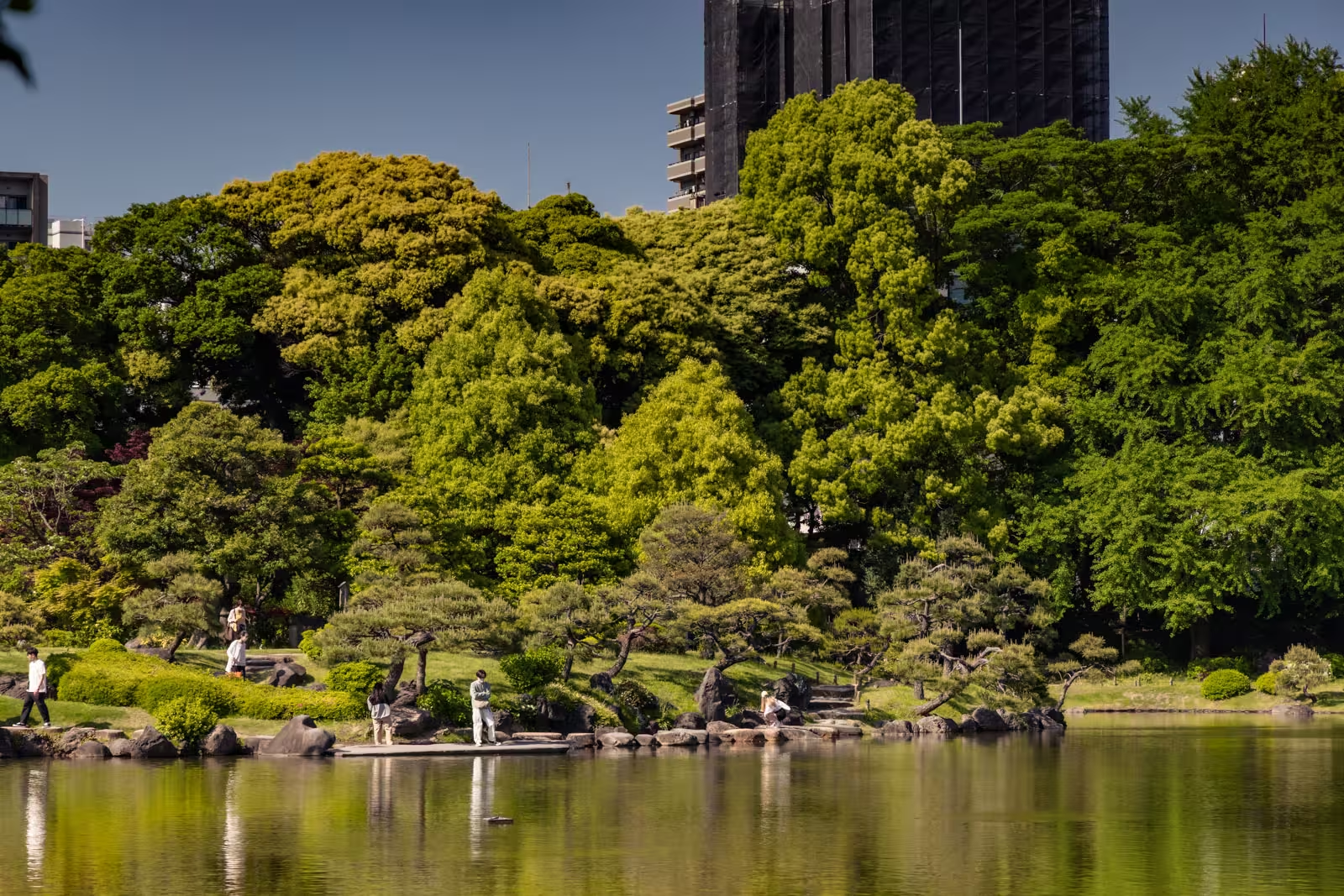
During the Great Kanto Earthquake of 1923, the gardens escaped major damage and served as a refuge for the local community. In 1932, the Iwasaki family donated the eastern half of the gardens to the city of Tokyo, making it a public park for all to enjoy. The gardens once again provided a haven for residents during the air raids of World War II.
Are Kiyosumi Gardens worth photographing?
Whether you’re capturing the carp in the pond, framing the Ryotei teahouse, or isolating the blooms of a cherry blossom, Kiyosumi Gardens is great for photographers. With its blend of historic architecture and year-round natural beauty, this guide provides the foundation for a successful photo shoot.
Now all that’s left is for you to explore its paths and create your own stunning images of this Tokyo treasure. If you are looking for more great parks, check out [Shinjuku Gyoen National Garden].
Date of Photos: 30 April 2025