In modern Japan, you’ll find many religions, but we are going to talk about its dominant two, Shinto and Buddhism. They serve fundamentally different but complementary purposes. The former focuses on life and nature, while the latter provides spiritual guidance for the soul and the afterlife. Rather than competing, they merged over time into a single, syncretic system.
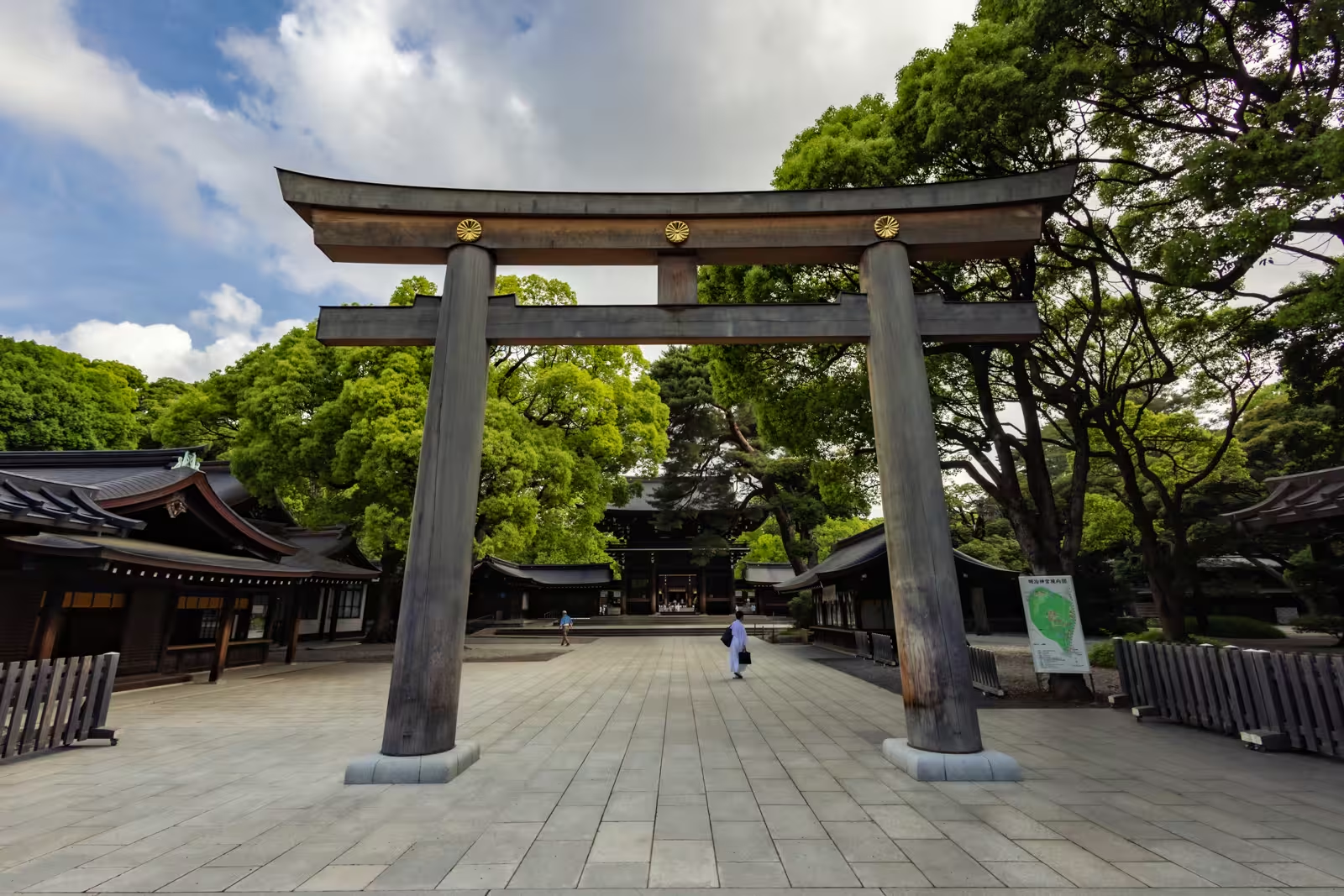
I used to work as a tour guide and one of my regular spots was in Harajuku. As you might know, that’s where Meiji Shrine is located. It’s a major tourist draw and I often visited it with my guests. Of course, I took them through Emperor Meiji’s story.
The guests saw the tourist spots which include sake and wine barrels, torii gates, temizuya, to name a few. We also talked about the weddings, and sometimes saw one if we were lucky. The tour covers a lot of ground. But one question constantly pops up, “Why does Japan have two religions?” I thought I’d put my answer on paper here.
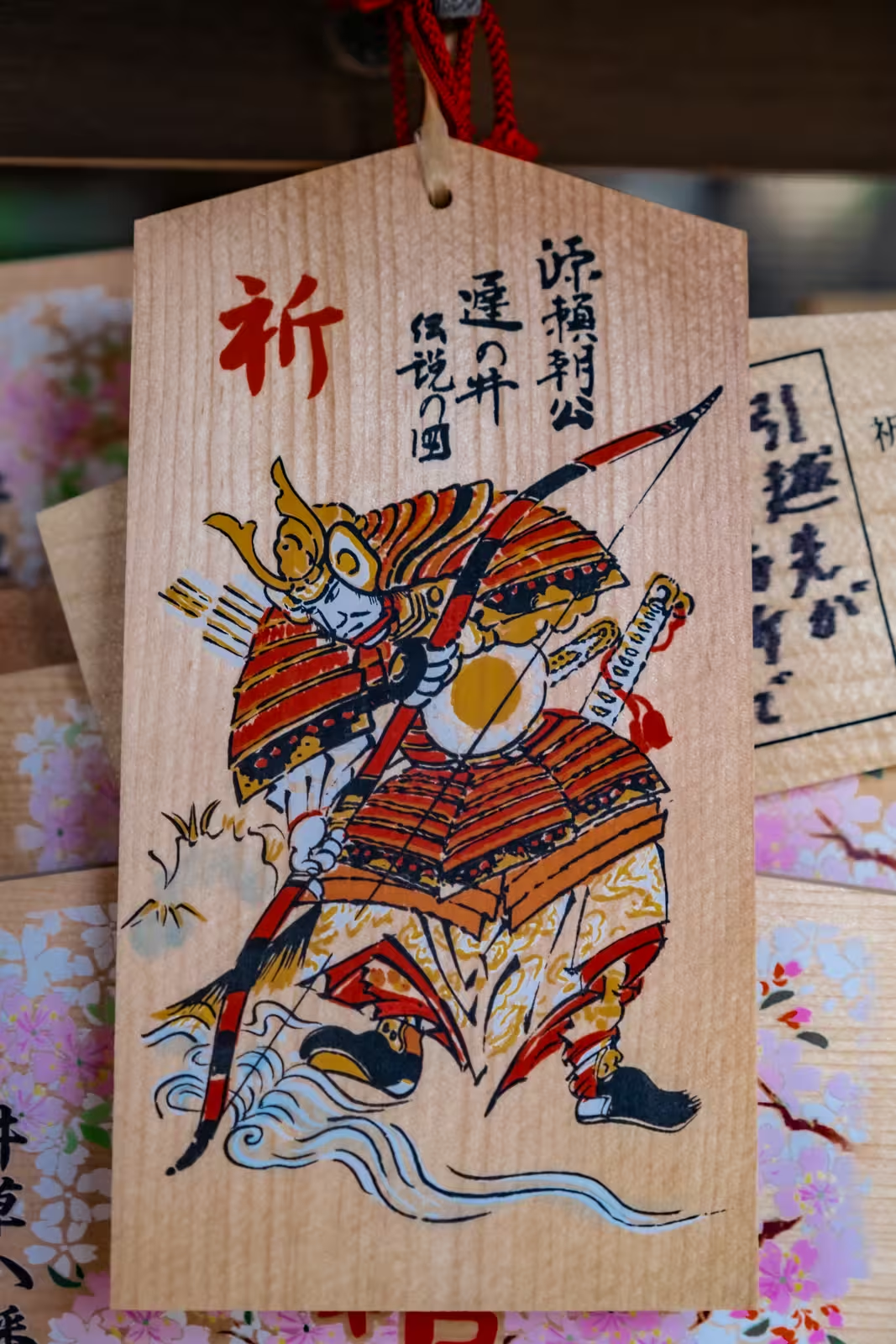
Shinto & Buddhism: A syncretic system
The Japanese don’t need to be of one religion or the other. They can have everything. As the old saying goes, “Born Shinto, married Christian, and die Buddhist”. Life milestones are observed according to the occasion rather than sticking to one doctrine.
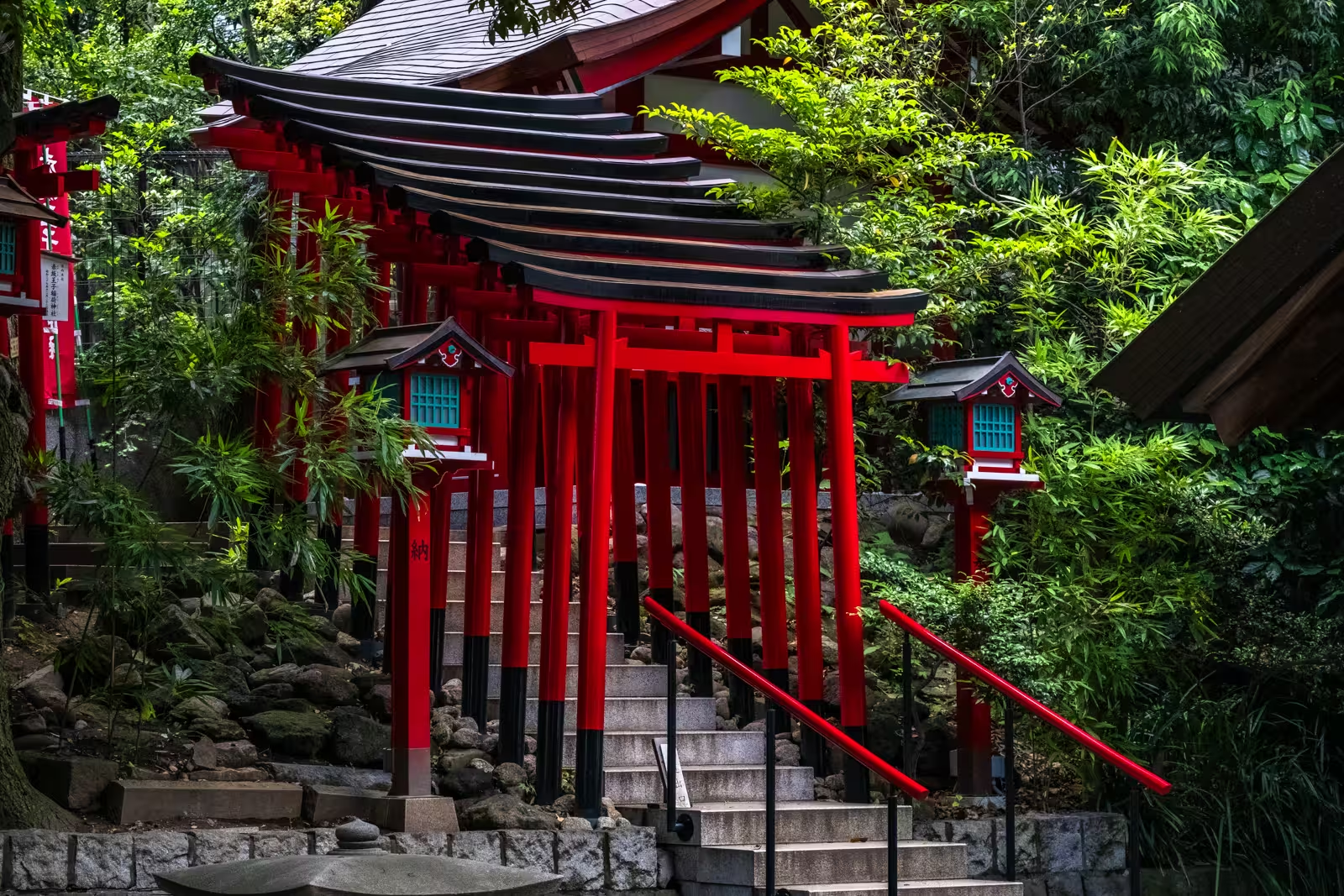
Key differences: Shinto vs. Buddhism
Shinto has its roots in Japan’s prehistoric animism, with traditions that have evolved over thousands of years and focuses on celebrating life. This polytheistic animist tradition believes that kami (gods or sacred spirits) inhabit everything from rivers, animals, trees and rocks to natural phenomena. This pantheon also includes the deified ancestors of the imperial family, supposedly descended from the sun goddess Amaterasu.
Practitioners turn to Shinto to bless births, officiate at weddings, and pray for good harvests or personal blessings. Its shrines are identified by torii gates and purification basins. Death is an impurity, with spirits moving on to another world to watch over their descendants.
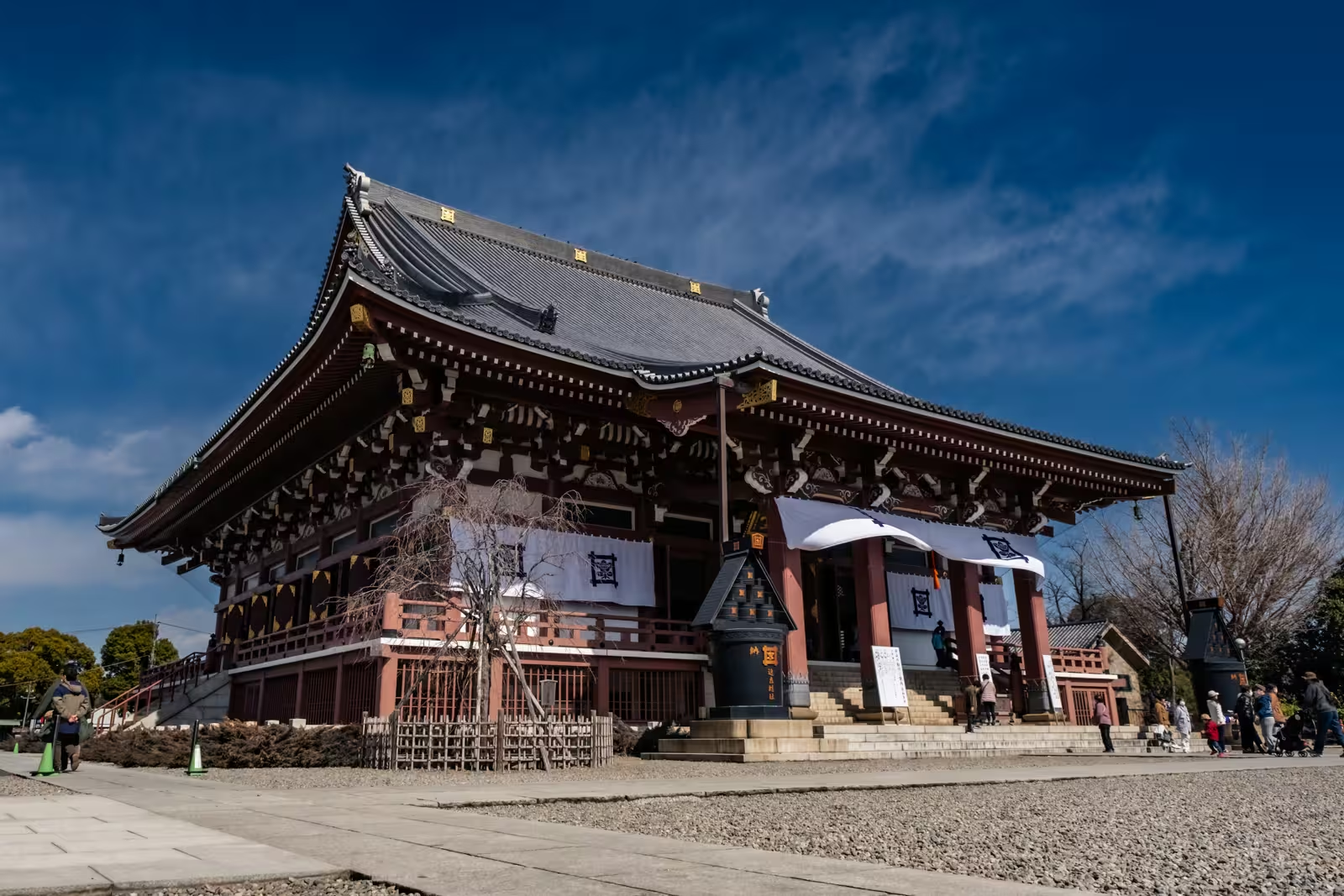
Buddhism entered Japan from China via Korea in the 6th century. The goal of its practitioners is to free themselves from worldly suffering by achieving enlightenment which would liberate them from the cycle of reincarnation.
Over the centuries, numerous schools have sprung up in Japan each with its own philosophy. Despite some initial friction, Shinto and Buddhism long coexisted and even intermingled, until their forced separation in the Meiji era.
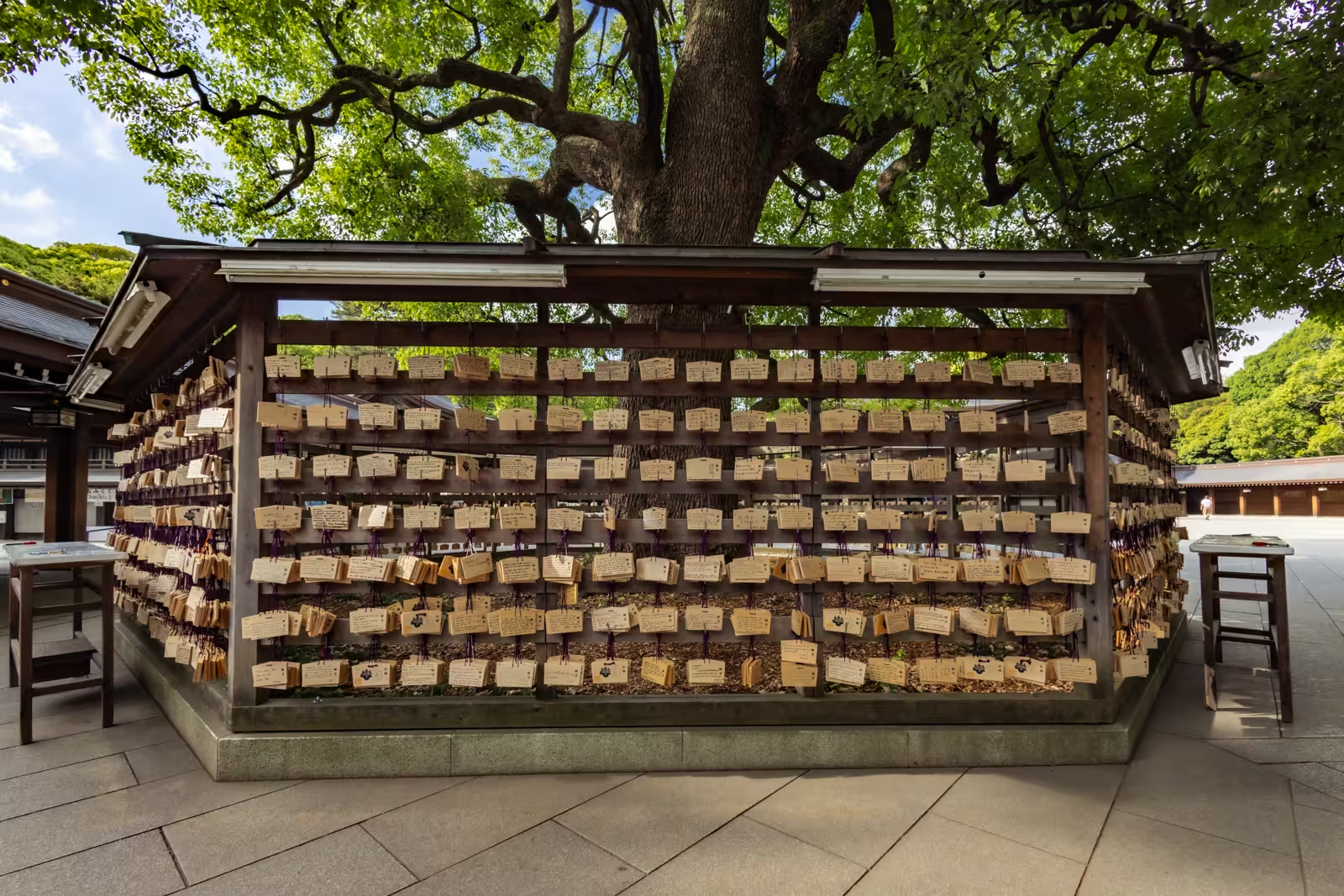
In daily life, Japanese people turn to Buddhism for matters of the soul and their ancestors. This is why the vast majority of funerals and memorial services in Japan are Buddhist ceremonies.
People at temples offer incense (the smoke is believed to have healing powers) or visit during O-bon in the summer to welcome the spirits of their ancestors back home. In the home, most families have a butsudan (altar) to make daily prayers to their deceased loved ones.
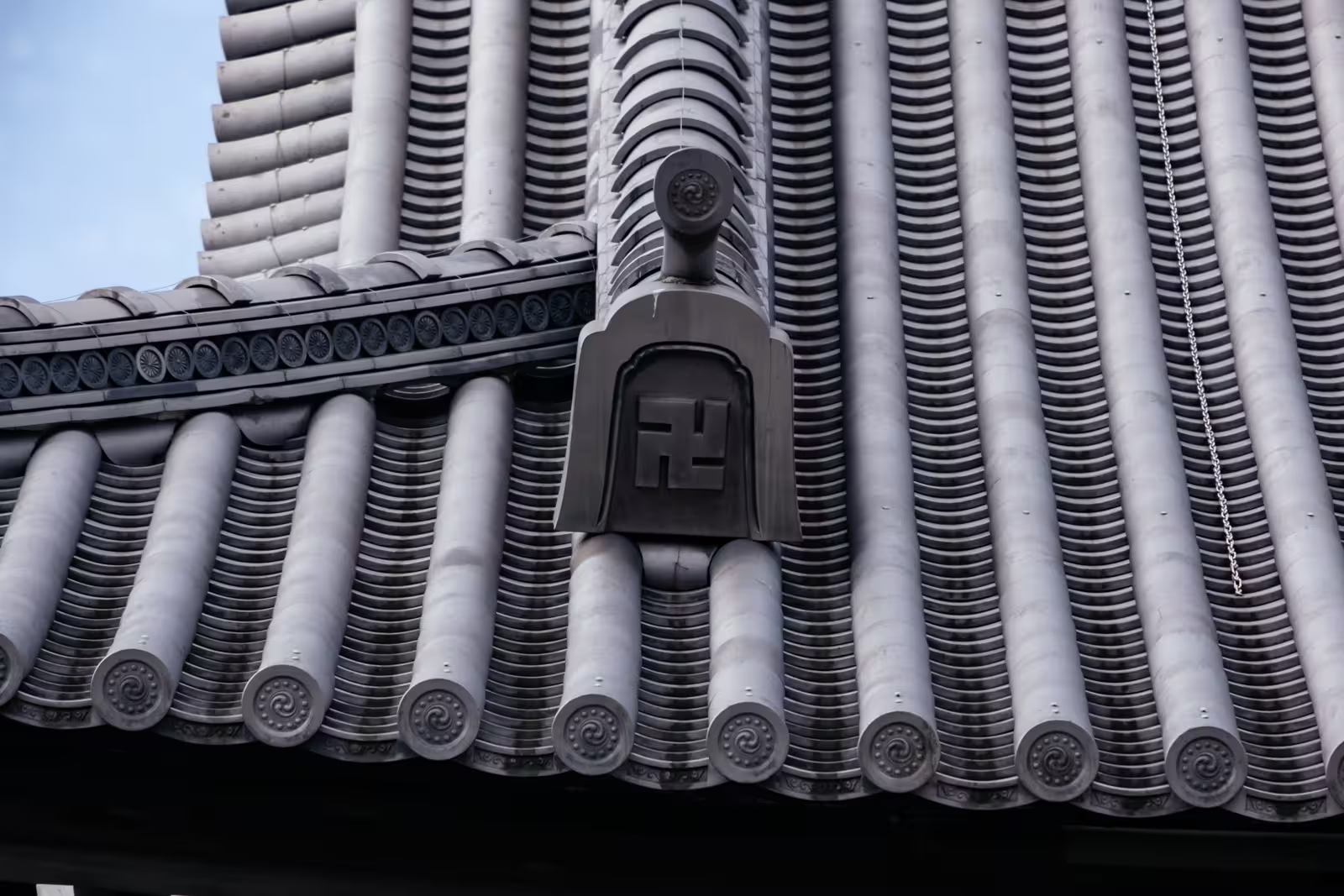
The gods share portfolios
For centuries, the two were blended together in a system called shinbutsu-shūgō, viewing kami as manifestations of Buddhas. The fusion began as soon as they met. Let’s look at some of them:
|
Shinto Kami |
Buddhist Counterpart |
Significance / Description |
|
Amaterasu (Sun Goddess) |
Dainichi Nyorai (Mahavairocana) |
The chief Shinto deity and imperial ancestor was synchronized with the supreme, cosmic Buddha of Esoteric Buddhism. |
|
Hachiman (God of War) |
Saraswati (Hindu/Buddhist) |
One of the most famous syncretized kami, revered both as a traditional protector of Japan and a bodhisattva. |
|
Benzaiten (Seven Lucky Gods) |
Saraswati (Hindu/Buddhist) |
Benzaiten combines Buddhist/Hindu attributes and was synchronized with native water and earth spirits like Ugajin. |
|
Kumano Gongen |
Amida, Yakushi, & Senju Kannon |
The Kumano deities are manifestations of major Buddhas, forming a central part of the Kumano pilgrimage route. |
|
Inari (God of Agriculture) |
Dakiniten |
Inari, the Shinto fox deity, became fused with the Buddhist deity of harvests and prosperity. |
|
Sanno (Mountain King) |
Shaka Nyorai (Shakyamuni) |
The guardian kami of Mount Hiei was identified with the historical Buddha in Tendai Buddhism. |
Identifying shrines vs. temples in Japan
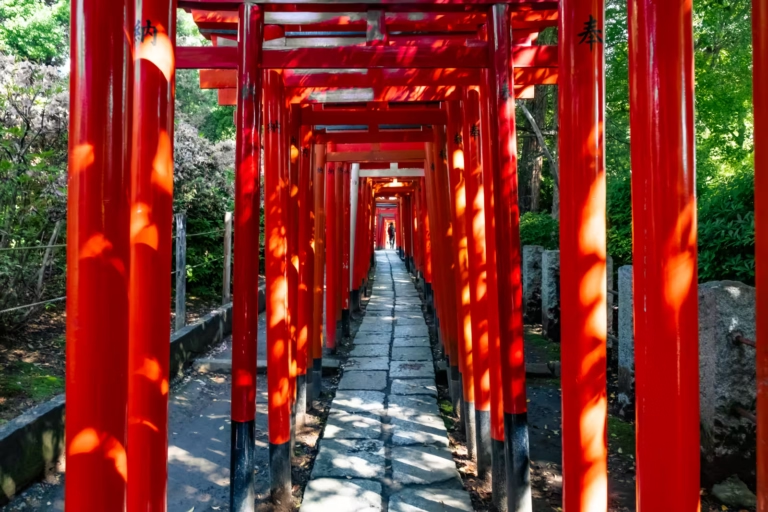
A Shinto shrine is immediately recognizable by its wooden or stone gate called a torii which marks the entrance to the sacred space, the domain of the kami. They are often painted vermilion, with the exception of some like those of Meiji Shrine which are natural wood.
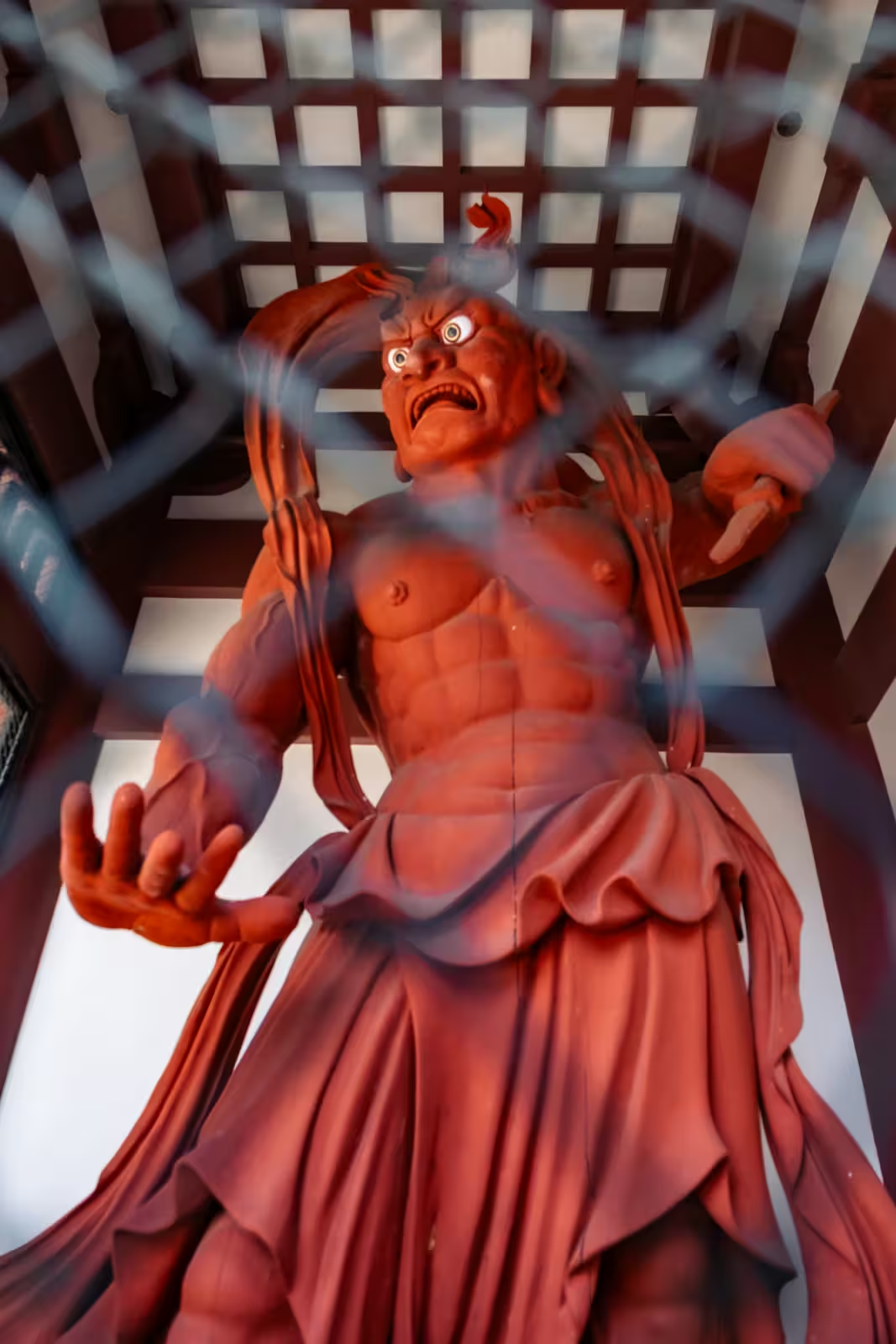
Access to a Buddhist temple is through a two-tiered portico, the sanmon. Two fierce-looking statues, the niō, often guard them. The central building houses a statue of Buddha or another Buddhist deity.
Shrines consist of several buildings with gabled roofs. Places to purify are provided in the form of washbasins (temizuya). In Tokyo, many are made of wood, with little ornamentation but some post-war reconstructions were built using concrete.
The main shrine (honden) is off-limits to the public and contains sacred objects representing the kami. Worshippers pray at the oratory (haiden).
Buddhist temples also have several buildings, including the main building (kondō) in which resides a sacred effigy. A prayer hall allows practitioners to meditate and recite sutras. There might also be a pagoda.
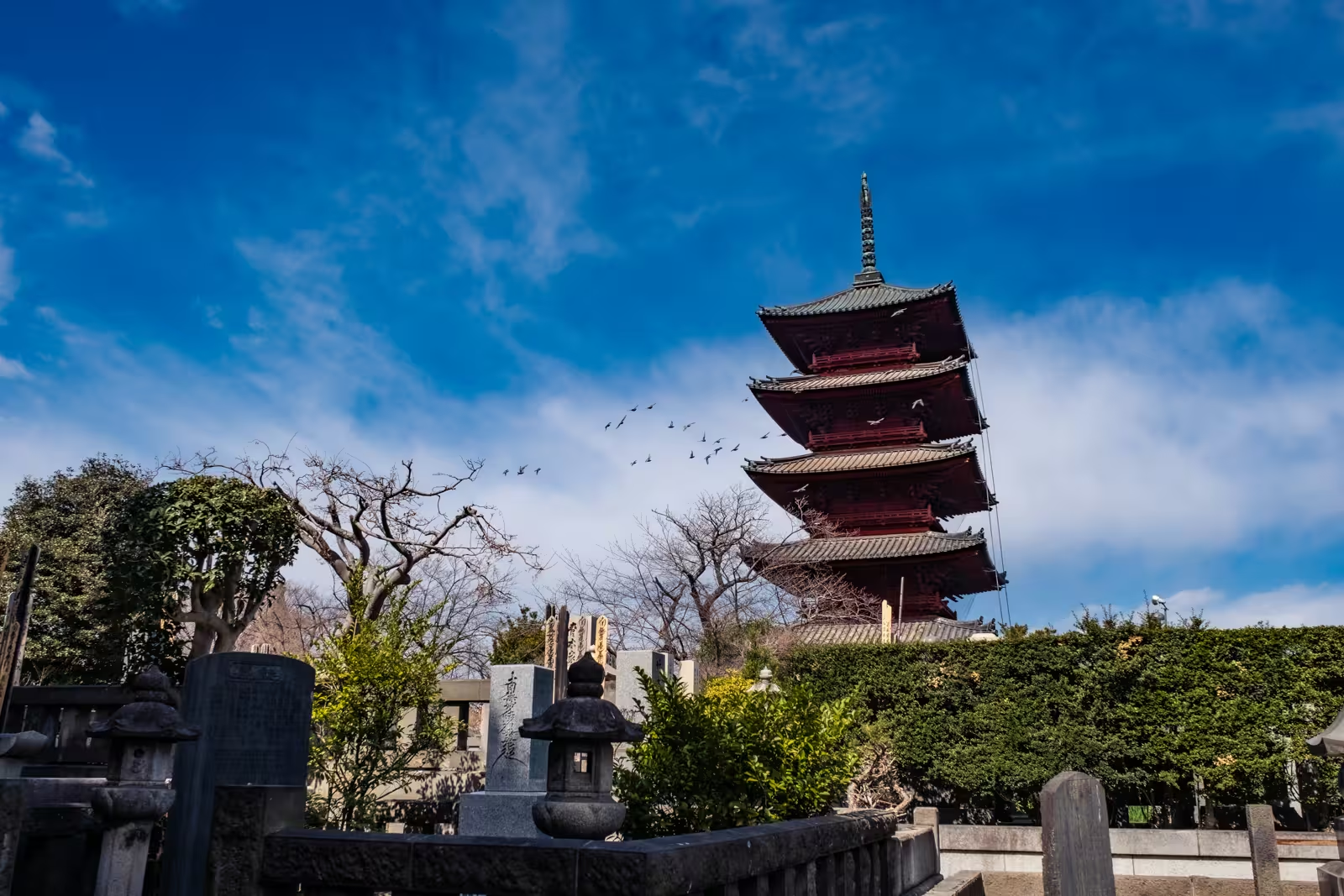
Temples also have cemeteries whereas shrines don’t because death is considered “impure” in Shinto. Meiji Jingu doesn’t have the emperor’s grave. You’ll find that in Kyoto at Fushimi Momoyama.
Choosing what is best for your needs
Japanese people visit both Shinto shrines and Buddhist temples for everyday blessings, life milestones, and cultural comfort. Shrines (associated with the native Shinto faith) celebrate life and nature. Here are some Tokyo shrines people visit and why:
- Hie Shrine: A spiritual blessing and power spot that is dedicated to Oyamakui-no-Kami (the guardian deity of Tokyo). Locals frequently visit to pray for safe childbirth, prosperous business, and happy marriages.
- Imado Shrine: Located in the Asakusa area, beloved for its heavy focus on love and its iconic, beckoning cats (maneki neko).
- Kanda Myojin: A 1300-year old shrine that is important for business people and the IT crowd.
- Tokyo Daijingu: People go there to pray for success in romance, matchmaking, and happy marriages.
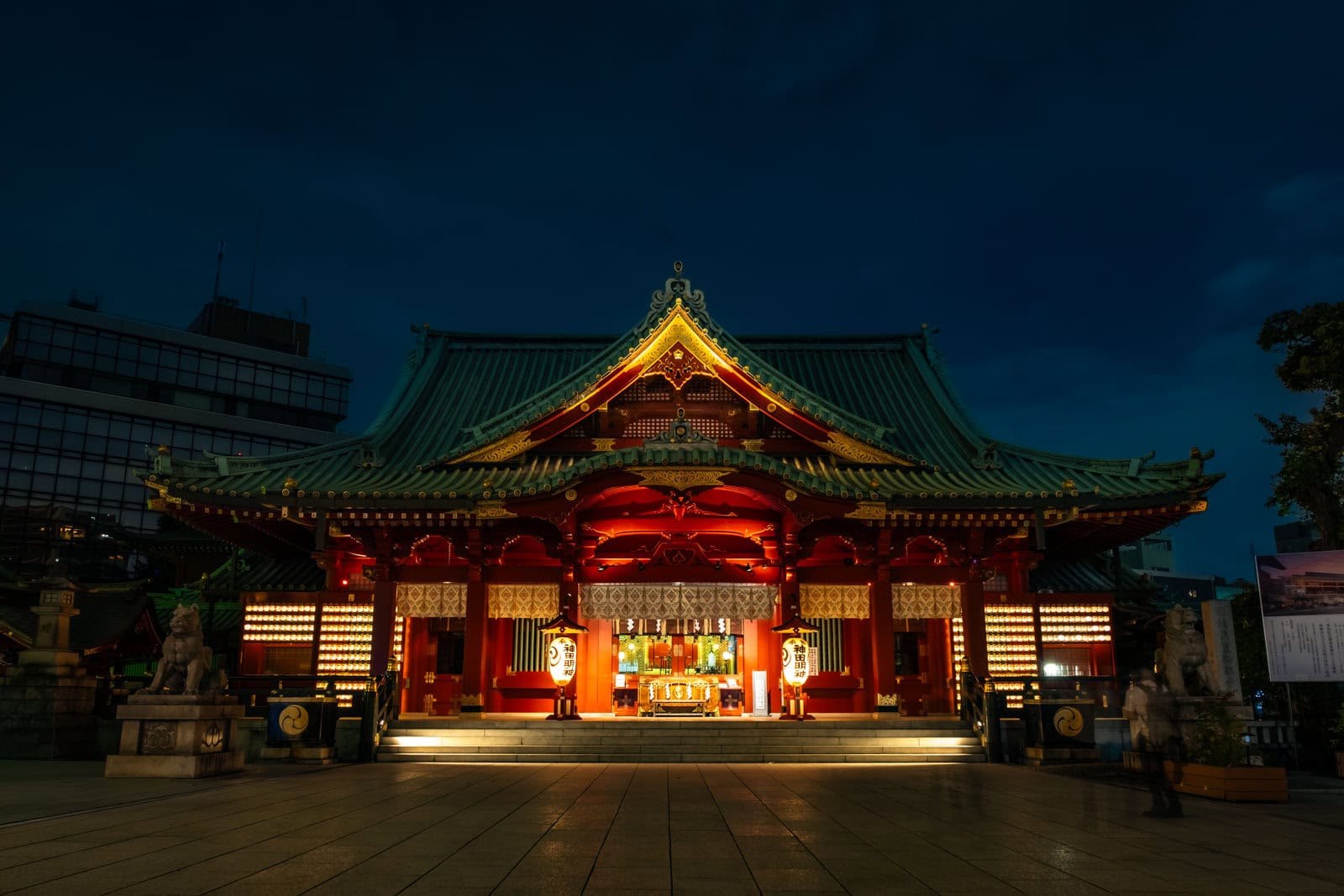
Temples (Buddhism) focus on the afterlife, ancestor reverence, and spiritual peace. Both are viewed simply as places to find harmony and good fortune. Some of the more famous ones you might like to see in Tokyo are:
- Gotokuji: Also home to the beckoning cats
- Sensoji: Tokyo’s oldest temple
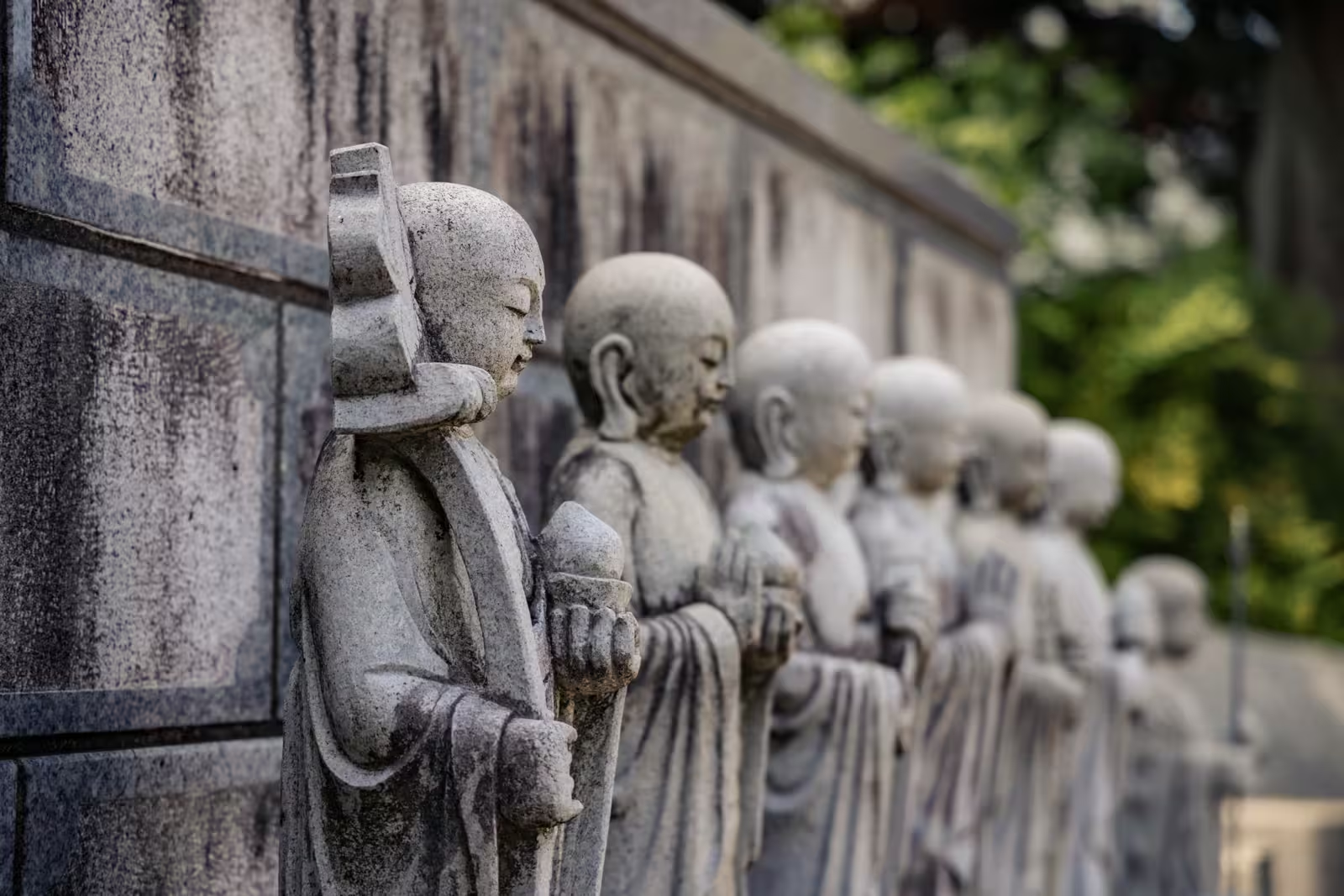
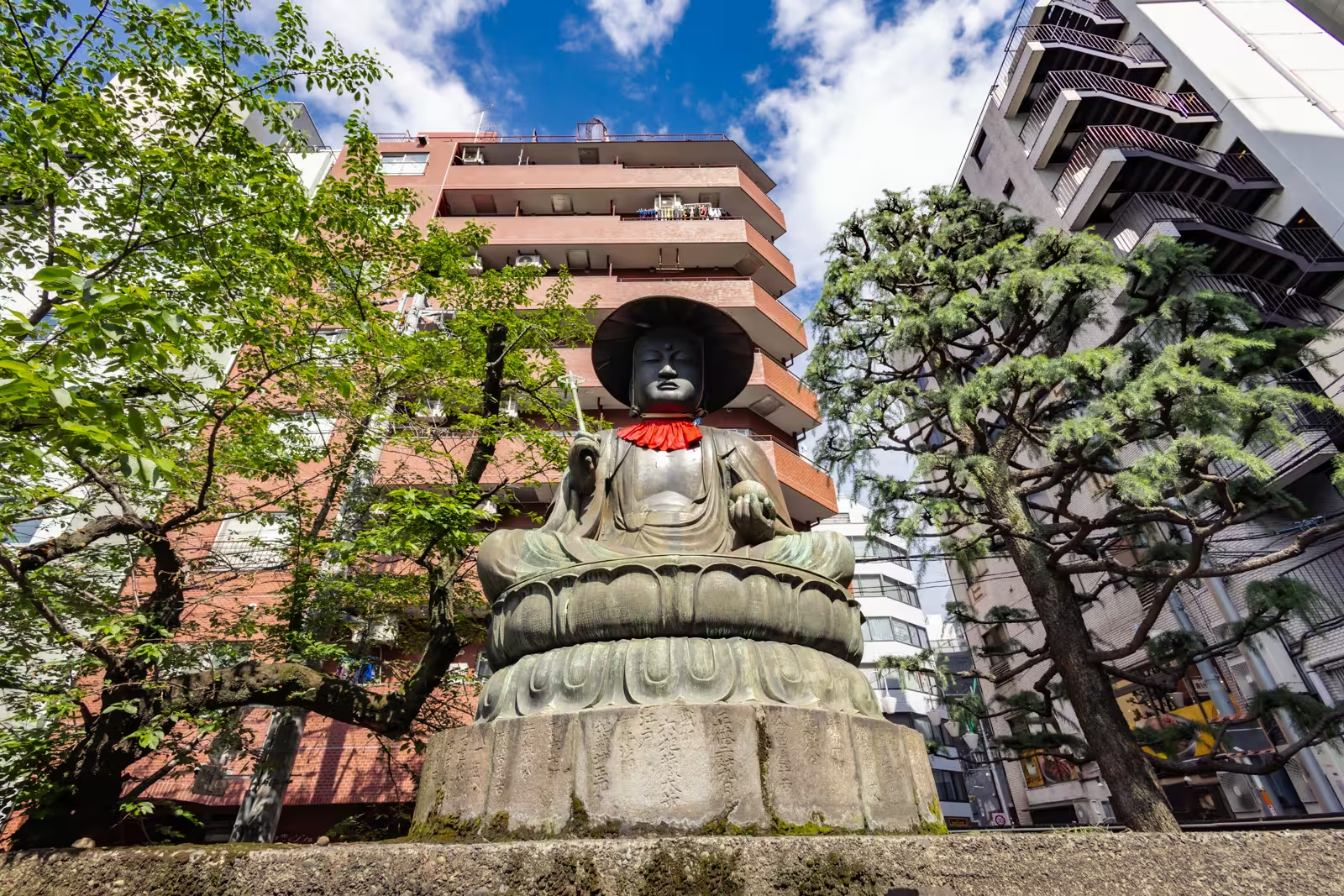
- Taisoji: Where you can find some of Tokyo’s giant jizo statues
- Zojoji: The resting place of Tokugawa Shoguns
My perspective after 35 years in Japan
Many Japanese people can’t explain the difference between temples and shrines. That surprised me when I first came to Japan. But from their perspective, it’s not something to worry about. They just go to the one that fits their needs. It’s as simple as that.