Kitanomaru Park
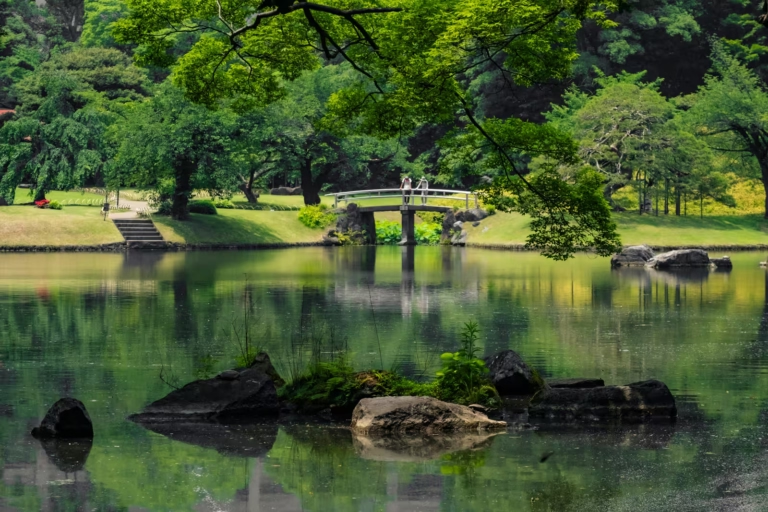
A summer visit to Kitanomaru Park taught me a valuable lesson every photographer in Tokyo should learn: timing is everything. While the lush greens of summer offer their own subtle beauty, the park explodes with photographic potential in spring and autumn.
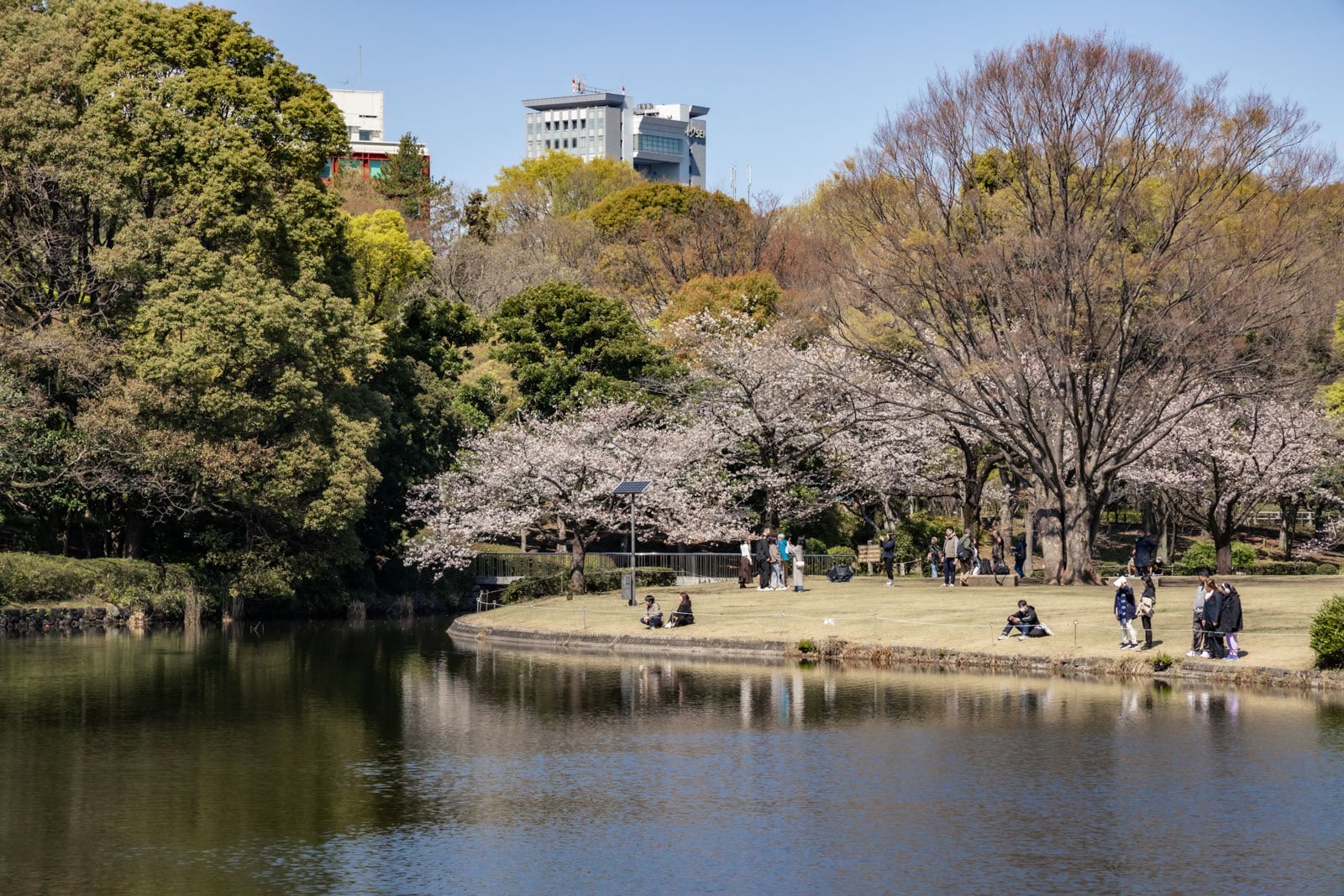
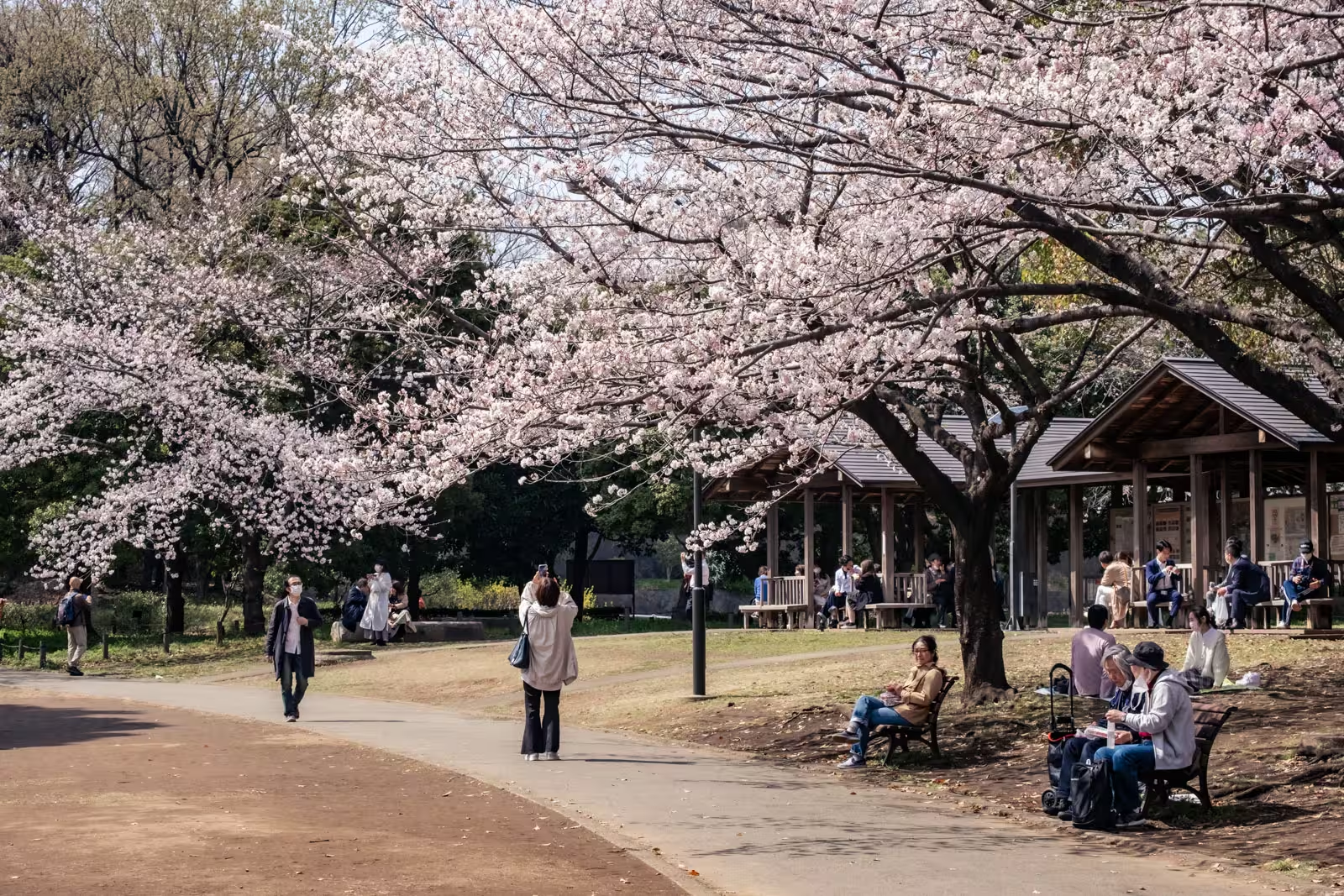
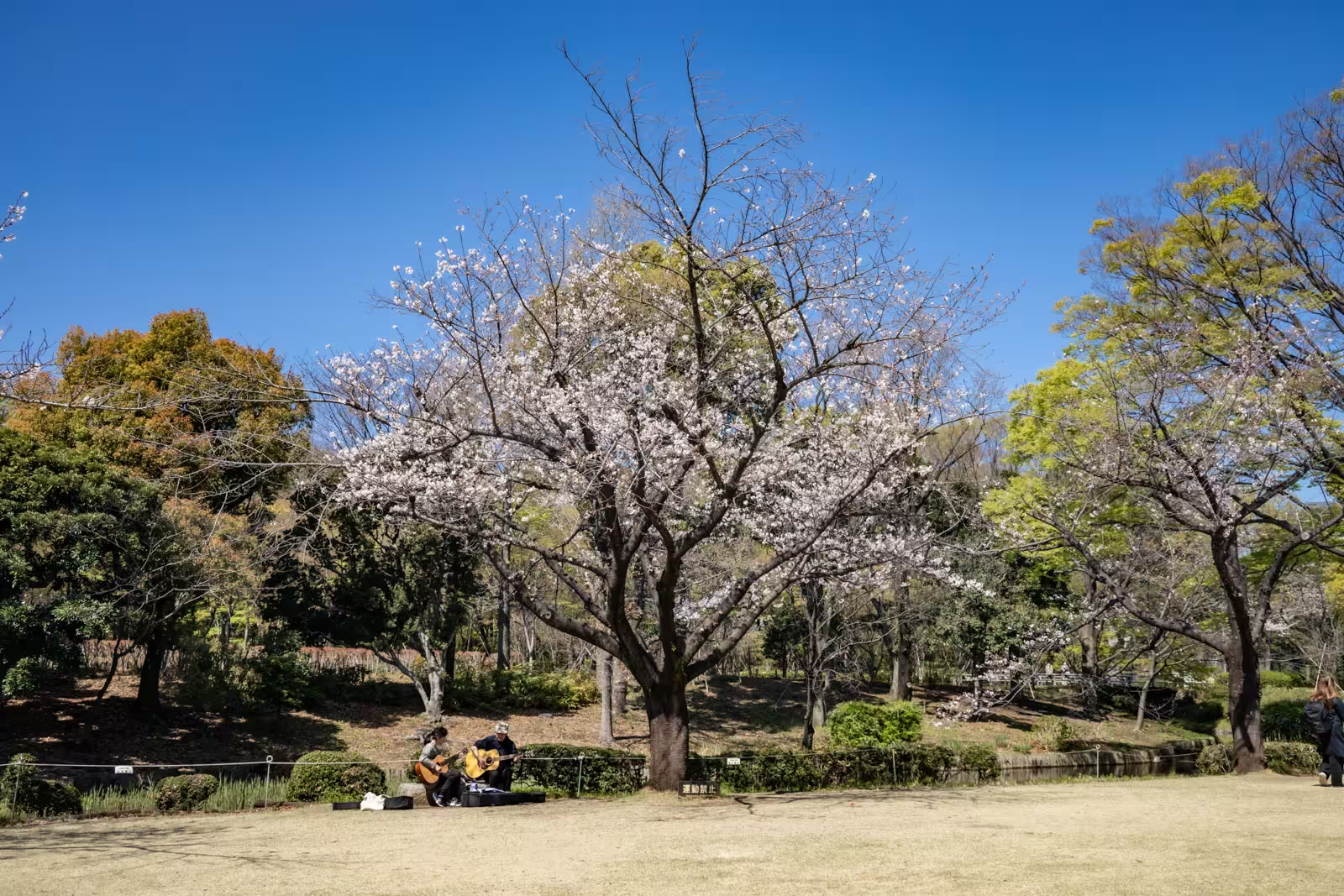
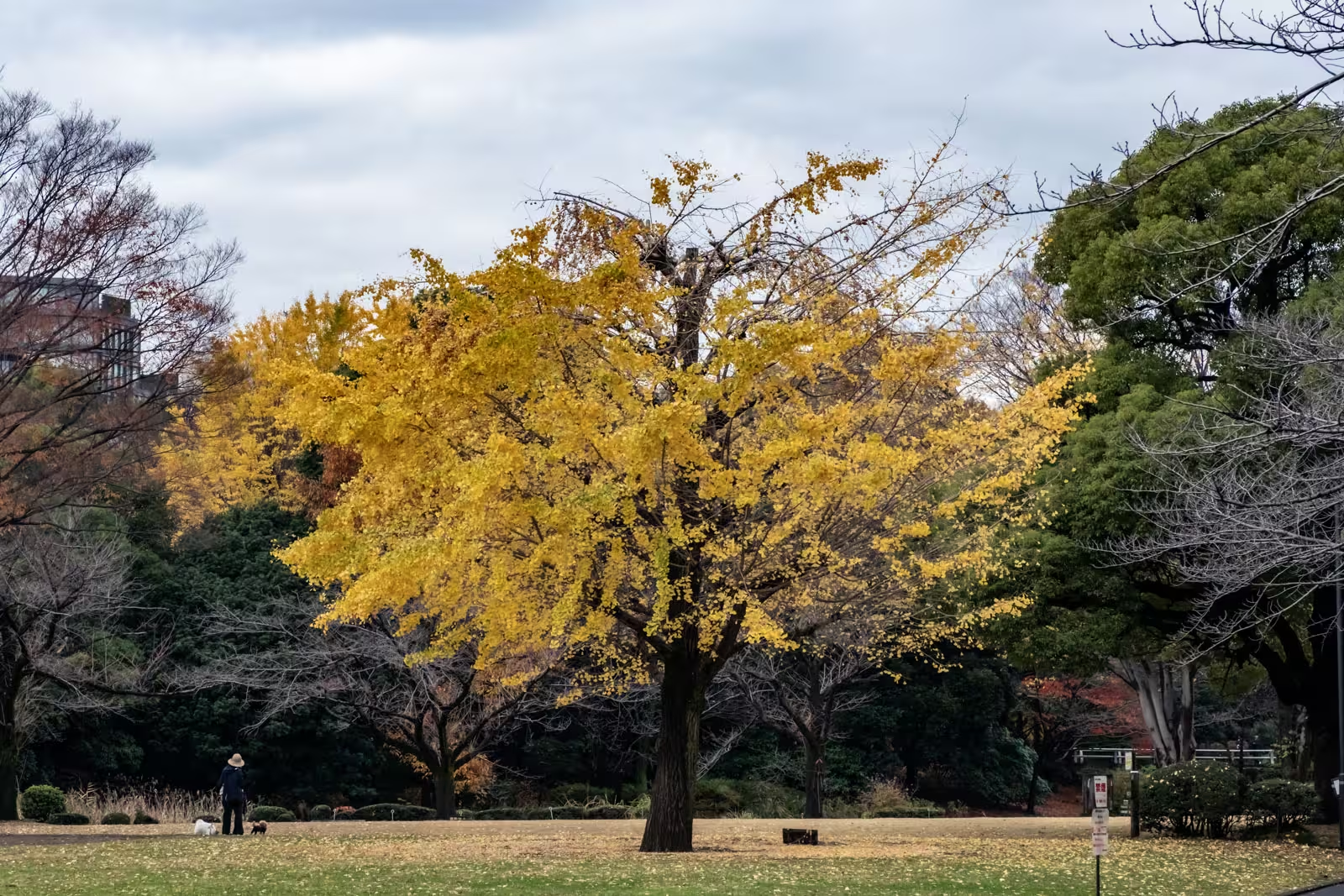
To experience the park at its best, go in autumn or spring. During those seasons, there are more flowers throughout the grounds. Chidorigafuchi Green Way, over the moat, is famous for its cherry blossoms in spring. Autumn is good too, when the tree leaves change color.
What to photograph at Kitanomaru Park
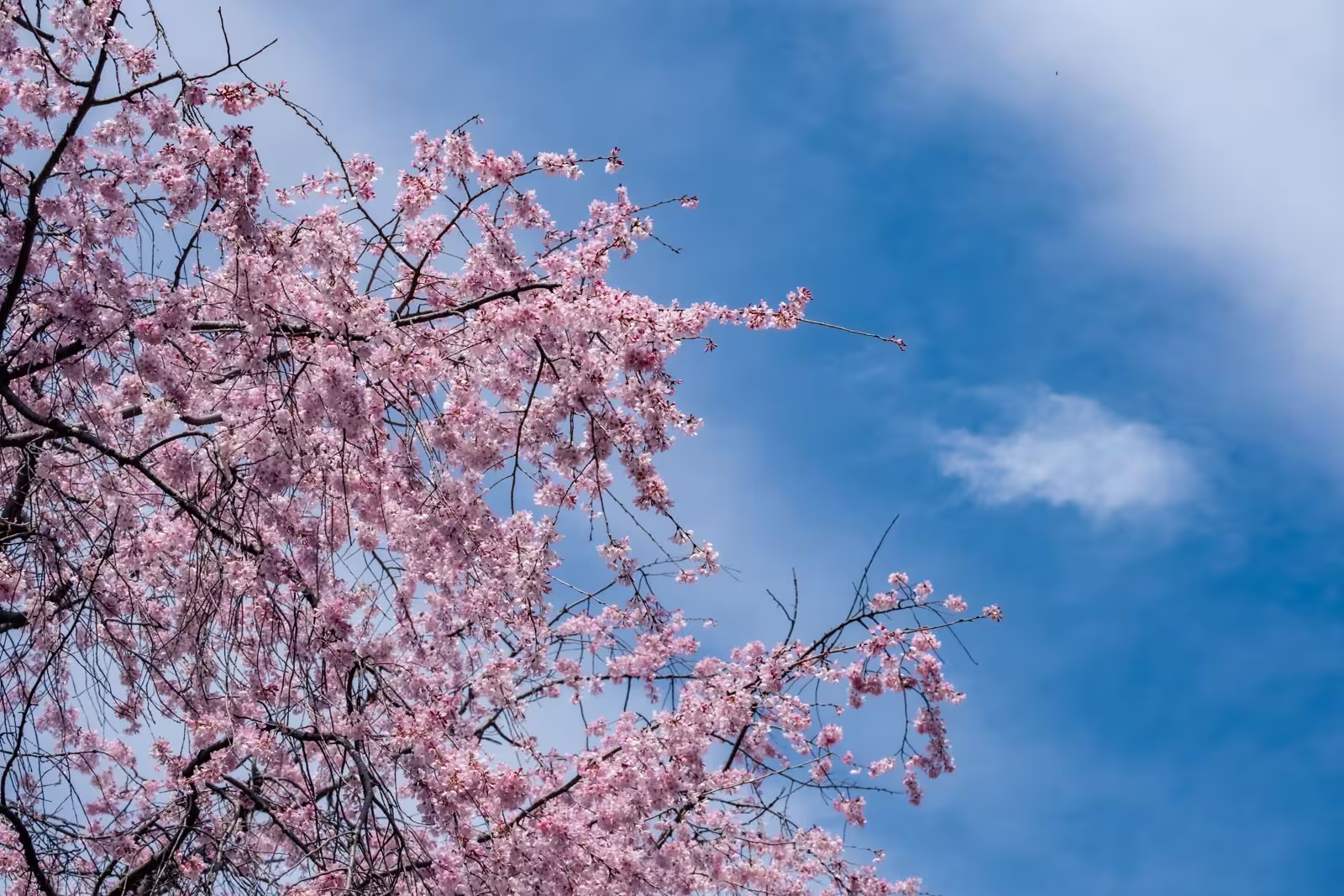
- Somei Yoshino, Yamazakura, and Oshimazakura cherry blossoms (in spring).
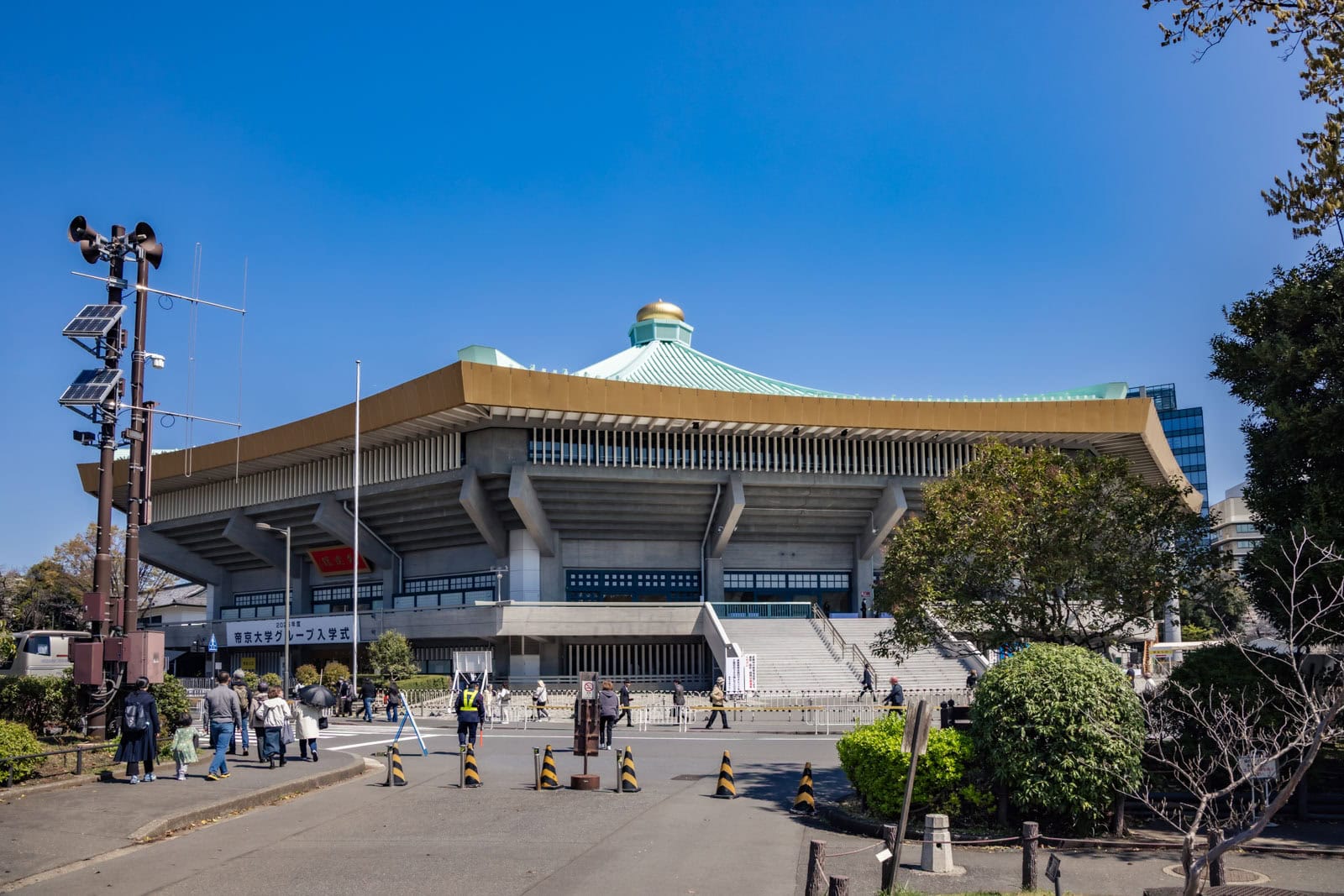
- The Nippon Budokan is famous for its octagonal roof. But most of the building is difficult to photograph as it is behind walls, trees, and passersby. A wide-angle lens can fit everything in the frame, but you’ll need to find a position that works for you.
- Park grounds (woods, waterfall, pond, etc.)
- Science Museum (unfortunately, not free)
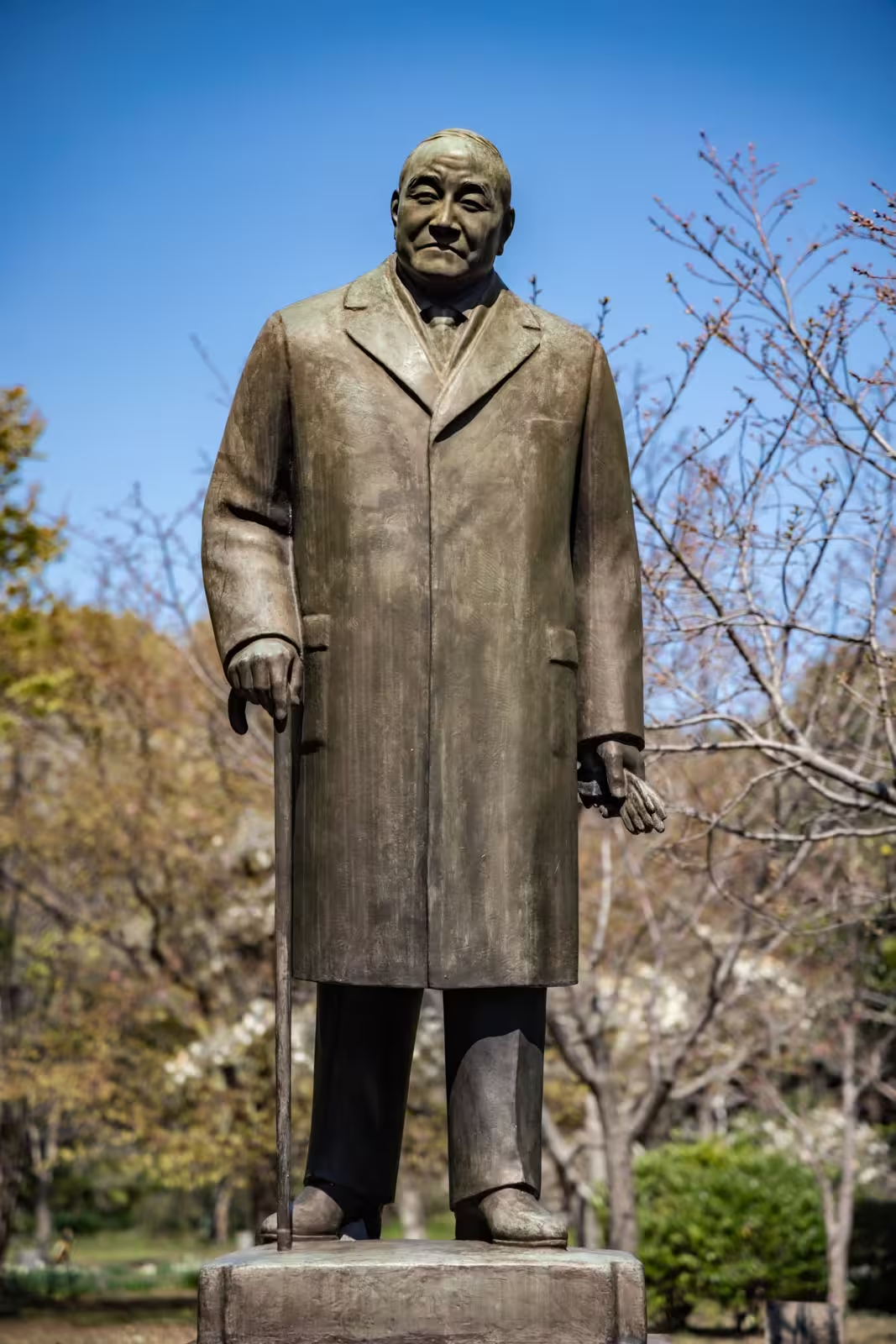
- Shigeru Yoshida (a Japanese Prime Minister) statue
- Practice outdoor model photography
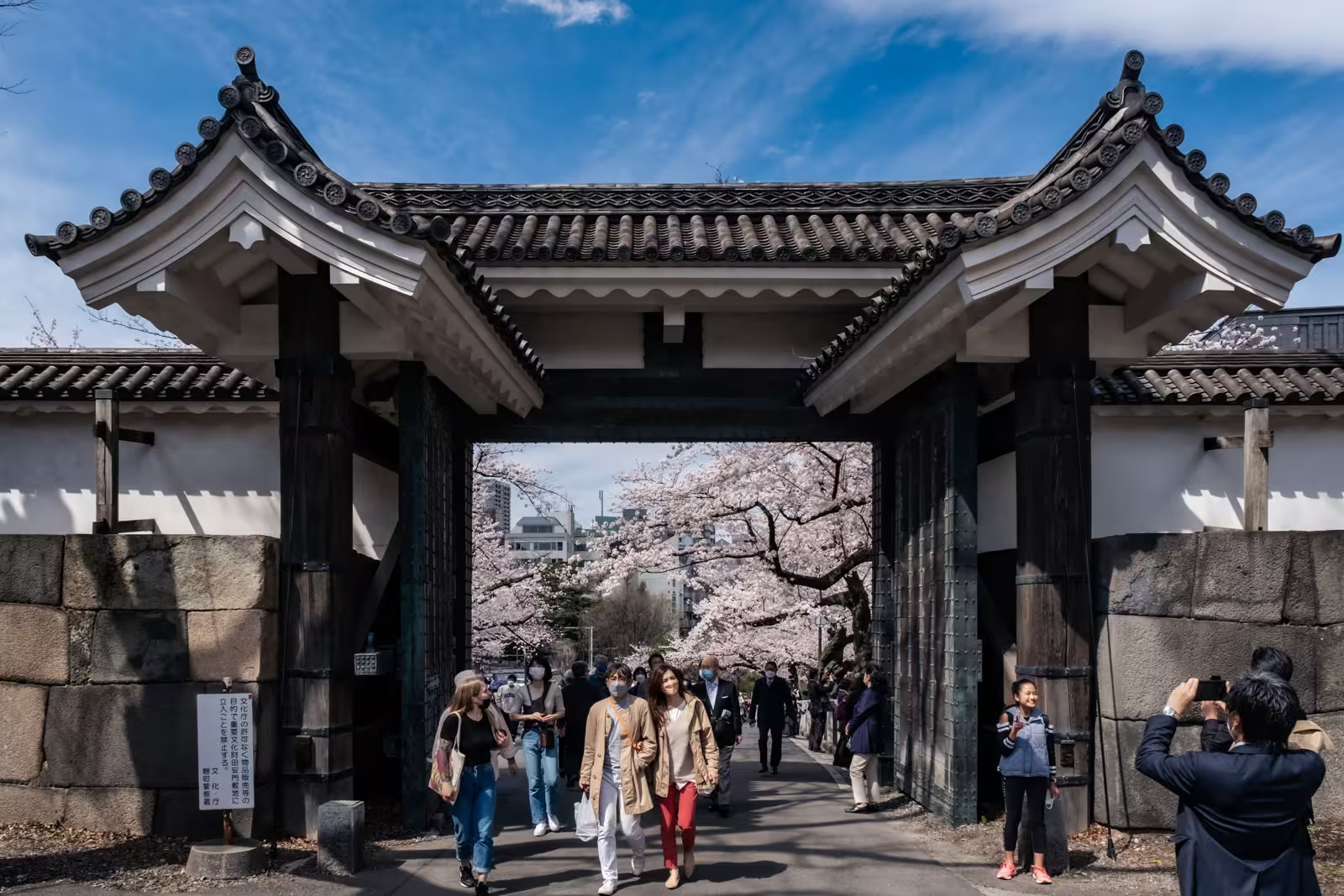
- The Edo-era Tayasu-mon and the Shimizu-mon Gates
Photography tips
- Leave the tripod at home, as they aren’t allowed in the park.
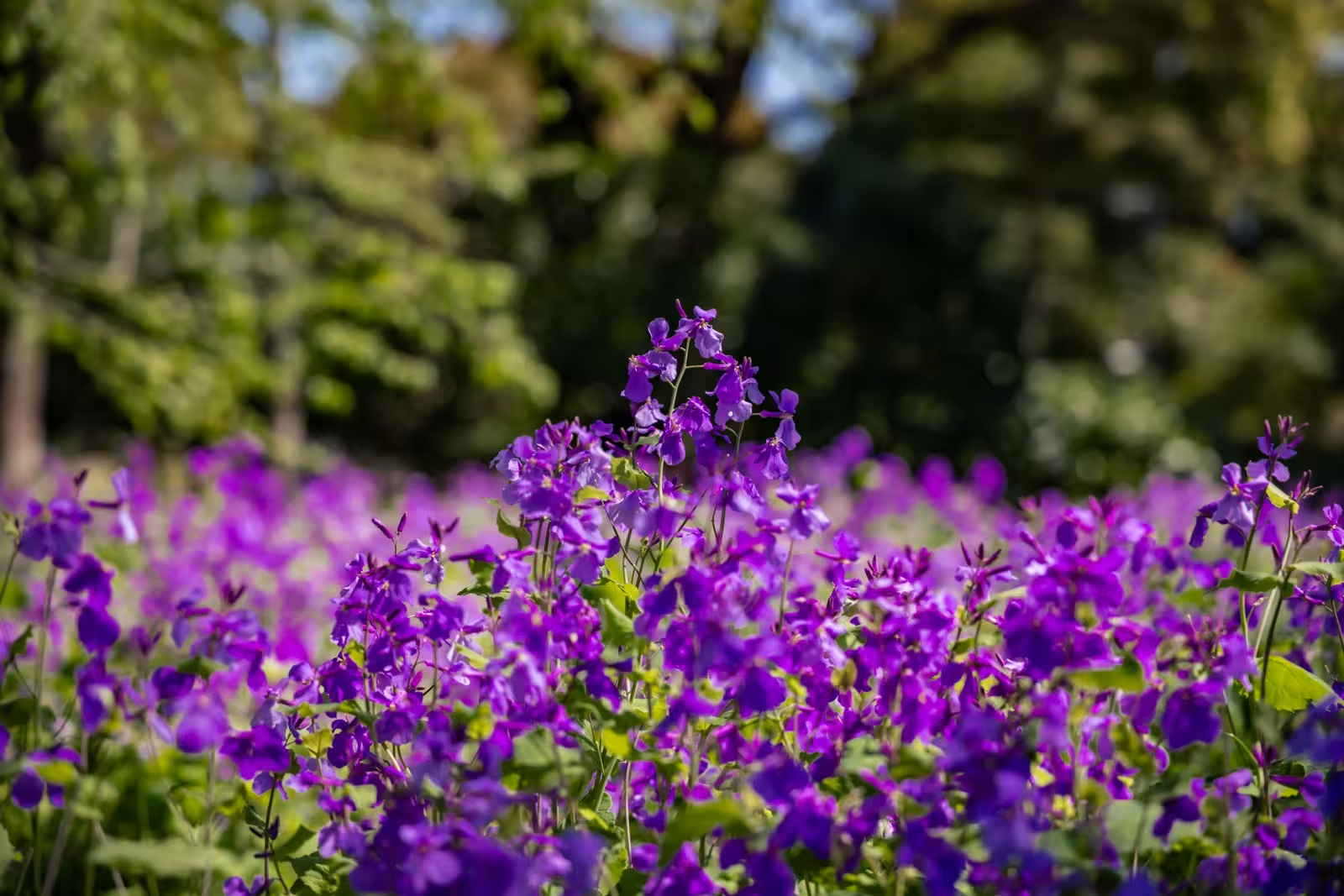
- Take a macro with a flash for the flowers.
- Use photographic techniques like leading, lines, and reflections for interesting photos.
- A wide angle will be great for the Budokan.
Seasonal photography
- Spring: The cherry blossoms brighten up the park. Head to the pond area for the best photos. Kitanomaru is in a commercial area, so many people head there after work to enjoy the flowers. Chidorigafuchi is near too, so avoiding crowds is difficult.
- Autumn: Head to “Momiji-yama” (Maple Mountain) for the best autumn foliage shots.
- Summer: Have fun with the pond and hydrangeas. Use a polarizing filter to reduce glare on leaves and water. You can also do high-contrast black and white photography of the old stone walls and gates.
- Winter: Capture the stark, sculptural shapes of bare trees against the winter sky. Or go for the architectural details of the gates without the distraction of foliage.
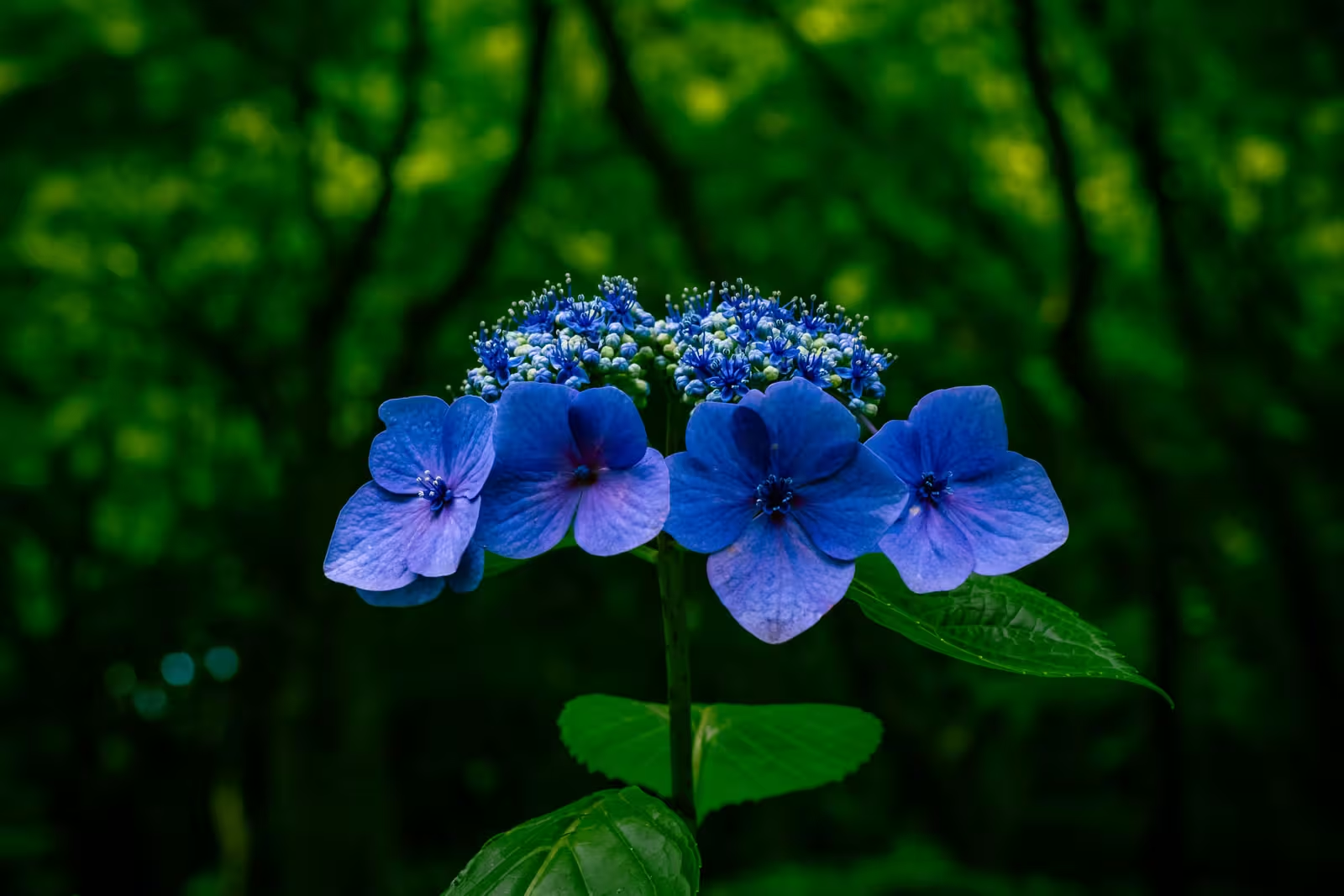
Photo spots near the park
- Chidorigafuchi Green Way (one of Tokyo’s most famous cherry blossom spots)
- Chidorigafuchi National Cemetery (for unidentified WW2 dead)
- East Gardens of the Imperial Palace
- Jinbocho (bookshop area)
- Yasukuni Shrine (where Japan’s war dead are enshrined)
Visitor information
- Address: 1-1 Kitanomarukoen, Chiyoda City, Tokyo
- Train access: Kudanshita on the Tokyo Metro Hanzomon and Tozai Lines. It is also on the Toei Shinjuku. Kitanomaru is over the road.
- Opening hours: The grounds are open 24 hours a day, but the Budokan only opens for special events.
- Admissions costs: None, but there are for concerts at the Budokan!
- To help plan your visit, consult the official Kitanomaru website.
- Here is the park Google Maps:
History of the park
The park was originally in the northeastern part of Edo Castle. And its name was Kitanomaru. Simple, isn’t it? Tokugawa family members used it as a medicinal garden and a residential compound. When Imperial power returned, it was a base for the Imperial Guard.
After World War II, most buildings were removed. Only the Meiji period headquarters (erected in 1910) remained. That became home to the Craft Gallery. In 1969, the park opened to the public to commemorate the Showa Emperor’s sixtieth birthday.
Is Kitanomaru Park worth visiting?
Kitanomaru Park doesn’t have the vast flower fields of Showa Memorial Park or the varied landscapes of Shinjuku Gyoen. But it offers a unique combination of history, tranquility, and nature in the very heart of Tokyo.
But for photographers looking to capture the essence of old Edo, from its moats and gates to its serene forest paths, it’s an excellent choice. It’s the perfect spot to visit if you’re already near the Imperial Palace, especially during the spring and autumn months. Don’t make my mistake and wait 29 years to discover it.