Kameido Tenjin is a historic Shinto shrine in Tokyo famous for its purple wisteria and red drum bridges. Immortalized in Hiroshige’s ukiyo-e prints, it offers photographers a unique blend of Edo period architecture and modern views of the Tokyo Skytree. It is a premier location for spring floral photography.
As an Amazon Associate I earn from qualifying purchases. See my full disclosure here.
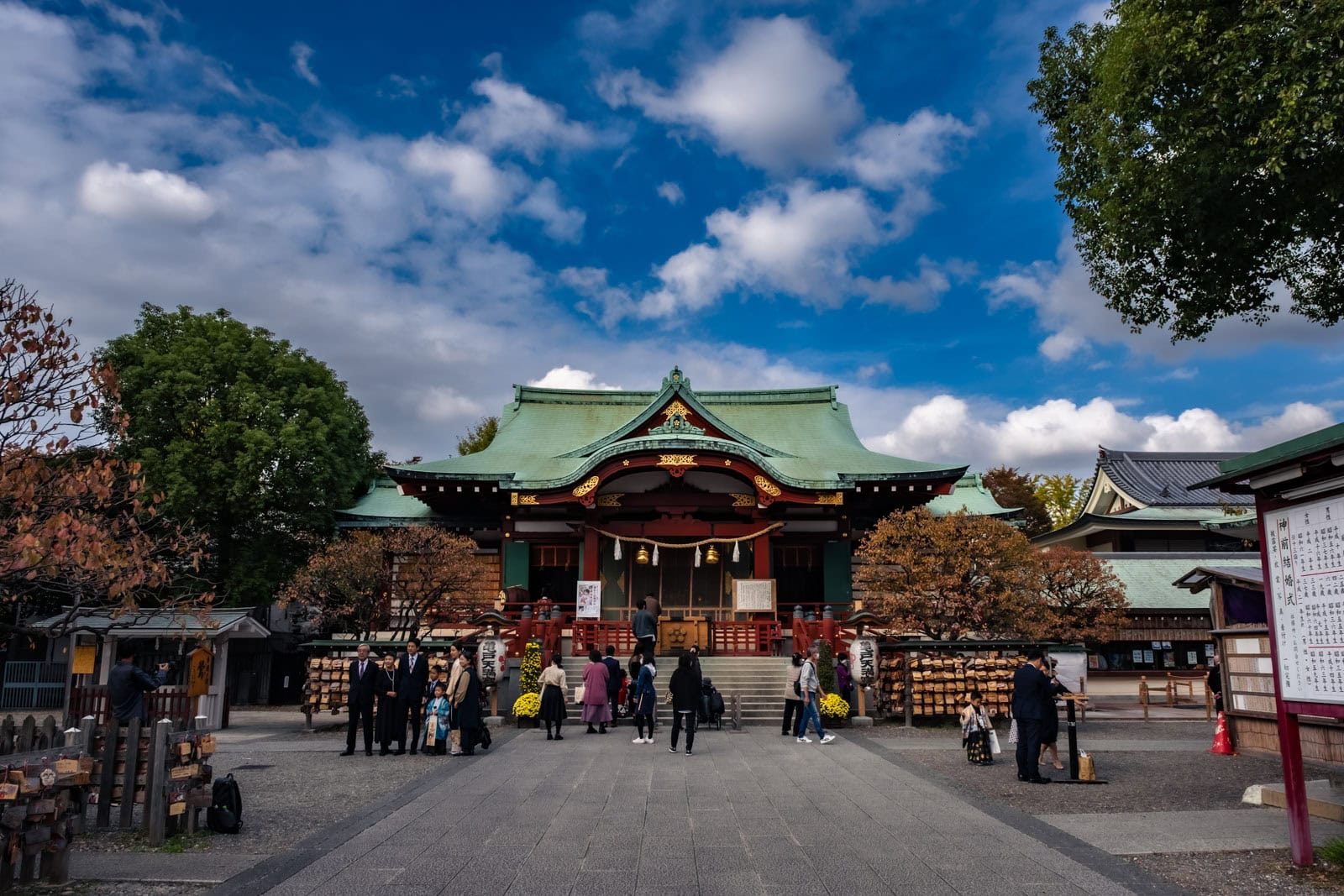
Step back in time and into a masterpiece! Kameido Tenjin, immortalized in Hiroshige Ando’s ukiyo-e “One Hundred Famous Views of Edo,” is a classic Tokyo landmark. It blends history, art, and nature. Cascading wisteria, drum bridges, and magnificent views are all in the same frame. A kaleidoscope of beauty and culture awaits you. Are you ready to discover the shrine that inspired a legend? Let’s dive in!
At first glance, Kameido Tenjin is a typical Shinto shrine with a giant torii at the main entrance. That’s where the similarities end. Inside is different. This place is about flowers. Each season has its own. Tokyo Skytree overlooks it all! This place has some unique aspects.
Iconic drum bridges and Skytree views
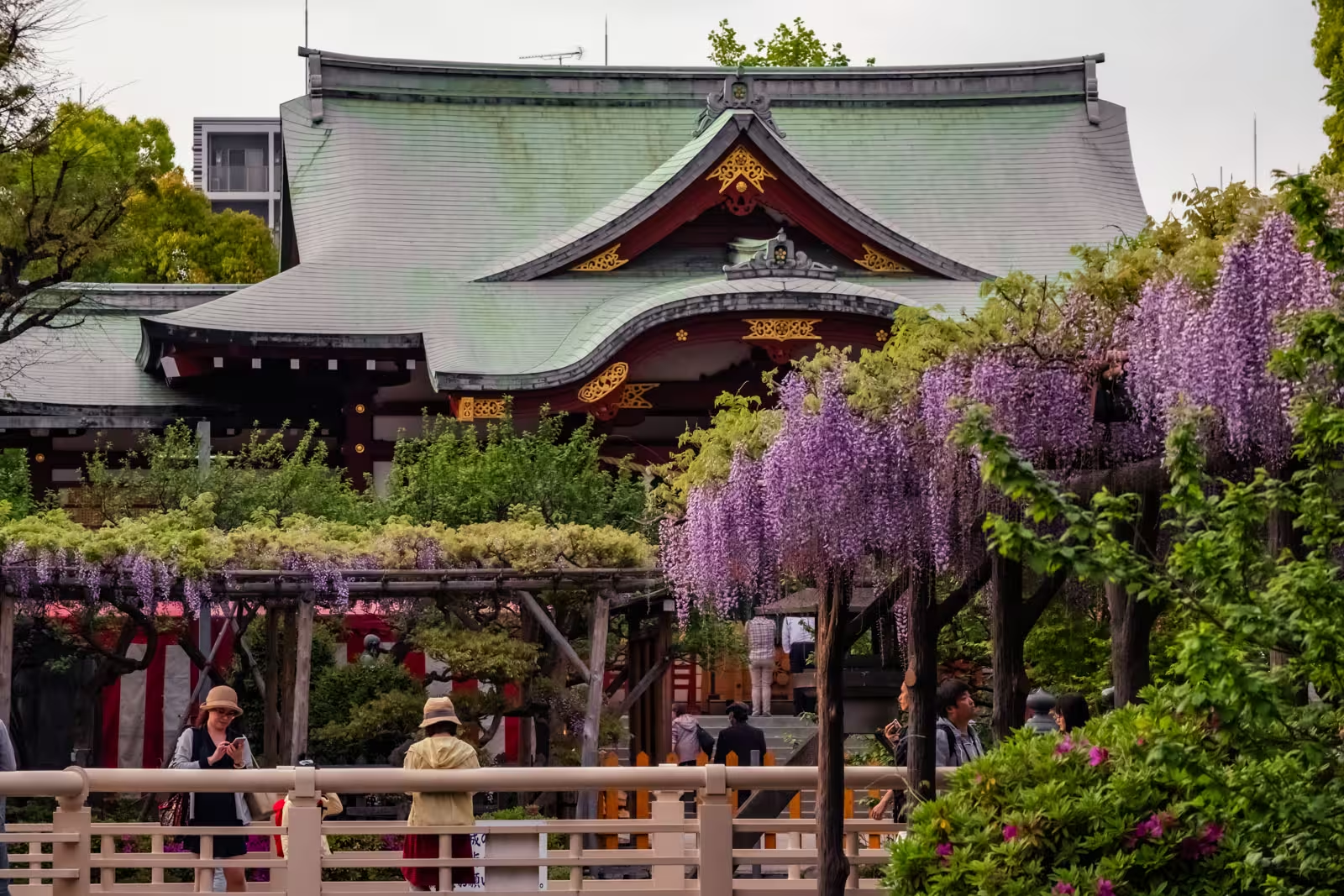
Once past the torii, a path will take you to the shrine. It passes over some pools. Two of Hiroshige’s big red drum bridges get you over them. Those are surrounded by trellises from which the wisteria hangs. This is the scene in Ando’s famous painting! It’s easily recognizable.
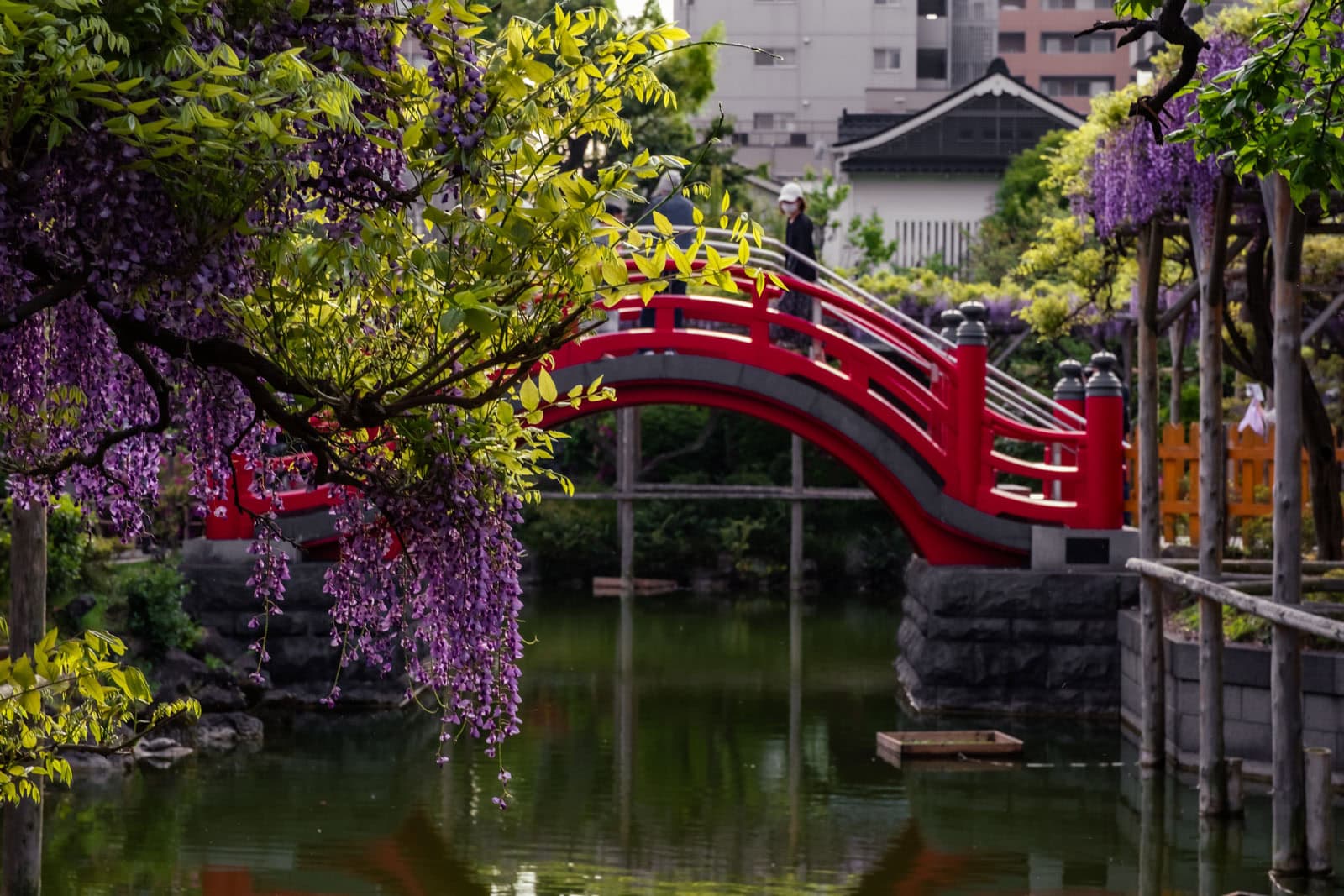
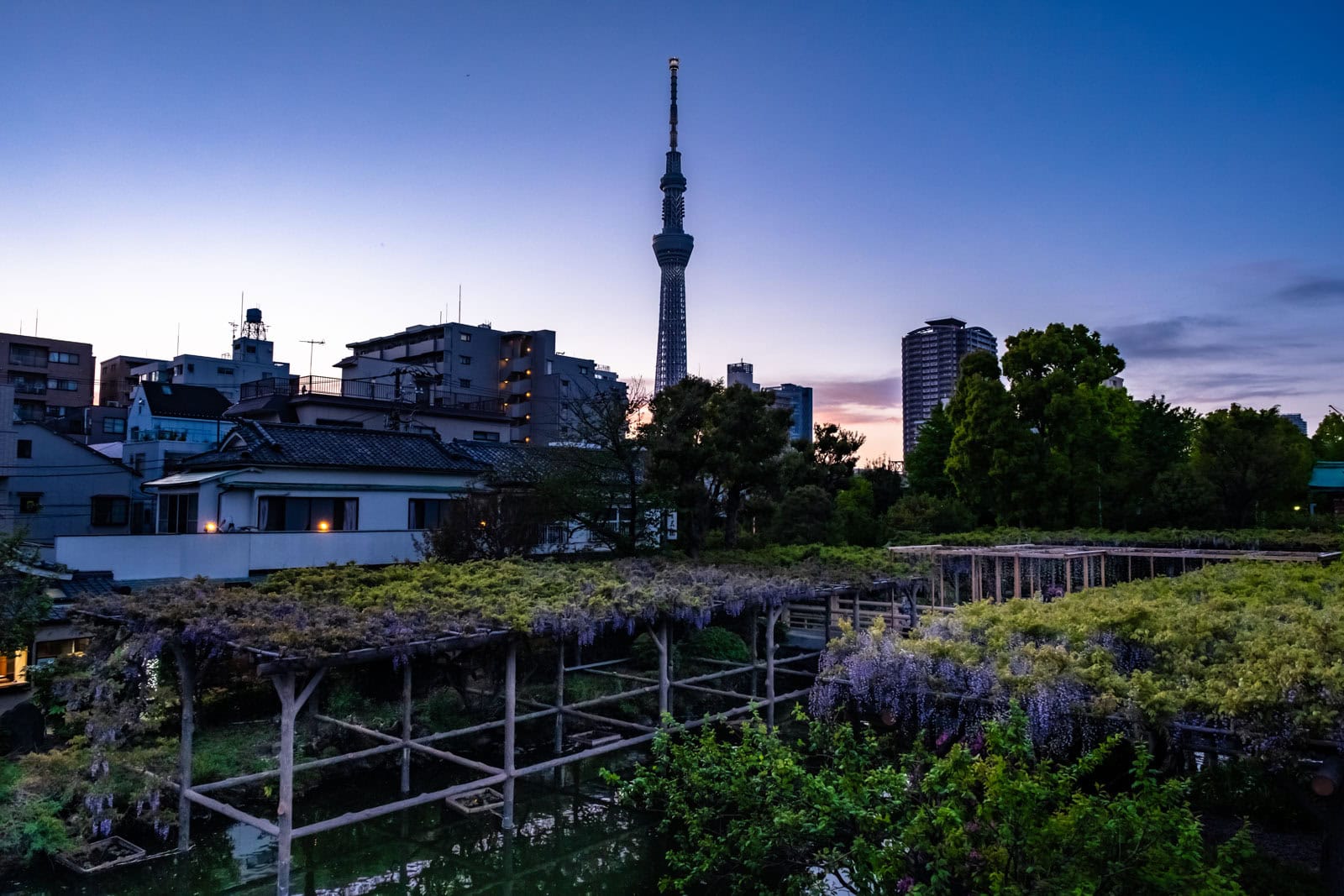
Those bridges make fantastic viewing platforms. They aren’t the original wood ones, though. The air raids of World War Two destroyed those. These are concrete. Be careful using them during festivals as many people gather on them, and the steps are rather steep. Accidents might happen up there one day, but the view of the flowers, the shrine, and Tokyo Skytree is good.
Great flower photography in Tokyo
Kameido Tenjin is the best place to see wisteria in the metropolitan area. When they bloom, it is a beautiful scene. I understand why Ando decided to paint it.
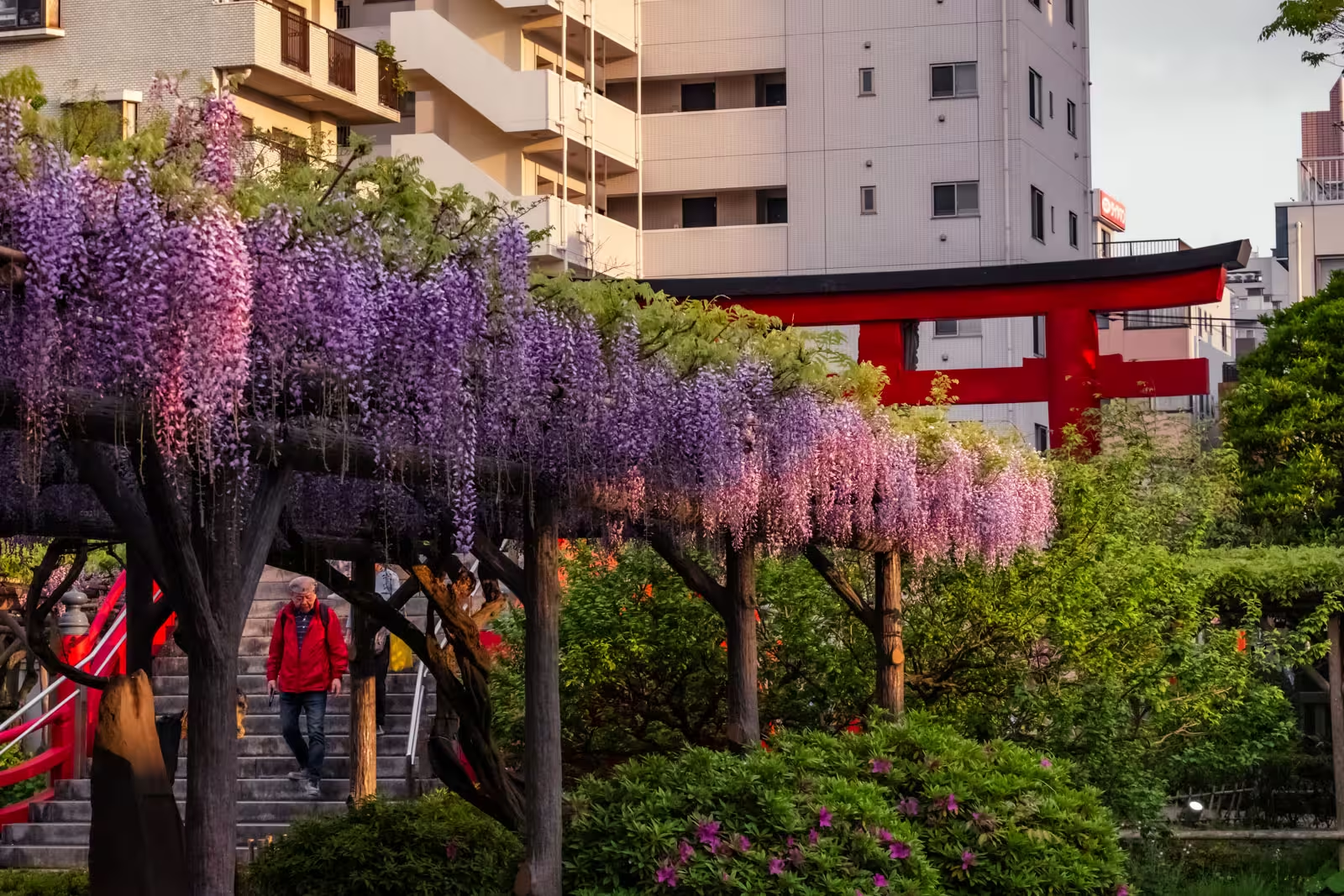
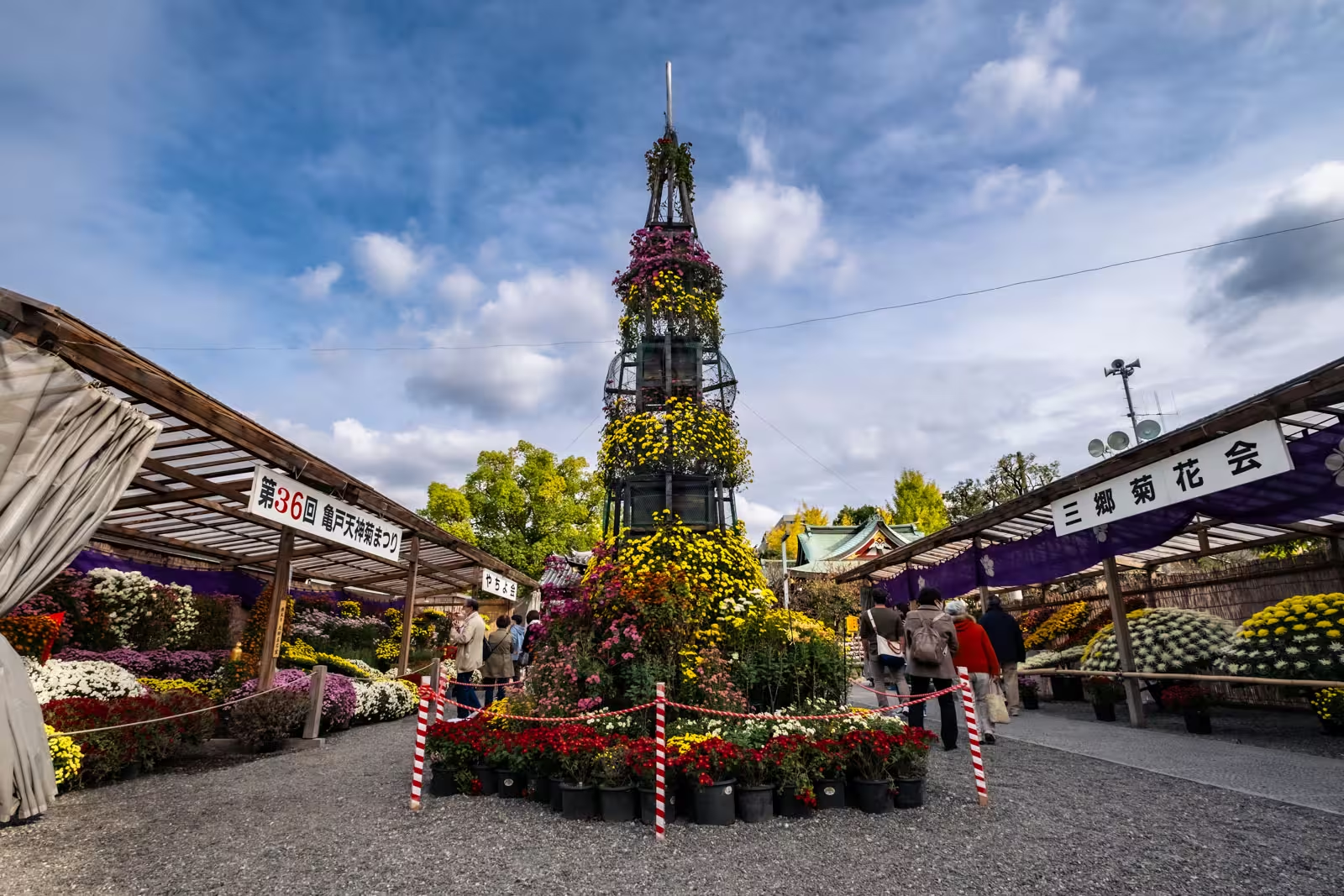
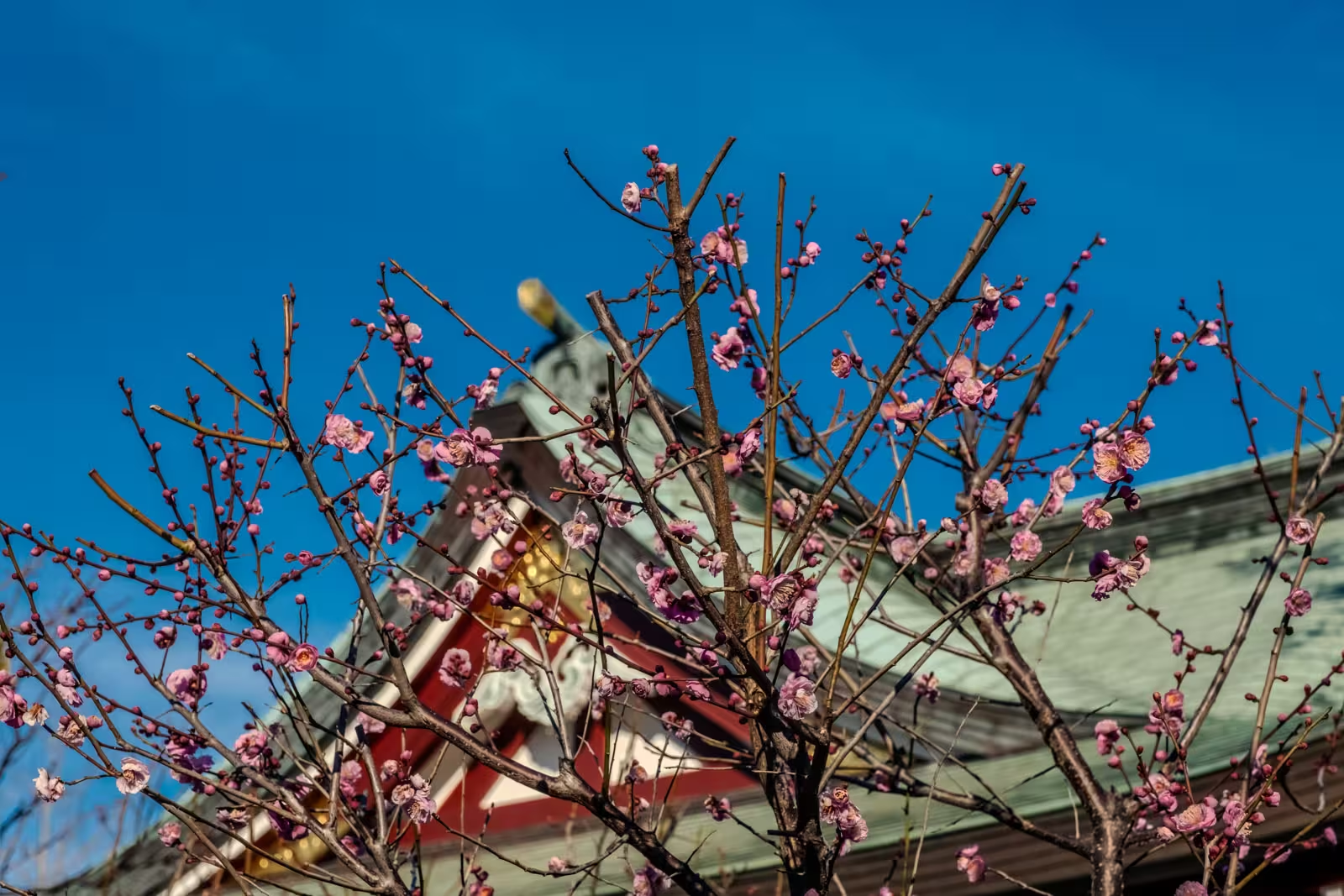
The shrine isn’t only about wisteria. Three hundred plum blossoms are there, as is a chrysanthemum festival. And yes, like other shrines in Tokyo, there are smaller halls, statues, and monuments on the grounds. Plus, there are turtles and carp to see in the ponds, with the occasional pelican dropping by!
If you like ema, wooden tablets you write your dreams on, Kameido Tenjin has something special. The ones on sale have a special wisteria theme! They look lovely with the purple flowers.
The legend of the god of scholarship
The shrine was named after Sugawara no Michizane. Michizane was a 9th-century scholar, poet, and politician. He was also an official in the Emperor’s court. While he was influential, he suffered from an up-and-down career. It ended with him being exiled and dying in the provinces.
After his death, there was a plague and a drought. The sons of the Emperor also died, and lightning hit the palace. That was followed by weeks of rainstorms and floods. Yes, you guessed it, it was all attributed to Michizane’s angry spirit. Poor guy.
The Imperial court decided to build some shrines to appease him. One was Kameido Tenjin (another was Yushima Tenjin). The court even restored his titles and office. It also deleted his time in exile from the records.
In later years, the court deified him as Tenjin-Sama (the god/kami of scholarship), hence the shrine’s name. So, in one sense, it worked out well for Michizane. He got some respect at last.
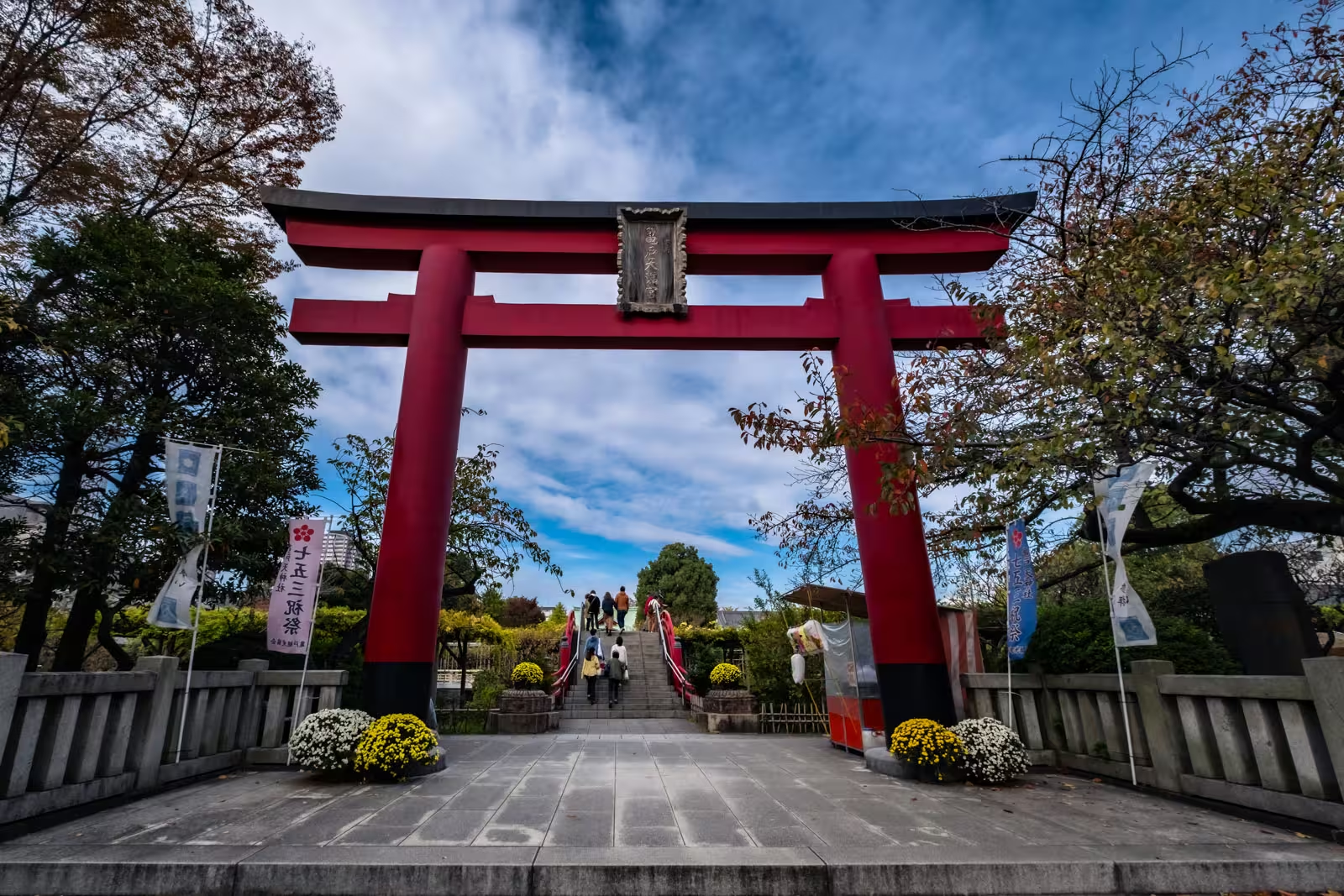
Shrine photography highlights
- Shrine architecture
- Chrysanthemums
- Carp, turtle, and birds
- Plum blossoms
- Wisteria
- Tokyo Skytree
Events at Kameido Tenjin
Wisteria Festival
The wisteria are from the Edo period. They are now a major tourist attraction and draw visitors from mid-April to early May. For the festival, the grounds light up after sundown till 10 p.m. It is worth checking out. Make sure to take your camera. But be prepared to struggle through the crowds. Here are photo galleries of my previous visits to the event:
Chrysanthemum Festival
This flower festival is less well-known. Held in November, it occupies a small part of the grounds. The chrysanthemums are high-quality, but there aren’t as many as in other Tokyo locations. Here are photo galleries of my previous visits to the event:
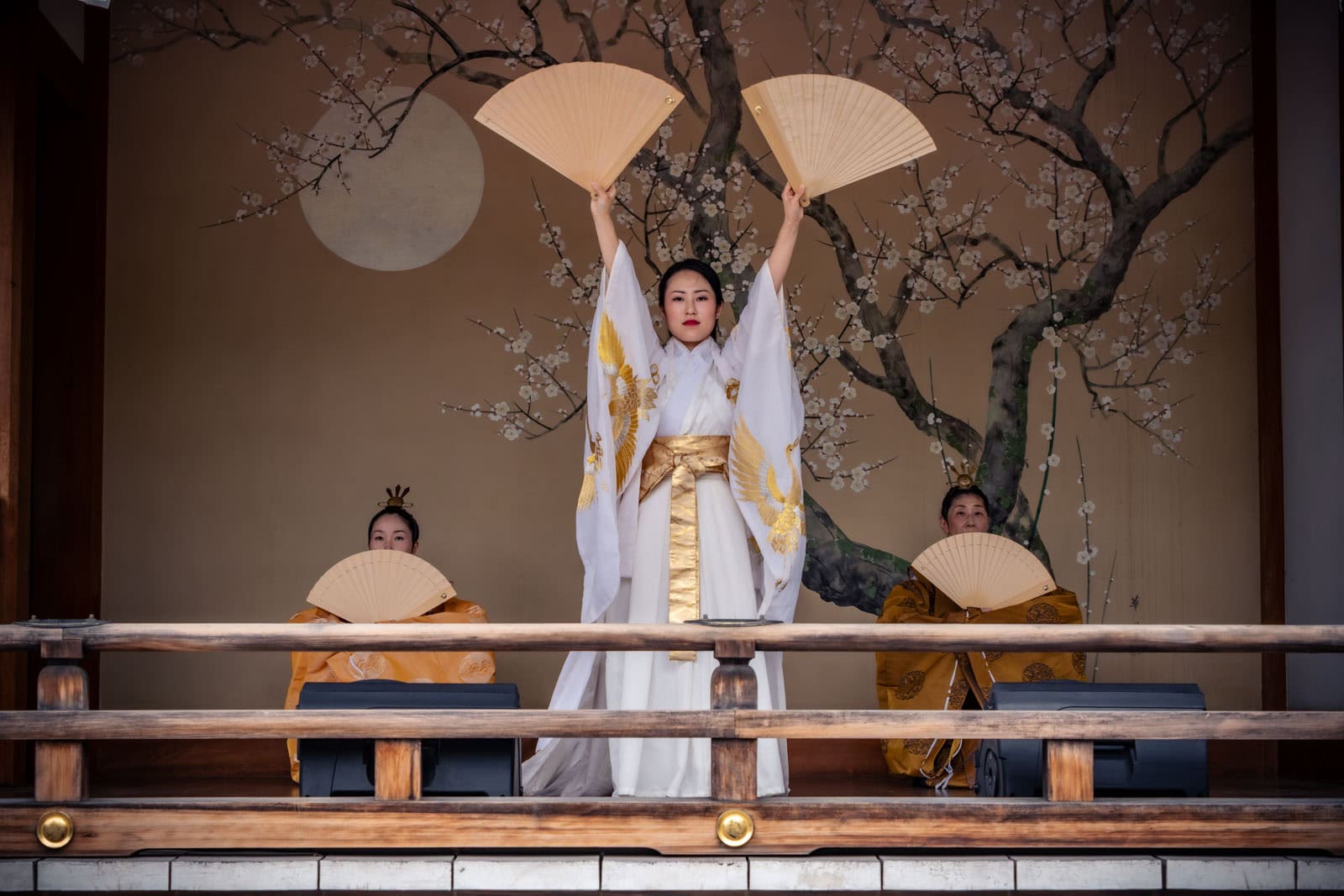
Shrine Maidens (Miko)
Shrine maidens perform at the shrine during the Wisteria Festival. I saw them during the 2024 event. See them in [A Kagura Dance of Shrine Maidens at Kameido Tenjin].
Photography tips
- No tripods allowed.
- During festivals, it is very crowded.
- Be careful on the drum bridges as the stairs are steep.
Visitor information
- Address: 3-6-1 Kameido, Koto City, Tokyo
- Closest train/subway stations:
- Kameido: Chuo-Sobu Line
- Kinshicho:
- Chuo-Sobu Line
- Sobu Line (Rapid)
- Hanzomon Metro Line
- Opening hours: 6 a.m. to 5 p.m.
- For more information, consult the official Kameido Tenjin website.
- Here is the shrine on Google Maps:
Nearby photospots
Unfortunately, there isn’t a lot in the immediate area. Once you finish, you’ll need to go back to the station. Or you could walk to:
- Tokyo Skytree
- Jikken Bridge (for photos of Tokyo Skytree)
- Sarue-Onishi Park
Is Kameido Tenjin worth it?
Kameido Tenjin is one of Tokyo’s most famous shrines. We can thank Hiroshige’s “One Hundred Famous Views of Tokyo” for that. The painting gave it a huge boost.
These days, Kameido Tenjin is one of the city’s best-known shrines for flower festivals. In my opinion, the plum blossoms and chrysanthemums are a minor attraction there. But, it is safe to say that most people will go there for the wisteria. It is popular.
So, the flowers have made it a great Tokyo photo spot. Just remember, you can’t use tripods. And be careful with your camera around the pools!
During the festival, you’ll find stalls offering lots of food. There will be okonomiyaki, yakisoba, yakitori, and taiyaki, to name a few. Those things can make great subjects for photos, too. Kameido Tenjin is a lot of fun.
Do you know what my favorite book about Tokyo is?