Jindai Botanical Gardens
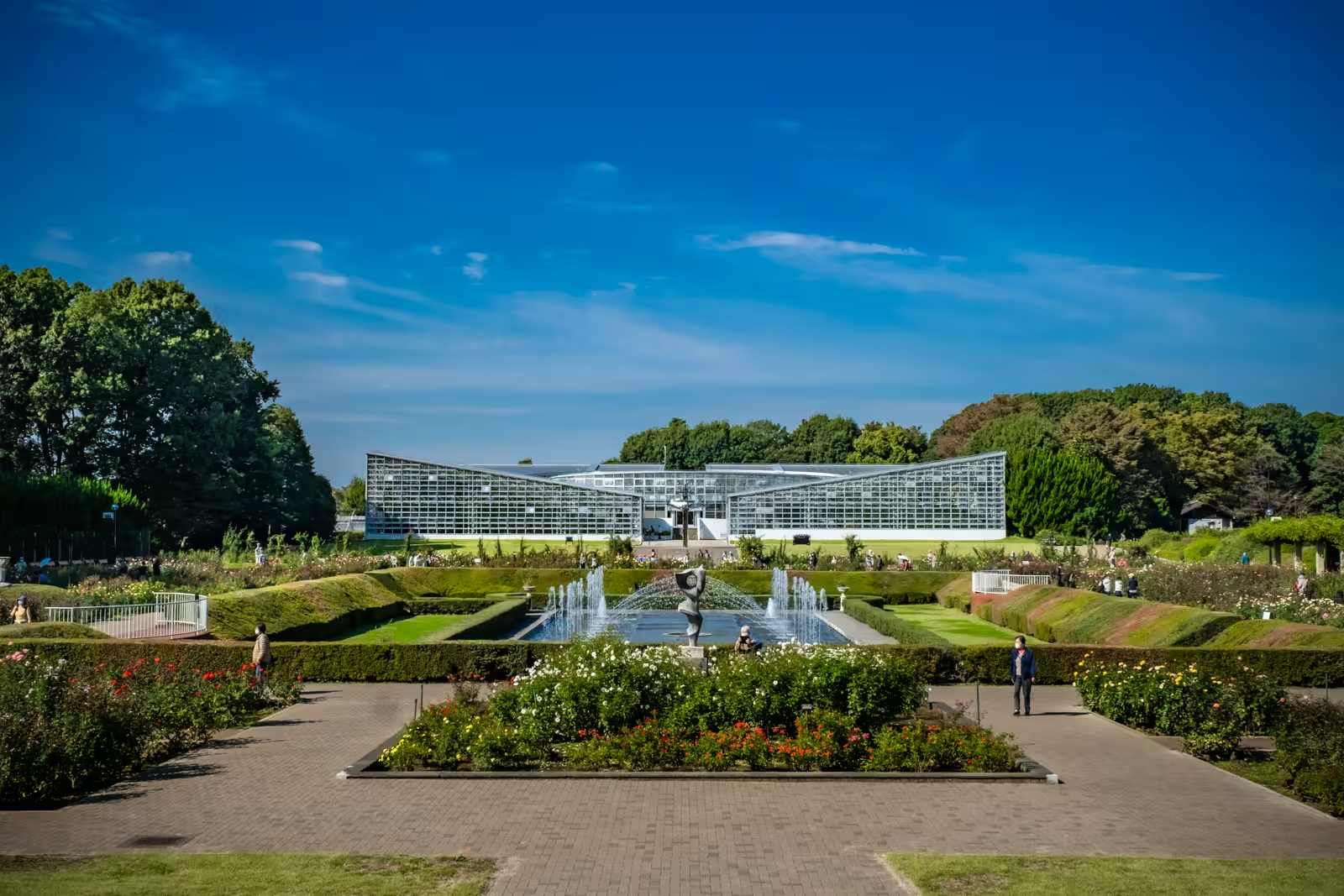
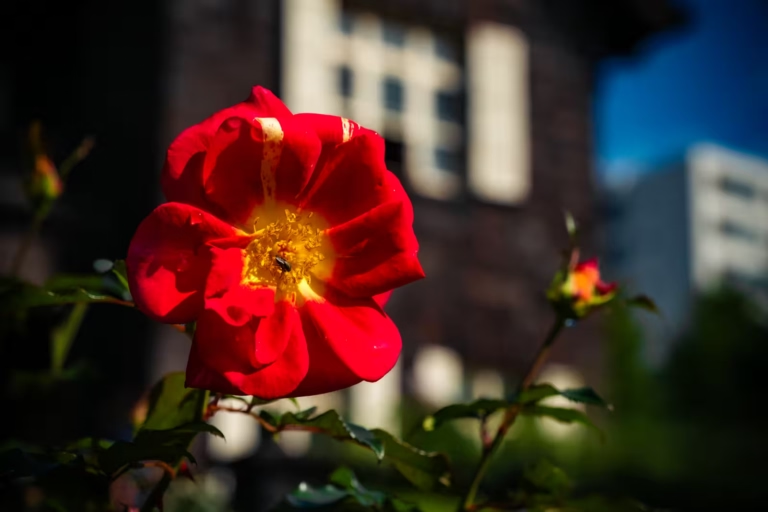
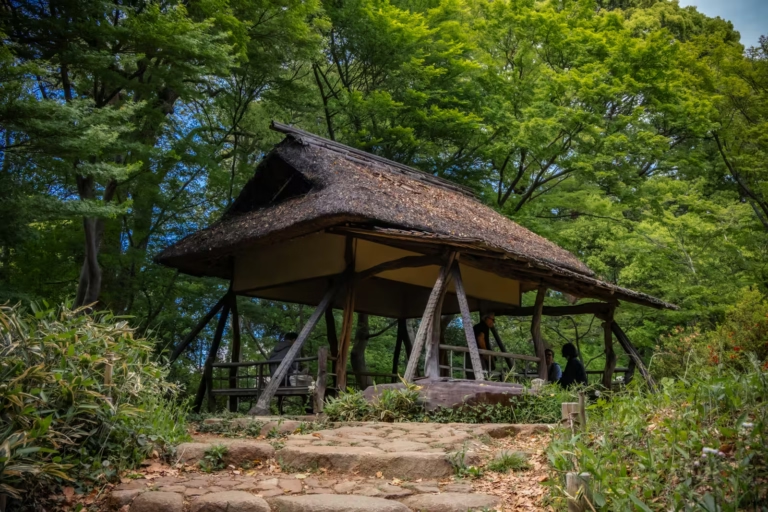
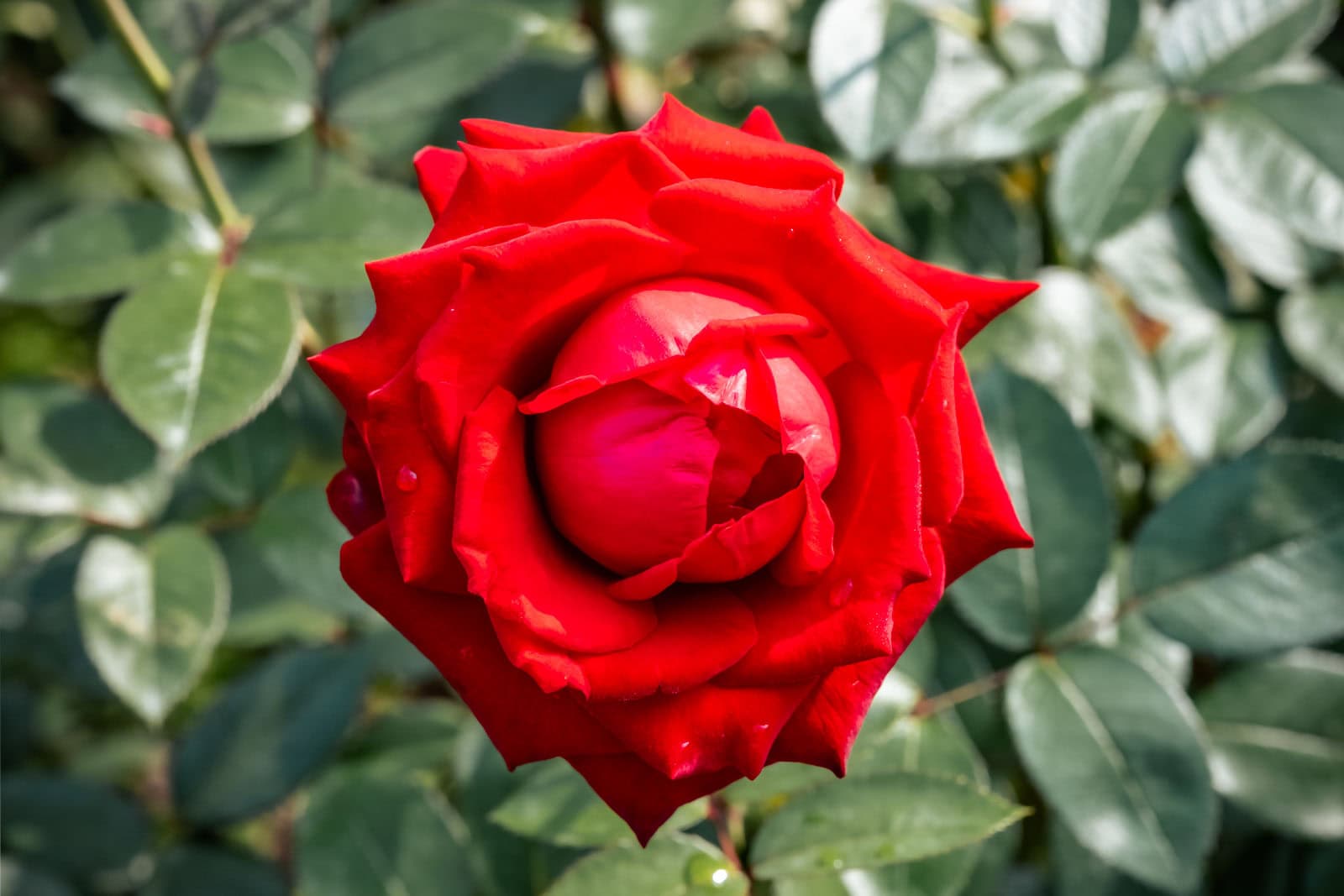
Jindai Botanical Gardens is known for its roses. The 5200 bushes are among the best in Tokyo. Other flowers are there too, but they take a back seat. Ignore them at your peril. Every season has something special. This park is a flower photographer’s paradise.
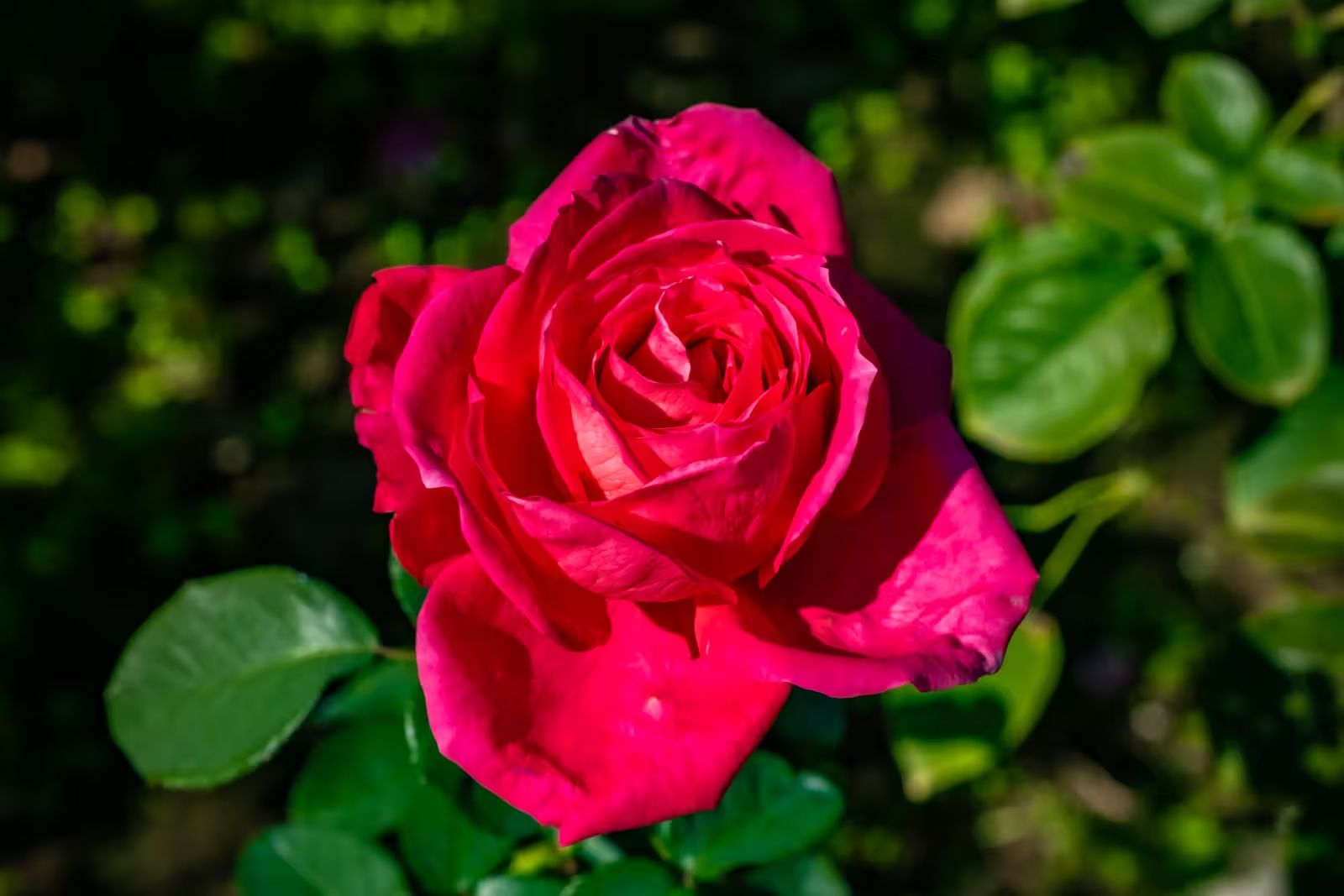
Showa Memorial Park and Shinjuku Gyoen might be much larger. But, at 489,731 square meters, Jindai is no slouch. It would take a long time to walk its perimeter. Anyway, people go for its roses, which include English and other international ones. Spring and autumn are looked forward to here!
The rose garden & greenhouse
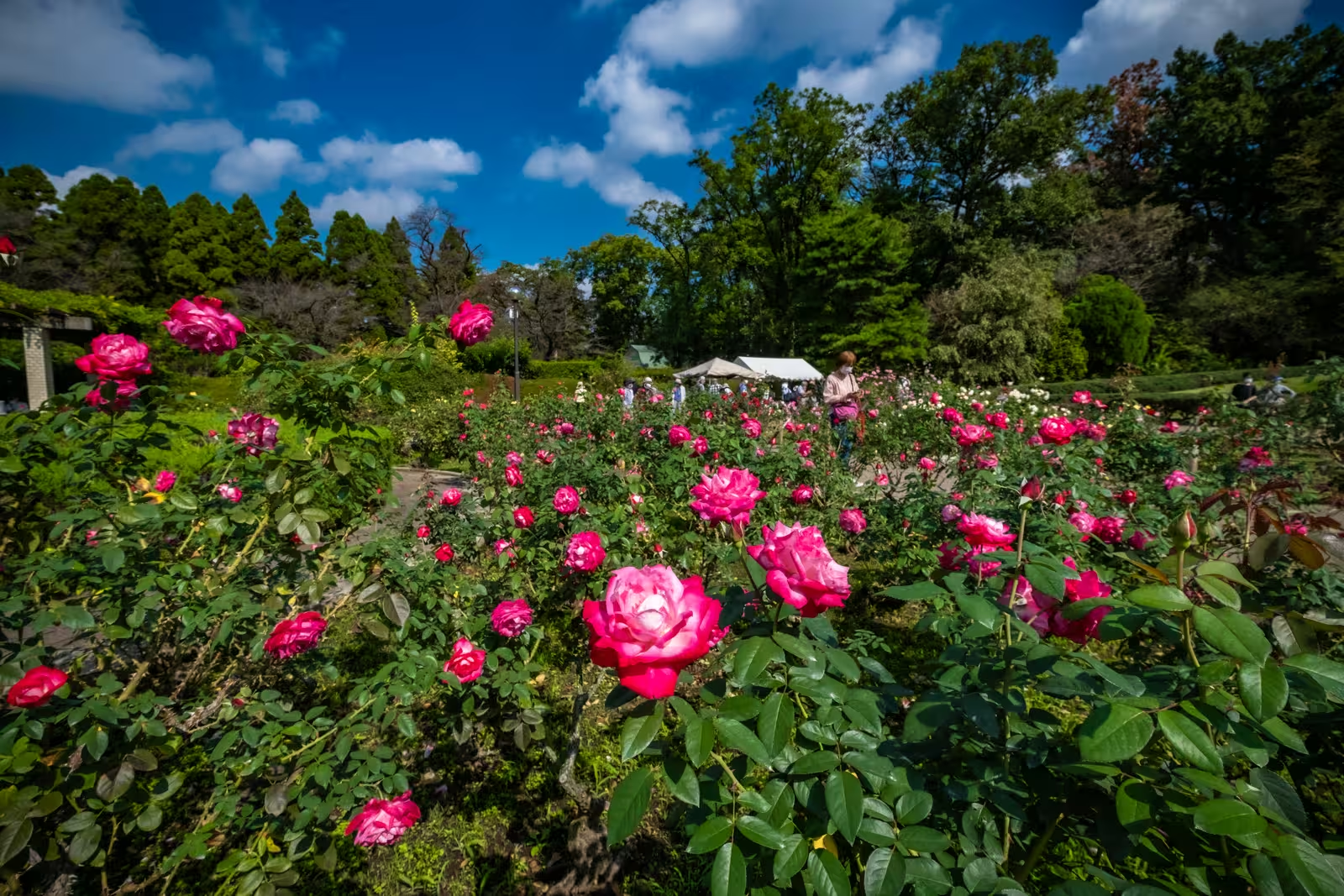
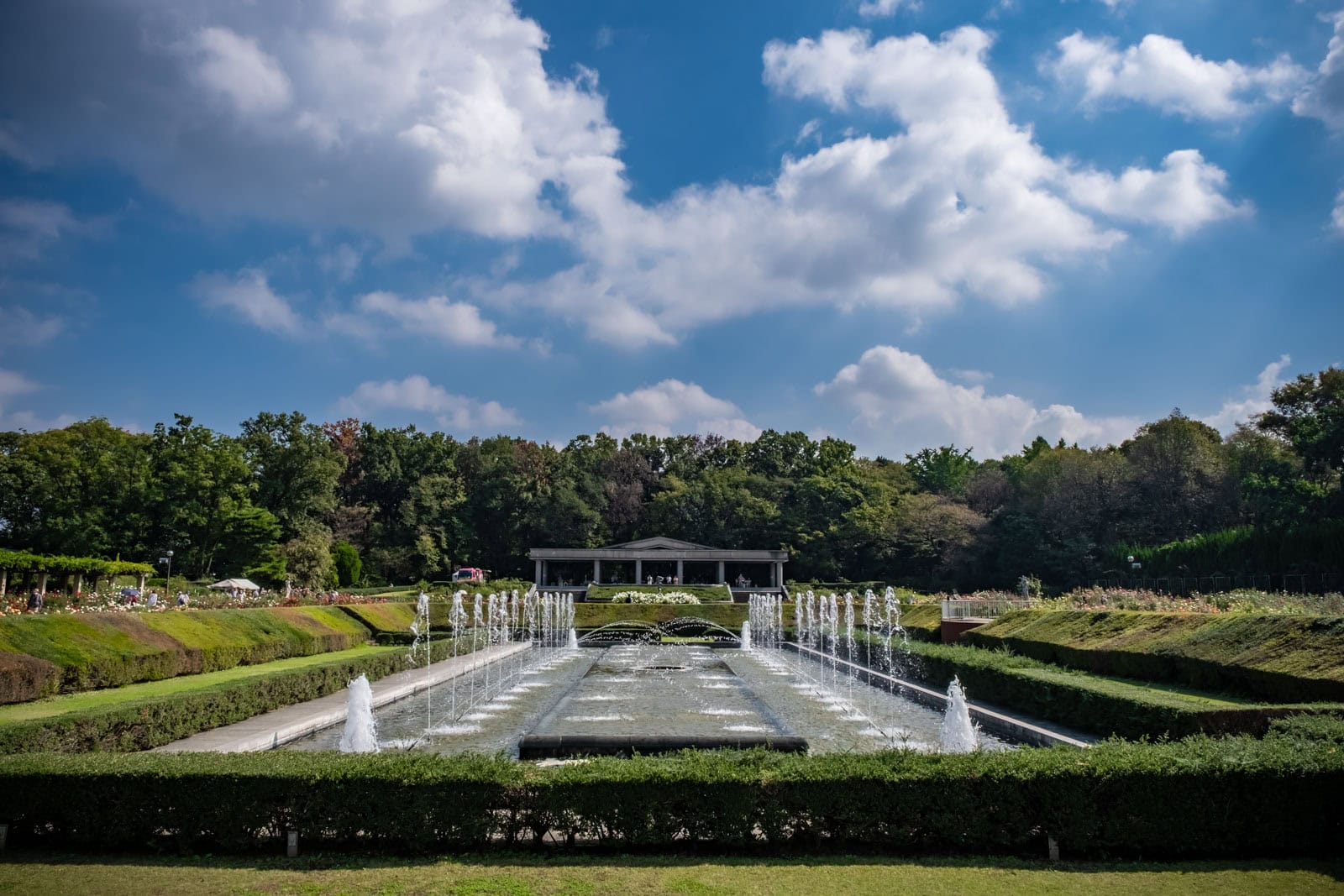
The rose garden is superb for those into flower photography. One end has a covered area with a kiosk; the other has a greenhouse. In the middle are fountains. Roses cover everything. It is picturesque. Spring and autumn are seas of color. Macro lenses are handy.
Better than Kyu-Furukawa Gardens?
And quality? They are better than those of another famous garden in Tokyo, Kyu-Furukawa. To be honest, Jindai’s are better due to the setting and the number of flowers. Both are great, but a botanical garden deserves to win, doesn’t it?
Seasonal blooms & tropical plants
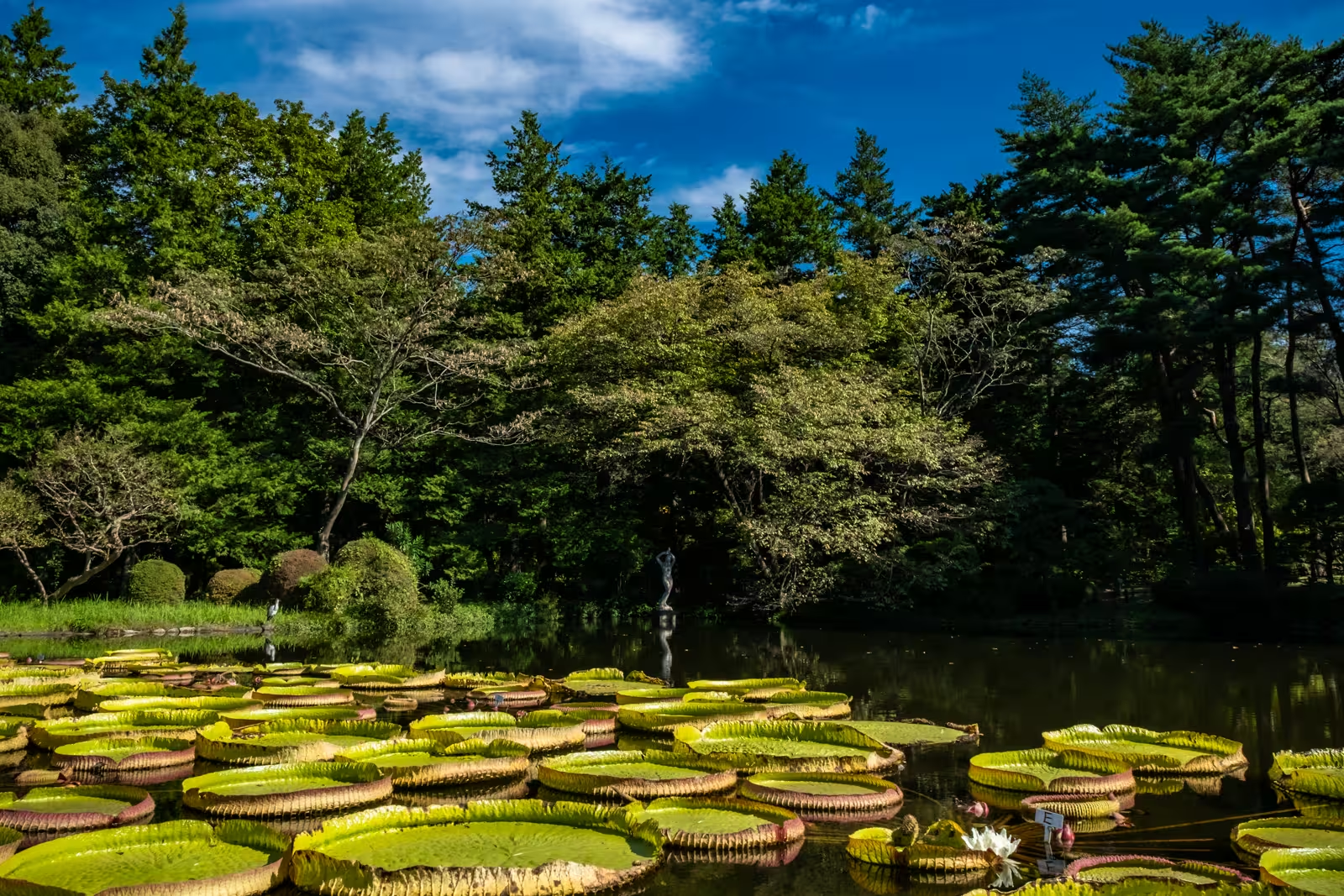
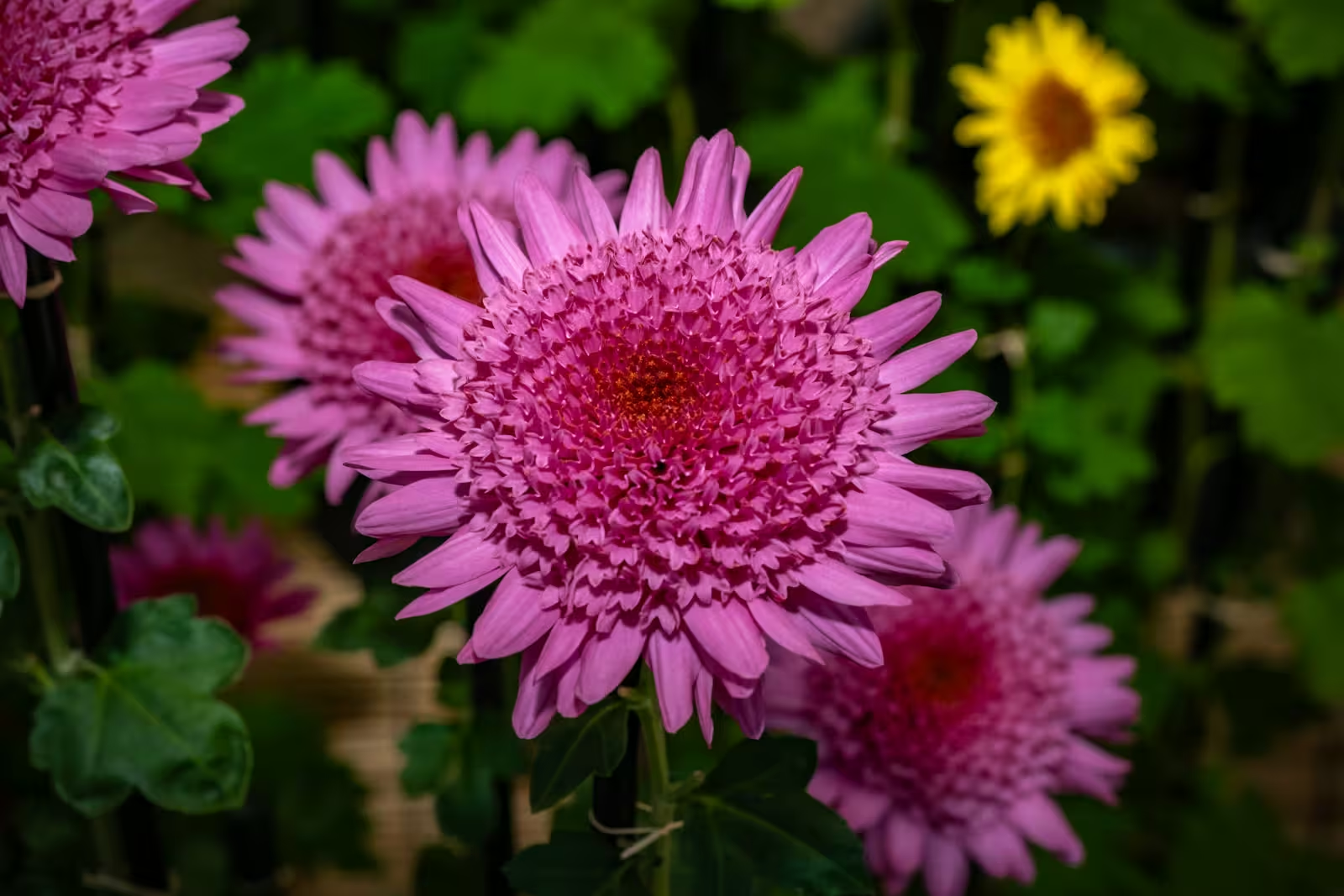
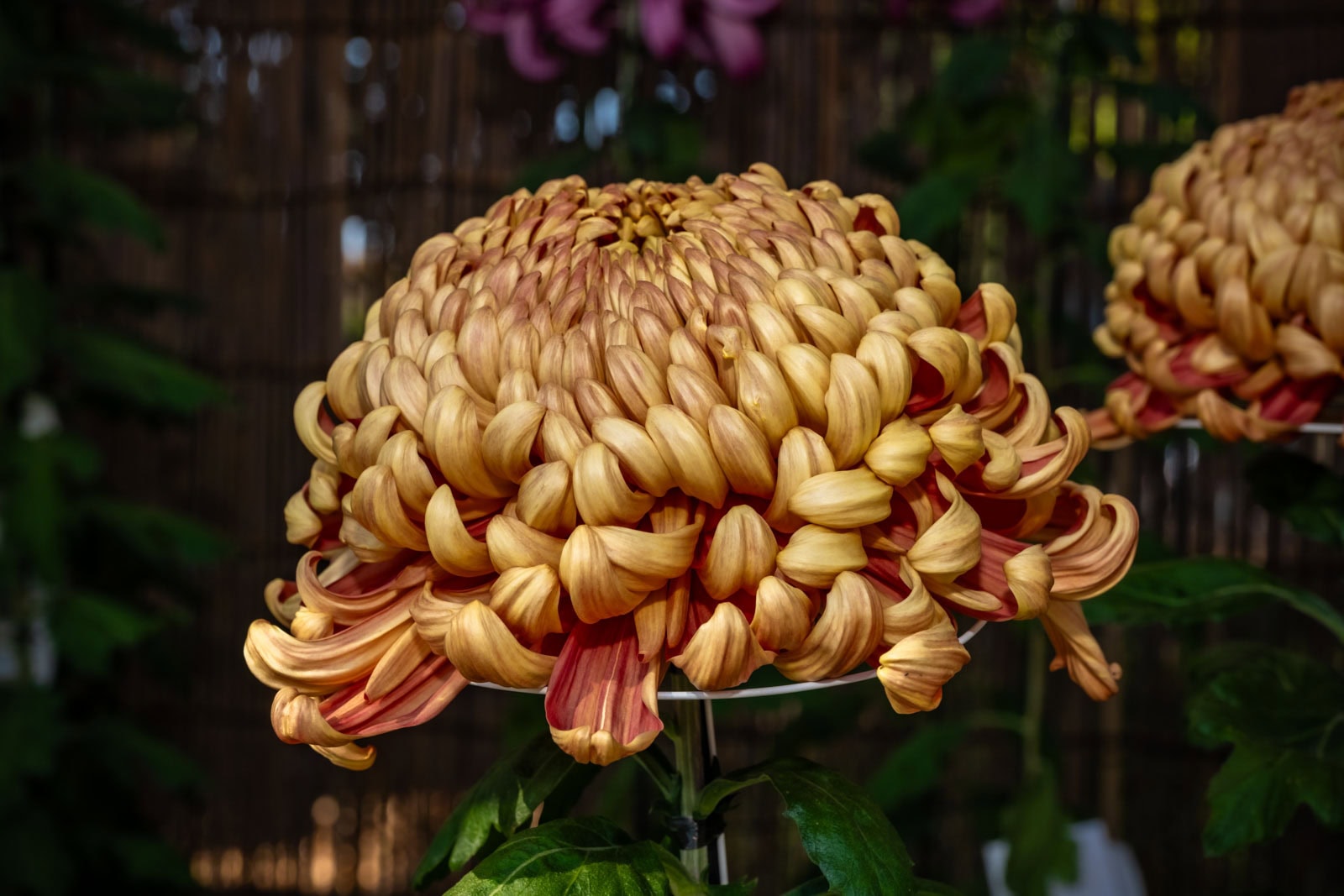
Roses aren’t Jindai’s only attraction. It has other flowers and trees. Scarlet hibiscus, chrysanthemums, camellia, and cherry blossoms are on the list. Of course, there are more! Don’t forget to check out the greenhouse! Inside are warm-weather plants.
Jindai Botanical Gardens flowers
- azaleas
- camellia
- cherry blossoms
- chrysanthemums
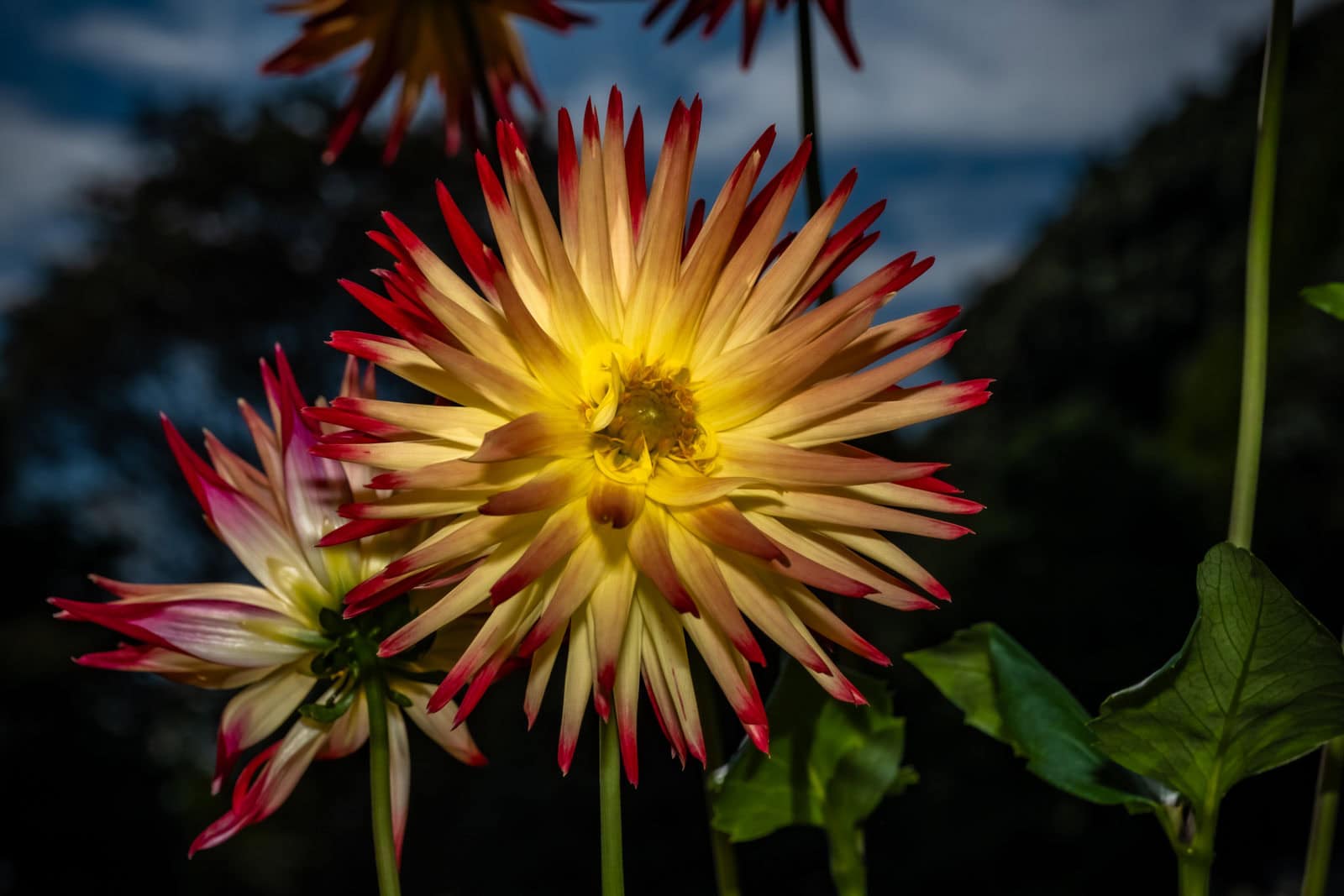
- dahlias
- Japanese iris
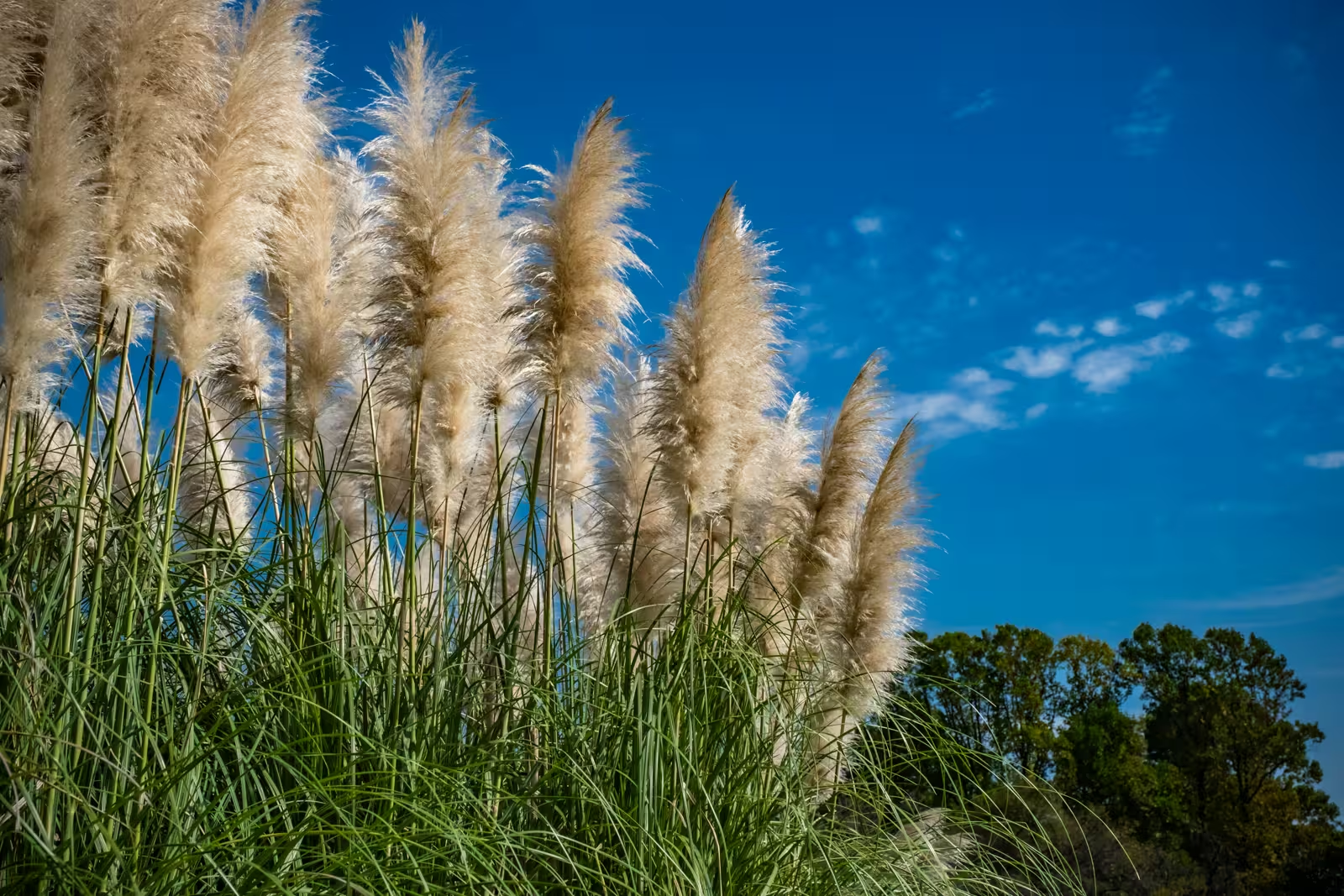
- pampas grass
- roses
- scarlet hibiscus
Photography tips
- Tripods are not allowed.
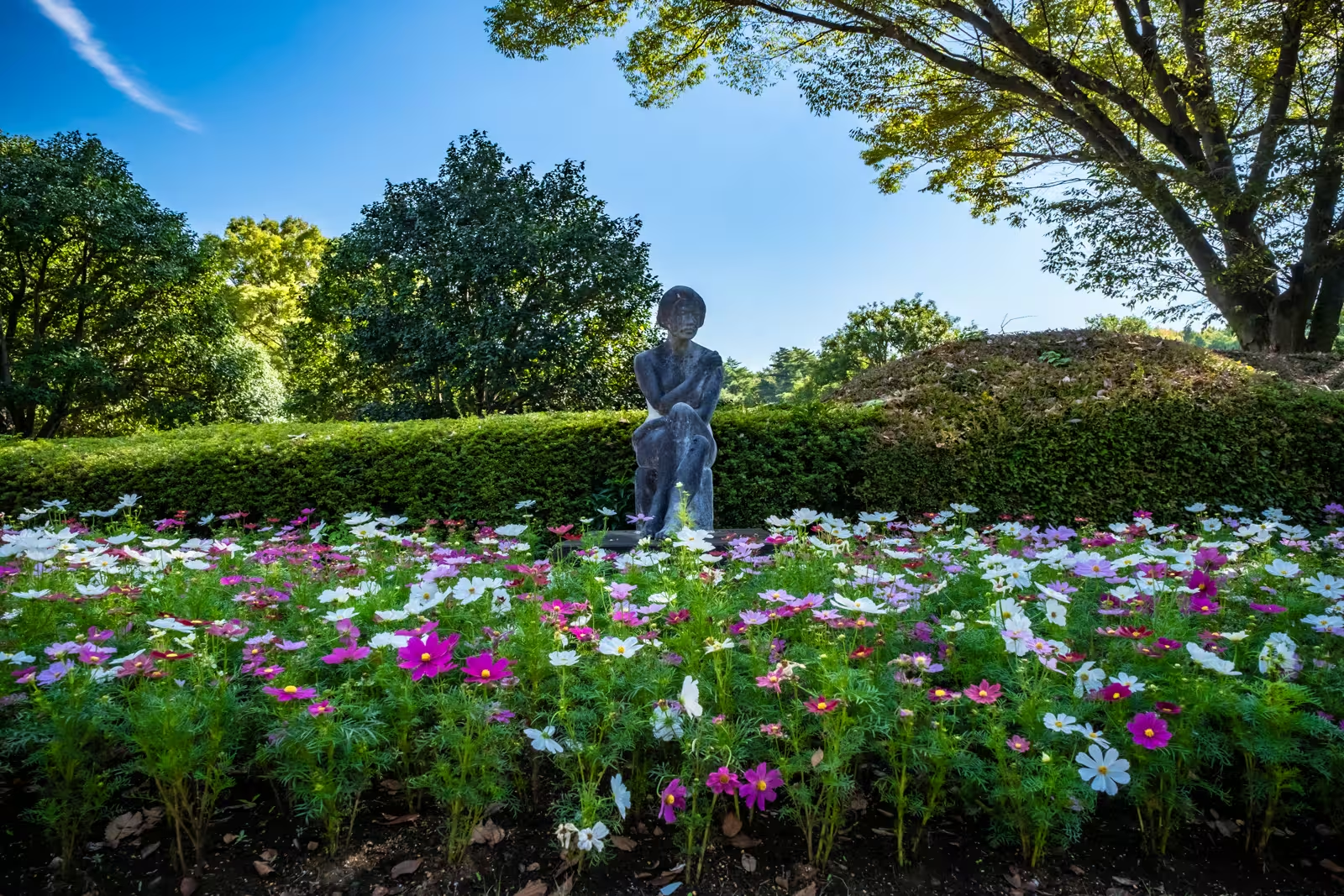
Photo spots near the gardens
- Unfortunately, there is nothing within easy walking distance. You’ll need to use buses, taxis or bicycles to move to other places. But some within reasonable distance are:
- Chofu Airport
- Inokashira Park
- Nogawa Park
- Tama Cemetery
If you are looking for more flowers in this area, Inokashira and Nogawa Parks are your best bet. Tama Cemetery can yield results, especially in autumn.
Jindai Botanical Gardens Rose Festival
It is held twice a year, in spring and autumn. Flower lovers should put it on their itinerary in Tokyo.
Photo articles of past rose festivals
- HSS Flash Flower Photography Made Simple (2022)
- Jindai Botanical Gardens Autumn Rose Festival 2021
- Jindai Botanical Gardens Rose Festival 2020
Visitor information
- Where is it? Address: 5-31-10 Jindaiji Motomachi, Chofu, Tokyo
- How to get to Jindai
- Bus will be the best option for most people. Get one from the Chuo or Keio line stations.
- From the Keio Line:
- Where to get the bus? Chofu Station platform 12
- Which bus? An Odakyu Bus bound for Kichijoji or Mitaka Station.
- Where to get off? Jindai Botanical Gardens.
- From the the JR Chuo Line:
- Where to get the bus? Mitaka Station (Platform 2) or Kichijoji Station (Platform 4)
- Which bus? An Odakyu bus bound for Chofu Station North Exit.
- Where to get off? Jindai Botanical Gardens.
- Car parking: 100 spaces available (including two for disabled usage)
- Entry fees: 500 yen
- Opening hours:
- 9:30 a.m. to 5 p.m.
- Last admittance: 4:30 p.m.
- Closed on Monday
- If Monday is a public holiday it’ll open. It will be closed the following day.
- For full information, consult the official Jindai Botanical Gardens website.
- Here is the park on a Google Map:
History of the gardens
- After World War II, the land was opened to the public as “Jindai Green Area.”
- It became Tokyo’s first botanical garden in 1961.
- In 1984, a greenhouse was added.
- The aquatic botanical garden opened on June 1, 1985.
Are the gardens worth it?
Jindai Botanical Garden is a fantastic Tokyo photo spot. You could spend hours there photographing its flowers. It also has a restaurant, little kiosks, and pop-up shops selling flowers. And if you didn’t know, it is famous for its temple and soba shops near the southside gate.
If you are into flower photography, Jindai is great. The roses have center stage but it isn’t only about them. Every season has something special. Taking a bus there mightn’t be ideal for some, but this botanical garden is a treasure. Leave questions and comments below.