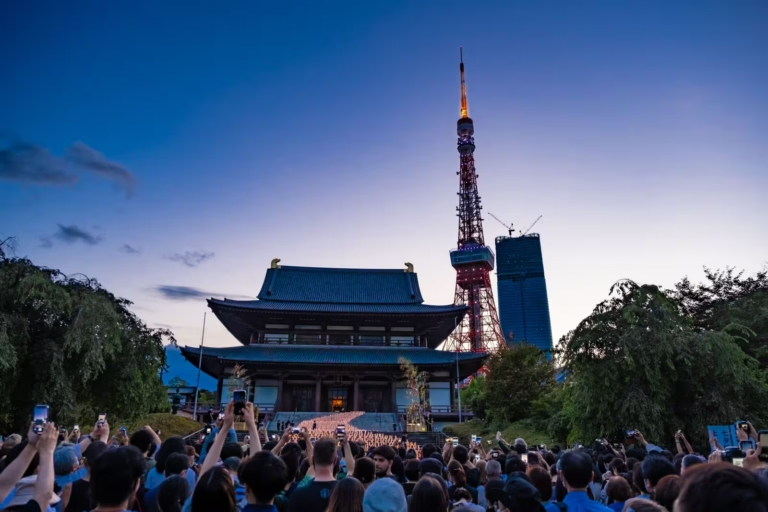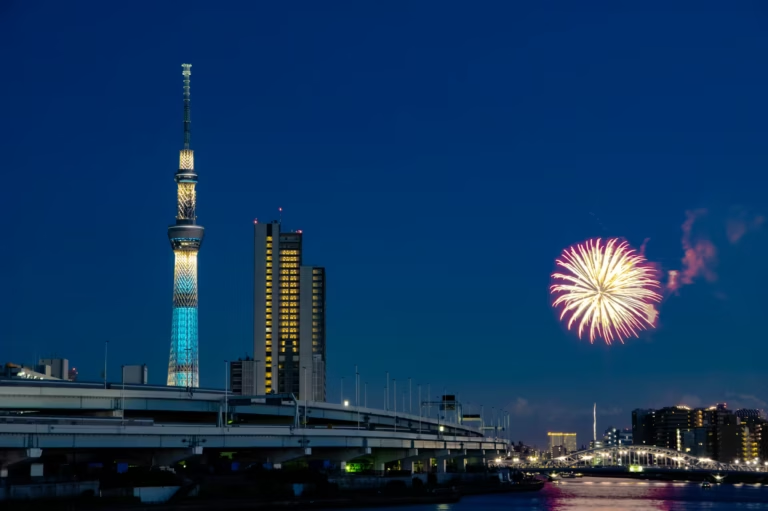
Kanda Matsuri 2025
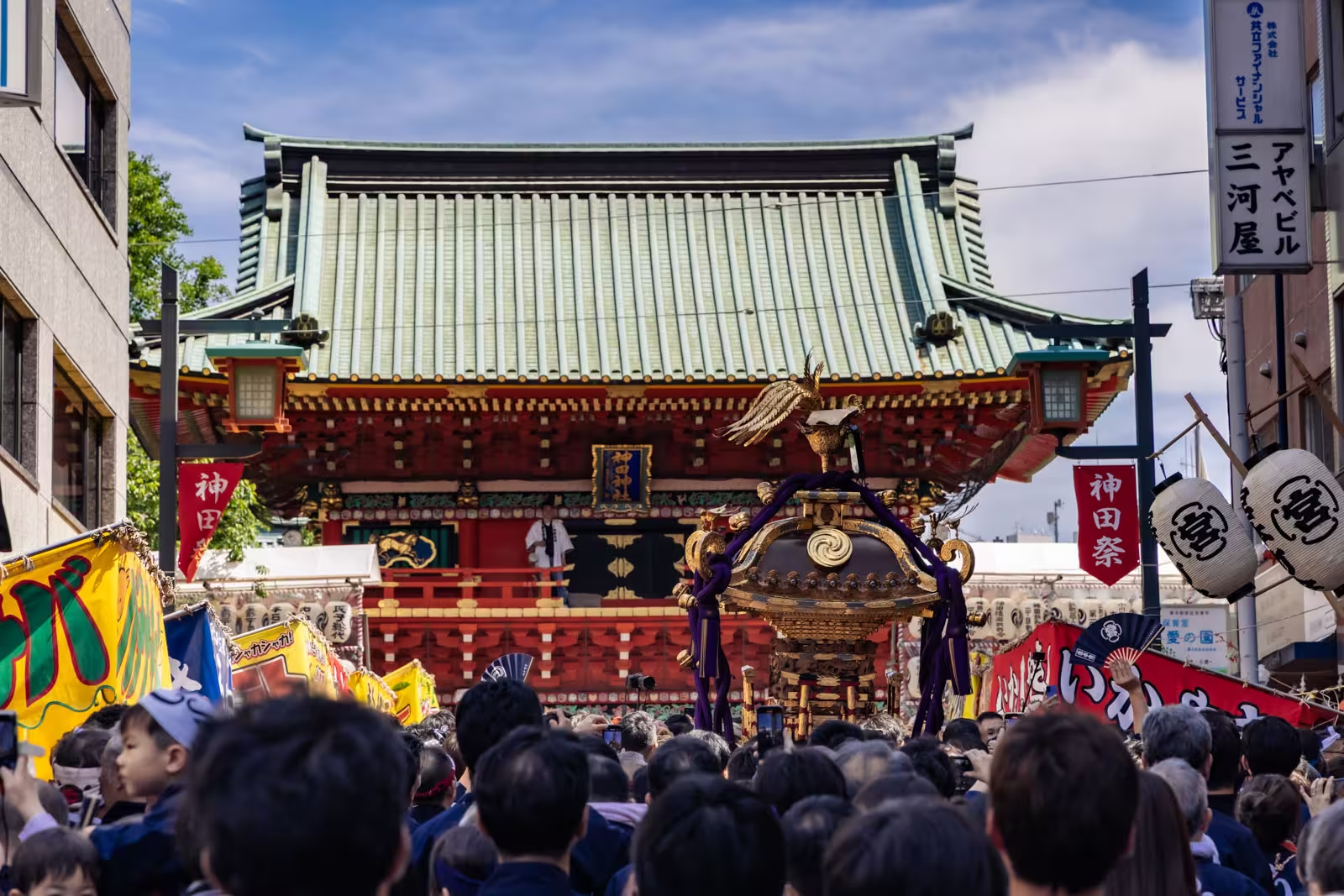
Beneath the glow of neon and the shadows of skyscrapers, Tokyo’s ancient heart still beats with powerful tradition. A prime example is the Kanda Matsuri (神田祭), one of the city’s ‘Big Three’ Shinto festivals, alongside the Sanja and Sanno.
For photographers, these events are a visual feast of culture and emotion. After living in Japan for three decades, I was finally going to photograph it for the first time in 2025, an experience I had long anticipated.
What is the Kanda Matsuri?
- The Kanda Matsuri’s history stretches back to the Edo Period (1603-1868). It celebrated Tokugawa Ieyasu’s victory at the Battle of Sekigahara. Over time, it evolved into a festival for the prosperity and good fortune of the Shogunate and the common people.
- Today, the Kanda Matsuri takes place in mid-May. The main festival (Shinkosai) occurs only in odd-numbered years.
- Even-numbered years have a smaller-scale version or shadow festival (Kage-matsuri). It’s impressive, but without the grand main procession.
- The festival celebrates the three deities (kami) enshrined at Kanda Myojin. They are Daikokuten (god of wealth and good harvest), Ebisu (god of fishermen and luck), and Taira no Masakado (a deified samurai spirit).
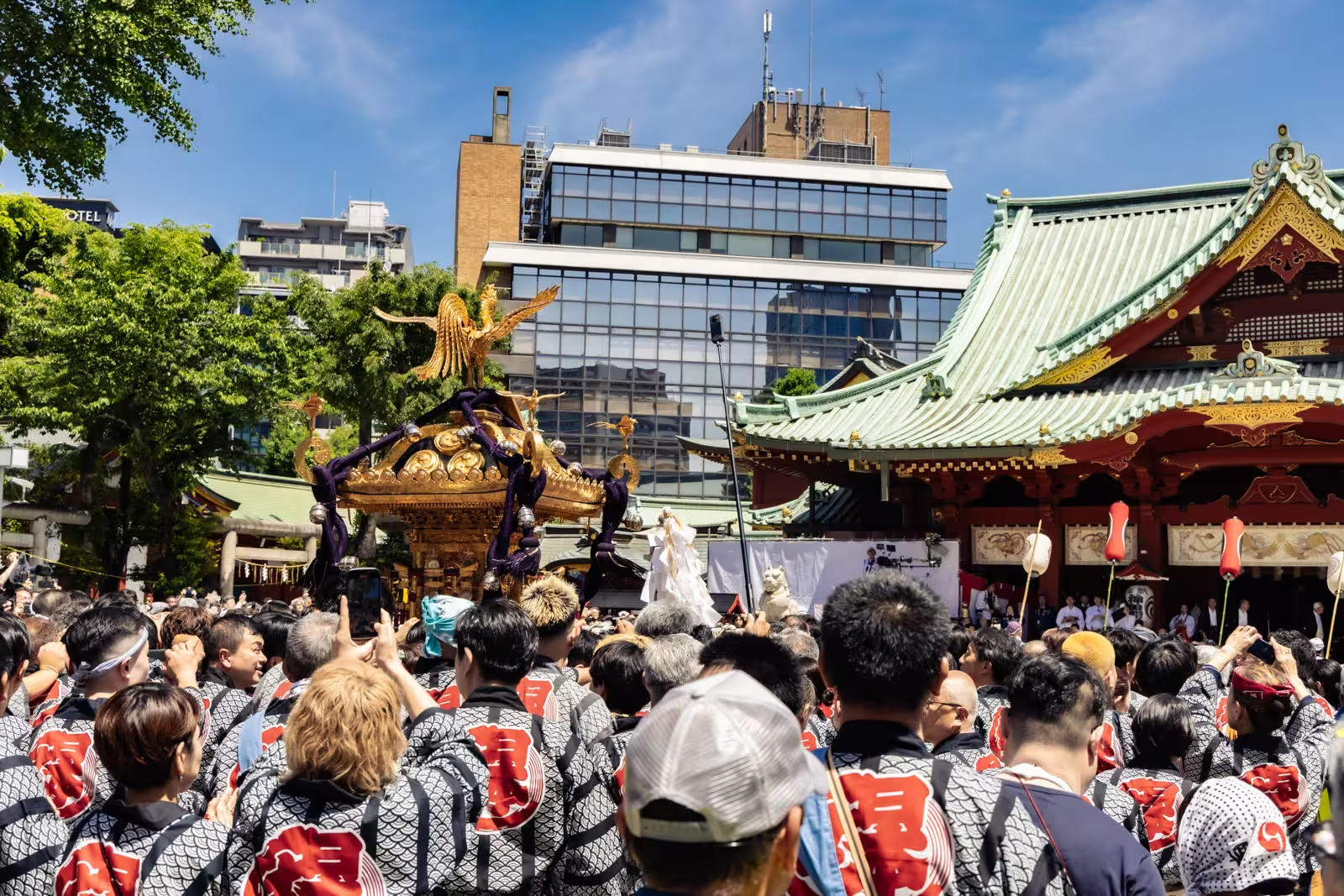
Where is it held?
The historic Kanda Myojin Shrine is home to this festival. All paths, processions, and energy lead back to this space in the heart of the city. (Learn more about the shrine itself in my guide here.)
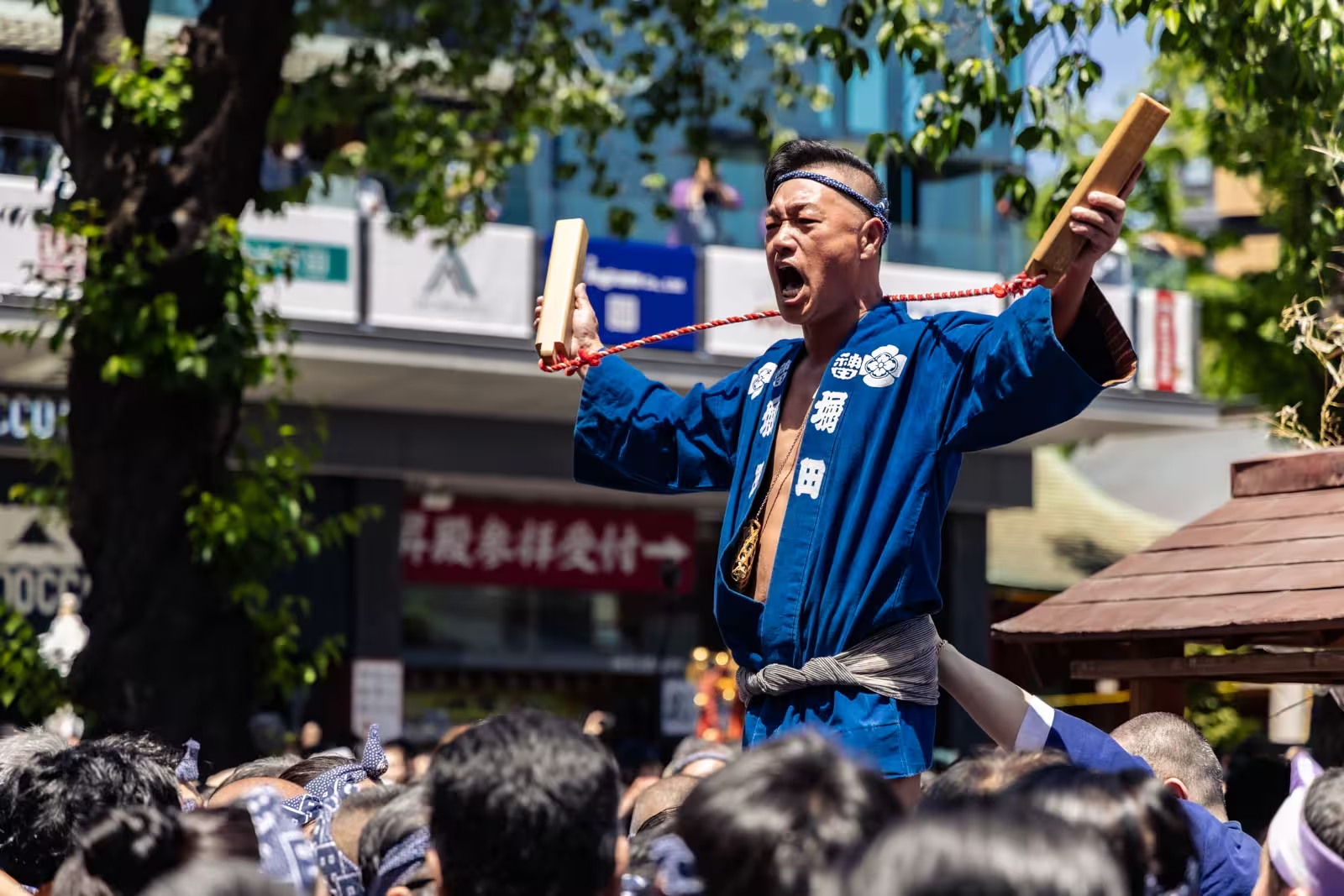
The Shinkosai: A lesson in showing up
The highlight is the “Shinkosai” (Main Procession) on the Saturday closest to May 15th. This is a day-long parade. The kami are paraded through the central Tokyo districts Kanda Myojin protects, including Kanda, Nihonbashi, Akihabara, and Marunouchi.
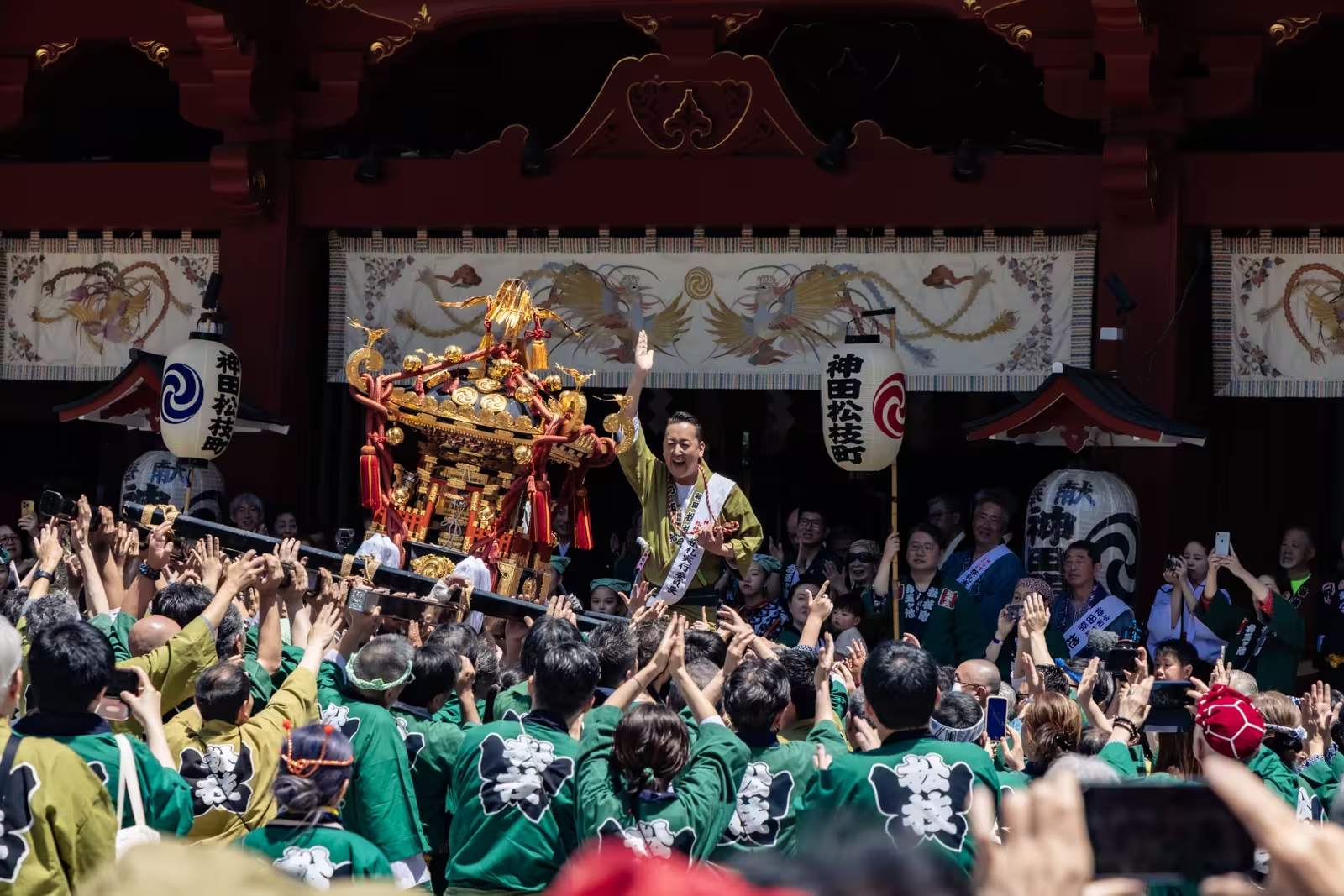
The Shinkosai was scheduled for a Saturday drenched in relentless spring rain. Concerned about the gloomy light and my equipment, I made a difficult decision I now deeply regret. I broke my rule about always going and stayed home.
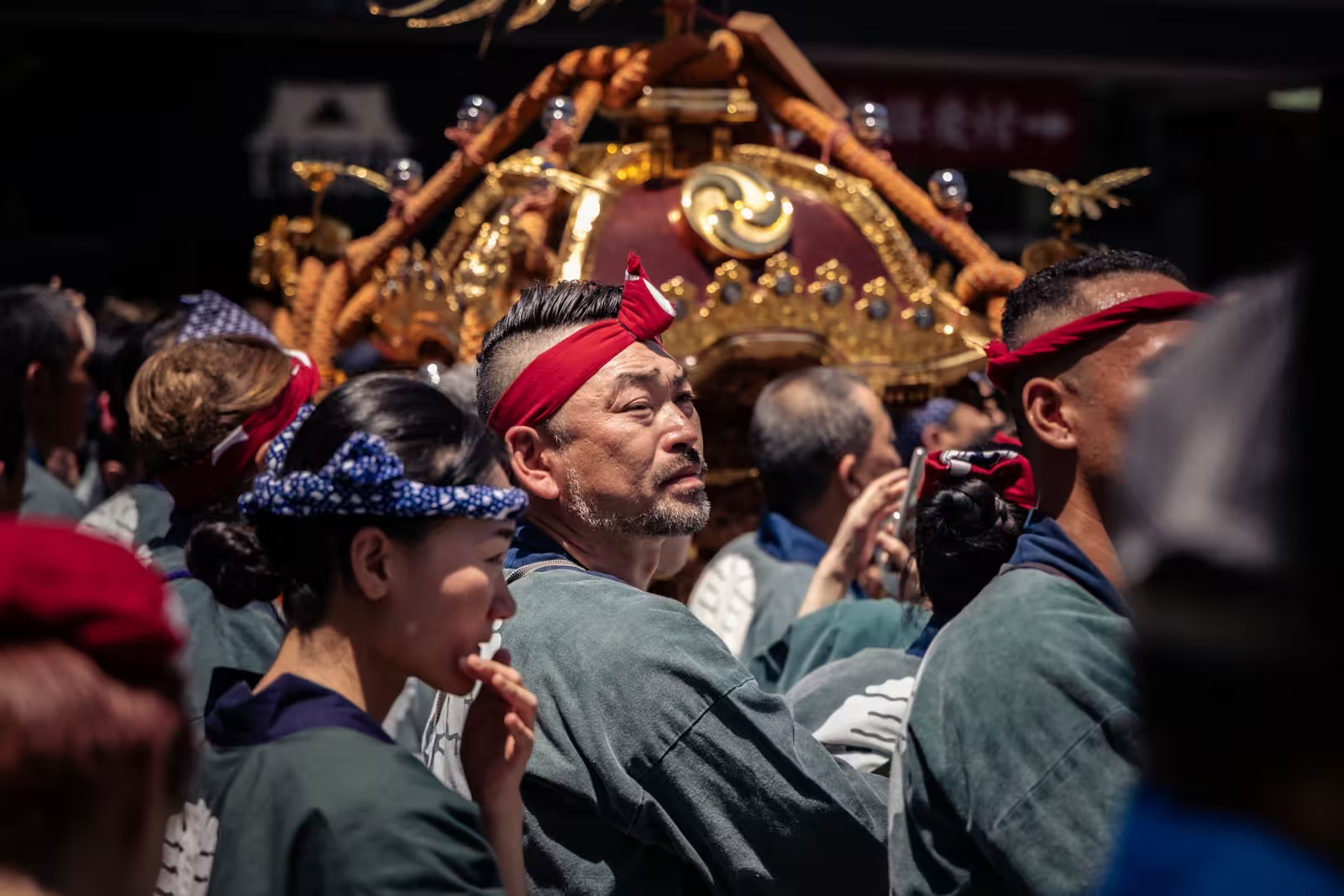
This became the single most valuable lesson of my Kanda Matsuri experience and a stark reminder of my own cardinal rule: Always show up. A festival’s energy isn’t diminished by weather, and the photographic opportunities in the rain are unique. I missed glistening streets, dramatic skies, and determined faces. It’s a mistake I won’t make again.
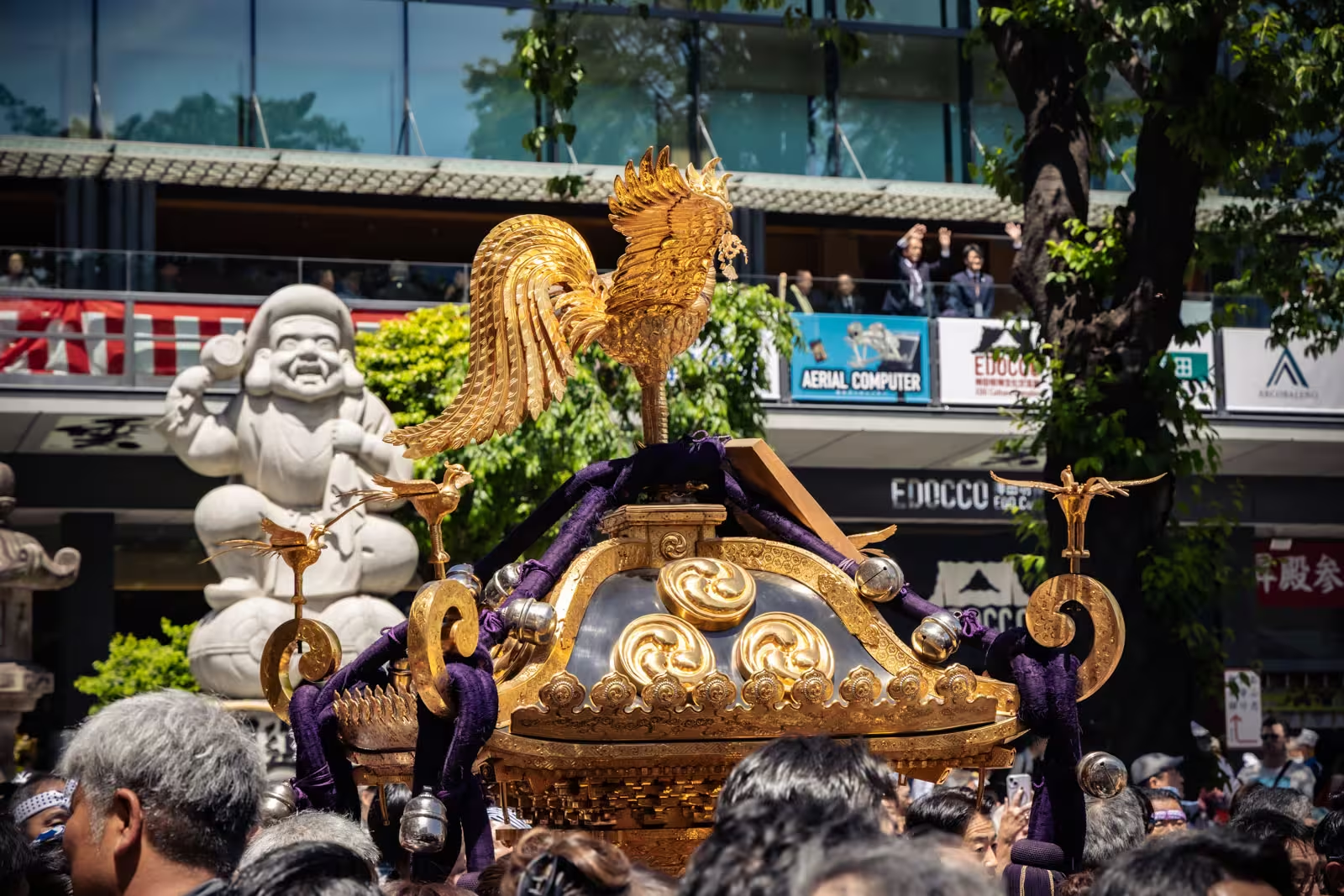
Mikoshi Miyairi after the Shinkosai
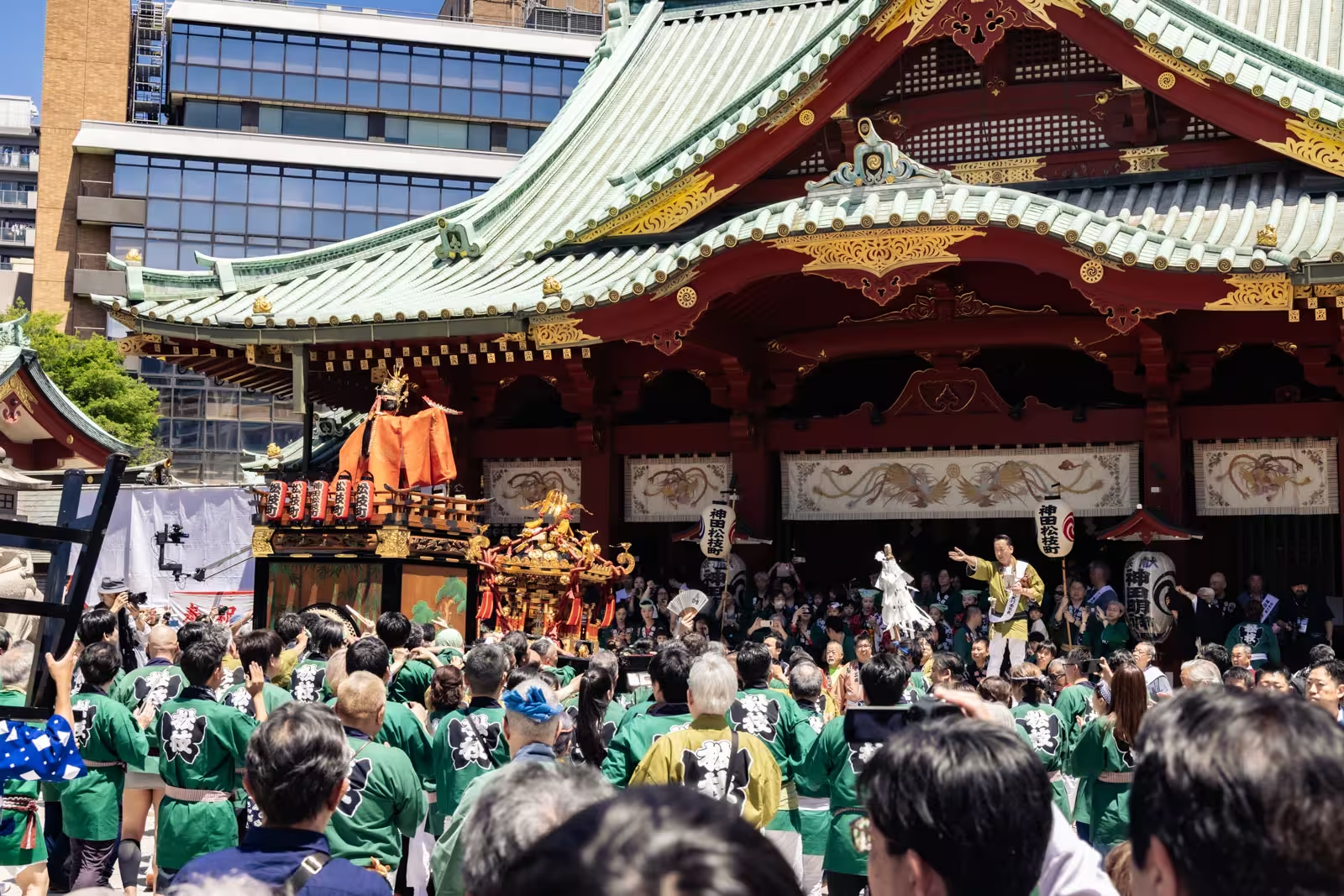
Thankfully, the festival’s energy doesn’t stop with the Shinkosai. The following day is the Mikoshi Miyairi, where over 100 portable shrines (mikoshi) head to Kanda Myojin Shrine.
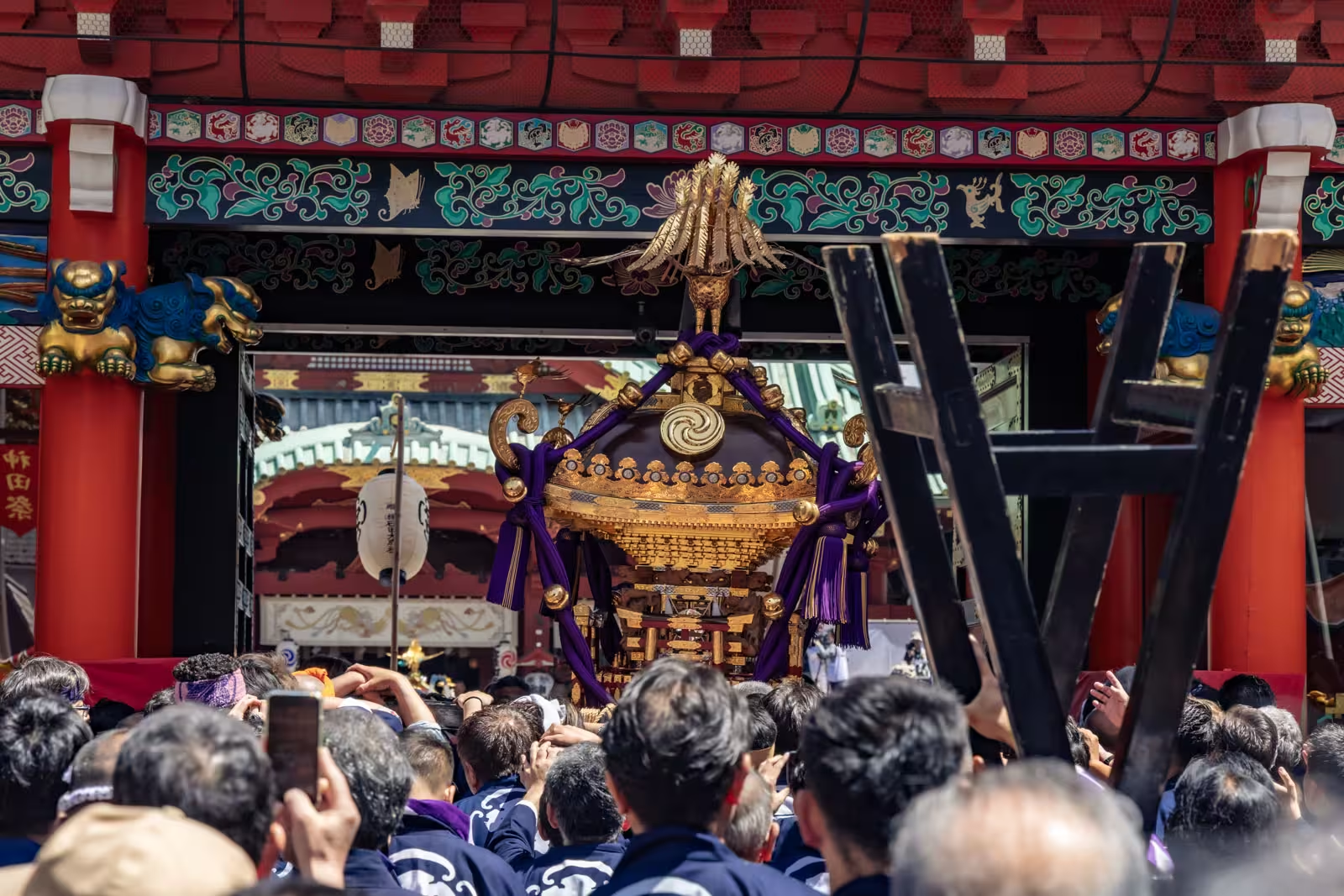
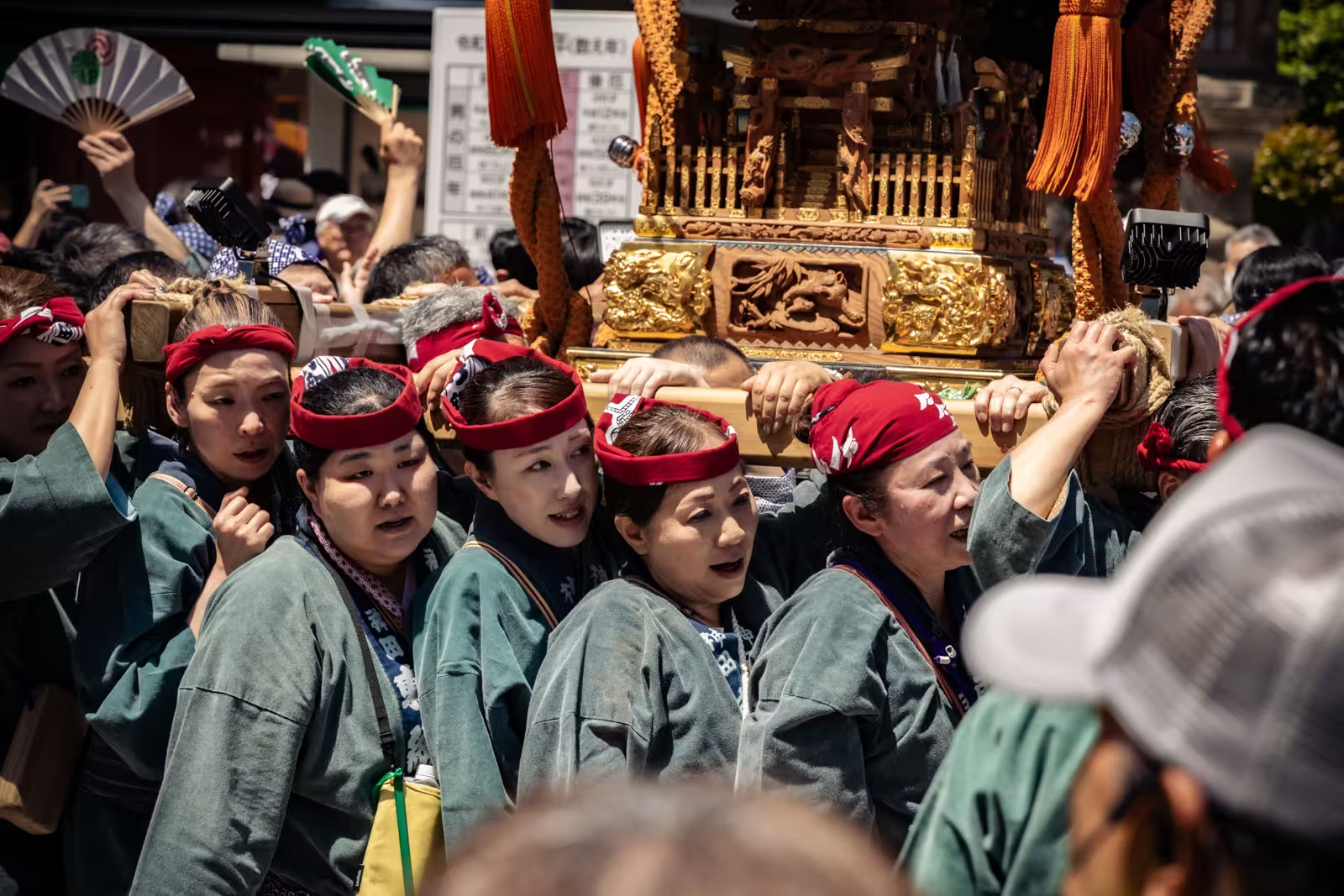
Groups dress in happi coats and carry their mikoshi to the main hall for purification and blessings. This “Mikoshi Miyairi” is a boisterous and joyful display of community pride and devotion. This is what I photographed.
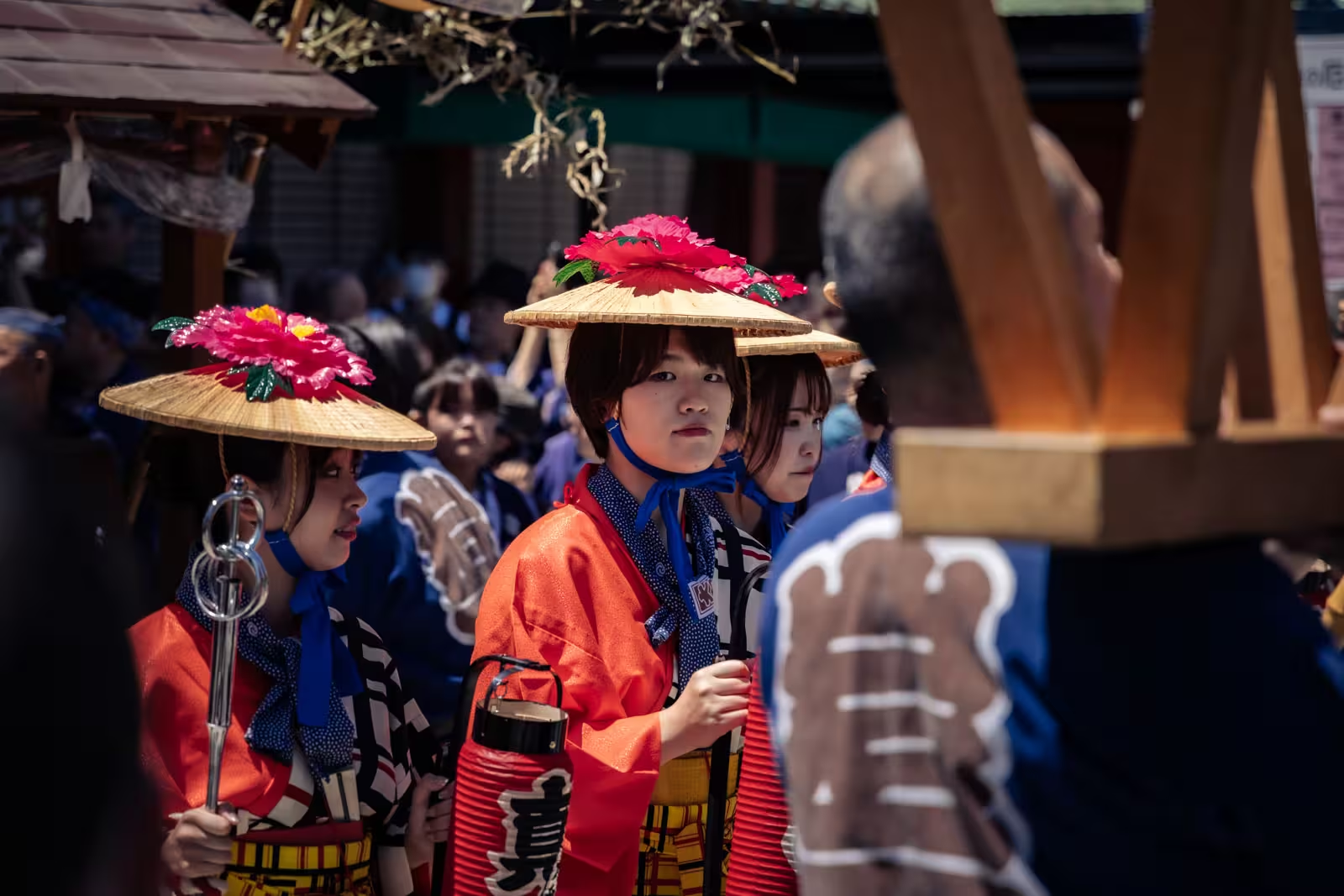
This is where I focused my camera, and the energy was electric. The approach to the shrine is a spectacle in itself. The mikoshi processions don’t just appear at the gate.
They form a massive, energetic queue snaking down the main road. It stretches an incredible distance back towards Ochanomizu Station. With traffic diverted and police maintaining order, the entire district pulses with anticipation.
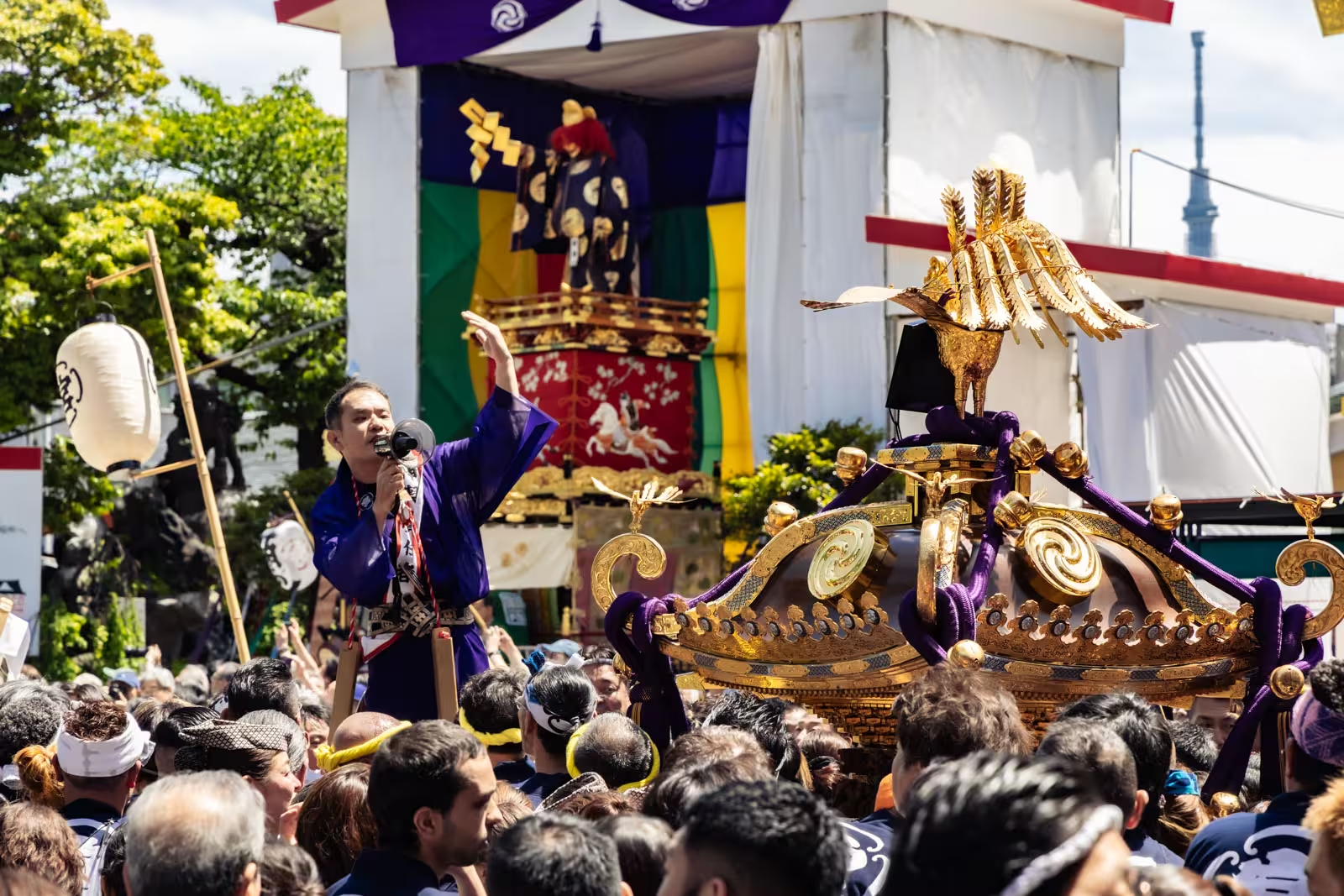
Festival photo tips
Check the sun’s location
At Kanda Myojin, the main gate (Zuishin-mon) faces west. Arriving in the morning for Mikoshi Miyairi means the sun will be at your back or side. It will illuminate the faces of the groups as they enter the courtyard. In the afternoon, you’d be shooting directly into the sun.
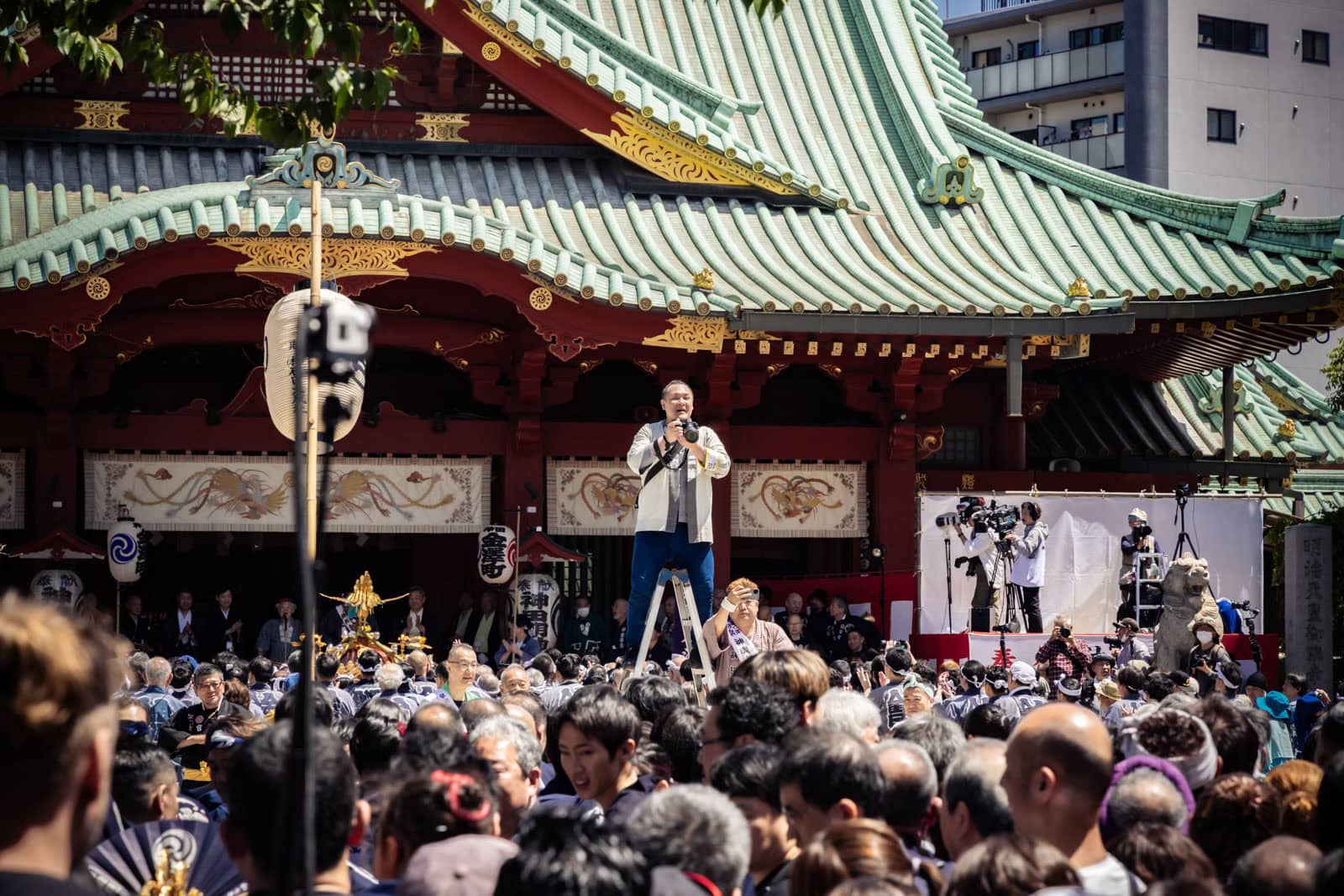
Arrive early
The police erect barriers along the main approach road hours before the peak rush. To get a prime, unobstructed spot near the main Torii gate, I recommend arriving at least 90 to 120 minutes early. This allows you to capture the mikoshi entering the sacred grounds without shooting over a sea of heads.
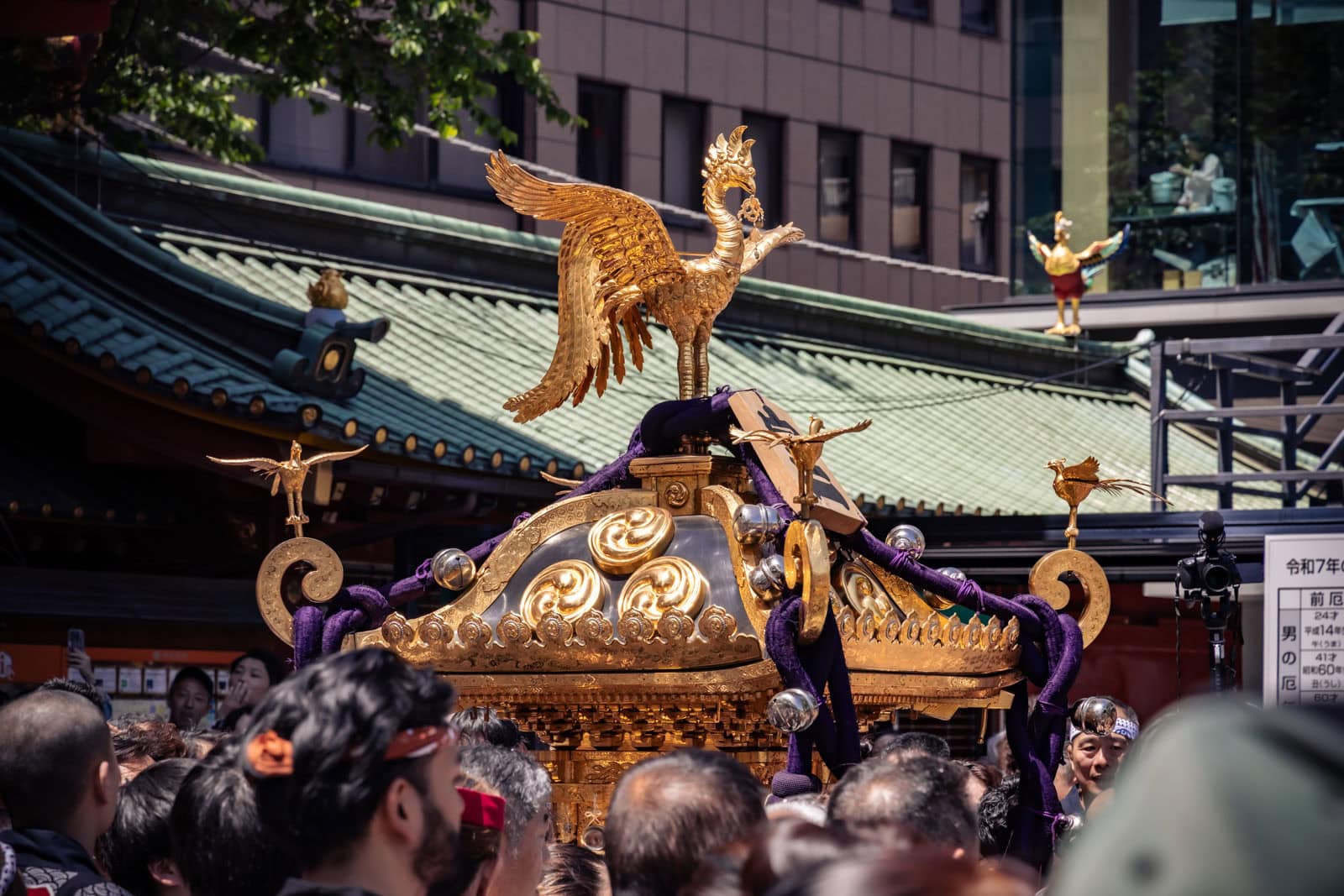
Use burst mode
The peak moment of a mikoshi being hoisted or blessed is fleeting. High-speed burst mode allowed me to capture the precise instant of peak exertion and joy. I walked away with a handful of powerful, perfectly-timed ‘keeper’ shots from each group.
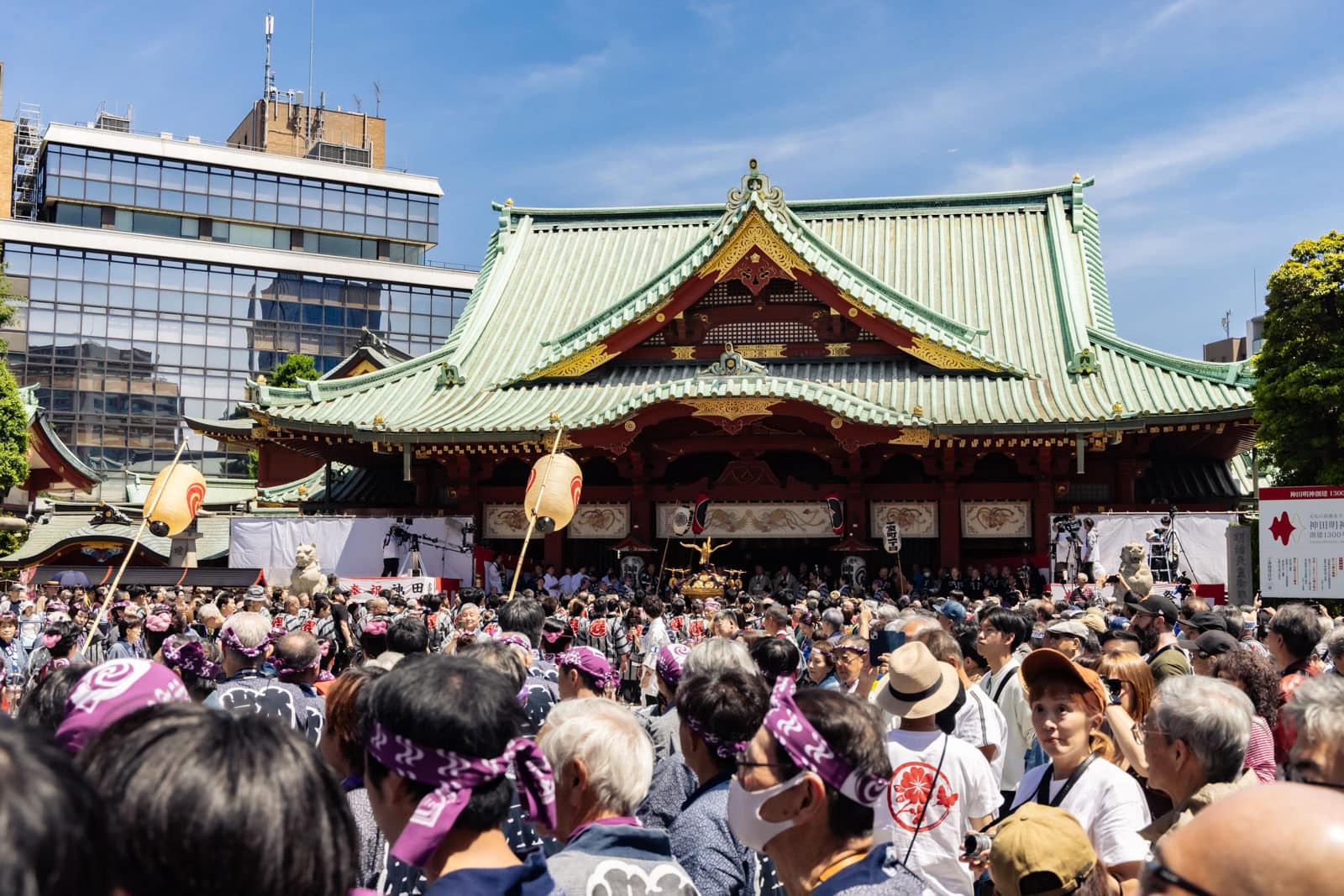
Recommended lenses for the festival
At a crowded event like this, you don’t want to be changing lenses in an ocean of people. For this reason, a single versatile lens like the 24-105mm allows you to capture both wide scenes and tight group shots.
However, if you’re dedicated to capturing the immense scale of the main courtyard, an ultra-wide lens (like a 16-35mm) is also invaluable. Just be aware of the challenges of carrying a second lens.
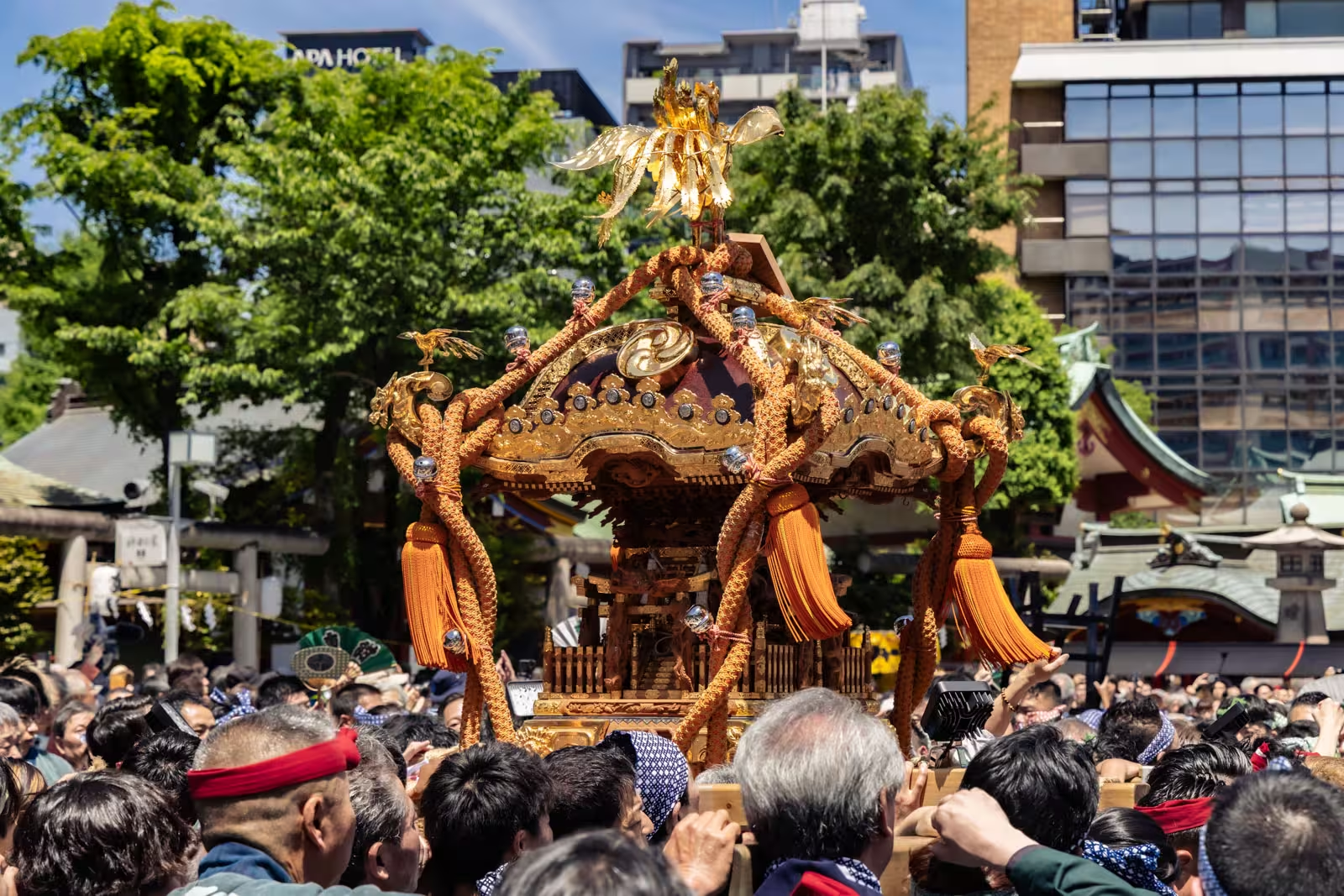
Is the Kanda Matsuri worth it for photographers?
Definitely. My first Kanda Matsuri wasn’t the festival I had planned to photograph, but in the end, it was still impactful. Missing the Shinkosai taught me a hard lesson about perseverance. Immersing myself in the Mikoshi Miyairi provided me with the images I was happy with.
Tokyo’s traditions run deep, and the Kanda Matsuri is a brilliant jewel among them. I hope my tips will help you capture your unforgettable moments. Hopefully, the next one will come quickly. To get the latest information about the event, consult the shrine’s official website.
Date of Photos: 11 May 2025